Artwork
Mary Walton Morris
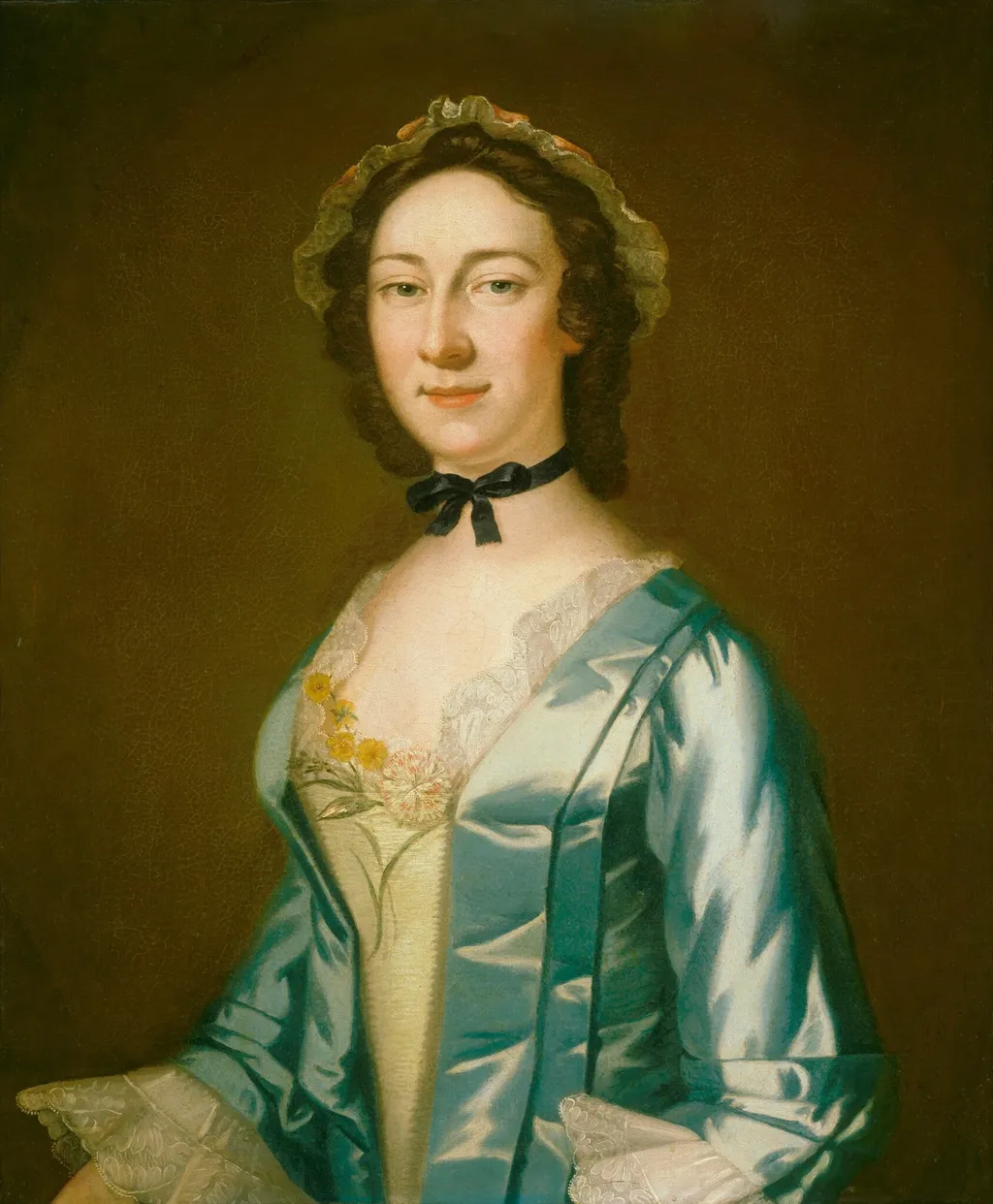
Mary Walton Morris is an oil painting by the Baroque artist John Wollaston. It dates from 1750 and is held in the collection of the National Gallery of Art.
About this work
Mary Walton Morris sits in a chair, dressed in fine clothes with a gentle expression. John Wollaston painted the portrait around 1750, its detailed dress and accessories offering a look at what people wore then.
Subject & Meaning
John Wollaston painted Mary Walton in 1750, an oil-on-canvas portrait now in the National Gallery of Art's Andrew W.
John Wollaston painted Mary Walton in 1750, an oil-on-canvas portrait now in the National Gallery of Art's Andrew W. Mellon collection. The work portrays the sitter as a young woman of the Morris family, a prominent colonial lineage of New York. Its composition, typical of mid-eighteenth-century portraiture, conveys status through fine dress and poised posture, and the painting's long descent within the family underscores the transmission of social heritage across generations.
Technique & Style
The painting is executed in oil on canvas, the medium typical of mid-eighteenth-century portraiture, and measures approximately 76.3 by 63.5 cm. John Wollaston rendered a realistic likeness of Mary Walton with fine brushwork and a restrained palette that emphasizes facial detail and subtle drapery. The composition follows the portrait conventions of the period, presenting the sitter in modest attire against an undefined background that draws attention to her presence.
History & Provenance
Painted by John Wollaston in 1750, the portrait of Mary Walton Morris descended within the Morris family of Morrisania in Westchester County, New York. Early recorded owners include Lewis Morris [1752–1824] and his son Lewis Morris [1785–1863], followed by Henry Manigault Morris [1817–1892] of New York. After Henry's death it passed to his widow Georgia Edwards Morris [d. 1894], then to Charles Manigault Morris [1820–1895] of Baltimore and his widow Clementina, before their son Lewis Morris [b. 1867] of Neponsit, New York, consigned it through the dealer William Macbeth.
It was sold on 27 May 1922 via Art House, Inc., New York, to Thomas B. Clarke [1848–1931]. After Clarke's death the painting was sold on 29 January 1936 through M. Knoedler & Co. to The A.W. Mellon Educational and Charitable Trust, Pittsburgh, which gave it to the National Gallery of Art in Washington, D.C., in 1942. No exhibition history is recorded in the available sources.
Legacy
The portrait entered the National Gallery of Art in 1942 after passing through the collections of the Morris family, the dealer William Macbeth, and Thomas B. Clarke. Its place in a major public institution reflects curatorial recognition of the work as an important example of eighteenth-century American portraiture, and its documented provenance links the painting to prominent colonial families, reinforcing its standing within the narrative of colonial portraiture.
Overview
Mary Walton Morris is an oil on canvas portrait created by John Wollaston in 1750. This painting captures its namesake, Mary Walton Morris, offering a detailed representation of an individual from the mid-eighteenth century. As a work of art, it exemplifies the portraiture common during this period, focusing on personal likeness and the presentation of social status through attire and demeanor.
Context
Created in the mid-1700s, this portrait serves as a valuable historical document, providing insight into the sartorial customs and social expectations of the period. Through Mary Walton Morris's elaborate dress and accessories, the painting offers a direct glimpse into the material culture and aesthetic preferences that defined elite society during the eighteenth century.
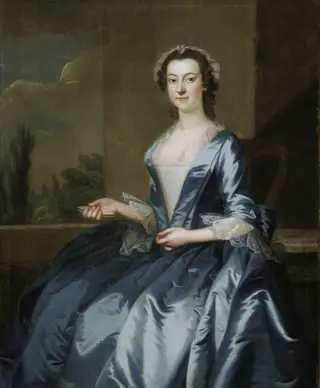
Own this work as a print
Artist & collection


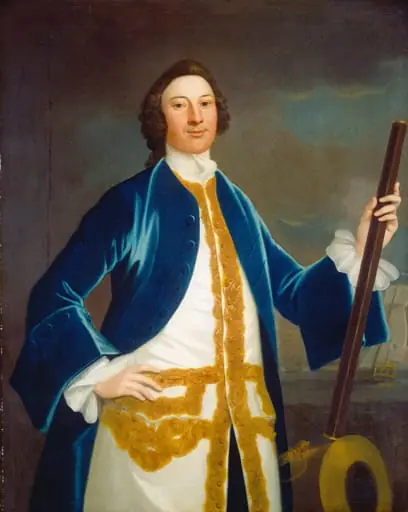
- Portrait of a Woman
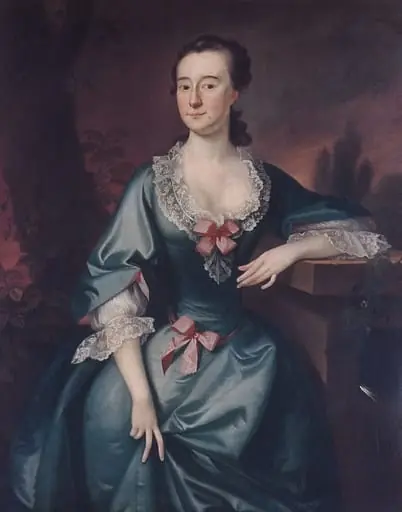 Mrs. David Chesebrough
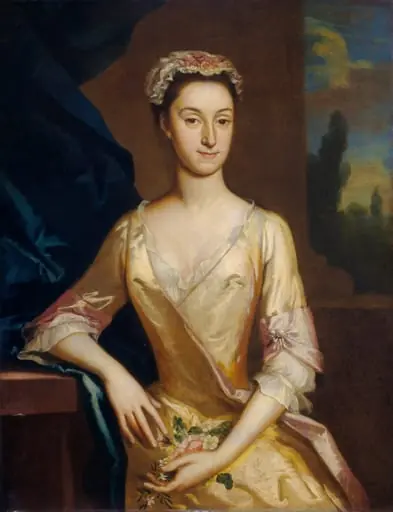 Portrait of a Lady
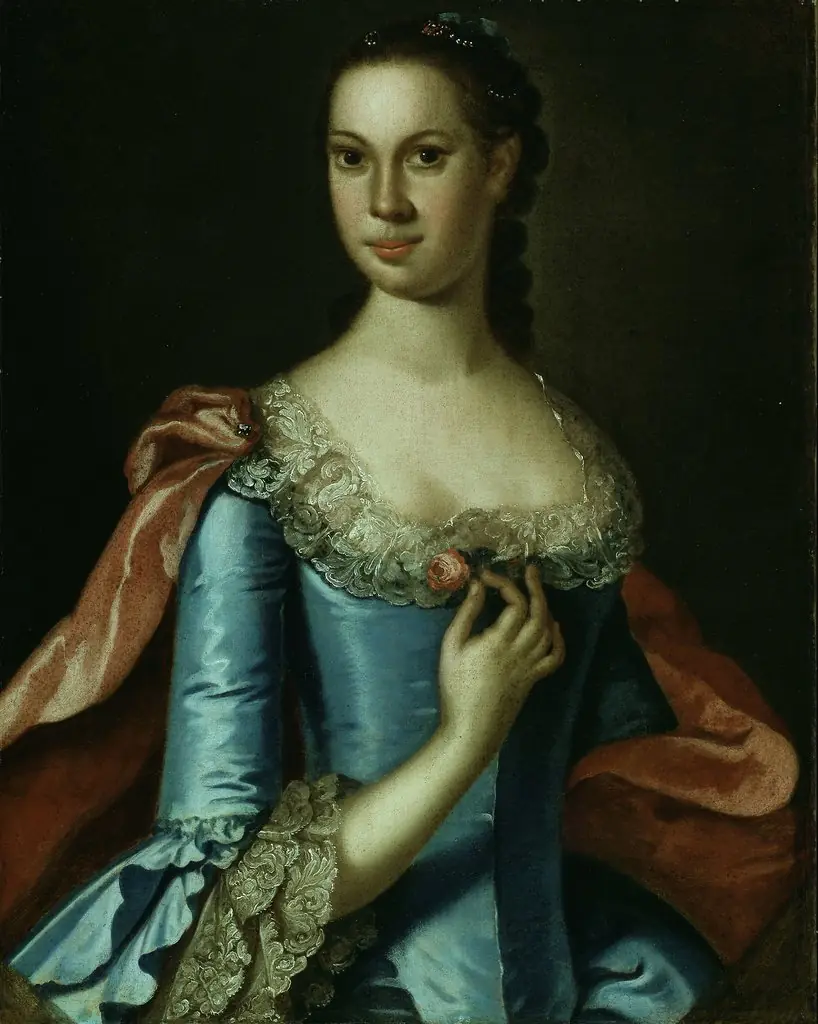 Mrs. William Carmichael
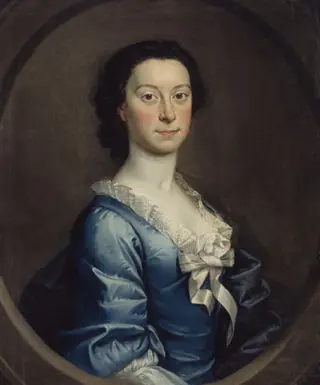 Possible Portrait of Hester Vanhomrigh ('Vanessa') (1690-1723)
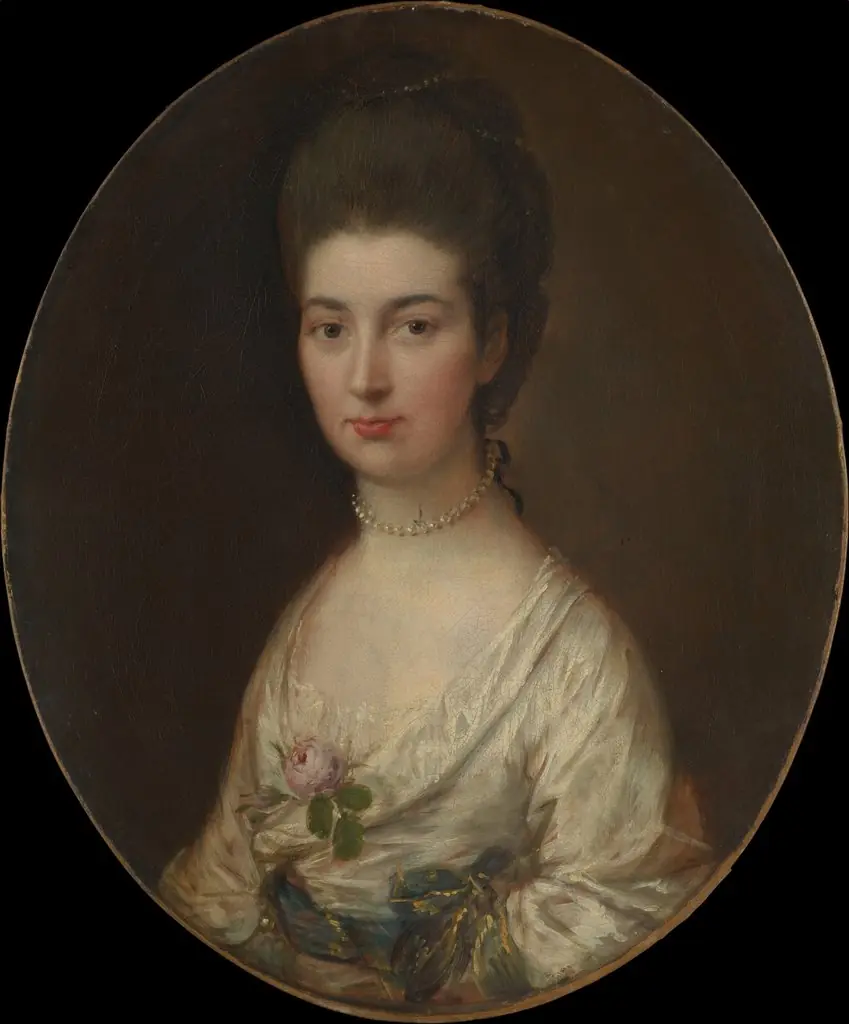 Mrs. Ralph Izard (Alice De Lancey, 1746/47–1832)
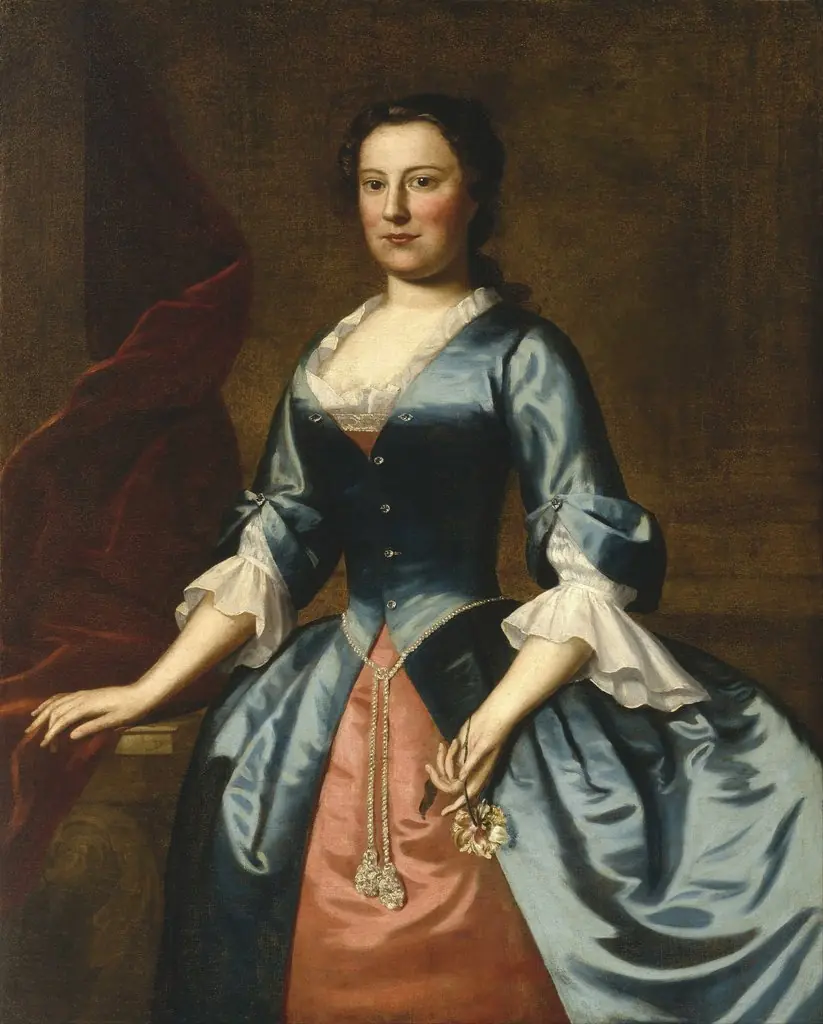 Portrait of Mrs. Samuel McCall, Sr. (Anne McCall, 1720–1785)
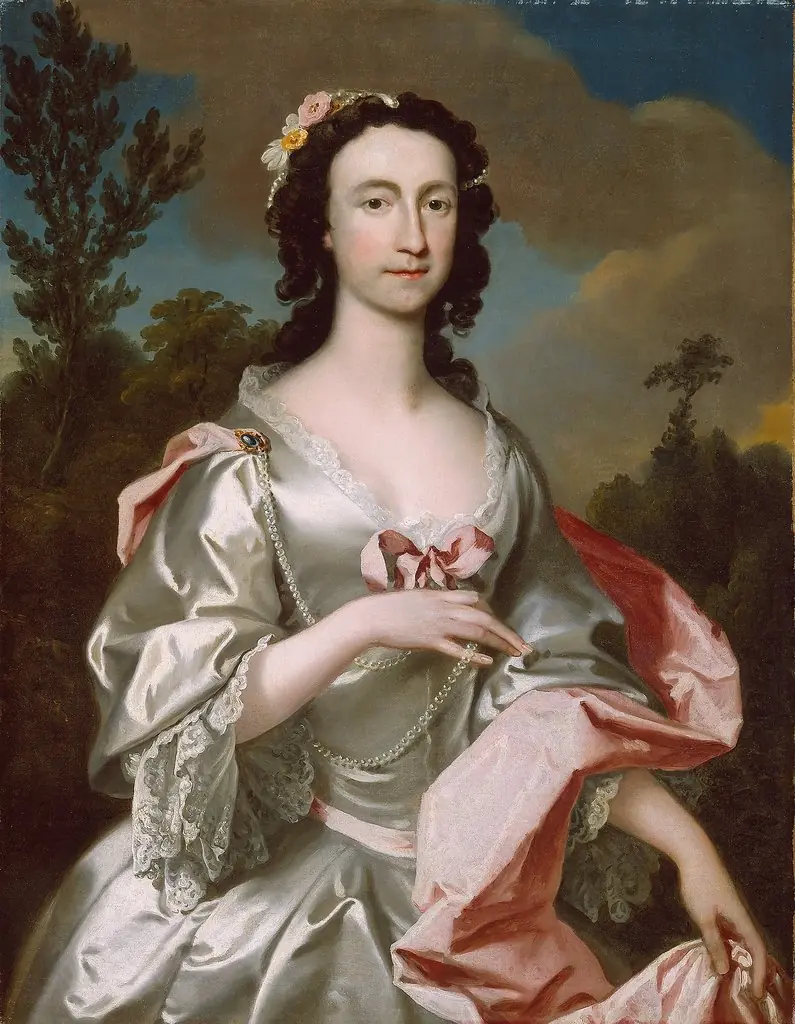 Mrs. Freeman Flower
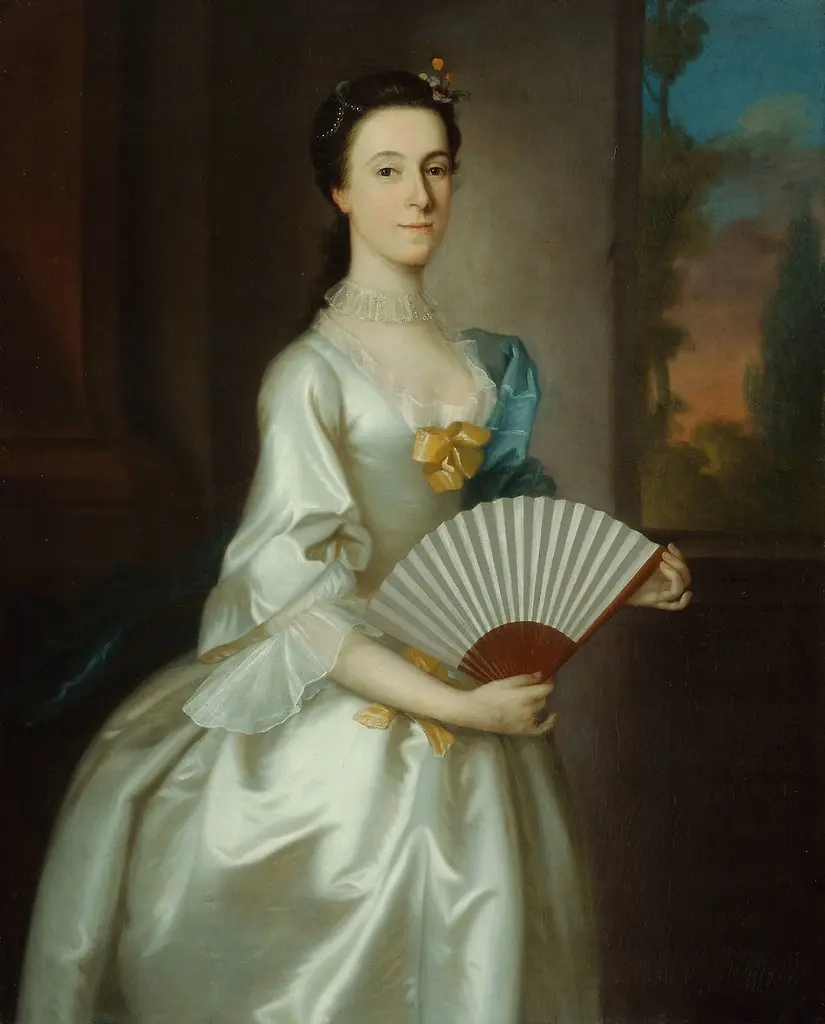 Abigail Chesebrough (Mrs. Alexander Grant)
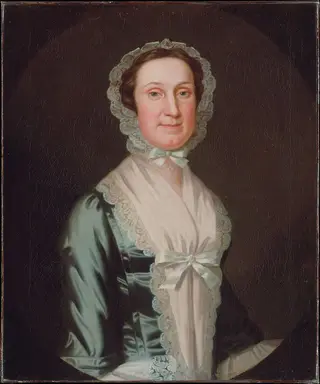 Mrs. Joseph Reade
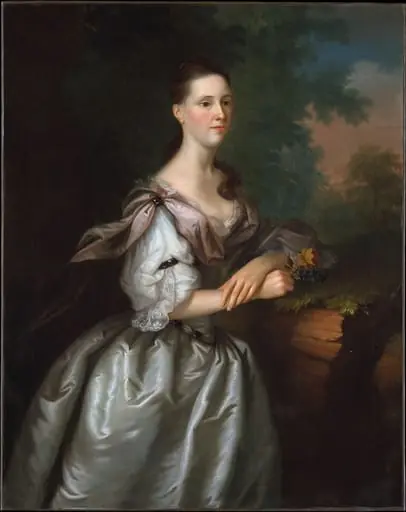 Mrs. Samuel Cutts
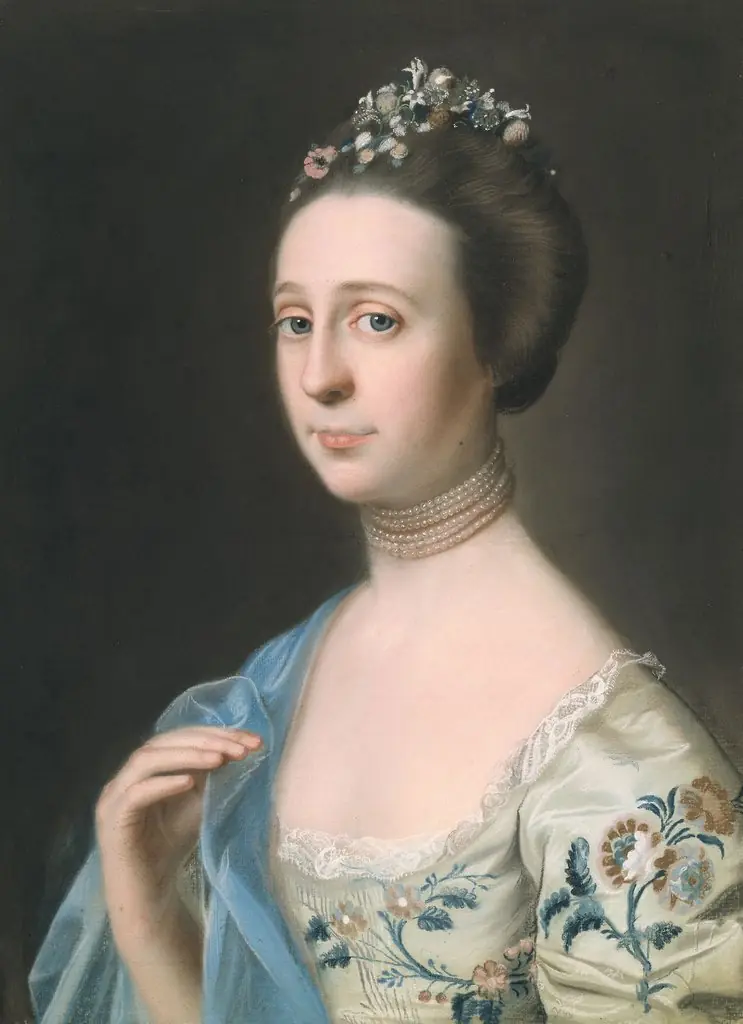 Mrs. Henry Hill (Anna Barrett)