Artwork
Adam and Eve
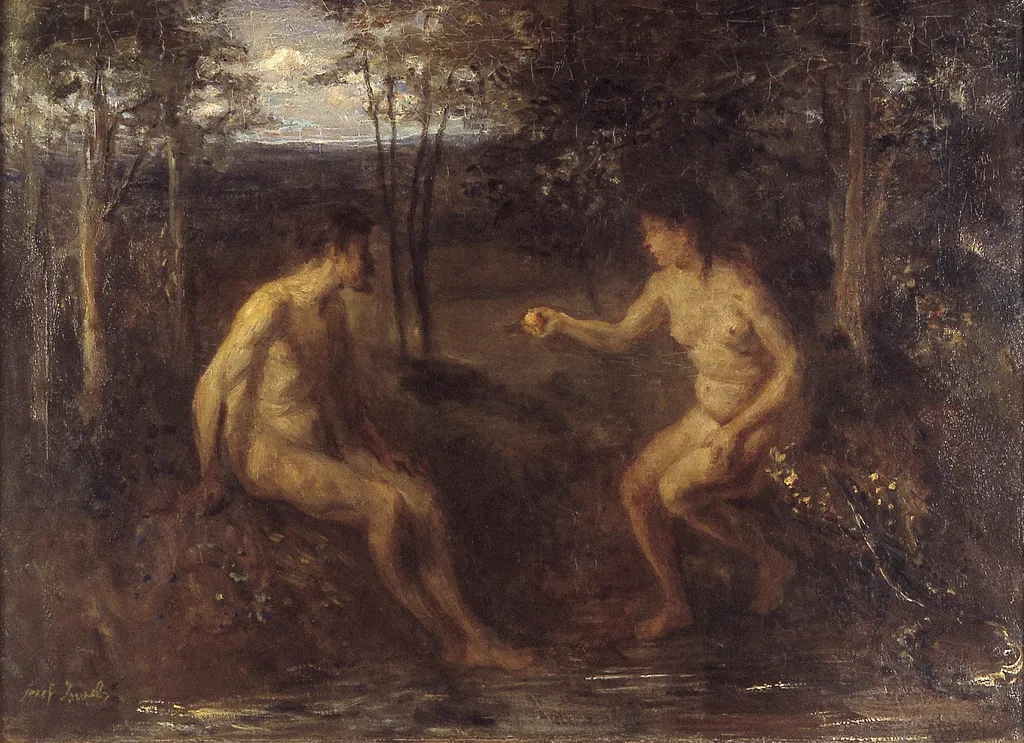
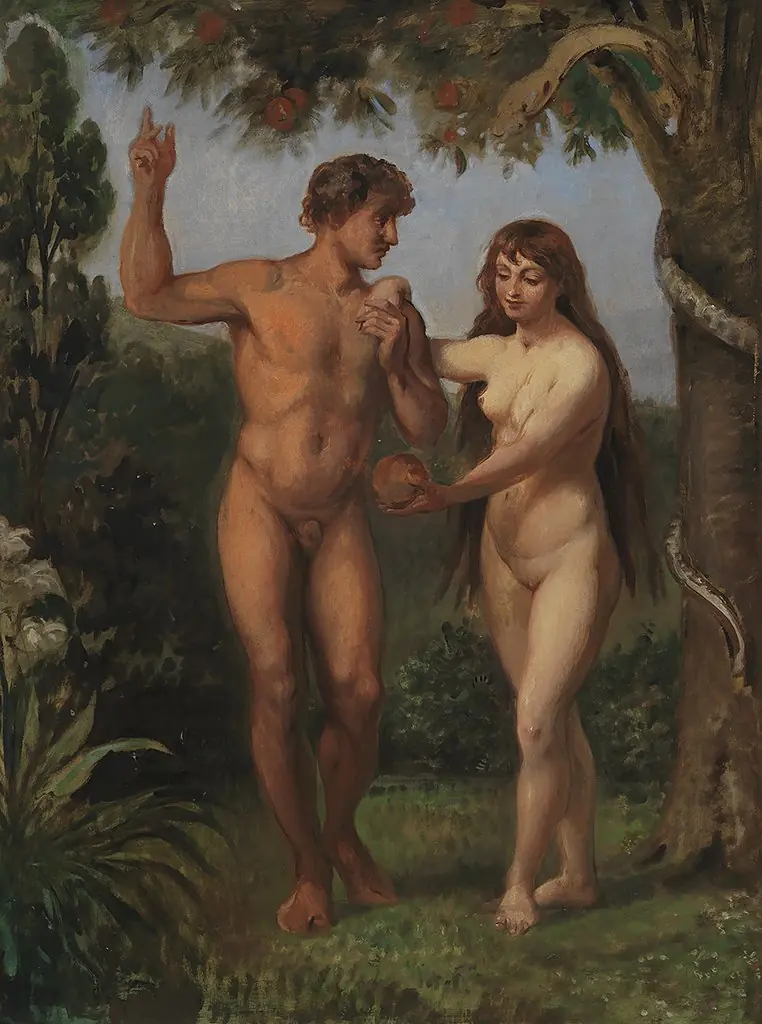
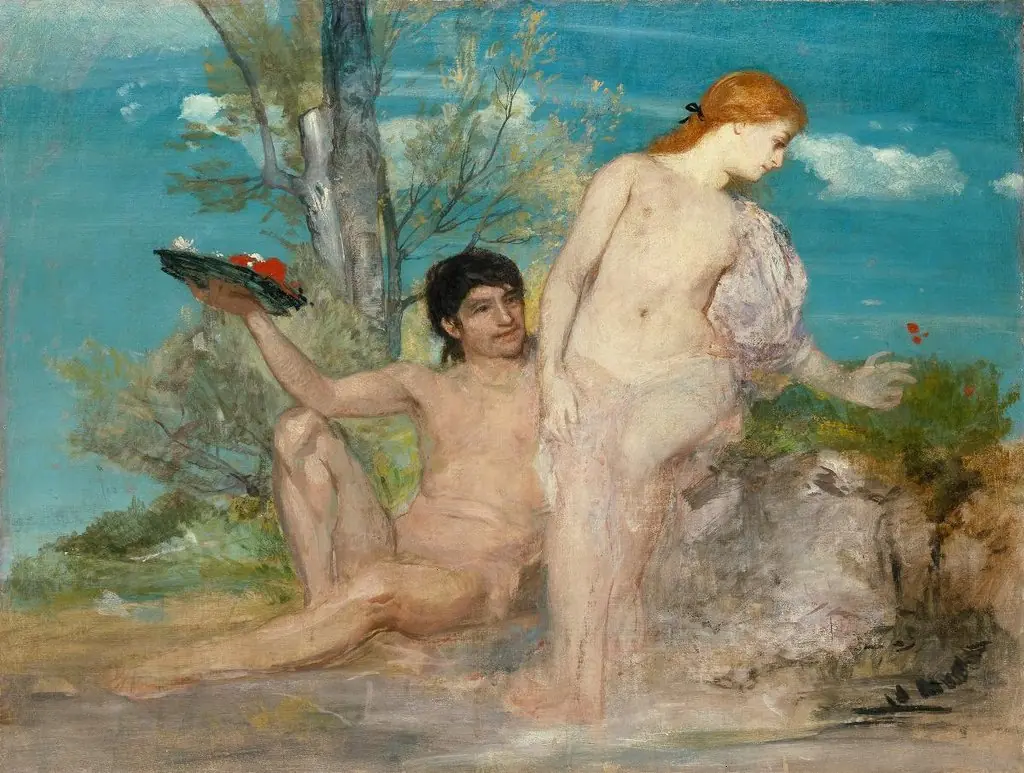
Adam and Eve is an oil painting by the Post-Impressionist artist Jozef Israëls. It dates from 1902 and is held in the collection of the Rijksmuseum.
About this work
Technique & Style
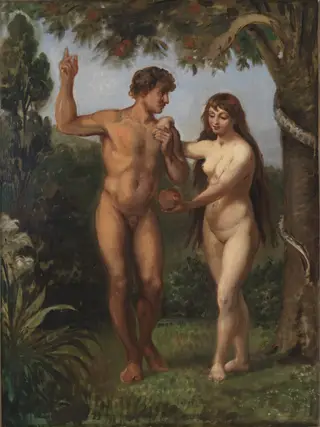
The work is painted in oil on canvas, measuring 84 cm in height by 116 cm in width. It depicts the biblical scene of Adam and Eve, embodying a religious narrative within the realist tradition. The composition emphasizes the moment of the fall, rendered with somber tonal modeling characteristic of Jozef Israëls’ mid‑career style.
History & Provenance
The artwork is currently held in the Cultural Heritage Agency of the Netherlands Art Collection and is located at the Rijksmuseum.
The painting Adam and Eve was created by Jozef Israëls in 1902. Executed in oil on canvas, the work measures 84 cm in height and 116 cm in width. It depicts the biblical figures of Adam and Eve, focusing on the subject of the fall of man.
The artwork is currently held in the Cultural Heritage Agency of the Netherlands Art Collection and is located at the Rijksmuseum.
Adam and Eve is held at the Rijksmuseum in Amsterdam, listed under inventory number SK-C-564. The painting was created in 1902 by Jozef Israëls and is cataloged with the accession identifier SK-C-564. It has been part of the Rijksmuseum's collection since its acquisition and is included in various exhibitions at the institution, particularly those focusing on Dutch religious art and late 19th-century painting.
The work measures 84 cm in height and 116 cm in width, executed in oil paint on canvas. It depicts the biblical scene of the fall of man and is classified as a religious artwork within the museum's collection. Its presence in institutional exhibitions underscores its significance within the broader context of European religious painting.
The painting is part of the Cultural Heritage Agency of the Netherlands Art Collection, which is housed at the Rijksmuseum, confirming its official custodianship and exhibition history within a national museum framework.
Context
The painting Adam and Eve by Jozef Israëls, completed in 1902, was received as a solemn religious composition reflecting the artist's engagement with biblical narratives. Its depiction of the fall of man aligns with the religious art genre and was housed in the Rijksmuseum, anchoring its provenance within Dutch institutional collections. Scholarship has examined Israëls' role in 19th-century Dutch painting, situating this work within his broader output that often blended realism with spiritual themes, reinforcing its significance in the evolution of religious imagery in modern art.
Legacy
The painting has been cited as a powerful visual articulation of the biblical fall narrative, shaping later religious imagery in modern art. Its composition and emotive realism influenced subsequent depictions of the Adam and Eve story across European modernism, particularly in works emphasizing human vulnerability and divine mystery. The piece remains on view at the Rijksmuseum, where it contributes to the museum’s presentation of 19th‑century religious art.
Overview
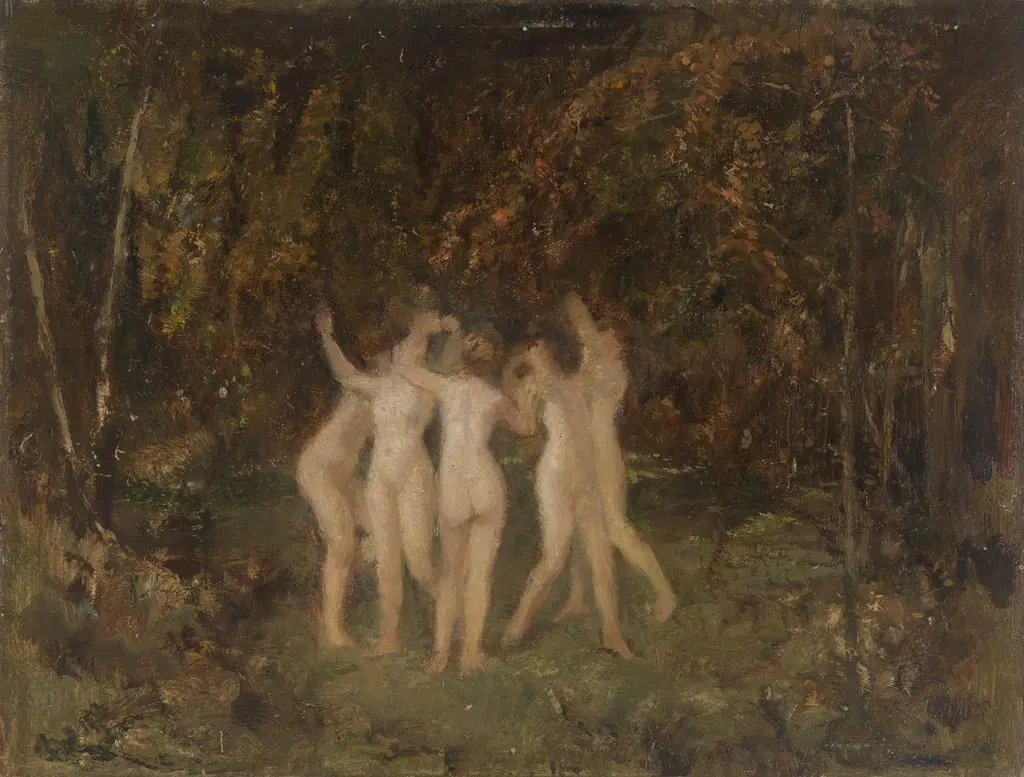
Created in 1902, this oil painting by Jozef Israëls presents a subdued interpretation of the biblical pair Adam and Eve. The canvas resides in the Rijksmuseum’s collection, offering viewers a quiet, nocturnal woodland scene where the two figures occupy the foreground in a contemplative pose.
Subject & Meaning
The work portrays the first humans of Judeo‑Christian tradition, yet it eschews narrative drama for a moment of stillness. One figure sits with a turned back, arms folded on the knees, while the other reaches outward, suggesting an intimate, perhaps reflective interaction rather than the dramatic moment of the Fall.
Own this work as a print
Artist & collection
Artist
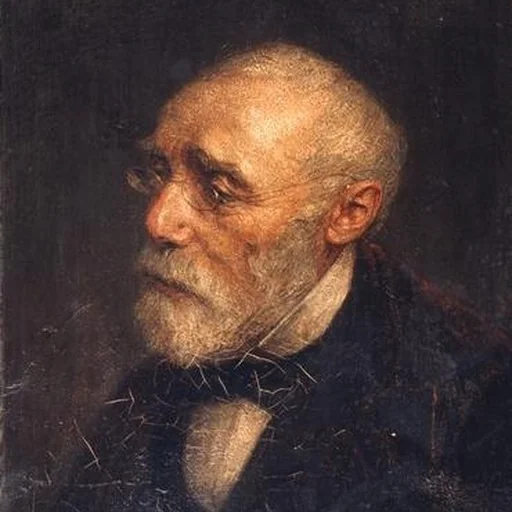
Jozef Israëls (Dutch pronunciation:; 27 January 1824 – 12 August 1911) was a Dutch painter.