Artwork
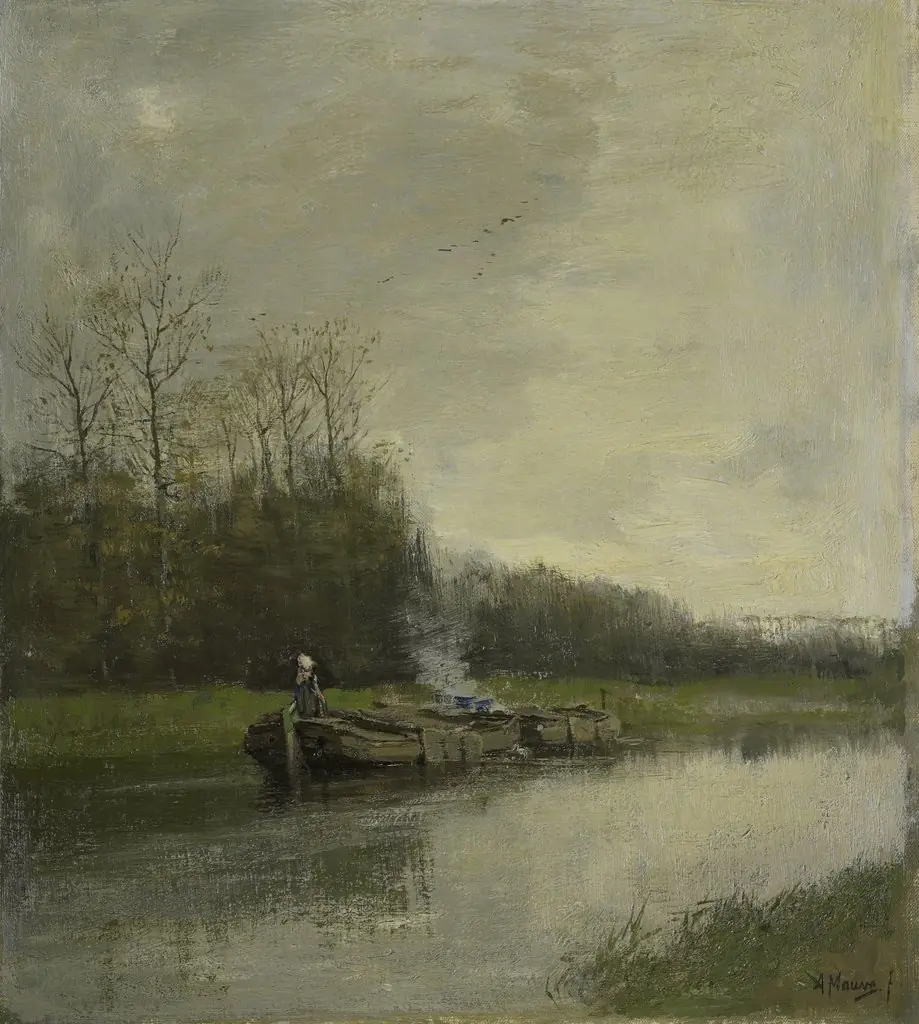
De zandschipper
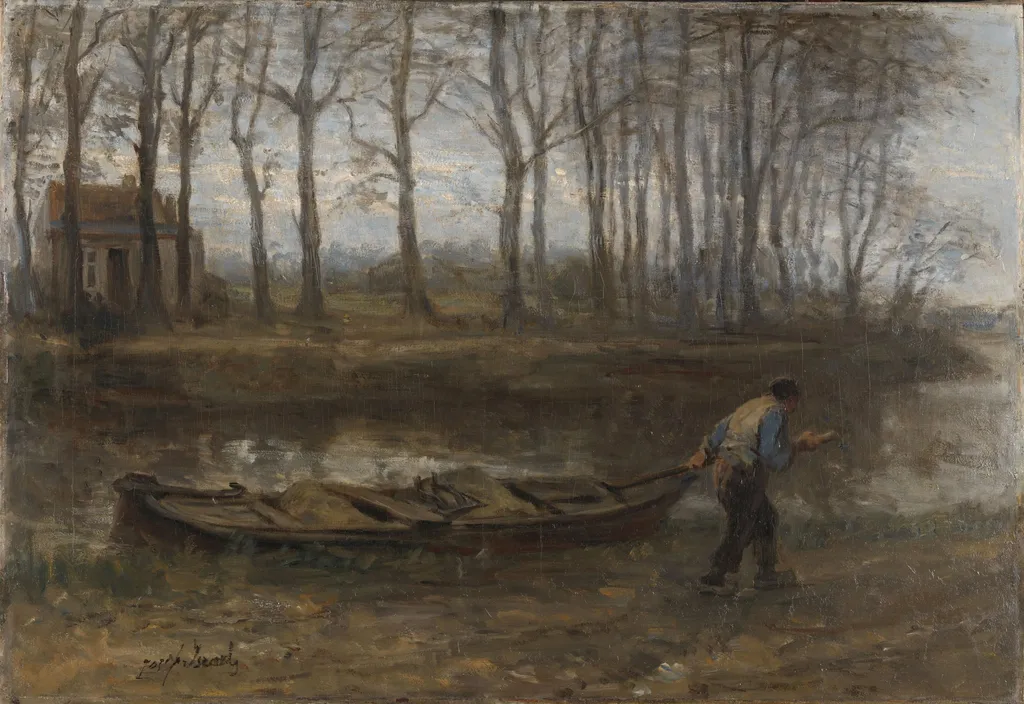
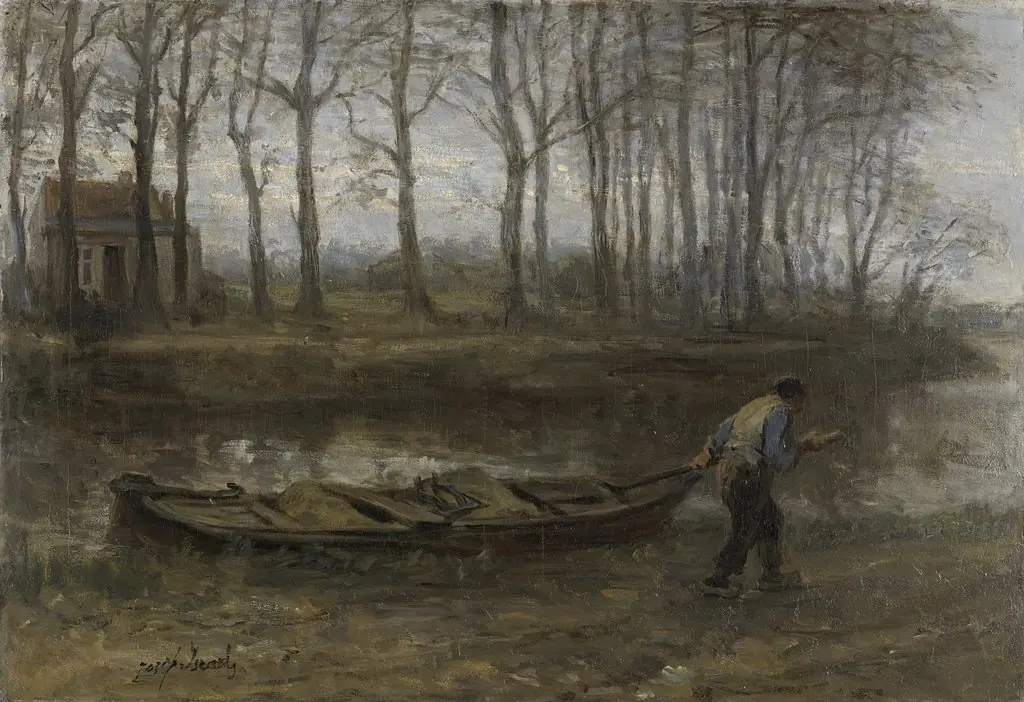
De zandschipper is an unspecified painting by the Hague School artist Jozef Israëls. It dates from 1887 and is held in the collection of the Rijksmuseum.
About this work
Technique & Style
Classified as a portrait, the work aligns with Israëls' broader practice as a painter, lithographer, and etcher.
De zandschipper is an oil painting created by Jozef Israëls in 1887. Classified as a portrait, the work aligns with Israëls' broader practice as a painter, lithographer, and etcher. The artist is known for treating his subjects in broad masses of light and shade, a technique that emphasizes the principal subject while maintaining attention to detail.
His style is frequently characterized by a sober, realistic approach that conveys deep human sympathy and emotion, often described as possessing a piercing note of suffering. Critics have compared his use of warm colors and chiaroscuro to the work of Rembrandt, noting the emotional intensity and the focus on the lives of humble people. While specific physical dimensions for this particular 1887 portrait are not detailed in the provided records, the work exemplifies the Hague School's commitment to realistic, emotive depiction through oil on canvas.
Context
Jozef Israëls is recognized as a leading figure of the Hague School, celebrated during his lifetime as the most respected Dutch artist of the late nineteenth century. Critics frequently compared his empathetic depiction of the poor and humble to Jean-François Millet, though Israëls' work was distinguished by a piercing note of woe and suffering rather than placid rural life. His shift from romantic history painting to a sincere, emotional realism occurred after an illness in Zandvoort, where the tragedy of fishing communities deeply affected him.
Contemporary reviews praised works like The Shipwrecked Mariner as profoundly touching, while later analysis highlighted his Rembrandtesque use of light and shade. His influence extended to painters such as Robert McGregor, and his legacy was cemented through his role in founding the Hollandse Teekenmaatschappij and his mentorship of his son, Isaac Israëls.
Legacy
During his lifetime, Jozef Israëls was regarded as the most respected Dutch artist of the second half of the nineteenth century. His realistic depictions of humble life, particularly fishermen, earned him international renown, with critics comparing his use of light and shadow to Rembrandt. He likely influenced contemporaries such as the Scottish painter Robert McGregor and was followed by artists including Peter Behrens, Walter Firle, and William Marshall Brown.
Israëls also taught several pupils, most notably his son Isaac Israëls, who later became a leading Amsterdam Impressionist. His legacy is physically commemorated in the Netherlands, where numerous streets and quays bear his name. In Groningen, a monument based on his painting By the Mother's Grave was unveiled in 1922; despite being damaged during World War II due to the artist's Jewish heritage, it was restored and served as a war memorial until 1977.
Overview
Jozef Israëls painted De zandschipper in 1871, depicting a solitary sand‑bargeman shoveling material from a flat‑bottomed boat under a muted, overcast sky. The scene is set on the canal that links The Hague with the seaside town of Scheveningen, where the water lies calm and the distant dunes appear low and subdued.
Subject & Meaning
The work captures a real sand‑transport vessel that regularly moved dune sand to the expanding districts of The Hague. Beyond its literal function, the figure’s labor conveys a broader meditation on the arduous passage of human life, a theme that recurs throughout Israëls’ oeuvre.
History & Provenance
After moving into a modern villa on the Koninginnegracht in The Hague, Israëls painted the scene from his own sitting‑room window, observing the daily passage of the sand barges. The piece remained in his private collection before entering public view in the early twentieth century, where it has been exhibited as a representative example of Dutch realist painting.
Own this work as a print
Artist & collection
Artist
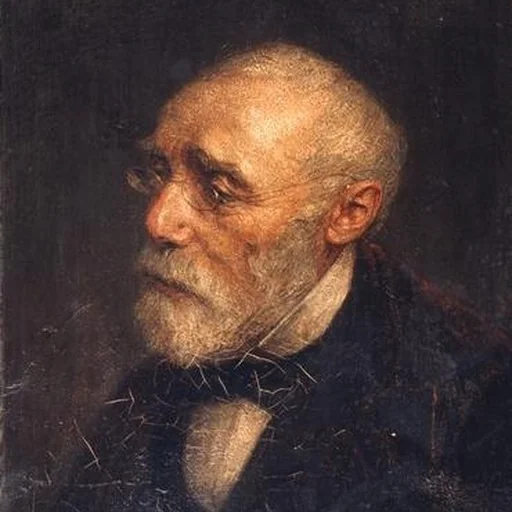
Jozef Israëls (Dutch pronunciation:; 27 January 1824 – 12 August 1911) was a Dutch painter.