Artwork
Melancholy
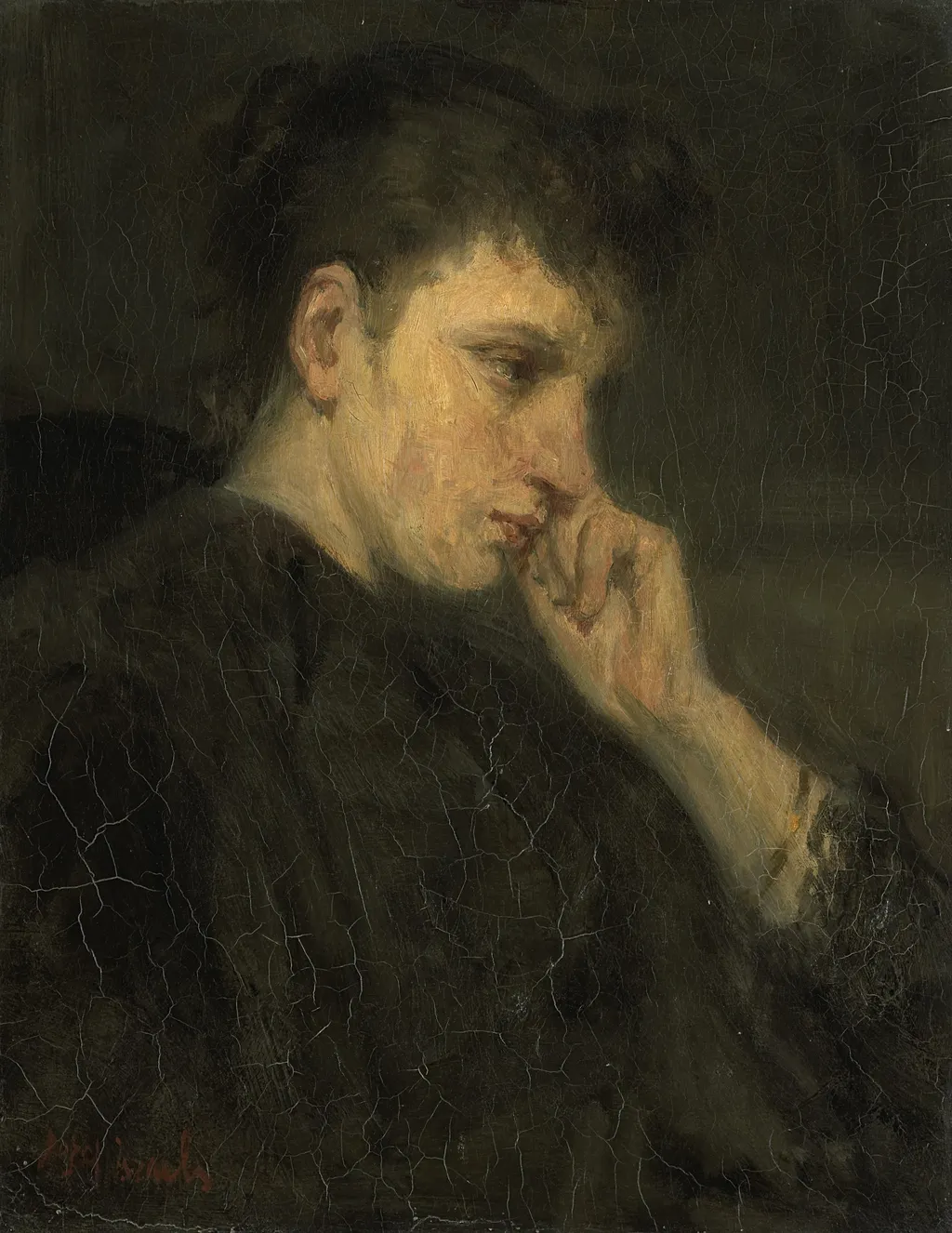
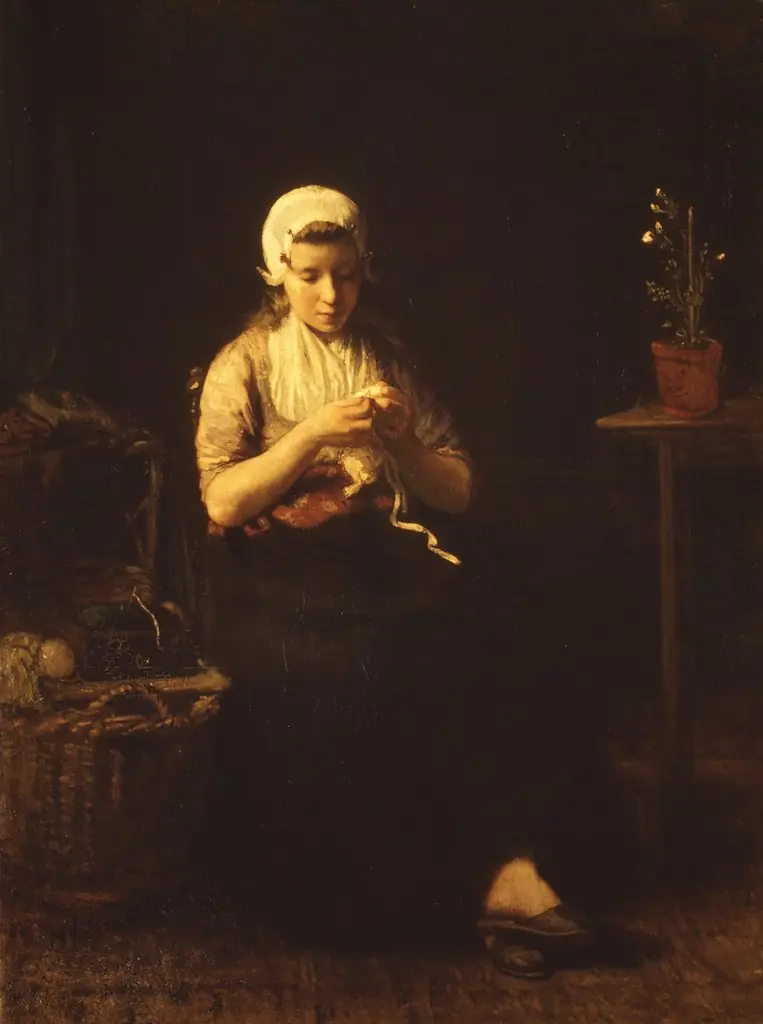
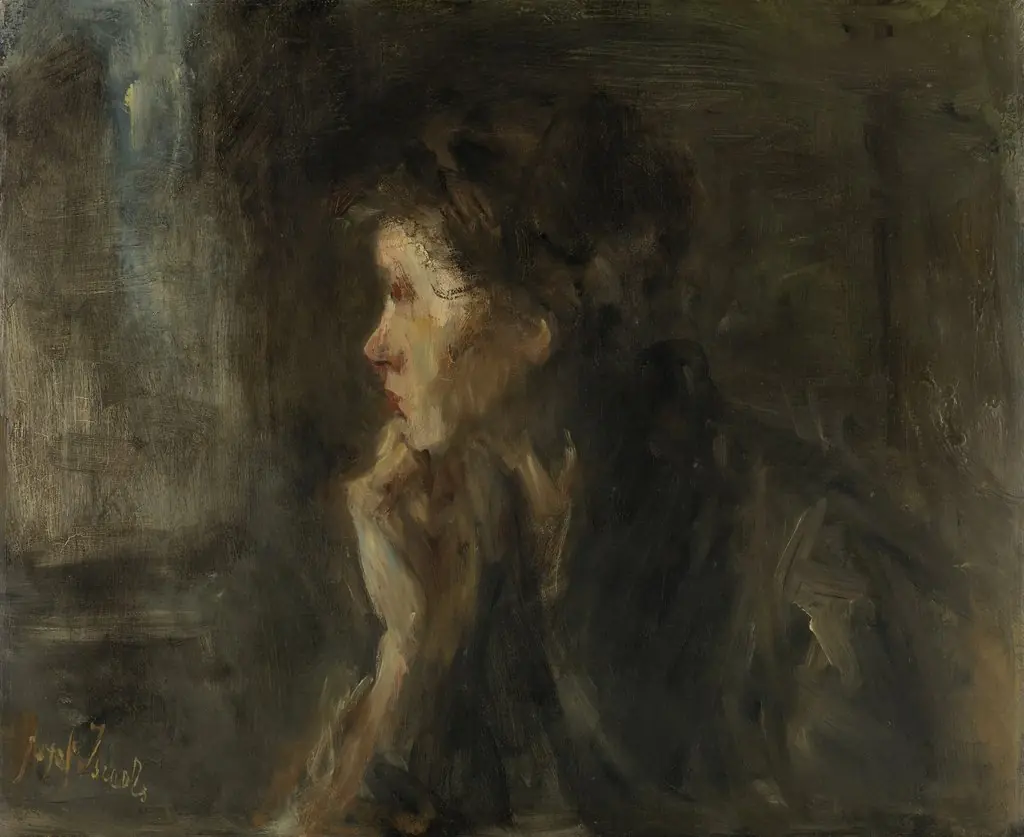
Melancholy is an oil painting by the Realist artist Jozef Israëls. It dates from 1850 and is held in the collection of the Rijksmuseum.
About this work
Subject & Meaning
The painting depicts a solitary woman rendered in somber tones, embodying the emotion of melancholy through her downcast gaze and muted attire. Symbolic elements such as the dim interior and the solitary figure convey themes of isolation and introspection, reflecting 19th-century Romantic ideals of emotional depth and the contemplation of human suffering.
Technique & Style
The painting is executed in oil on canvas, a common support for 19th-century portraiture. Measuring 57 cm by 45.5 cm, it depicts a woman rendered with somber tones and restrained brushwork that emphasizes emotional depth. The work belongs to the portrait genre and was created in 1850, reflecting the realist approach characteristic of Jozef Israëls' oeuvre.
History & Provenance
It was created as a standalone work and later entered the collection of the Rijksmuseum in Amsterdam, where it remains on display.
Melancholy is an 1850 oil painting by Jozef Israëls, classified as a portrait depicting a woman. It was created as a standalone work and later entered the collection of the Rijksmuseum in Amsterdam, where it remains on display.
The painting measures 57 cm in height and 45.5 cm in width, executed on canvas with oil paint.
Provenance records indicate the work was first owned by the artist’s estate before being acquired by the Rijksmuseum, establishing a clear chain of ownership from creation to present custodianship.
Jozef Israëls's 1850 oil painting Melancholy is held in the collection of the Rijksmuseum. According to the Wikidata record, the work is part of the museum's holdings and is located there. The painting, executed in oil on canvas, measures 57 cm in height by 45.5 cm in width.
No specific inventory or accession number is recorded in the available sources, and no exhibition history is documented.
Overview
Created circa 1850 by Jozef Israëls, a prominent figure of the Dutch Hague School, this oil painting presents a solitary female figure rendered in a realist manner. The work is part of the Rijksmuseum’s collection and exemplifies the artist’s focus on intimate, everyday moments rather than grand historical narratives.
Context
During the mid‑19th century, Dutch artists shifted from romanticized scenes toward a more truthful depiction of daily life, a movement embodied by the Hague School. Israëls, alongside contemporaries such as Anton Mauve, emphasized mood and the lives of ordinary people, making this work a representative example of that cultural transition.
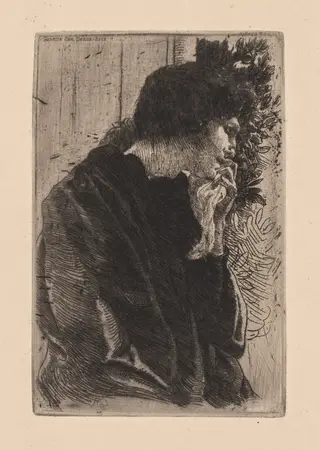
Own this work as a print
Artist & collection
Artist
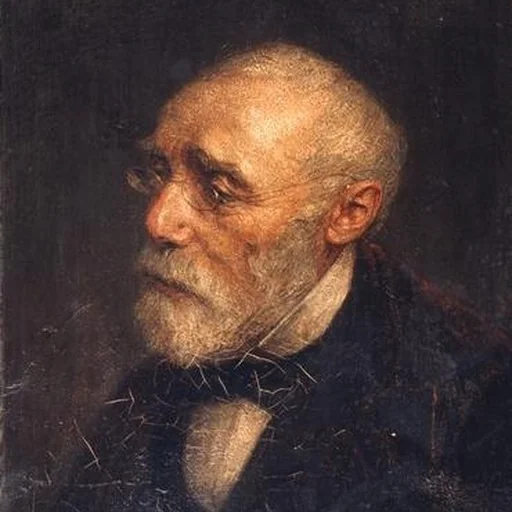
Jozef Israëls (Dutch pronunciation:; 27 January 1824 – 12 August 1911) was a Dutch painter.

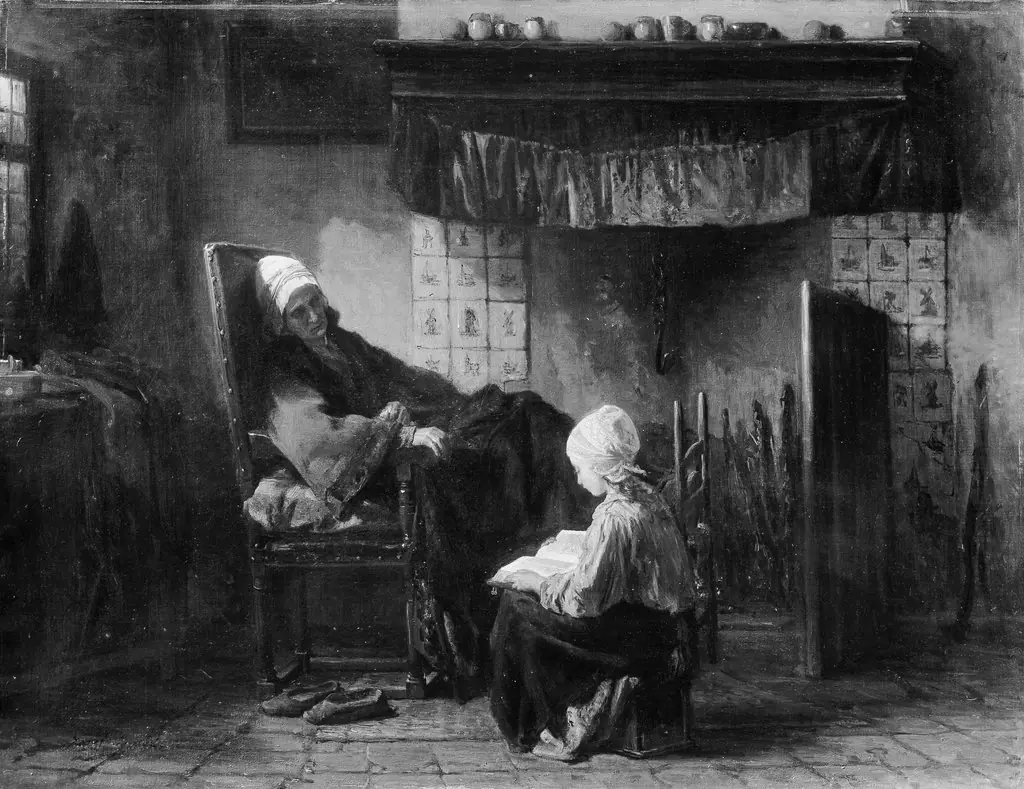
 The thinker
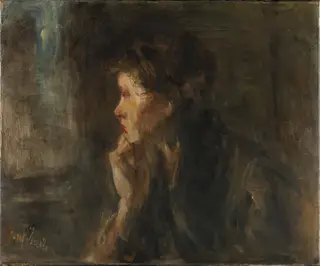 'Meditation'
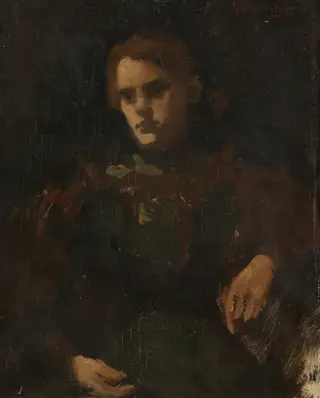 Study after the Model (Geesje Kwak?)
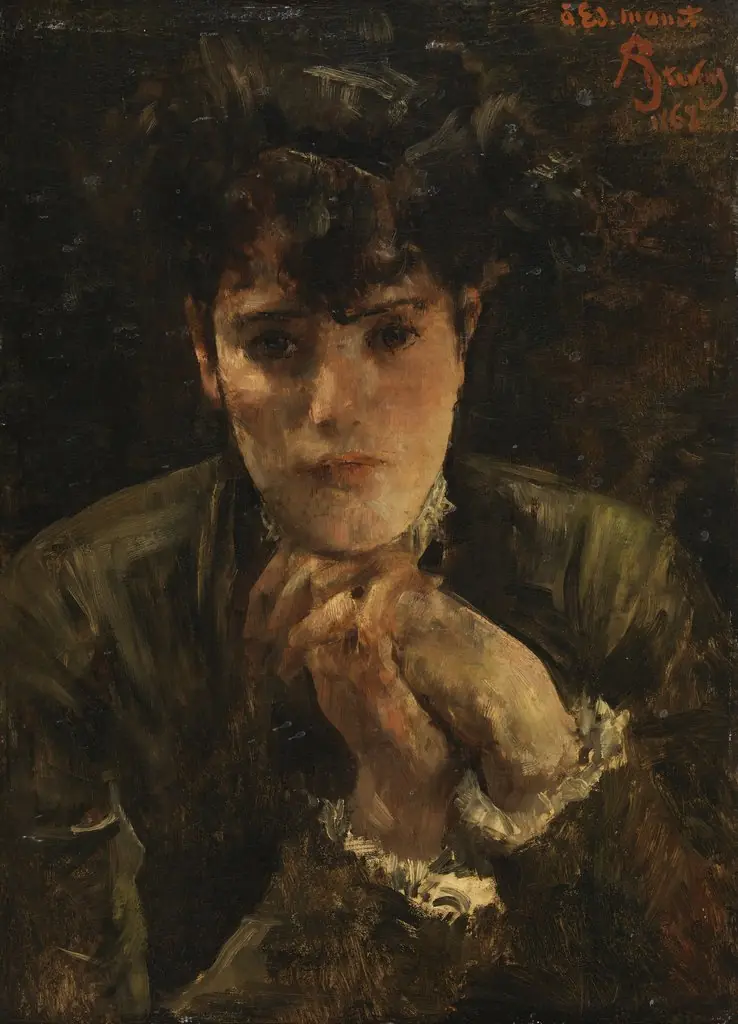 Portrait of a Young Woman
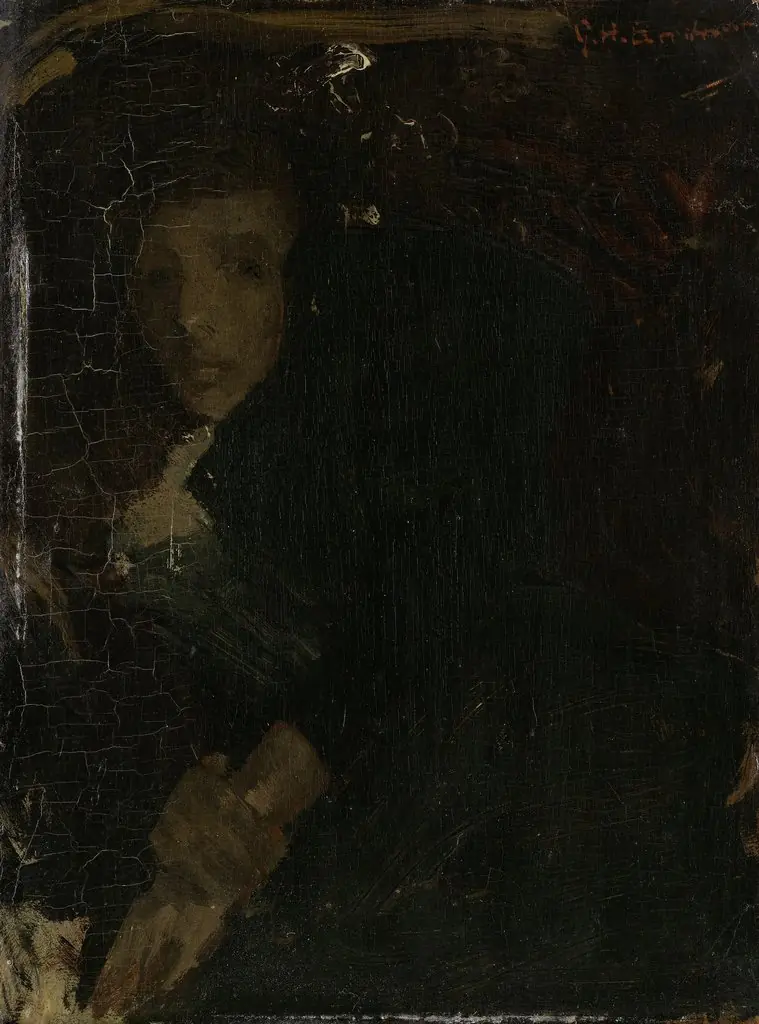 MCJ (Marie) Jordan (1866-1948), The Artist's Wife
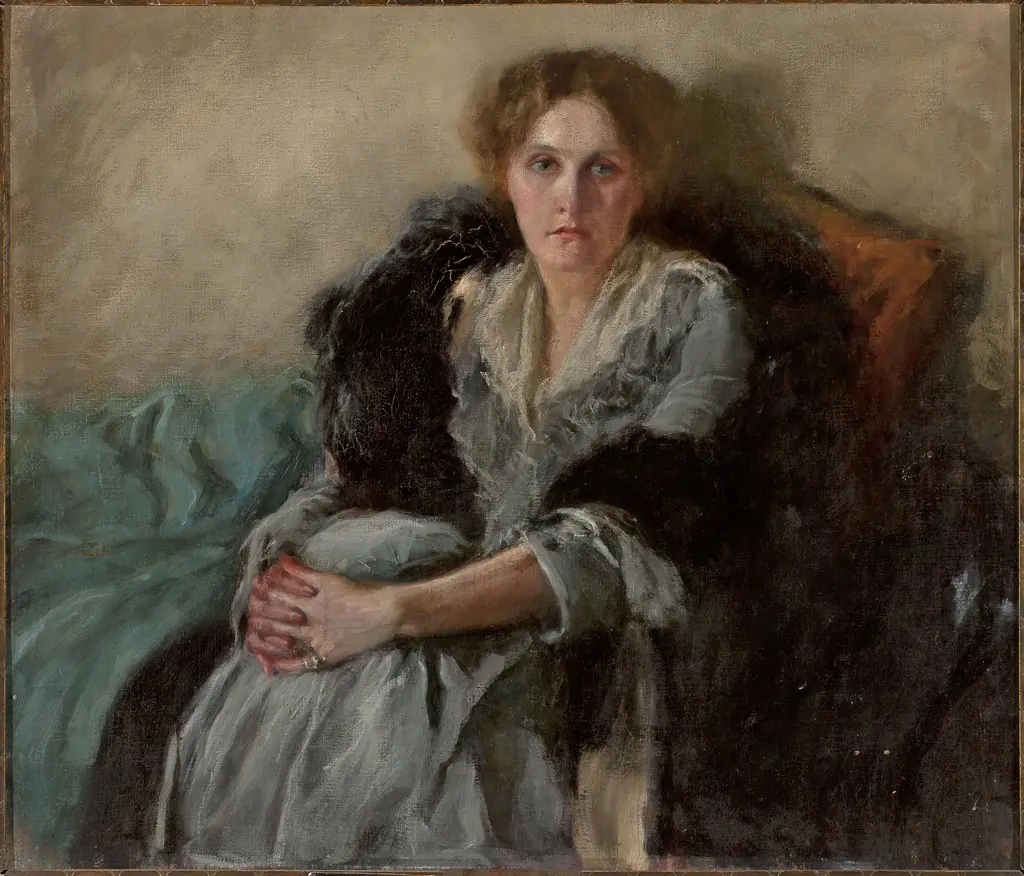 Portrait of the artist's wife, Leta Czajkowska (ca.1875–1947)
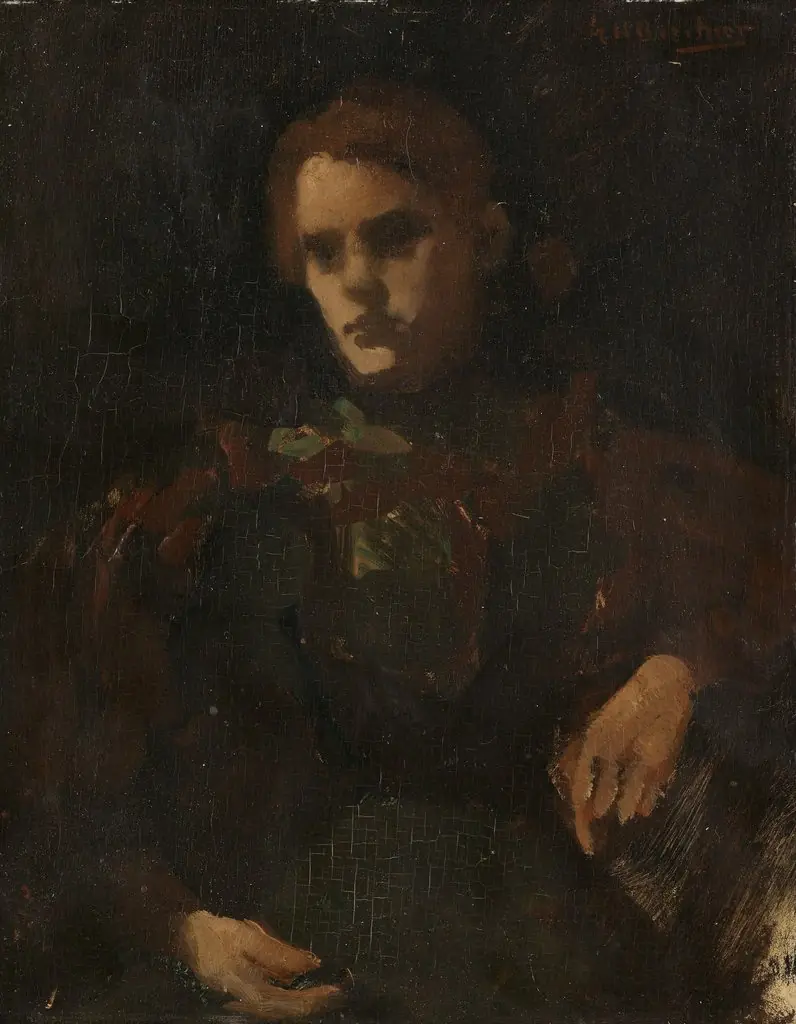 Study after the Model (Geesje Kwak?)
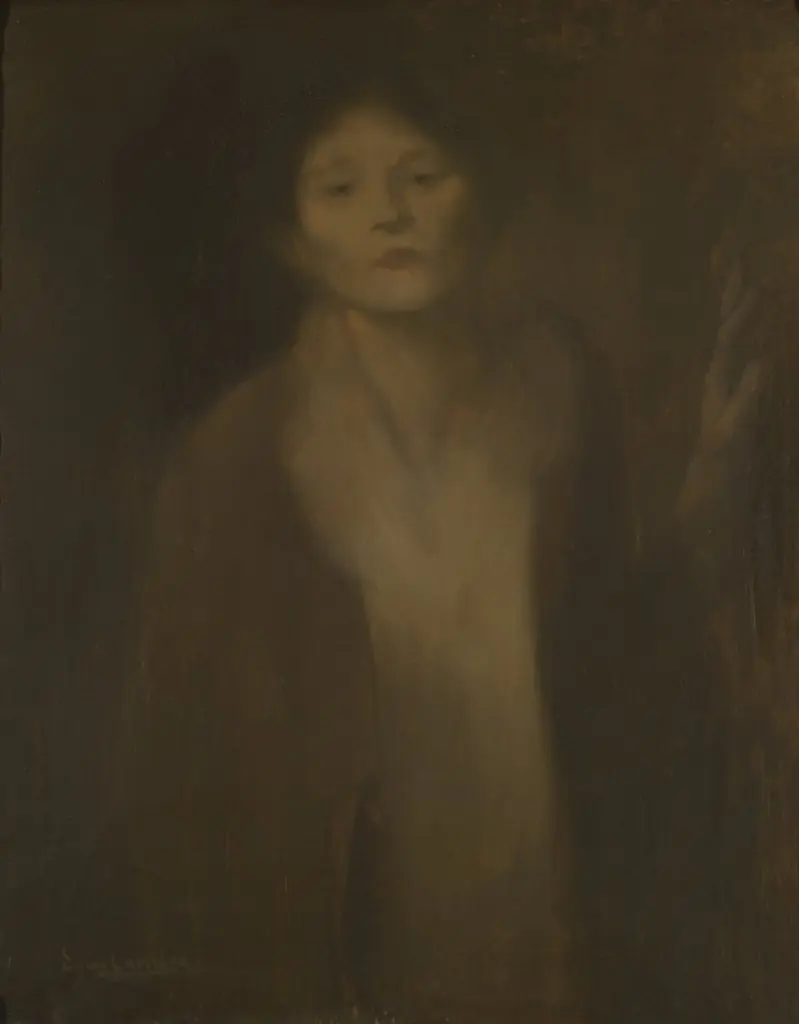 Woman looking
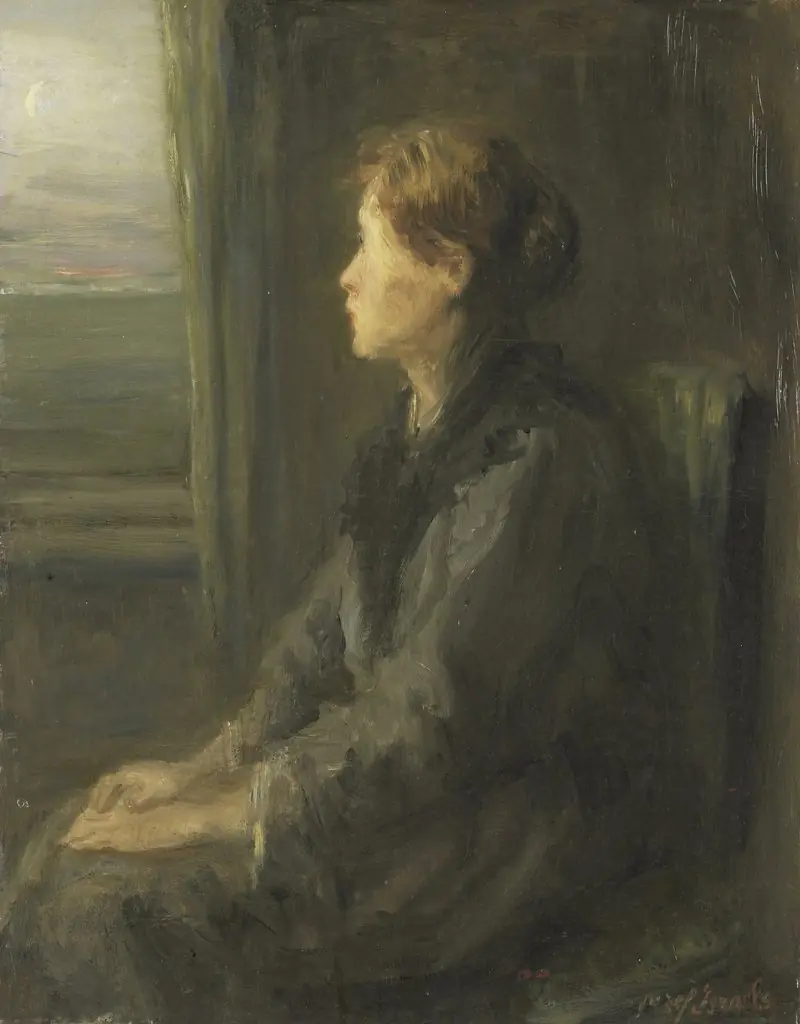 Woman at a Window
 Self Portrait
 Saimin kihlajaismuotokuva
- Sadness