Movement
Hague School
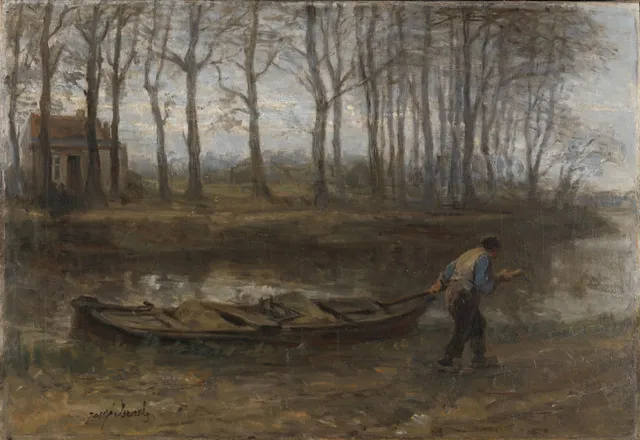
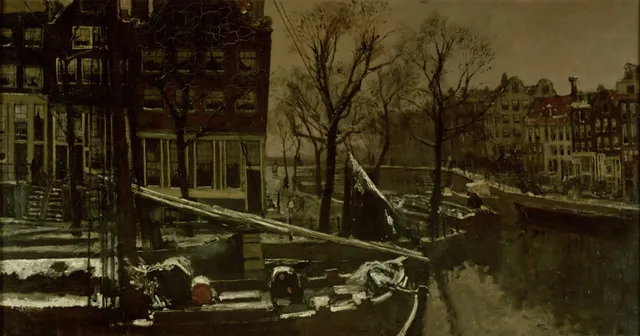
Hague School is an art movement of the 1860–1890 period. The gallery holds 53 works in this movement, including works by Paul Joseph Constantin Gabriël, Jan Wijnants and Anton Mauve. Browse Hague School paintings, portraits, pictures and artworks from the world's public-domain museum collections.
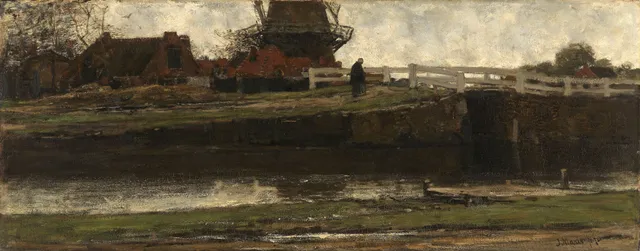
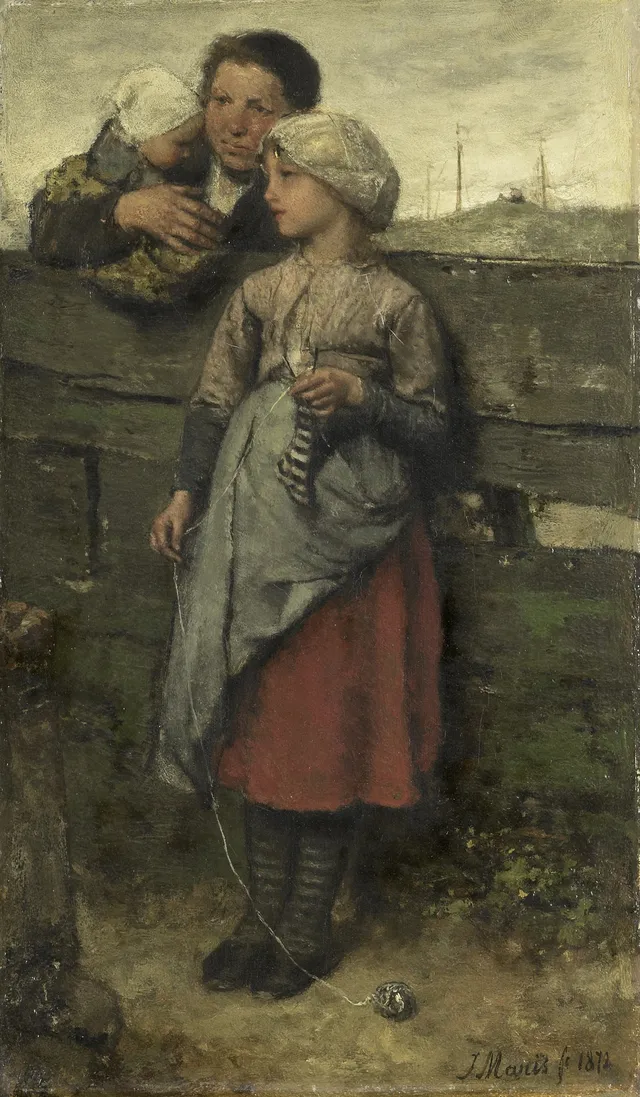
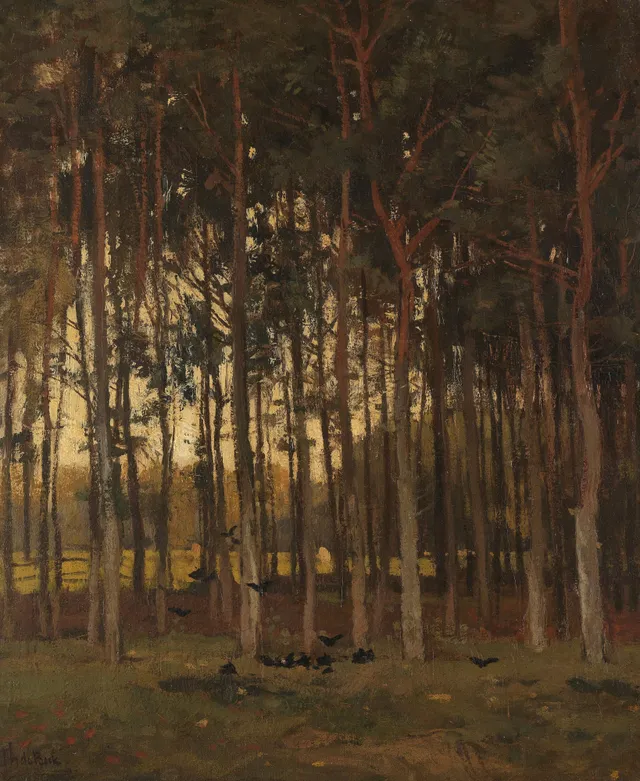
The Hague School (Dutch: Haagse School) was the dominant current in Dutch painting during the second half of the nineteenth century, named for the city where its leading figures gathered from around 1860 onward. Their work flourished between roughly 1860 and 1890, when The Hague — close to the fishing village of Scheveningen, its dunes, beaches, and the wide skies of the surrounding polder country — drew a generation of painters seeking to depict their own land rather than the idealised, anecdotal scenes favoured by the preceding Romantic era. The movement was a self-conscious turn toward Realism, paralleling and partly inspired by the French Barbizon painters who worked en plein air in the forest of Fontainebleau. Many of the Dutch artists likewise sketched outdoors, prizing direct observation of weather, light, and labour.
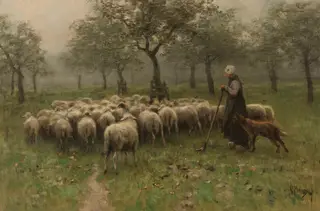
Visually the Hague School is defined by its restraint. The painters favoured sombre, tonal colours — silvery greys, browns, and muted greens — earning them the nickname the "Grey School" (Grijze School). Vast expanses of cloud-filled sky, light reflected on wet sand and water, and an enveloping atmospheric haze are recurring features. Compositions are low-horizoned and unforced, the mood contemplative rather than dramatic, and the brushwork loose enough to register fleeting effects of mist and overcast northern light.
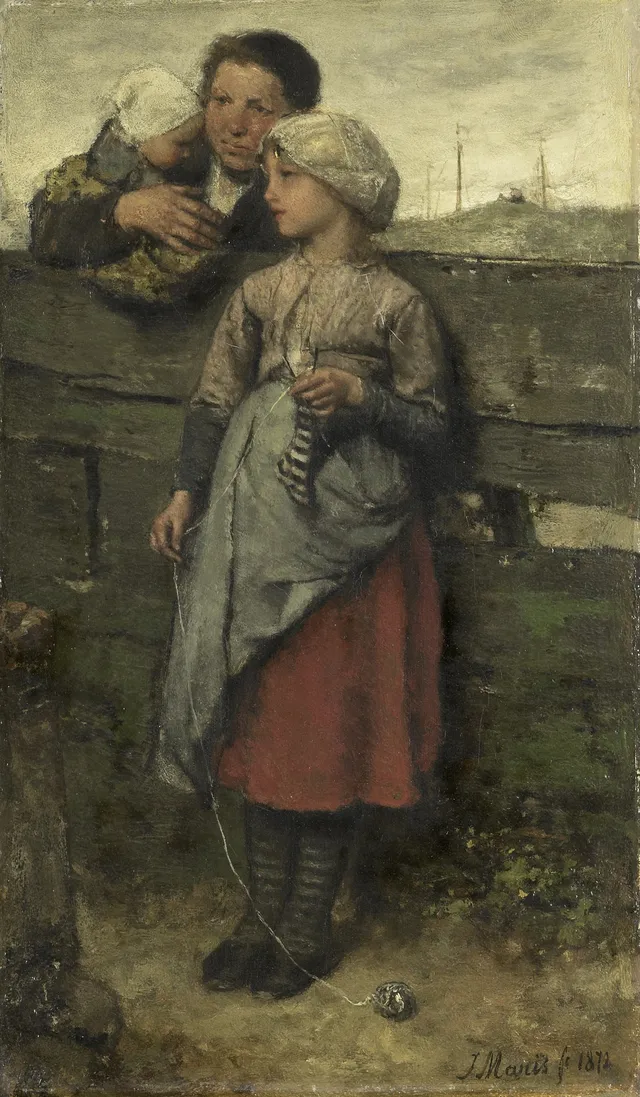
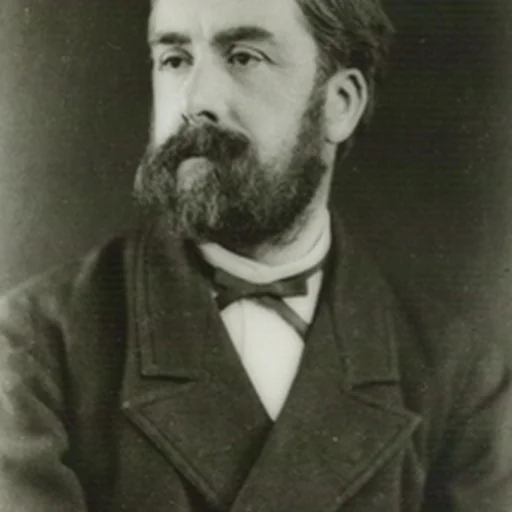
The principal figures include Jozef Israëls, celebrated for his sober, empathetic scenes of fisherfolk and peasant interiors; Anton Mauve, the great painter of sheep and pastoral landscape who briefly tutored his young relative Vincent van Gogh; the three Maris brothers — Jacob, Matthijs, and Willem; the watercolourist and landscapist Johan Hendrik (Jan Hendrik) Weissenbruch; Johannes Bosboom, painter of church interiors; Paul Joseph Constantin Gabriël; and Hendrik Willem Mesdag, the group's leading marine painter. Mesdag's monumental 'Panorama of Scheveningen' (1881), a 360-degree cylindrical seascape some 1,600 square metres in area, remains on view in its purpose-built rotunda in The Hague. Many of these artists met through the Pulchri Studio, the artists' society Mesdag helped lead.
The school's influence was considerable. It revived international regard for Dutch art, recalling the tonal landscapes of the seventeenth-century Golden Age, and shaped younger painters such as George Hendrik Breitner, who assisted on Mesdag's panorama before helping found the brighter, urban Amsterdam Impressionism. The early Van Gogh absorbed its earthy palette and sympathy for rural labour before his own departure toward colour.
Key artists

Works
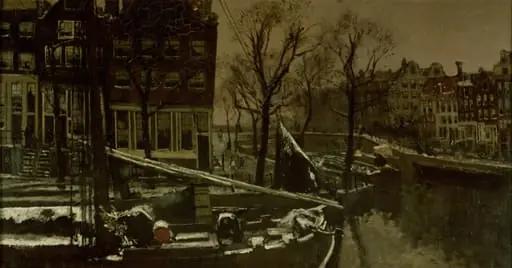 Winter in Amsterdam
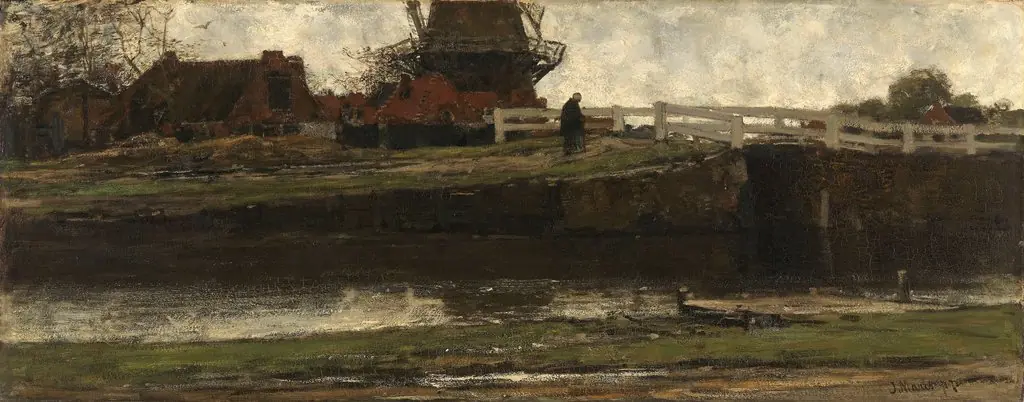 The Truncated Windmill
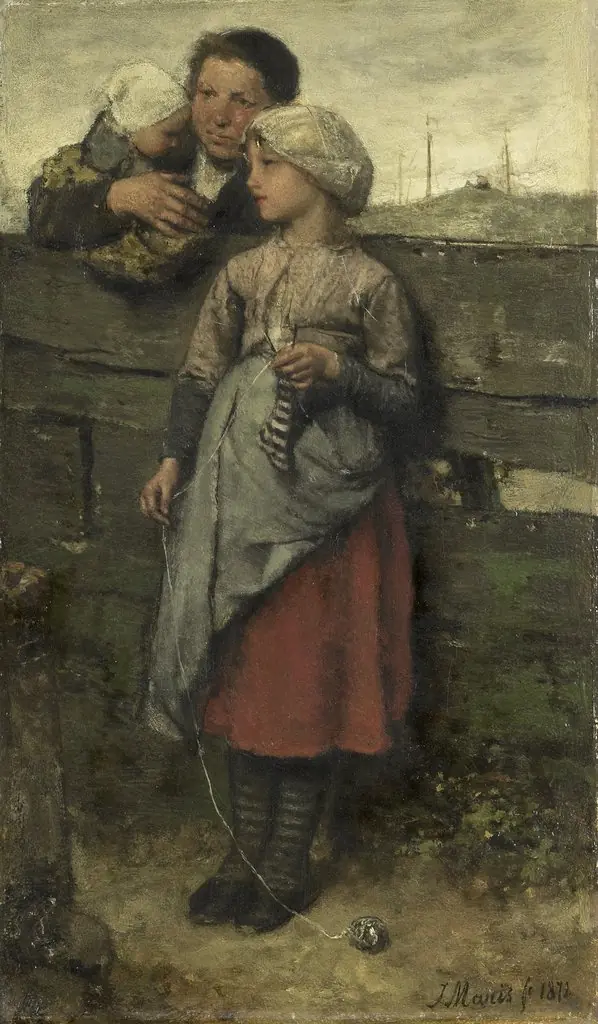 Villagers
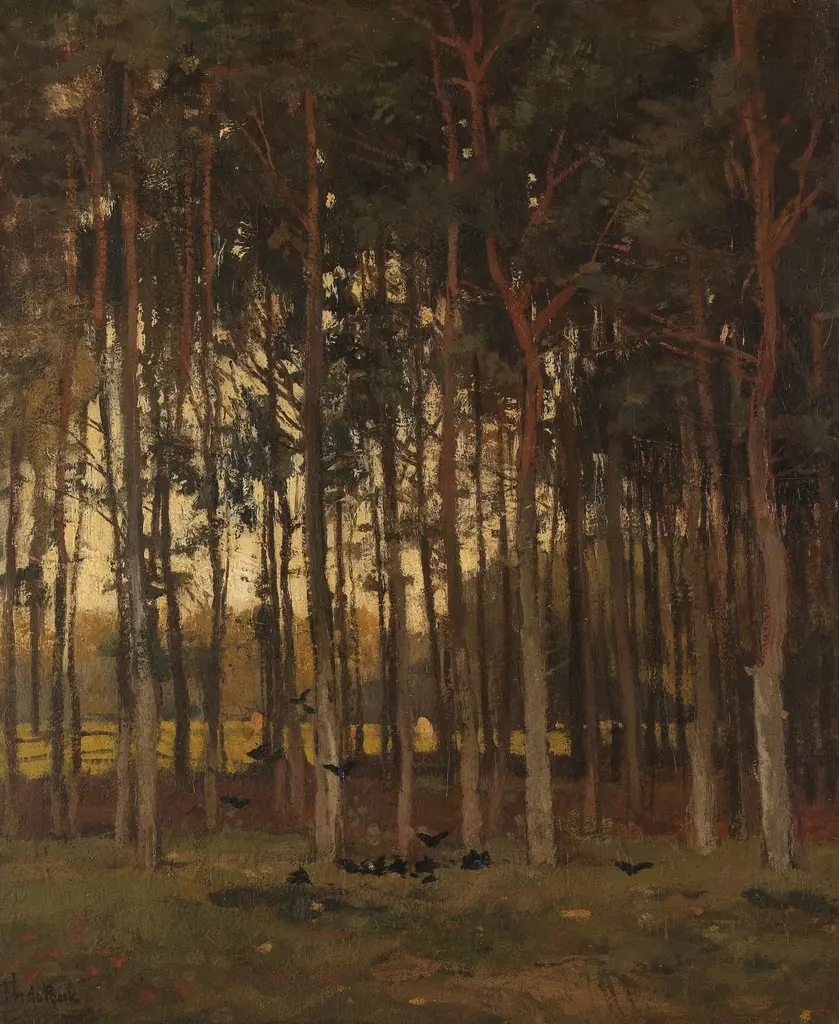 View in the Woods
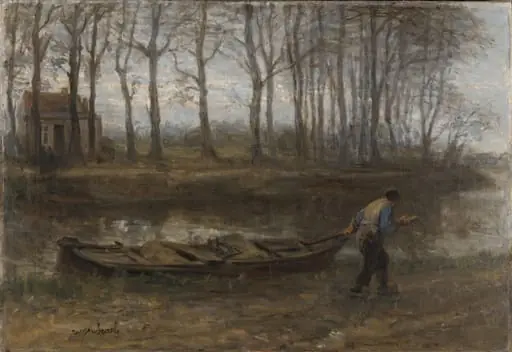 De zandschipper
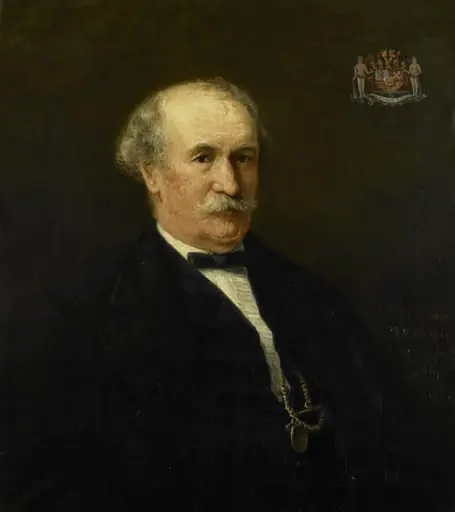 Untitled
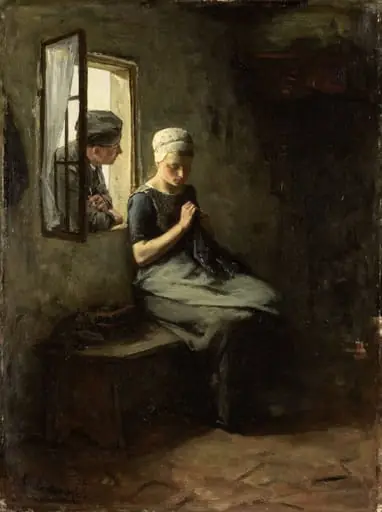 Untitled
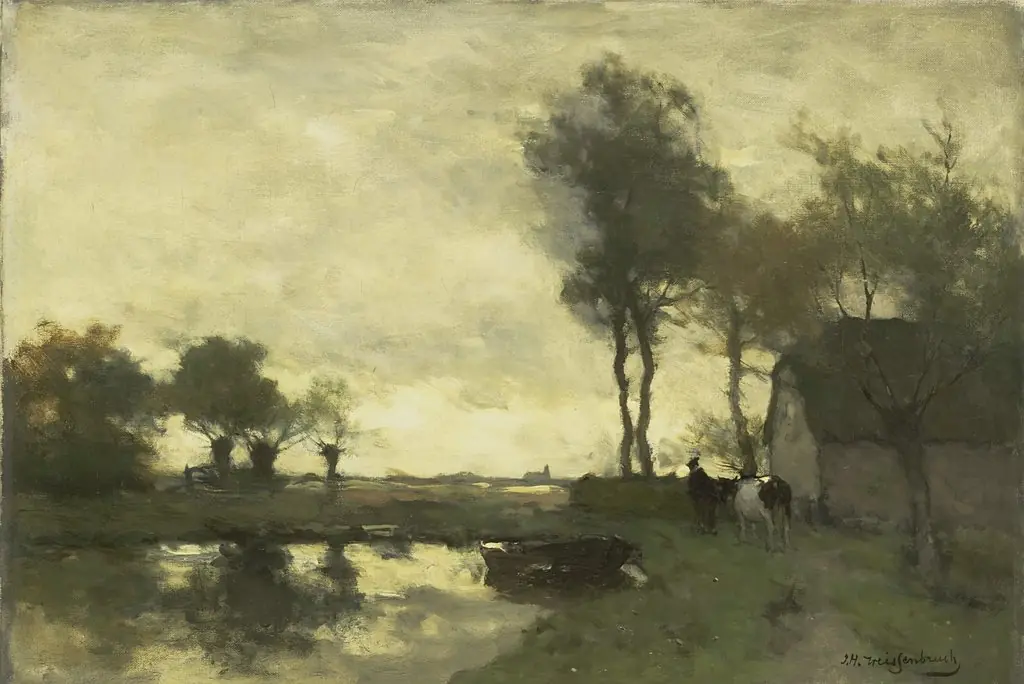 Landschap met boerderij bij een plas
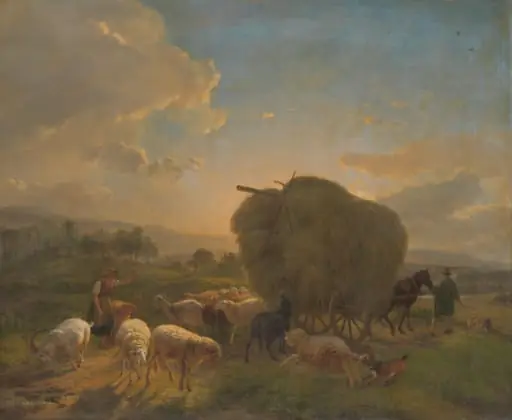 Landscape with Sheep and a Hay Wagon
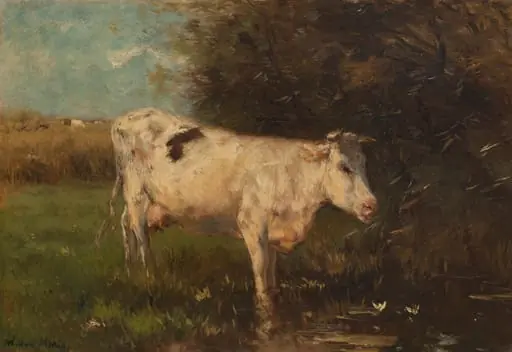 White Cow
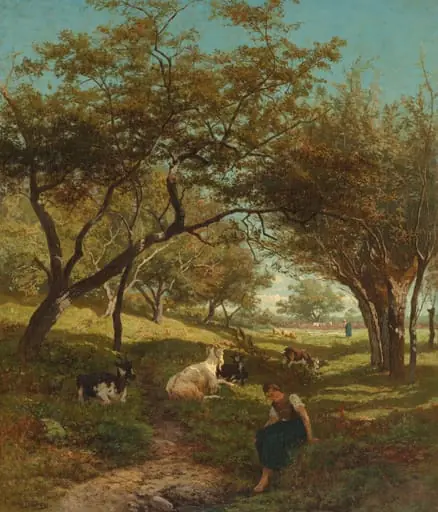 The Goatherdess
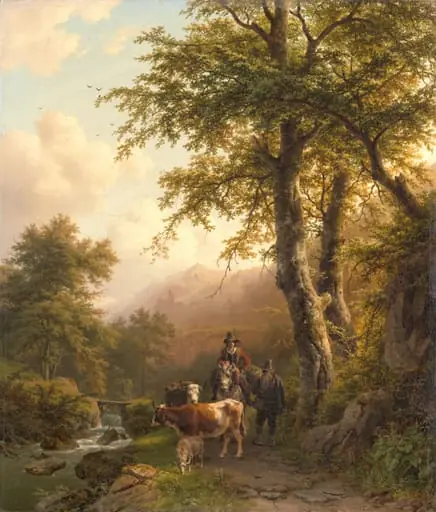 Italian Landscape
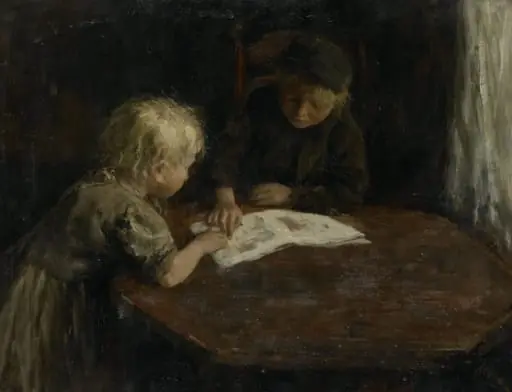 Children with a Picture-book
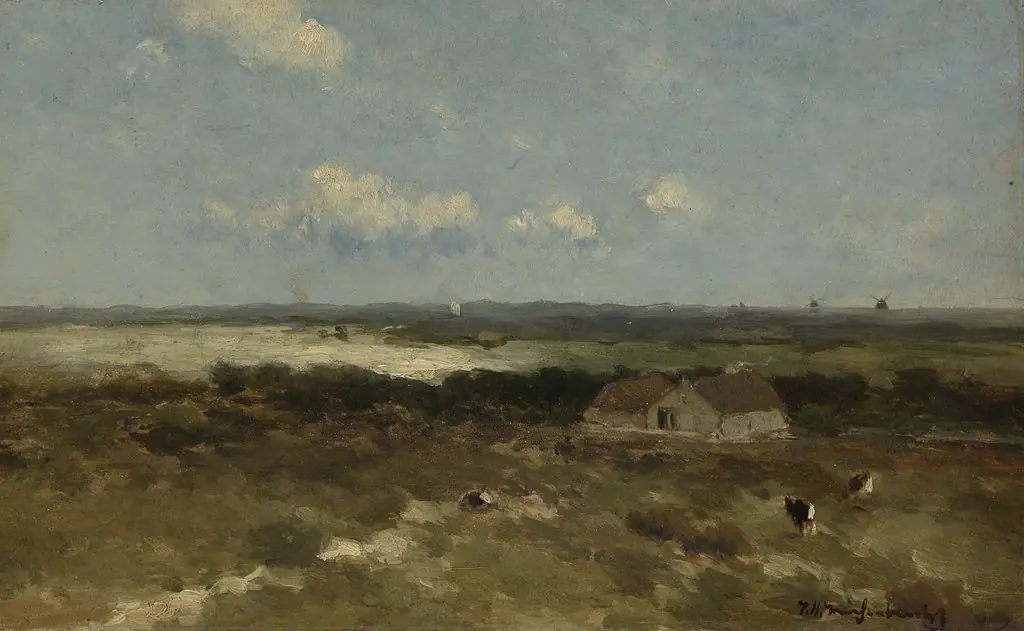 Dune landscape
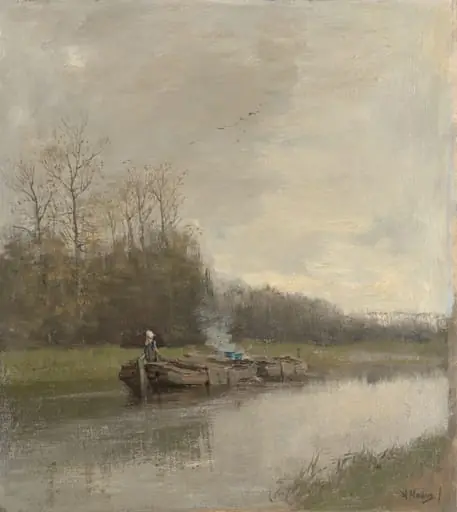 Untitled
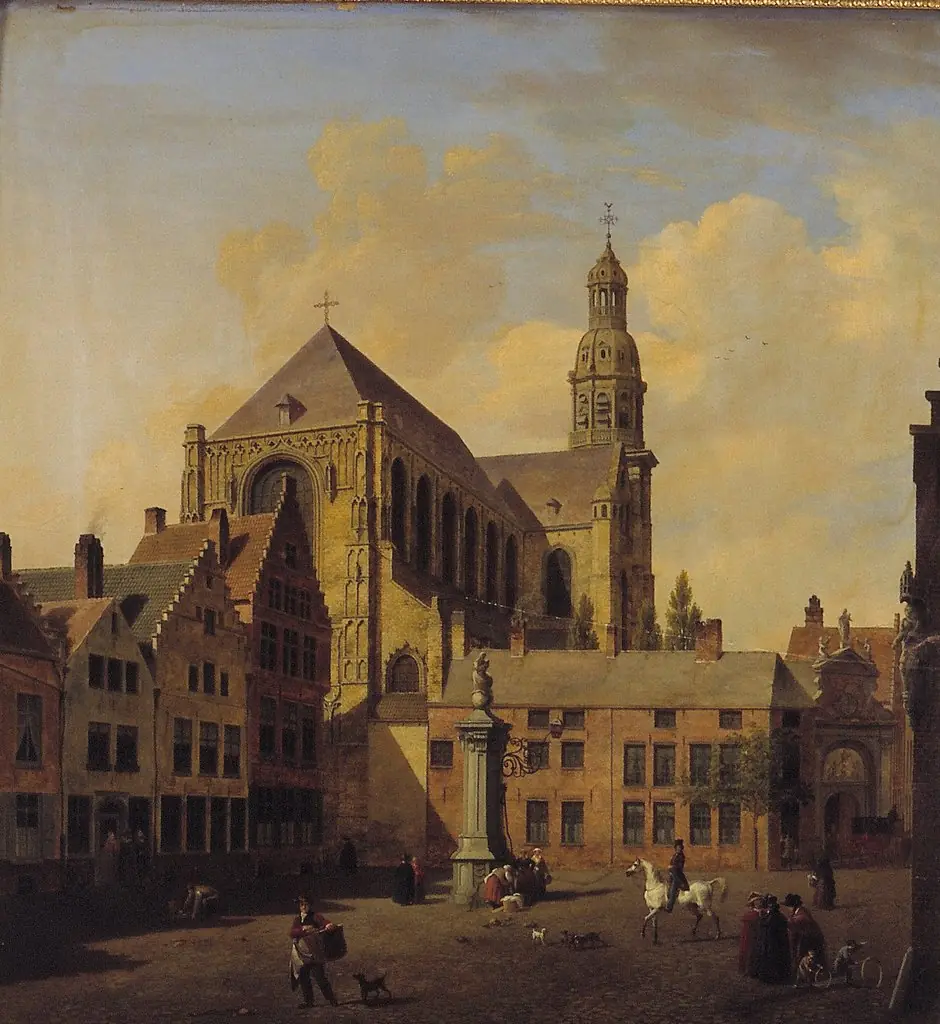 Schapen in een stal, genaamd 'Tehuis'
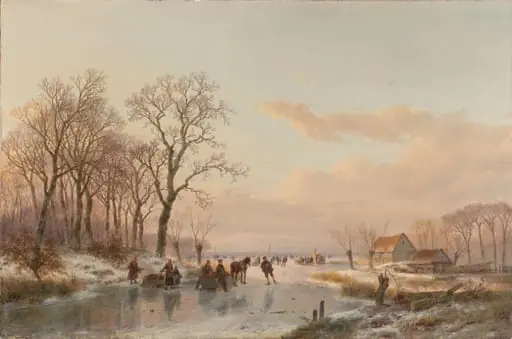 A Frozen Canal near the River Maas
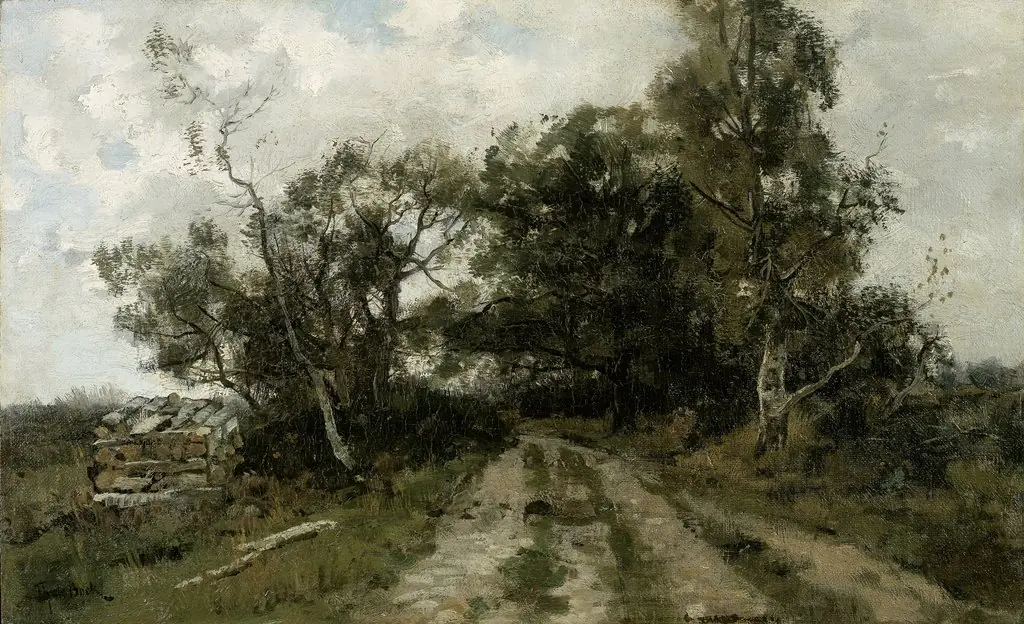 Sandy Path
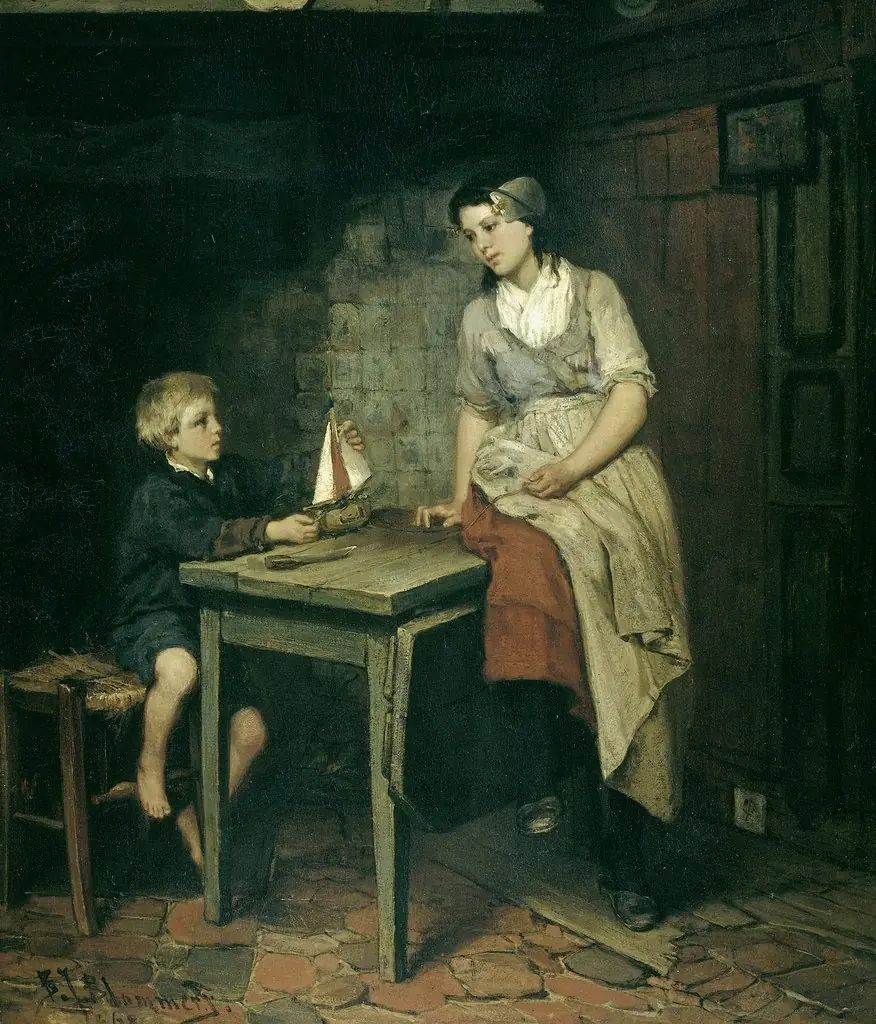 The Fisherman's Children
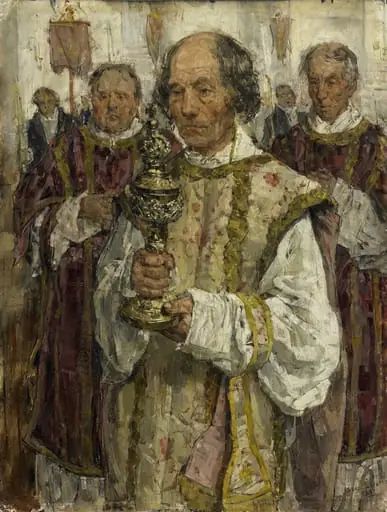 Procession in the Old Catholic Church in The Hague
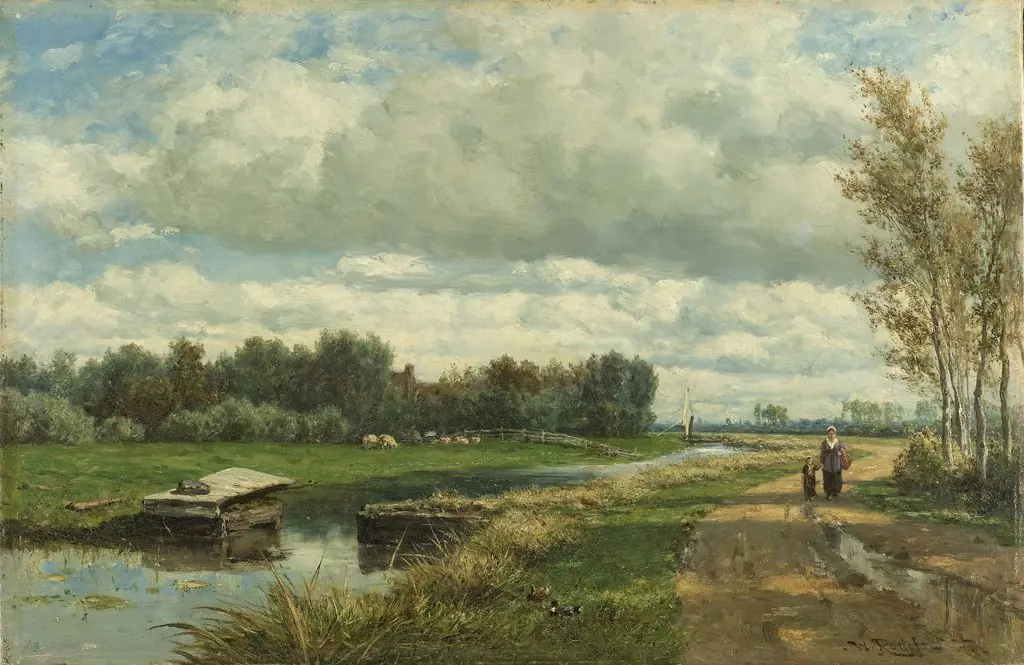 Landscape in the Environs of The Hague
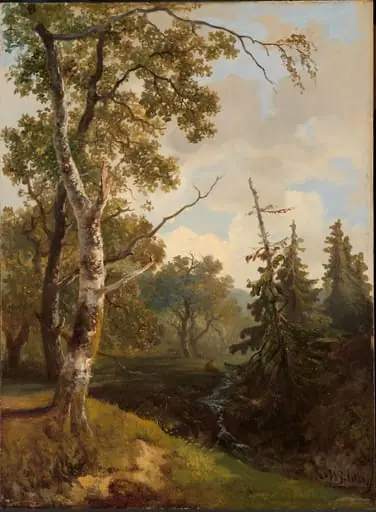 Untitled
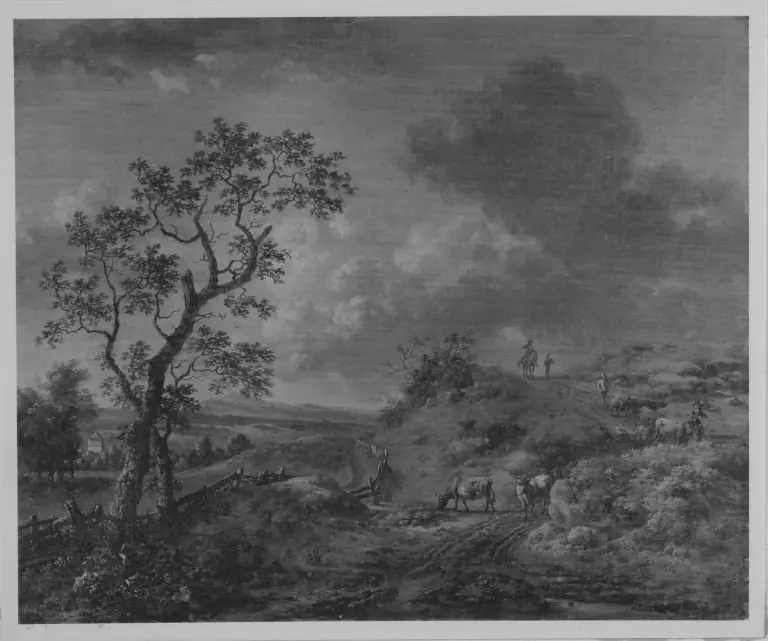 Landschaft mit Hirten und Tieren
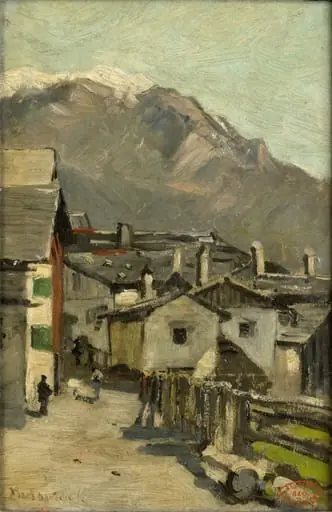 Houses along a road near a mountain (Innsbruck?)
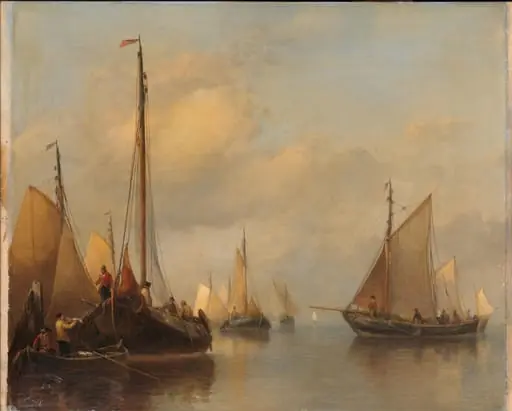 Fishing Boats on calm Water
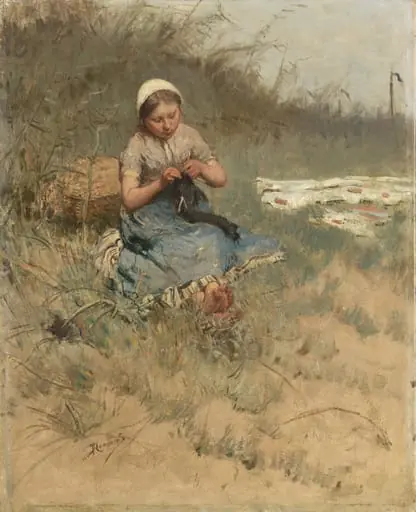 Girl Knitting
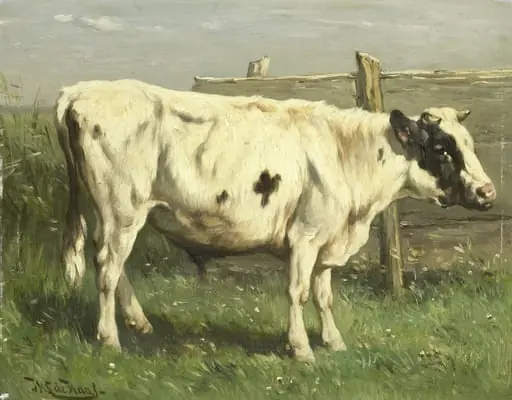 Young Bull
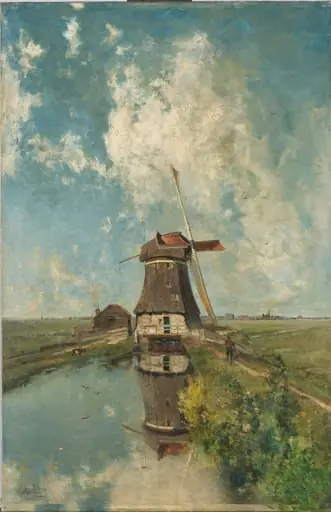 A Windmill on a Polder Waterway, Known as ‘In the Month of July’
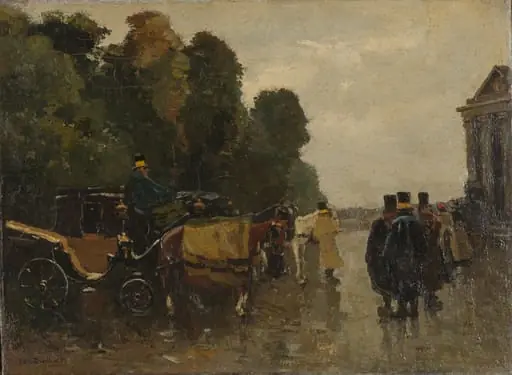 Carriages and Waiting Coachmen
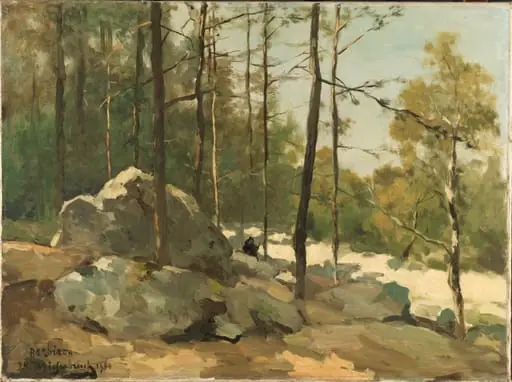 Bosgezicht nabij Barbizon
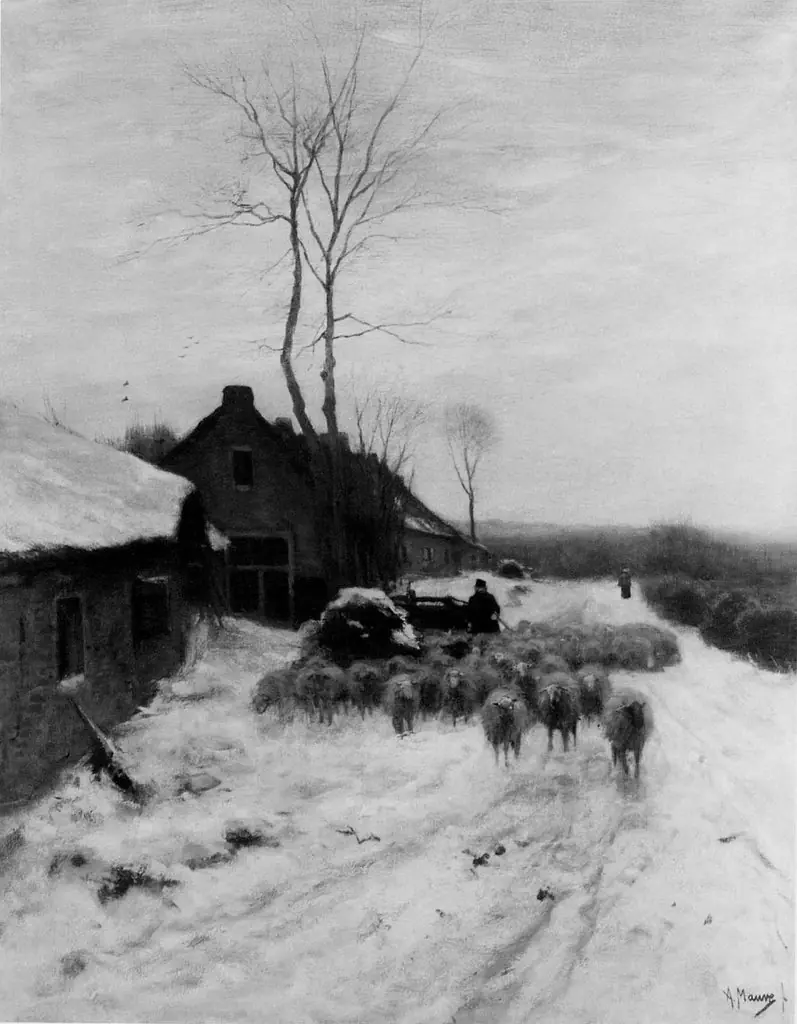 Winter Landscape with Sheep
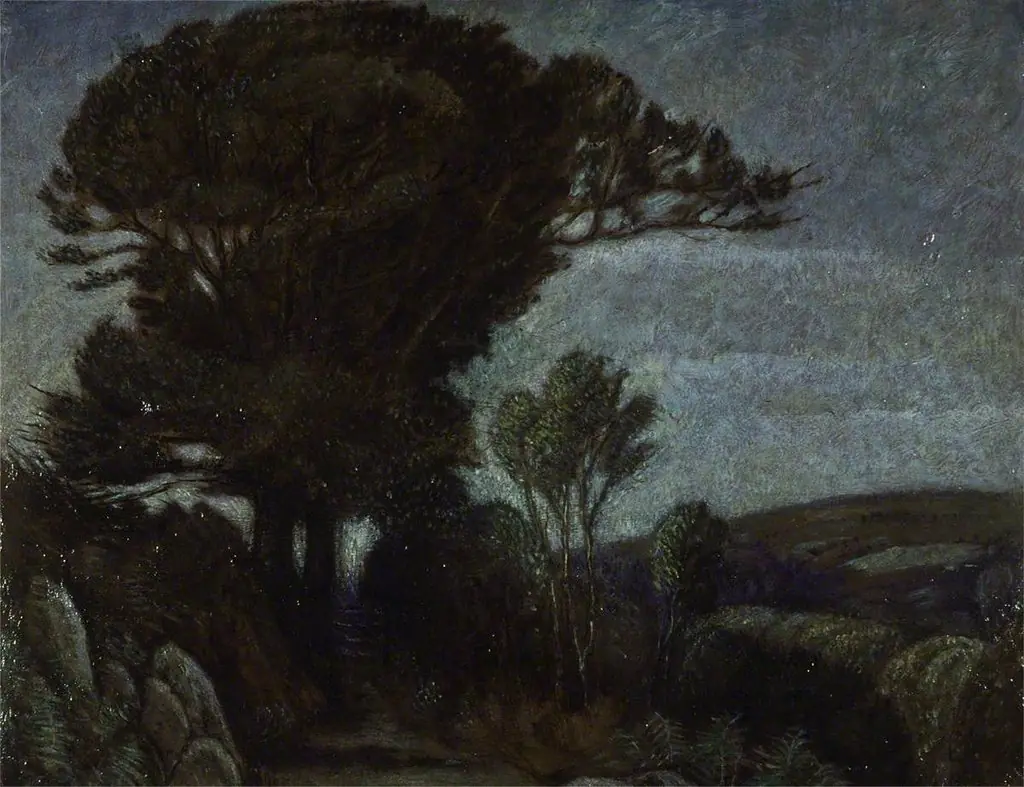 The Clydach Valley, Pembrokeshire
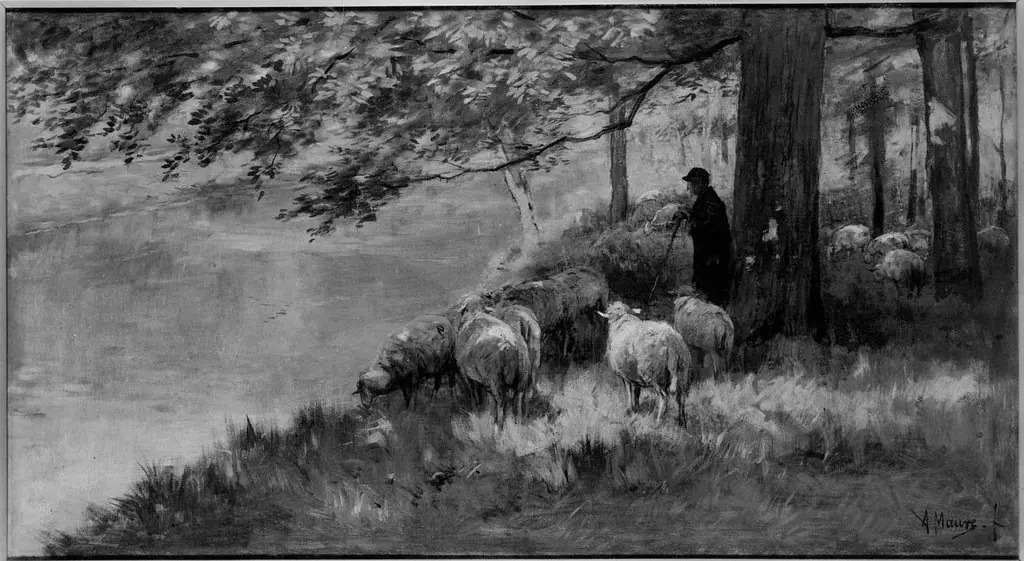 Shepherd and Sheep under the Trees
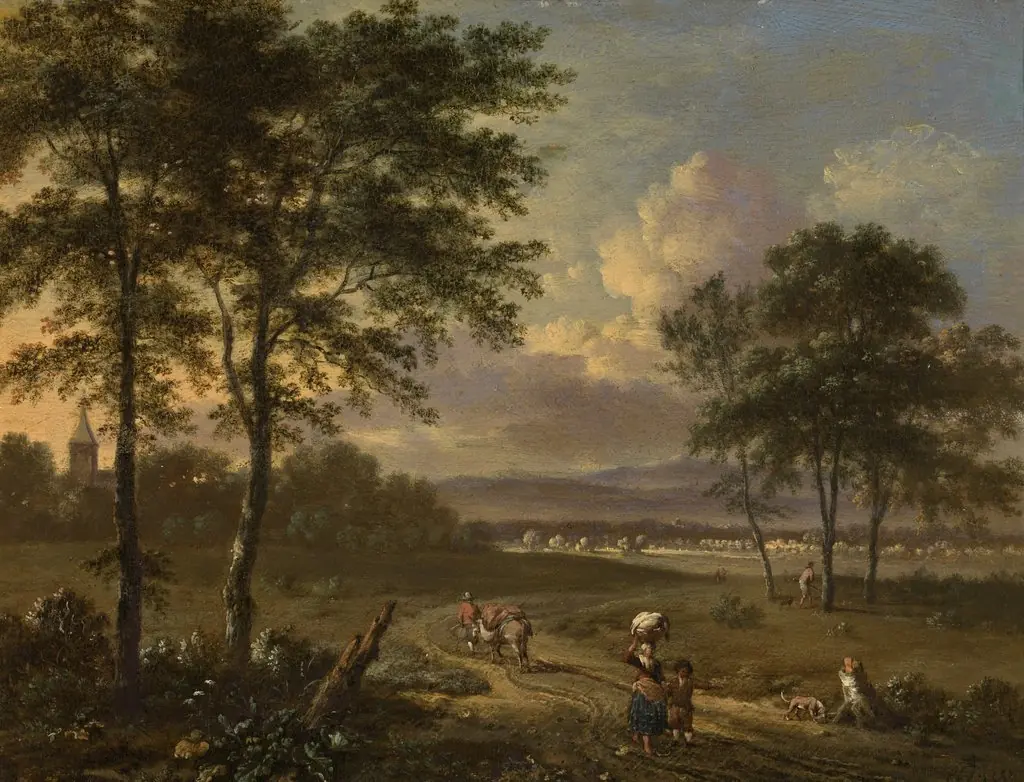 Landschap
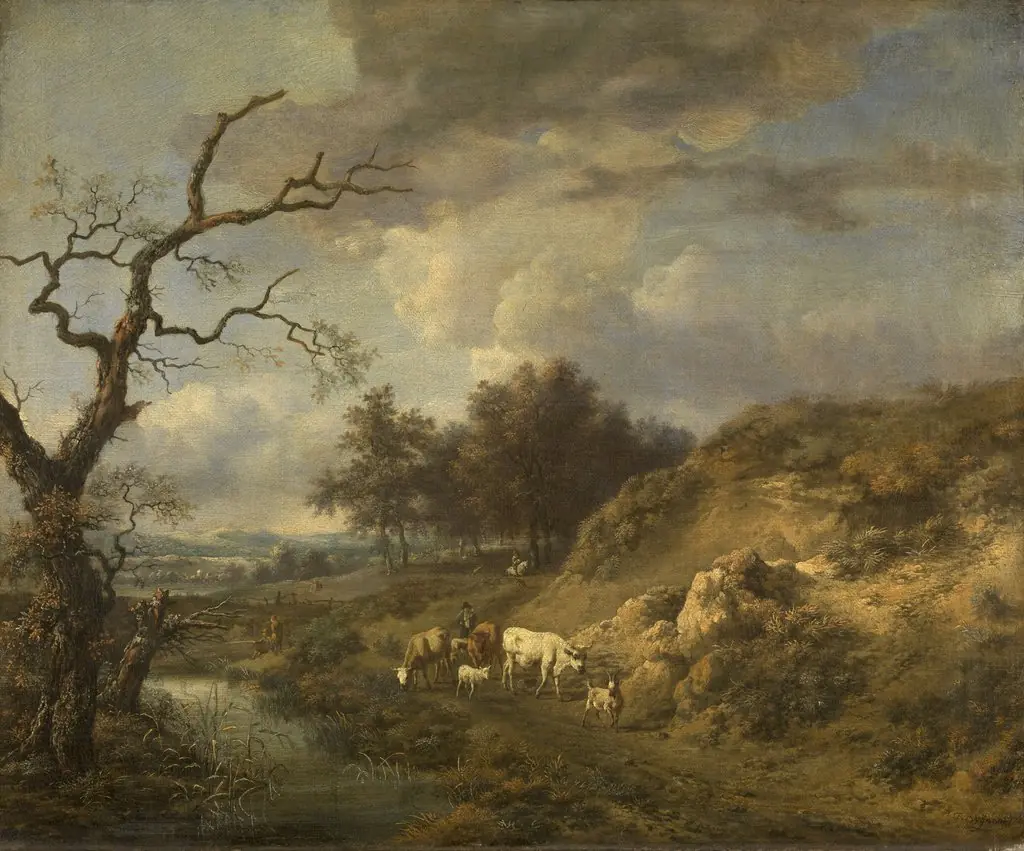 Landschap met vee
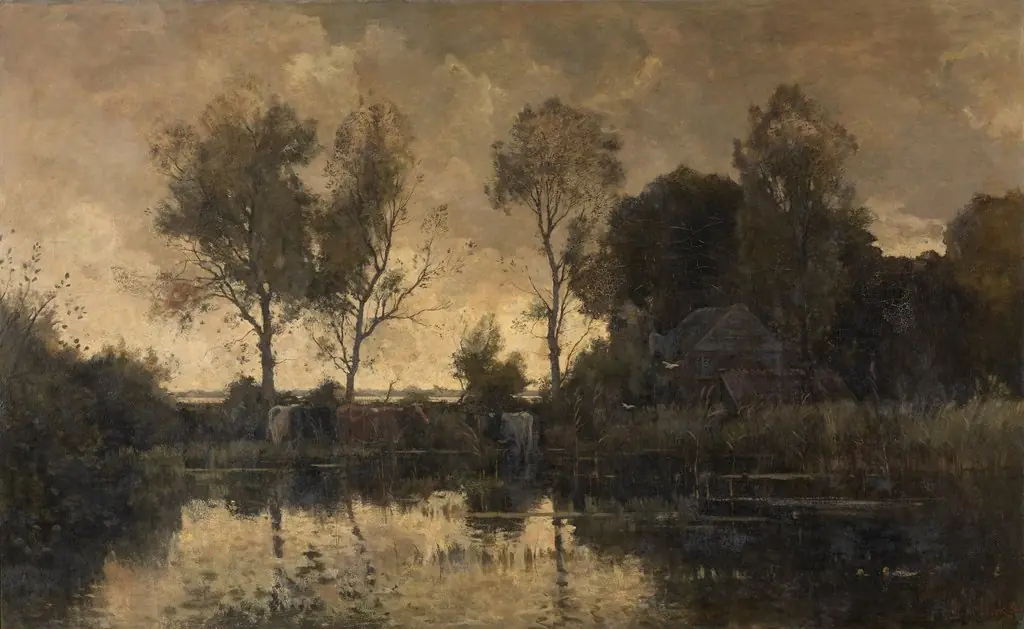 Evening
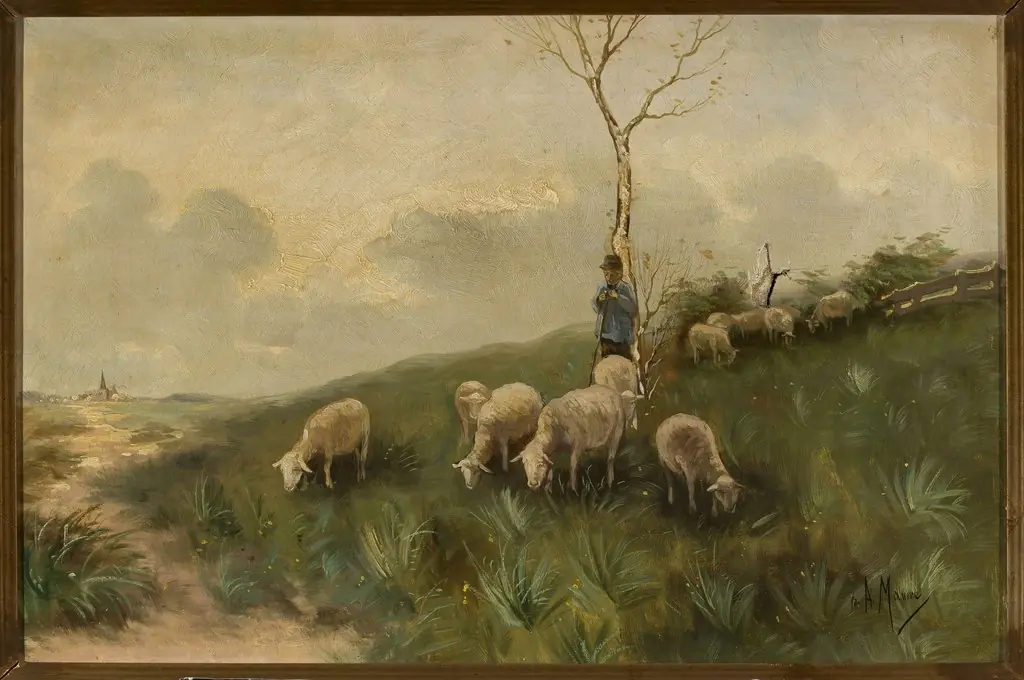 Shepherd and sheep
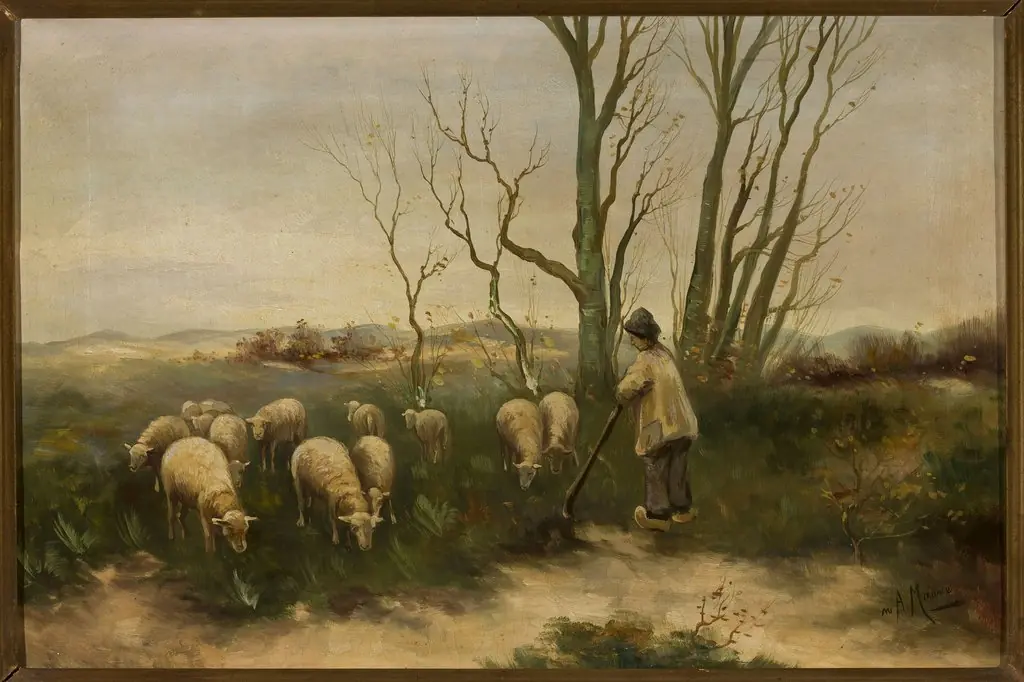 Shepherd and sheep
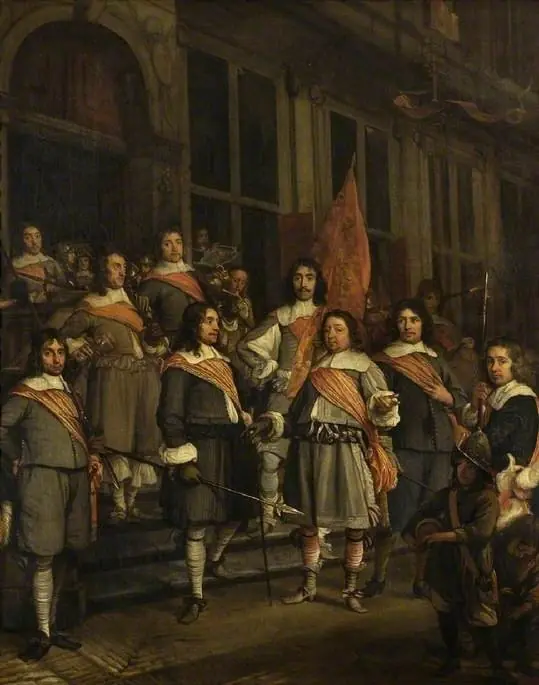 A Company of the Hague Arquebusiers
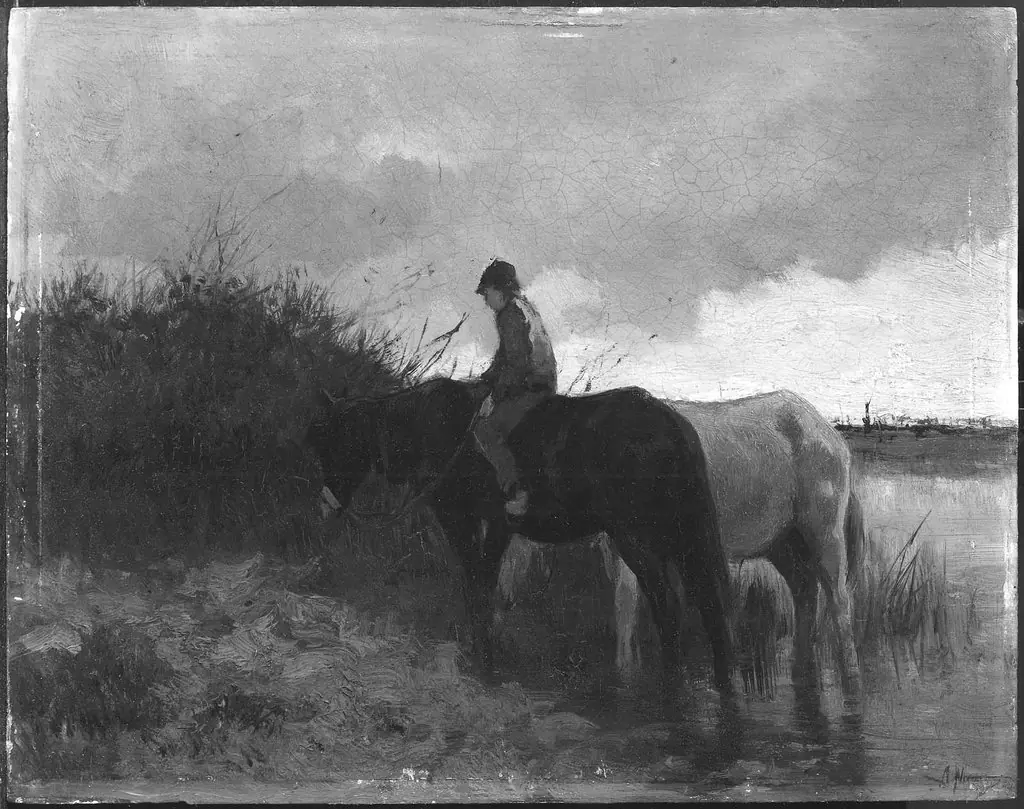 Horses Drinking
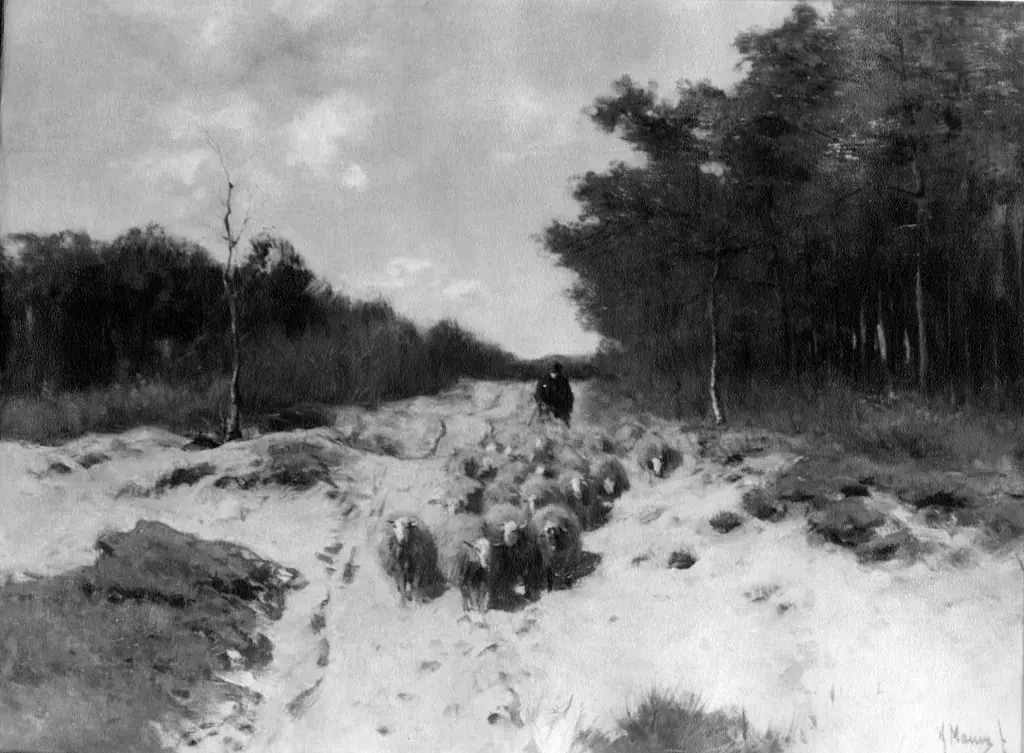 Shepherd and Sheep on a Woodland Road
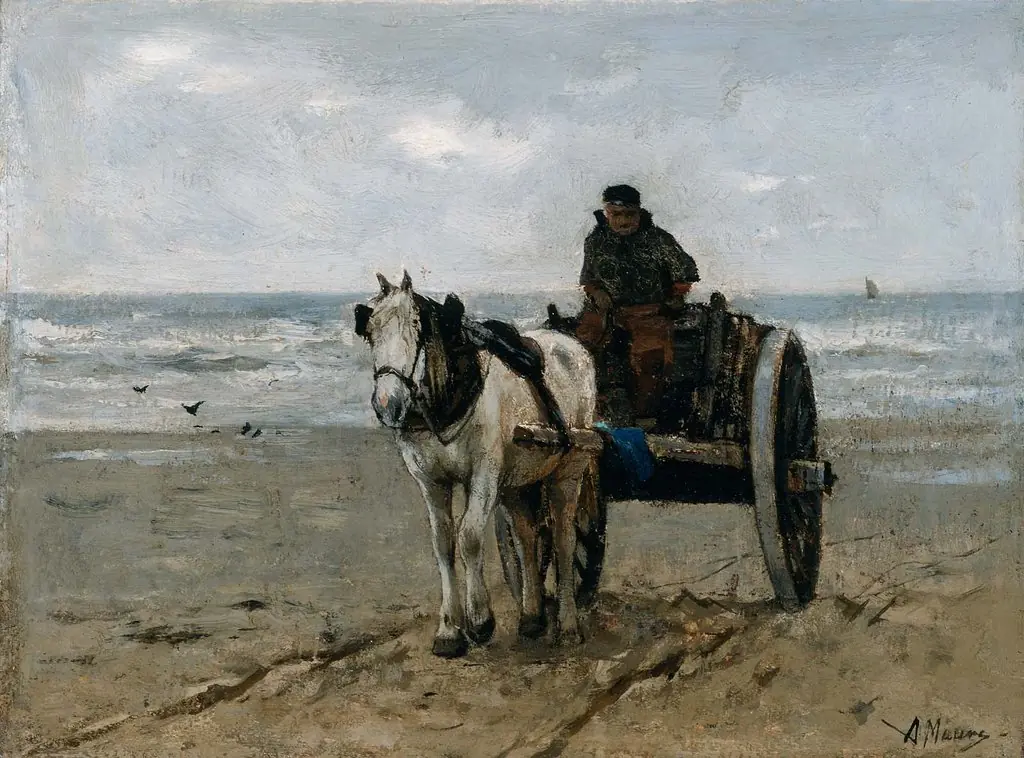 Seaweed Gatherer
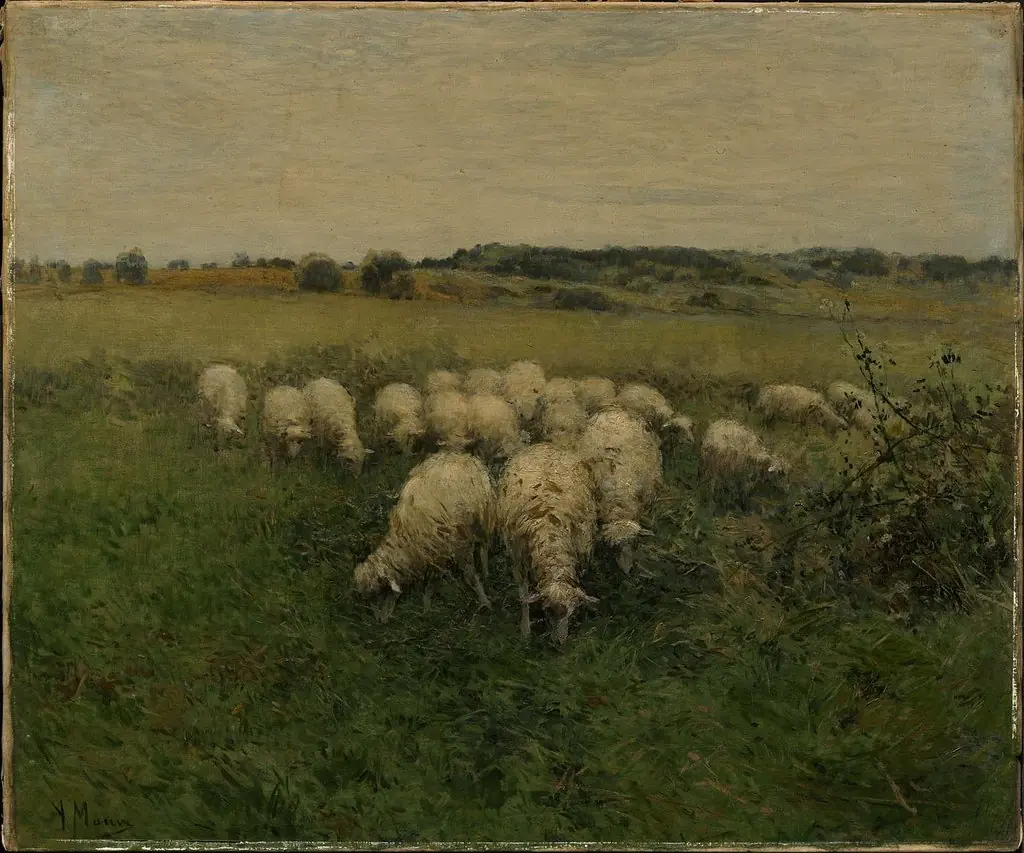 Sheep Grazing in an Open Field
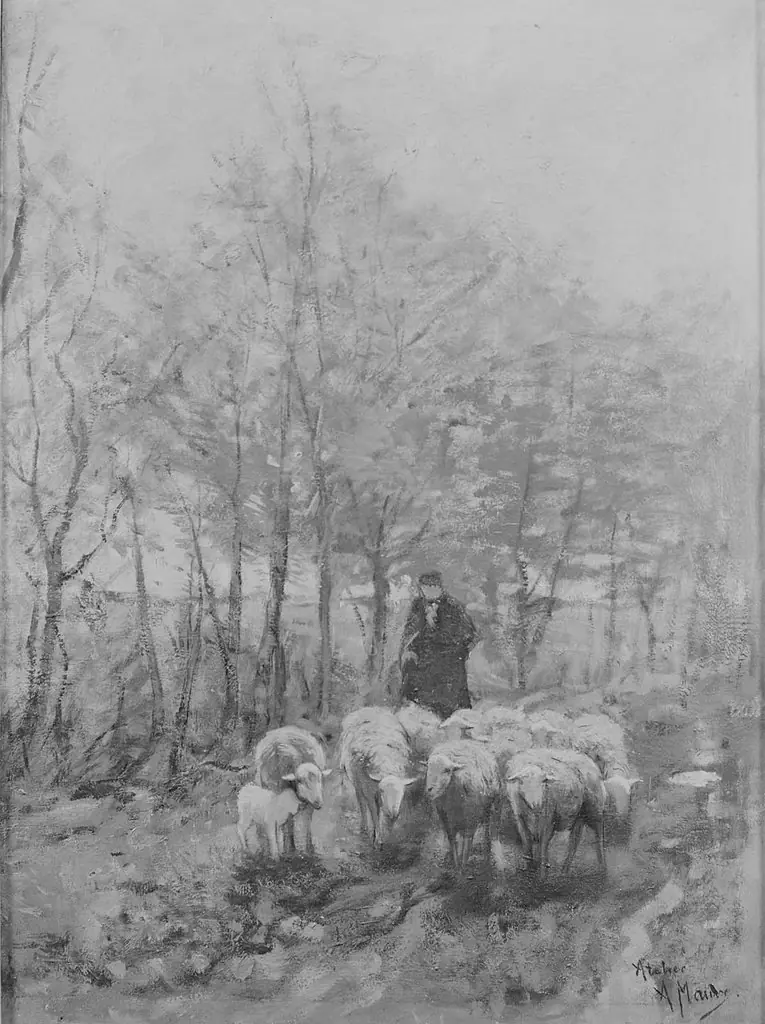 Return of the Flock
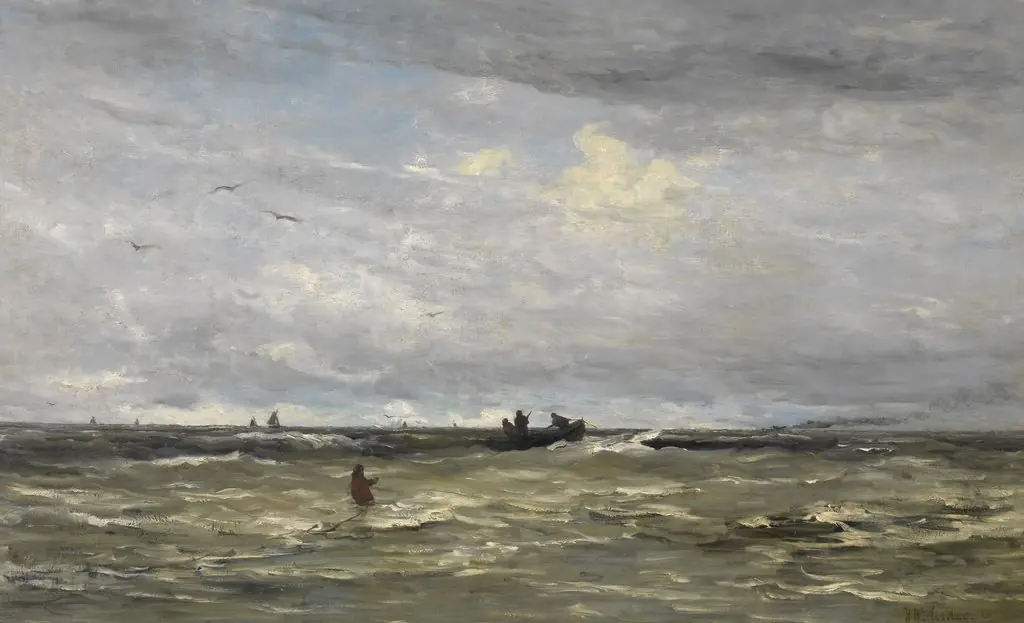 Weigh Anchor
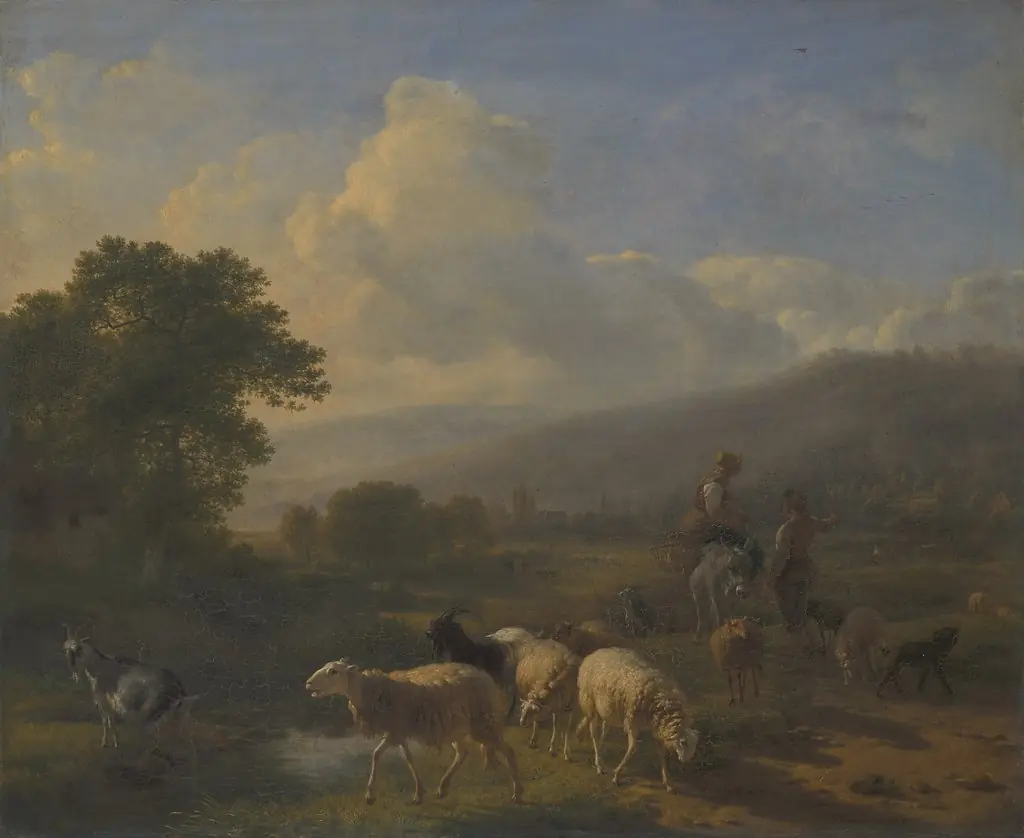 Shepherds with Sheep in a Mountainous Landscape
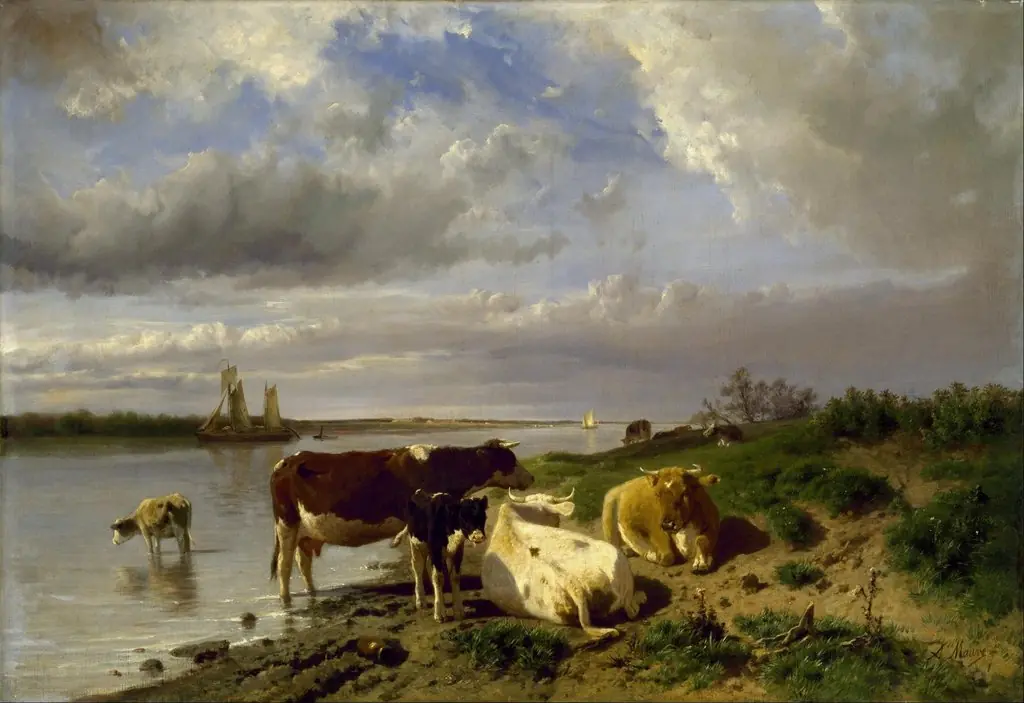 Landscape with Cattle
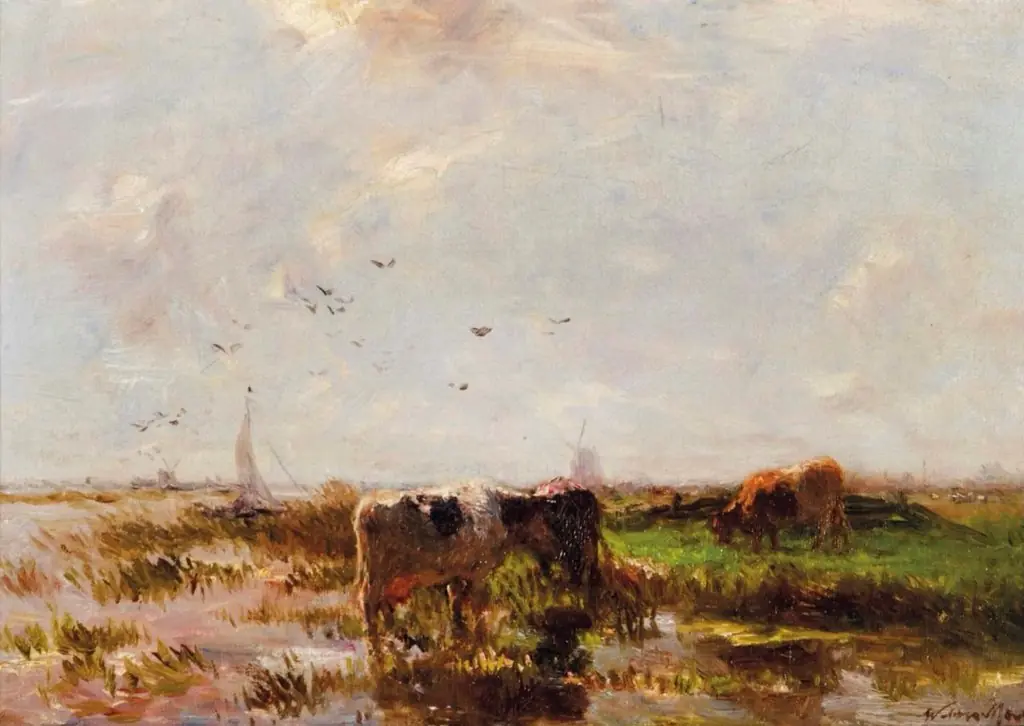 Landscape with cows
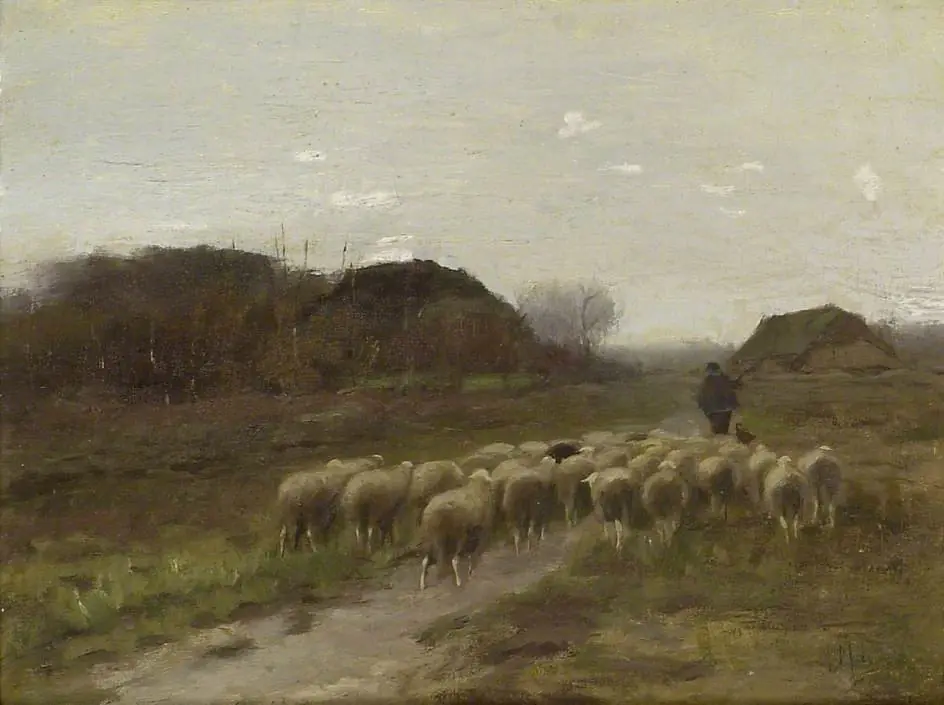 Shepherd and Sheep, Evening
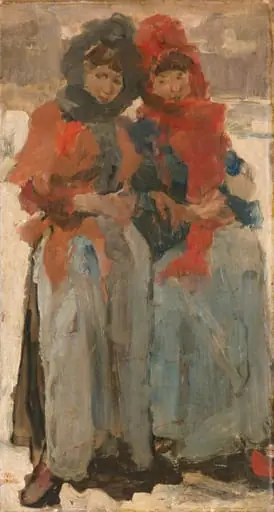 Twee meisjes in de sneeuw
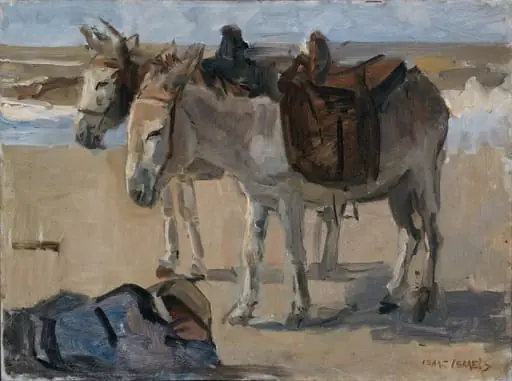 Twee ezeltjes
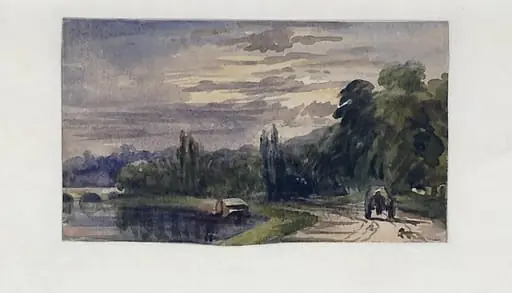 A River Scene; Sunset - A Sketc
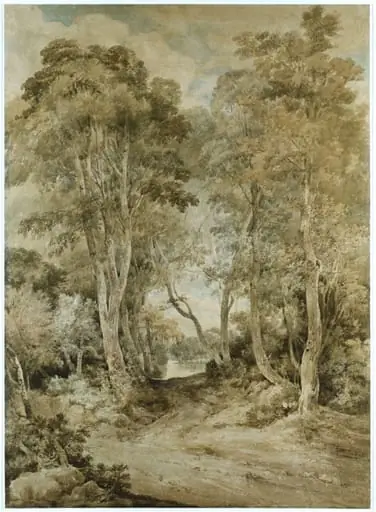 A wood scene
Groups & collectives
Frequently asked questions
What is Hague School?
Hague School is an art movement. A group of Dutch painters active in The Hague from roughly 1860 to 1900 who painted the flat Dutch landscape, gray North Sea skies, and scenes of peasant labor in a tonal, atmospheric palette.
How many Hague School works does Artifact World Gallery have?
Artifact World Gallery holds 53 public-domain Hague School works, all free to view and download.
Who are the key Hague School artists?
Key Hague School artists in the collection include Paul Joseph Constantin Gabriël, Jan Wijnants and Anton Mauve.
When did Hague School take place?
Hague School dates from 1860–1890.
Where can I see Hague School works?
Hague School works in the collection are held by Rijksmuseum, Museum of Fine Arts Boston and Royal Museum of Fine Arts Antwerp.