Artwork
Saint Gregory
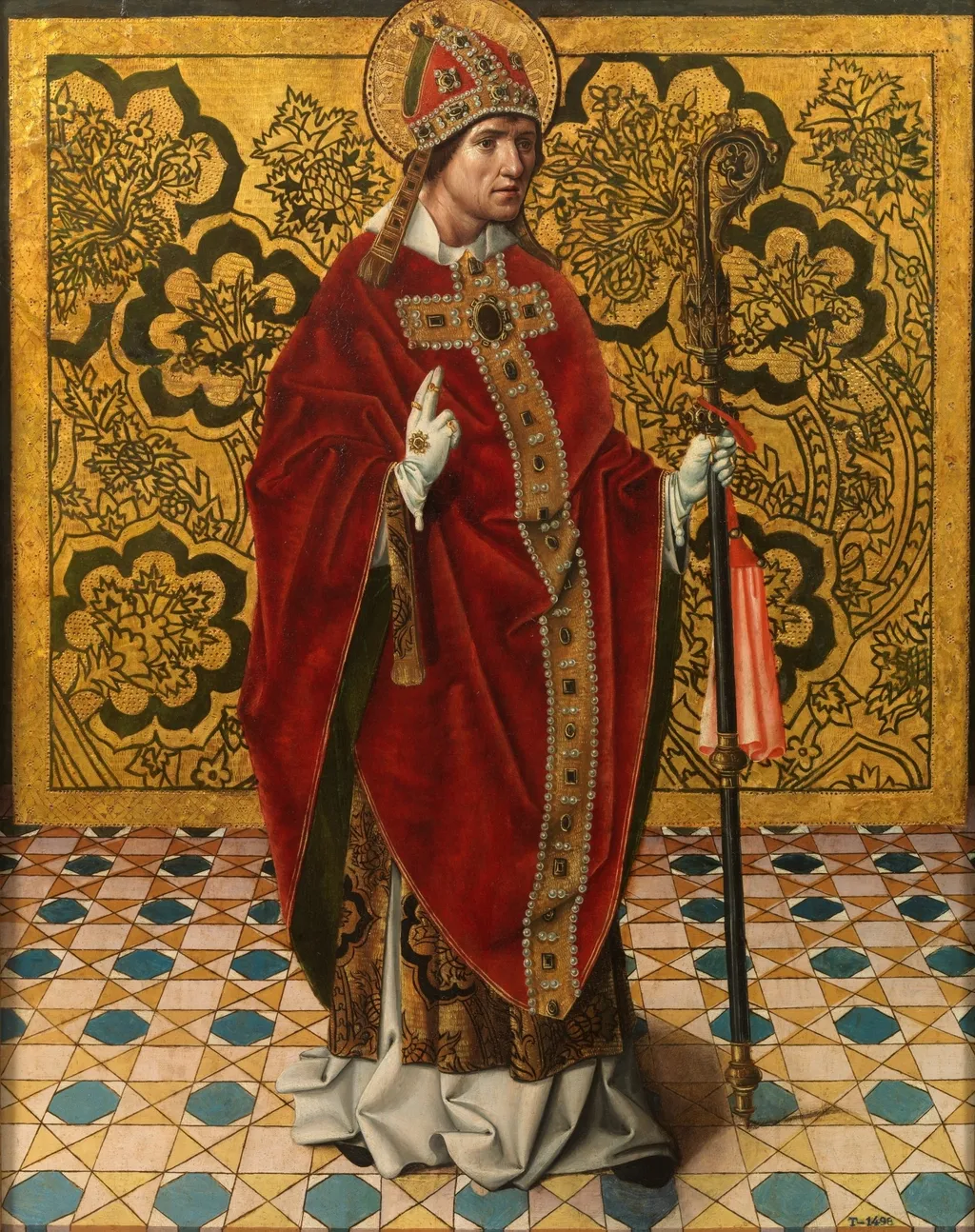
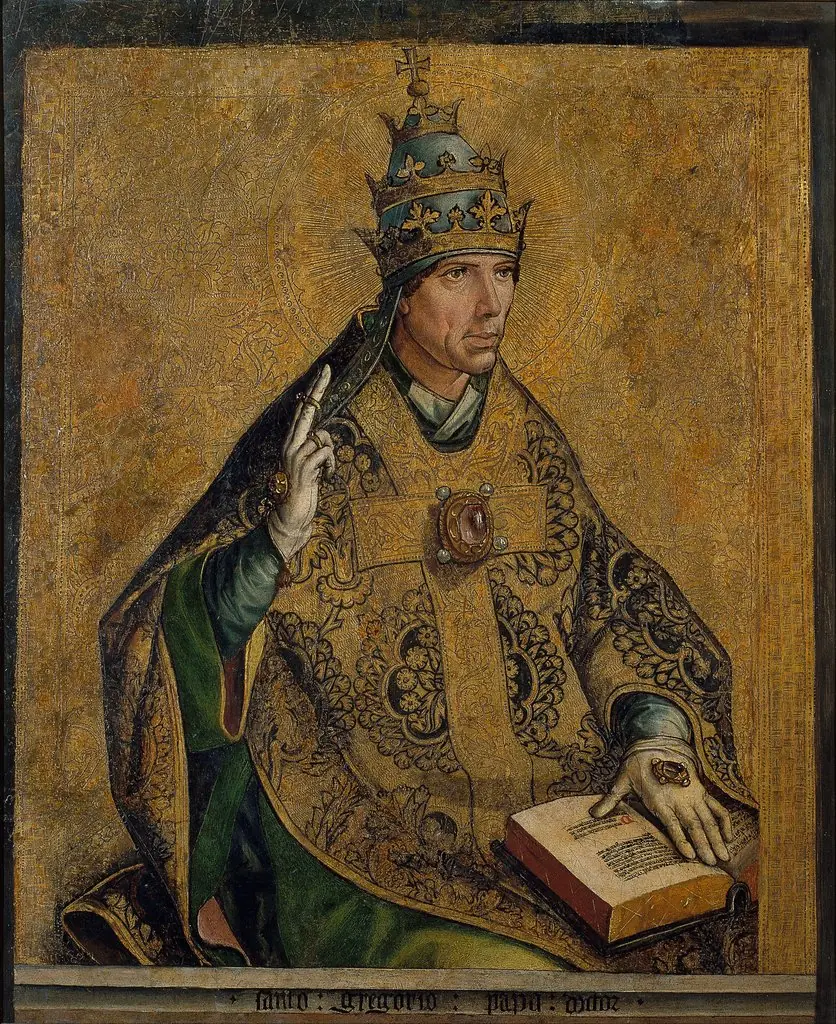
Saint Gregory is an unspecified painting by the Early Renaissance artist Juan de Nalda. It dates from 1500 and is held in the collection of the Museo del Prado.
About this work
Subject & Meaning
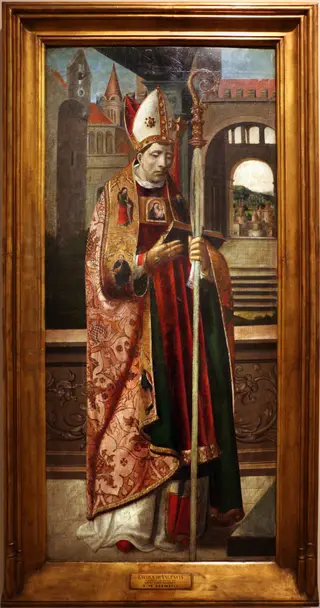
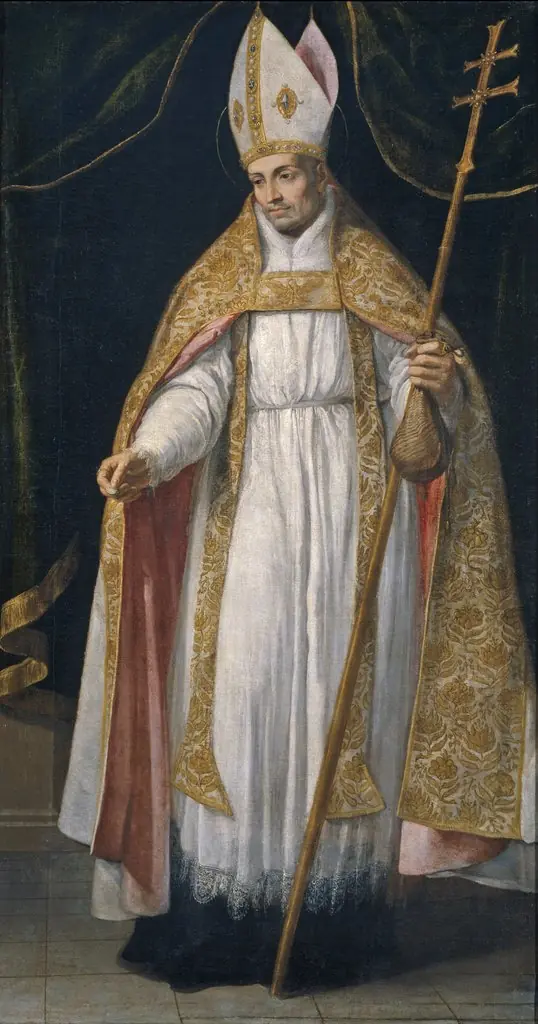
The work employs specific iconographic attributes to identify the saint and signify his ecclesiastical authority, including a crosier and a mitre.
Juan de Nalda's 1500 painting portrays Gregory I, also known as Saint Gregory the Great, as the central religious figure. The work employs specific iconographic attributes to identify the saint and signify his ecclesiastical authority, including a crosier and a mitre. The depiction also incorporates a gemstone as a symbolic element within the composition. These visual components collectively represent the subject's status and role within the context of religious art.
Technique & Style
Saint Gregory is a religious painting executed by Juan de Nalda in 1500 and held by the Museo del Prado. The work is catalogued as a painting, with measured dimensions of 76 cm in height by 60 cm in width. Its iconography centers on Pope Gregory I, accompanied by attributes including a gemstone, a crosier, and a mitre, consistent with traditional devotional portraiture of the saint.
History & Provenance
The panel Saint Gregory by Juan de Nalda is dated to the year 1500. It is held in the collection of the Museo del Prado in Madrid, where it remains located. The painting depicts Saint Gregory the Great vested in liturgical garments including a mitre and crosier, consistent with its religious genre and iconography.
The available sources do not document a specific inventory or accession number, nor any exhibition history for the work.
Context
Created around 1500, this religious painting by Juan de Nalda depicts Pope Gregory I holding a gemstone and crosier, accompanied by a mitre. It belongs to the early sixteenth-century Spanish school and reflects the devotional practices of the period. The work is housed in the Museo del Prado in Madrid.
Legacy
Juan de Nalda's 1500 painting Saint Gregory entered the Museo del Prado collection, where its representation of Pope Gregory I with traditional regalia including a gemstone, crosier and mitre established a visual template that influenced subsequent Spanish Baroque depictions of papal figures and reinforced the saint's iconographic authority within religious art scholarship, as documented in the museum's cataloguing practices and cited in art historical analyses of 16th-century Spanish painting
The work's provenance in a major national institution elevated its status as a reference point for studying papal imagery, shaping academic discourse on the stylistic transmission of Renaissance motifs into later periods and contributing to the broader understanding of Counter-Reformation visual culture.
Overview
Created around the year 1500, Saint Gregory is an oil painting by Juan de Nalda, an early Renaissance artist active in Spain between roughly 1490 and 1510. The work is part of the Museo del Prado’s collection and exemplifies the calm, orderly compositions typical of Nalda’s output.
Own this work as a print
Artist & collection
Artist
Juan de Nalda (active 1490-1510) was a Spanish painter in the Flemish style. He was the son of an embroiderer active in Navarrete in La Rioja. In November 1493 documents record him in the studio of Jean Changenet, an…