Artwork
Baldwin III
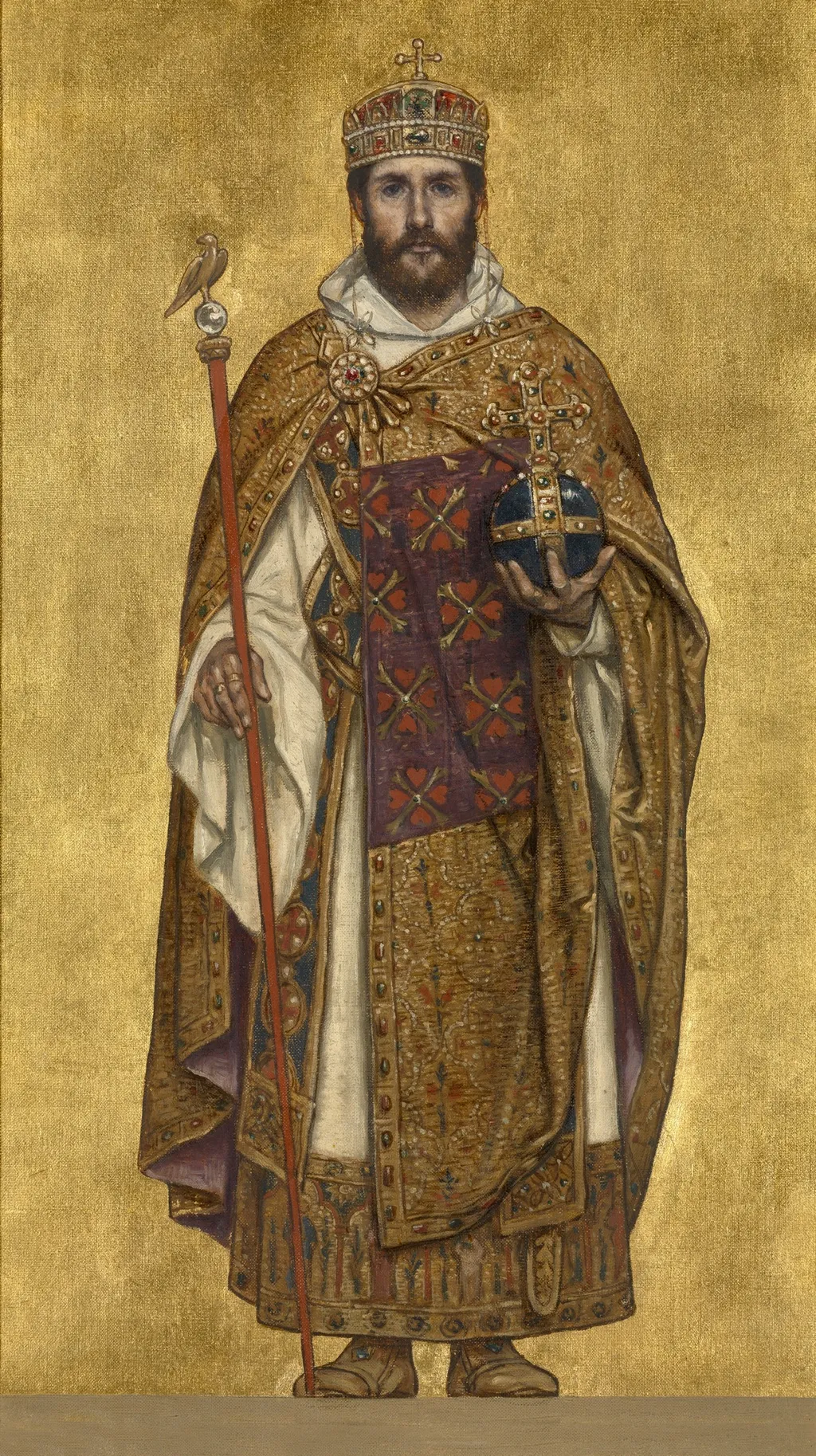
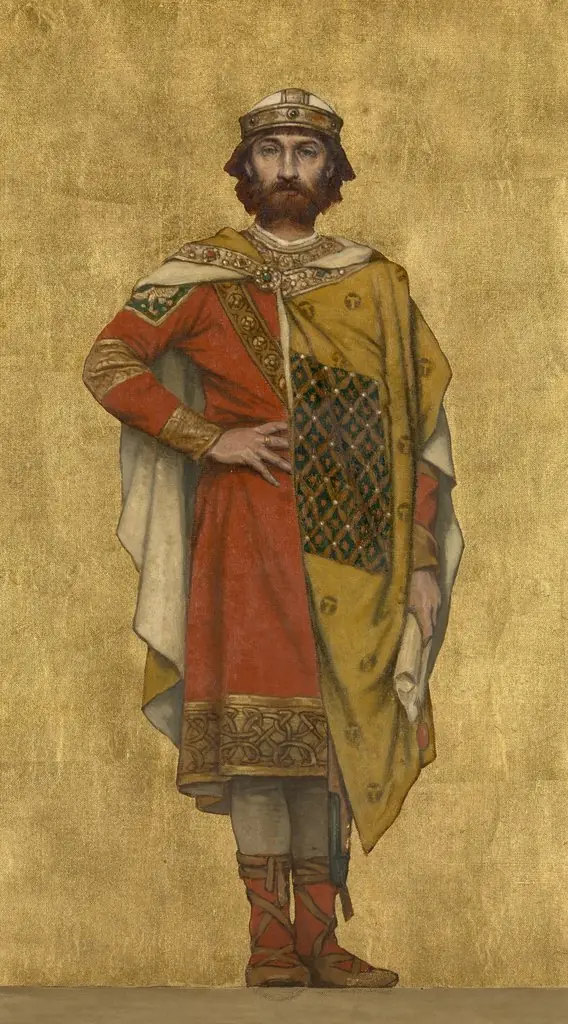
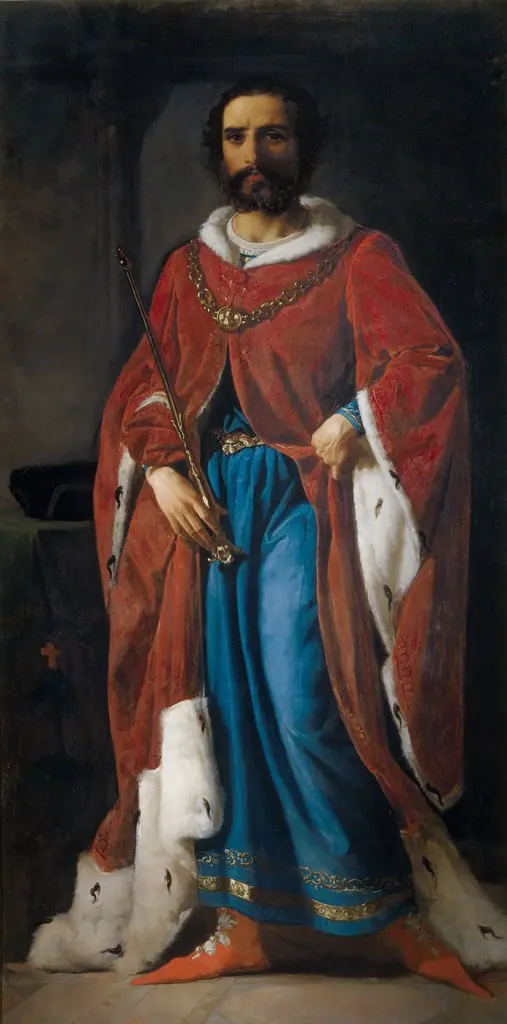
Baldwin III is an oil painting by the Naïve art artist Albrecht De Vriendt. It dates from 1895 and is held in the collection of the Royal Museum of Fine Arts Antwerp.
About this work
Overview
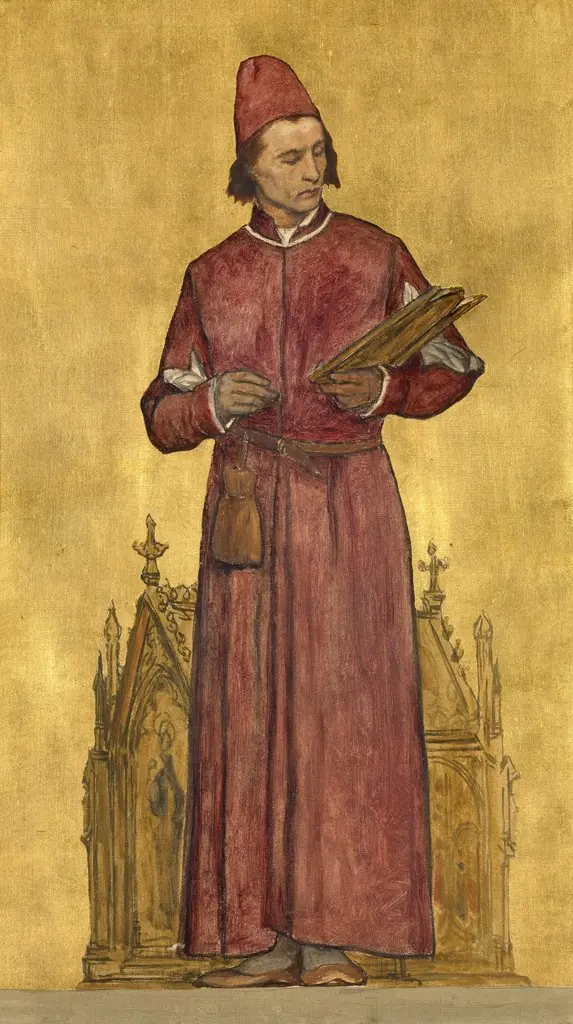
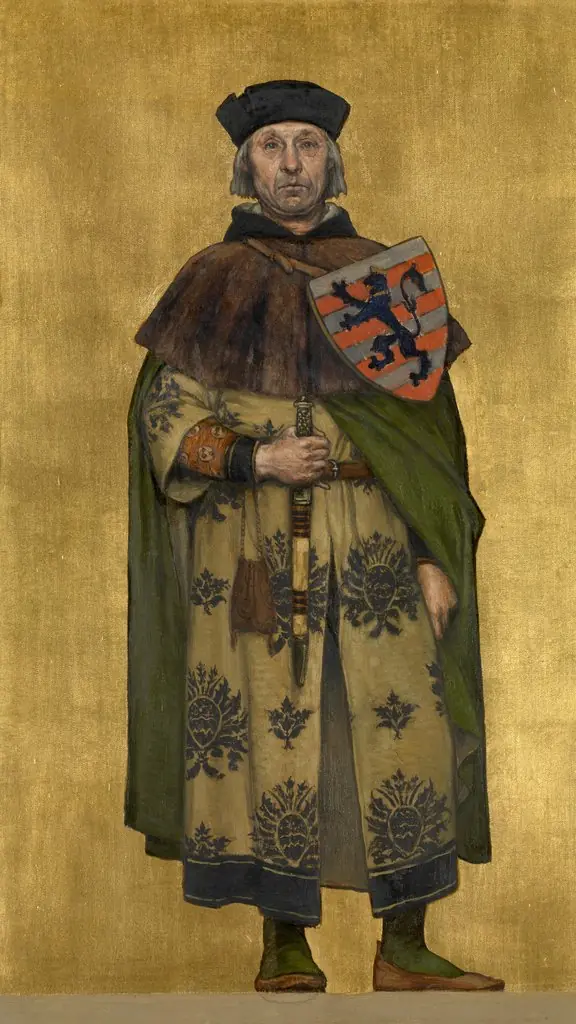
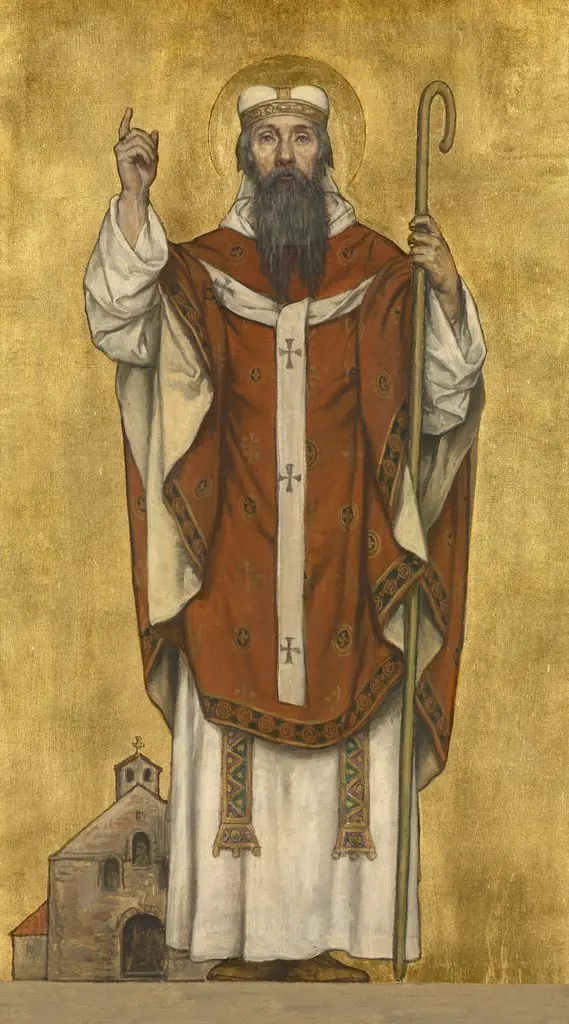
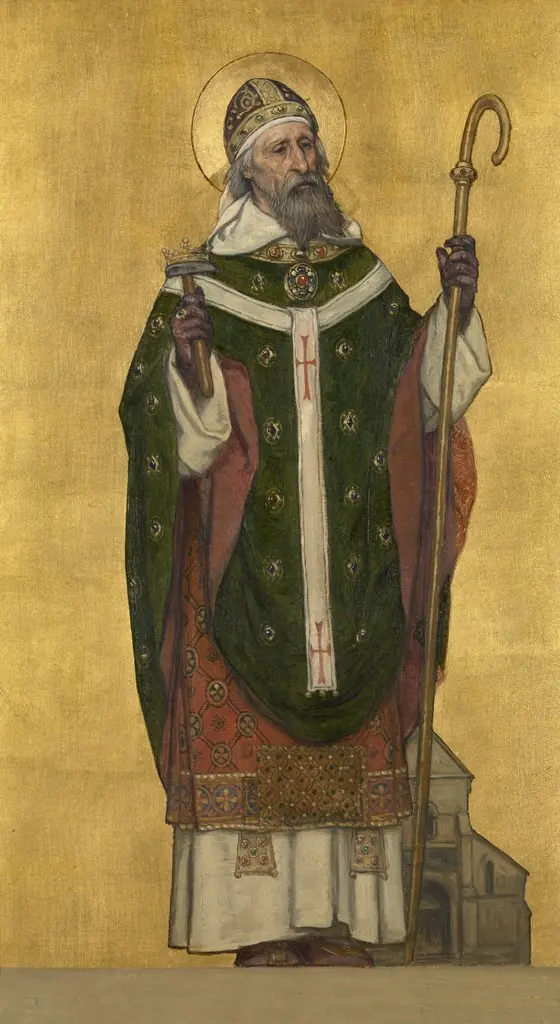
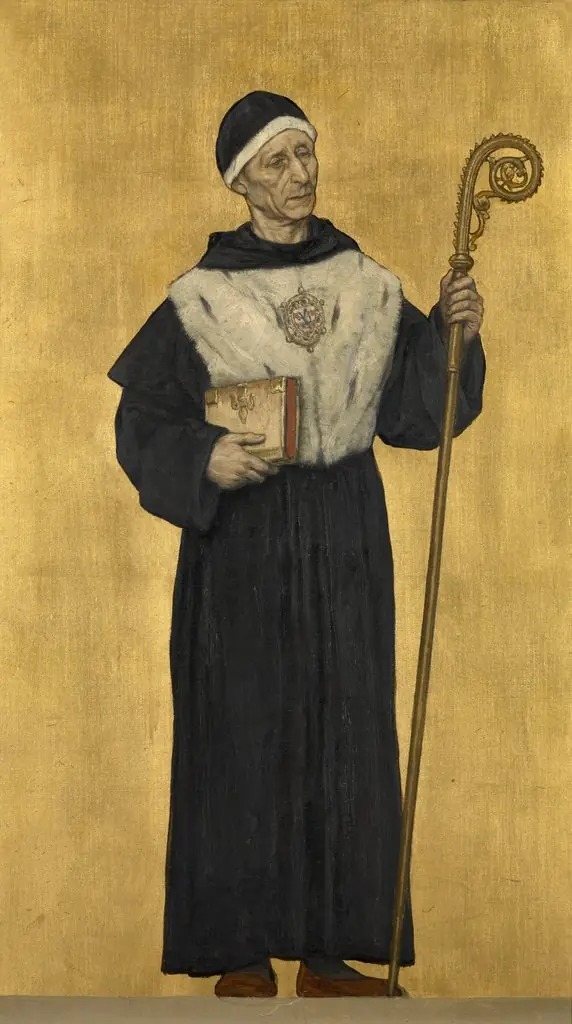
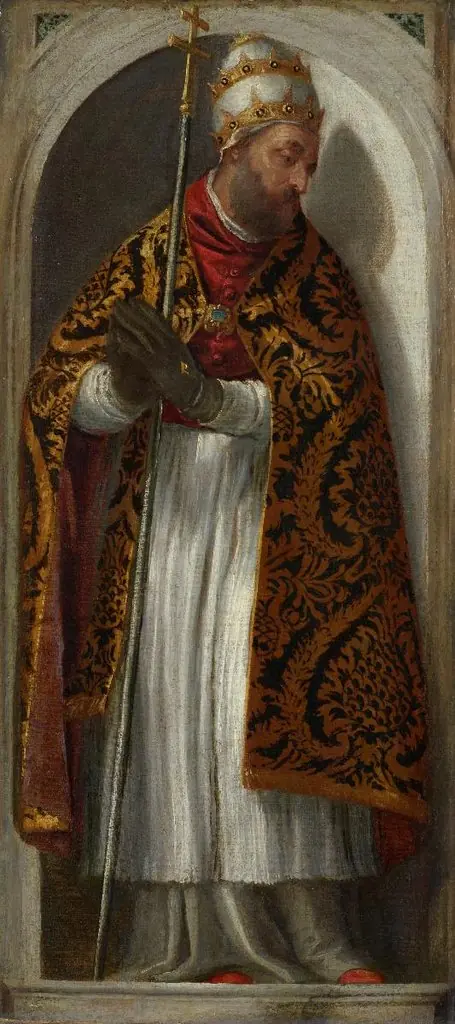
Painted in 1895 by Belgian artist Albrecht De Vriendt, this oil-on-canvas work portrays Baldwin III, a medieval ruler of Jerusalem.
Painted in 1895 by Belgian artist Albrecht De Vriendt, this oil-on-canvas work portrays Baldwin III, a medieval ruler of Jerusalem. De Vriendt, known for historical and genre subjects, rendered the figure with meticulous attention to costume and regalia. The painting resides in the Royal Museum of Fine Arts Antwerp, reflecting the 19th-century European interest in reconstructing historical authority through visual narrative.
Subject & Meaning
The figure is depicted as Baldwin III, King of Jerusalem, clad in ceremonial robes and holding symbols of sovereignty: a scepter topped with a bird and a crown. The imagery emphasizes legitimacy and divine right, common themes in 19th-century historical painting. The absence of context or narrative action focuses attention on the ruler’s presence, transforming him into an emblem of monarchical dignity rather than a participant in a specific event.
Technique & Style
De Vriendt employed fine brushwork to render the rich textures of fabric, metal, and gemstone details. The warm golden background enhances the luminosity of the robes, which feature intricate patterns in red, blue, and gold. While the composition is formal and static, the rendering of light on surfaces suggests an awareness of chiaroscuro, though the overall effect remains decorative rather than dramatically theatrical.
History & Provenance
Created in 1895, the painting entered the collection of the Royal Museum of Fine Arts Antwerp, where it remains today. De Vriendt, active in Belgium’s Romantic-historical tradition, often drew from medieval and biblical sources. His role as a copyist likely informed his precise handling of historical dress and iconography, making this work part of a broader 19th-century effort to visually reconstruct the past.
Context
In late 19th-century Europe, historical painting served both scholarly and nationalist agendas. De Vriendt’s depiction of a Crusader king aligns with contemporary fascination with medieval chivalry and Christian kingship. The painting reflects a trend among Belgian artists to revive historical subjects with academic precision, even as modernist movements began to challenge traditional narrative forms.
Legacy
Though not widely exhibited outside Belgium, the painting exemplifies De Vriendt’s commitment to historical accuracy and craftsmanship. His work, including this portrait, contributed to the preservation of medieval iconography in public collections. Today, it stands as a quiet testament to the 19th-century belief in art’s capacity to anchor national identity through imagined pasts.
Artist & collection
Artist
Albrecht Frans Lieven De Vriendt or Albrecht De Vriendt (In French-language publications referred to as Albert De Vriendt or Albert François Lieven De Vriendt) (Ghent, 8 December 1843 – Antwerp, 14 October 1900) was a…