Artwork
Portrait of Blaise-Francois-Aldegonde de Jouvencel (1762-1840), Maire de Versailles (1813-1816)
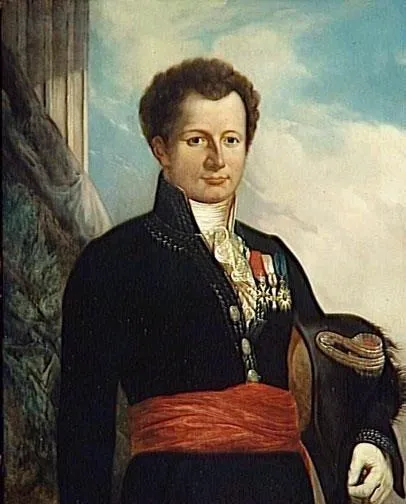
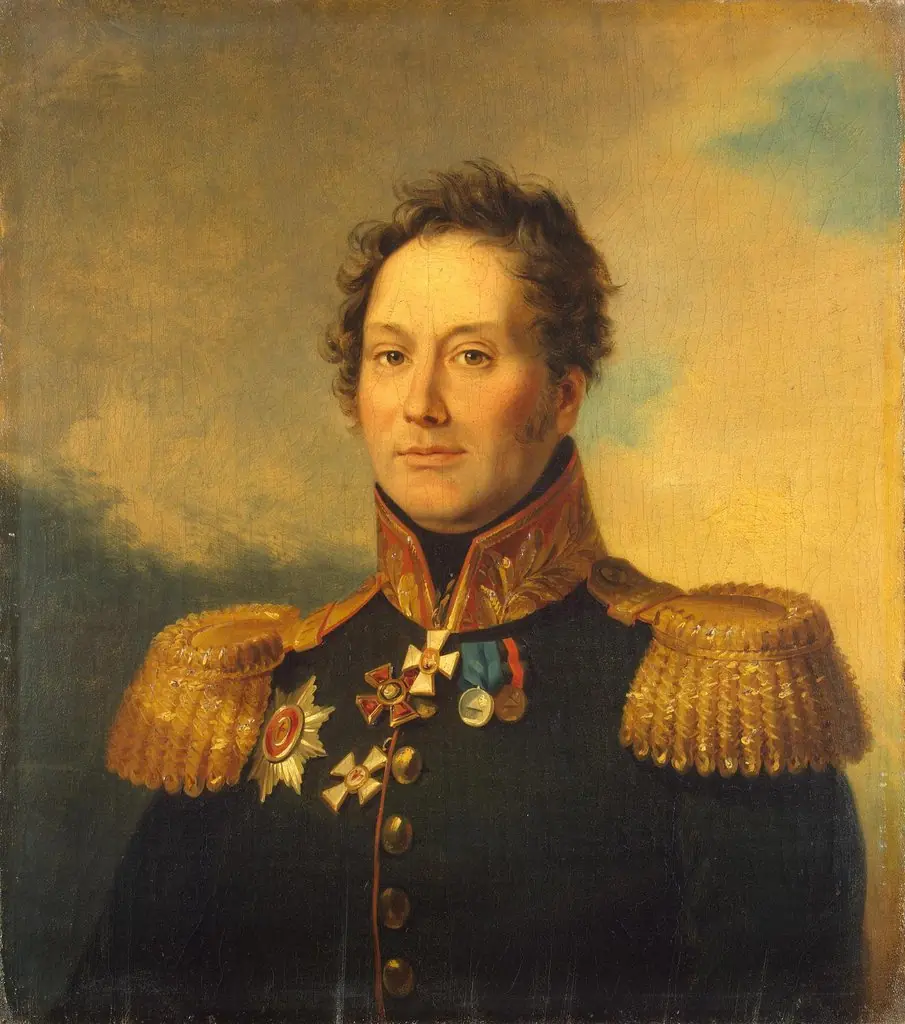
Portrait of Blaise-Francois-Aldegonde de Jouvencel (1762-1840), Maire de Versailles (1813-1816) is an oil painting by the Realist artist Jules Rigo. It dates from 1856 and is held in the collection of the Palace of Versailles.
About this work
If you're interested in learning more about the artist who created this painting, you might want to look up Jules Rigo.
This painting depicts a man in a black coat with a red sash around his waist. He has short, curly hair and is wearing a white shirt with a high collar. The background of the painting is a blue sky with white clouds.
The man's attire suggests that he may be a military officer or a member of the nobility. The painting is done in oil paint, which was a common medium for art during the 19th century.
The level of detail and realism in the painting suggests that it was created by a skilled artist. If you're interested in learning more about the artist who created this painting, you might want to look up Jules Rigo.
Overview
Painted in 1856 by Jules Rigo, this oil portrait captures Blaise-François-Aldegonde de Jouvencel, who served as mayor of Versailles between 1813 and 1816. The work is part of the Palace of Versailles collection, reflecting its historical connection to local governance and elite portraiture in post-revolutionary France. The composition emphasizes formal dignity through restrained color and precise rendering.
Subject & Meaning
Jouvencel is depicted in a dark coat with a red sash, attire associated with civic or military rank in early 19th-century France. His white high-collared shirt and neatly curled hair convey a sense of order and propriety. The portrait likely commemorates his public service, presenting him not as a nobleman by birth but as a functionary of the state, aligned with the administrative class emerging after the Revolution.
Technique & Style
Rigo employed traditional oil painting methods to achieve a lifelike texture in fabric and skin. The brushwork is controlled, with soft transitions between light and shadow, particularly on the face and collar. The sky background, though simplified, provides a neutral field that directs focus to the subject’s posture and attire, characteristic of 19th-century civic portraiture.
History & Provenance
Commissioned after Jouvencel’s tenure as mayor, the painting entered the Palace of Versailles collection, where it remains today. Its preservation within the royal residence underscores the continuity of administrative authority in Versailles despite political upheavals. The work’s origin is documented through municipal records and the artist’s known activity in the region during the 1850s.
Context
Created during the Second French Empire, the portrait reflects a period when local officials sought to legitimize their roles through visual representation. While nobility had lost political dominance, former functionaries like Jouvencel maintained social visibility. Rigo’s style aligns with academic traditions, bridging late Neoclassical ideals with emerging realism in provincial portraiture.
Legacy
The portrait serves as a historical record of civic leadership in post-revolutionary France. Though not widely exhibited beyond Versailles, it contributes to the understanding of how local governance was visually codified in the 19th century. Rigo’s work, while not nationally celebrated, exemplifies the quiet persistence of institutional memory through portraiture.
Artist & collection

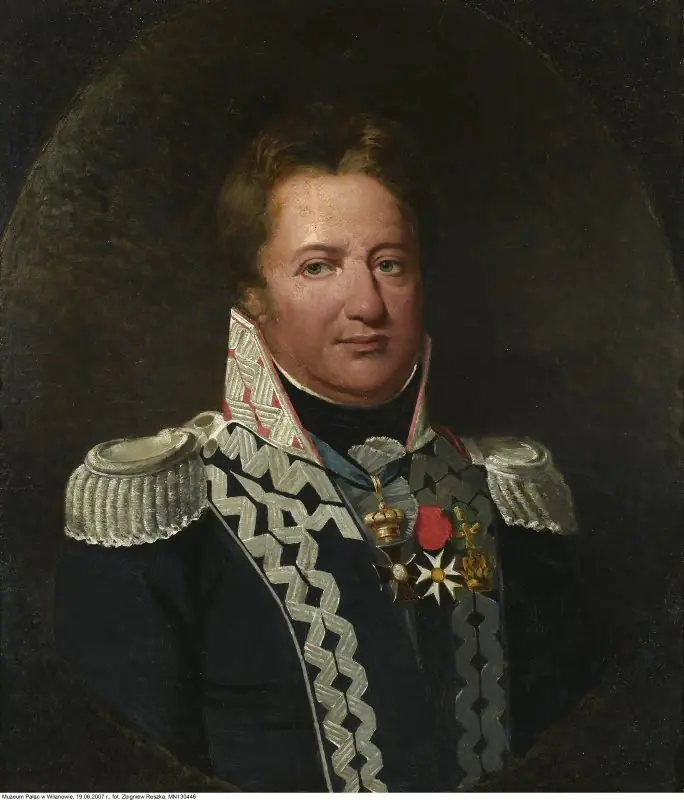
- Portrait of general Jan Henryk Dąbrowski
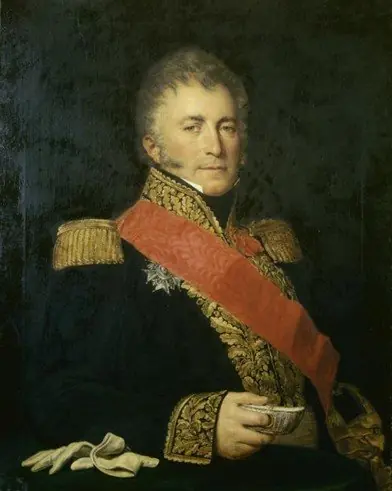 Porträt des Bertrand Pierre Castex (1771-1842)
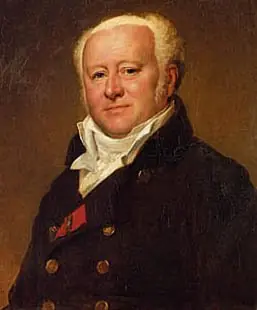 Jean-Nicolas, baron Corvisart Desmarets (1755-1821)
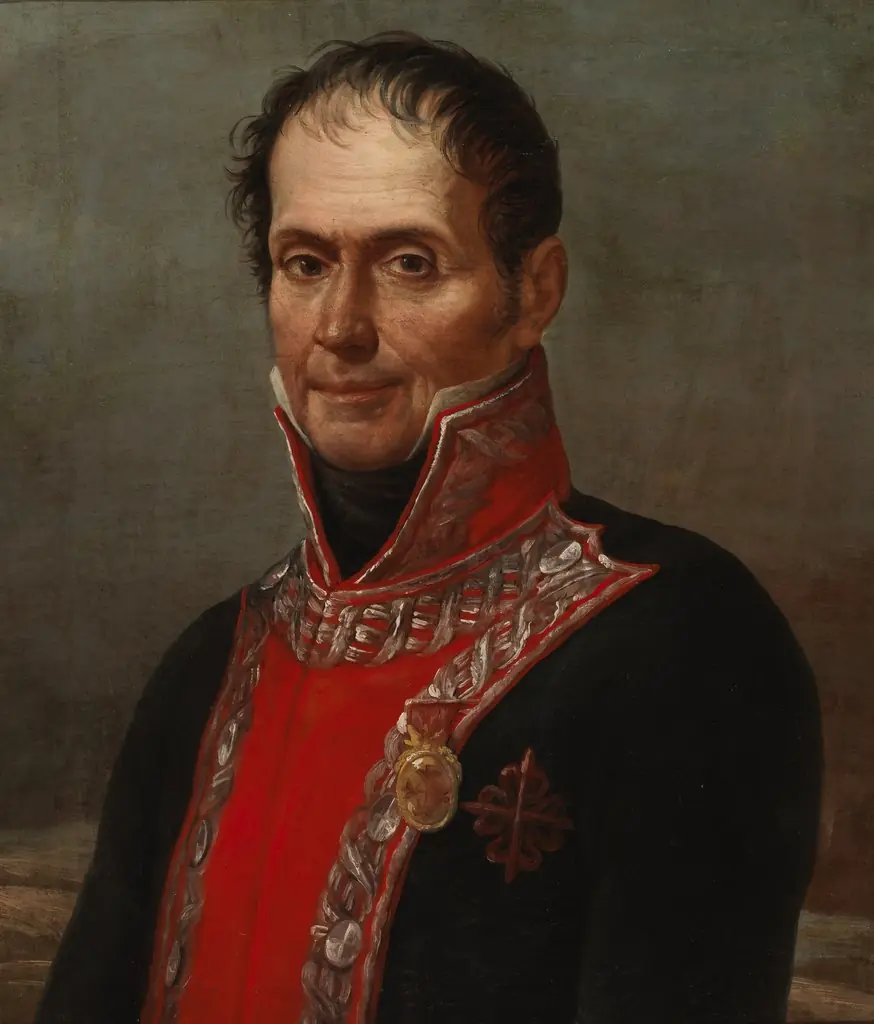 Francisco Javier Venegas y Saavedra
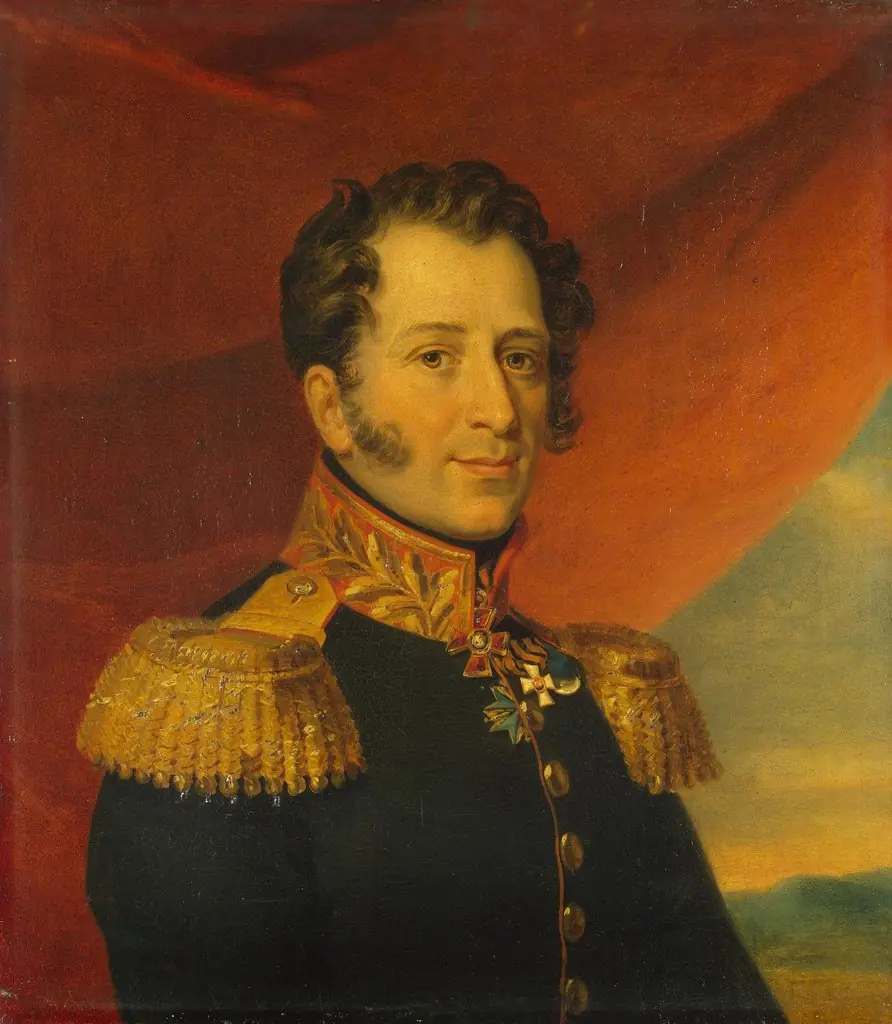 Portrait of Nikolai A. Chicherin (1771/73-1837) (1st)
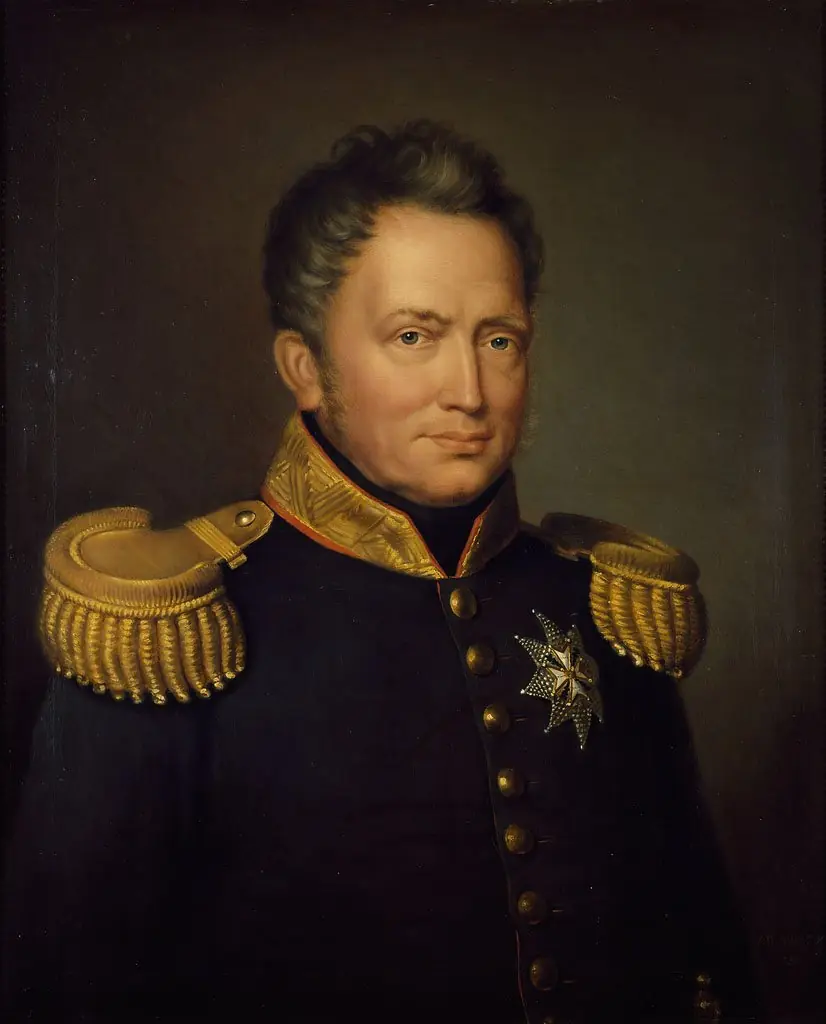 Portrait of Willem I (1772-1843). King of the Nederlands
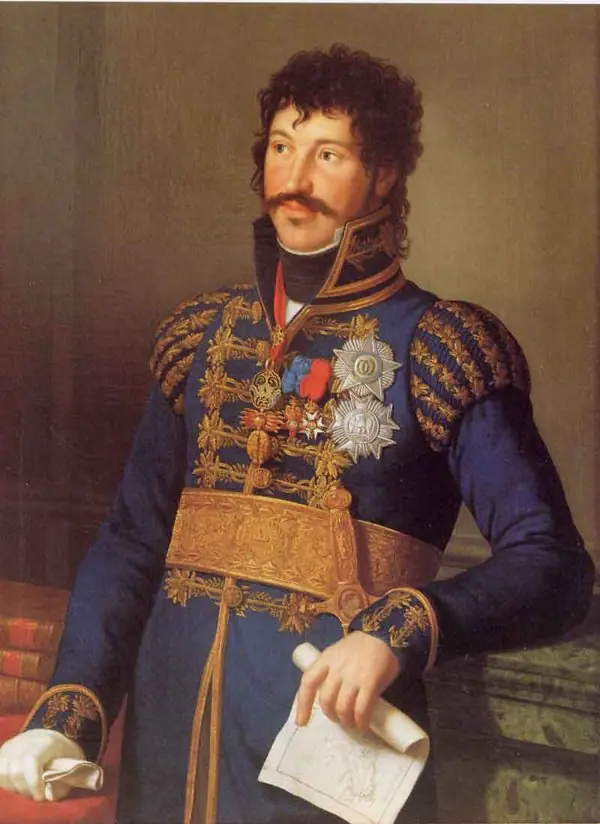 Porträt des Joachim Murat (1767-1815)
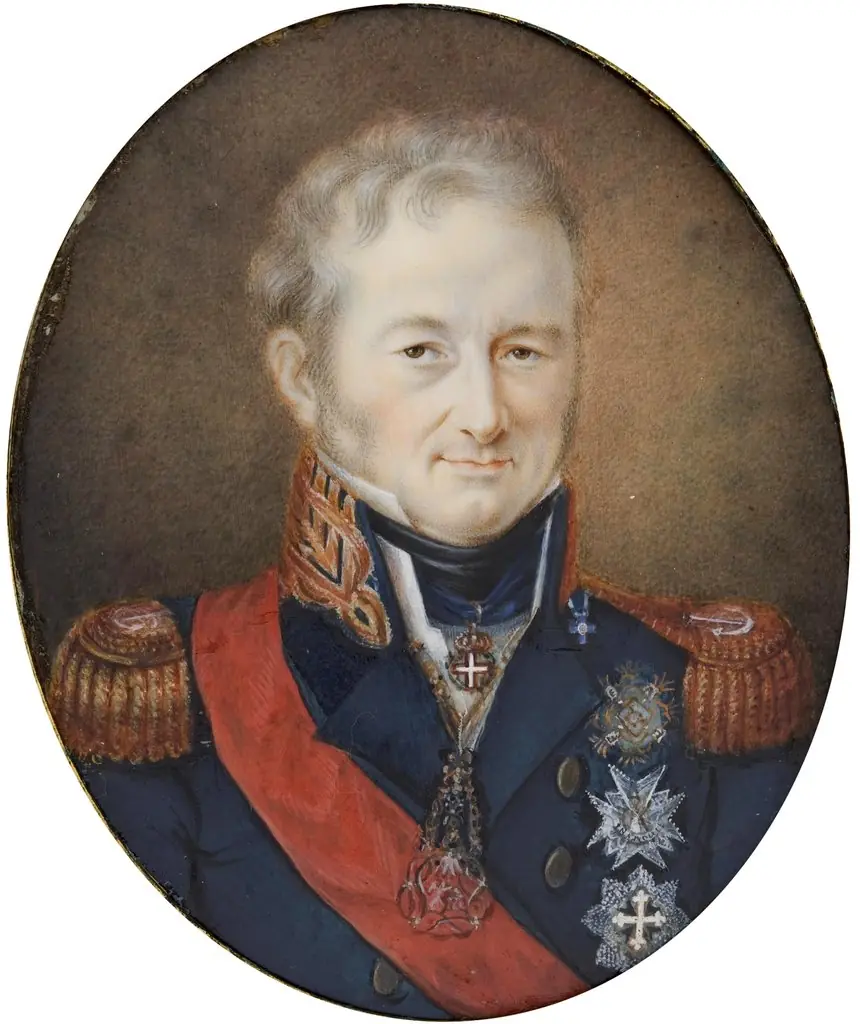 So-called portrait of Charles Felix of Savoy, King of Sardinia
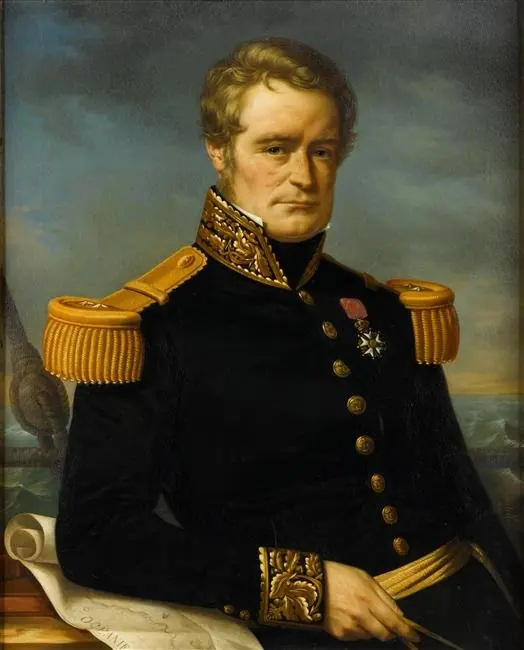 Contre-amiral Jules Dumont d'Urville (1790-1842)
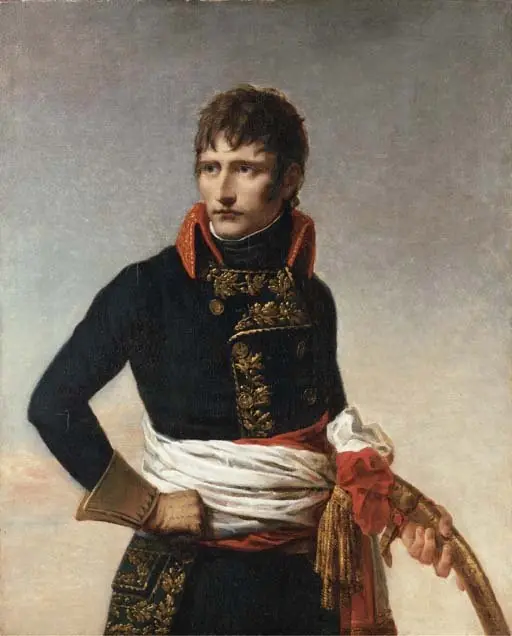 Bonaparte à Milan
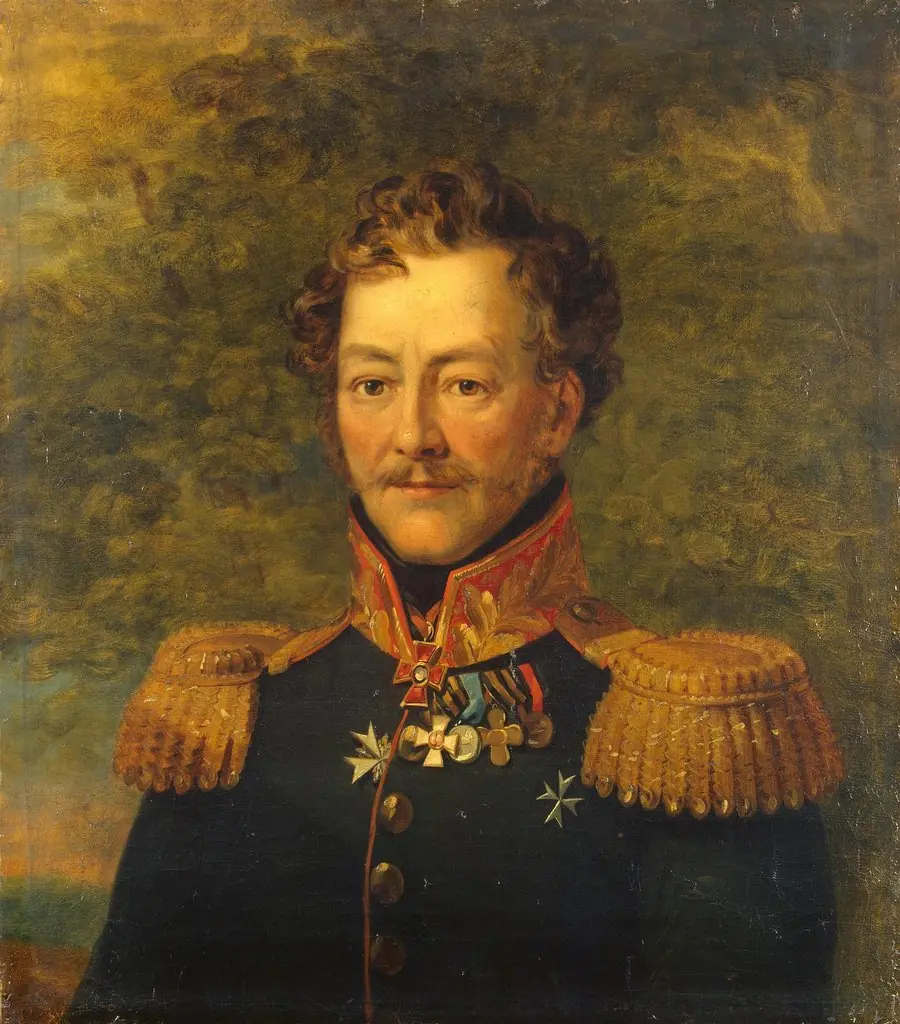 Portrait of Ivan V. Argamakov (1763-1834) (1st)
 Portrait of Moisey I. Karpenko (1775-1854)