Artwork
Herzog Philippe von Orleans (1640-1701)
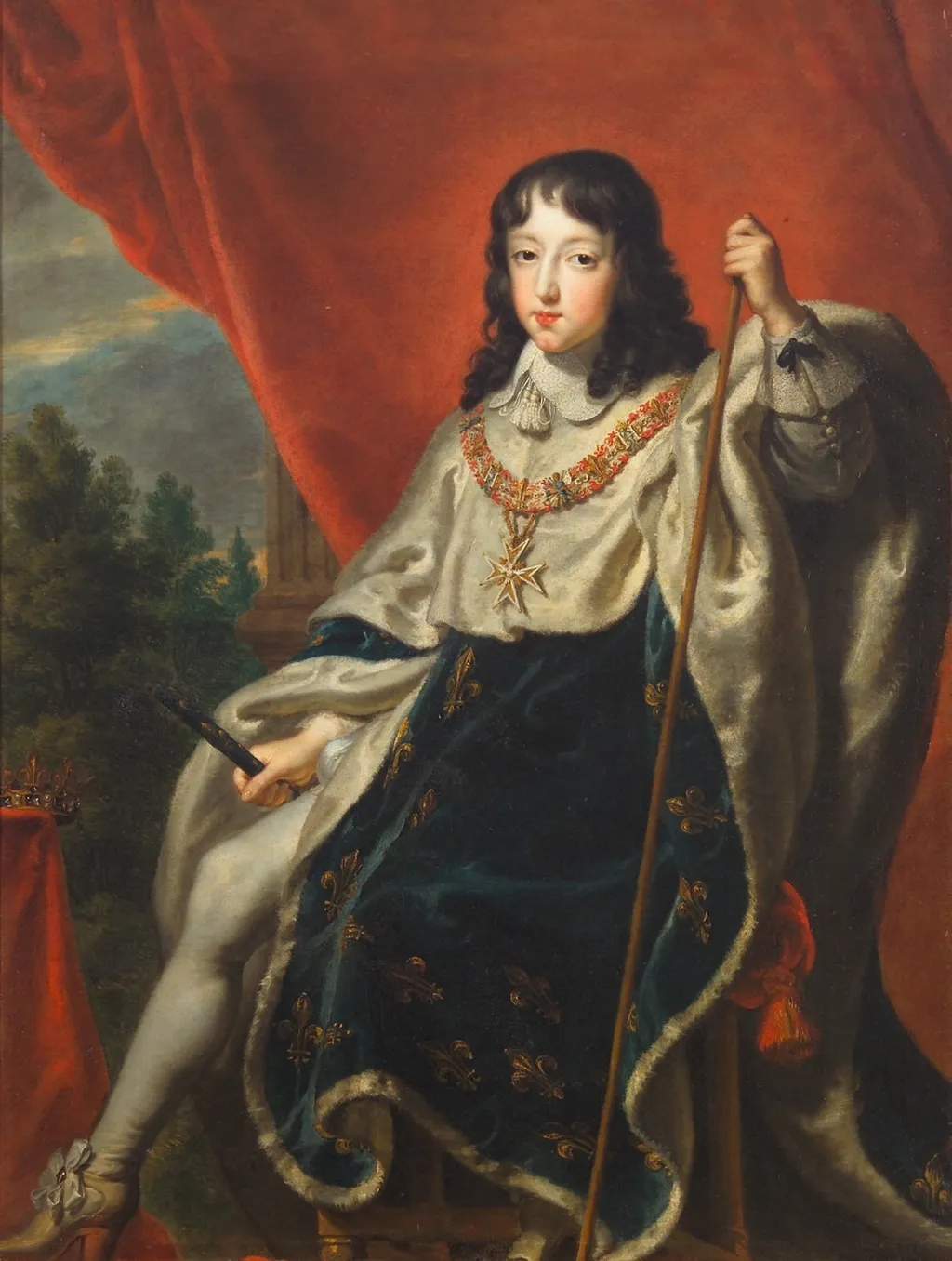
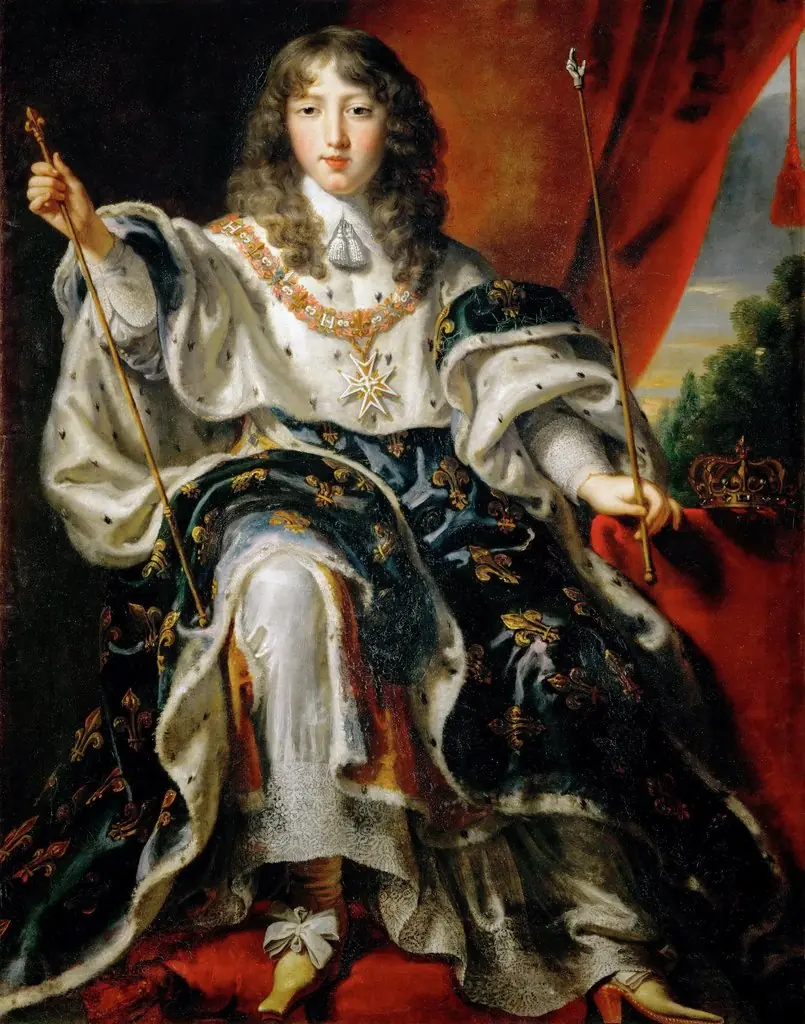
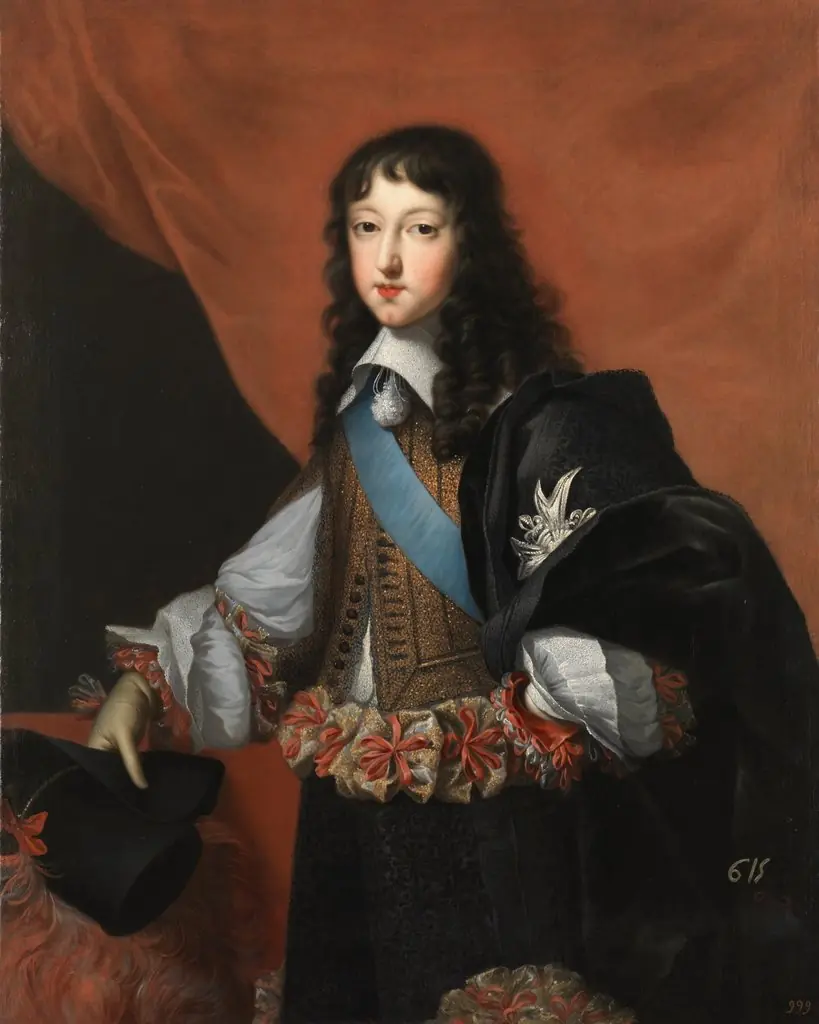
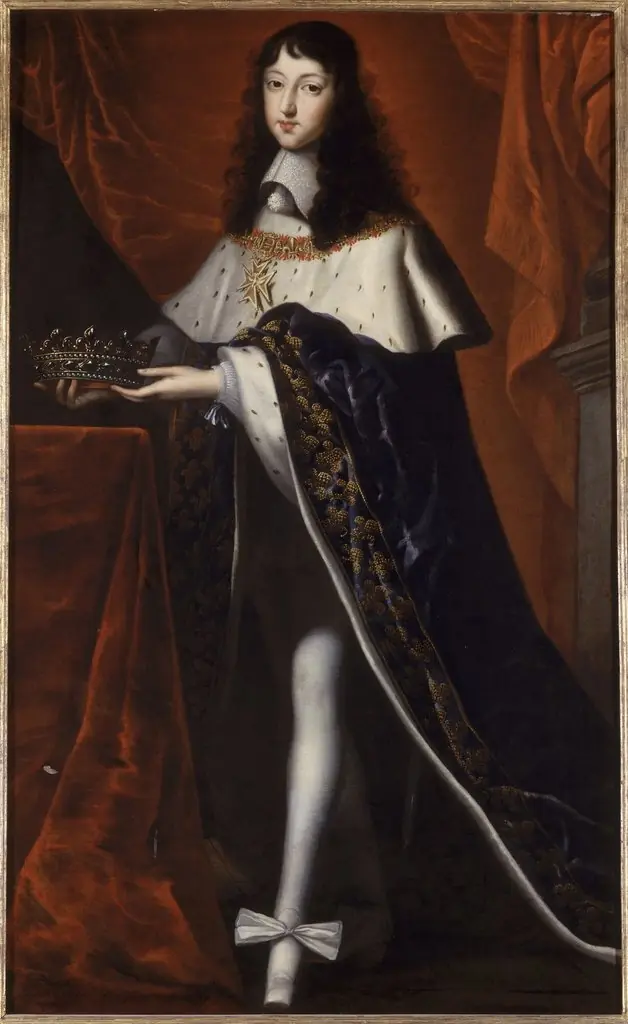
Herzog Philippe von Orleans (1640-1701) is an oil painting by the Flemish Baroque painting artist Justus van Egmont. It dates from 1652 and is held in the collection of the Kunsthistorisches Museum.
About this work
Overview
Measuring 140 by 105 centimeters, the painting depicts Philippe I, Duke of Orléans, the younger brother of King Louis XIV of France, as a youth.
Herzog Philippe von Orleans (1640-1701) is an oil-on-canvas portrait by the Flemish painter Justus van Egmont, dated to approximately 1651-1654 and more specifically to 1652. Measuring 140 by 105 centimeters, the painting depicts Philippe I, Duke of Orléans, the younger brother of King Louis XIV of France, as a youth. The work is held in the Gemäldegalerie of the Kunsthistorisches Museum in Vienna, where it is inventoried as Gemäldegalerie 2763. As a formal court portrait by a leading Flemish artist of the period, the painting exemplifies the international circulation of Baroque portraiture and the visual projection of Bourbon dynastic power across European courts.
Subject & Meaning
The portrait depicts Philippe I, Duke of Orléans (1640-1701), second son of Louis XIII of France and Anne of Austria, and younger brother of Louis XIV. The iconography affirms his royal status through multiple symbolic elements: the blue cloak embroidered with gold fleur-de-lis proclaims his Bourbon lineage; the ermine trim denotes princely rank; and the heavy gold chain with star-shaped pendant signifies his membership in the Order of the Holy Spirit, the highest chivalric order of the French monarchy. The crown resting on a draped table to the left alludes to his royal birth and proximity to the throne, while the baton in his right hand and tall wooden staff in his left suggest authority and military command. The parted curtains revealing a landscape with trees, mountains, and cloudy sky create a theatrical setting that frames the subject within a world of power and privilege. The direct gaze and three-quarter pose project confidence and composure appropriate to his station.
Technique & Style
Van Egmont executed the portrait in oil on canvas, employing the smooth, polished finish characteristic of formal court portraiture. Light falls from the left, illuminating the face, lace collar, and ermine trim while shadows model the heavy fabrics. The brushwork differentiates between surfaces: smooth and refined in the face and hands, more textured in the fabrics and fur. The palette is dominated by crimson, deep blue, white, and gold, creating a rich, saturated effect. Strong chiaroscuro contrasts model the figure's form and highlight details of the elaborate costume. The composition positions the figure slightly off-center against deep red drapery, with atmospheric perspective in the background landscape suggesting depth and distance. This handling reflects van Egmont's Flemish training and his adaptation of international Baroque conventions to the requirements of princely portraiture.
History & Provenance
The painting was created around 1652, during the period of van Egmont's activity as a court portraitist. Its provenance traces to the collection of Archduke Leopold Wilhelm of Austria, the Habsburg governor of the Spanish Netherlands and a major patron and collector of Flemish art. The work is documented in the gallery inventory by 1715, confirming its place within the Habsburg collections from an early date. It subsequently entered the holdings of the Kunsthistorisches Museum, where it remains today in the Gemäldegalerie under inventory number 2763. The painting is currently located at Schloss Ambras Innsbruck, a branch of the Kunsthistorisches Museum, though it is catalogued within the museum's central collection.
Legacy
The portrait remains significant as a document of Bourbon princely identity and as an example of Flemish court portraiture's reach across political boundaries. Its preservation in the Habsburg collections, rather than in France, illustrates the dispersal of dynastic imagery through diplomatic channels and collecting practices. The work's afterlife is tied to its institutional home: as part of the Kunsthistorisches Museum's holdings, it contributes to one of the most important collections of Flemish painting outside the Low Countries. The painting continues to be reproduced in digital collections and scholarly databases, ensuring its accessibility for research into Baroque portraiture, Habsburg collecting, and the visual representation of European aristocracy. Its pairing with the portrait of Louis XIV in the same collection invites comparative analysis of how van Egmont differentiated the public personas of the royal brothers.
Artist & collection
Artist
Justus van Egmont or Joost van Egmont (1601 – 8 January 1674) was a painter and a tapestry designer during the 17th century.