Artwork
Philippe of France, Duke of Orleans
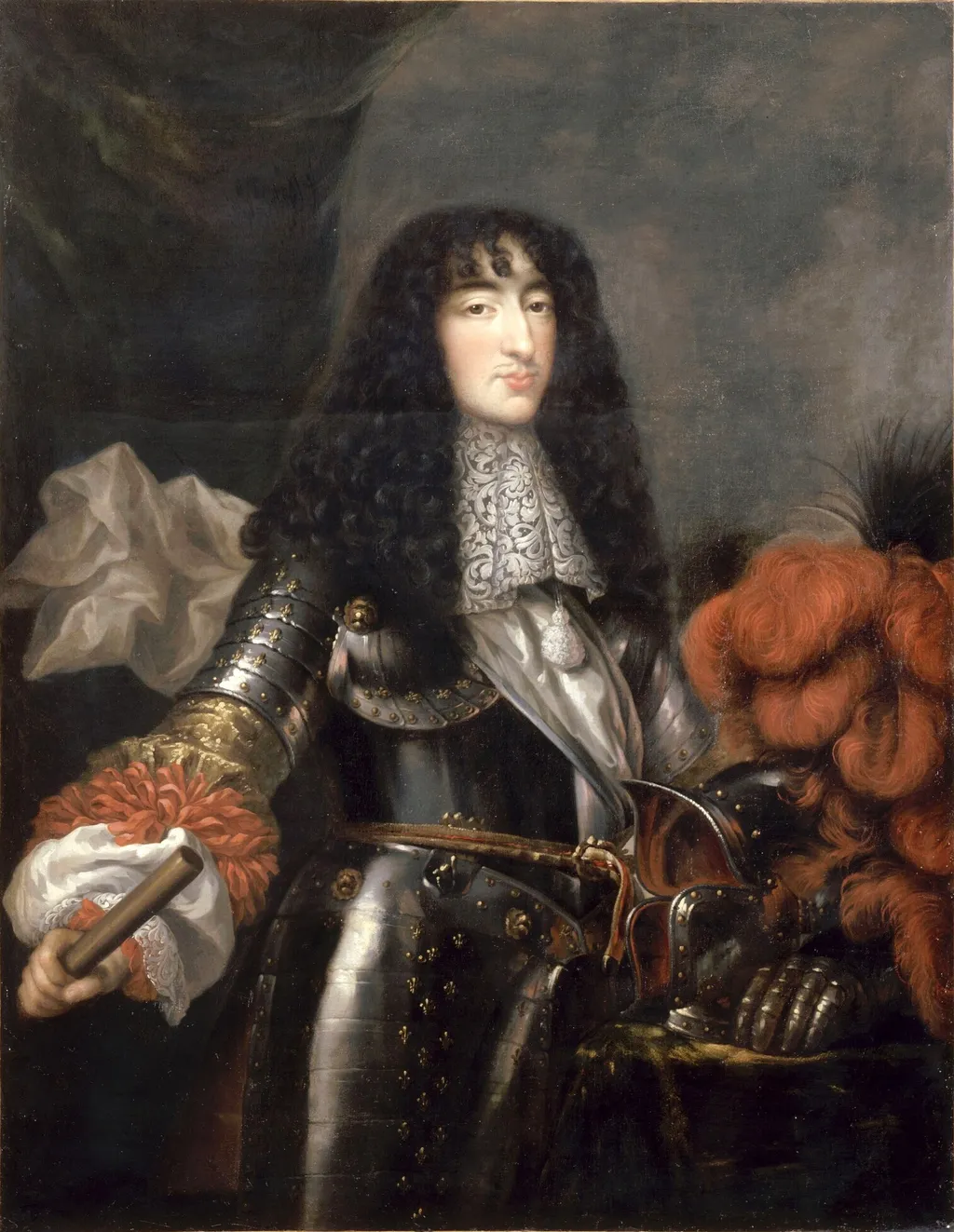
Philippe of France, Duke of Orleans is an oil painting by the French Classical Baroque artist Antoine Mathieu. It dates from 1660 and is held in the collection of the Palace of Versailles.
About this work
Overview
The painting measures 120 by 92 centimeters and depicts Philippe I, Duke of Orléans, the younger brother of Louis XIV, in three-quarter length.
Philippe of France, Duke of Orleans is an oil-on-canvas portrait by the French painter Antoine Mathieu, dated to 1660. The painting measures 120 by 92 centimeters and depicts Philippe I, Duke of Orléans, the younger brother of Louis XIV, in three-quarter length. It is currently held in the collection of the Museum of the History of France at the Palace of Versailles, where it is catalogued as MV 6039. The work is significant as a formal representation of a key Bourbon prince at the moment he assumed the title of Duke of Orléans, and it exemplifies the polished, aristocratic portraiture produced for the French court in the early reign of Louis XIV.
Subject & Meaning
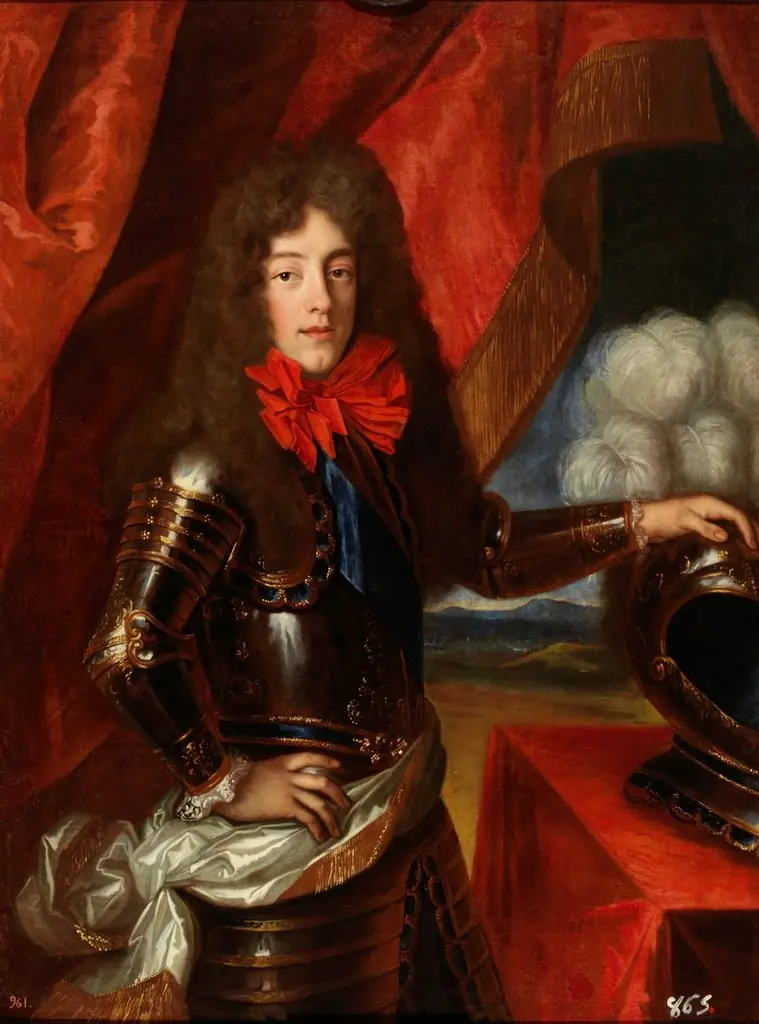
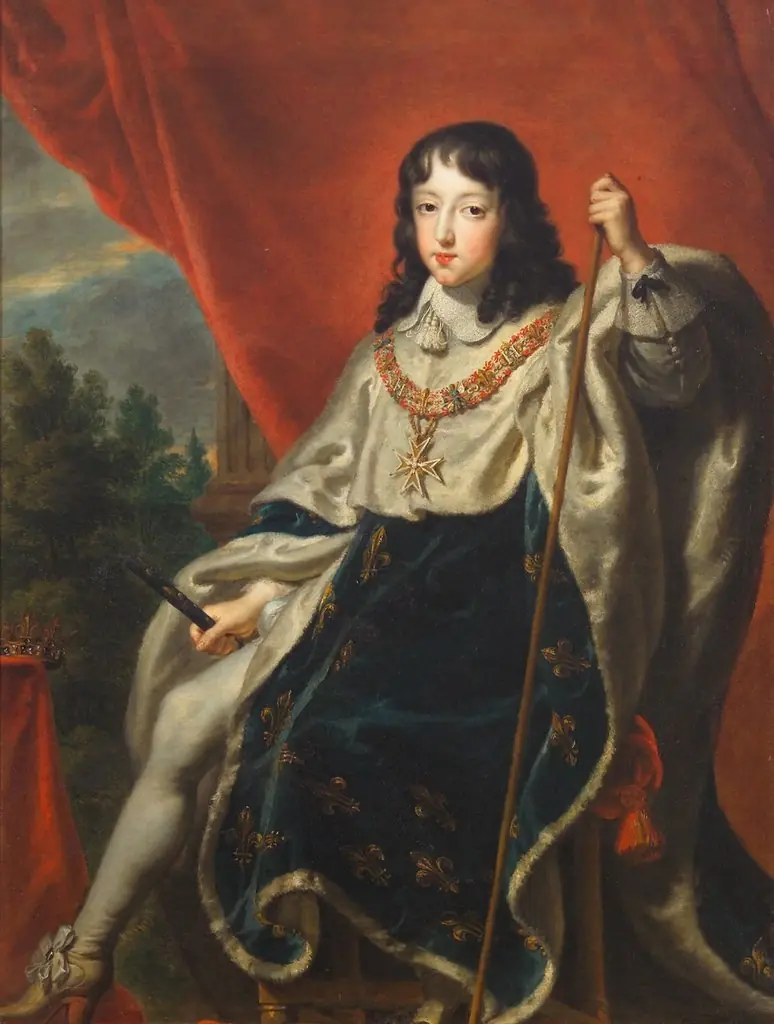
The portrait depicts Philippe I, Duke of Orléans (1640-1701), known at court as Monsieur. He is shown standing, his body turned slightly toward the viewer while his face looks outward with reserved dignity. The iconography emphasizes his dual identity as both military commander and cultivated aristocrat. He wears polished steel armor with gold decorative studs, signifying martial capacity, yet this is softened by a white lace collar and cuff that signal courtly refinement. His left hand, sheathed in lace, rests on his hip and grips a baton or staff, an attribute of command and authority. A voluminous white and orange fabric sleeve drapes from his right arm, introducing a vivid chromatic accent against the somber ground. To his right, a plumed helmet with abundant orange-red feathers and a metal gauntlet rest on a dark surface, alluding to battlefield readiness while also functioning as still-life elements that enrich the ceremonial atmosphere. The interplay between rigid armor and soft textiles has been interpreted as a visual meditation on the complexities of power, where strength and cultural sophistication coexist. The overall effect conveys restrained authority and the cultivated elegance expected of a prince accustomed to both military duty and courtly life.
Technique & Style
Mathieu executed the portrait in oil on canvas, working with a relatively restricted palette dominated by dark browns, blacks, and muted grays, punctuated by highlights of silver, white, gold, and vivid orange. The handling is smooth and refined, particularly in the rendering of metal surfaces and textile textures. Light falls strongly on the face, lace collar, and armor, creating sharp contrasts with deep shadows that model the forms and concentrate attention on the sitter's presence. The background is muted and indistinct, composed of heavy dark drapery with a lighter gray section in the upper left, a compositional device that pushes the figure forward and reinforces his importance. The brushwork demonstrates particular care in differentiating materials, the polished sheen of steel against the delicate openwork of lace and the soft folds of fabric. This technique aligns with the conventions of mid-seventeenth-century French court portraiture, which sought to combine verisimilitude with idealized grandeur.
History & Provenance
The painting is dated to 1660, the year Philippe assumed the title of Duke of Orléans following the death of his uncle Gaston. An alternative dating range of 1651 to 1675 has also been proposed. The canvas was deposited by the Louvre at Versailles on January 11, 1928, and it carries the old inventory number V 782. It is now held at the Museum of the History of France, Palace of Versailles, under the accession number MV 6039. The work is listed in the Joconde database of the French national collections, with photographic credits to Gérard Blot and the Réunion des musées nationaux.
Context
Antoine Mathieu was active as a portraitist during the early reign of Louis XIV, a period when the French court was consolidating its visual identity through authoritative representations of the royal family and the high aristocracy. The portrait of Philippe of Orléans belongs to this programmatic effort to project Bourbon power and dynastic continuity. Philippe himself occupied a singular position within this system. As the younger brother of the Sun King, he was perpetually subordinate in the line of succession yet remained a figure of immense wealth and influence, founder of the House of Orléans, and a military commander who defeated William of Orange at the Battle of Cassel. Scholarly attention to this portrait has focused on its value as a document of aristocratic self-presentation, with the armor and baton asserting masculine command while the lace and refined fabrics speak to the codes of courtly consumption. The painting is attributed to Mathieu rather than firmly signed, a not uncommon condition for works of this period that circulated among court artists and workshops.
Legacy
The portrait has entered the permanent collection of Versailles as a historical record of the Bourbon-Orléans branch at its inception. Its afterlife is primarily museological and scholarly rather than artistic. As a public domain work, it has been disseminated through digital platforms and print-on-demand services, reflecting the broader accessibility of French national patrimony in the digital age. The image continues to serve as a reference point for studies of seventeenth-century masculine self-fashioning, military portraiture, and the visual culture of Louis XIV's court. Its value lies less in any subsequent artistic influence than in its capacity to illuminate the codes of power, privilege, and performance that structured aristocratic identity during one of the most centralized periods of French history.
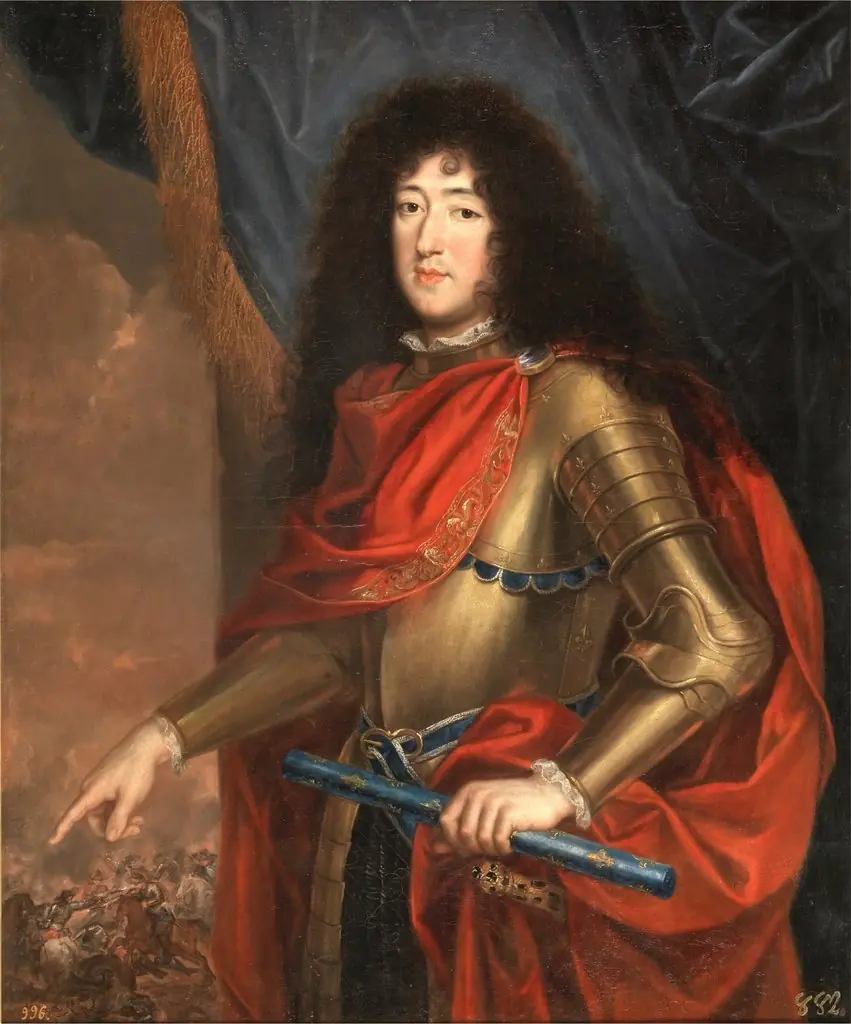
Own this work as a print
Artist & collection

- Phillip of France, I Duke of Orléans
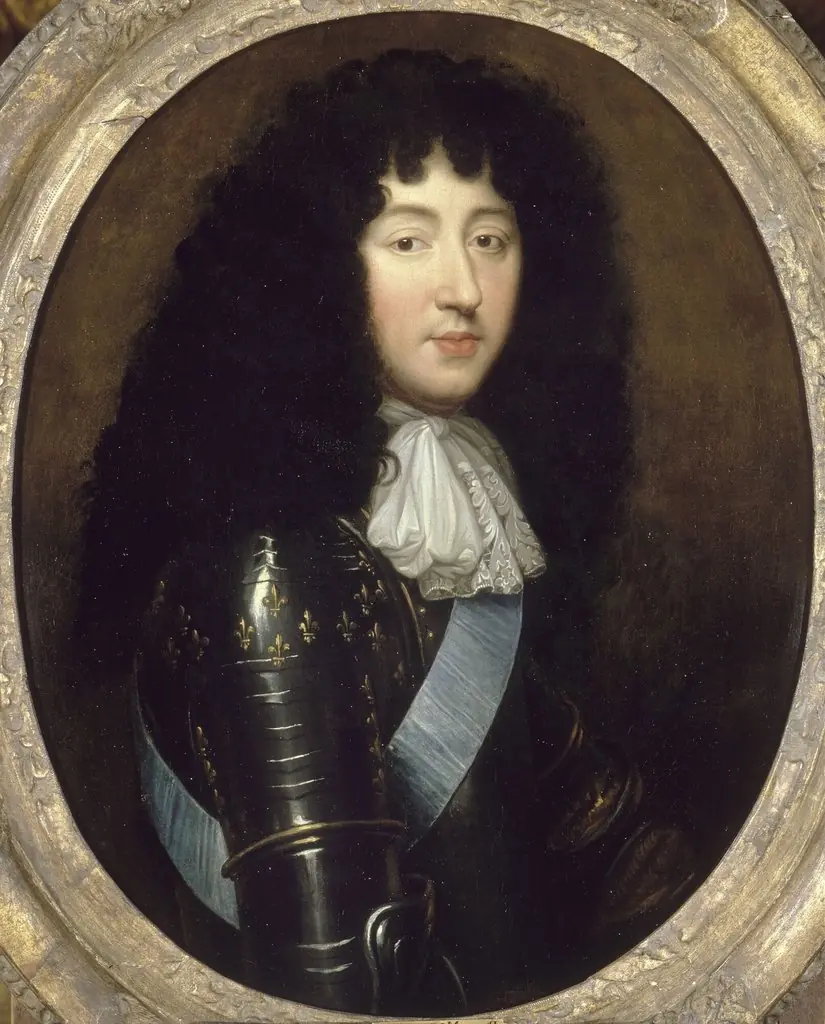 Philippe of France, Duke of Orleans
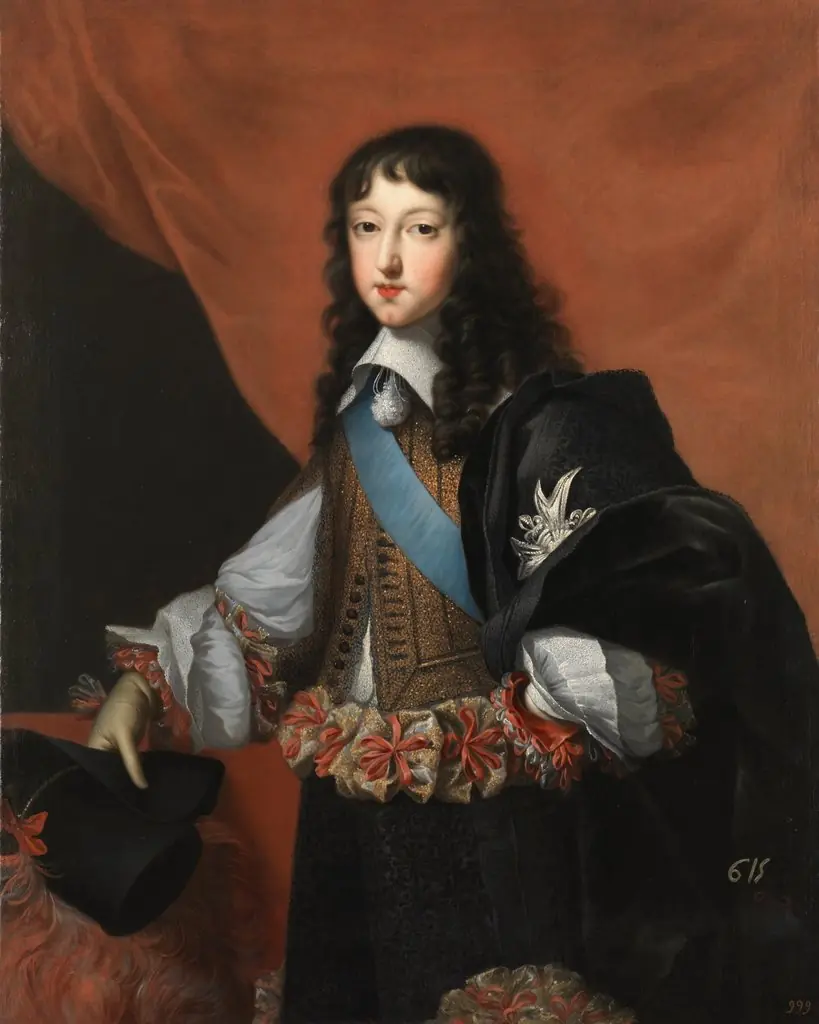 Phillip of France I Duke of Orléans
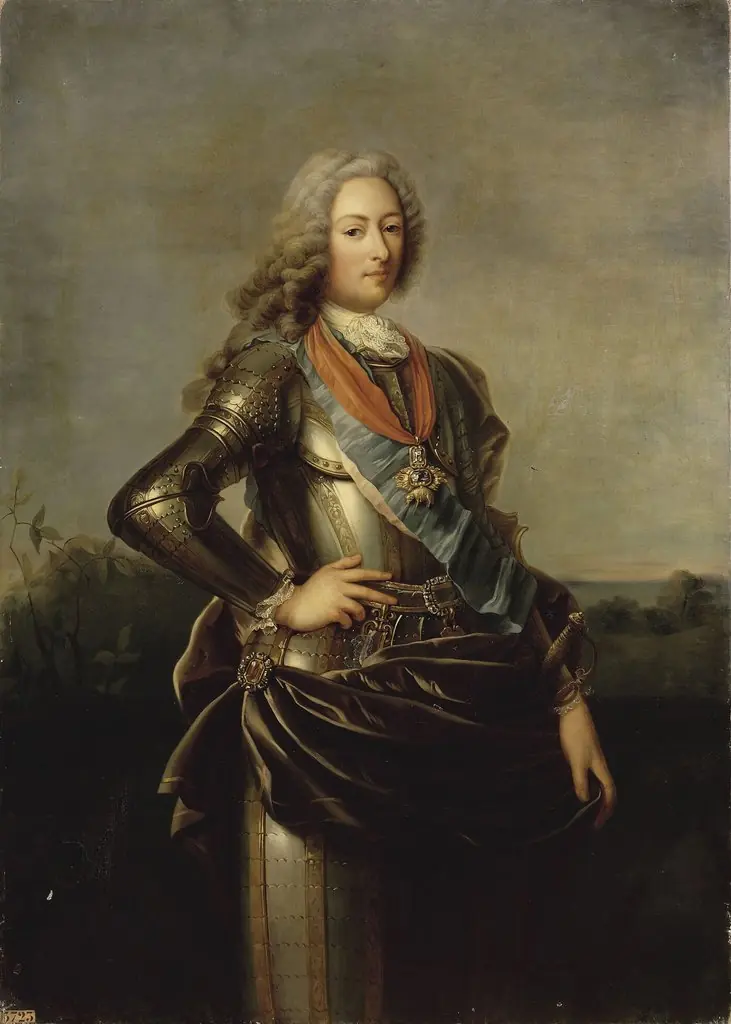 Louis of Orleans, Duke of Orleans
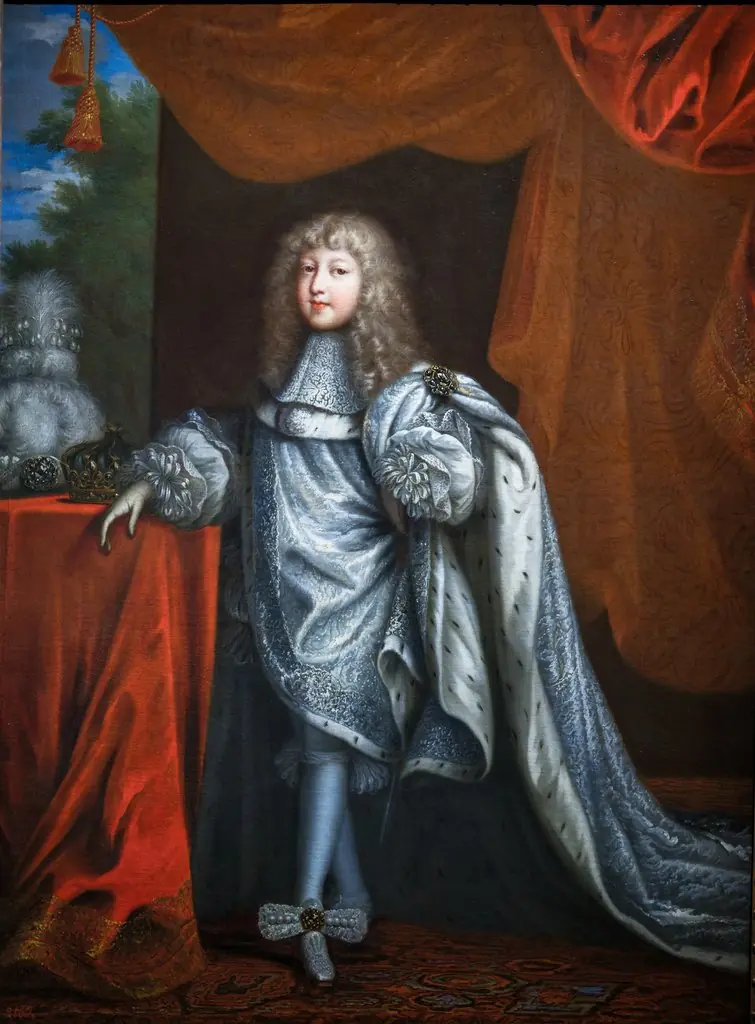 Louis of France, the Grand Dauphin
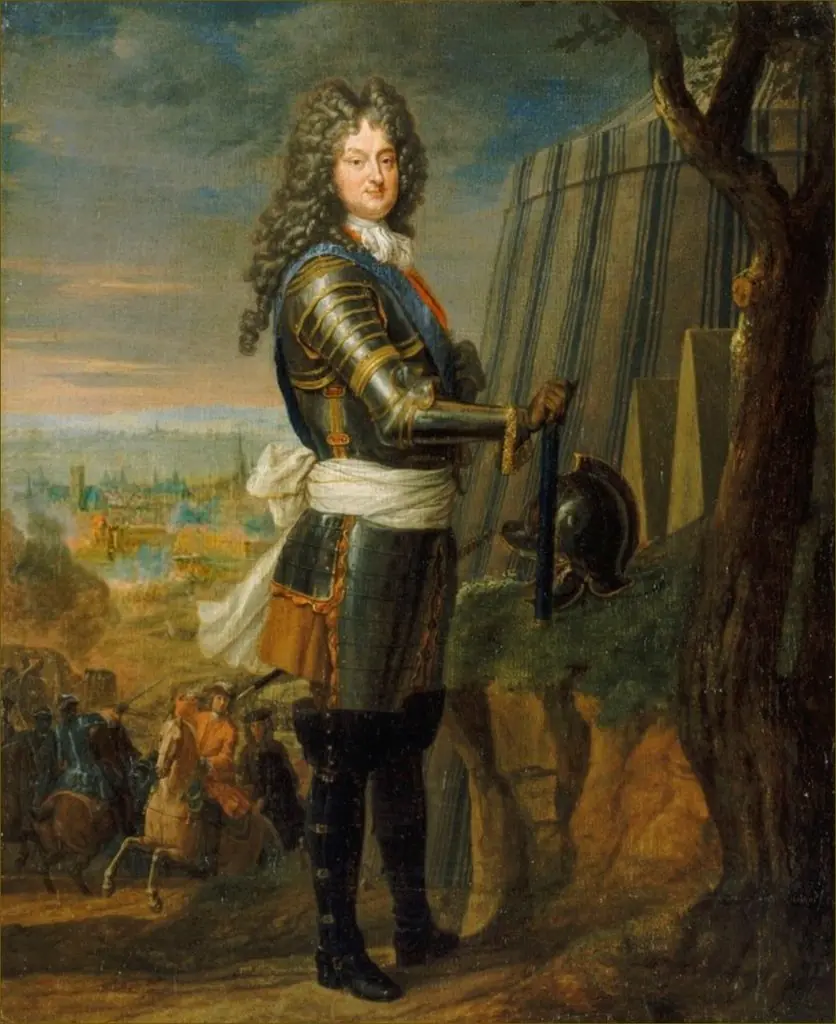 The Régent of France, Philippe d'Orléans (1674-1723)
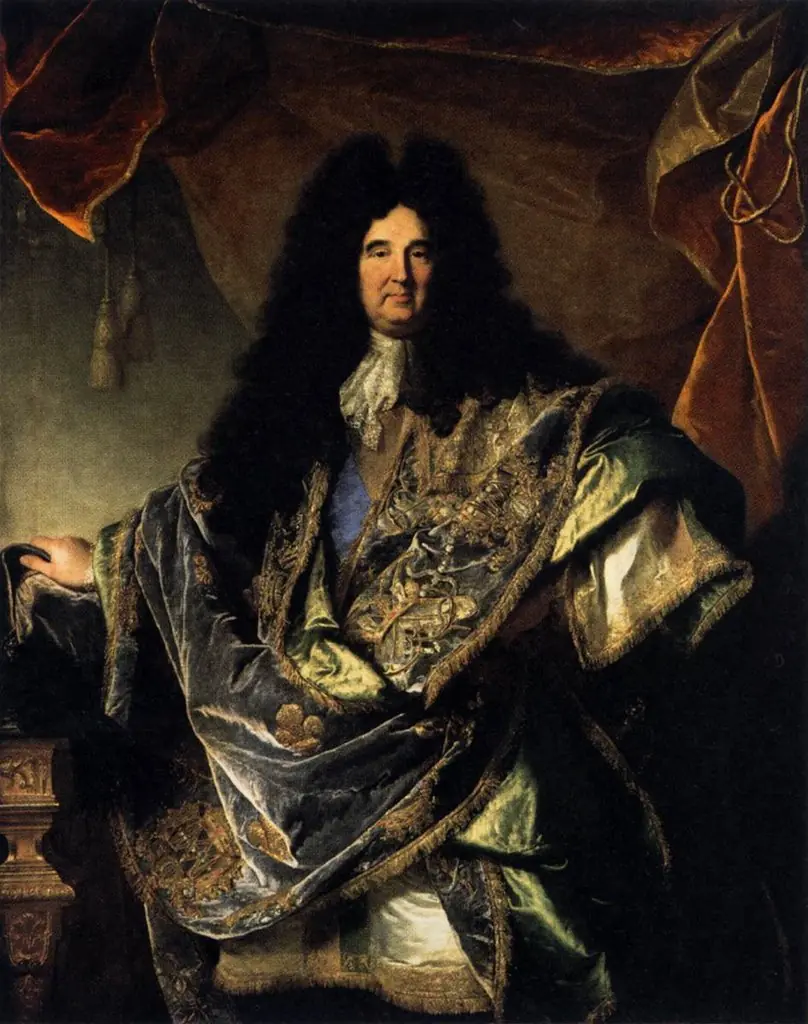 Philippe de Courcillon, Marquis de Dangeau
 Herzog Philippe von Orleans (1640-1701)