Artwork
Hands, Female, Nude, Baby
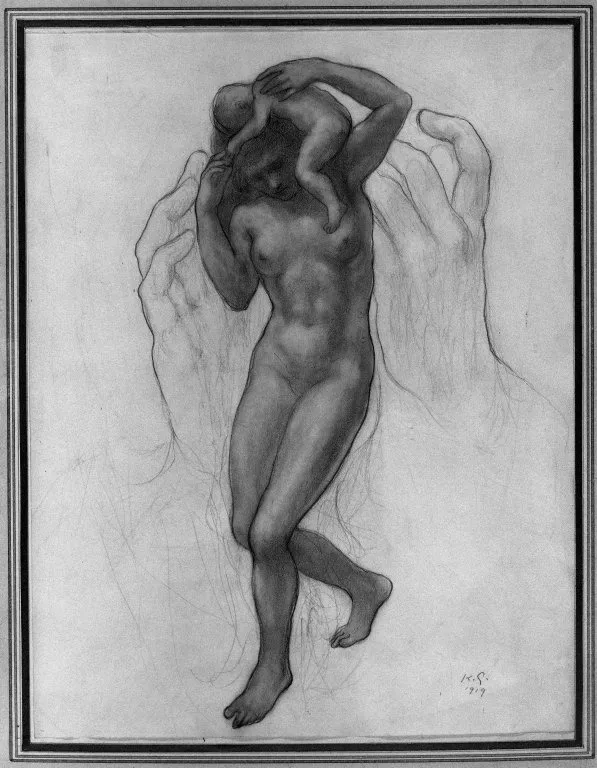
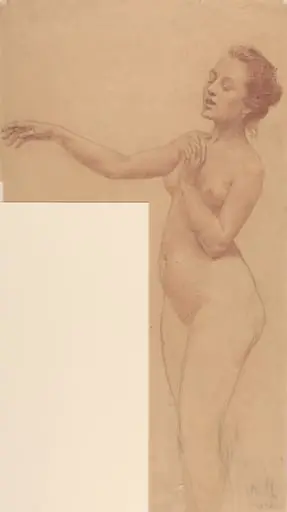
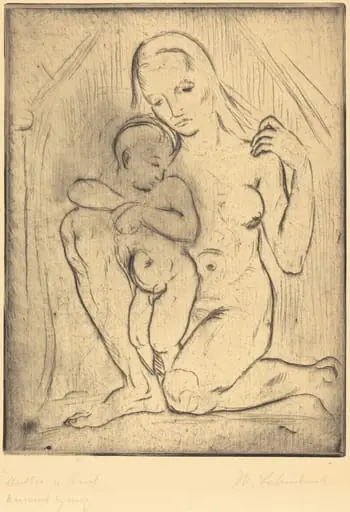
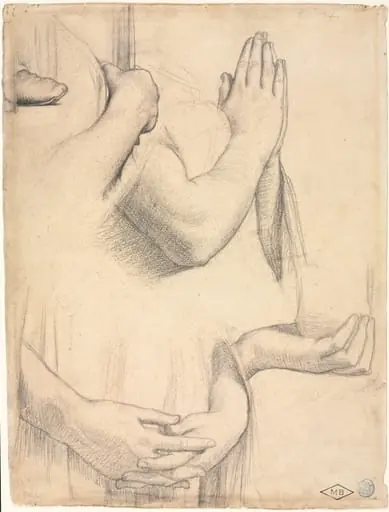
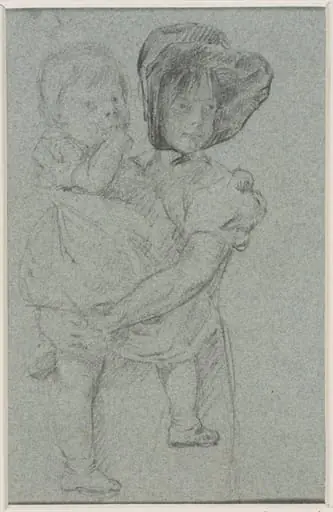
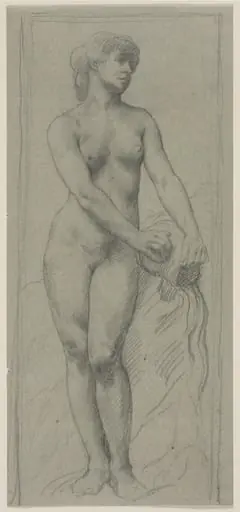
Hands, Female, Nude, Baby is an unspecified painting by the Art Brut artist Kahlil Gibran. It dates from 1919 and is held in the collection of the Brooklyn Museum.
About this work
Overview
Though Gibran is better known for his literary works, this piece reflects his sustained engagement with visual expression.
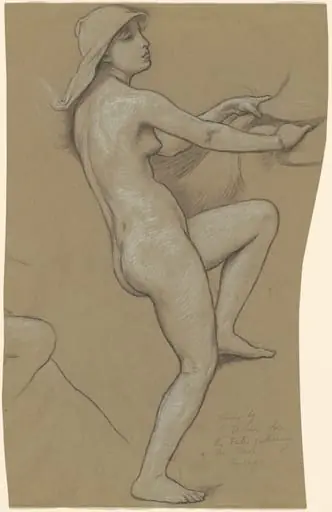
Created in 1919 by Kahlil Gibran, Hands, Female, Nude, Baby is a painted study of maternal intimacy. Though Gibran is better known for his literary works, this piece reflects his sustained engagement with visual expression. Rendered in a realistic mode with strong chiaroscuro, the painting centers on the physical and emotional connection between a woman and her infant, emphasizing gesture over narrative.
Subject & Meaning
The painting depicts a nude woman seated with legs crossed, cradling an infant against her chest. Her raised arms frame the child’s body, directing focus to the hands that support and hold. The absence of facial detail in both figures shifts attention to touch and posture, suggesting tenderness as a universal, wordless language. The composition avoids sentimentality, instead conveying quiet dignity in the act of care.
Technique & Style
Gibran employs a naturalistic approach to the human form, with careful attention to anatomical structure and surface modeling. Chiaroscuro defines the volume of the figures, creating depth without dramatic contrast. The skin tones are rendered with subtle gradations, and the baby’s delicate limbs are rendered with precision. The background remains indistinct, isolating the figures and reinforcing their emotional centrality.
History & Provenance
The painting entered the collection of the Brooklyn Museum, where it remains part of its holdings of early 20th-century American art. While Gibran’s literary fame overshadowed his visual work during his lifetime, this piece has been recognized in later scholarship as a significant example of his artistic output. Its preservation reflects a growing interest in the intersection of his literary and visual practices.
Context
Produced during a period when Gibran was deeply immersed in spiritual and philosophical themes, the painting aligns with broader early 20th-century explorations of the body as a vessel for emotion and transcendence. Though sometimes linked to art brut due to its raw emotional tone, its technique remains rooted in academic realism, distinguishing it from the more untrained aesthetics typically associated with that movement.
Legacy
Though not widely exhibited, Hands, Female, Nude, Baby continues to be referenced in studies of Gibran’s multidisciplinary practice. It stands as a quiet counterpoint to his poetic prose, offering a visual meditation on vulnerability and connection. Its endurance in museum collections underscores its value as a personal, introspective work within the context of American modernism.
Artist & collection
Artist
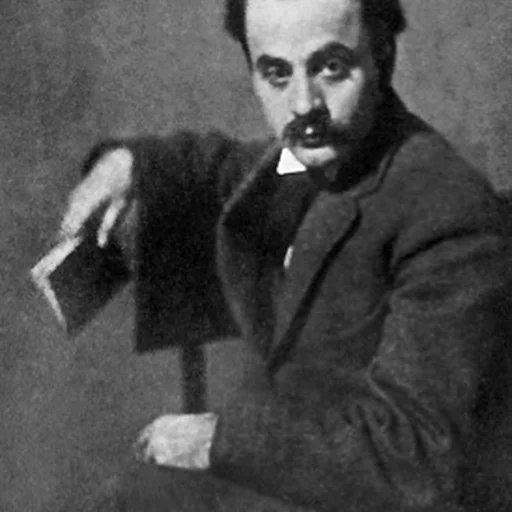
Jubrān Khalīl Jubrān (Arabic: جُبْرَان خَلِيل جُبْرَان) (January 6, 1883 – April 10, 1931), usually referred to in English as Kahlil Gibran, was a Lebanese-American writer, poet and visual artist.