Subject
Child
Child is a subject in art. The gallery holds 200 works in this subject in art, including works by Paolo Veronese, Jean Baptiste Camille Corot and Thomas Cole.
The child has been one of the most enduring subjects in Western art, though its meaning has shifted dramatically across the centuries. In medieval and early Renaissance imagery the most frequently depicted child was the infant Christ, often accompanied by the childhoods of the Virgin and the young John the Baptist, while the cherubim and putti—winged infants adapted from Roman decorative painting rediscovered in ruins such as Nero's Domus Aurea—populated religious and mythological scenes alike. Pre-Renaissance painters frequently rendered the Christ Child as a stern homunculus, a "little man" rather than a baby, a convention the art historian Leo Steinberg connected to theological efforts to assert Christ's incarnate humanity. As the Renaissance matured, the holy infant grew softer, plumper, and more tender.
The French historian Philippe Ariès argued in his influential Centuries of Childhood (1960) that medieval society lacked a distinct concept of childhood, treating the young as miniature adults who shared the dress and pastimes of their elders—a thesis since heavily qualified by scholars but still useful for explaining why earlier art seldom portrayed childhood as a separate condition. That changed decisively in the eighteenth century. Enlightenment and Romantic ideas, including Rousseau's celebration of natural innocence, reframed childhood as a precious, fleeting state, and British portraitists—Joshua Reynolds, whose Age of Innocence epitomised the new sentiment, and Thomas Gainsborough, both drawing on Murillo and Van Dyck—produced idealised images of children that blended aristocratic aspiration with poetic tenderness.
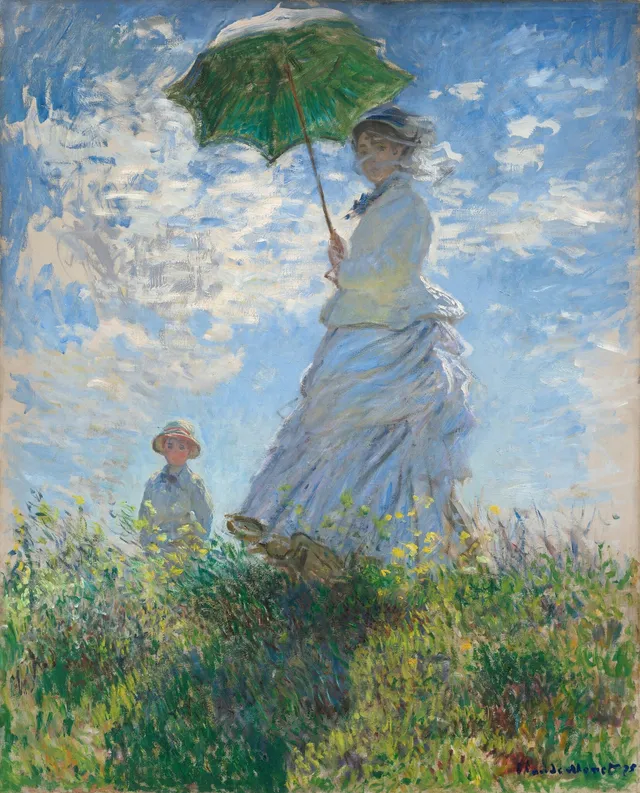
The Impressionists secularised the theme entirely, depicting children candidly within the textures of modern domestic life. Claude Monet's Woman with a Parasol – Madame Monet and Her Son (1875) places his wife and child on a windswept Argenteuil hillside, while Berthe Morisot (The Cradle), Mary Cassatt (The Child's Bath), and Pierre-Auguste Renoir treated infancy with intimacy and, given high child mortality, an undercurrent of fragility.
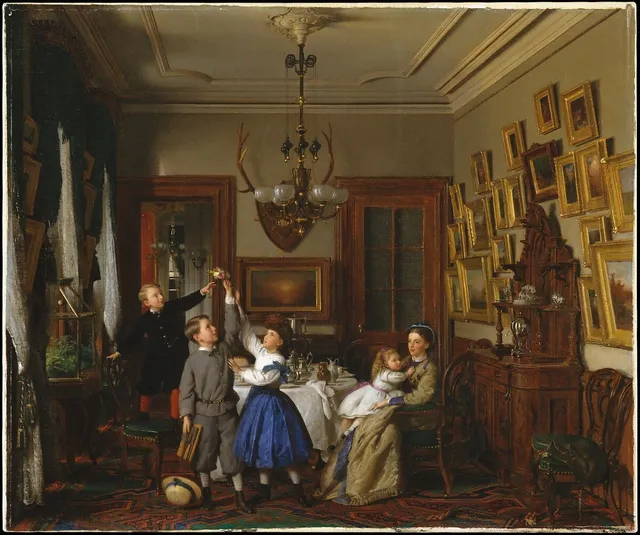
The subject also flourished in genre painting: Flemish domestic interiors, and American scenes such as Seymour Joseph Guy's The Contest for the Bouquet and William Sidney Mount's Cider Making, as well as group portraits like Francis Wheatley's The Saithwaite Family. Across these traditions the child has served as a flexible vessel—signifying innocence, family affection, social standing, and the inexorable passage of time—linking religious art, Romantic portraiture, and Realist and Impressionist depictions of everyday life.
Key artists
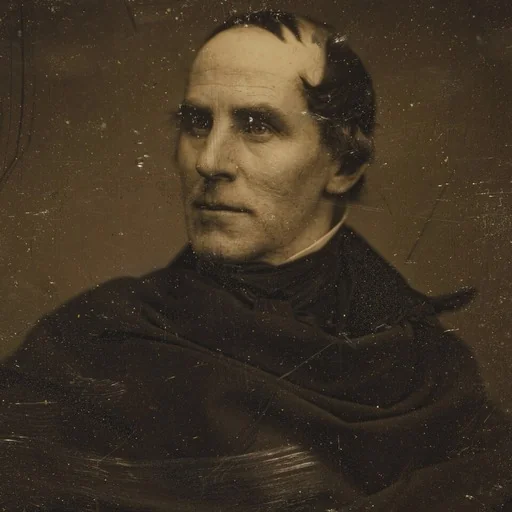

Works
 Woman with a Parasol - Madame Monet and Her Son
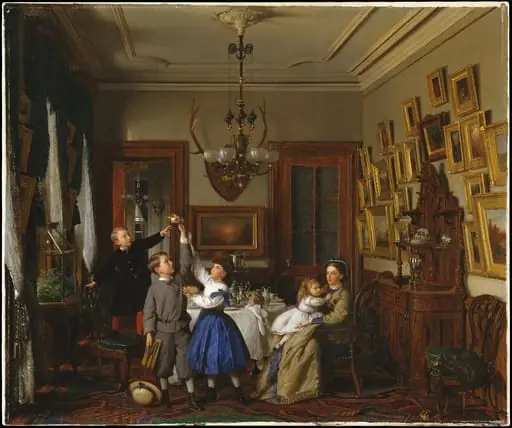 The Contest for the Bouquet: The Family of Robert Gordon in Their New York Dining-Room
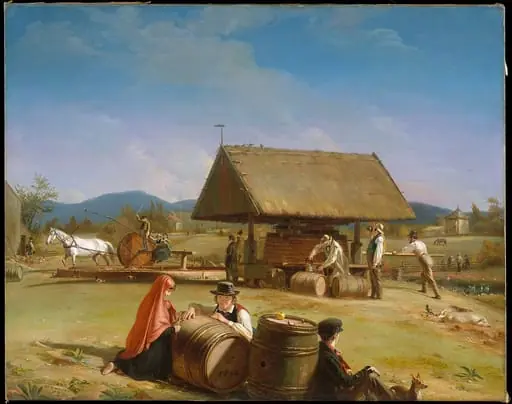 Cider Making
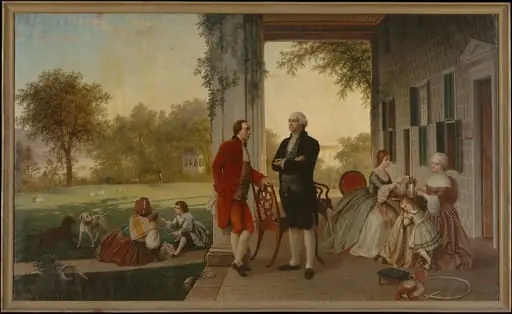 Washington and Lafayette at Mount Vernon, 1784 (The Home of Washington after the War)
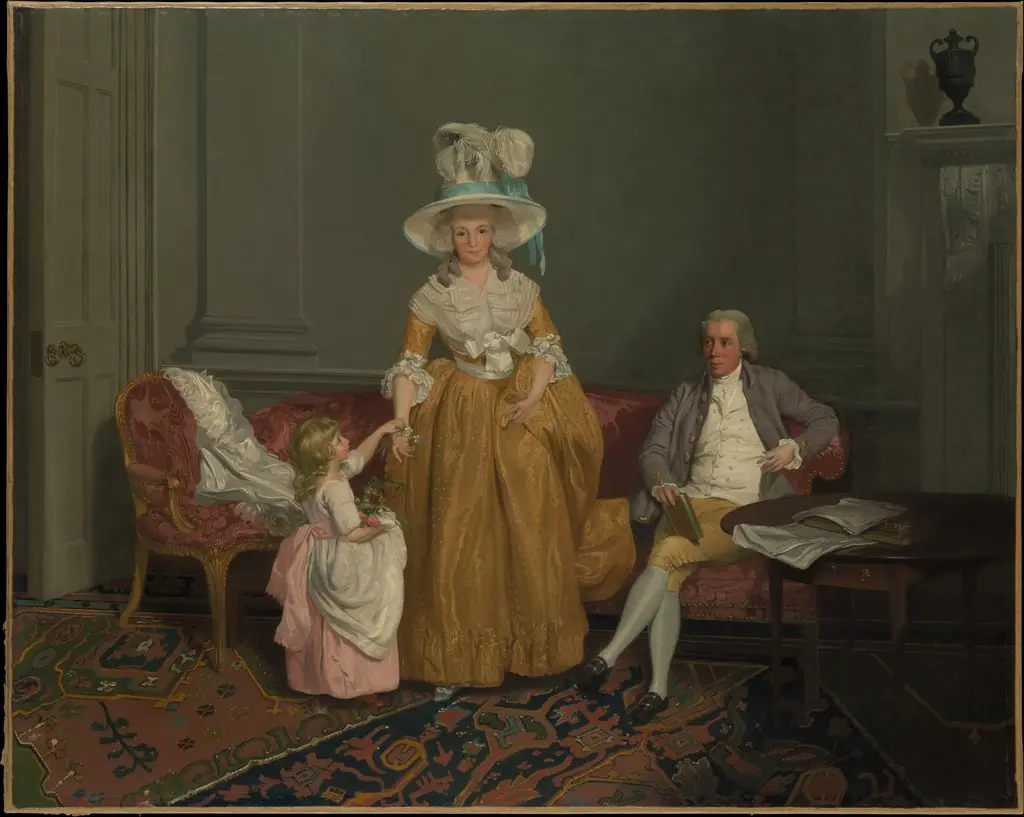 The Saithwaite Family
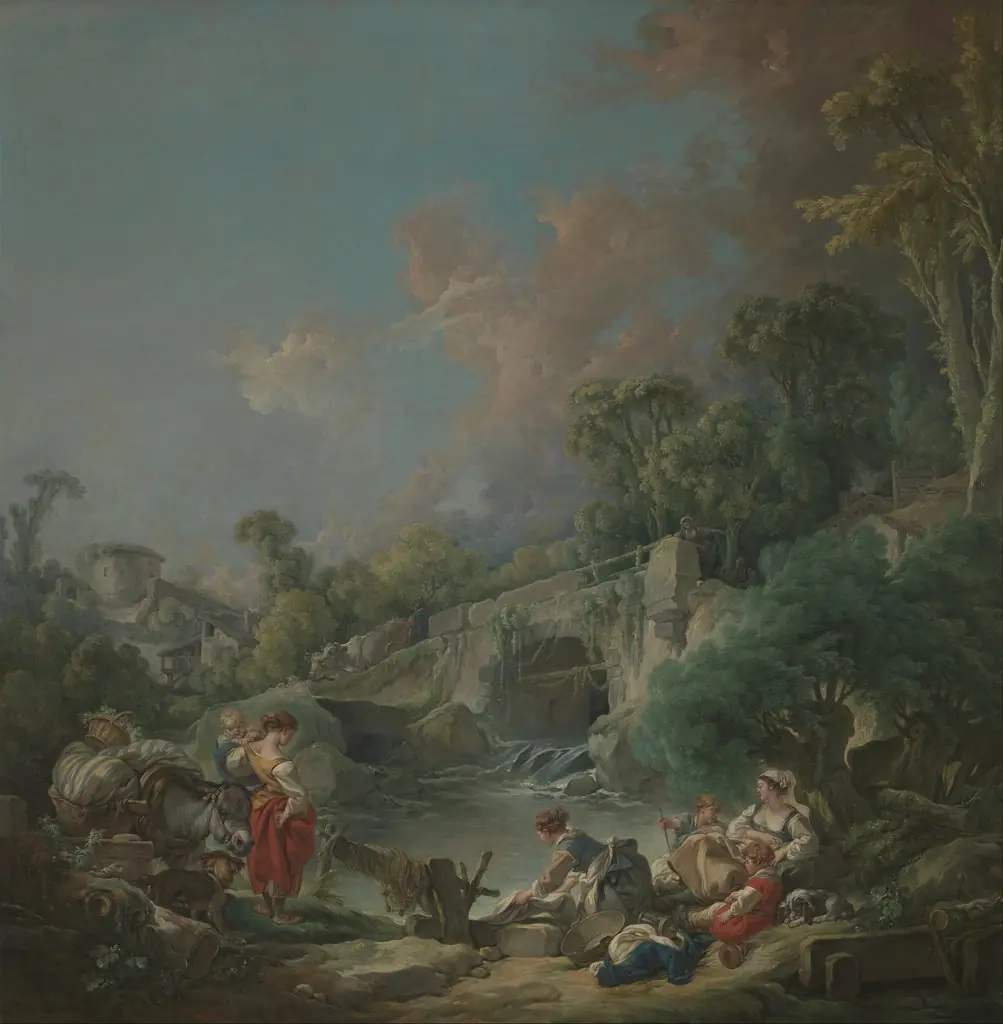 Washerwomen
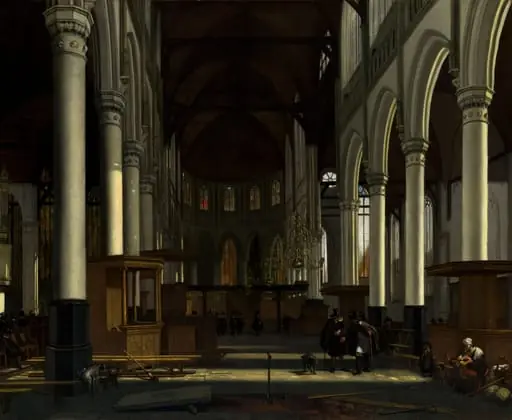 The Interior of the Oude Kerk, Amsterdam
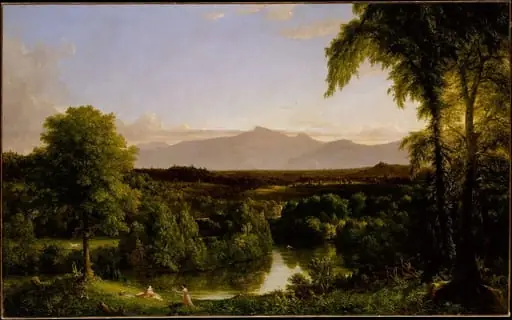 View on the Catskill—Early Autumn
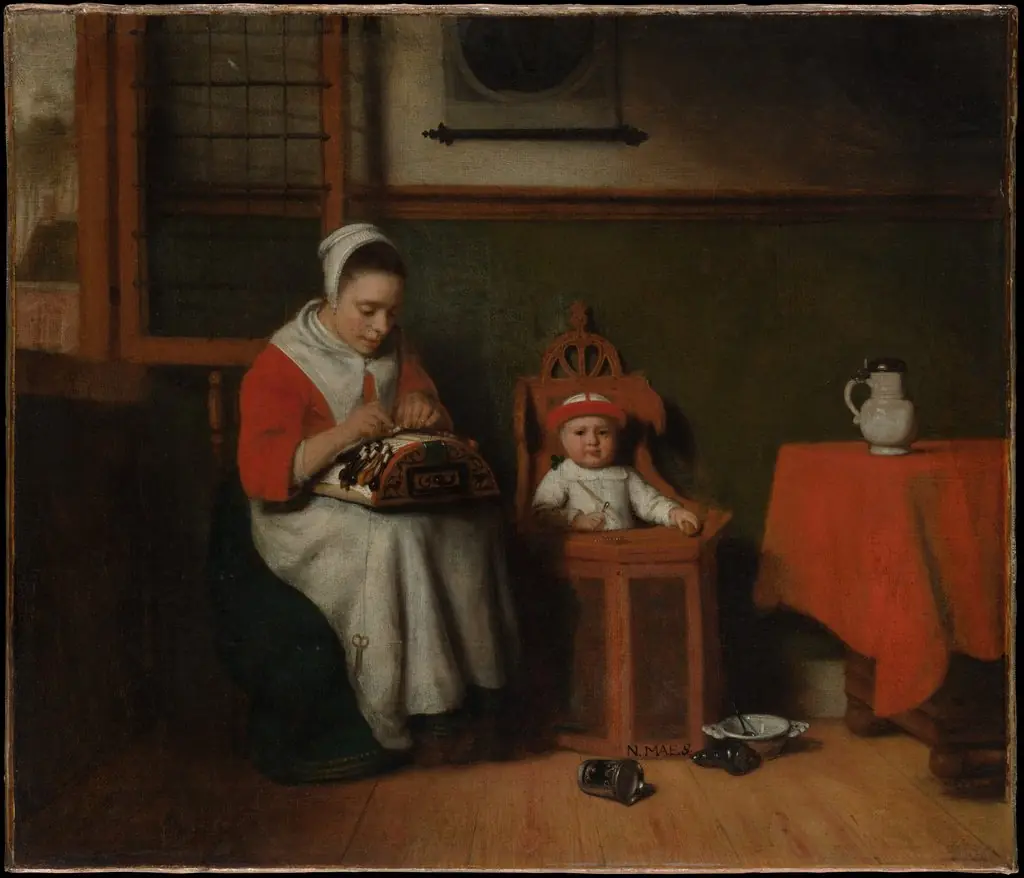 The Lacemaker
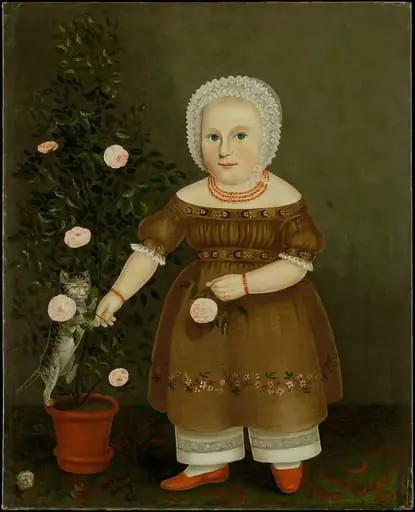 Emma Homan
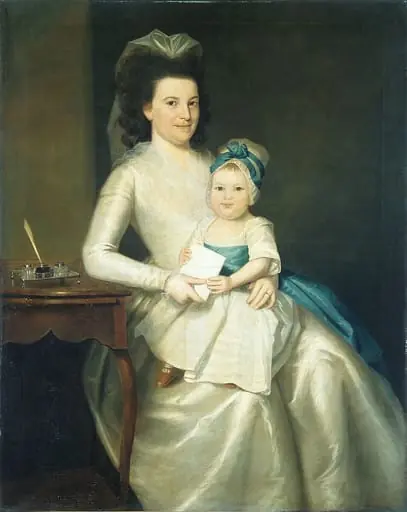 Lady Williams and Child
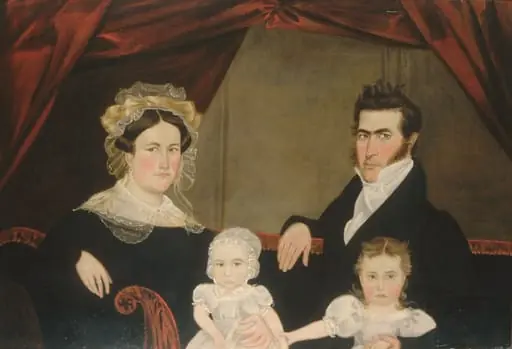 Family Group of Four on Sofa
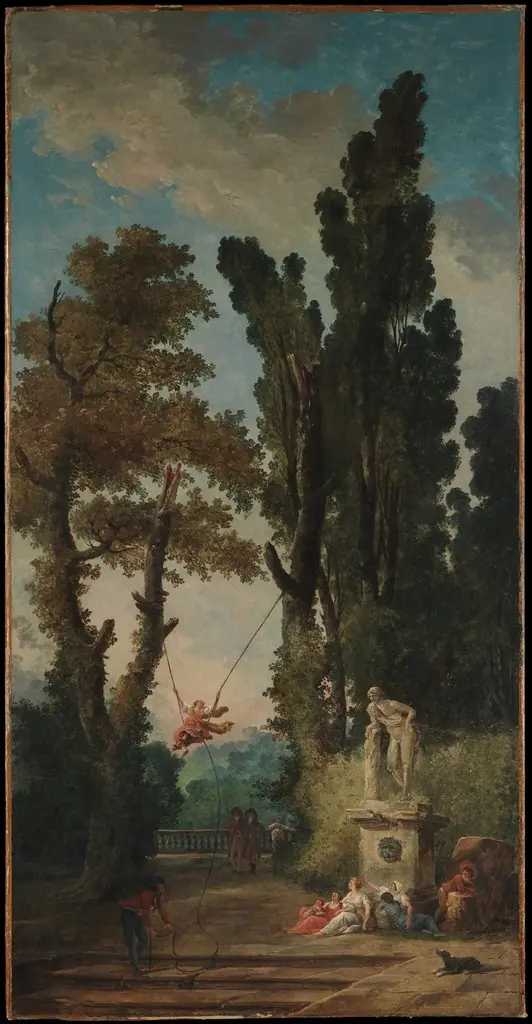 The Swing
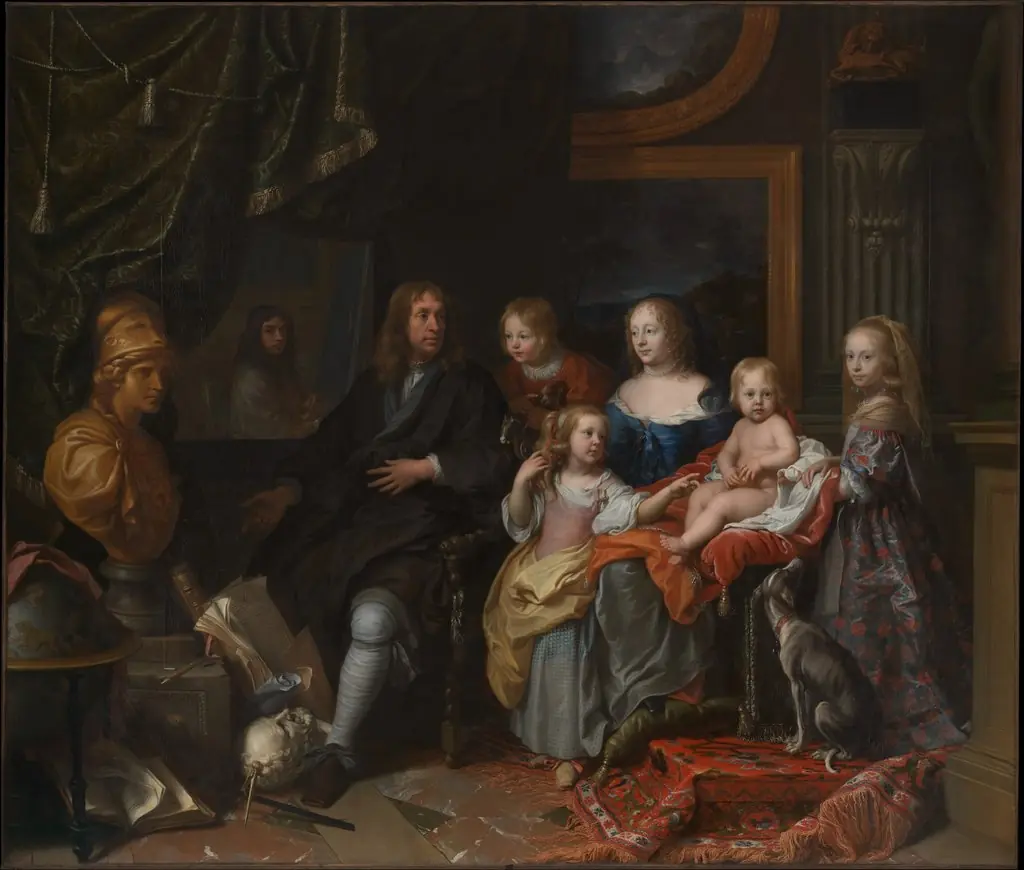 Everhard Jabach (1618–1695) and His Family
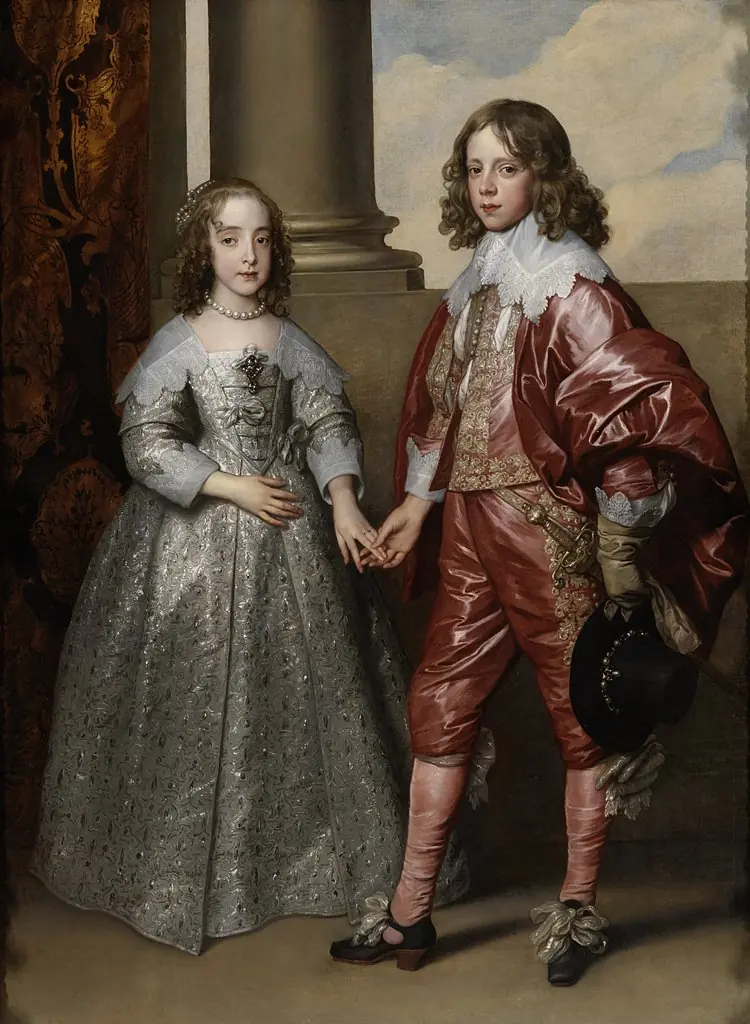 William II, Prince of Orange, and his Bride, Mary Stuart
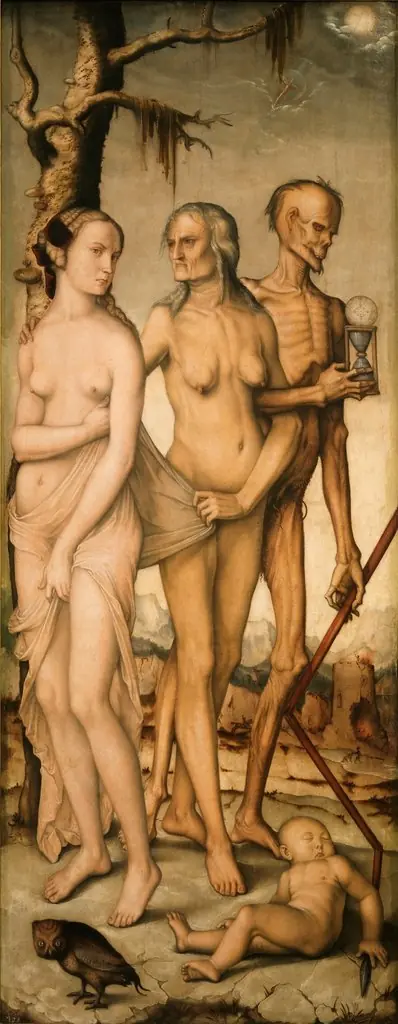 The Ages and Death
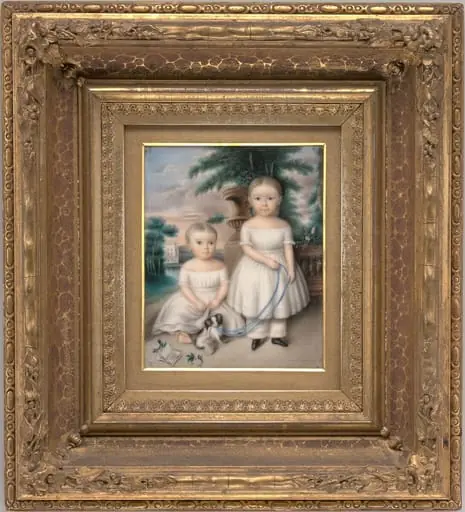 Watson Van Benthuysen II and Thomas Van Benthuysen
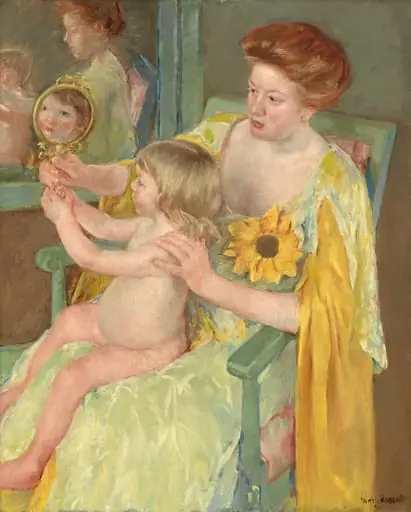 Woman with a Sunflower
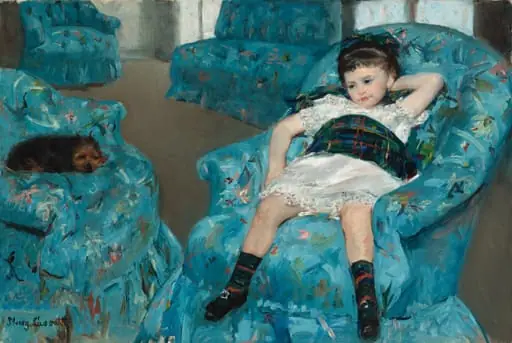 Little Girl in a Blue Armchair
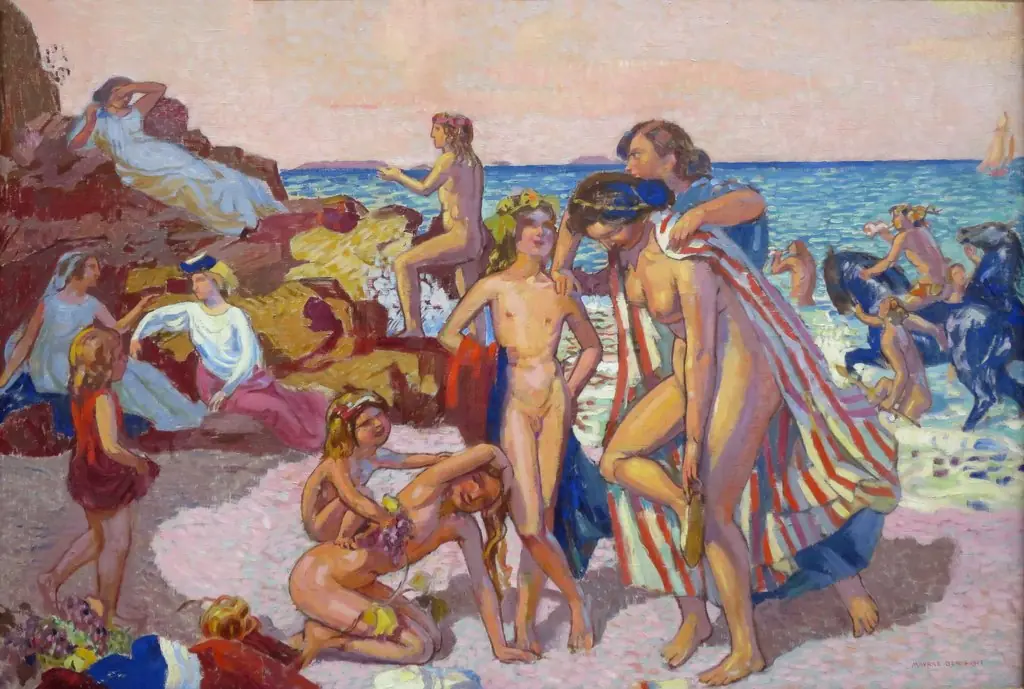 Bacchus and Ariadne
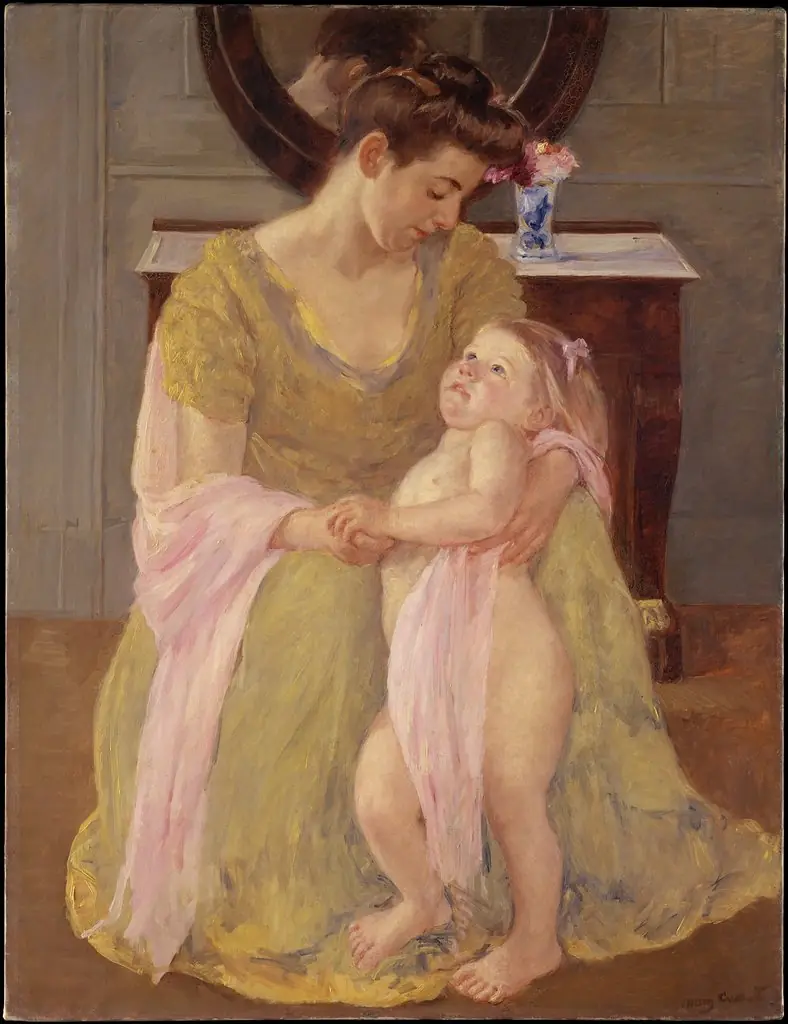 Mother and Child with a Rose Scarf
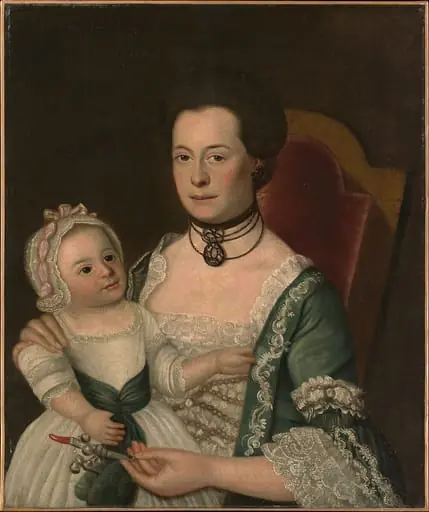 Mrs. Jacob Hurd and Child
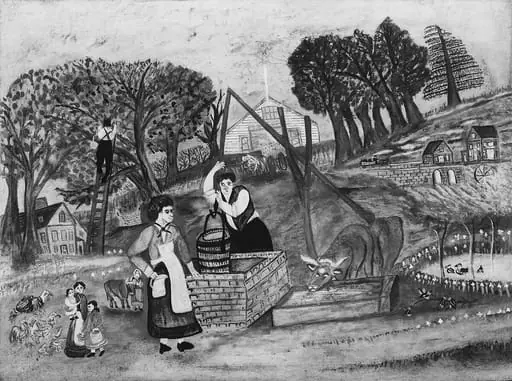 The Old Oaken Bucket which Hung in the Well
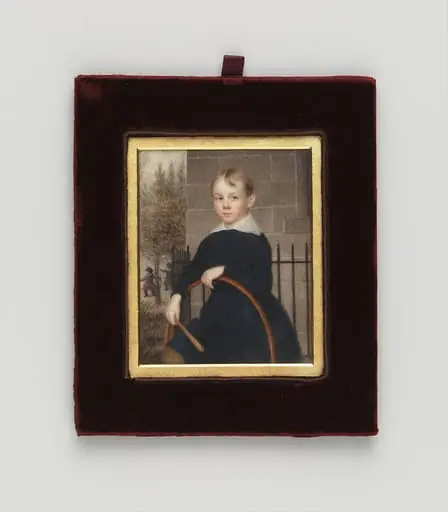 Paul Joseph Revere
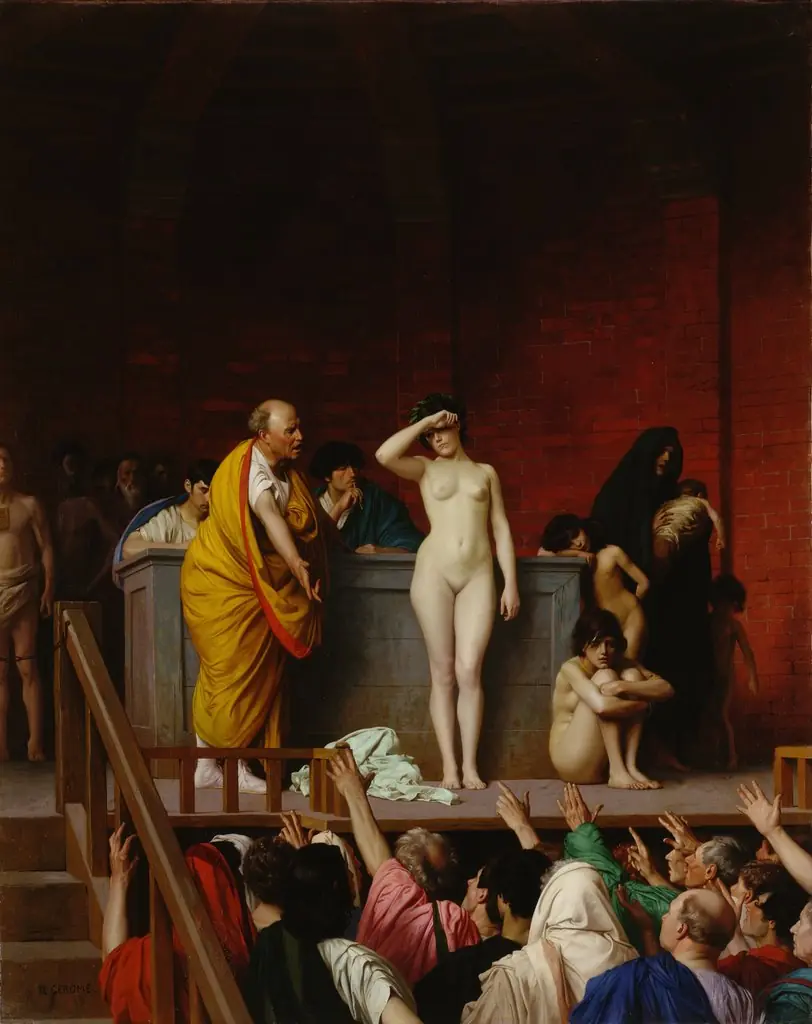 Slave Market in Rome
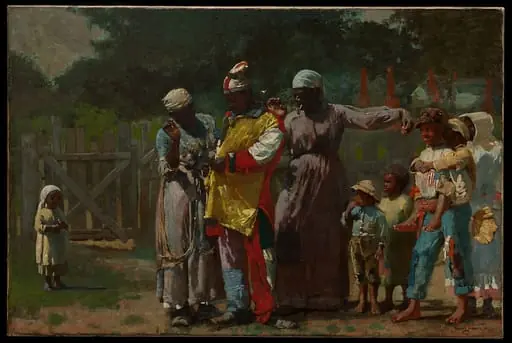 Dressing for the Carnival
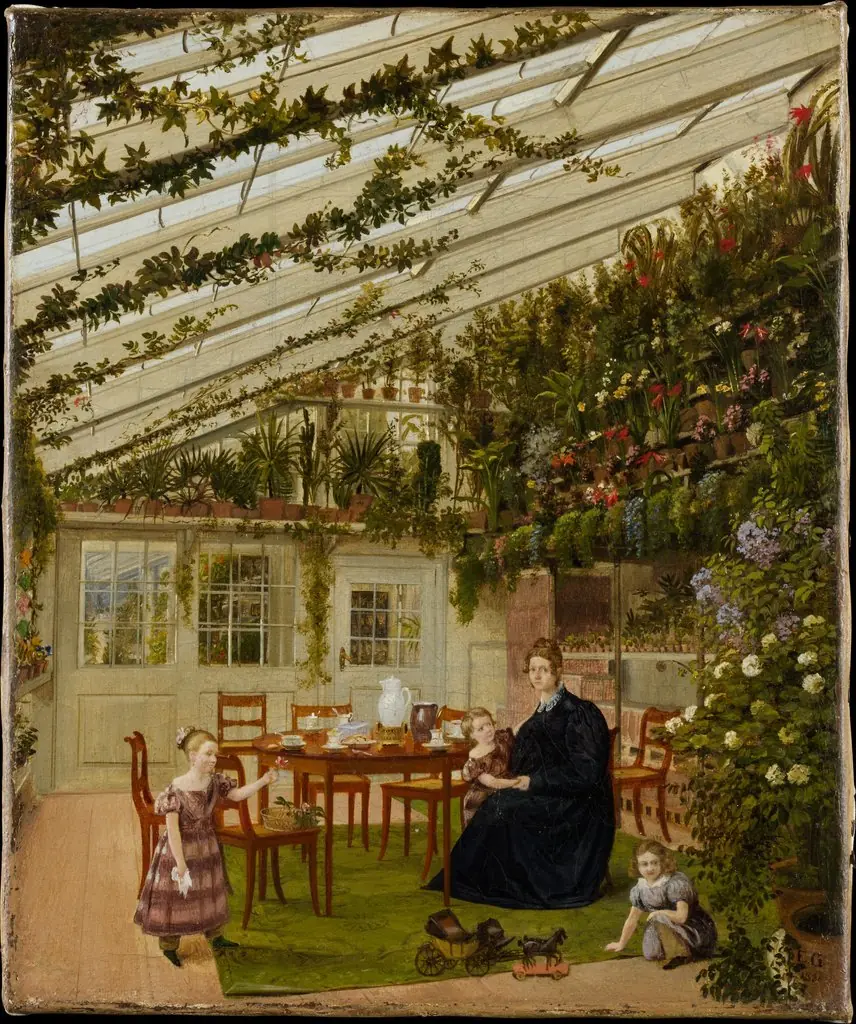 The Family of Mr. Westfal in the Conservatory
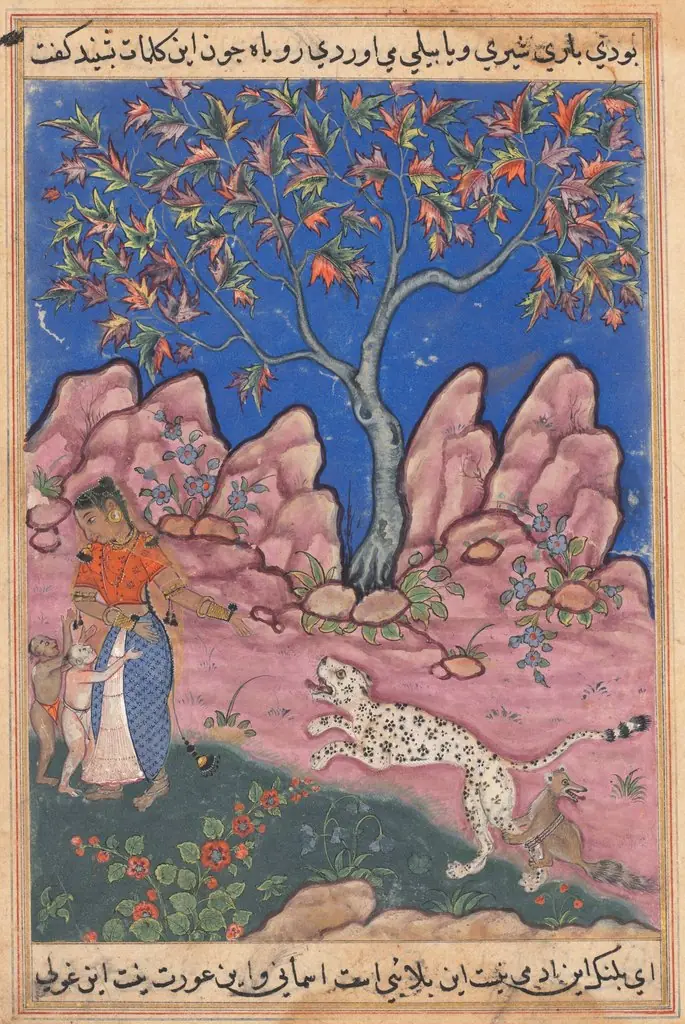 The woman conversing with her children, as the leopard returns, egged on by a fox who is tied to his leg, from a Tuti-nama (Tales of a Parrot): Thirtieth Night
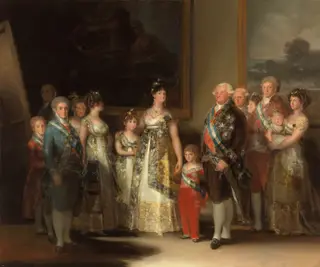 Charles IV of Spain and His Family
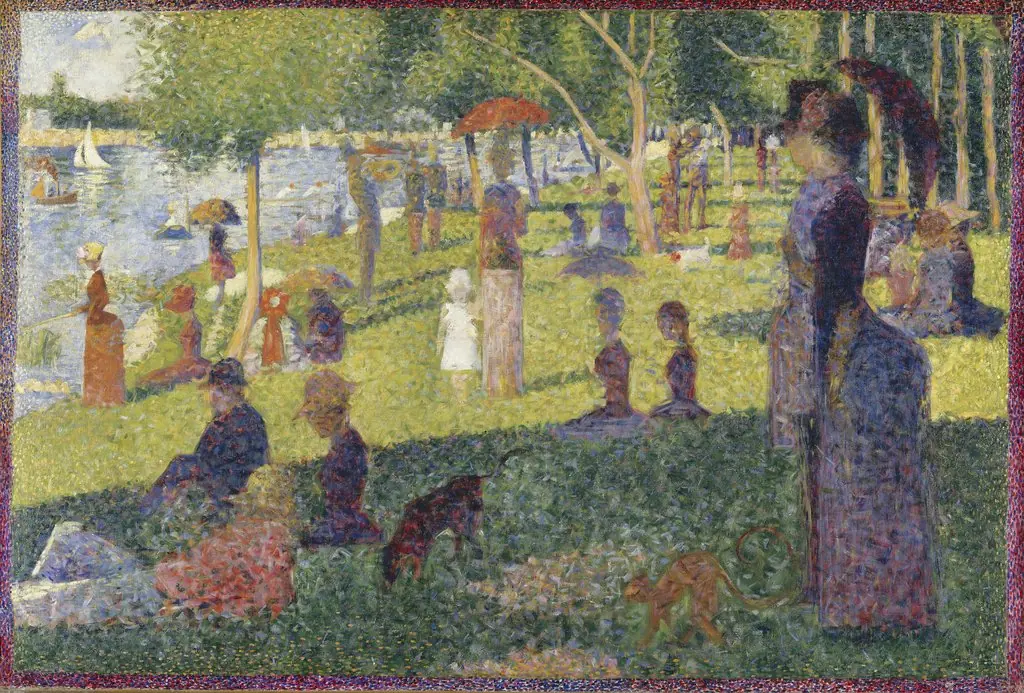 Final study for "La Grande Jatte"
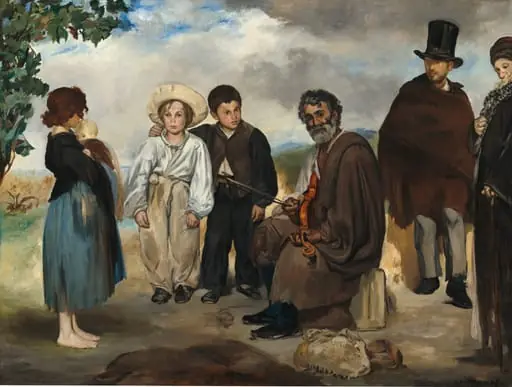 The Old Musician
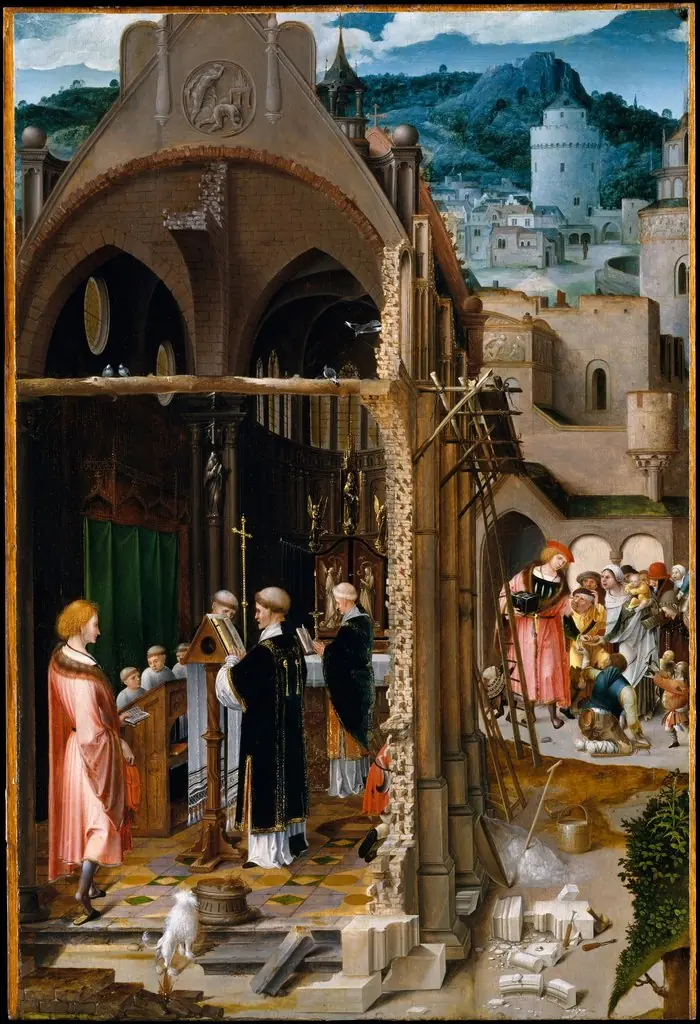 A Sermon on Charity (possibly the Conversion of Saint Anthony)
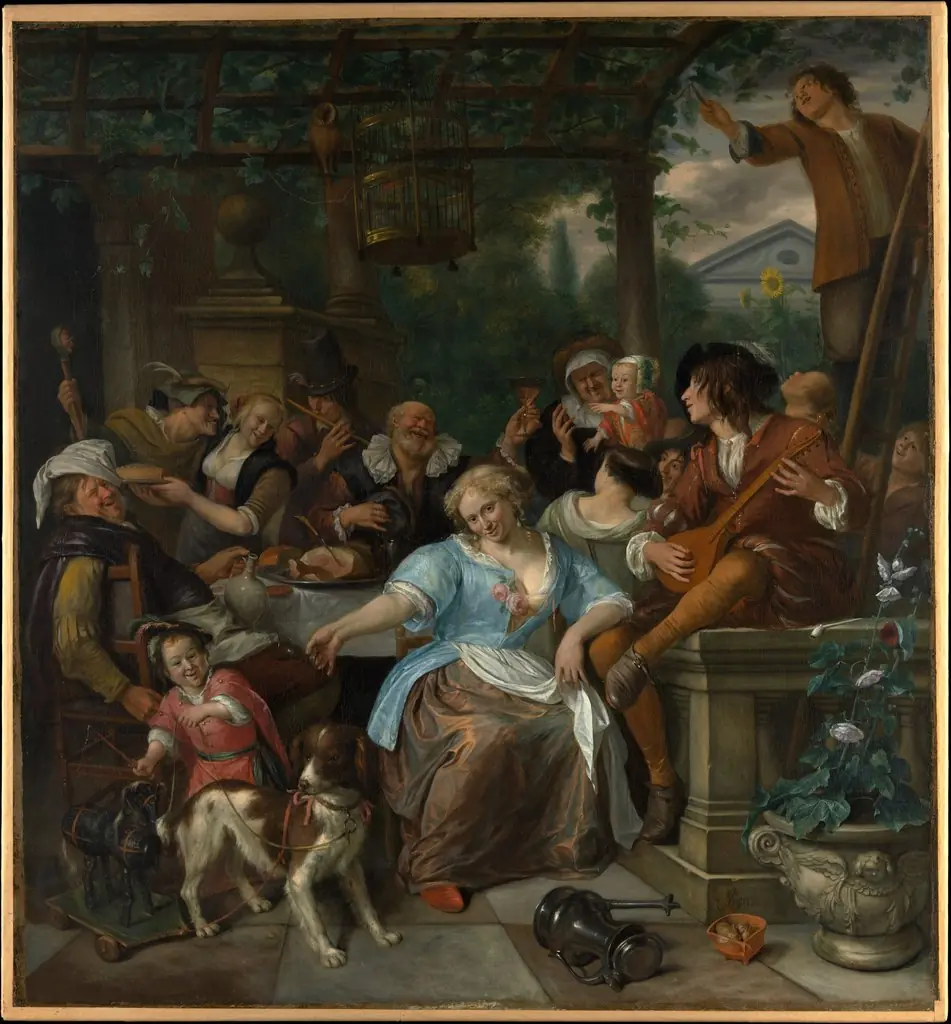 Merry Company on a Terrace
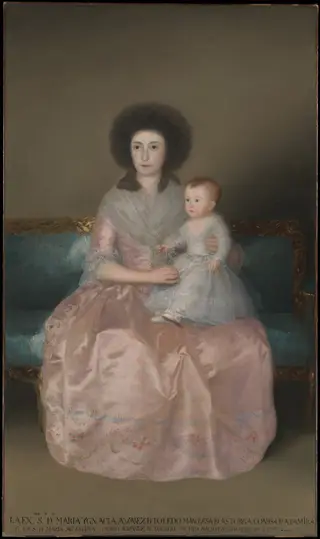 Condesa de Altamira and Her Daughter, María Agustina
 Landscape
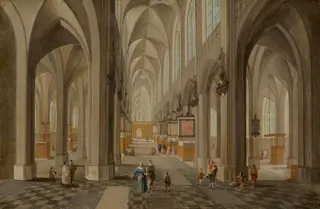 Antwerp Cathedral
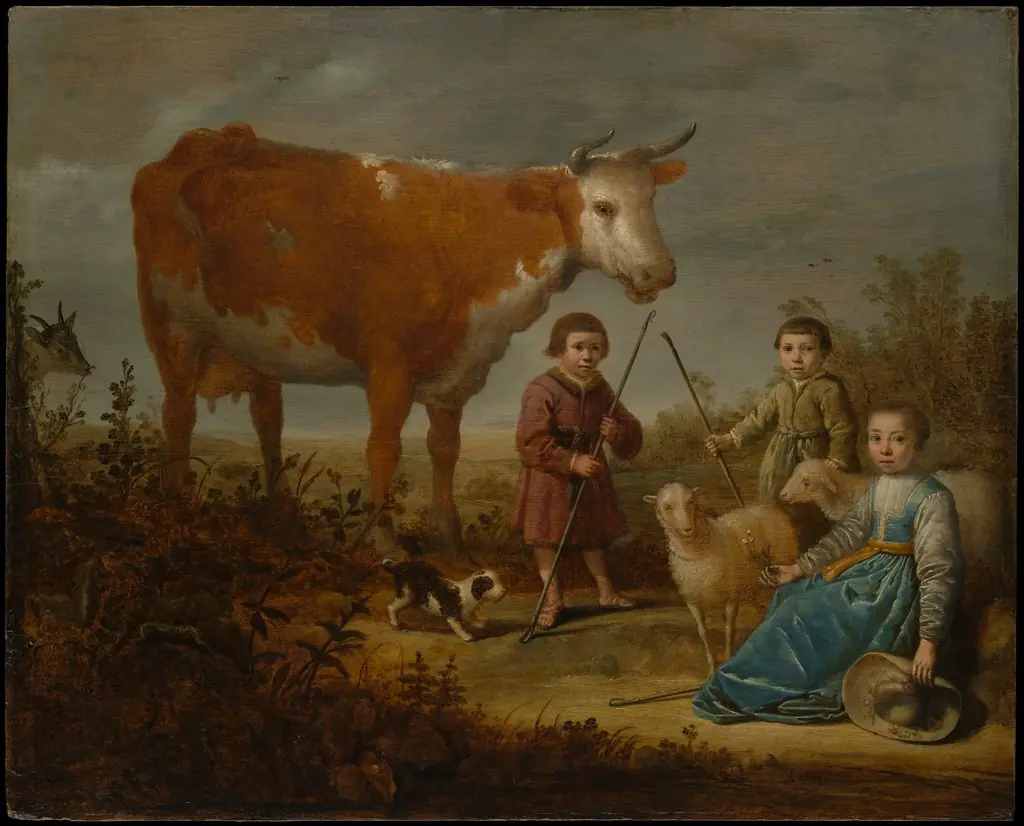 Children and a Cow
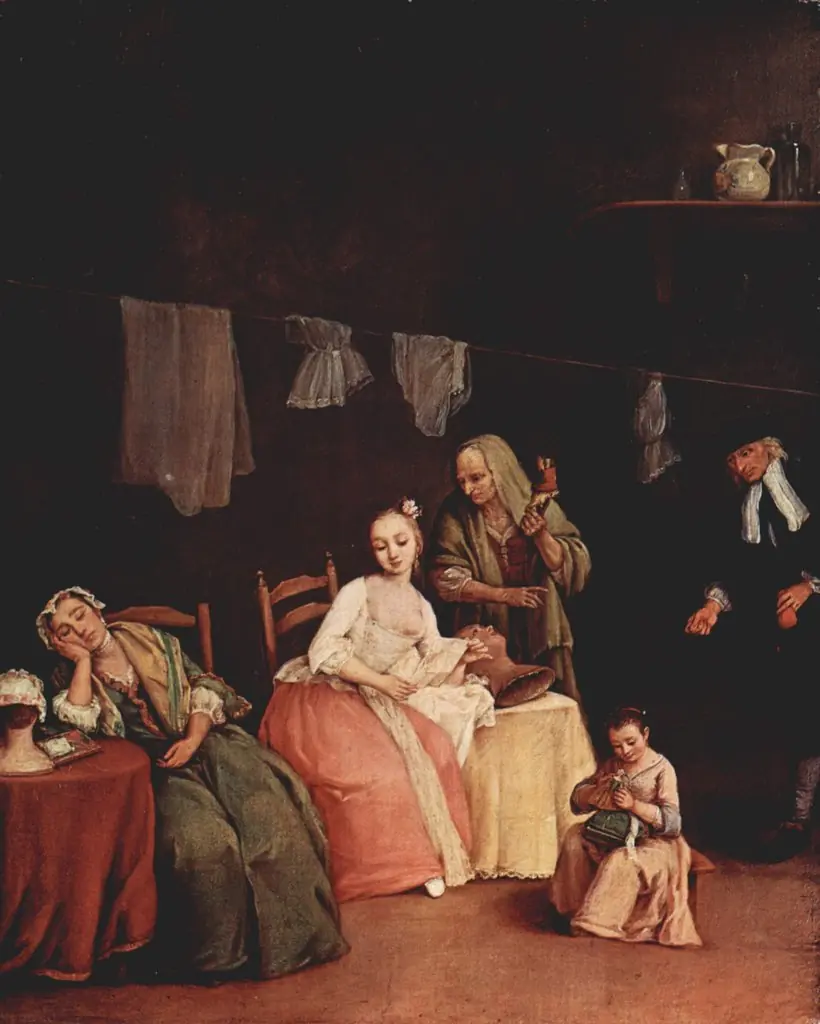 The Letter
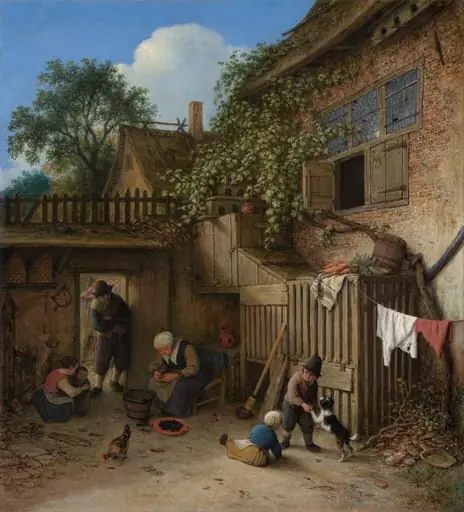 The Cottage Dooryard
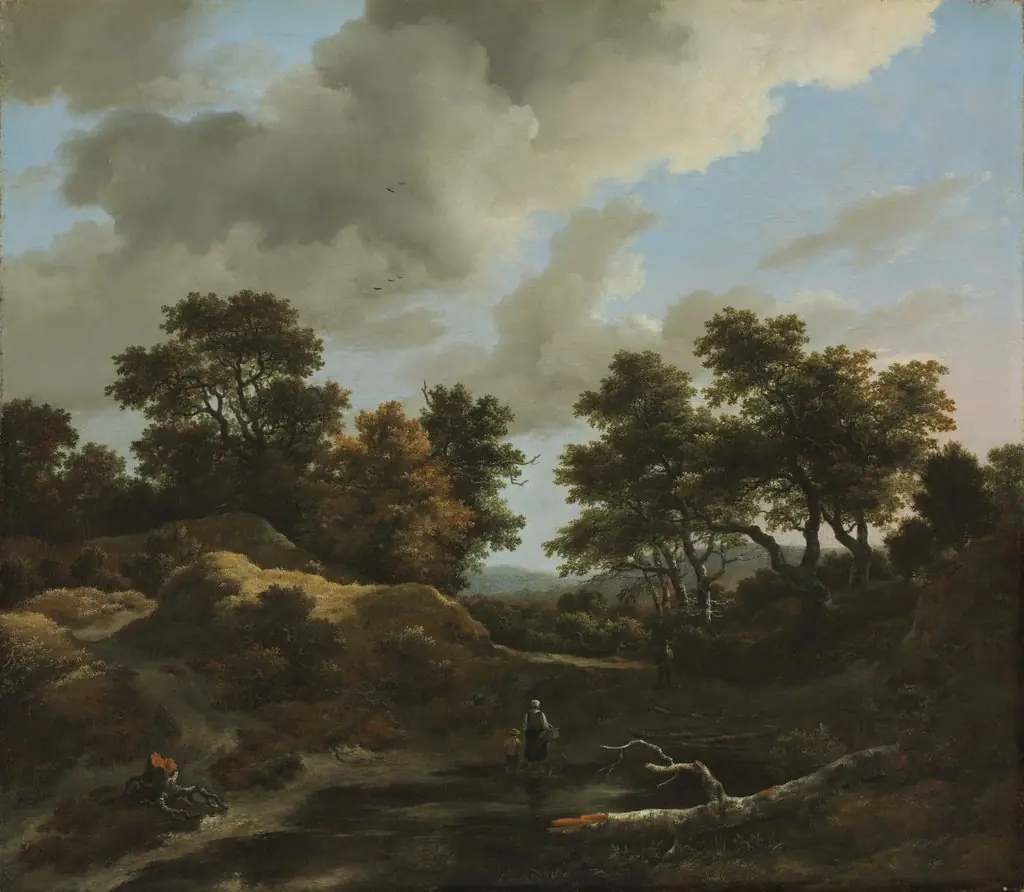 Wooded and Hilly Landscape
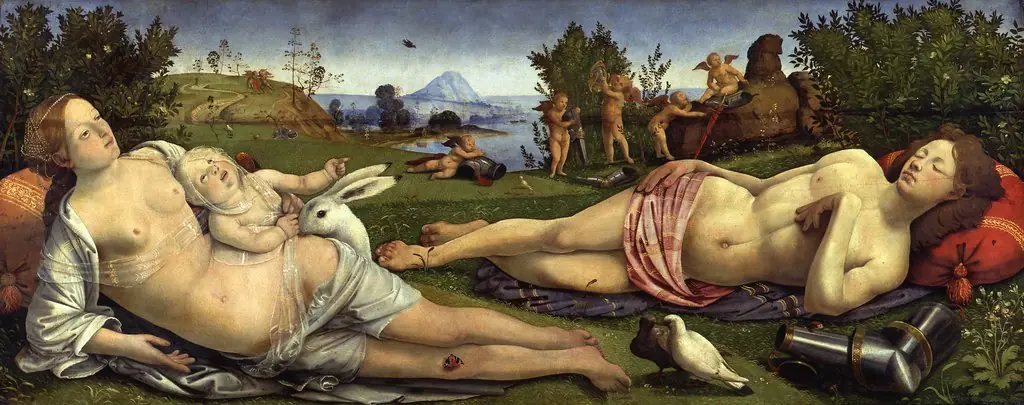 Venus, Mars and Cupid
 Summer Flowers
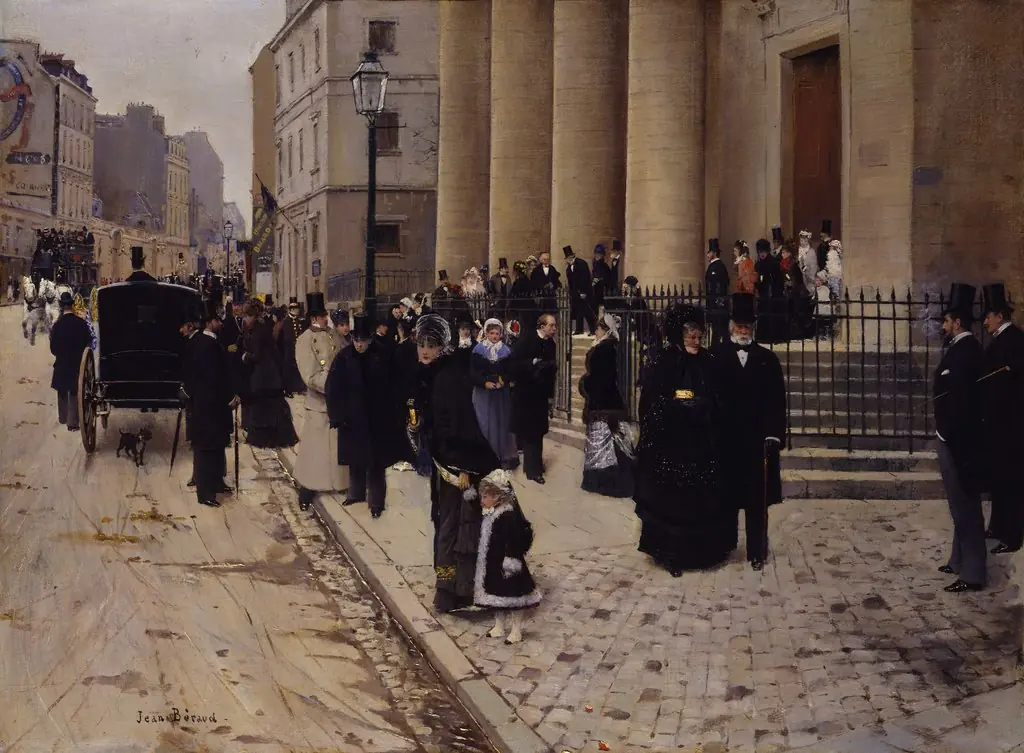 Sunday at the Church of Saint-Philippe-du-Roule, Paris
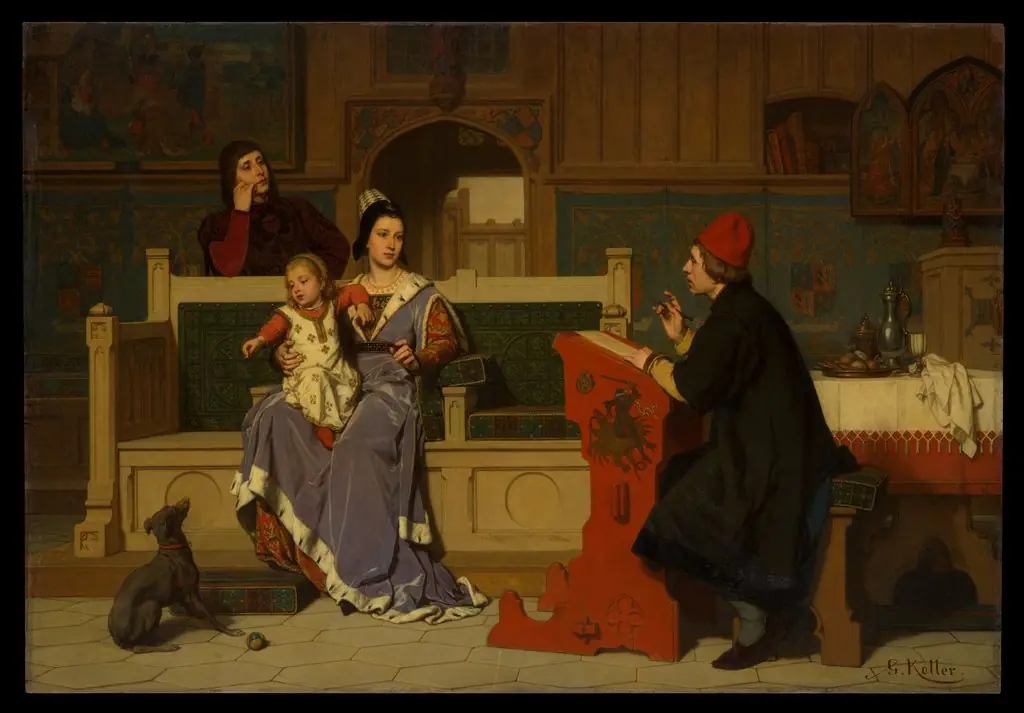 Hugo van der Goes Painting the Portrait of Mary of Burgundy
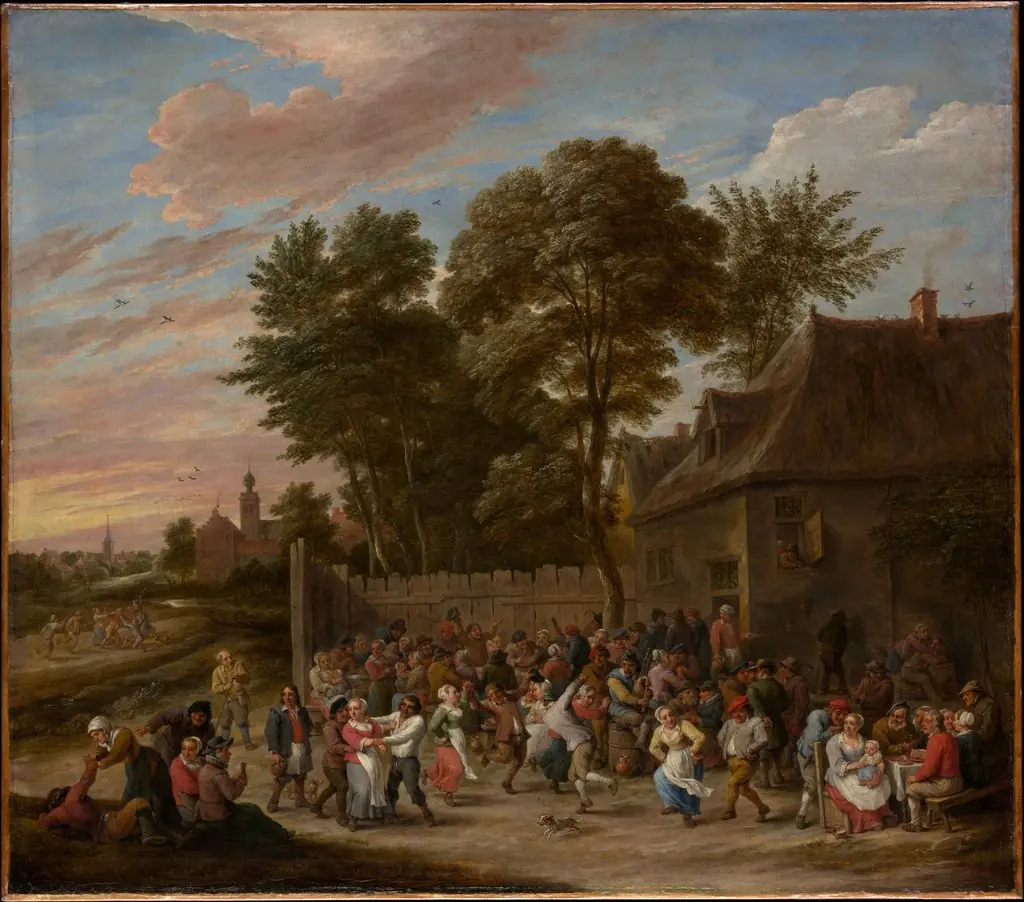 Peasants Dancing and Feasting
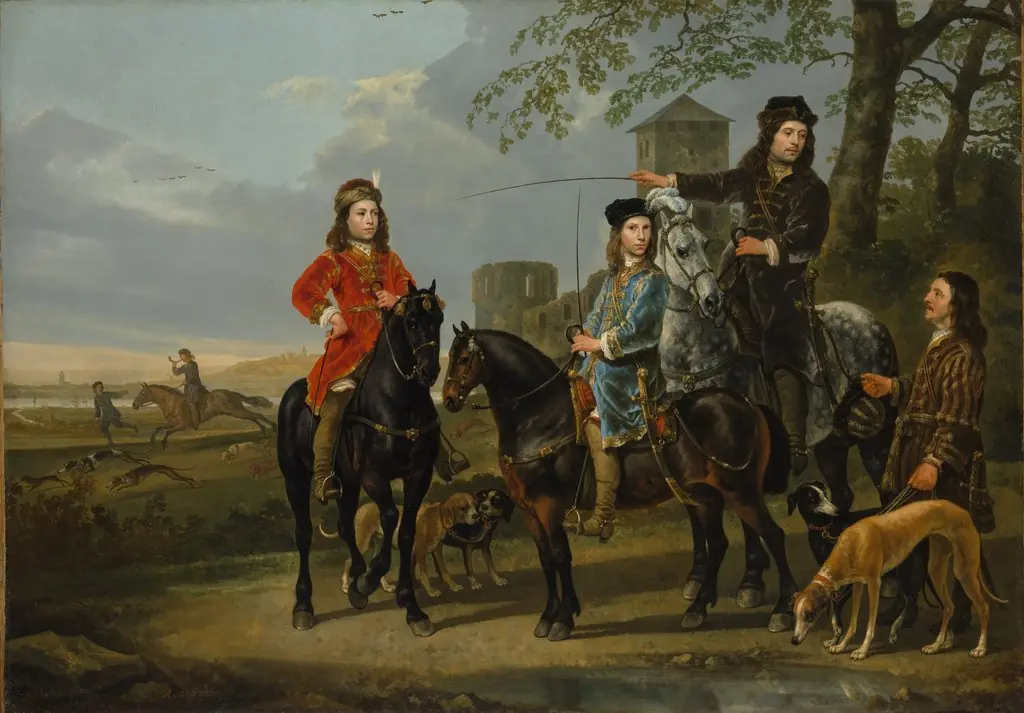 Equestrian Portrait of Cornelis (1639–1680) and Michiel Pompe van Meerdervoort (1638–1653) with Their Tutor and Coachman ("Starting for the Hunt")
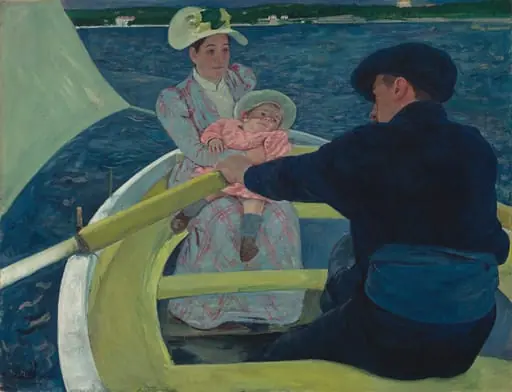 The Boating Party
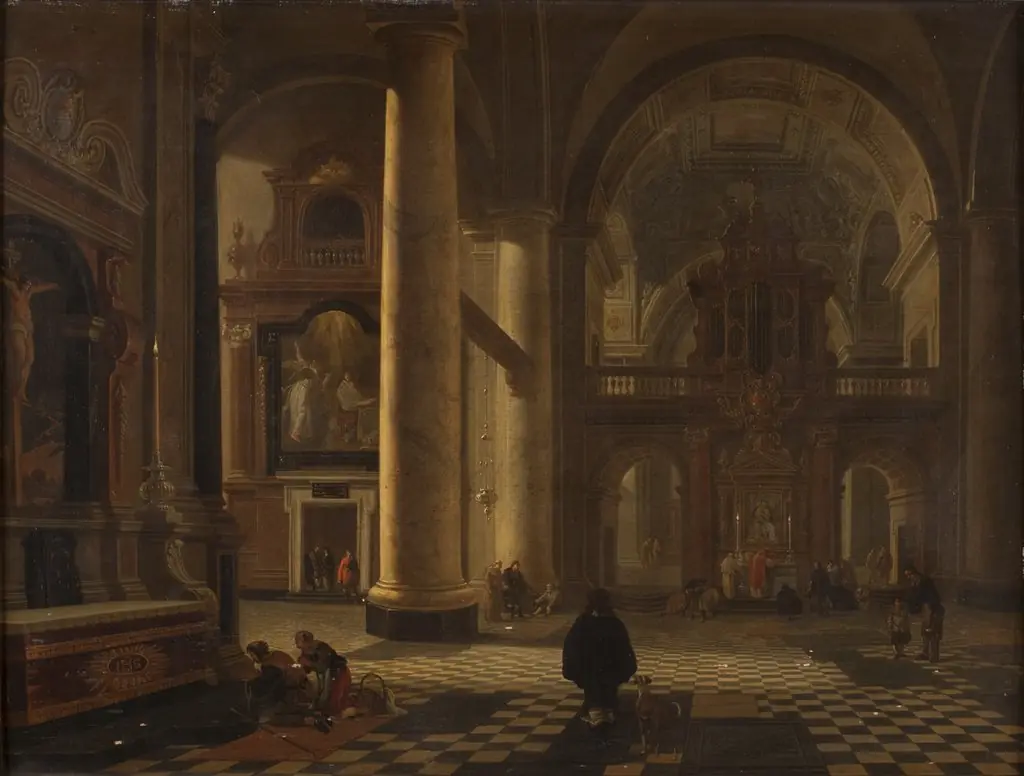 Interior of a Catholic Church
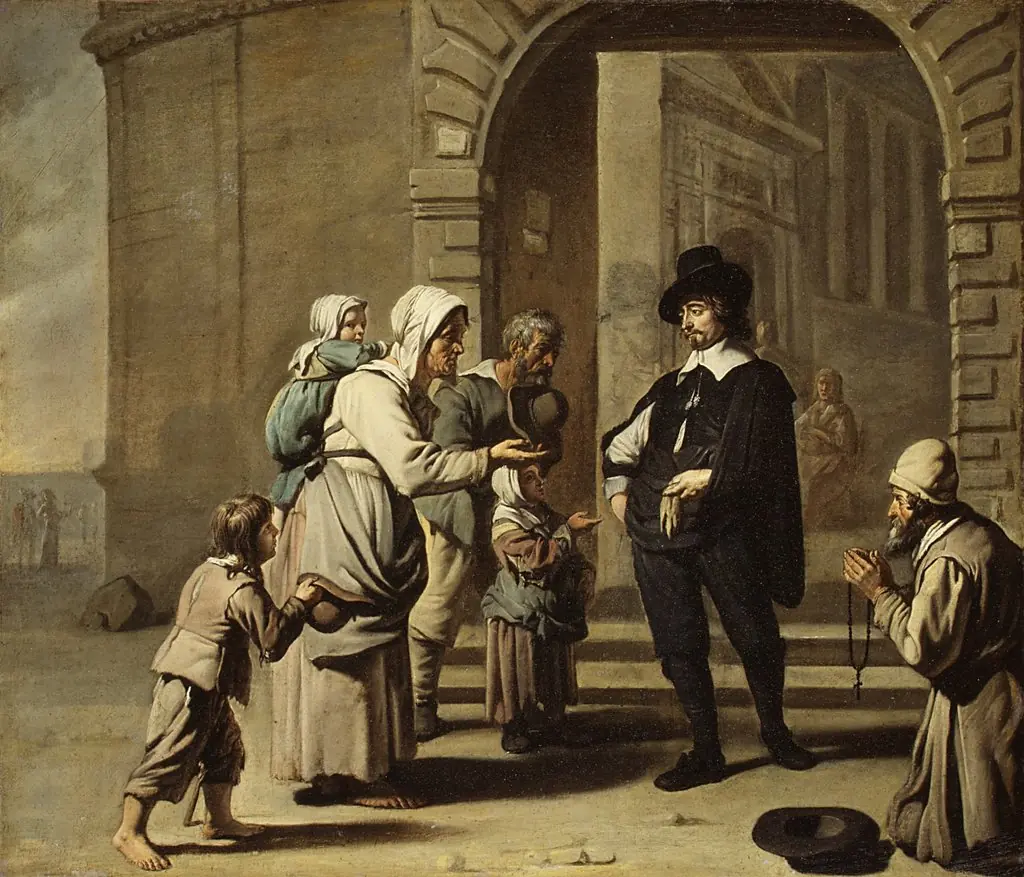 Beggars at a Doorway
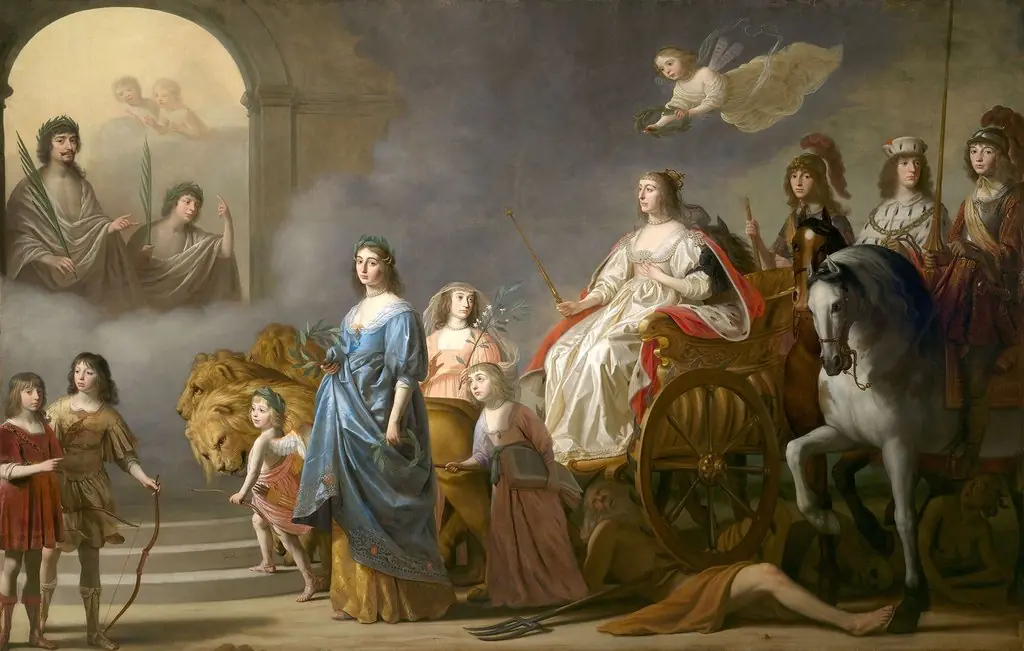 The Triumph of the Winter Queen: Allegory of the Just
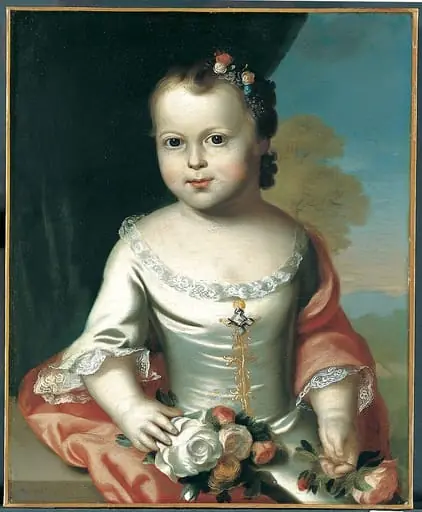 Elizabeth Greenleaf
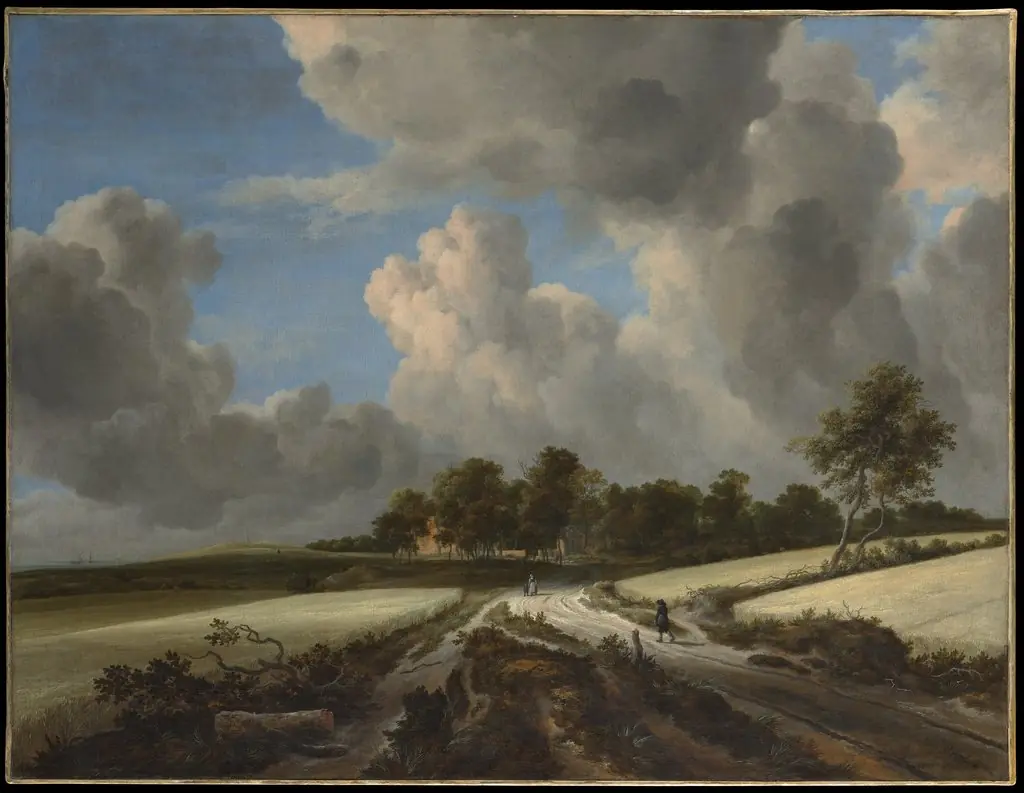 Wheat Fields
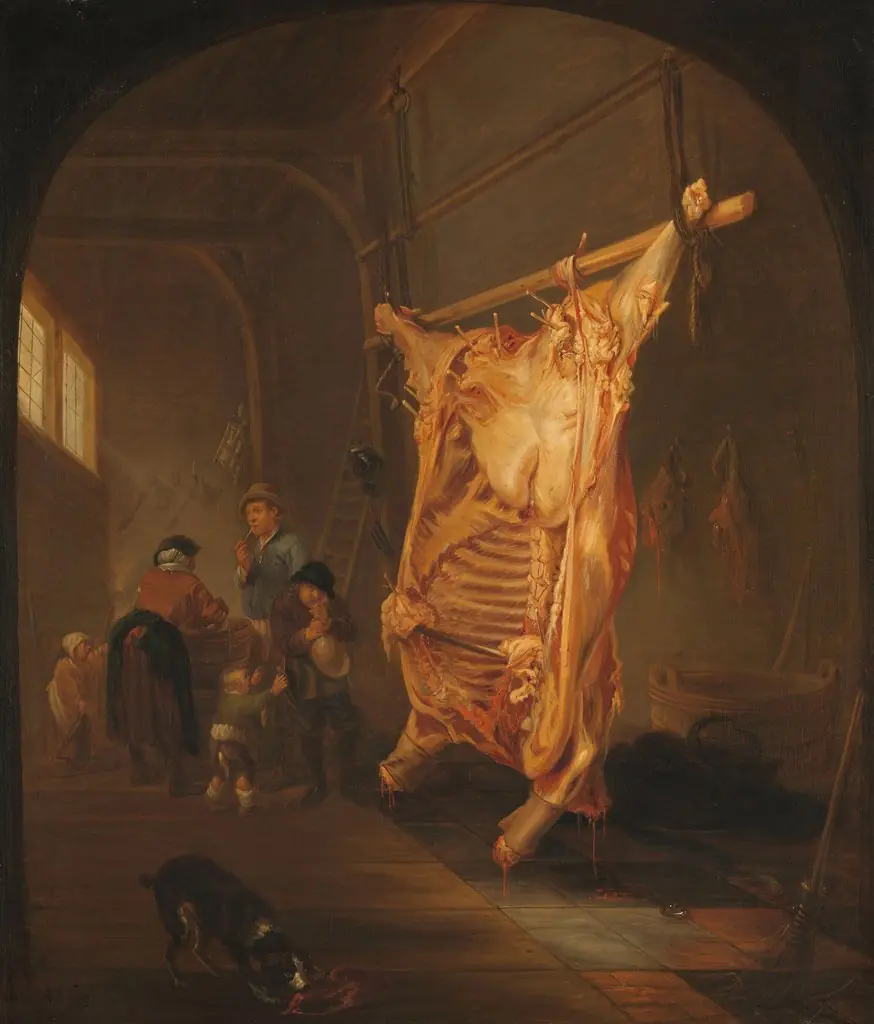 The slaughtered ox
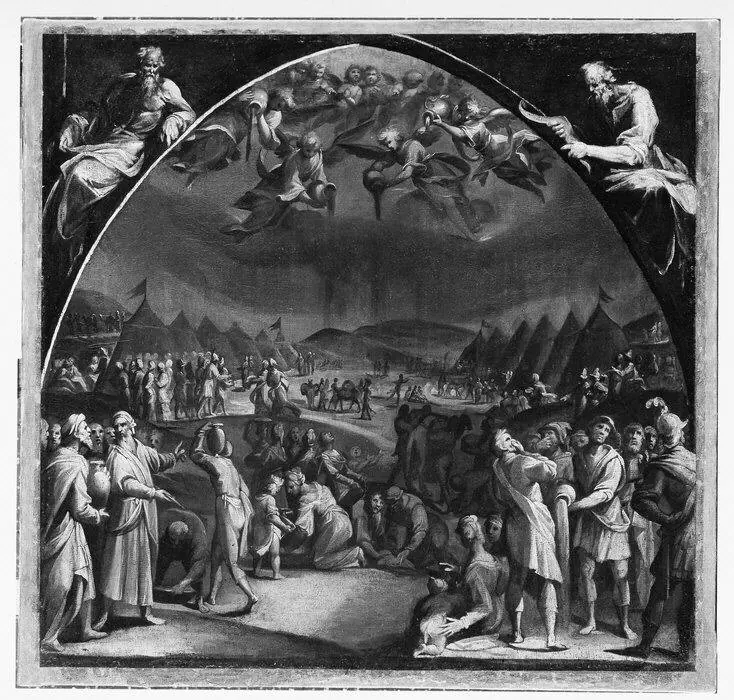 The Gathering of Manna
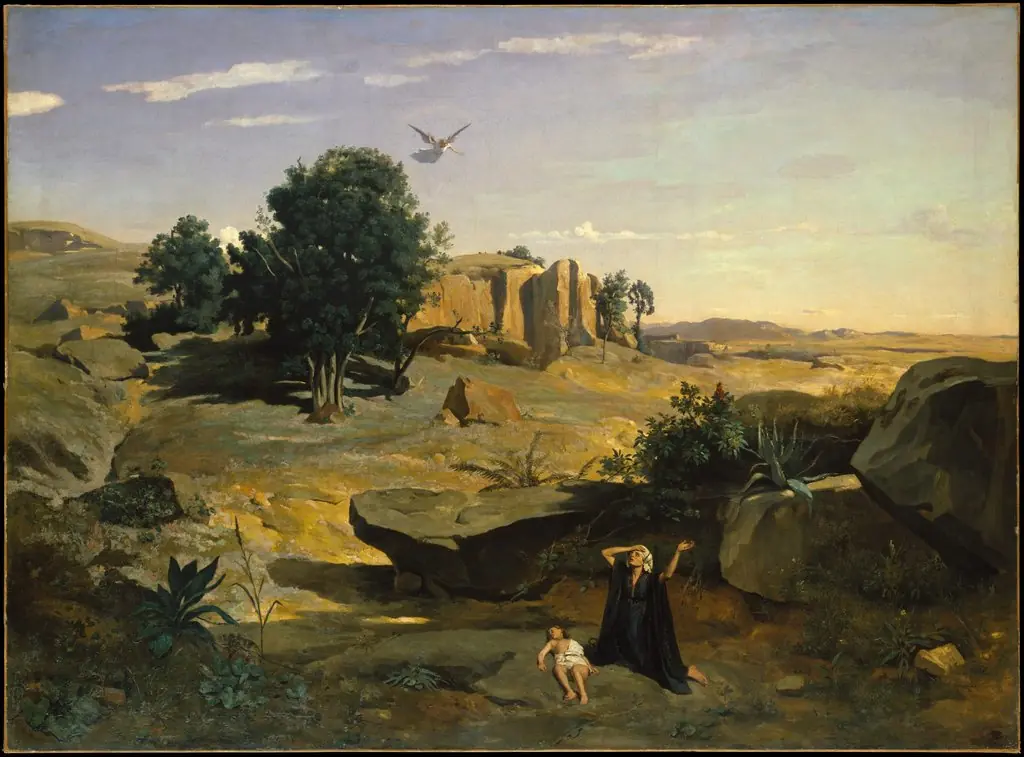 Hagar in the Wilderness
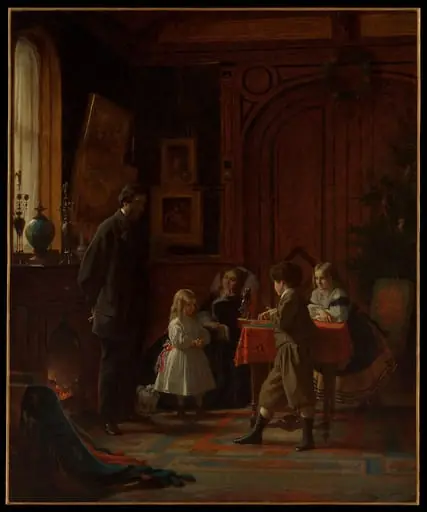 Christmas-Time, The Blodgett Family
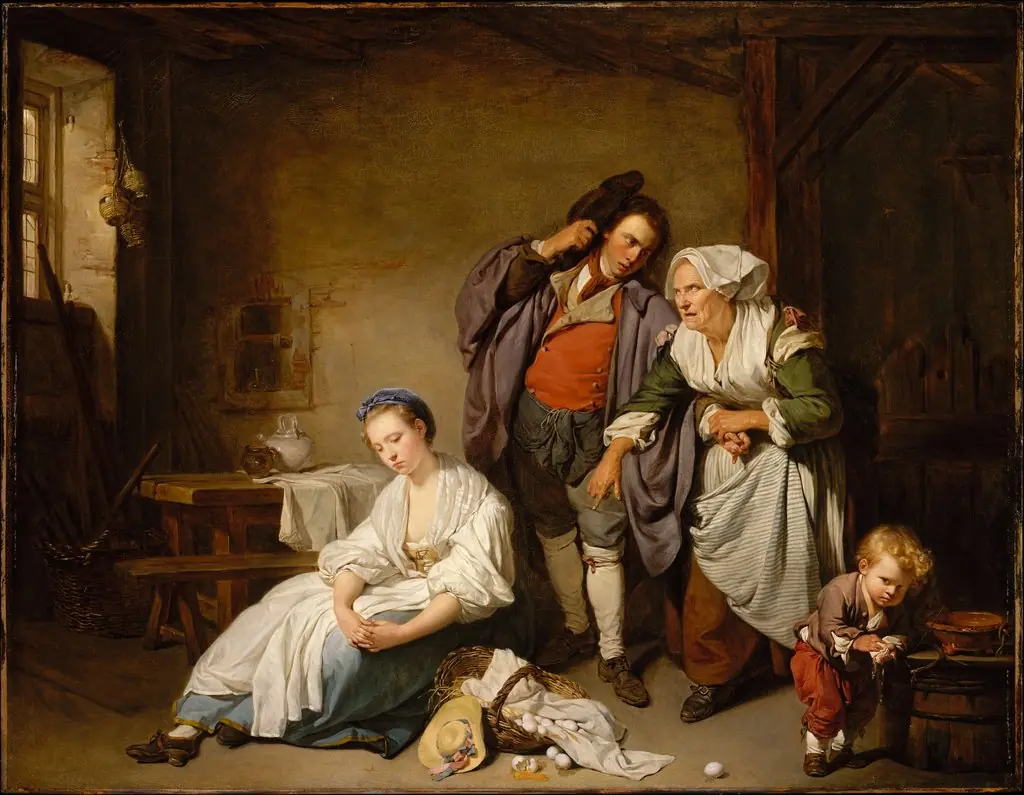 Broken Eggs
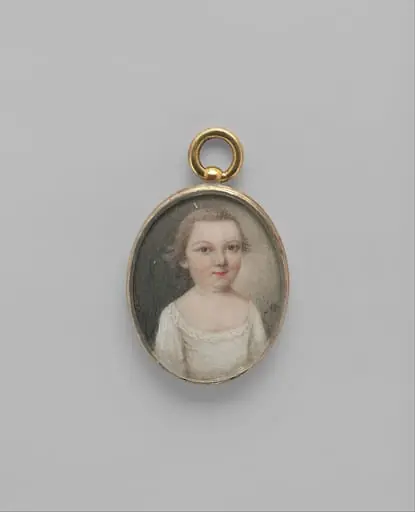 Thomas Middleton
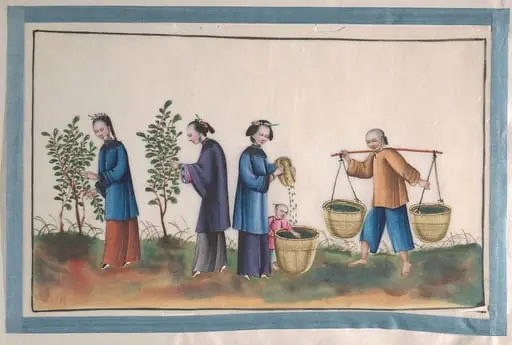 Untitled
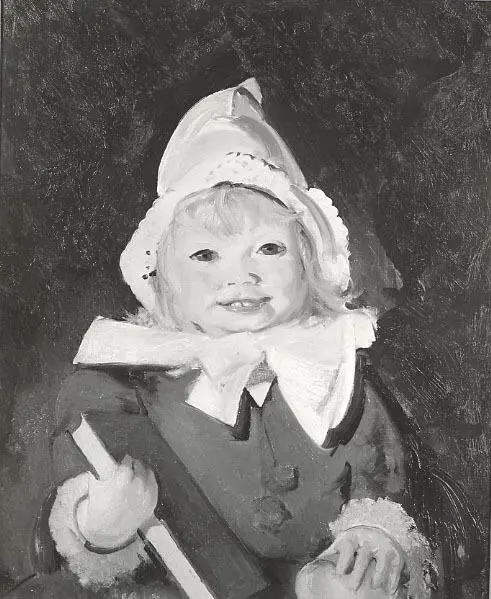 Jean with Blue Book and Apple
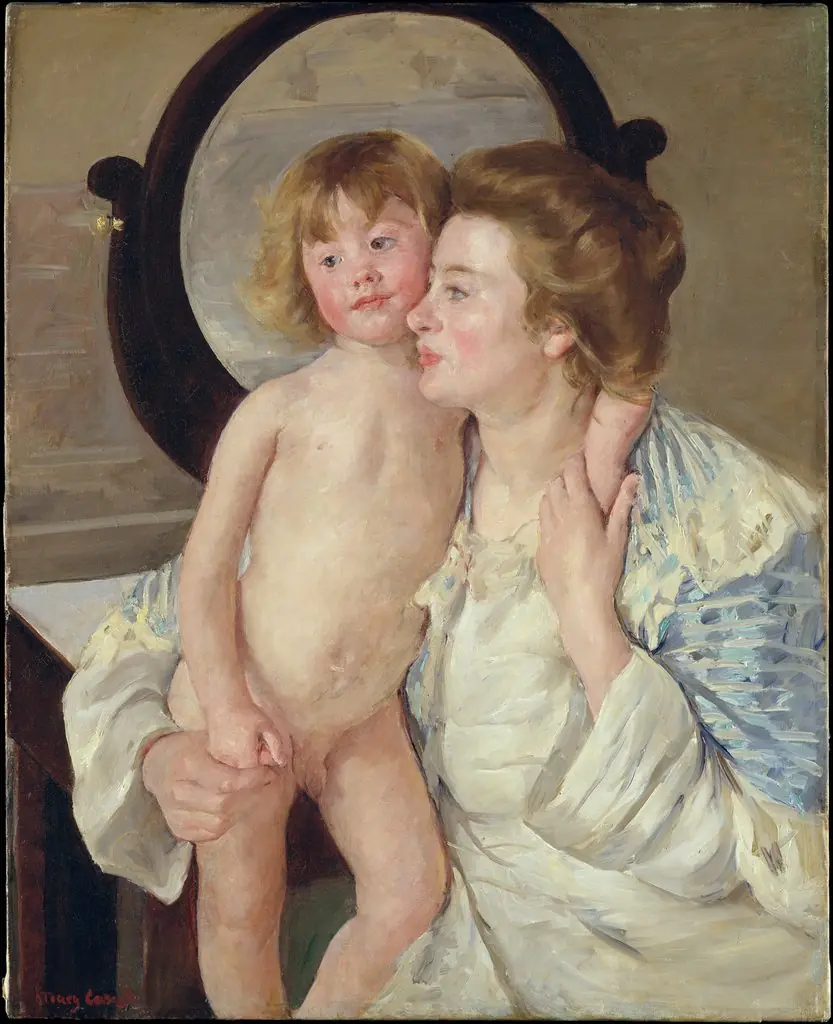 Mother and Child (The Oval Mirror)
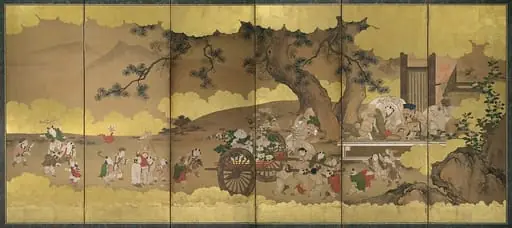 狩野周信筆 七福神唐子図屏風|Seven Gods of Good Fortune and Chinese Children
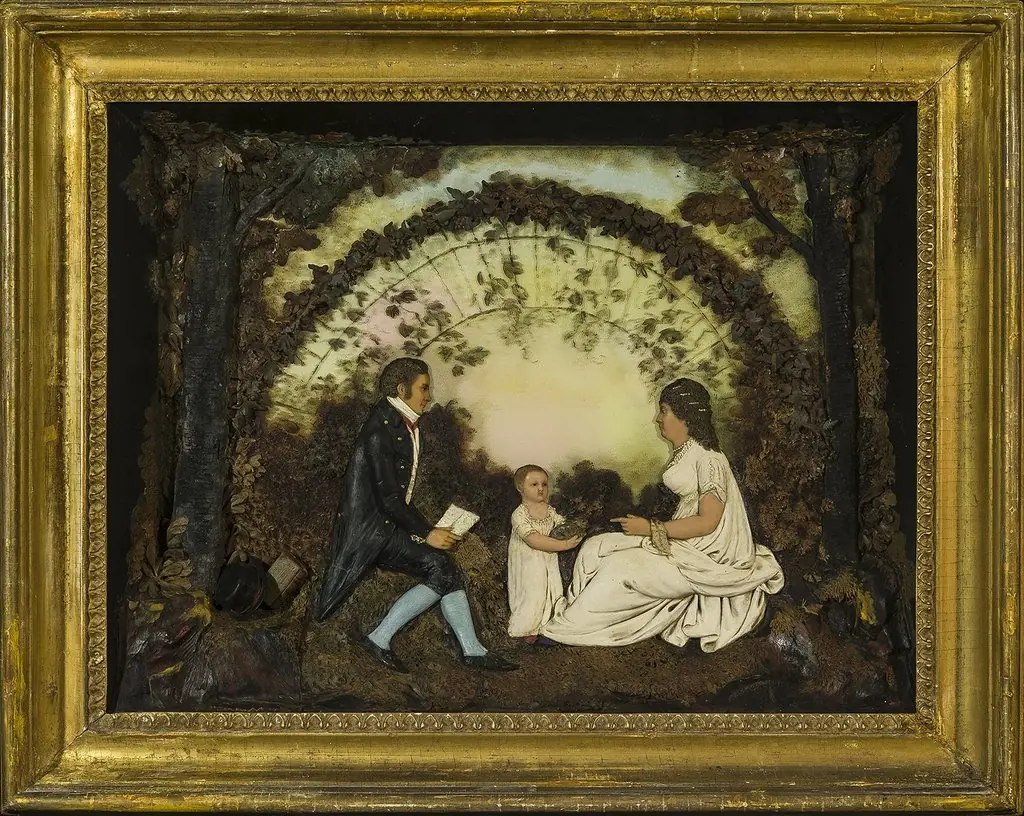 Father, Mother, and Child in a Park
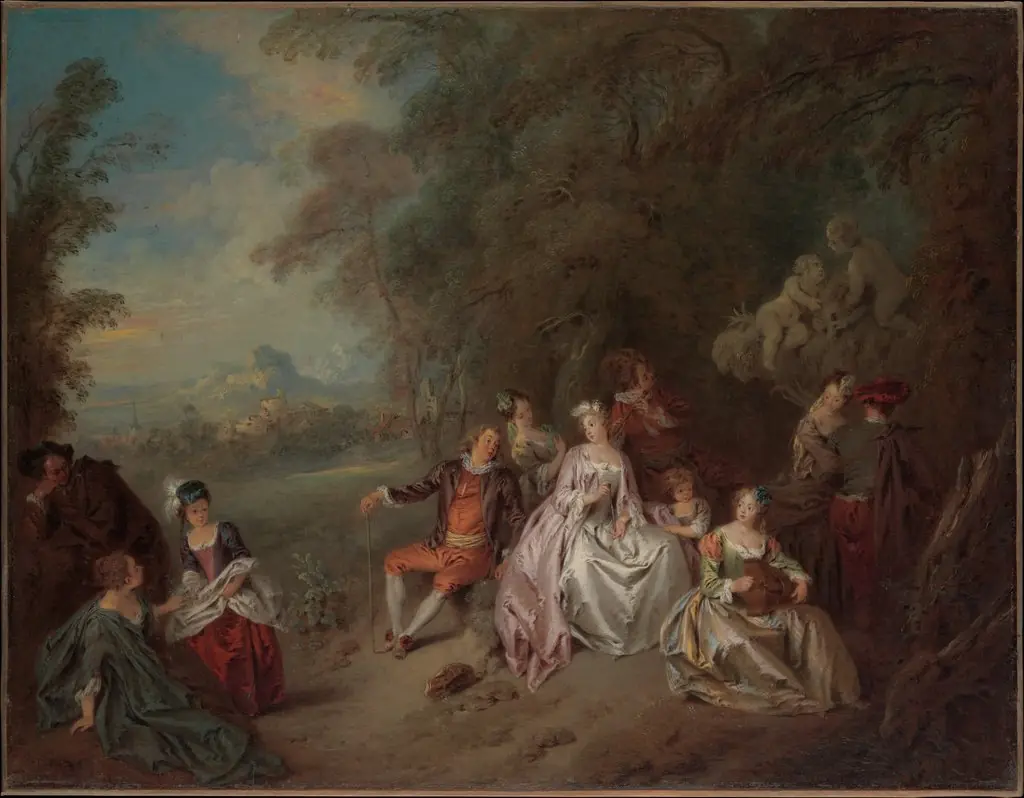 Concert Champêtre
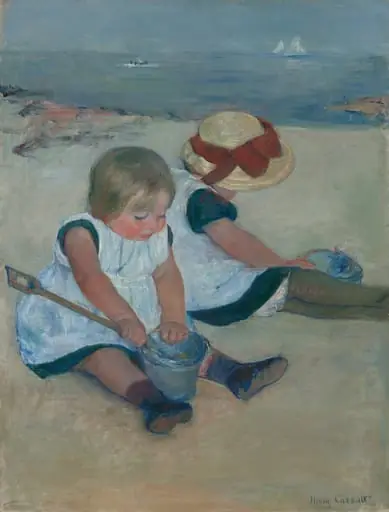 Children Playing on the Beach
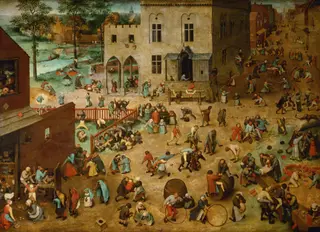 Children's Games
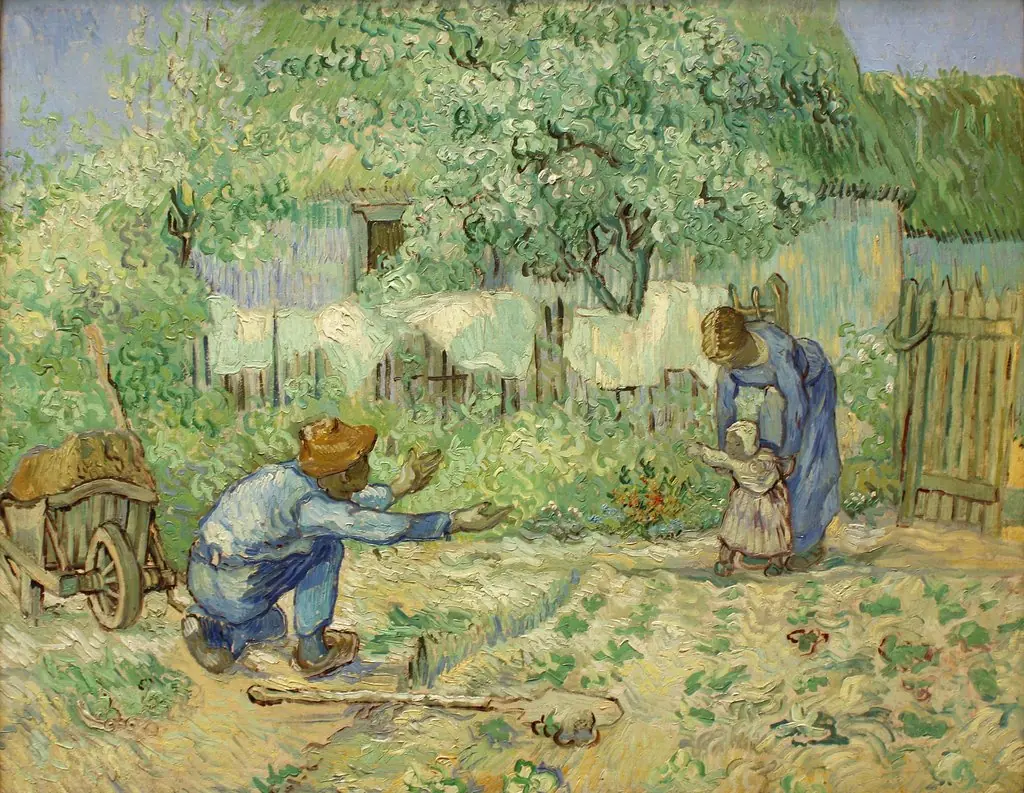 First Steps, after Millet
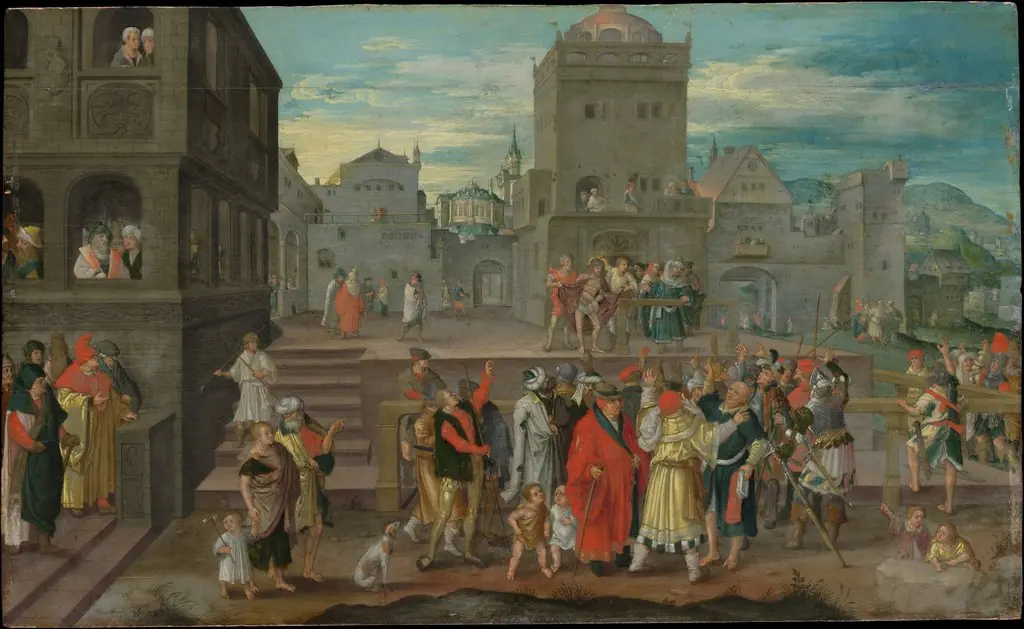 Christ Presented to the People
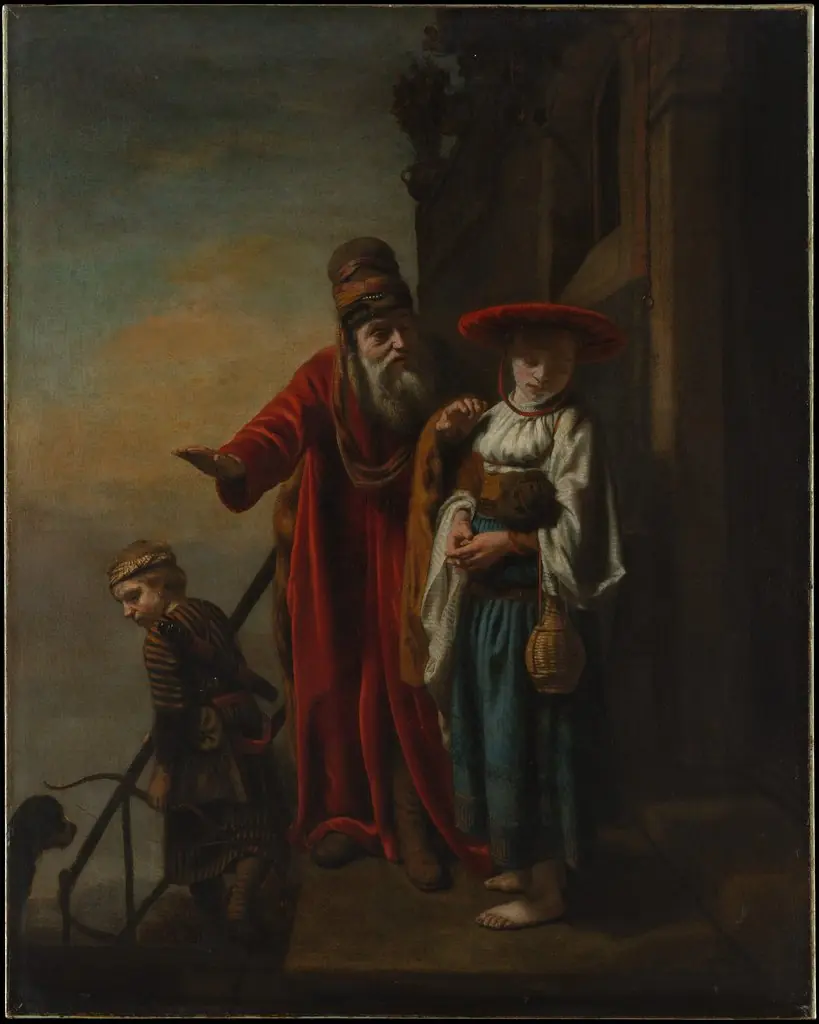 Abraham Dismissing Hagar and Ishmael
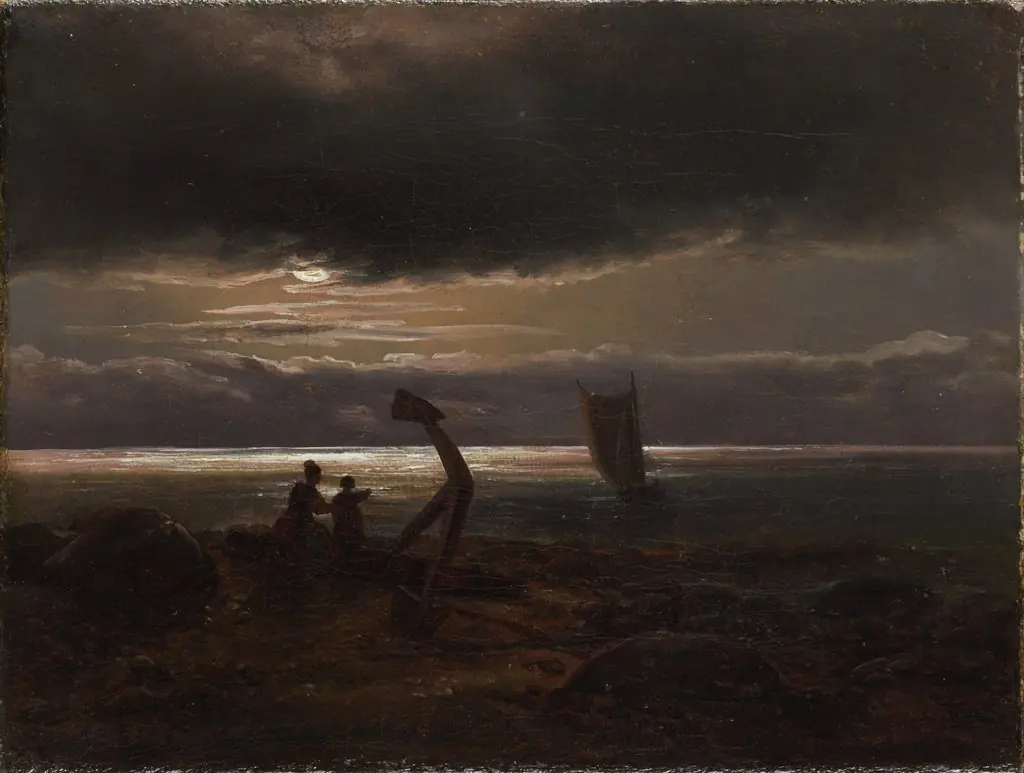 Mother and Child by the Sea
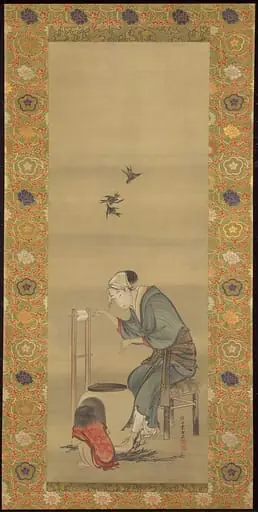 Untitled
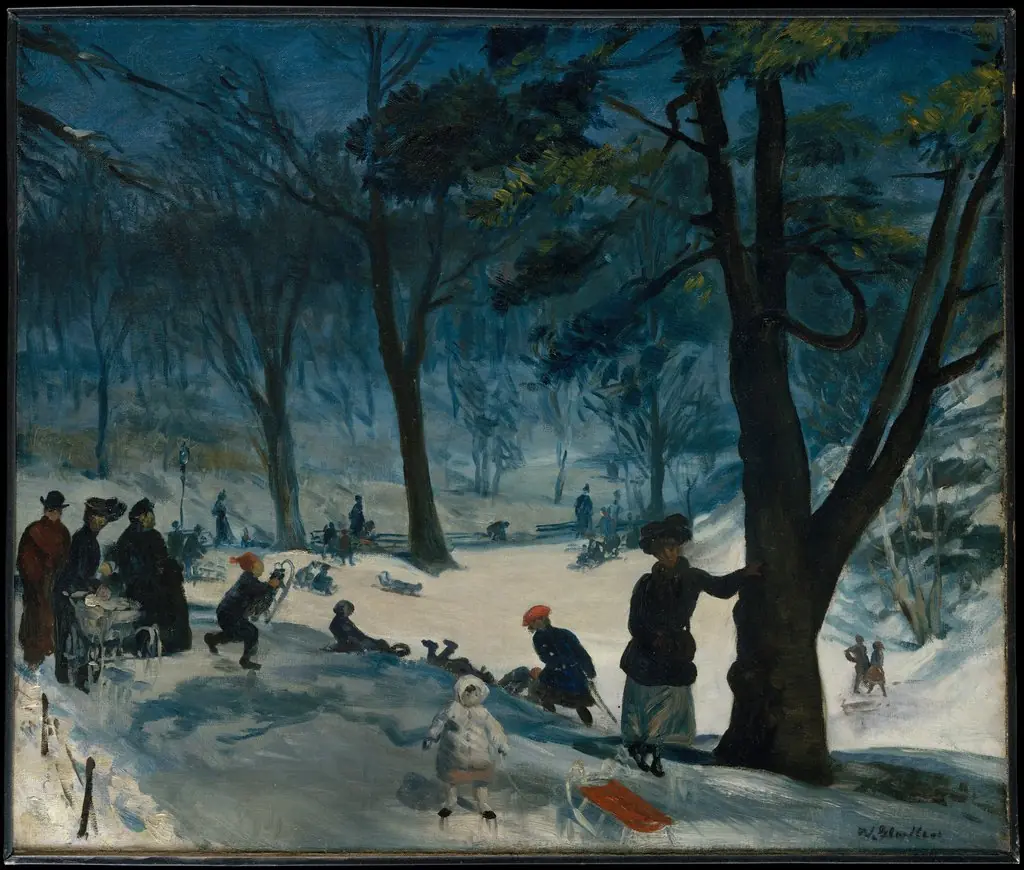 Central Park, Winter
 The Third-Class Carriage
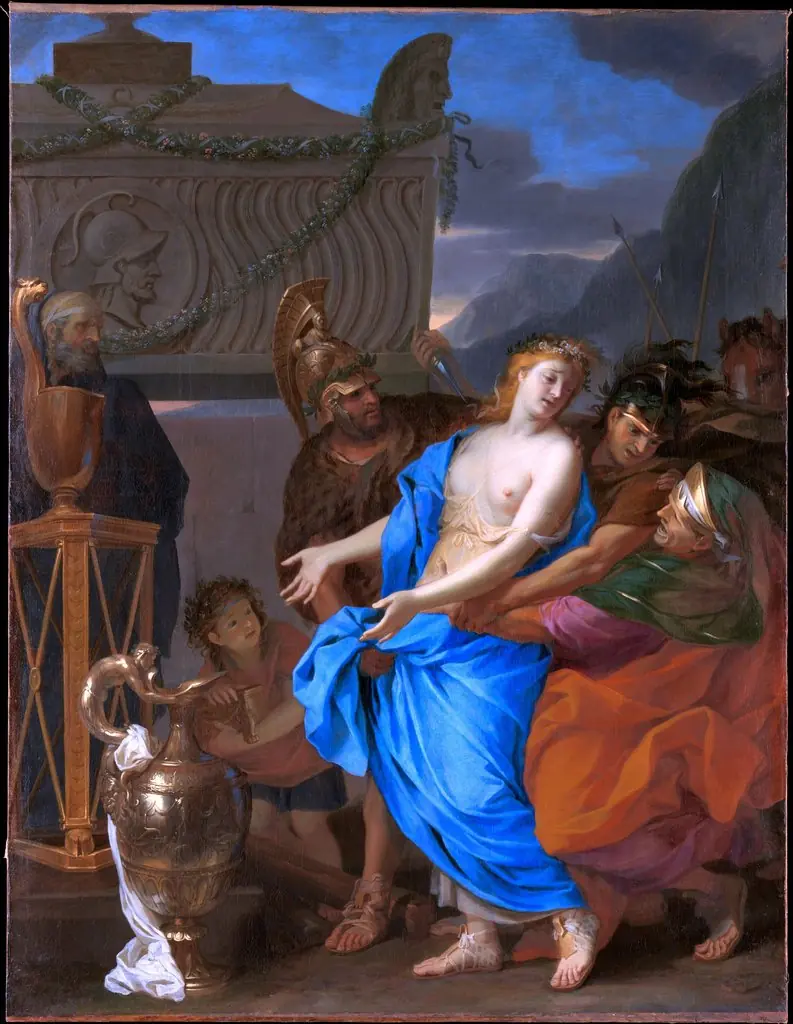 The Sacrifice of Polyxena
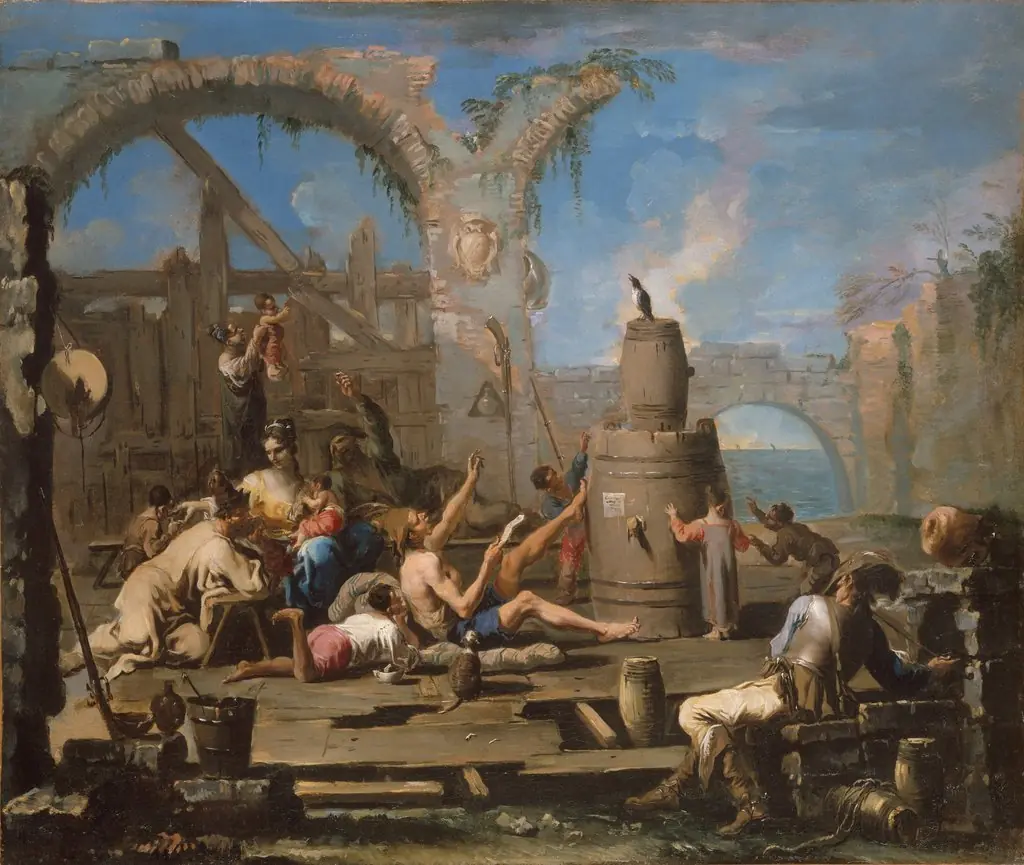 The Tame Magpie
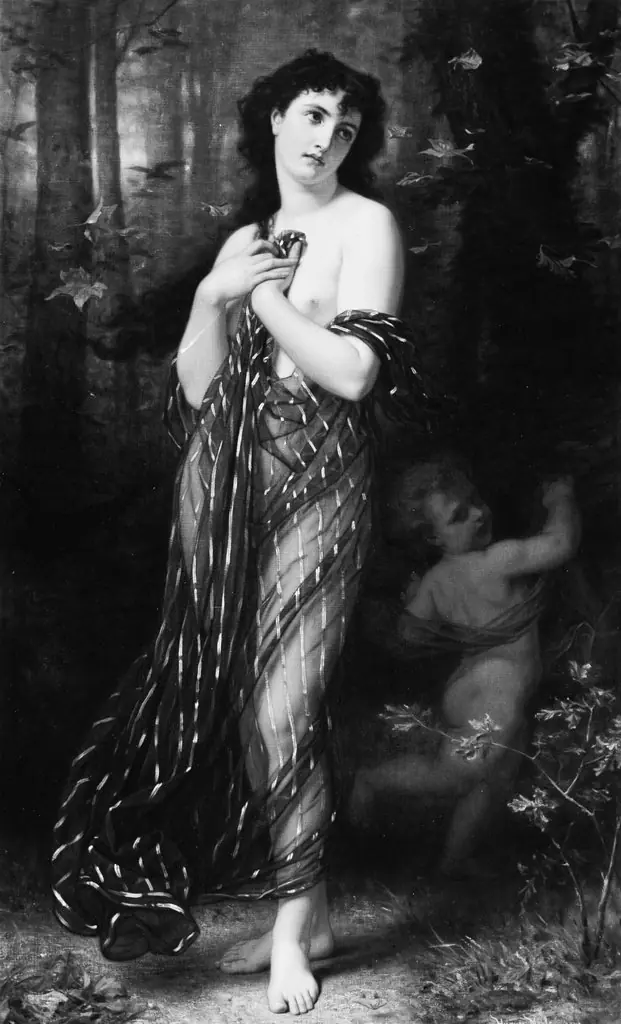 Falling Leaves, Allegory of Autumn
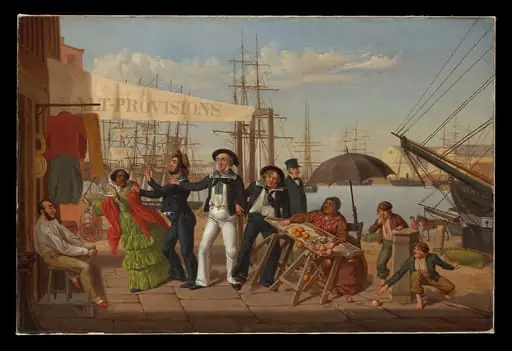 After a Long Cruise
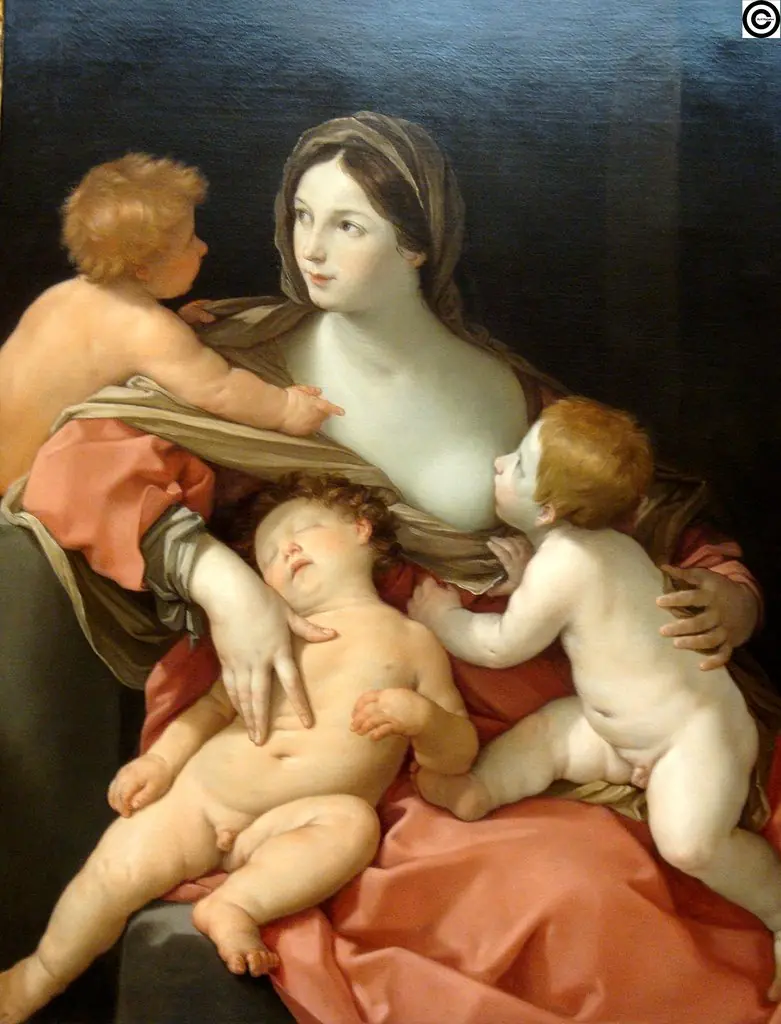 Charity
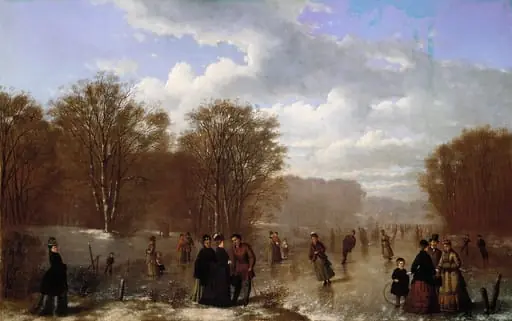 Skating on the Wissahickon
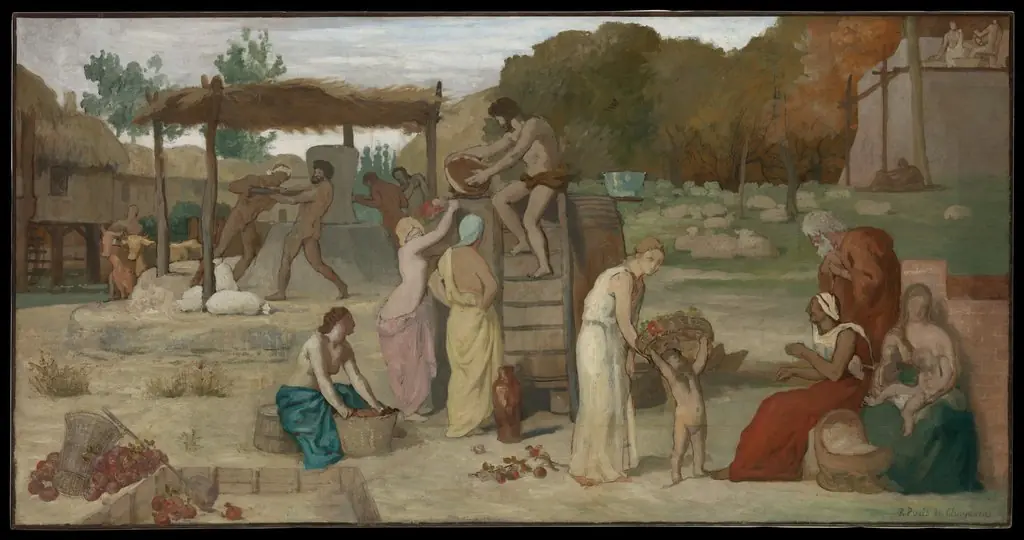 Cider
Cider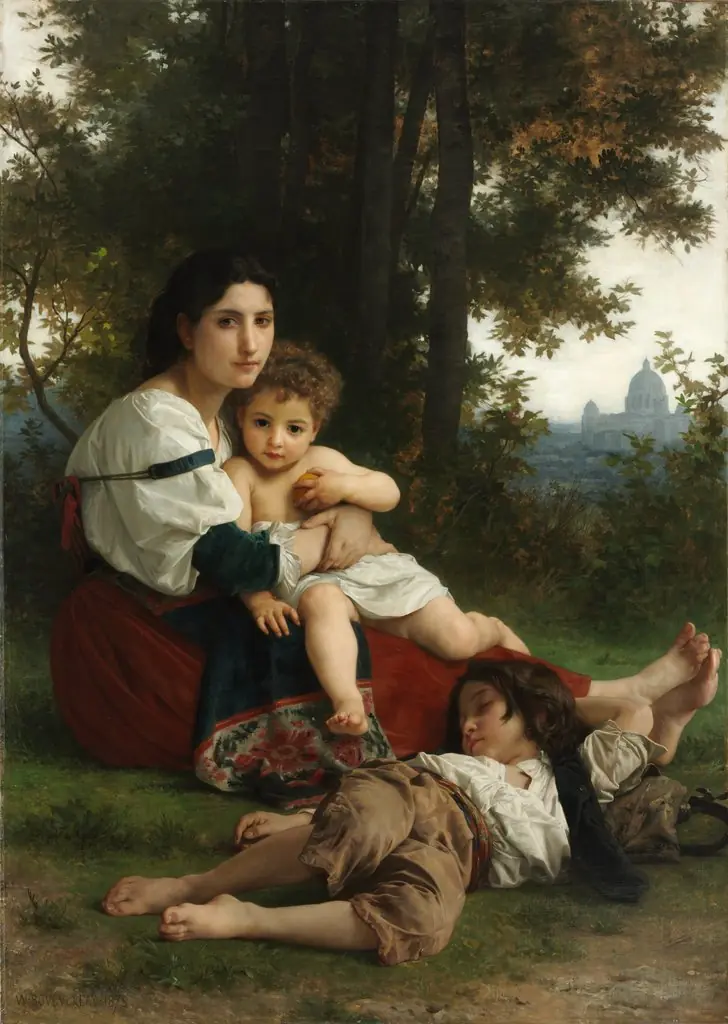 Rest
Rest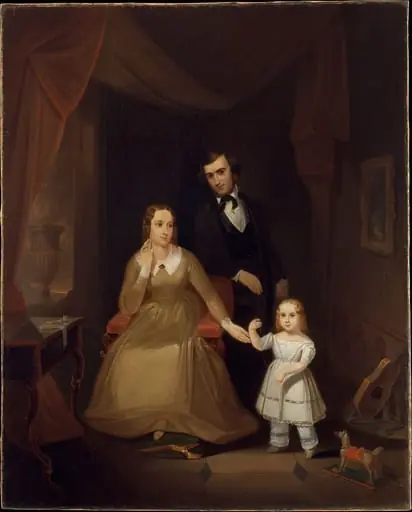 The Williamson Family
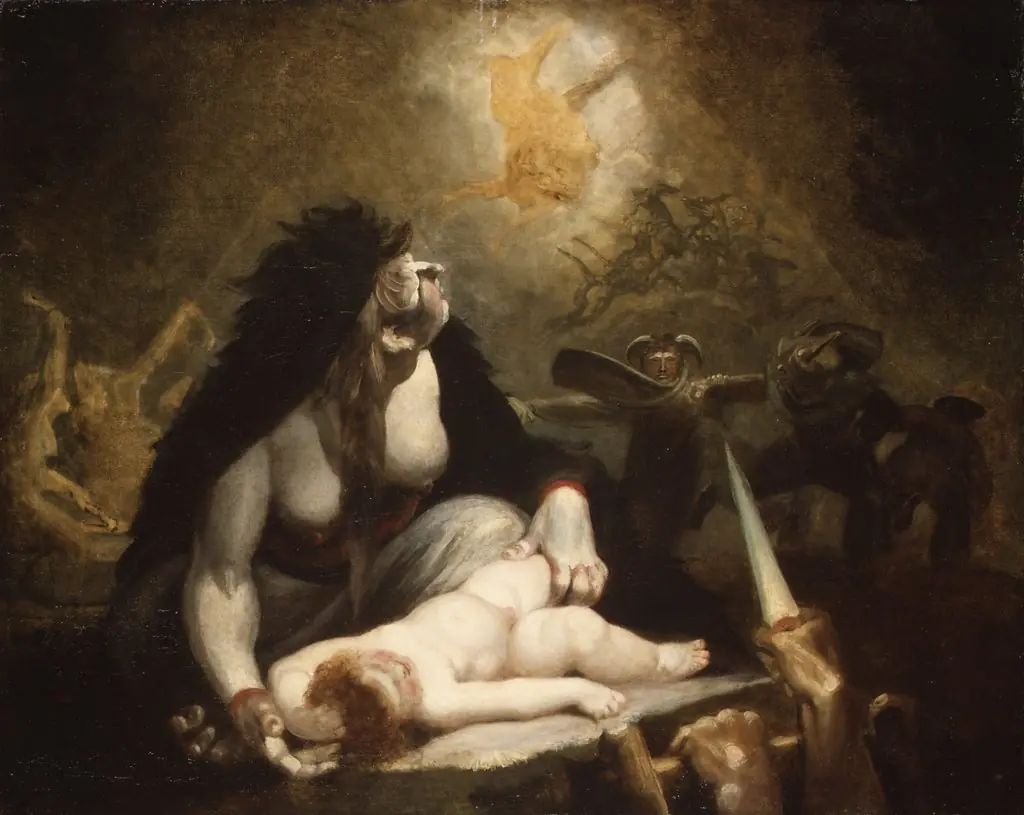 The Night-Hag Visiting Lapland Witches
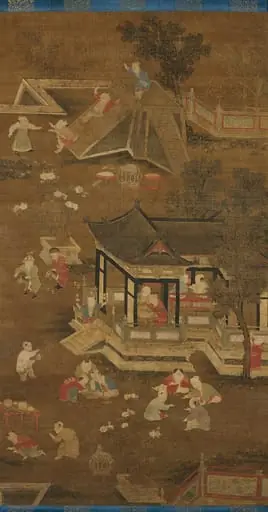 元末明初 佚名 絹本設色 嬰戯圖 軸|Children playing in the palace garden
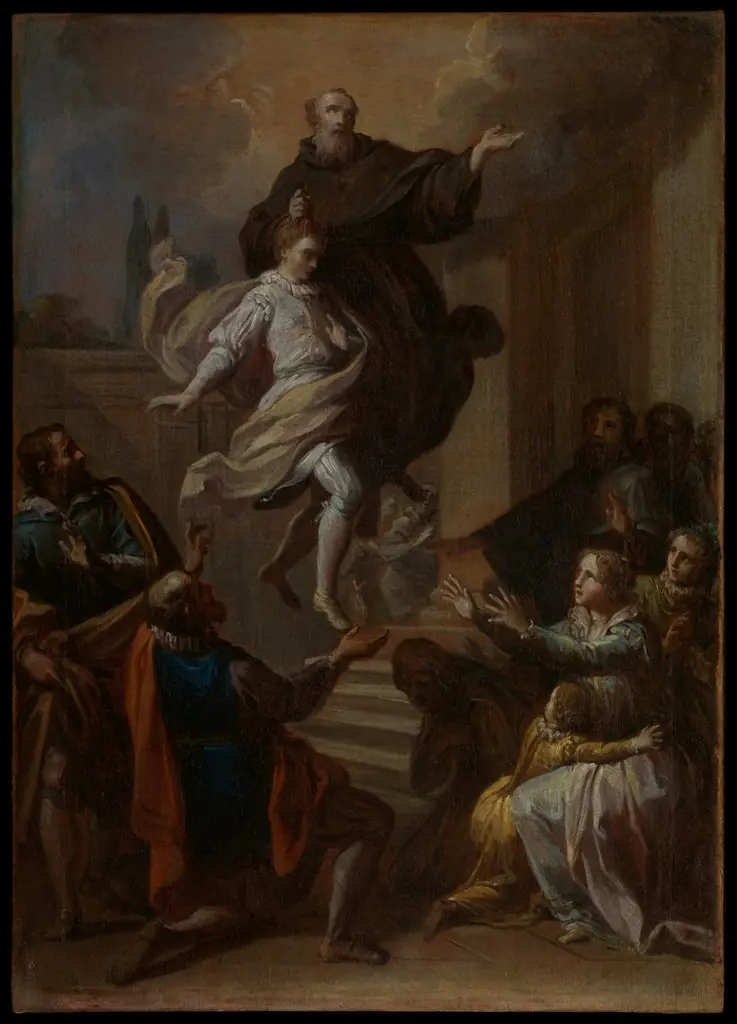 A Miracle of Saint Joseph of Cupertino (1603–1663)
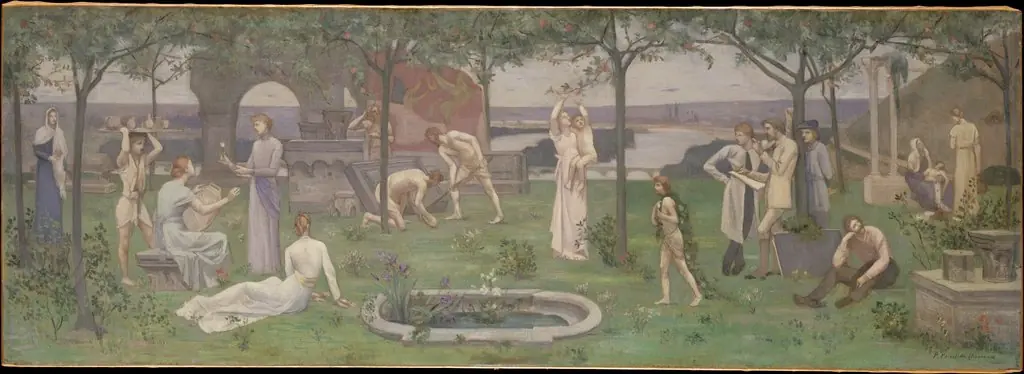 Inter artes et naturam (Between Art and Nature)
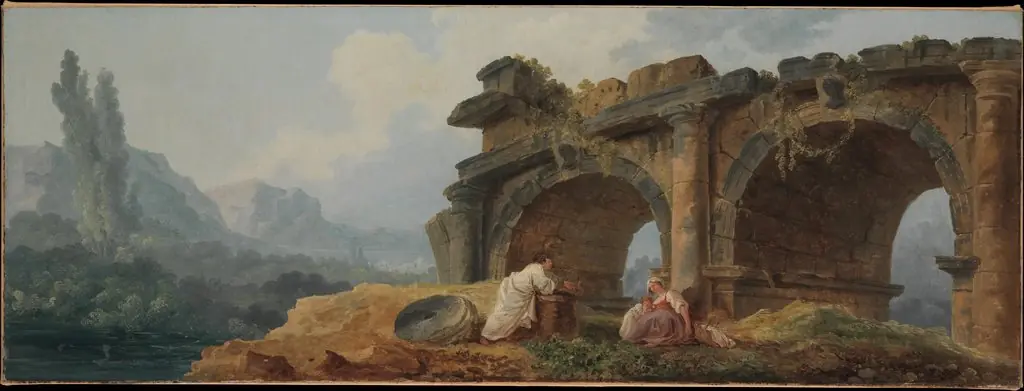 Arches in Ruins
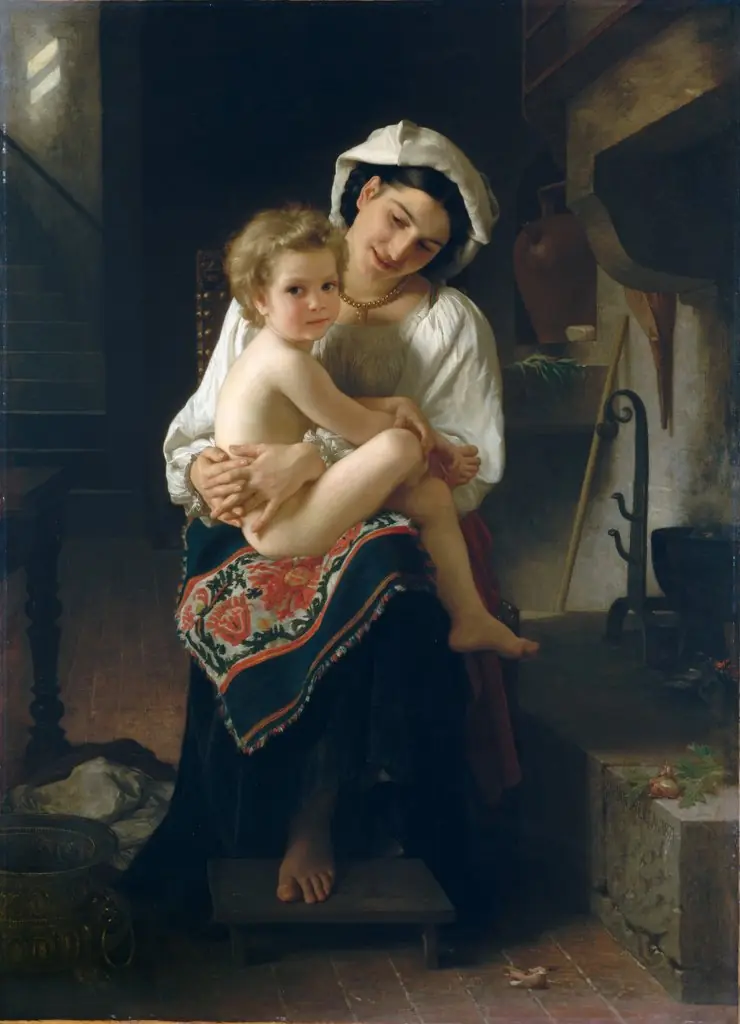 Young Mother Gazing at Her Child
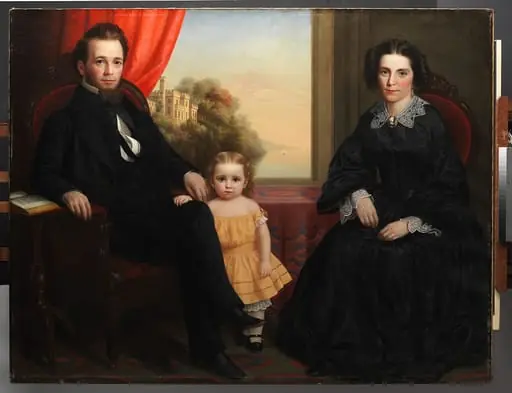 A Family Group
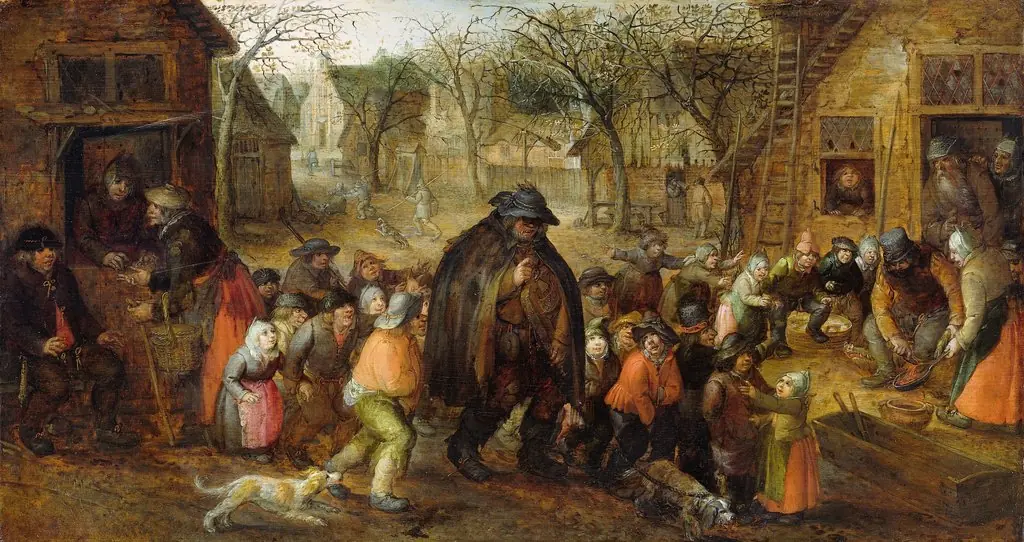 The hurdy-gurdy player
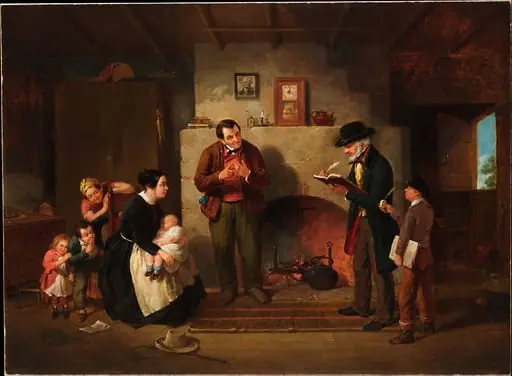 Taking the Census
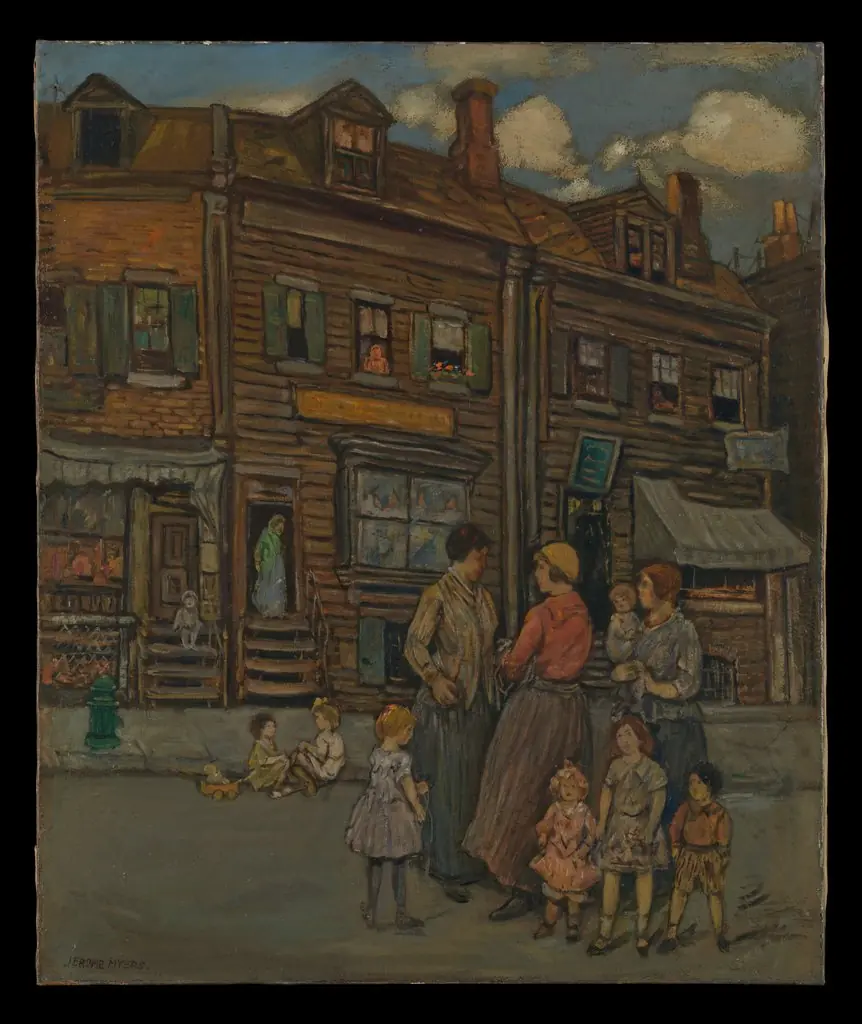 Street Group
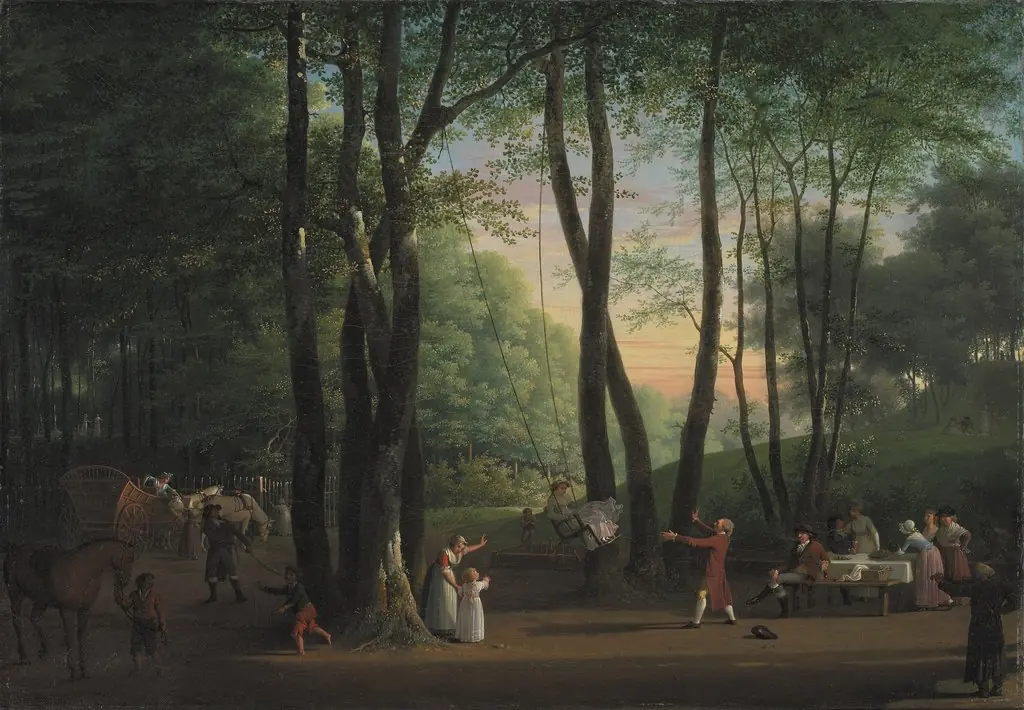 The Dancing Glade at Sorgenfri
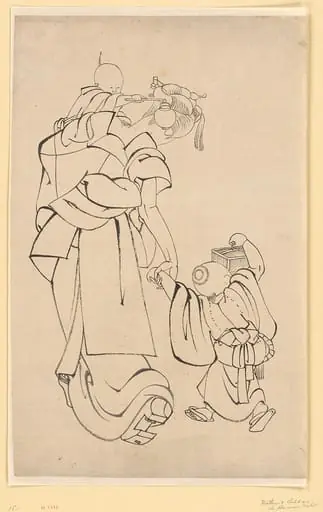 Untitled
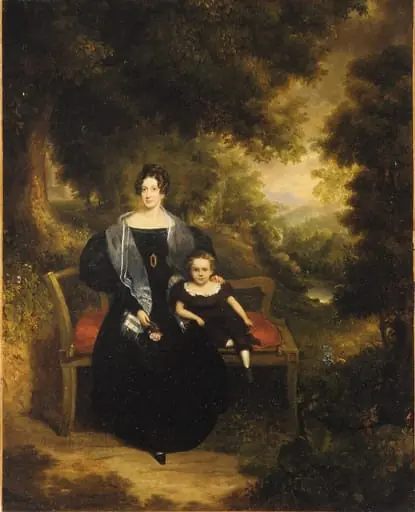 Portrait of a Lady and Child
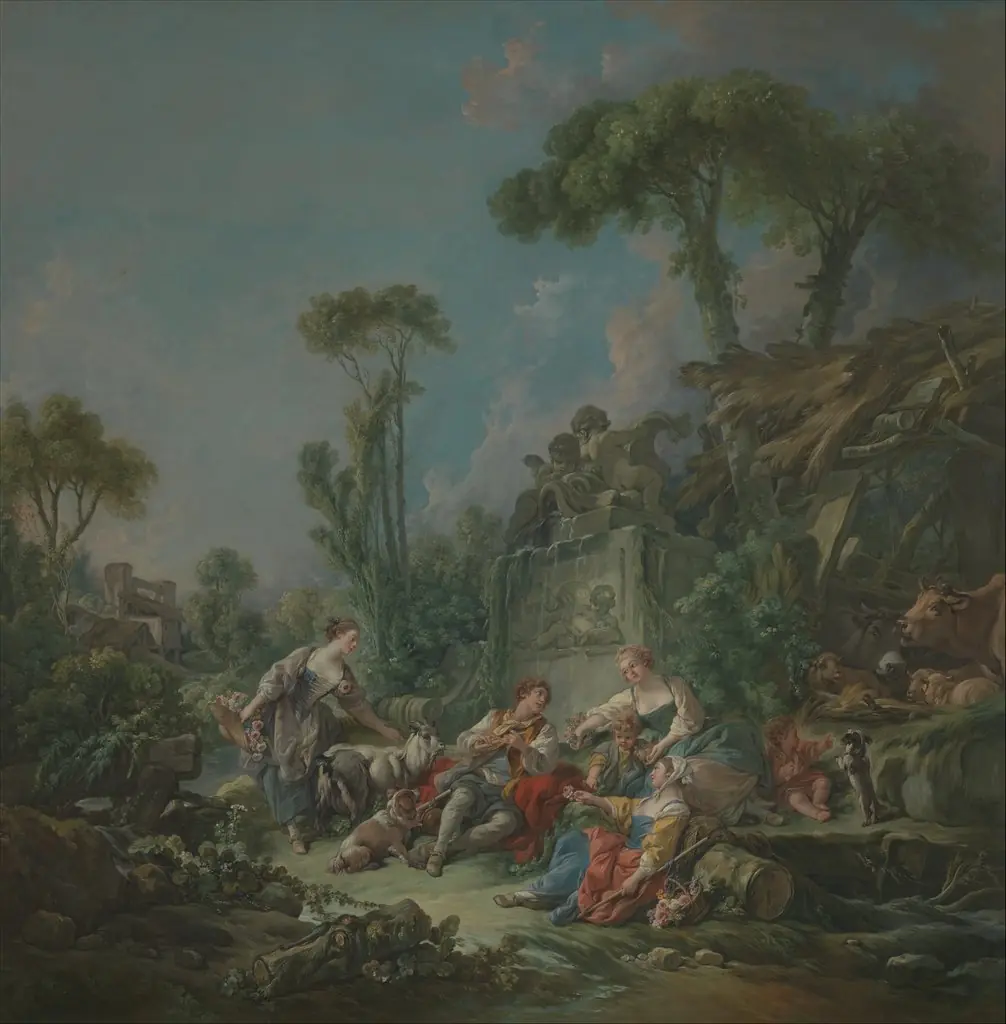 Shepherd's Idyll
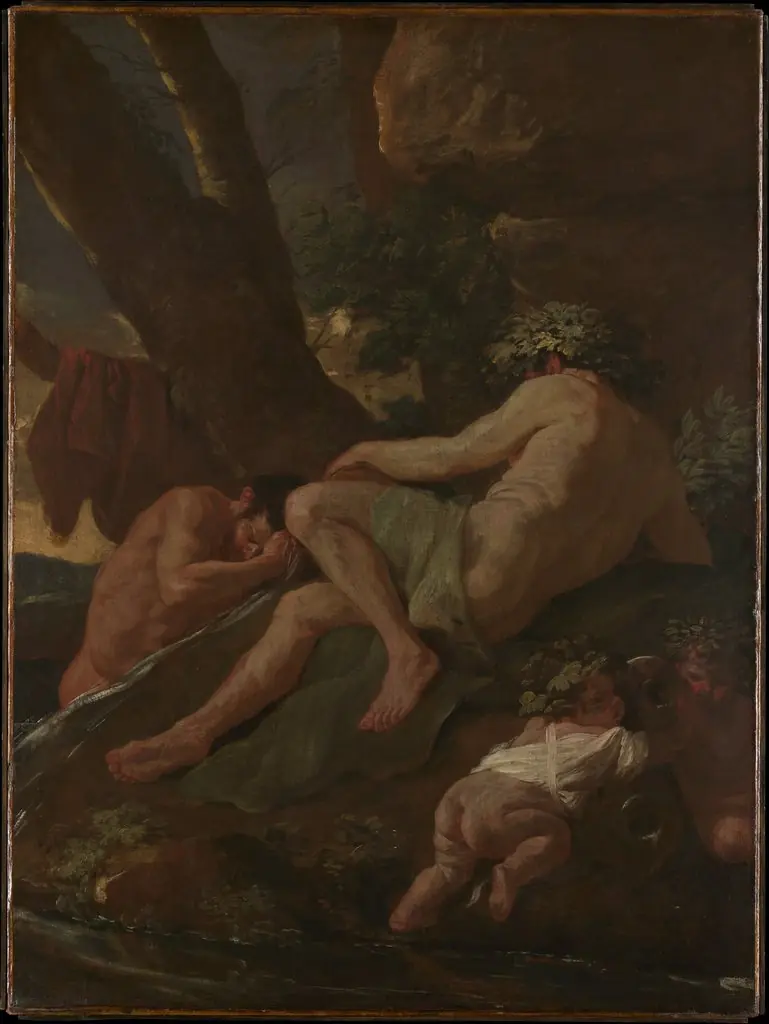 Midas Washing at the Source of the Pactolus
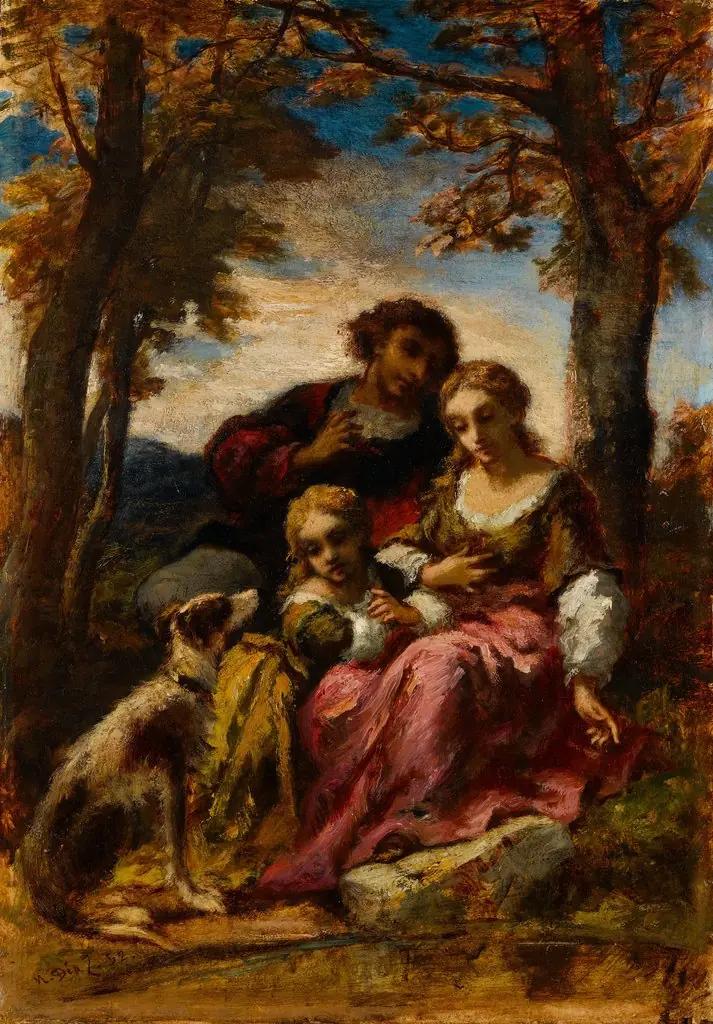 Figures and a Dog in a Landscape
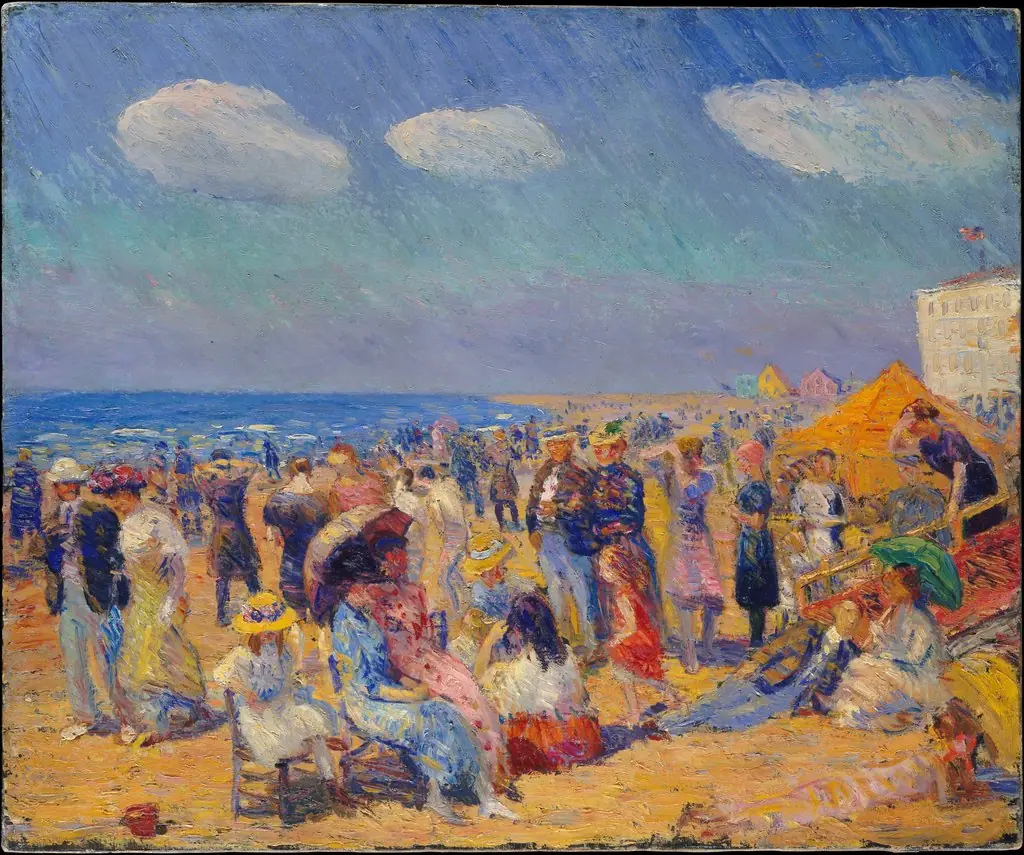 Crowd at the Seashore
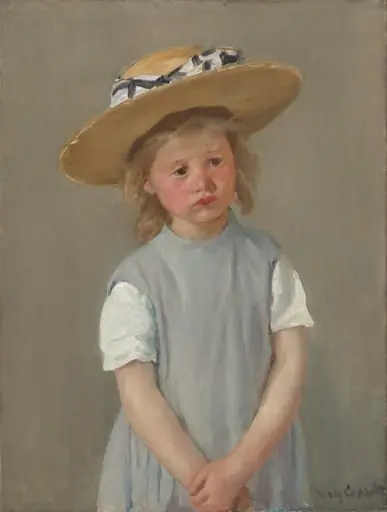 Child in a Straw Hat
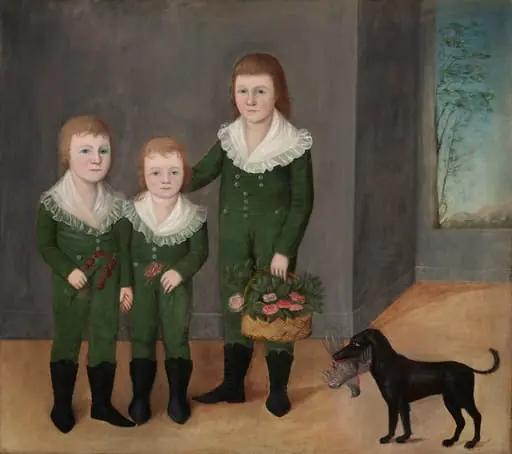 The Westwood Children
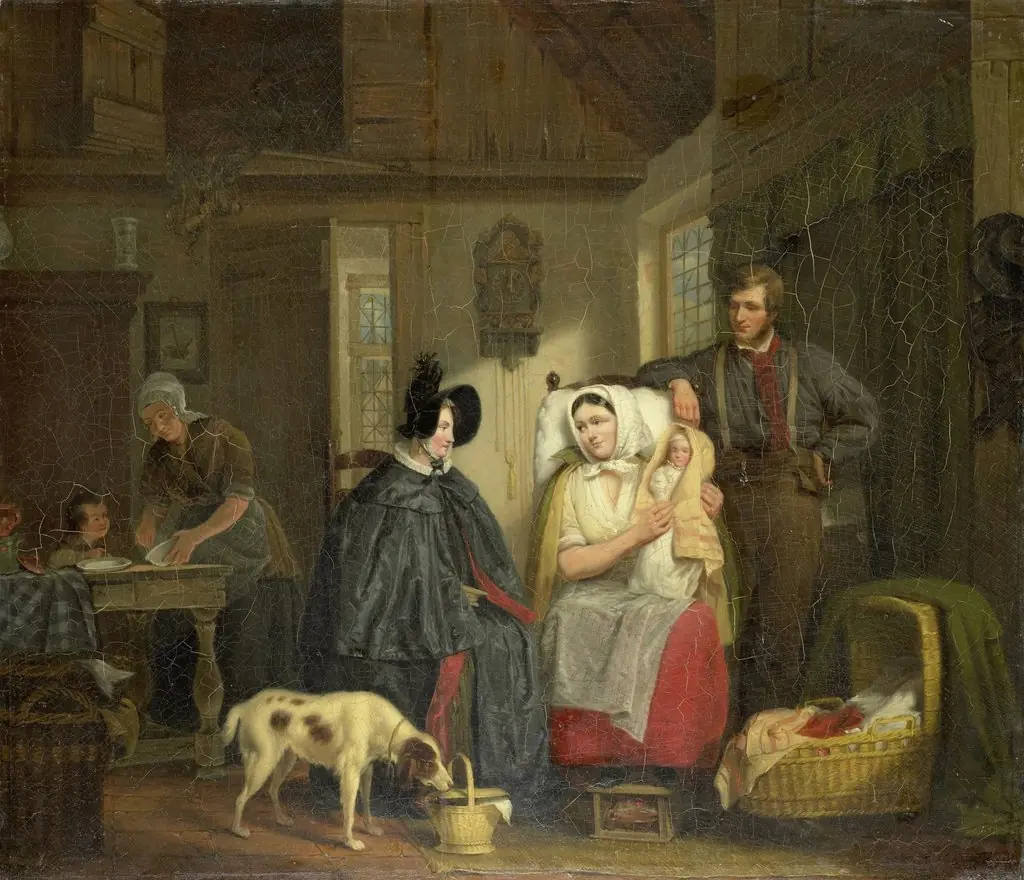 Visit to a New Mother
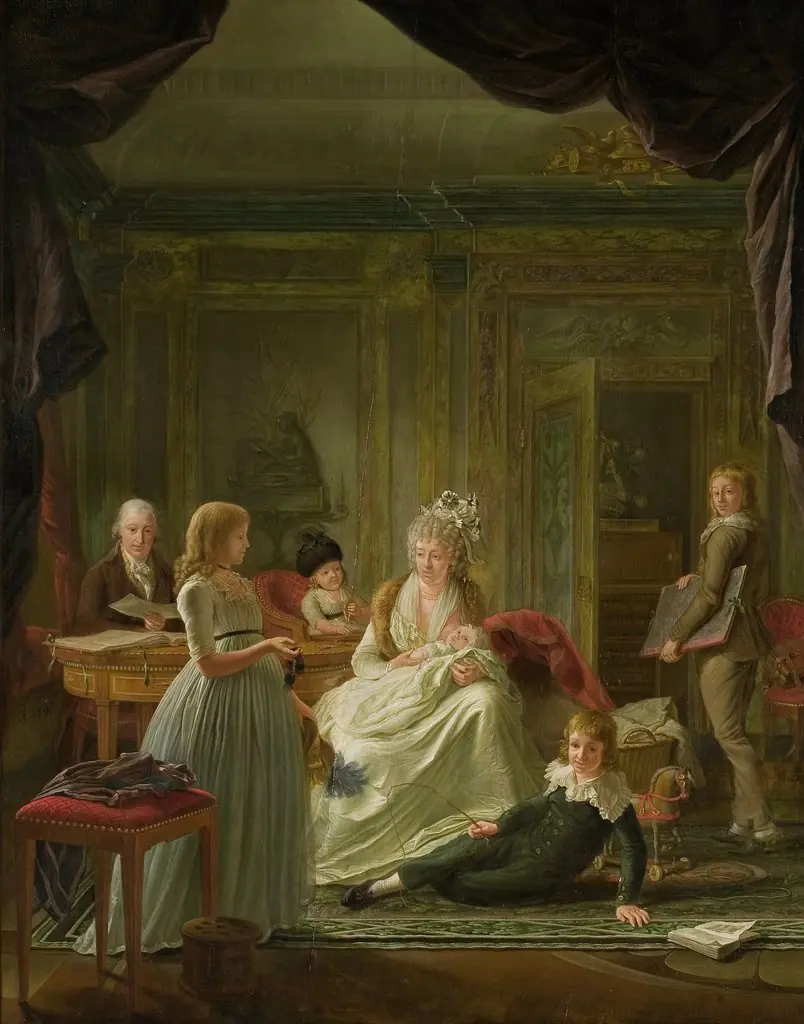 Portrait of Aernout van Beeftingh, his Wife Jacoba Maria Boon and their Children
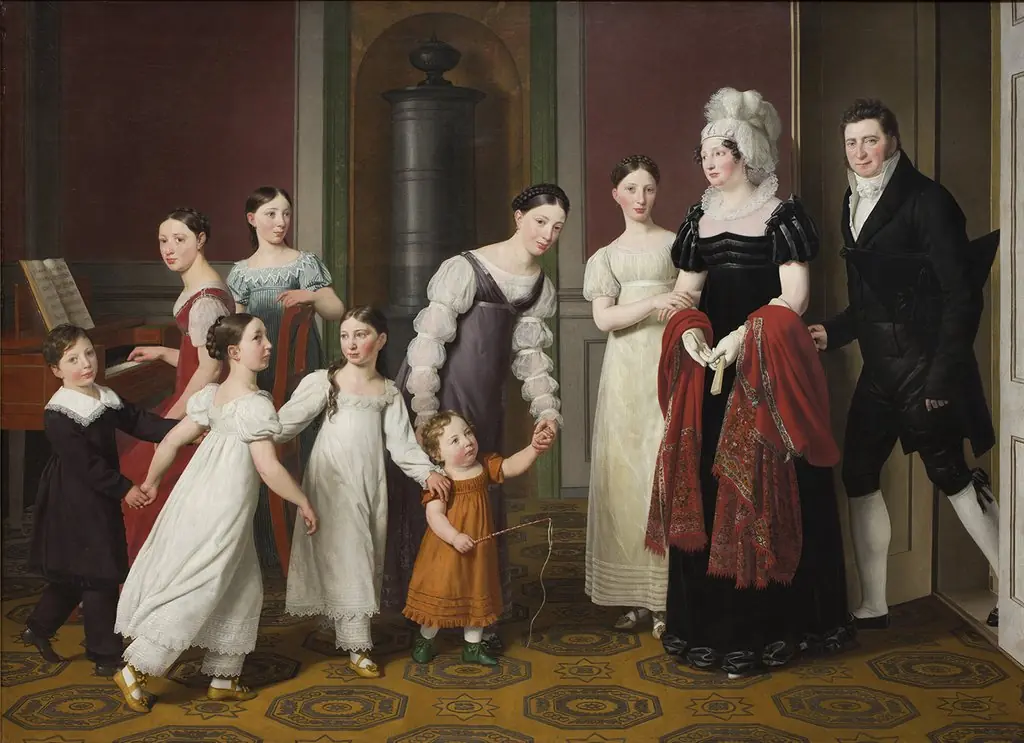 Familien Nathanson
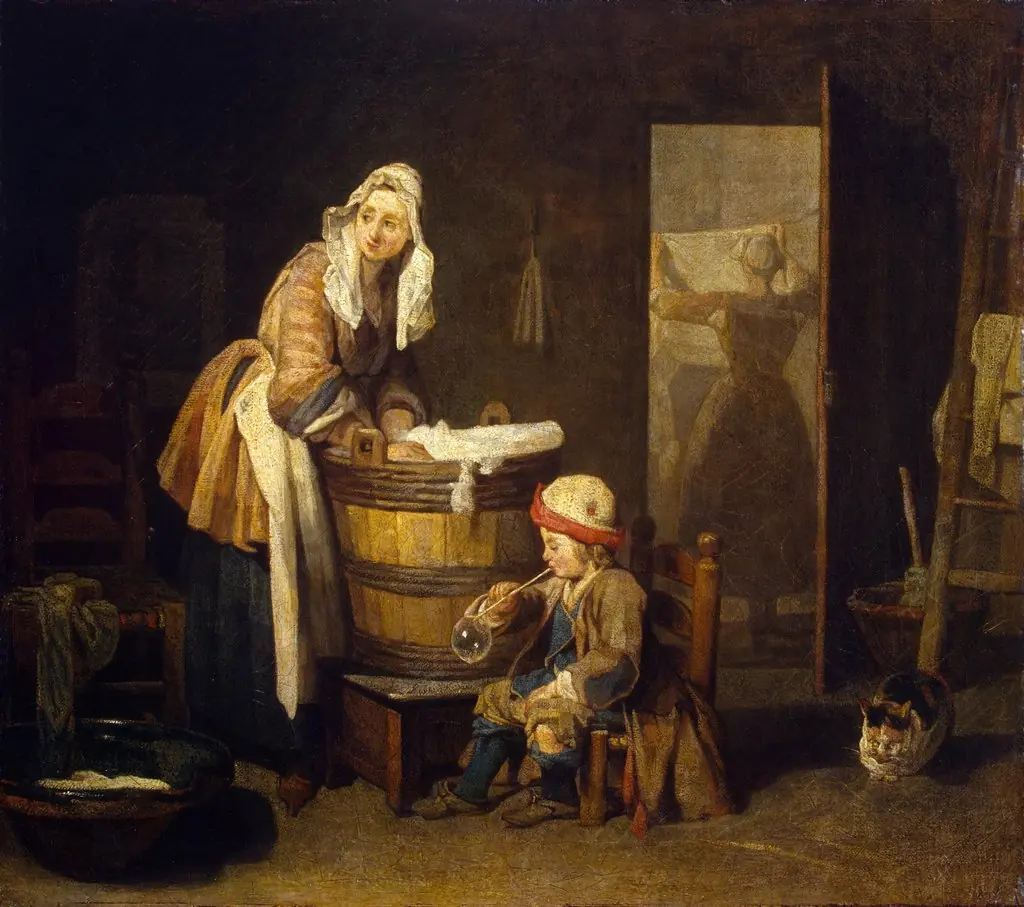 The Laundress
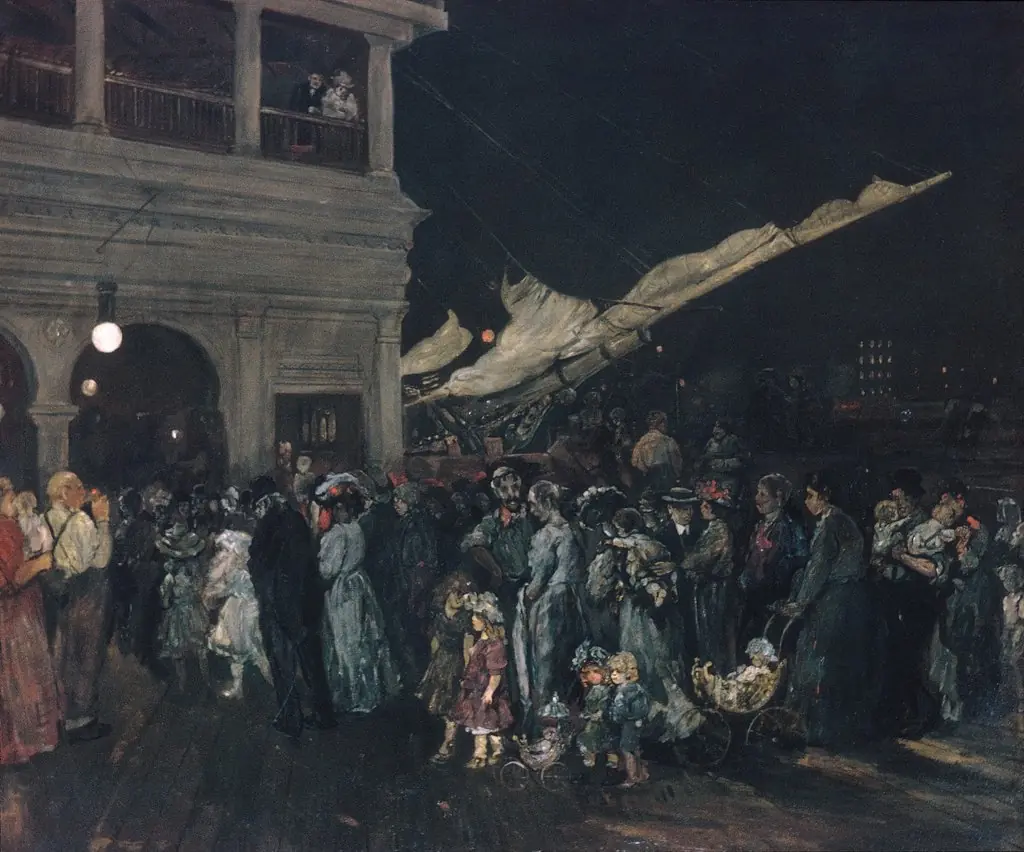 A North River Recreation Pier
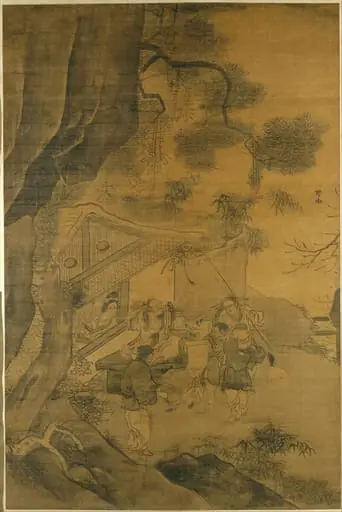 明 張路 觀畫圖 軸|Studying a painting
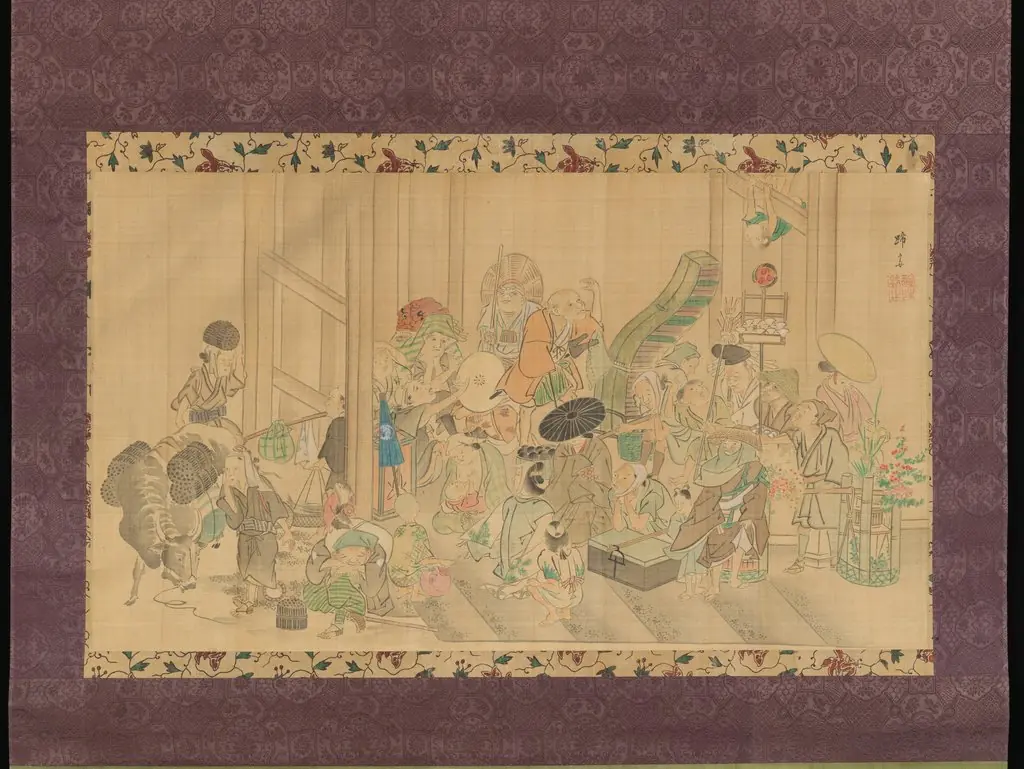 Taking Shelter from the Rain
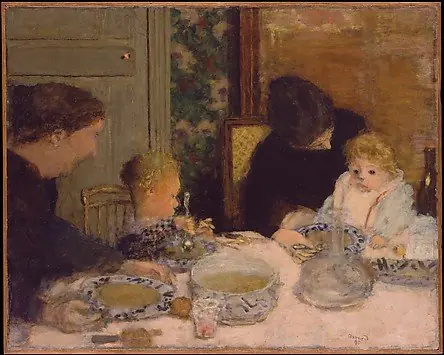 The Children's Meal
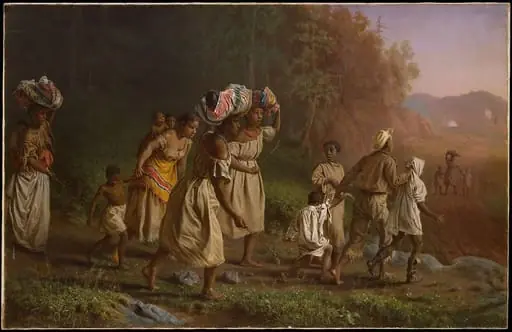 On to Liberty
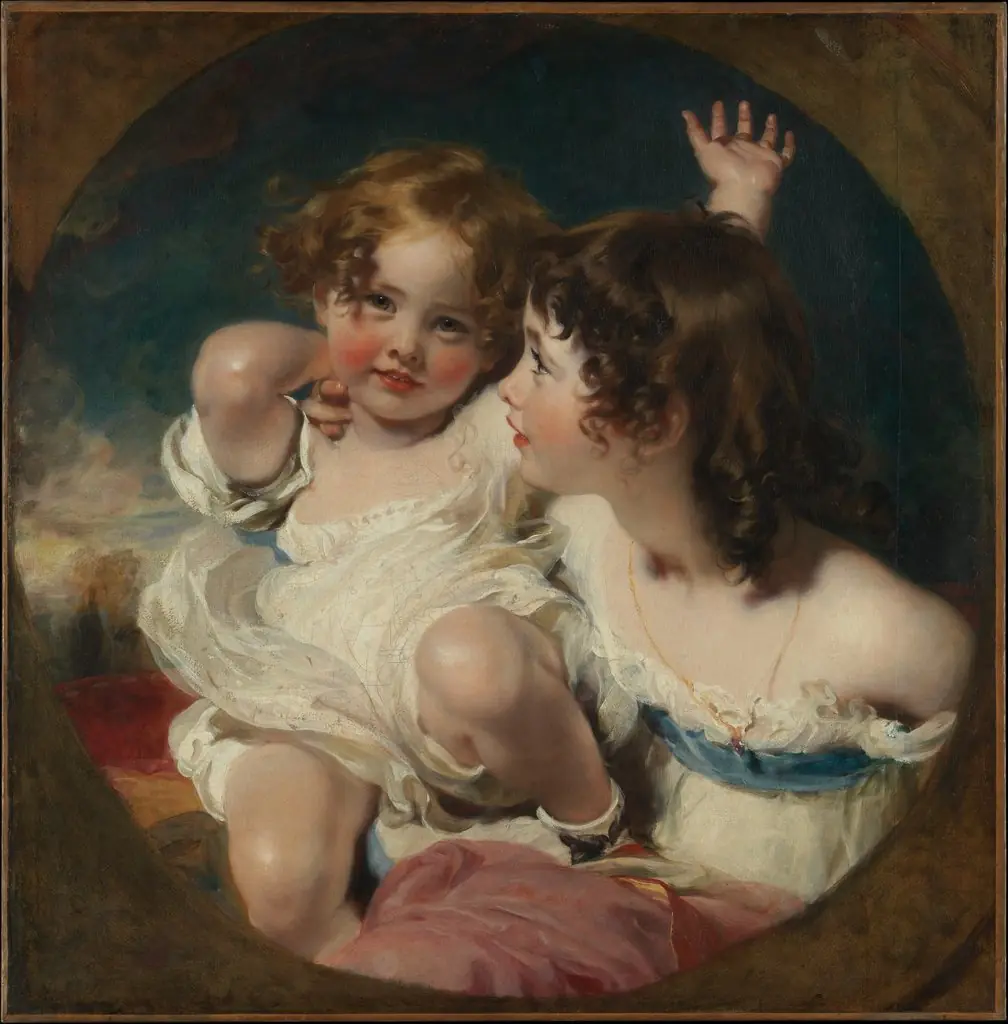 The Calmady Children (Emily, 1818–?1906, and Laura Anne, 1820–1894)
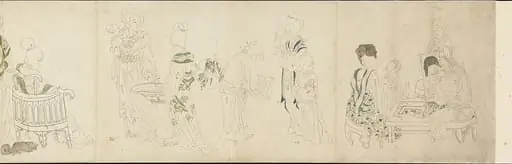 Untitled
 Portrait of a Child
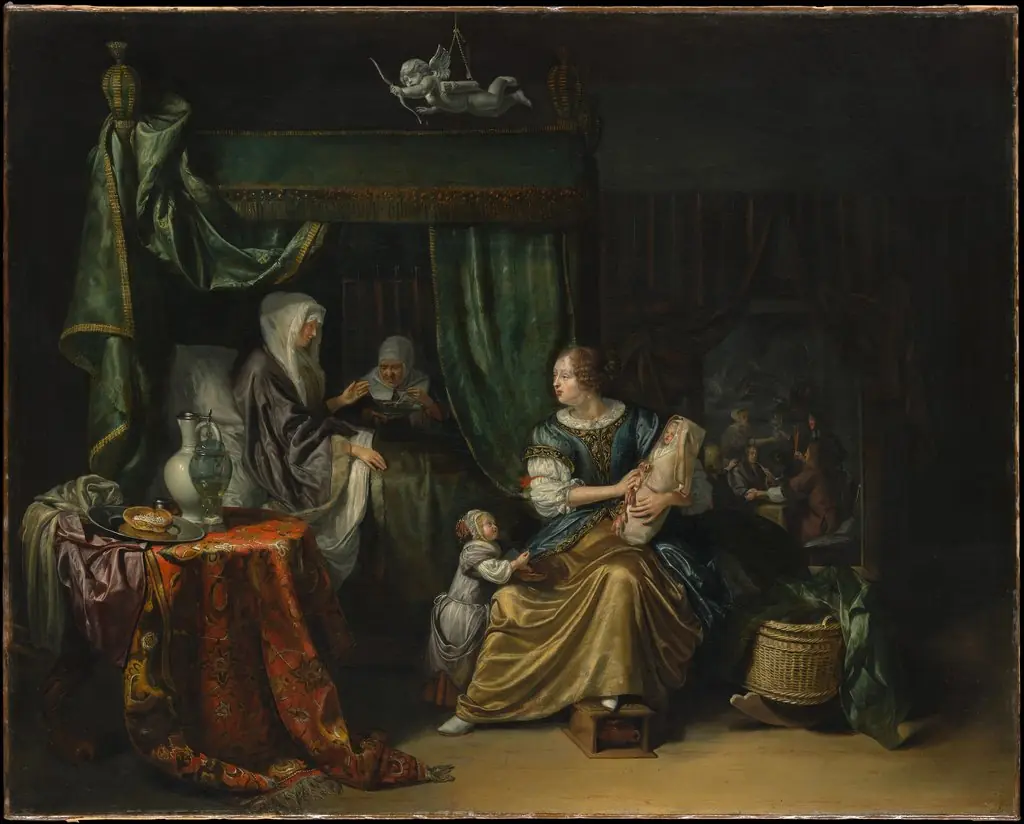 The Newborn Baby
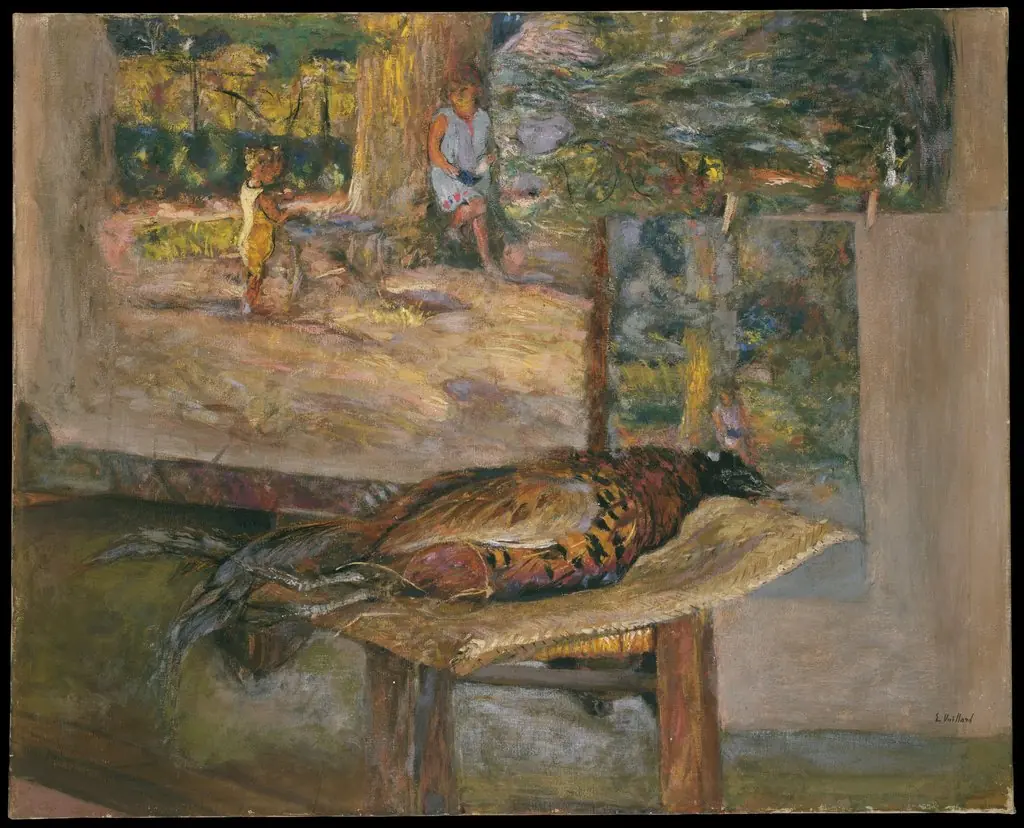 Interior with Paintings and a Pheasant
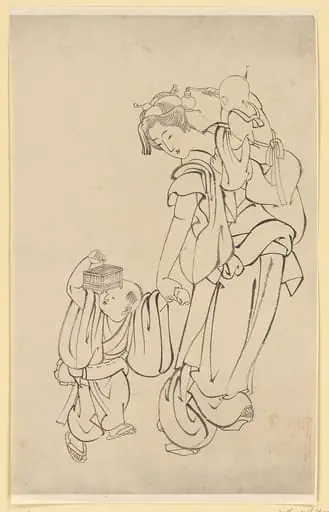 Untitled
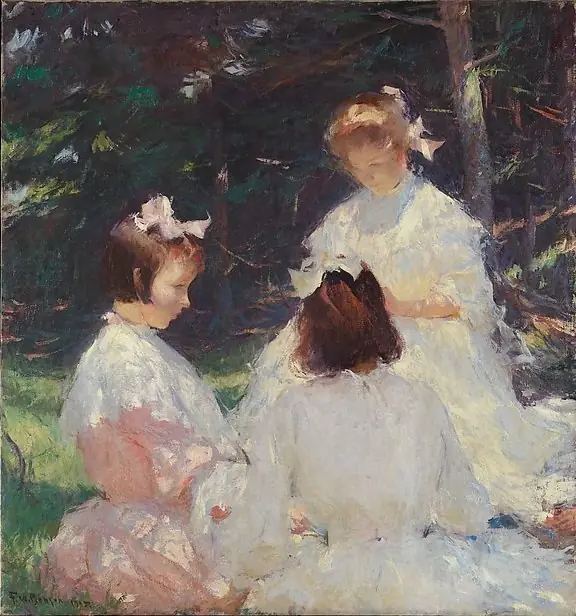 Children in Woods
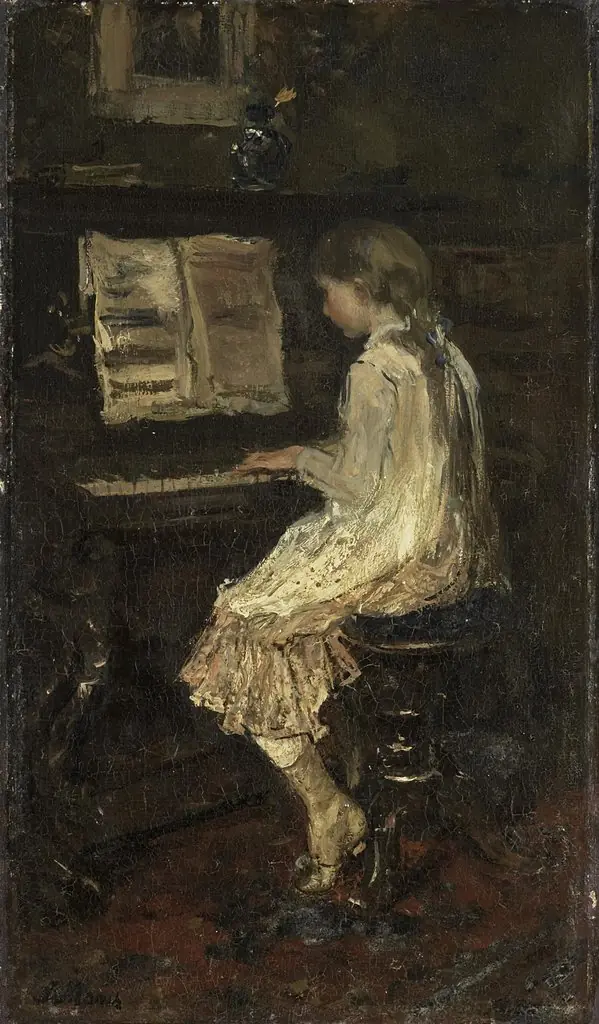 Girl at the Piano
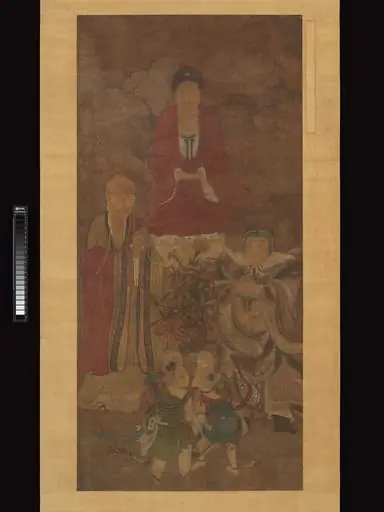 明 佚名 禮佛圖 軸|Shakyamuni with luohan, heavenly king, and boys
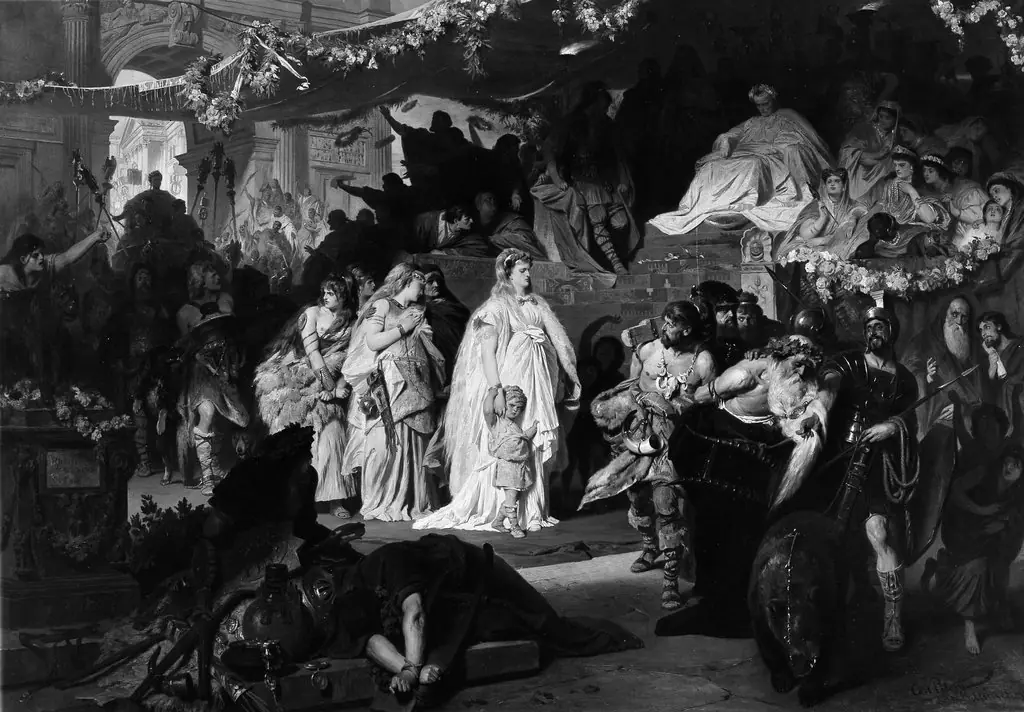 Thusnelda at the Triumphal Entry of Germanicus into Rome
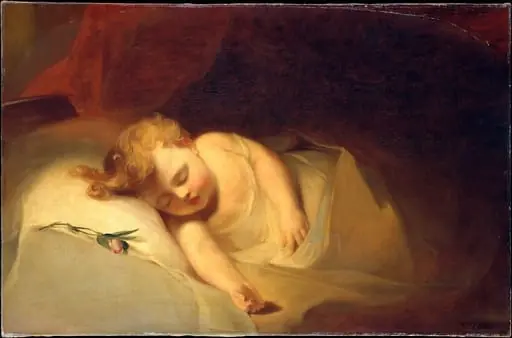 Child Asleep (The Rosebud)
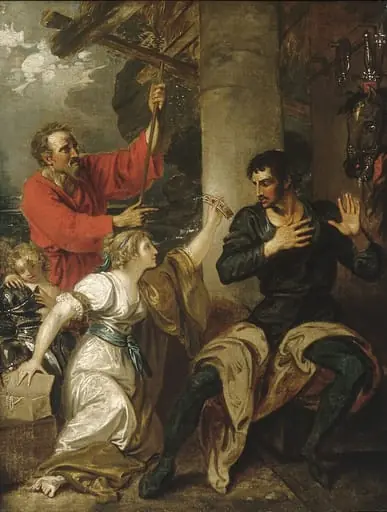 The Damsel and Orlando
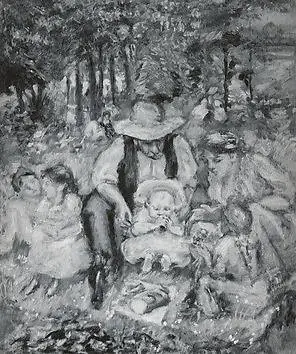 The Family of Claude Terrasse
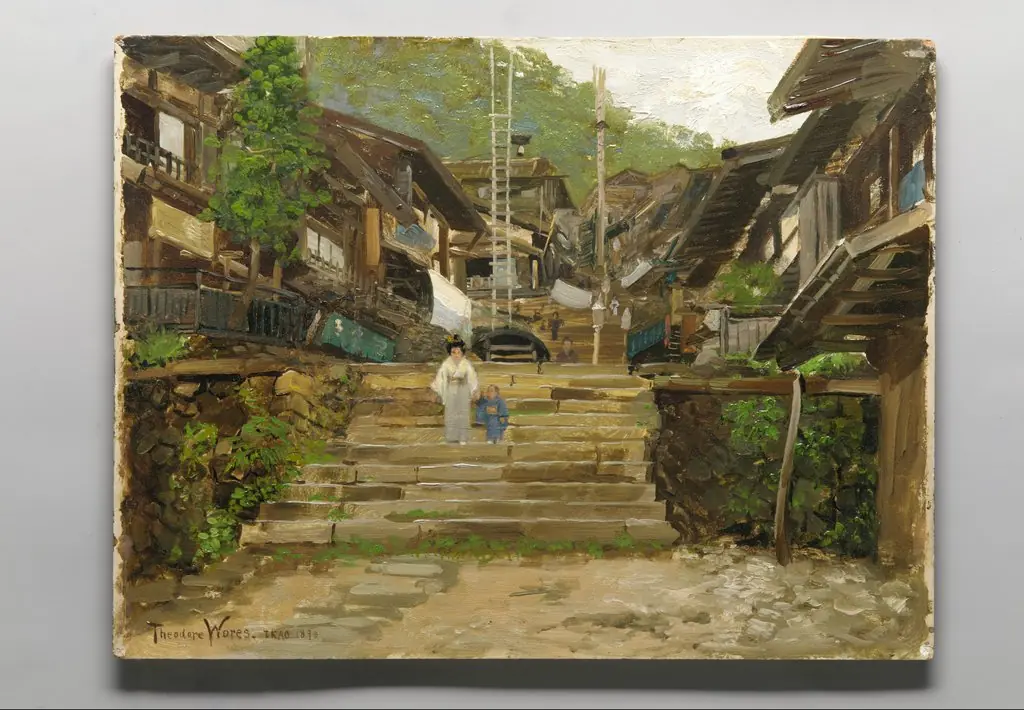 A Street in Ikao
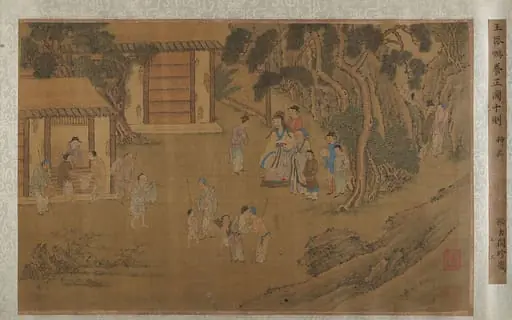 明/清 佚名 舊傳王振鵬 養正圖 卷|Family Training
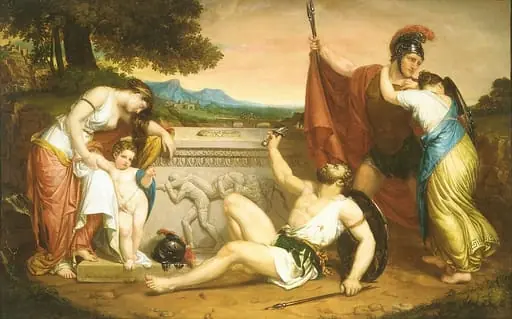 The Wages of War
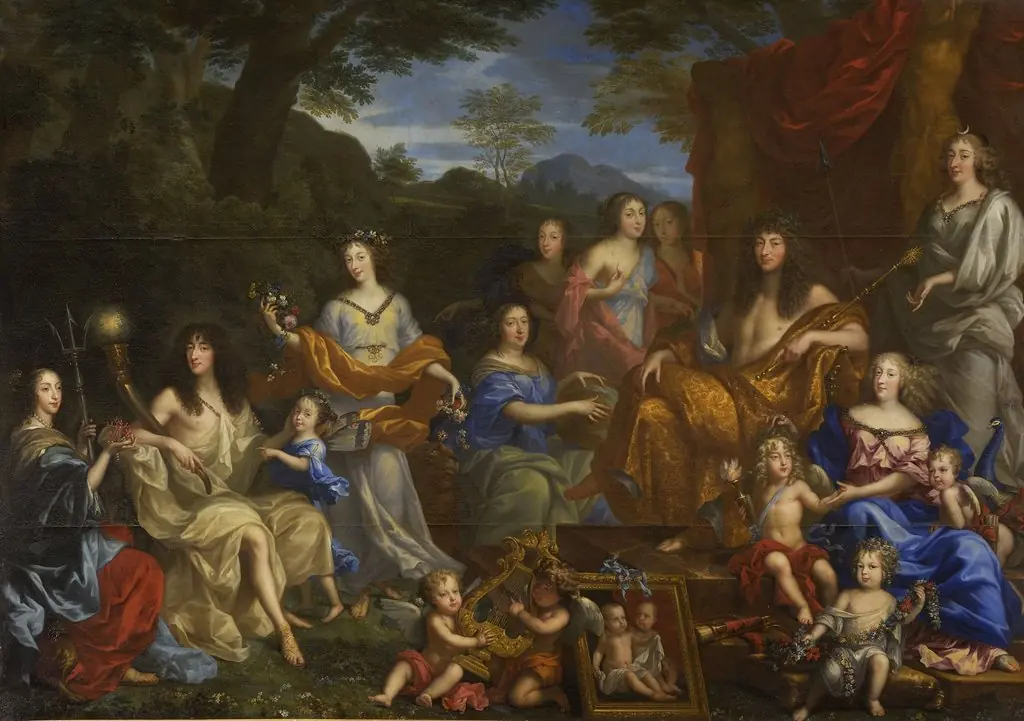 Mythological portrait of Louis XIV and the royal family
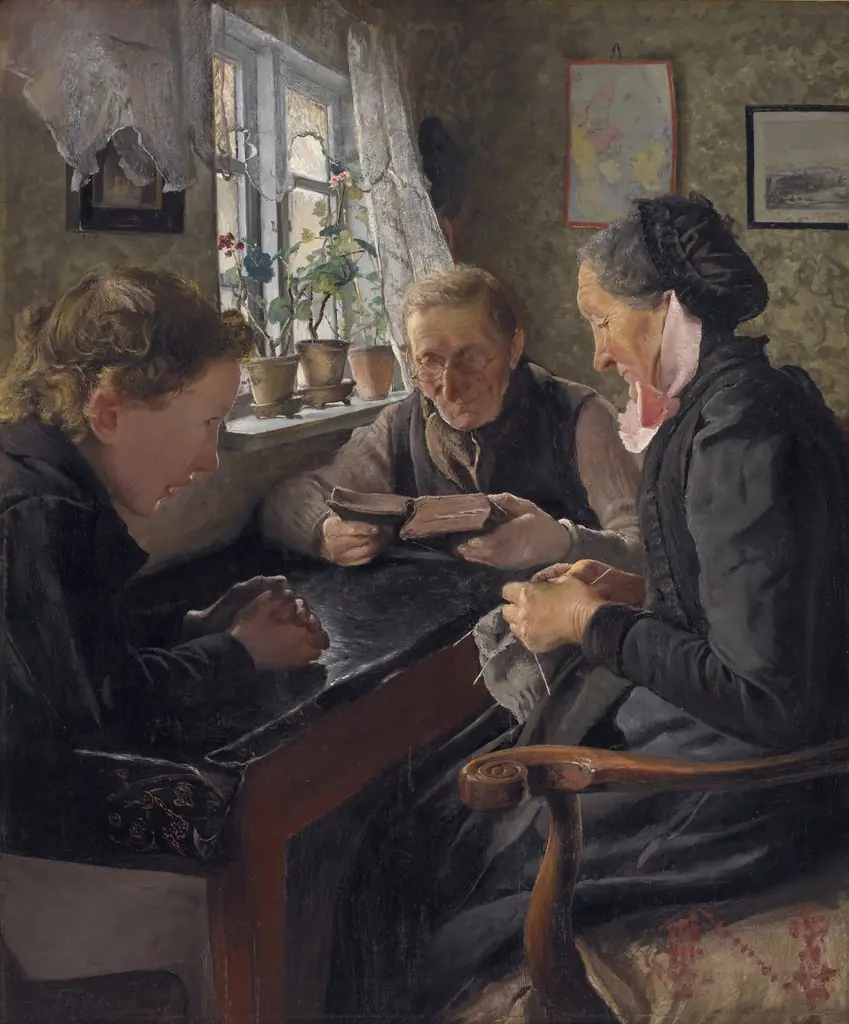 A Child Visiting his Grandparents on a Sunday
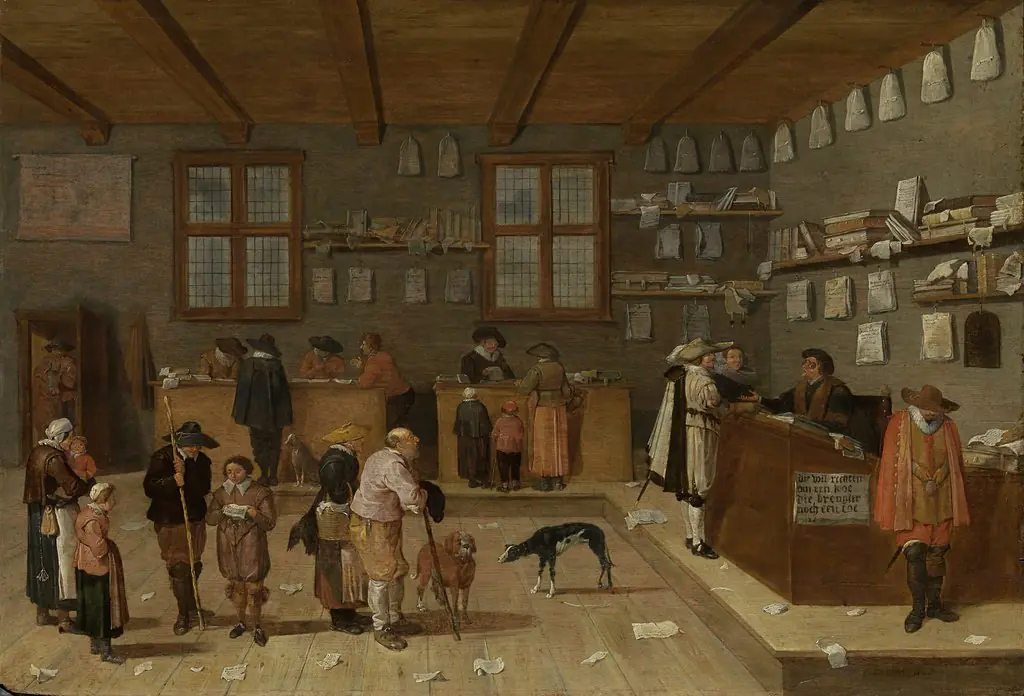 The lawyer's office
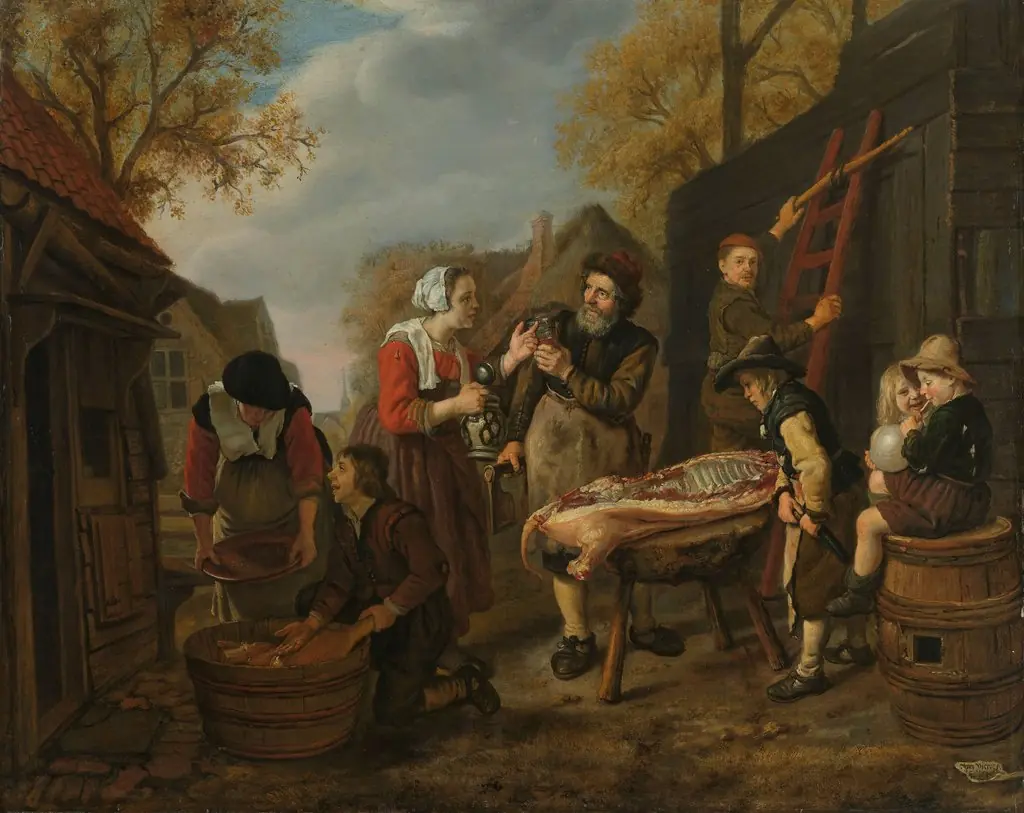 The swine butcher
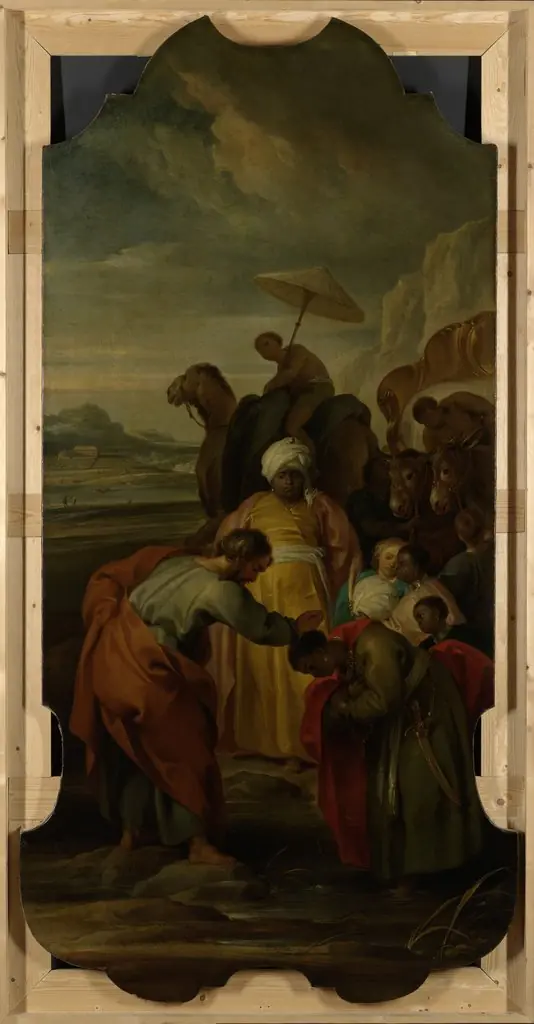 Saint Philip Baptizes the Eunuch
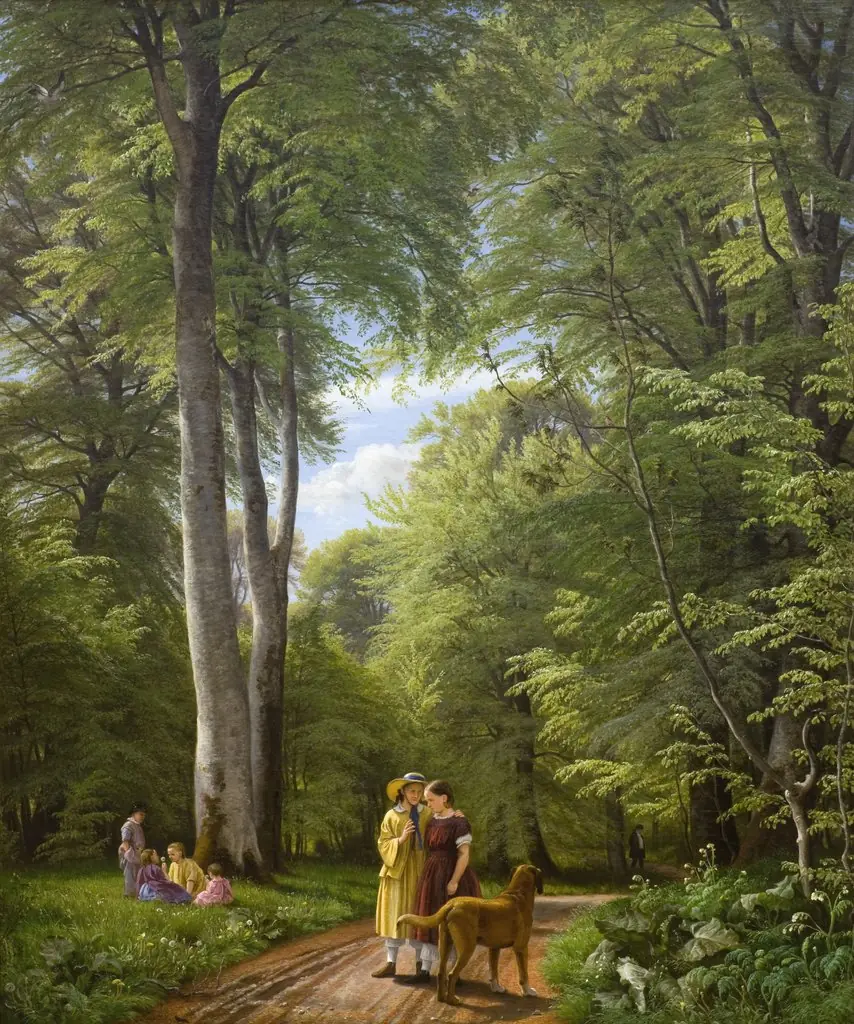 A Beech Wood in May near Iselingen Manor, Zealand
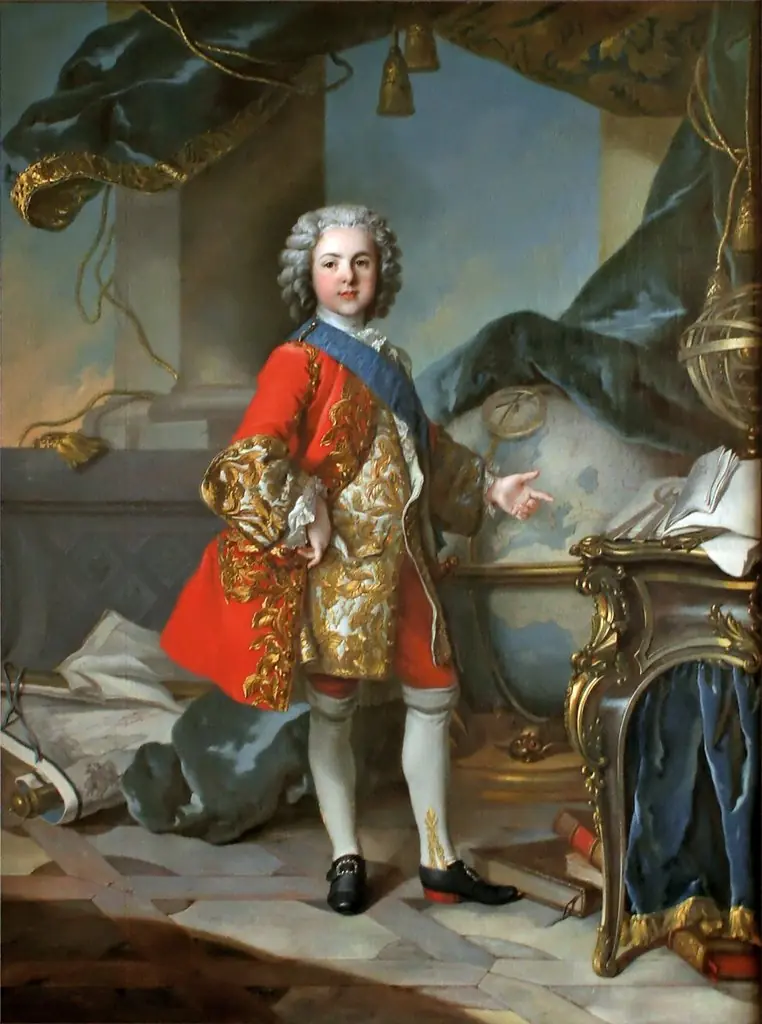 Portrait of Louis of France
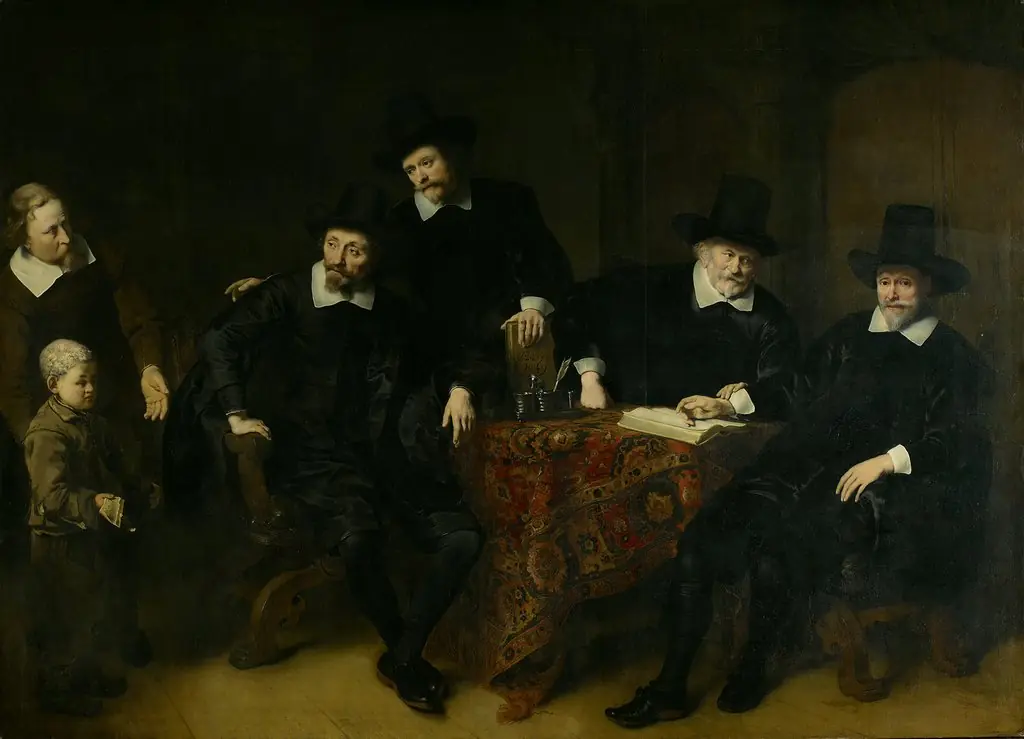 The Regents of the Leper's house in Amsterdam in 1649
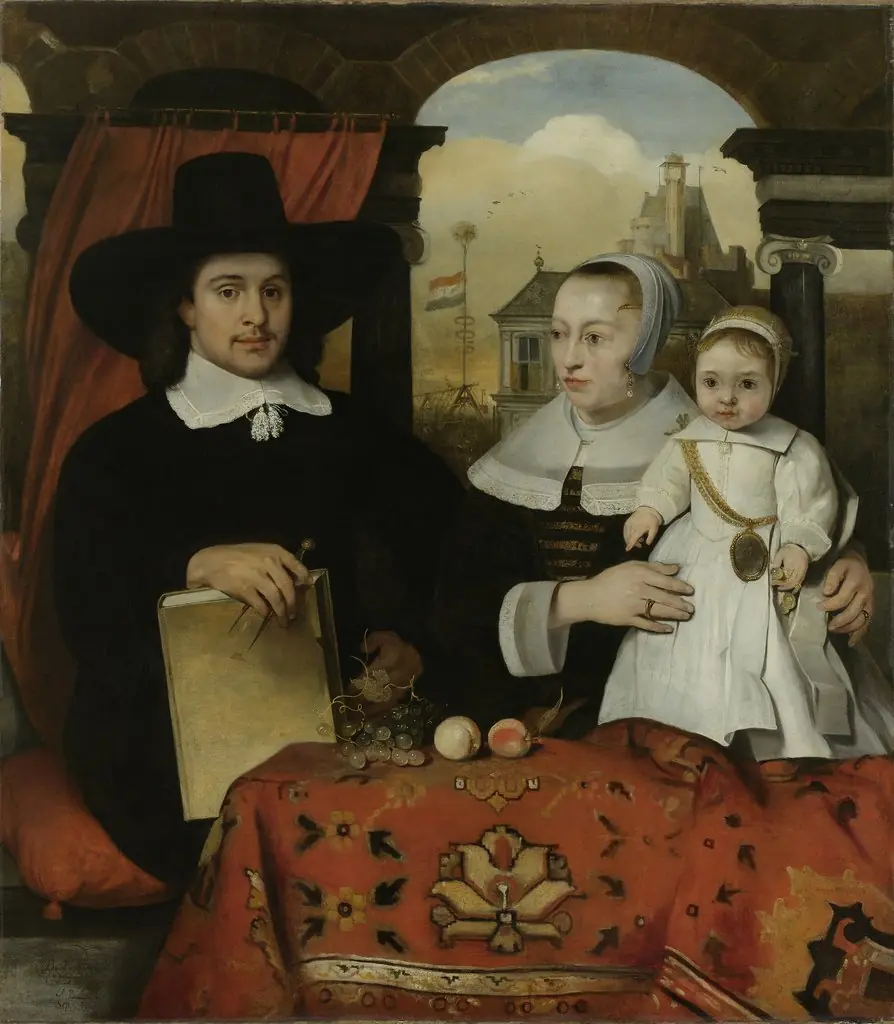 Willem van der Helm (ca 1625-75). Municipal architect of Leiden, with his wife Belytgen Cornelisdr van de Schelt and their son Leendert
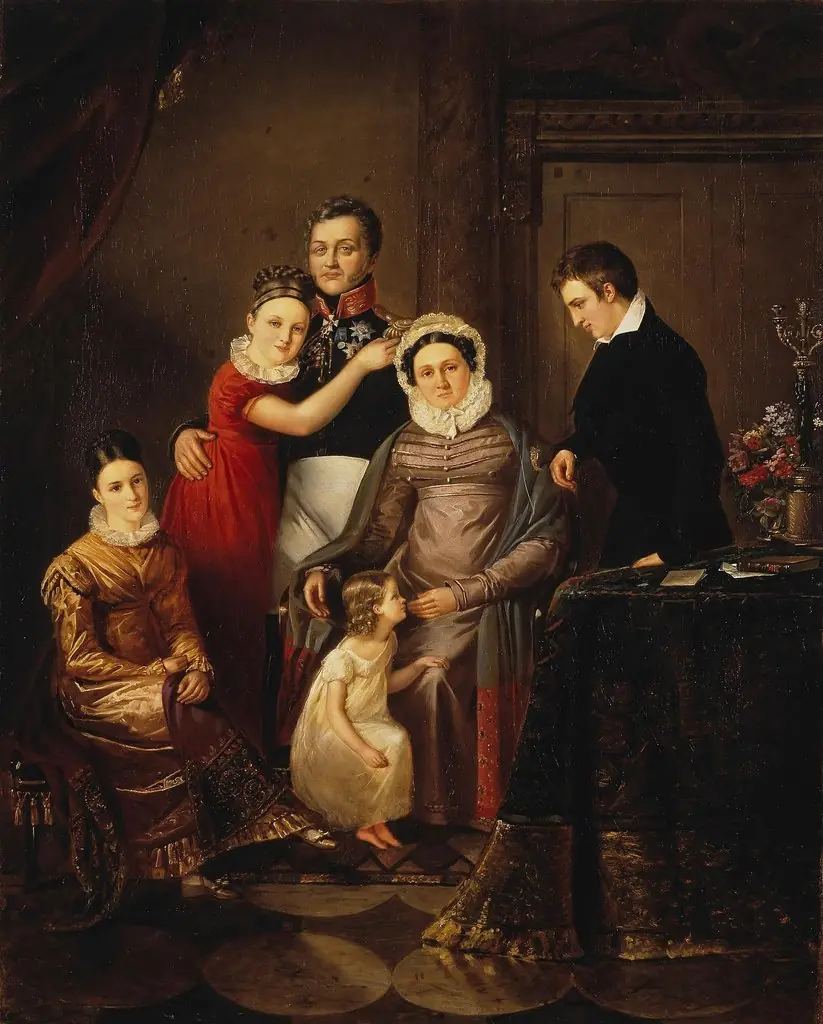 Portrait of Count Nikolai Repnin-Volkonsky with His Family
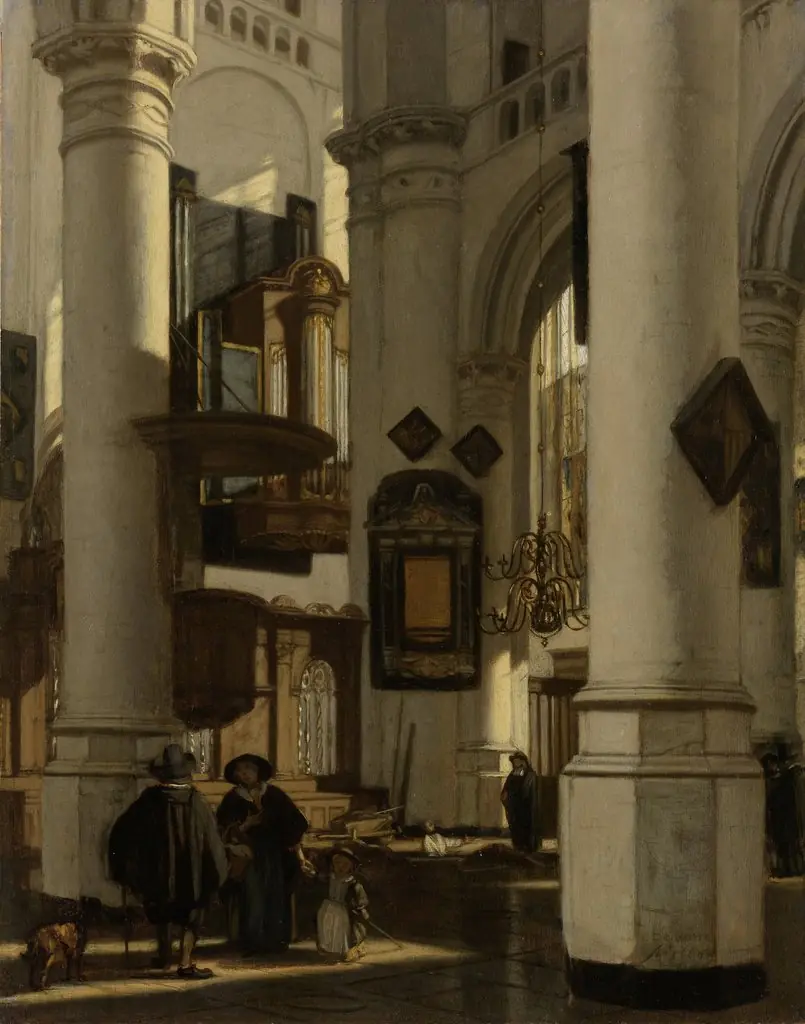 Interior of a Protestant, Gothic Church, with a Gravedigger in the Choir
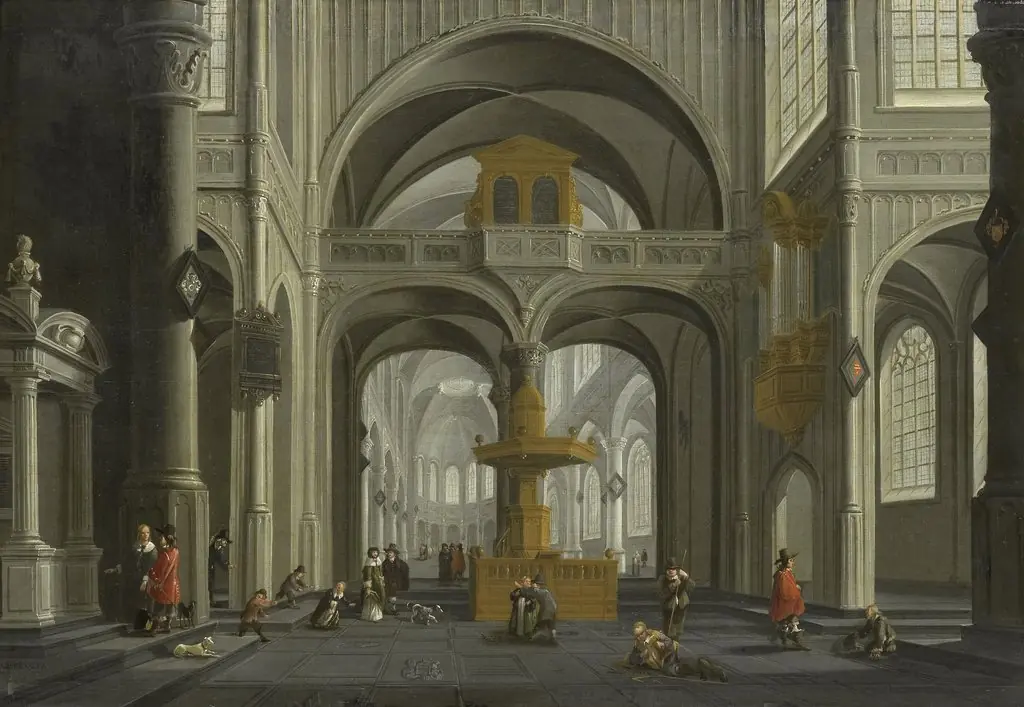 Church interior
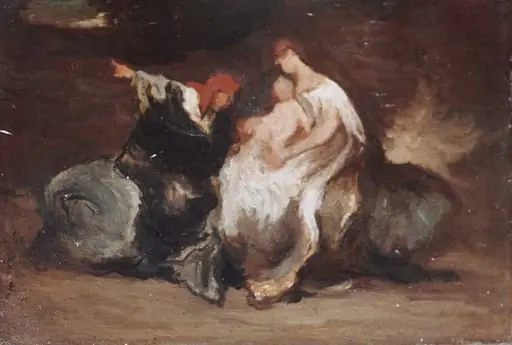 The Fortune Teller
 The People's Census at Bethlehem
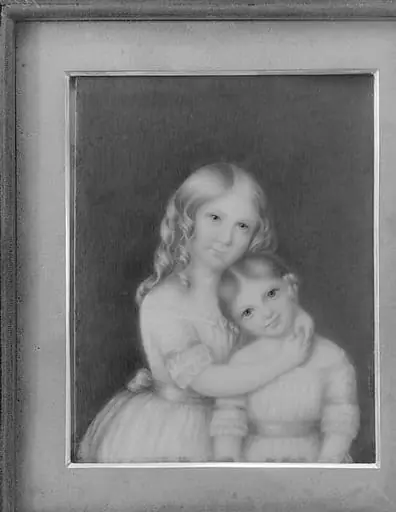 Portrait of Two Girls
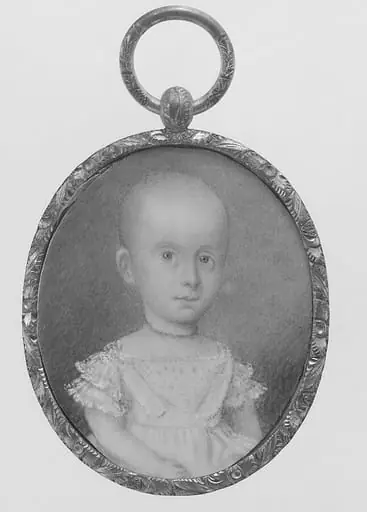 Portrait of a Child
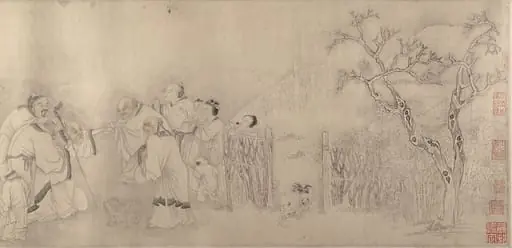 明/清 佚名 人物故事圖 卷|Family Visit
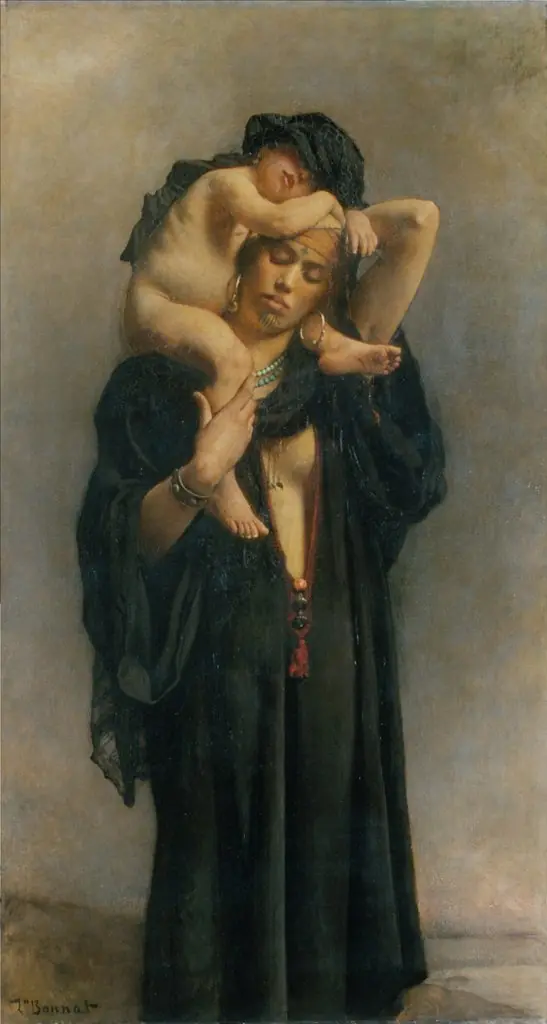 An Egyptian Peasant Woman and Her Child
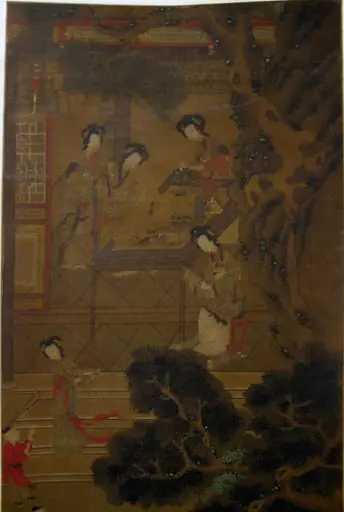 Untitled
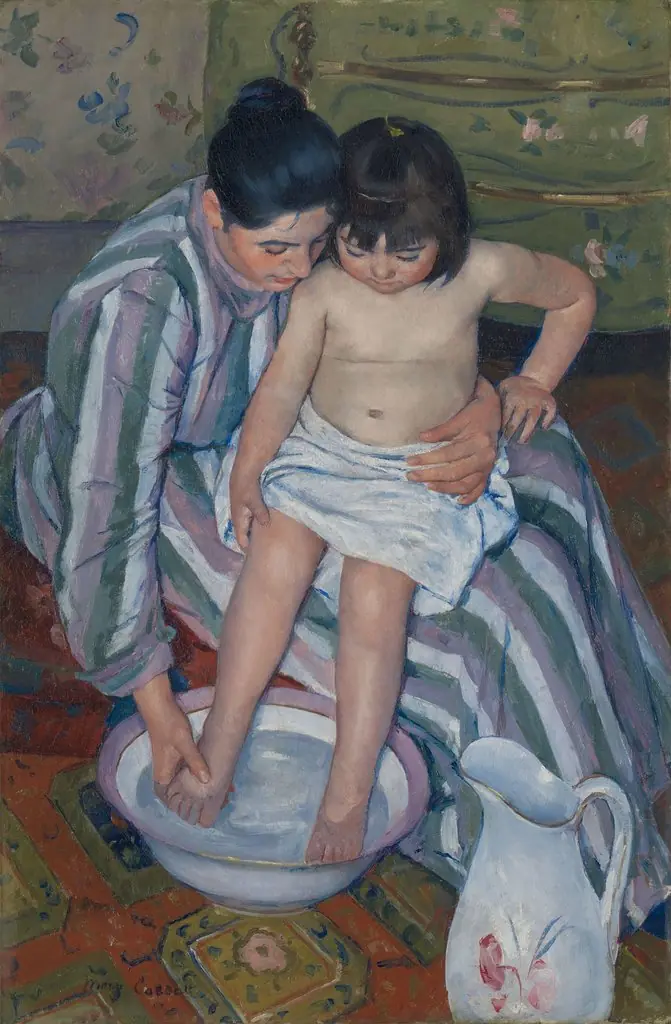 The Child's Bath
 Untitled
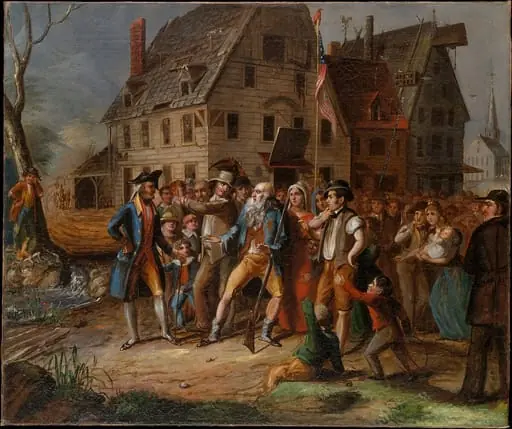 Rip Van Winkle
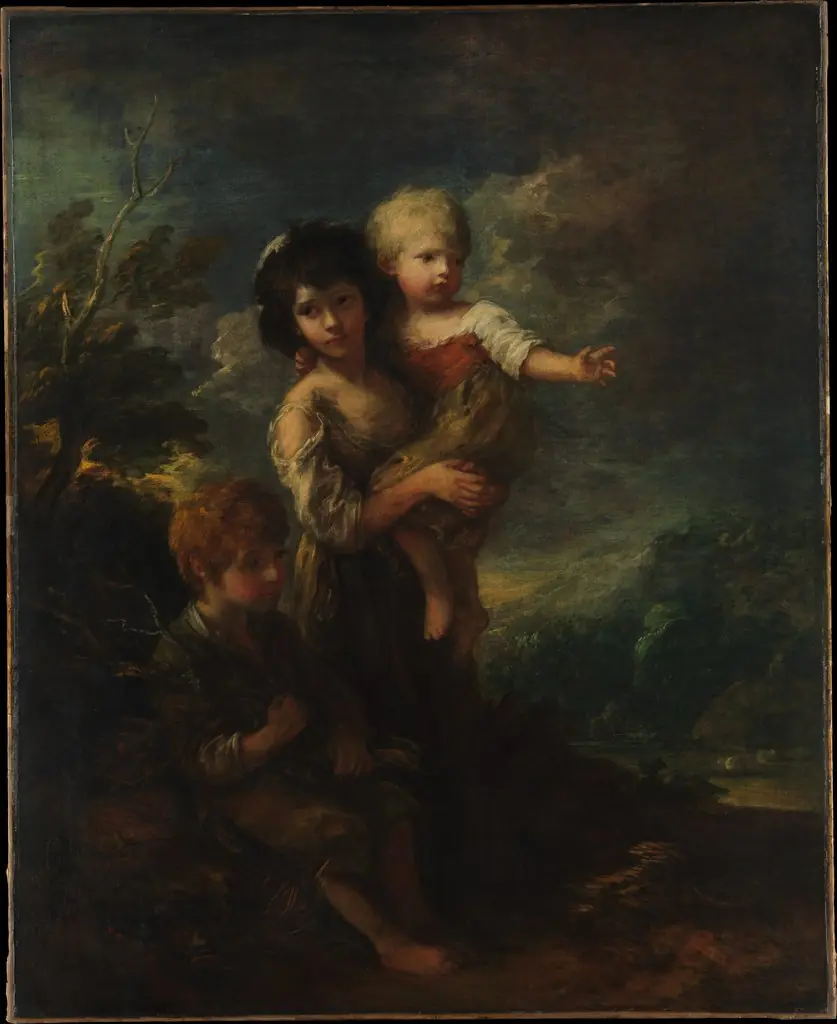 Cottage Children (The Wood Gatherers)
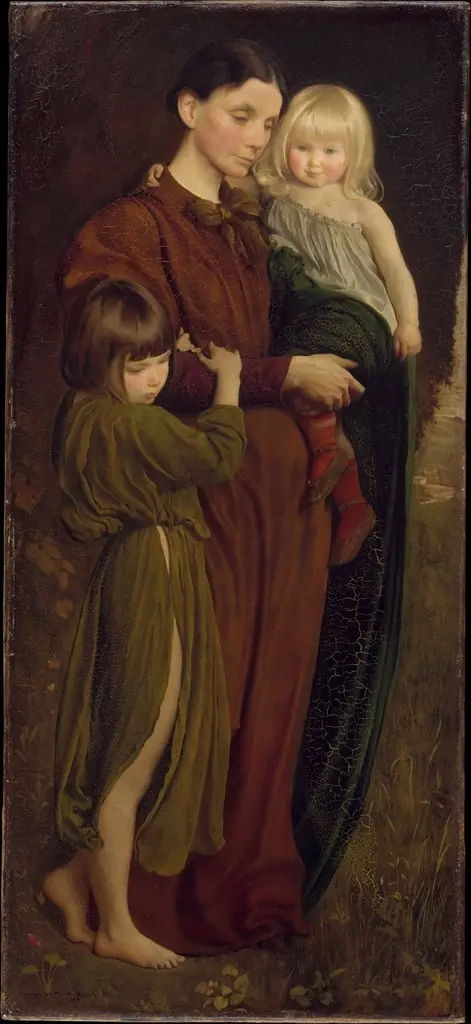 In the Garden
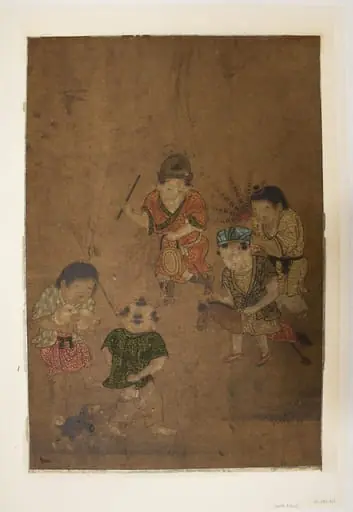 Untitled
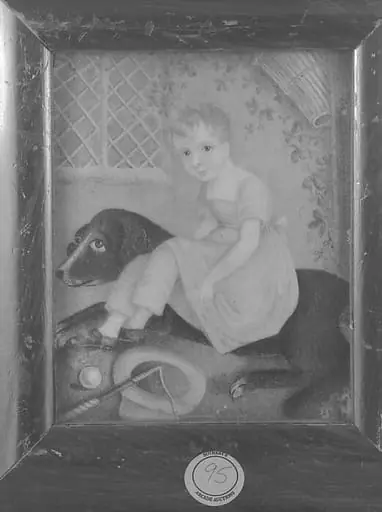 Portrait of a Child
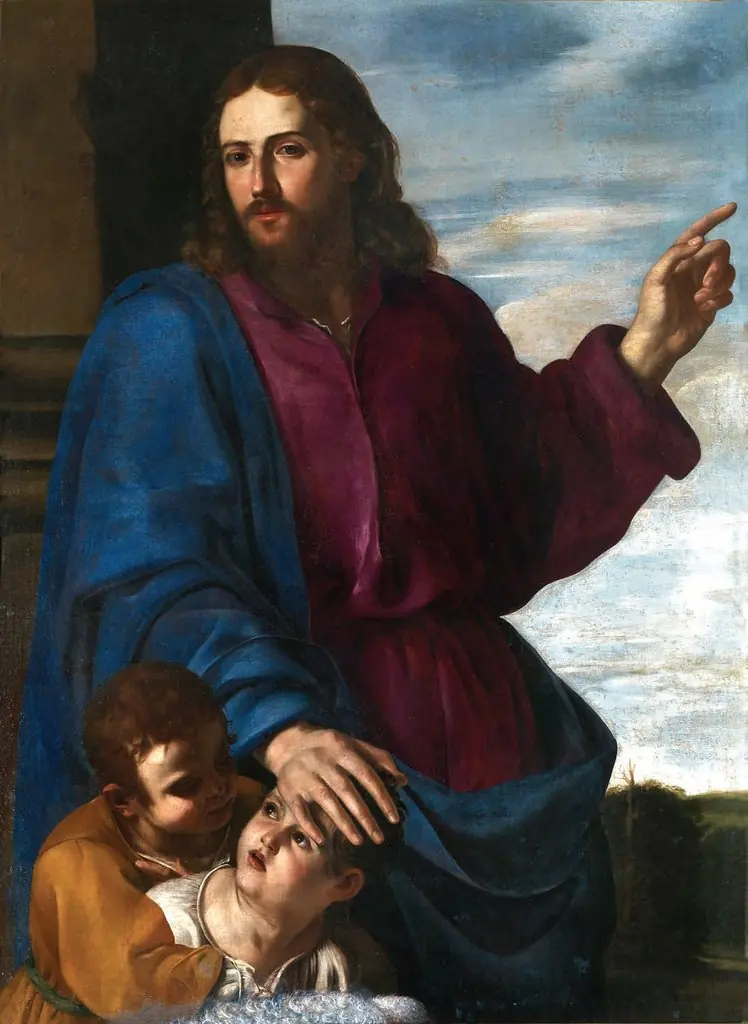 Christ Blessing the Children
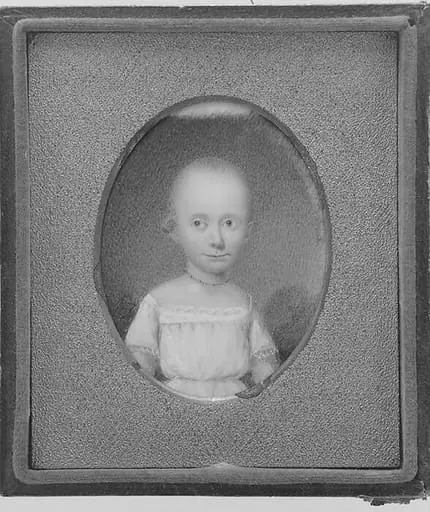 Portrait of a Child
 The Laundress
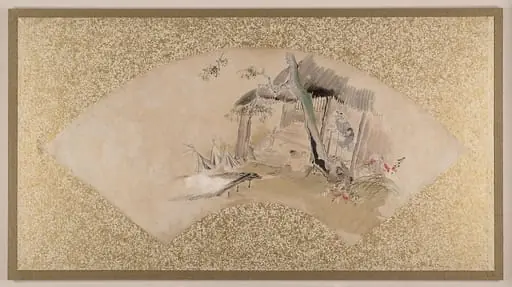 Untitled
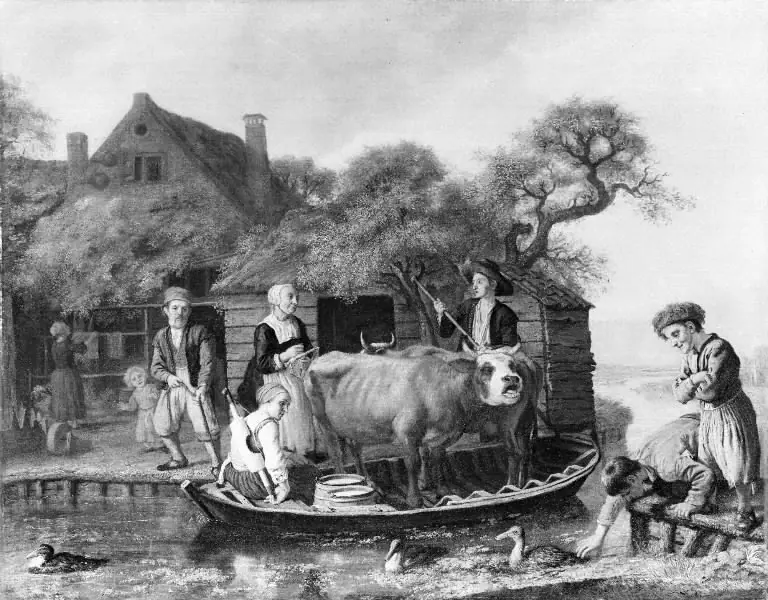 Scene outside a Dutch Farm
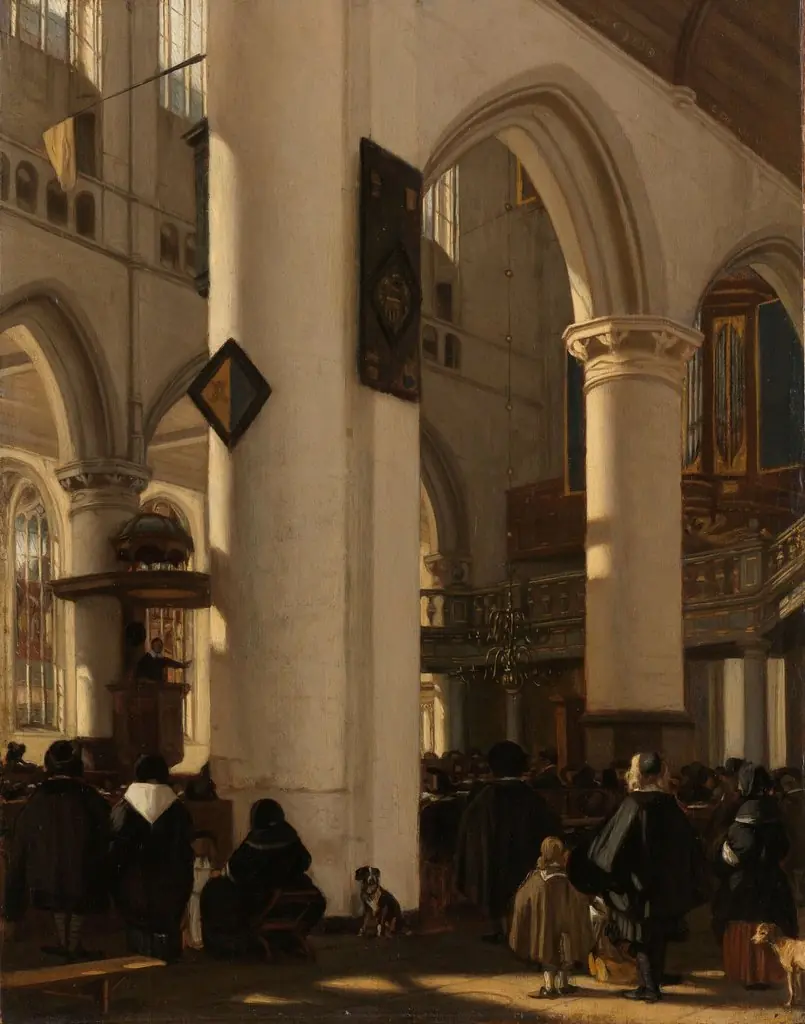 Interior of a Protestant, Gothic Church during a Service
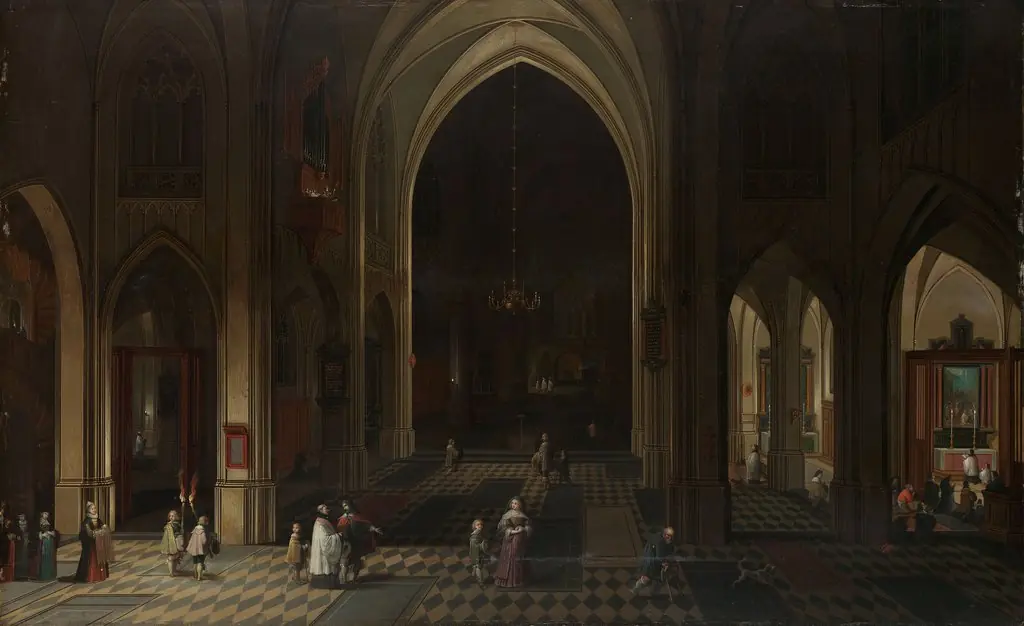 A church interior by candlelight
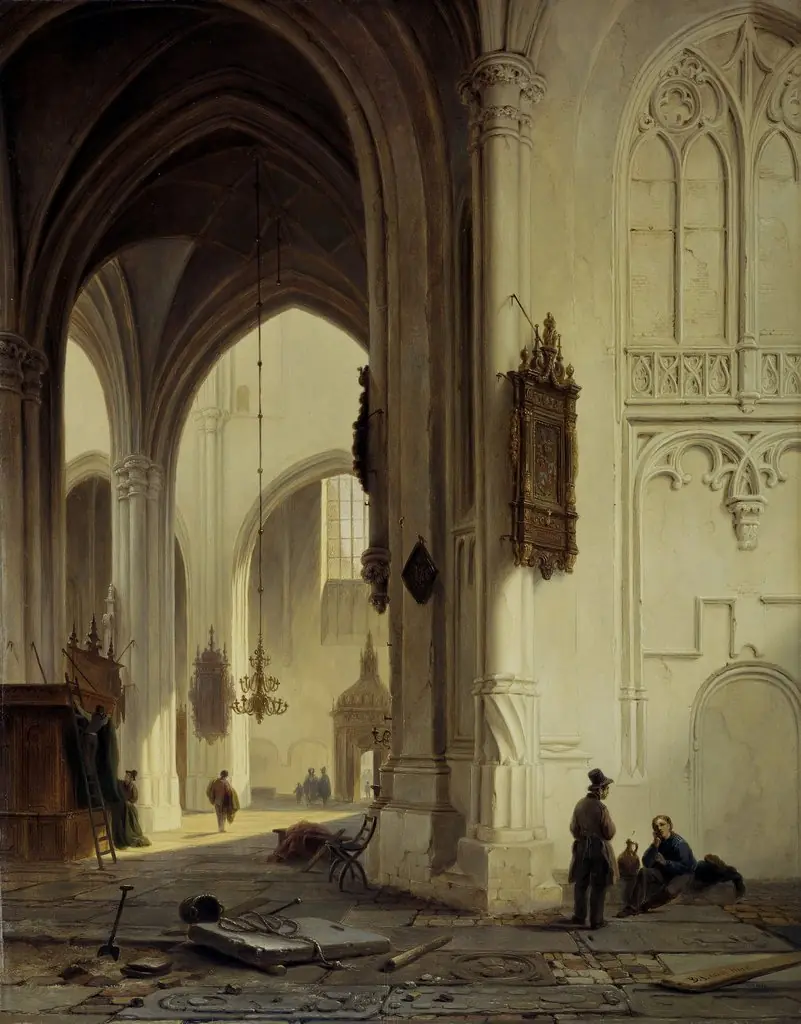 Church interior
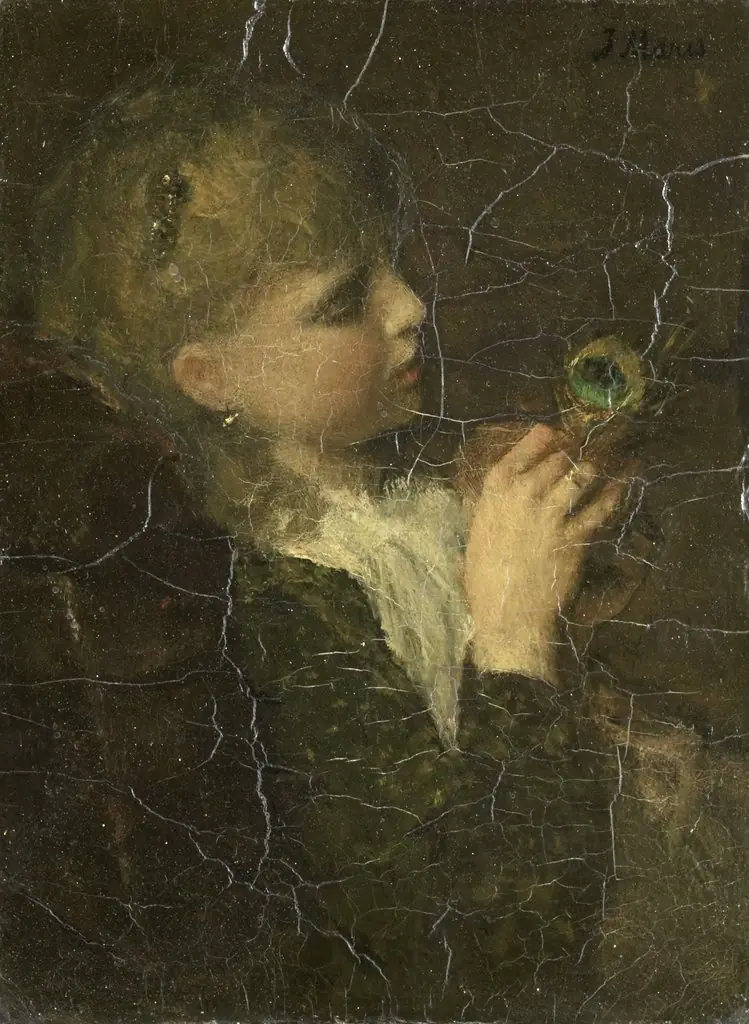 Girl with a Peacock Feather
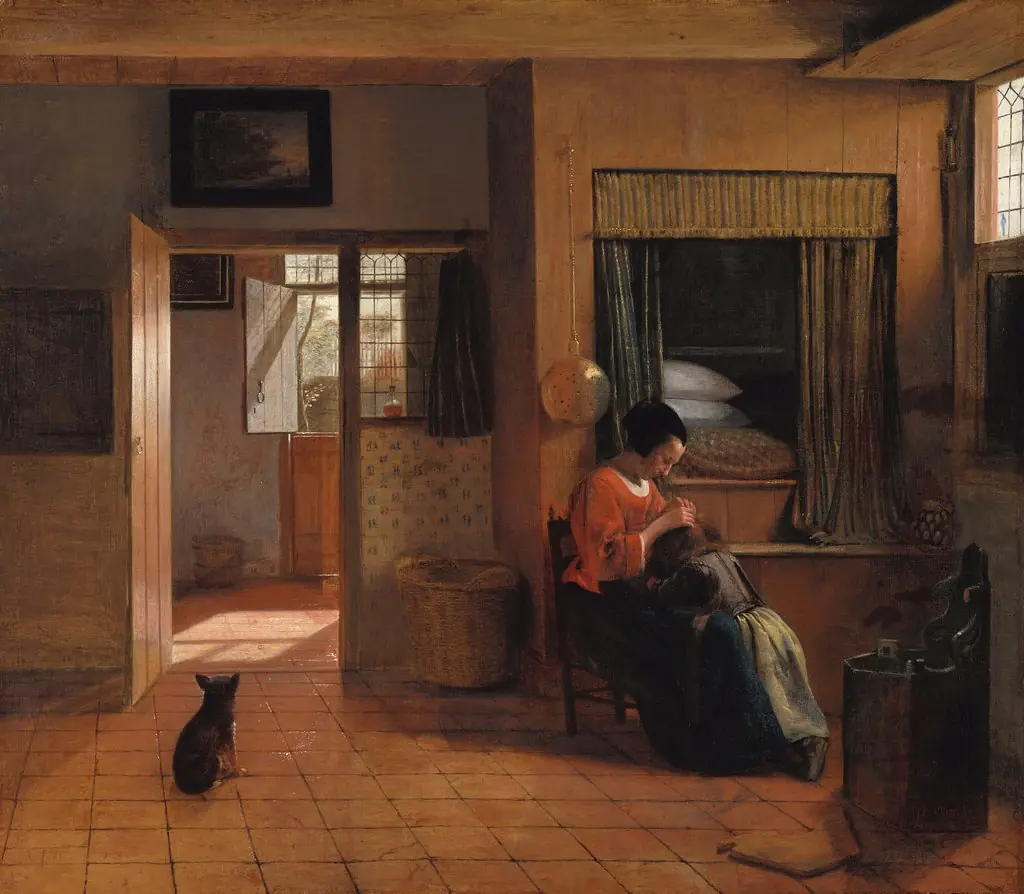 A Mother's Duty
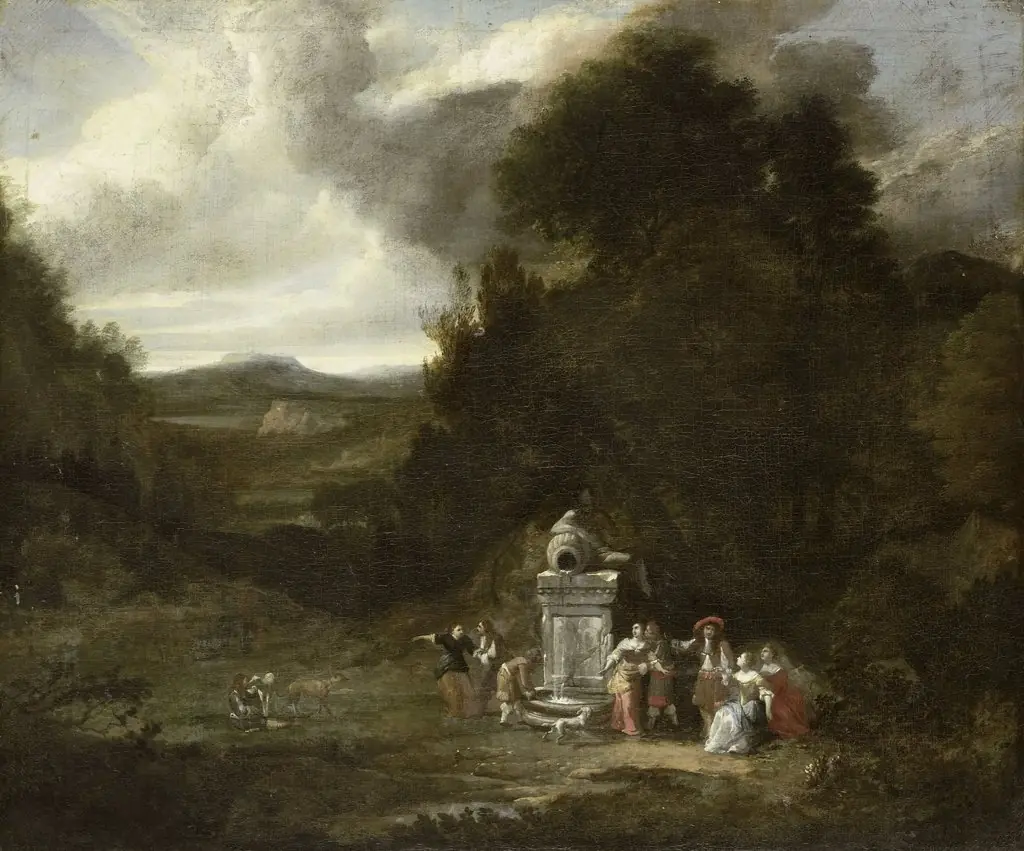 Company in a wooded landscape
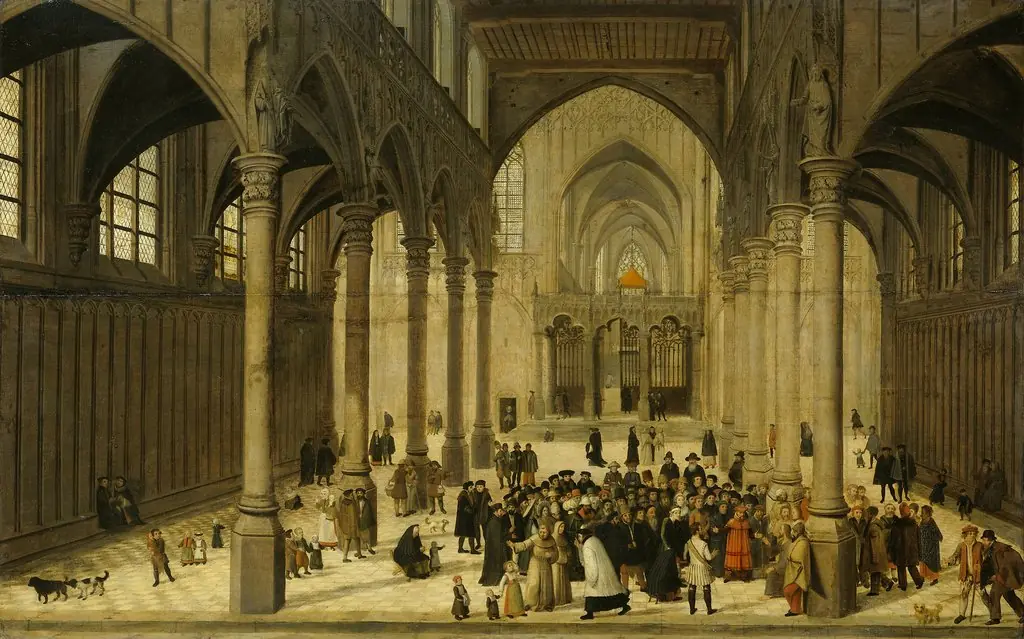 Church Interior with Christ Preaching to a Crowd
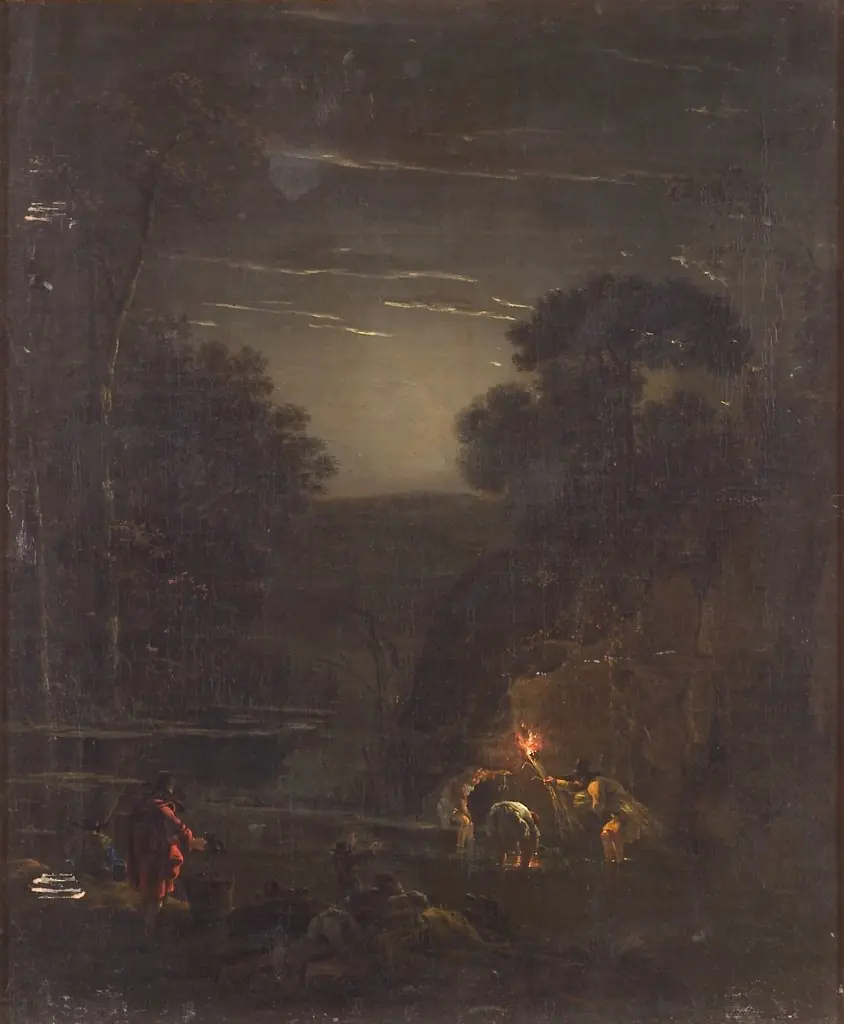 Nocturnal Crayfishing
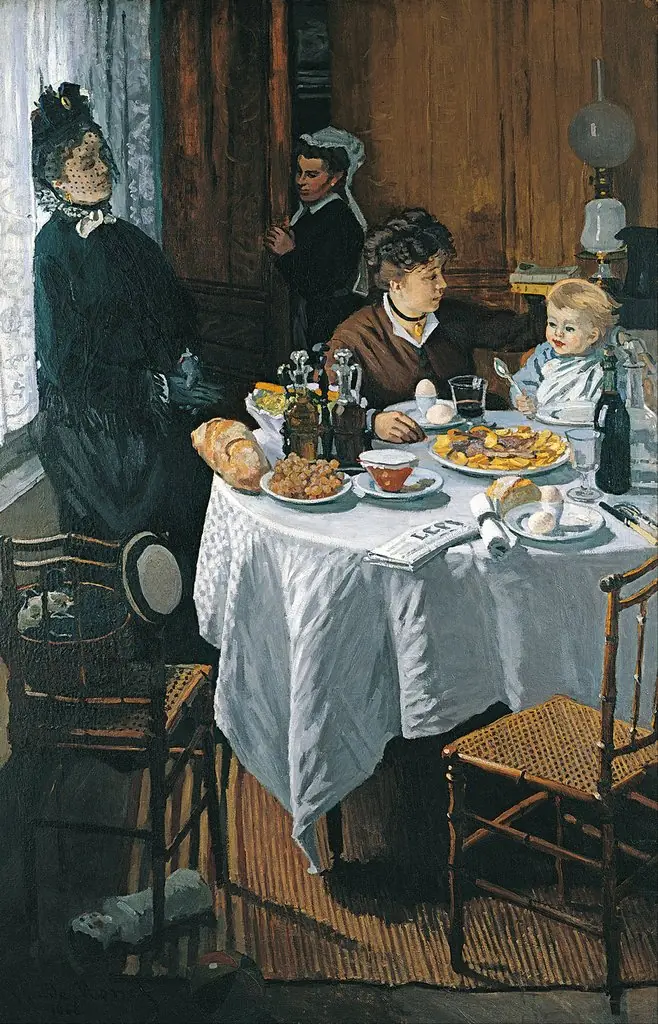 The Luncheon
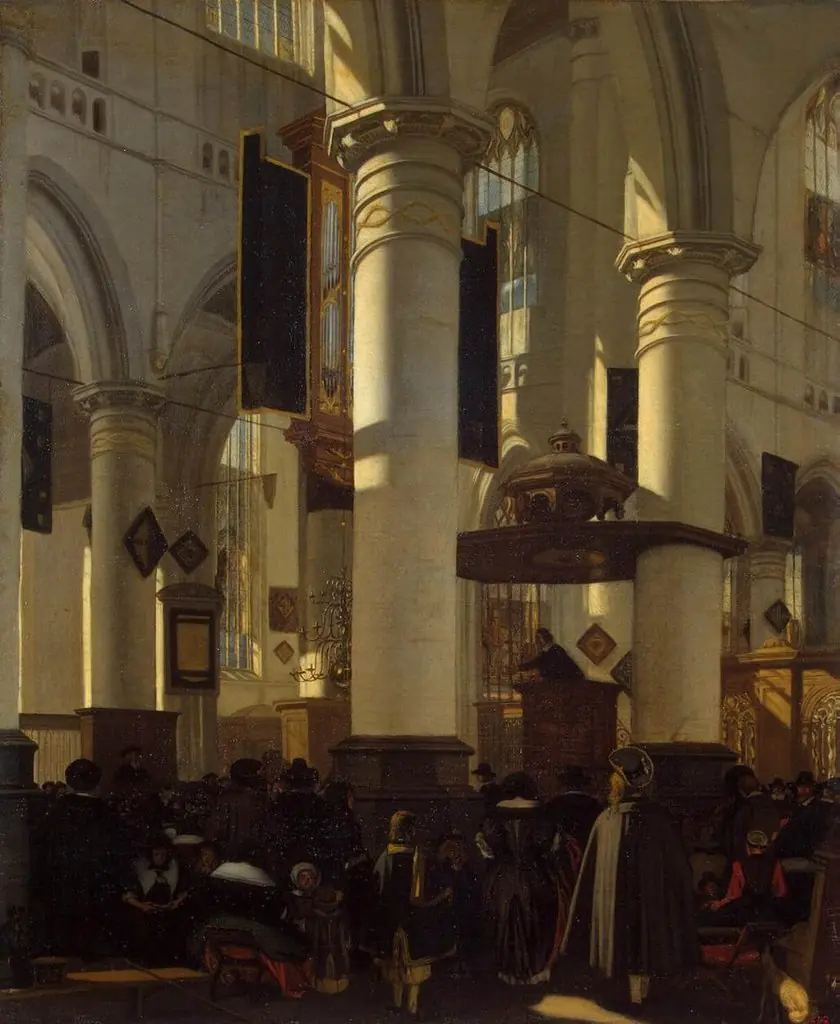 Interior of a Church
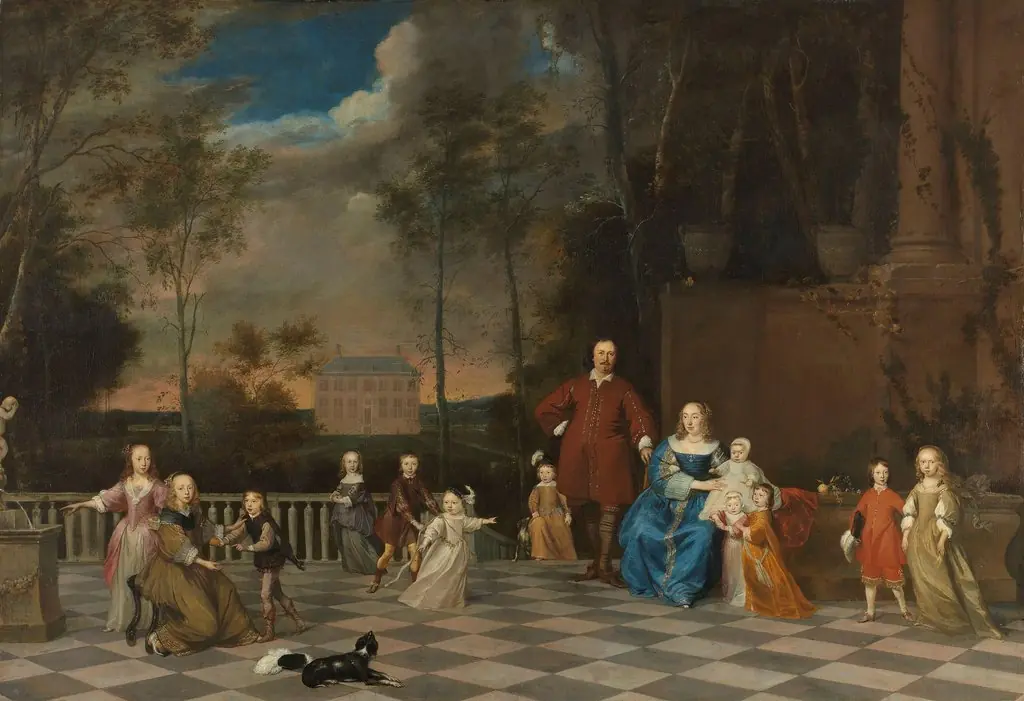 Portrait of the Amsterdam merchant Jeremias van Collen (1608-1676), with his wife and their twelve children
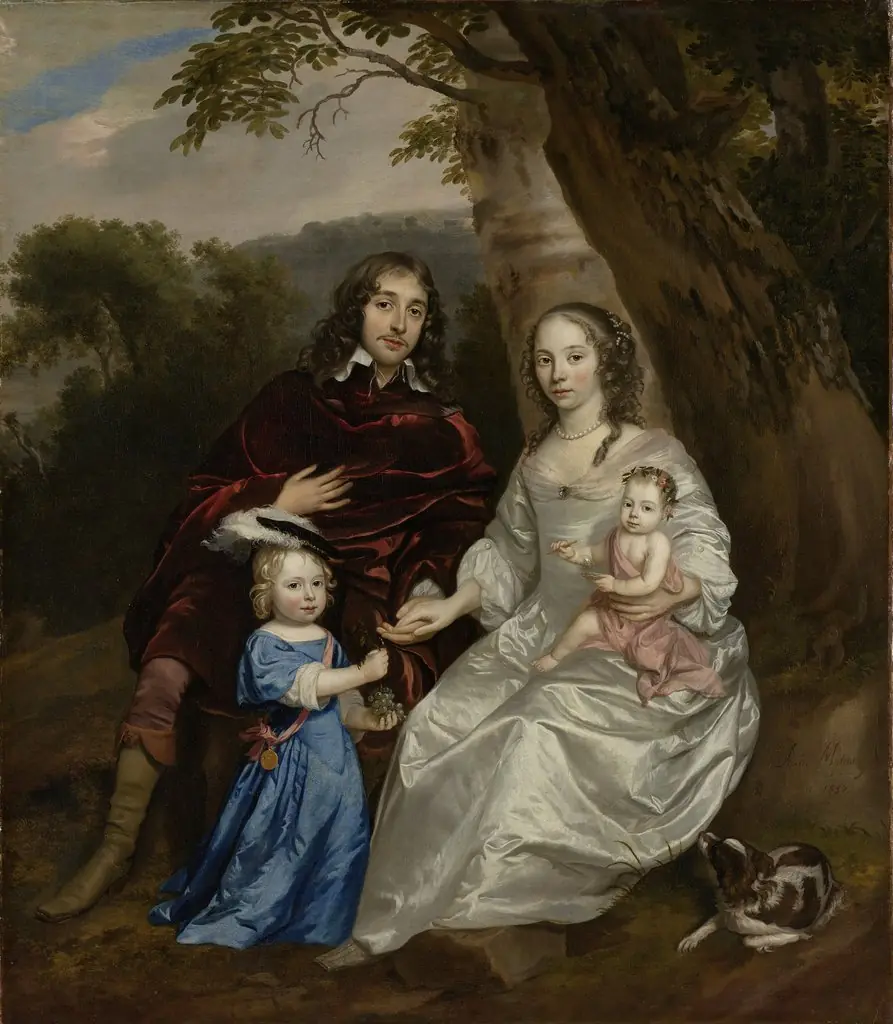 Govert van Slingelandt (1623-90), lord of Dubbeldam. With his first wife Christina van Beveren and their two sons
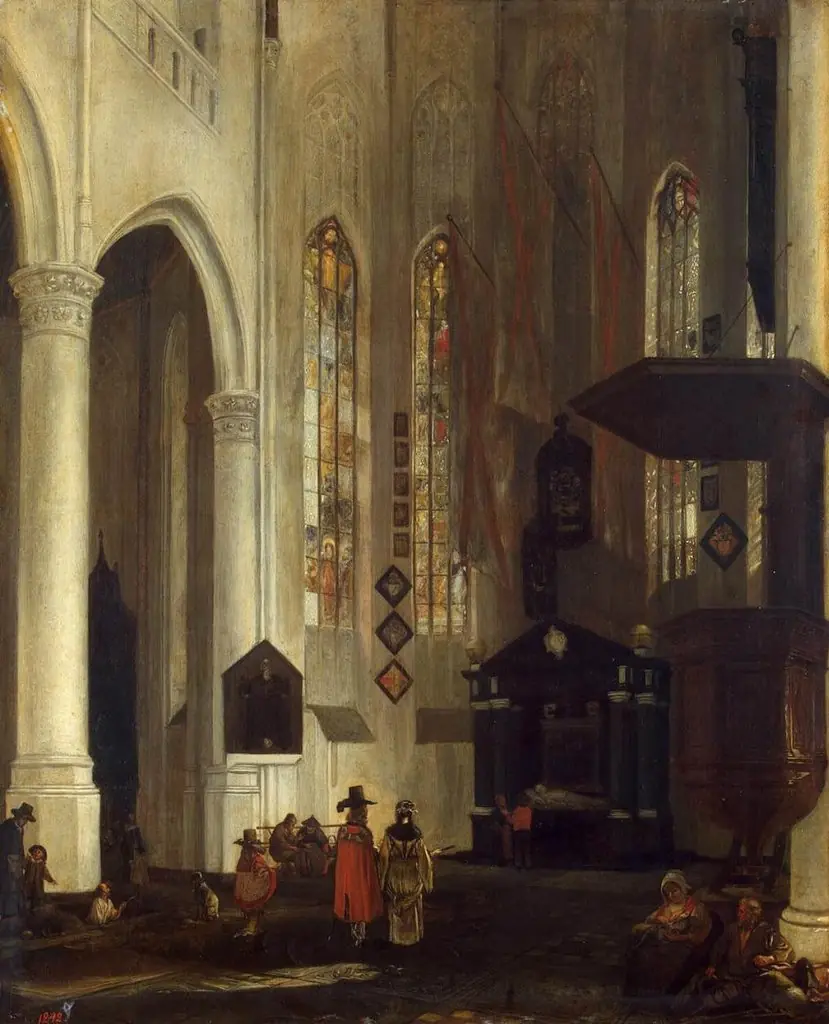 Old Church (Oudekerk) in Delft with the Tomb of Admiral Pieter Pieterszoon Hein (Heyn)
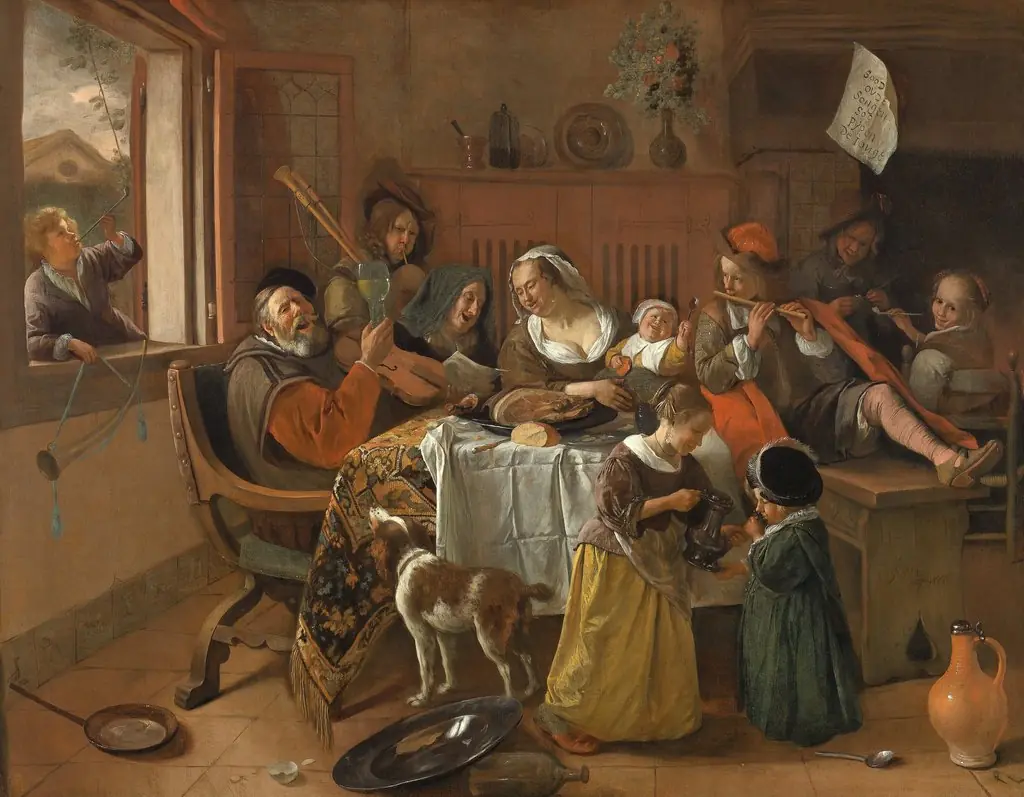 The Happy Family
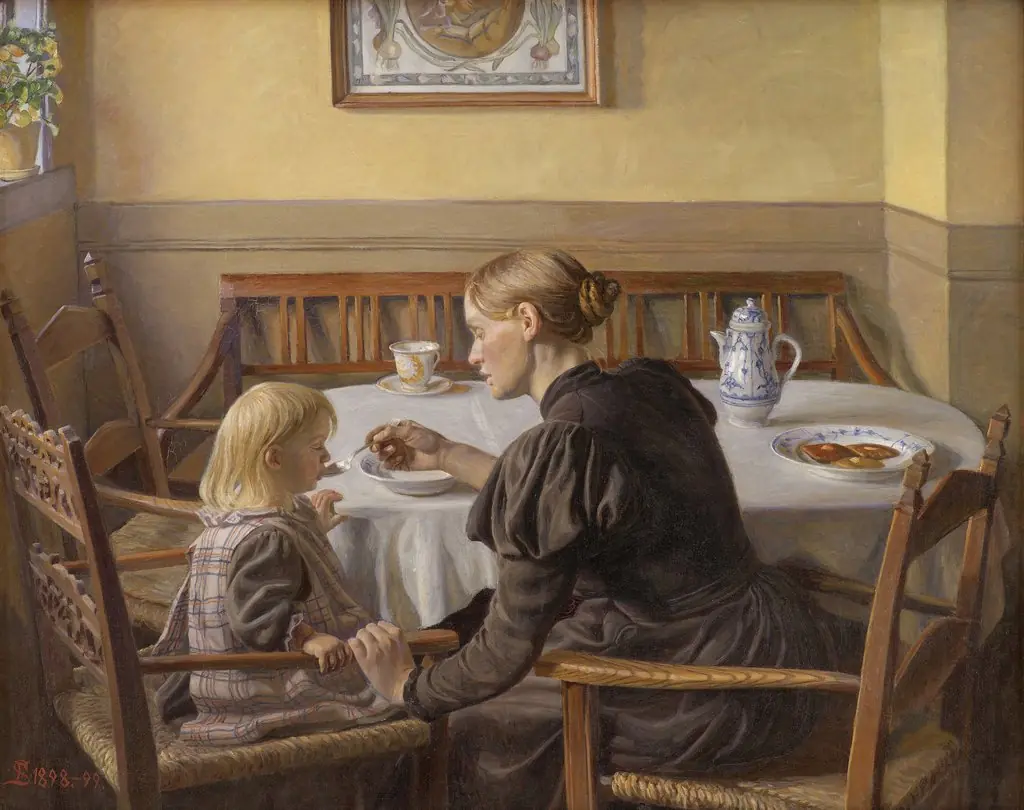 Mother and Child
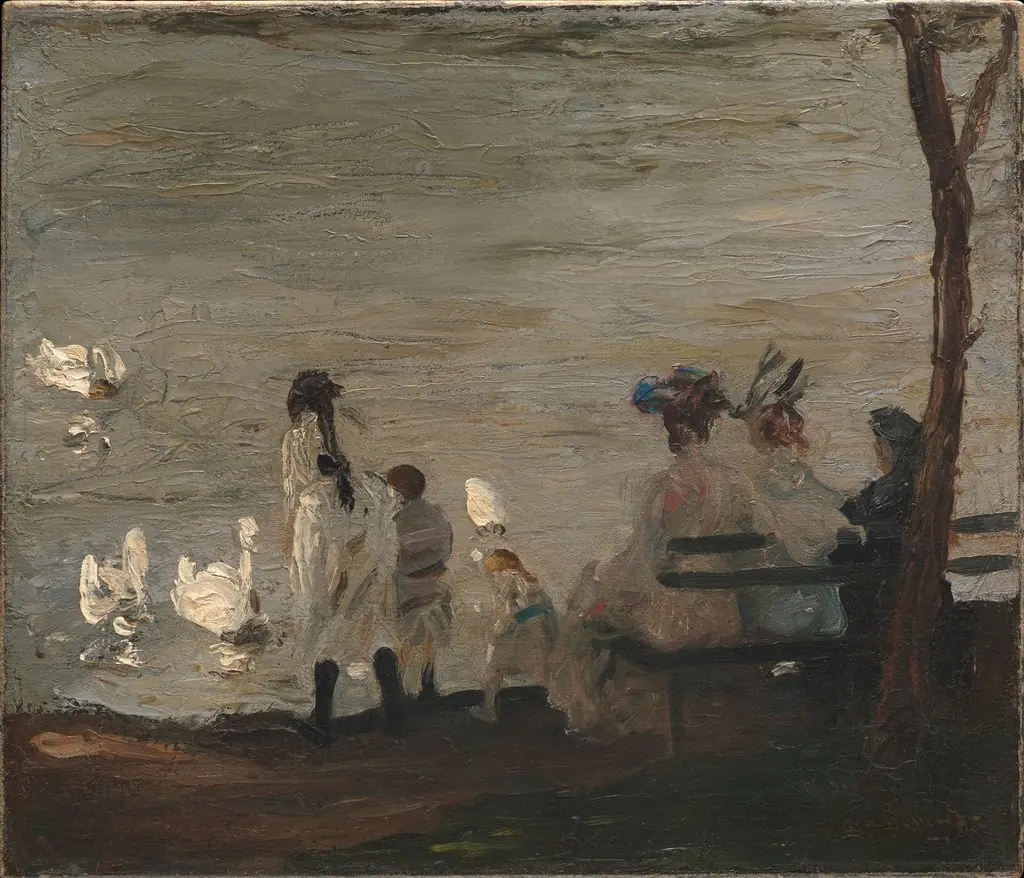 Swans in Central Park
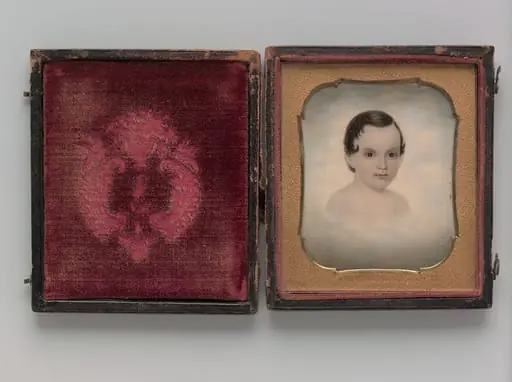 Portrait of a Child
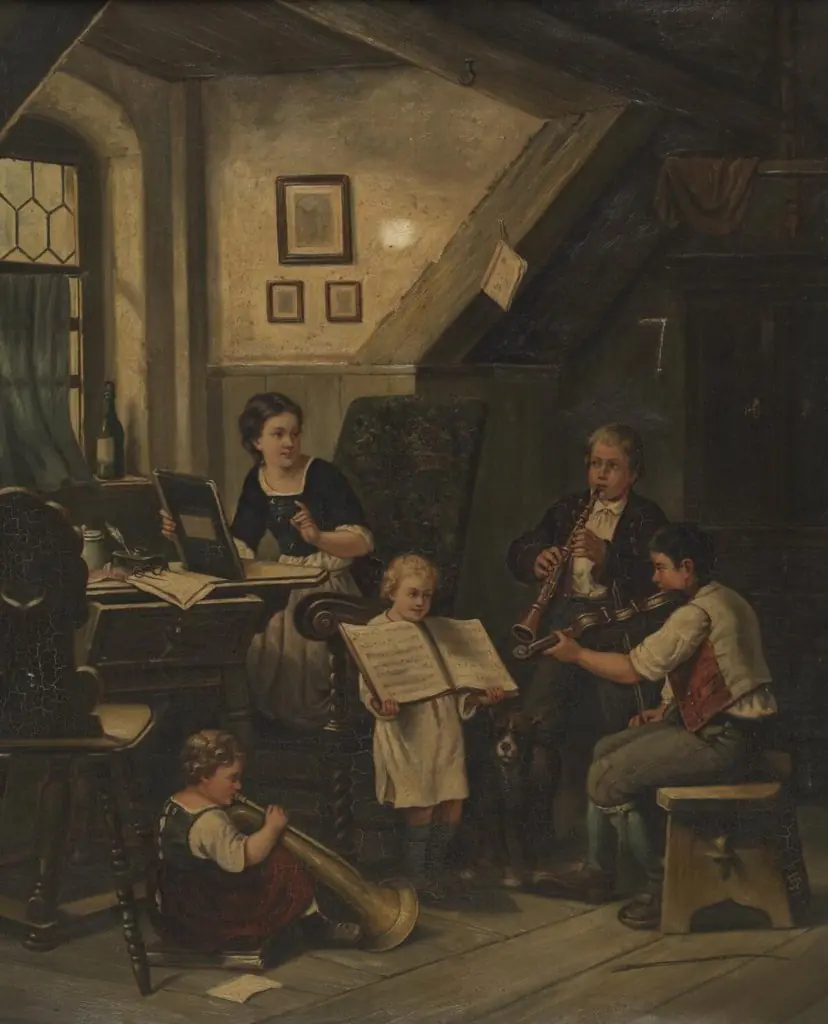 musical party
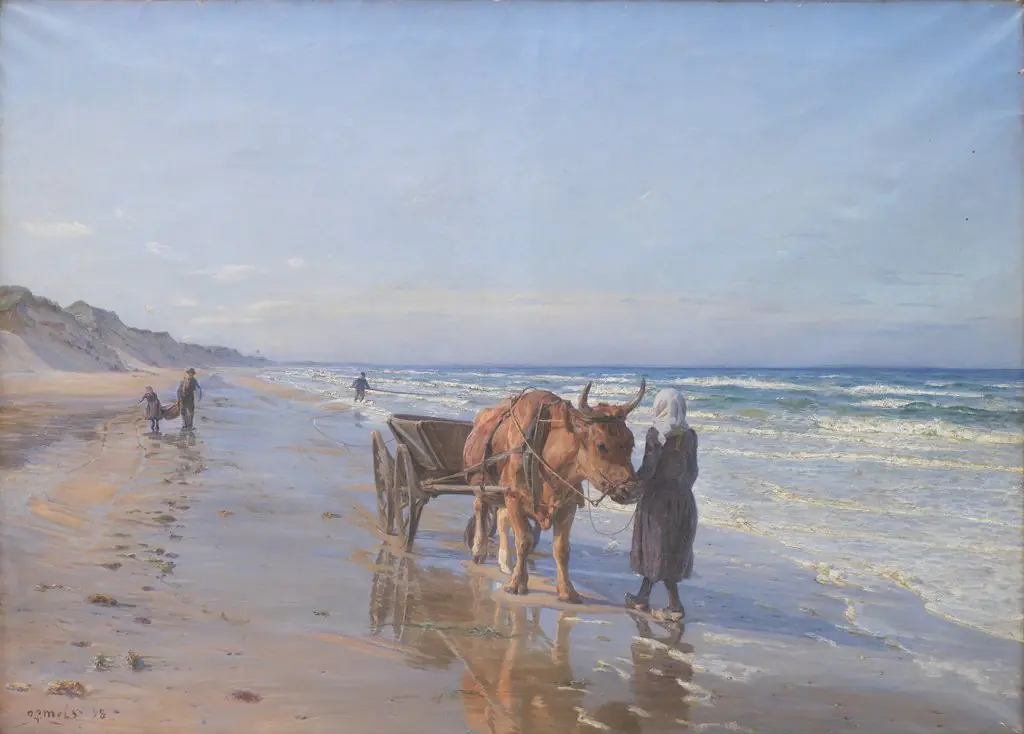 Kystboerne drager vod i landingen
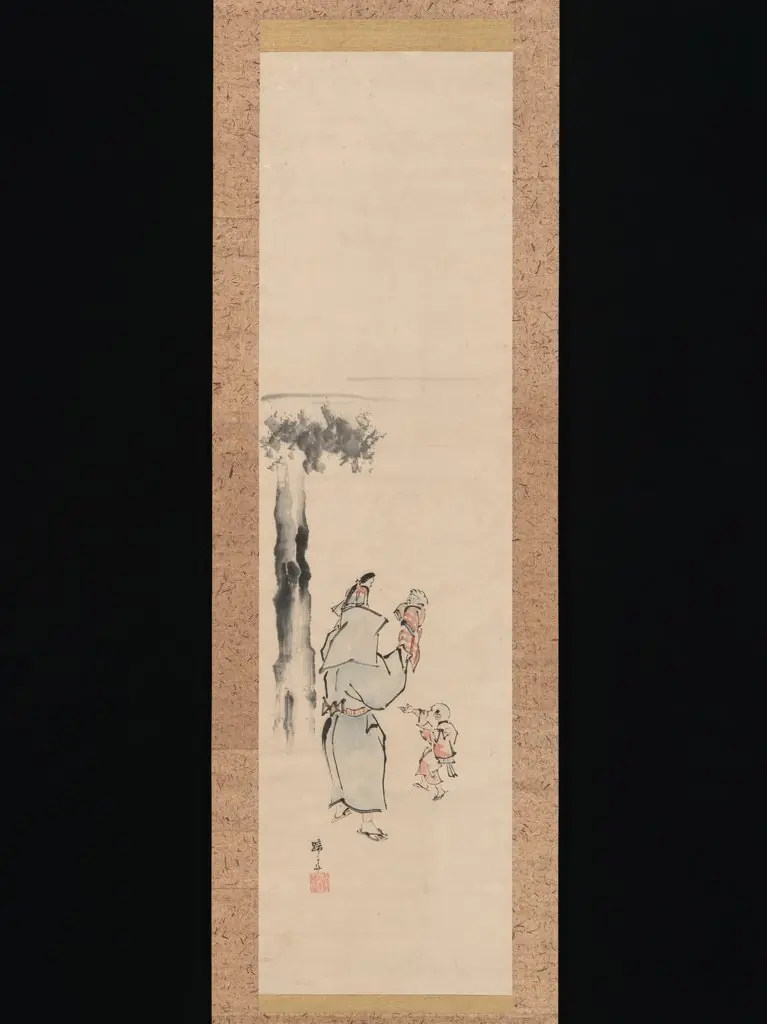 Puppeteer
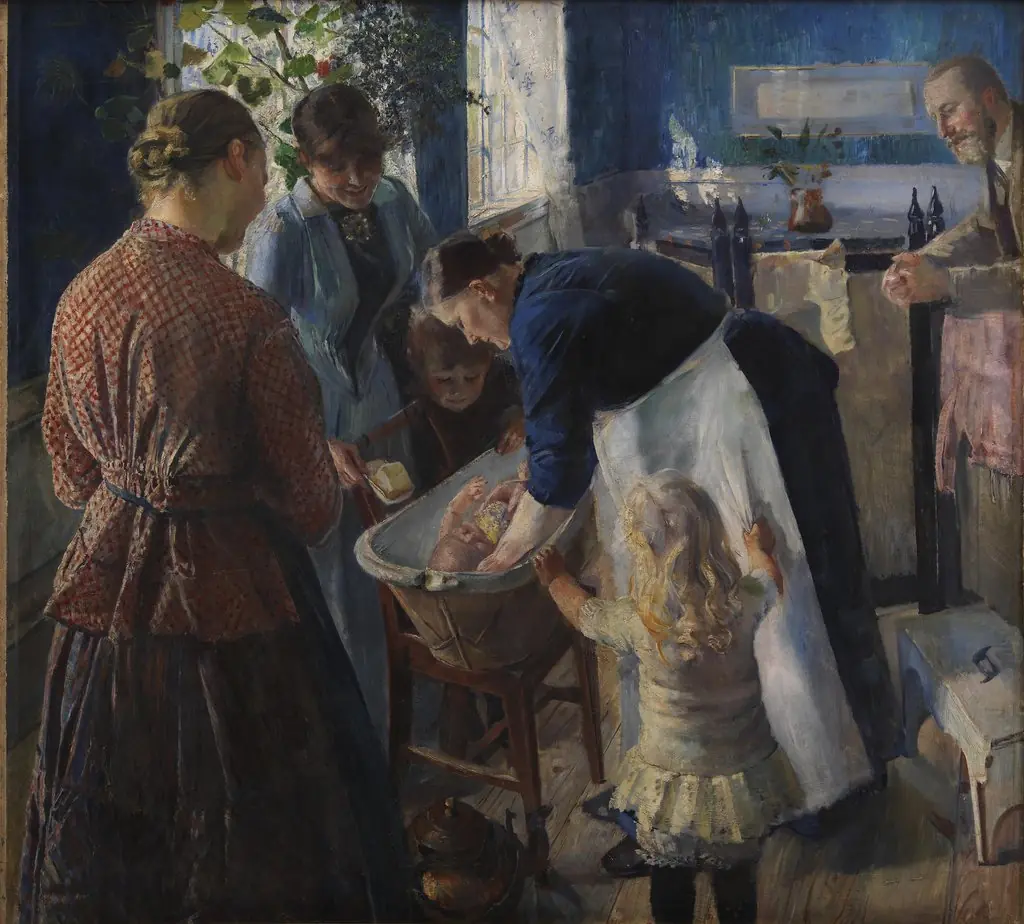 In the Tub
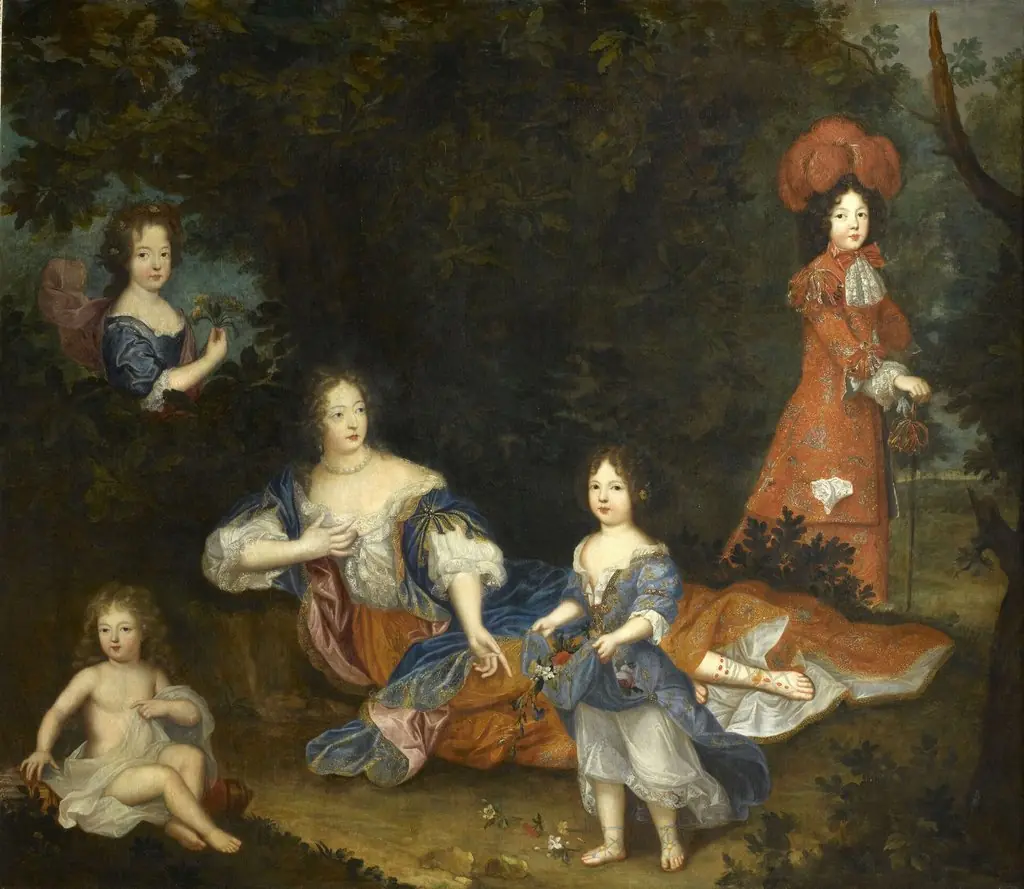 Françoise-Athénaïs de Rochechouart, Marquise de Montespan and her children
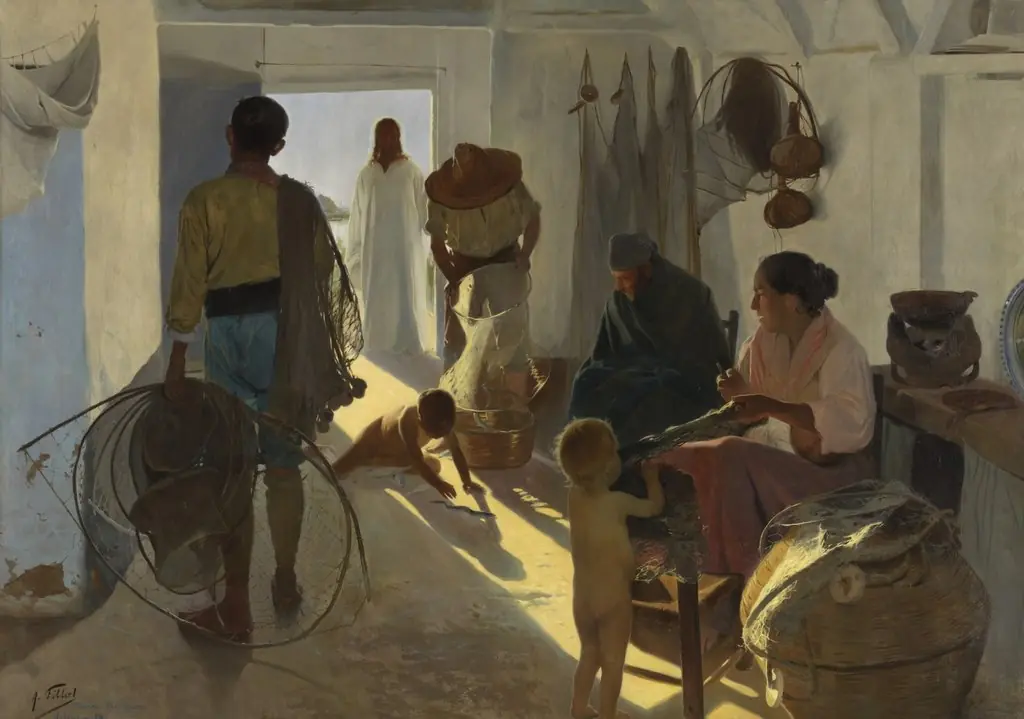 The Friends of Jesus
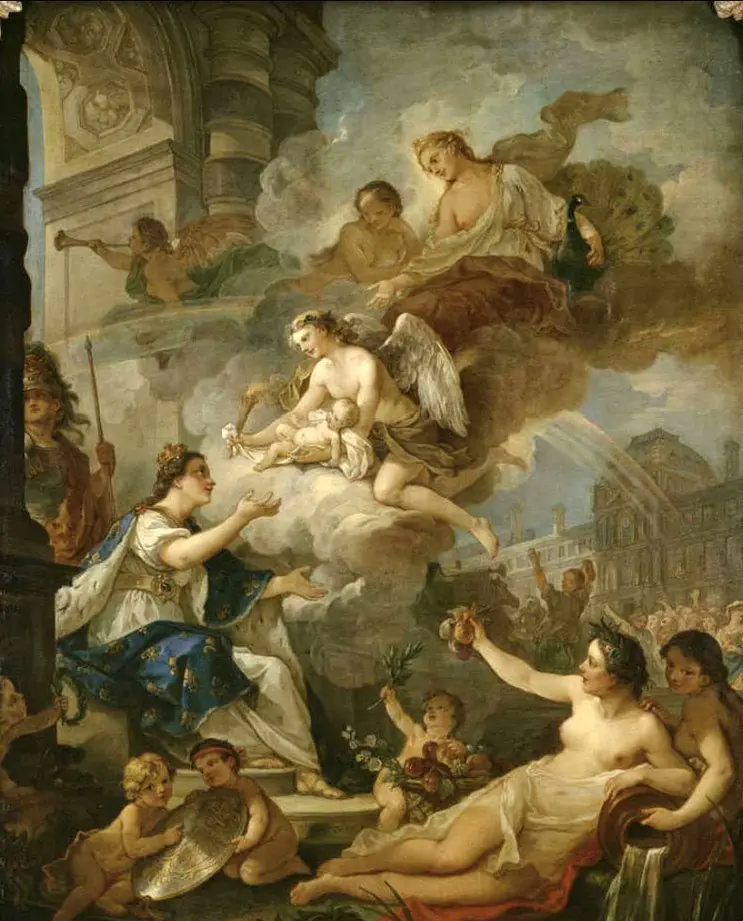 Allegory of the Birth of Marie-Zéphyrine of France, daughter of Louis of France
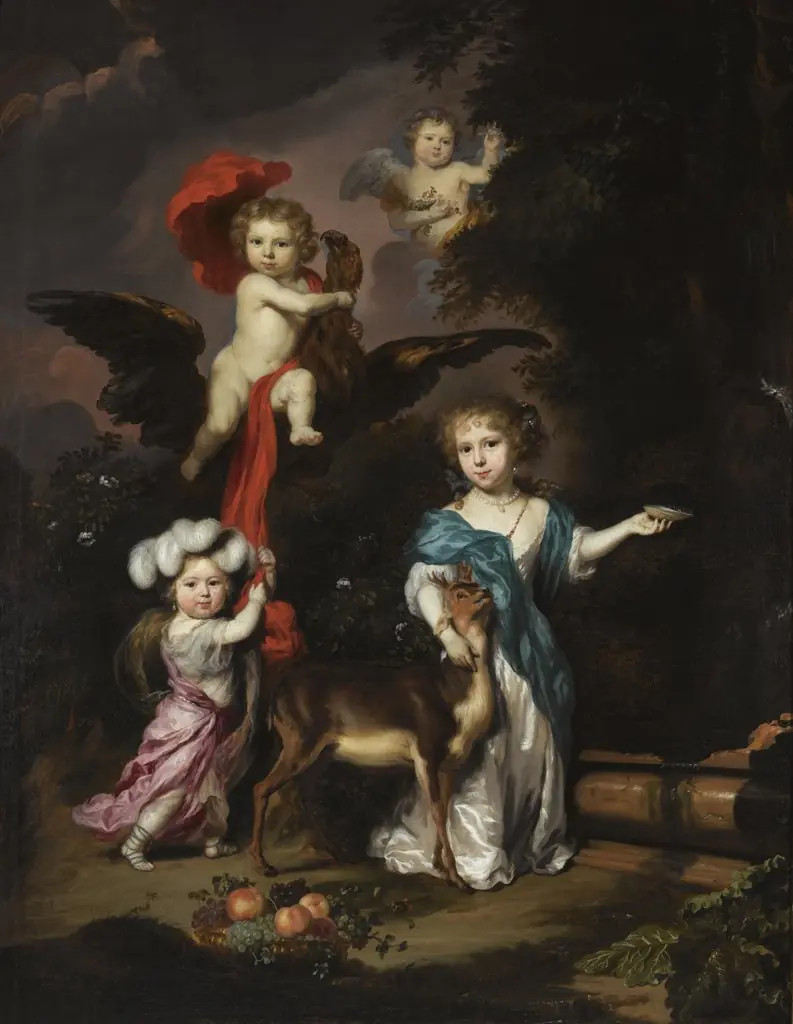 Portrait of Four Children as Ceres Ganymede Cherub and Diana
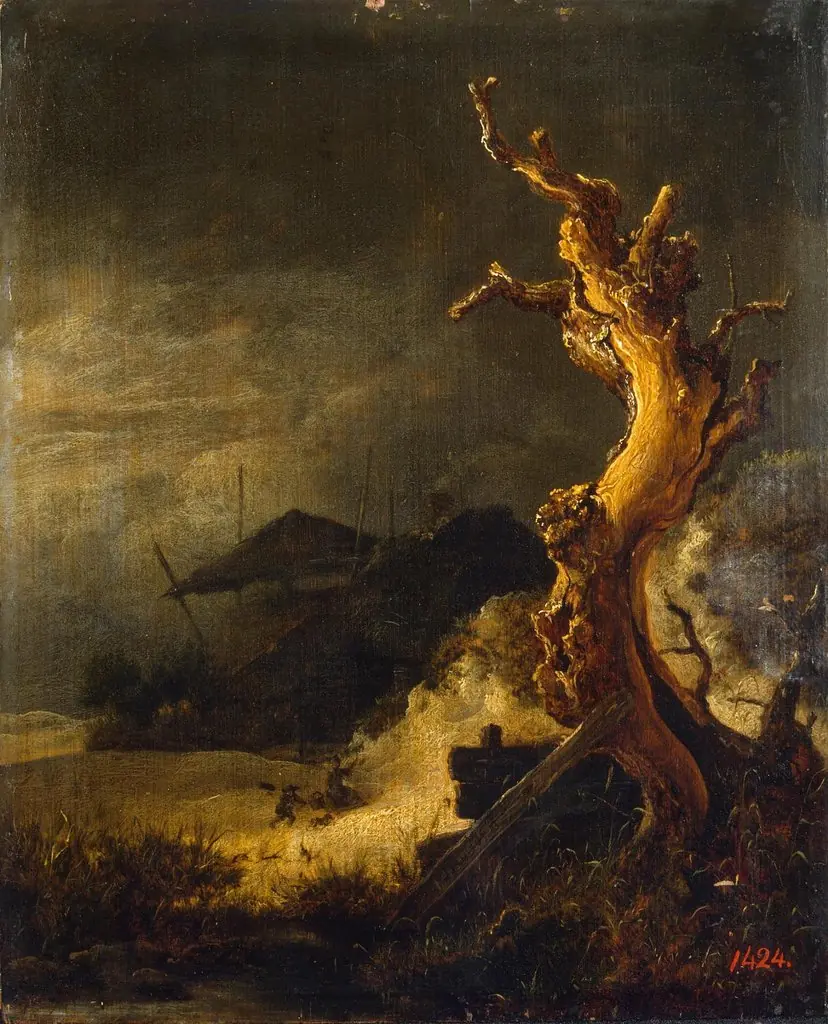 Winter Landscape with a Dead Tree
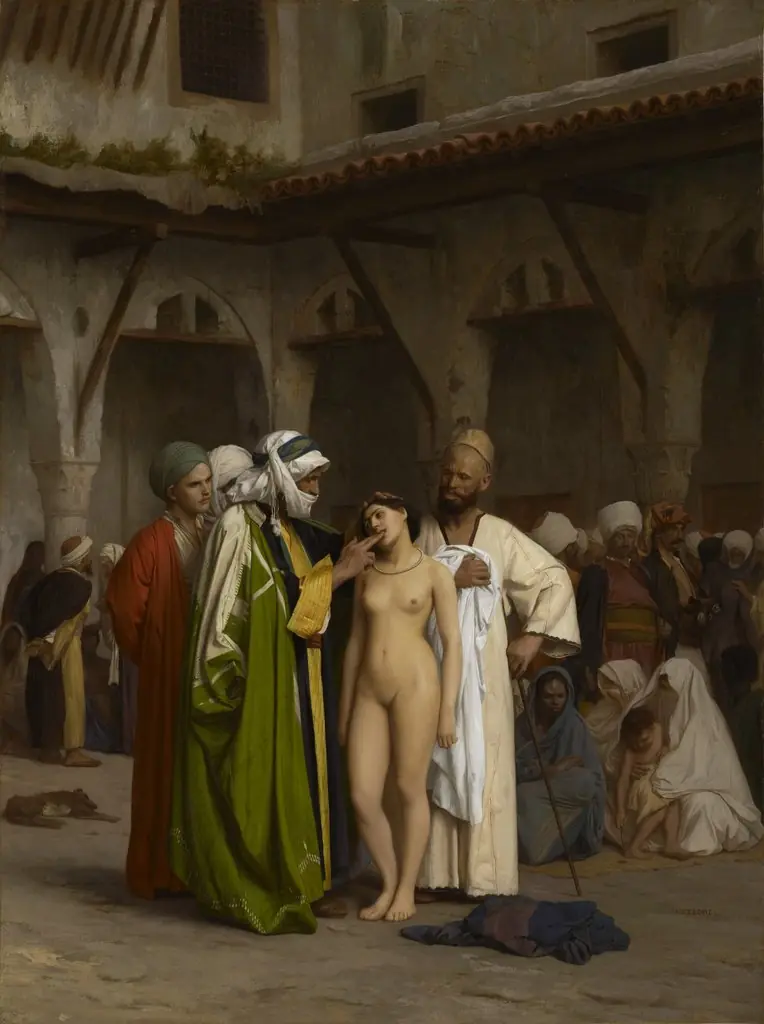 The Slave Market
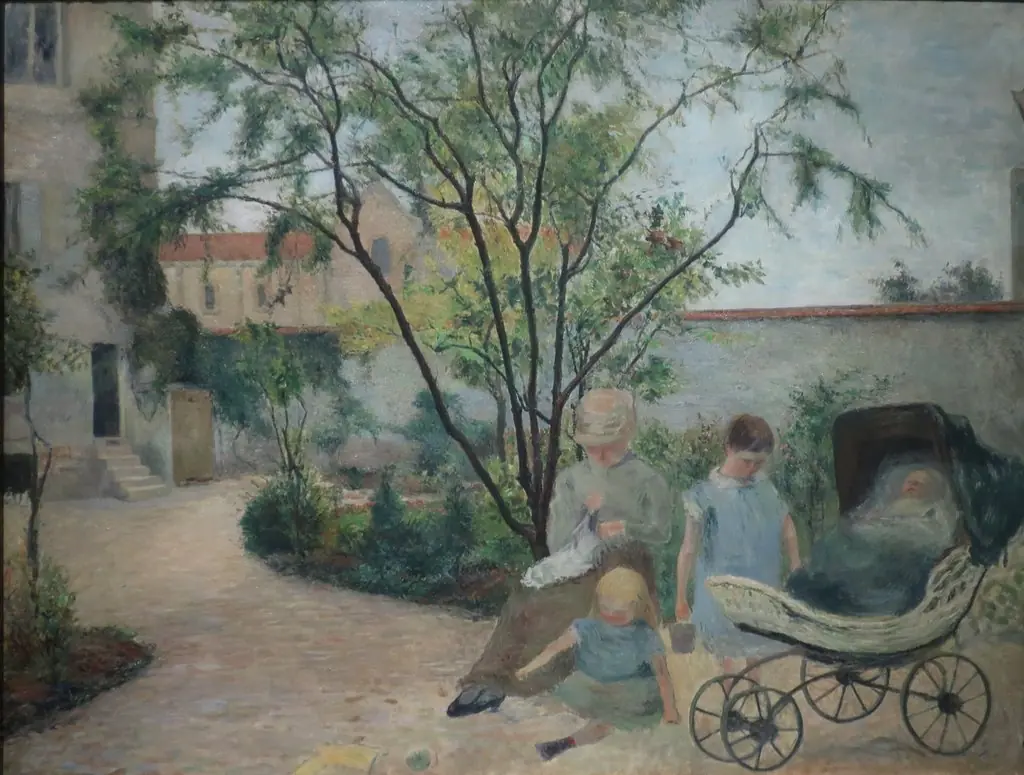 Figures in a Garden
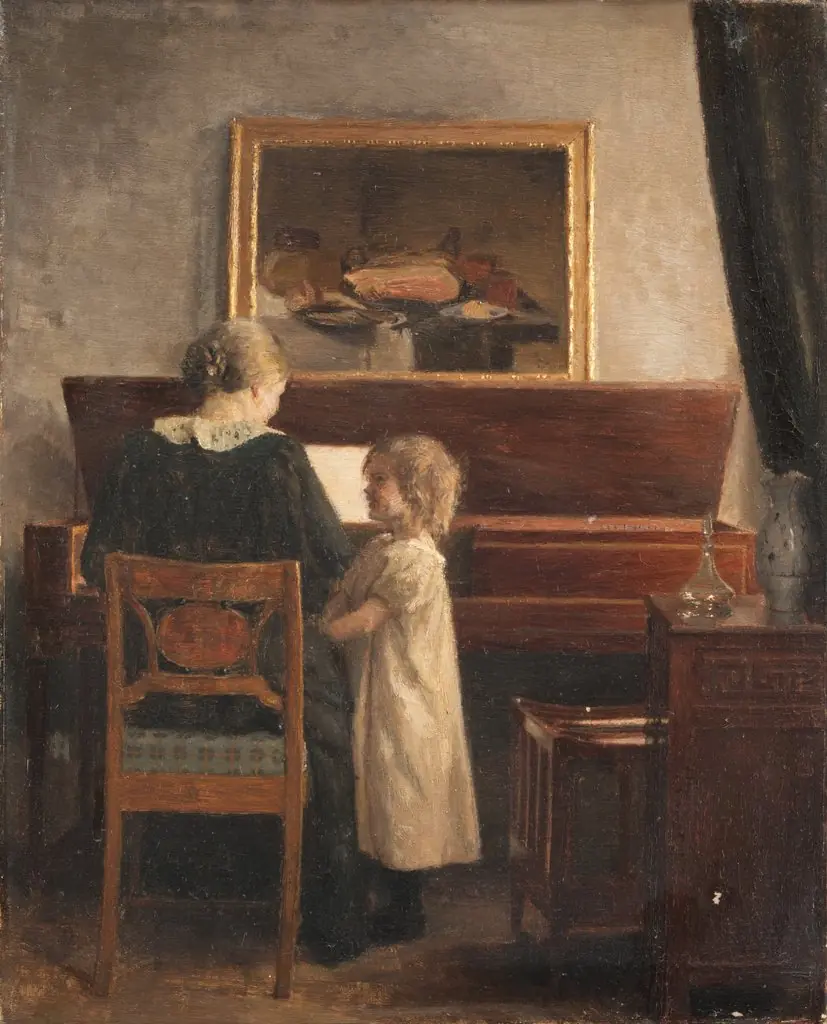 Ved klaveret
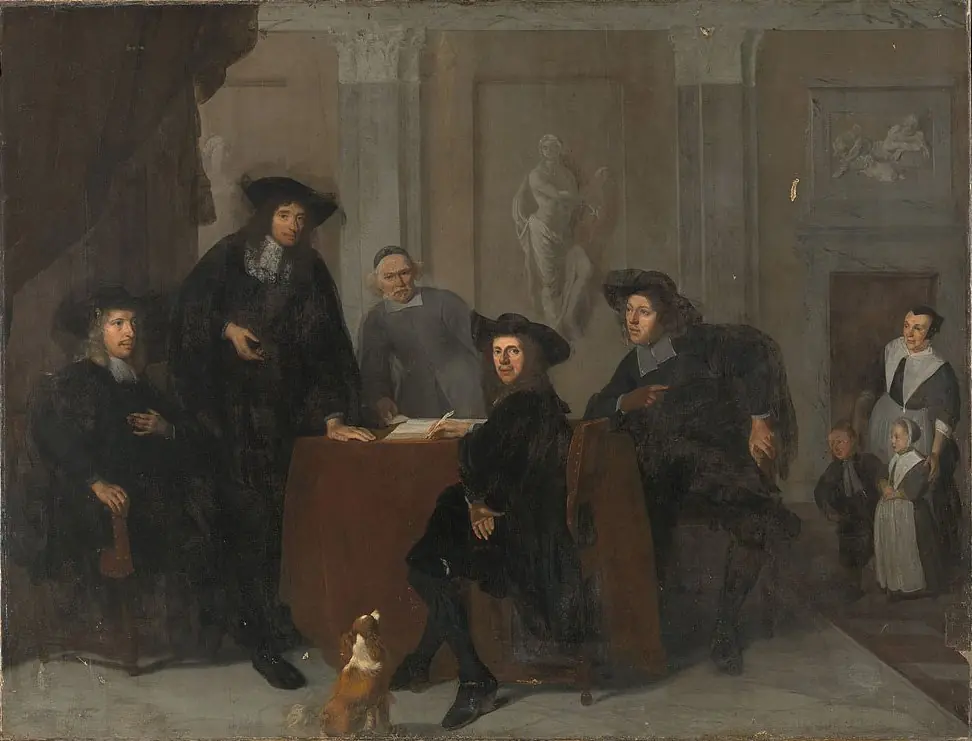 Regents of the Leper's house in Amsterdam
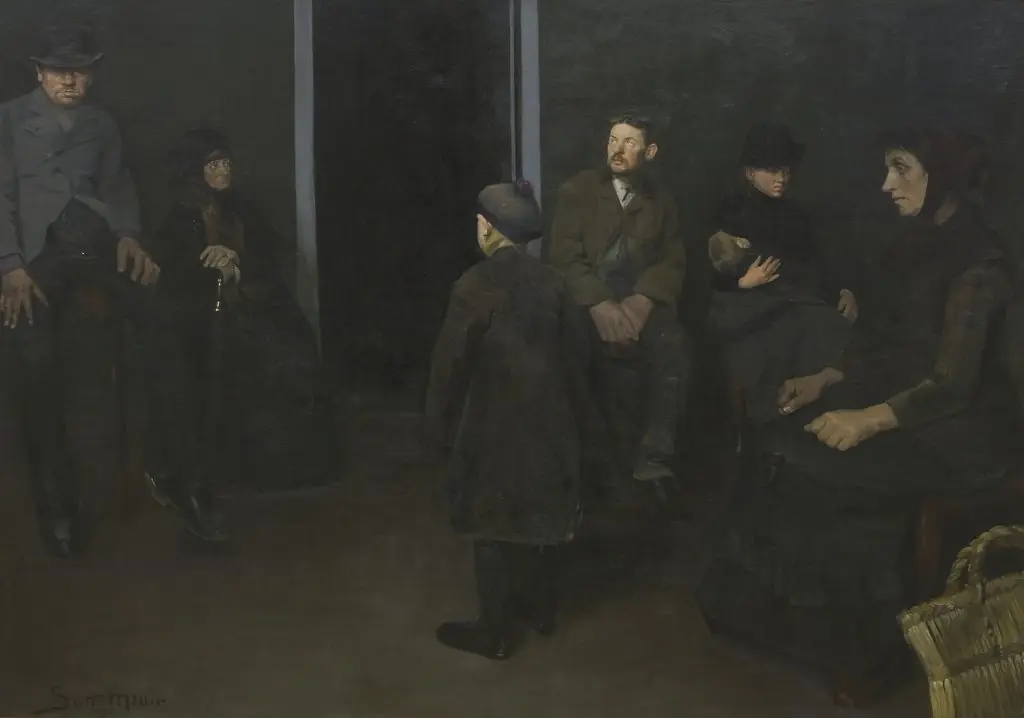 The Poor: The Waiting Room of Death
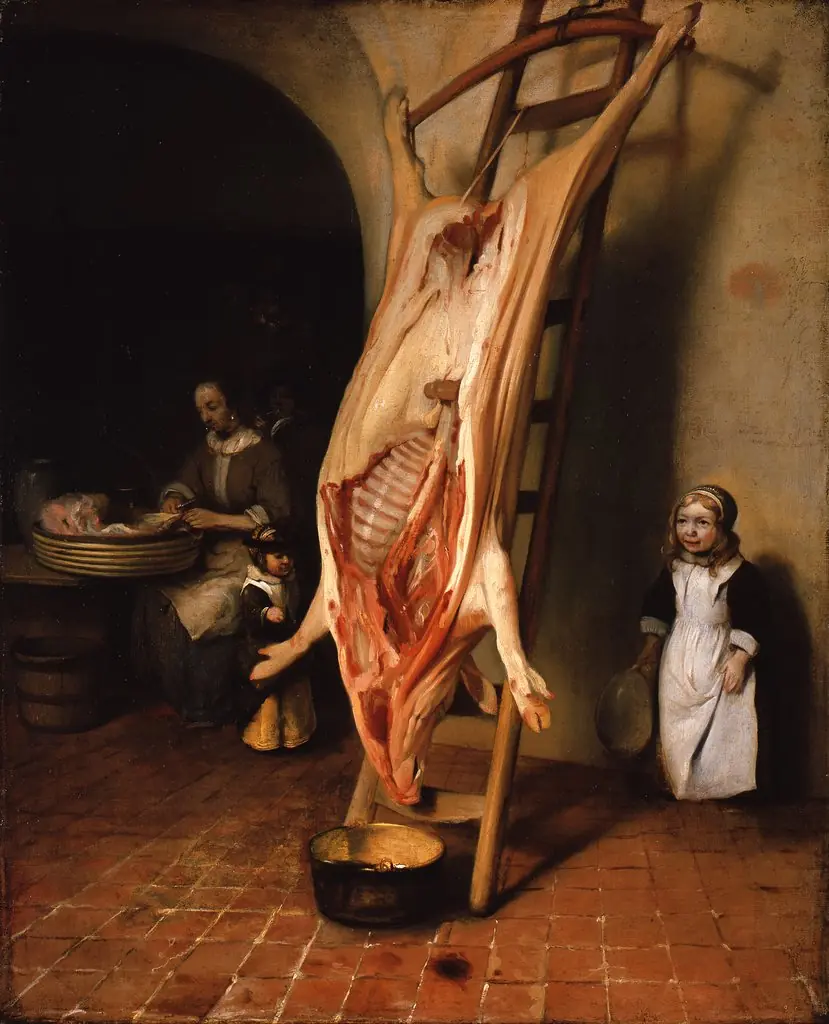 The butchered pig
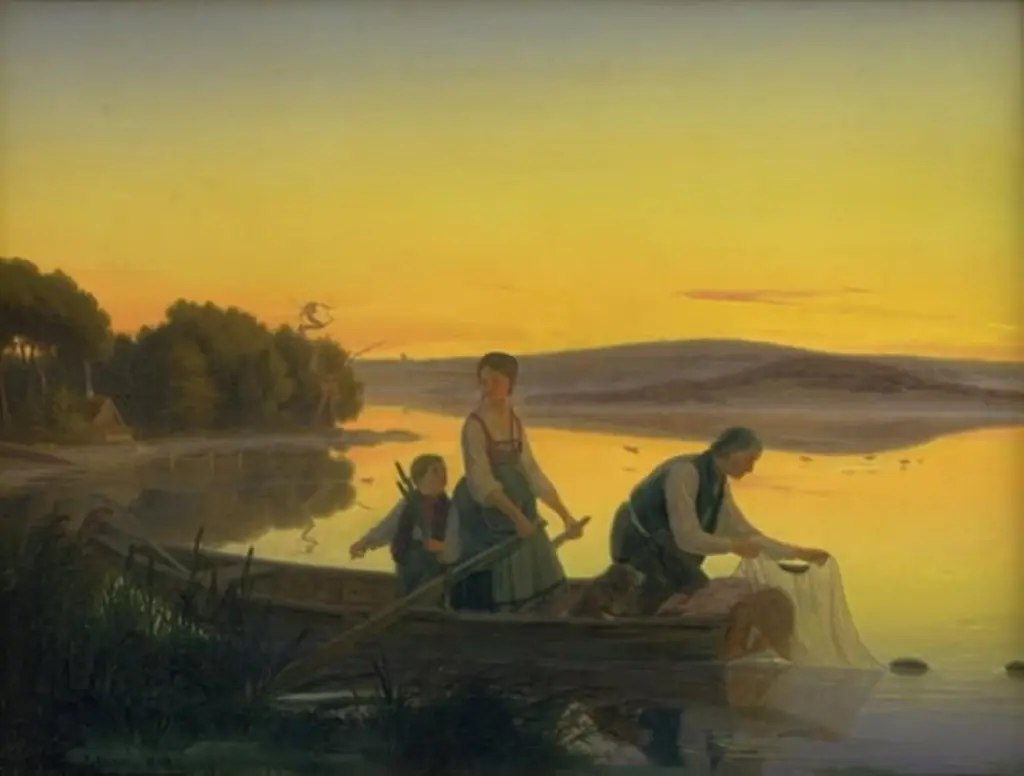 En gammel fisker der om aftenen sætter sine garn ud
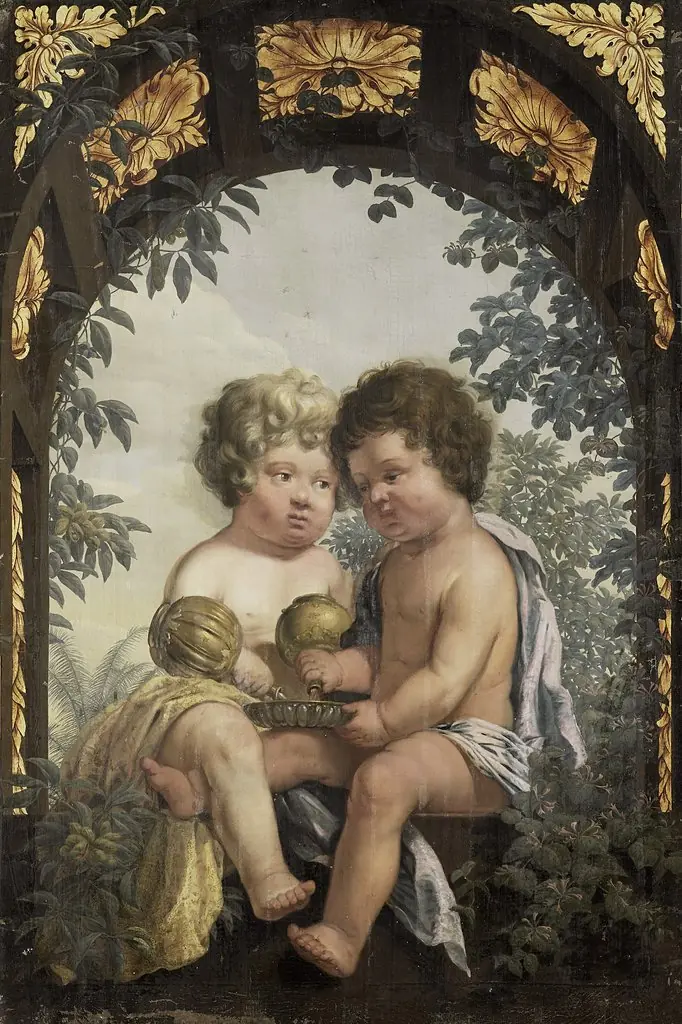 Christian Allegory with two Children both Pouring from a Carafe into a Bowl
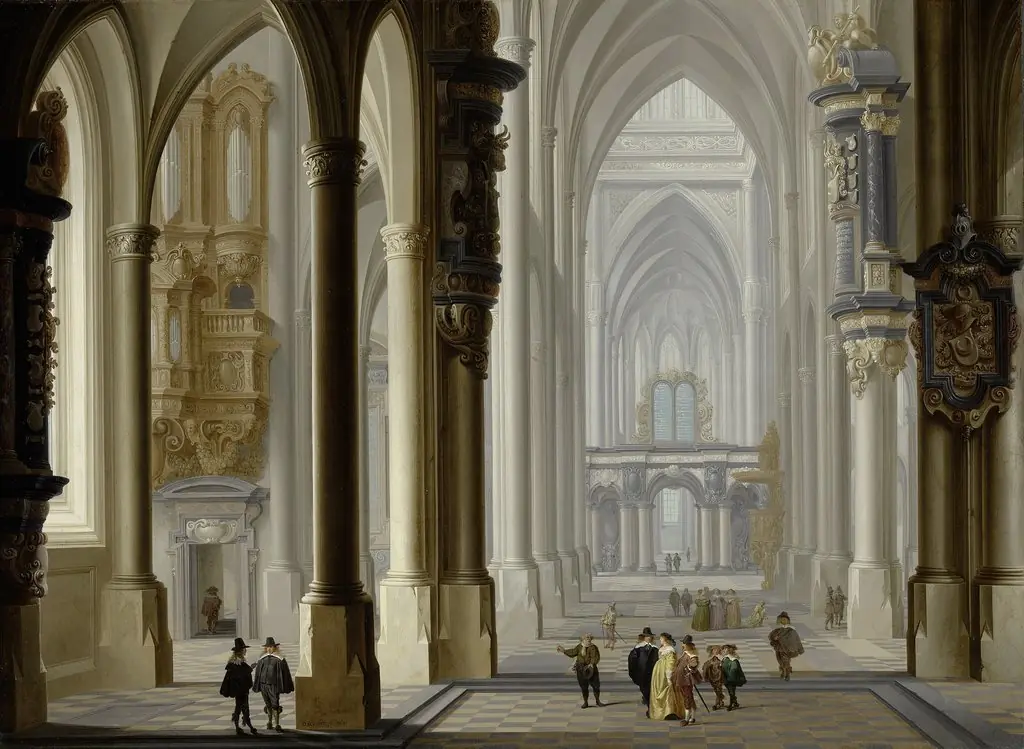 Interior of a Gothic Church
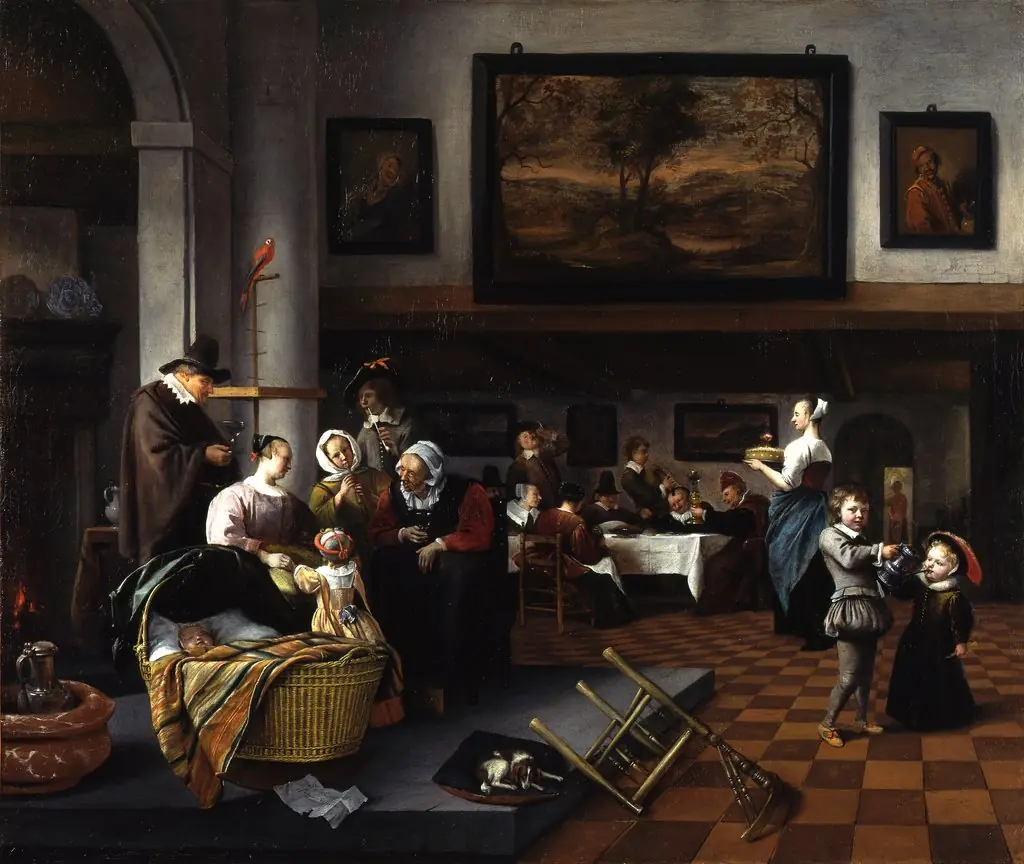 The Christening
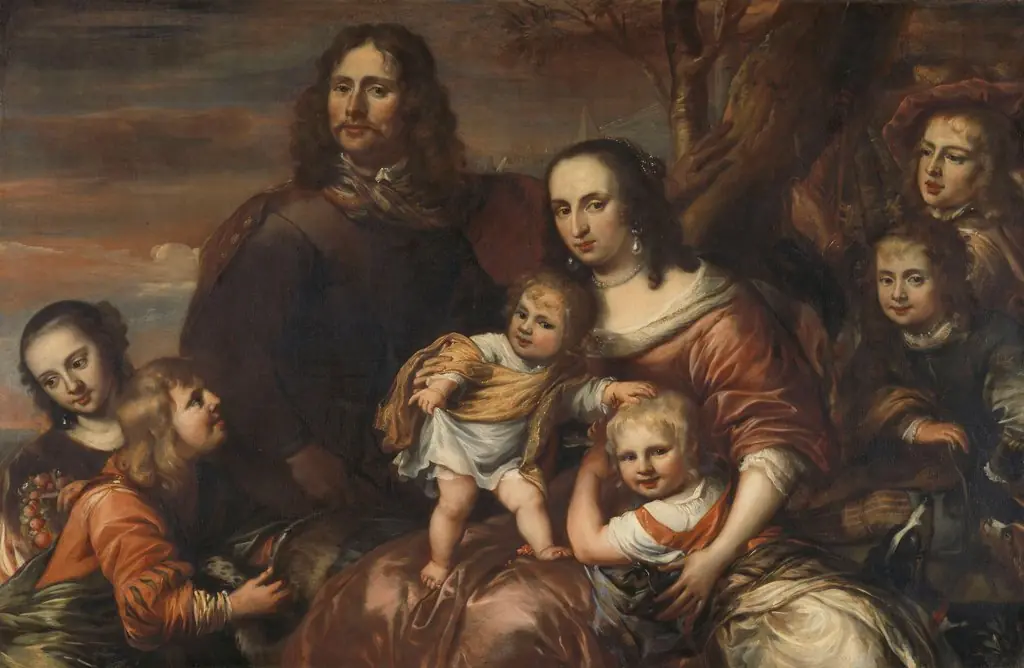 A couple with six children
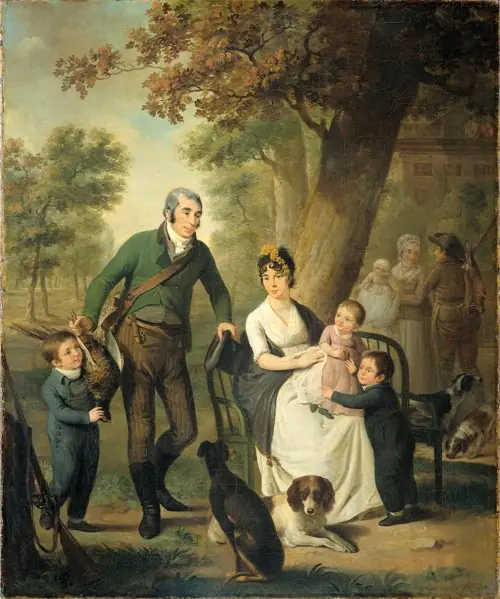 Family Portrait of Jonkheer Gysbert Carel Rutger Reinier van Brienen van Ramerus, his Wife and four of their Children at his Estate of Crailo
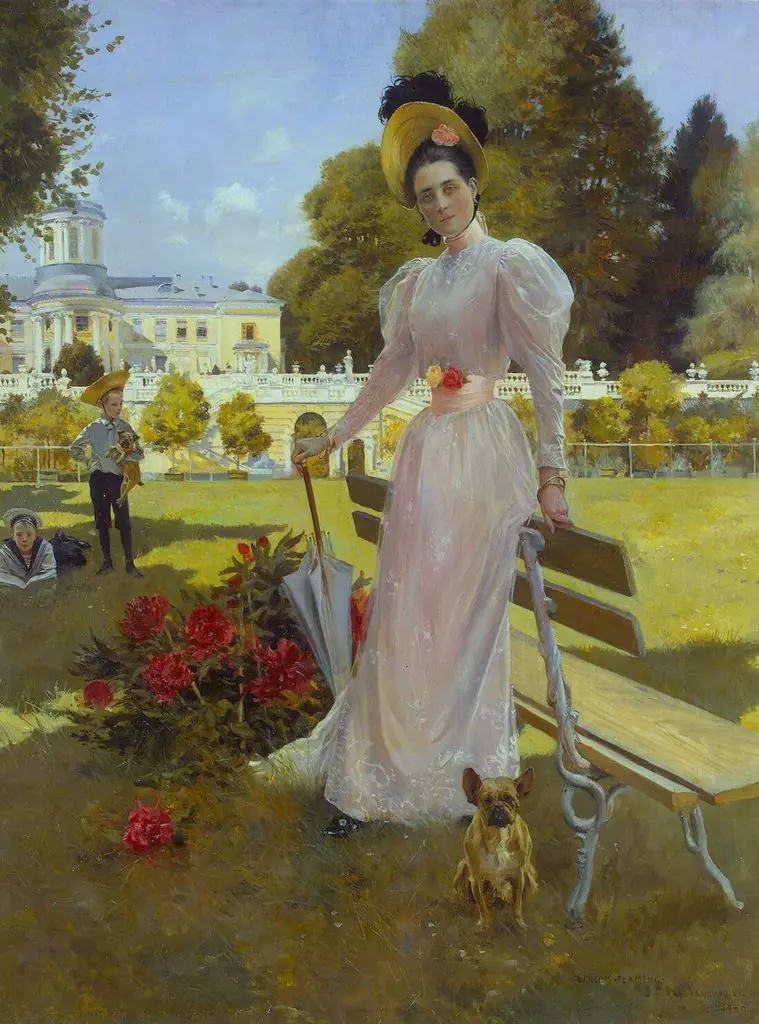 Portrait of Princess Zinaida Yusupova with Two Sons at Arkhangelskoe
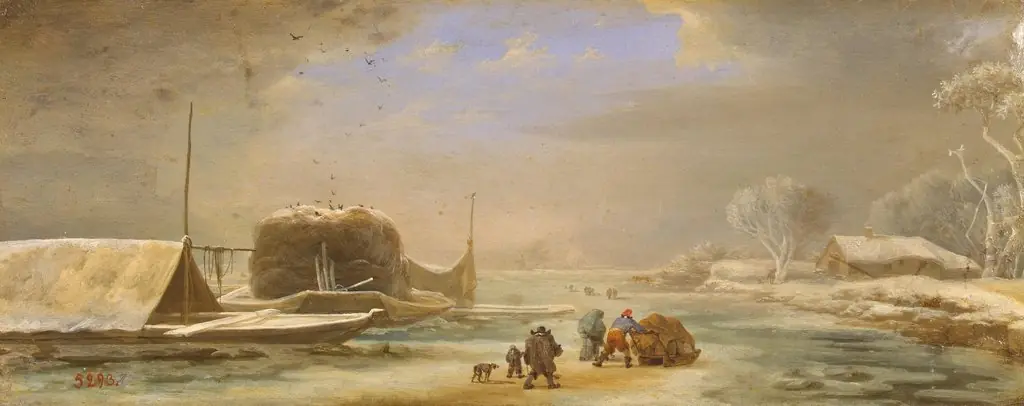 Winter Landscape
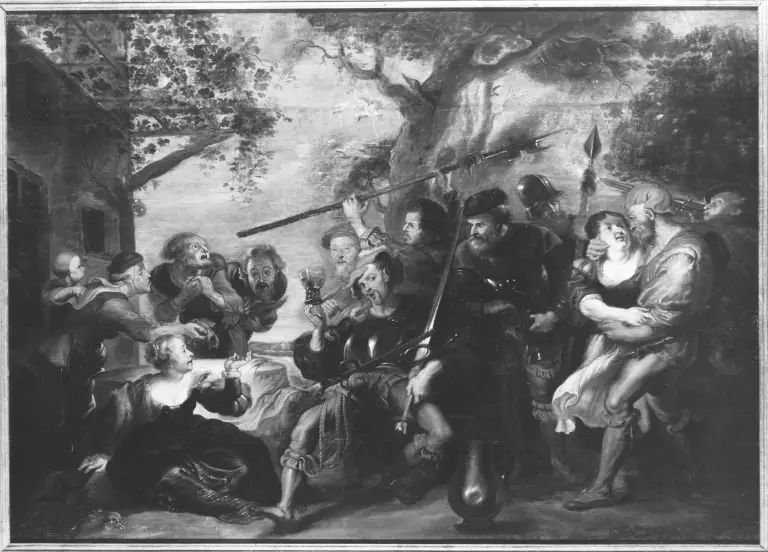 Marauding soldiers at an inn with prostitutes
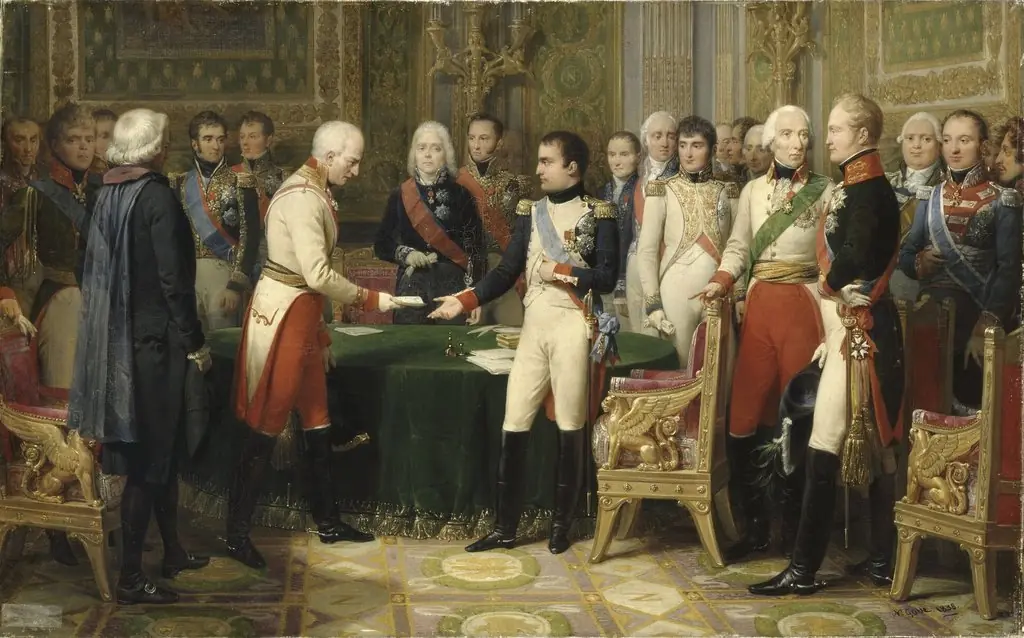 Napoleon I receiving Baron Vincent, the Austrian Ambassador, at Erfurt, 1808
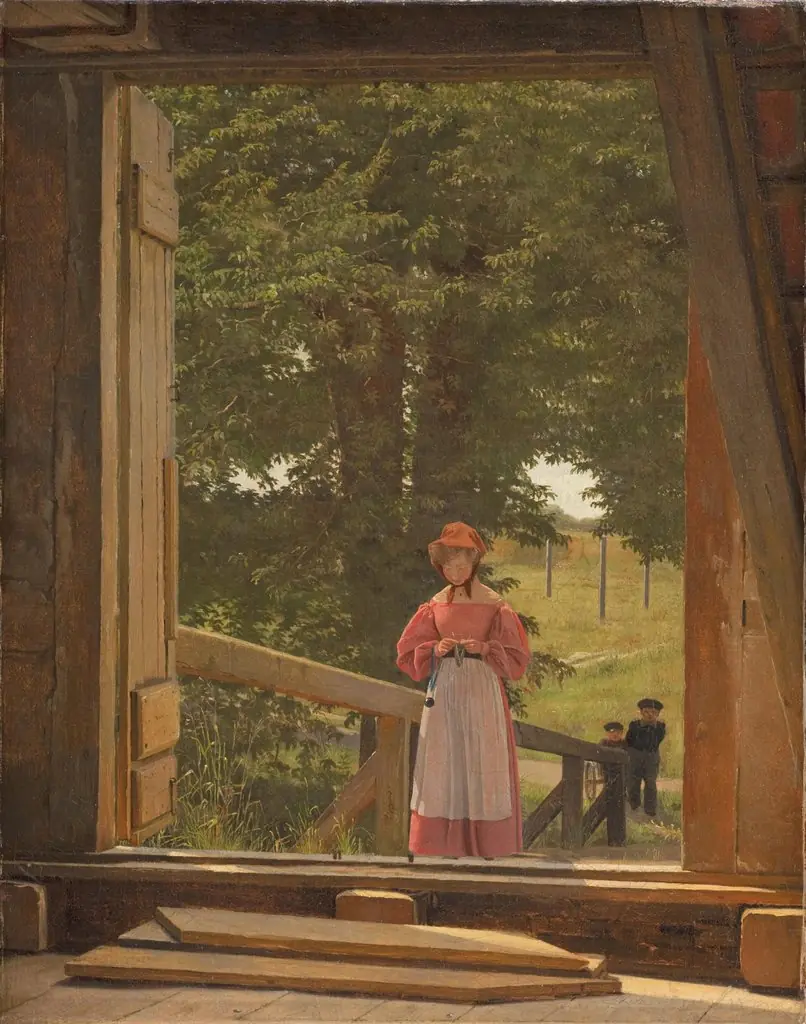 View from the Loft of the Grain Store at the Bakery in the Citadel of Copenhagen
Frequently asked questions
What is Child?
Children as subjects in painting range from the Christ Child and putti of religious art to the domestic genre scenes of Flemish masters, 18th-century aristocratic portraits by Reynolds and Gainsborough, and the Impressionists' candid depictions of childhood at play.
How many Child works does Artifact World Gallery have?
Artifact World Gallery holds 200 public-domain Child works, all free to view and download.
Who are the key Child artists?
Key Child artists in the collection include Paolo Veronese, Jean Baptiste Camille Corot and Thomas Cole.
Where can I see Child works?
Child works in the collection are held by Metropolitan Museum of Art, Rijksmuseum and Statens Museum for Kunst.