Artwork
Untitled
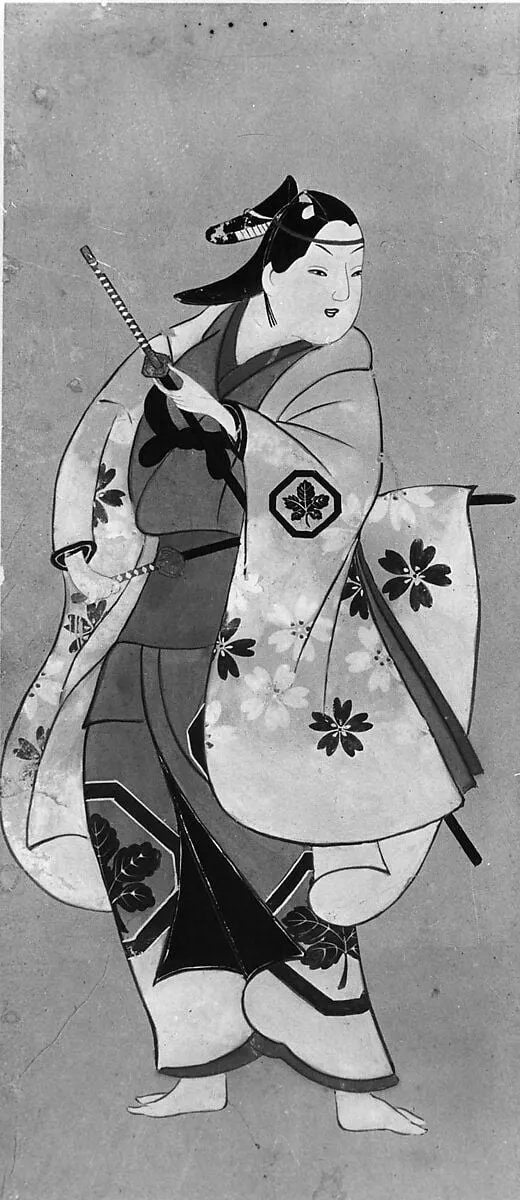
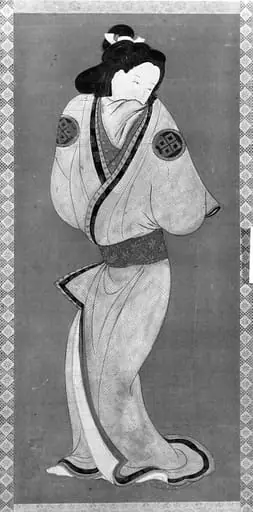
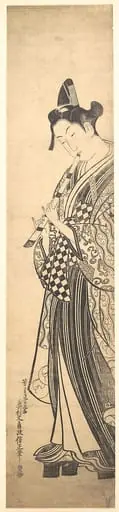
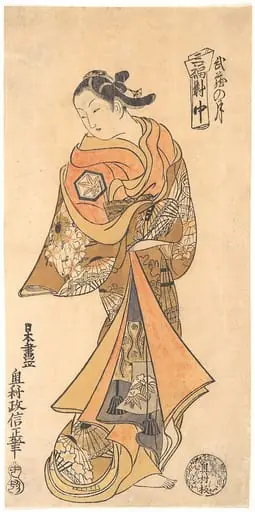
Untitled is an ink painting by the Romanticist artist Kaigetsudō Ando. It is held in the collection of the Metropolitan Museum of Art.
About this work
Subject & Meaning
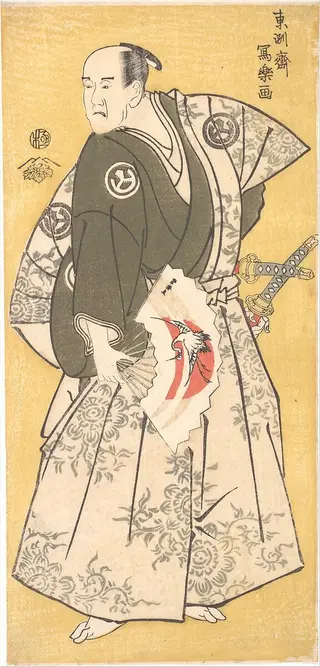
The inclusion of the sword alongside the actor suggests a connection to kabuki theater or the portrayal of warrior characters common in Edo-period Japanese art.
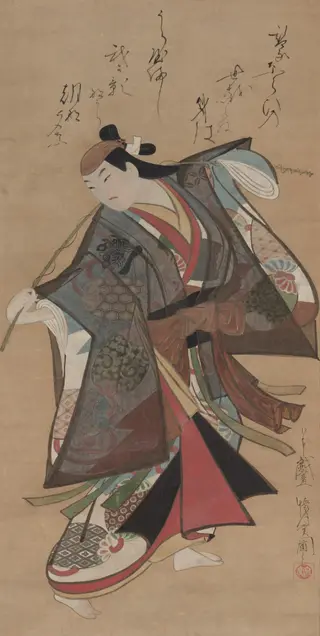
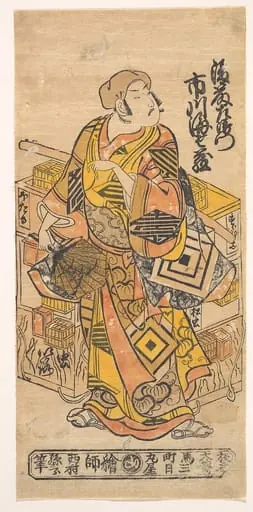
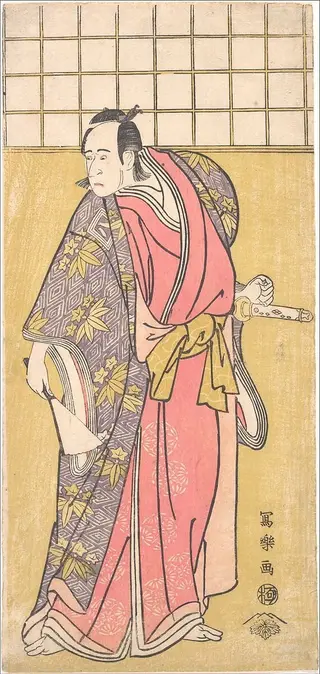
The work depicts a male figure, identified specifically as an actor, who is shown holding a sword. As a painting created by Kaigetsudō in 1834, the imagery centers on this singular representation of a man in a martial or theatrical context. The inclusion of the sword alongside the actor suggests a connection to kabuki theater or the portrayal of warrior characters common in Edo-period Japanese art.
The composition focuses entirely on this human subject and his weapon, utilizing ink and color on paper to define the figure's presence without additional background scenery. The visual narrative is defined by the intersection of the performer and the weapon, presenting a static yet potent image of masculinity and dramatic identity.
Technique & Style
Created in 1834 by Kaigetsudō Ando, this Untitled painting is executed in ink and color on paper. The vertical composition, measuring 39.1 cm in height and 16.5 cm in width, is presented as a matted painting. Stylistically, the work depicts a male actor wielding a sword, reflecting the conventions of Japanese figurative representation.
The artwork is held in the collection of the Metropolitan Museum of Art and is classified under paintings.
History & Provenance
Created in 1834 by Kaigetsudō Ando, this untitled painting was produced in Japan. The artwork is an ink and color work on paper, featuring a male actor holding a sword. Measuring 39.1 by 16.5 centimeters, it is currently held in the collection of the Metropolitan Museum of Art.
The provided sources do not detail a specific commission or earlier ownership chain prior to its presence in the museum's collection.
Overview
This untitled work by Kaigetsudō, created in 1834, is an ink and color painting on paper. It features a single figure, likely a kabuki actor, poised with a sword. The piece exemplifies the popular genre of actor portraits produced during the Edo period in Japan, offering a glimpse into the theatrical culture of its time.
Context
This painting belongs to a category of affordable theatrical souvenirs widely popular among theater enthusiasts in Edo-period Tokyo. Kaigetsudō's studio was known for producing numerous such works, each depicting a well-known actor embodying a specific character from the kabuki stage. These pieces allowed fans to take home a memento of their favorite performers and plays.
Artist & collection
Artist
Kaigetsudō Ando (壊月堂安度, c. 1671–1743), also known as Ando Yasunori, was a Japanese painter and the founder of the Kaigetsudō school of ukiyo-e art. Though influential and prolific, it is probable that many of the works…