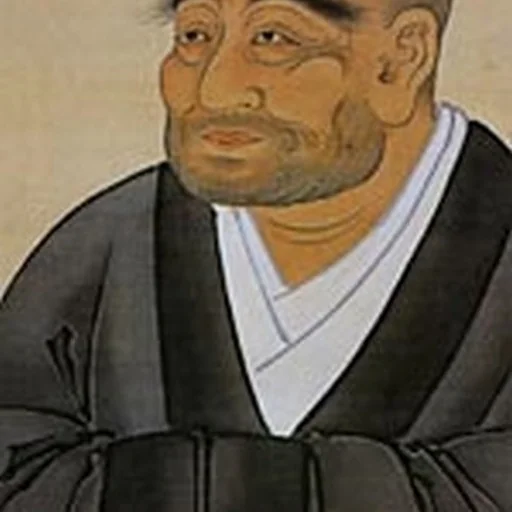
Movement
Kanō school
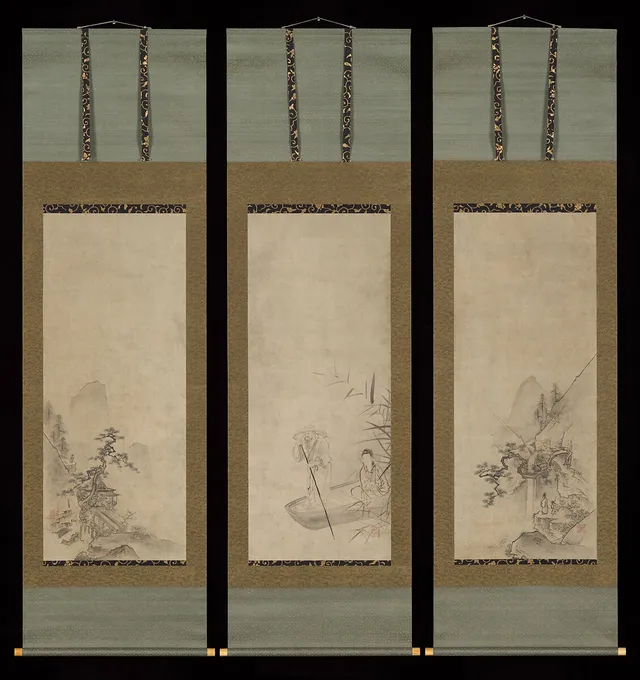
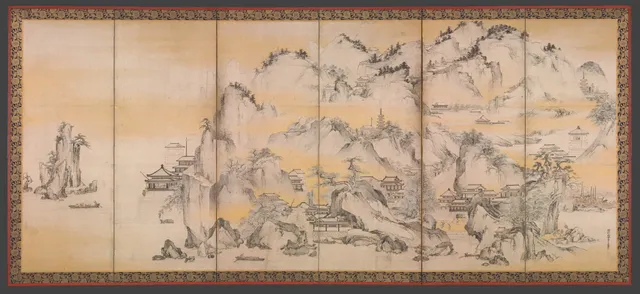
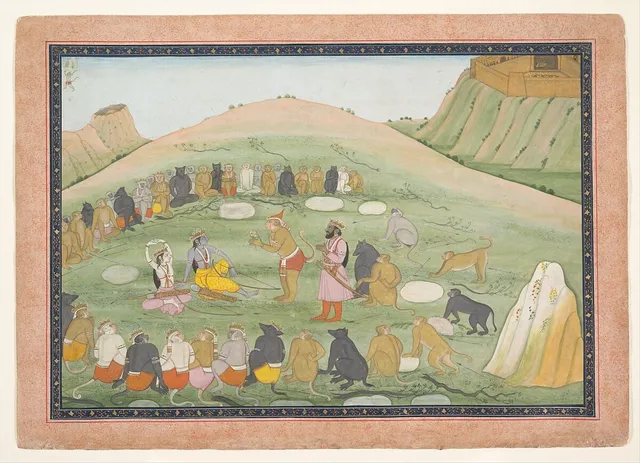
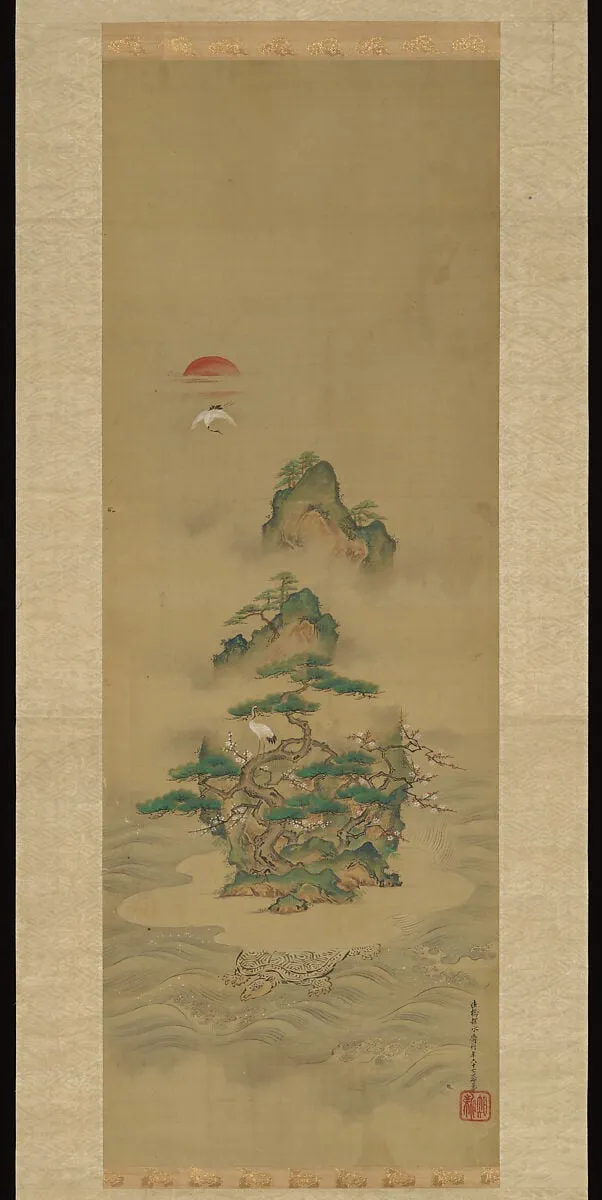
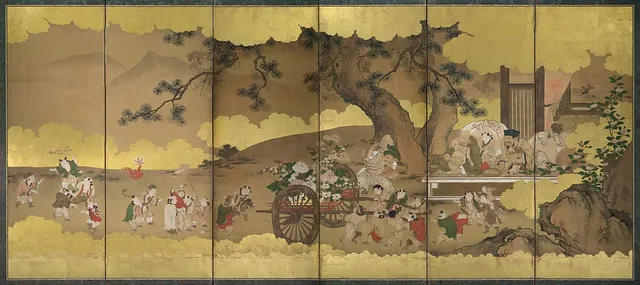
Kanō school is an art movement of the 1500–1868 period. The gallery holds 186 works in this movement, including works by Kanō Sanraku, Kano Chikanobu and Kano Tansui Moritsune. Browse Kanō school paintings, portraits, pictures and artworks from the world's public-domain museum collections.
The Kanō school was the longest-lived and most influential lineage of painters in Japanese history, a hereditary atelier whose style governed official art for roughly four centuries, from the late 15th century until the Meiji Restoration of 1868. It was founded by Kanō Masanobu (1434–1530), a warrior-class painter who served as official artist to the Ashikaga shogunate during the Muromachi period. His son Kanō Motonobu (1476–1559) crystallized the house manner by fusing the monochrome ink-painting tradition of China (kanga), built on disciplined brushwork and Confucian and Zen subjects, with the bright pigments, decorative patterning, and native themes of indigenous Yamato-e. This synthesis—at once erudite and ornamental—proved ideally suited to the tastes of Japan's military rulers, who became the school's enduring patrons.
The Kanō style reached its most spectacular expression under Kanō Eitoku (1543–1590), whose "monumental" manner—bold, rapid outlines, oversized motifs, and lavish gold-leaf grounds—decorated the audience halls of Azuchi–Momoyama warlords such as Oda Nobunaga and Toyotomi Hideyoshi. Working on a vast architectural scale, Kanō painters specialized in sliding-door panels (fusuma) and folding screens (byōbu); Eitoku's *Cypress Trees* and *Chinese Lions*, both in the Tokyo National Museum, exemplify the school's powerful animals, ancient pines, and glittering surfaces.
The lineage spread through branches and adopted heirs. Kanō Sanraku (1559–1635) and his successor Kanō Sansetsu led a refined Kyoto branch closely tied to temples and the classical Chinese canon, while Kanō Tan'yū (1602–1674), Eitoku's grandson, moved the main studio to the new shogunal capital of Edo, where as official painter he set a quieter, more conservative standard. Motonobu, Eitoku, and Tan'yū are honoured as the school's "three famous brushes." Other notable members include Kanō Tsunenobu and the rare woman painter Kiyohara Yukinobu; our collection holds works by Sanraku (*Jinshan Island and West Lake*), Tan'yū's relative Kano Tansui Moritsune, Kano Kōi, and Kano Eisen'in Furunobu.
Through its rigorous workshop training, the Kanō academy shaped nearly every professional painter of the Edo period, even those—like the eccentric Soga Shōhaku—who rebelled against its orthodoxy. Allied by marriage to the Yamato-e Tosa school, its authority faded only with the Tokugawa collapse and Japan's modernization in the Meiji era.
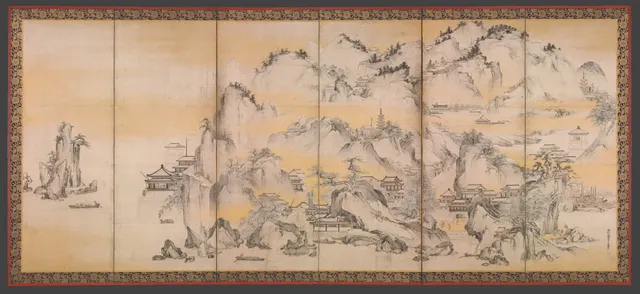
Key artists


Works
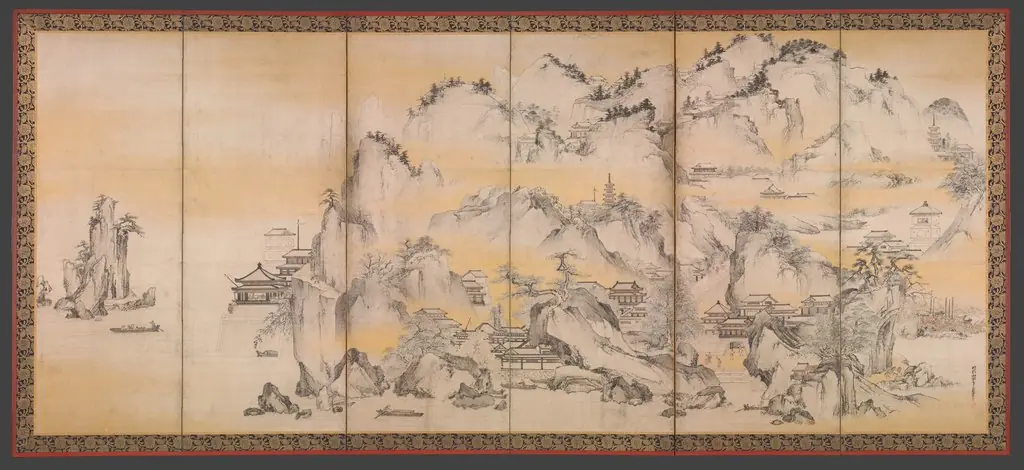 Jinshan Island and West Lake
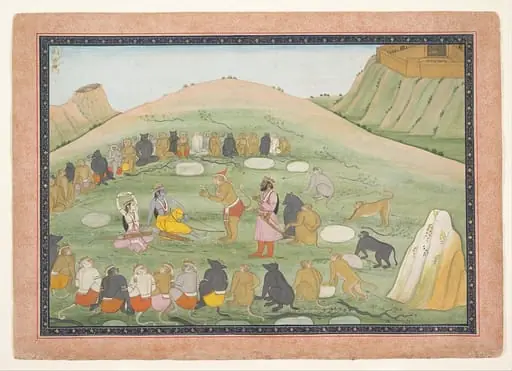 Untitled
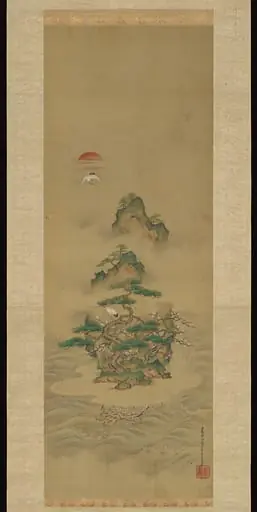 狩野探水守常筆 蓬莱山・瀟湘八景図|Mount Penglai with Eight Views of Xiao and Xiang
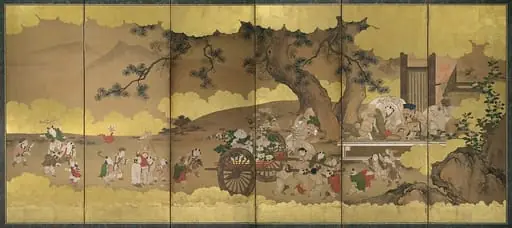 狩野周信筆 七福神唐子図屏風|Seven Gods of Good Fortune and Chinese Children
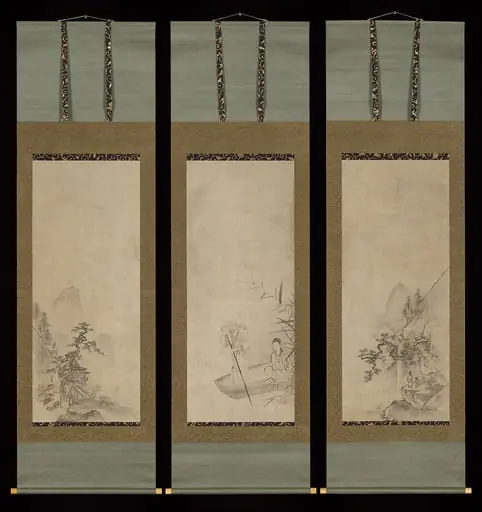 Untitled
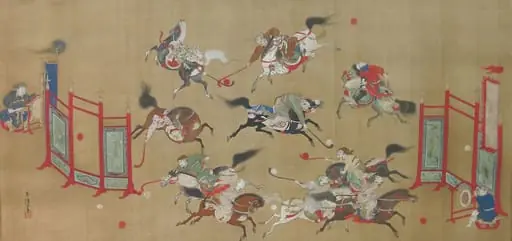 Untitled
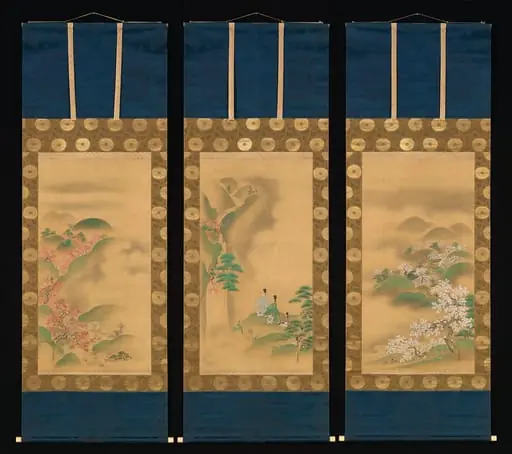 狩野常信筆 滝見業平図|Nunobiki Waterfall, Mount Yoshino, and Tatsuta River
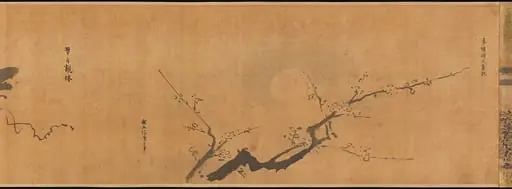 狩野探幽筆 『画苑』|Famous Themes for Painting Study Known as “The Garden of Painting” (Gaen)
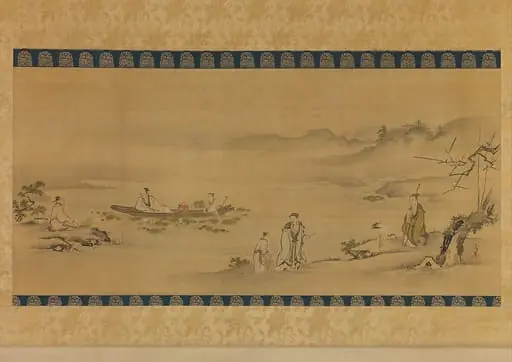 狩野常信筆 四愛図 |Four Admirers
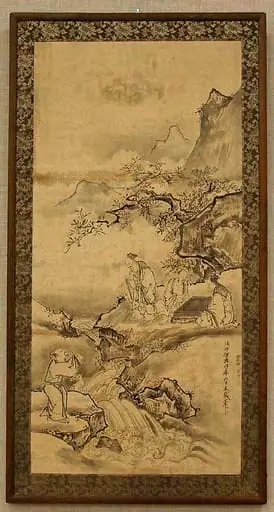 Untitled
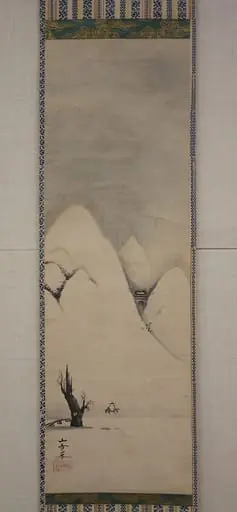 雪中山水図|Winter Landscape
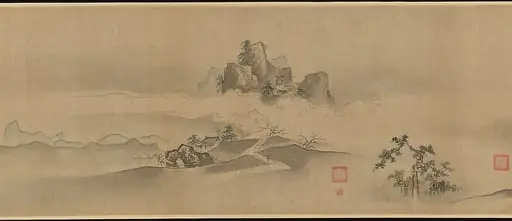 狩野常信筆 潇湘八景図巻|Eight Views of the Xiao and Xiang Rivers
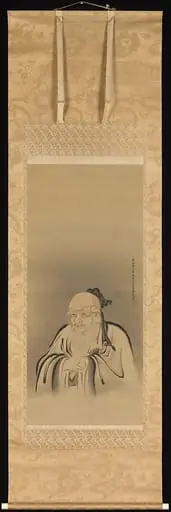 狩野探幽筆 神農・夏冬山水図|Portrait of Emperor Shennong
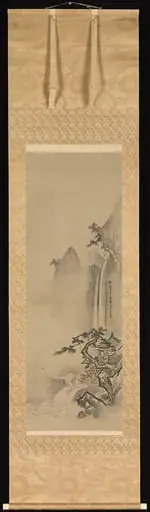 狩野探幽筆 神農・夏冬山水図|Summer Landscape
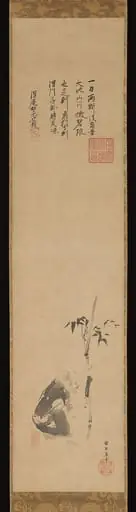 Untitled
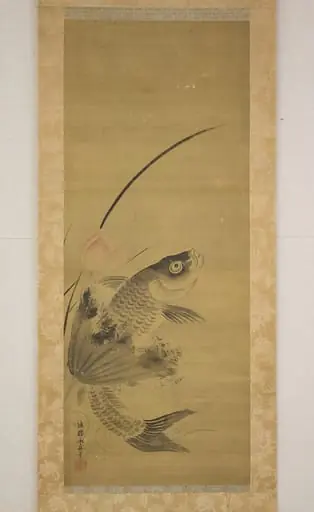 Untitled
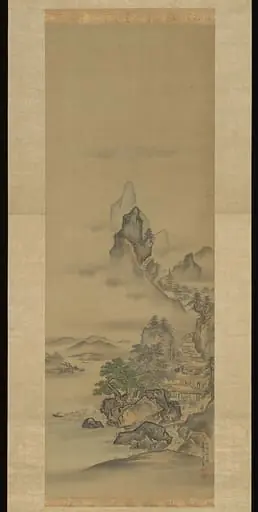 狩野探水守常筆 蓬莱山・瀟湘八景図|Mount Penglai with Eight Views of Xiao and Xiang
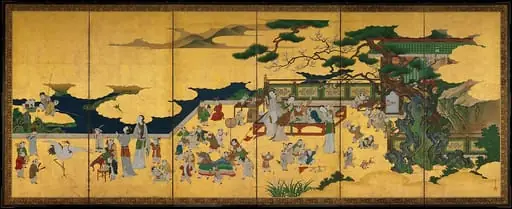 狩野永納筆 唐子遊図屏風|One Hundred Boys
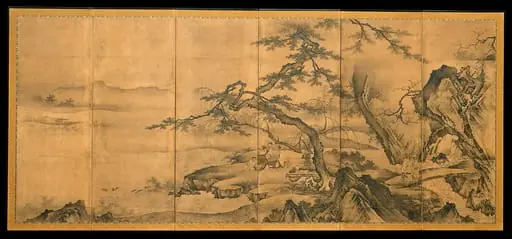 琴棋書画図屏風|The Four Accomplishments
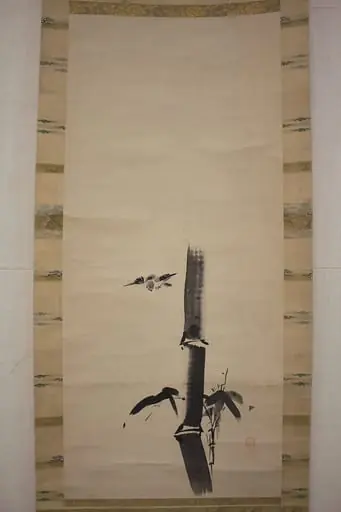 竹雀図 (Chikujaku zu)|Sparrow and Bamboo
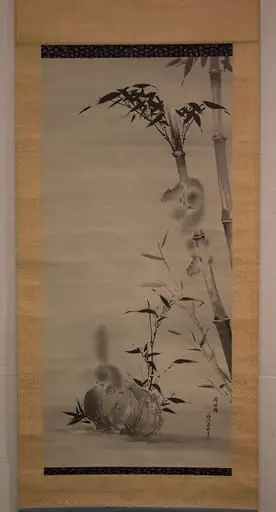 竹に栗鼠図|Squirrels on Bamboo and Rock
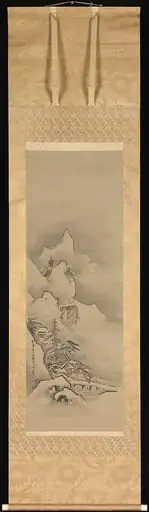 狩野探幽筆 神農・夏冬山水図|Winter Landscape
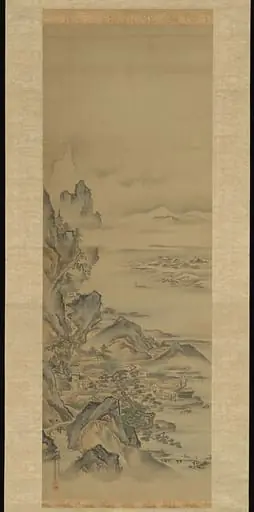 狩野探水守常筆 蓬莱山・瀟湘八景図|Mount Penglai with Eight Views of Xiao and Xiang
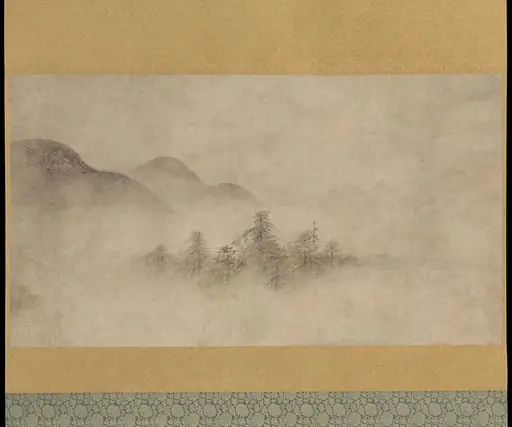 Untitled
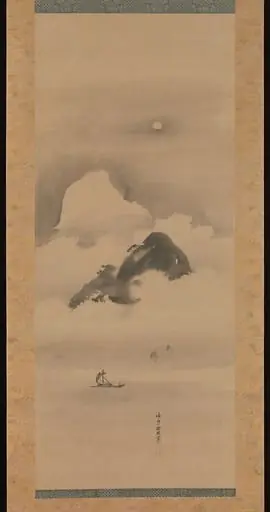 狩野探幽筆 月夜山水図|Landscape in Moonlight
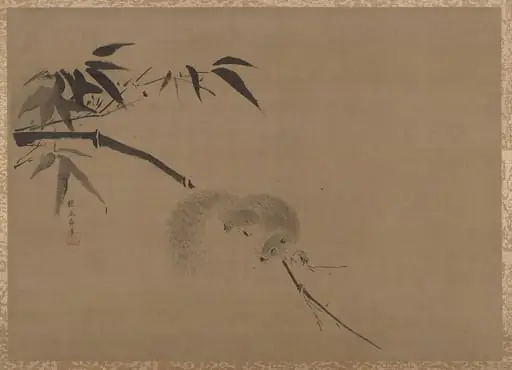 Untitled
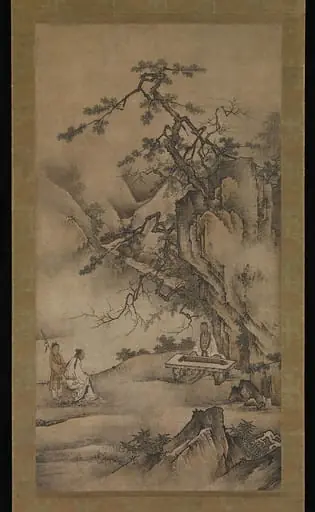 狩野元信周辺 伯牙鍾子期図|Bo Ya Plays the Qin as Zhong Ziqi Listens
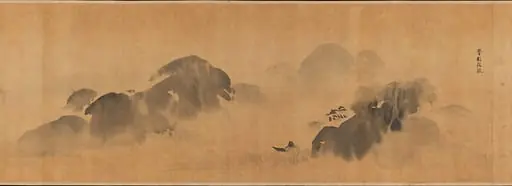 狩野探幽筆 『画苑』|Famous Themes for Painting Study Known as “The Garden of Painting” (Gaen)
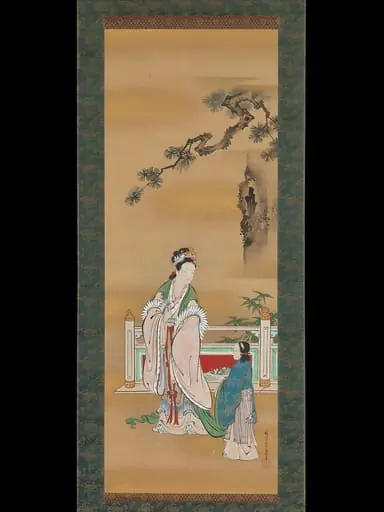 西王母図|Queen Mother of the West
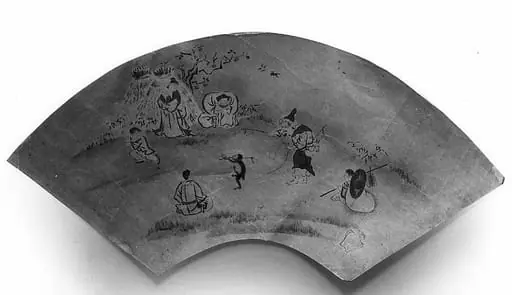 Untitled
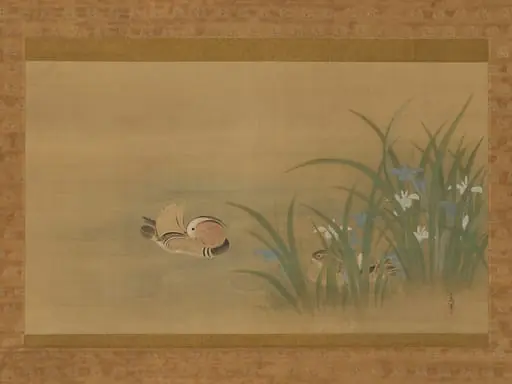 狩野常信筆 燕子花に鴛鴦図|Mandarin Ducks and Iris
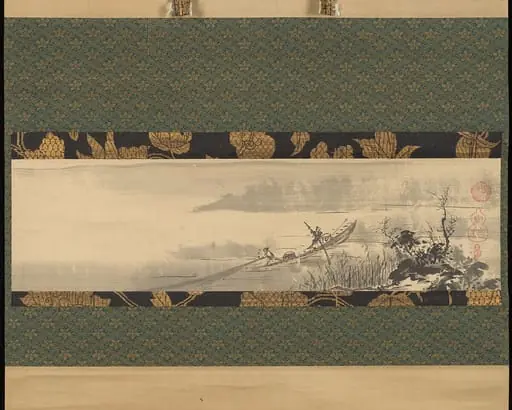 Untitled
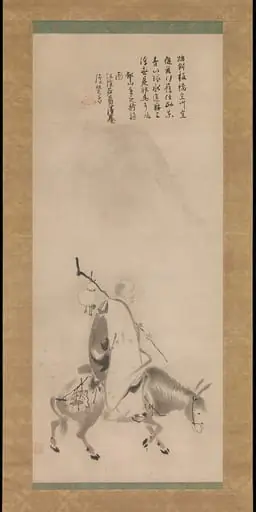 狩野内膳筆 沢庵宗彭賛 政黄牛・郁山主図|Zheng Huangniu and Yushanzhu
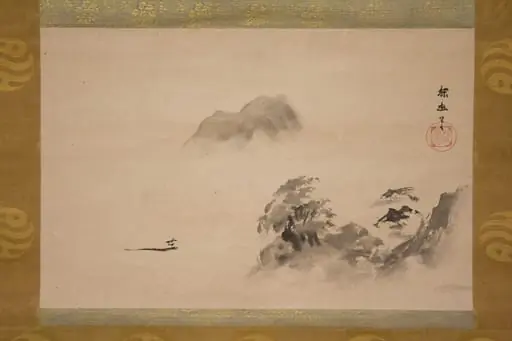 Untitled
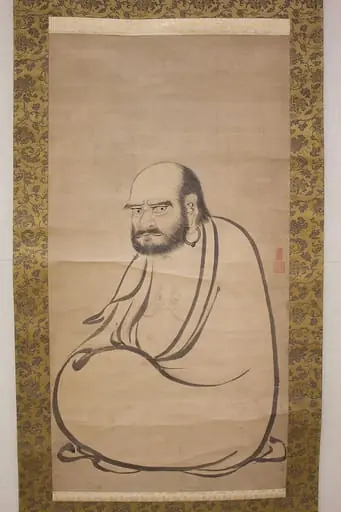 達磨図 (Daruma zu)|Bodhidharma (Daruma)
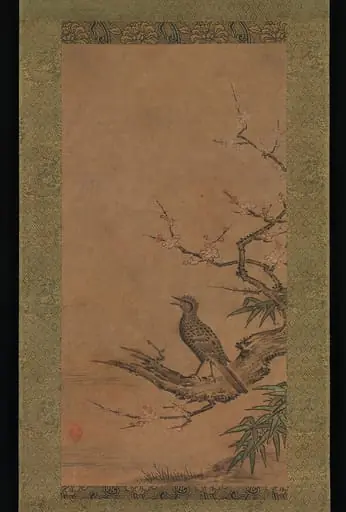 狩野松栄筆 梅鵯図|Brown-Eared Bulbul (Hiyodori) on a Branch of Plum
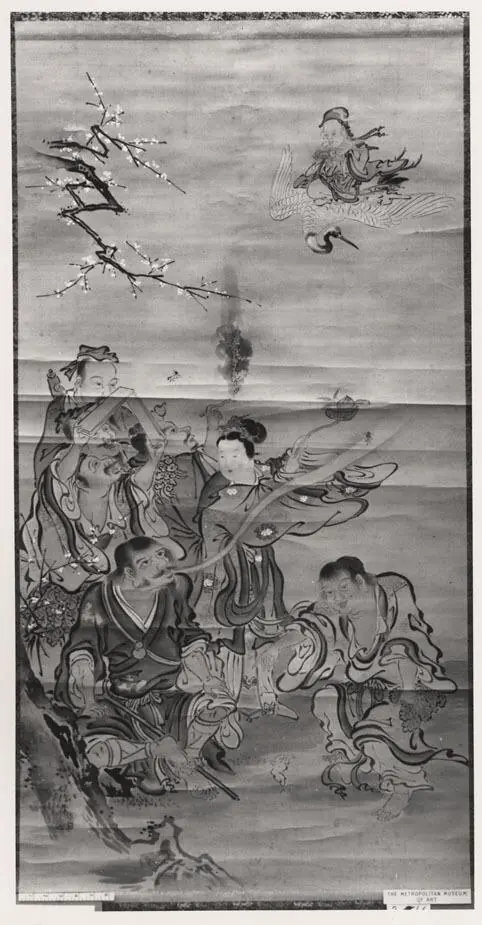 Eight Daoist Immortals
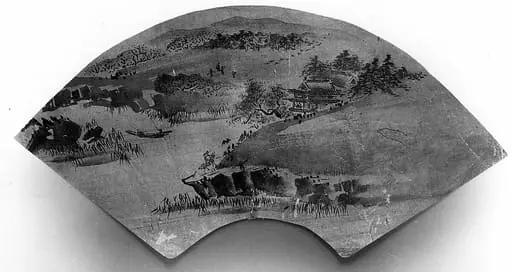 Untitled
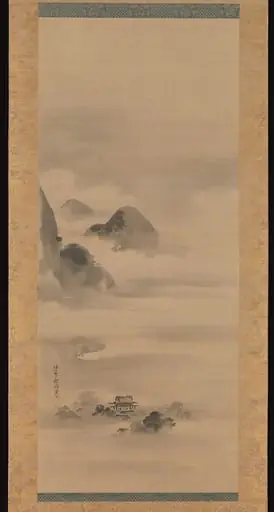 狩野探幽筆 月夜山水図|Landscape in Moonlight
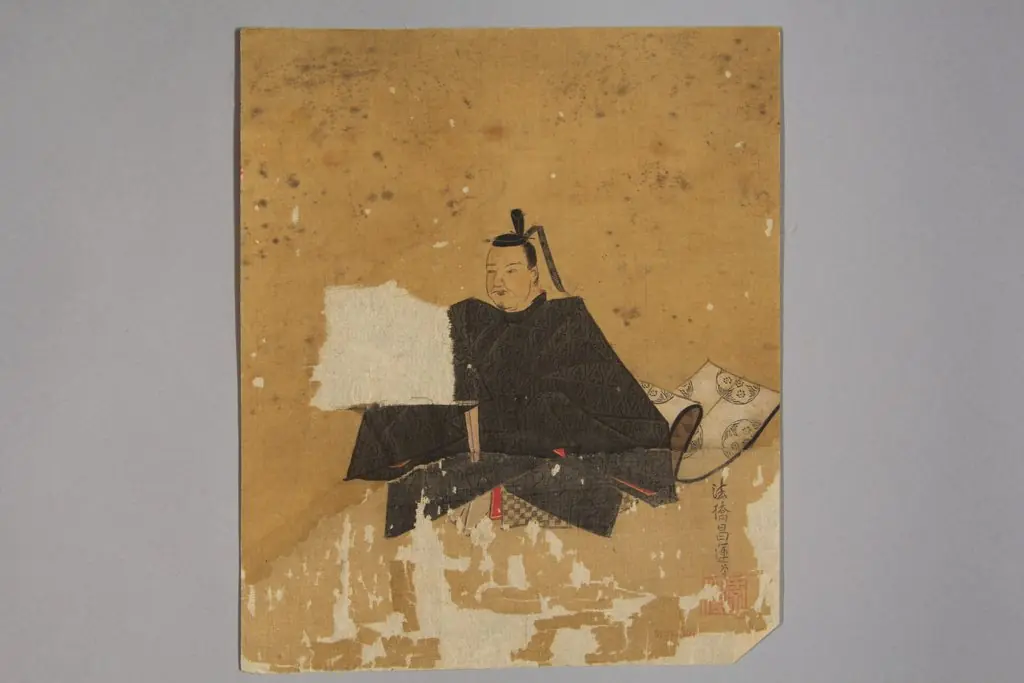 Immortal Poet
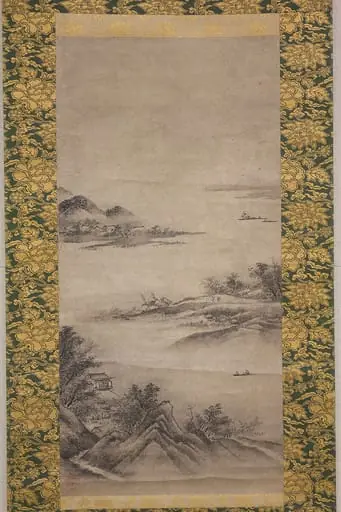 山水図|River Landscape in Evening
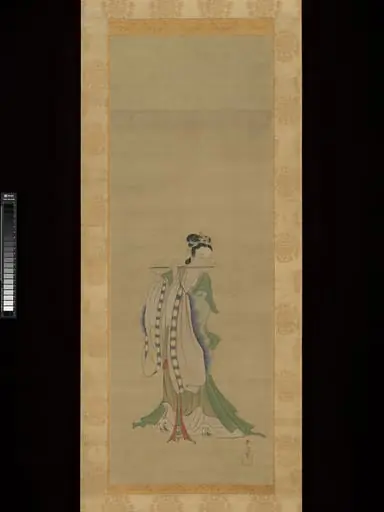 狩野常信筆 楊貴妃吹笛図|Yang Guifei Playing a Flute
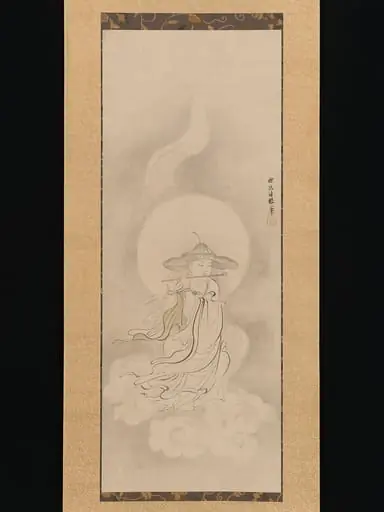 狩野探幽筆 笛吹地蔵図|Jizō Bosatsu Playing a Flute
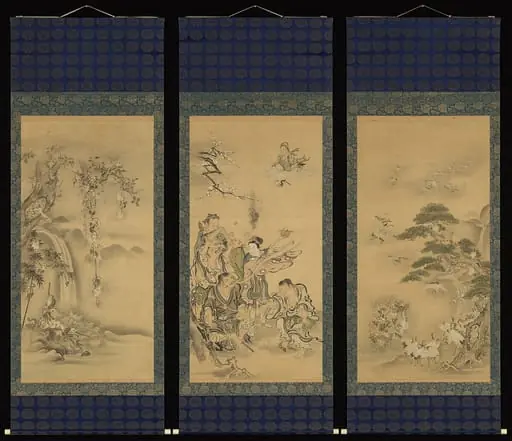 八仙猿鶴図|Eight Daoist Immortals, Cranes, and Gibbons
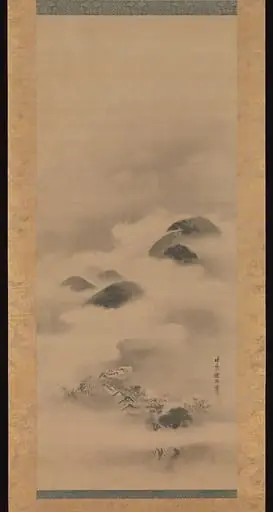 狩野探幽筆 月夜山水図|Landscape in Moonlight
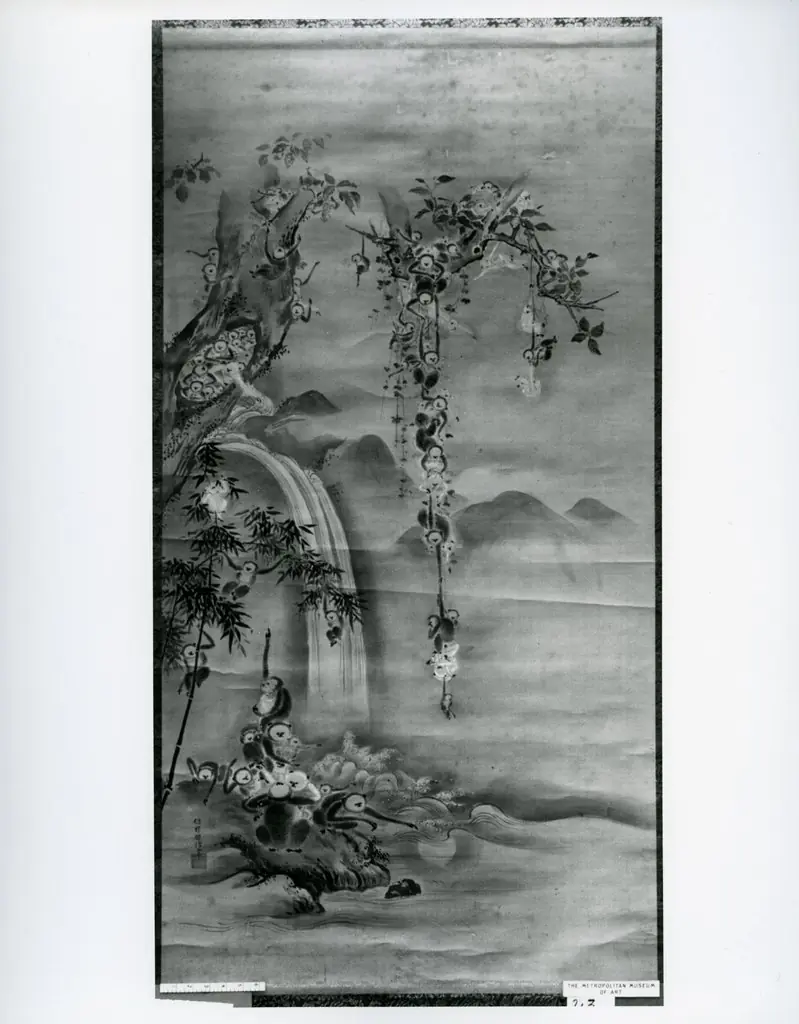 Family of Monkeys
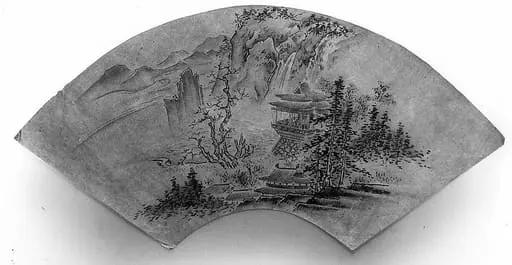 Untitled
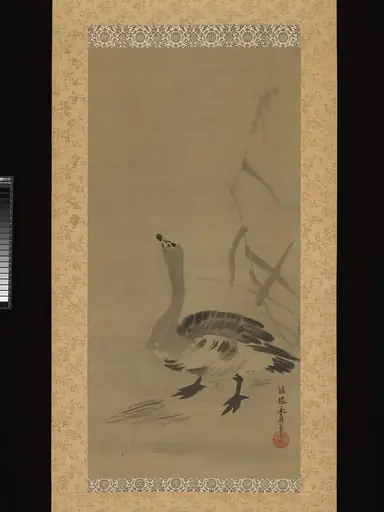 Untitled
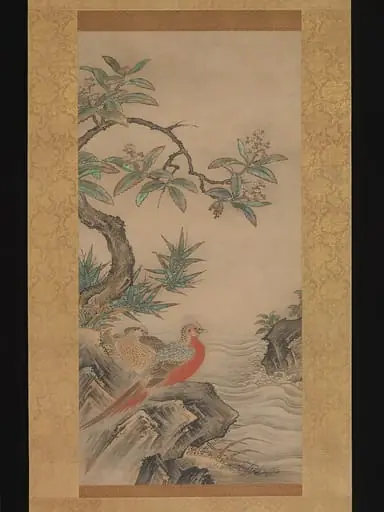 狩野松栄筆 四季花鳥図|Pheasants among Trees: Flowers of the Four Seasons
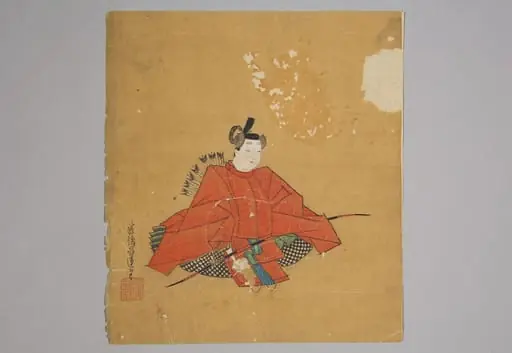 Untitled
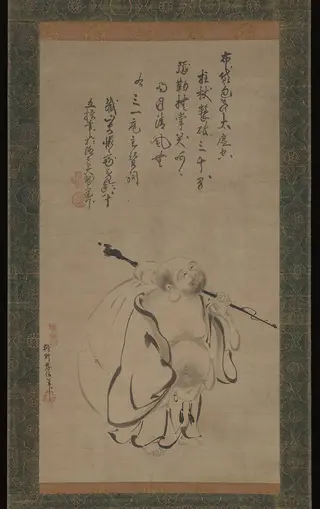 狩野孝信筆 布袋図「拄杖擊破三千界。彌勒撫掌笑呵呵,明月清風無。」|Hotei
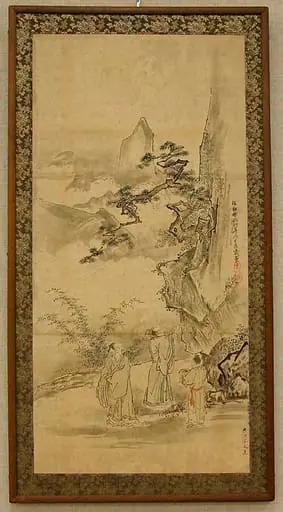 Untitled
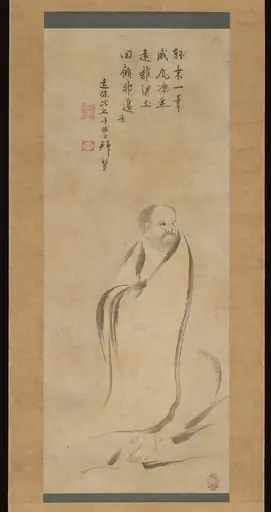 芦葉達磨図 (Royō Daruma zu)|Bodhidharma Crossing the Yangzi River on a Reed
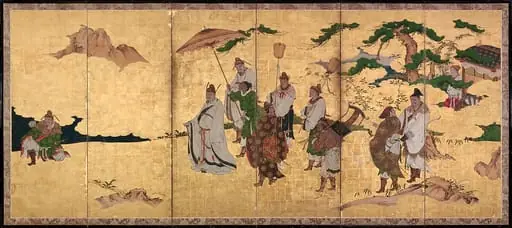 Untitled
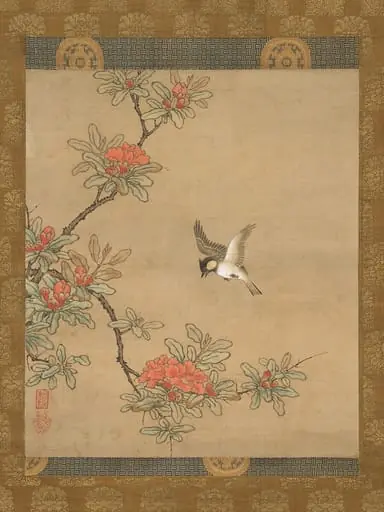 狩野之信筆 四十雀柘榴花図|Titmouse with Pomegranate Flowers
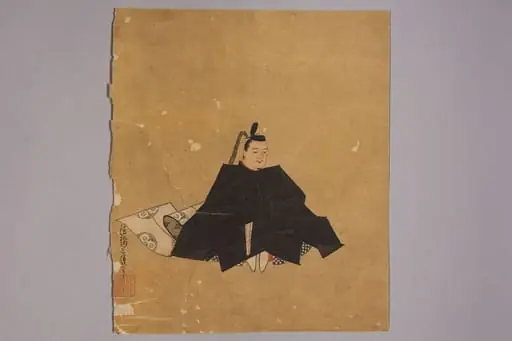 Untitled
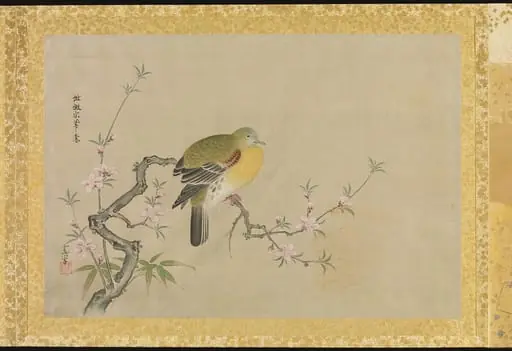 Untitled
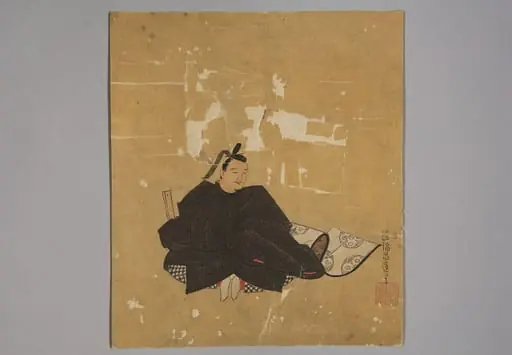 Untitled
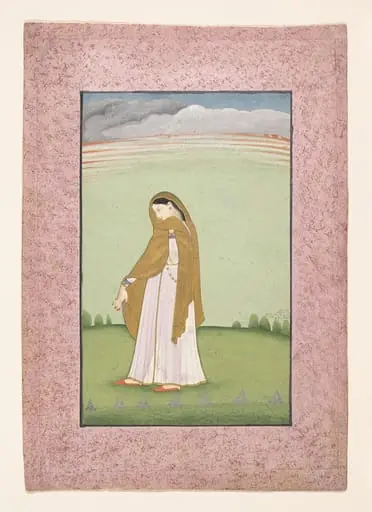 Untitled
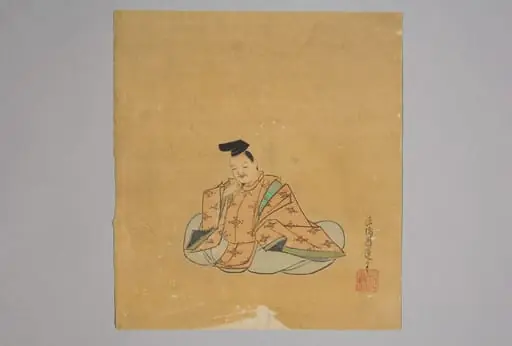 Untitled
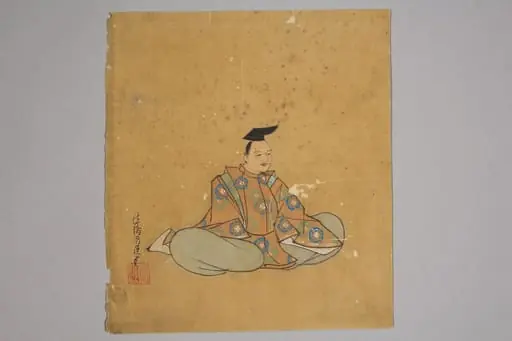 Untitled
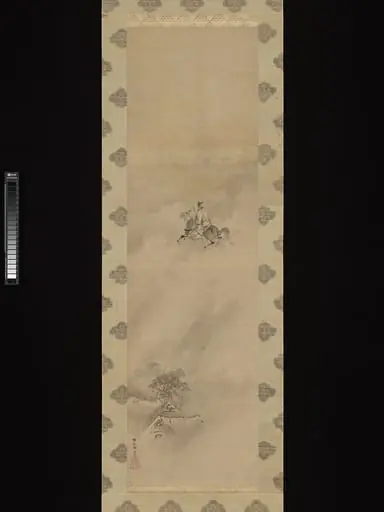 Untitled
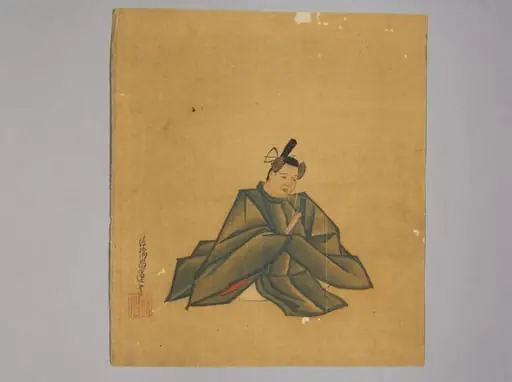 Untitled
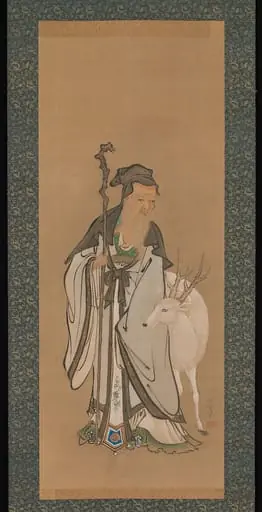 Untitled
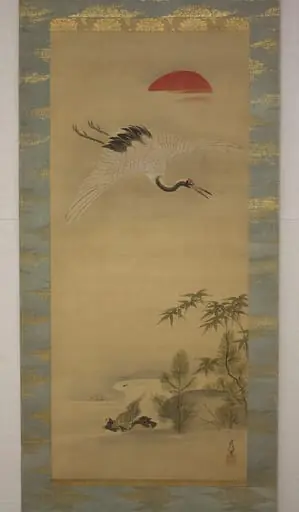 Untitled
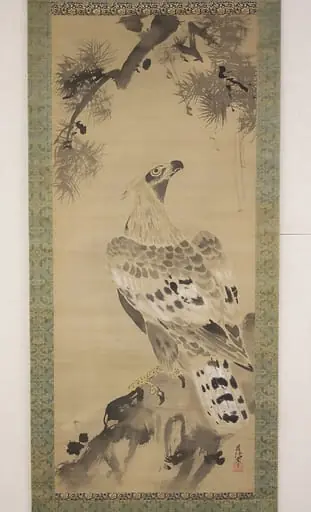 Untitled
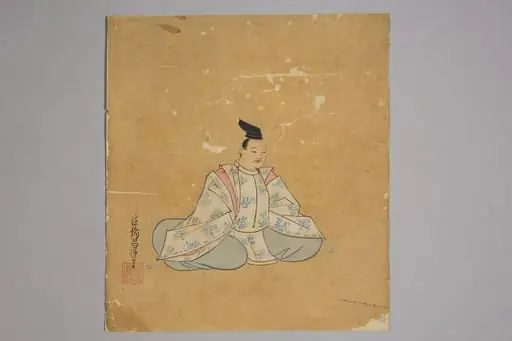 Untitled
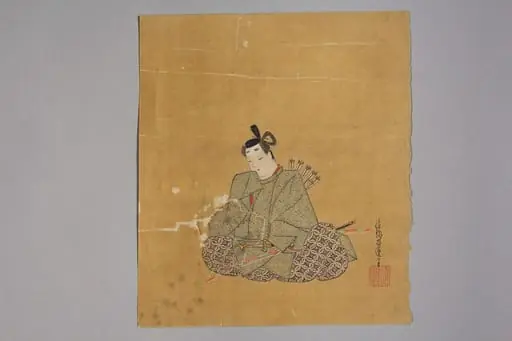 Untitled
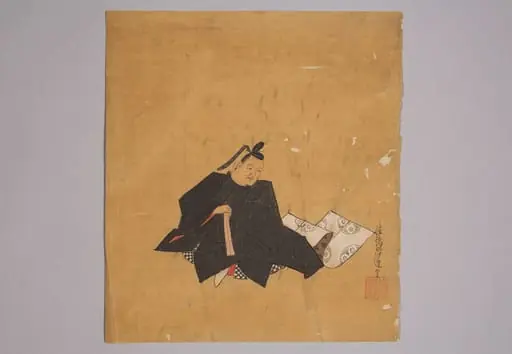 Untitled
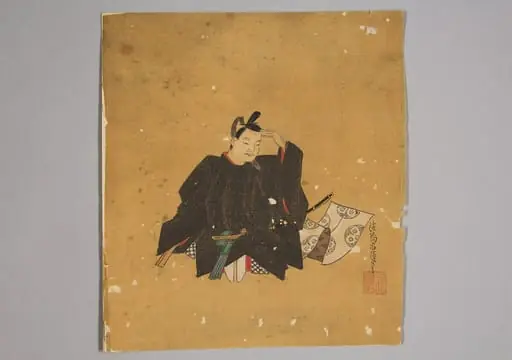 Untitled
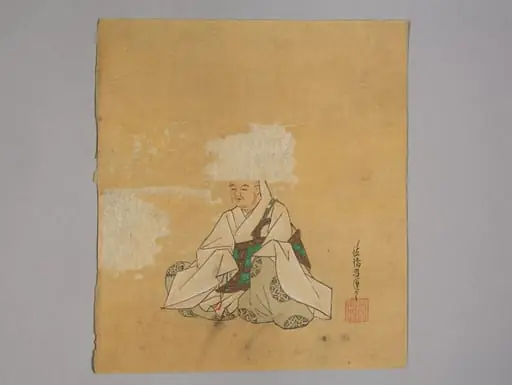 Untitled
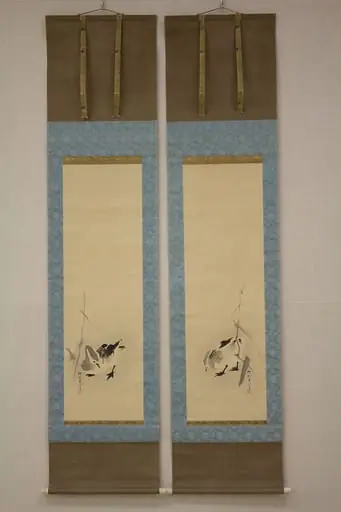 Untitled
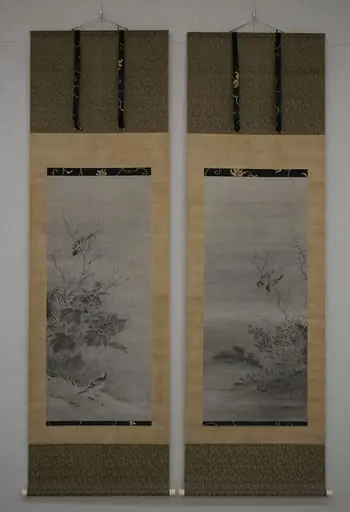 伝狩野之信筆 花鳥図|Birds and Flowers
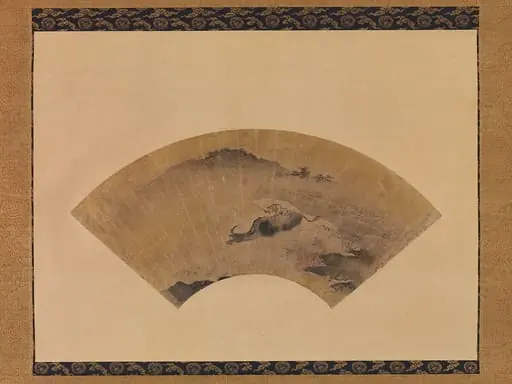 牧童図扇面|Herd Boy with Ox
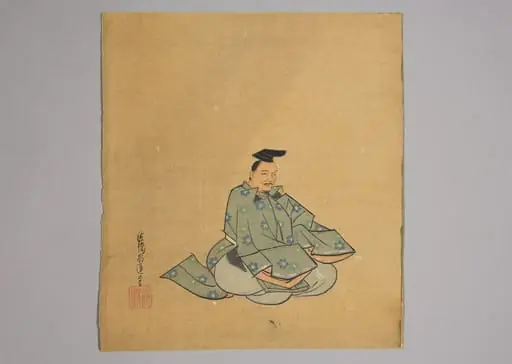 Untitled
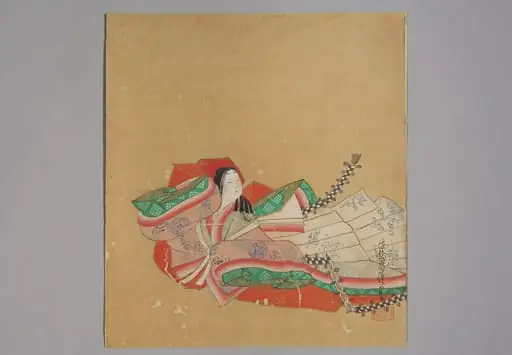 Untitled
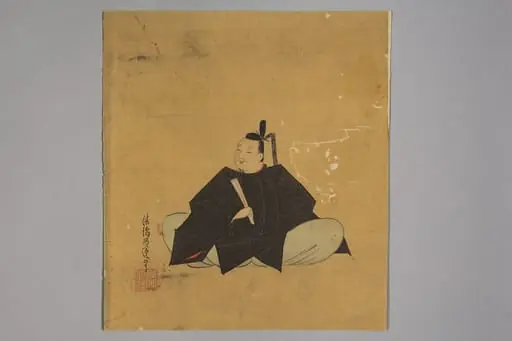 Untitled
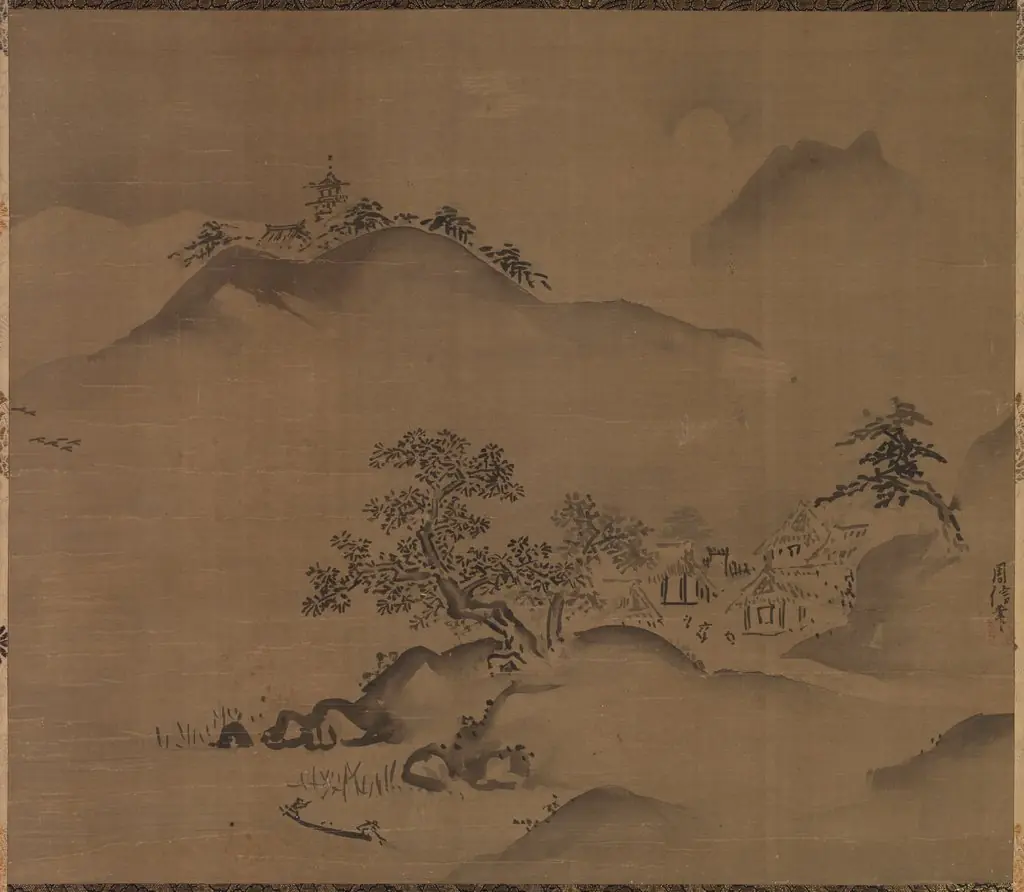 Chinese Landscape
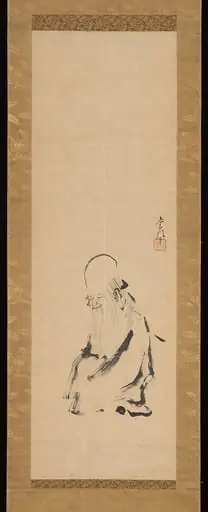 Untitled
 Untitled
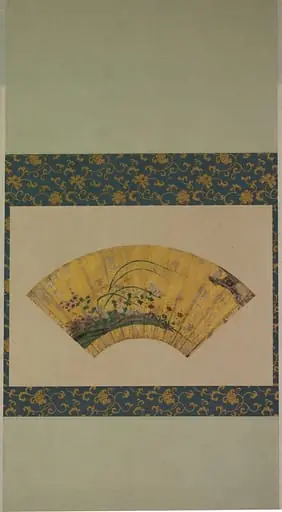 Untitled
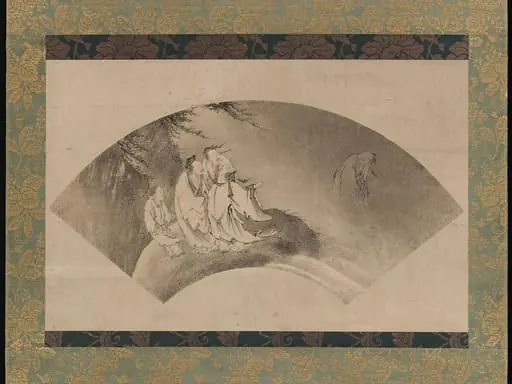 列子御風図扇面 (Resshi gyofū zu senmen)|The Daoist Immortal Liezi Flying on a Cloud
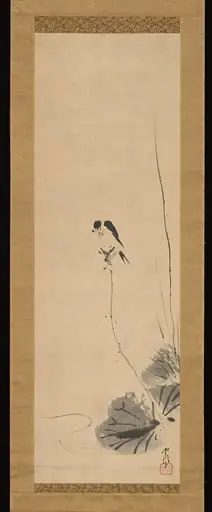 Untitled
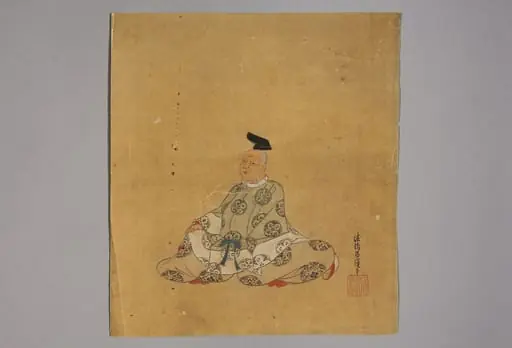 Untitled
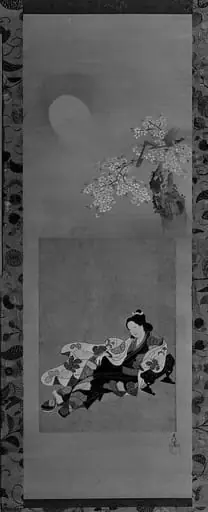 Untitled
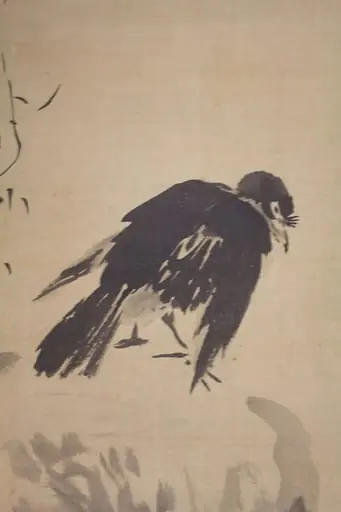 Untitled
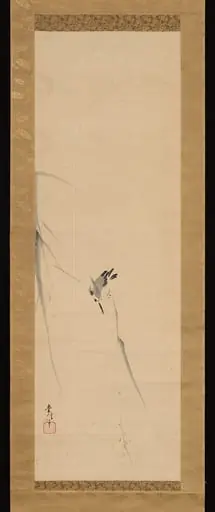 Untitled
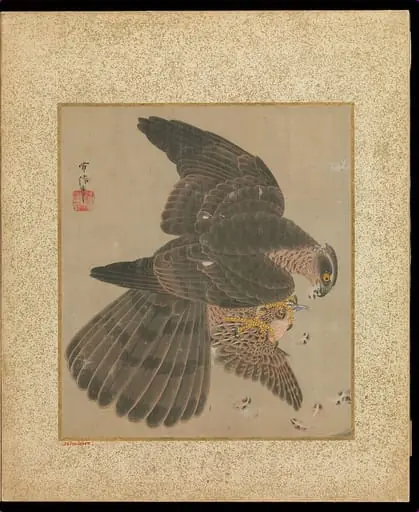 十鷹書画冊|Album of Hawks and Calligraphy
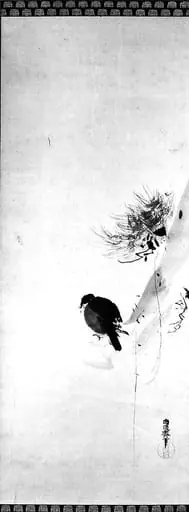 Untitled
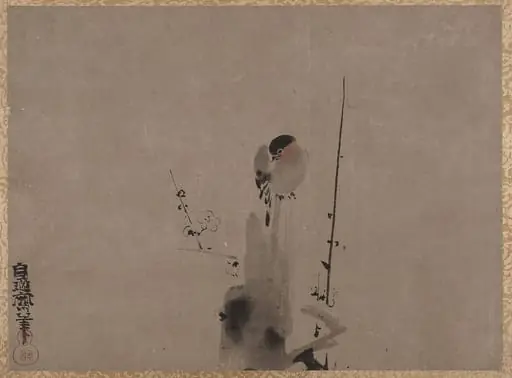 Untitled
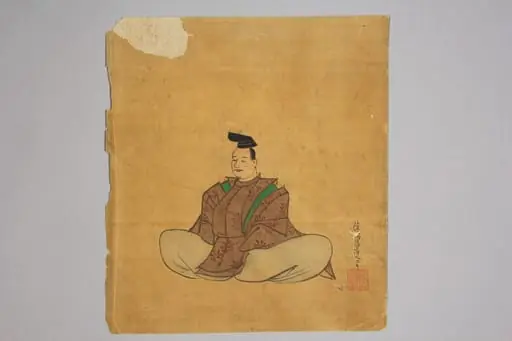 Untitled
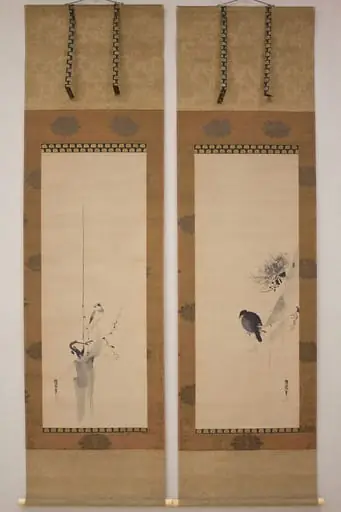 Untitled
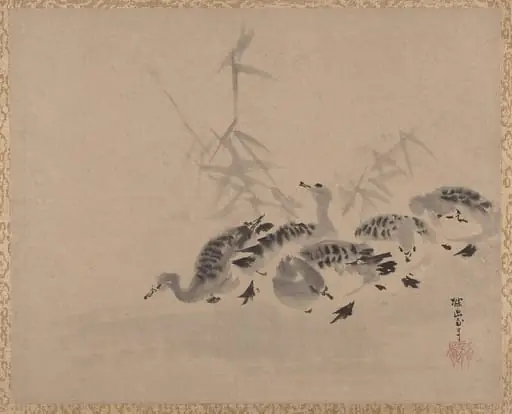 Untitled
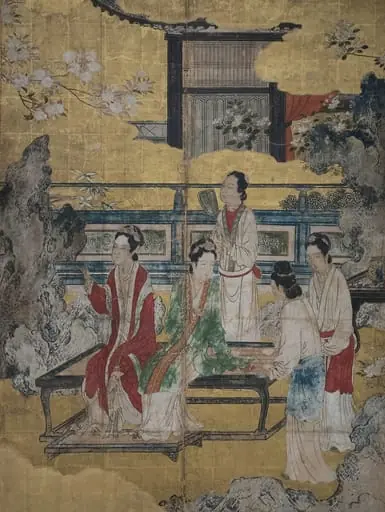 伝狩野永徳筆 唐美人図|Chinese Women in a Palace Garden
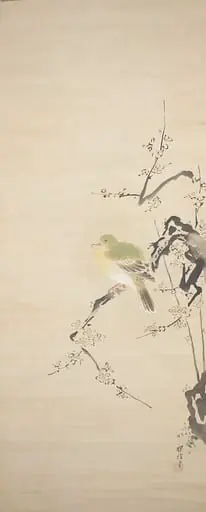 Untitled
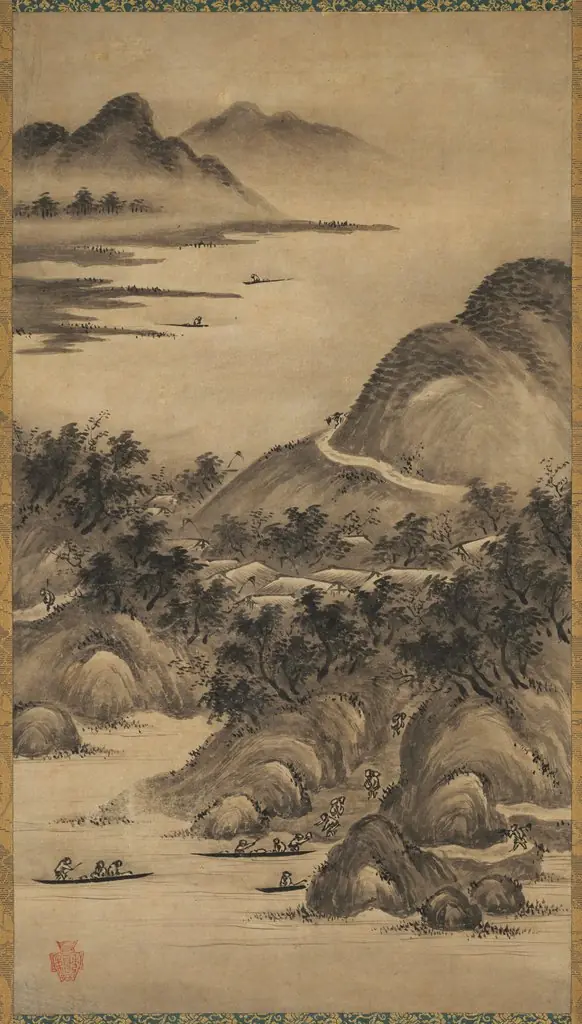 Seasonal Landscapes
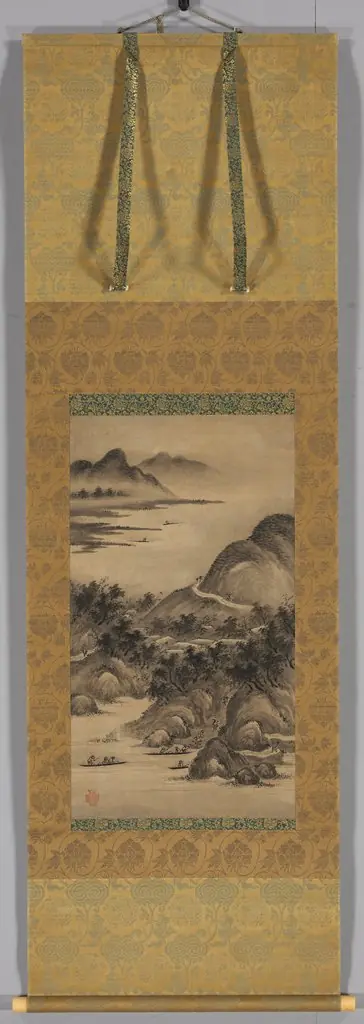 Seasonal Landscapes: Summer
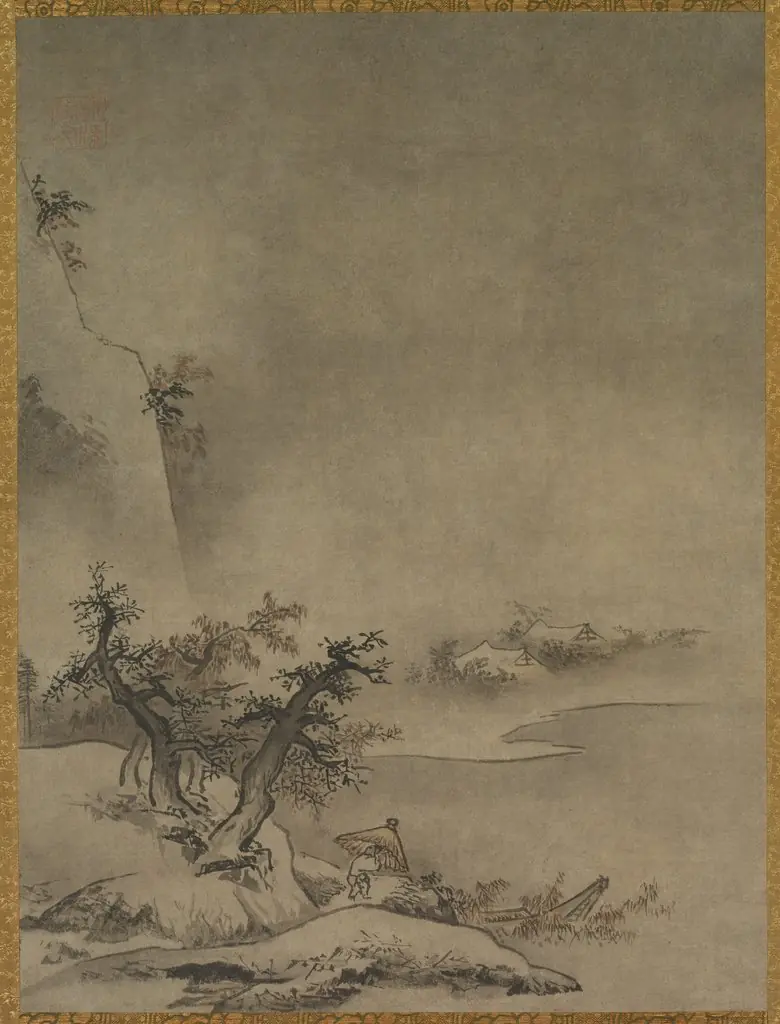 Chinese Servant Walking in the Rain
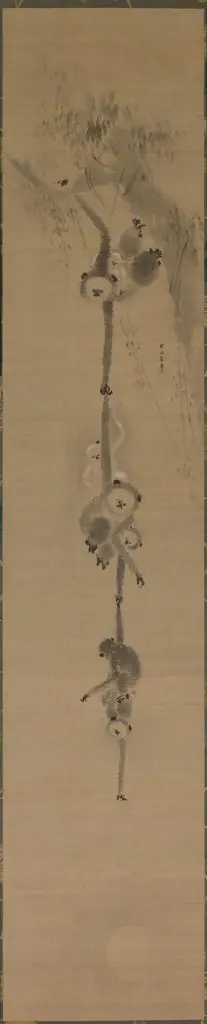 Gibbons Reaching for the Moon
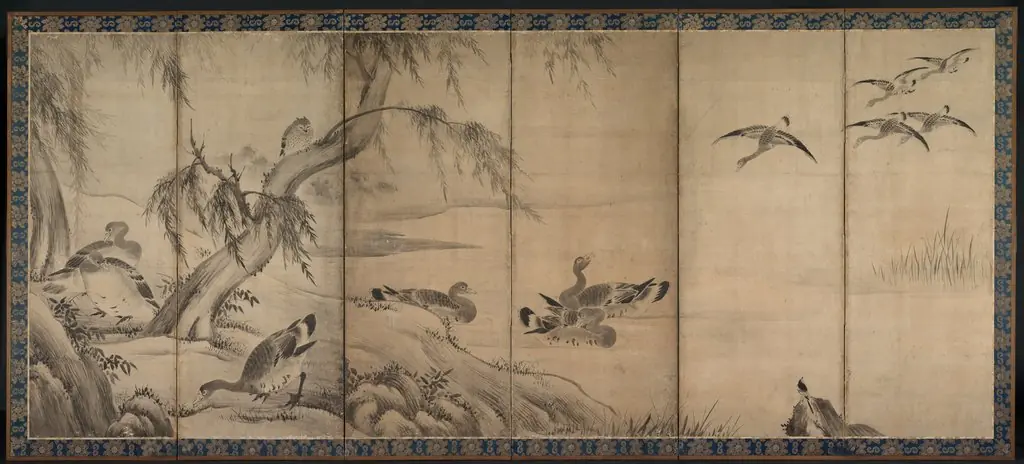 Wild Geese
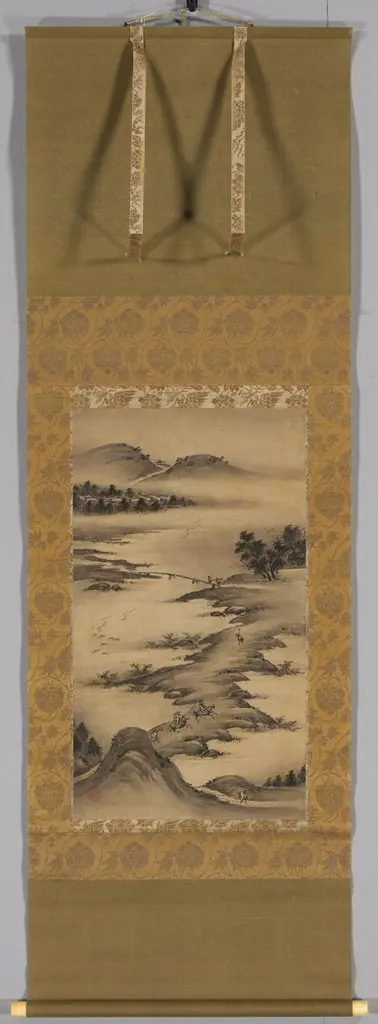 Seasonal Landscapes: Autumn
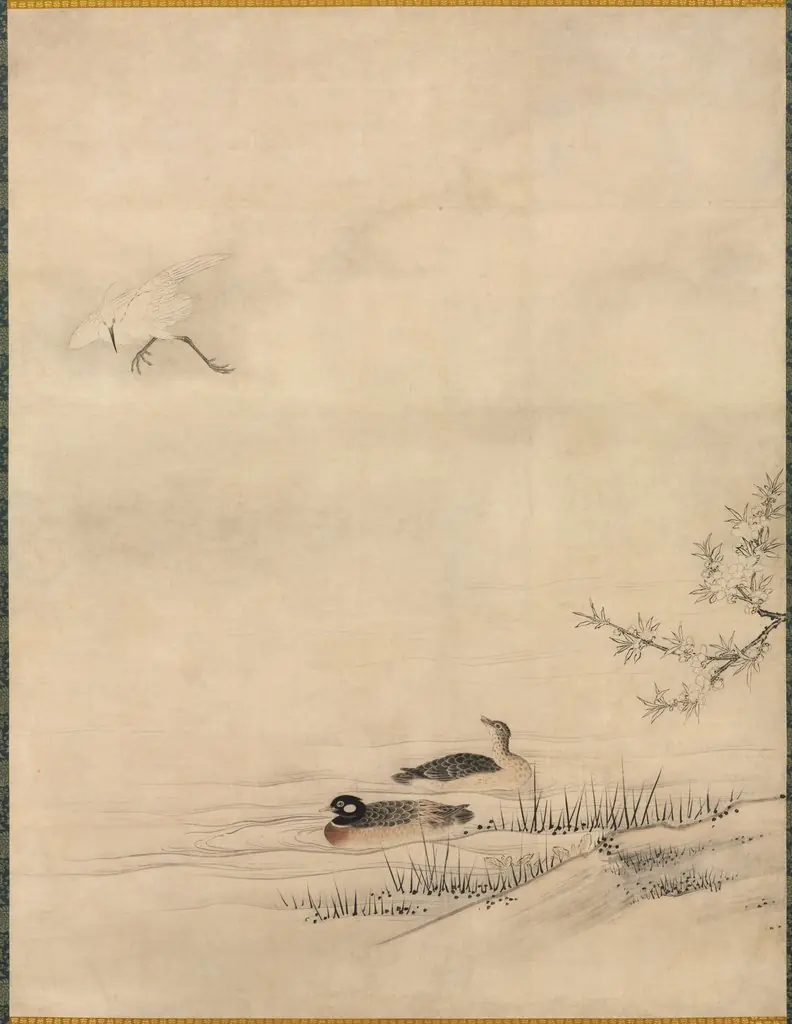 Flowers and Birds in a Spring Landscape
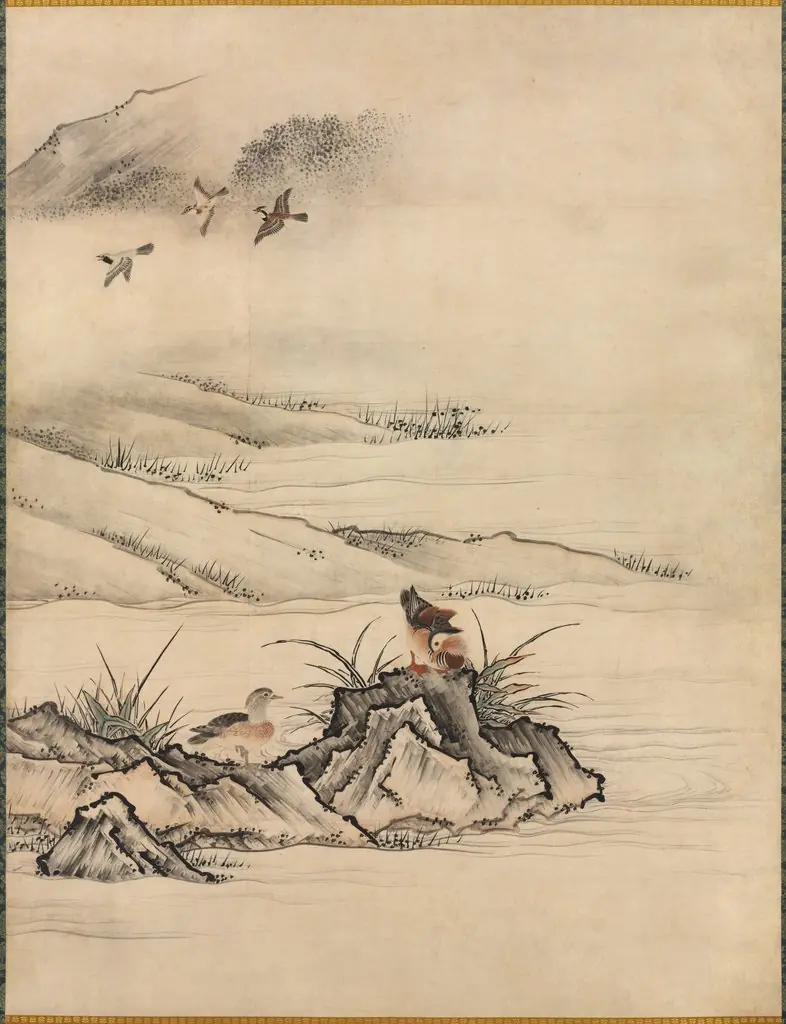 Flowers and Birds in a Spring Landscape
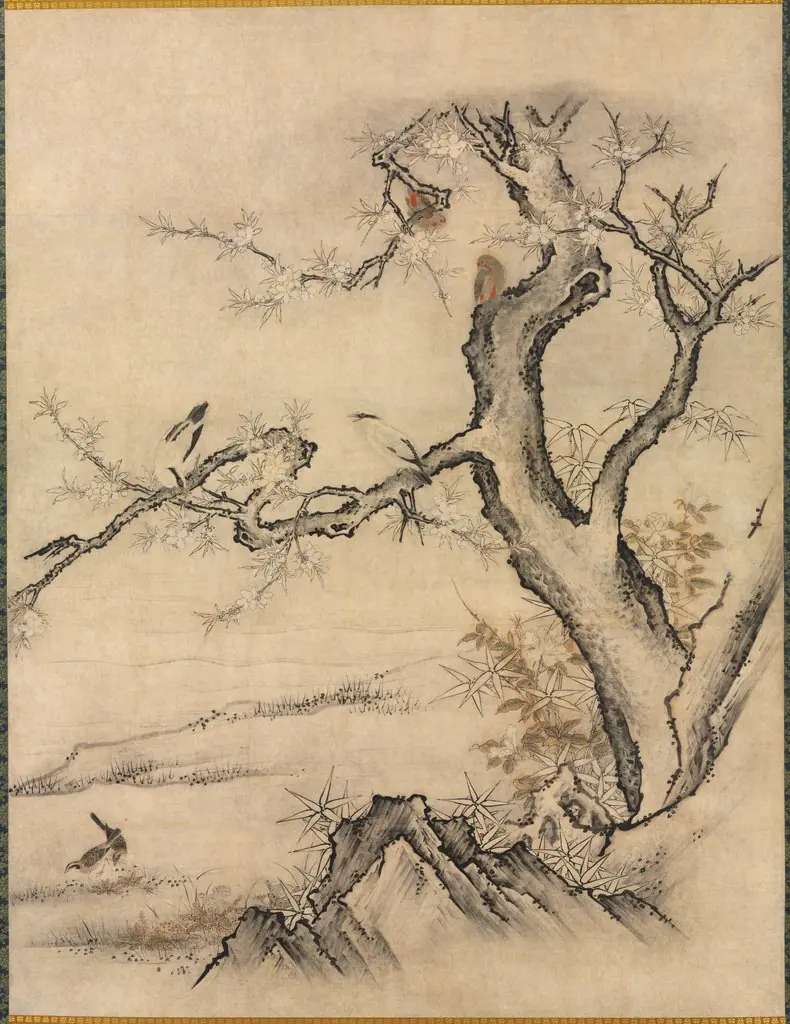 Flowers and Birds in a Spring Landscape
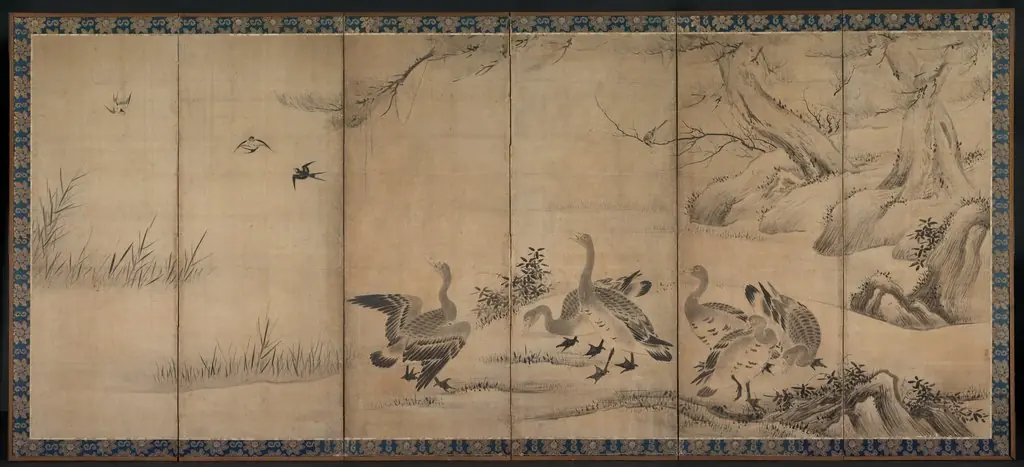 Wild Geese
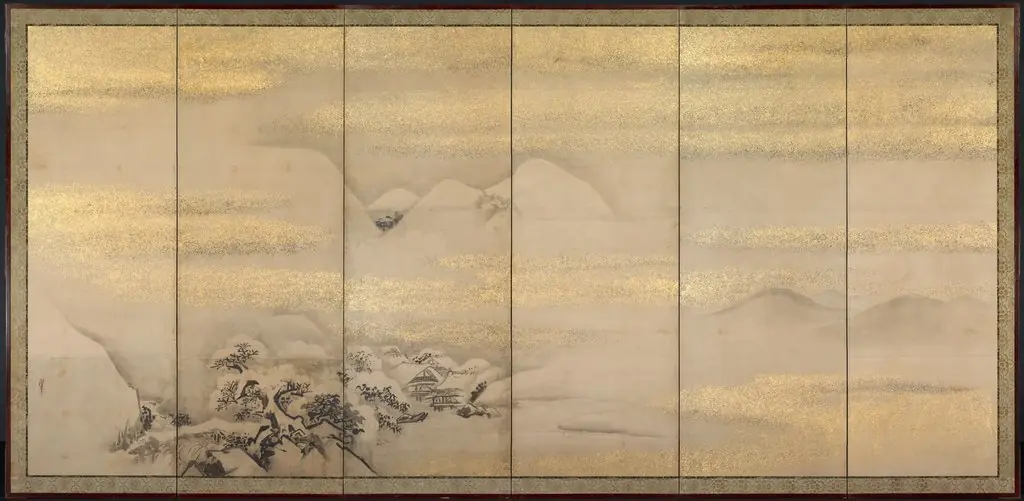 Summer and Winter Landscapes (one of a pair)
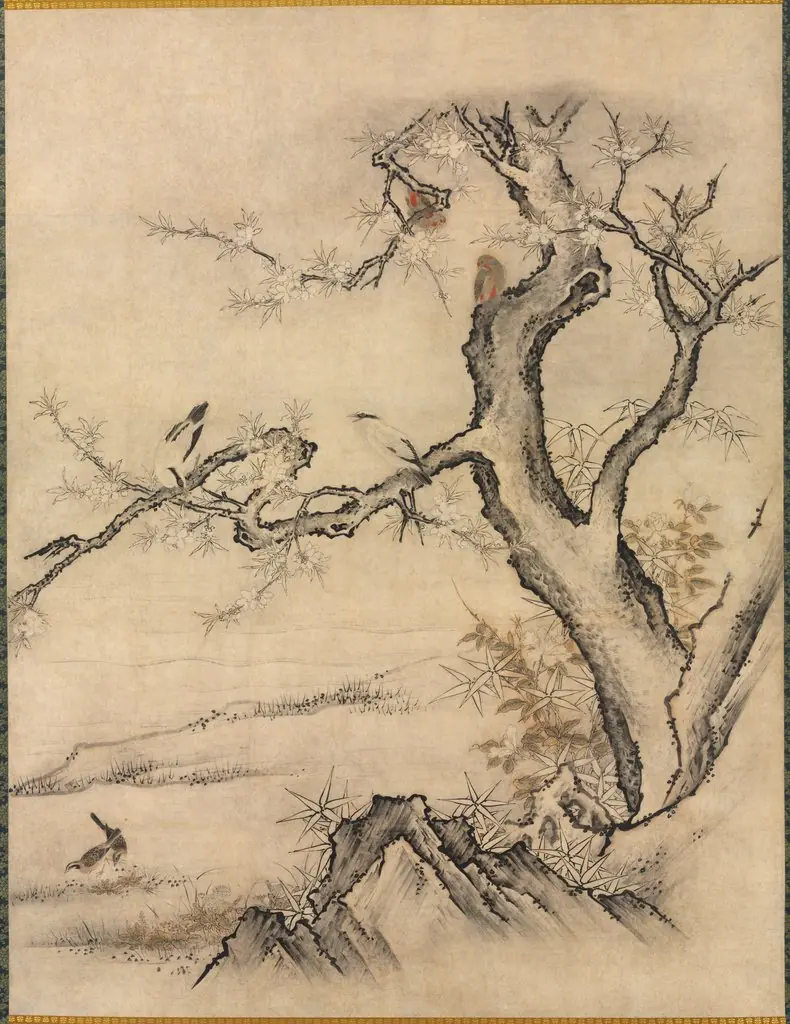 Flowers and Birds in a Spring Landscape
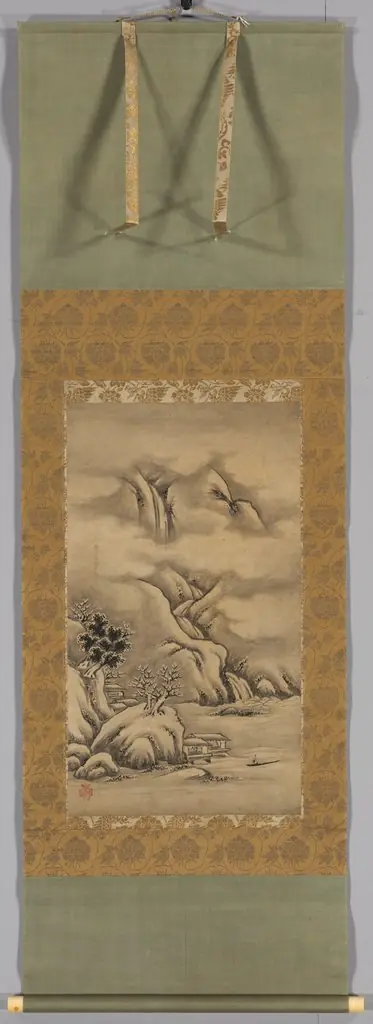 Seasonal Landscapes: Winter
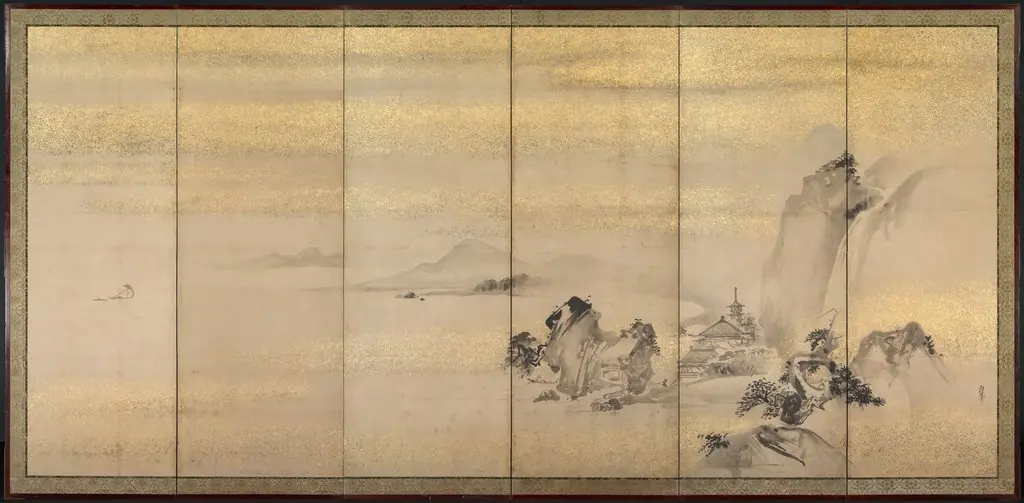 Summer and Winter Landscapes
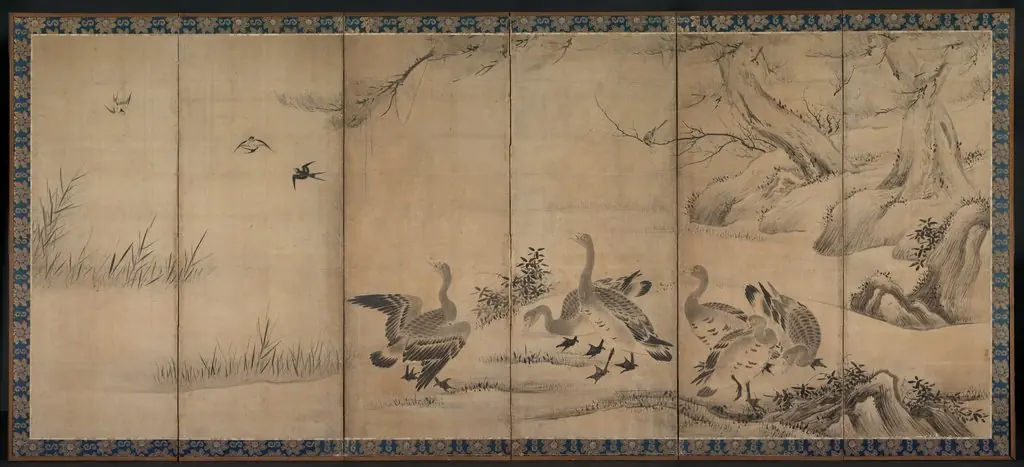 Wild Geese
 Chinese Seals and Poets
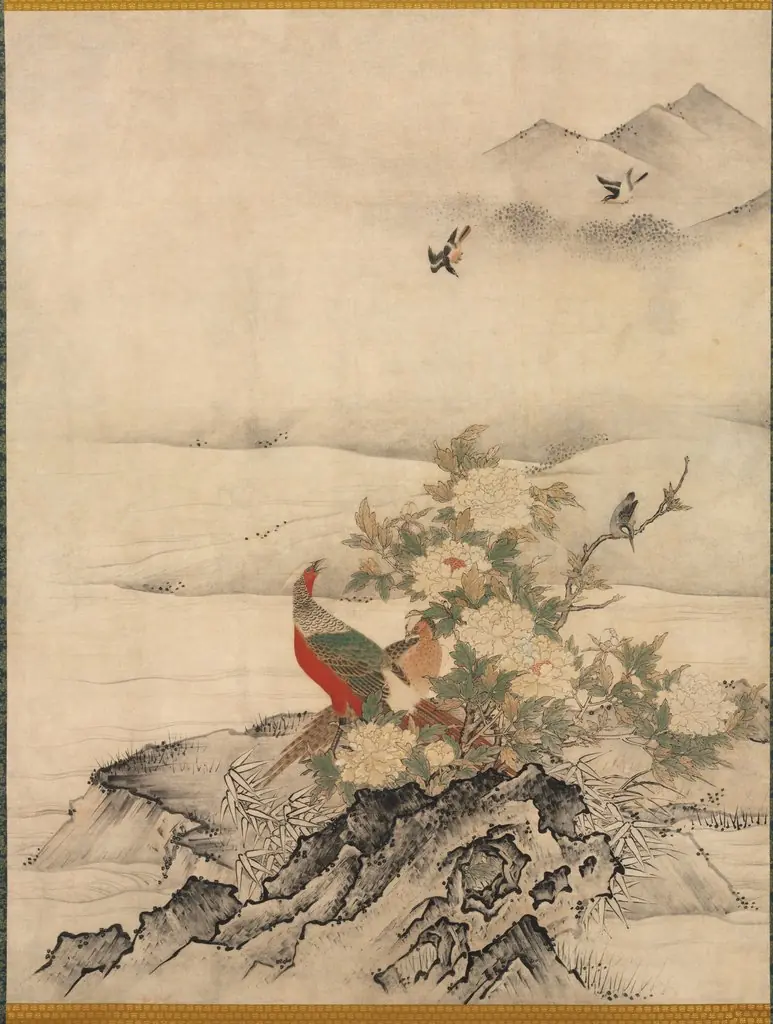 Flowers and Birds in a Spring Landscape
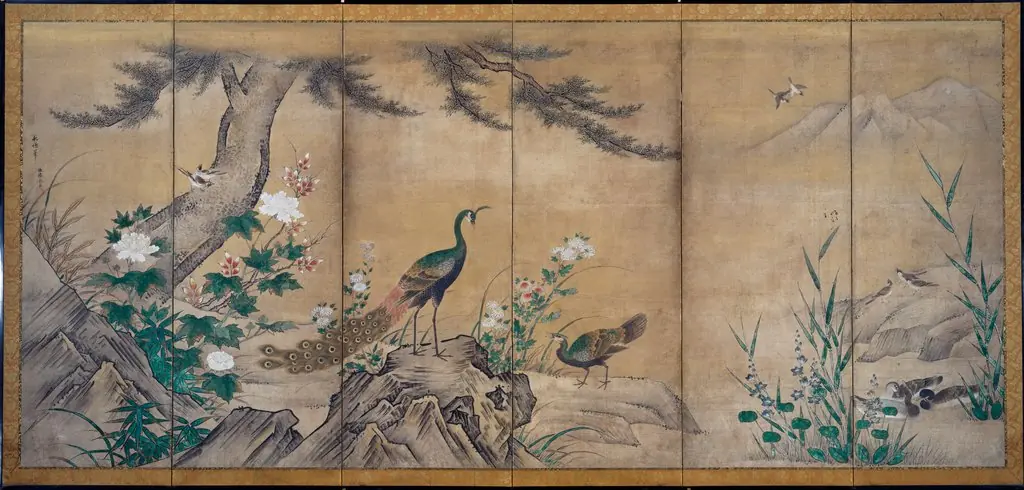 Birds and Flowers
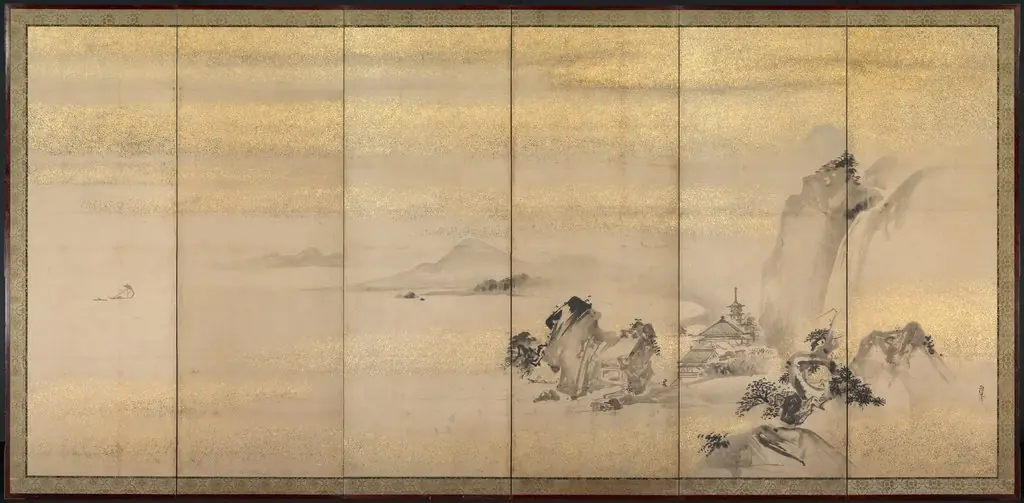 Summer and Winter Landscapes (one of a pair)
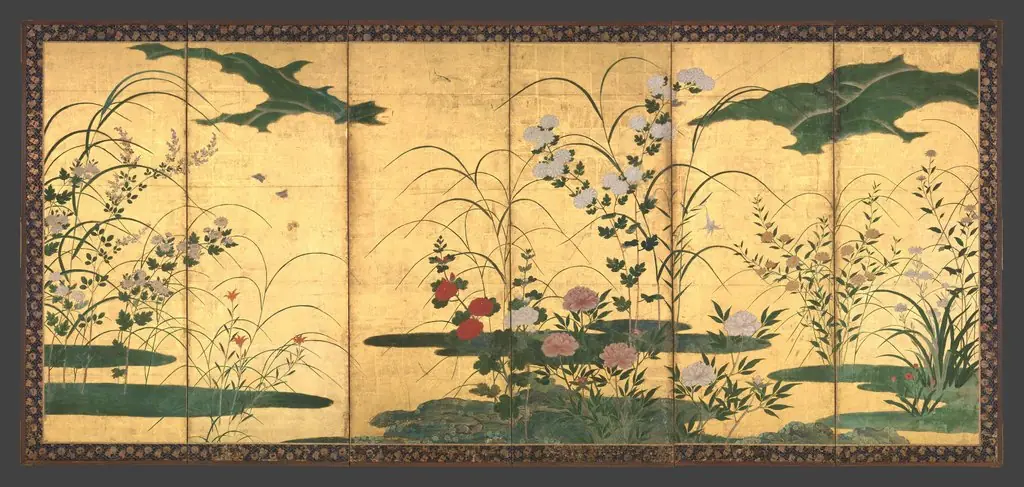 Flowers and Grasses of the Four Seasons
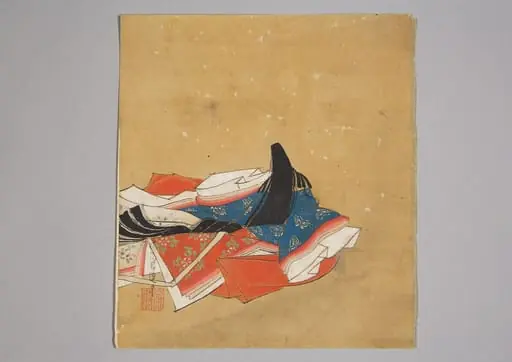 Untitled
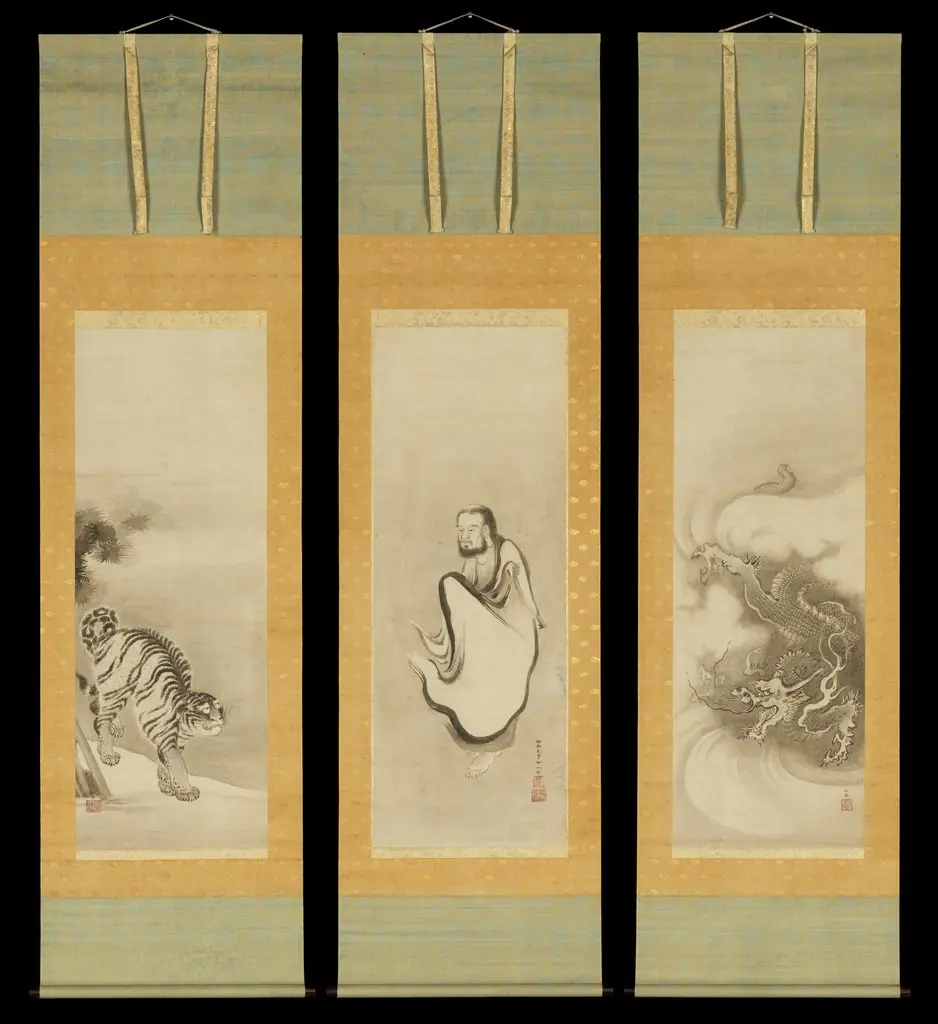 Shakyamuni Emerging from the Mountains, with Dragon and Tiger
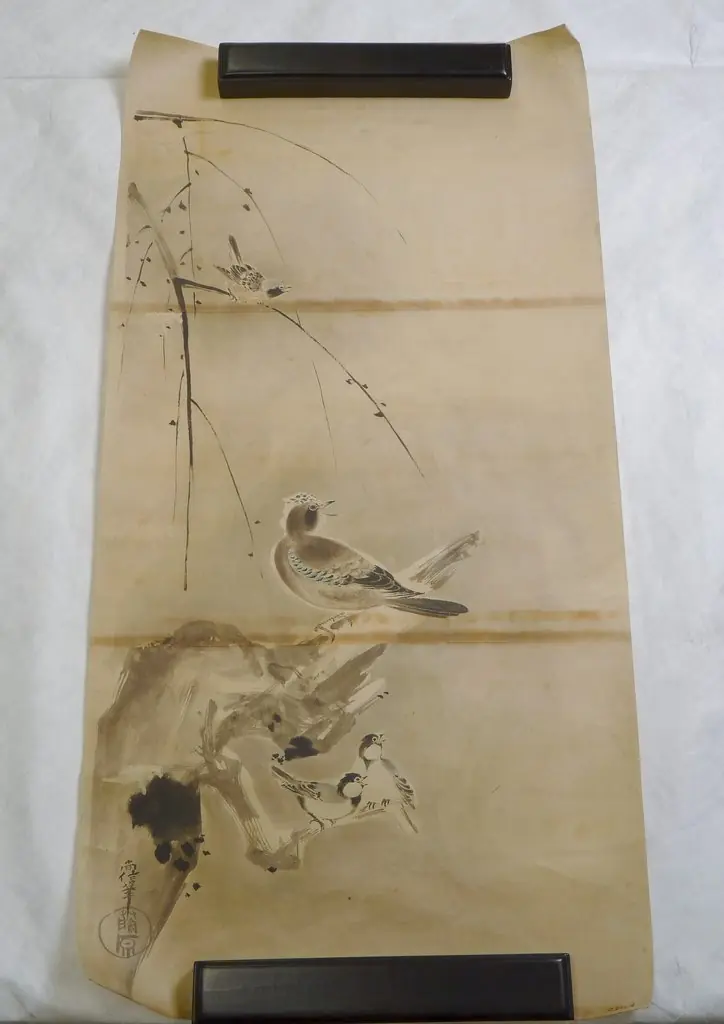 Japanese Drawing
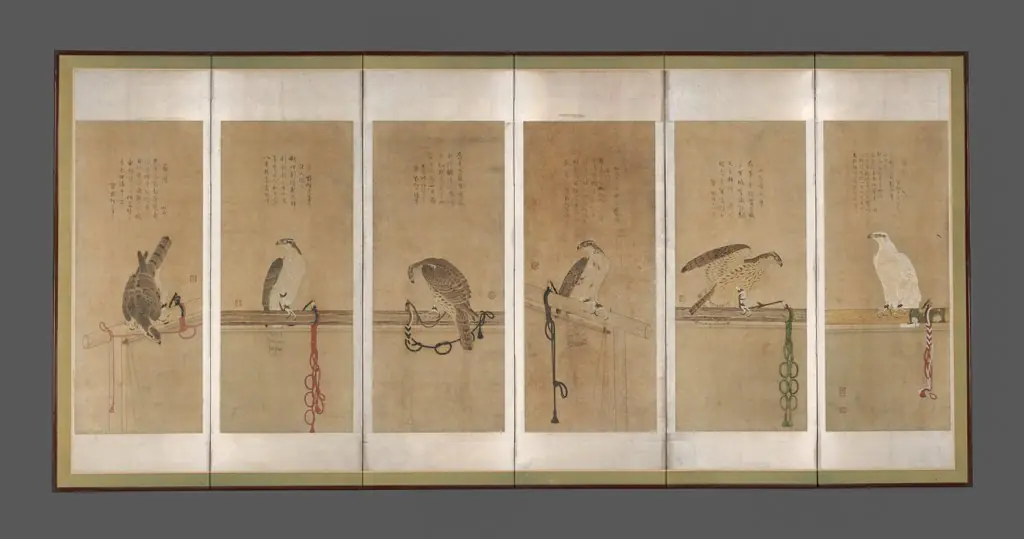 Tethered Hawks
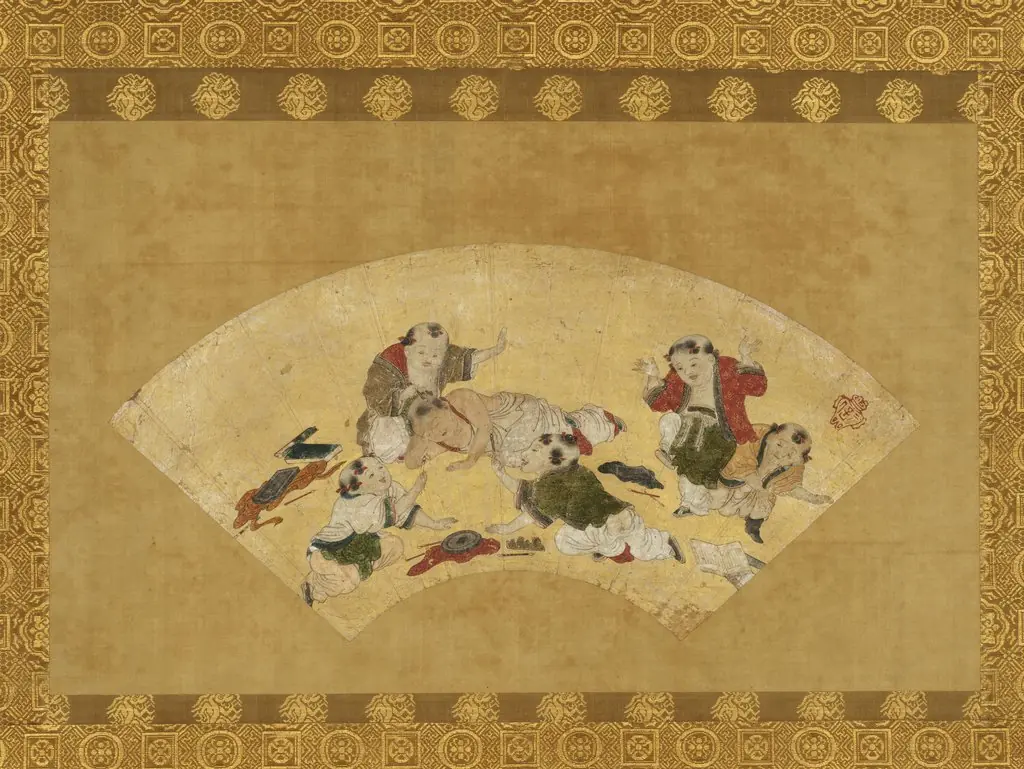 Chinese Boys at Play
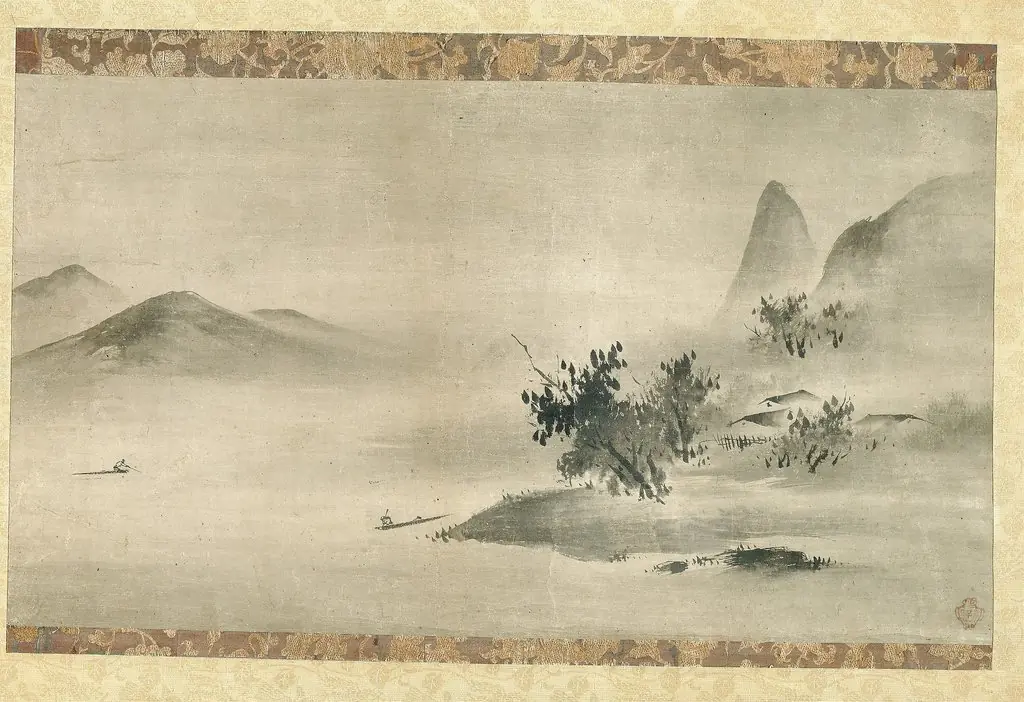 Ink Landscape
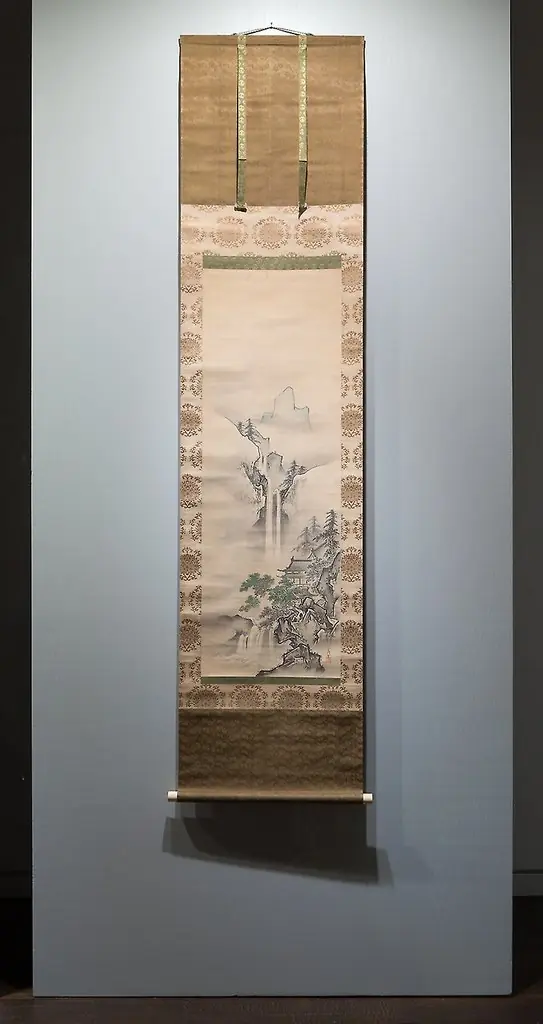 Landscape with Waterfall
 Fei Jiang-fang with a Crane
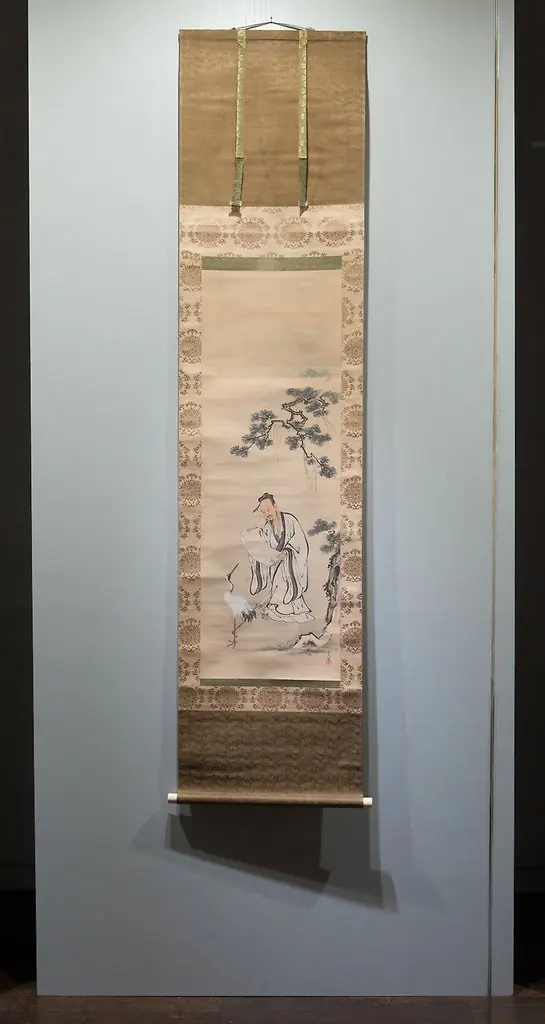 Fei Jiang-fang with a Crane
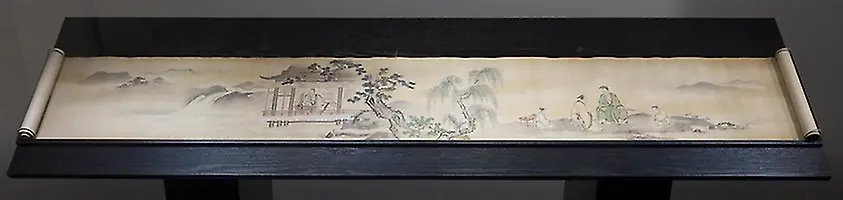 The Four Accomplishments
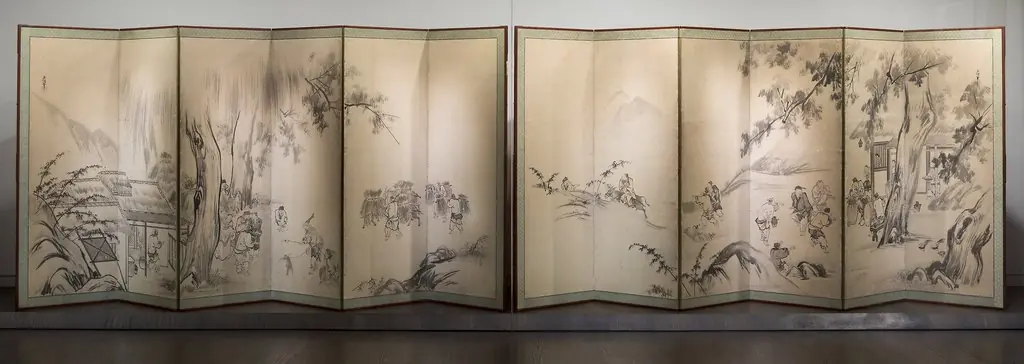 Monkey Trainers and Scenes of Chinese Life
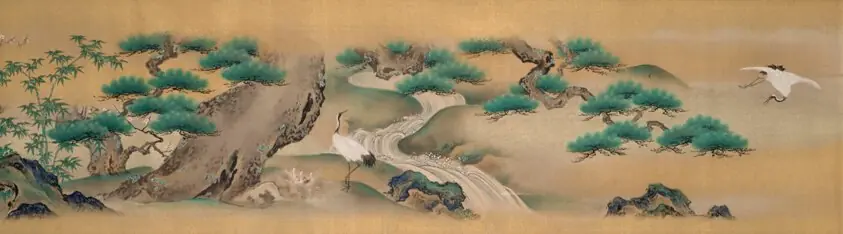 Mount Horai
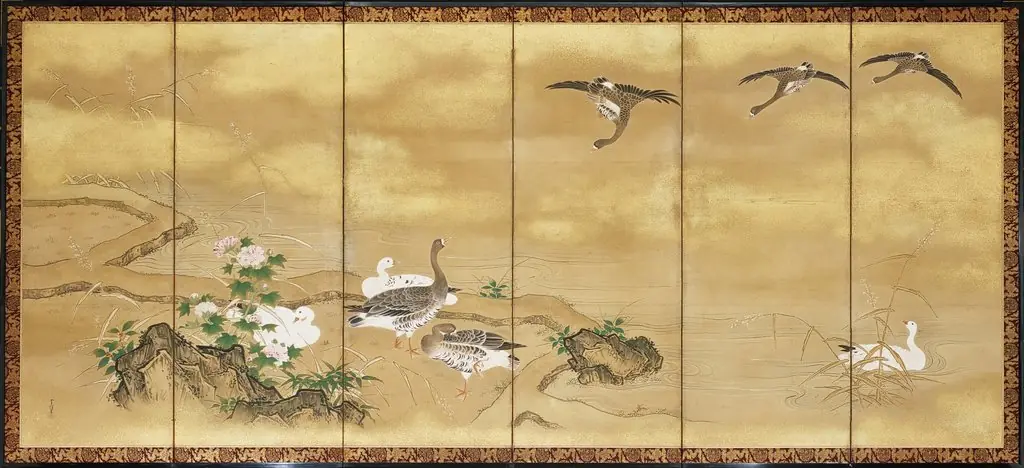 Reeds and Geese
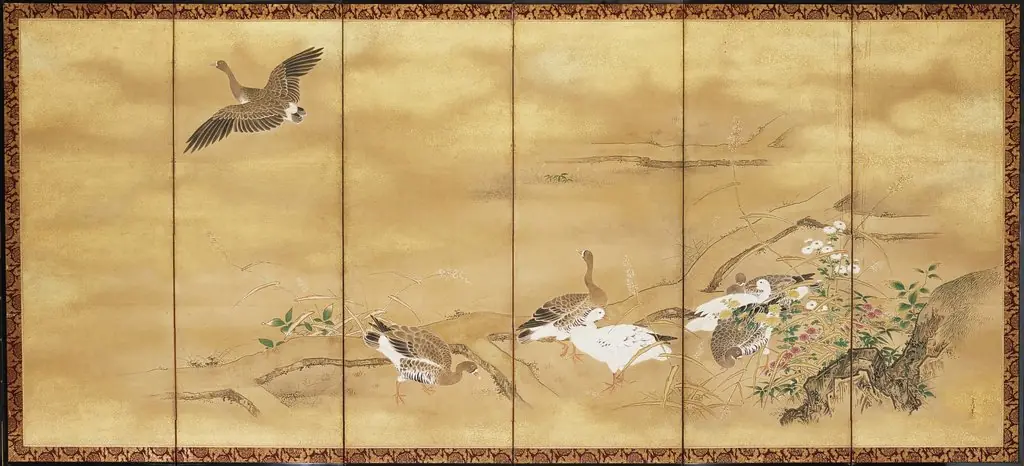 Reeds and Geese
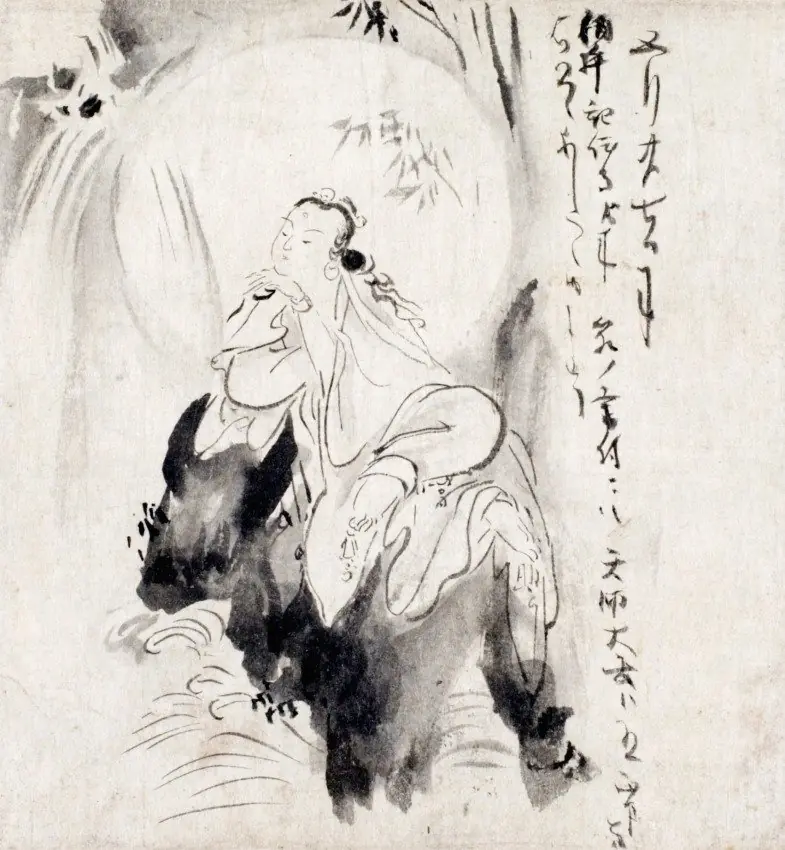 Water-Moon Kannon
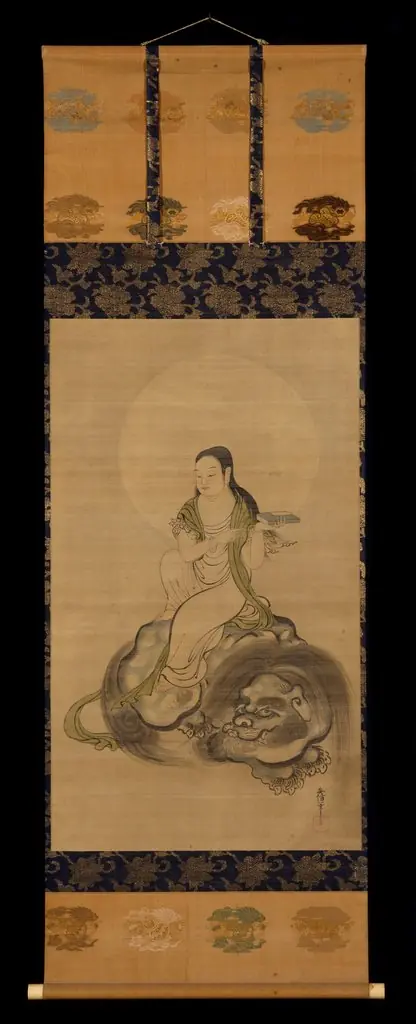 Monju Bosatsu
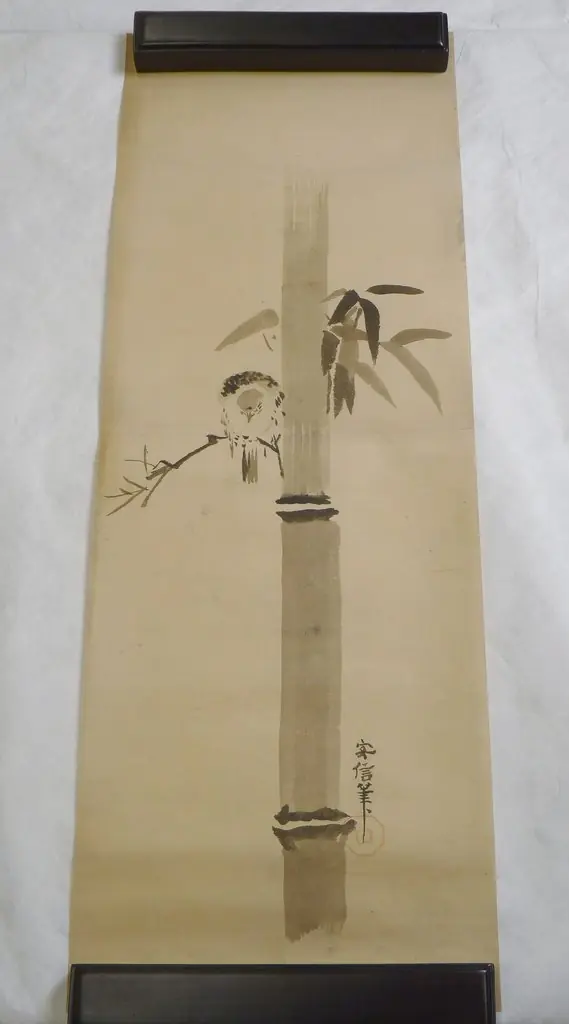 Japanese Drawing
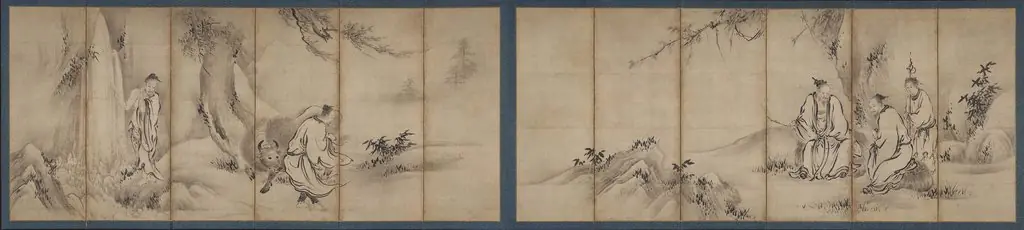 Chinese Sages
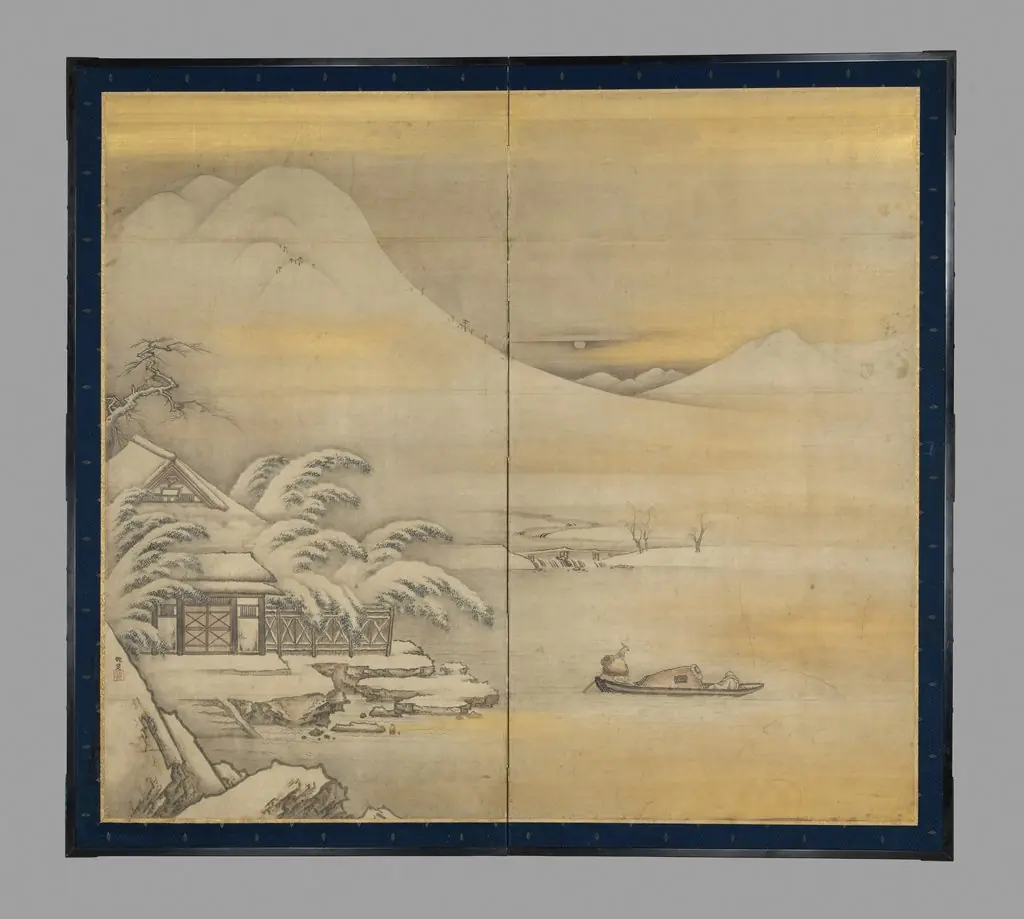 Wang Ziyou Visiting Dai Andao on a Snowy Evening (Ō Shiyū hō Tai Andō zu)
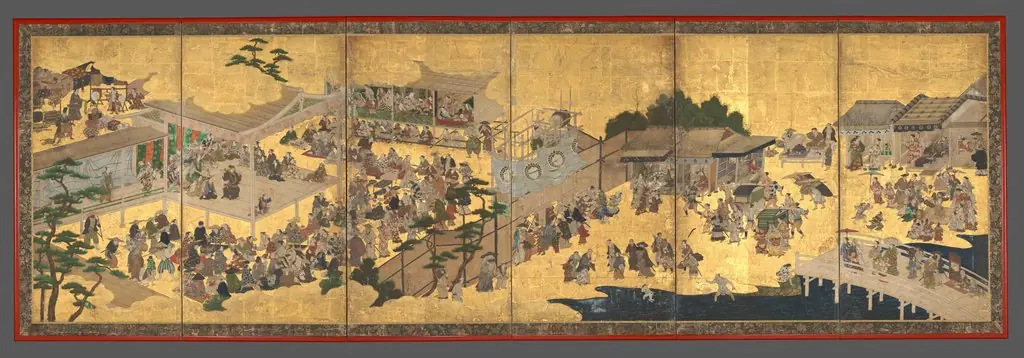 Women’s Kabuki
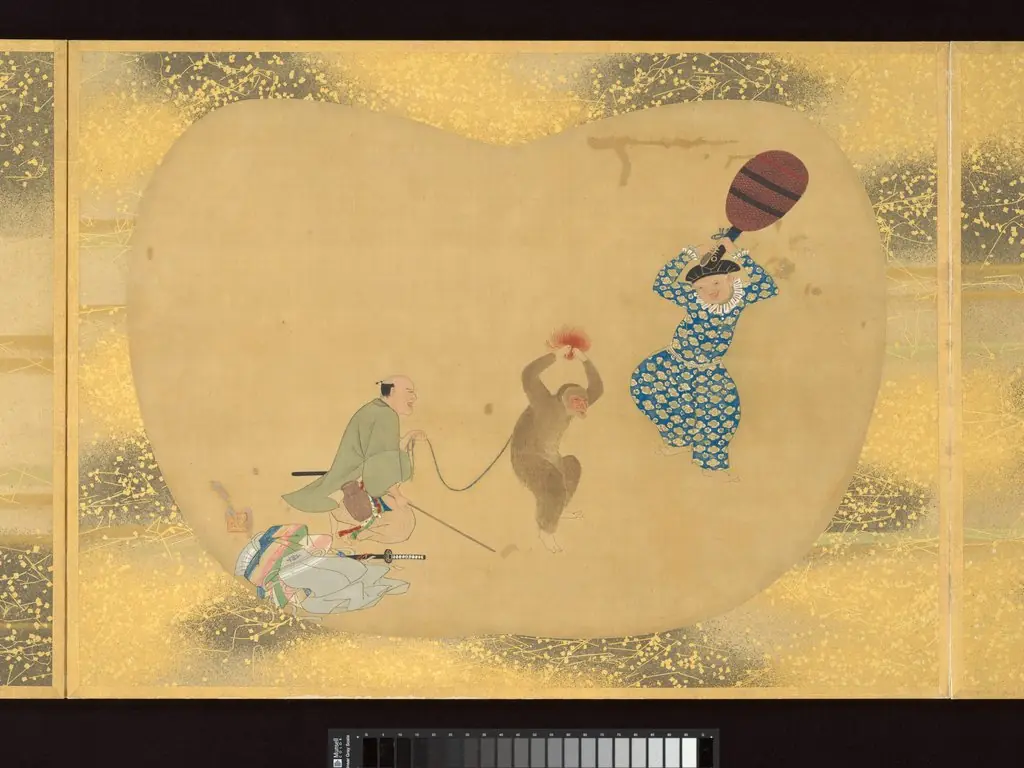 Album of Fan-Shaped Paintings of Figures, Birds and Flowers
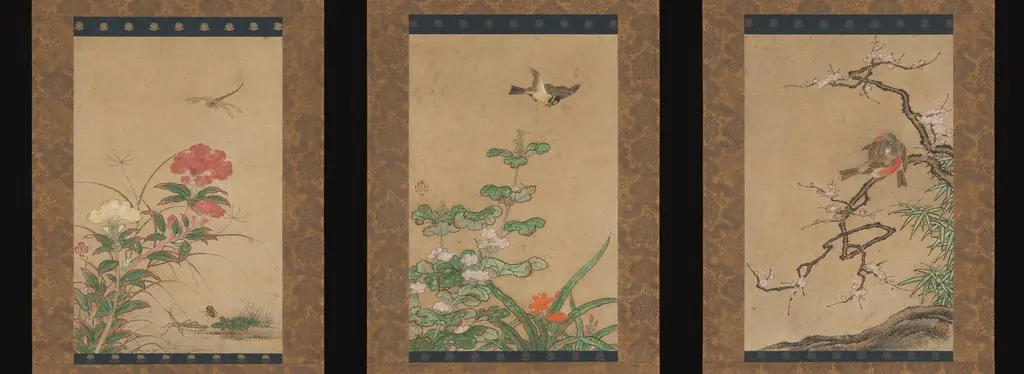 Birds and Flowers
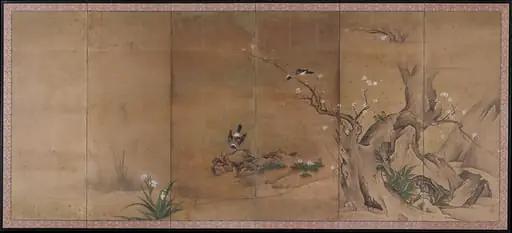 狩野山卜筆四季花鳥図屏風|Birds and Flowers of the Four Seasons
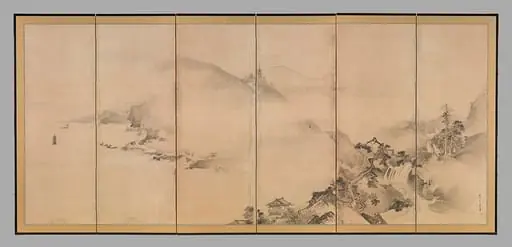 四季山水図屏風|Landscapes of the Four Seasons
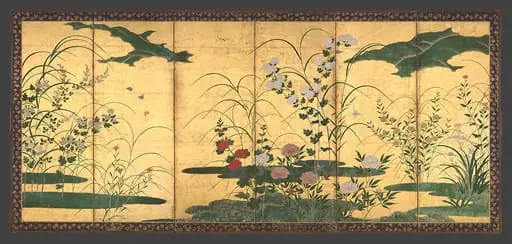 四季花草図屏風|Flowers and Grasses of the Four Seasons
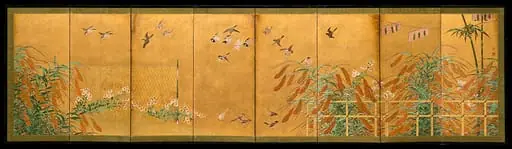 伝狩野山楽筆 粟に小禽図屏風|Autumn Millet and Small Birds
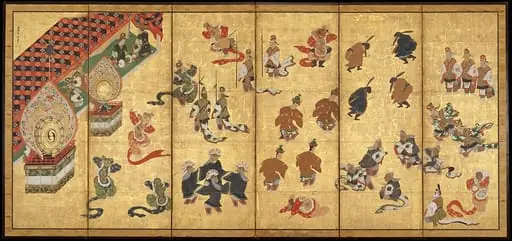 Untitled
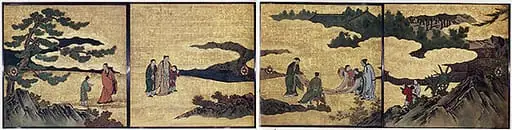 琴棋書画図襖の内|Appreciation of Painting, from a set of the Four Accomplishments
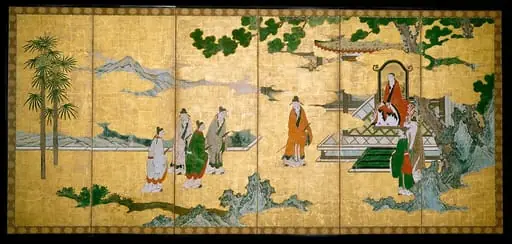 商山四皓・蘇東坡風水洞|The Return to Court of the Four Graybeards of Mount Shang (left); Su Shi’s Visit to the Wind and Water Cave (right
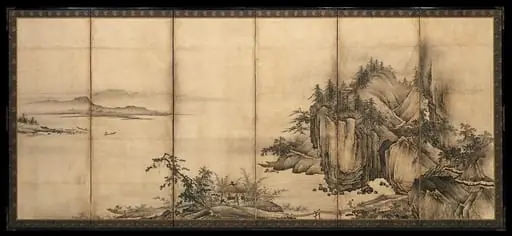 Untitled
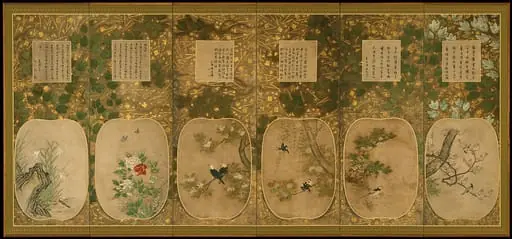 十二ヶ月花鳥図書画挿絵貼屏風|Birds and Flowers of the Twelve Months with Chinese Calligraphy
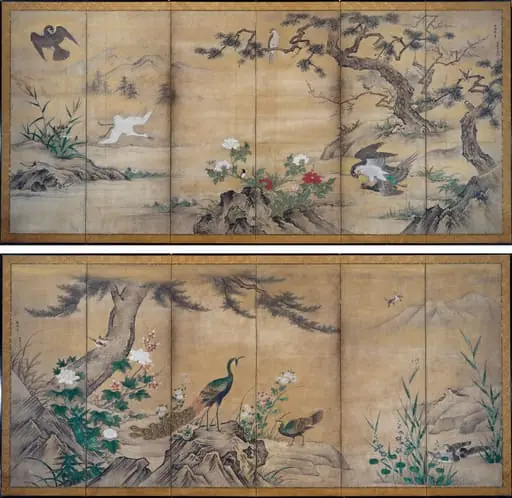 Birds and Flowers
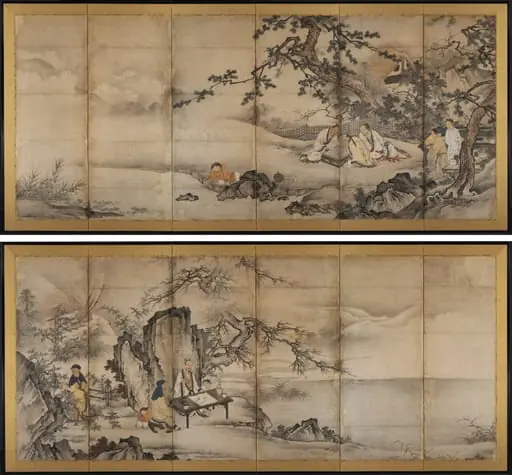 The Four Accomplishments
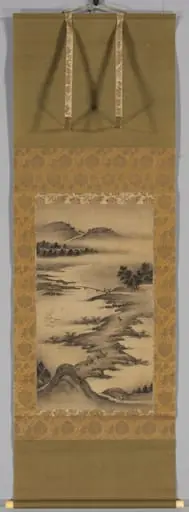 Seasonal Landscapes: Autumn
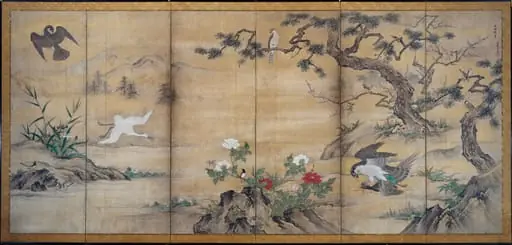 Birds and Flowers
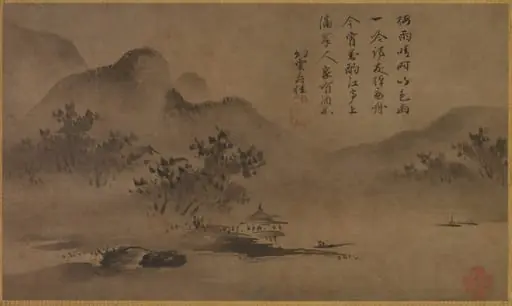 Landscape
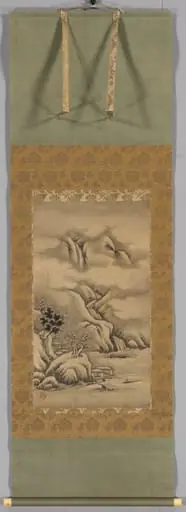 Seasonal Landscapes: Winter
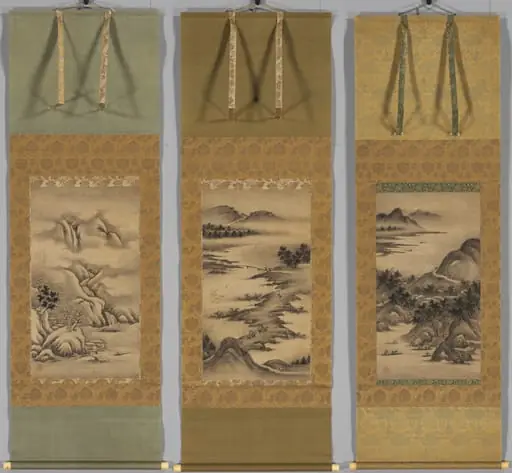 Seasonal Landscapes
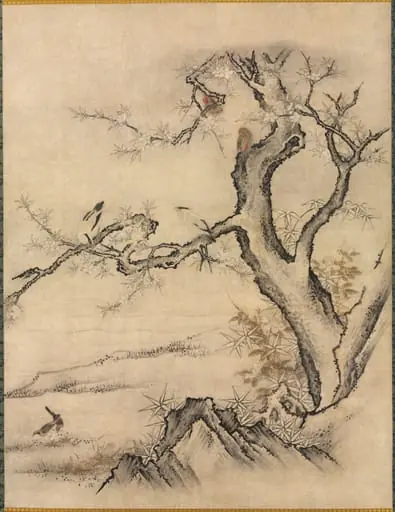 Flowers and Birds in a Spring Landscape
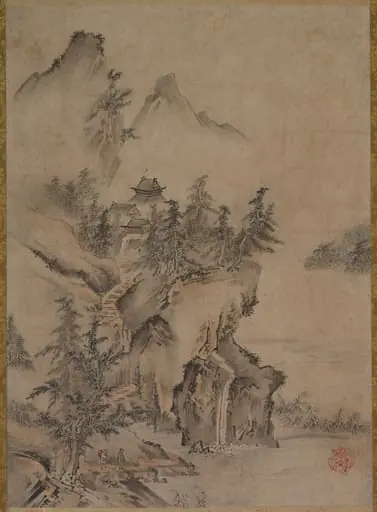 Chinese Literatus Traveling to a Mountain Temple
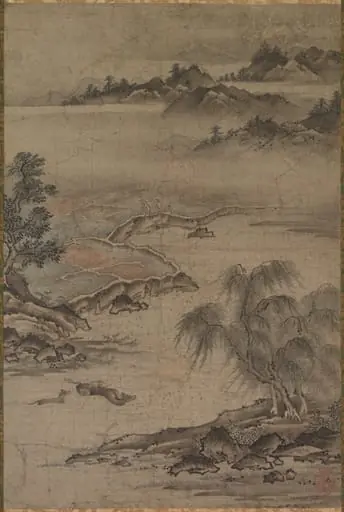 Farming and Herding Buffalo in Summer
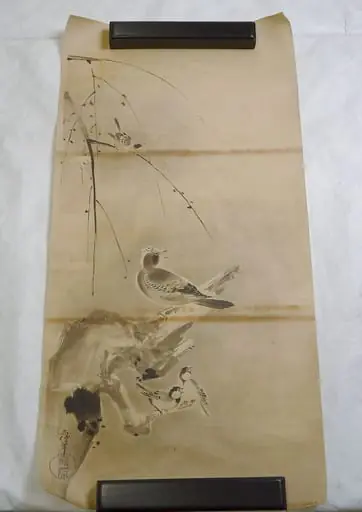 Untitled
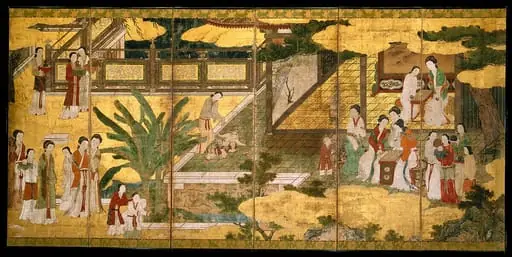 伝狩野永徳筆 唐美人唐子図屏風|Chinese Women and Children in a Palace Garden
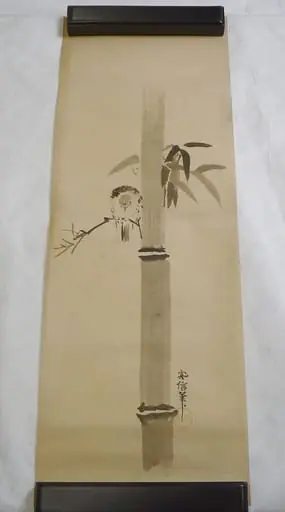 Untitled
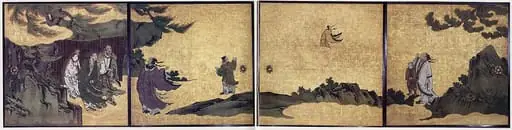 列子図襖|The Daoist Immortal Liezi
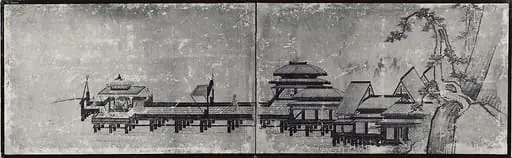 Untitled
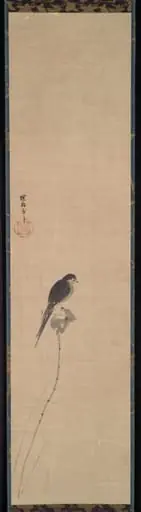 Bird on a Lotus Bud
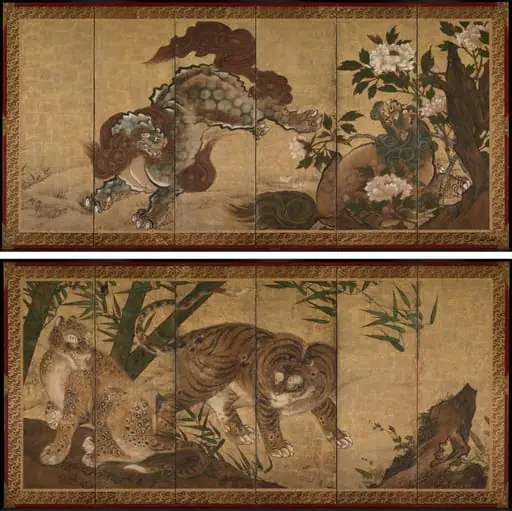 Lions and Tigers in Peony and Bamboo
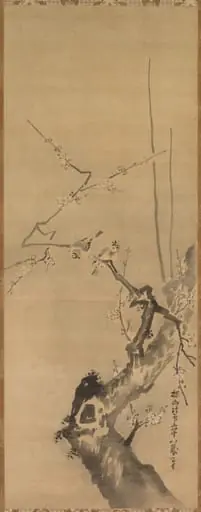 Sparrows on Blossoming Plum; A Sage with Tiger; Chinese Bird on Snow-Laden Branch
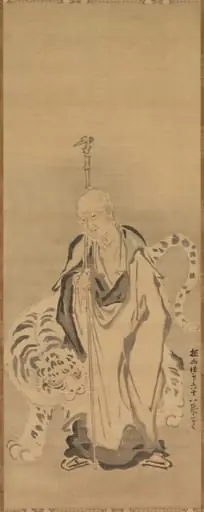 A Sage with Tiger
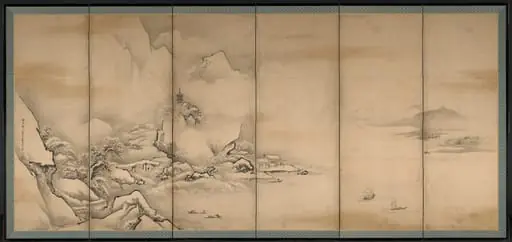 The Four Seasons
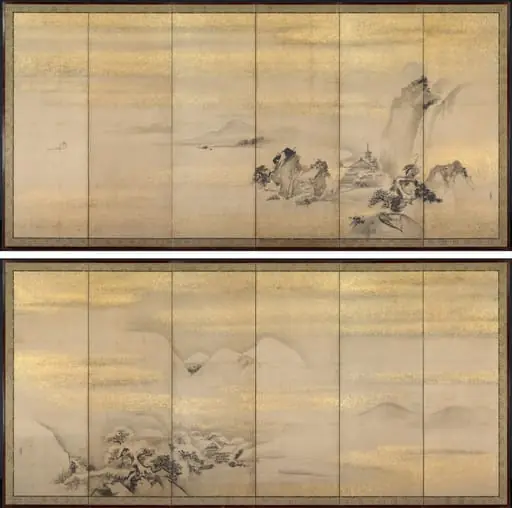 Summer and Winter Landscapes
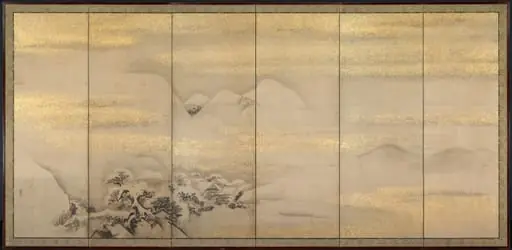 Summer and Winter Landscapes (one of a pair)
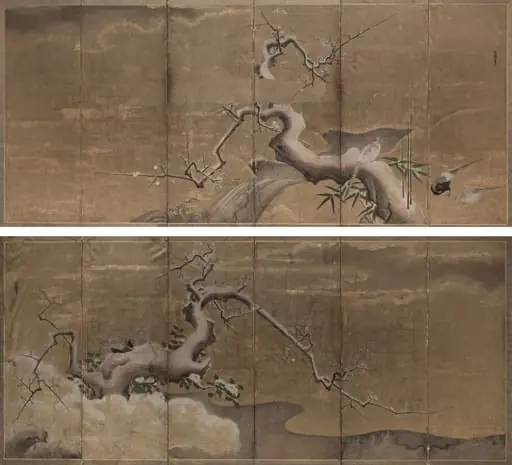 Winter Scene with Plum Trees and Pheasants
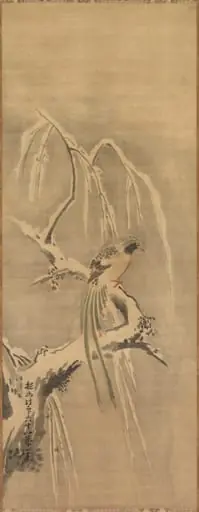 Chinese Bird on Snow-Laden Branch
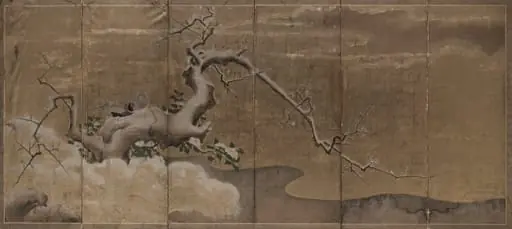 Winter Scene with Plum Trees and Pheasants (Birds Right)
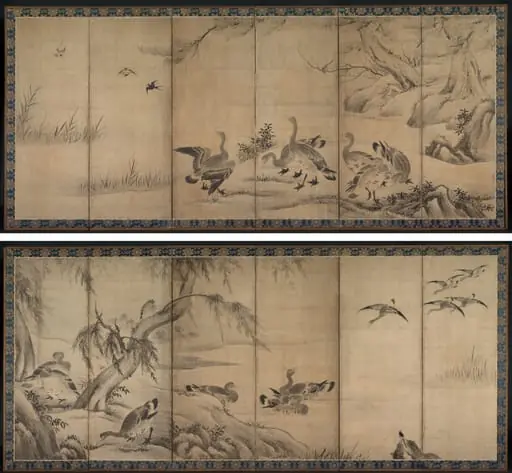 Wild Geese
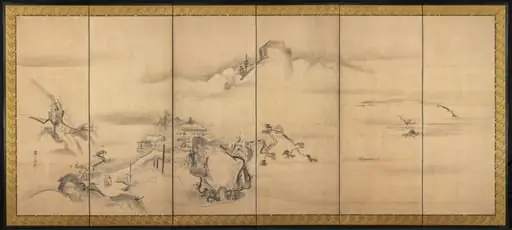 Eight Views of the Xiao and Xiang Rivers
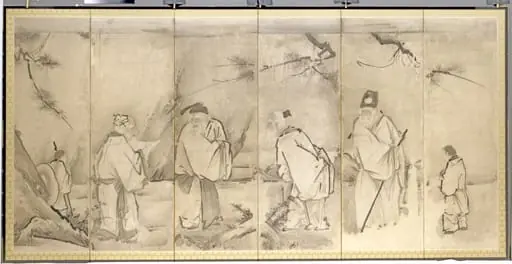 Four Elders of Mt. Shang
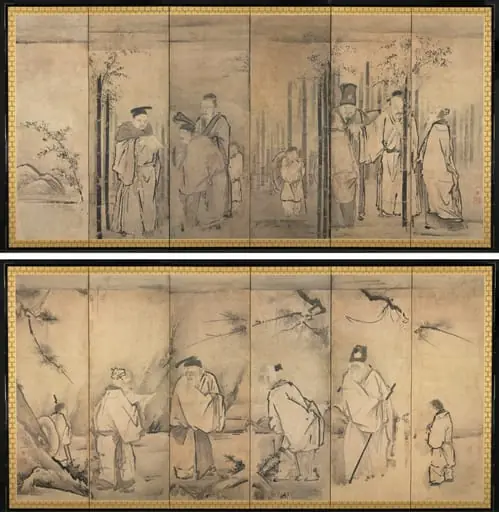 Seven Sages of the Bamboo Grove; Four Elders of Mt. Shang
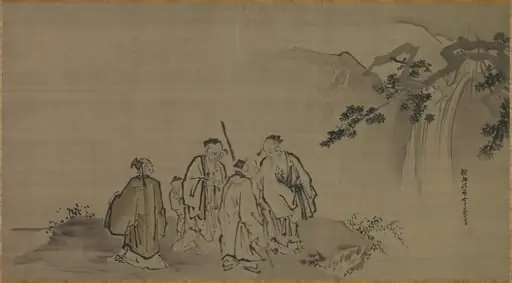 Chinese Sages
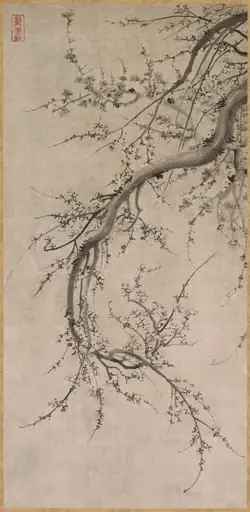 Prunus
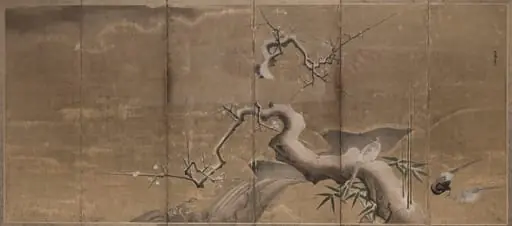 Winter Scene with Plum Trees and Pheasants (Birds Left)
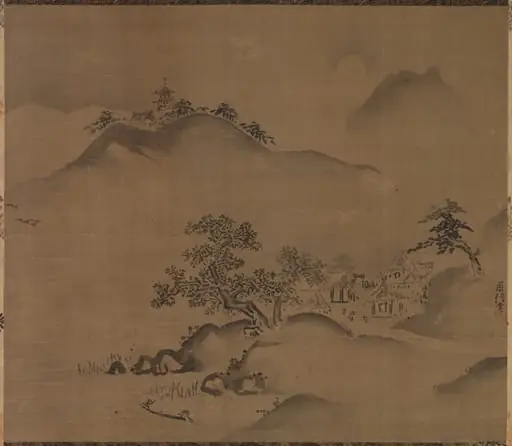 Chinese Landscape
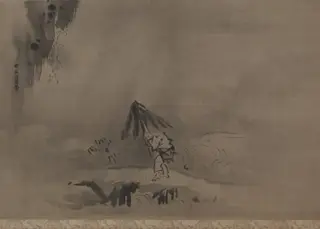 Evening Shower
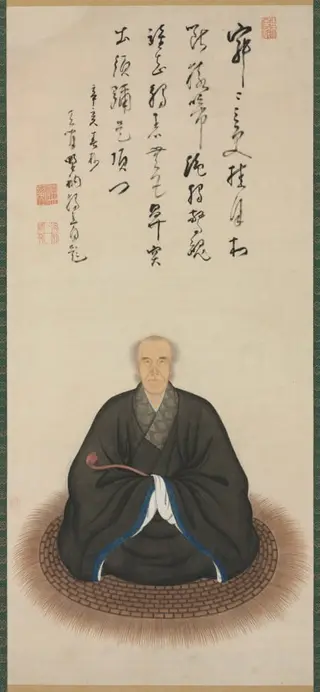 Portrait of Duli Xingyi
 Eight Views of Xiao-Xiang
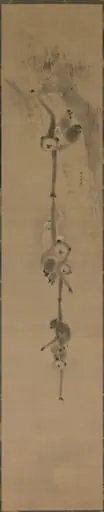 Gibbons Reaching for the Moon
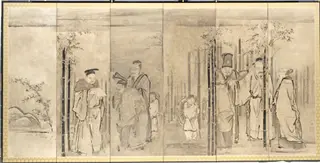 Seven Sages of the Bamboo Grove
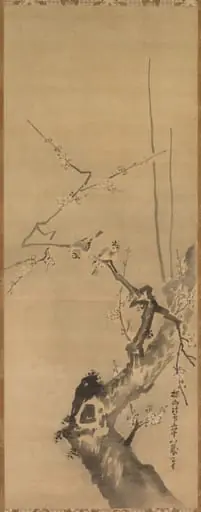 Sparrows on Blossoming Plum
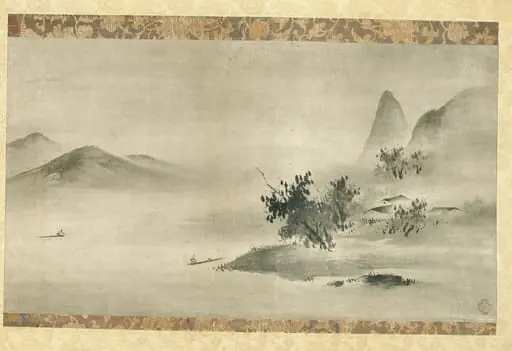 Ink Landscape
Groups & collectives
Frequently asked questions
What is Kanō school?
Kanō school is an art movement. The dominant school of official Japanese painting from the late 15th century through the Meiji period (1868), serving shoguns and the ruling class.
How many Kanō school works does Artifact World Gallery have?
Artifact World Gallery holds 186 public-domain Kanō school works, all free to view and download.
Who are the key Kanō school artists?
Key Kanō school artists in the collection include Kanō Sanraku, Kano Chikanobu and Kano Tansui Moritsune.
When did Kanō school take place?
Kanō school dates from 1500–1868.
Where can I see Kanō school works?
Kanō school works in the collection are held by Metropolitan Museum of Art, Cleveland Museum of Art and Art Institute of Chicago.