Artwork
Portraits and Poems of the Thirty-six Poetic Immortals (Sanjūrokkasen)
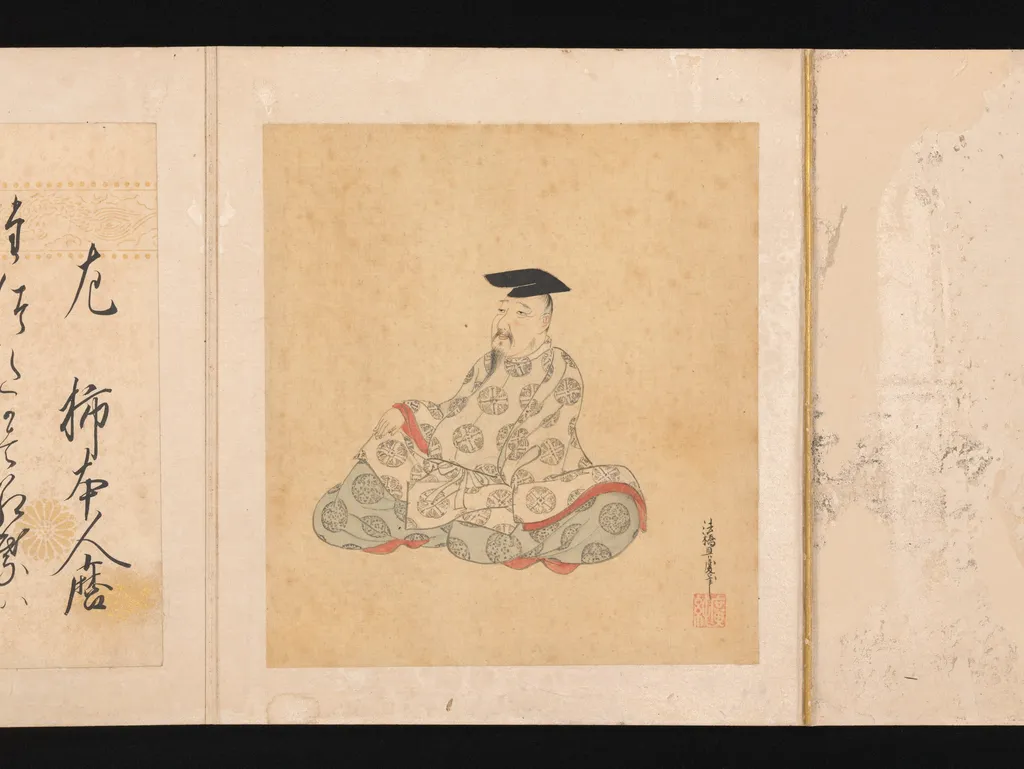
Portraits and Poems of the Thirty-six Poetic Immortals (Sanjūrokkasen) is an unspecified painting by Gukei. It dates from 1692 and is held in the collection of the Metropolitan Museum of Art.
About this work
Subject & Meaning
The work is attributed to Gukei, dated 1692, and was created in Japan; it is now in the Metropolitan Museum of Art collection.
The painting presents thirty-six male figures identified as the poetic immortals, each shown in a portrait that pairs visual representation with an accompanying verse. The iconography links each figure to a specific literary tradition, using poetic inscription to underscore the subject's literary stature, while the overall composition functions as a visual anthology of celebrated poets. This synthesis of image and text reflects the cultural emphasis on literary lineage in the Edo period and serves as a collective homage to the immortalized poets.
The work is attributed to Gukei, dated 1692, and was created in Japan; it is now in the Metropolitan Museum of Art collection.
History & Provenance
Portraits and Poems of the Thirty-six Poetic Immortals (Sanjurokkasen) by Gukei, dated 1692, is held in the collection of the Metropolitan Museum of Art. No accession number or specific inventory details are provided in the available sources, and no exhibition history is documented.
Legacy
The painting remains accessible to the public at the Metropolitan Museum of Art, where its presence in a leading institution signals ongoing scholarly and curatorial interest in Gukei’s contribution to Japanese portraiture. By being displayed alongside related works, the piece reinforces the historical appreciation of the Sanjūrokkasen theme in East Asian art. Its continued exhibition supports the view that the composition has shaped subsequent representations of poetic immortals in visual culture.
Overview
Gukei's 1692 painting, Portraits and Poems of the Thirty-six Poetic Immortals, is held at The Metropolitan Museum of Art. This work is one component of a larger series, each depicting a revered poet. The composition typically features a single figure, often shown in contemplation, accompanied by a poetic inscription. This specific piece contributes to a collection celebrating significant literary figures from Japanese history.
Technique & Style
Gukei employs a direct yet detailed approach in this portrait. The central figure, rendered with a white beard and a distinctive black hat, is clad in a robe adorned with intricate green and black patterns resembling swirling leaves or clouds. The background remains largely unadorned, featuring subtle ink brushstrokes that highlight the subject. This minimalist setting focuses attention on the poet's calm demeanor and thoughtful pose.
Context
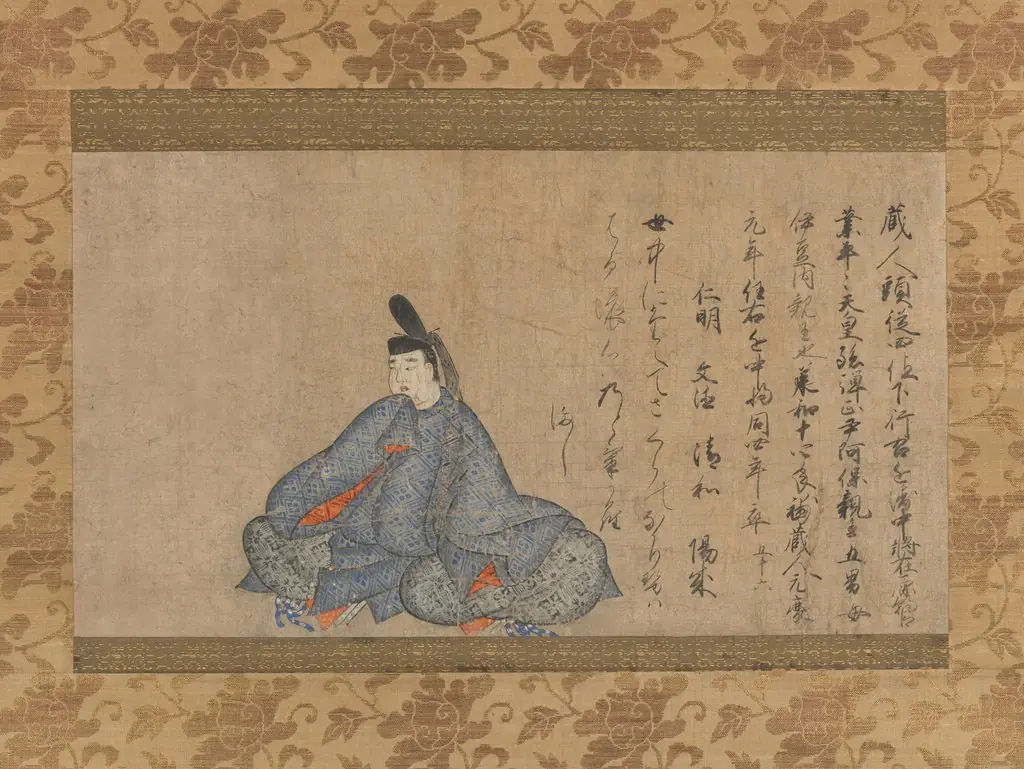
The "Thirty-six Poetic Immortals" (Sanjūrokkasen) refers to a canonical group of Japanese poets, primarily from the Heian period, whose works were compiled and celebrated over centuries. Depictions of these figures, often accompanied by their poetry, became a popular artistic subject. Gukei's series contributes to this long-standing tradition, providing visual interpretations of these literary giants for a new generation.
Own this work as a print
Artist & collection

 Daruma
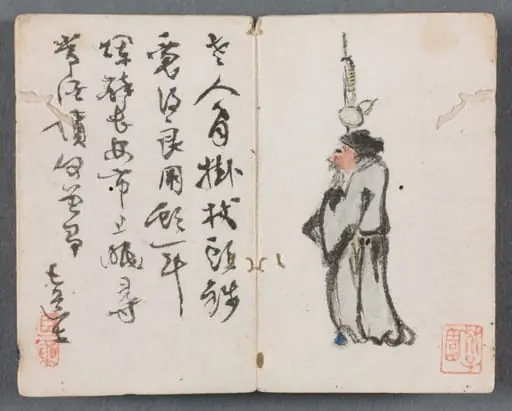 Miniature Album with Figures and Landscape (Man with Staff)
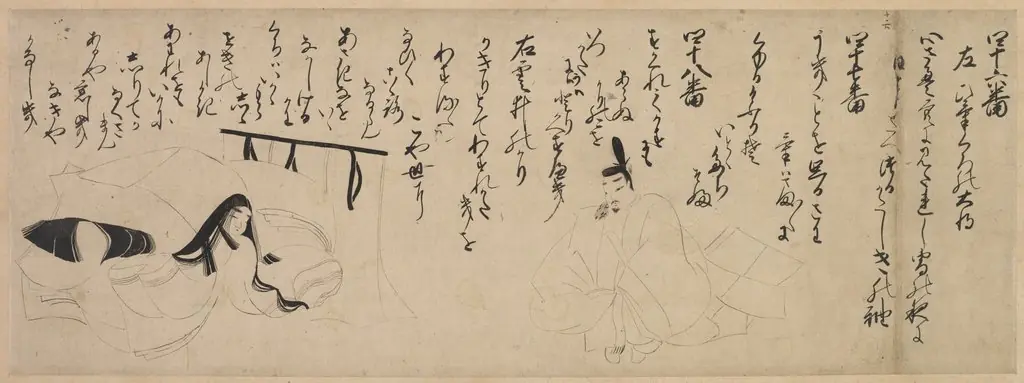 Section of an Illustrated Tale of Genji Poetry Contest
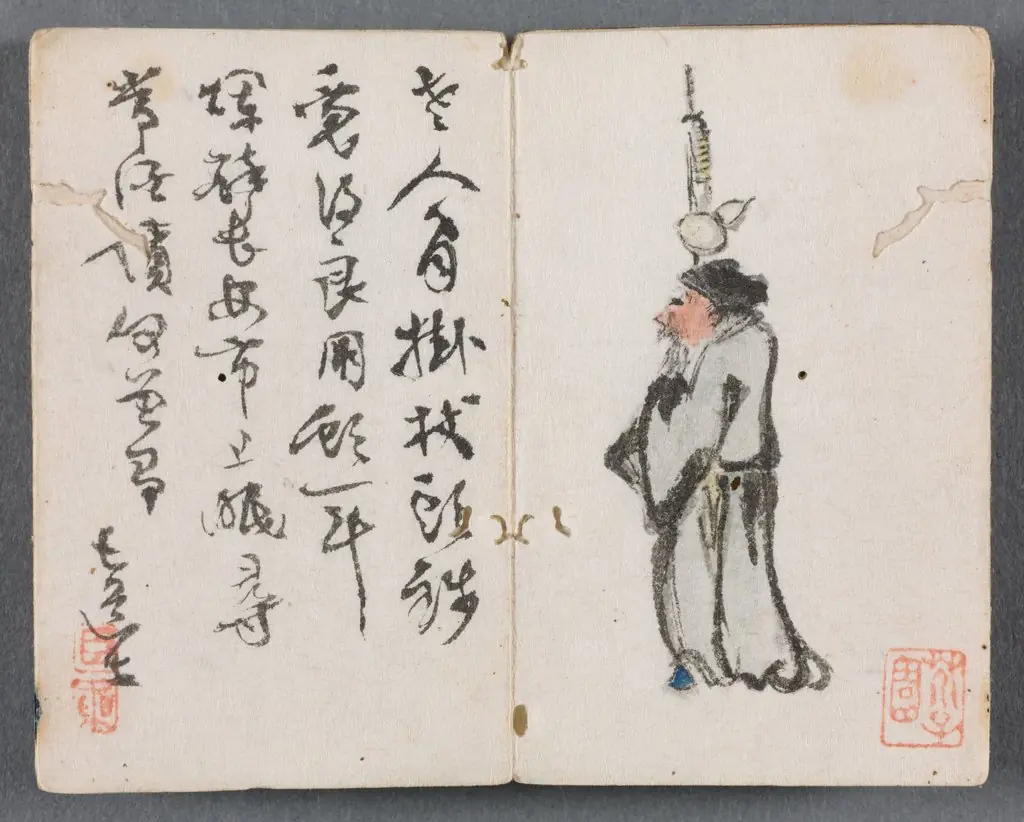 Miniature Album with Figures and Landscape (Man with Staff)
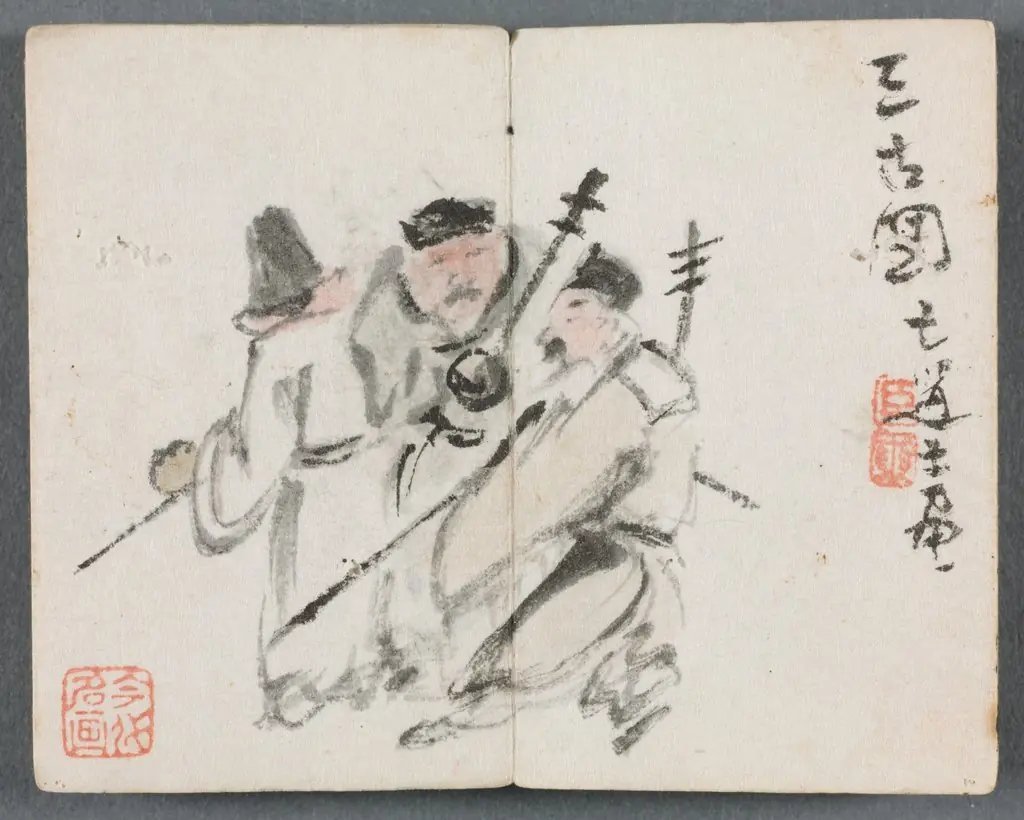 Miniature Album with Figures and Landscape (Three Men)
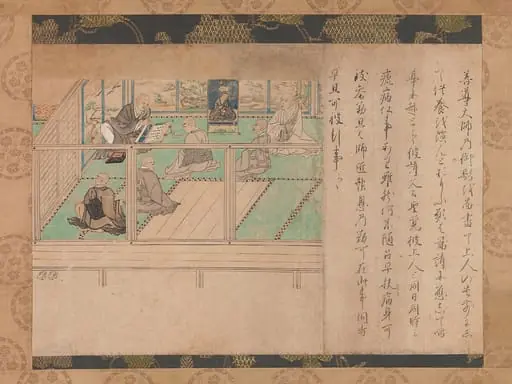 拾遺古徳伝絵断簡|Illustrated Biography of Hōnen (Shūikotokūden-e)
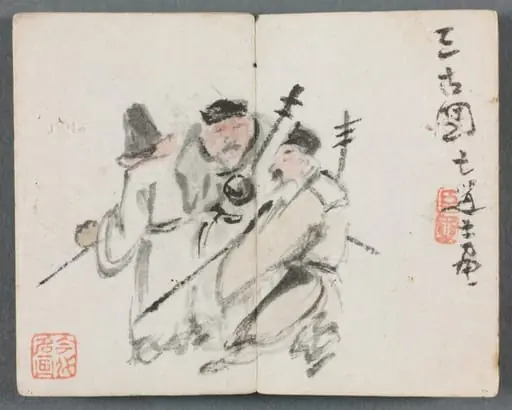 Miniature Album with Figures and Landscape (Three Men)
- Ariwara Narihira (825–880), from the Fujifusa version of Thirty-six Immortal Poets
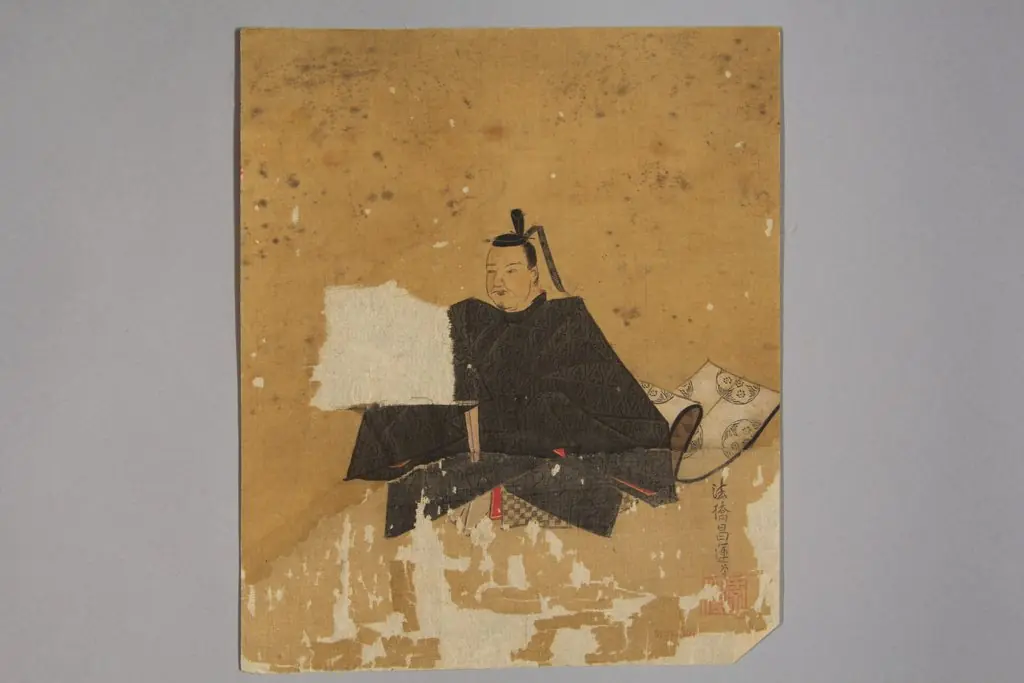 Immortal Poet
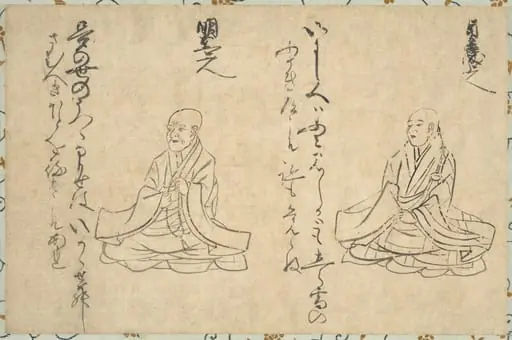 Thirty-Six Poetic Immortals of the Buddhist Clergy
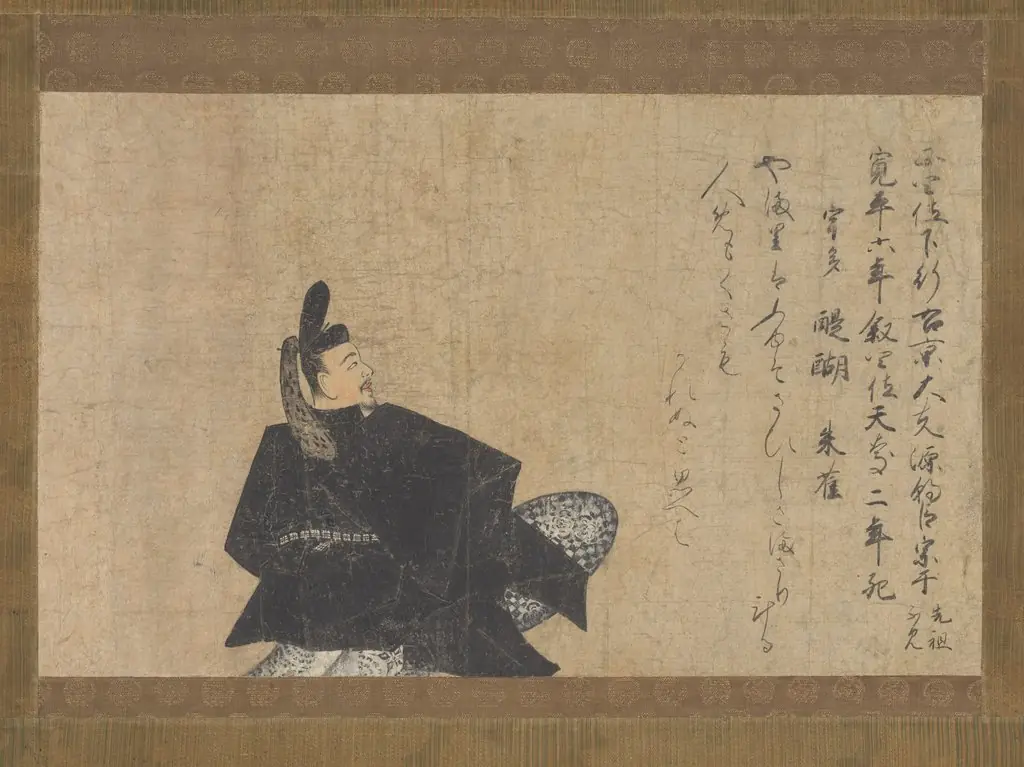 Minamoto no Muneyuki, from the “Fujifusa Version” of Thirty-six Poetic Immortals (Fujifusa-bon Sanjūrokkasen emaki)
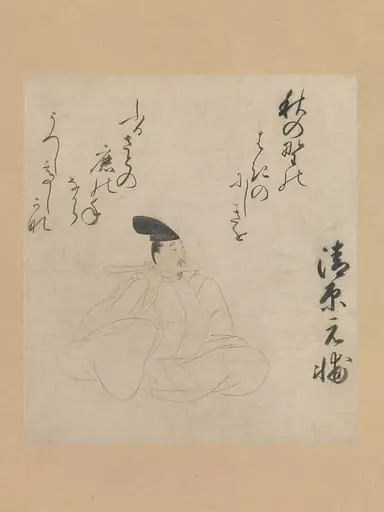 清原元輔 「為重本 時代不同歌合絵巻」 断簡 |The Poet Kiyohara Motosuke, from the “Tameshige Version” of Thirty-six Poetic Immortals (Tameshige-bon Jidai fudō utawase emaki)