Artwork
Untitled
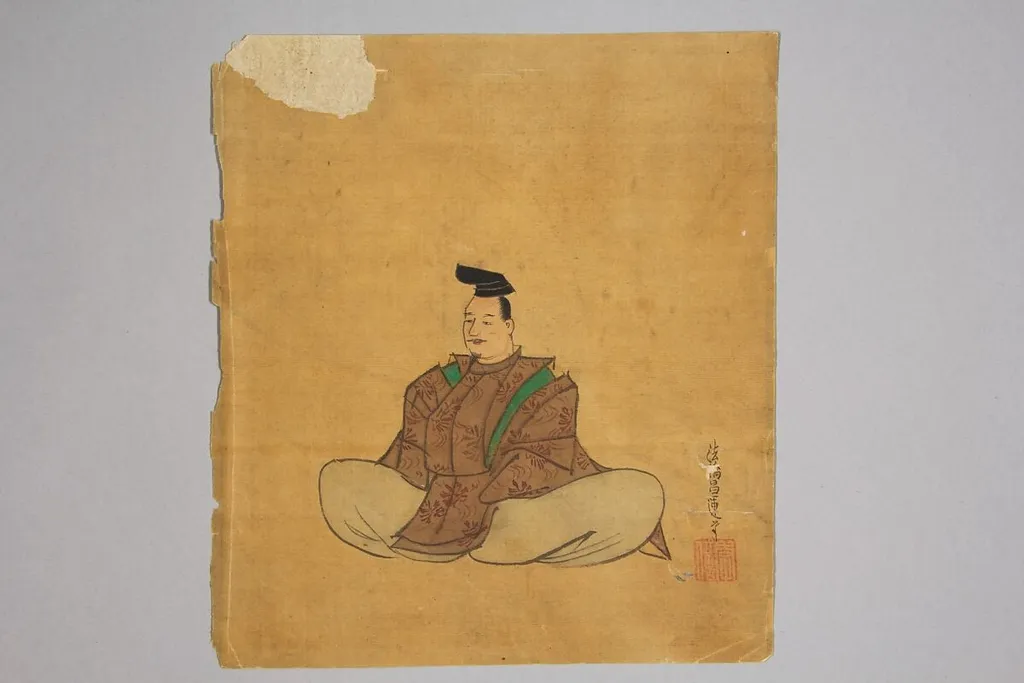
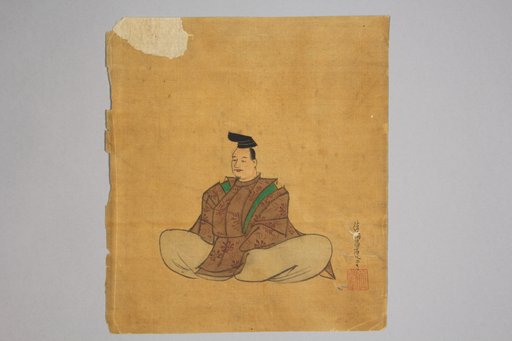
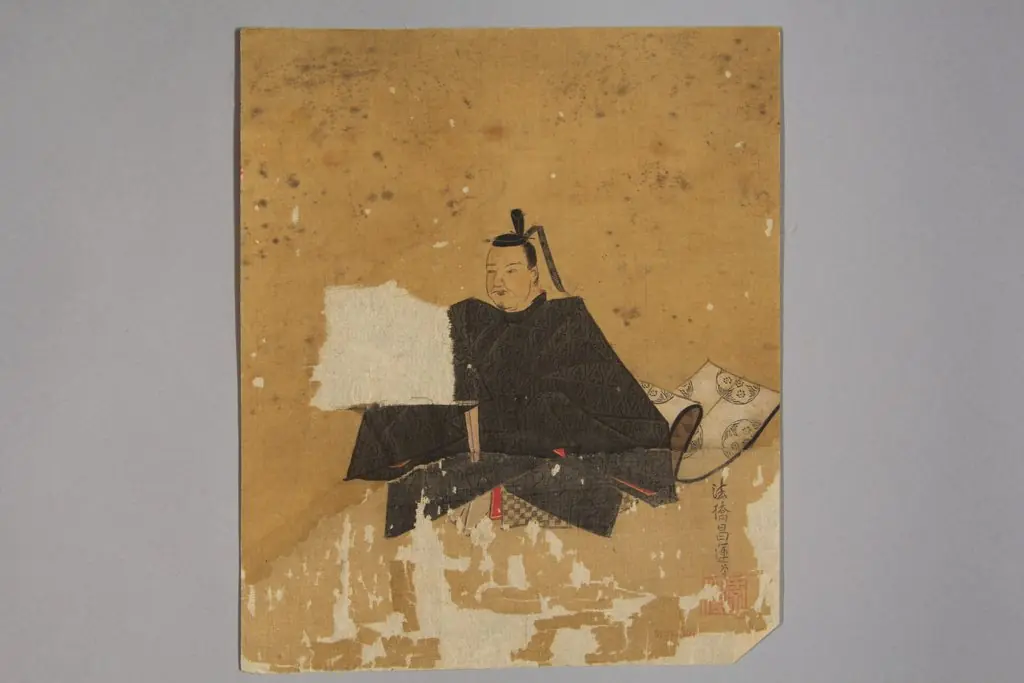
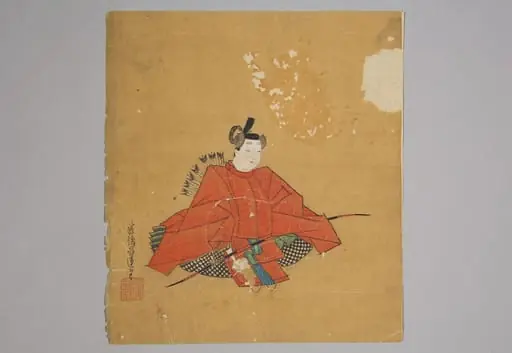
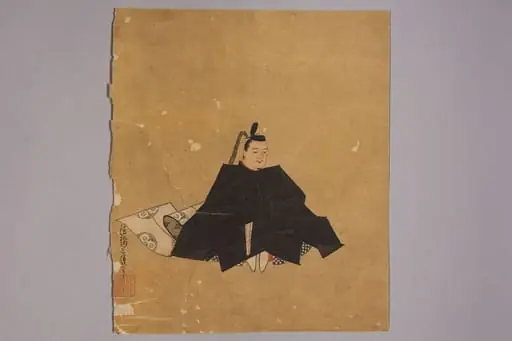
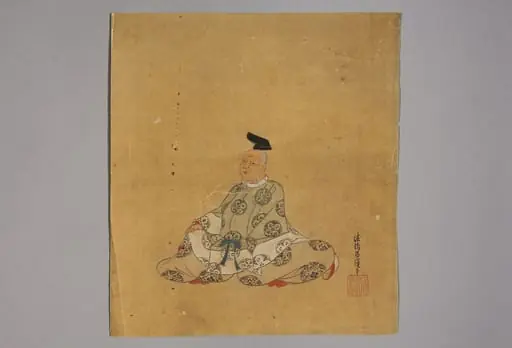
Untitled is an ink painting by the Baroque artist Kano Shōun. It dates from 1683 and is held in the collection of the Metropolitan Museum of Art. Created in 1683, this work consists of eighteen unmounted shikishi leaves, each a small silk square painted with ink and color.
About this work
Subject & Meaning
The restraint of the composition and the subject's isolation suggest themes of scholarly withdrawal and solitary reflection common in Edo-period imagery.
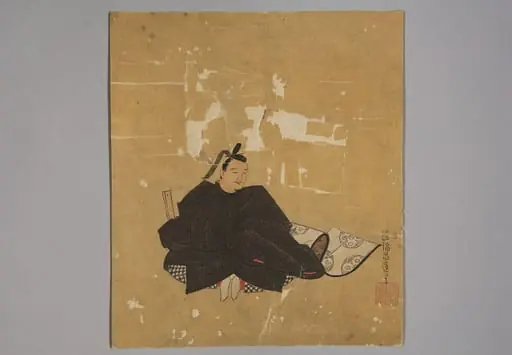
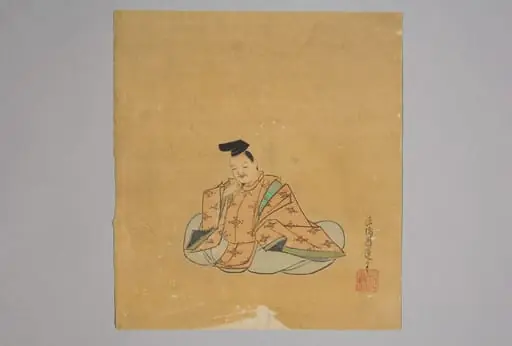
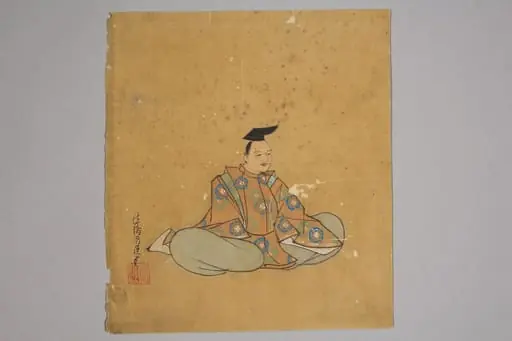
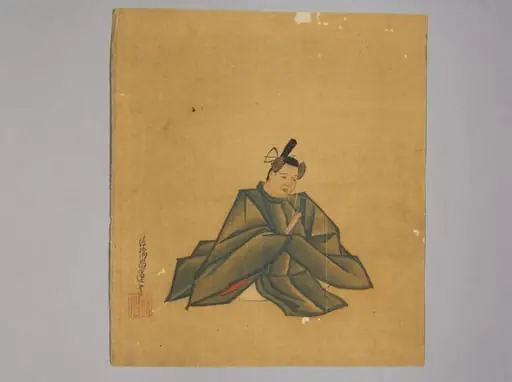
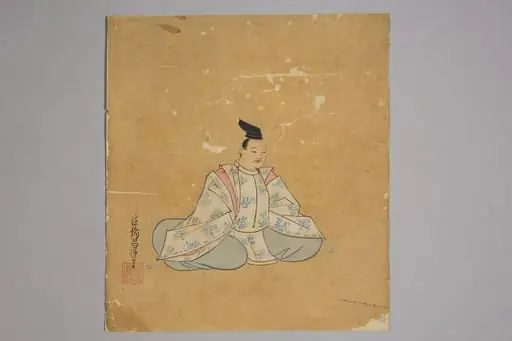
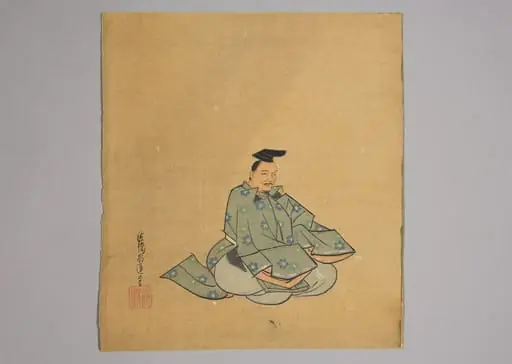
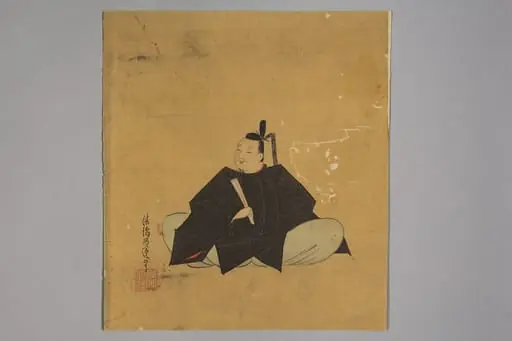
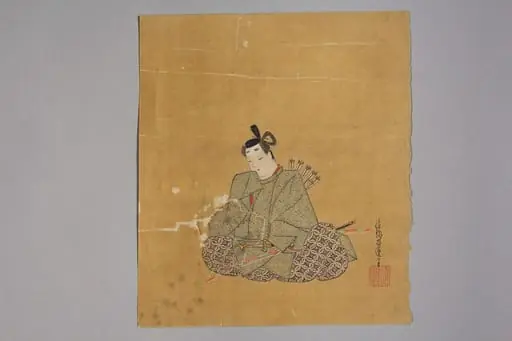
The set of eighteen shikishi panels depicts a lone man seated in an interior space, engaged in quiet contemplation or reading. The figure is rendered with spare ink and delicate colour washes, emphasizing stillness and introspection rather than narrative action. The restraint of the composition and the subject's isolation suggest themes of scholarly withdrawal and solitary reflection common in Edo-period imagery.
Technique & Style
The work consists of eighteen separate shikishi leaves painted with ink and colour on silk. Each leaf functions as an individual panel, allowing the artist to treat the composition as a series of discrete yet related images. The medium emphasizes flat patterning and a restrained palette characteristic of Kano Shoun's Edo-period style.
A single male figure occupies the central space, rendered with concise brushwork that highlights posture and attire, while the arrangement balances negative space against the ink outlines.
History & Provenance
The work was created by Kano Shoun in 1683, produced in Japan as a set of eighteen unmounted shikishi leaves executed in ink and colour on silk. It is held in the collection of the Metropolitan Museum of Art in New York, where it is classified as a genre scene depicting a male figure. No information about an original commission, intermediate owners, accession number, or exhibition history is documented in the available sources.
Overview
Created in 1683, this work consists of eighteen unmounted shikishi leaves, each a small silk square painted with ink and color. The panels are arranged side by side, forming a continuous display of solitary figures in robes engaged in quiet activities such as reading, writing, or simply sitting. The delicate application of pigment allows the silk substrate to remain visible, giving the images a translucent quality.
Context
In the late seventeenth century, such portable, multi‑panel formats were popular among the cultured elite for entertainment and artistic exchange. The piece exemplifies the Kano school’s adaptation of traditional brushwork to informal, interactive settings, bridging the worlds of visual and poetic expression.
Artist & collection