Artwork
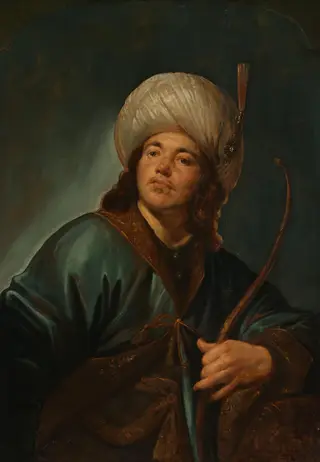
A Man Wearing a Turban and Armour
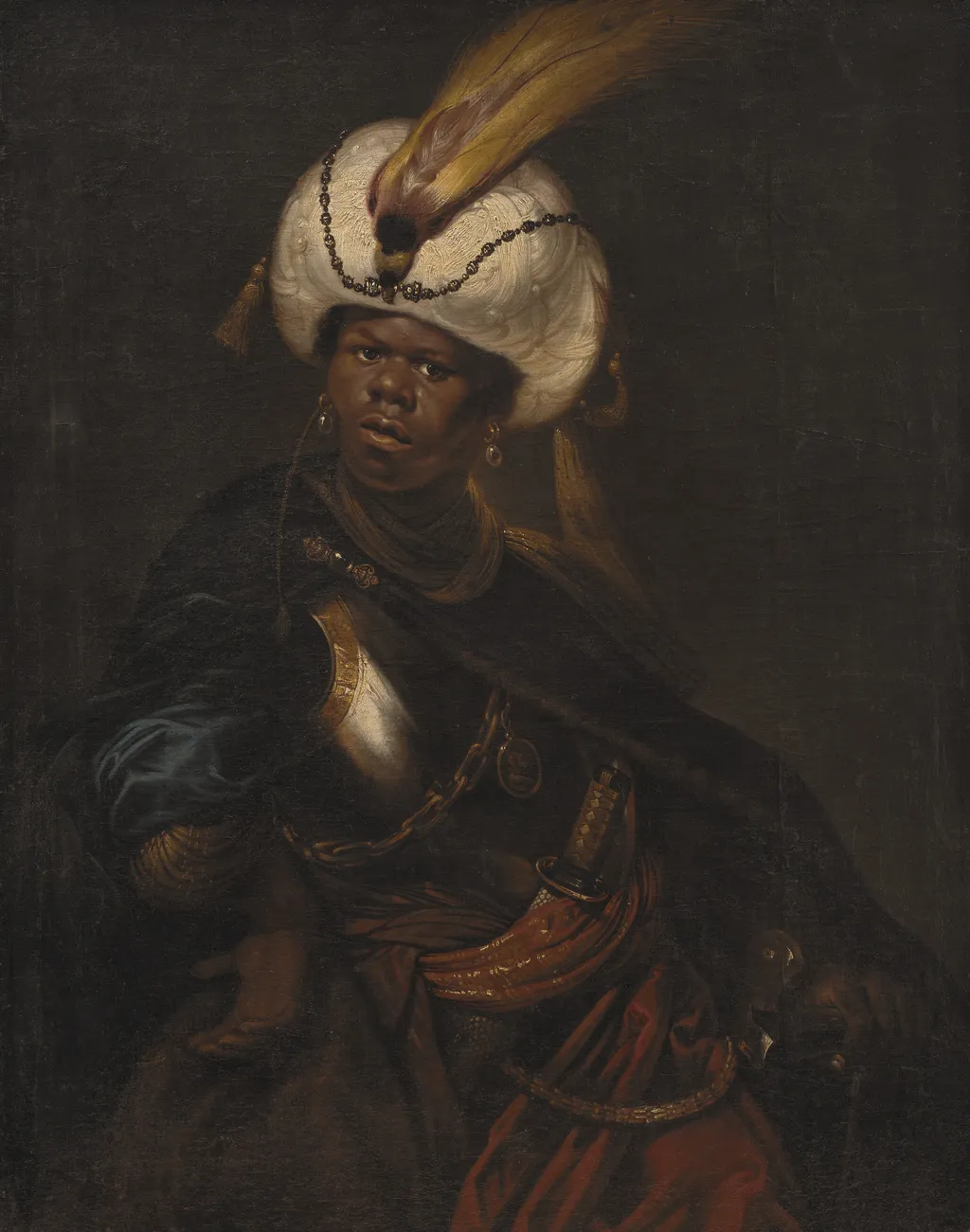
A Man Wearing a Turban and Armour is an oil painting by the Dutch Golden Age artist Karel van Mander III. It dates from 1647 and is held in the collection of the Statens Museum for Kunst.
About this work
Subject & Meaning
As a portrait created in 1647, the work presents a specific individual characterized by this distinctive combination of military gear and headwear.
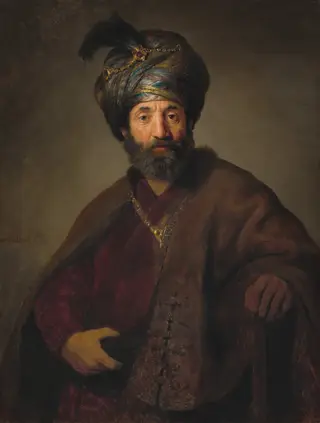
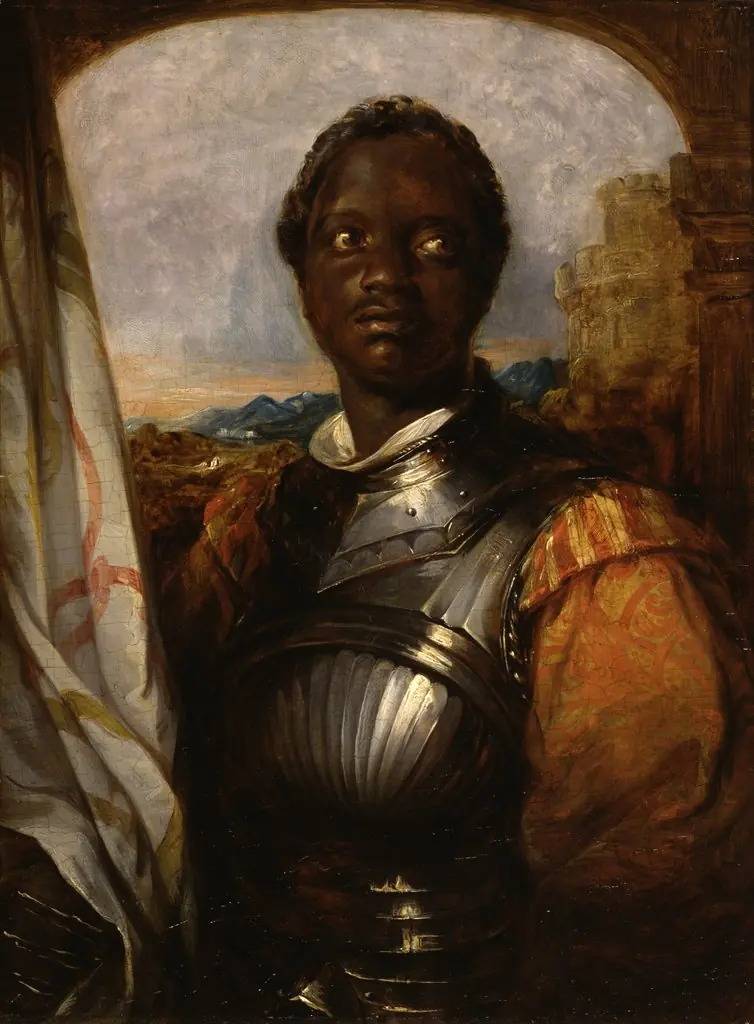
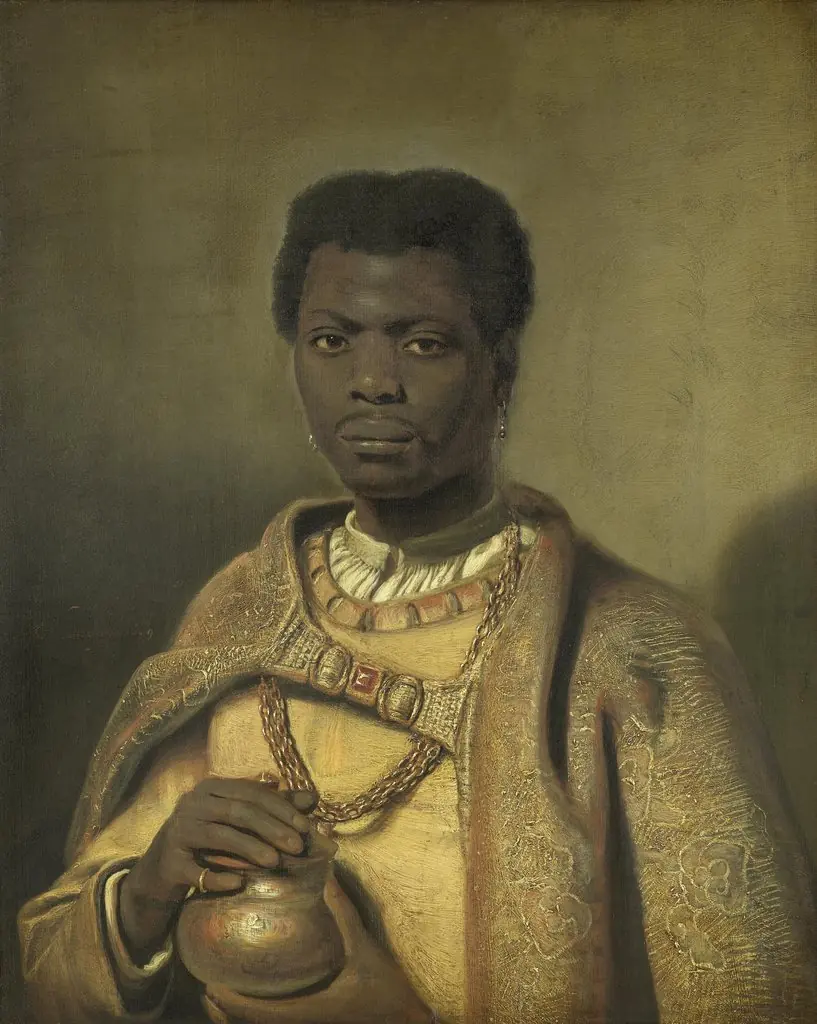
The painting depicts a man dressed in body armor and a turban, identified as a Moor or a Black person. As a portrait created in 1647, the work presents a specific individual characterized by this distinctive combination of military gear and headwear. The inclusion of the turban and the sitter's identity suggests a representation of exoticism or a specific cultural figure within the context of seventeenth-century portraiture.
Technique & Style
A Man Wearing a Turban and Armour is an oil-on-canvas portrait painted in 1647 by Karel van Mander III. The work measures 137 cm in height and 108 cm in width and falls within the portrait genre. It depicts a sitter dressed in a turban and body armor, a combination that alludes to contemporary European interest in exotic and martial dress.
The painting is part of the collection of the Statens Museum for Kunst, Copenhagen. Documentation does not elaborate on its present condition.
History & Provenance
A Man Wearing a Turban and Armour was created in 1647 by Karel van Mander III as an oil on canvas portrait. It is part of the collection of the Statens Museum for Kunst in Copenhagen, where it is recorded as a work by the Dutch artist Karel van Mander III, dated 1647. The painting measures 137 cm in height and 108 cm in width and is classified as a portrait. No exhibition record is provided in the sources consulted.
Overview
Painted in 1647 by Karel van Mander III, 'A Man Wearing a Turban and Armour' is a half-length portrait depicting a male figure in elaborate attire. The subject faces slightly right, wearing a white turban adorned with a prominent feather that extends upward, contrasting with the dark background. He is clad in polished gold armor over a dark garment, with a red sash tied around his waist, signifying status or military rank.
His expression is serious and composed, characteristic of Dutch portraiture of the mid-seventeenth century. In his left hand, he holds a folded cloth, adding a textural element to the composition. The work demonstrates van Mander's skill in rendering metallic surfaces and fabric textures, reflecting the influence of his grandfather, the renowned art theorist Karel van Mander, and the broader tradition of Dutch Golden Age portraiture.
Created during a period of relative stability in the Dutch Republic, the painting exemplifies the era's interest in depicting individuals with dignity and attention to material detail, while also showcasing the artist's ability to blend traditional iconography with contemporary stylistic elements.
Own this work as a print
Artist & collection