Artwork
King Caspar
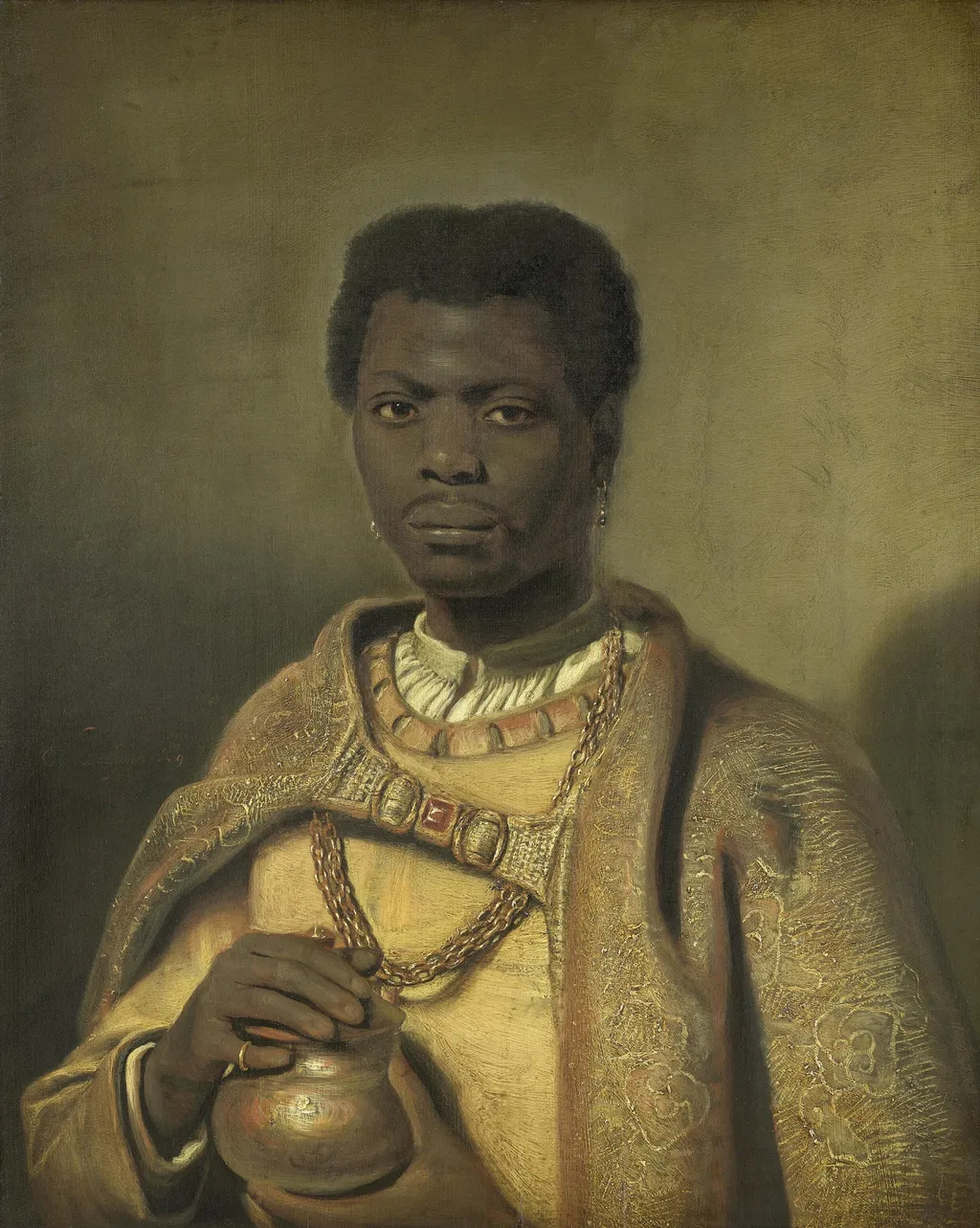
King Caspar is an oil painting by the Dutch Golden Age artist Hendrik Heerschop. It dates from 1654 and is held in the collection of the Gemäldegalerie Berlin.
About this work
Overview
King Caspar is a 1654 oil on oakwood painting by the Dutch Golden Age artist Hendrik Heerschop, measuring 74.
King Caspar is a 1654 oil on oakwood painting by the Dutch Golden Age artist Hendrik Heerschop, measuring 74.8 by 60.5 centimeters. The work portrays one of the three Biblical Magi as a Black African man, isolating the figure from the traditional narrative of the Adoration of the Magi to create a single, imposing portrait. Currently held in the Gemaldegalerie of the Staatliche Museen zu Berlin, the painting is a significant example of 17th-century Dutch art that diverges from the era's dominant white elite portraiture and domestic scenes. It stands out for its dignified, noble representation of a person of color during a period when such individuals were largely marginalized in European visual culture.
Subject & Meaning
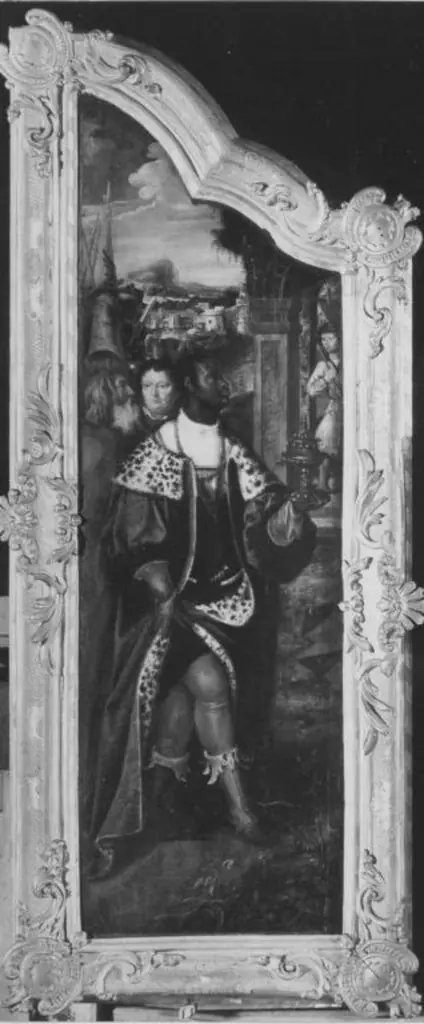
The painting depicts King Caspar, the second oldest of the three Magi, who visited the infant Jesus bearing the gift of frankincense, a symbol of the child's divinity. Heerschop presents Caspar as a Black African king rather than following the older European tradition, seen in works by Jan de Beer and Andrea Mantegna, which typically represented the youngest magus, Balthazar, as African. The figure holds a precious rounded vessel containing his gift. Some scholars have speculated that this container, depending on whether it is made of brass or clay, could reference the Akan kuduo, traditional cast brass receptacles for gold and personal life force, or, if clay, portend future traumatic events. The iconography emphasizes nobility and royal status through sumptuous oriental clothing, a jeweled cloak, and heavy gold chains from which the frankincense hangs.
Technique & Style
Heerschop executed the work in oil on an oakwood panel, utilizing a warm palette dominated by golds, browns, and creamy whites set against a deep, atmospheric dark background. The composition is format-filling and planar, focusing entirely on the central figure who faces the viewer with a direct gaze. Light falls from the left, illuminating the sitter and highlighting the material richness of the attire. The brushwork varies considerably across the surface, employing smooth blending to model the face and thick, textured strokes to render the fabrics and metalwork, creating a tactile sense of material wealth. The coloration and lighting show the clear influence of Rembrandt, who frequently chose biblical single figures as motifs. A signature on the left beside the shoulder reads Heerschop, followed by 165 and a final digit, either 4 or 9, accounting for the date range assigned to the work.
History & Provenance
The painting was created in Haarlem between 1654 and 1659, as indicated by the partially legible date in the signature. The identity of the sitter has been lost to history, though the individualized features suggest he was a specific person rather than an idealized type. The work is now housed in the Gemaldegalerie of the Staatliche Museen zu Berlin. Its exhibition history includes the show Black in Rembrandt's Time, which explored the representation of Black individuals in 17th-century Dutch art.
Context
Hendrik Heerschop worked in Haarlem during the mid-17th century, painting in the style of Haarlem Classicism and producing genre, biblical, and historical scenes. He had trained under the still life painter Willem Claesz Heda beginning in 1642 and became a member of the Haarlem Guild of St. Luke in 1648. The social context of the painting is deeply tied to Amsterdam's vibrant community of free Black Africans, many of whom lived near the Jodenbreestraat, close to Rembrandt's residence. Because slavery was illegal in the Netherlands at the time, the sitter for King Caspar was likely a free individual from this community, possibly a neighbor or acquaintance of the artist. The painting is considered an exceptional work for its time because it diverges from the standard practice of relegating people of color to the background as servants or slaves, instead portraying the sitter with profound dignity and individual expression, likely painted from life rather than relying on stereotypes.
Legacy
Heerschop's King Caspar has gained recognition as a remarkable piece of social complexity and historical importance within the Dutch Golden Age. By portraying a Black subject with dignity, absent the dominating presence of white figures, the work provides an alternative, enlightened perspective within an increasingly racialized Europe. Modern scholars and critics view the painting as a significant step toward the collective recognition and reevaluation of marginalized figures in art history. The individual, highly memorable expression of the sitter elevates the work beyond a standard religious tronie, cementing its reputation as a uniquely dignified portrayal that challenges the traditional marginalization of people of color in Western art.
Own this work as a print
Artist & collection

- Triptych: King Balthasar
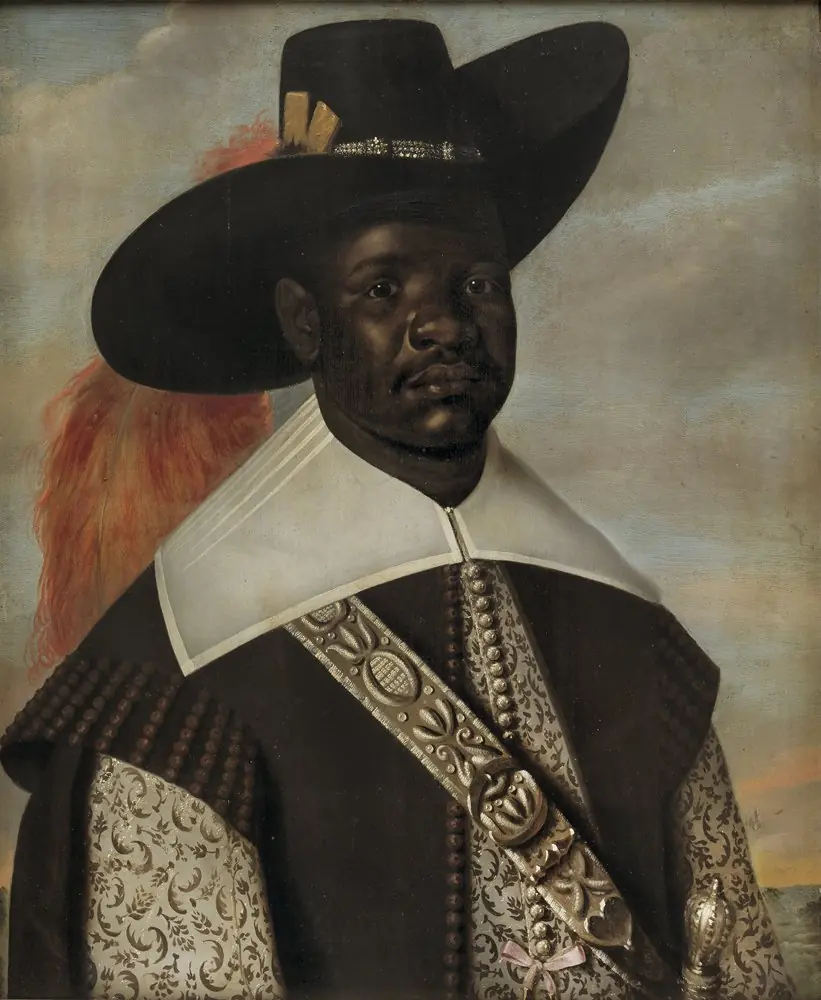 Don Miguel de Castro, Emissary of Congo
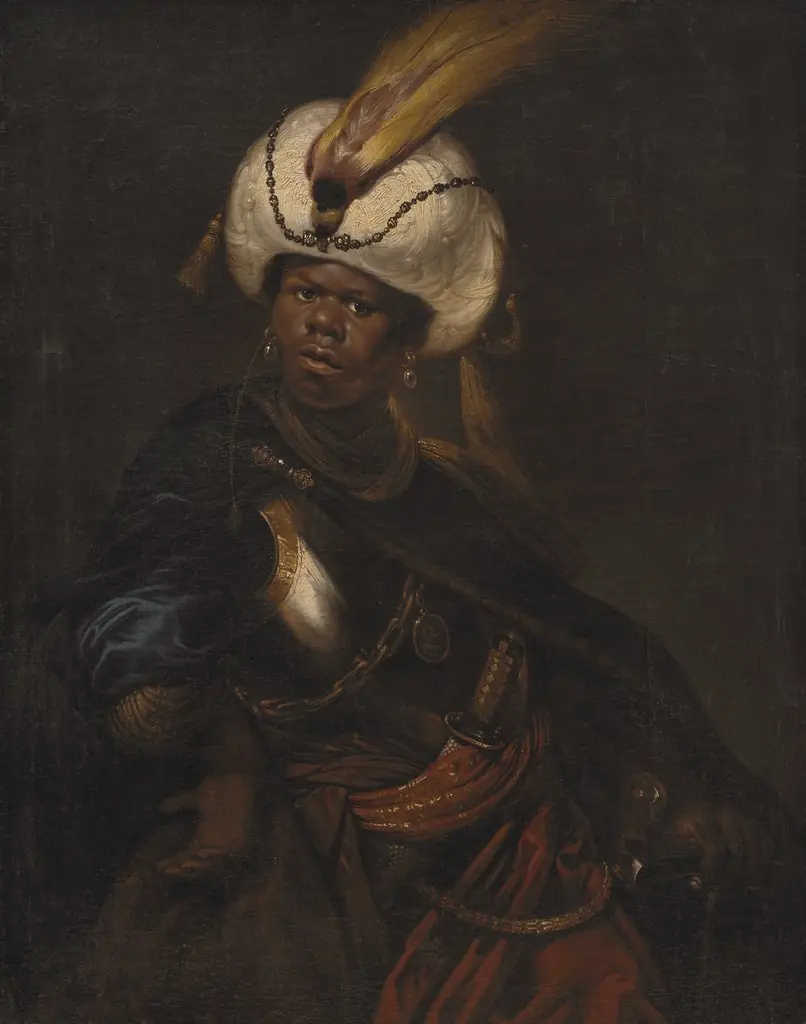 A Man Wearing a Turban and Armour
 Head of a Black Man
 Study for the Head of a Moorish King
 Ira Aldridge, Possibly in the Role of Othello
 Portrait of an African Man (Christophle le More?)
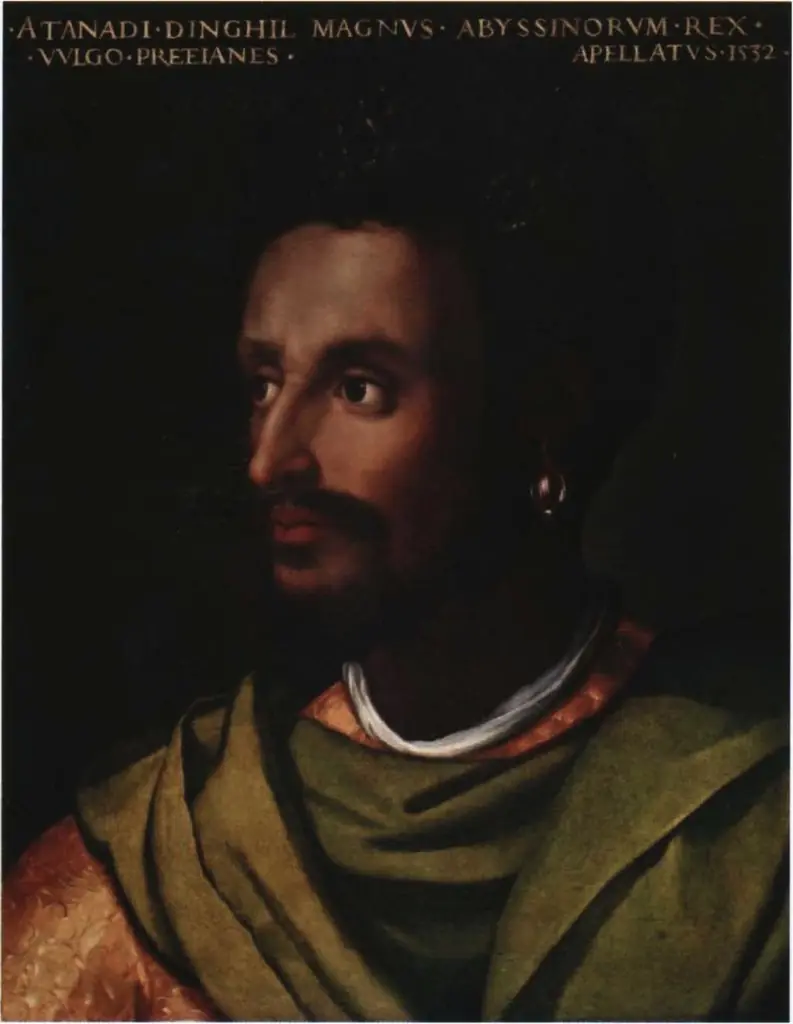 Portrait of Lebnä-Dengel
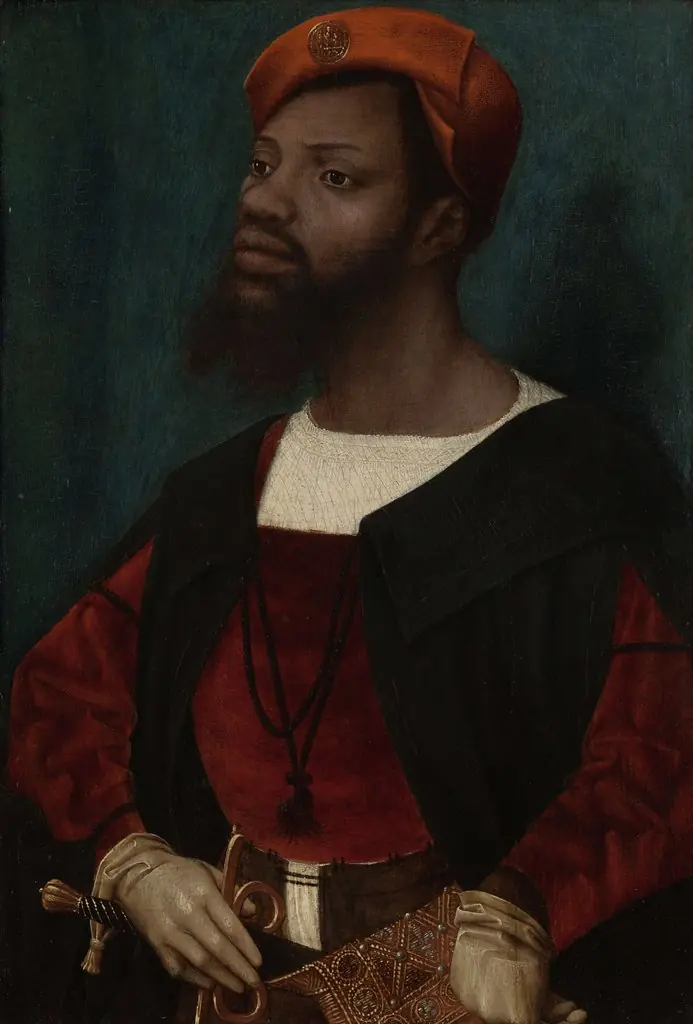 Portrait of an African Man (Christophle le More?)
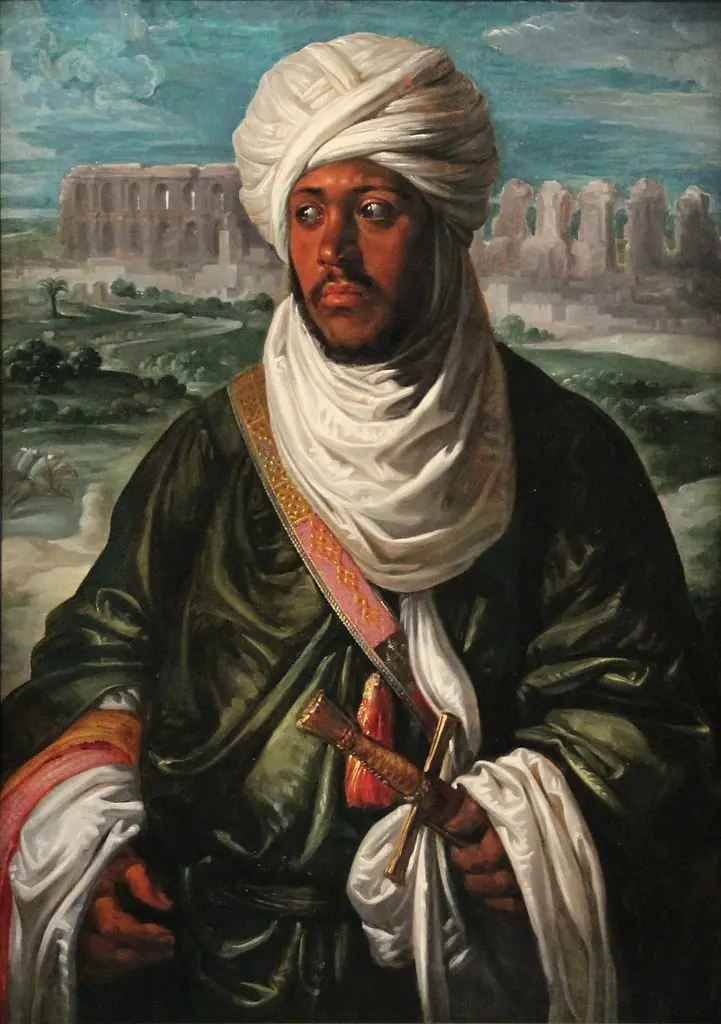 Portrait of Mulay Ahmad
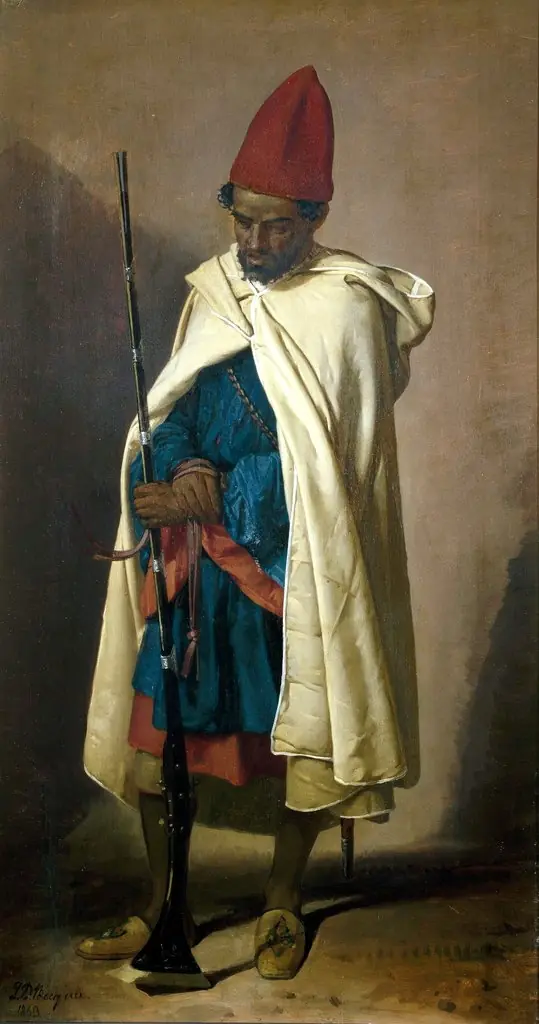 Moor
Moor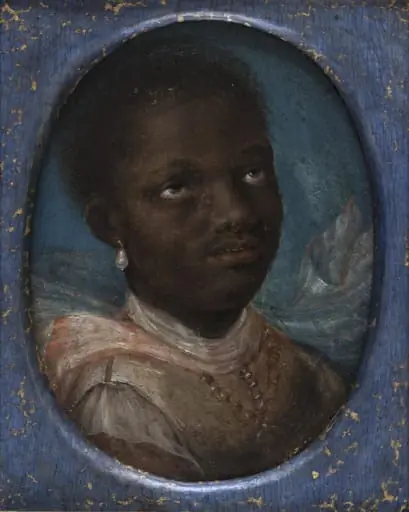 Head of an African