Artwork
Harpsichord Lid showing an Allegory of Amsterdam as the Center of World Trade
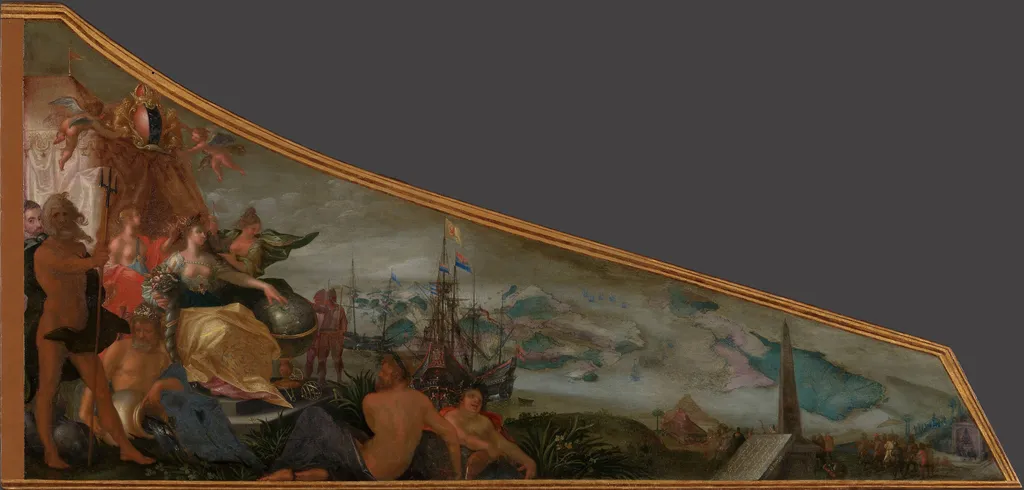
Harpsichord Lid showing an Allegory of Amsterdam as the Center of World Trade is an oil painting by the Dutch Golden Age artist Karel van Mander the Elder. It dates from 1606 and is held in the collection of the Rijksmuseum.
About this work
Subject & Meaning
Created in 1606, this oil painting on panel functions as an allegory personifying Amsterdam as the central hub of global commerce.
Created in 1606, this oil painting on panel functions as an allegory personifying Amsterdam as the central hub of global commerce. The composition depicts a female figure representing the city, accompanied by a ship, which together symbolize Amsterdam's dominant role in world trade during the early seventeenth century. By integrating these maritime and personified elements, the work visually articulates the economic prosperity and international significance of the Dutch capital at the height of its mercantile power.
Technique & Style
The work is executed in oil paint on a wooden panel, a conventional support for Dutch painting of the early seventeenth century. The surface bears an allegorical composition that emphasizes Amsterdam’s commercial dominance, rendered with restrained chiaroscuro and a balanced arrangement of figures and maritime motifs. The painting’s formal treatment reflects the influence of Karel van Mander’s workshop practices, combining precise detail in the depicted ship and personifications of trade with a decorative framing typical of allegorical panels.
Its condition is stable, with only minor craquelure along the edges consistent with age and handling of a panel work.
History & Provenance
Created in 1606, this harpsichord lid features an allegorical painting executed in oil on panel. The work is attributed to Karel van Mander the Elder, with some records also citing Pieter Isaacsz and the Ruckers family as contributors to its creation. The piece depicts Amsterdam as a central hub of global commerce, symbolized by figures of women and ships.
The object is currently held in the collections of major Dutch institutions, specifically the Rijksmuseum and the Amsterdam Museum. Its dimensions are recorded as 79.4 cm in height and 165 cm in width. No specific details regarding the original commissioner or the intermediate ownership chain prior to its museum acquisition are provided in the available records.
Context
The harpsichord lid allegory of Amsterdam as a commercial hub reflects the city's rising maritime prominence in the Dutch Golden Age. Painted by Karel van Mander the Elder in 1606, the work was created for the Amsterdam merchant family Ruckers, linking artistic patronage to emerging bourgeois wealth. Its allegorical program, attributed to Pieter Isaacsz, combines personifications of trade and naval power within a composition that emphasizes Amsterdam's role as a global economic center.
The painting's technical execution in oil on panel and its integration of symbolic motifs such as ships and personified figures underscore its function as both a decorative object and a visual statement of civic pride. The work remains part of the Rijksmuseum's collection, preserving its legacy as a rare example of decorative arts intersecting with civic symbolism in early 17th-century Amsterdam.
Scholarship highlights the piece's significance in the development of Dutch allegory, particularly in how it merges commercial iconography with elite patronage. Its attribution to Karel van Mander the Elder situates it within a network of artists active in Amsterdam during the early phase of Dutch maritime expansion. The work's presence in both the Rijksmuseum and Amsterdam Museum collections illustrates its recognized cultural value and ongoing scholarly interest in its iconography and historical context.
Overview
Created in 1606, this oil painting on a harpsichord lid presents an allegorical scene that places Amsterdam at the centre of international trade. A gold‑clad female figure dominates the composition, seated upon a globe while ships, a towering structure and assorted figures surround her, suggesting a bustling port environment. The work is part of the Rijksmuseum’s collection.
Artist & collection
Artist
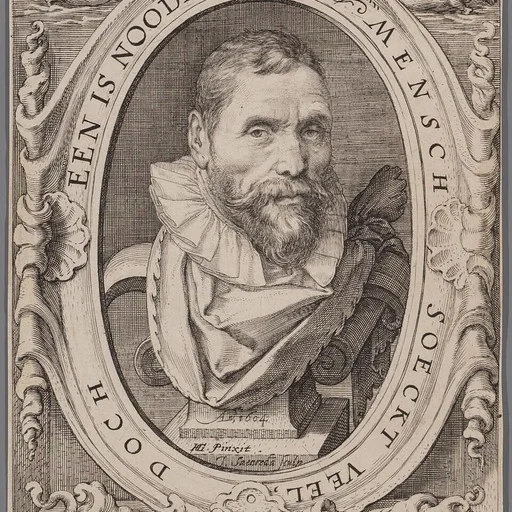
Karel van Mander (I) or Carel van Mander I (May 1548 – 2 September 1606) was a Flemish painter, playwright, poet, art historian and art theoretician, who established himself in the Dutch Republic in the latter part of his life.

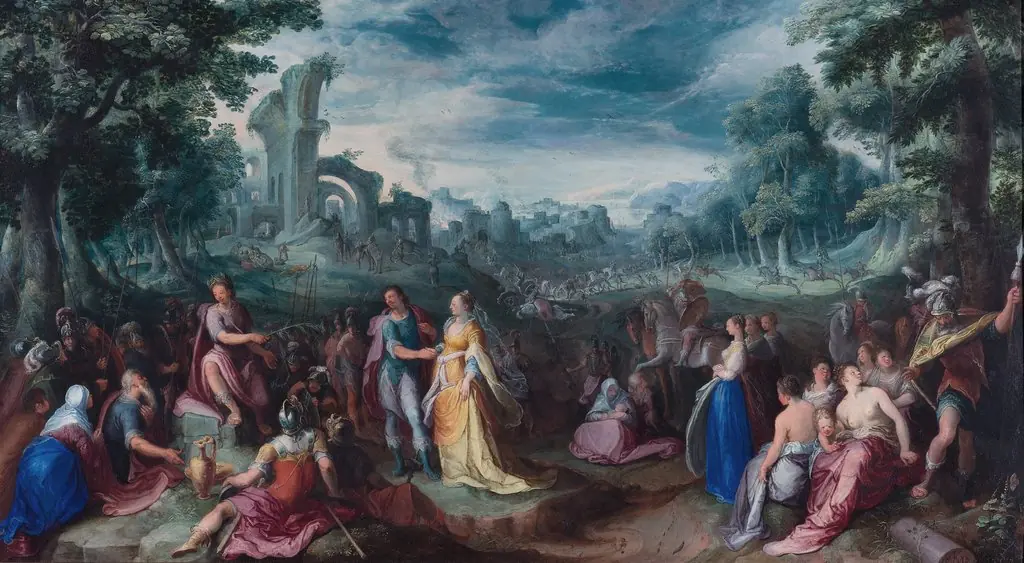
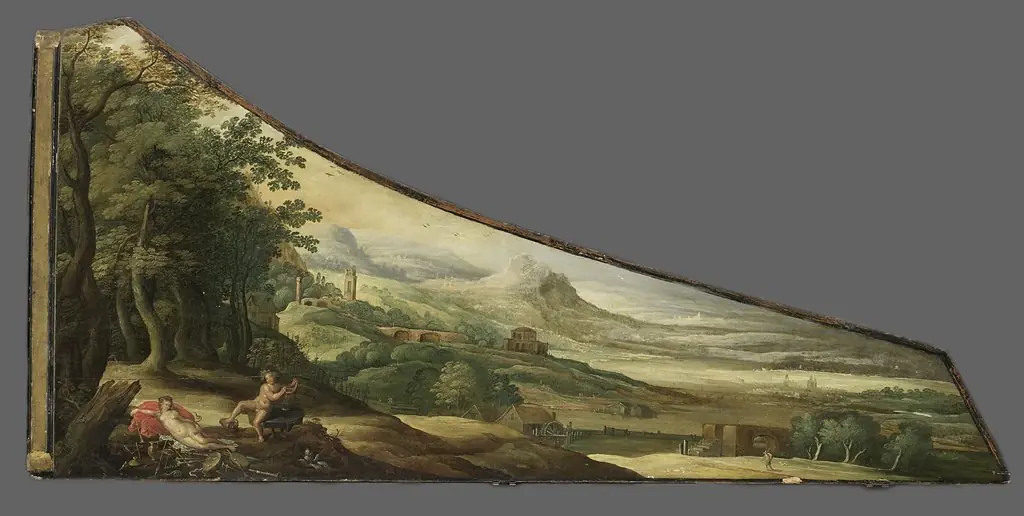 Death of Euridice
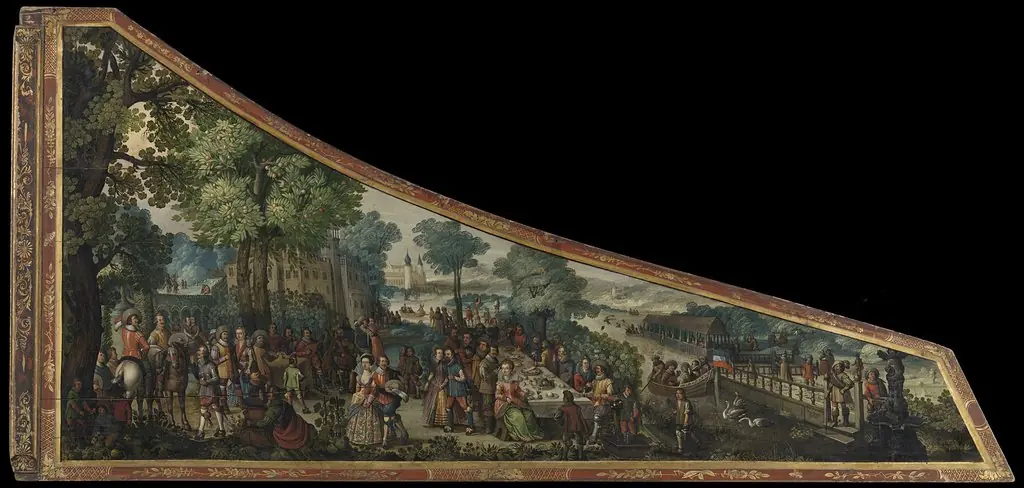
 Deksel van een klavecimbel
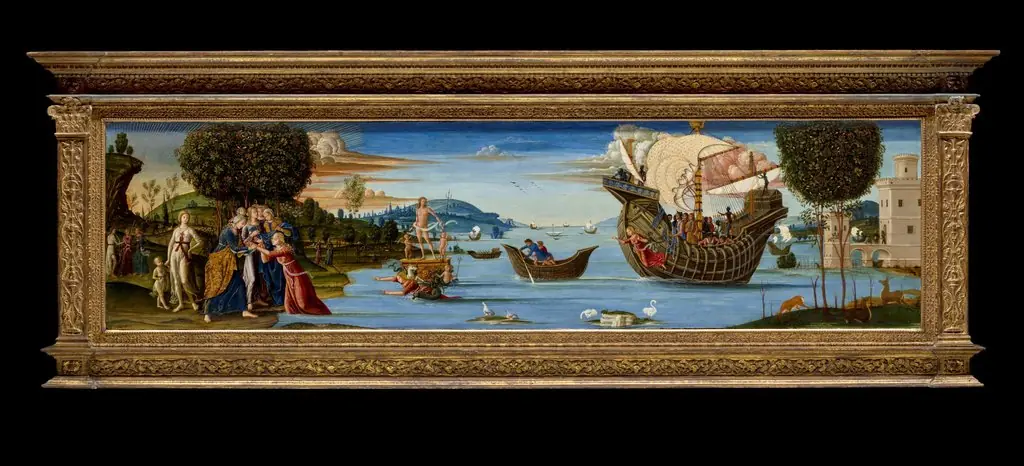 The Beloved of Enalus Sacrificed to Poseidon and Spared
 Shipwreck against a Rock
 The last appearance of Christ to his disciples
 Warfare of Emperor Charles V against Tunis (1535): Battle for La Goletta
 The Adventures of Ulysses
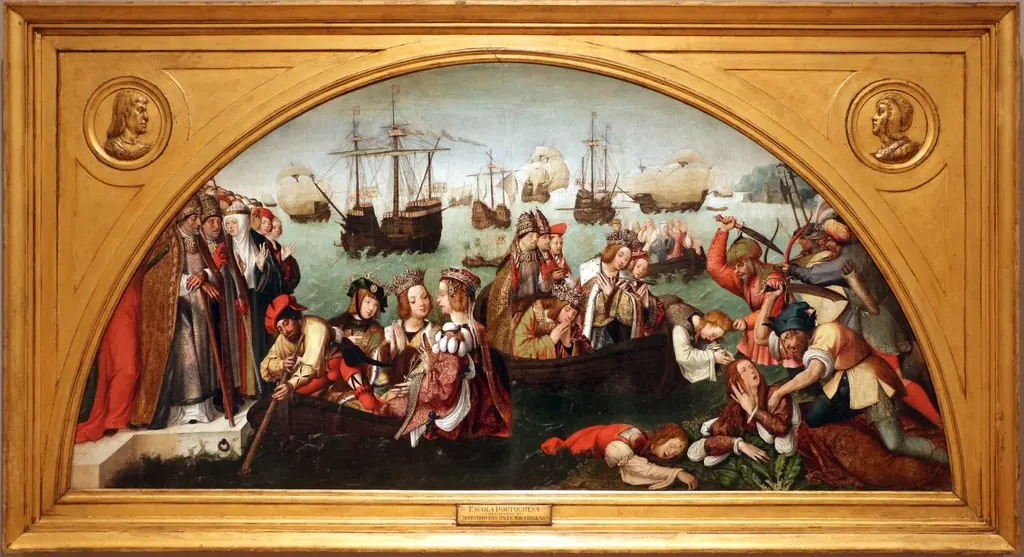 Martírio das onze mil Virgens
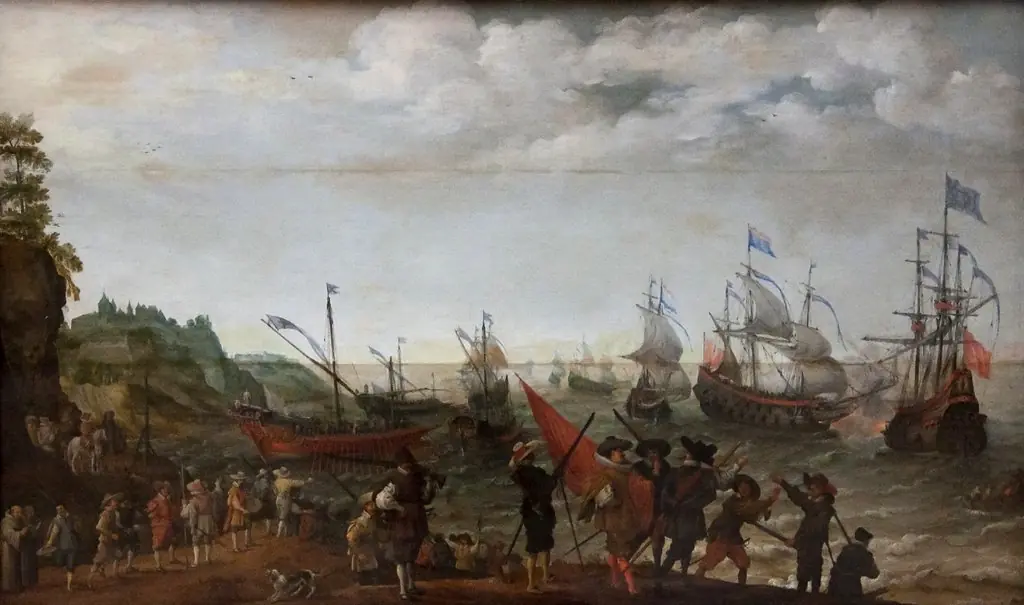 Sea Battle between Dutch and British ships in 1623
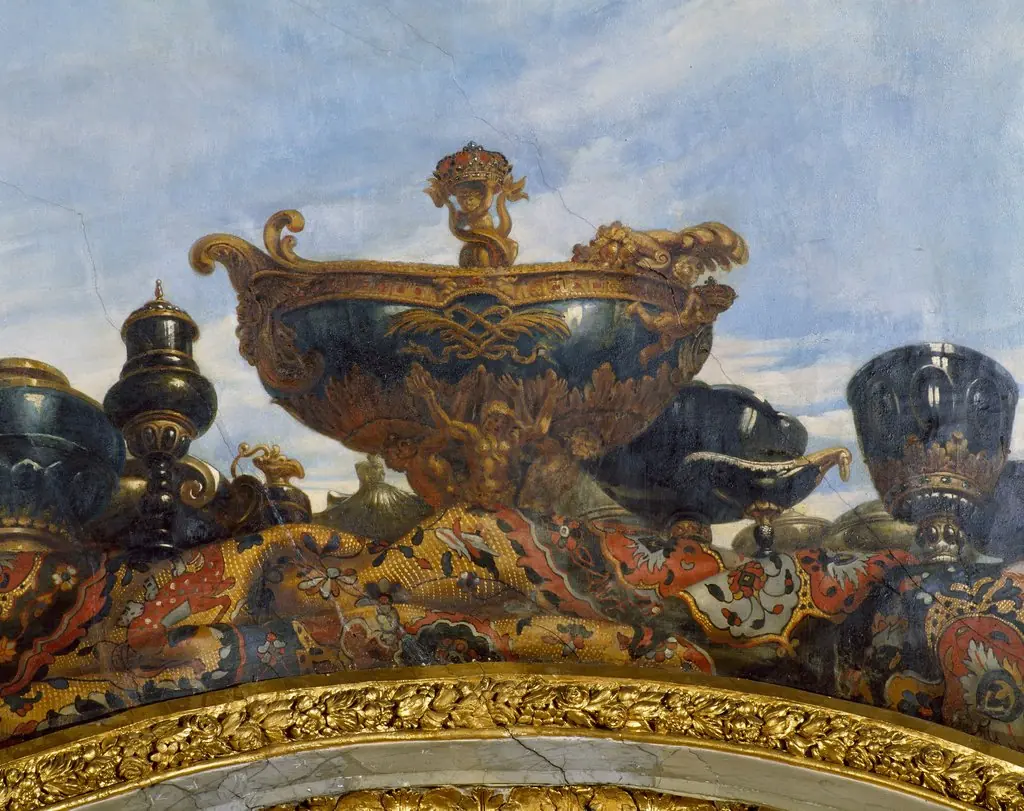 Coving, the Nef of Louis XIV