Artwork
The Continence of Scipio
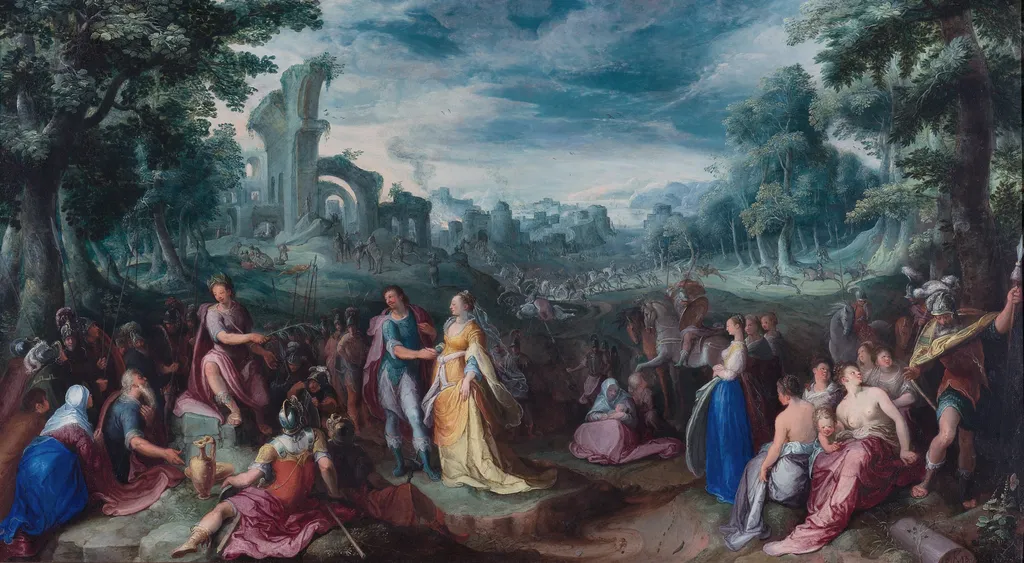
The Continence of Scipio is an oil painting by the Dutch Golden Age artist Karel van Mander the Elder. It dates from 1600 and is held in the collection of the Rijksmuseum.
About this work
Subject & Meaning
As a history painting, the work uses this ancient anecdote to represent the ideal of temperance and the triumph of reason over desire.
Karel van Mander the Elder's 1600 history painting depicts the classical narrative known as the Continence of Scipio. The composition centers on the Roman general Scipio Africanus, who is shown exercising self-restraint by returning a captured enemy bride to her fiancé rather than claiming her as spoils of war. Beyond the human figures, the work includes allegorical elements such as a tree and the personification of Natura, which likely serve to underscore the moral and natural virtues of the protagonist's clemency.
As a history painting, the work uses this ancient anecdote to represent the ideal of temperance and the triumph of reason over desire.
Technique & Style
The Continence of Scipio is executed in oil paint on a copper support, a refined combination typical of early seventeenth-century cabinet pictures that allowed for smooth, enamel-like surfaces and meticulous detail. The painting is small in scale, measuring 44 cm in height by 79 cm in width, and is classified as a history painting.
The copper ground enabled the artist to work with fine, translucent glazes and crisp contours, lending the figural group and surrounding landscape a jewel-like finish. The composition depicts the continence of Scipio alongside a tree and the personification of Natura, rendered in a polished, narrative-driven style consistent with Karel van Mander the Elder's history paintings of 1600.
History & Provenance
Karel van Mander the Elder created The Continence of Scipio in 1600 in oil on a copper support. Measuring 44 cm in height and 79 cm in width, the work is classified as a history painting and depicts Scipio Africanus alongside figures including the personification of Natura and a tree. The painting is held in the collection of the Rijksmuseum.
No further details regarding specific commissioning patrons, an accession number, or a history of exhibitions are provided in the available records.
Overview
Created in 1600 by Karel van Mander the Elder, this modestly sized copper painting belongs to the Dutch Golden Age. It presents a bustling outdoor tableau populated by figures in elaborate historic dress, centered on a luminous woman in yellow clasping the hand of a man in blue. The composition is set against a ruined structure and a distant city under a clouded sky, rendered with pronounced contrasts of light and shadow.
Context
During the early 1600s, Dutch artists frequently chose copper as a support for small‑scale works, valuing its durability and capacity for fine brushwork. Van Mander’s choice aligns with this trend, and his integration of classical narratives into a Northern Mannerist visual language mirrors the broader European fascination with antiquity that informed the intellectual climate of the Dutch Golden Age.
Artist & collection
Artist
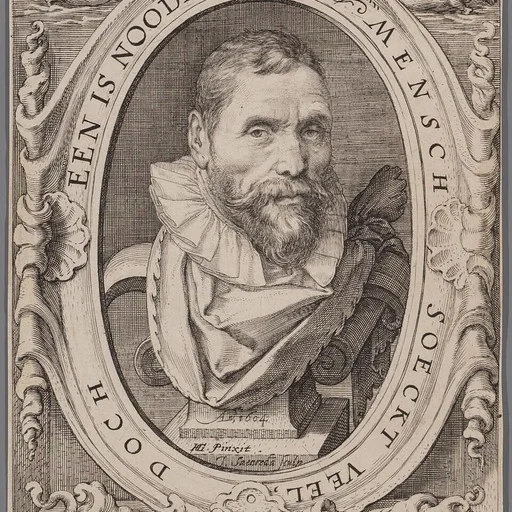
Karel van Mander (I) or Carel van Mander I (May 1548 – 2 September 1606) was a Flemish painter, playwright, poet, art historian and art theoretician, who established himself in the Dutch Republic in the latter part of his life.

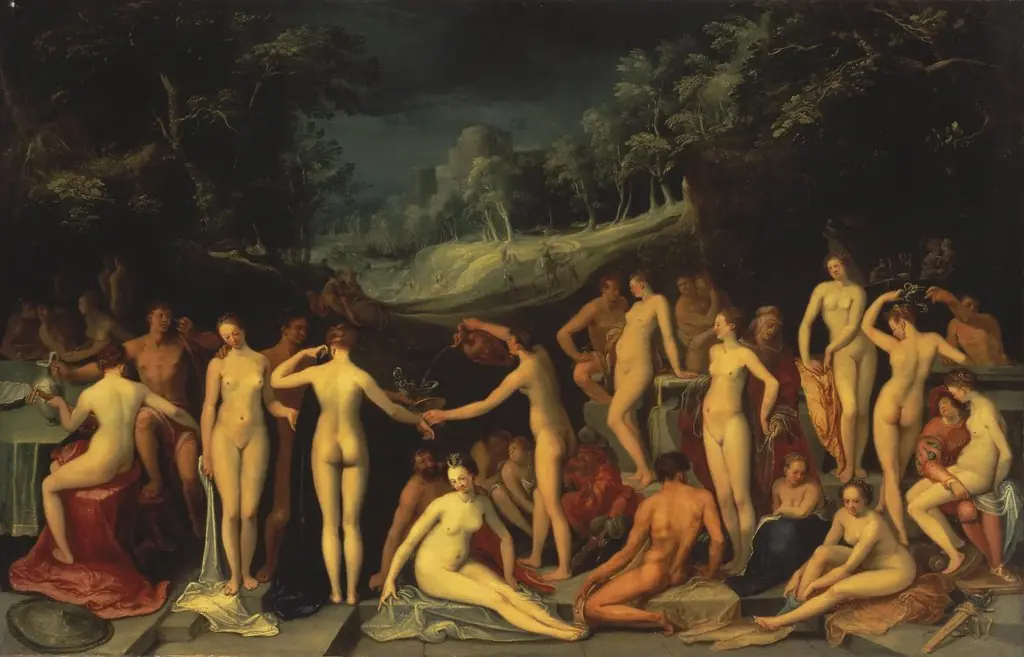
- Moses Strikes the Rock
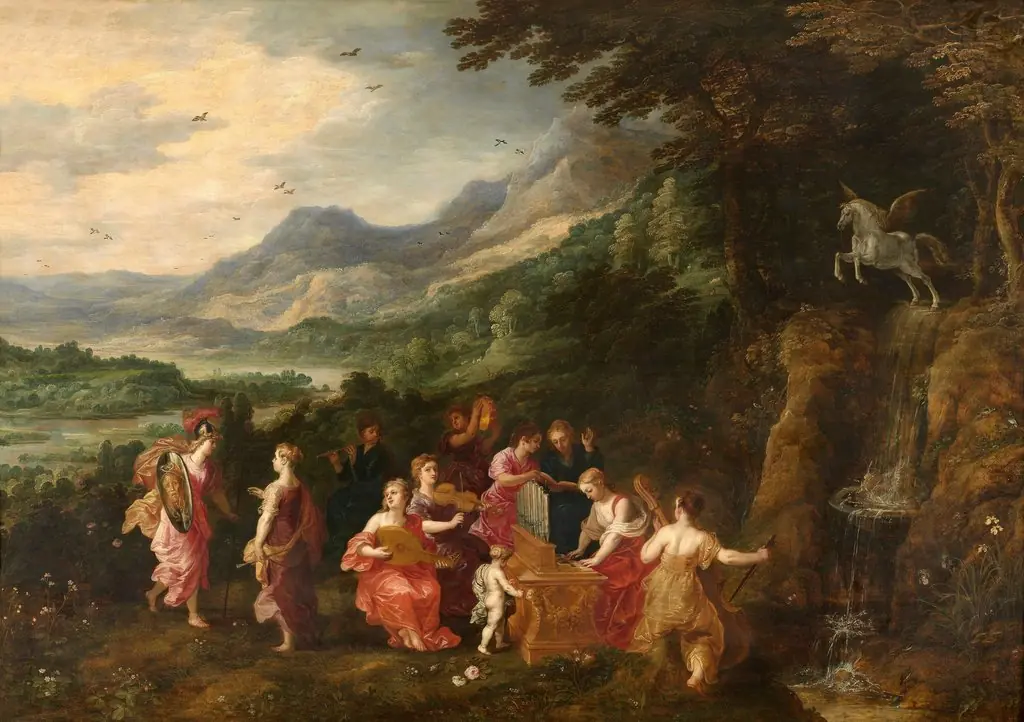 Minerva Visits the Muses
 Moses Striking the Rock
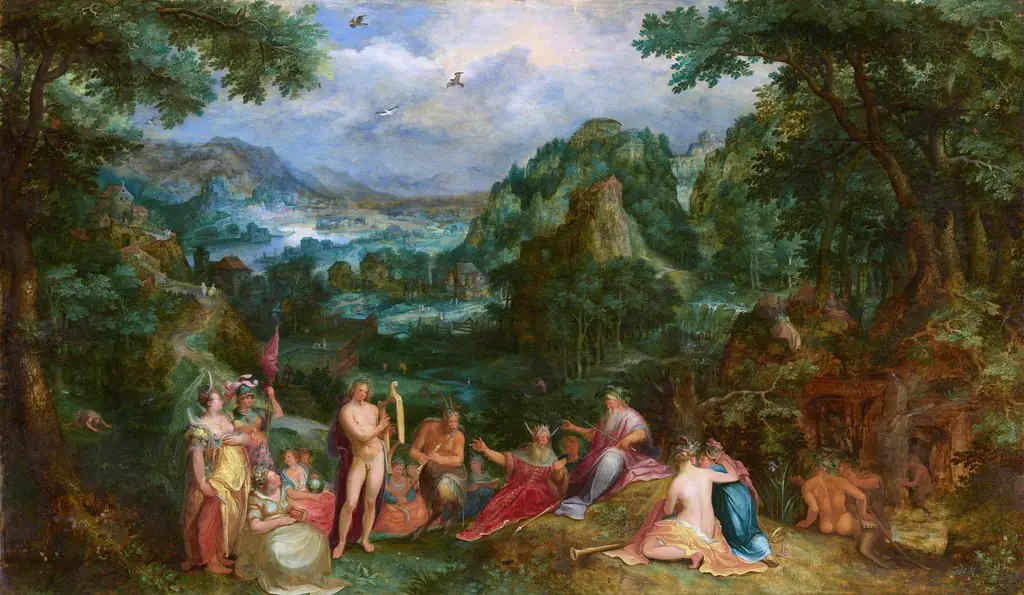 Landscape with the judgment of Midas
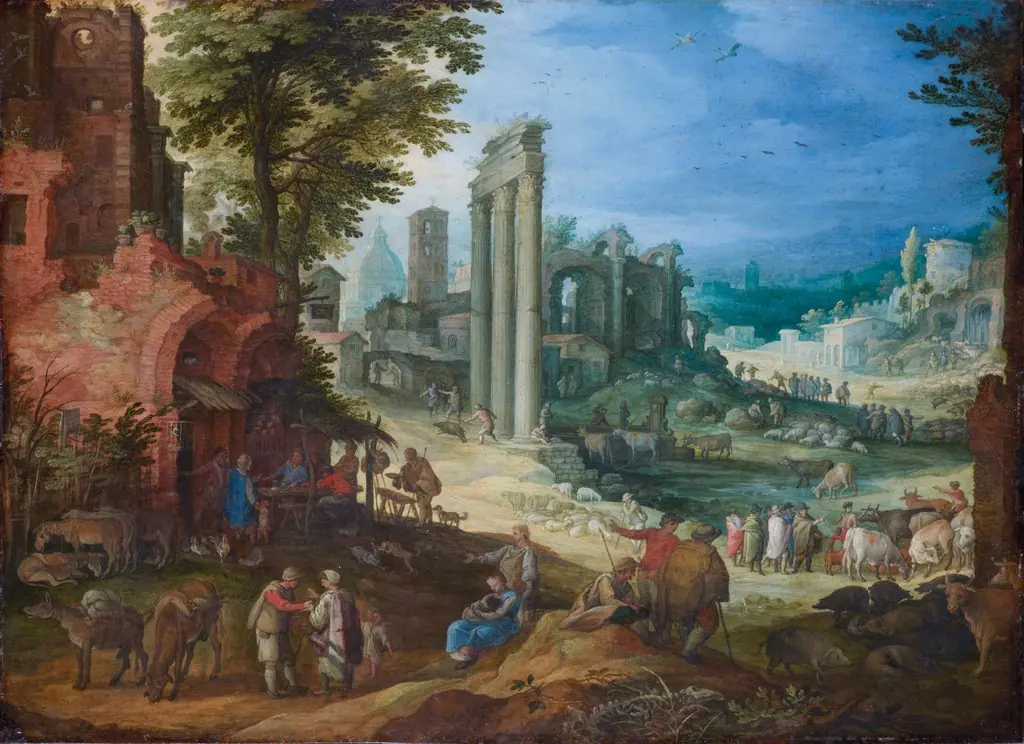 Roman Ruins Landscape
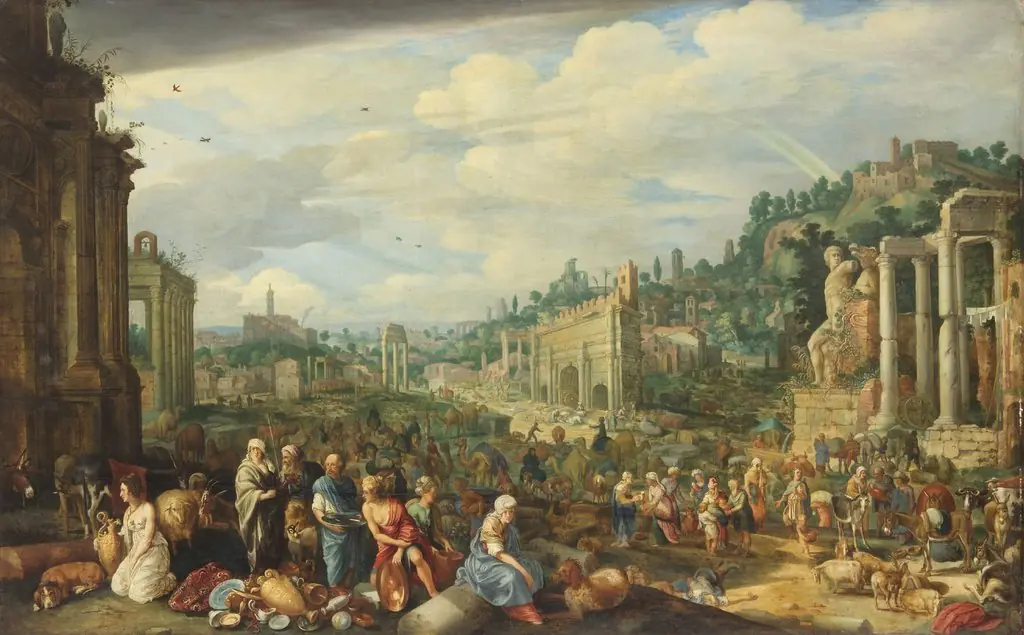 Ansicht des Campo Vaccino in Rom (Aufbruch der Israeliten aus Ägypten)
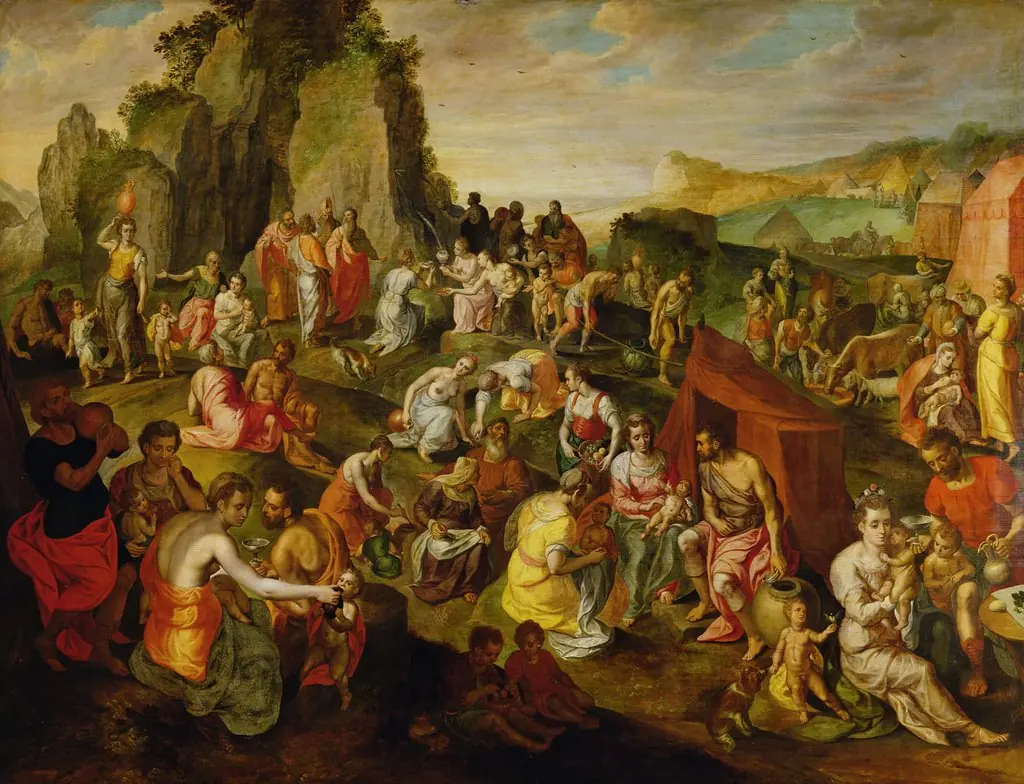 Moses strikes water from the rock
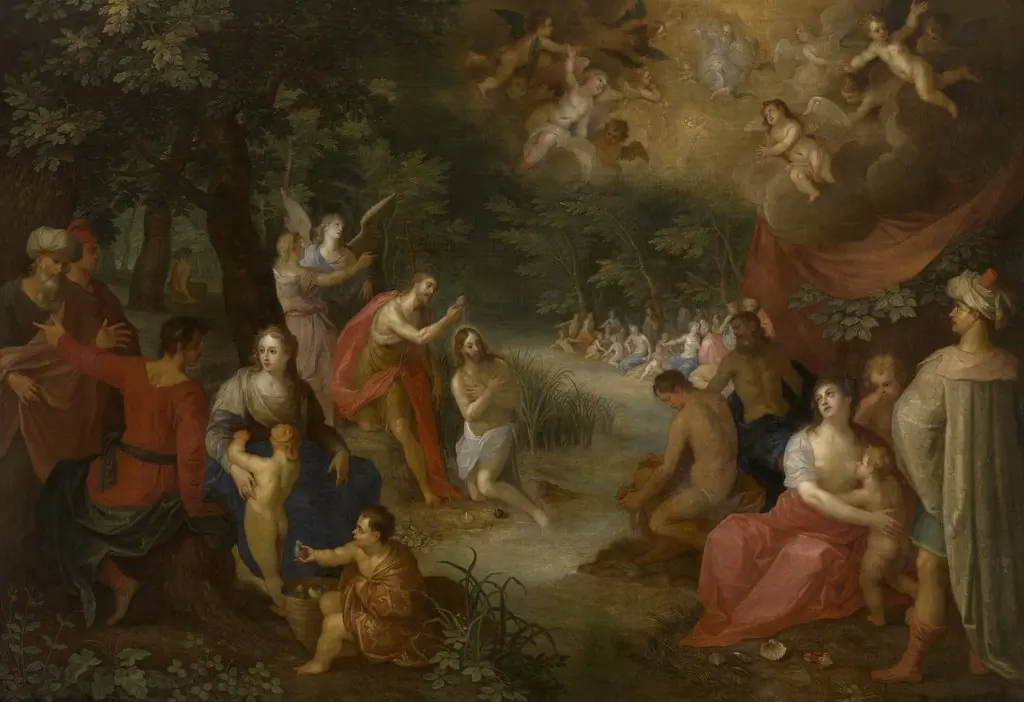 The Baptism of Christ
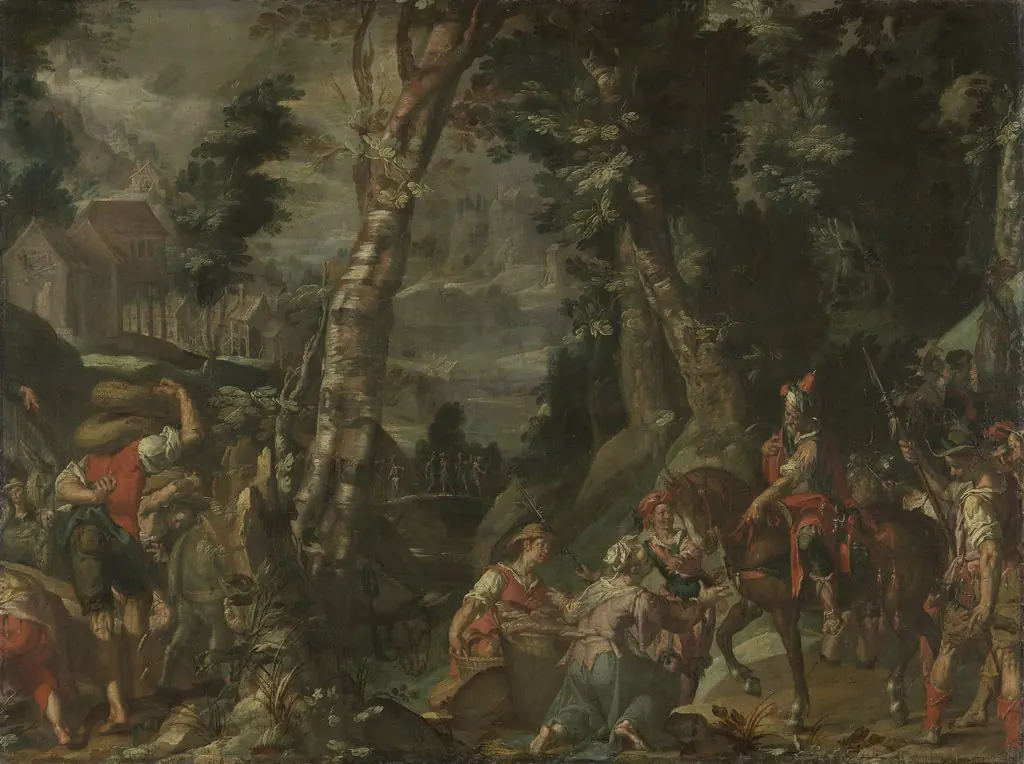 Meeting between David and Abigail
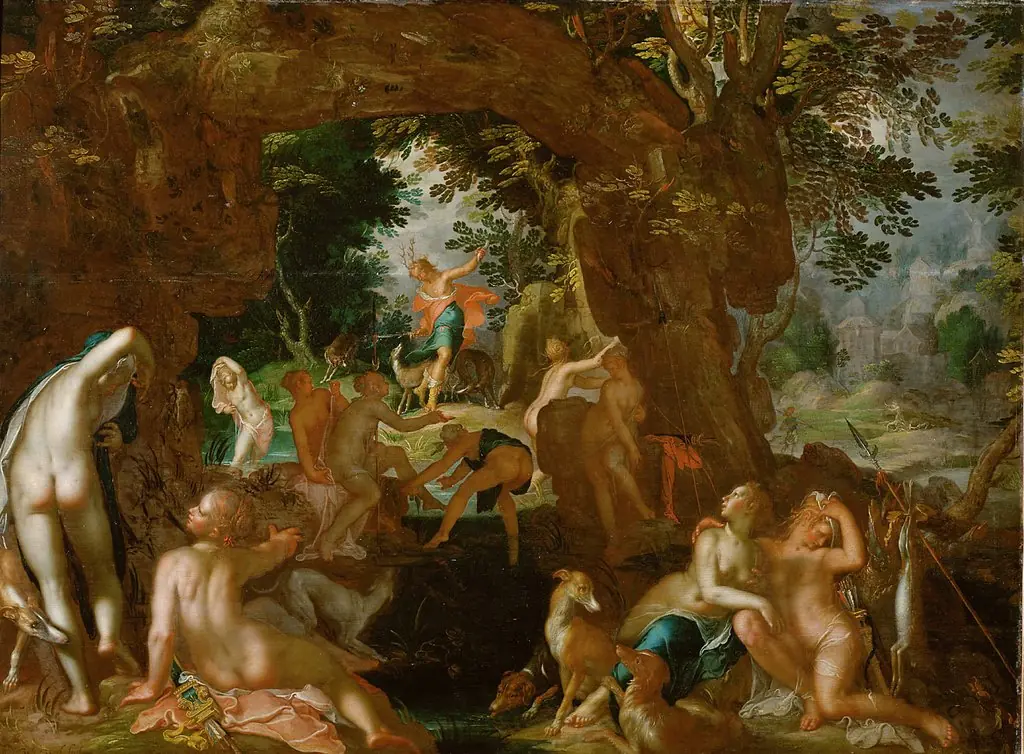 Actaeon is changed into a stag and killed by his own dogs
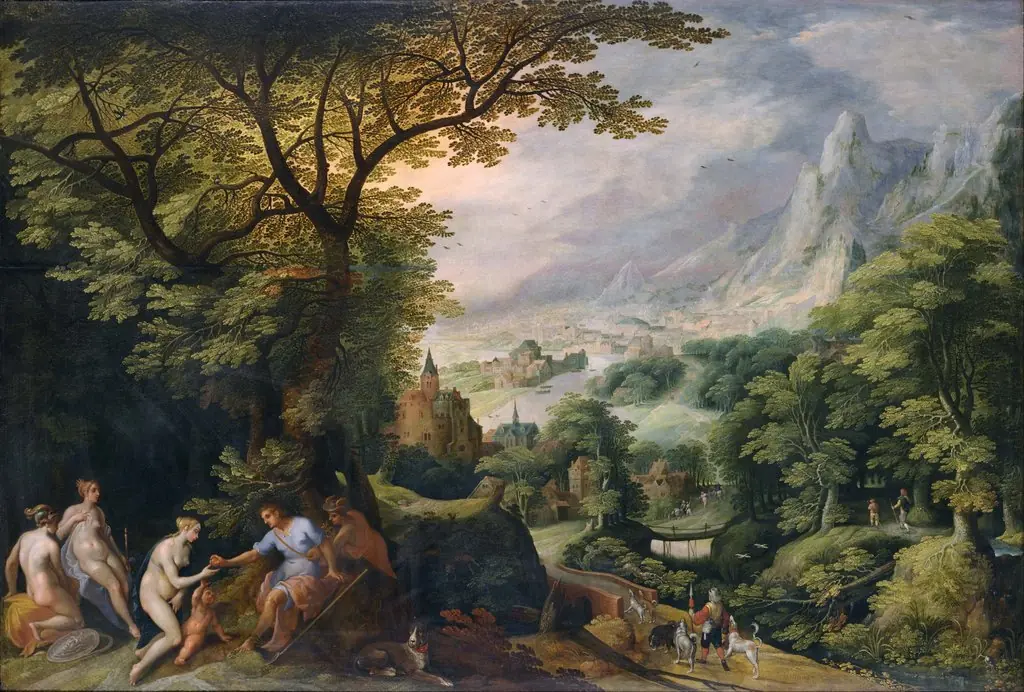 Landscape with the Judgement of Paris
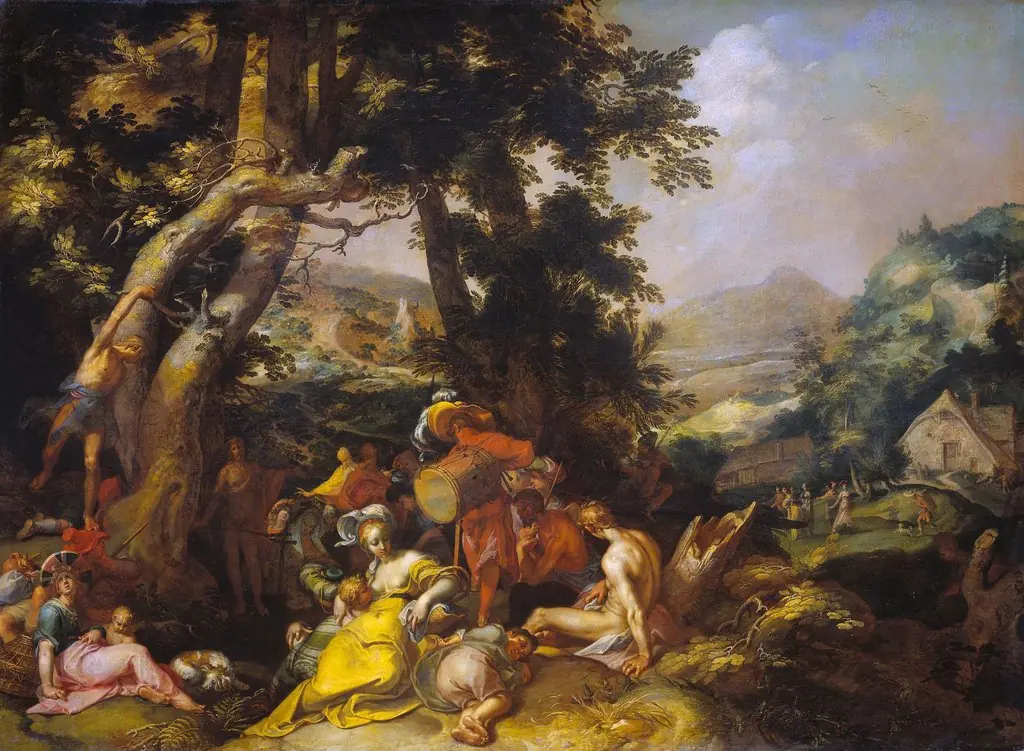 Landscape with the Ministry of John the Baptist