Artwork
冨嶽三十六景 武州玉川|Fuji—The Tama River, Musashi Province, from the series Thirty-six Views of Mount Fuji (Fugaku sanjūrokkei)
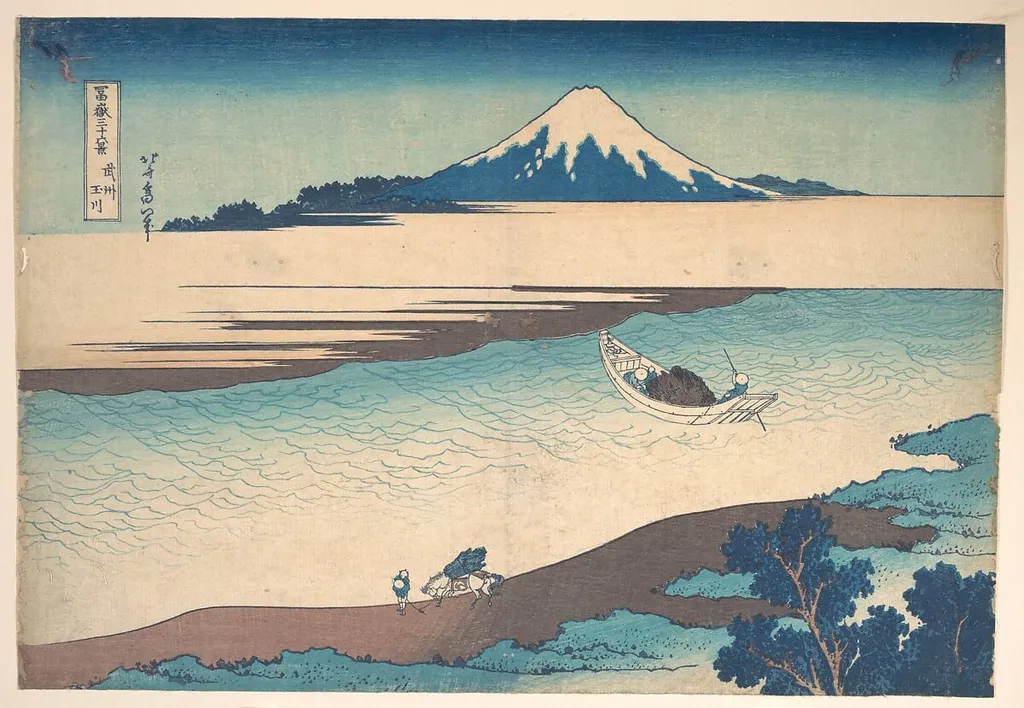
冨嶽三十六景 武州玉川|Fuji—The Tama River, Musashi Province, from the series Thirty-six Views of Mount Fuji (Fugaku sanjūrokkei) is an ink print by the Japonisme artist Katsushika Hokusai. It dates from 1831 and is held in the collection of the Metropolitan Museum of Art.
About this work
Overview
Created around 1831, this woodblock print belongs to Katsushika Hokusai’s celebrated series of thirty-six views of Mount Fuji. The image captures a tranquil stretch of the Tama River in Musashi Province, with the iconic silhouette of Fuji rising faintly behind a modest riverside scene. The work is part of the Metropolitan Museum of Art’s collection.
Subject & Meaning
The composition presents a peaceful riverine landscape: a small boat bearing two figures and cargo drifts near the centre, while a lone rider guides a horse along a winding path beside a thicket of dark trees. The distant mountain, softened by mist, serves as a quiet backdrop, emphasizing the everyday activities of travel and commerce along the river.
Technique & Style
Hokusai employs a restrained palette of soft blues and whites to render the mist‑shrouded peak and the still water. Fine line work, evident in the horse’s reins and the boat’s oars, adds texture and movement. The print’s delicate gradations are achieved through careful layering of ink and color, a hallmark of ukiyo‑e woodblock practice.
History & Provenance
The print was produced during the late Edo period, when Hokusai’s Fuji series enjoyed widespread popularity. It entered the collection of the Metropolitan Museum of Art in the early twentieth century, acquired through a donation that expanded the museum’s holdings of Japanese prints.
Context
Situated within the larger series, this view contrasts the monumental presence of Mount Fuji with ordinary river life, reflecting the Edo‑era fascination with integrating natural landmarks into daily experience. The Tama River, a vital transportation route, appears frequently in contemporary artworks, underscoring its economic and cultural significance.
Artist & collection

Artist
Katsushika Hokusai spent his life in Edo, now Tokyo, where he drew and carved prints for a living.

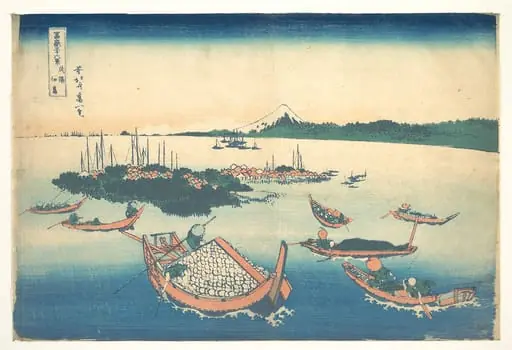
- 冨嶽三十六景 武陽佃島|Tsukudajima in Musashi Province (Buyō Tsukudajima), from the series Thirty-six Views of Mount Fuji (Fugaku sanjūrokkei)
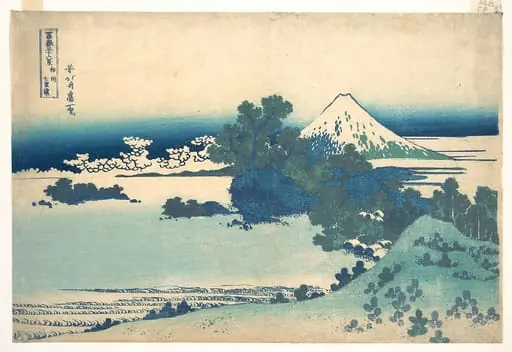 冨嶽三十六景 相州七里浜|Shichirigahama in Sagami Province (Sōshū Shichirigahama), from the series Thirty-six Views of Mount Fuji (Fugaku sanjūrokkei)
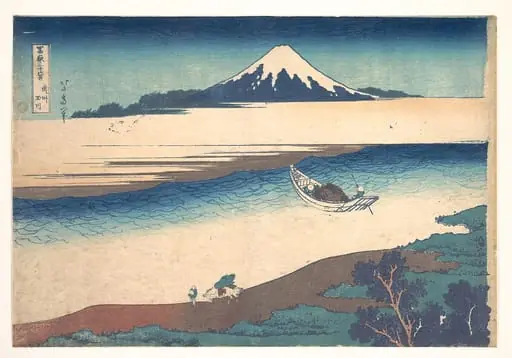 冨嶽三十六景 武州玉川|Tama River in Musashi Province (Bushū Tamagawa), from the series Thirty-six Views of Mount Fuji (Fugaku sanjūrokkei)
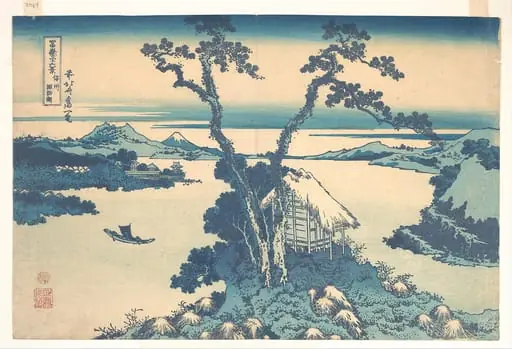 冨嶽三十六景 信州諏訪湖|Lake Suwa in Shinano Province (Shinshū Suwako), from the series Thirty-six Views of Mount Fuji (Fugaku sanjūrokkei)
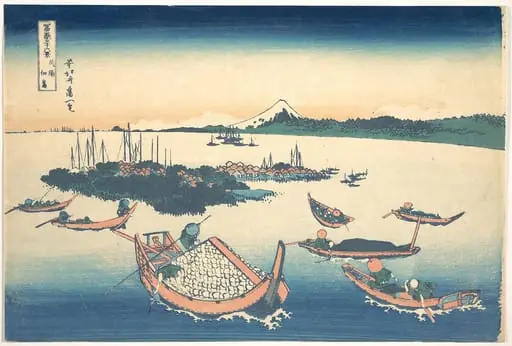 冨嶽三十六景 武陽佃島|Tsukudajima in Musashi Province (Buyō Tsukudajima), from the series Thirty-six Views of Mount Fuji (Fugaku sanjūrokkei)
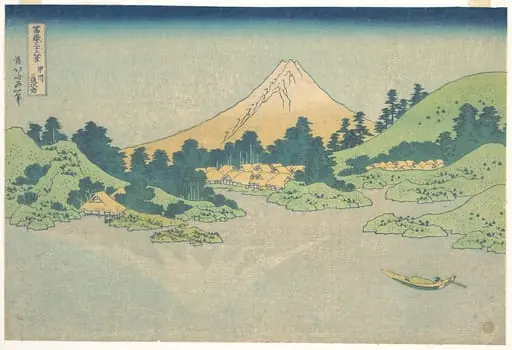 冨嶽三十六景 甲州三坂水面|Reflection in Lake at Misaka in Kai Province (Kōshū Misaka suimen), from the series Thirty-six Views of Mount Fuji (Fugaku sanjūrokkei)
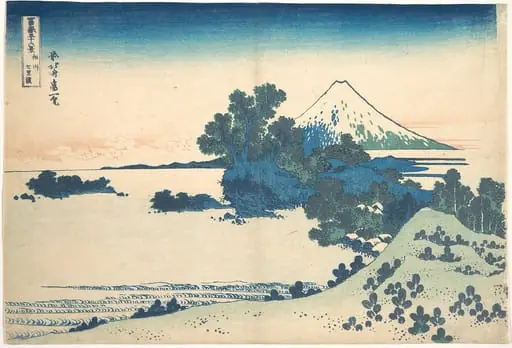 冨嶽三十六景 相州七里浜|Shichirigahama in Sagami Province (Sōshū Shichirigahama), from the series Thirty-six Views of Mount Fuji (Fugaku sanjūrokkei)
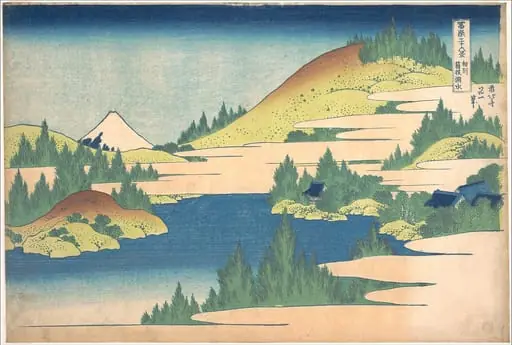 冨嶽三十六景 相州箱根湖水|The Lake at Hakone in Sagami Province (Sōshū Hakone kosui), from the series Thirty-six Views of Mount Fuji (Fugaku sanjūrokkei)
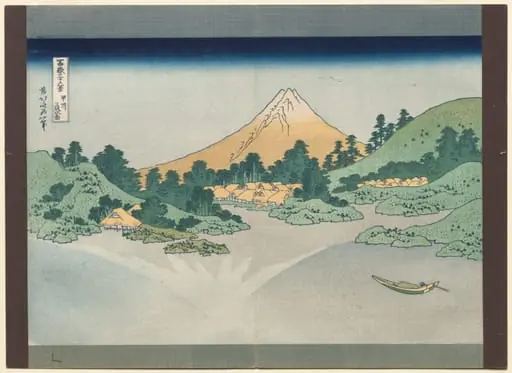 Thirty-Six Views of Mt. Fuji: The Surface of Lake Misaka in Kai Province
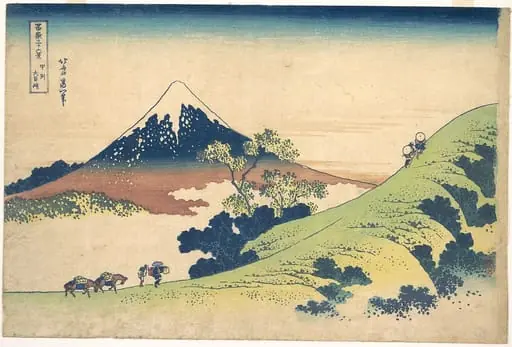 冨嶽三十六景 甲州犬目峠|The Inume Pass in Kai Province (Kōshū Inume tōge), from the series Thirty-six Views of Mount Fuji (Fugaku sanjūrokkei)
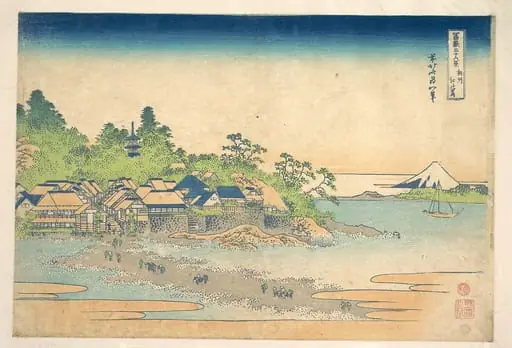 冨嶽三十六景 相州江の島|Enoshima in Sagami Province (Sōshū Enoshima), from the series Thirty-six Views of Mount Fuji (Fugaku sanjūrokkei)