Artwork
神功皇后図|The Legendary Empress Jingū
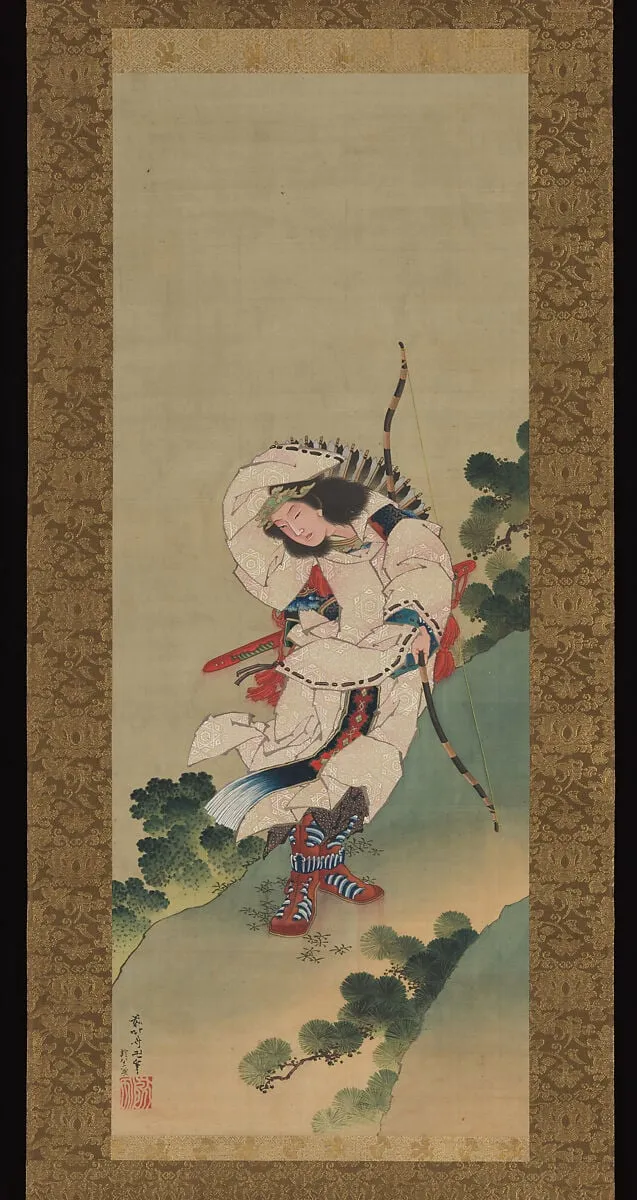
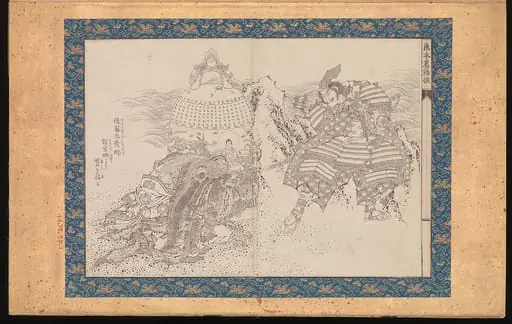
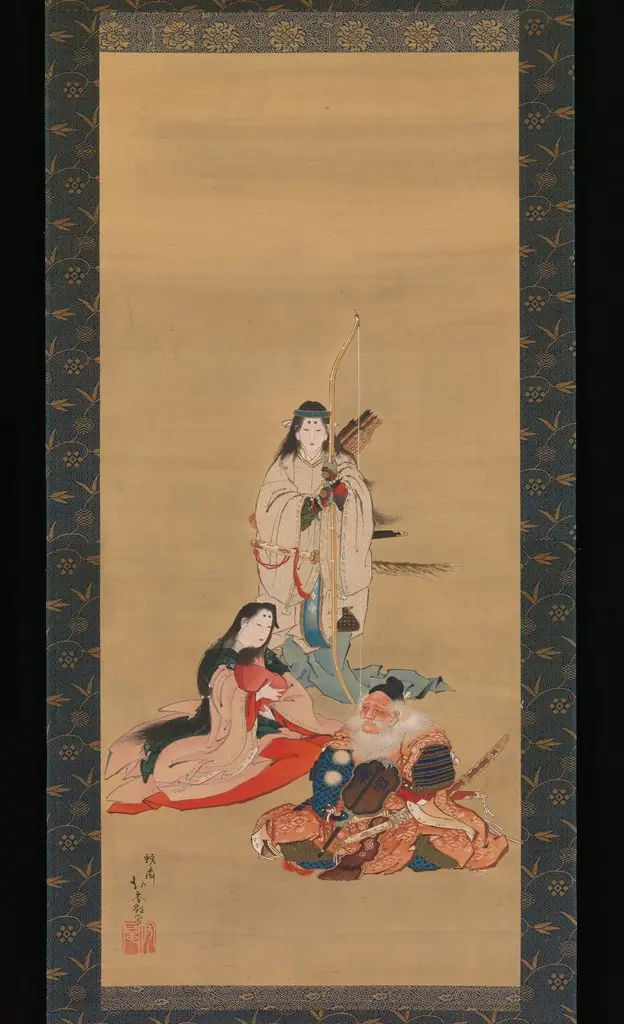
神功皇后図|The Legendary Empress Jingū is an ink painting by the Japonisme artist Katsushika Hokusai. It dates from 1847 and is held in the collection of the Metropolitan Museum of Art.
- Accession no.
- 14.76.36
- Credit line
- Charles Stewart Smith Collection, Gift of Mrs. Charles Stewart Smith, Charles Stewart Smith Jr., and Howard Caswell Smith, in memory of Charles Stewart Smith, 1914
About this work
Subject & Meaning
The composition isolates the figure and her weapon to emphasize her identity and legendary status within the context of Edo-period mythological storytelling.
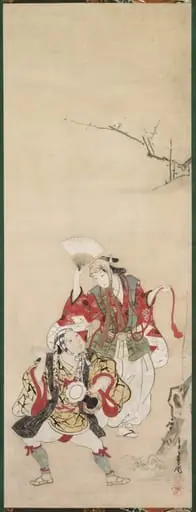
The painting depicts the legendary Empress Jingū, a central figure in Japanese mythology, portrayed as a woman holding a bow and arrow. Created by Katsushika Hokusai in 1847, the work belongs to the genre of mythology, focusing on this historical and semi-legendary ruler. The inclusion of the bow and arrow as key attributes serves as specific iconography identifying the subject, reflecting her traditional association with military leadership and conquest.
As a hanging scroll executed in ink and color on silk, the artwork visually represents the narrative of Empress Jingū through these defining symbols rather than a complex scene. The composition isolates the figure and her weapon to emphasize her identity and legendary status within the context of Edo-period mythological storytelling.
Technique & Style
Created in 1847, The Legendary Empress Jingū is executed as a hanging scroll utilizing ink and color applied to a silk support. This medium and format are characteristic of Japanese painting traditions, allowing for the fluid integration of line and wash. The work is classified within the mythology genre, depicting the titular empress alongside a bow and arrow.
While the specific brushwork handling is not detailed in the available records, the use of silk as a support typically necessitates precise ink application to prevent bleeding, while the addition of color suggests a polychromatic approach to the figure and her attributes. The piece remains part of the Metropolitan Museum of Art's collection.
History & Provenance
Created in 1847 in Japan, this hanging scroll depicting the Legendary Empress Jingū was executed by the renowned artist Katsushika Hokusai. The work utilizes ink and color on silk to portray the mythological figure holding a bow and arrow. While specific details regarding the original commission or the intermediate ownership chain prior to its current location are not provided in the available records, the piece is presently held in the collection of the Metropolitan Museum of Art.
The artwork is classified as a painting within the genre of mythology, representing a late period creation in Hokusai's career.
Legacy
The painting 神功皇后図, executed by Katsushika Hokusai in 1847 as a hanging scroll in ink and color on silk, belongs to the mythology genre and portrays the legendary empress with a bow and arrow. Its inclusion in the Metropolitan Museum of Art's collection has made it a reference point for scholars examining Hokusai's mythological subjects. The work represents a late-period creation in the artist's career and is a documented example of ukiyo-e engagement with Japanese mythic narratives.
Overview
The Legendary Empress Jingū is a hanging scroll painted by Katsushika Hokusai in 1847, near the end of his life when he was approximately eighty-seven years old. Executed in ink and color on silk, the work depicts the mythological figure Empress Jingū standing on a vessel amidst turbulent waves. She is shown in a dynamic pose, drawing a bow and aiming an arrow toward the sky, a gesture associated with her legendary conquest of Korea while pregnant.
The composition emphasizes her commanding presence against the chaotic sea, with smaller figures clinging to the boat's sides to convey the peril of the journey. Created during the Kasei period, this piece reflects Hokusai's enduring engagement with historical and mythological subjects in his final decade. The work exemplifies his late style, characterized by bold lines and a focus on narrative drama within the ukiyo-e tradition.
It stands as a testament to his continued artistic vitality and his ability to reinterpret Japanese legends with dramatic intensity shortly before his death.
Context
Katsushika Hokusai produced The Legendary Empress Jingū when he was nearly 90 years old. This creation from his advanced age reflects his continued artistic output and sustained creative energy throughout his long career. The work stands as a testament to his lifelong dedication to painting and his ability to maintain a distinctive and powerful style into his final years.
Artist & collection

Artist
Katsushika Hokusai spent his life in Edo, now Tokyo, where he drew and carved prints for a living.