Artwork
Untitled
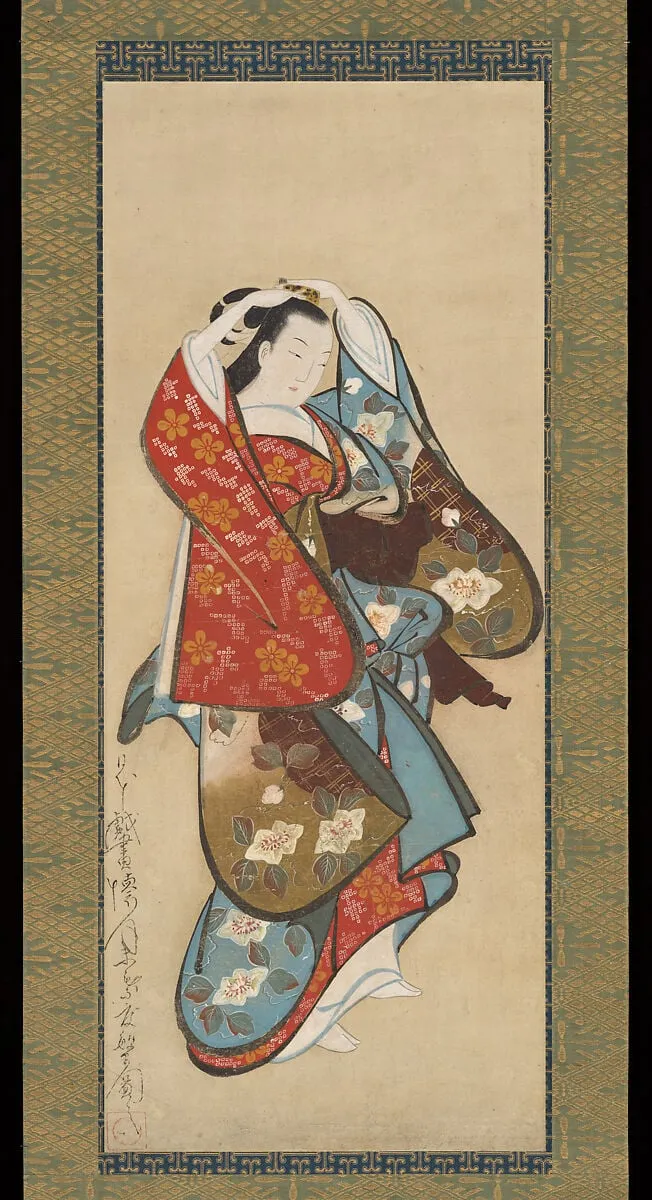
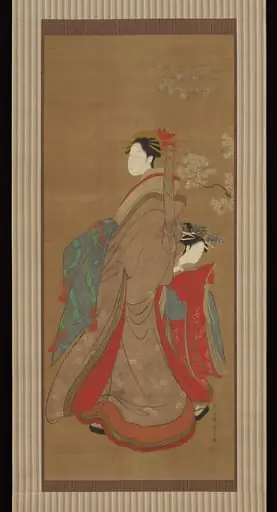
Untitled is an ink painting by the Baroque artist Kaigetsudō Dohan. It dates from 1713 and is held in the collection of the Metropolitan Museum of Art.
About this work
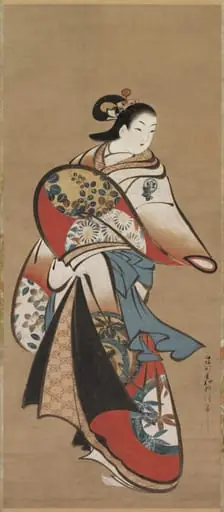
The robes are imaginary, not real kimono, so the folds and patterns become a kind of quiet poetry.
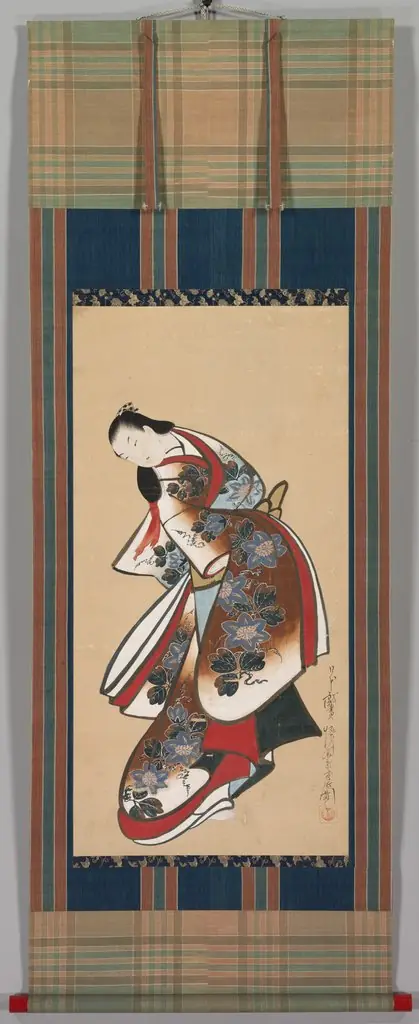
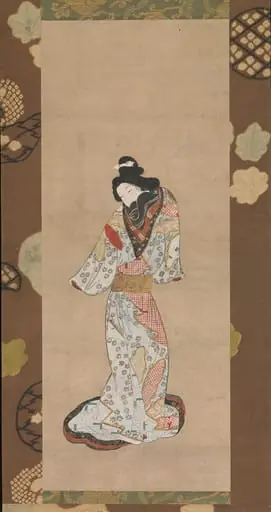
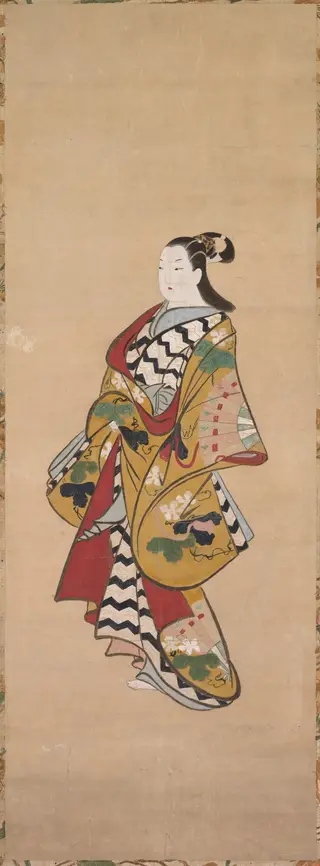
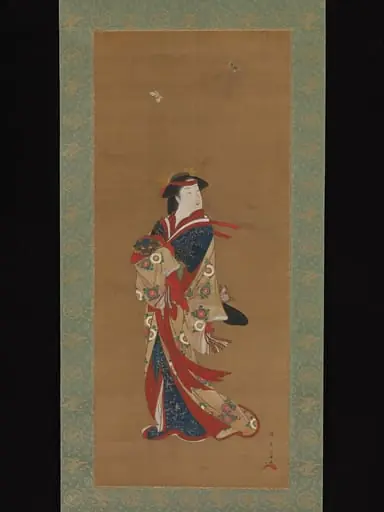
A woman in a bright red robe stands against a blank background. Her sleeves are so long they pool on the floor, and her black hair is swept into a high knot.
Kaigetsudō Dohan painted only women like this, elegant, still, and slightly larger than life. The robes are imaginary, not real kimono, so the folds and patterns become a kind of quiet poetry. No one knows why he stopped signing his work after 1716.
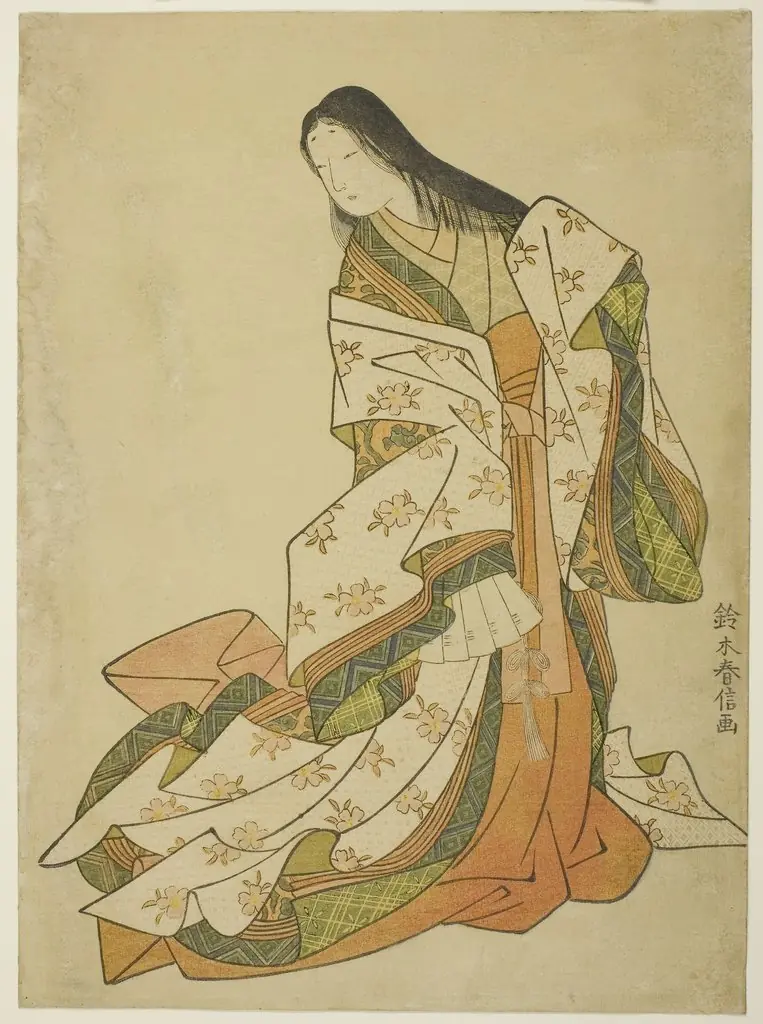
Look up ukiyo-e next to see how other Japanese artists showed women in the same era.
Subject & Meaning
The work depicts a single woman, rendered as a formal portrait by Kaigetsudō Dohan. Created in 1713, the painting presents the female figure as the sole subject of focus on a hanging scroll. As a portrait genre piece, the image represents the specific individual or idealized type of a woman within the context of early 18th-century Japanese art.
The composition relies on the direct representation of this figure to convey its meaning, without additional narrative elements or symbolic objects identified in the available records.
Technique & Style
The artwork is a hanging scroll executed in ink and color on paper, created in 1713 in Japan by Kaigetsudō Dohan. It is classified as a painting and falls within the portrait genre, depicting a woman. The piece is part of the Metropolitan Museum of Art collection, where it is recorded under its original title and date.
Its formal qualities consist of a single figure rendered with delicate line work and muted color washes, characteristic of early Edo‑period portraiture.
History & Provenance
The painting Untitled by Kaigetsudō Dohan was created in 1713, as established by its canonical dating. Executed in ink and color on paper as a hanging scroll, it originates from Japan, reflecting the artist’s active period during the early Edo period.
The work has been part of the collection of the Metropolitan Museum of Art, where it is currently housed. No documented commission or earlier ownership history is recorded in the available sources, leaving its initial provenance unconfirmed beyond its creation date and subsequent institutional acquisition.
The hanging scroll Untitled, created by Kaigetsudō Dohan in 1713, is held in the collection of the Metropolitan Museum of Art in New York. The work, which depicts a woman and is executed in ink and color on paper, is cataloged within the museum's holdings of Japanese paintings. While specific accession numbers are not provided in the available records, the museum lists the piece as part of its permanent collection under the creator Kaigetsudō Dohan. No exhibition history or specific inventory identifiers are detailed in the provided sources.
Overview
Created in 1713, this hanging scroll by Kaigetsudō Dohan presents a solitary female figure rendered in ink and color on paper. The work, catalogued without a formal title, exemplifies the artist’s focus on portraiture within the early Edo period, offering a glimpse into the stylized representation of women that characterized his brief but distinctive output.
Artist & collection