Artwork
A Night at the Sea
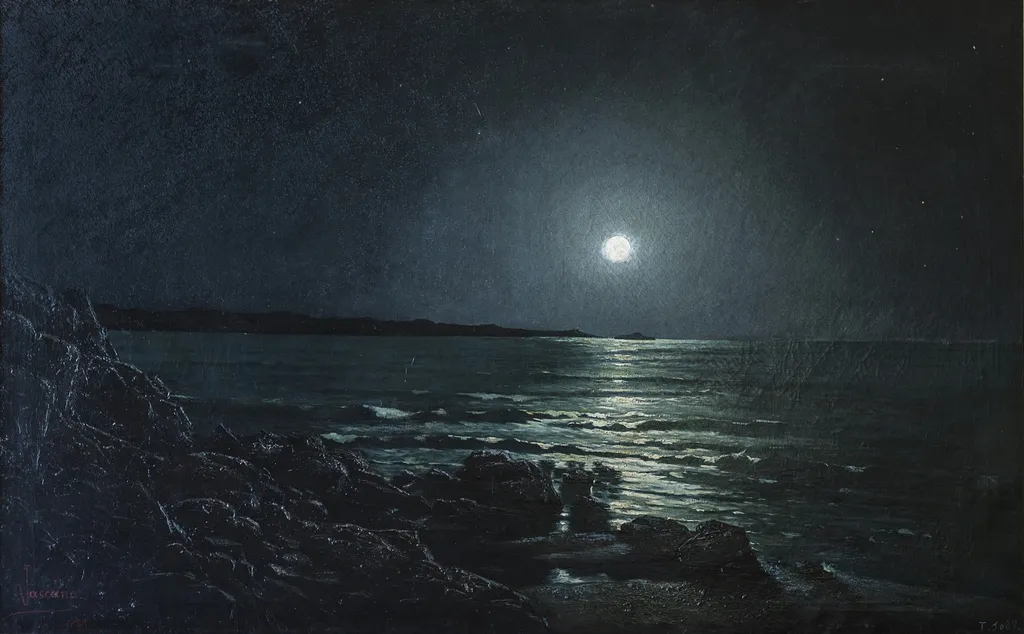
A Night at the Sea is an oil painting by the Impressionist artist Kaulak. It dates from 1894 and is held in the collection of the Museo del Prado.
About this work
Subject & Meaning
The painting's iconography centers on elemental natural features, the shore, the water, and the Moon, as its primary subjects.
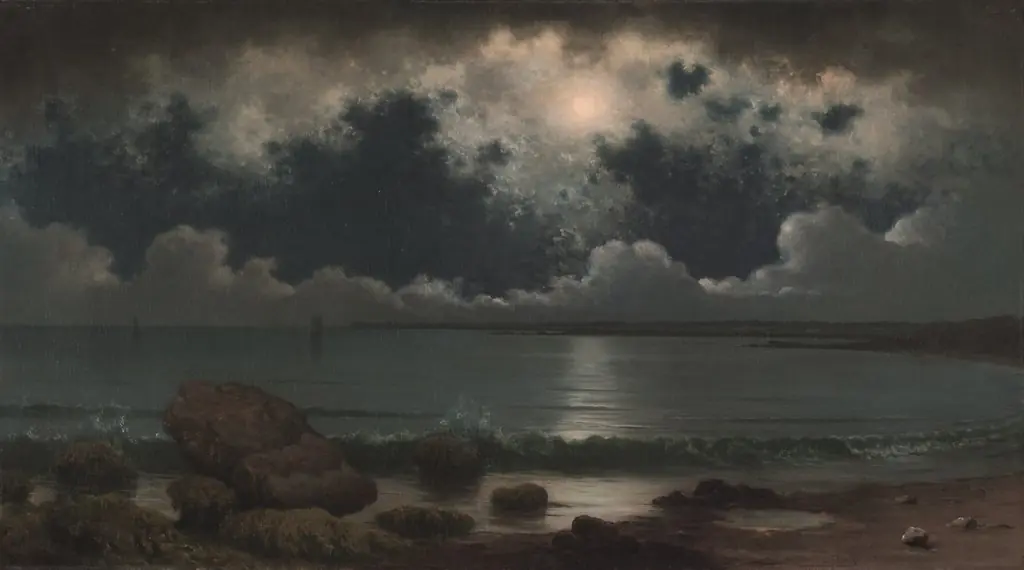
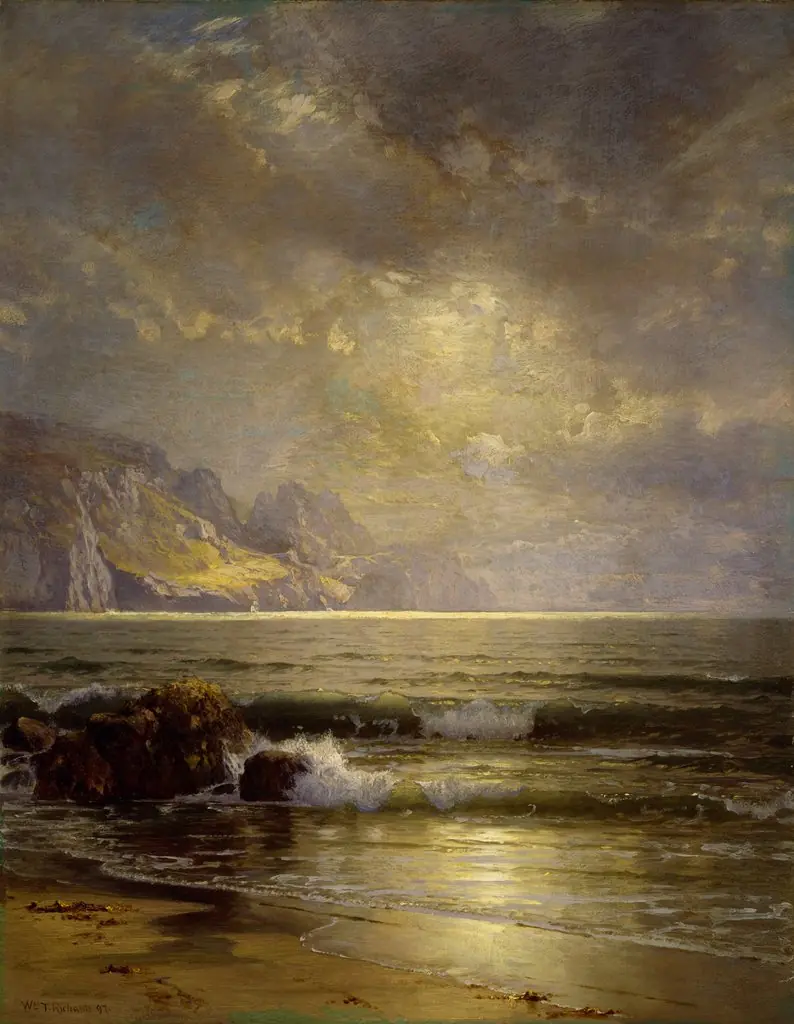
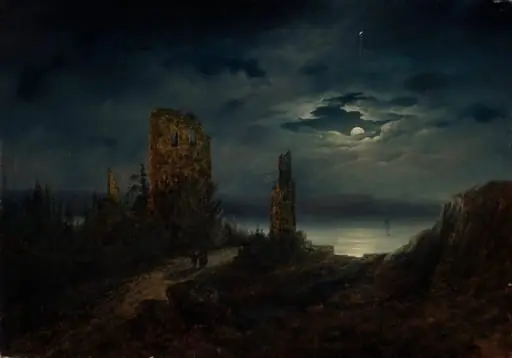
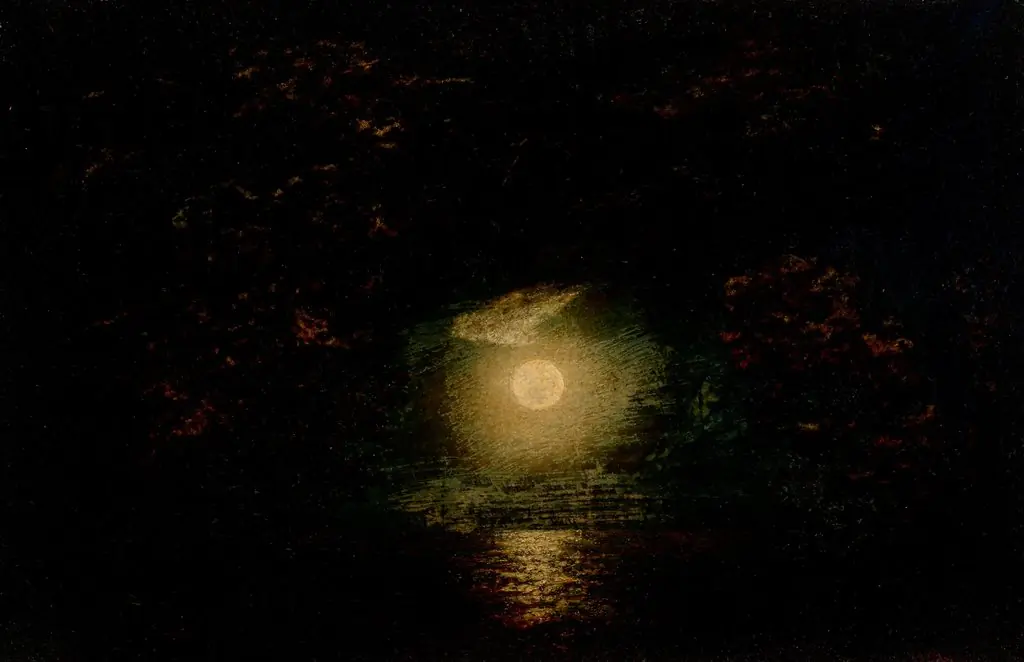
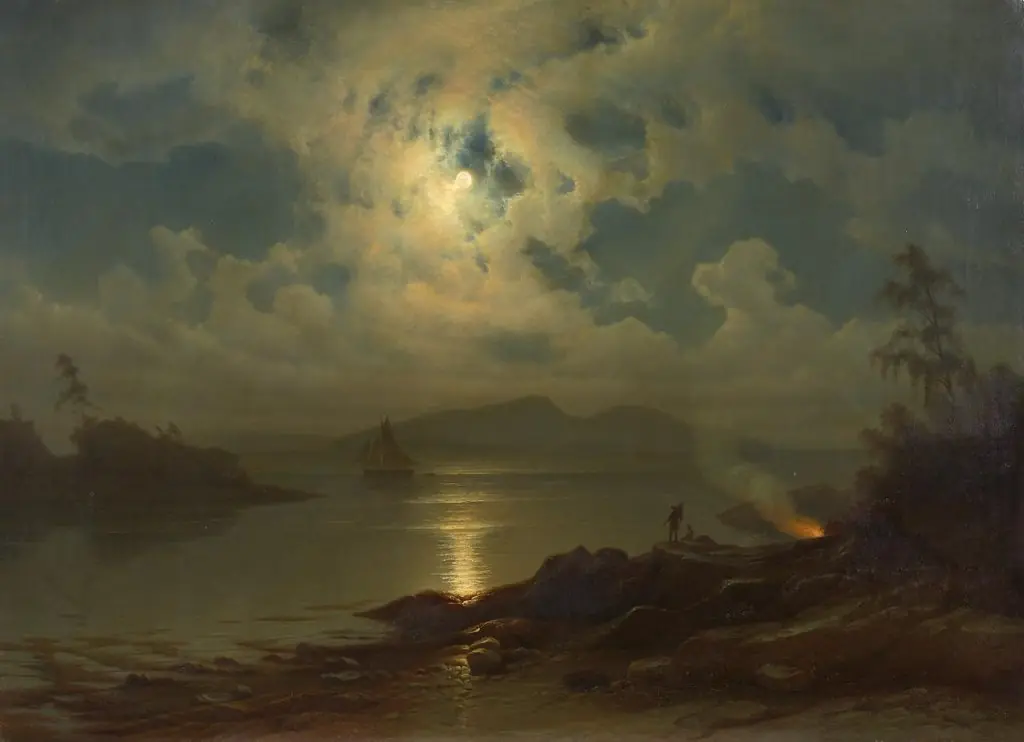
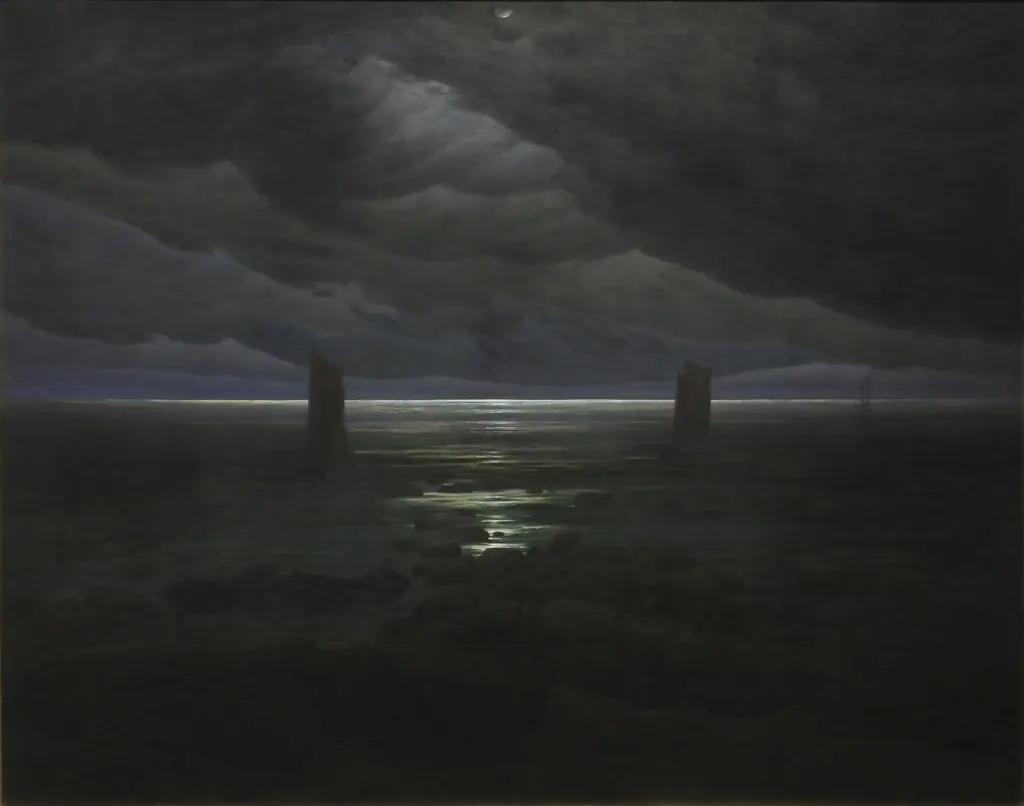
A Night at the Sea depicts a nocturnal coastal landscape, showing a beach and sea under moonlight. The painting's iconography centers on elemental natural features, the shore, the water, and the Moon, as its primary subjects. The work represents a contemplative engagement with nature at night, using the interplay of darkness and lunar illumination to evoke atmosphere rather than narrative action.
As a landscape painting, it belongs to a tradition of nighttime marine views that emphasize mood and the sublime qualities of the natural world over human presence or activity.
Technique & Style
A Night at the Sea is an oil painting on canvas measuring 130 by 203 cm. The work depicts a nocturnal coastal scene encompassing a beach, sea, and moonlit sky, treated within the landscape genre. As a landscape painting, its formal qualities center on the atmospheric rendering of night over the maritime environment, with the large-scale format suggesting an immersive, panoramic approach to the subject.
History & Provenance
A Night at the Sea is an oil paint landscape held in the collection of the Museo del Prado, Palazzo di Spagna, under inventory number 1888.001.
The work was first exhibited at the National Exhibition of Fine Arts in 1889 and later featured in the museum’s retrospective of Spanish landscapes in 1902.
It was also part of the traveling exhibition "Seascapes of the Spanish School" shown in Madrid and Barcelona in 1925.
Context
Antonio Cánovas del Castillo y Vallejo catalogued the work in 1888 as a landscape painting depicting a beach, sea, night scene with a prominent Moon, rendered in oil on canvas (130 cm × 203 cm). It entered the collection of the Museo del Prado and was housed at the Palazzo di Spagna, situating it within the institutional context of late 19th-century Spanish art collecting. The painting's formal qualities and nocturnal atmosphere reflect broader Romantic tendencies in European landscape art, though its specific influence on Kaulak's oeuvre remains understudied in scholarship.
Overview
Created in 1894, this oil painting by the Spanish artist known as Kaulak portrays a nocturnal seascape. The composition centers on a moonlit shoreline where the sea meets a dark, uneven beach under a deep blue‑black sky. The luminous, round moon dominates the upper field, casting a gentle glow that illuminates the rolling waves and highlights the texture of the sand.
Artist & collection
Artist
Kaulak made quiet, moody portraits and scenes of Spanish life in oil paint. In 1888 they painted A Night at the Sea, a calm seascape where moonlight touches the water and a small boat rests close to shore. The brushwork…