Artwork
Tiger Family
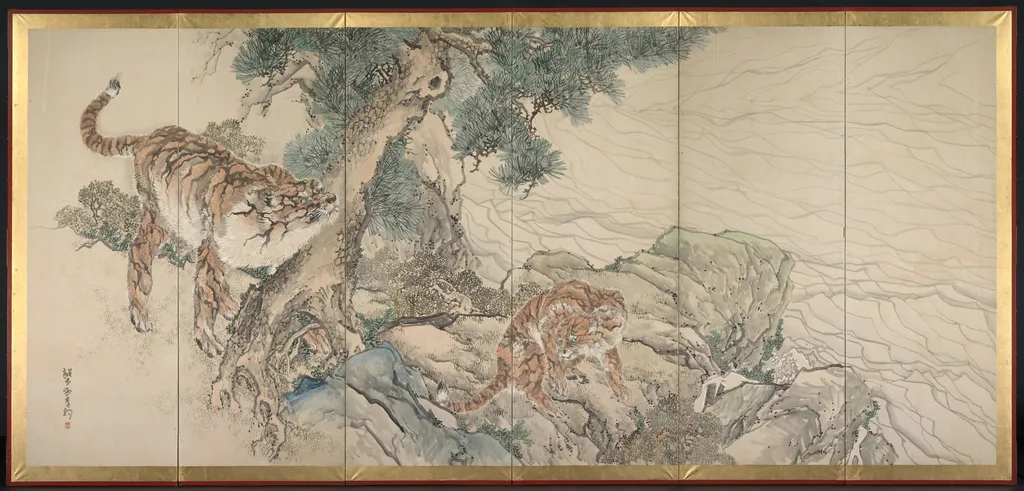
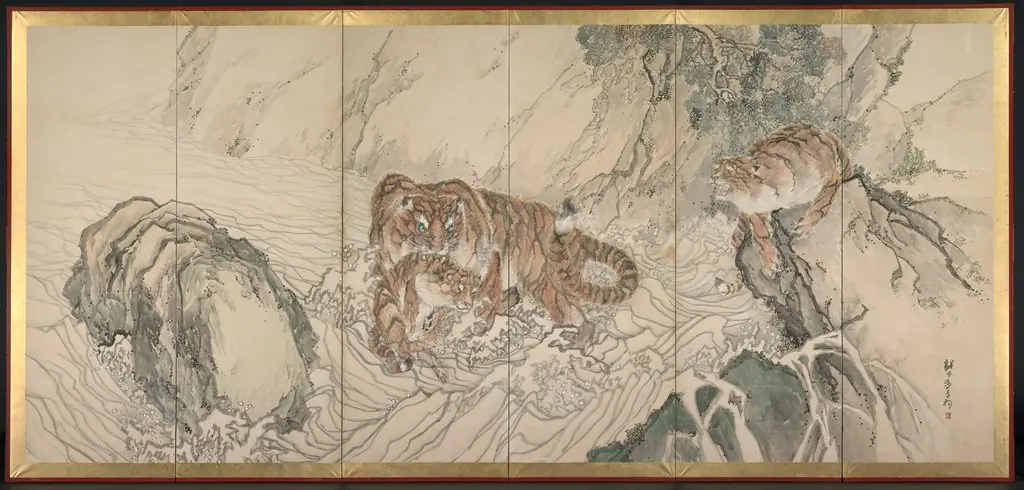
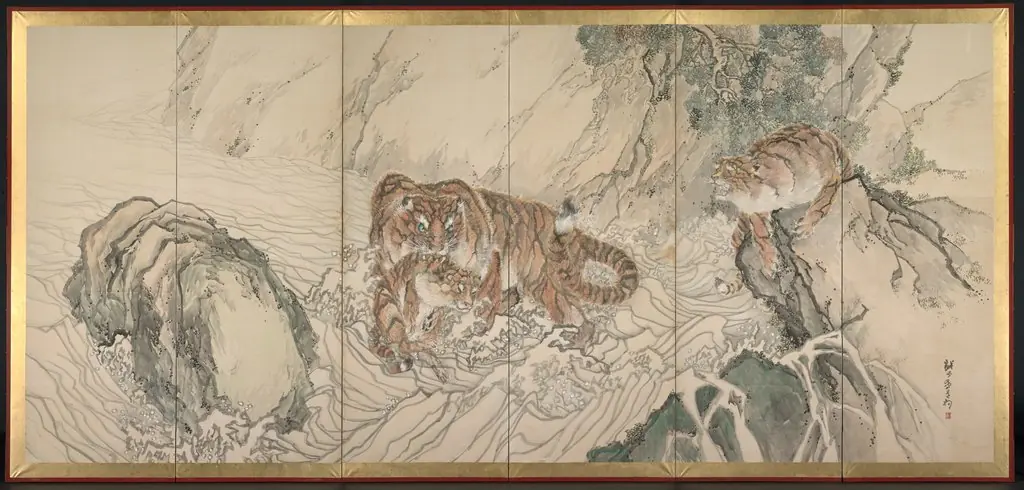
Tiger Family is an unspecified painting by the Rinpa school artist Kishi Ganku. It dates from 1819 and is held in the collection of the Cleveland Museum of Art.
About this work
Technique & Style
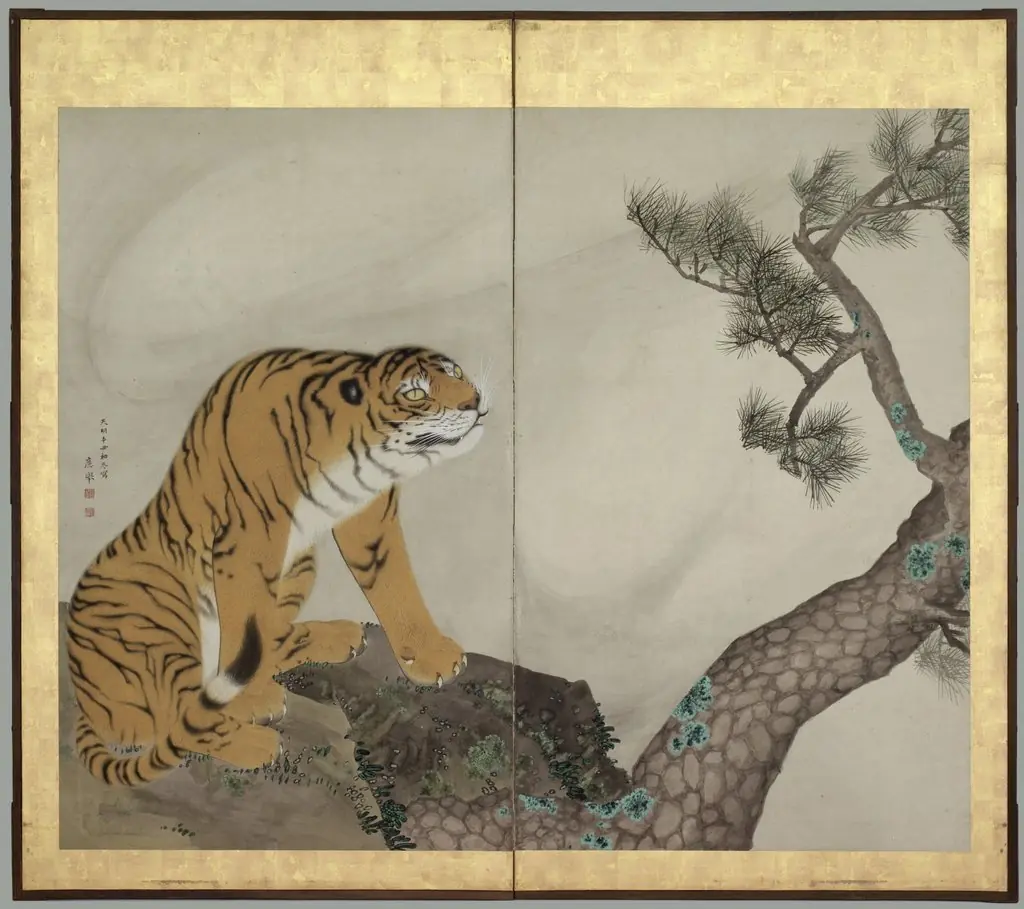
Stylistically, the work aligns with the Maruyama-Shijō school’s naturalism, merging descriptive detail with a sense of vital presence.
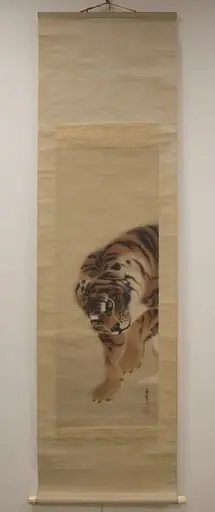
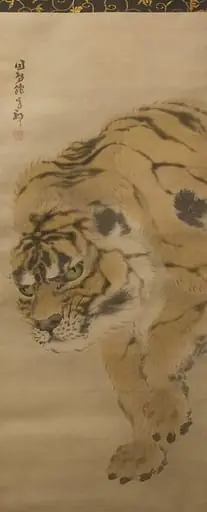
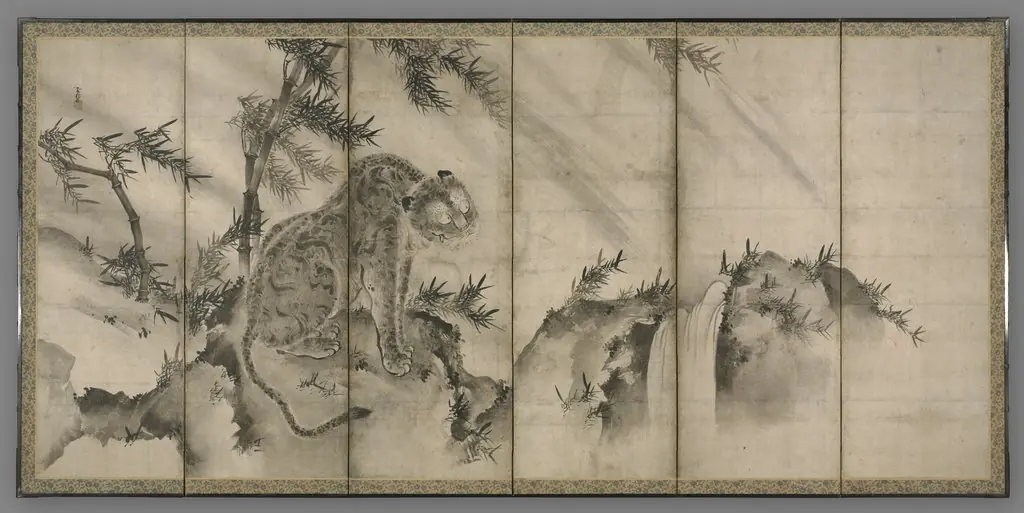
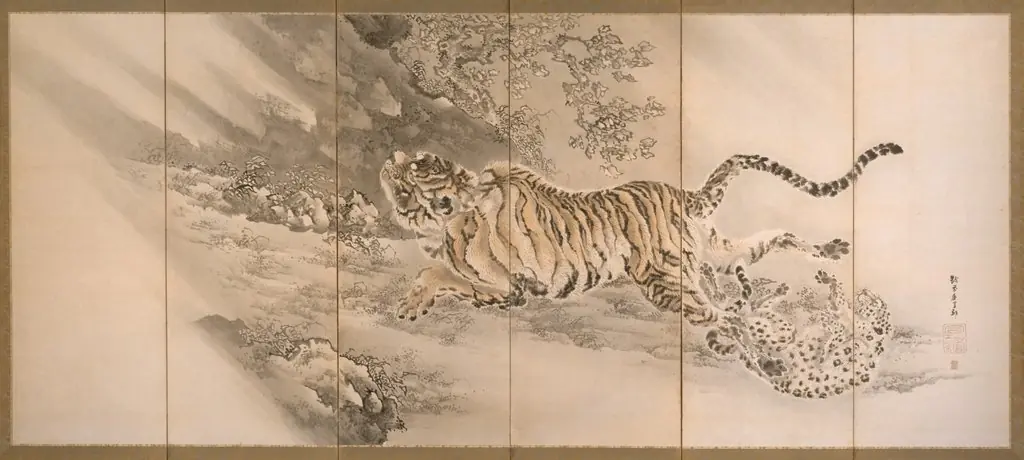
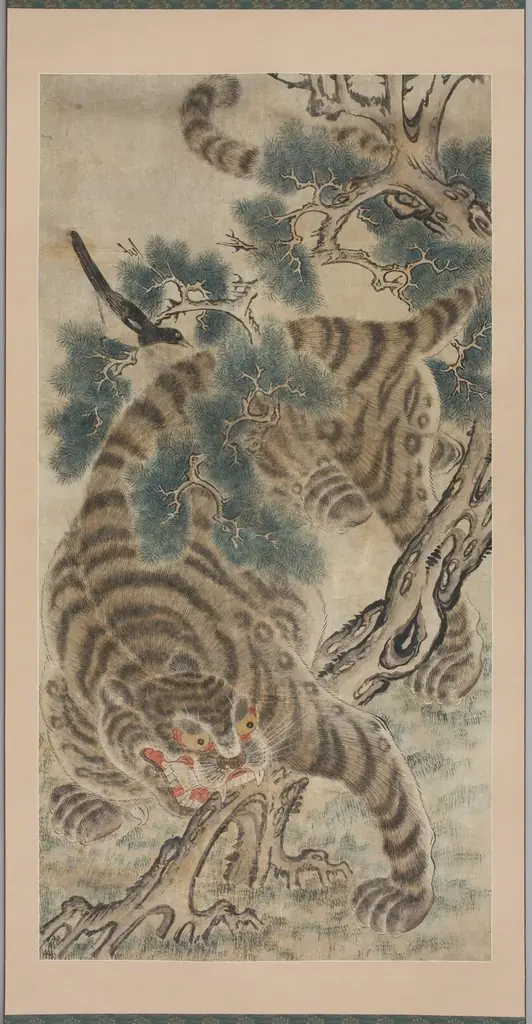
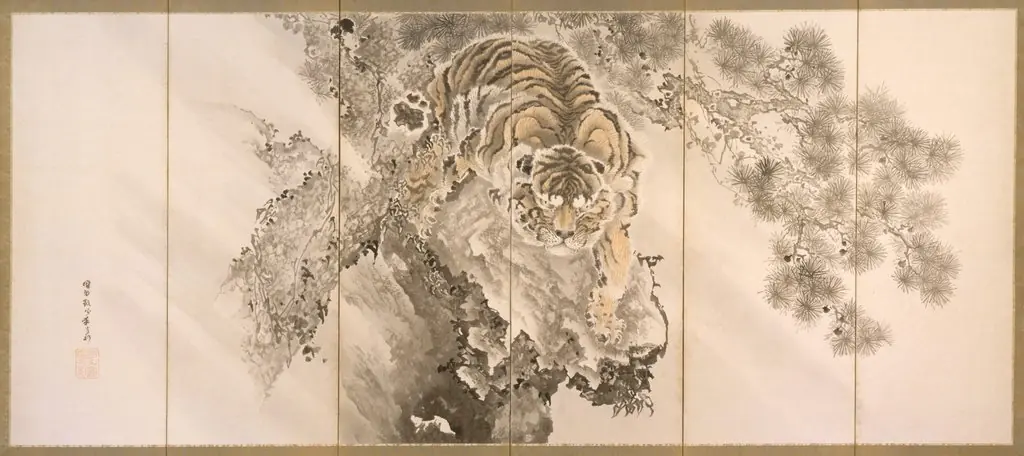
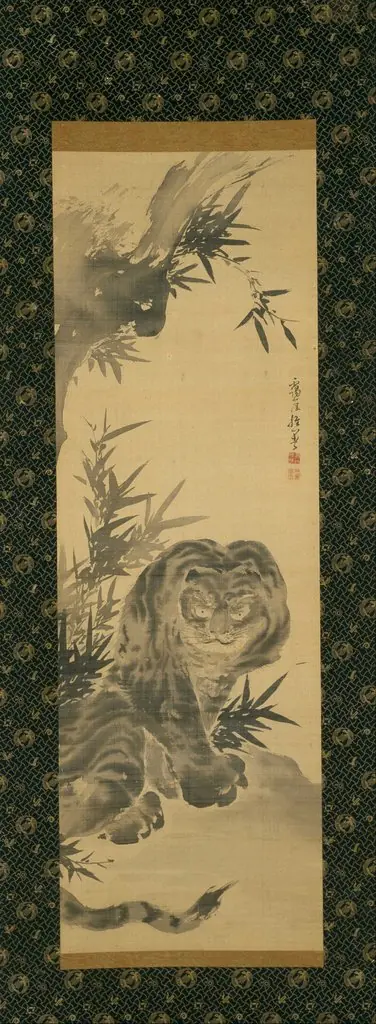
The Tiger Family is a hanging scroll painting executed in ink and light color on silk, dated to 1819 by Kishi Ganku. The composition emphasizes bold, confident brushwork to delineate the tiger’s striped fur and muscular anatomy, while softer washes suggest volume and atmosphere around the cubs. The handling balances wet and dry brush to articulate texture, coarse fur against smooth rock, and employs subtle ink modulation to model the animals’ bodies without relying on heavy outlines.
Stylistically, the work aligns with the Maruyama-Shijō school’s naturalism, merging descriptive detail with a sense of vital presence.
History & Provenance
The painting Tiger Family was created in 1819 by the Japanese artist Kishi Ganku. Produced in Japan, the work dates specifically to that year according to museum records. The piece eventually entered the collection of the Cleveland Museum of Art, where it is held under the accession number 1983.3.2.
No further details regarding the original commission, intermediate ownership history, or specific circumstances of its creation are provided in the available sources.
Overview
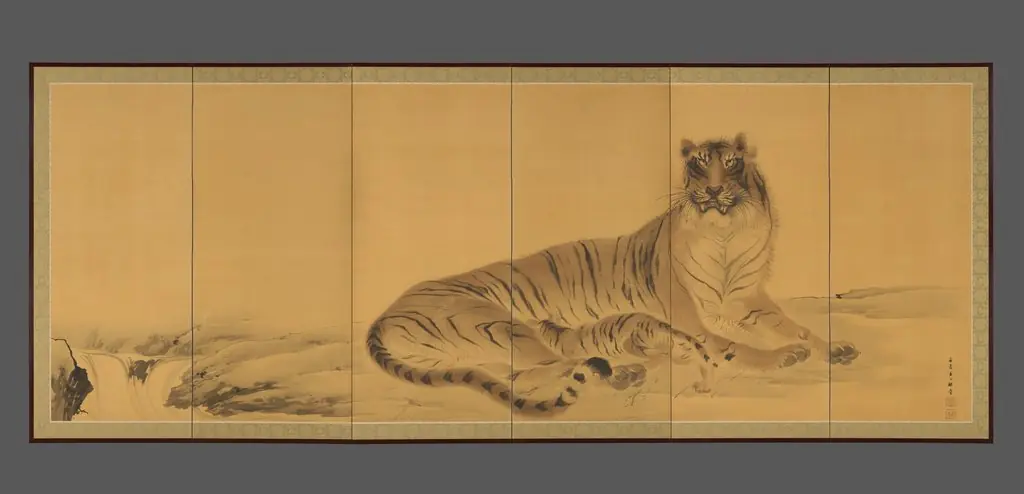
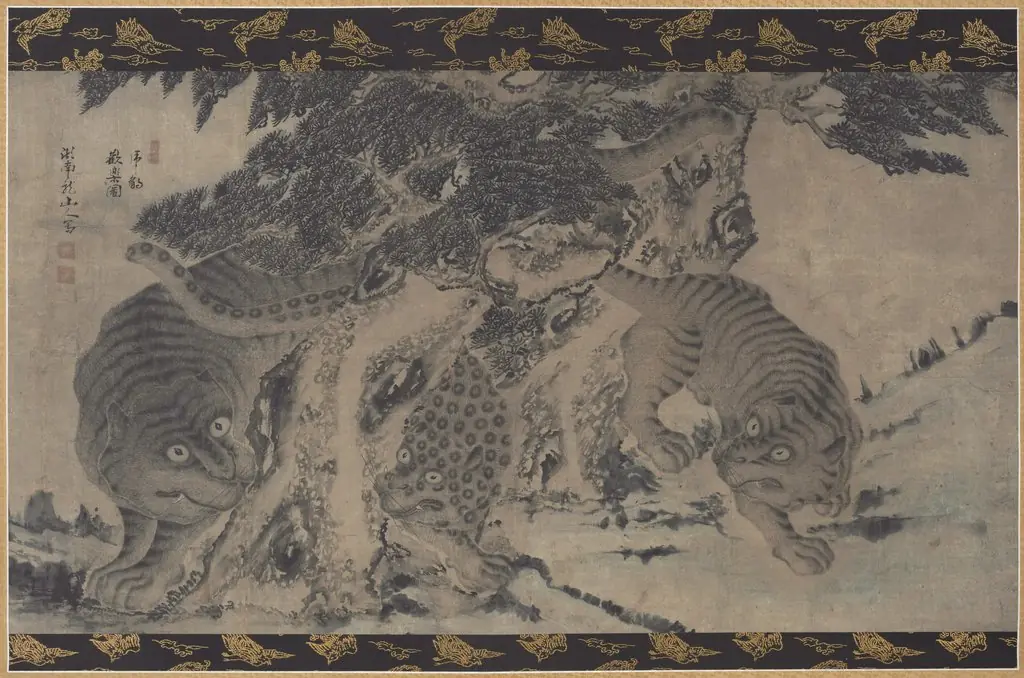
Created in 1819 by the Japanese painter Kishi Ganku, Tiger Family is an oil painting that belongs to the collection of the Cleveland Museum of Art. The work depicts a tiger accompanied by its young as they navigate a rugged cliffside, set against a landscape of distant mountains, pine trees and a meandering path.
Subject & Meaning
The central motif features an adult tiger guiding its cubs up a steep rock face, suggesting themes of protection and the transmission of strength within the animal world. The surrounding natural elements, mountains and pines, reinforce a sense of the wild habitat, while the winding path hints at a journey or rite of passage for the young.
Context
Kishi Ganku (1756–1829) was a prominent Edo‑period artist who specialized in realistic depictions of fauna, often integrating them into stylized landscapes. Tiger Family reflects his interest in portraying wildlife with both anatomical accuracy and symbolic resonance, a practice common among Japanese painters who sought to capture the spirit of nature during the late Tokugawa era.
Artist & collection

Artist
Kishi Ganku wasn't just a painter, he was a showman who brought wild energy to quiet Kyoto.