Artwork
Autumn in Takao
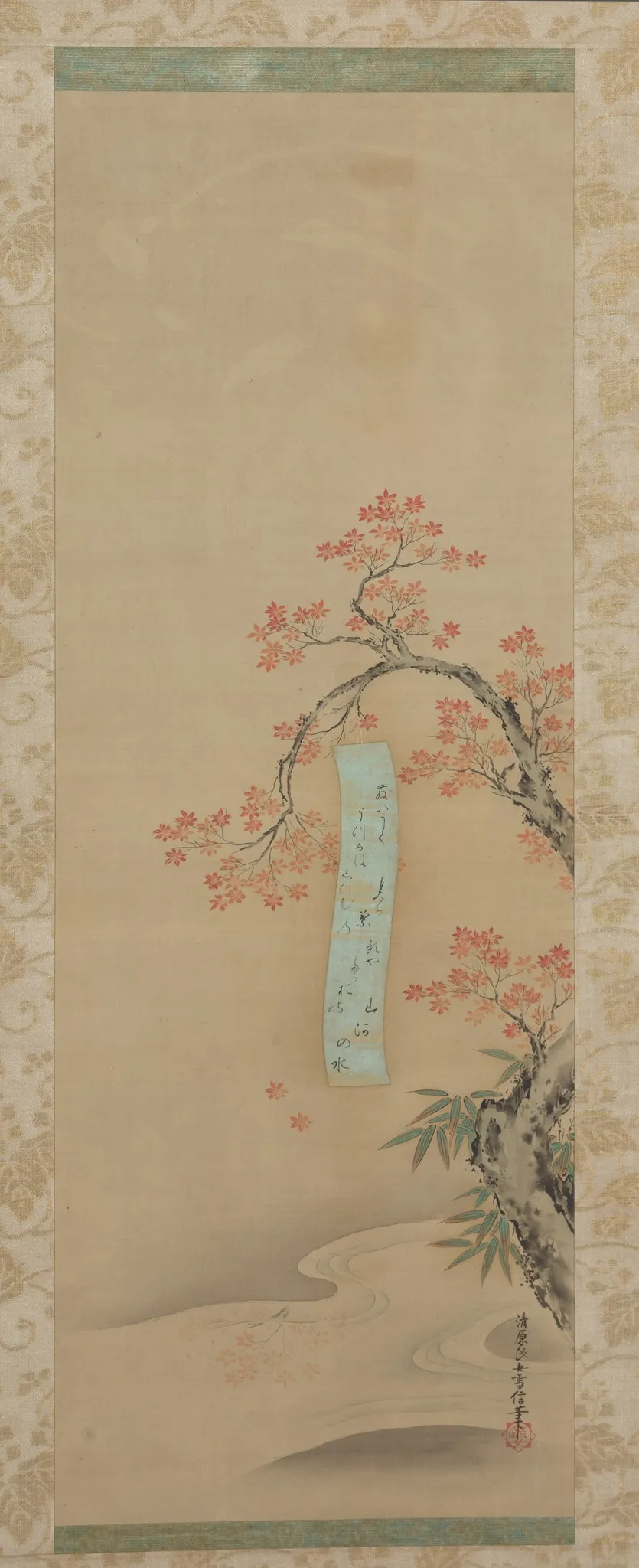
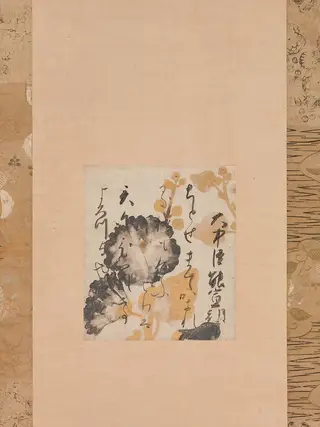
Autumn in Takao is an unspecified painting by the Ukiyo-e artist Kiyohara Yukinobu. It dates from 1673 and is held in the collection of the Cleveland Museum of Art.
About this work
Subject & Meaning
Such imagery reflects the period’s emphasis on harmonizing human experience with the rhythms of nature, a theme recurrent in Edo-period painting.
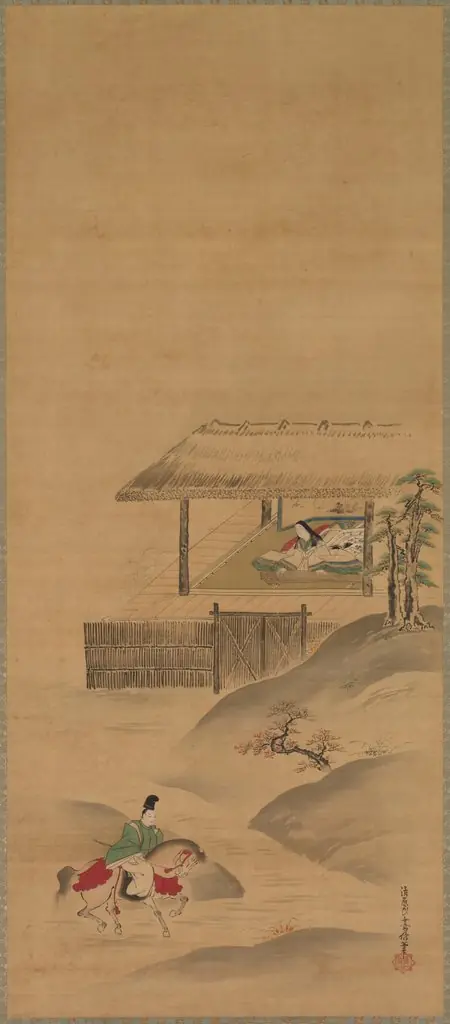
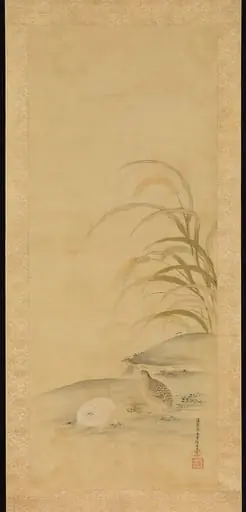
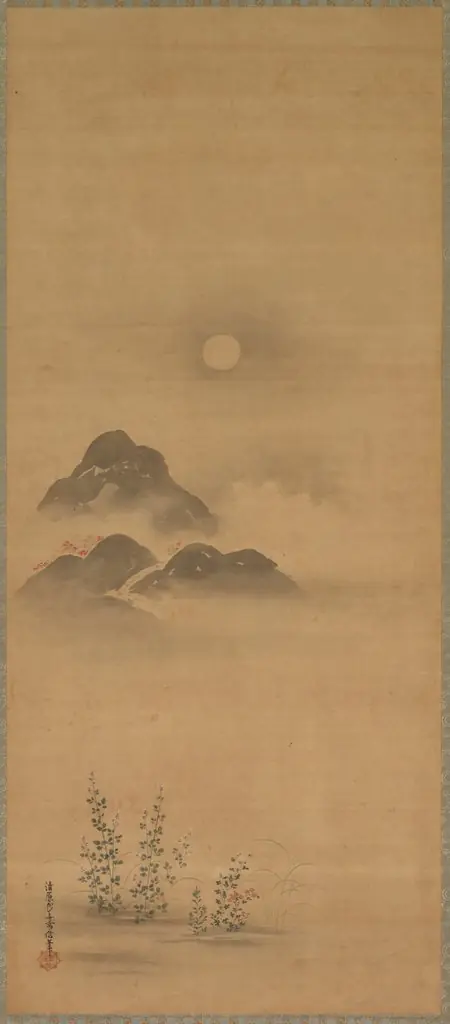
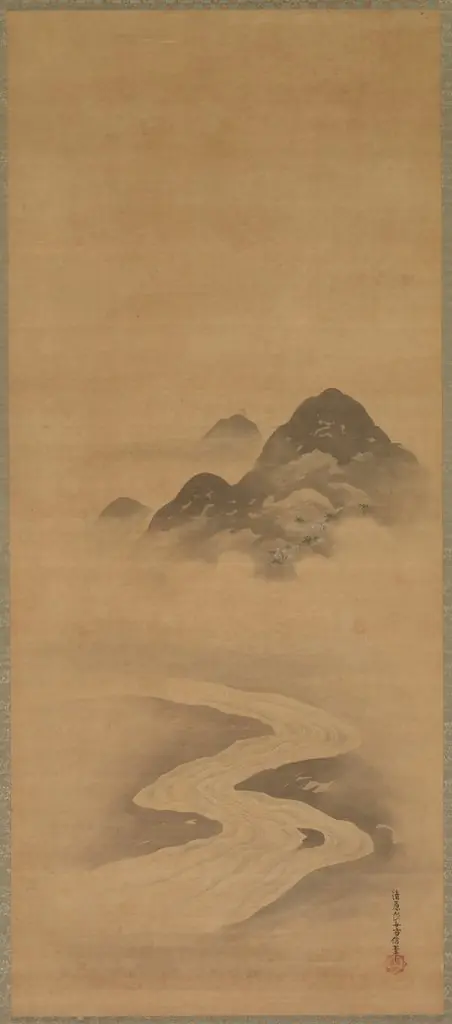
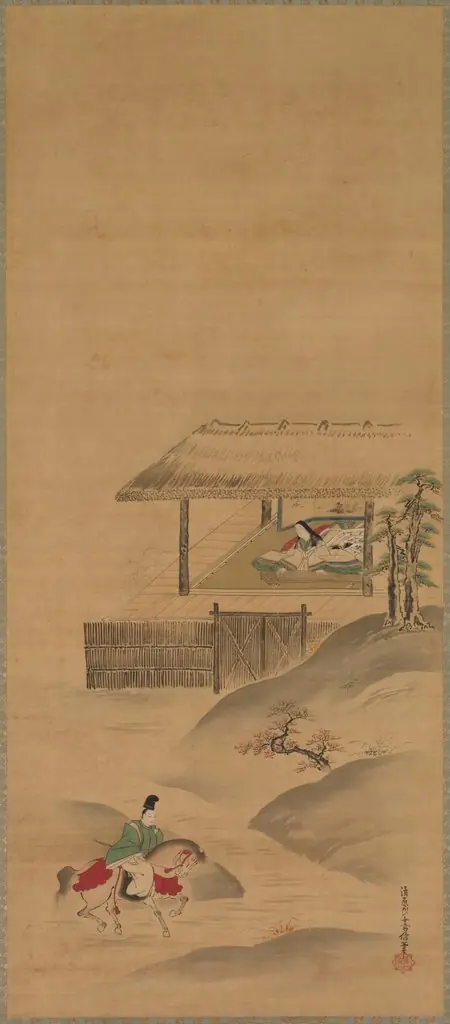
Autumn in Takao depicts a seasonal landscape centered on Mount Takao in western Japan, rendered during the late seventeenth century. The work emphasizes the lush foliage and golden hues characteristic of the autumn season, aligning with the traditional Japanese poetic motif of momijigari, or autumn-leaf viewing. Kiyohara Yukinobu’s composition integrates towering maple trees and subtle architectural elements, evoking the cultural practice of retreating to scenic sites to observe the changing colors of foliage.
Such imagery reflects the period’s emphasis on harmonizing human experience with the rhythms of nature, a theme recurrent in Edo-period painting.
History & Provenance
Autumn in Takao is a 1673 painting by Japanese artist Kiyohara Yukinobu. The work was created in Japan and entered the collection of the Cleveland Museum of Art, where it remains on view in the museum’s Asian art galleries. Its date is documented as 1673 in the museum’s catalogue, and the artist’s active period is recorded as 1643–1682. The painting’s provenance traces directly to the museum’s acquisition through its current owner.
The painting Autumn in Takao is held in the collection of the Cleveland Museum of Art. It was accessioned into the museum's holdings under the inventory number 1991.55. The work, created by Kiyohara Yukinobu in 1673, depicts floral subjects and remains part of the institution's permanent location in Cleveland.
Overview
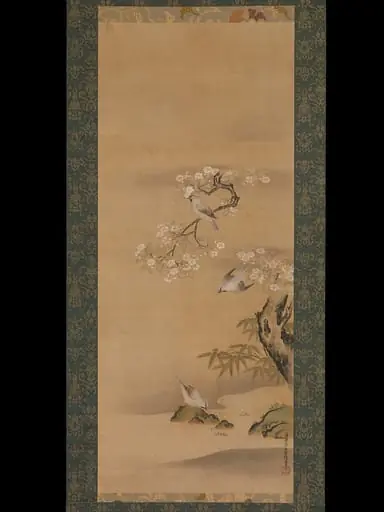
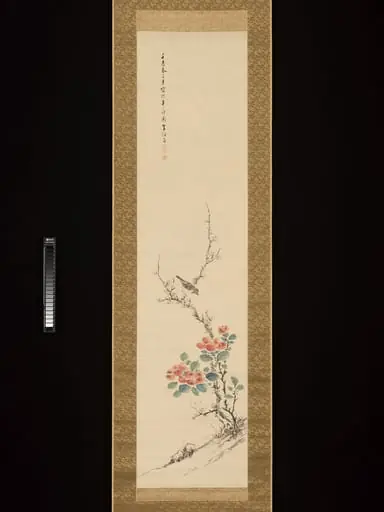
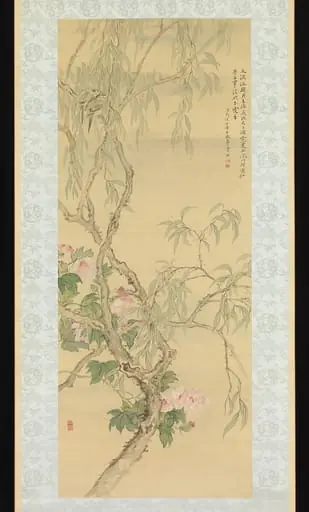
Autumn in Takao is a painting created by Kiyohara Yukinobu in 1673. This work, now part of The Cleveland Museum of Art's collection, presents a detailed depiction of a flowering tree. The composition emphasizes natural forms and a sense of tranquility, characteristic of the period's artistic sensibilities. It serves as an example of Yukinobu's approach to nature studies.
Technique & Style
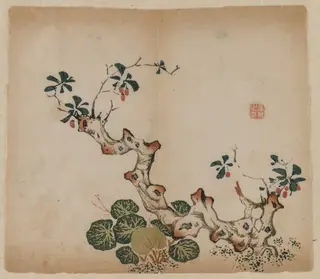
Yukinobu employs a restrained palette, where the vivid red flowers and green foliage are set against a muted, light brown ground. This deliberate contrast highlights the natural forms without overwhelming the viewer. The composition is uncluttered, suggesting a focus on clarity and elegance. The artist's approach contributes to the painting's overall sense of simplicity and peace, reflecting a refined aesthetic.
Artist & collection