Artwork
Autumn in Takao
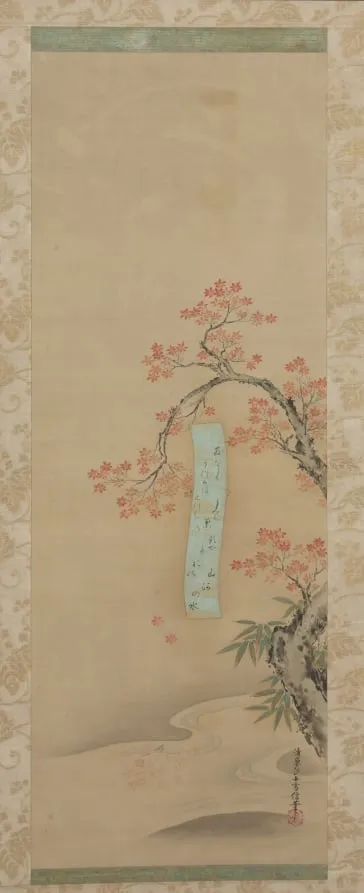
Autumn in Takao is an unspecified painting by the Baroque artist Kiyohara Yukinobu. It dates from 1604 and is held in the collection of the Cleveland Museum of Art.
- Accession no.
- 1991.55
- Credit line
- Seventy-fifth anniversary gift of Takashi Yanagi
About this work
You see a quiet mountain path in late fall: red maple leaves drift over mossy rocks and a narrow stream.
You see a quiet mountain path in late fall: red maple leaves drift over mossy rocks and a narrow stream.
This painting was made by a rare woman artist in 17th-century Japan. At the time, most professional painters were men working for the military ruler. Kiyohara Yukinobu trained in the same studio as those men, yet her name appears on this delicate scroll.
To see how other artists painted Japan’s autumns, look up the subject japan, edo period (1615–1868).
Overview
Kiyohara Yukinobu, a Kyoto-based painter of the Edo period, created this ink-and-color scroll depicting autumn in Takao. Trained in the Kano school under Kano Tan'yū, she was among the few women of her time to establish a professional artistic career. Unlike many male contemporaries who worked on large-scale castle decorations, Yukinobu focused on intimate, literary-themed landscapes, often infused with poetic allusion. Her signature on this scroll marks a rare assertion of female authorship in a male-dominated field.
Subject & Meaning
The scene portrays a quiet mountain path in Takao, a revered natural site north of Kyoto known for its seasonal foliage. A poem card tied to a maple branch suggests a literary reference, possibly evoking Heian-era courtly poetry about transience and unfulfilled love. The drifting red leaves and still stream evoke the passage of time and emotional quietude, aligning with classical Japanese aesthetics that find beauty in fleeting moments and understated emotion.
Technique & Style
Yukinobu employed fine ink lines and layered mineral pigments to render delicate maple leaves, mossy rocks, and flowing water with precision. Her composition balances naturalism with poetic restraint, avoiding dramatic contrasts in favor of subtle tonal gradations. The scroll format invites slow, contemplative viewing, characteristic of literati traditions.
Her brushwork reflects Kano training but softens its boldness into a more intimate, lyrical mode suited to personal expression.
History & Provenance
Created in the late 17th century, the painting emerged from Yukinobu’s independent studio after her apprenticeship with Kano Tan'yū. While male artists in his workshop handled imperial and shogunal commissions, Yukinobu pursued private patrons interested in classical themes. The scroll’s survival and attribution to her reflect her recognized skill and the value placed on her work within elite cultural circles, despite the gendered constraints of her era.
Context
During the Edo period, professional painting was largely controlled by male-dominated ateliers serving the military elite. Women were typically excluded from formal training and public commissions. Yukinobu’s access to the Kano studio, through family connections, and her ability to publish works under her own name challenged these norms.
Her focus on Heian literary subjects aligned with aristocratic tastes, offering a refined alternative to the more public, decorative styles of her male peers.
Legacy
Yukinobu’s work contributed to the recognition of women as capable artists within Japan’s classical traditions. Her scrolls, though fewer in number than those of male contemporaries, influenced later female painters and scholars interested in gender and artistic authority. The persistence of her signature on works like this one underscores a quiet but significant reclamation of creative agency in a society that rarely acknowledged women’s professional contributions.
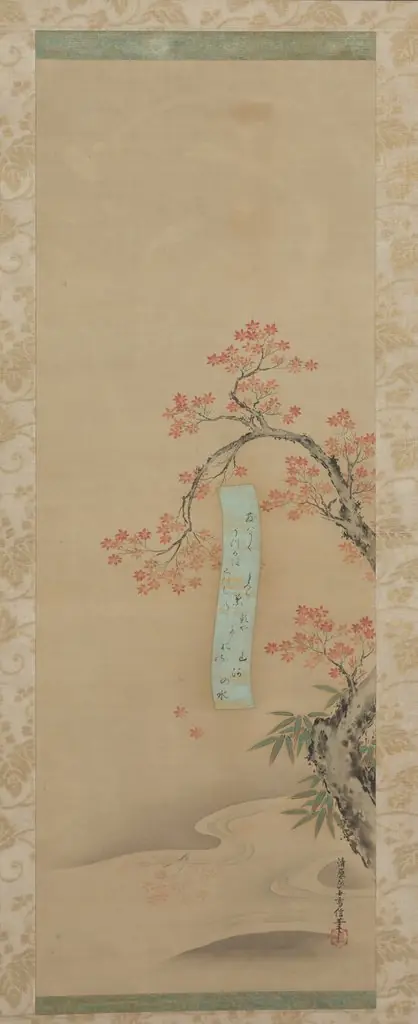
Artist & collection


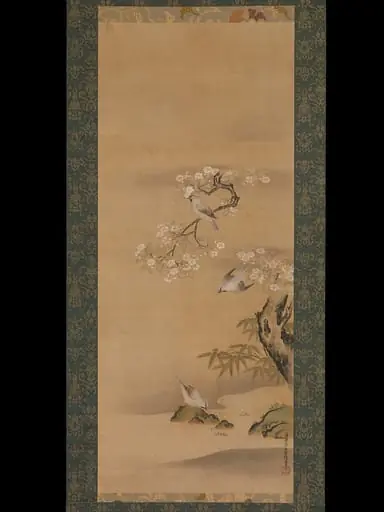 清原雪信筆 緋連雀桜竹図|Waxwings, Cherry Blossoms, and Bamboo
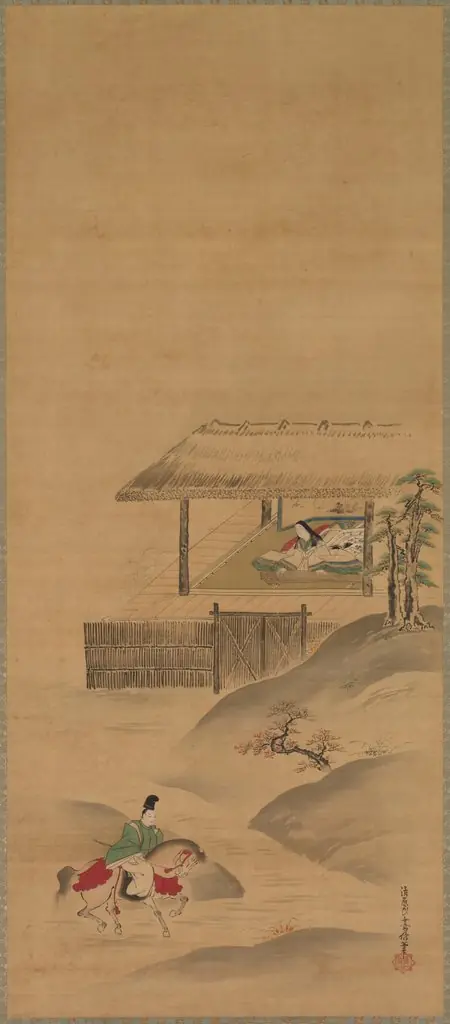 Minamoto no Nakakuni Visits Lady Kogō
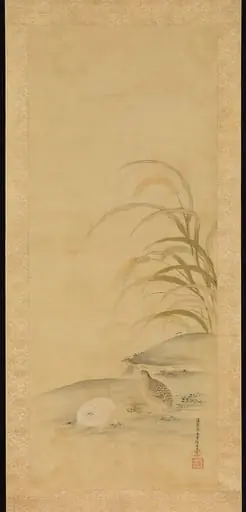 粟に鶉図|Quail and Millet
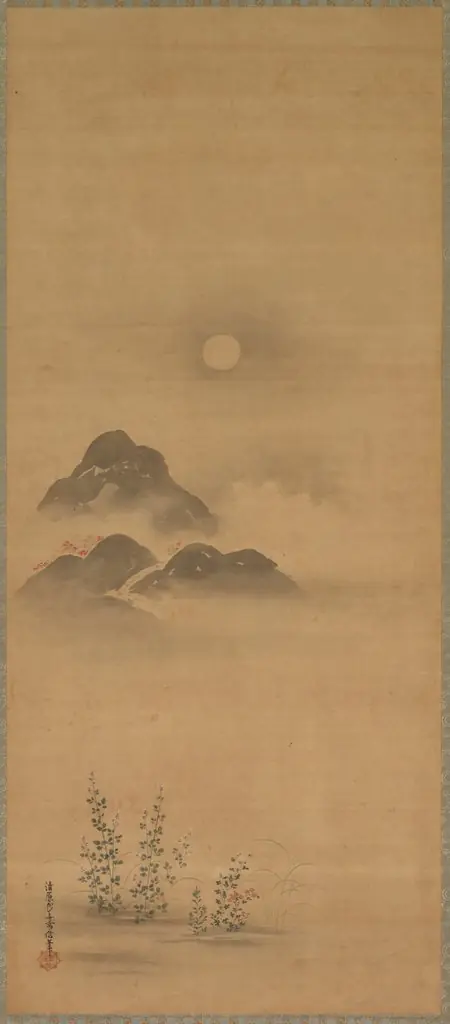 Minamoto no Nakakuni Visits Lady Kogō
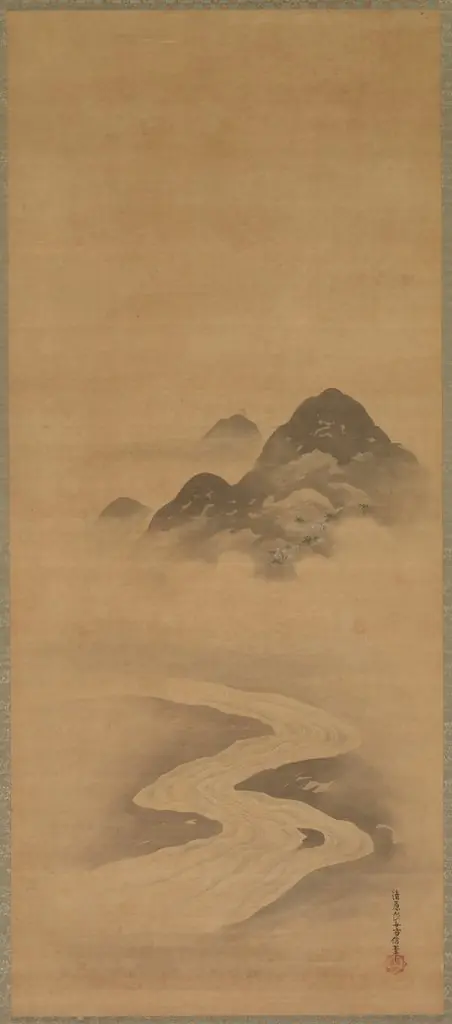 Minamoto no Nakakuni Visits Lady Kogō
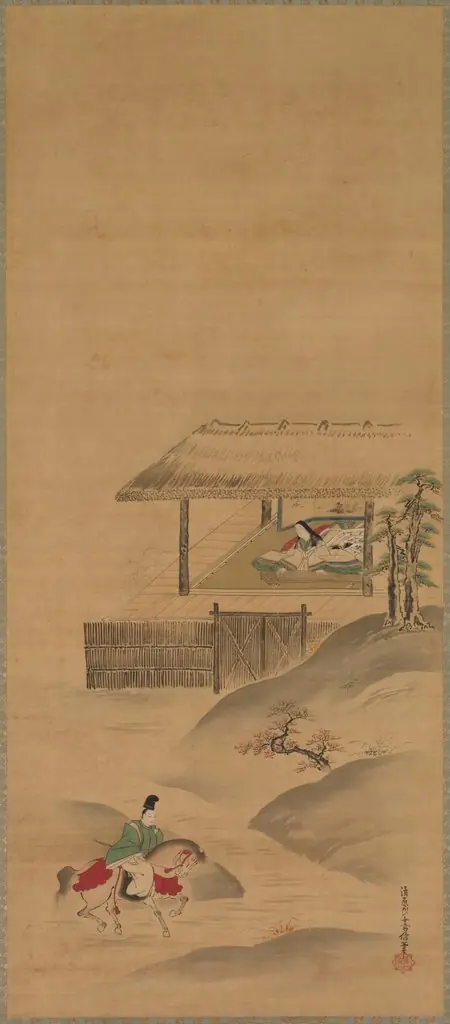 Minamoto no Nakakuni Visits Lady Kogō
- Autumn in Takao
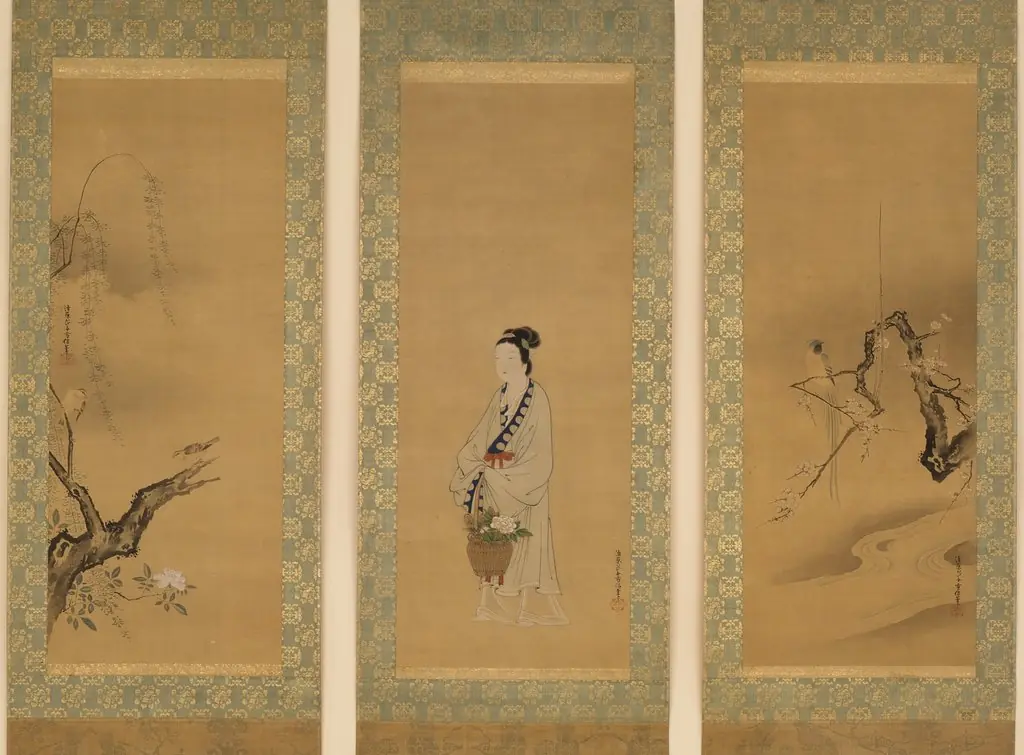 Reishō: Paragon of Filiel Piety; Chinese Blue Magpie with Flowering Plum; Sparrows, Willow, and Rose
 Beckoning of Solitude (Zhaoyin tu)
 椿椿山筆 紅白桃花図(付・画稿)|Red and White Peach Blossoms
 The Second Coming of the Fifth Patriarch
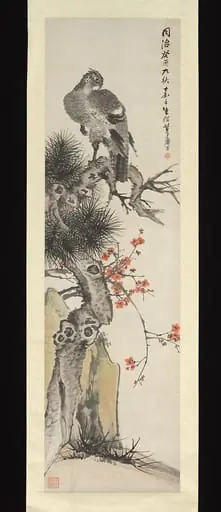 清 朱偁 松鷹圖 軸|Hawk, pine, plum, and rock
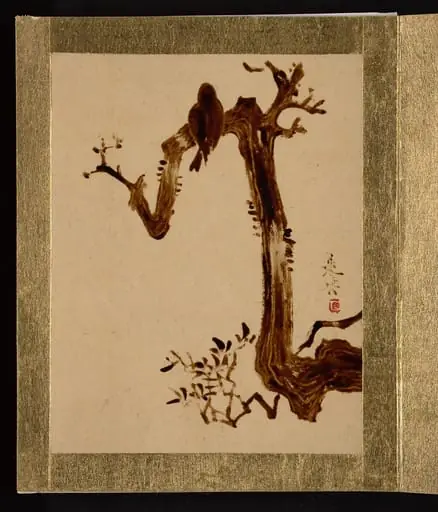 Untitled
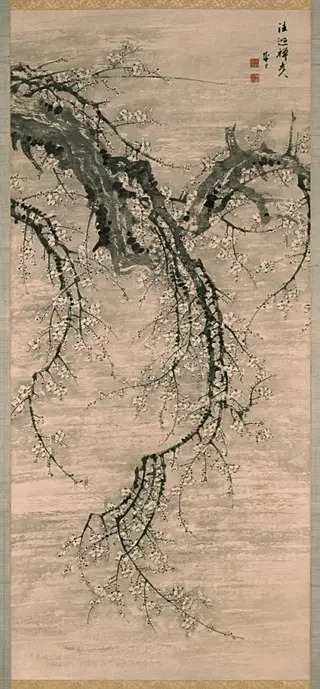 Plum Branch
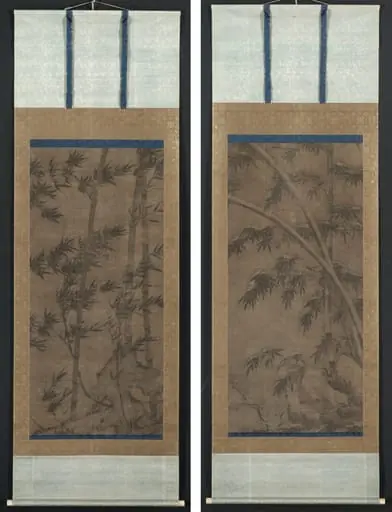 Bamboo in Four Seasons: Summer and Winter
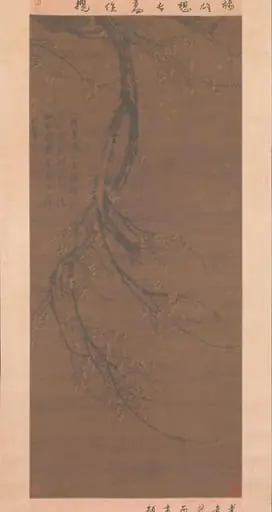 元 王冕 墨梅圖 軸|Fragrant Snow at Broken Bridge
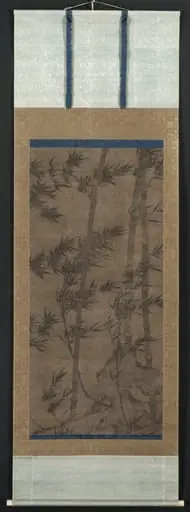 Bamboo in Four Seasons: Summer
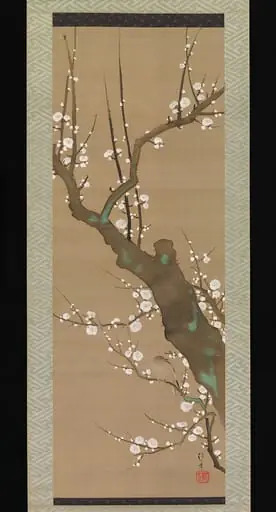 酒井抱一筆 鶯白梅図|Bush Warbler (Uguisu) in a Plum Tree