Artwork
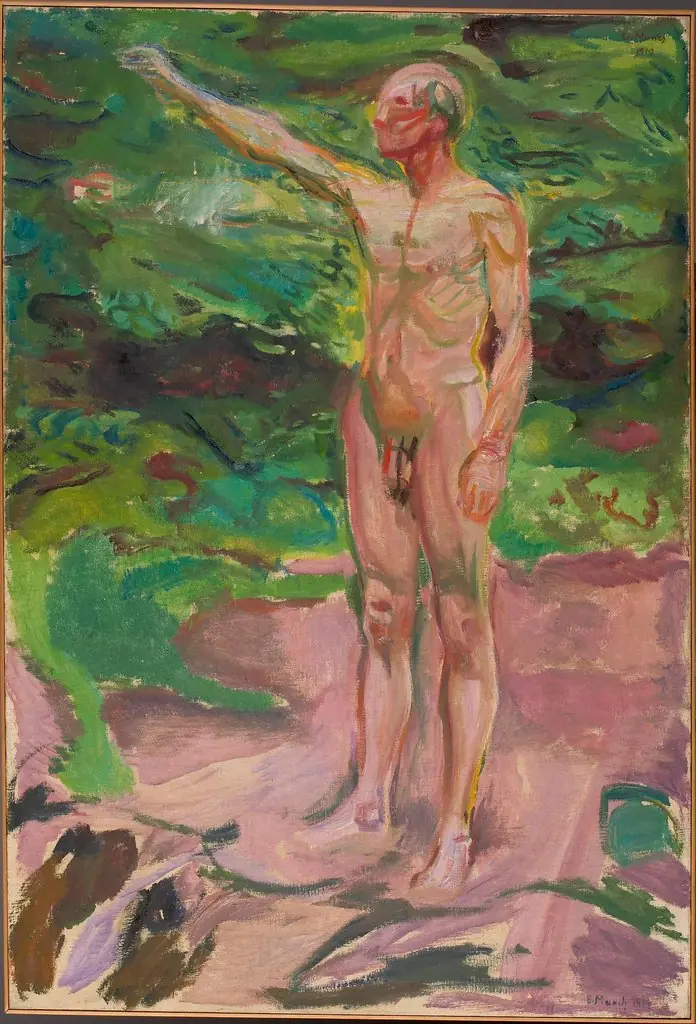
Adam in The Garden of Eden
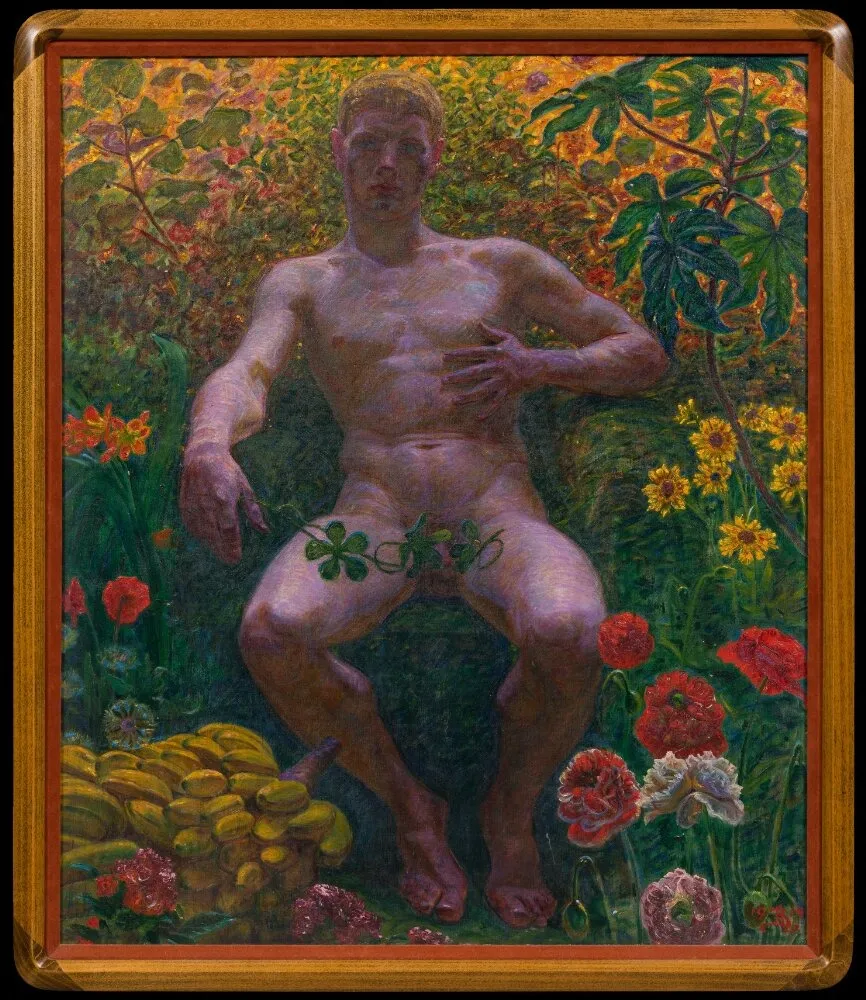
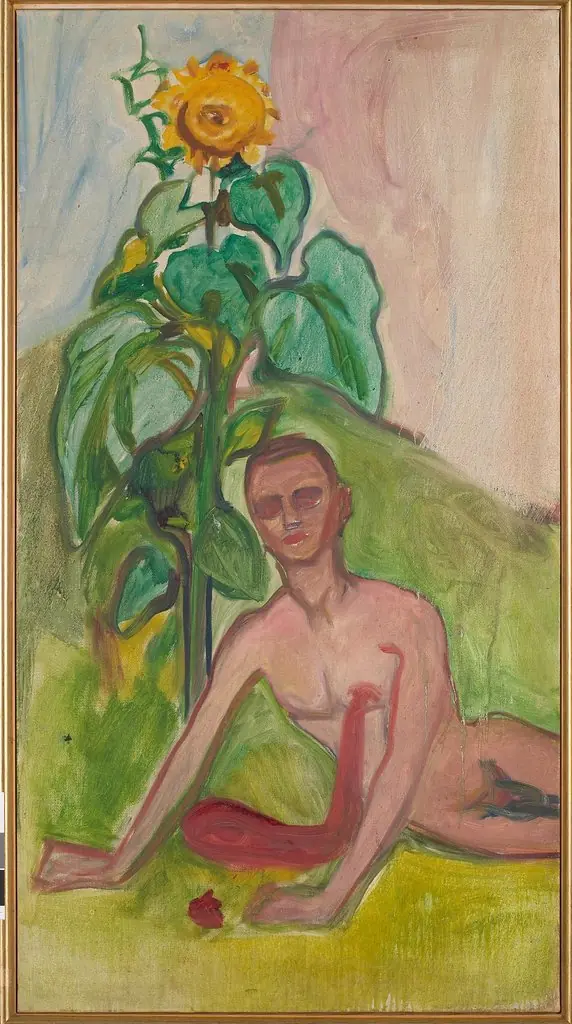
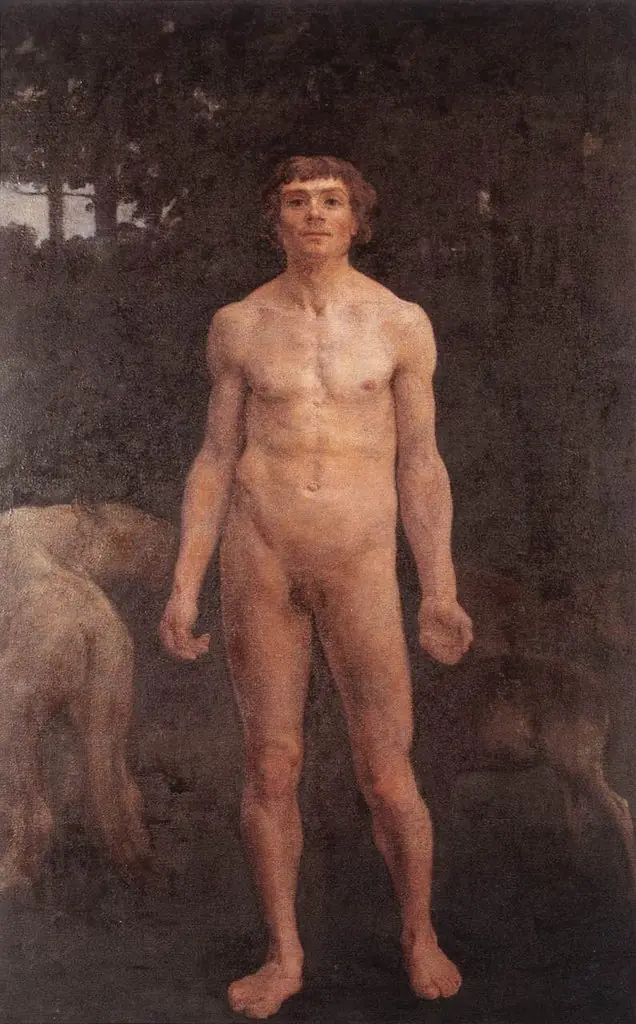
Adam in The Garden of Eden is an oil painting by the Symbolist artist Kristian Zahrtmann. It dates from 1914 and is held in the collection of the Nationalmuseum.
About this work
Overview
Zahrtmann, once trained in Academic traditions, had by this time embraced a more personal, emotionally charged style aligned with Symbolist tendencies.
Painted in 1914 by Danish artist Kristian Zahrtmann, this oil-on-canvas work portrays Adam in a verdant, flowering garden. Though rooted in biblical narrative, the painting diverges from traditional religious iconography through its intimate, humanized depiction and vivid naturalism. Zahrtmann, once trained in Academic traditions, had by this time embraced a more personal, emotionally charged style aligned with Symbolist tendencies.
Subject & Meaning
The figure of Adam is shown nude, seated calmly amid dense flora, his gaze fixed directly on the viewer. His posture, hand on chest, arm resting on thigh, suggests introspection rather than shame or sin. The placement of a four-leaf clover over his groin introduces a subtle, possibly symbolic counterpoint to conventional narratives of innocence, hinting at fertility, luck, or the ambiguity of primal purity.
Technique & Style
Zahrtmann employs rich, saturated hues to render the garden’s abundance, with bold strokes defining leaves and petals. The figure is rendered with soft modeling, contrasting the vibrant, almost decorative background. Light falls evenly, eliminating dramatic shadows, reinforcing a mood of quiet stillness. The composition avoids narrative detail, focusing instead on atmosphere and psychological presence.
History & Provenance
Created late in Zahrtmann’s career, the painting entered the collection of the Nationalmuseum in Denmark, where it remains today. It reflects his evolving artistic direction after moving beyond the restrained realism of the Danish Golden Age. Though not widely exhibited during his lifetime, it later gained recognition as an example of his mature Symbolist phase.
Context
Zahrtmann worked amid a shift in Danish art away from academic idealism toward psychological depth and natural observation. While contemporaries explored urban life or landscape, he turned to myth and scripture with a focus on the individual’s inner state. This painting aligns with broader European Symbolist interests in inner experience, though filtered through a distinctly Nordic sensibility.
Legacy
The work stands as a quiet testament to Zahrtmann’s late-period experimentation with form and symbolism. It is not widely reproduced, but within Danish art history, it is noted for its departure from conventional religious imagery and its emphasis on emotional resonance over doctrinal clarity. Its subdued intensity continues to invite contemplative viewing.
Artist & collection
Artist
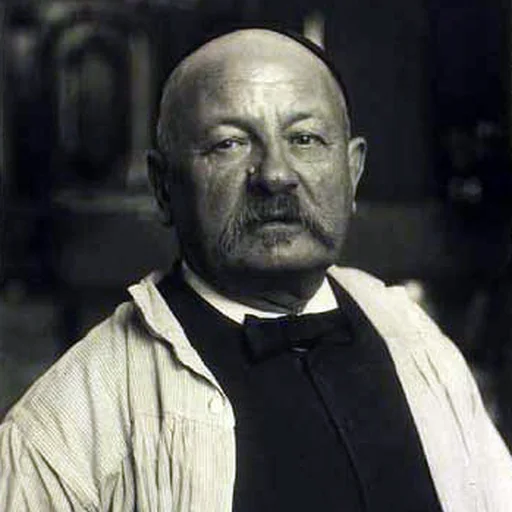
Peder Henrik Kristian Zahrtmann, known as Kristian Zahrtmann, (31 March 1843 – 22 June 1917) was a Danish painter.