
Subject
Garden
Garden is a subject in art. The gallery holds 200 works in this subject in art, including works by Titian, Paolo Veronese and Jean Honoré Fragonard.
The garden is one of humankind's oldest images of ordered nature, and its depiction in art reaches back to the earliest civilizations. The Persian *pairidaeza*—the walled, water-threaded enclosure that gives Western languages the word "paradise"—established a template of quartered beds, running channels, and shaded geometry that passed through Greece and Rome into the medieval West. There the motif acquired explicit spiritual meaning: drawing on the "enclosed garden" of the Song of Songs, theologians read the *hortus conclusus* as an emblem of the Virgin Mary's purity, and fifteenth-century Annunciation scenes routinely set her within a walled garden beside a sealed fountain. From the outset the genre's defining feature was the one named in our catalogue: even the wildest garden announces human control.
The Renaissance and Baroque secularized that enclosure, turning it into a stage for myth, love, and leisure. Verdant settings frame the mythologies our collection holds—Titian's *Venus and Music*, Paolo Veronese's *Venus and Mars*, and Hendrik Goltzius's *Vertumnus and Pomona*, the latter literally a tale of a garden goddess. In eighteenth-century France the theme reached its most seductive pitch in the Rococo *fête galante*: Jean-Honoré Fragonard's *The Swing* and Hubert Robert's variations on the subject place flirtation among overgrown bowers, statuary, and distant fountains, mirroring the contemporary fashion for the irregular, "picturesque" landscape garden over the rigid French *parterre*.
The nineteenth century made the garden central to modern painting. Working outdoors in high-keyed color, the Impressionists treated cultivated nature as a laboratory for light. Monet's *Garden at Sainte-Adresse* (1867)—painted at twenty-six and structured as flat bands of terrace, sea, and sky in homage to Japanese prints—announced the program he would pursue for decades at Giverny, whose water-lily pond consumed his final years. John Singer Sargent's *Carnation, Lily, Lily, Rose* (1885–86), painted minutes at a time at dusk, shows how widely the impulse spread.
The motif carried into the twentieth century as a vehicle for color and pattern. Vincent van Gogh, Gustav Klimt, and the Nabis painter Pierre Bonnard—whose late *The Terrace at Vernonnet* (1939) frames his Seine-valley garden like a rising curtain—pushed the genre toward decoration and near-abstraction, a trajectory surveyed in exhibitions such as *Painting the Modern Garden: Monet to Matisse*. Across these shifts the garden endured precisely because it is nature shaped by intention—a meeting of cultivation and art.
Key artists


Works
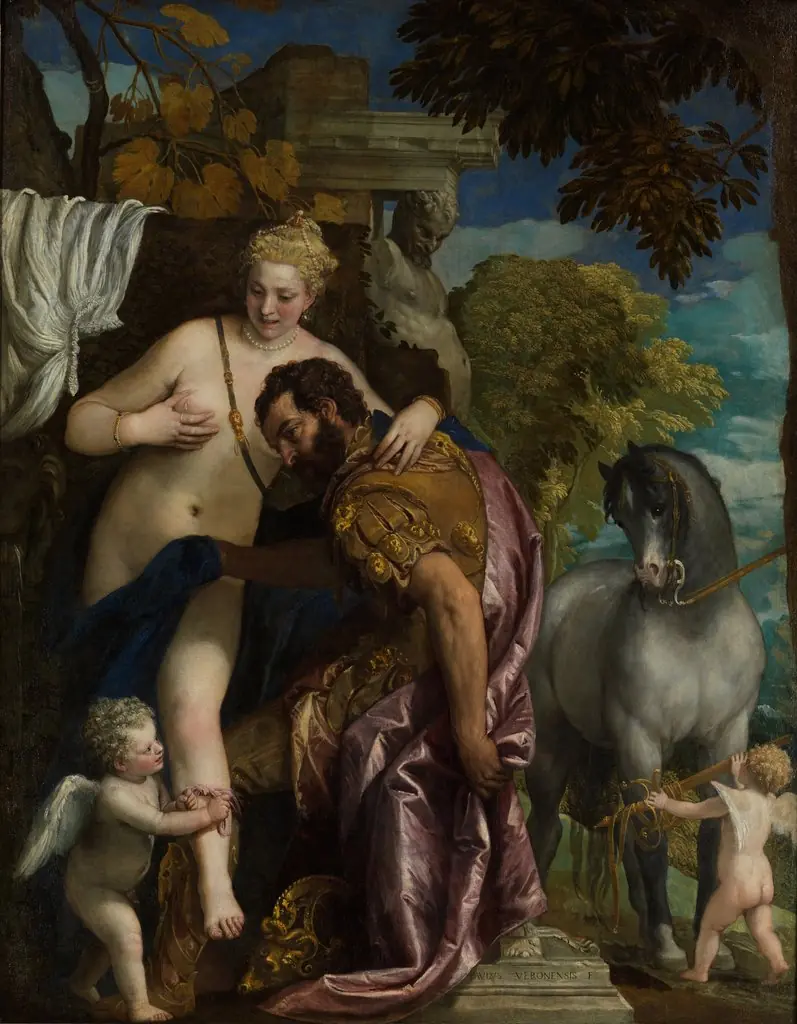 Venus and Mars
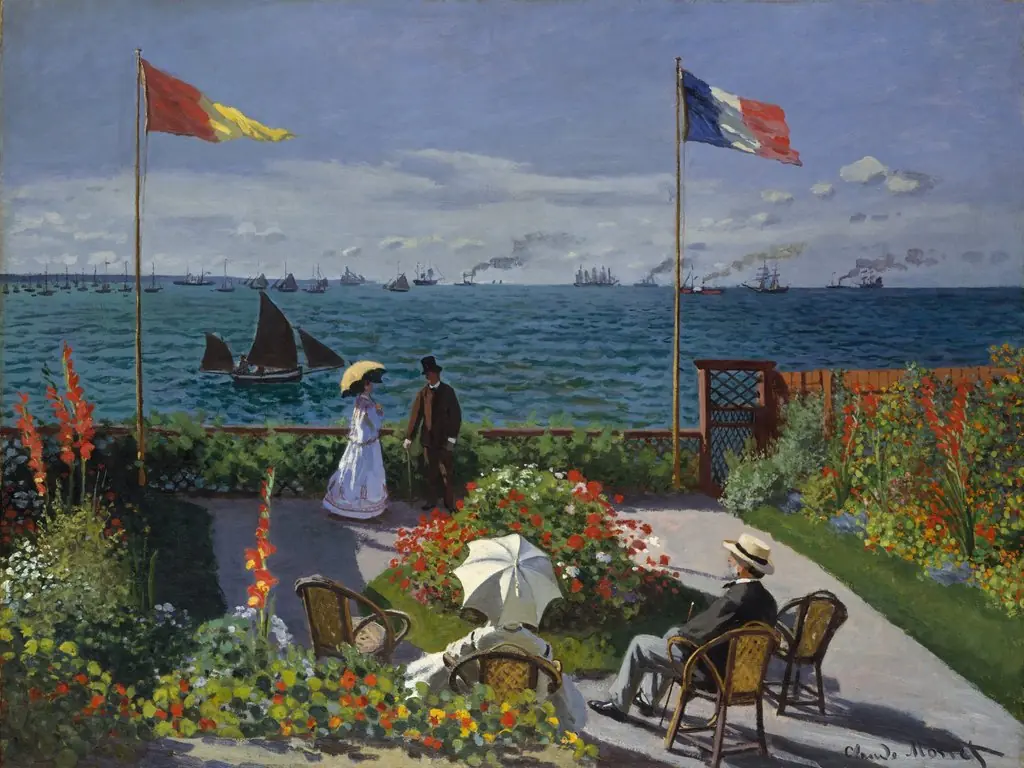 Garden at Sainte-Adresse
 Vertumnus and Pomona
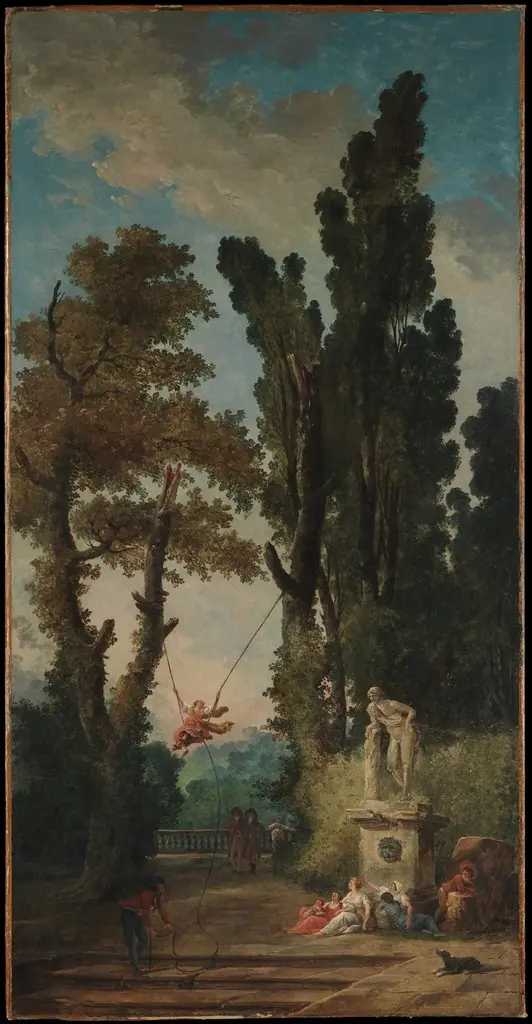 The Swing
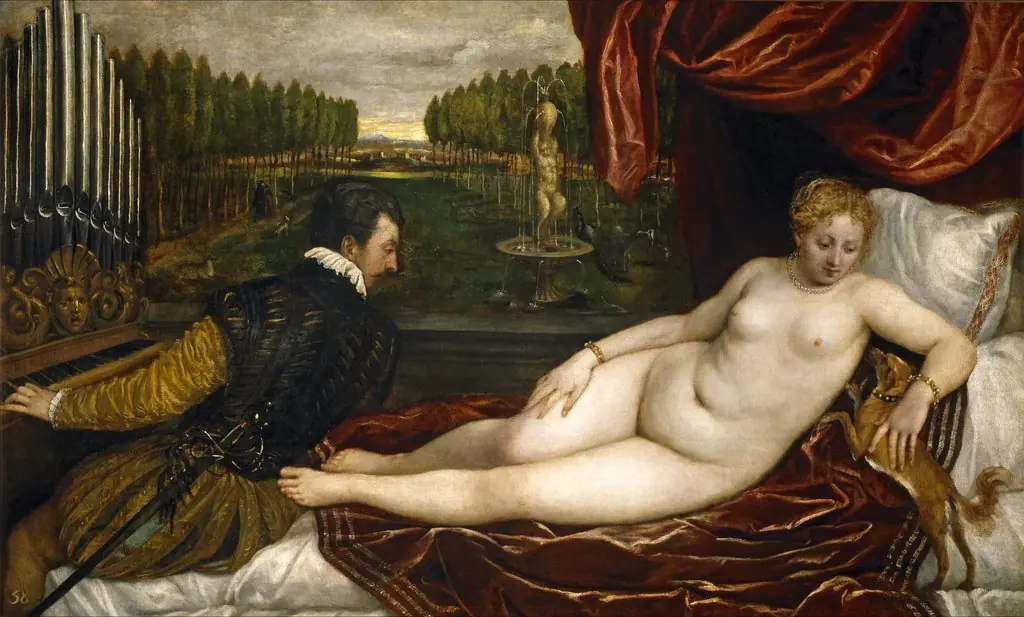 Venus and Music
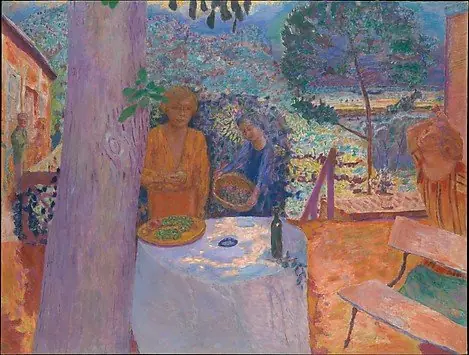 The Terrace at Vernonnet
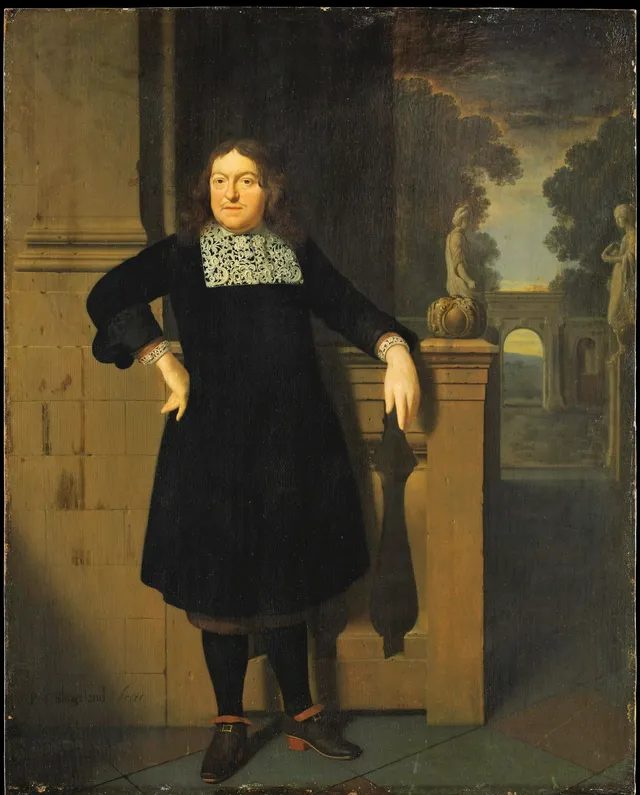
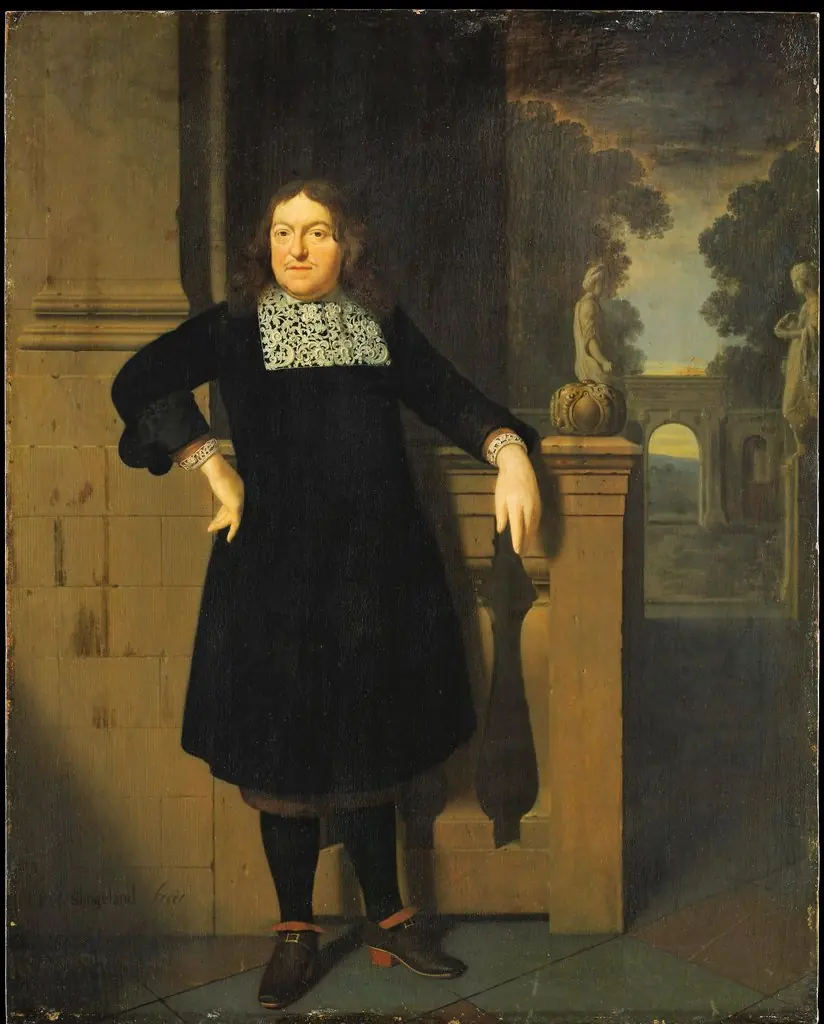 Portrait of Johan Hulshout (1623–1687)
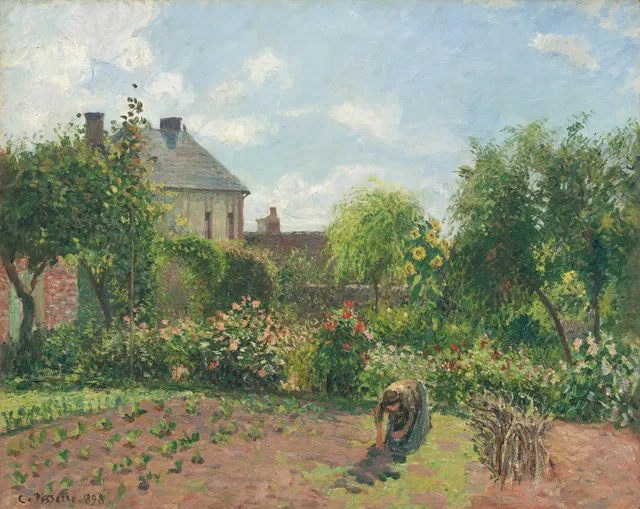
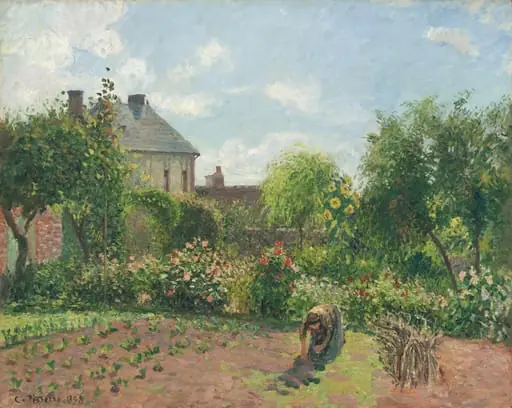 The Artist's Garden at Eragny
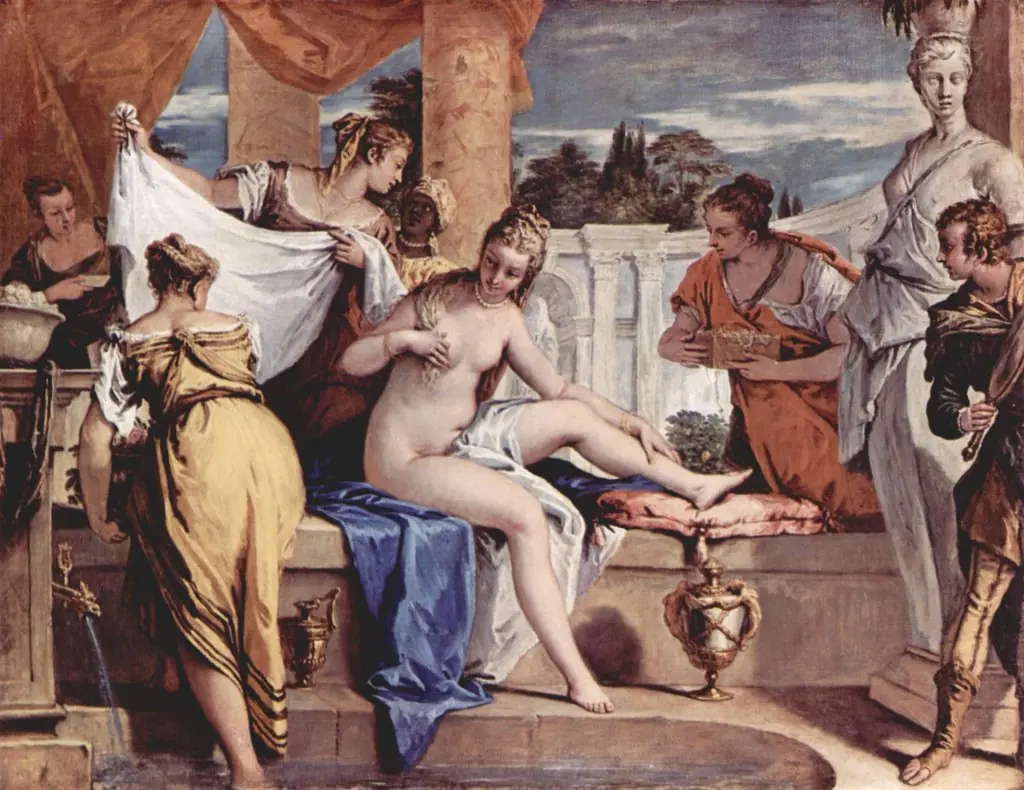 Bathsheba at her bath
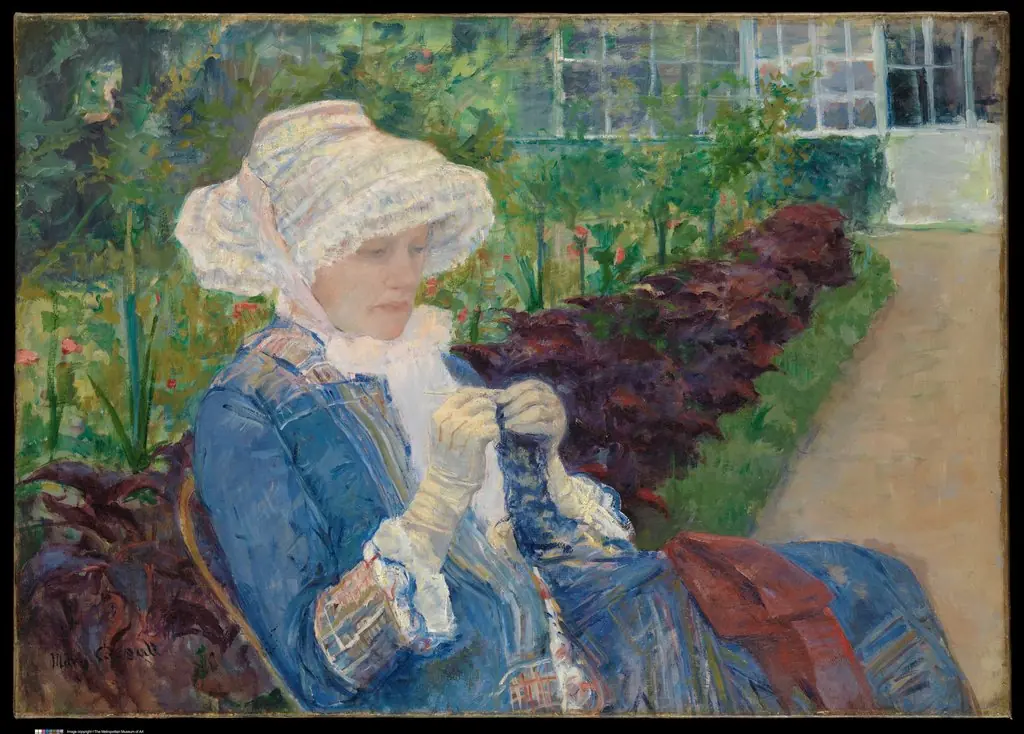 Lydia Crocheting in the Garden at Marly
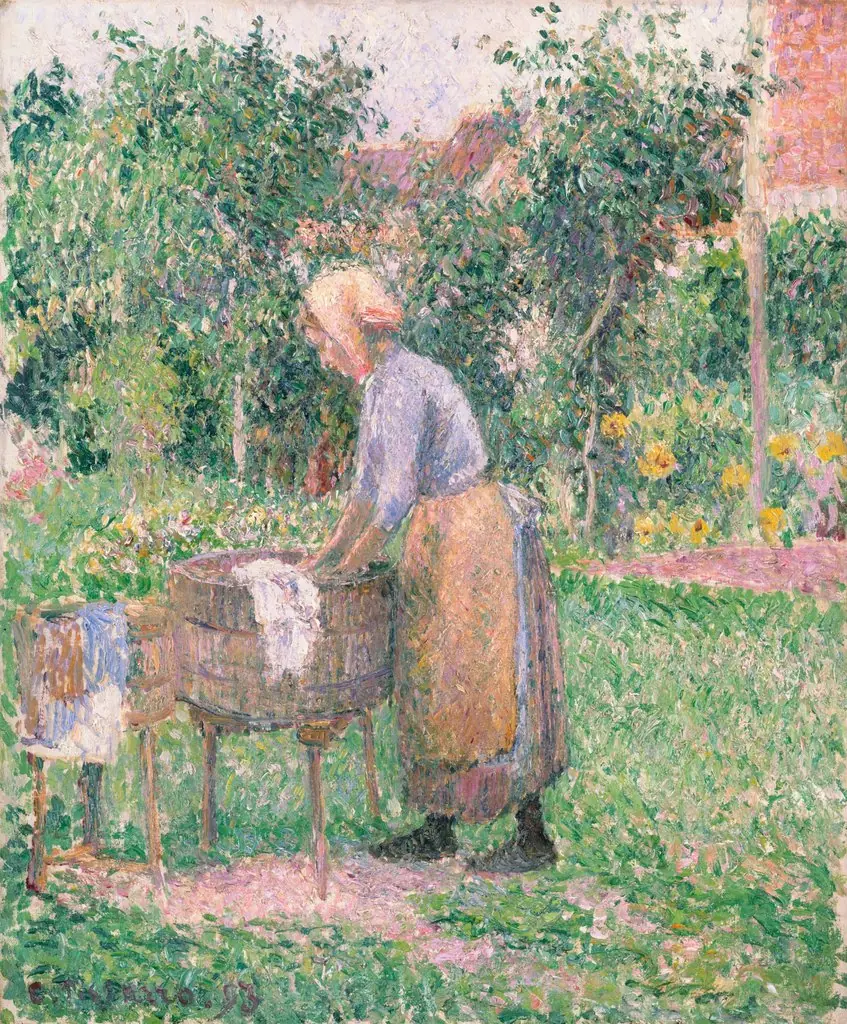 A Washerwoman at Éragny
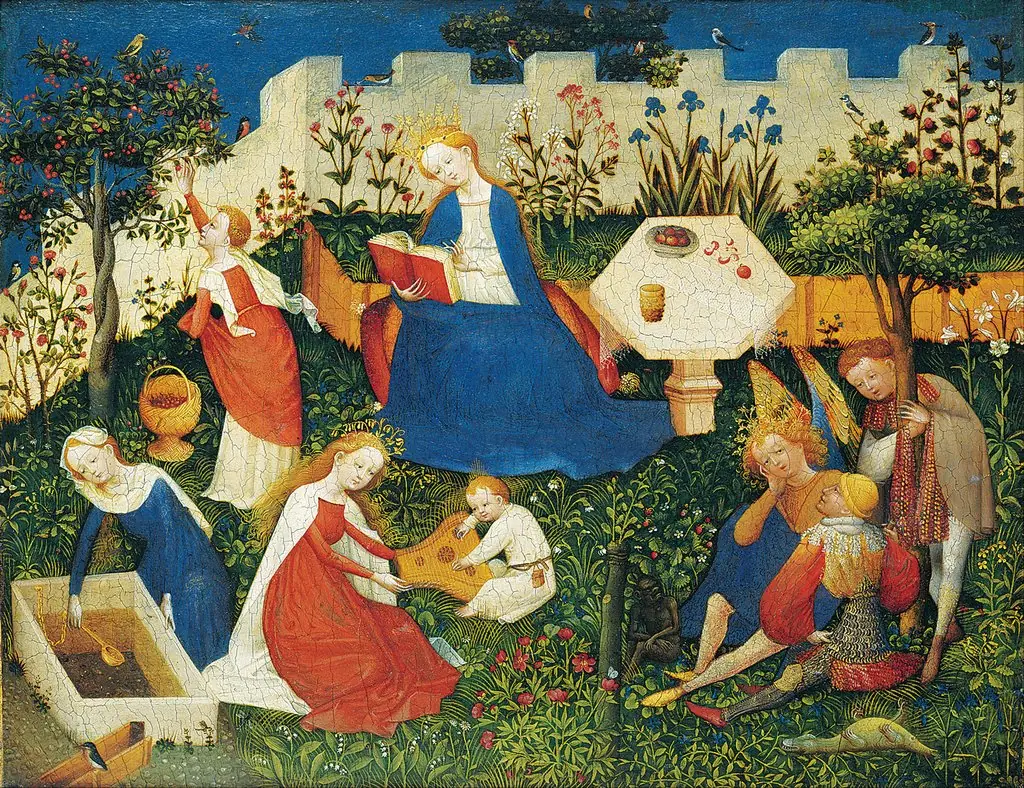 Paradiesgärtlein
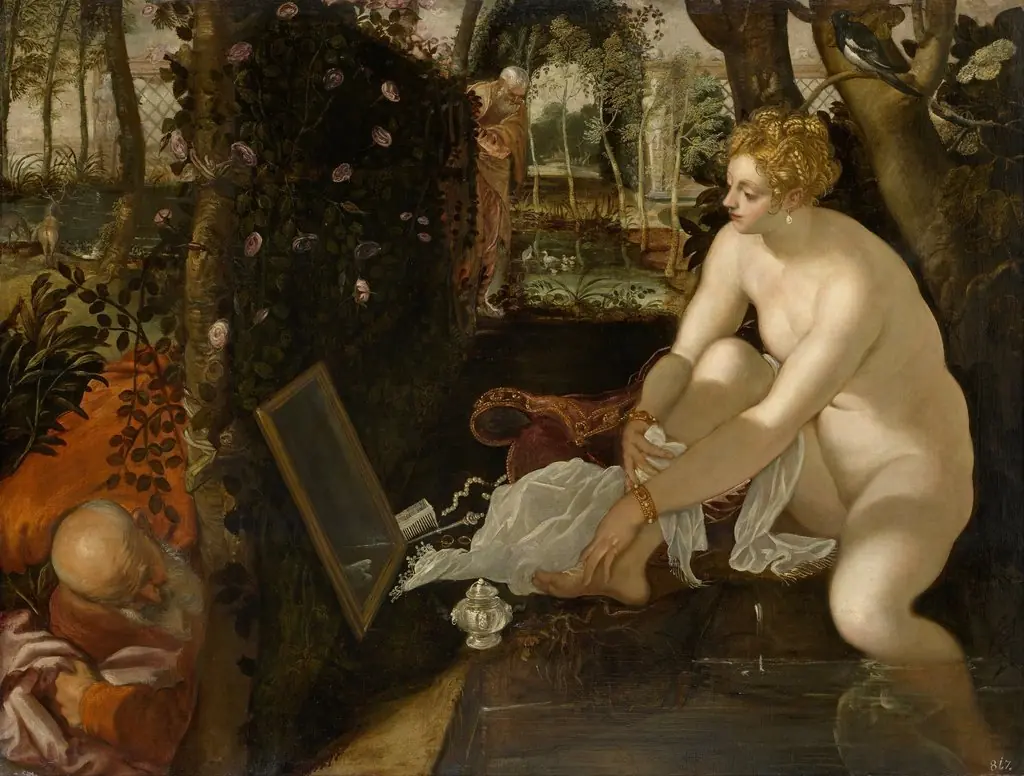 Susanna and the Elders
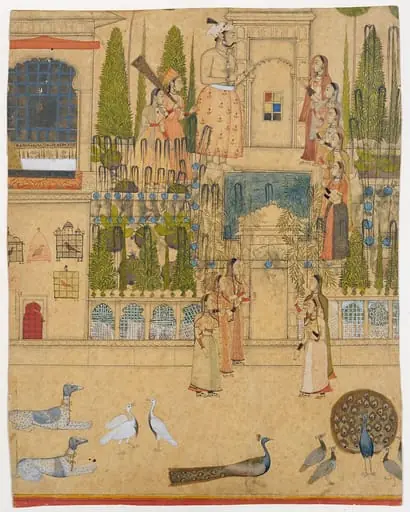 Untitled
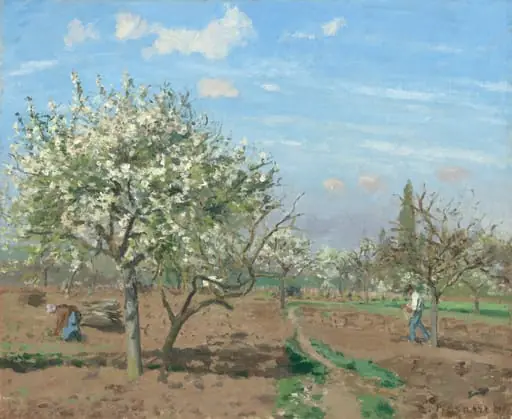 Orchard in Bloom, Louveciennes
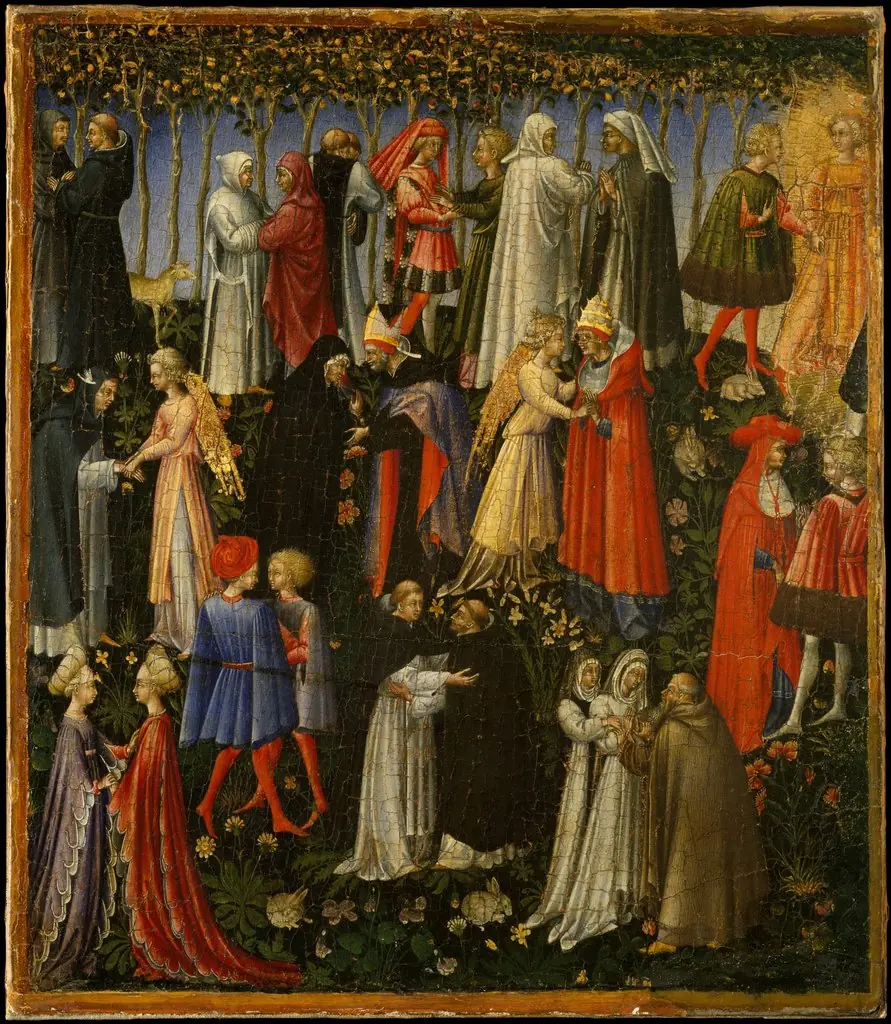 Paradise
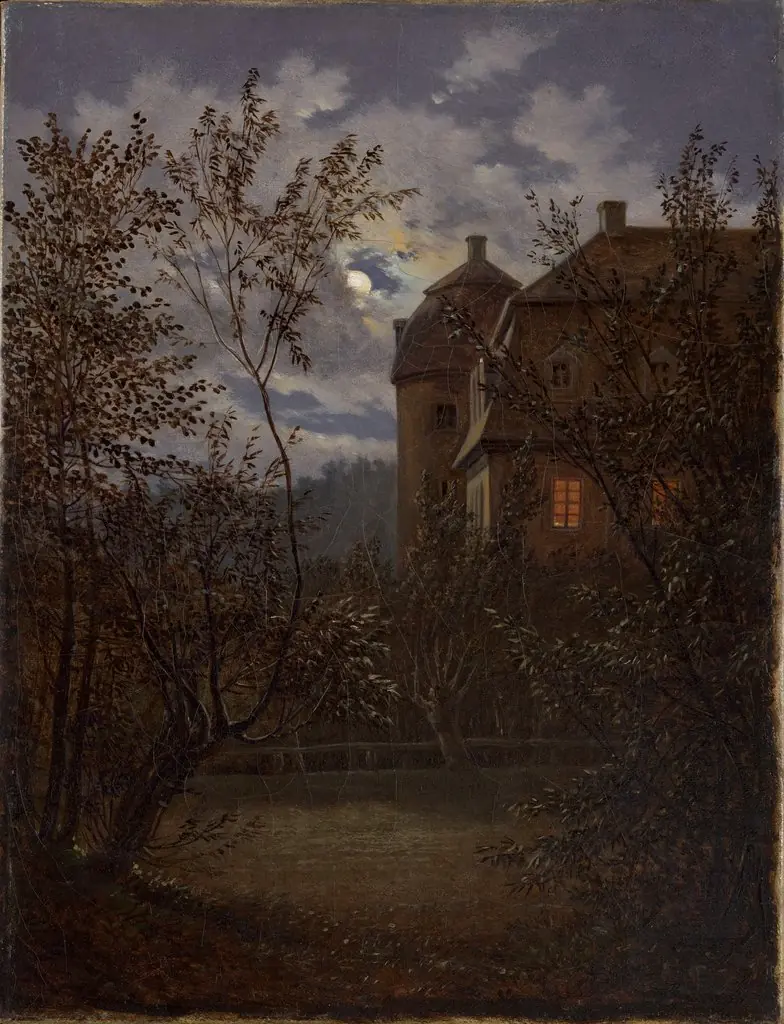 Schloss Milkel in Moonlight
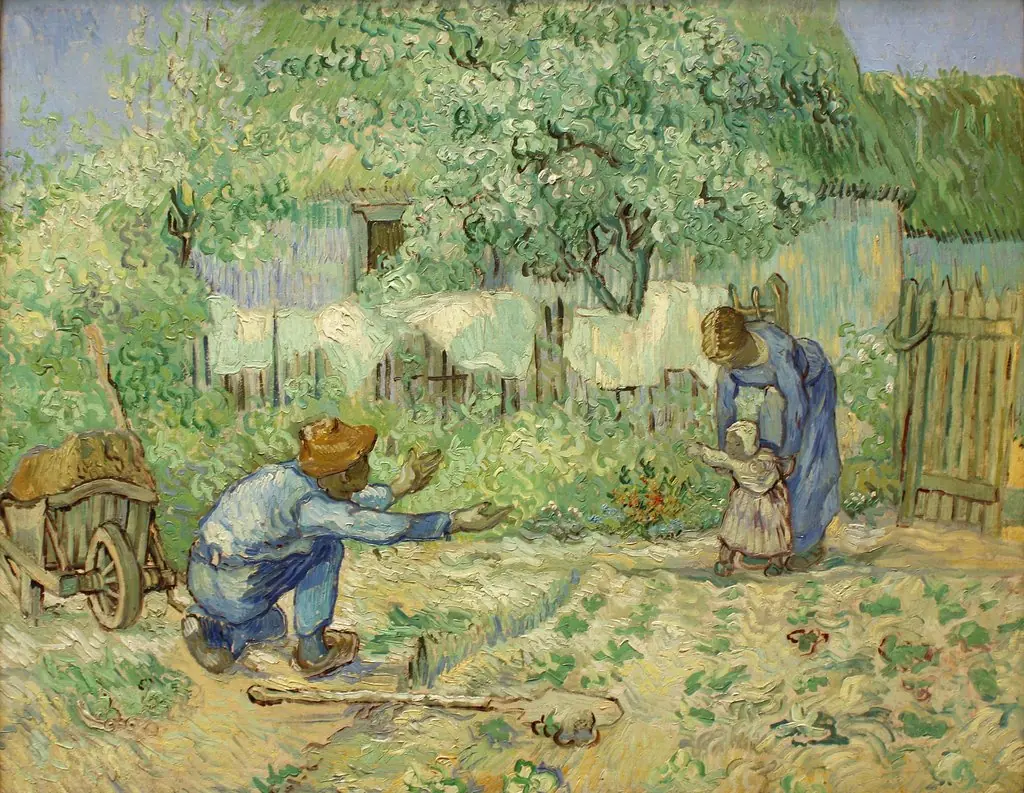 First Steps, after Millet
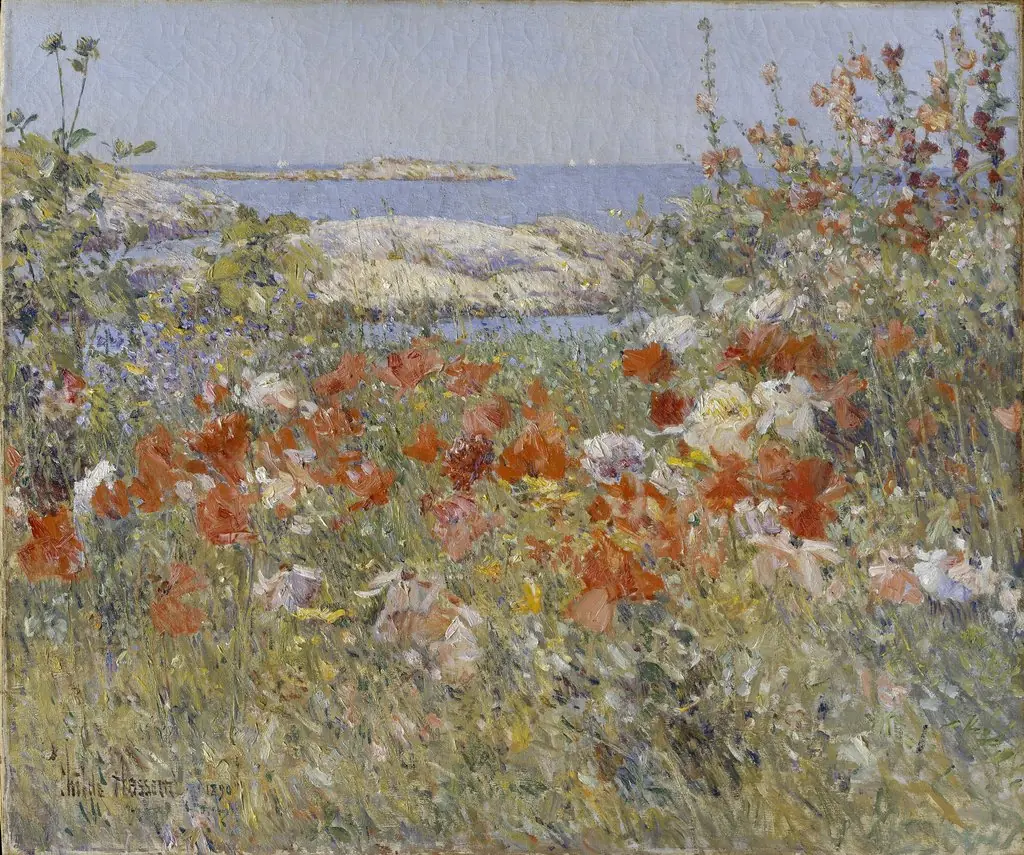 Celia Thaxter's Garden, Isles of Shoals, Maine
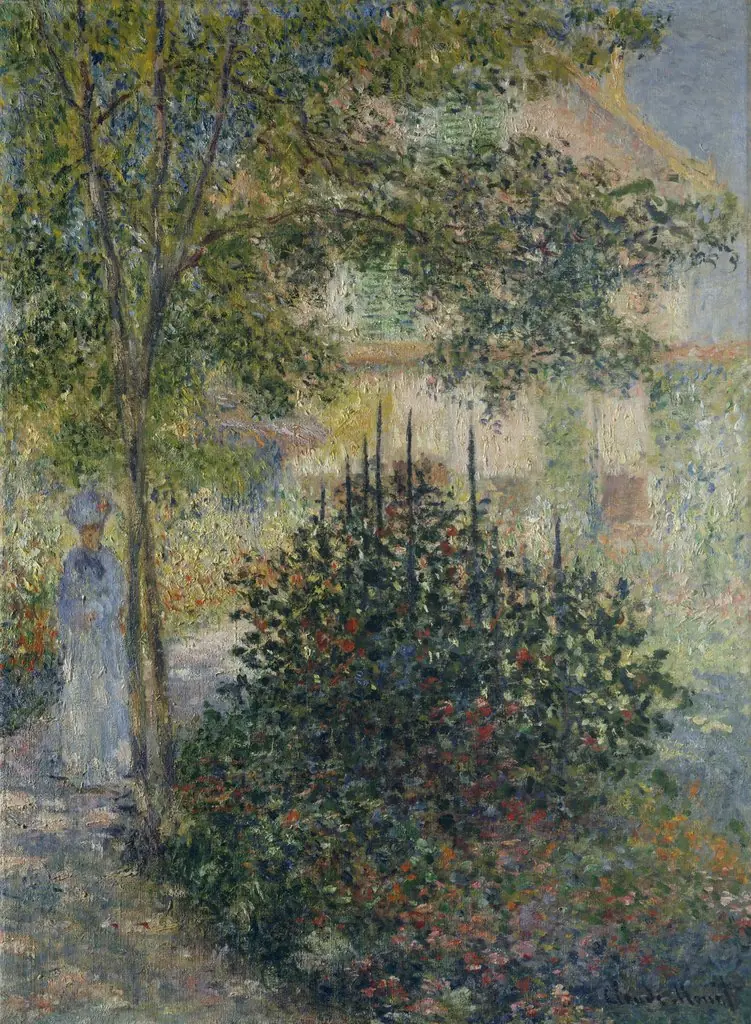 Camille Monet (1847–1879) in the Garden at Argenteuil
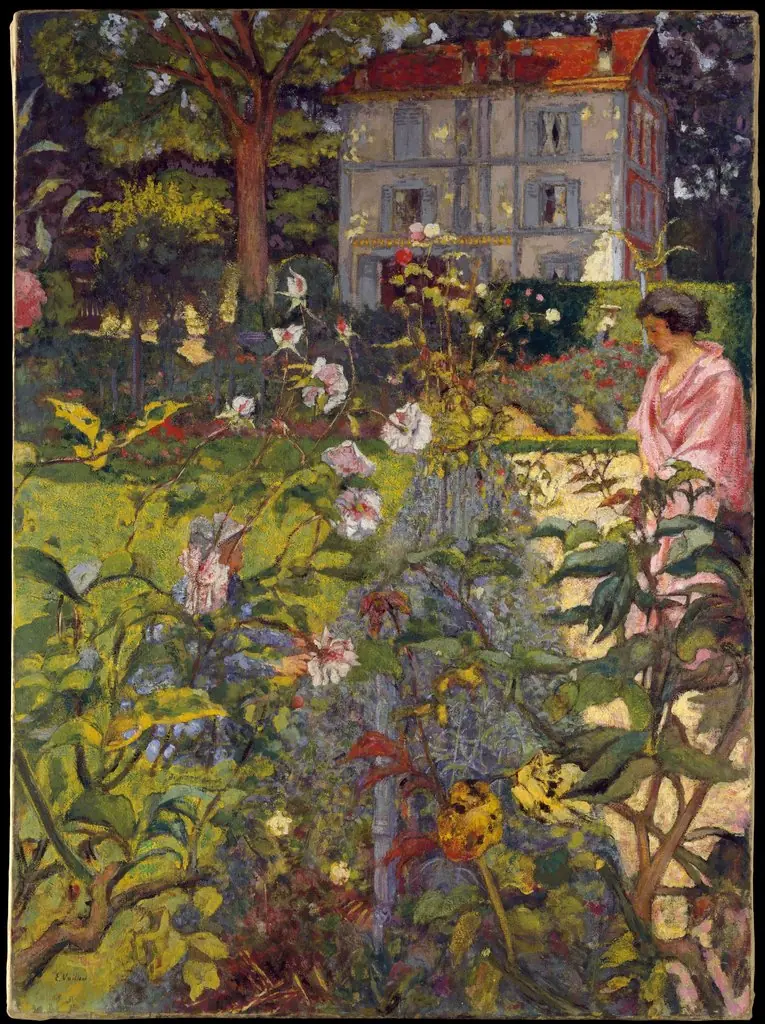 Garden at Vaucresson
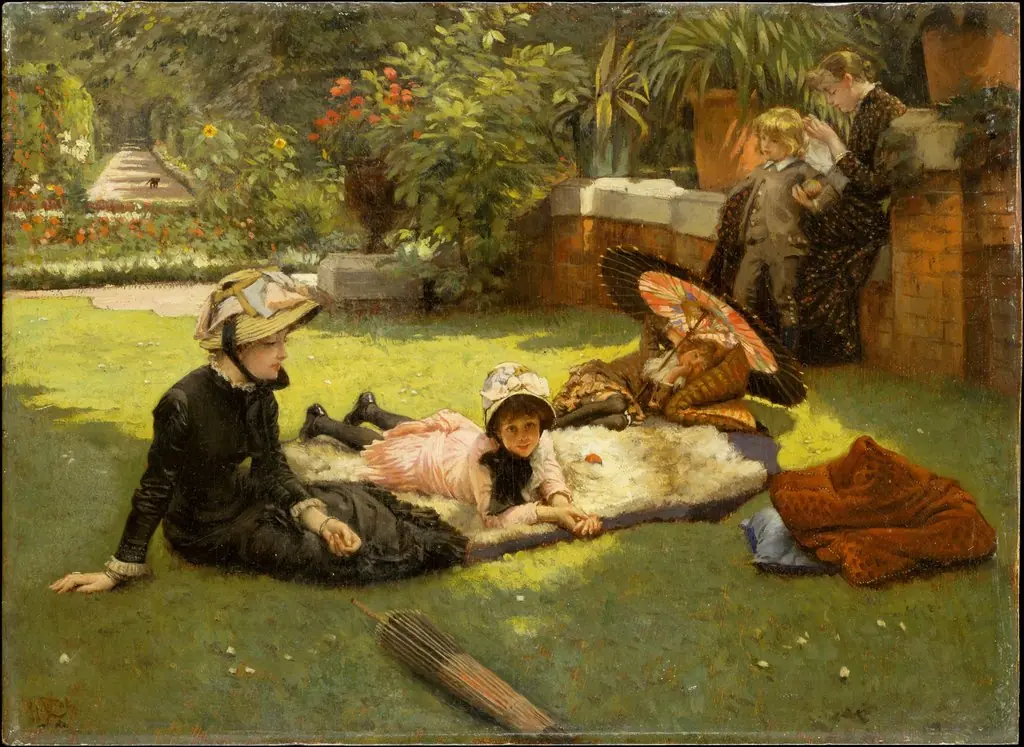 In Full Sunlight (En plein soleil)
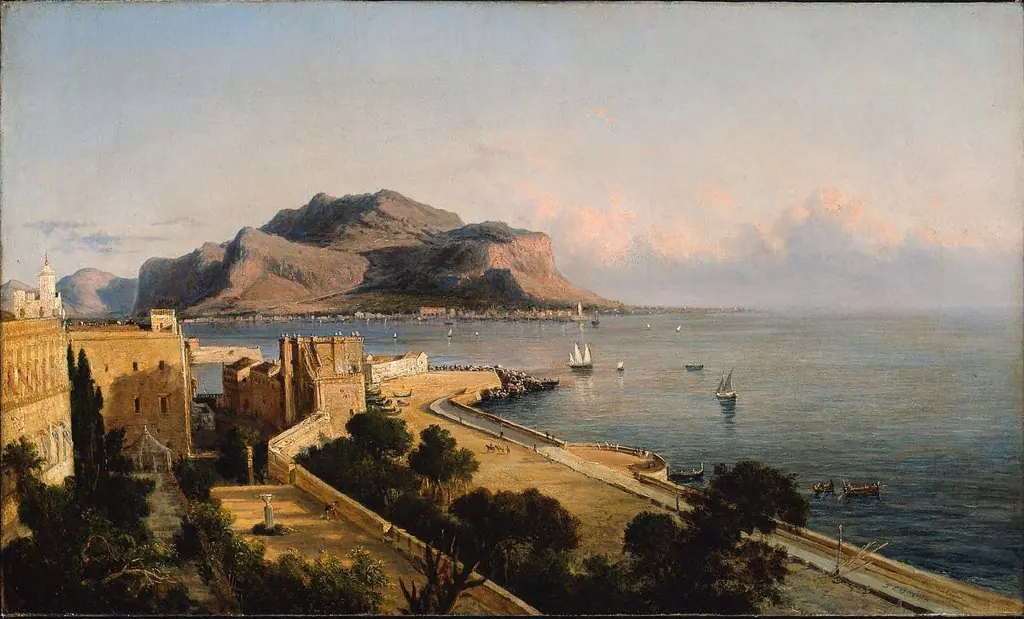 Monte Pellegrino at Palermo, Italy
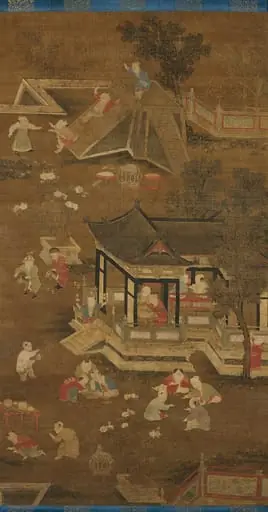 元末明初 佚名 絹本設色 嬰戯圖 軸|Children playing in the palace garden
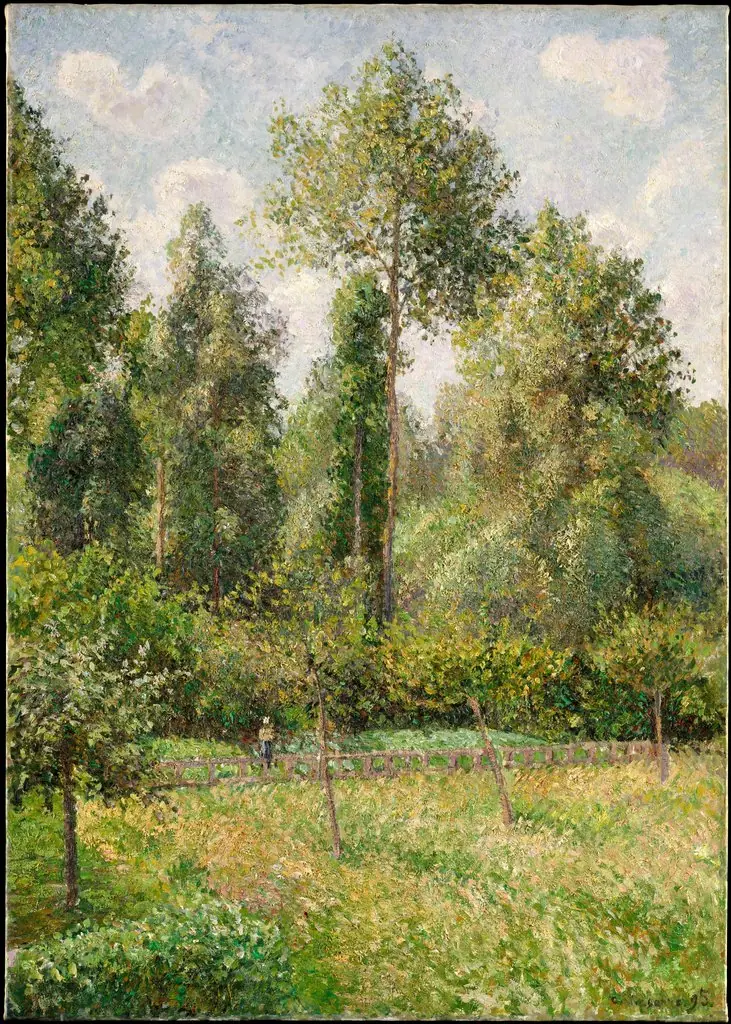 Poplars, Éragny
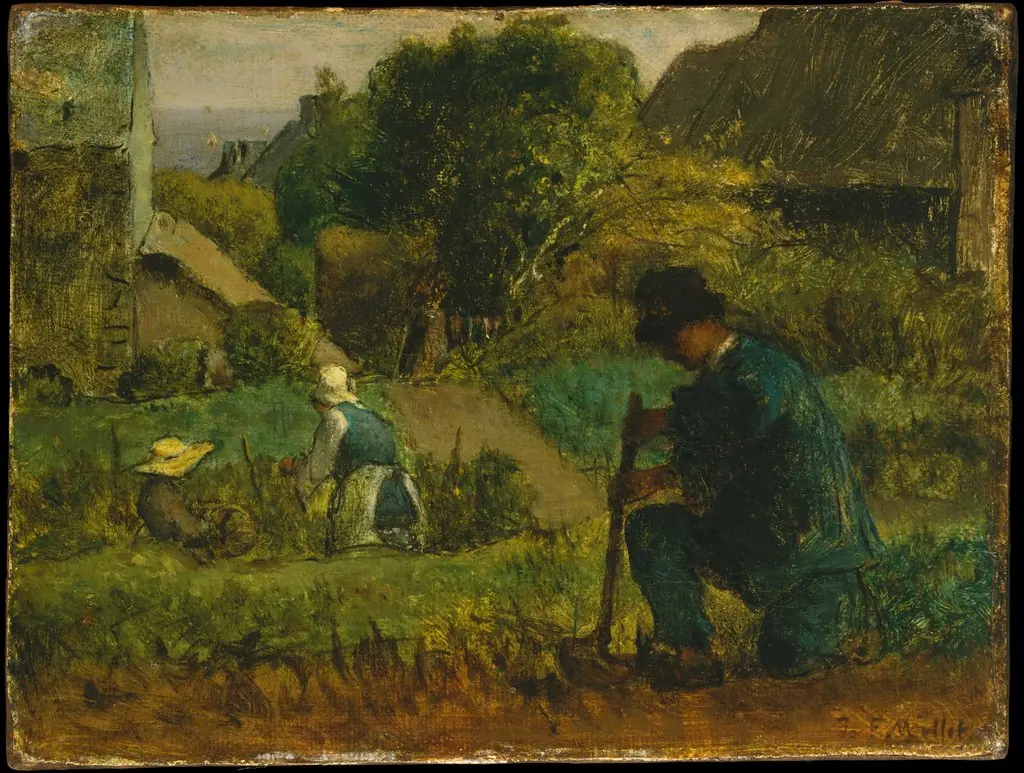 Garden Scene
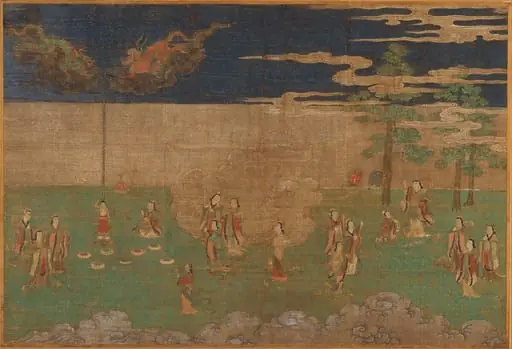 仏伝図|Scene from the Life of the Buddha
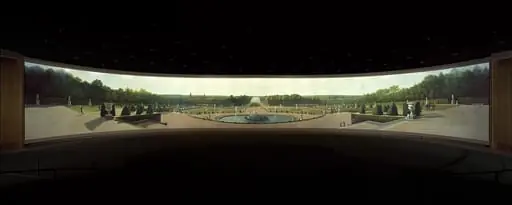 Panoramic View of the Palace and Gardens of Versailles
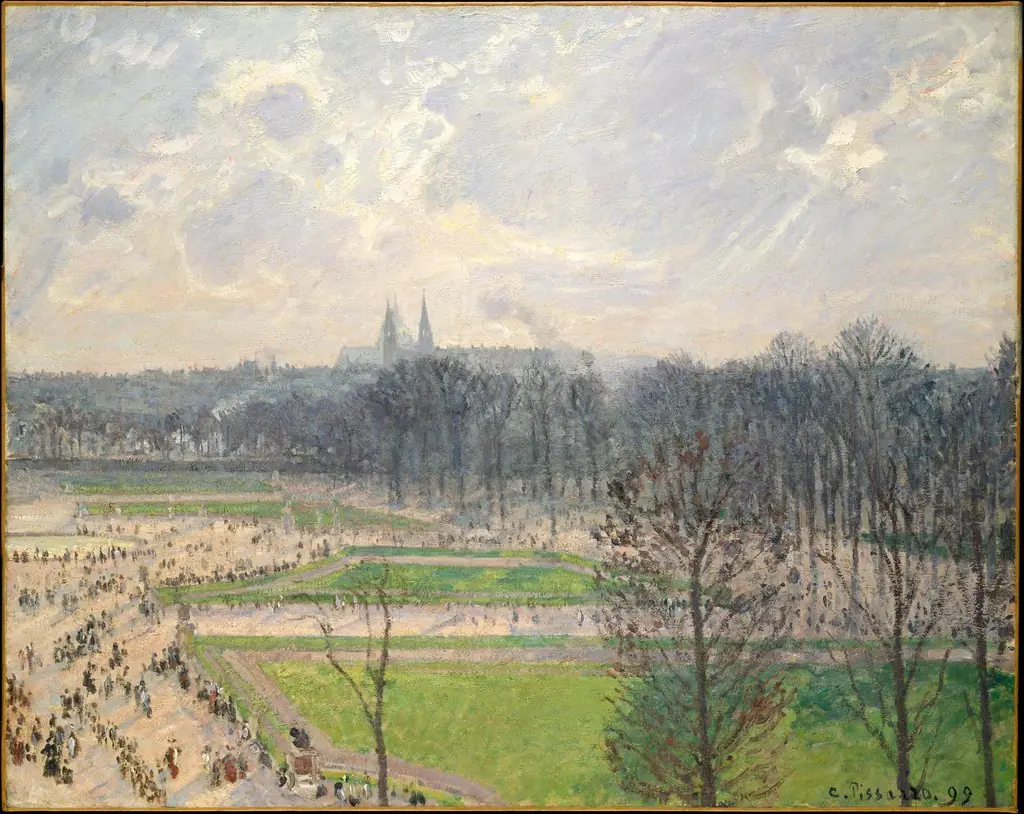 The Garden of the Tuileries on a Winter Afternoon
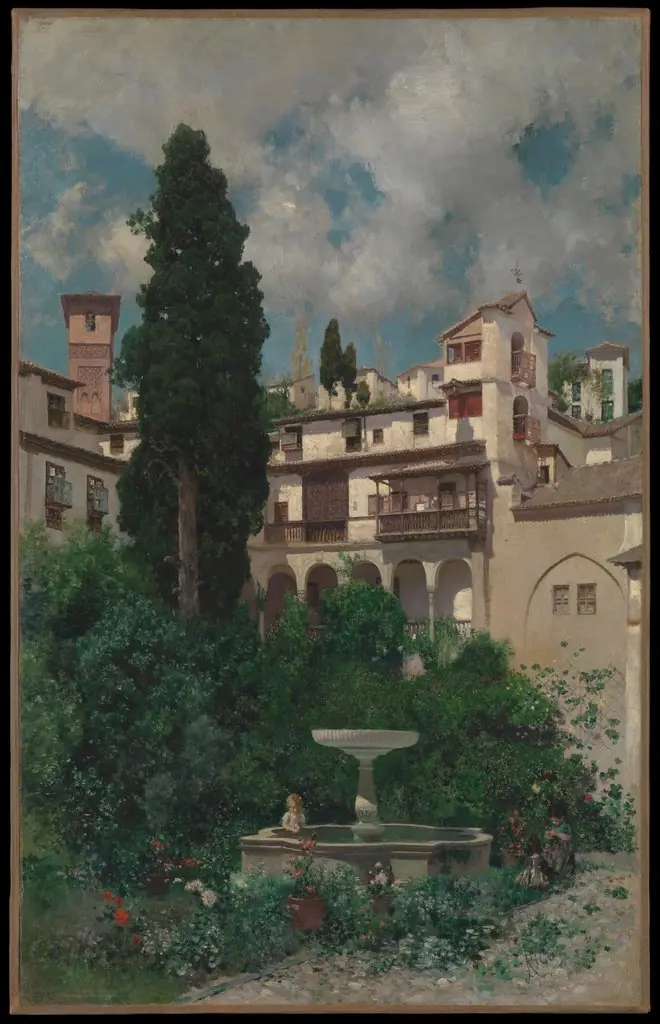 A Spanish Garden
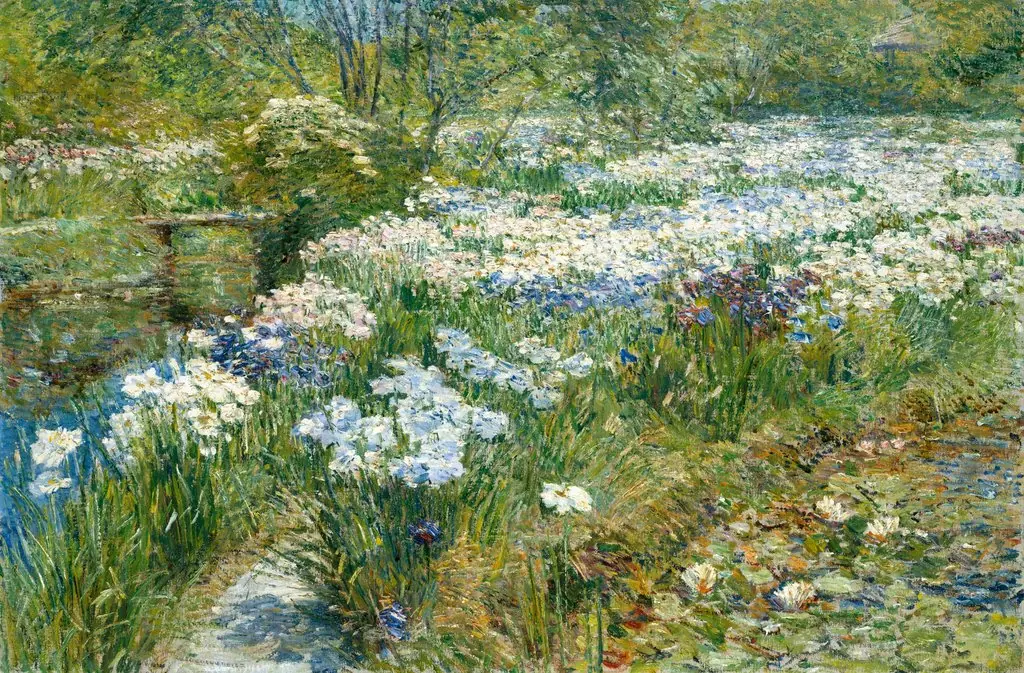 The Water Garden
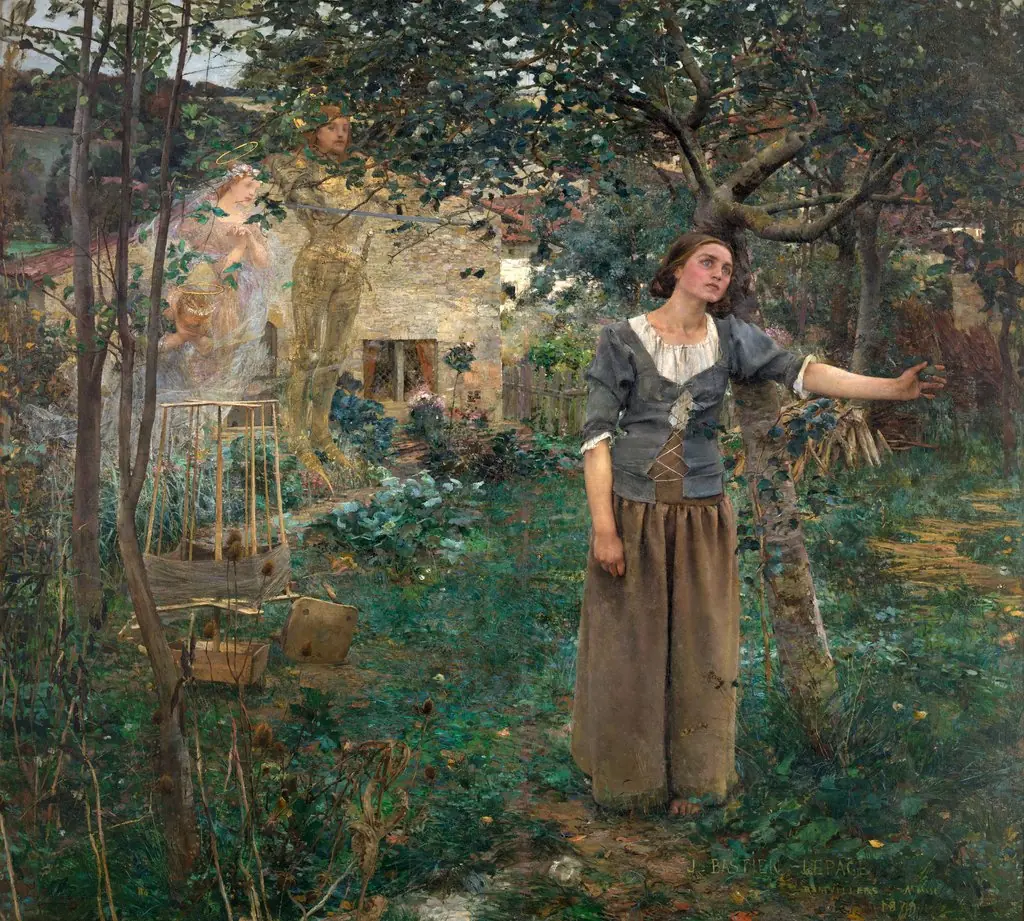 Joan of Arc
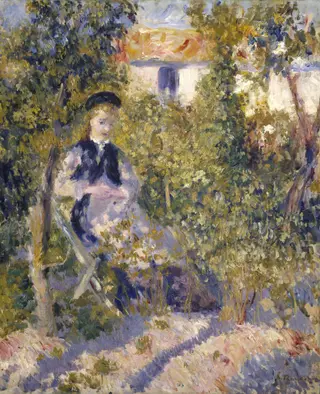 Nini in the Garden (Nini Lopez)
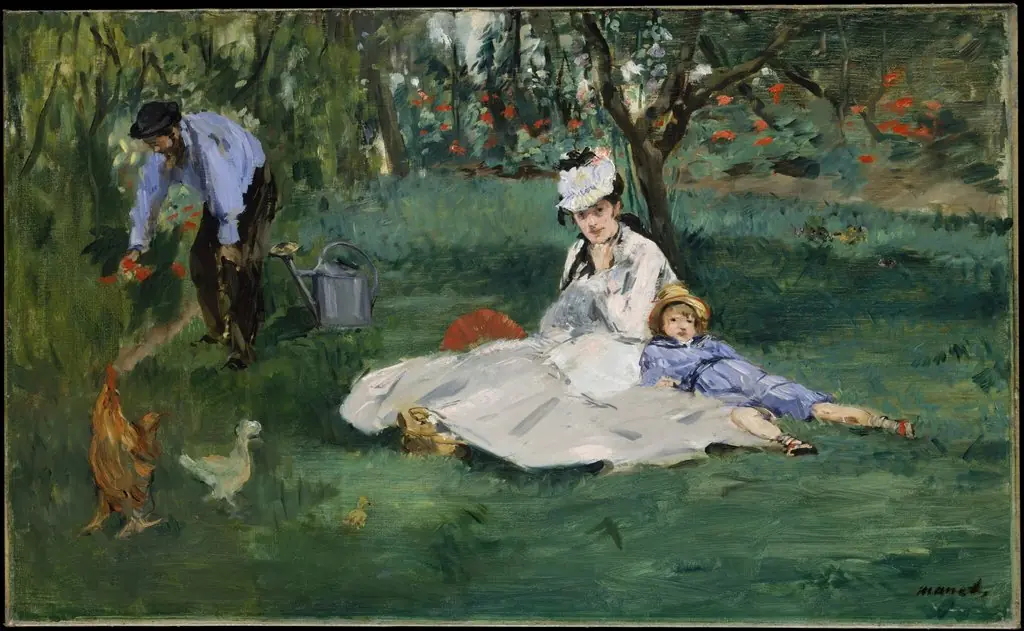 The Monet Family in Their Garden at Argenteuil
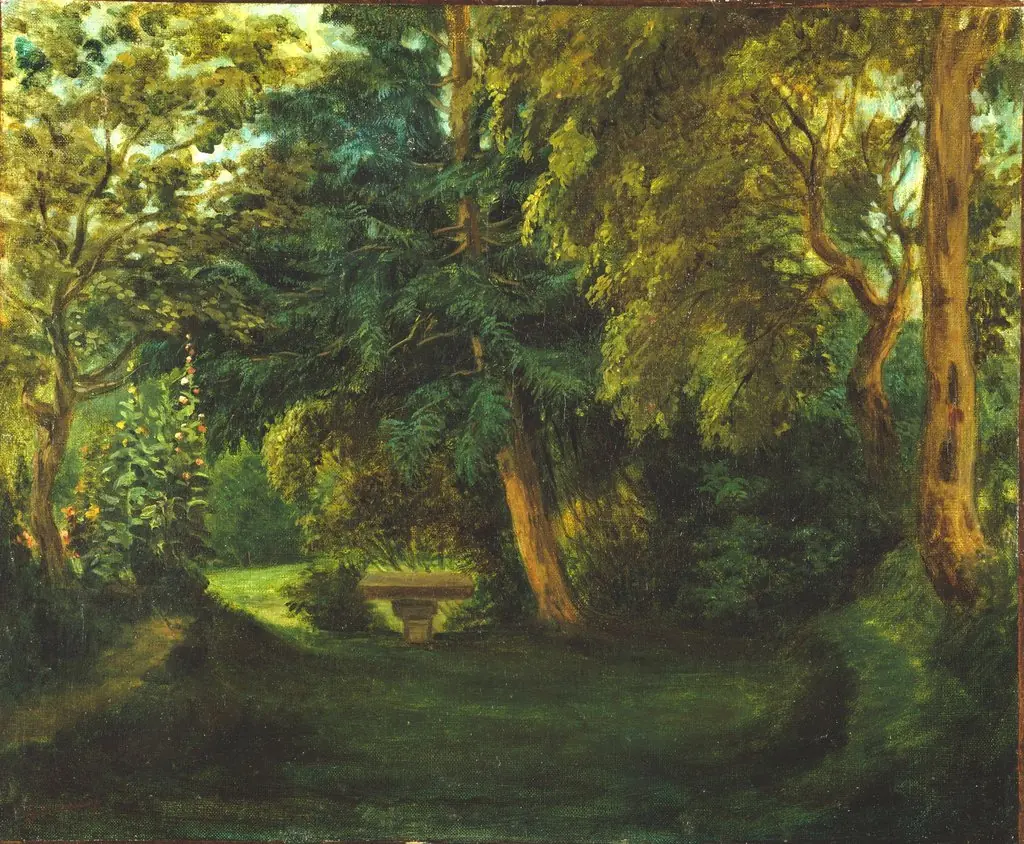 George Sand's Garden at Nohant
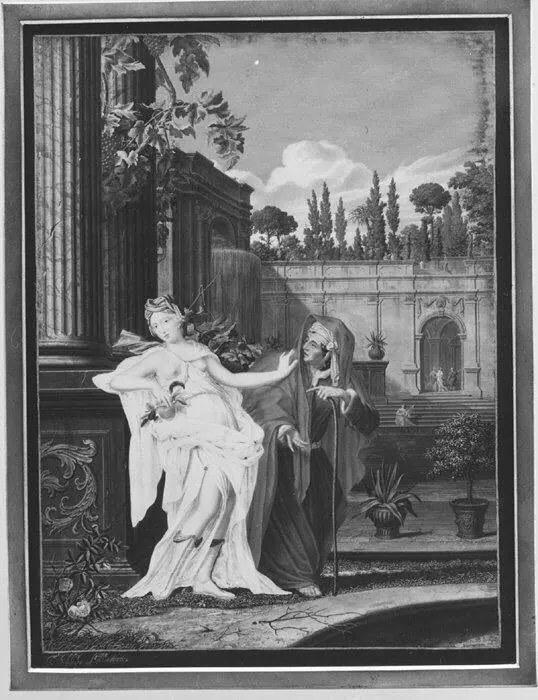 Vertumnus and Pomona
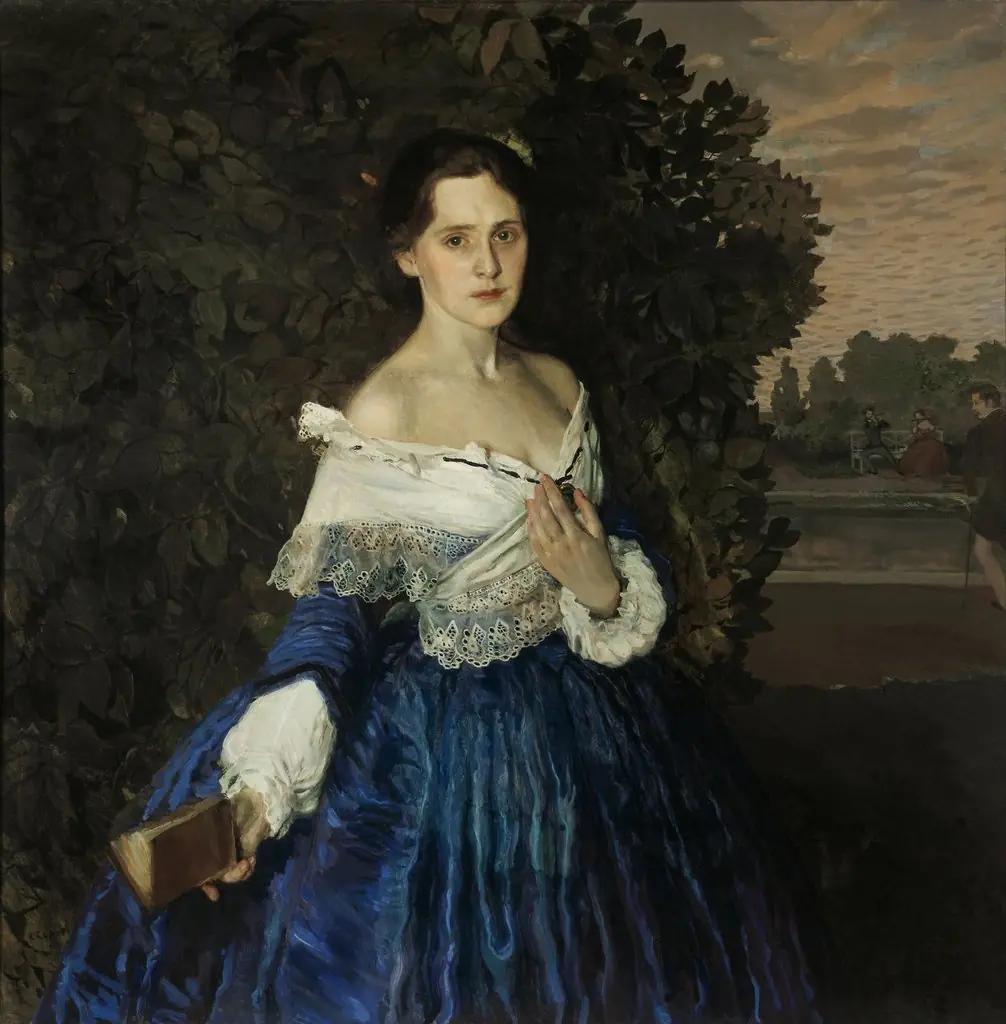 Lady in Blue
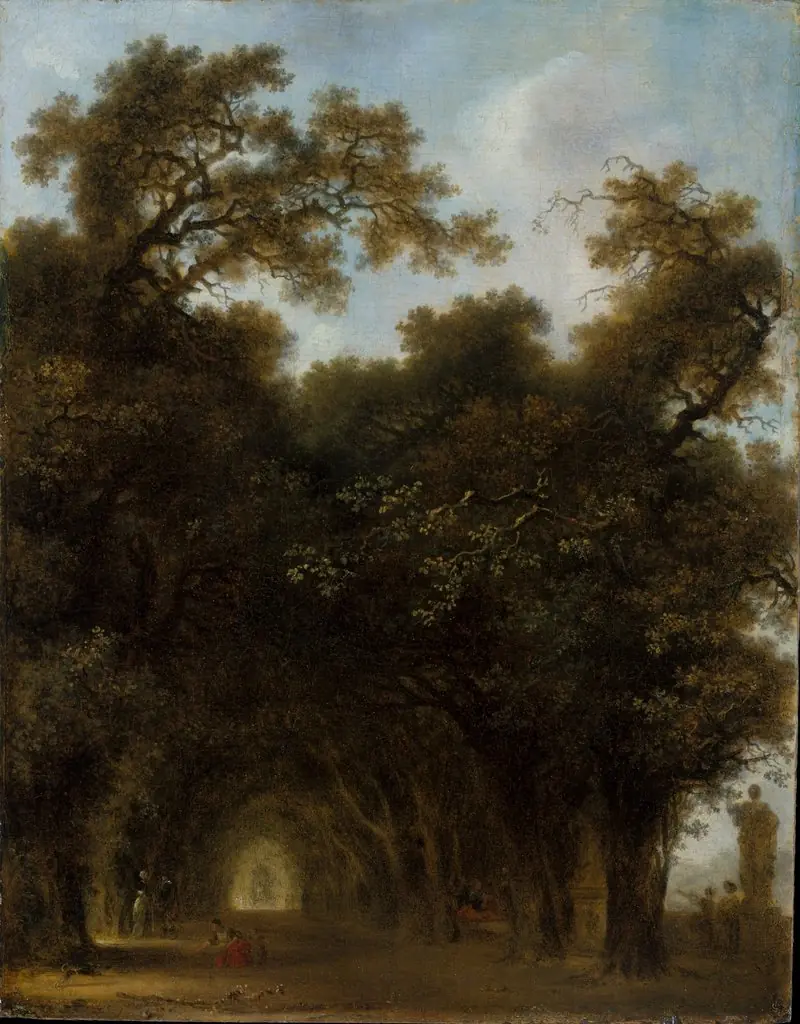 A Shaded Avenue
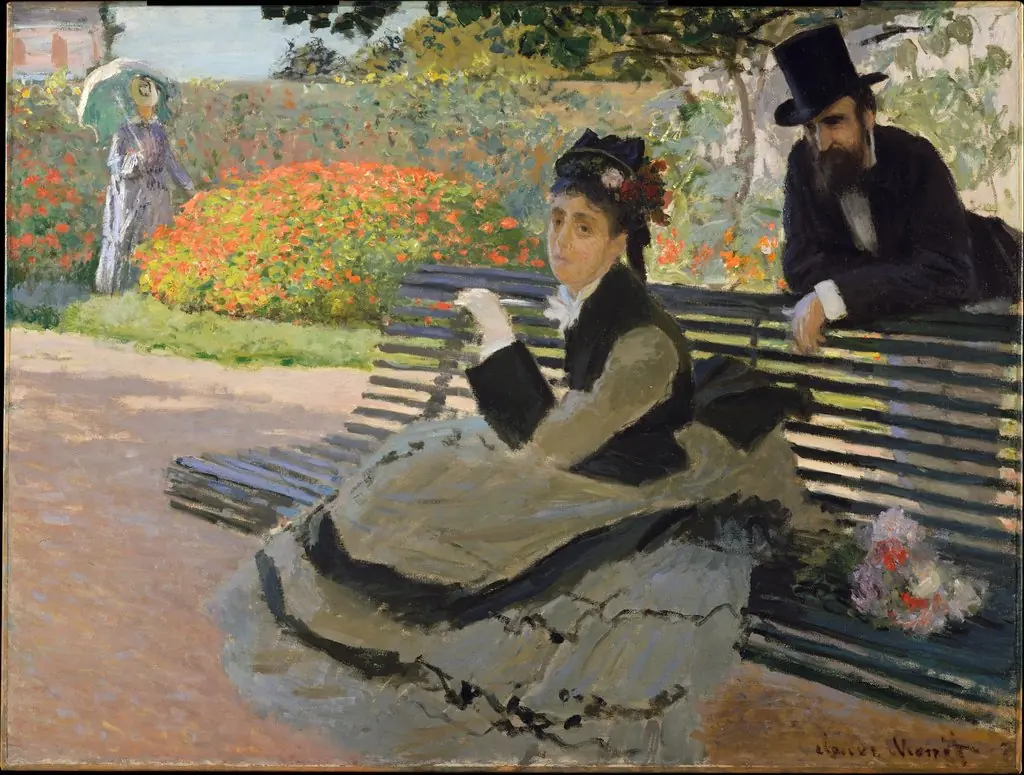 Camille Monet on a Garden Bench
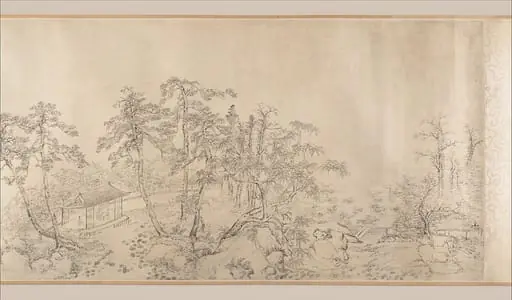 清 高簡 説詩圖 卷|Discourse on Poetry
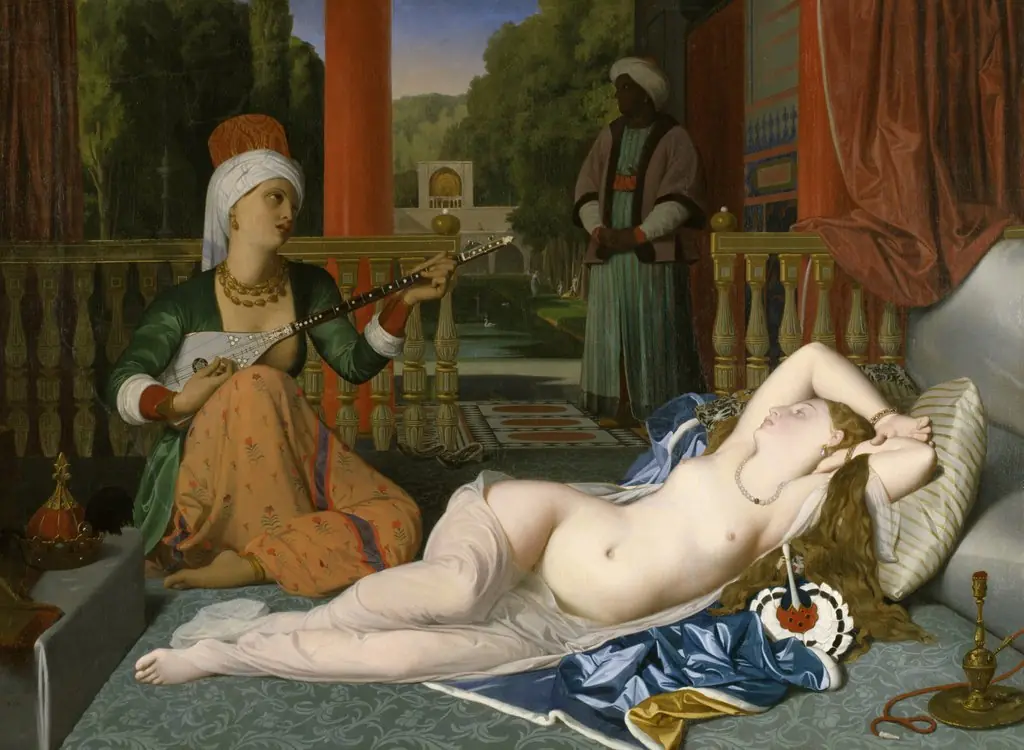 Odalisque with Slave
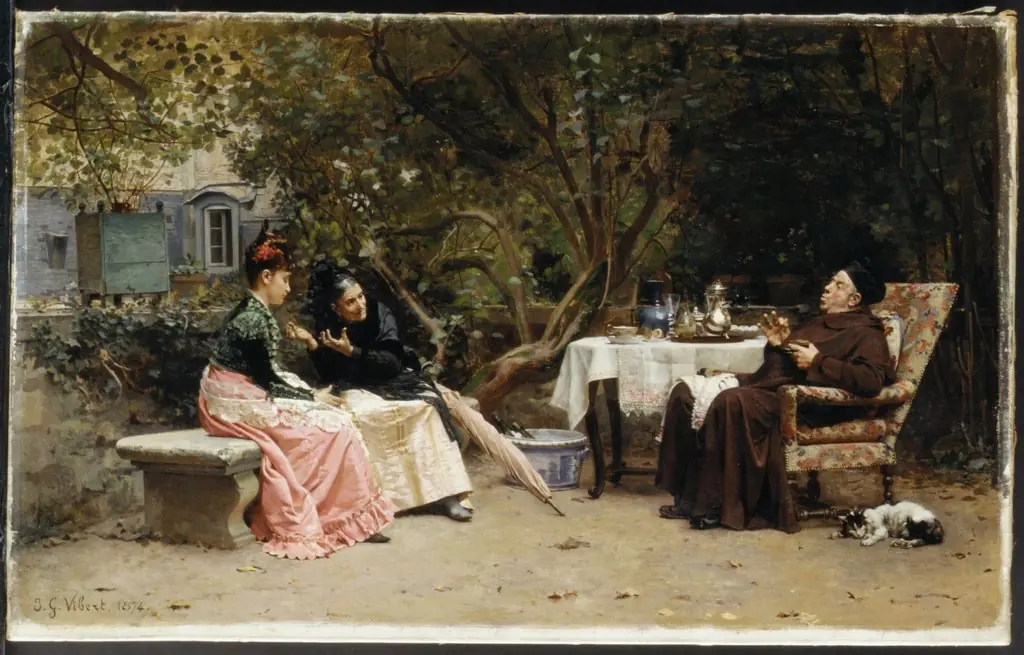 The Reprimand
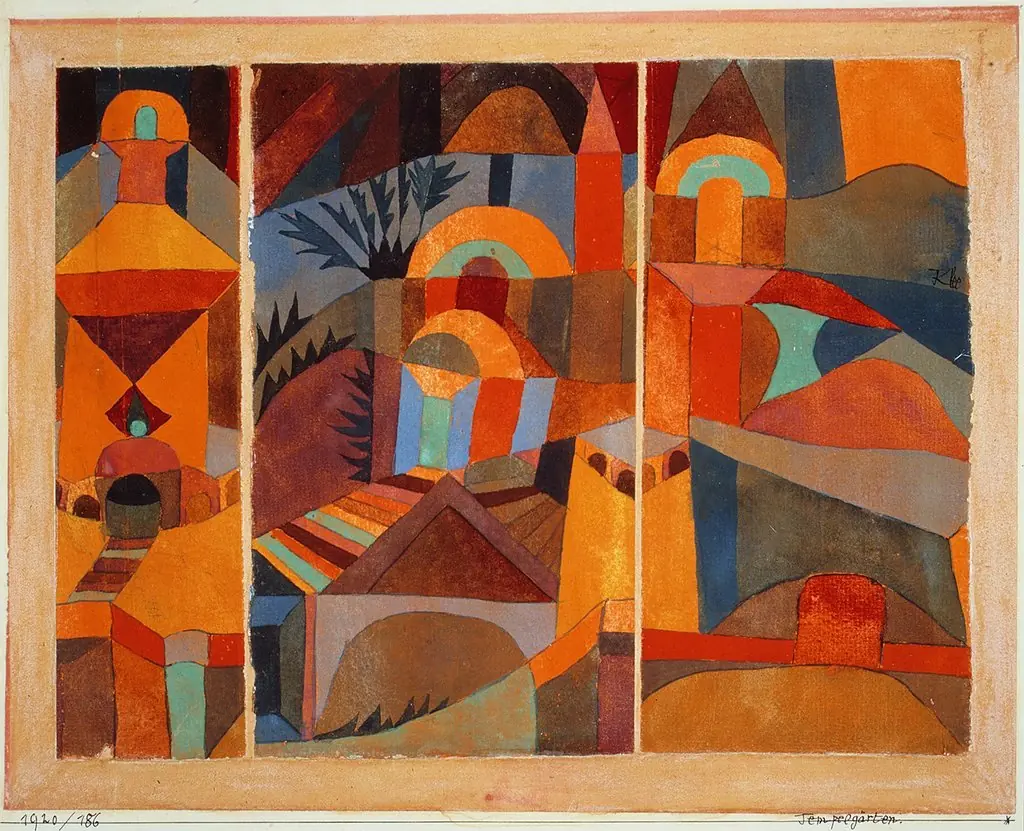 Temple Gardens
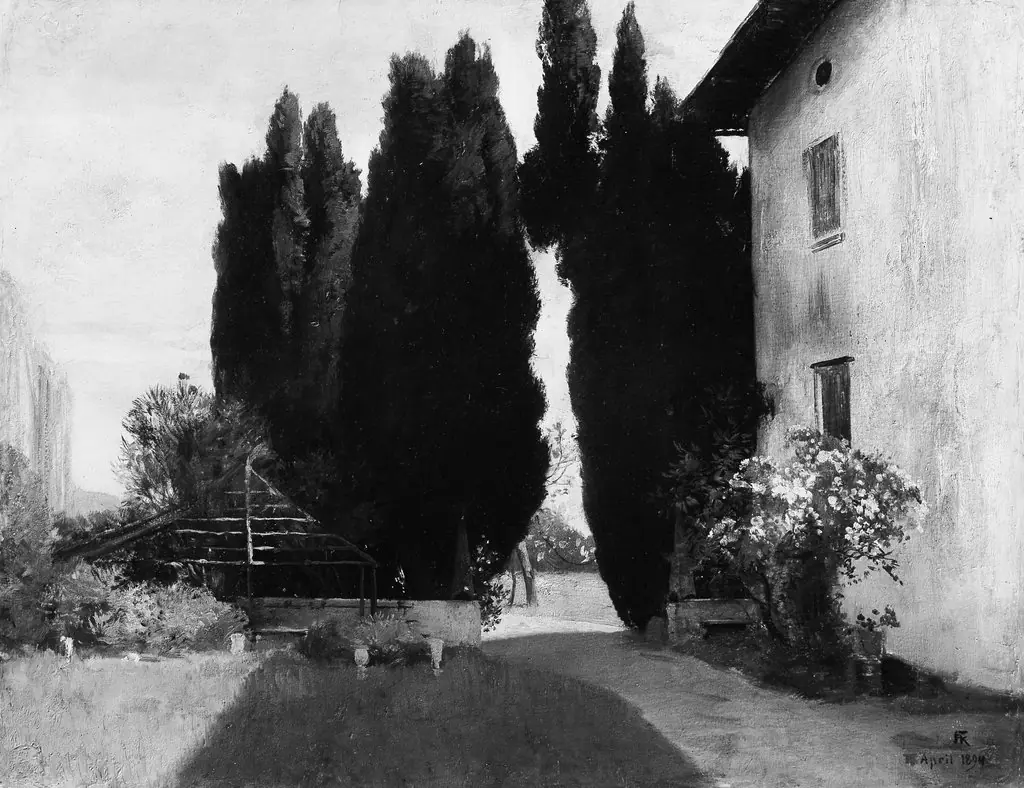 Italian Garden
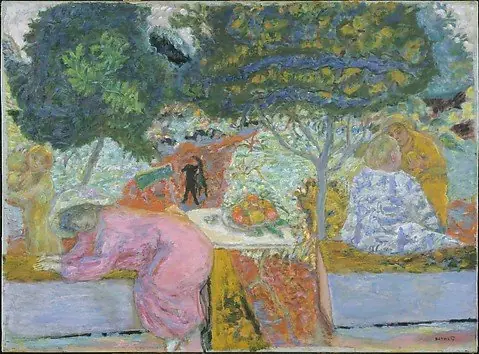 Morning in the Garden at Vernonnet
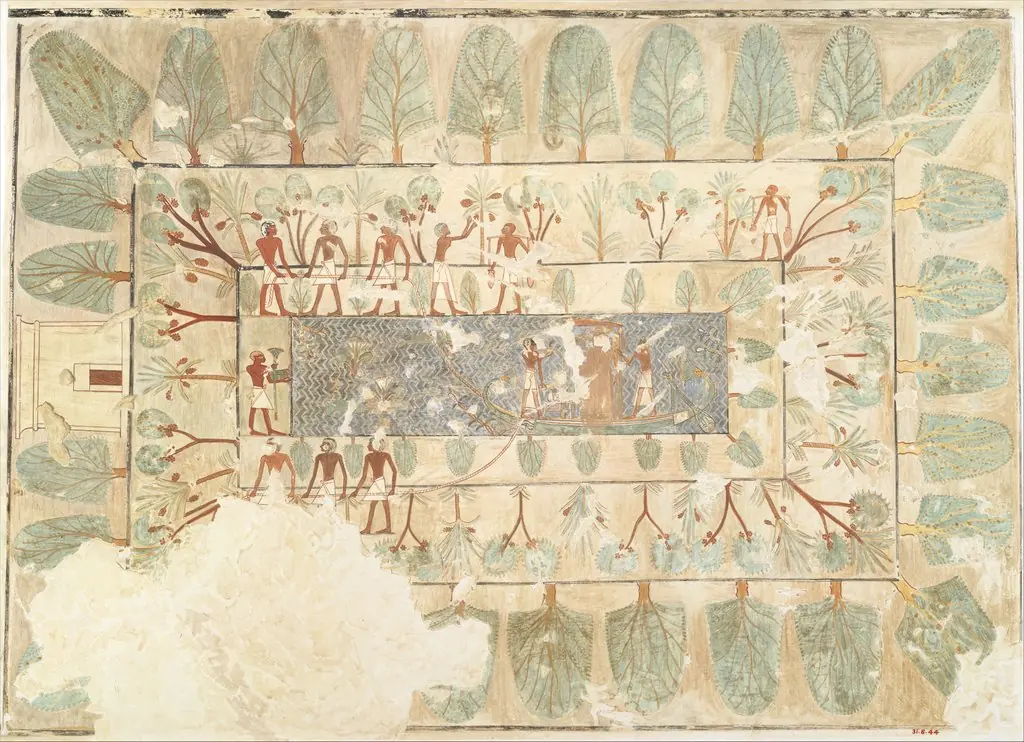 Deceased Being Towed in a Boat, Tomb of Rekhmire
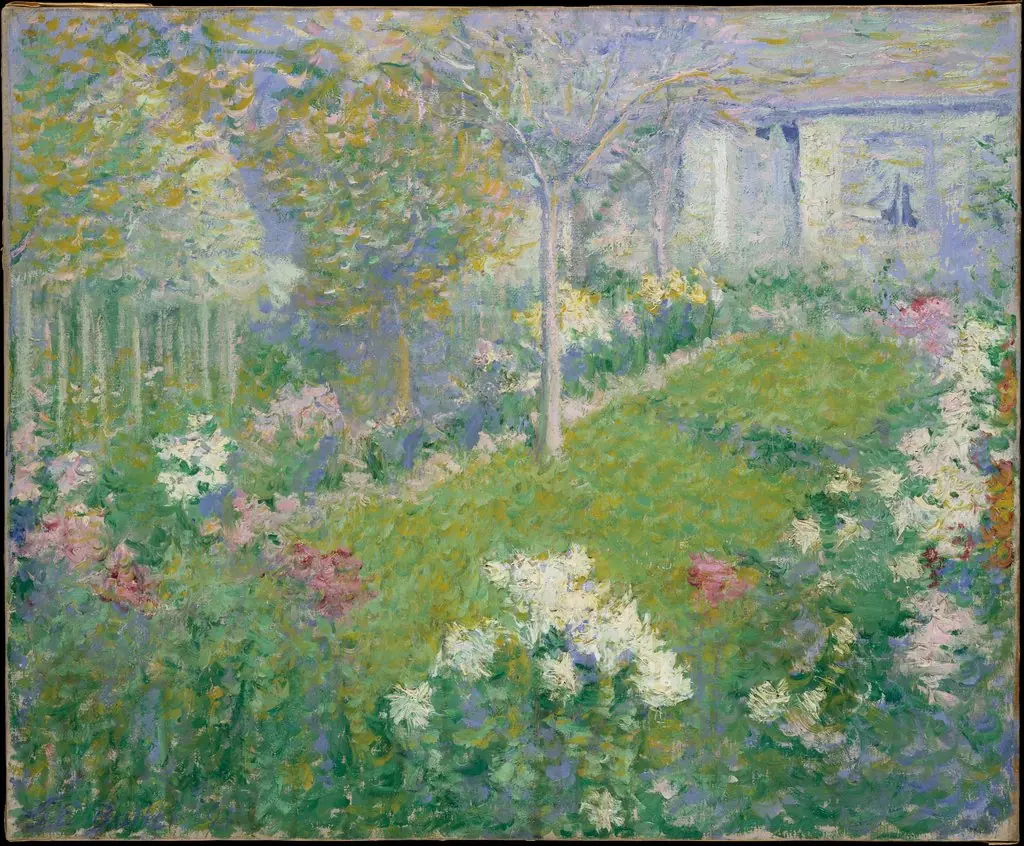 Un Jardin, Maison Baptiste
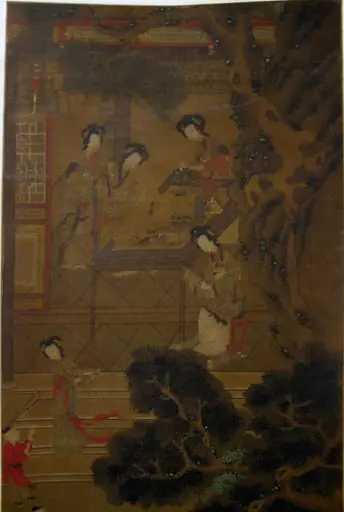 Untitled
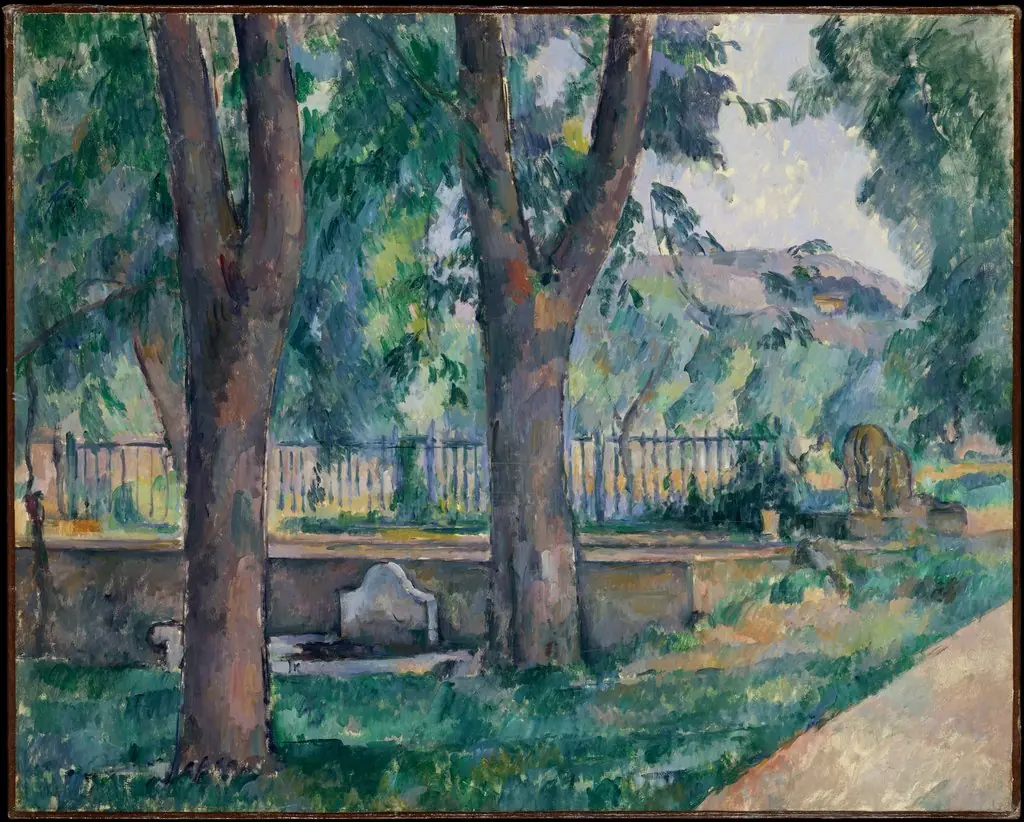 The Pool at the Jas de Bouffan
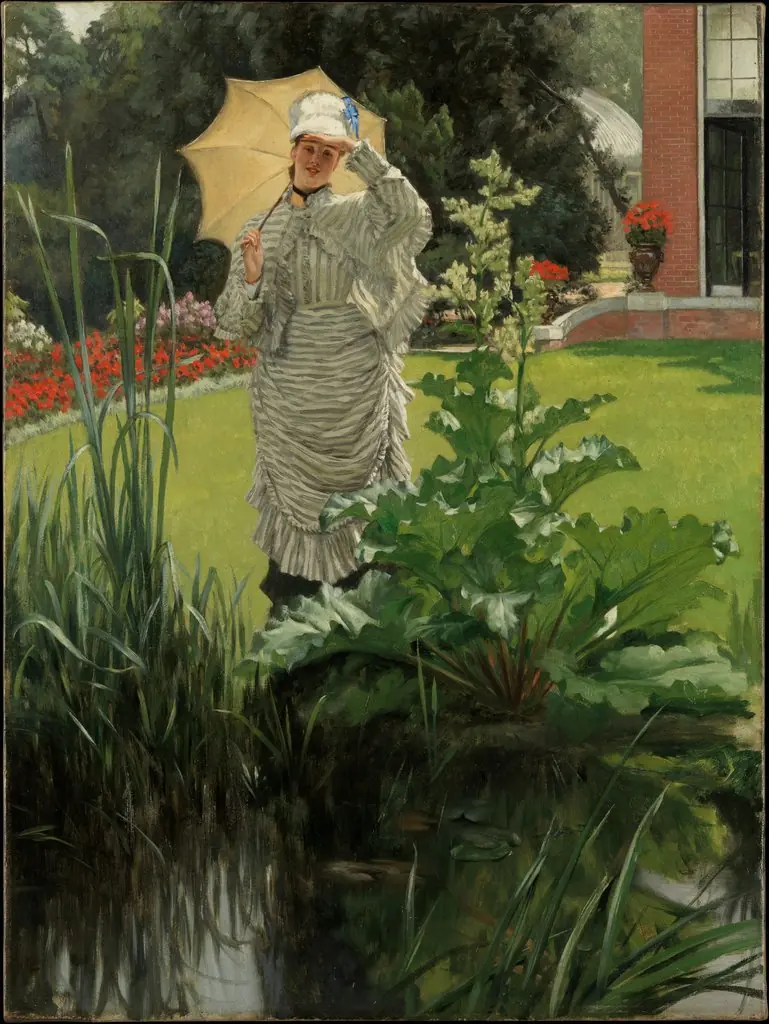 Spring Morning
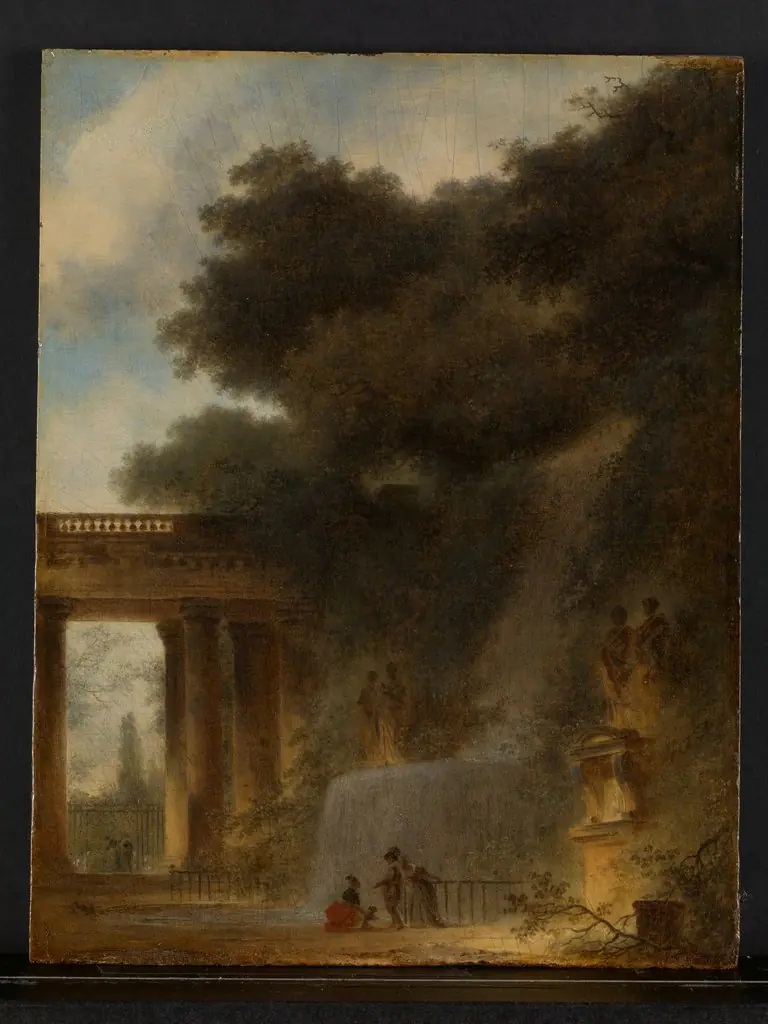 The Cascade
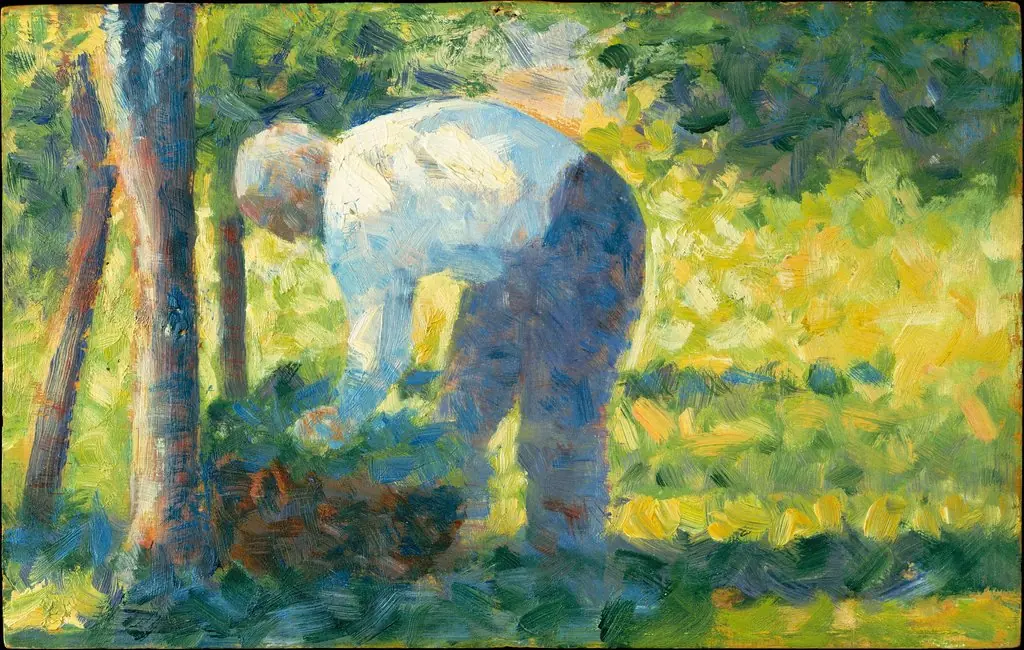 The Gardener
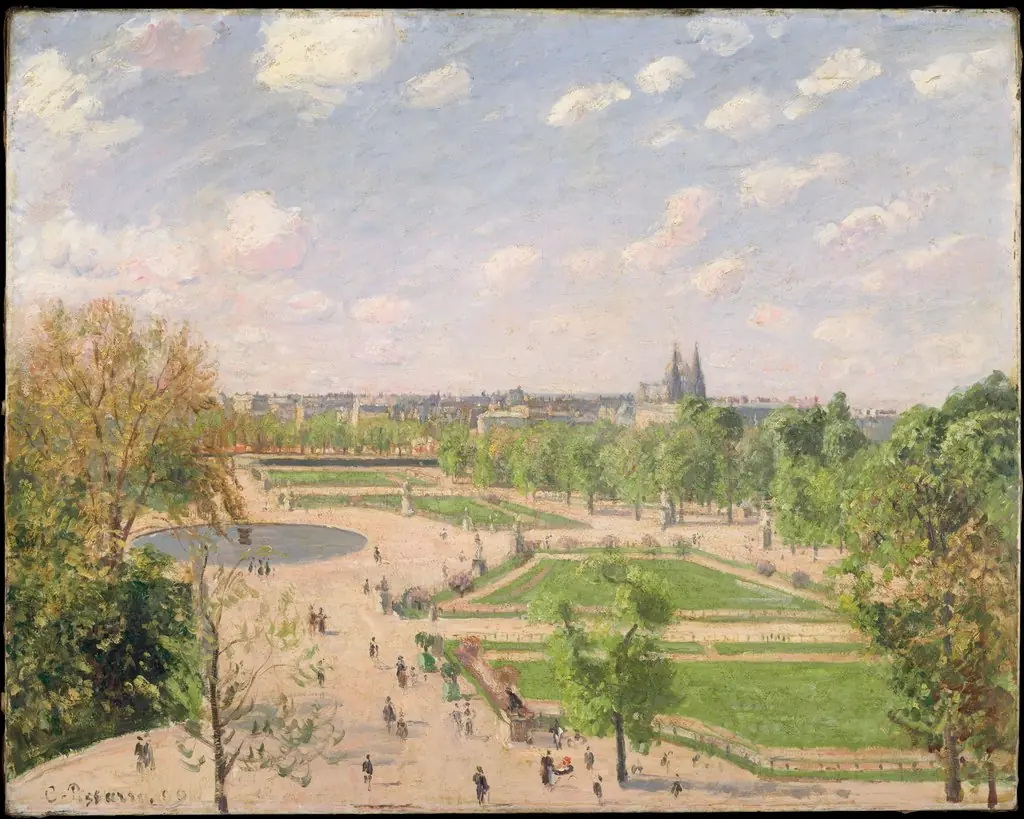 The Garden of the Tuileries on a Spring Morning
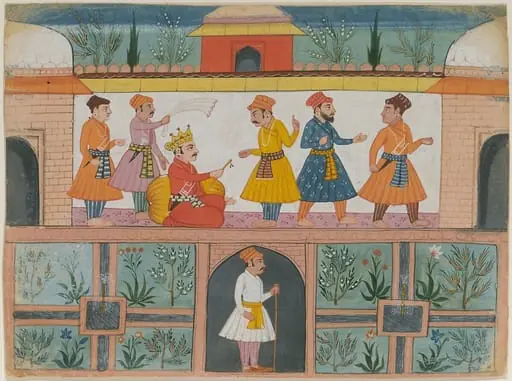 Untitled
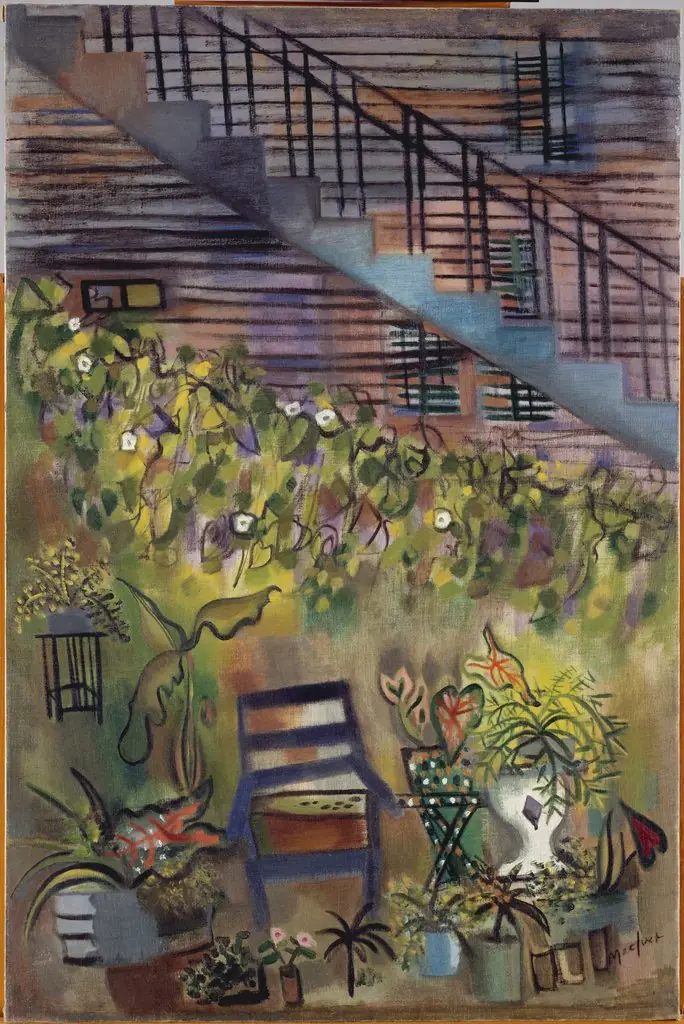 Carey's Backyard
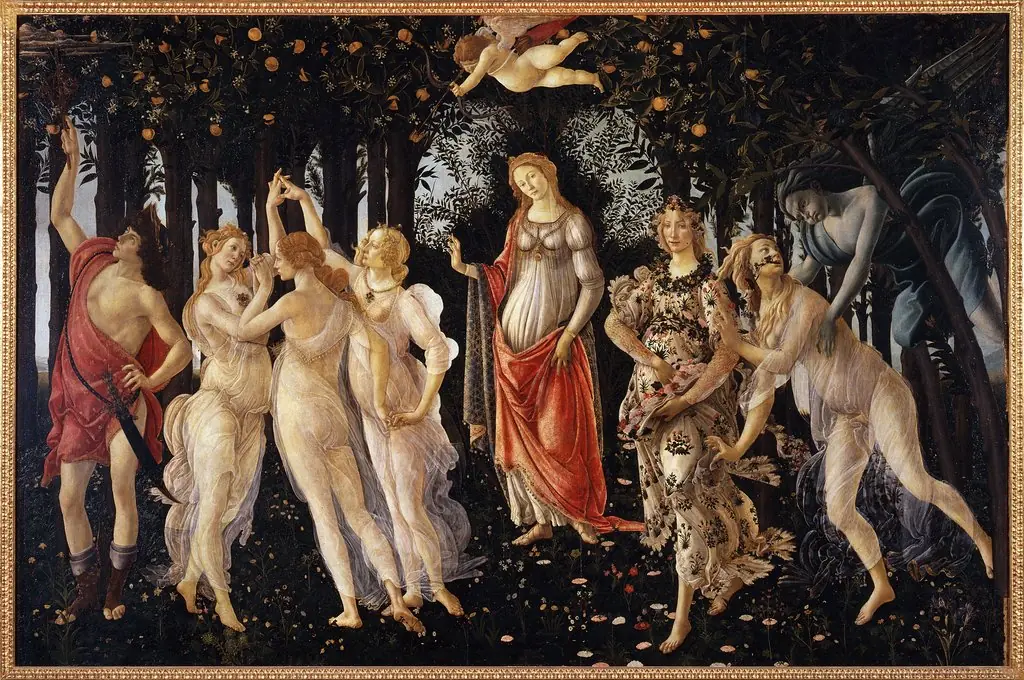 Primavera
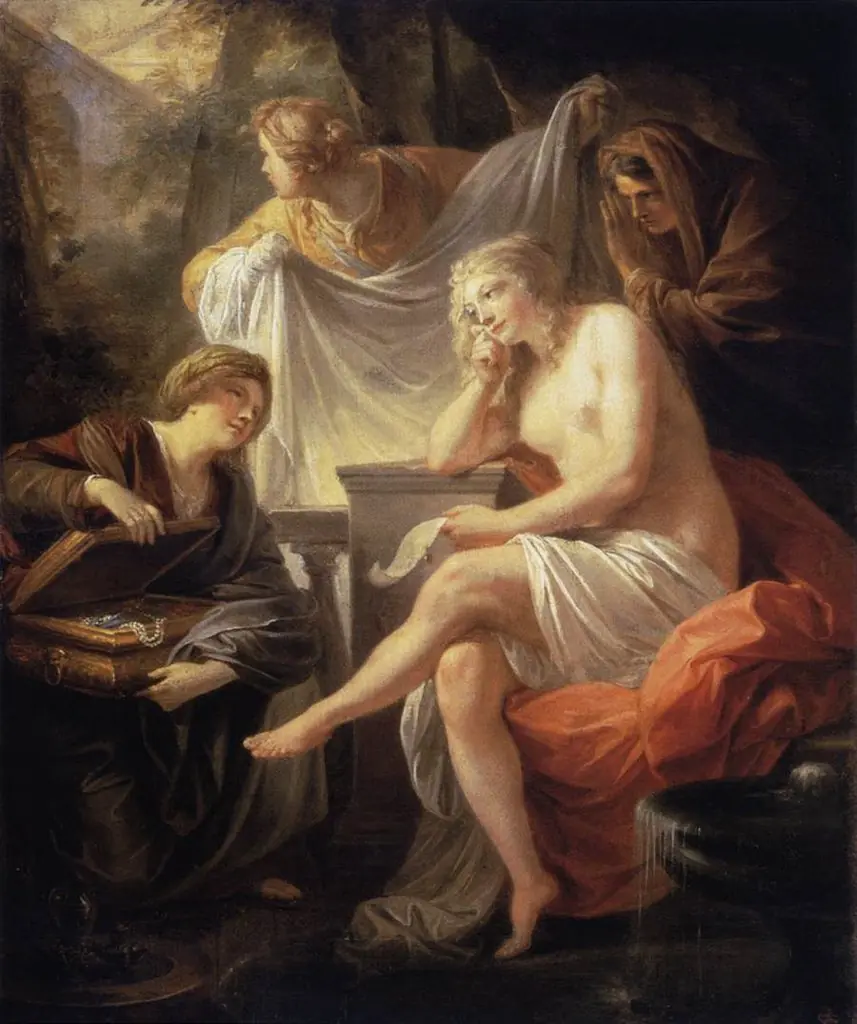 Bathsheba at her bath
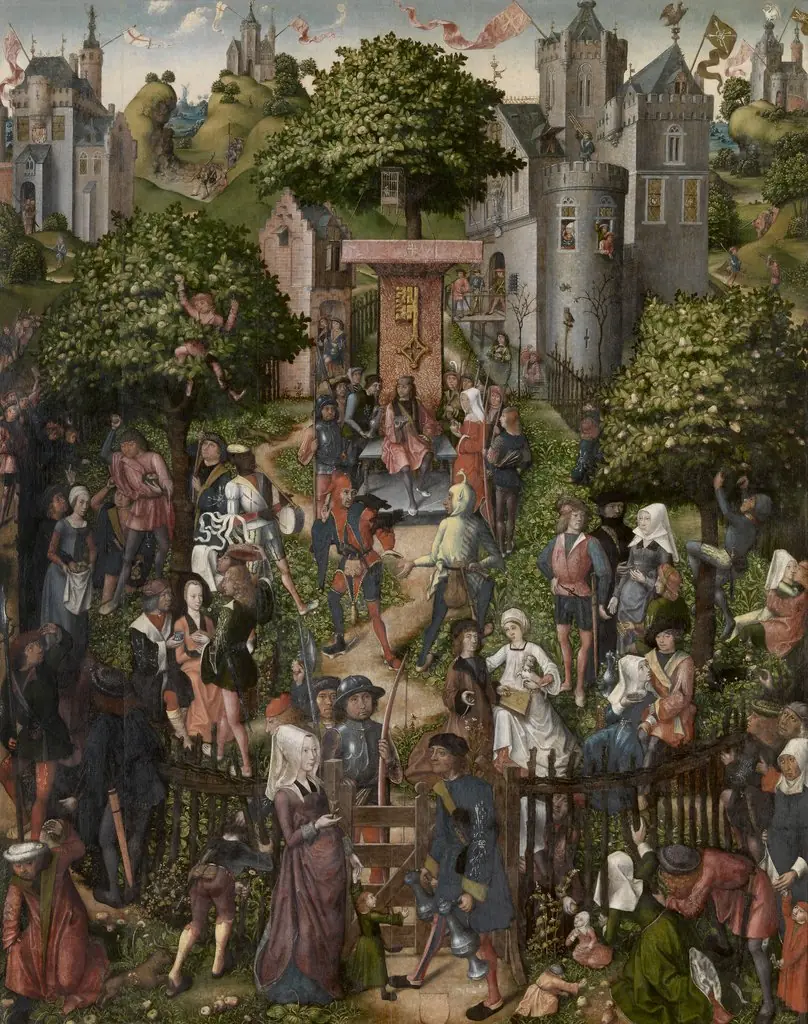 Festival of the Archers
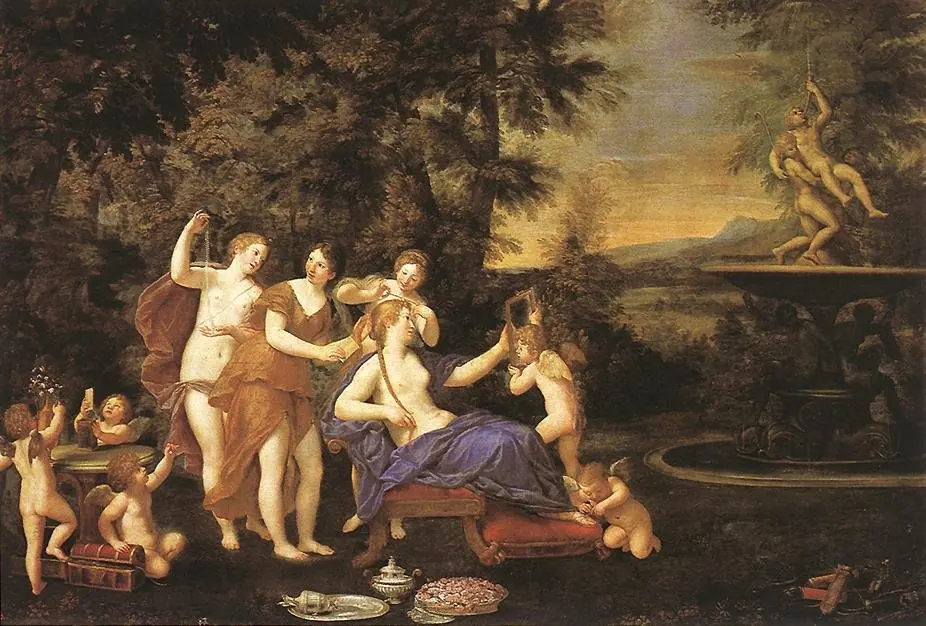 The toilet of Venus
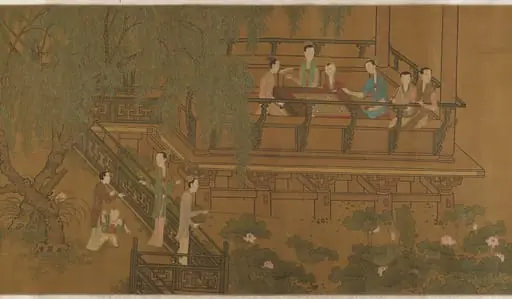 明 佚名 舊傳周昉 閑庭仕女圖 卷|Women and children in a garden
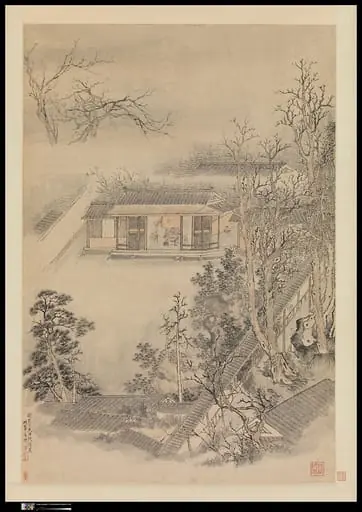 清 羅聘 篠園飲酒圖 軸|Drinking in the Bamboo Garden on the Lantern Festival
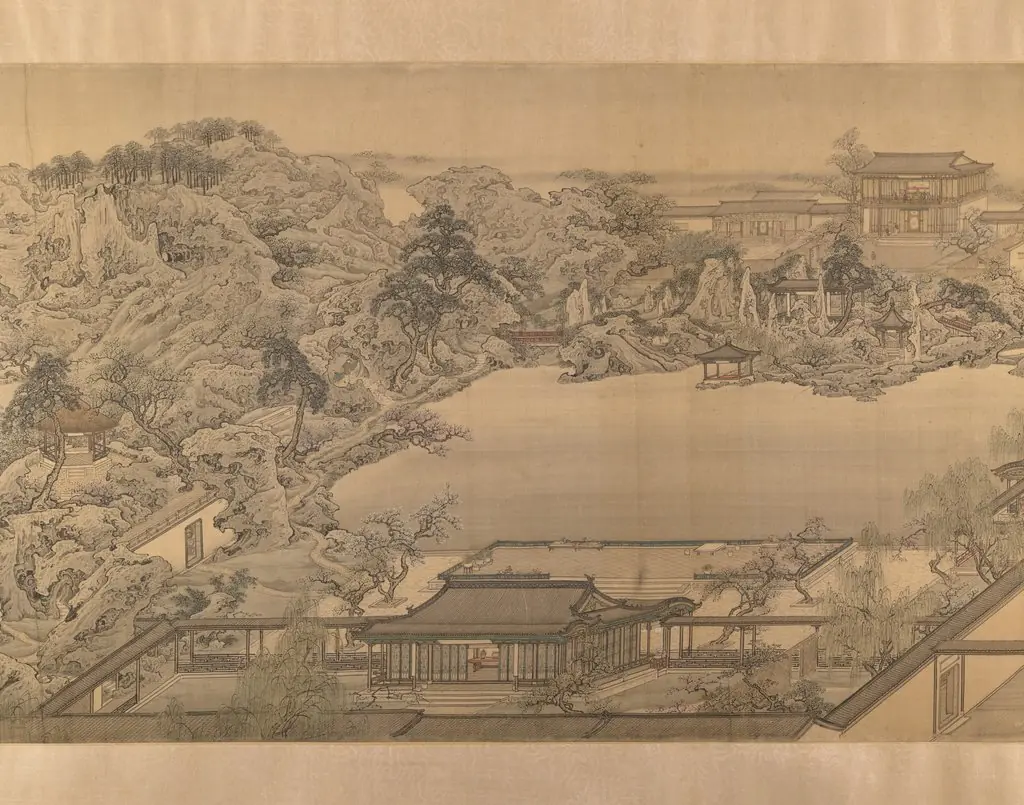 清 佚名 臨袁江瞻園圖 卷|View of a Garden Villa
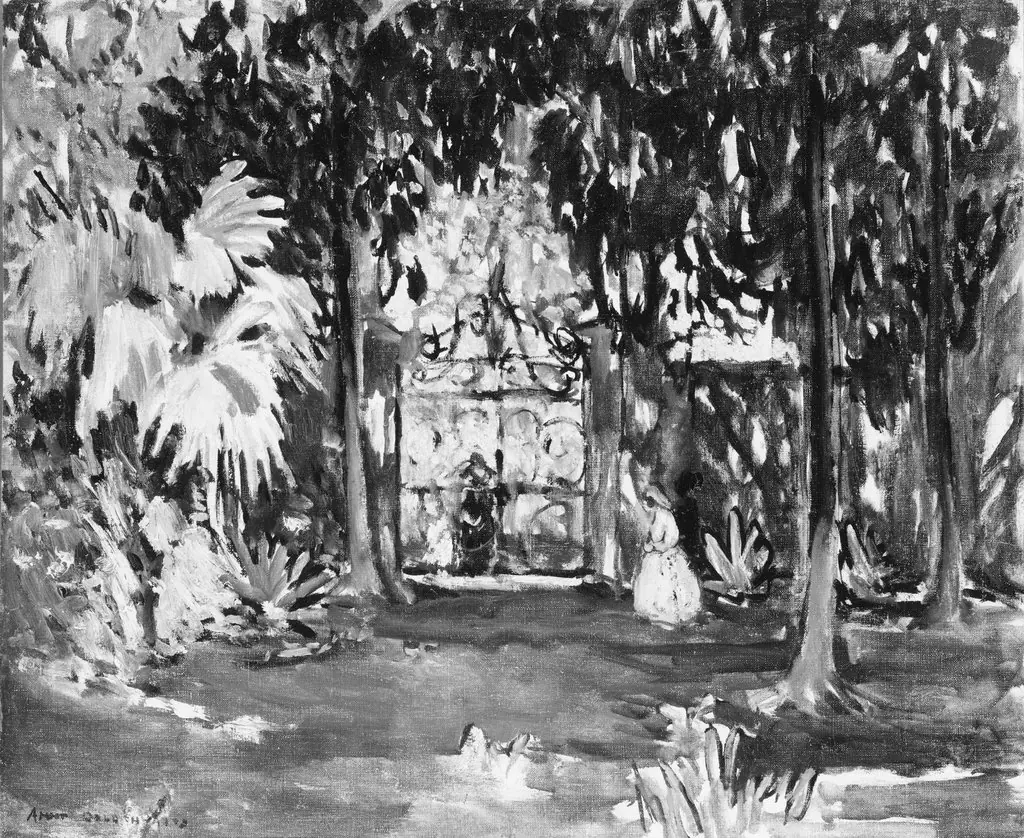 Garden Gate, Near Ascain #7
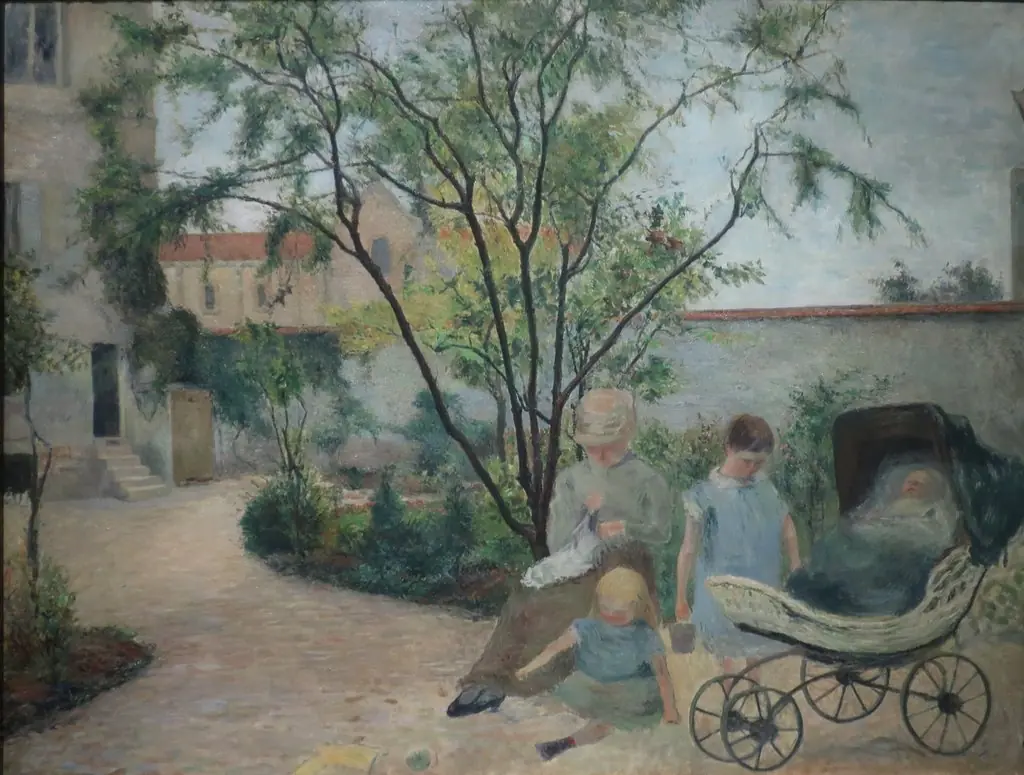 Figures in a Garden
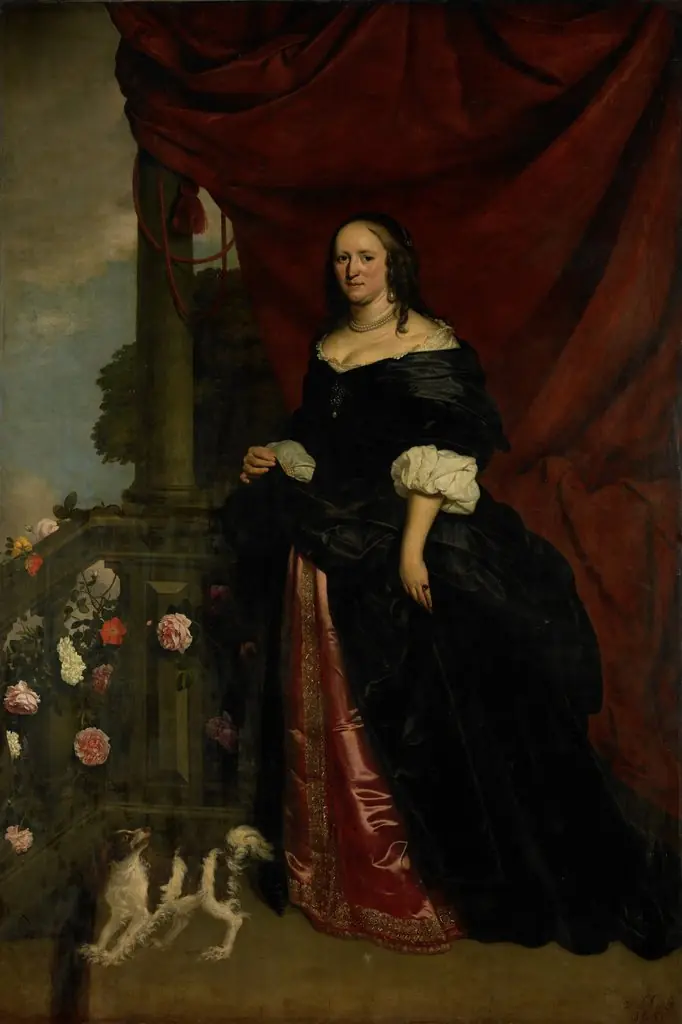 Portrait of a woman, probably Sophia Anna van Pipenpoy (c. 1618-70), Countess of Schellart
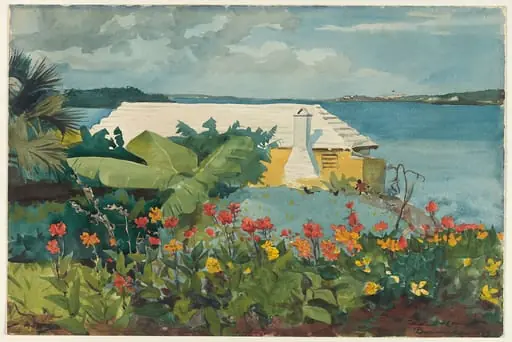 Flower Garden and Bungalow, Bermuda
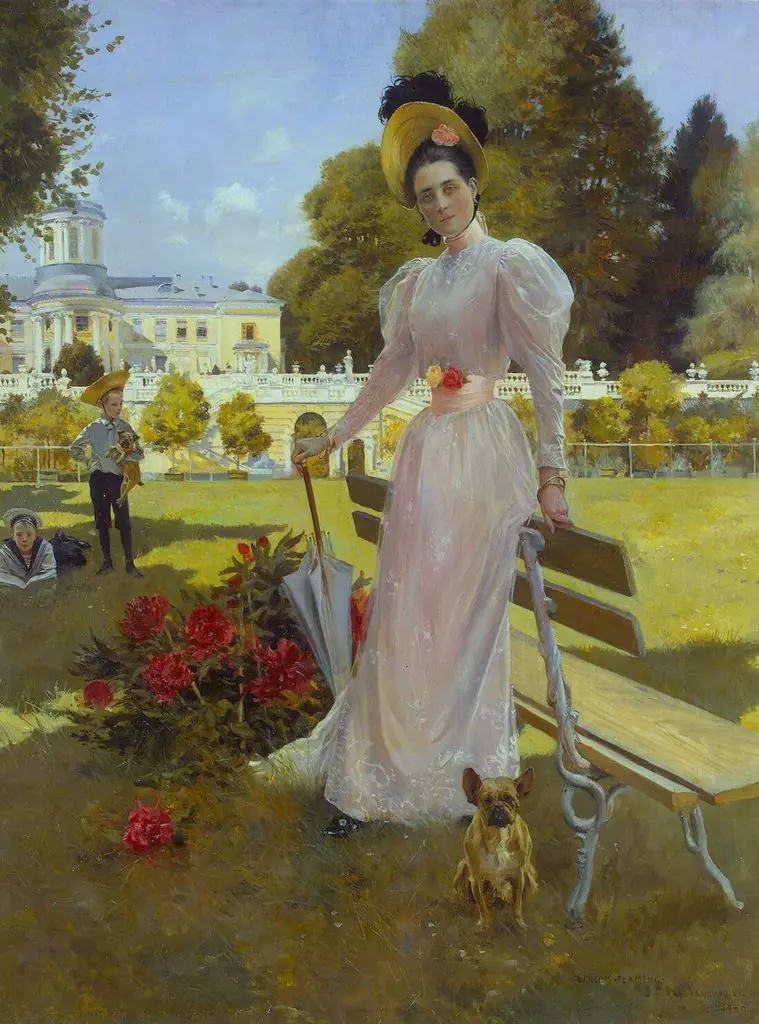 Portrait of Princess Zinaida Yusupova with Two Sons at Arkhangelskoe
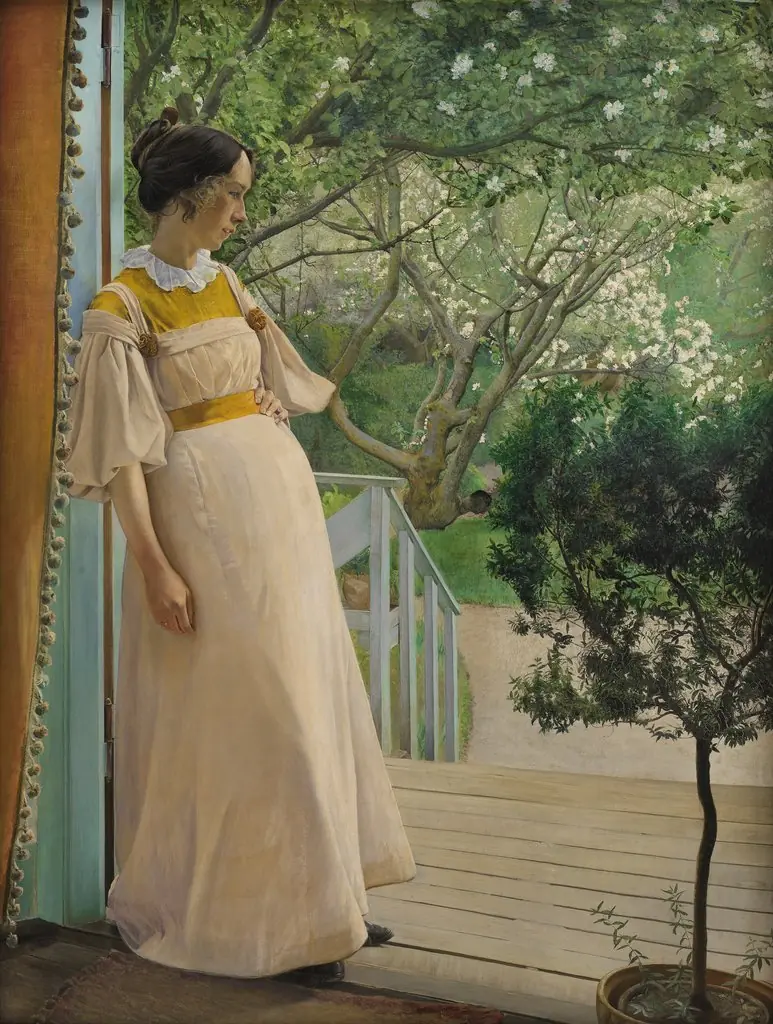 At the French Windows. The Artist's Wife
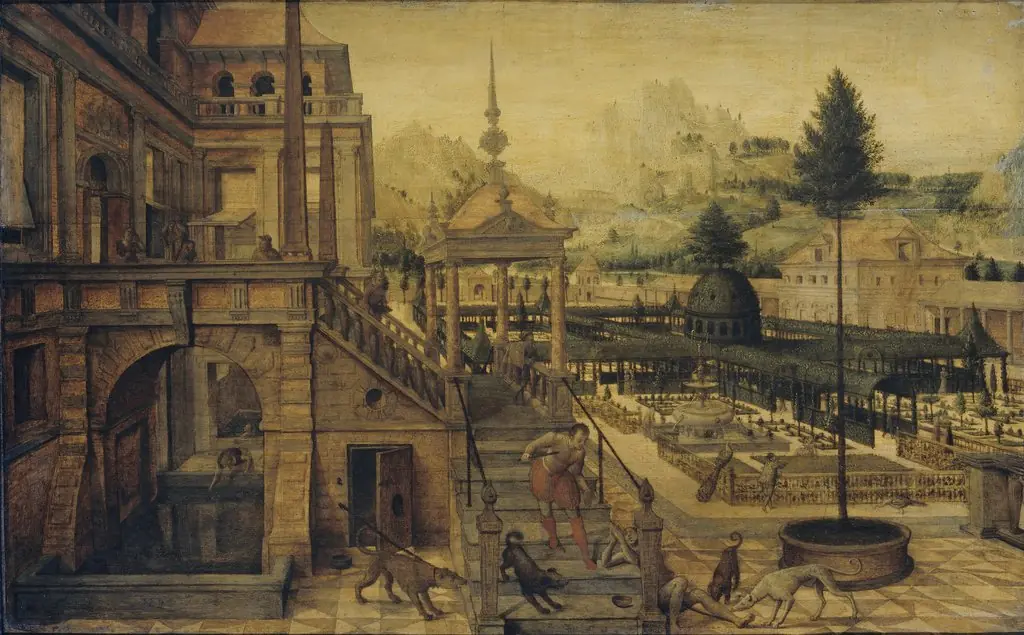 Palace Gardens with Poor Lazarus in the foreground
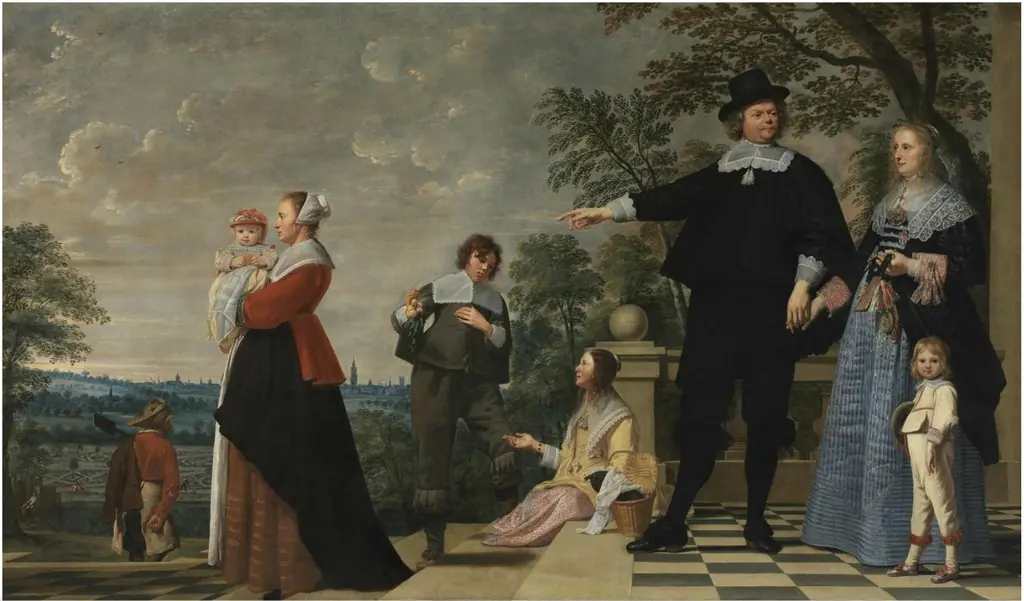 Portrait of a Bruges family
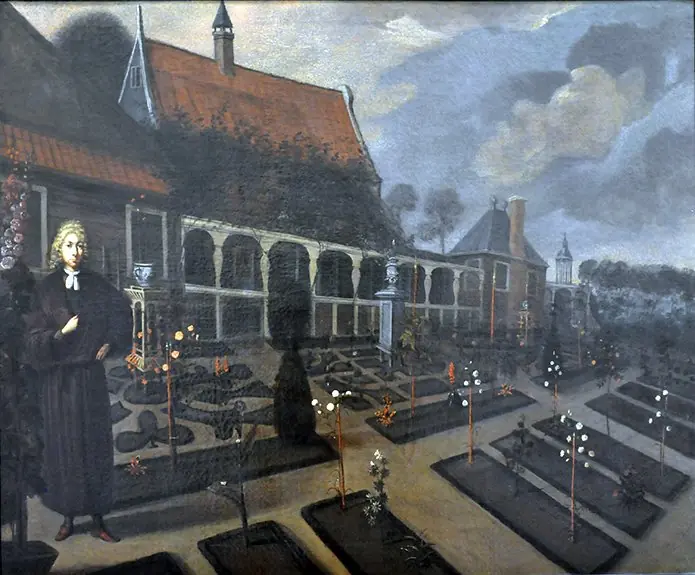 Gerard van Rijp in his garden
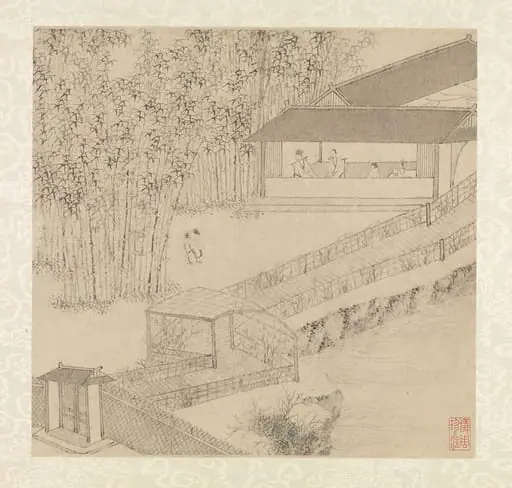 明 文徵明 拙政園圖詩 冊|Garden of the Inept Administrator
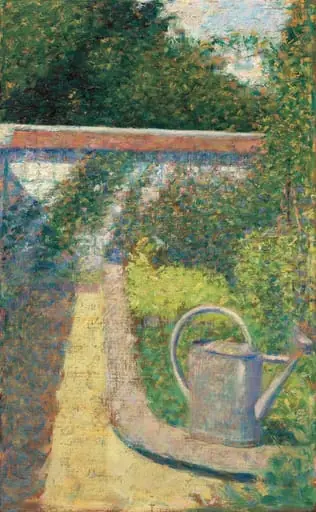 The Watering Can - Garden at Le Raincy
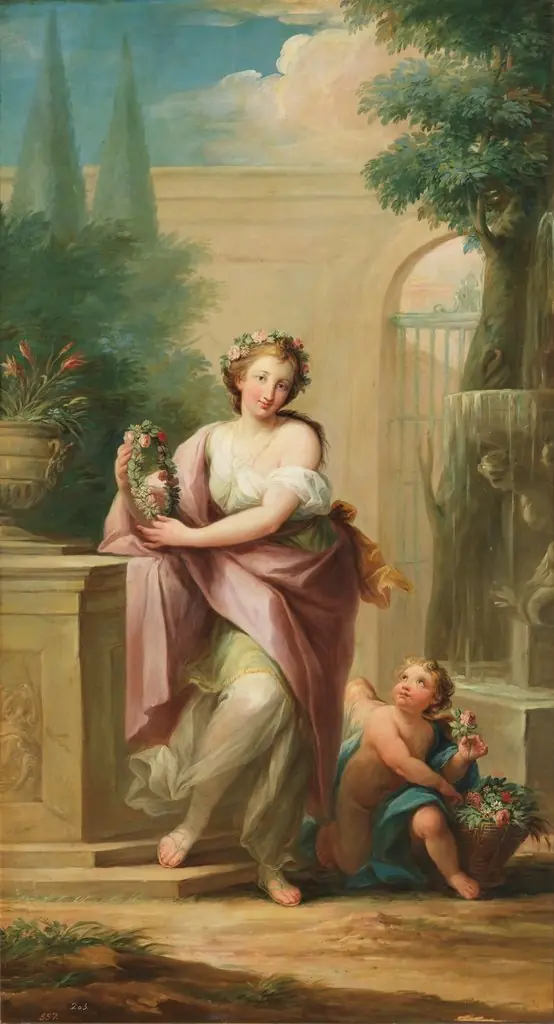 Spring
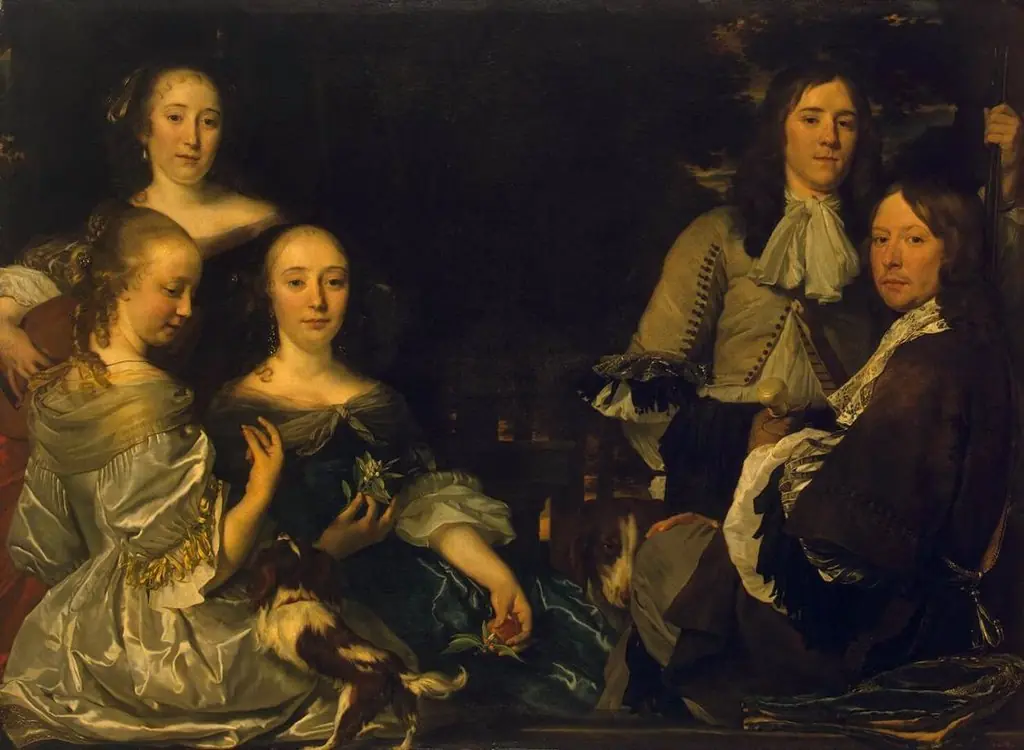 Family Portrait
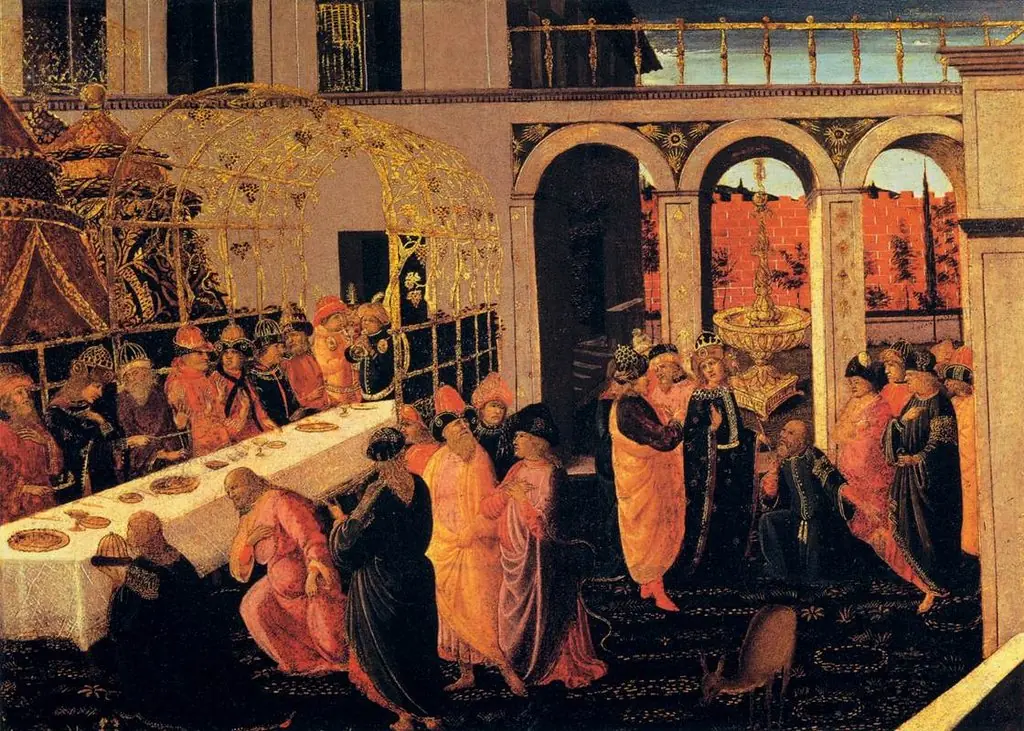 The Banquet of Ahasuerus
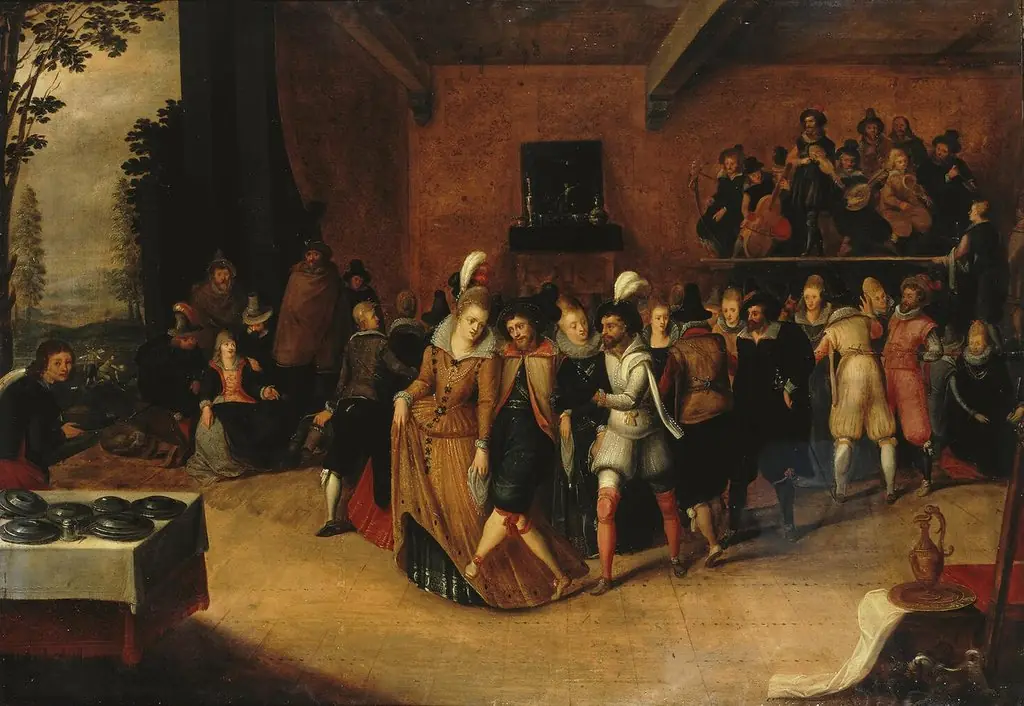 Ball
Ball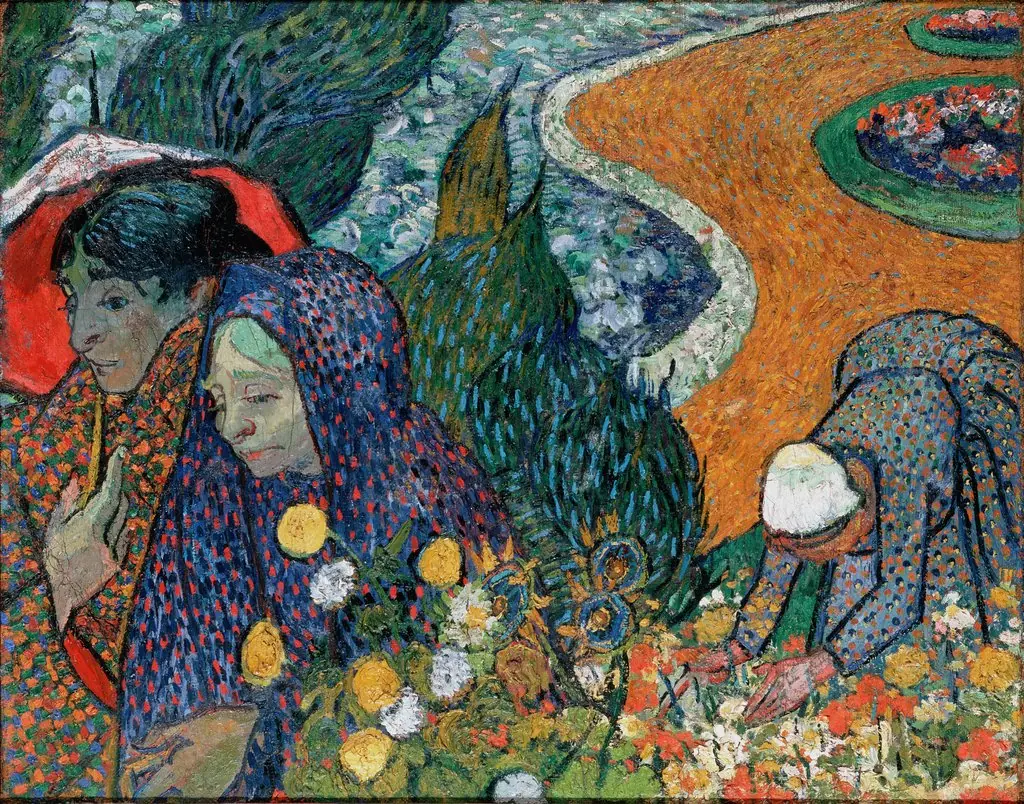 Memory of the Garden at Etten
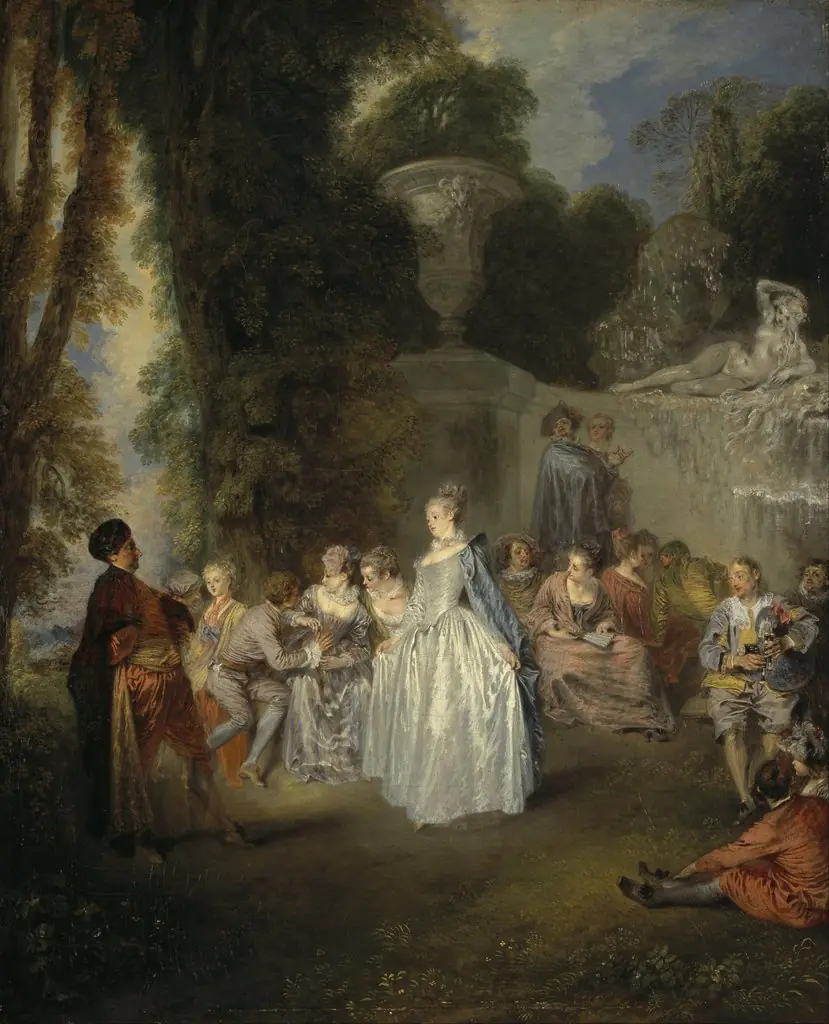 Fêtes Vénitiennes
 Portrait of Aletta van Ravensberg (1635-77). Wife of Jan van Nes
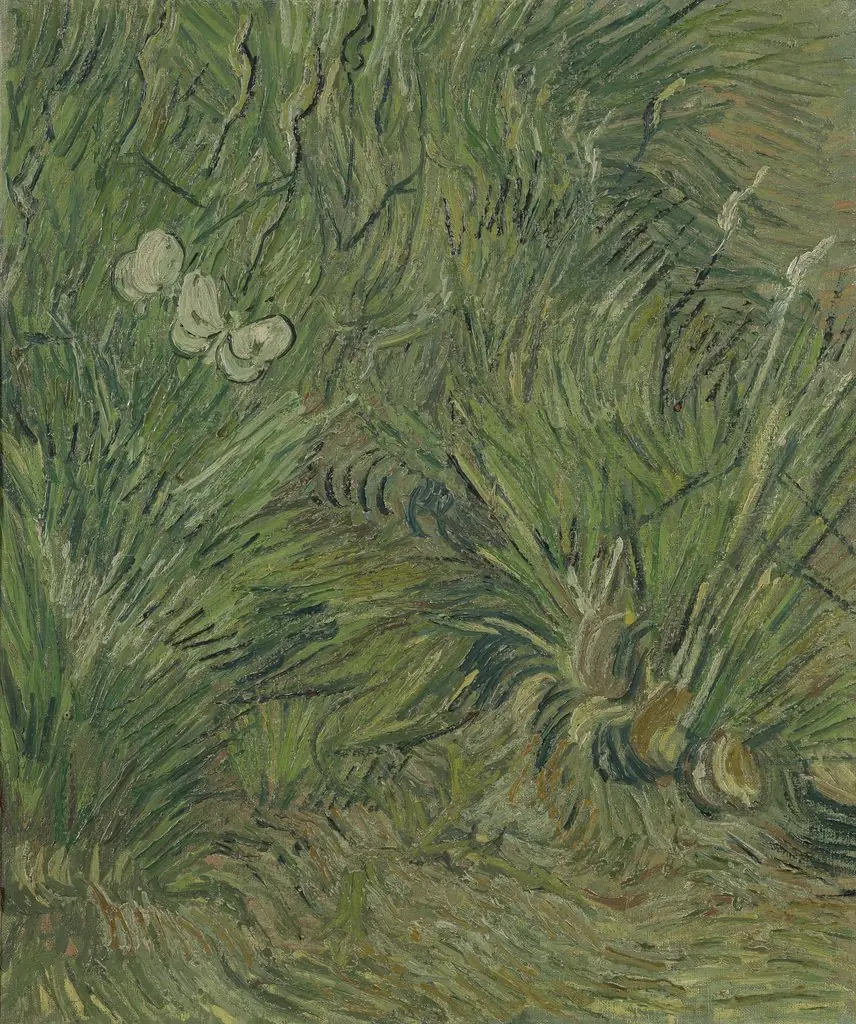 Garden with Butterflies
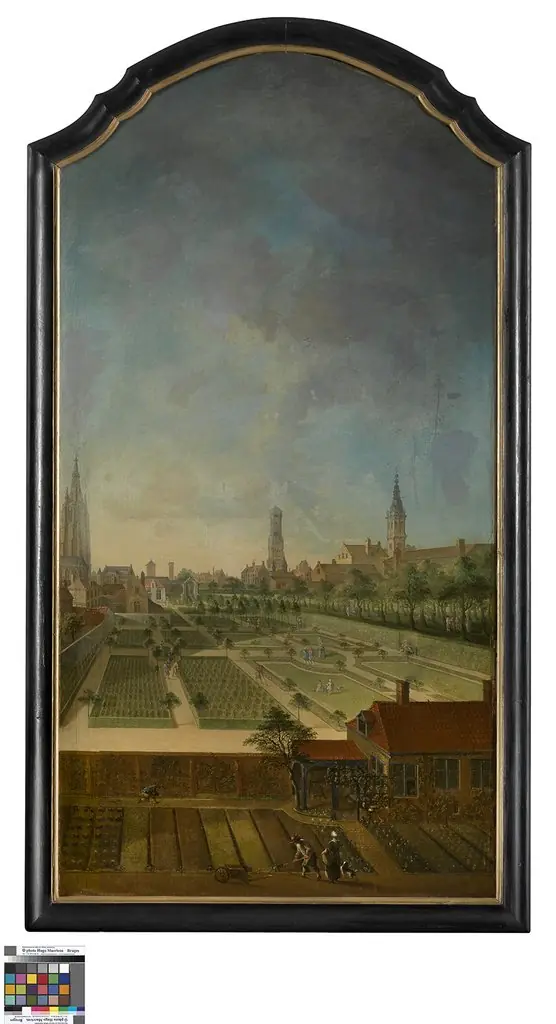 De tuin van de familie Willaeys-Vleys in Groeninge, Brugge
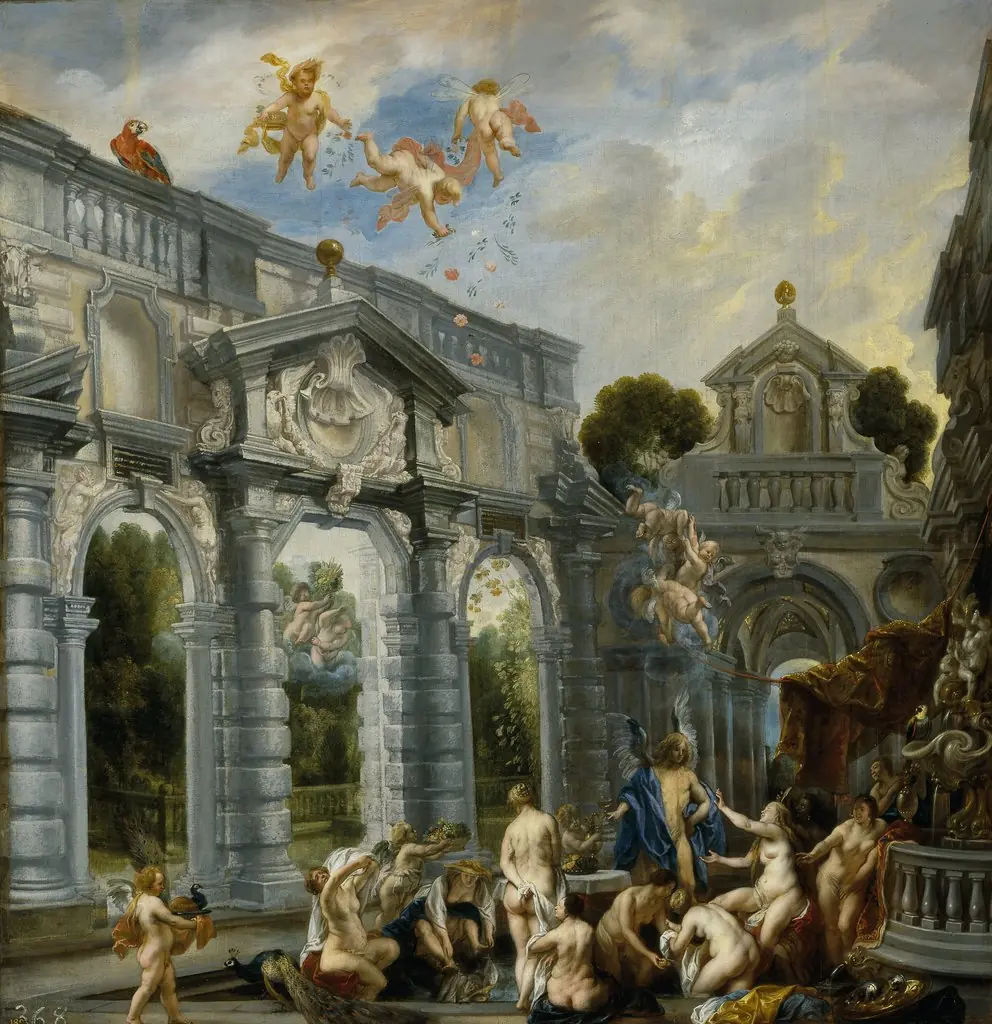 Nymphs at the Fountain of Love
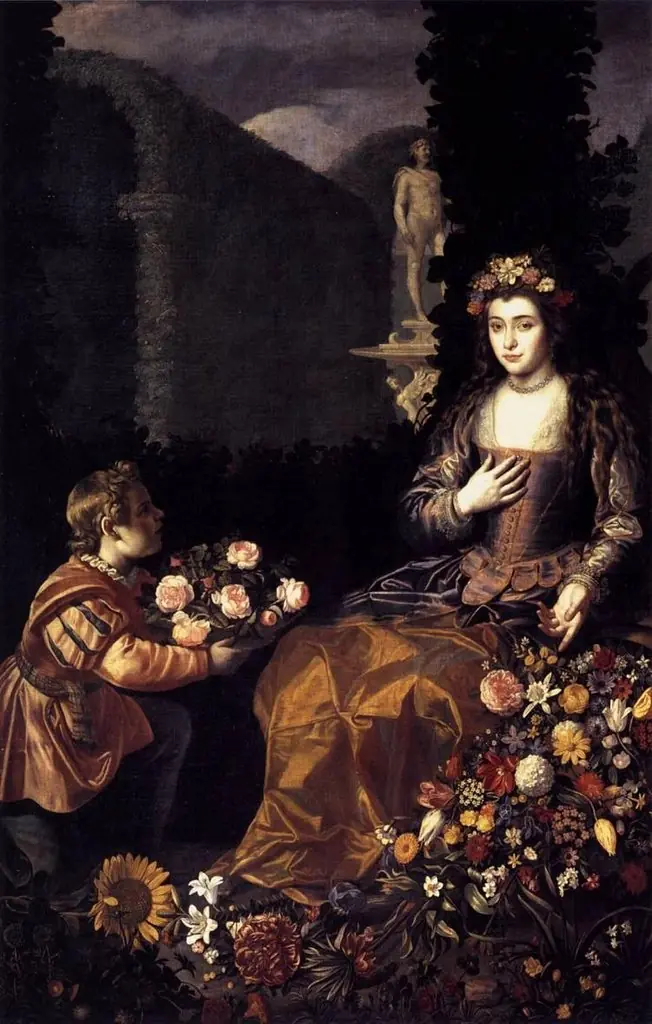 An Offering to Flora
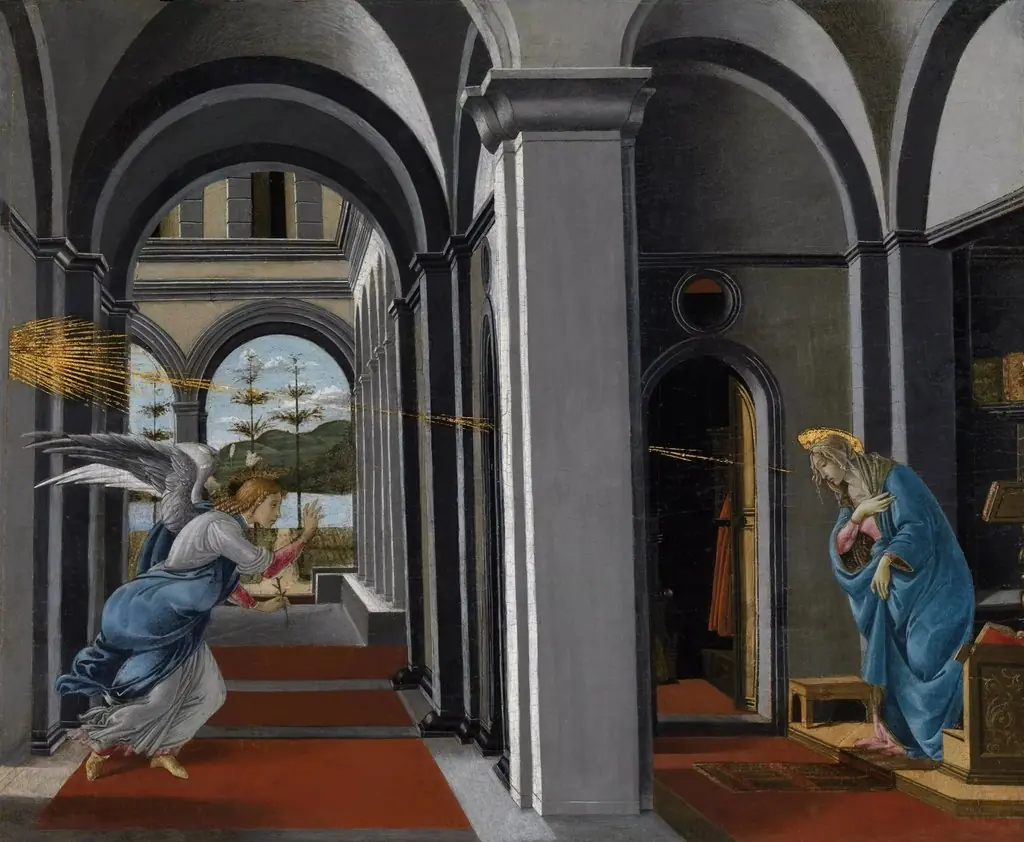 The Annunciation
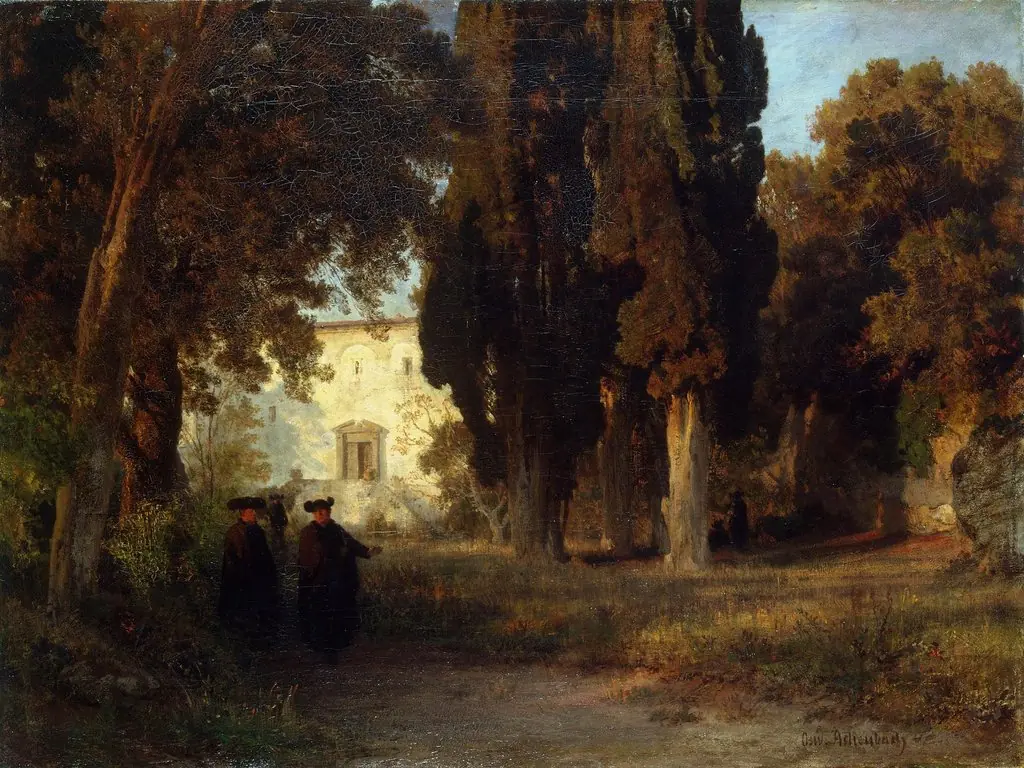 Garden in a Monastery
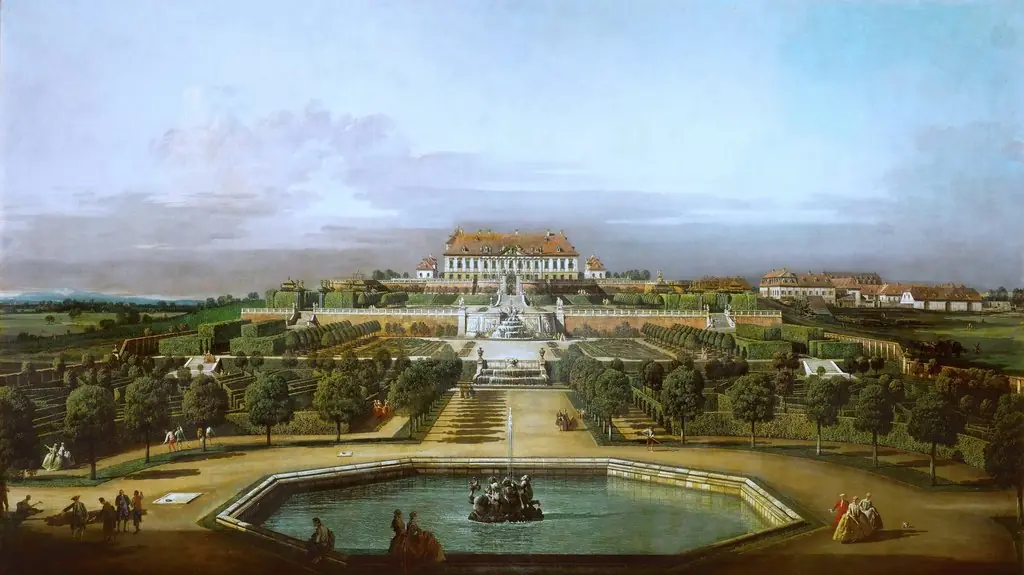 Schloss Hof, Garden Side
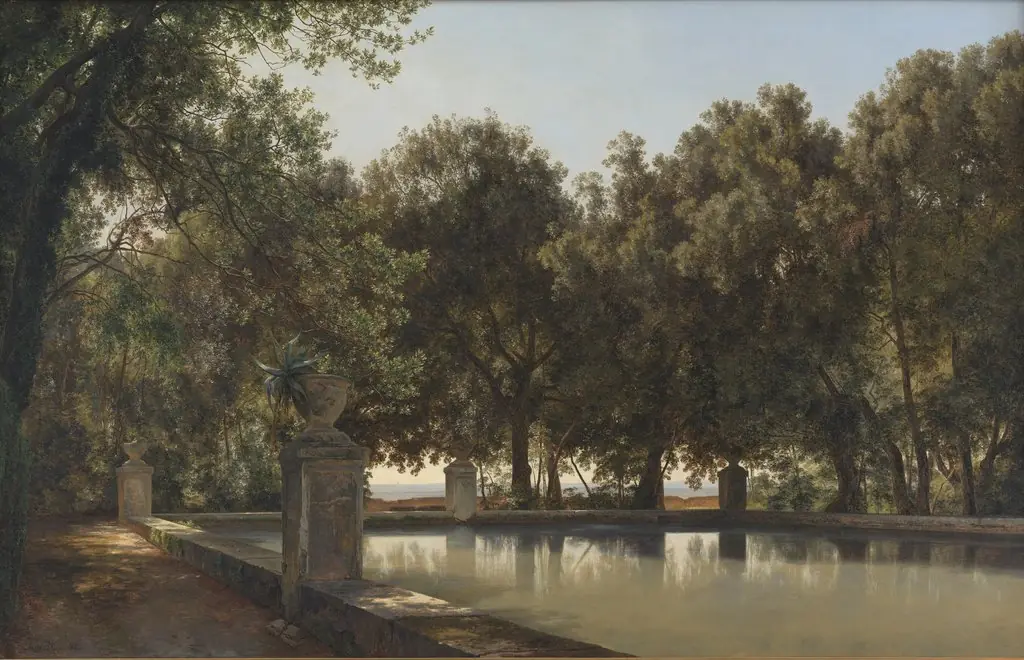 The Gardens of the Villa d'Este, Tivoli
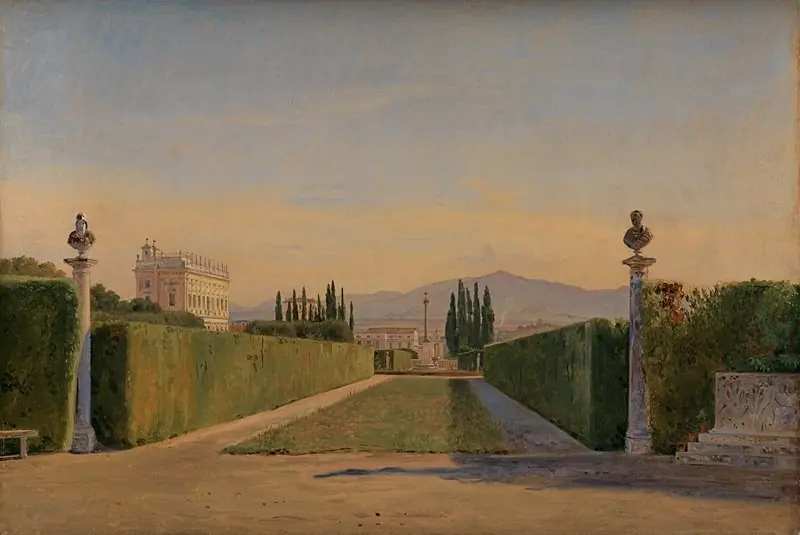 In the Gardens of the Villa Albani, Rome
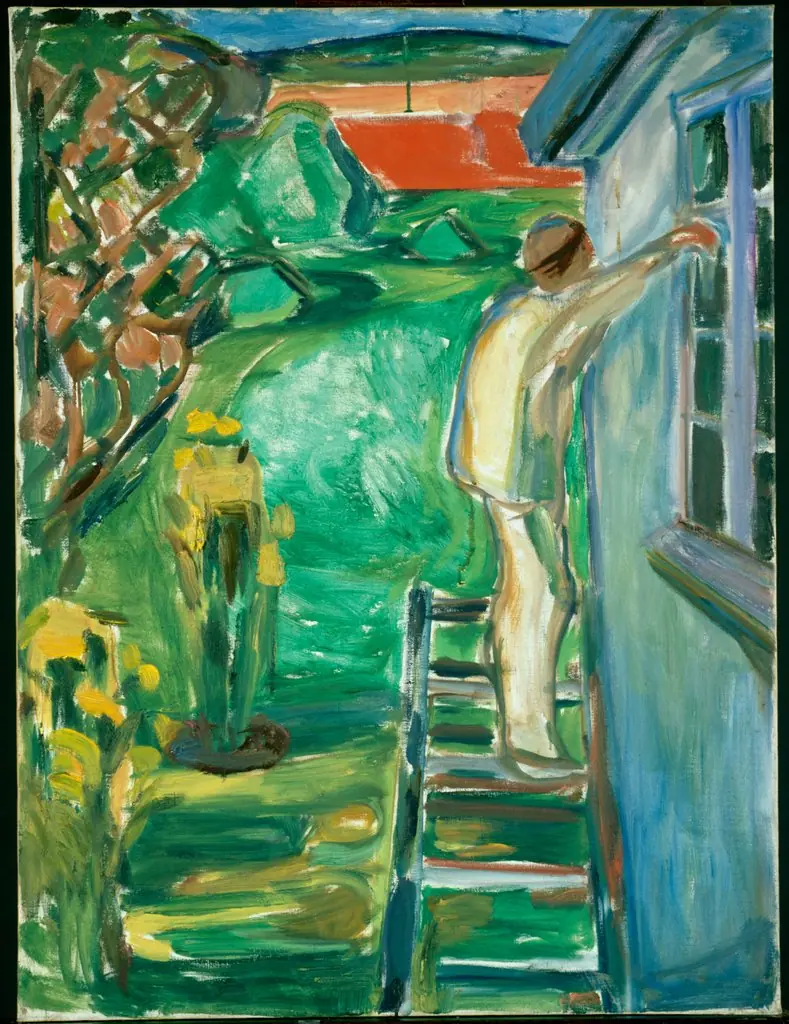 Painter by the Wall
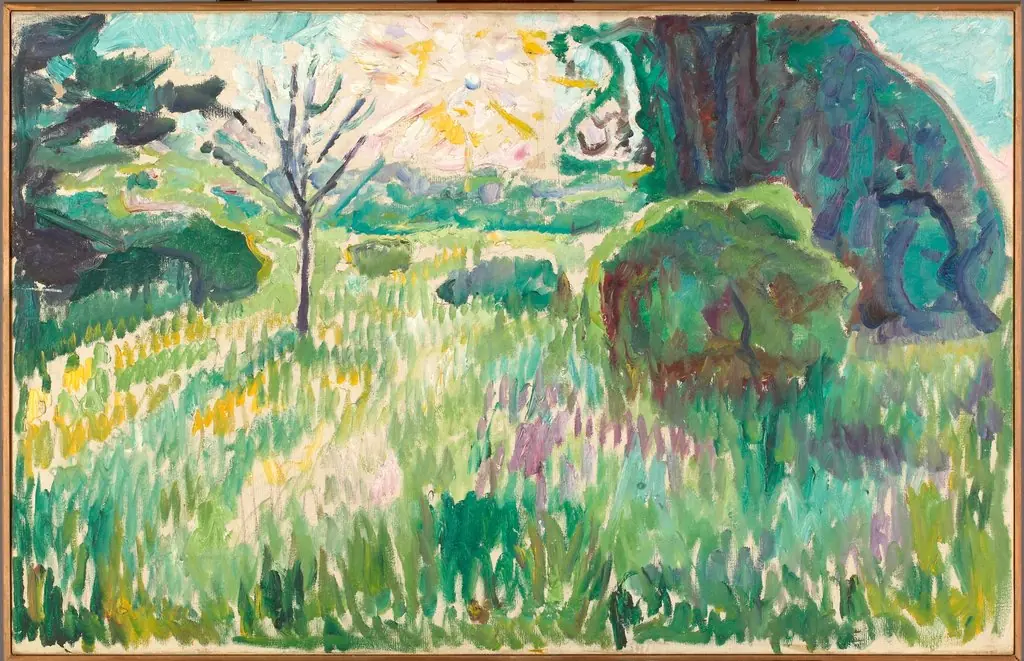 Morning in the Garden
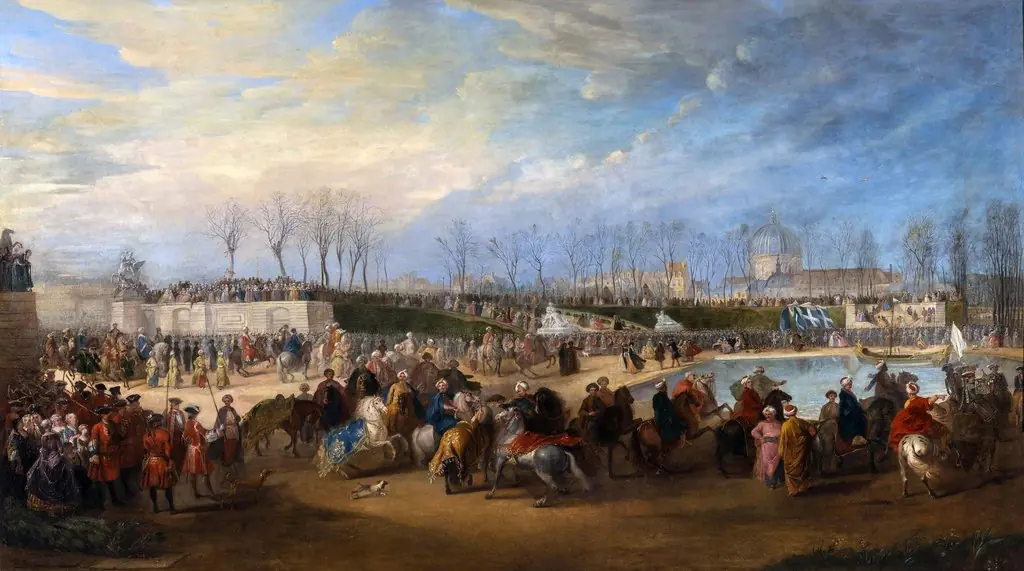 Mehemet Effendi, ambassadeur turc arrive aux Tuileries, 21 mars 1721
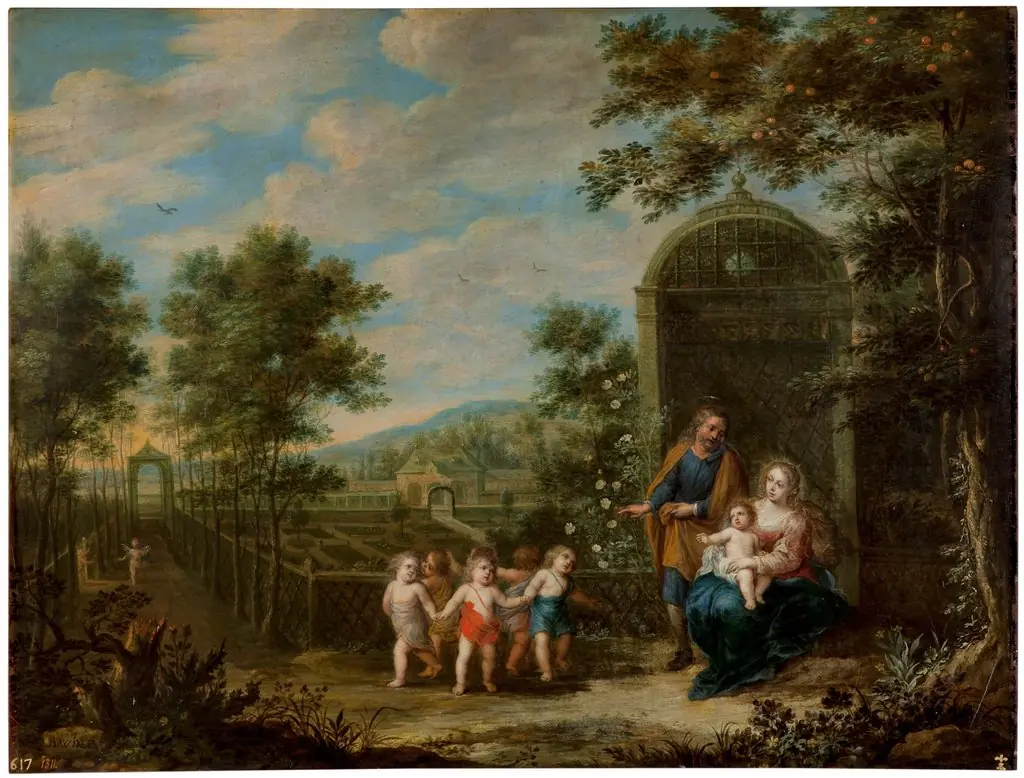 Rest on the Flight into Egypt
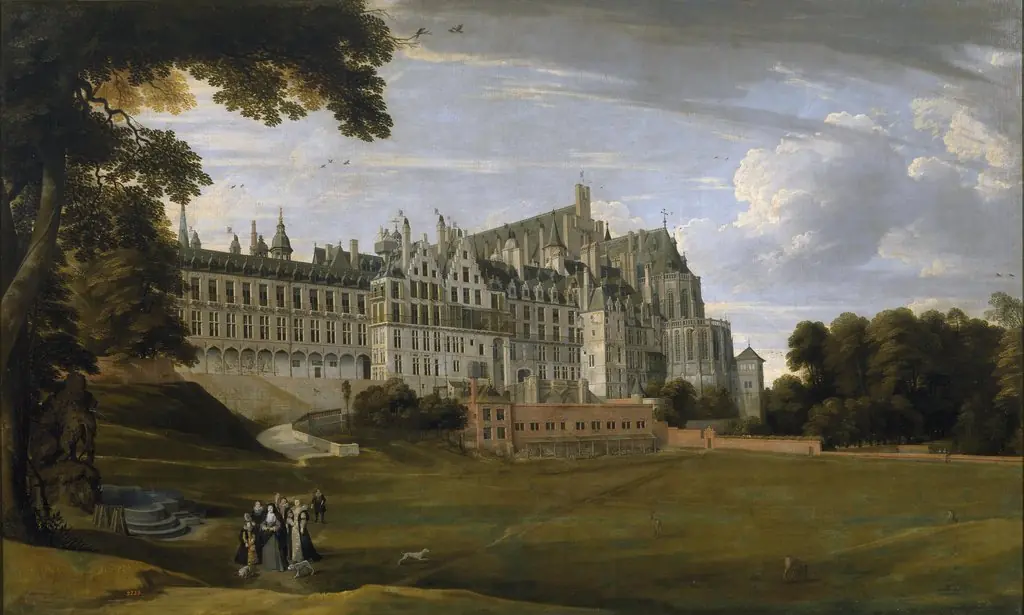 The Royal Palace in Brussels (The Palace of Coudenberg)
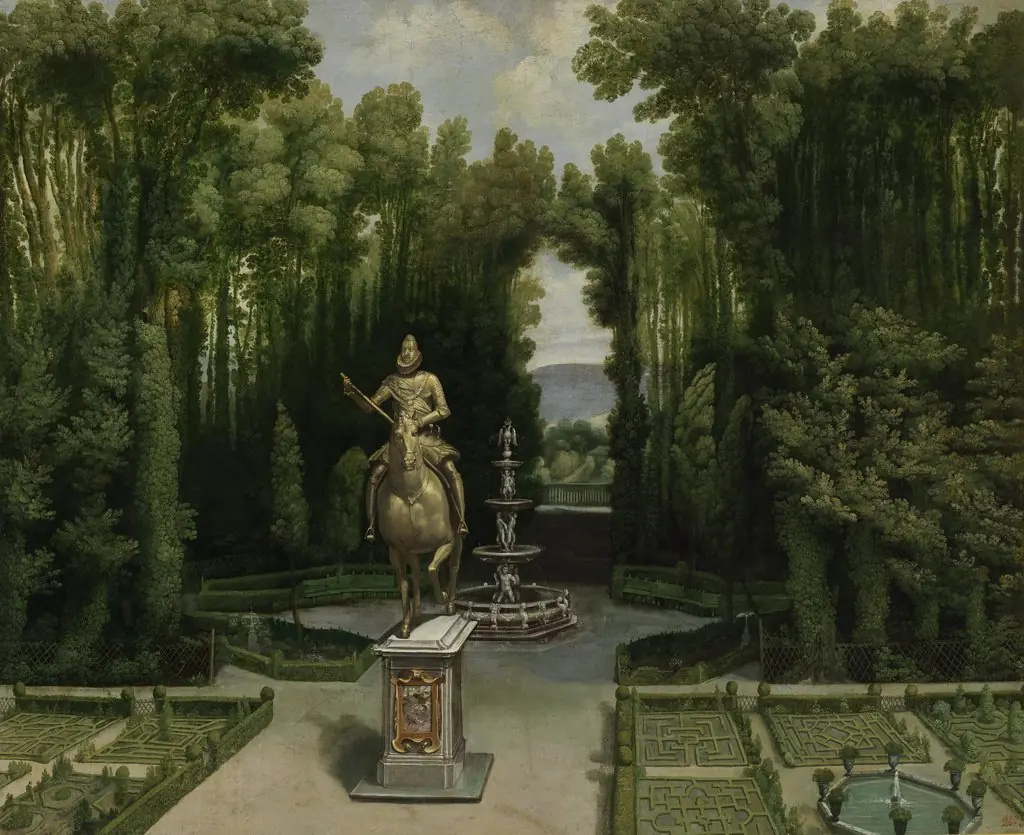 Vista de los jardines de la Casa de Campo con la estatua de Felipe III
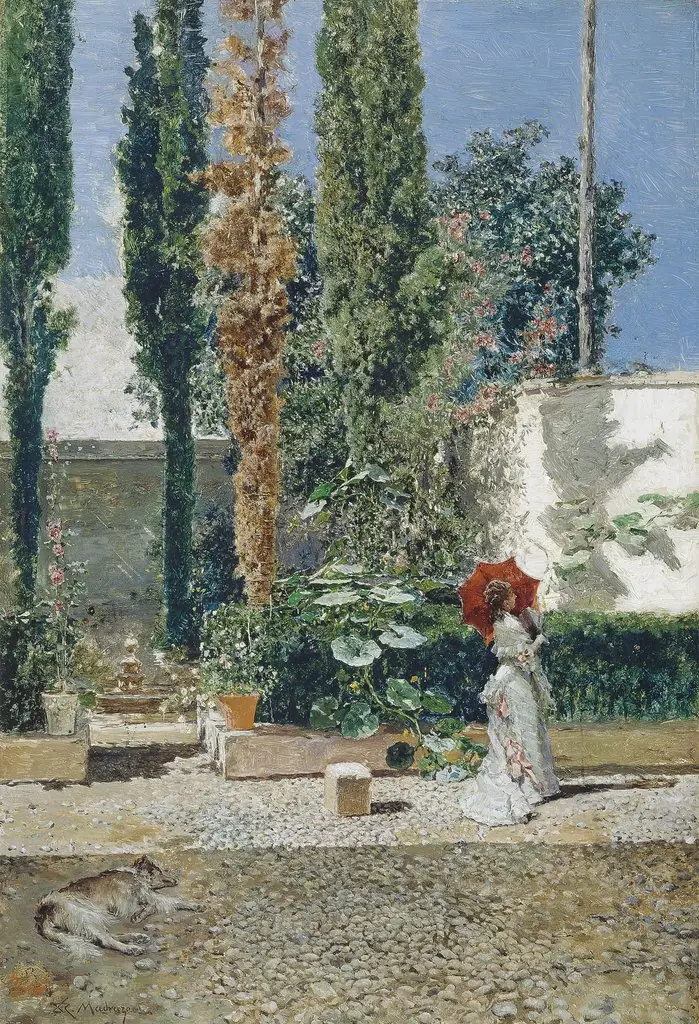 The Garden of the Fortuny Residence
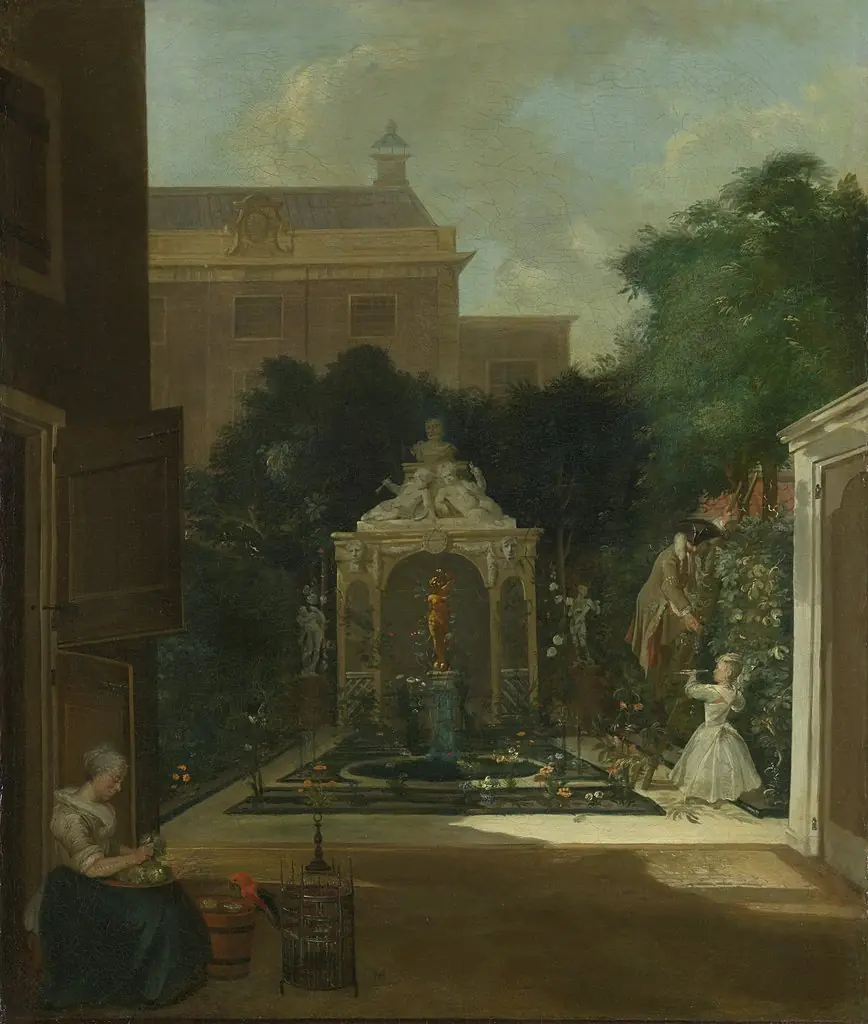 An Amsterdam Canal House Garden
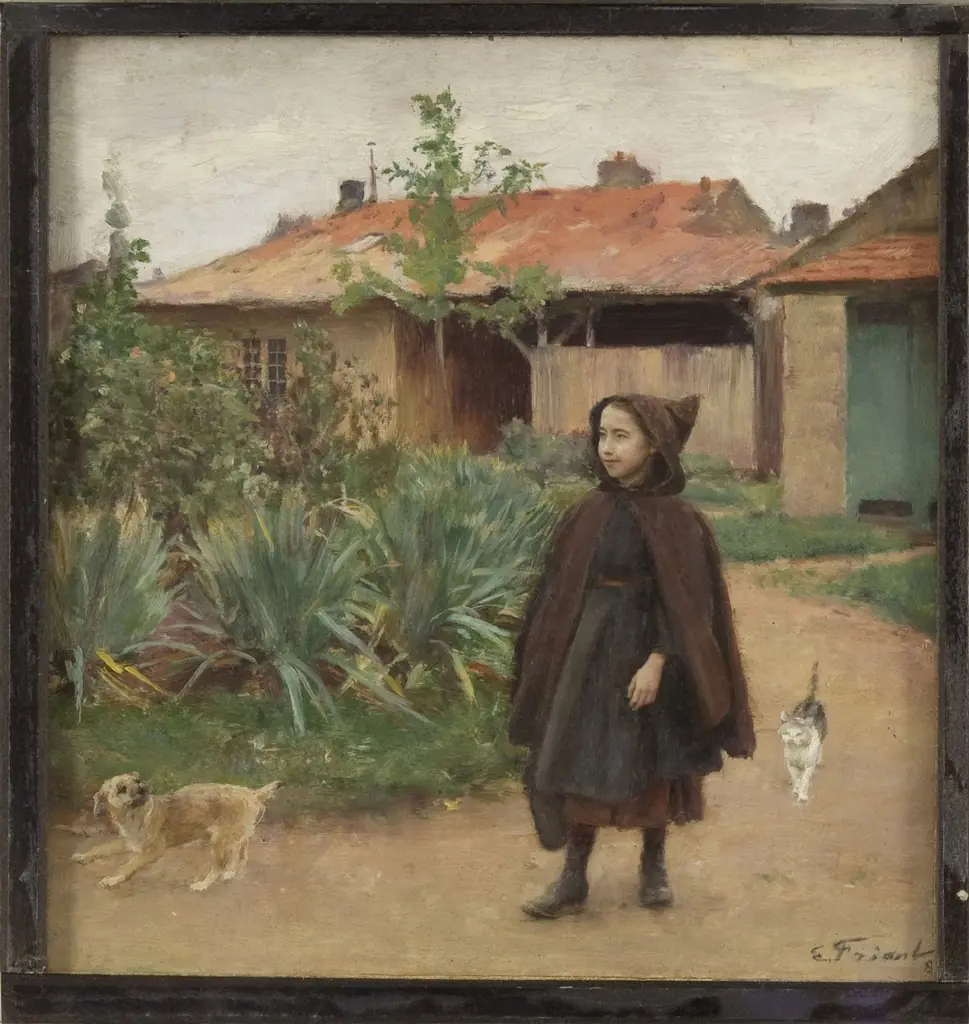 The Garden Walk
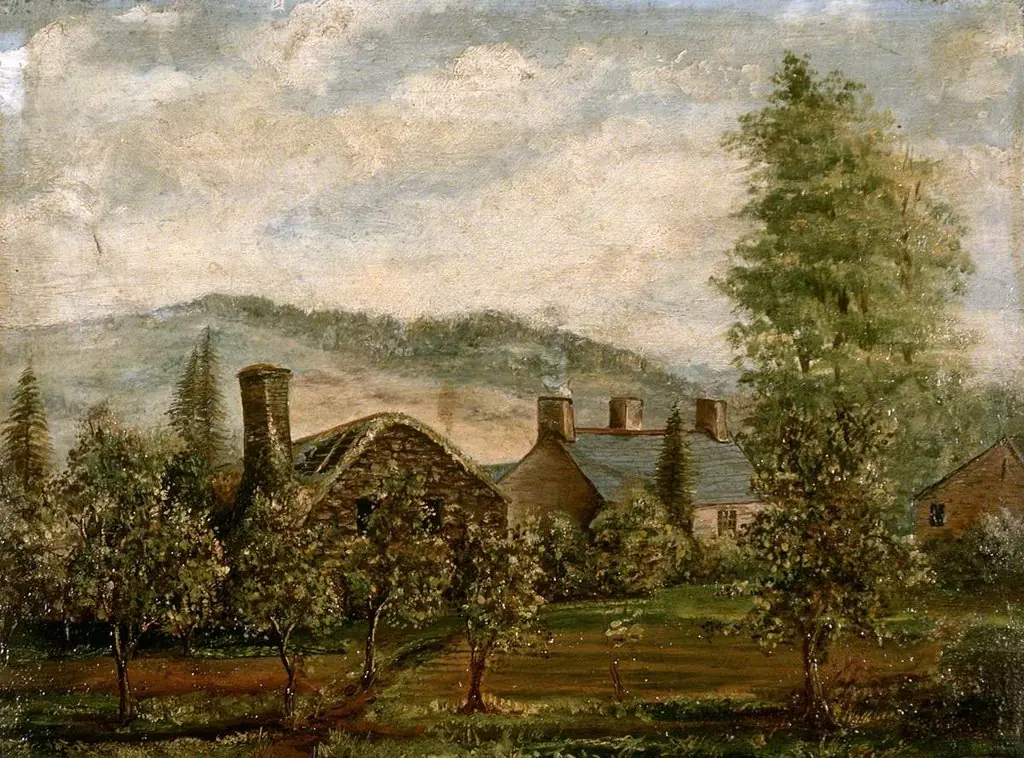 Plas Isaf, Llanrwst
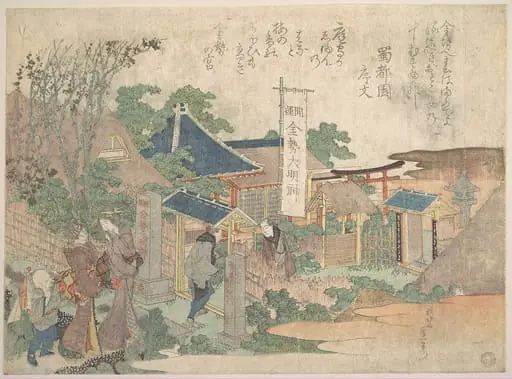 Untitled
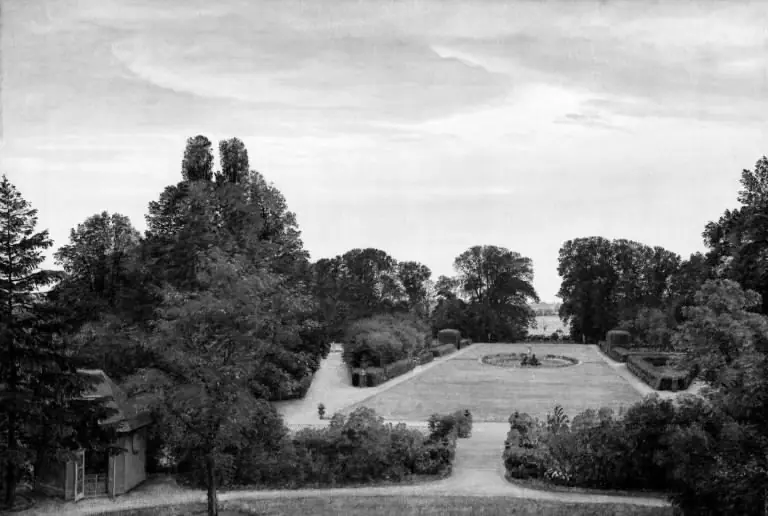 Parken ved Nysø. Til venstre Thorvaldsens atelier
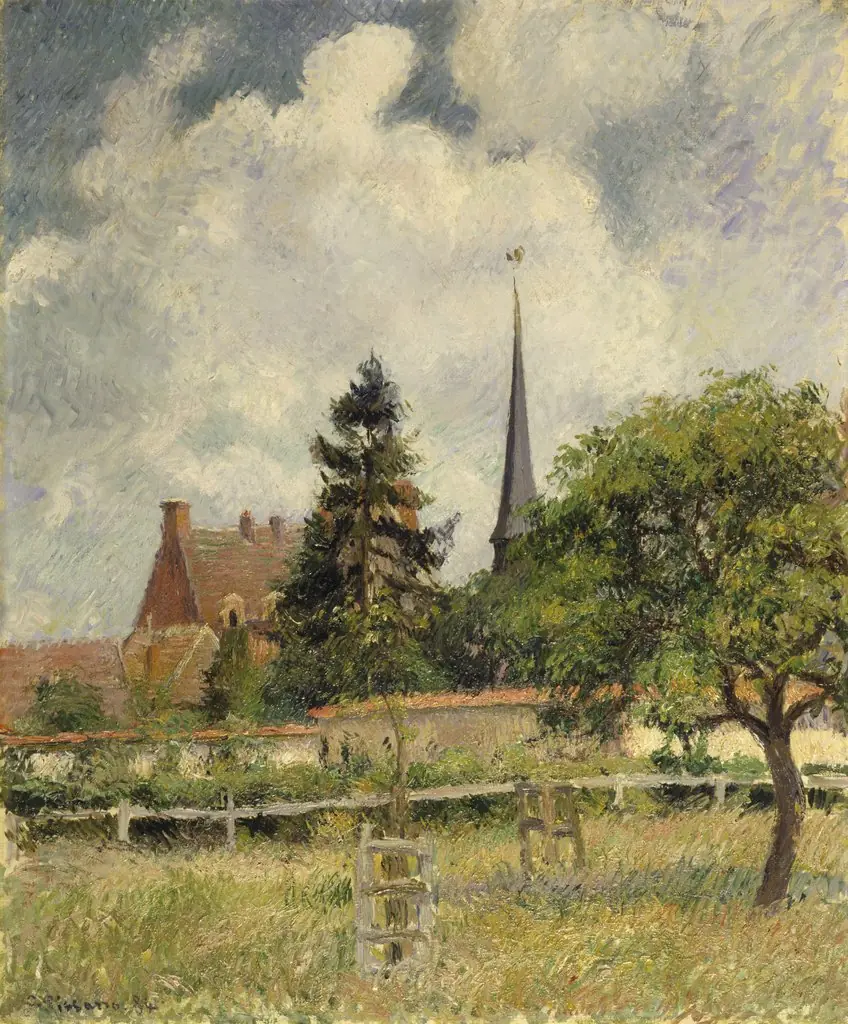 The Church at Eragny
 The Back Garden
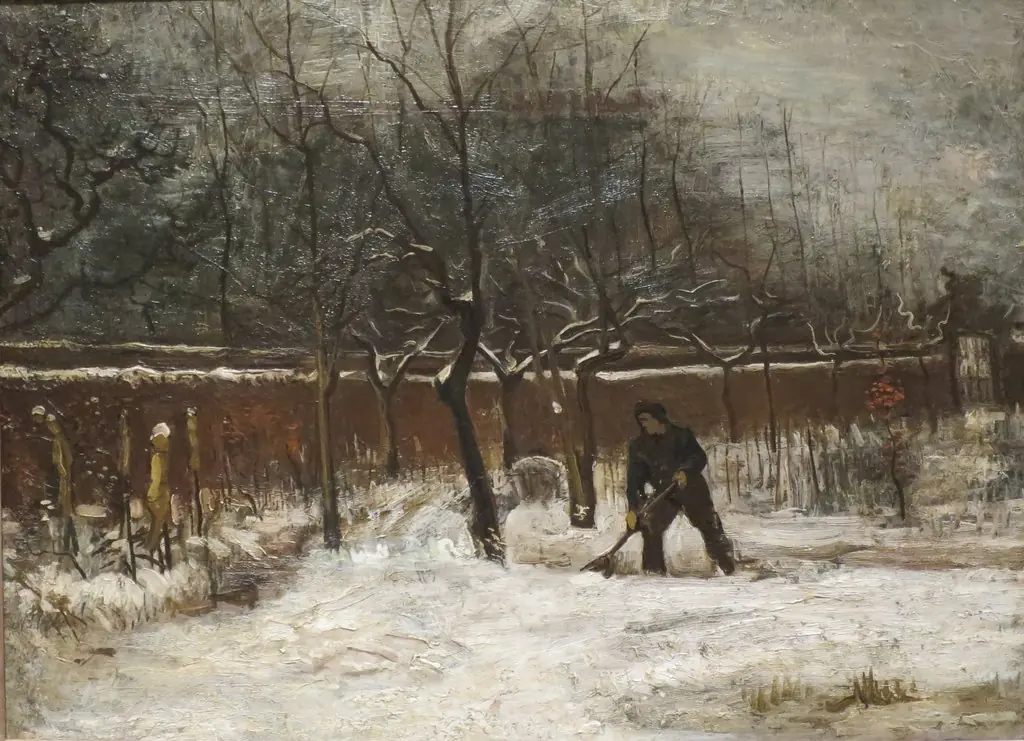 Winter (The Vicarage Garden under Snow)
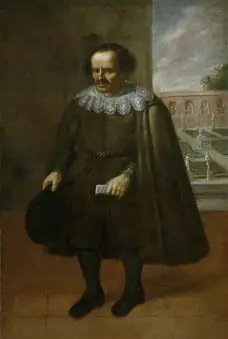 El enano Juan de Portilla (¿?)
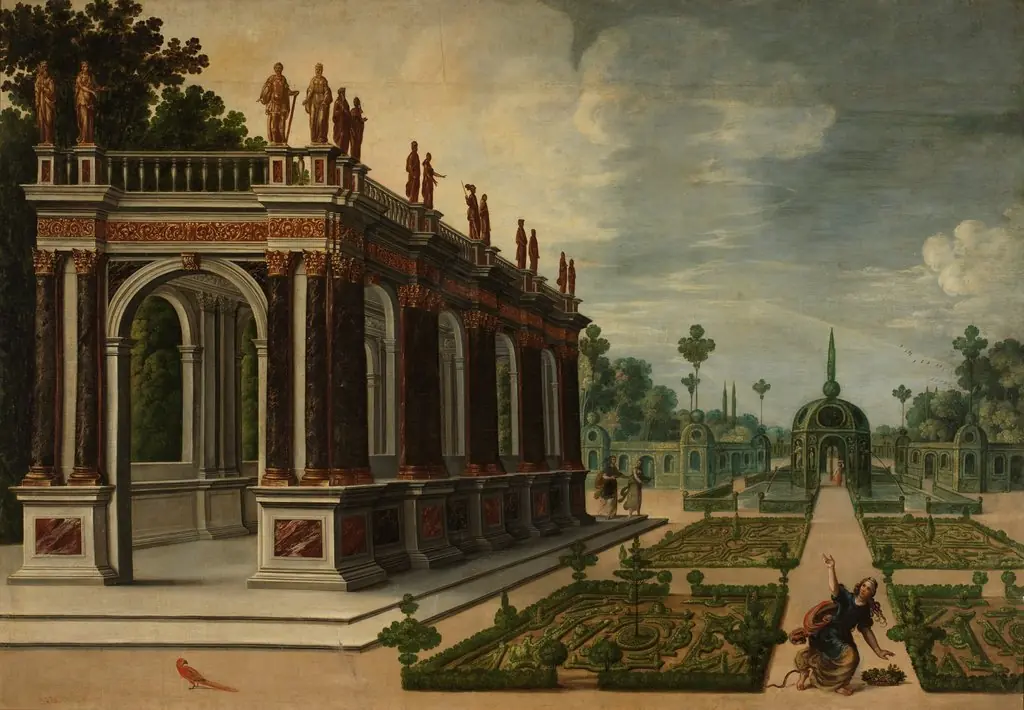 Perspectiva con jardín
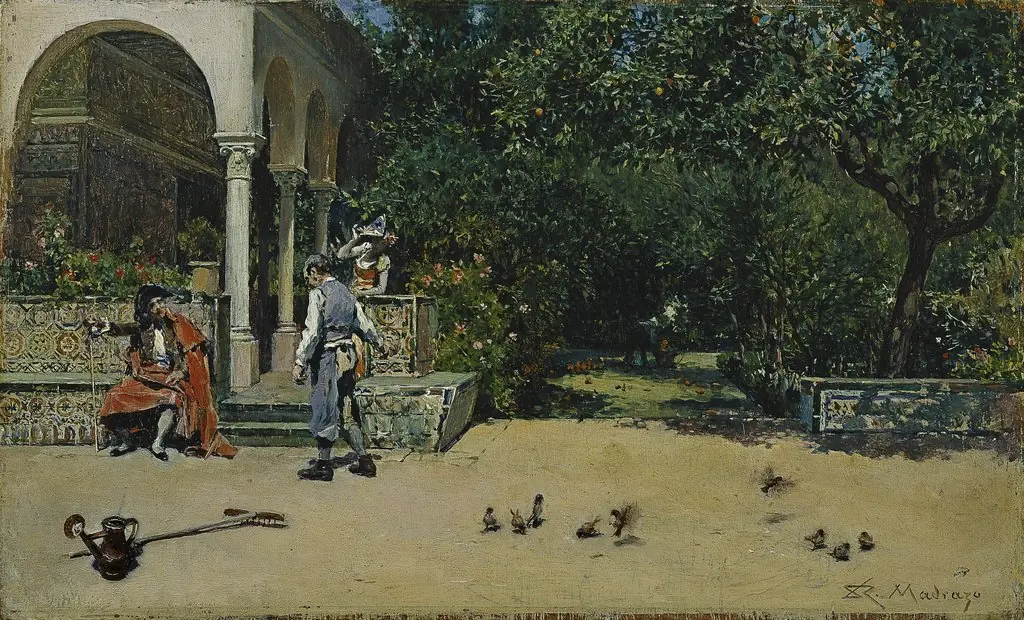 The Pavilion of Charles V in the Gardens of the Alcázar of Seville
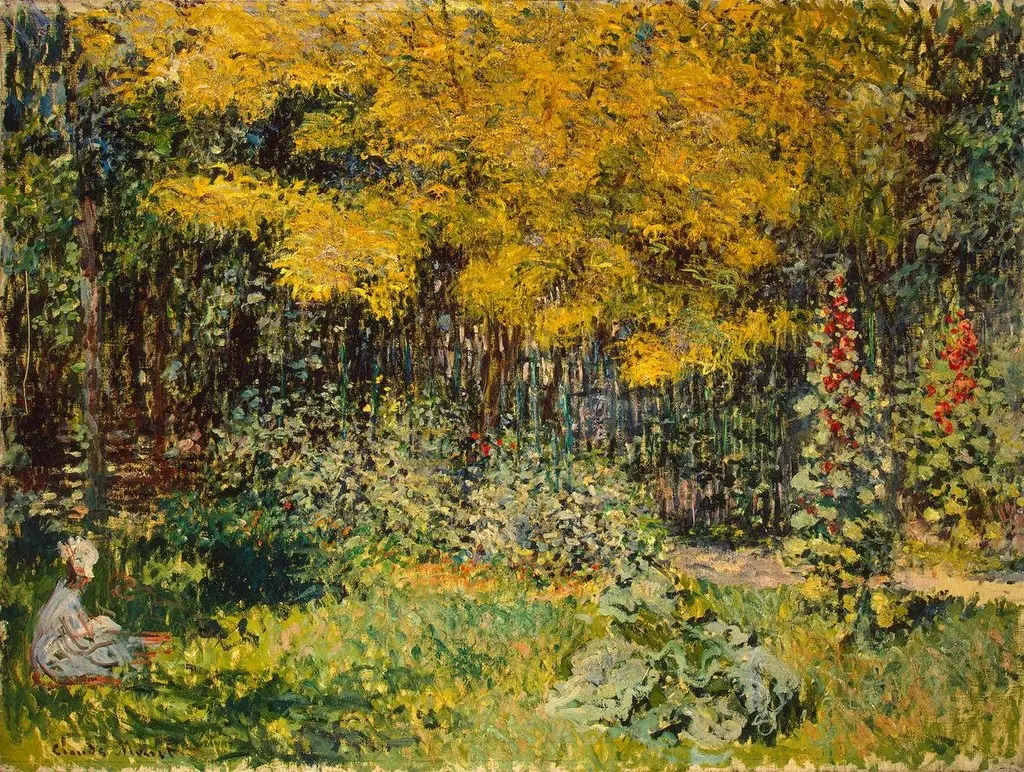 Garden
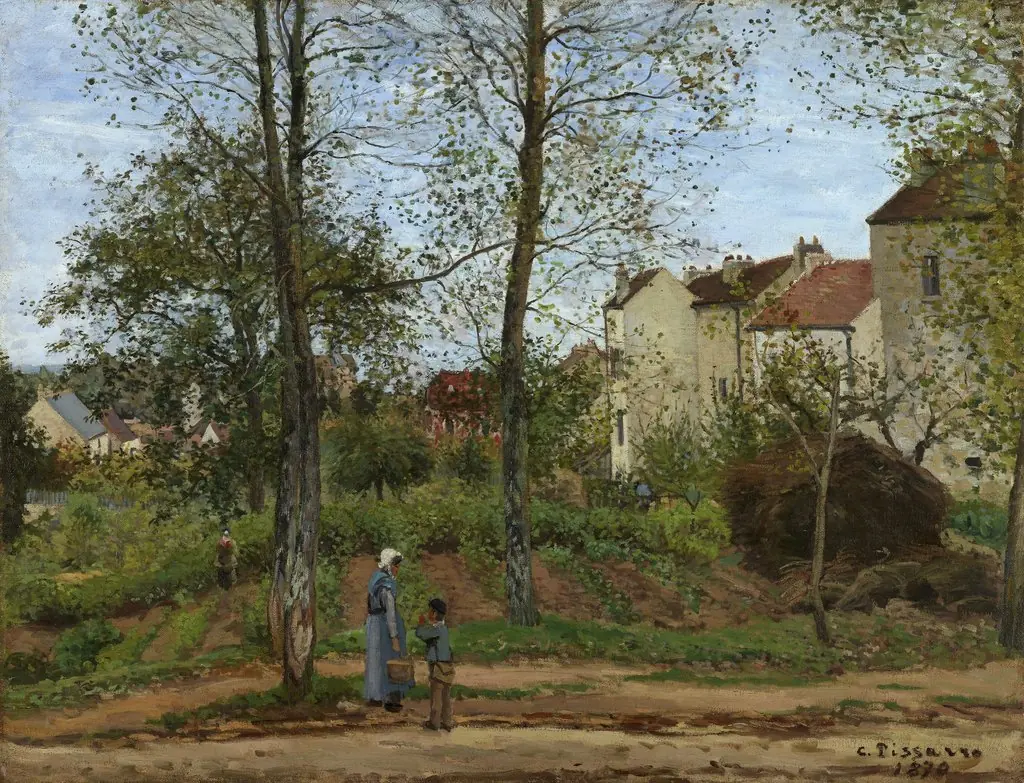 Landscape at Louveciennes (Autumn)
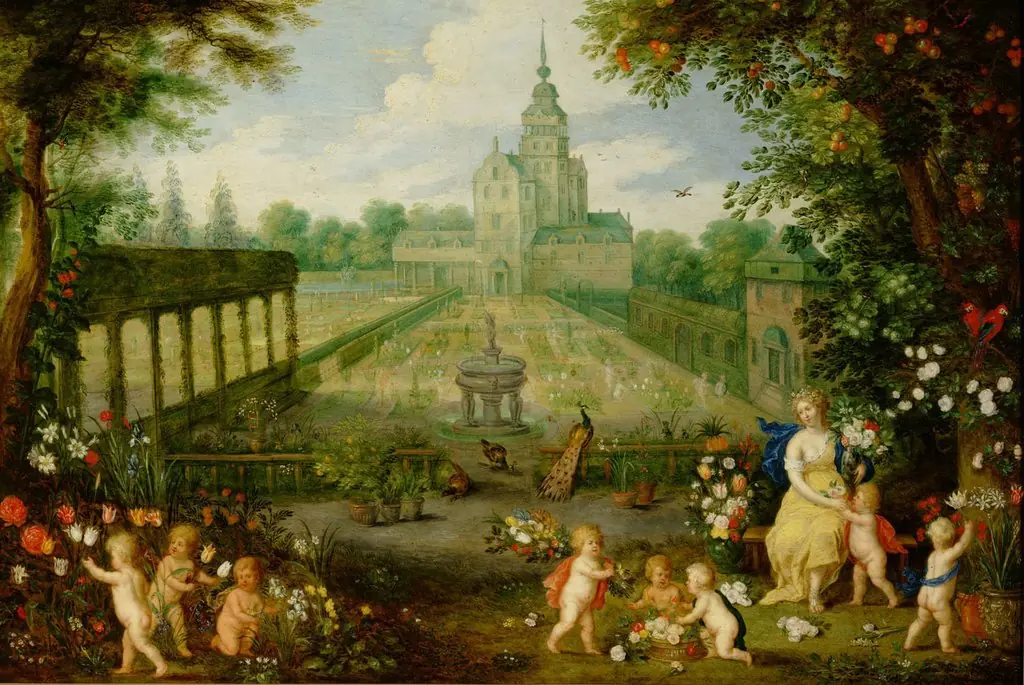 Flora in the Garden
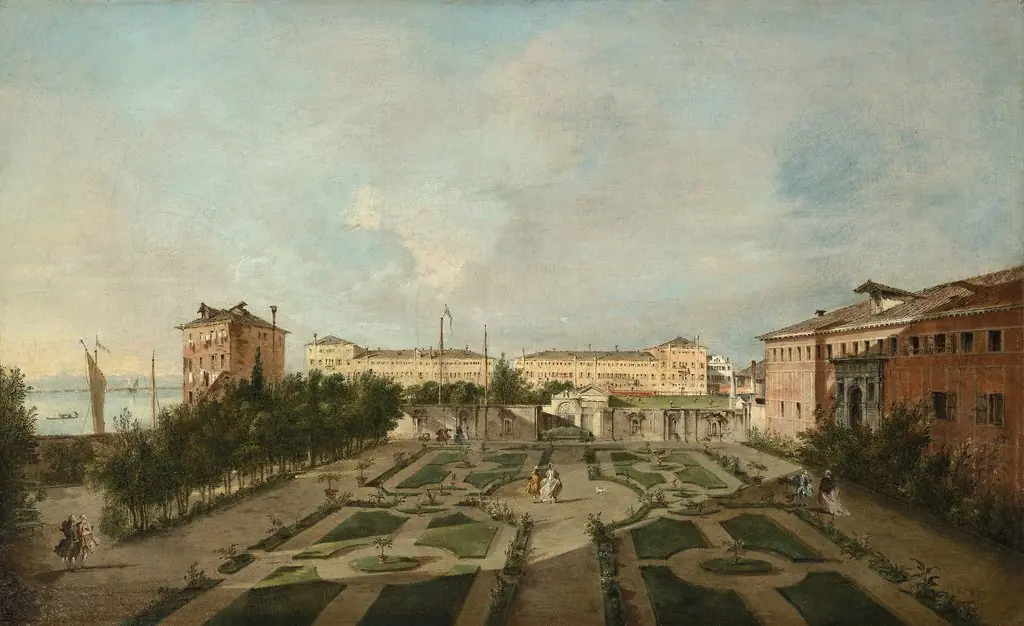 The Garden of Palazzo Contarini dal Zaffo
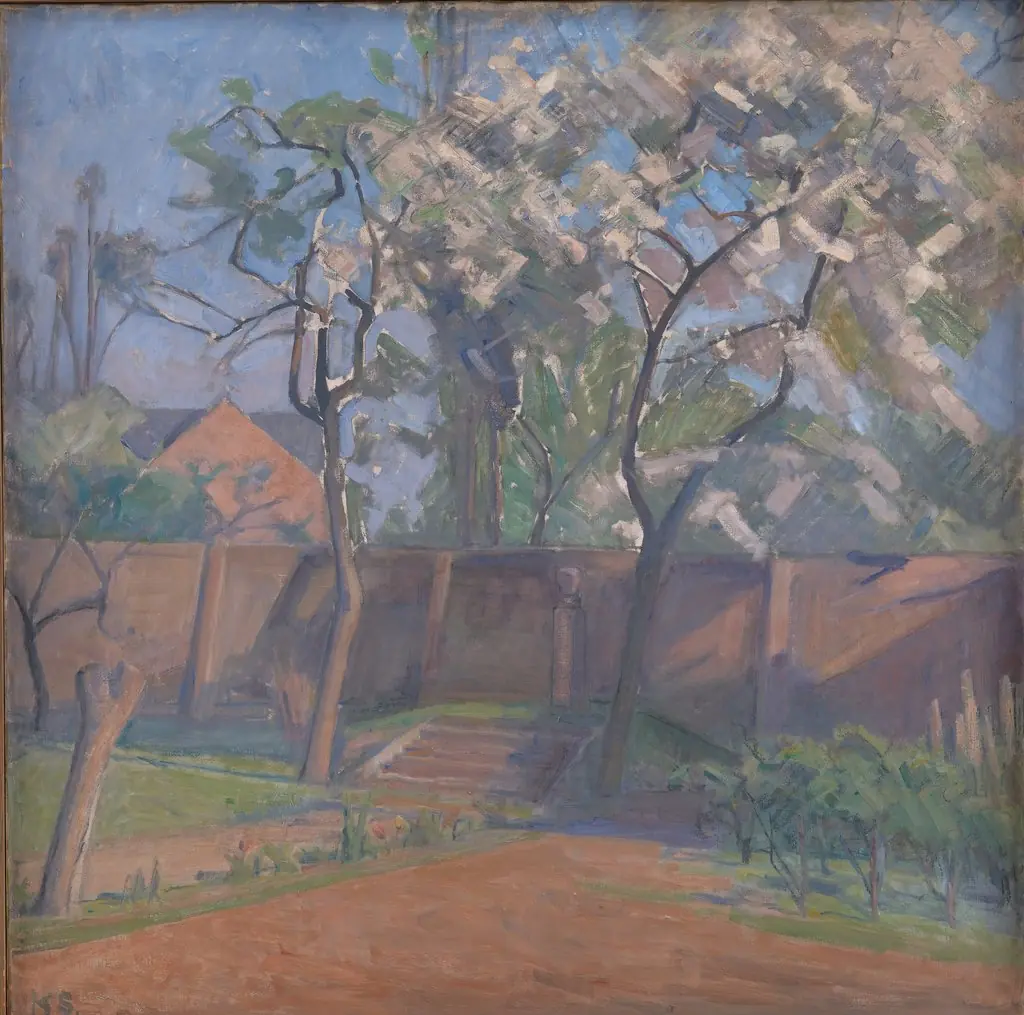 Forår i haven
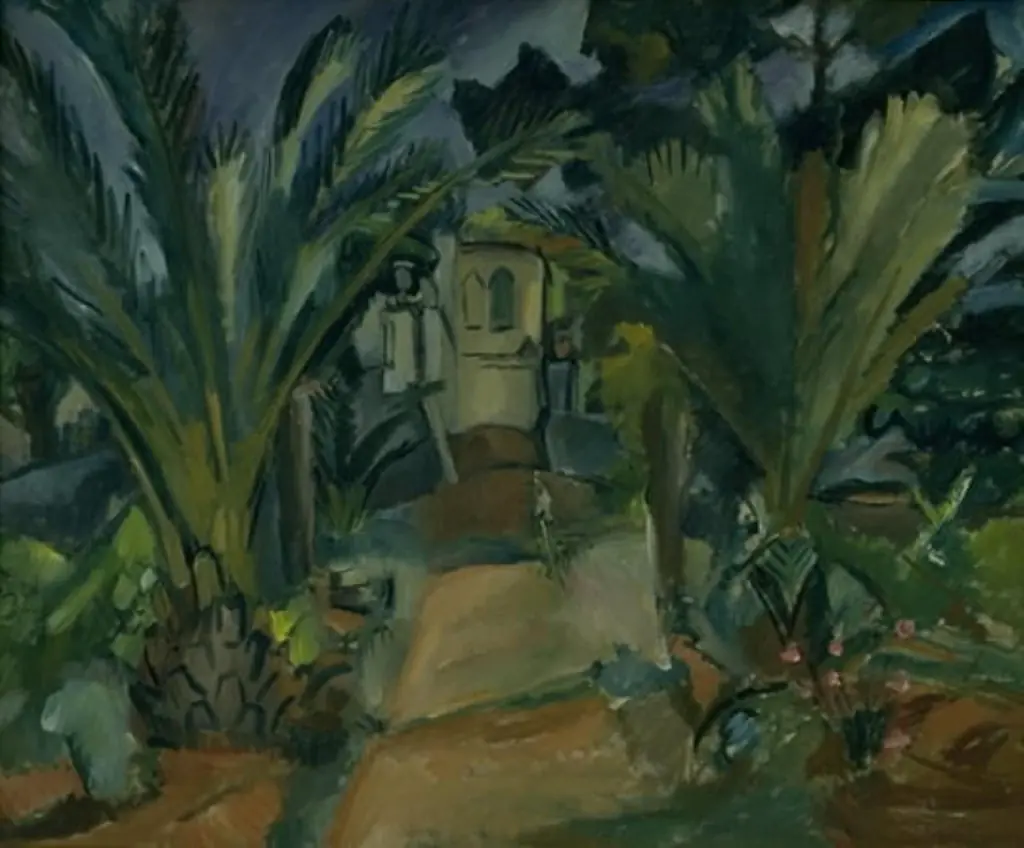 Terrace with Palms
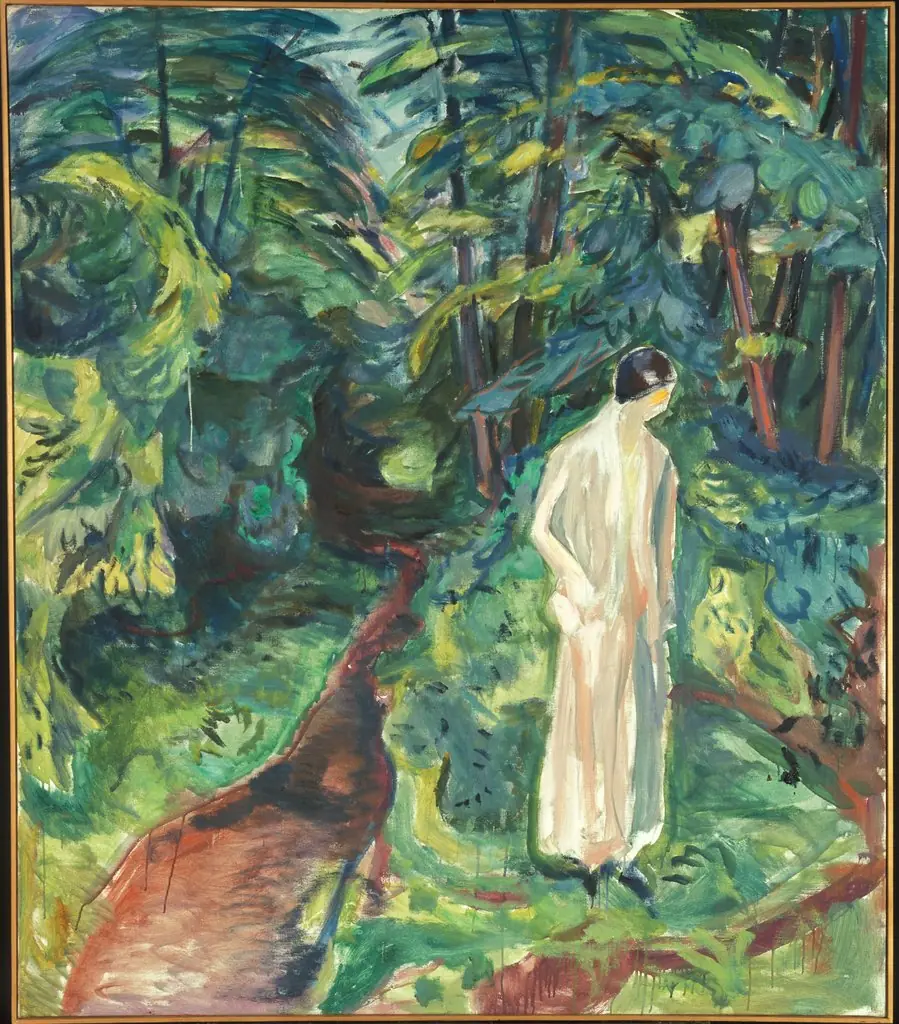 Woman in the Garden
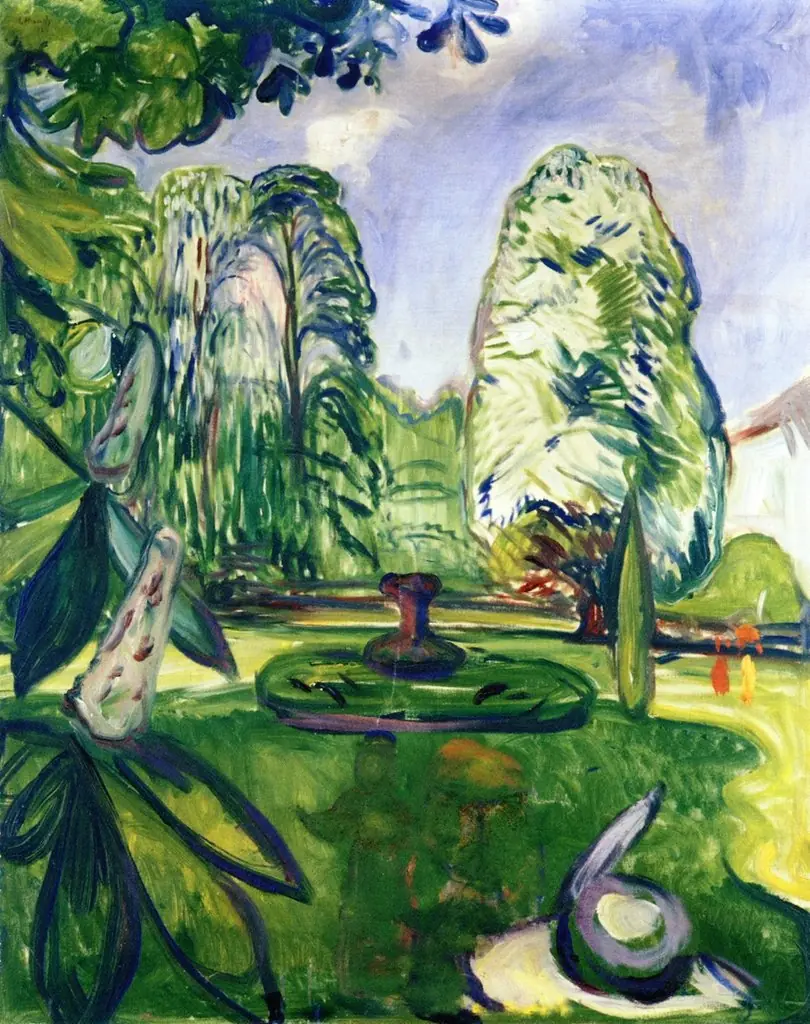 Chestnut Trees
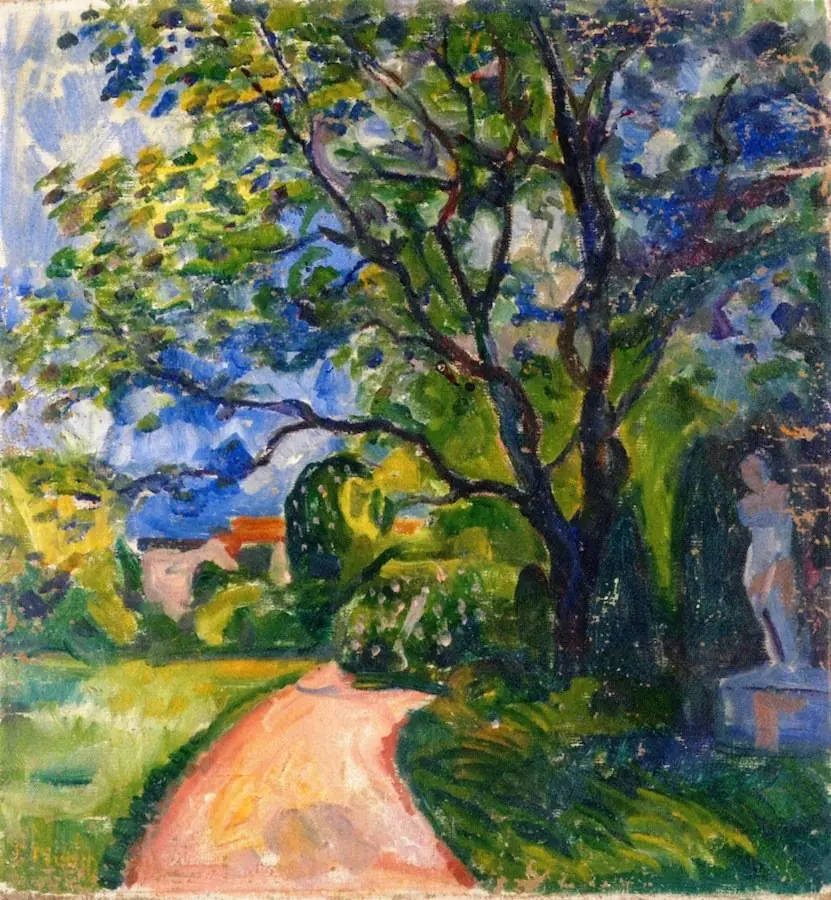 Garden in Lübeck
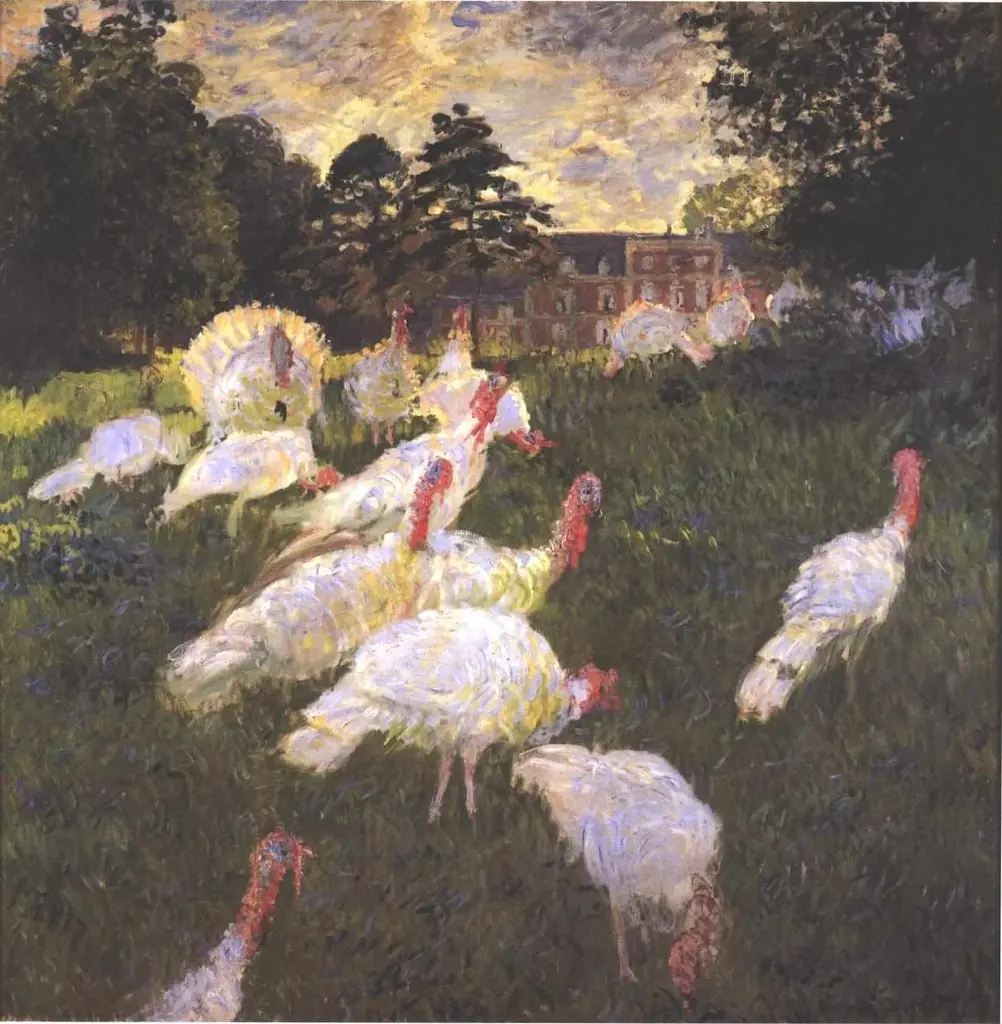 The Turkeys
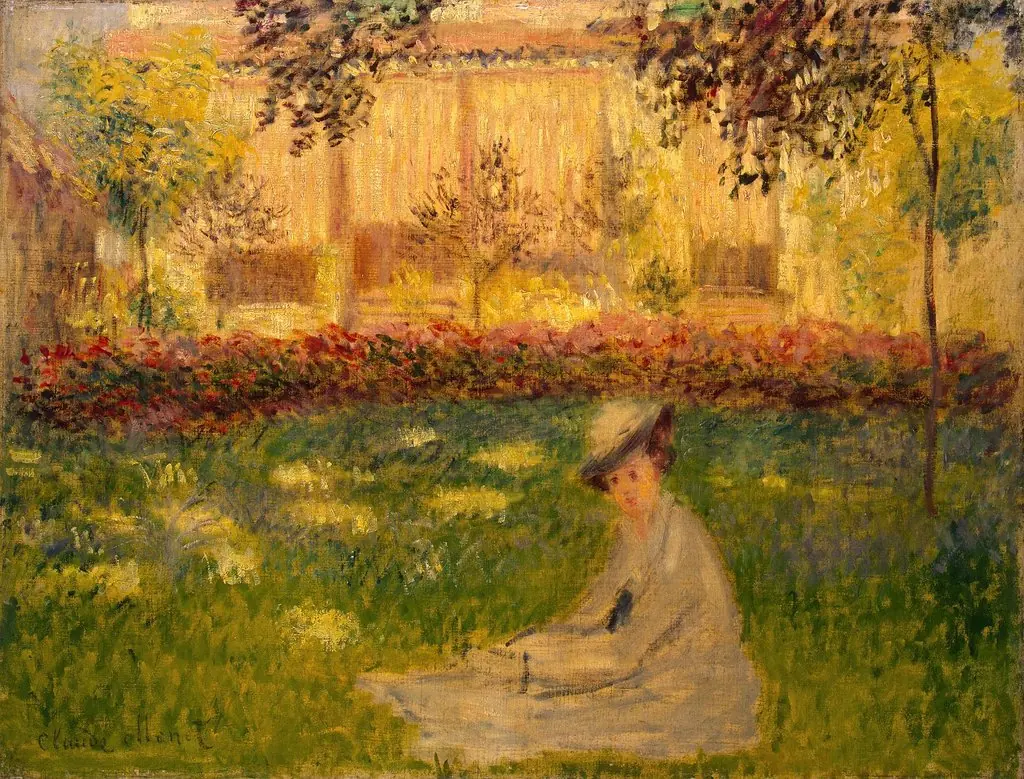 Woman in the Garden
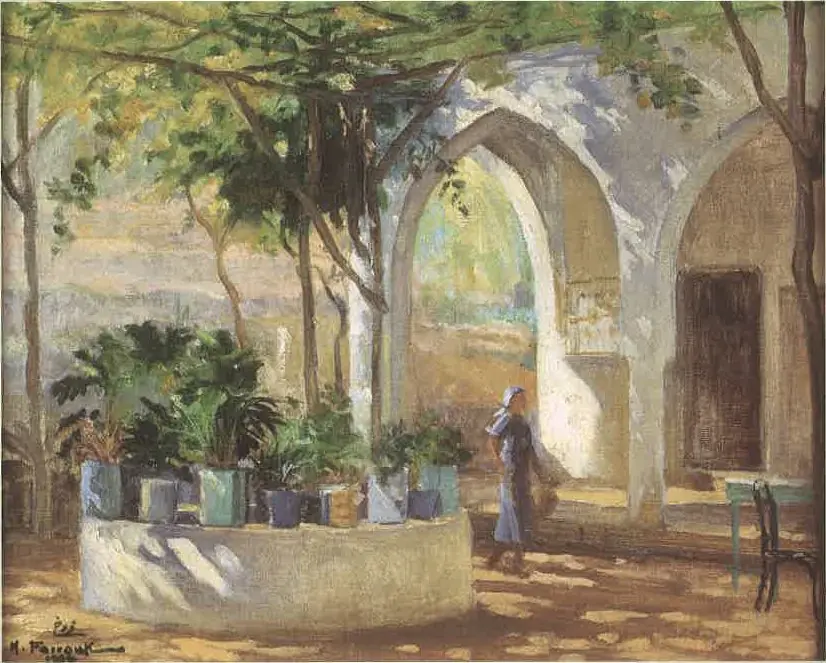 A Village House
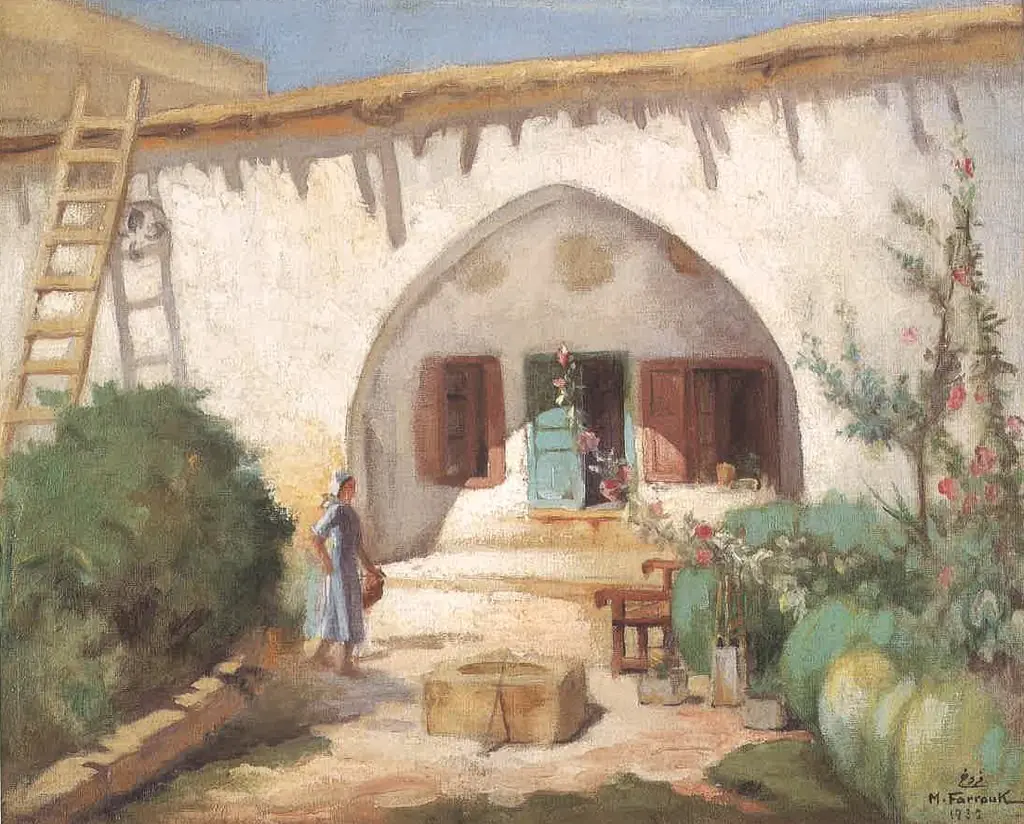 A House in Qabb Ilyas
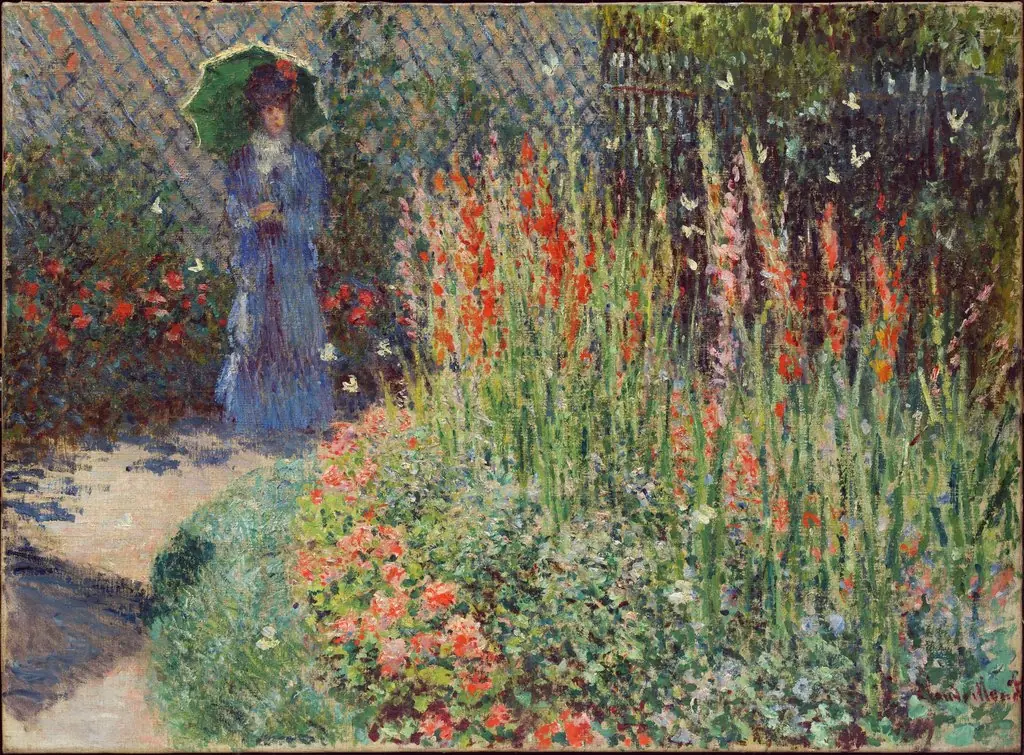 Rounded Flower Bed (Corbeille de fleurs)
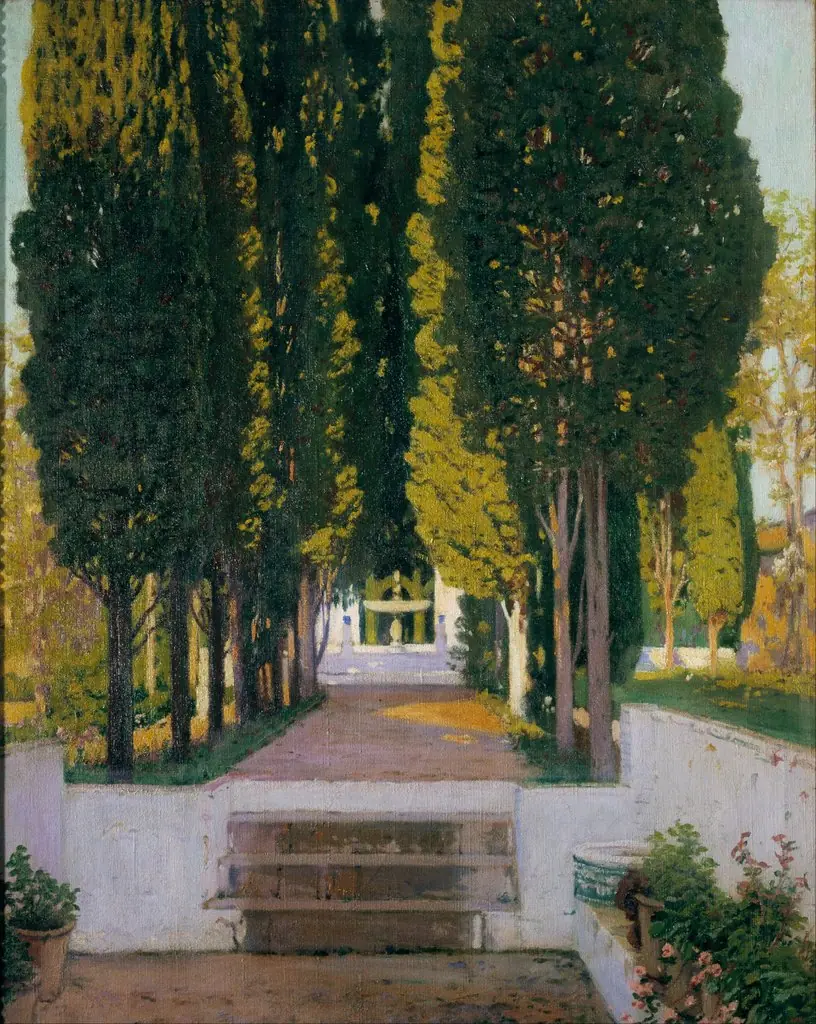 Gardens of the Generalife
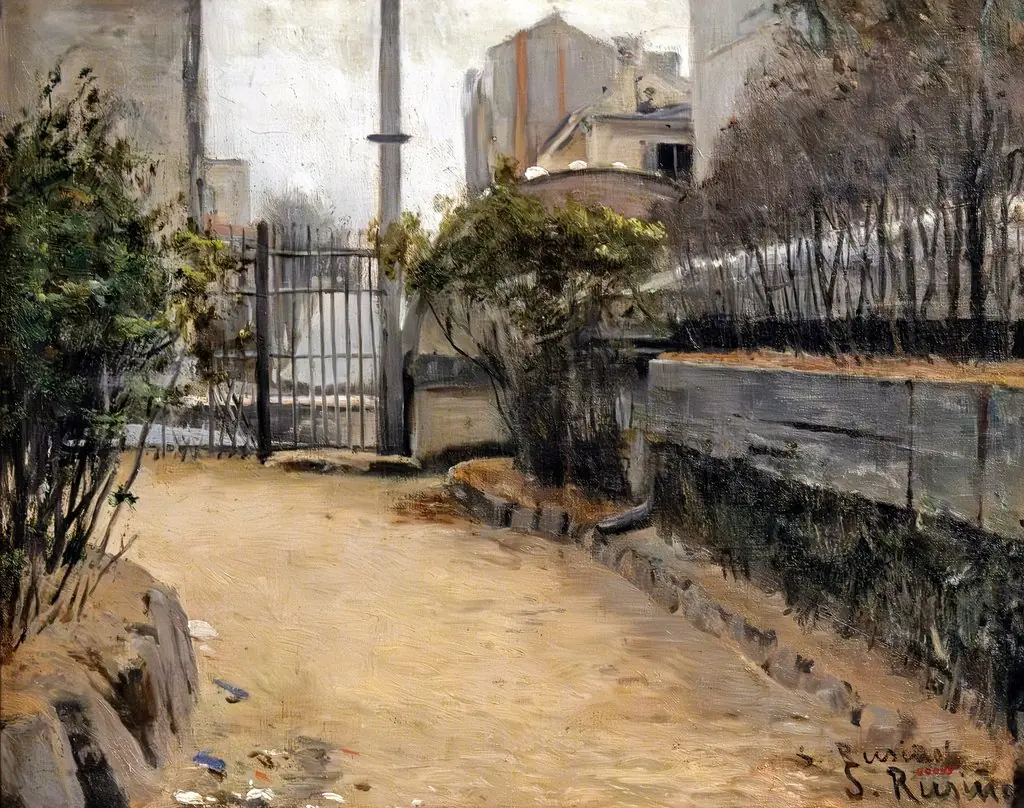 Garden of Montmartre
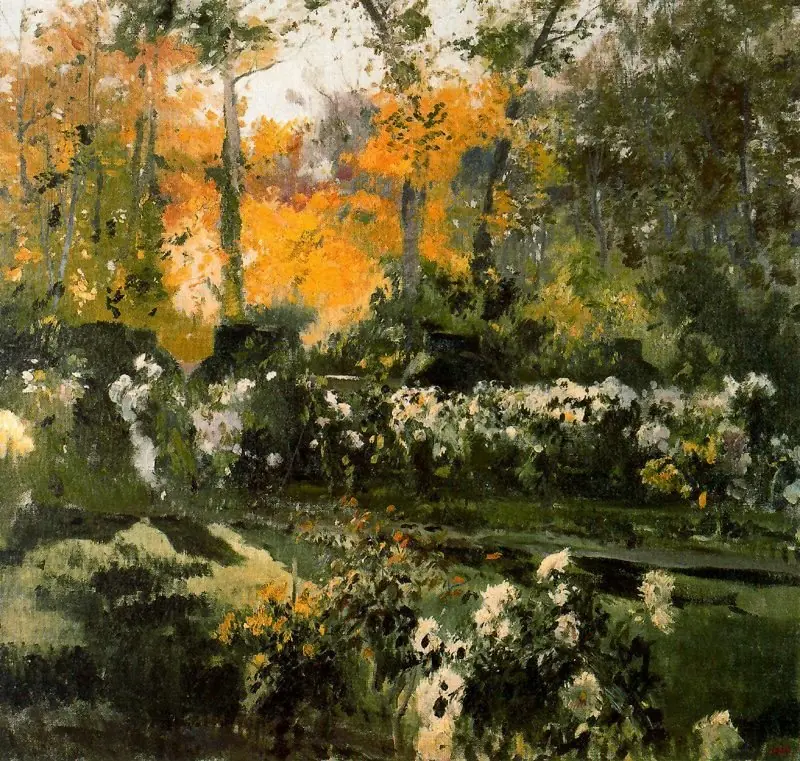 Backlight
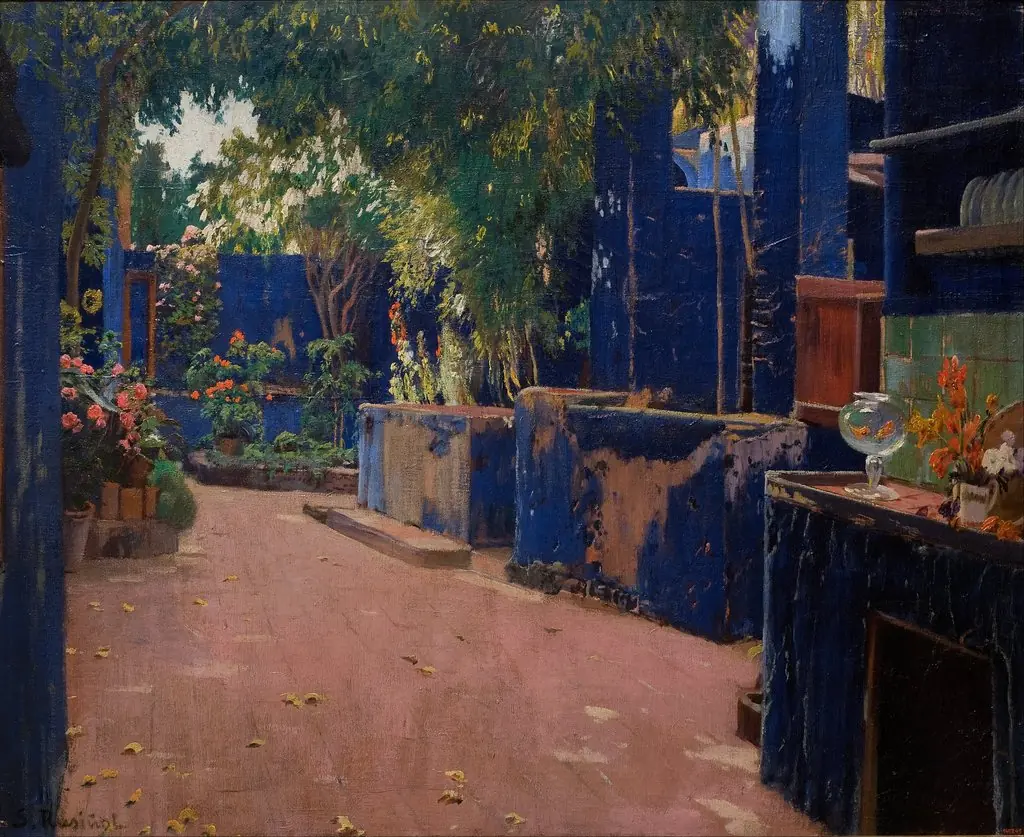 Blue Courtyard
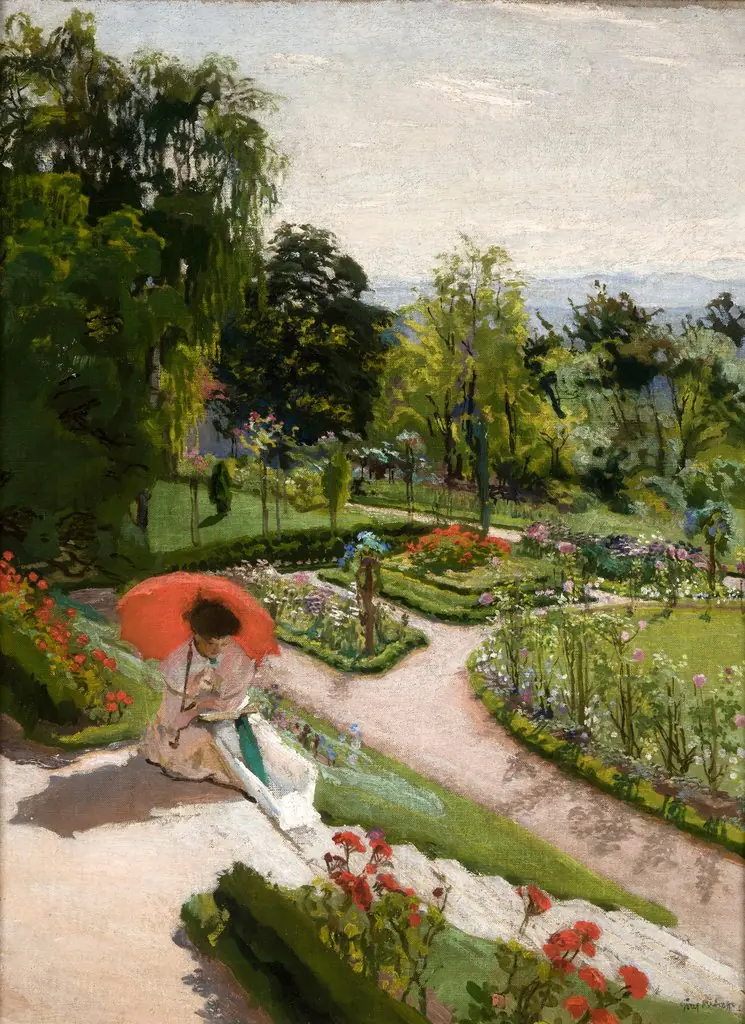 Red Umbrella
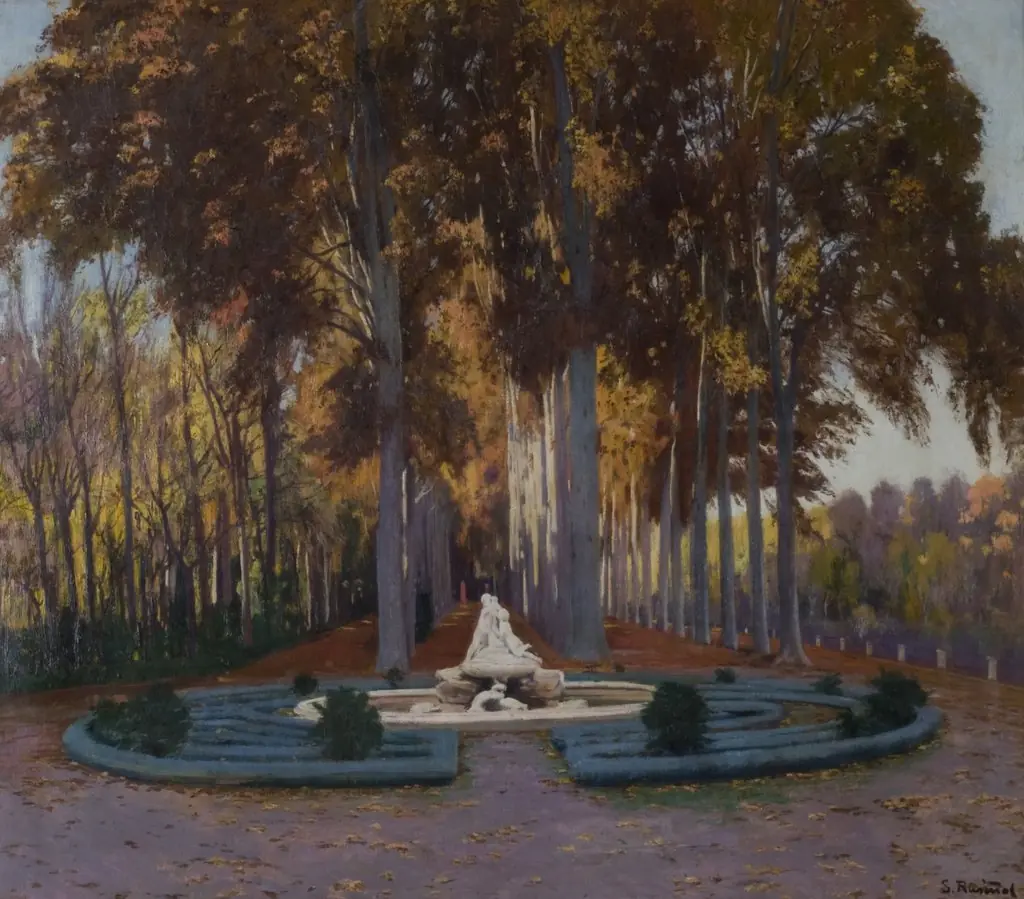 Otoñal
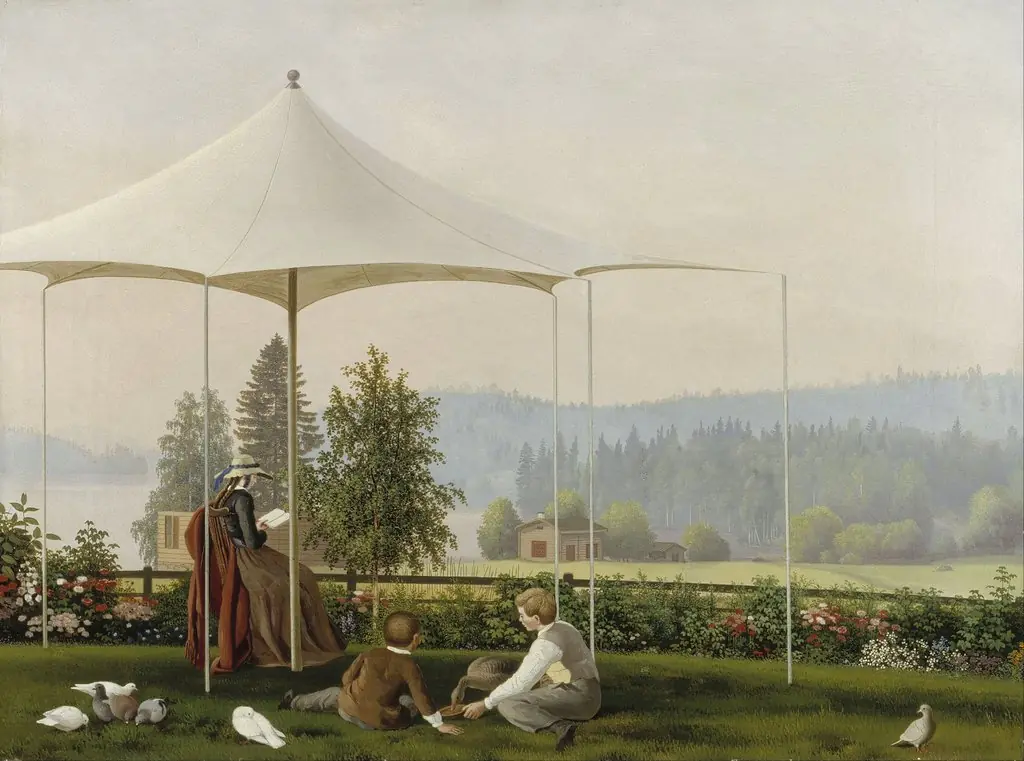 In the Garden of Haminalahti
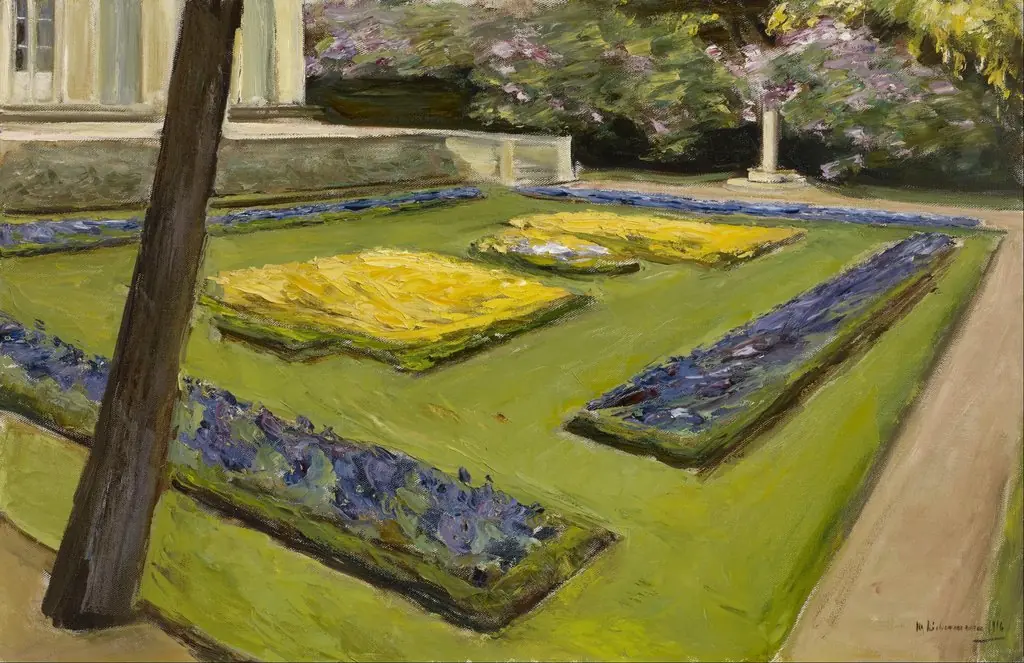 Terrace in the Garden near the Wannsee towards Northwest
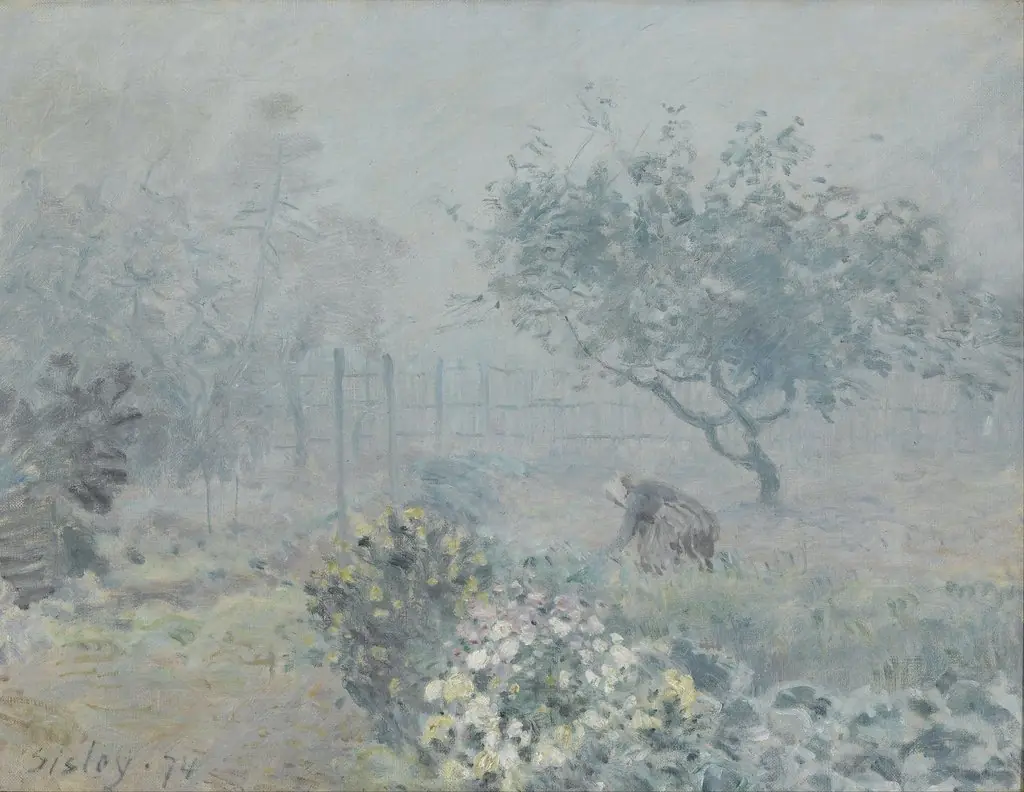 Fog, Voisins
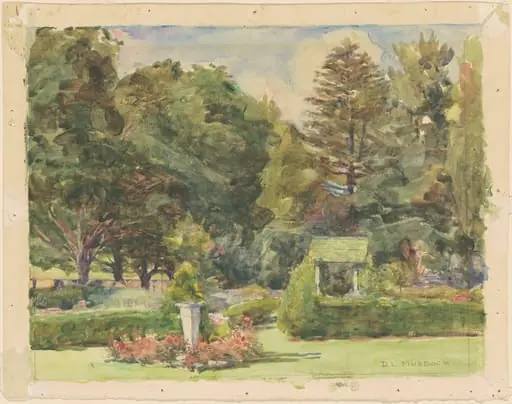 Parmelee Garden
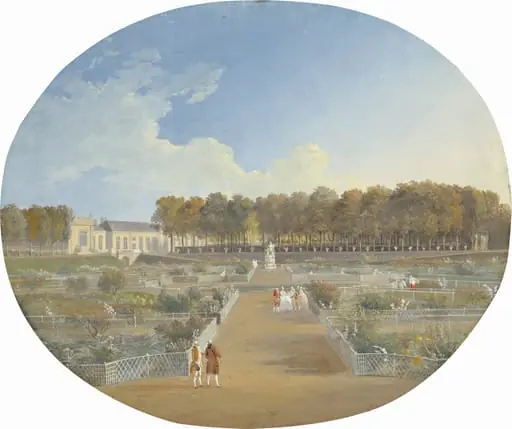 The Potager of the Hôtel de Valentinois in Passy
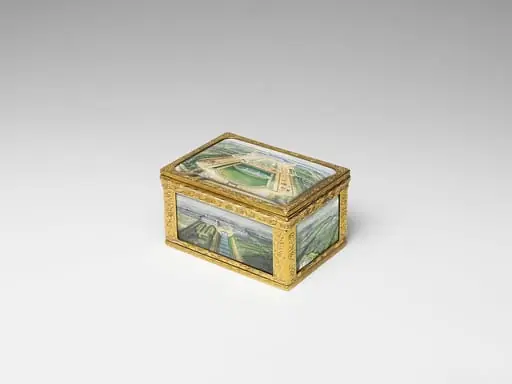 Snuffbox with views at the château of Chanteloup
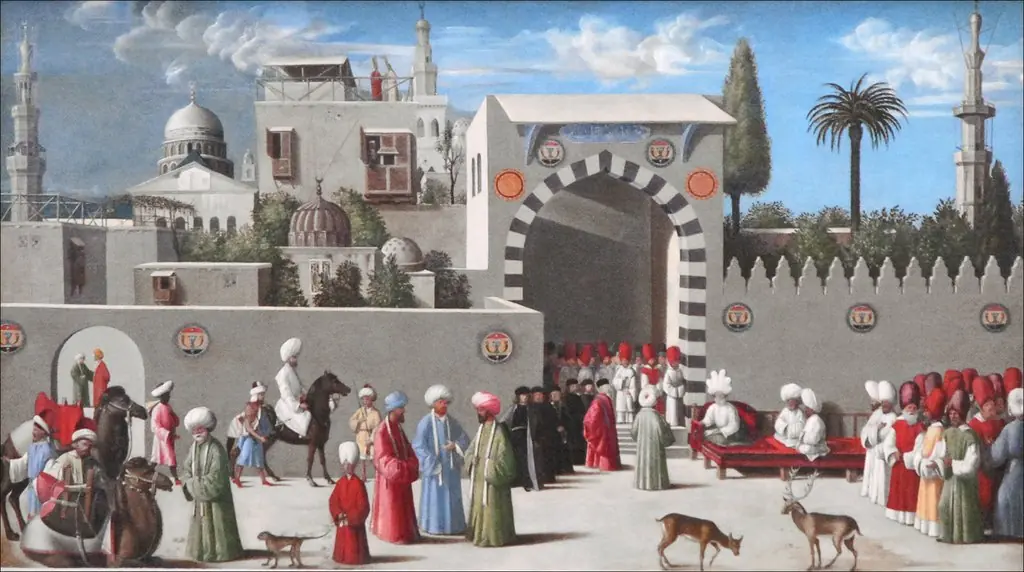 Reception of a Venetian Delegation in Damascus in 1511
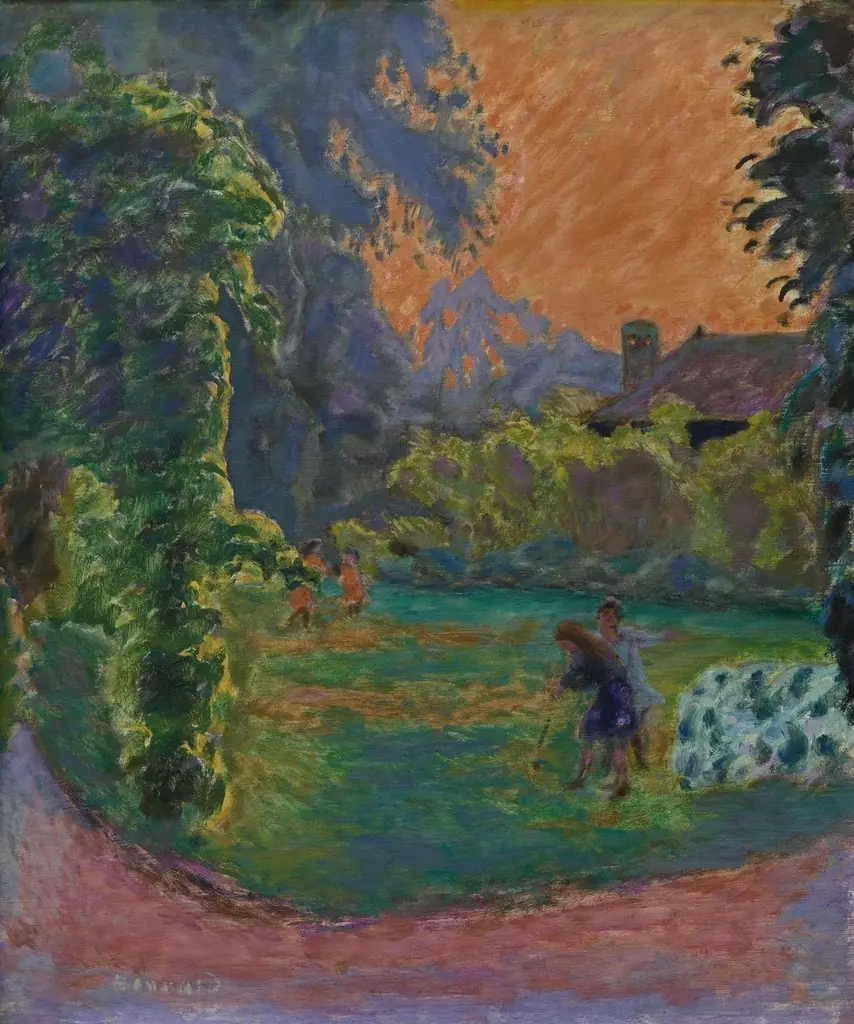 Soleil couchant
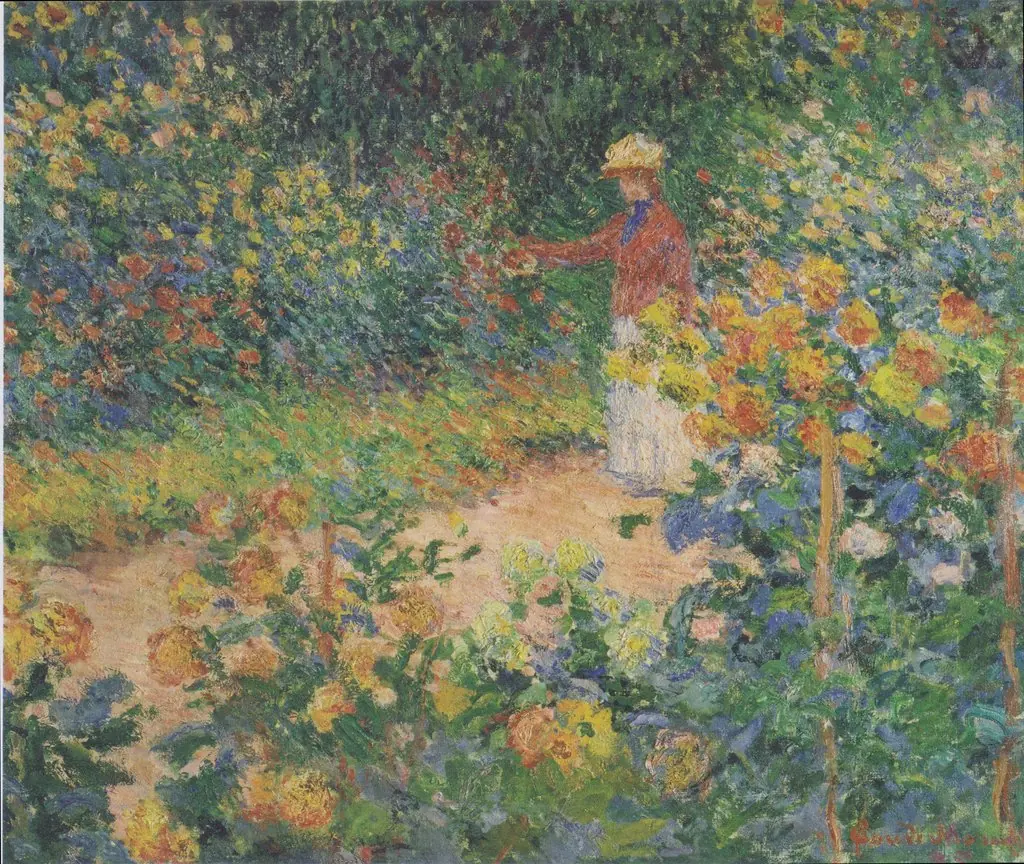 Monet's Garden at Giverny
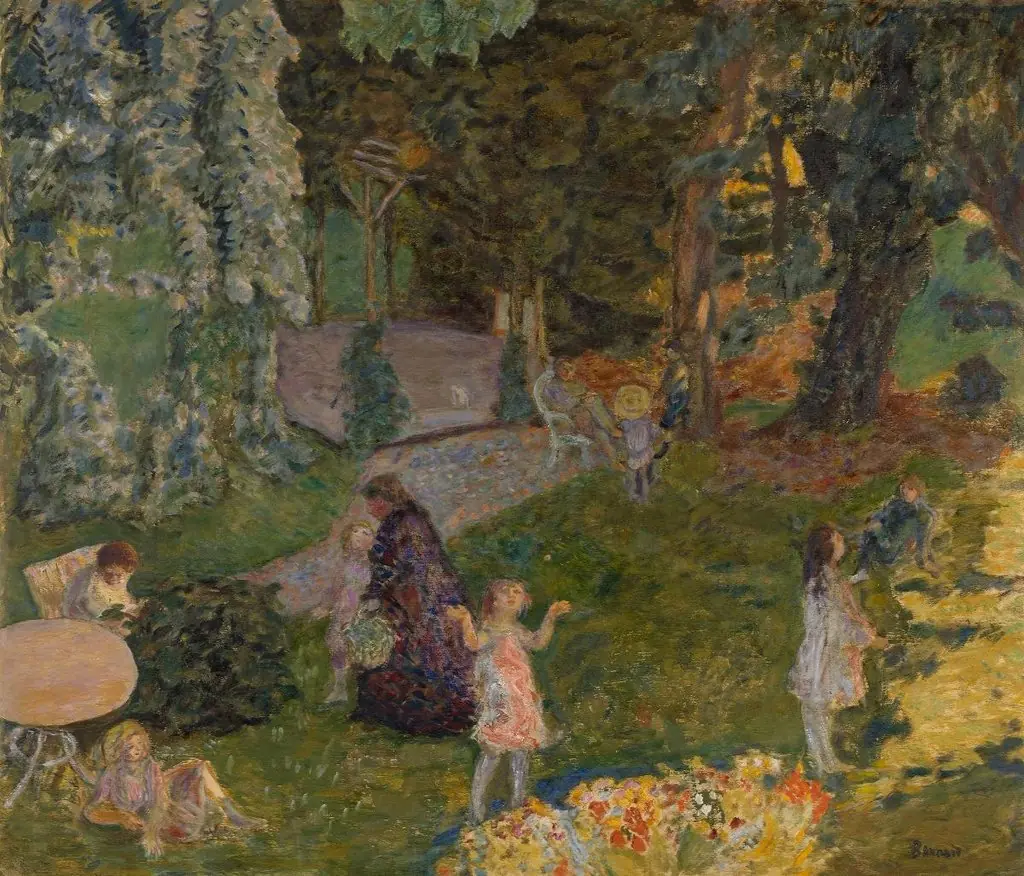 La Famille au jardin. Grand-Lemps
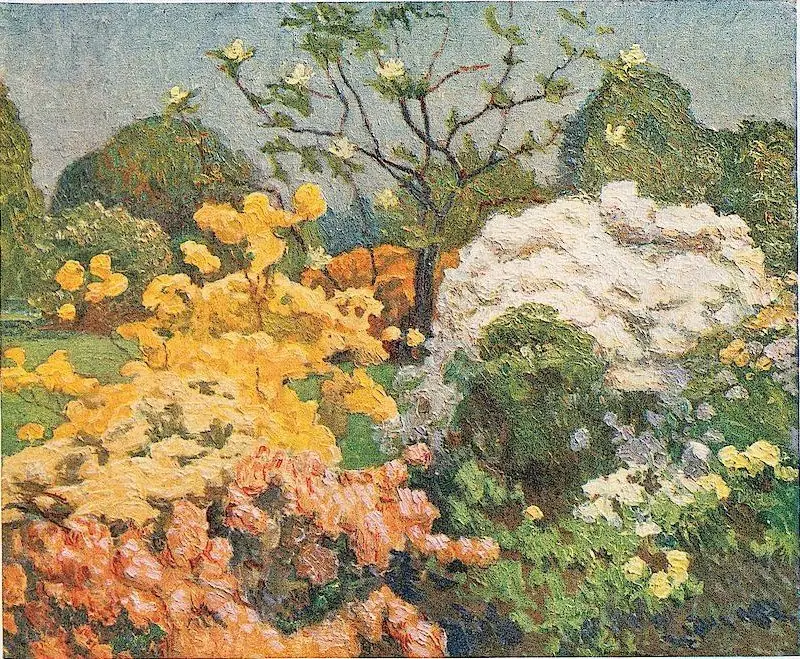 Azaleas in Kew
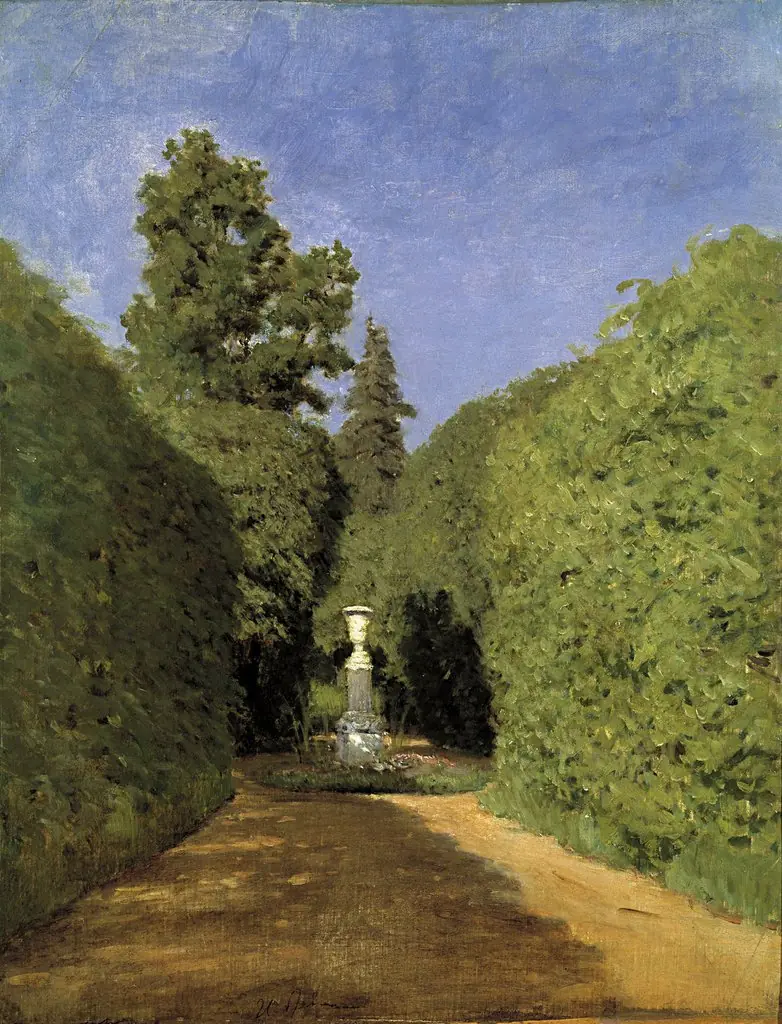 Nudama, Ostankino
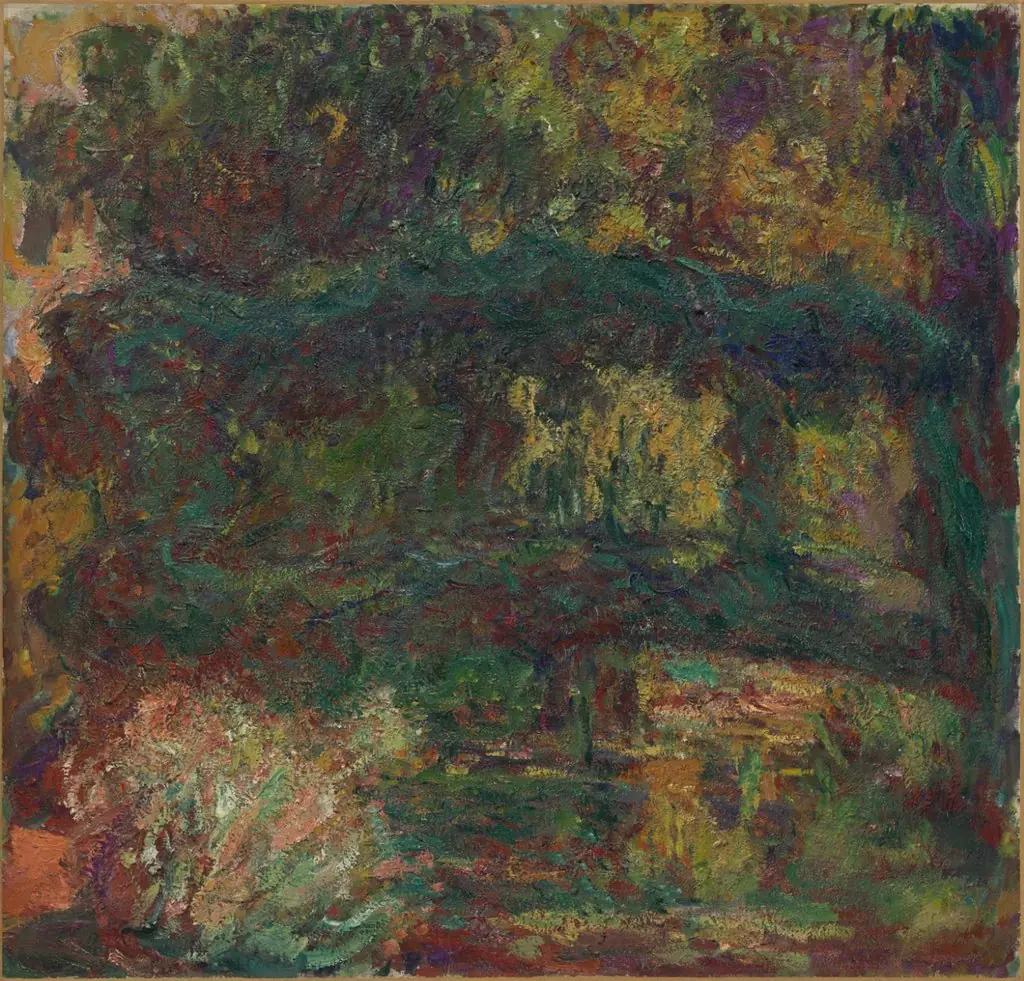 Nymphéas, Japanese Bridge
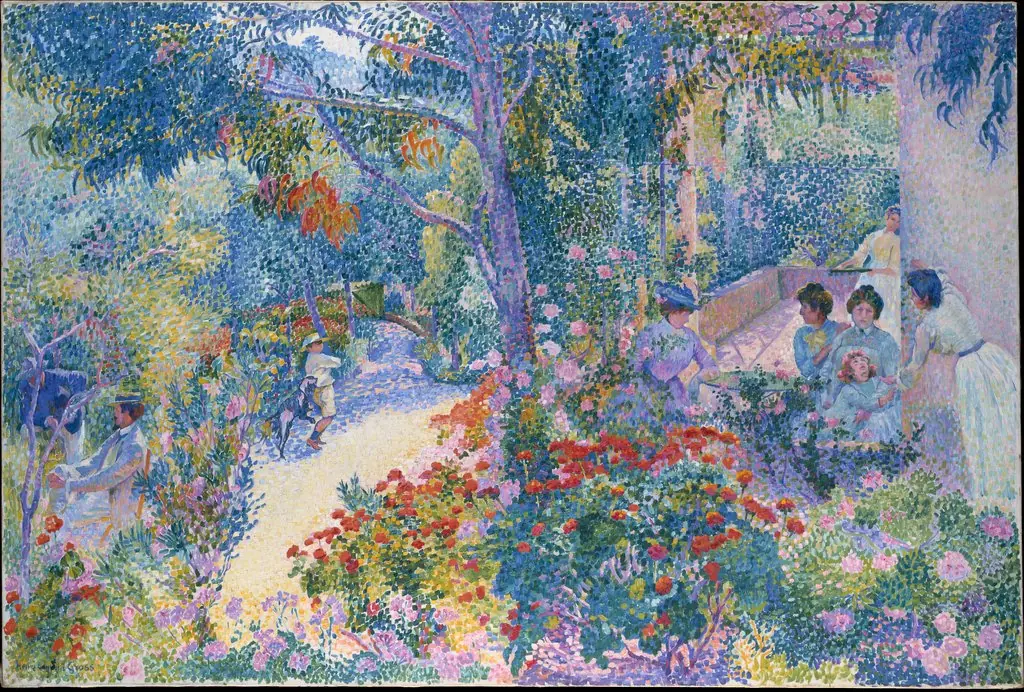 Afternoon in the Garden
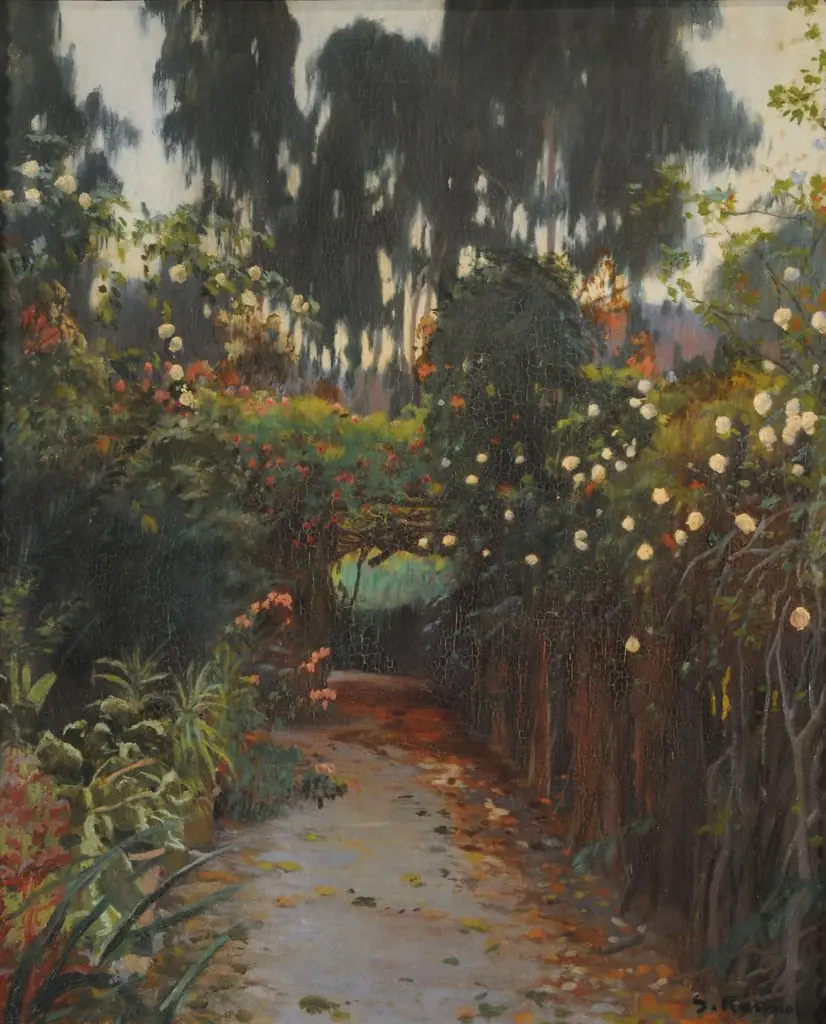 Camino de rosas
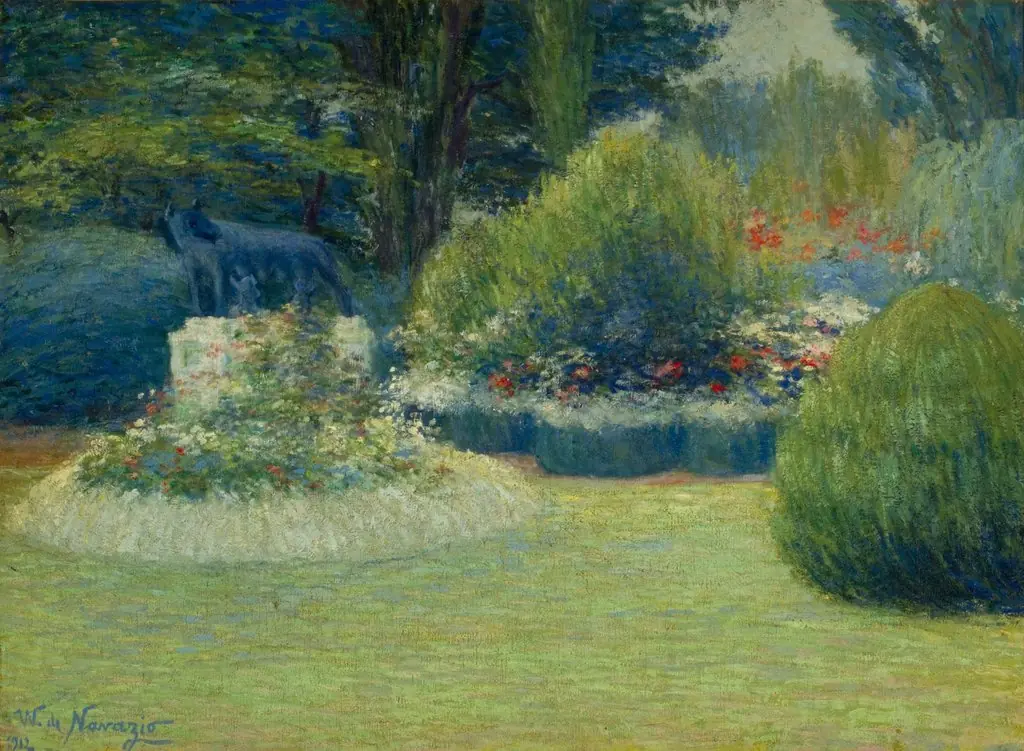 Gray day
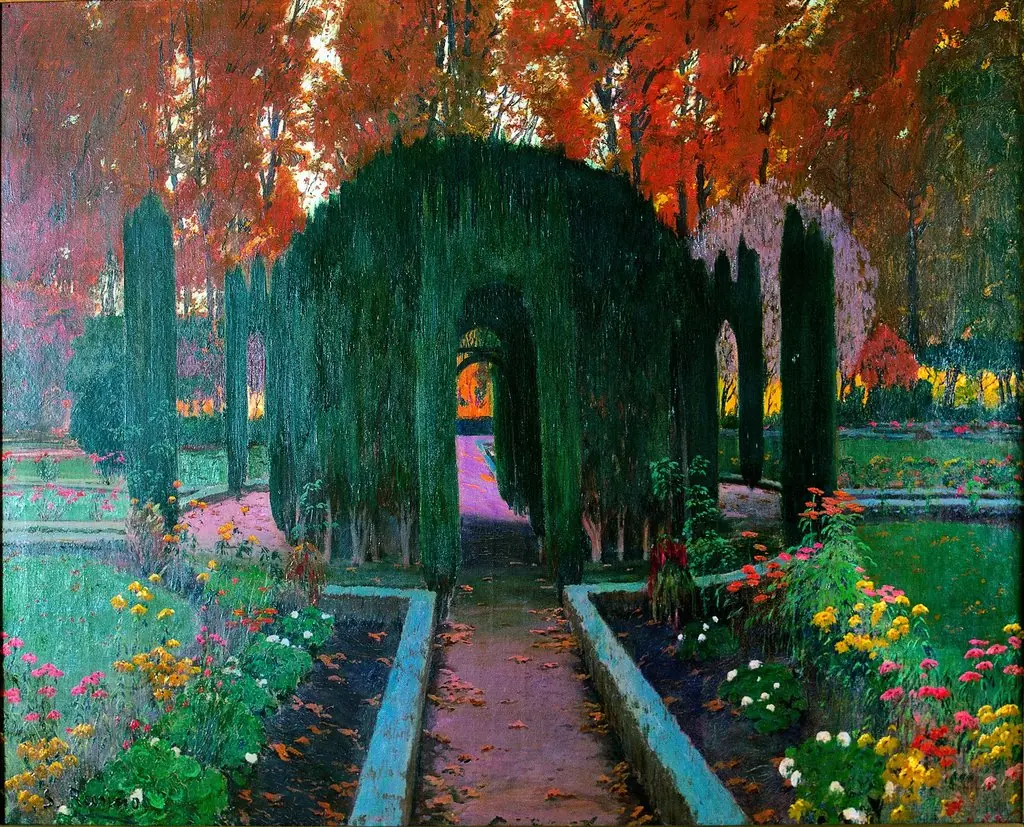 Jardin de Aranjuez
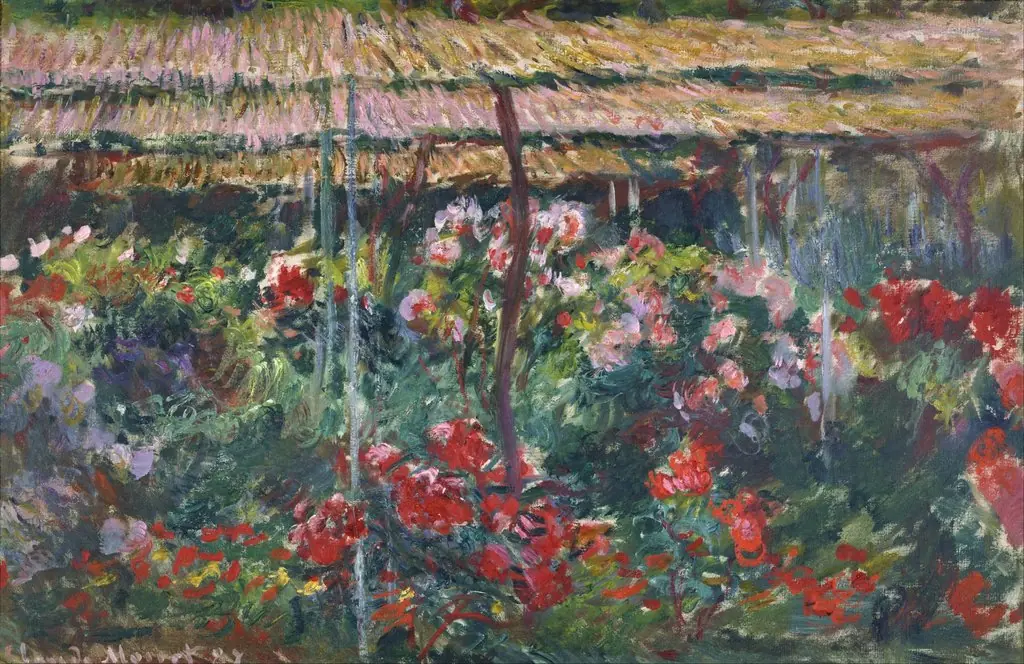 Peony Garden
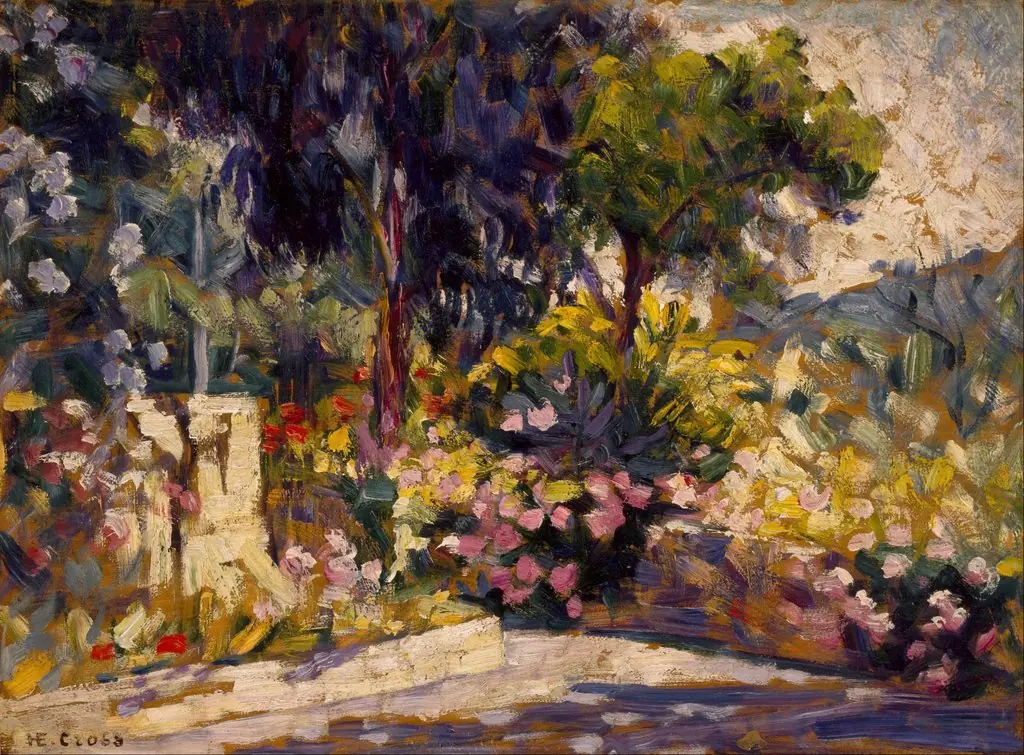 The Flowered Terrace
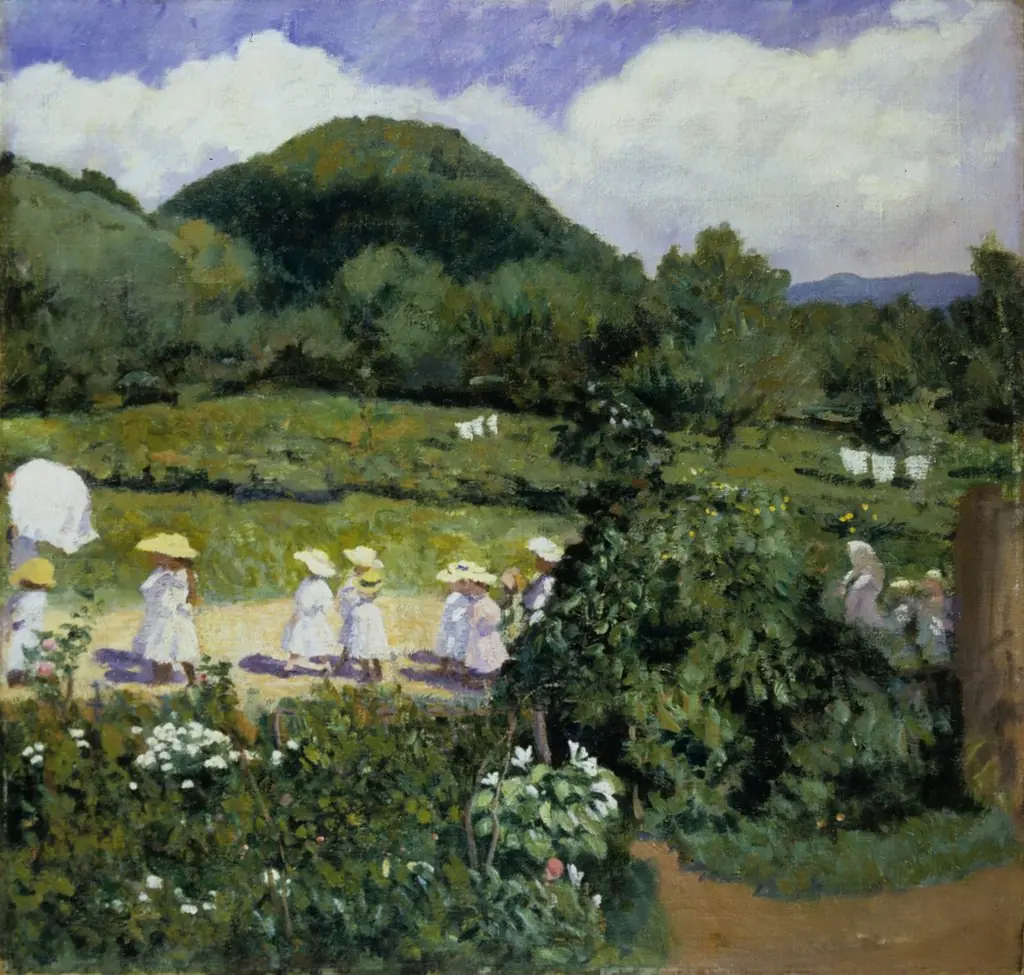 Picnic in May (Summer Day)
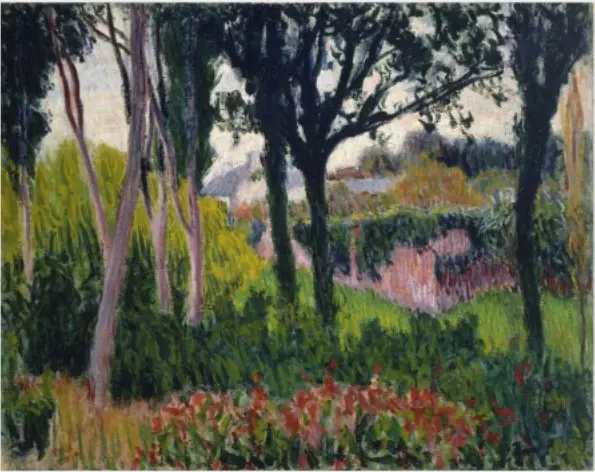 The Farm at Lezaven, Finistère
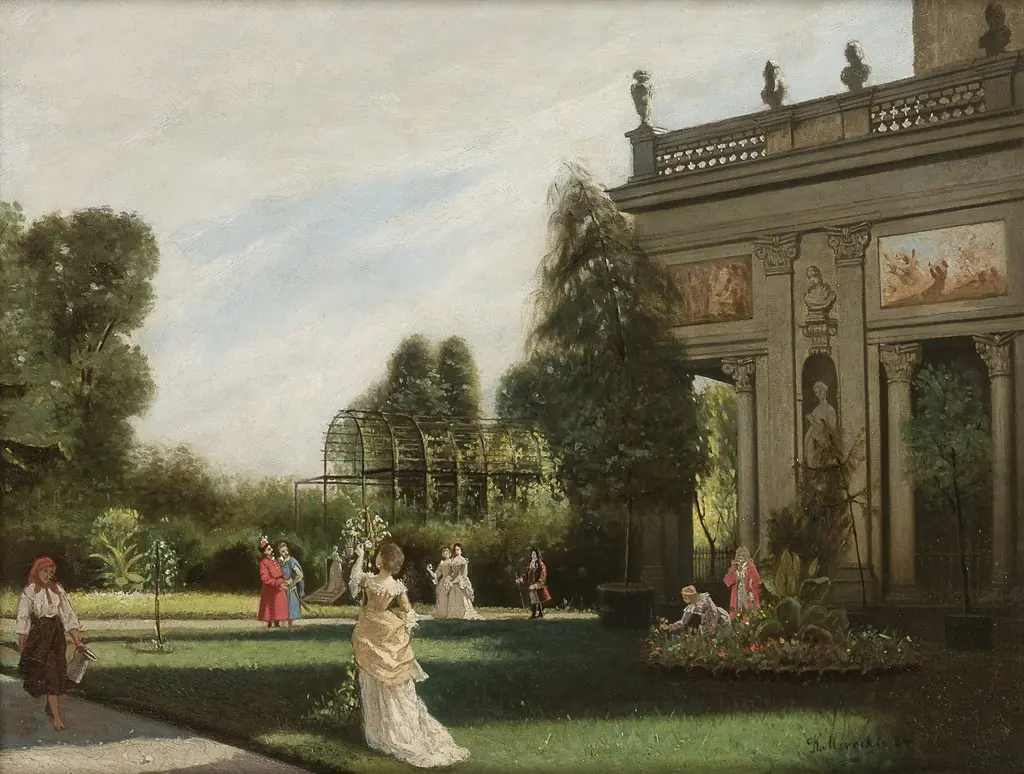 Wilanów
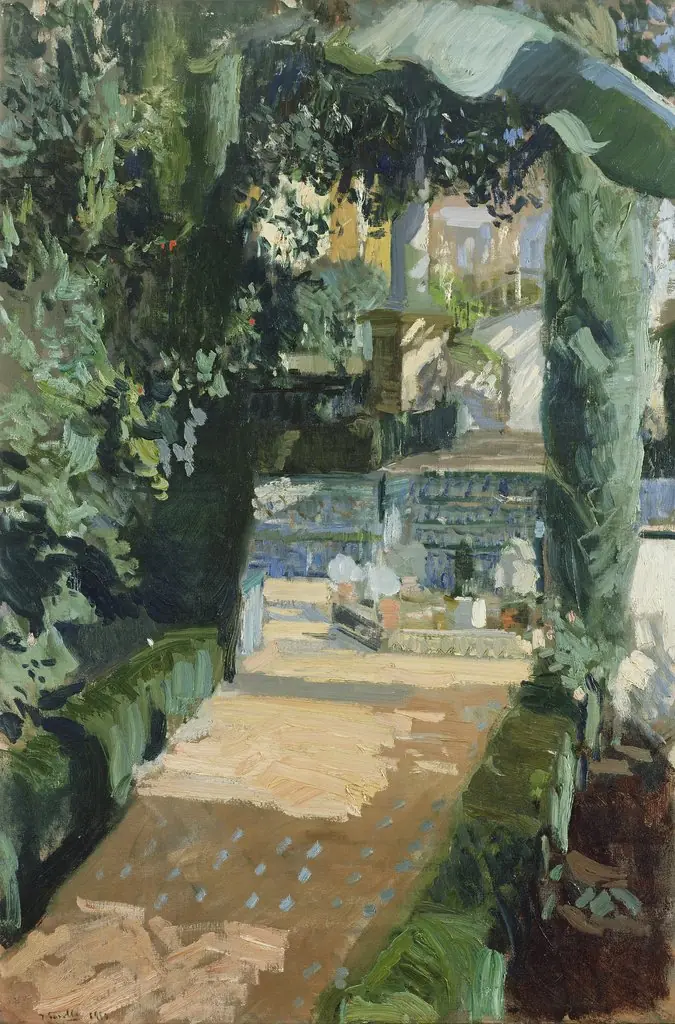 Court of the Dances, Alcázar, Sevilla
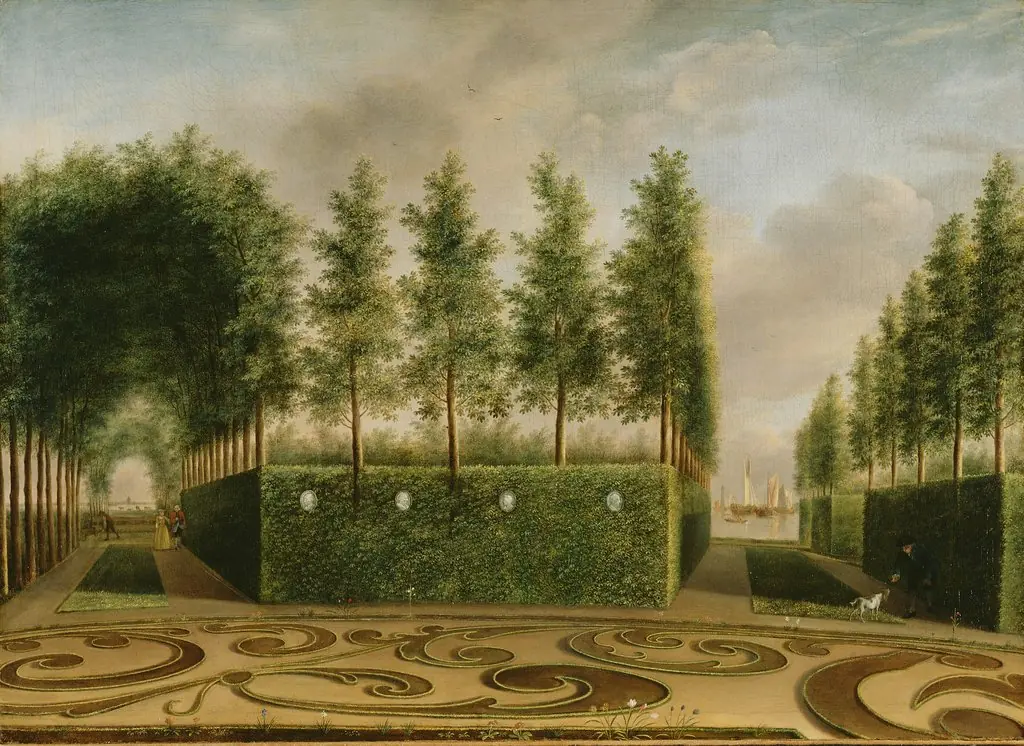 A Formal Garden
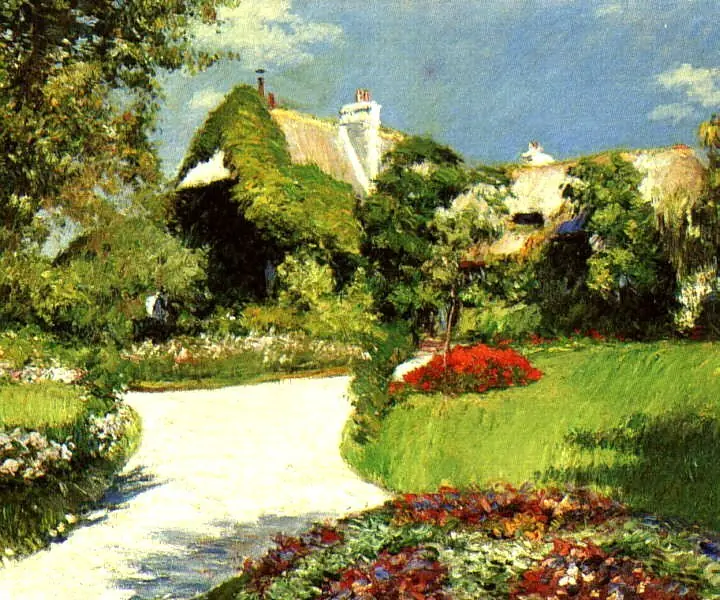 Cottage in Trouville
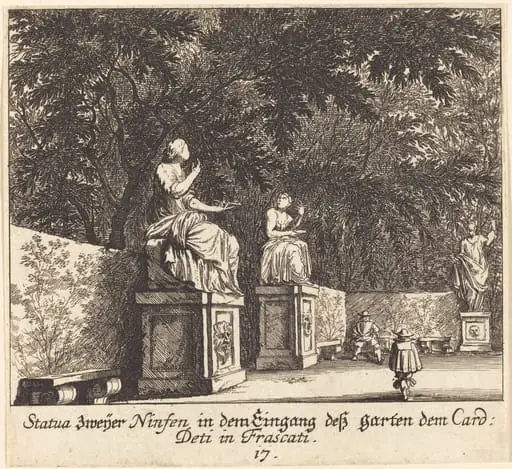 Gardens, Cardinal Deti, Frascati
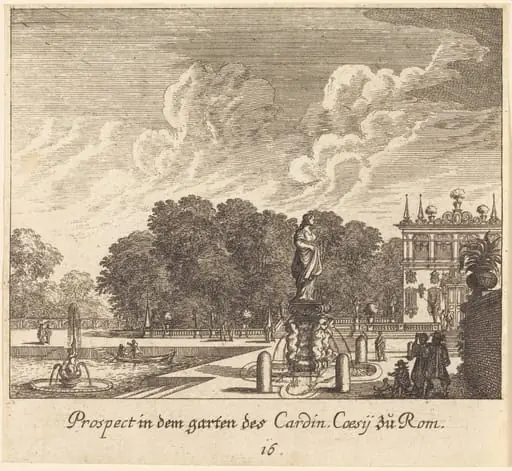 Gardens of Cardinal Coessi, Rome
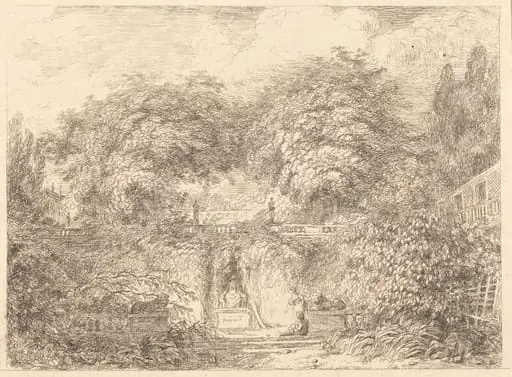 The Little Park (Le petit parc)
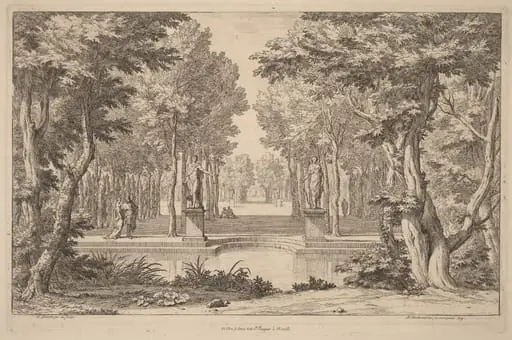 The Two Statues
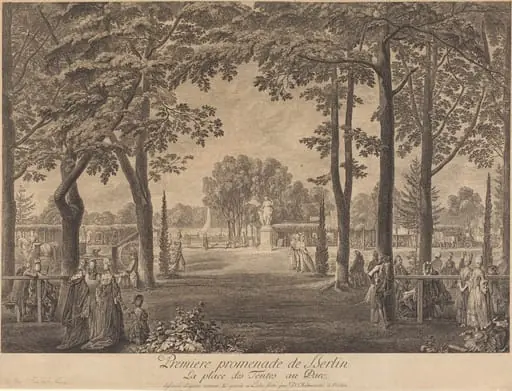 Premiere promenade de Berlin
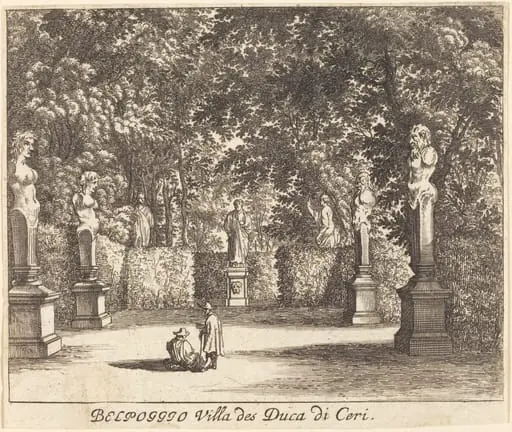 Balpoggio, Villa of Duke di Ceri
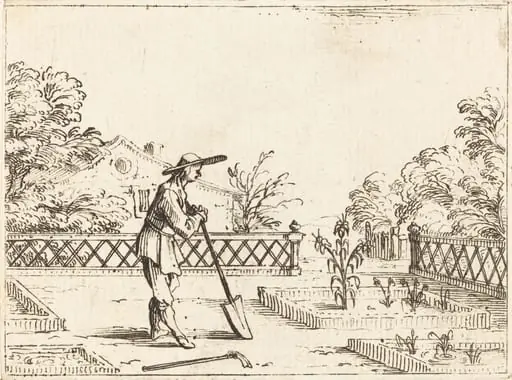 The Gardener
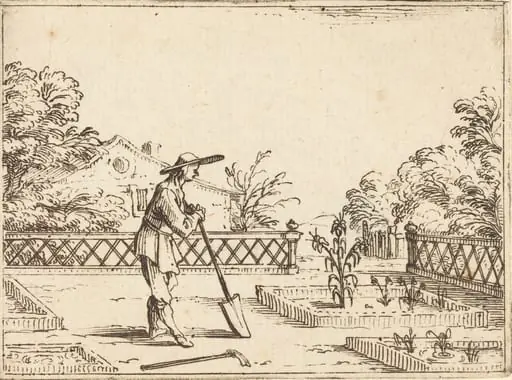 The Gardener
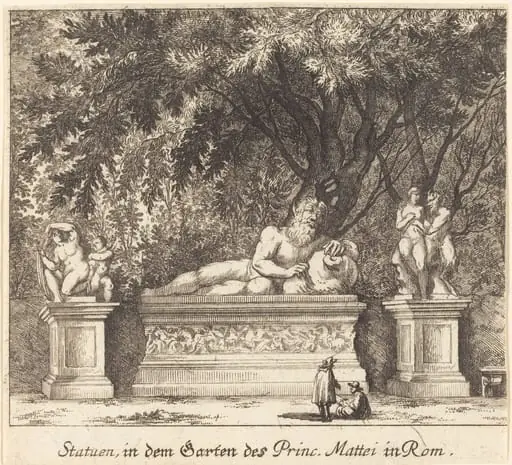 Gardens of Prince Mattei, Rome
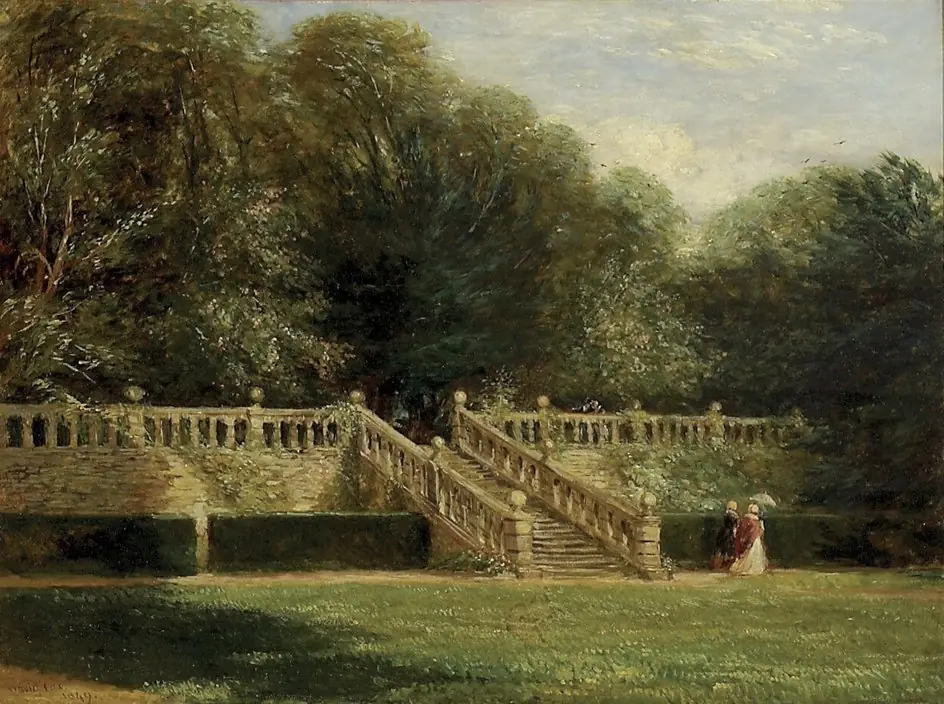 The Garden Terrace at Haddon Hall
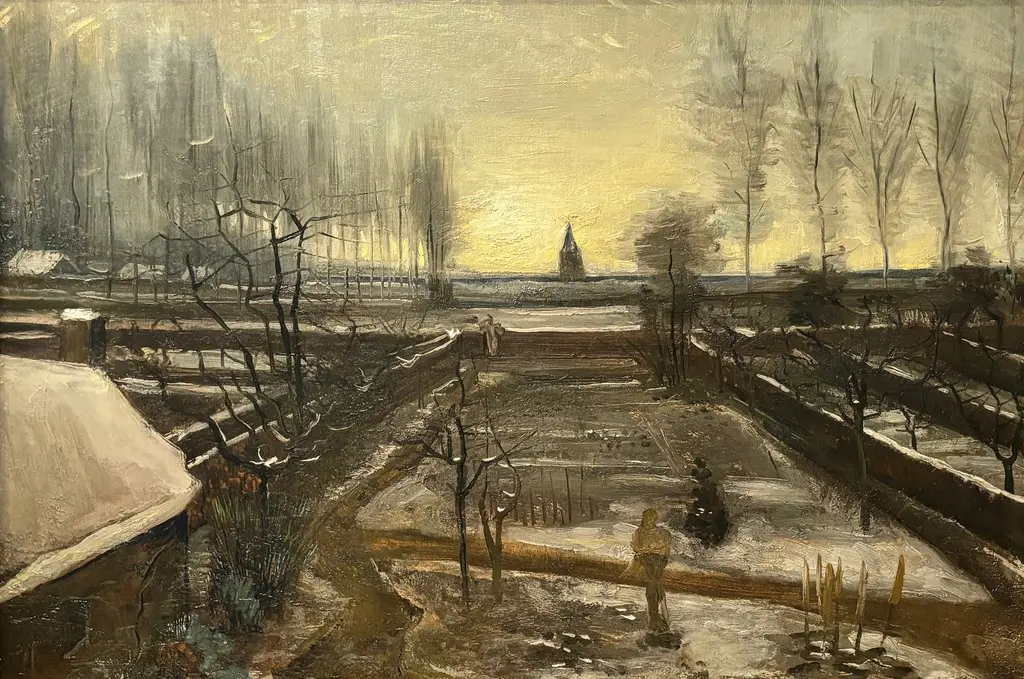 The Parsonage Garden at Nuenen in the Snow
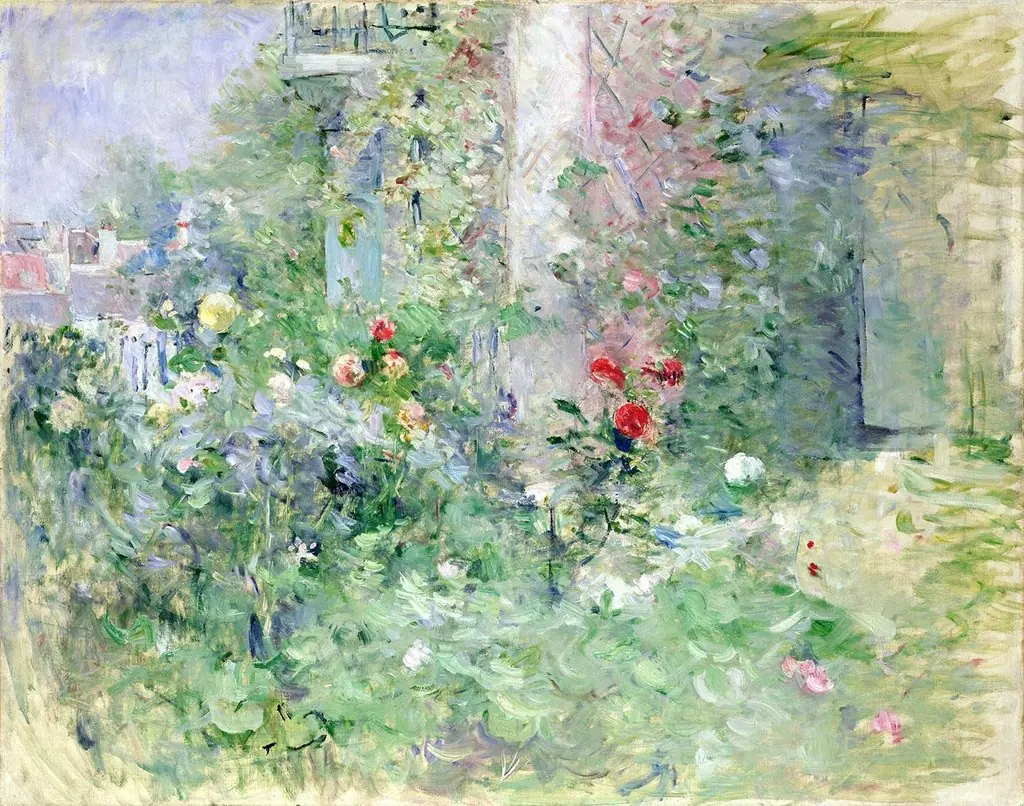 Le jardin à Bougival
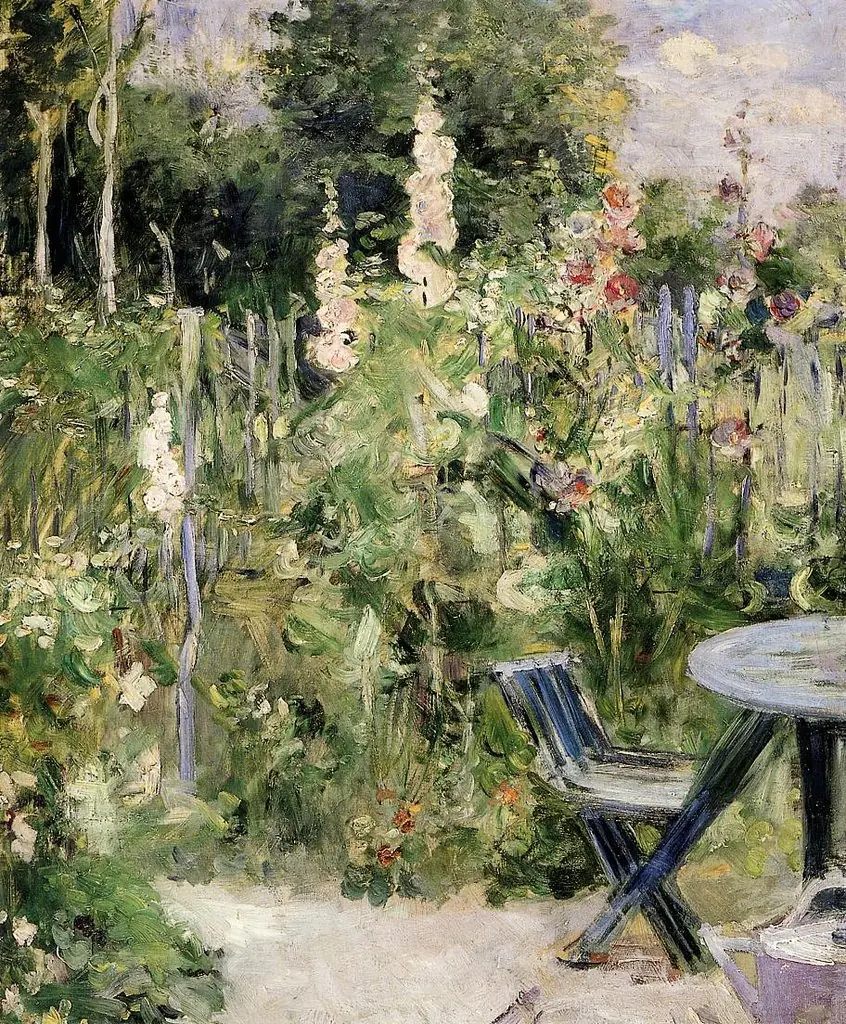 Roses trémières
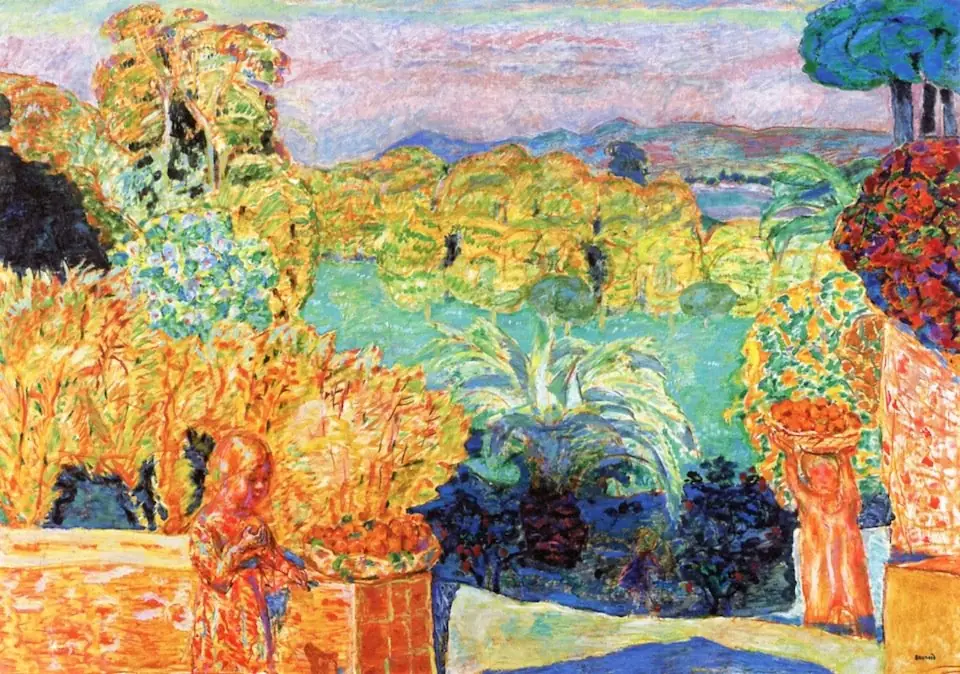 Paysage du Midi et deux enfants
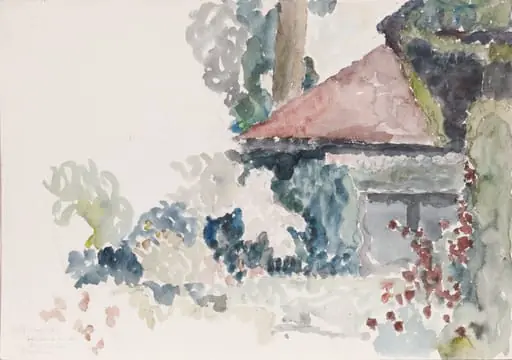 GRĂDINA DIN STRADA ROSMARIN
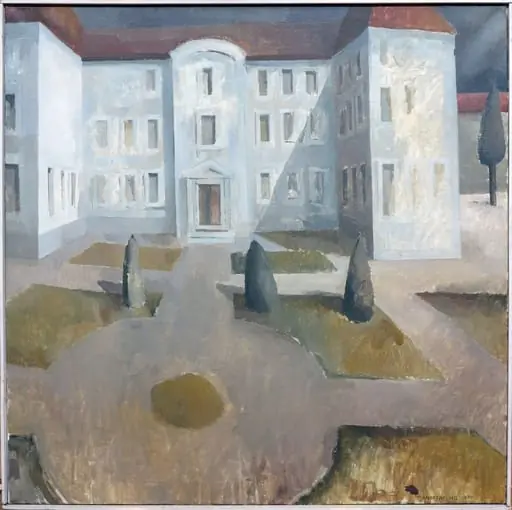 His, Andreas - Malerei, Palais
 Locuință veche
 Grădina Academiei
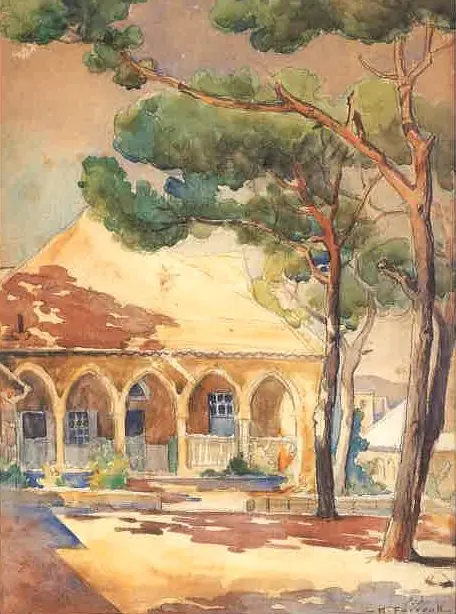 Bhamdoun Al-Mahatta: A House With A Garden
 Grădinărit
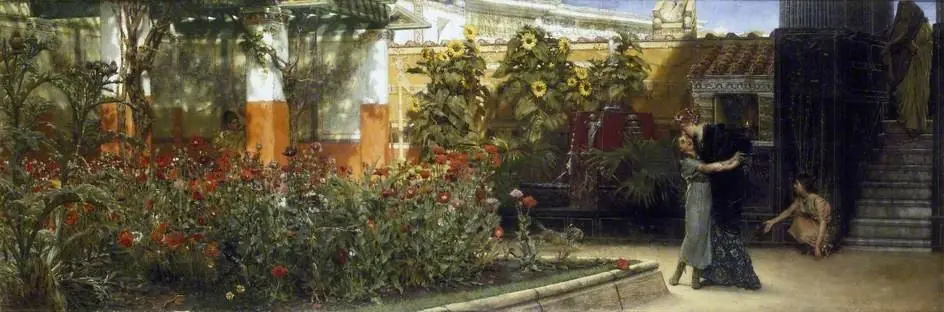 A Hearty Welcome
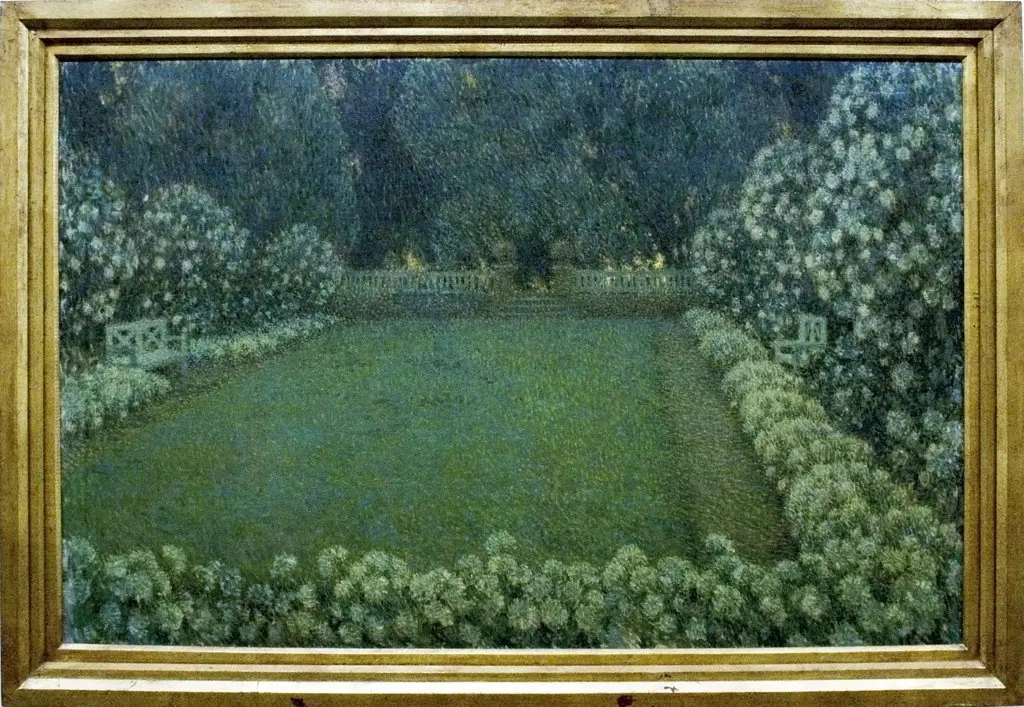 The White Garden at Dusk
 La scăldat în parc
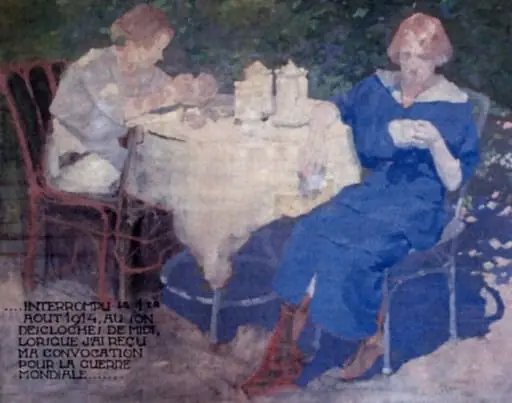 În grădină
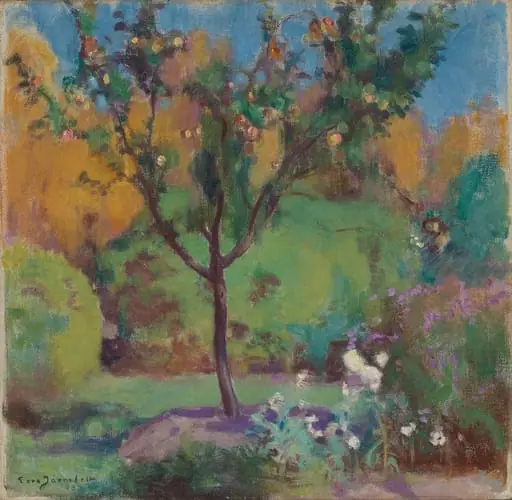 Omenapuu
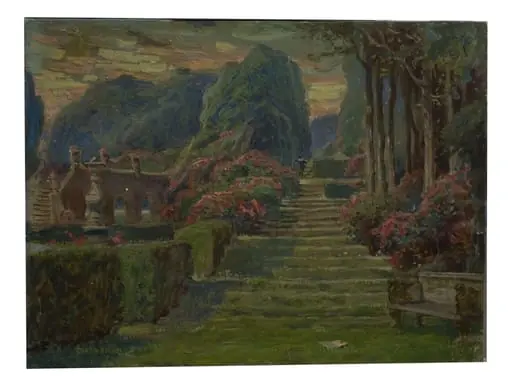 Stage Setting for 'Twelfth Night' by William Shakespeare
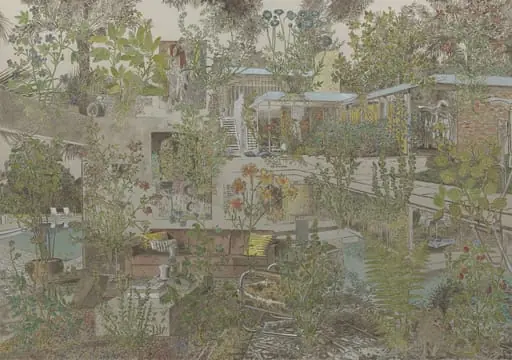 Untitled
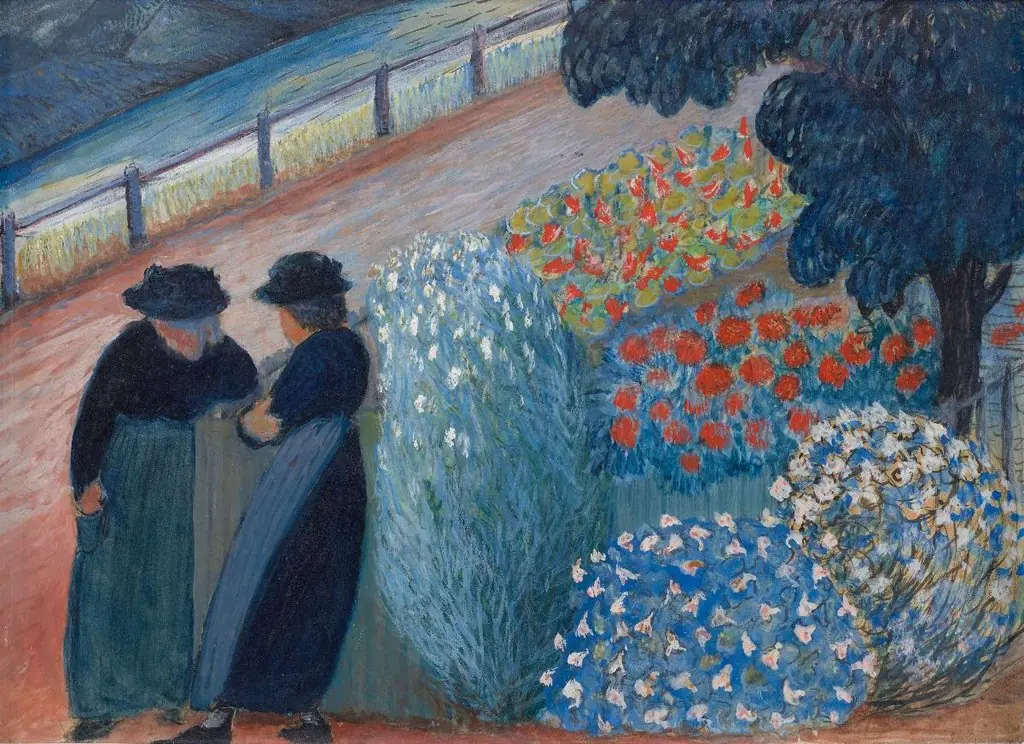 Garten der Frauen
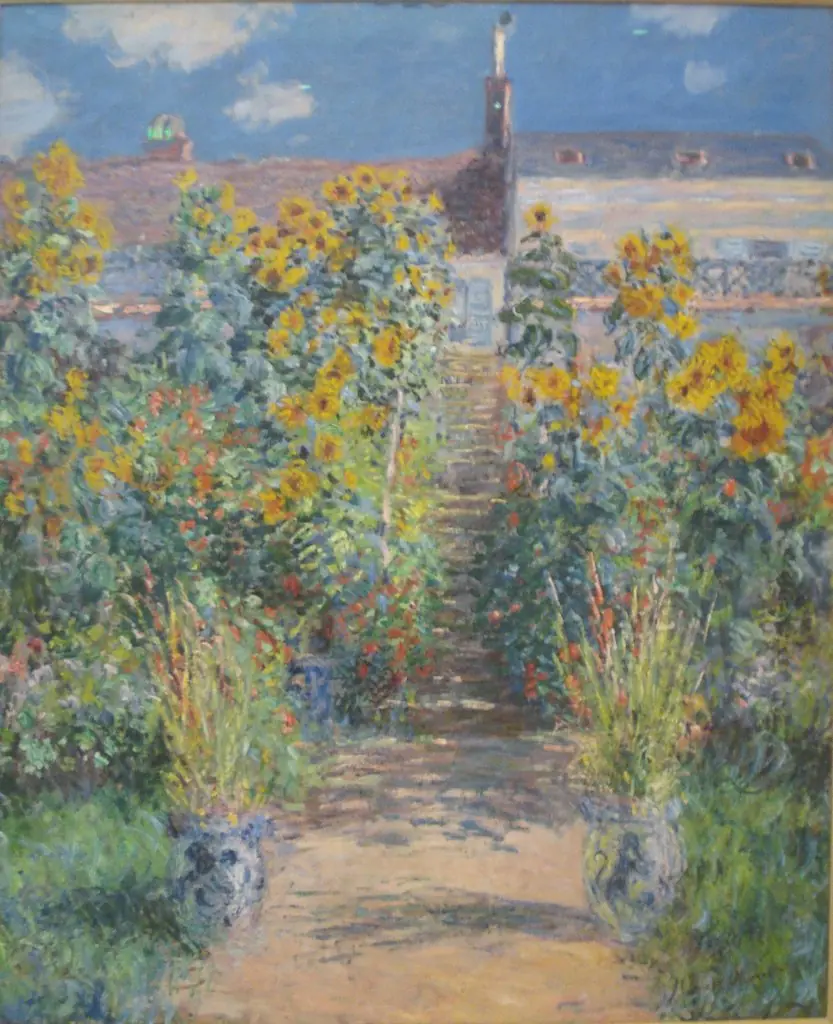 The Artist’s Garden at Vétheuil
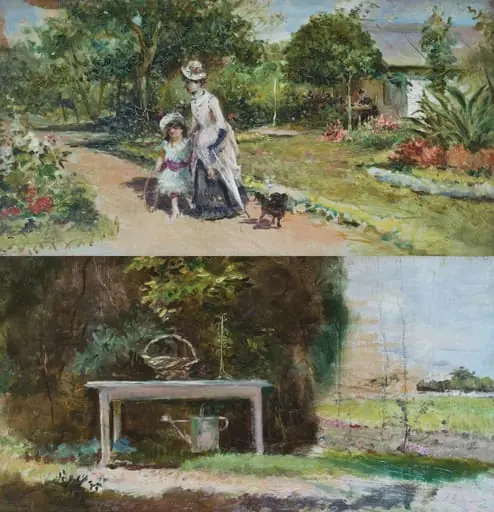 Mama cu fetița/Grădină (verso)
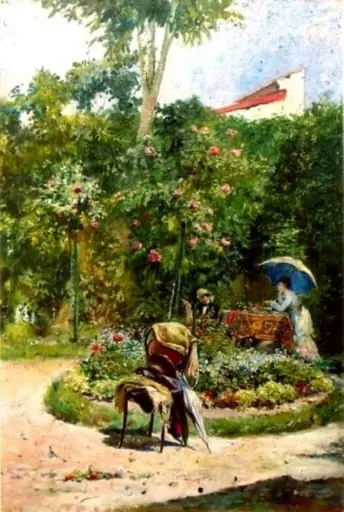 În grădina pictorului
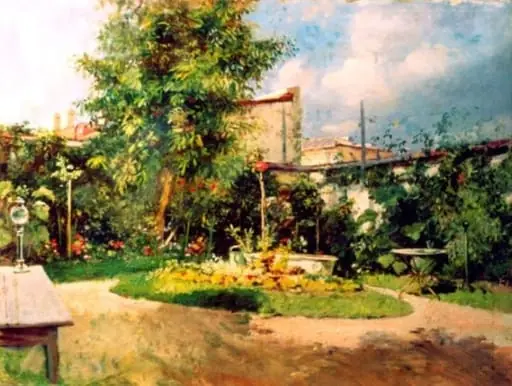 În grădina artistului
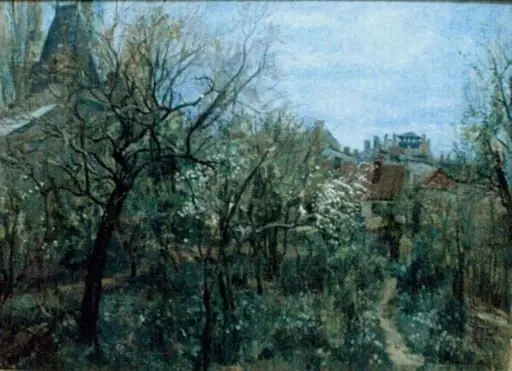 Primăvara
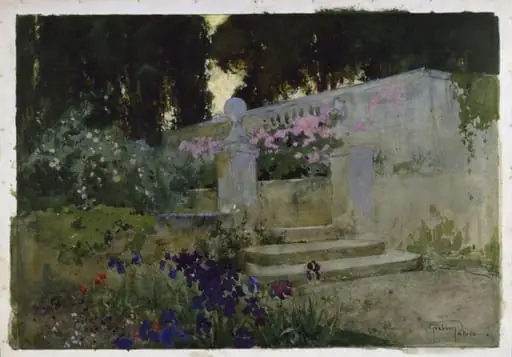 My Lady's Garden
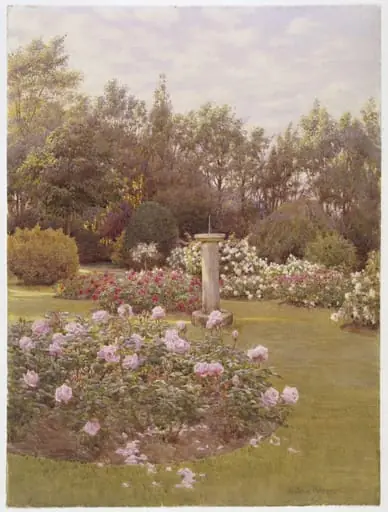 The Rose Garden, The Pleasaunce, Overstrand
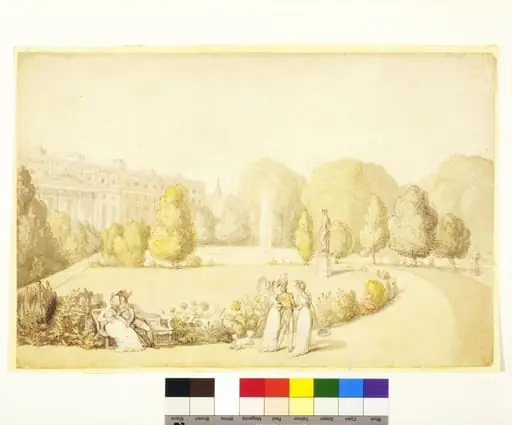 Hampton Court Palace: The Garden Front
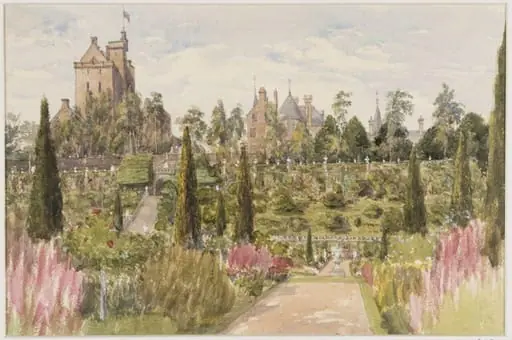 Drummond Castle, Perthshire
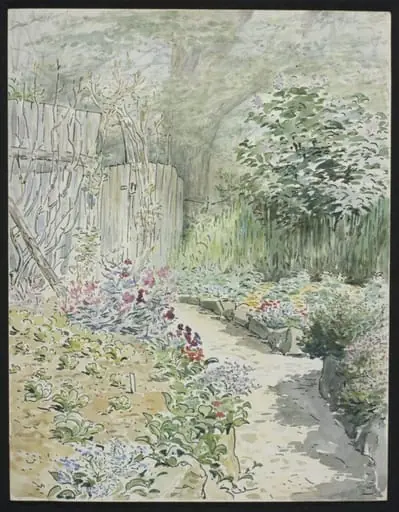 Spring
![Phlox [a corner of a country garden]](https://artifactworldgallery.com/img/ernest-albert-chadwick--phlox-a-corner-of-a-country-garden--692a6ad859748433-w320.webp) Phlox [a corner of a country garden]
Phlox [a corner of a country garden]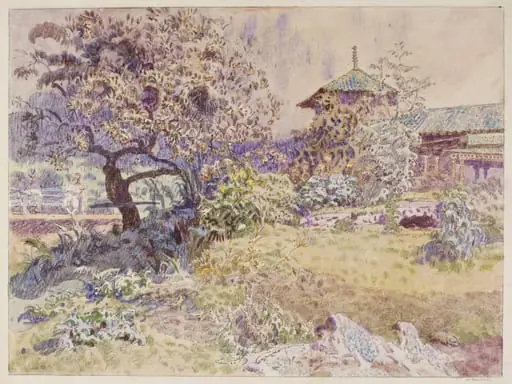 Reptiliary and Main Entrance
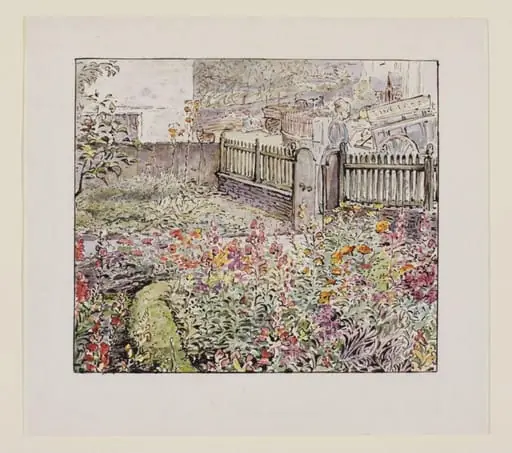 Garden in Sawrey
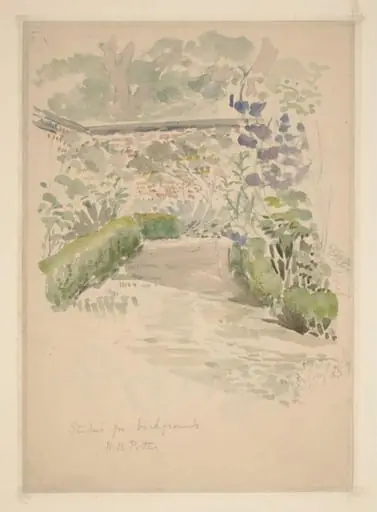 Sketch of the garden at Gwaynynog, Denbigh for <i>The Tale of the Flopsy Bunnies</i>
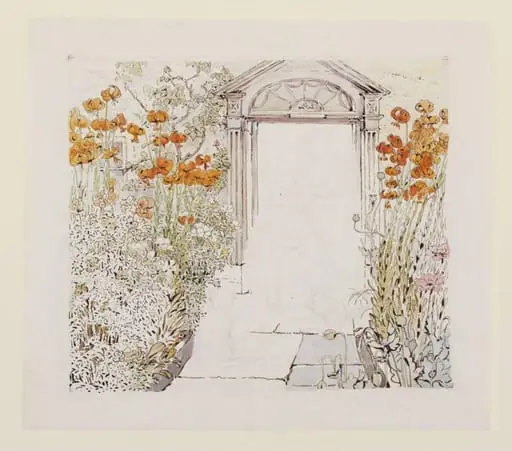 Setting for 'The Veal and Ham Pie'
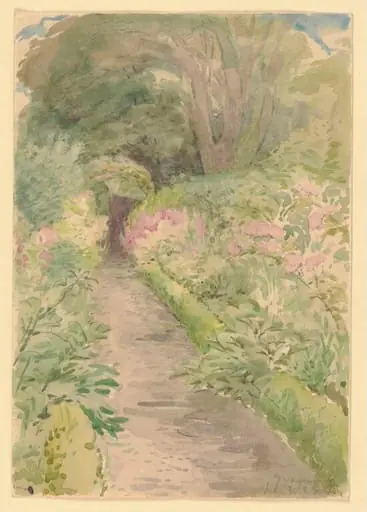 Sketch of the garden at Gwaynynog
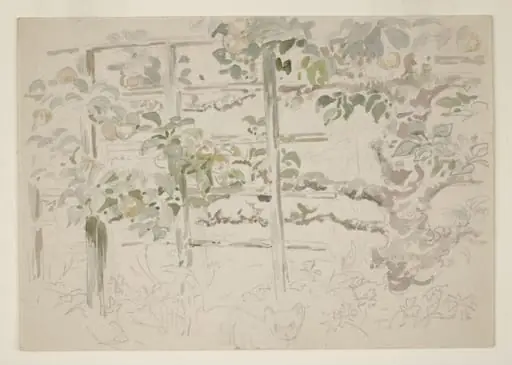 Trellis and apple tree in the garden at Gwaynynog
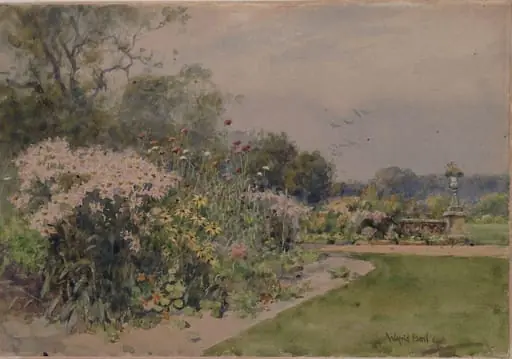 October Flowers
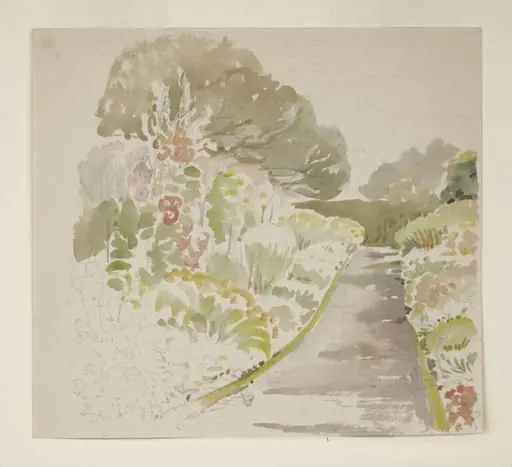 Sketch of a path and flower beds in the garden at Gwaynynog
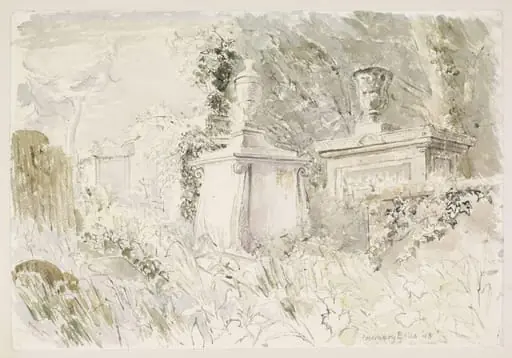 Tombstones, Bathampton Cemetery, Bath
Frequently asked questions
What is Garden?
Garden is a subject in art. A garden is a planned space, usually outdoors, set aside for the cultivation, display, and enjoyment of plants and other forms of nature.
How many Garden works does Artifact World Gallery have?
Artifact World Gallery holds 200 public-domain Garden works, all free to view and download.
Who are the key Garden artists?
Key Garden artists in the collection include Titian, Paolo Veronese and Jean Honoré Fragonard.
Where can I see Garden works?
Garden works in the collection are held by Metropolitan Museum of Art, Victoria and Albert Museum and National Gallery of Art.