Artwork
Portrait of Rear-Admiral Arent van Buren
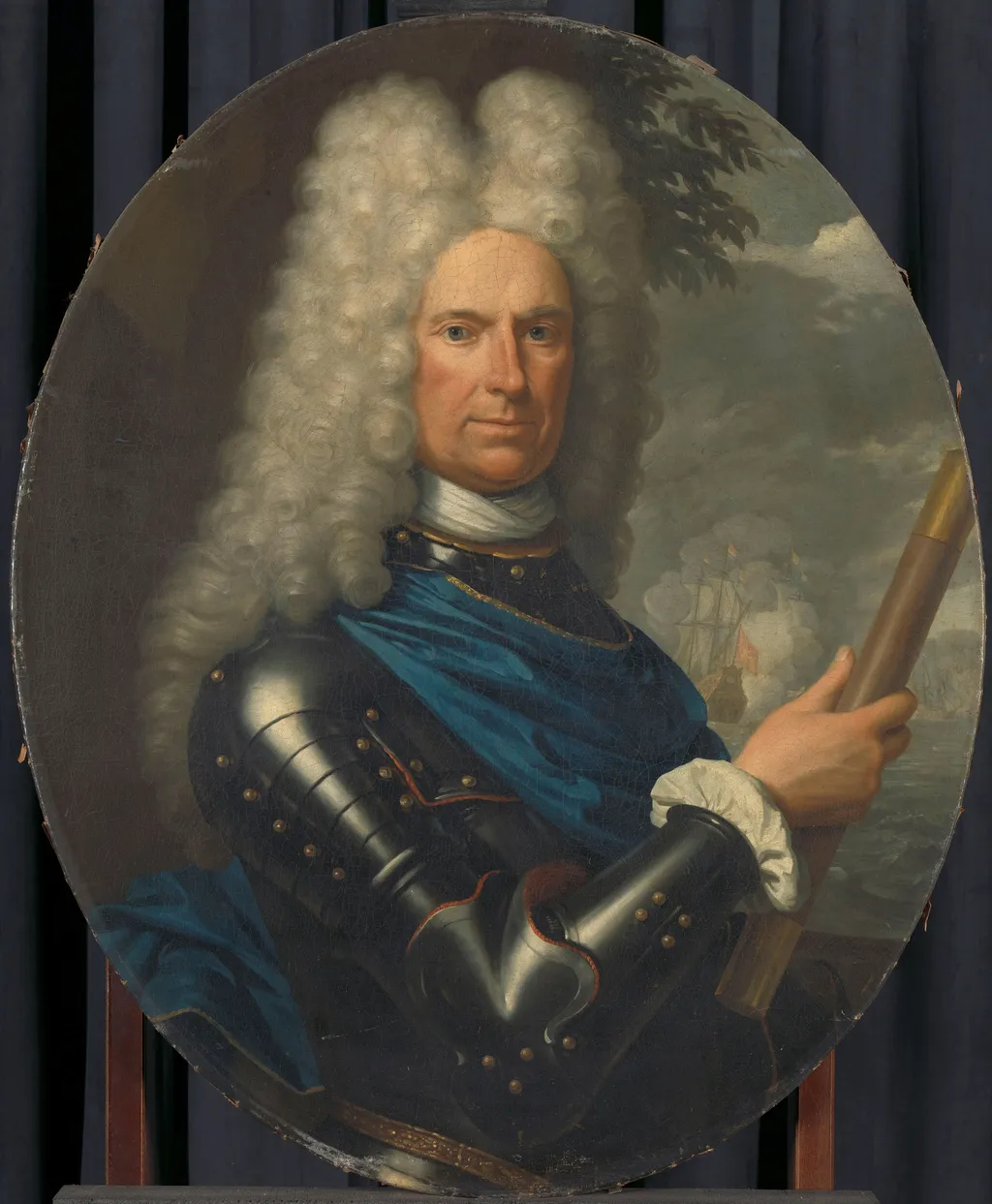
Portrait of Rear-Admiral Arent van Buren is an oil painting by the Rococo painting artist Krzysztof Lubieniecki. It dates from 1721 and is held in the collection of the Rijksmuseum. Created in 1721, this oil portrait presents Rear-Admiral Arent van Buren, a senior officer of the Dutch navy.
About this work
Technique & Style
The medium of oil on canvas allowed for the rich color saturation and detailed rendering typical of the period's elite portraiture.
The portrait is executed in oil paint on canvas, measuring 102 × 84.5 cm. As a formal portrait of a rear-admiral from 1721, the work exemplifies early eighteenth-century European portraiture conventions. The medium of oil on canvas allowed for the rich color saturation and detailed rendering typical of the period's elite portraiture. No specific information about the painting's handling, condition, or distinctive stylistic qualities beyond its generic classification as a portrait is provided in the available sources.
History & Provenance
The Portrait of Rear-Admiral Arent van Buren was painted by Krzysztof Lubieniecki in 1721. The oil-on-canvas portrait is held in the collection of the Rijksmuseum in Amsterdam. No further details regarding the work's commission, prior ownership, or specific creation circumstances are provided in the available sources.
Overview
Created in 1721, this oil portrait presents Rear-Admiral Arent van Buren, a senior officer of the Dutch navy. The work is part of the Rijksmuseum’s collection and exemplifies the transitional aesthetic between late Baroque and early Rococo in the Netherlands. The composition centers the admiral in formal attire, set against a muted maritime backdrop that hints at his naval career.
Subject & Meaning
The figure is depicted in an elaborate powdered wig and a richly embroidered blue coat, symbols of status and official rank. He holds a long telescope, an instrument associated with navigation and command, reinforcing his identity as a seafaring leader. The solemn expression and direct gaze convey authority and the seriousness of his duties.
Context
The portrait was produced at a time when Dutch maritime power remained prominent, and naval officers often commissioned formal likenesses to assert their prestige. Lubieniecki’s career bridged Polish and Dutch artistic circles, and his adoption of Rococo elements aligns with broader European trends toward elegance and refined ornamentation in portraiture.
Own this work as a print
Artist & collection
Artist
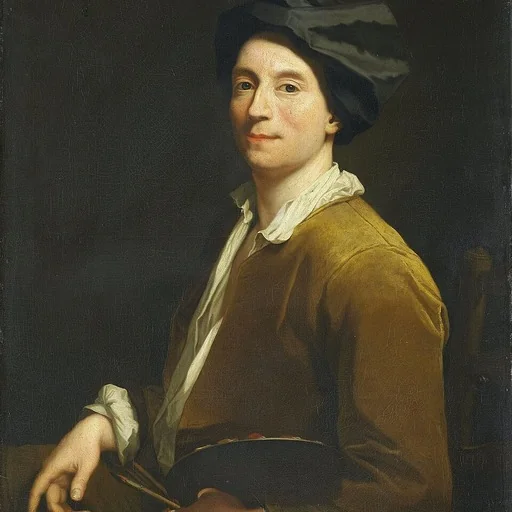
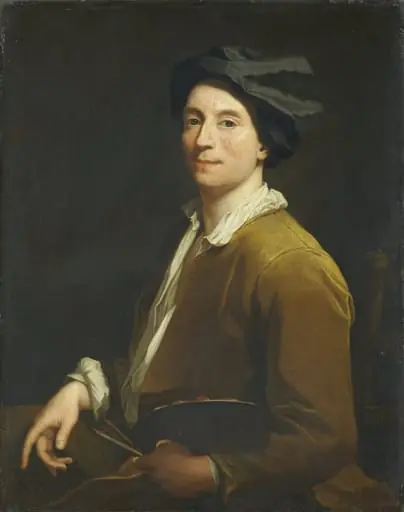
Krzysztof Lubieniecki or Christoffel Lubienietzky (1659–1729) was a Polish Baroque painter and engraver active in Amsterdam during the Dutch Golden Age.

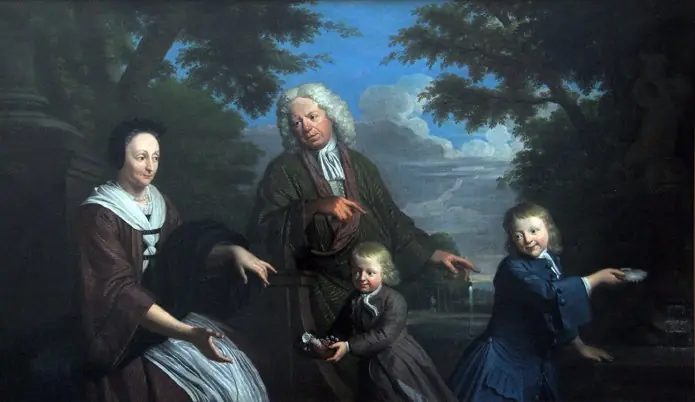
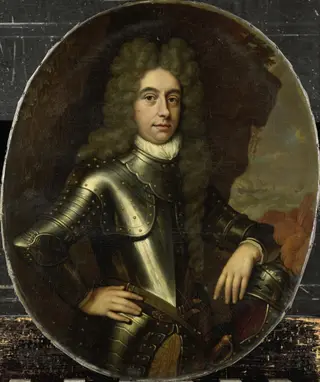 Portrait of Harmen Lijnslager, Secretary of the Admiralty of Amsterdam
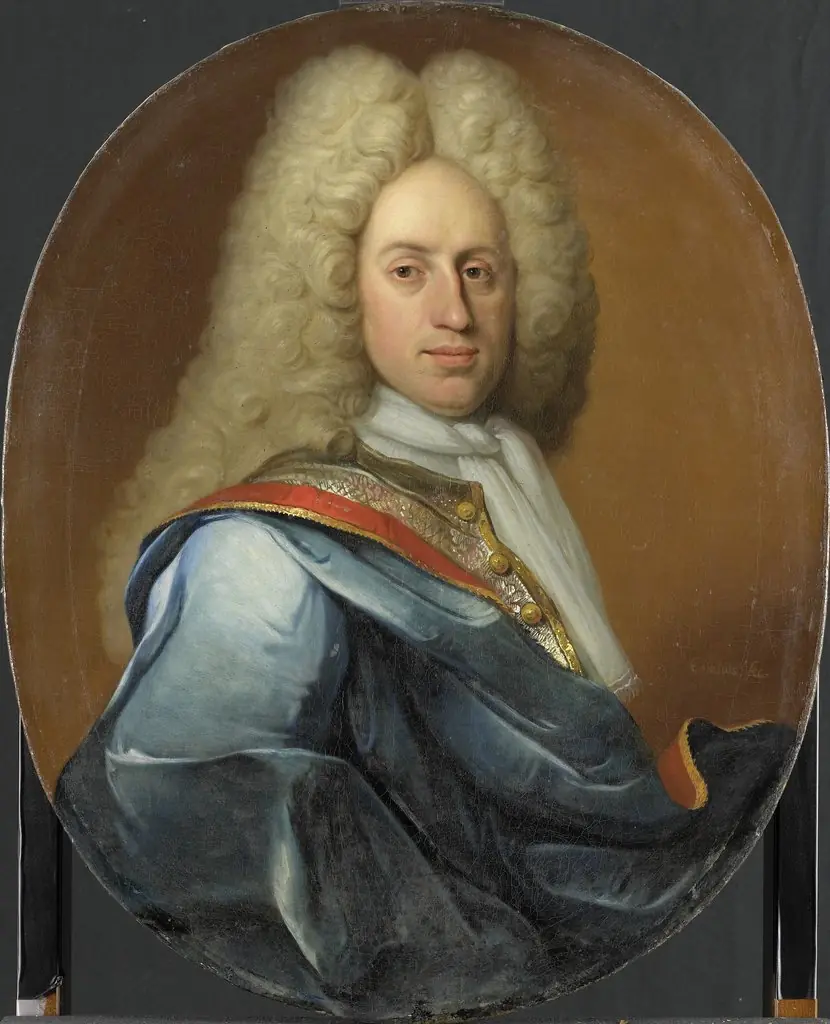 Portrait of Hieronymus Josephus Boudaen, Lord of St Laurens and Popkensburg
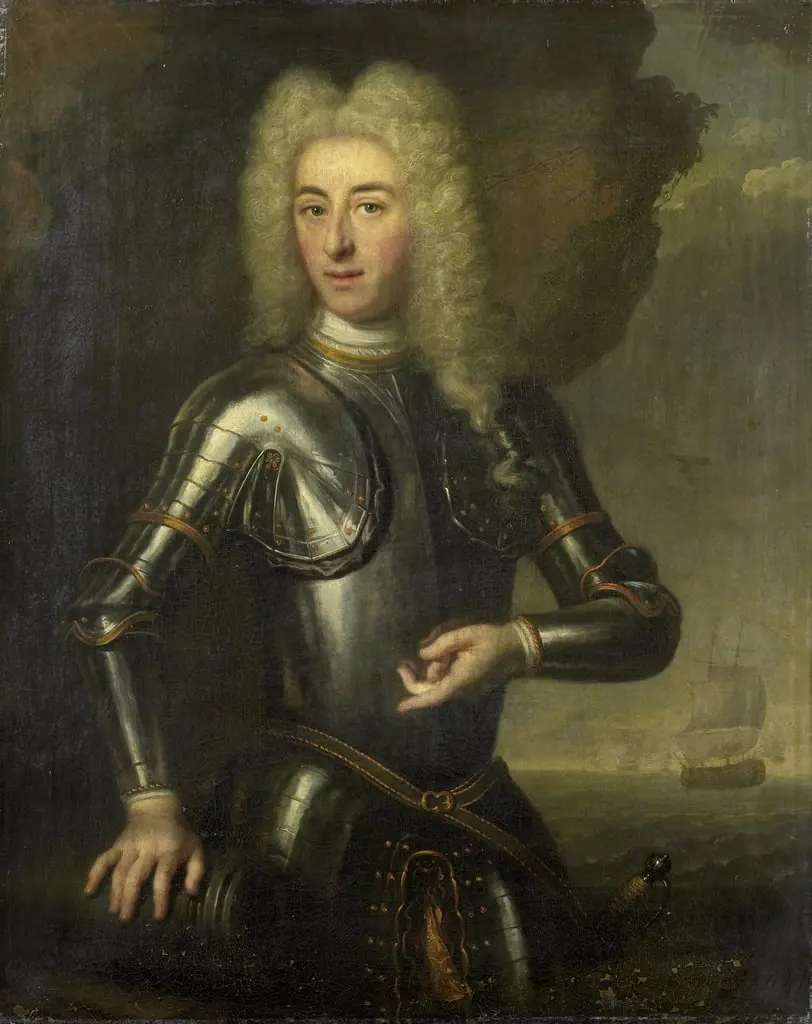 Portrait of Hendrik Lijnslager, Sea Captain with the Admiralty of Amsterdam
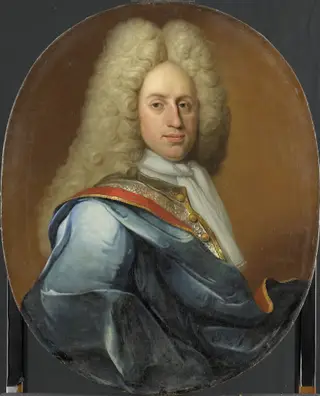 Hieronymus Josephus Boudaen, Lord of St Laurens and Popkensburg
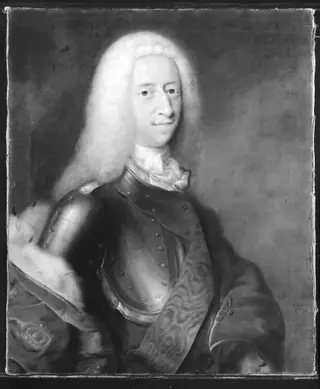 King Christian VI
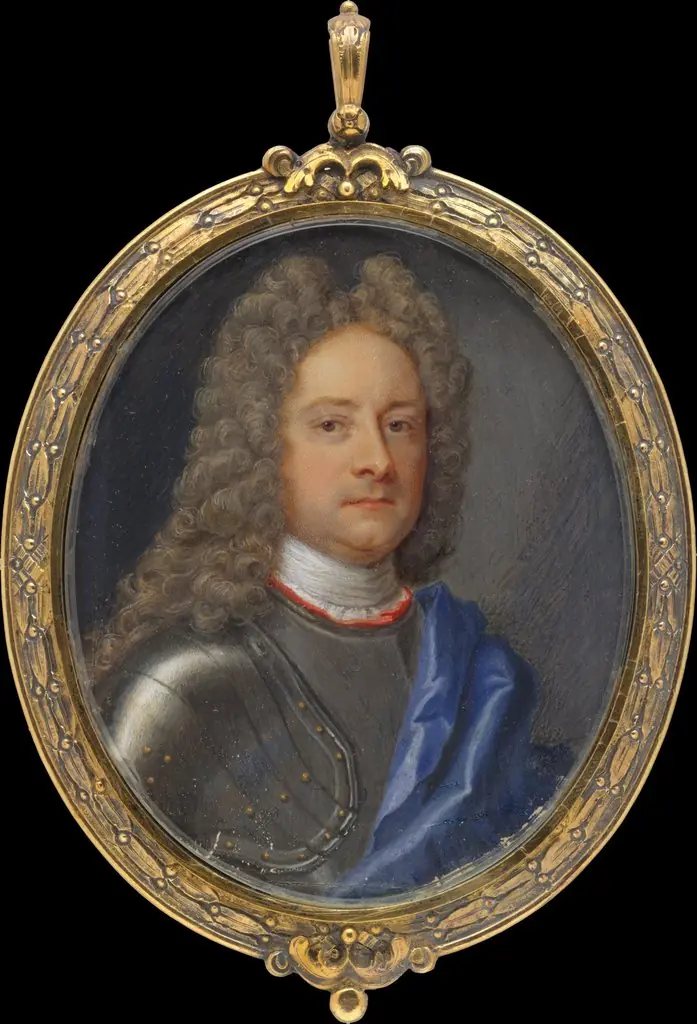 John Churchill (1650–1722), First Duke of Marlborough
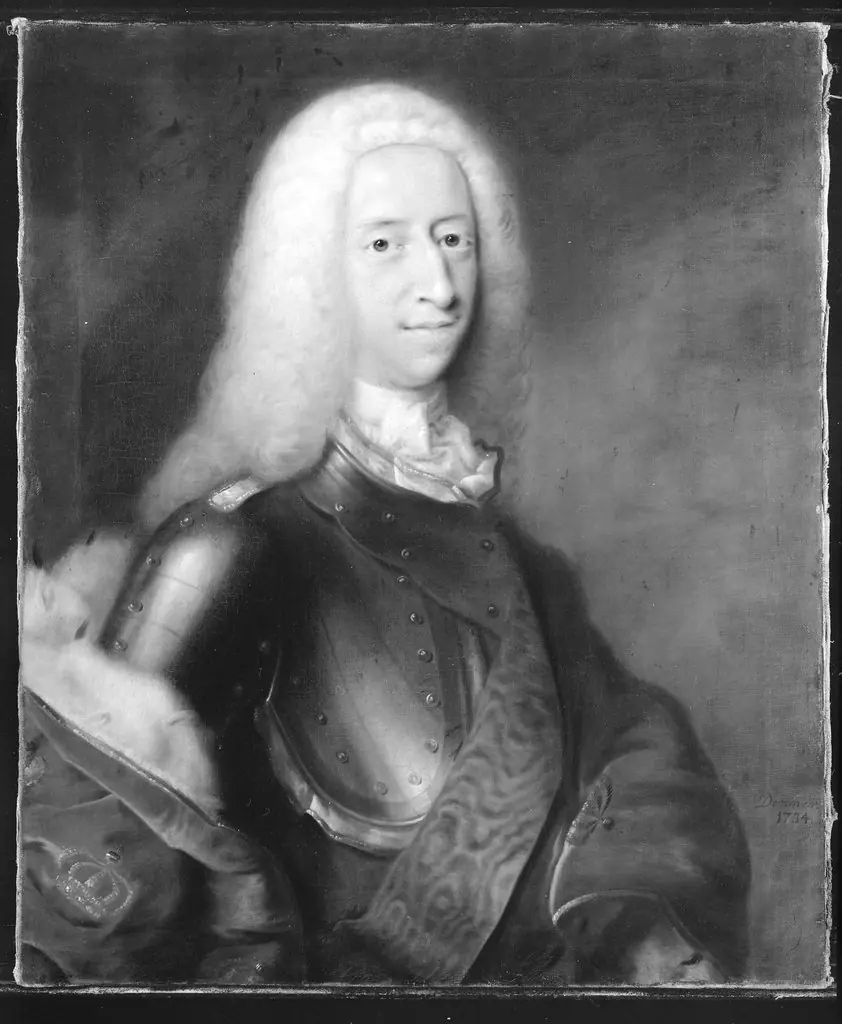 King Christian VI
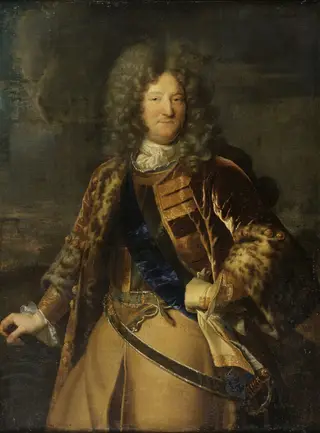 Porträt des Anne-Jules, Herzog von Noailles (1650-1708)
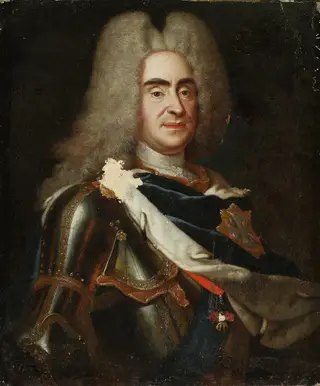 Portrait of Augustus II the Strong (1670–1733)