Artwork
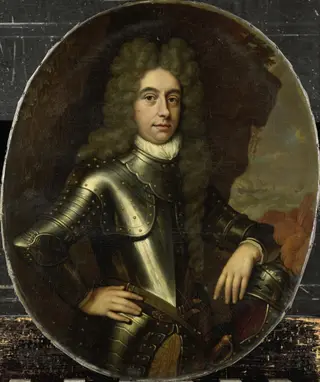
Portrait of Hendrik Lijnslager, Sea Captain with the Admiralty of Amsterdam
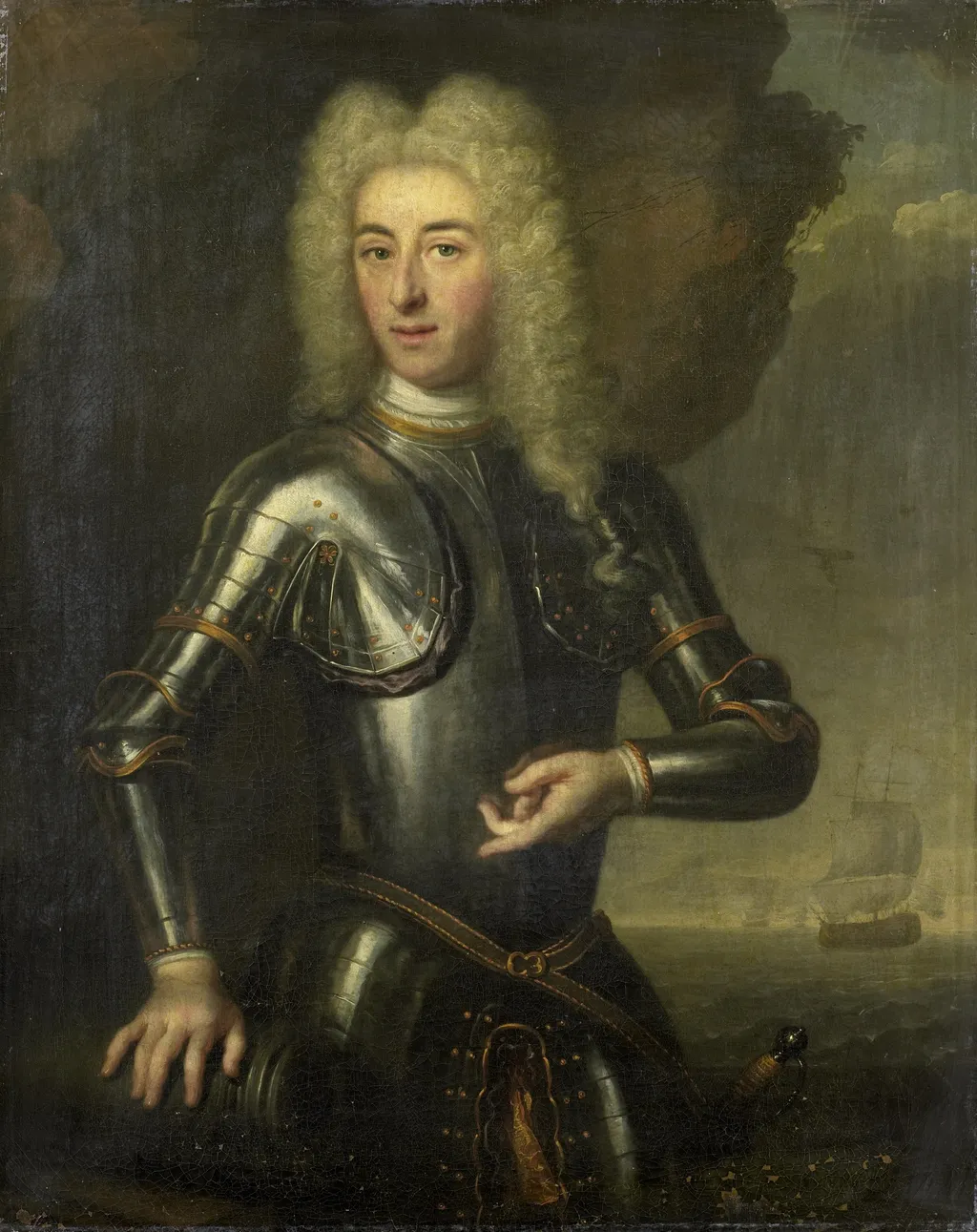
Portrait of Hendrik Lijnslager, Sea Captain with the Admiralty of Amsterdam is an oil painting. It dates from 1720 and is held in the collection of the Rijksmuseum. The work is an oil portrait of Hendrik Lijnslager, identified as a sea captain serving the Admiralty of Amsterdam.
About this work
Subject & Meaning
The composition focuses on the individual figure without additional narrative scenes or explicit symbolic attributes detailed in the available records.
The work depicts Hendrik Lijnslager, identified as a sea captain serving with the Admiralty of Amsterdam. Created in 1720, the oil painting presents the sitter as a man, adhering to the conventions of the portrait genre. As an anonymous piece housed in the Rijksmuseum, the image functions primarily as a formal representation of the captain's status and identity within the maritime hierarchy of the Dutch Republic.
The composition focuses on the individual figure without additional narrative scenes or explicit symbolic attributes detailed in the available records.
Technique & Style
The work is an oil painting executed on canvas. It measures 55 cm by 44 cm and was created in Holland in 1720. The portrait depicts a man identified as a sea captain associated with the Admiralty of Amsterdam, reflecting the formal, restrained style typical of 18th‑century Dutch portraiture.
History & Provenance
The portrait of Hendrik Lijnslager, a sea captain associated with the Admiralty of Amsterdam, was created in 1720. Executed in oil paint on canvas, the work measures 55 cm in height and 44 cm in width. It was produced in Holland and is currently classified as an anonymous painting. The artwork is part of the collection of the Rijksmuseum and the Royal Dutch Antiquarian Society.
Overview
The work is an oil portrait of Hendrik Lijnslager, identified as a sea captain serving the Admiralty of Amsterdam. Rendered in a formal pose, the sitter is presented in elaborate silver armor with gilded detailing, a large curled wig, and a dark jacket trimmed with a white collar. The composition emphasizes his status through attire and bearing.
Context
In the Dutch Golden Age, portraiture often served both personal commemoration and public display of civic duty. Naval officers, as key figures in protecting trade routes, were frequently portrayed in armor or uniform to underline their role within the Republic’s commercial empire.
Legacy
The portrait contributes to the visual record of Dutch naval hierarchy and attire, offering scholars insight into the material culture of 17th‑century maritime officials. Its presence in a national museum underscores the enduring interest in the individuals who shaped the Netherlands’ seafaring heritage.
Artist & collection

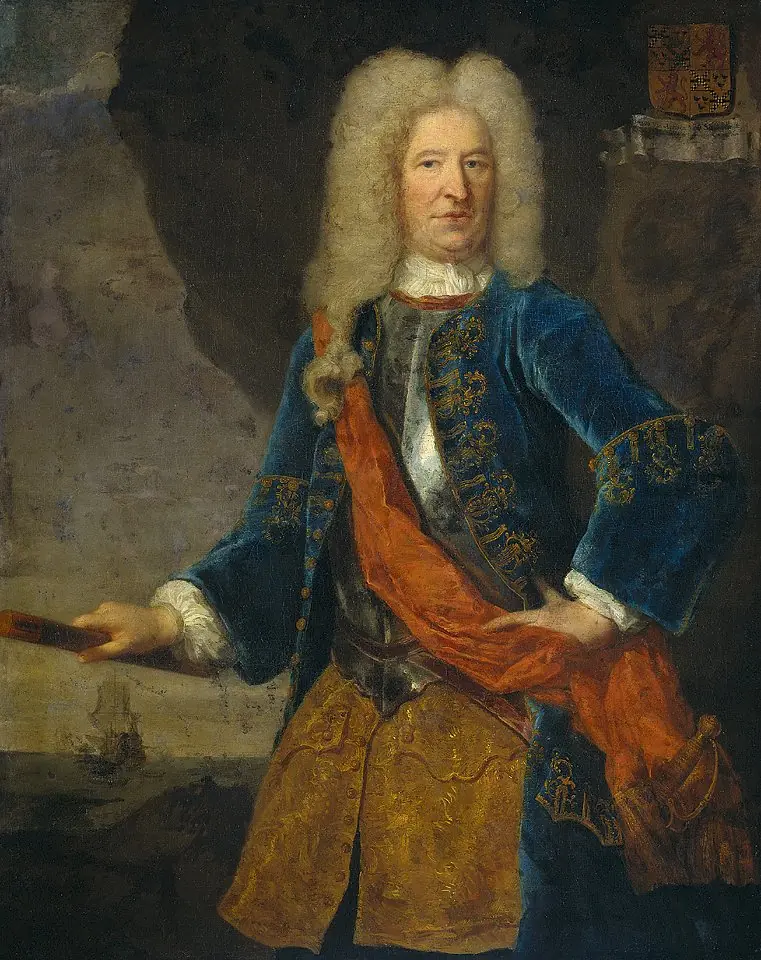 Portrait of François van Aerssen, Lord of Sommelsdijk, Vice-Admiral of Holland and West-Friesland
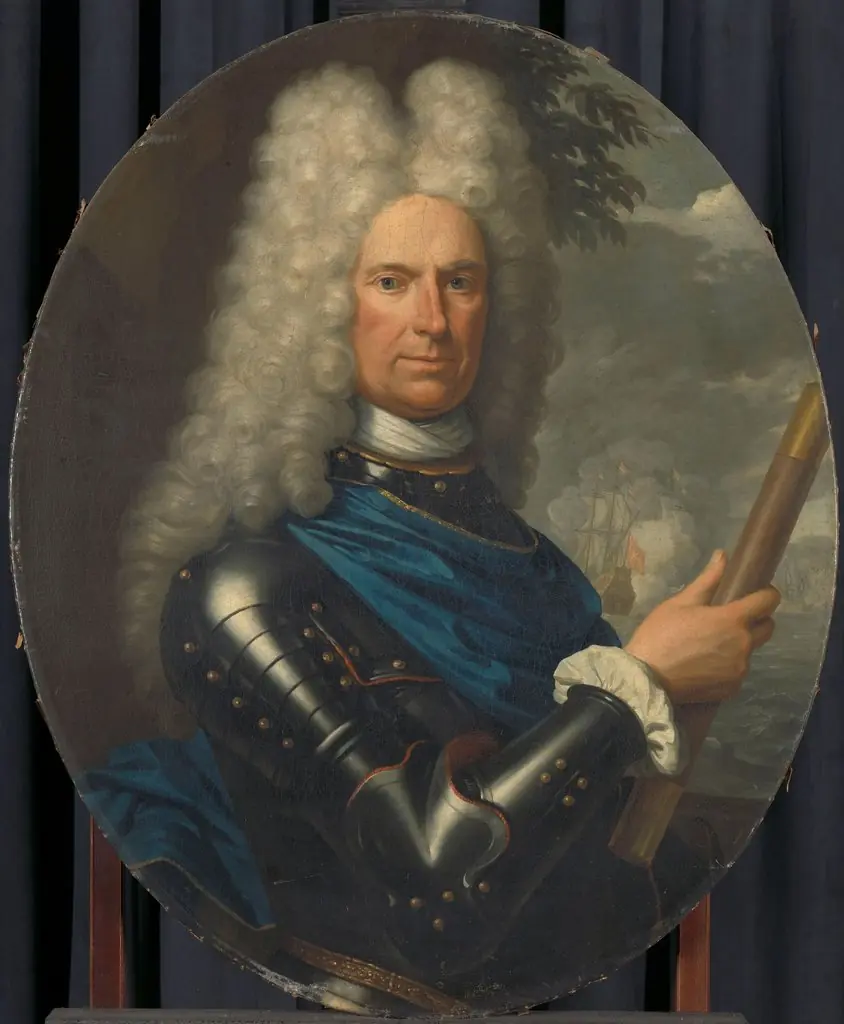 Portrait of Rear-Admiral Arent van Buren
 Portrait of Rear-Admiral Arent van Buren
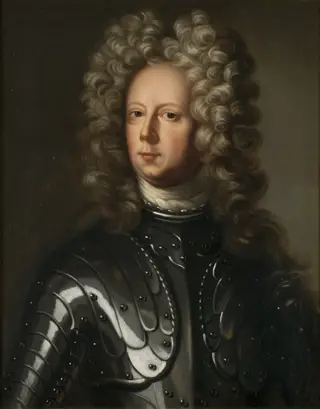 Carl Gustaf Rehnskiöld, 1651-1722, count, council of the realm, field marshal
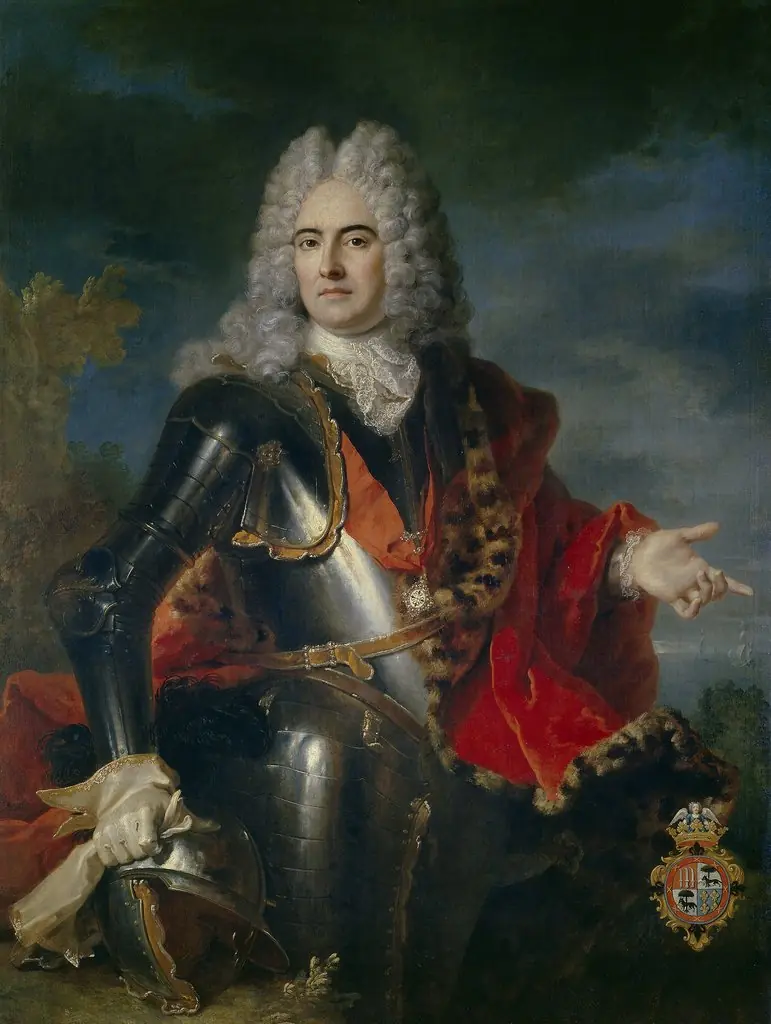 Don José de Rozas y Meléndez de la Cueva, first Count of Castelblanco
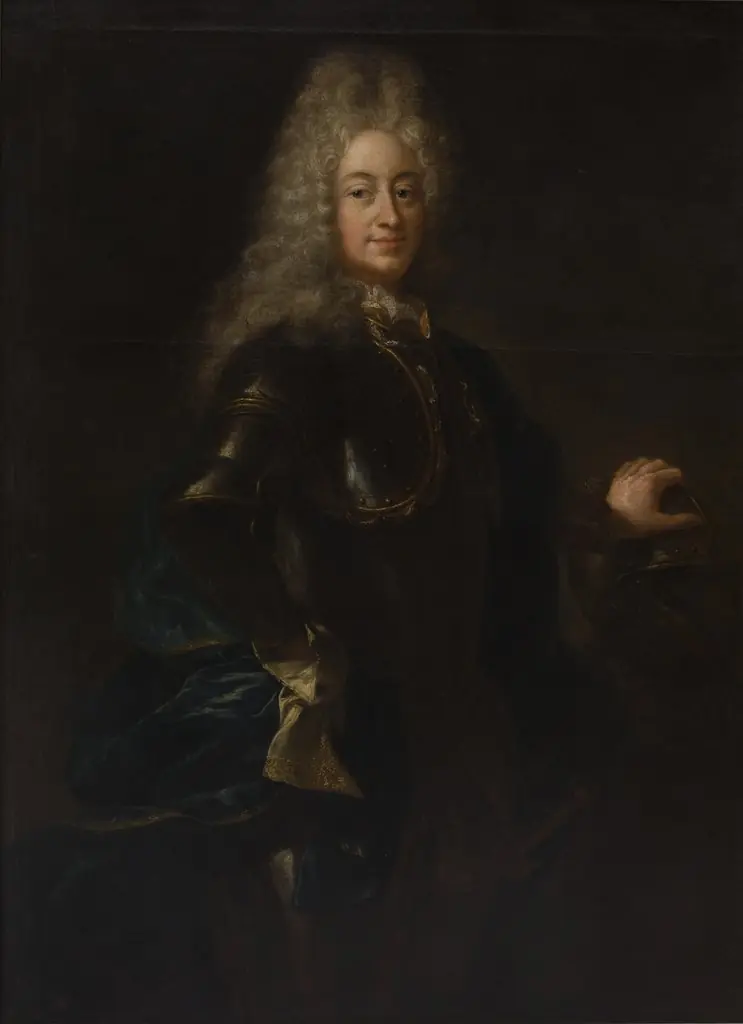 Portrait of a Nobleman in Armour
 Portrait Münchhausen Kopie
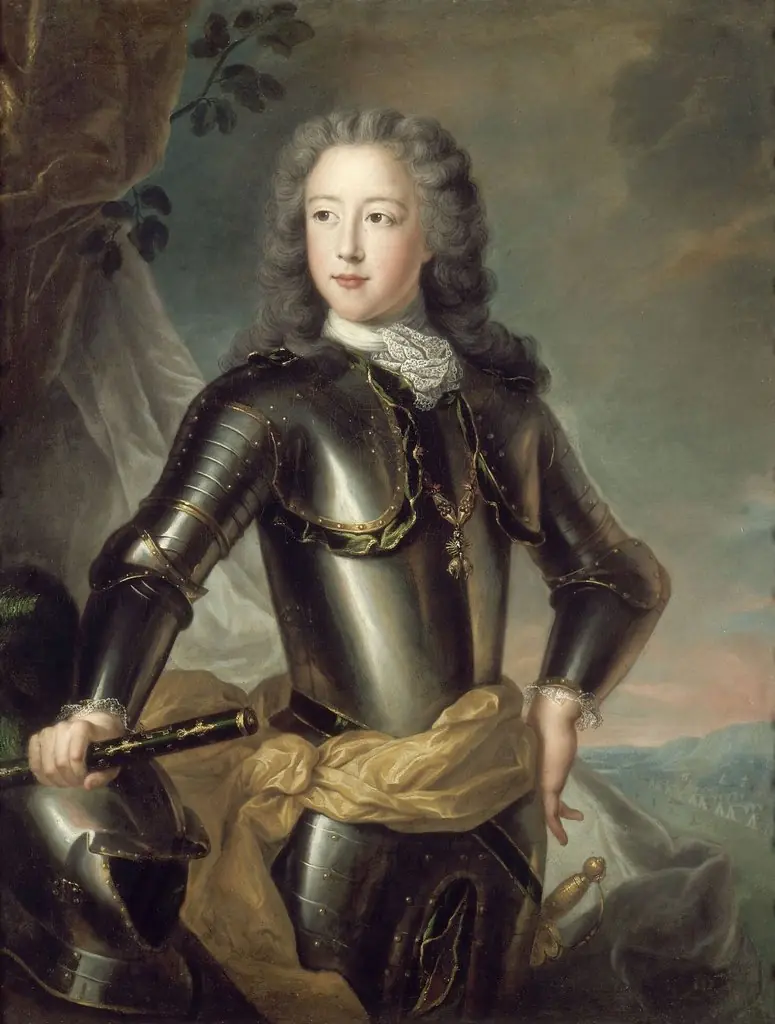 Portrait of Léopold Clément (1707-1723), Hereditary Prince of Lorraine
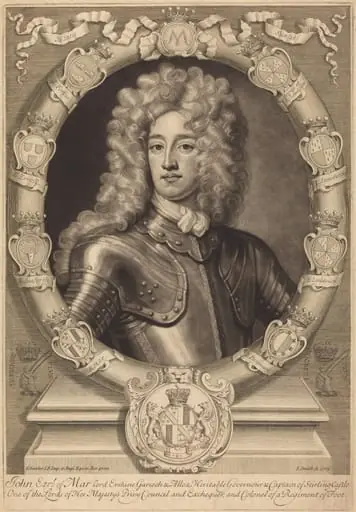 John, Earl of Mar, Lord Erskine
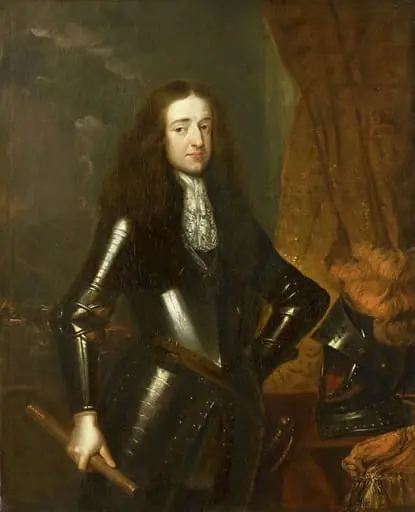 Portrait of Willem III (1650-1702), Prince of Orange and since 1689, King of England