Artwork
Rowing Scene: Crowds Watching from the River Banks
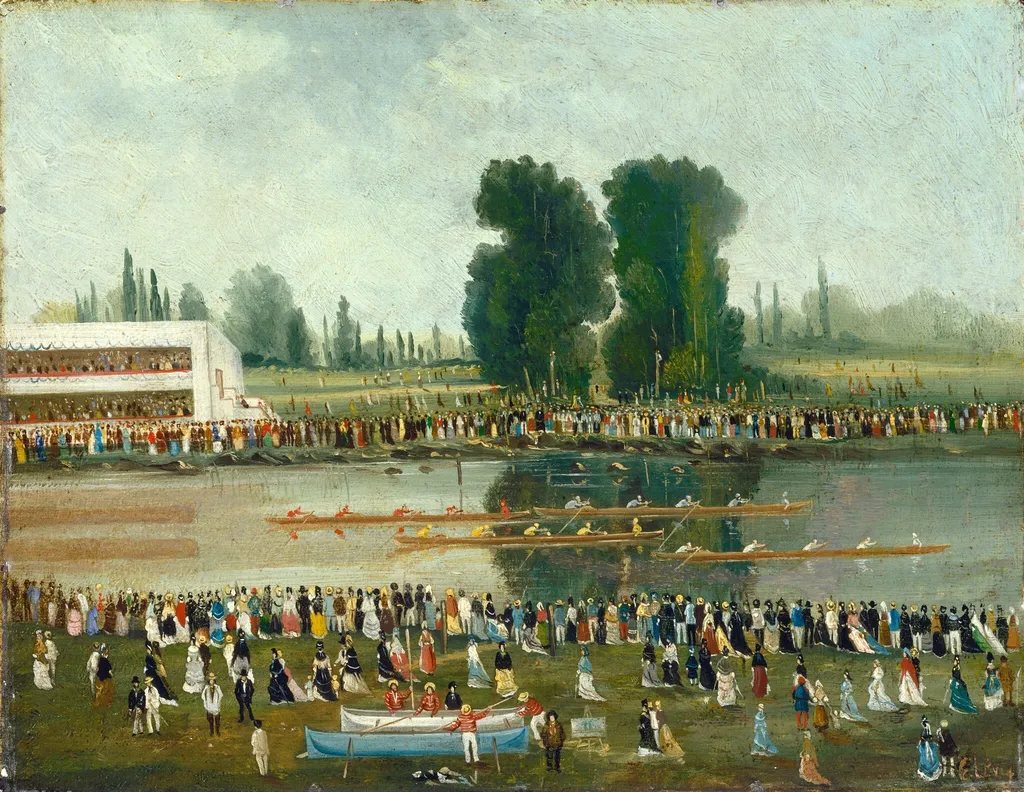
Rowing Scene: Crowds Watching from the River Banks is an oil painting by the Impressionist artist Émile Lévy. It dates from 1850 and is held in the collection of the National Gallery of Art.
- Inscription
- Inscribed:lower right: E.LEVY
About this work
Subject & Meaning
Émile Lévy's 1850 oil painting, Rowing Scene: Crowds Watching from the River Banks, depicts a riverside gathering centered on a boat.
Émile Lévy's 1850 oil painting, Rowing Scene: Crowds Watching from the River Banks, depicts a riverside gathering centered on a boat. The composition features the vessel as the primary subject, situated among trees along the riverbank. While the title suggests the presence of spectators, the specific iconography recorded in available sources identifies the visual elements strictly as a boat and trees. The work captures a moment of leisure or sport on the water, framed by the natural environment.
Technique & Style
The painting is executed in oil on a wooden panel, measuring approximately 19.1 × 24.5 cm and dated to 1850. It portrays a rowing scene with a small boat on the river and a crowd of spectators watching from the banks, accompanied by a tree that anchors the composition. The work's formal qualities include a clear spatial separation between water, shoreline, and sky, as well as a balanced arrangement of figures that reflects mid-19th-century French genre tendencies.
The support is a wooden panel, and the paint layer consists of oil pigments applied to the panel surface.
History & Provenance
Émile Lévy's Rowing Scene: Crowds Watching from the River Banks dates to 1850 and is painted in oil on wood. It entered the National Gallery of Art, Washington, as part of the bequest of Mr. and Mrs. Paul Mellon in 1999, having been held in their collection at Upperville, Virginia. No documented commission or preparatory history beyond the 1850 date is recorded in the available sources.
Legacy
Rowing Scene: Crowds Watching from the River Banks, painted by Émile Lévy in 1850, entered the National Gallery of Art in Washington, D.C., following the 1999 bequest of the Paul Mellon collection. Its inclusion in the museum's holdings has made the work available for sustained scholarly attention to Lévy's early French sporting subjects.
Overview
Émile Lévy's painting, Rowing Scene: Crowds Watching from the River Banks, created around 1850, captures a vibrant outdoor spectacle. Executed in oil on wood, the work presents a bustling river setting, where boats navigate past numerous onlookers gathered along the shore. This composition reflects a common interest in leisure activities and public gatherings during the mid-19th century, rendered with a focus on dynamic interaction and natural light.
Own this work as a print
Artist & collection

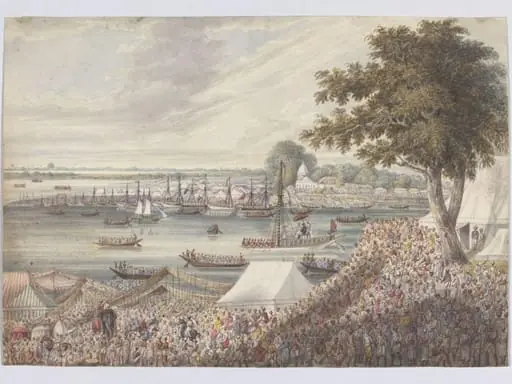
- The Harihar Kshetra festival
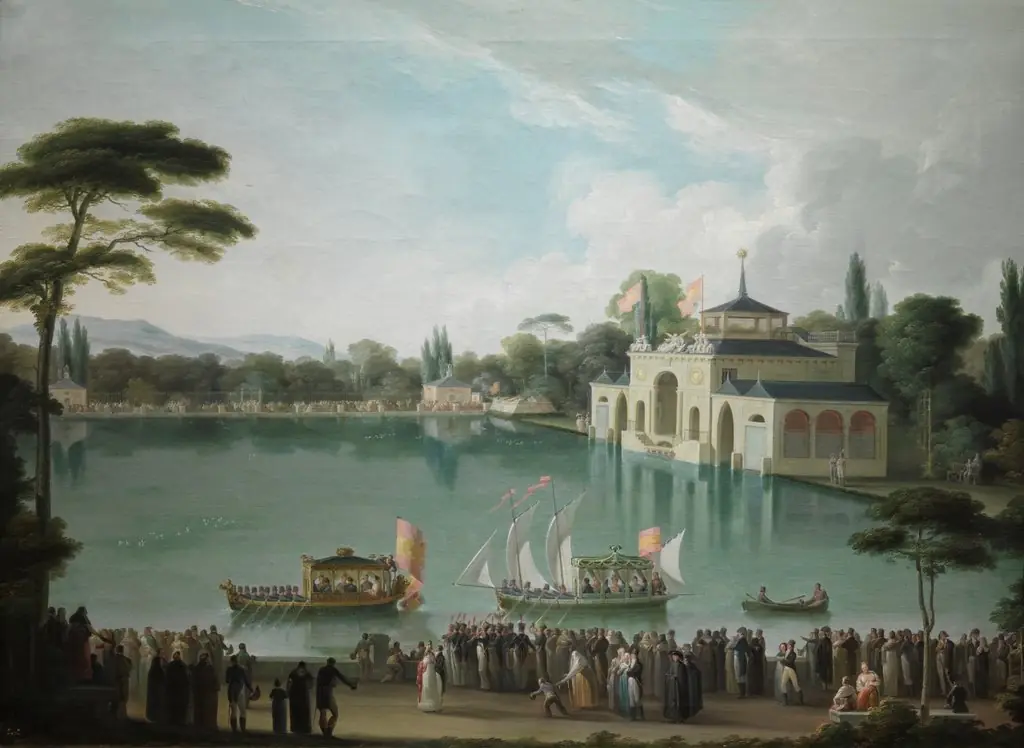 Royal Outing on the Large Lake in the Retiro
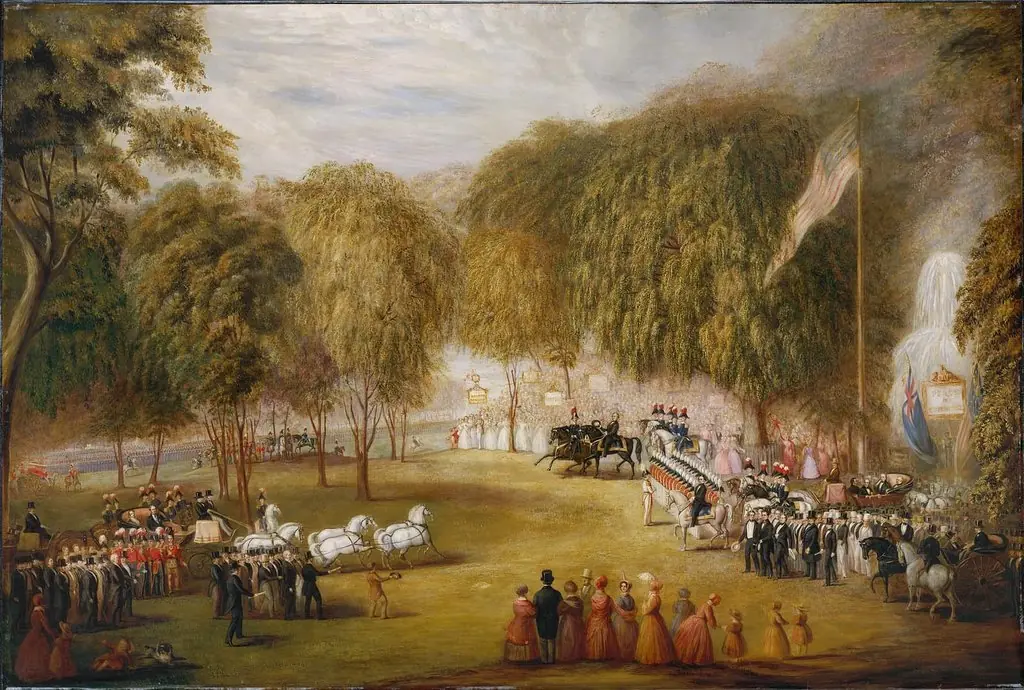 Railroad Jubilee on Boston Common
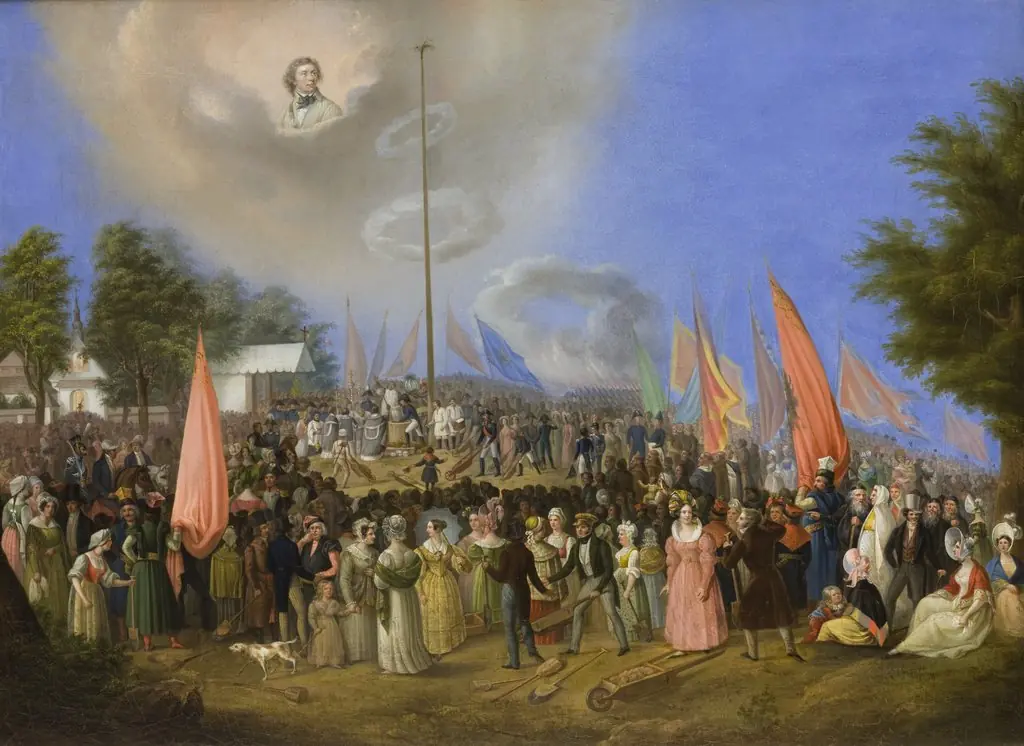 Rising of the Kościuszko Mound
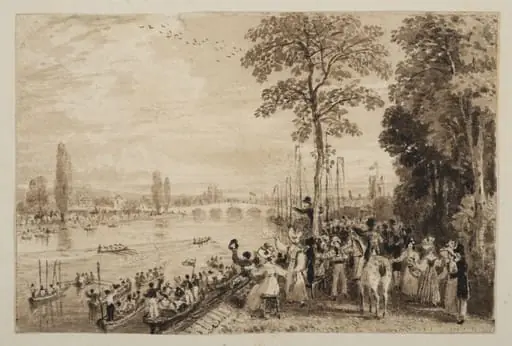 The Oxford and Cambridge Rowing Match at Henley-on-Thames
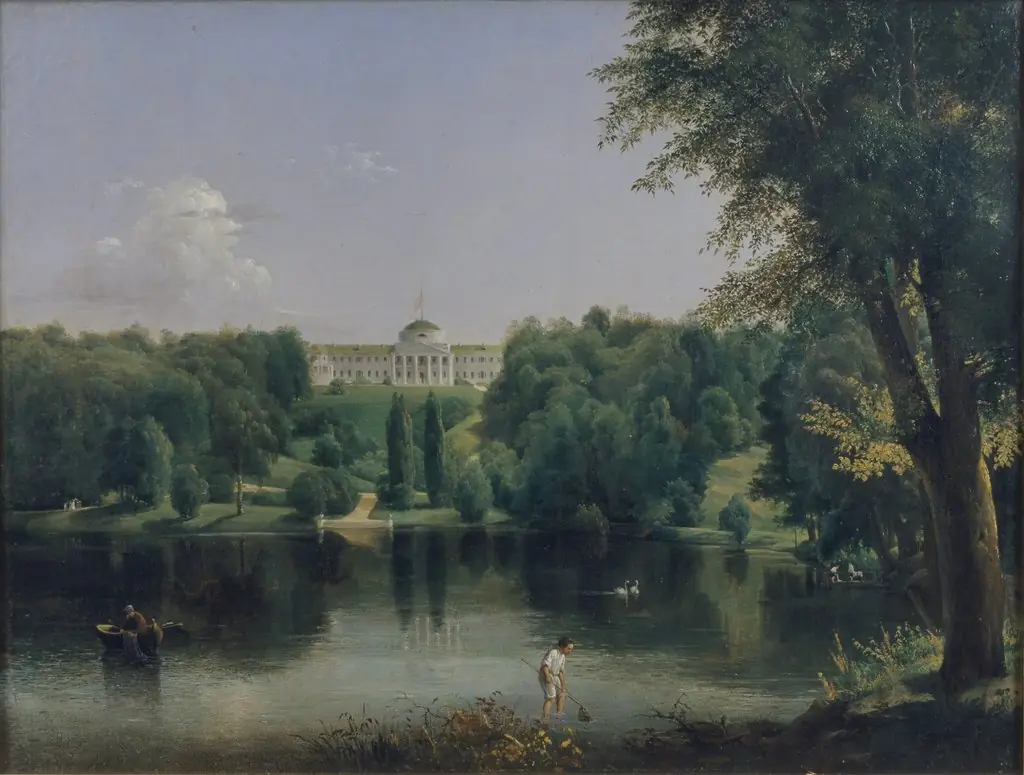 The estate of G. S. Tarnovsky in Kachanovka.
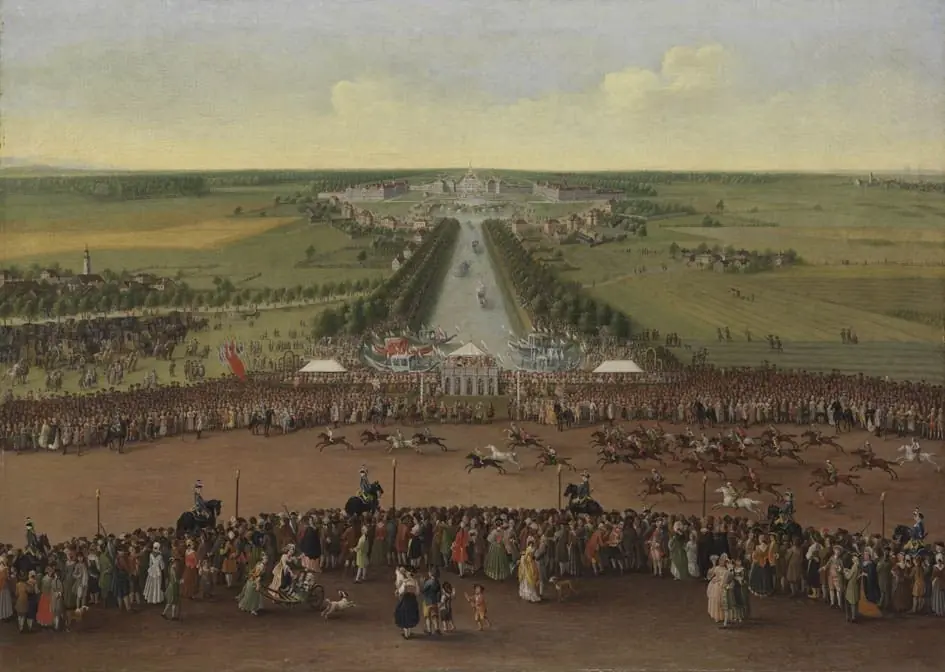 Pferderennen bei Nymphenburg
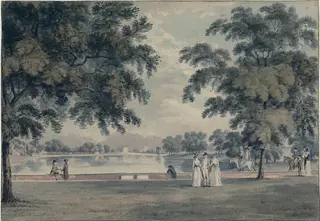 The Serpentine
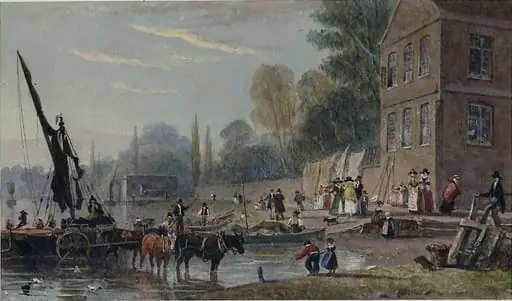 A Landing Place by the Waterside
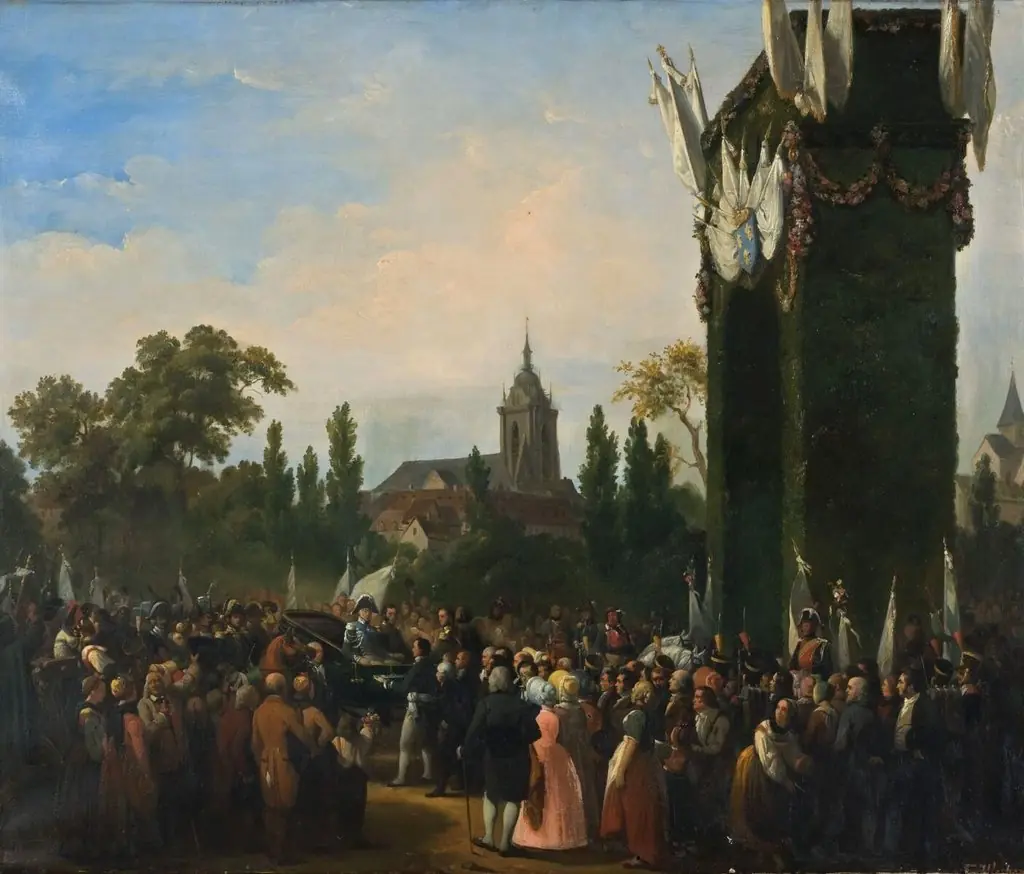 Entry of King Charles X in Colmar on 10 September 1828
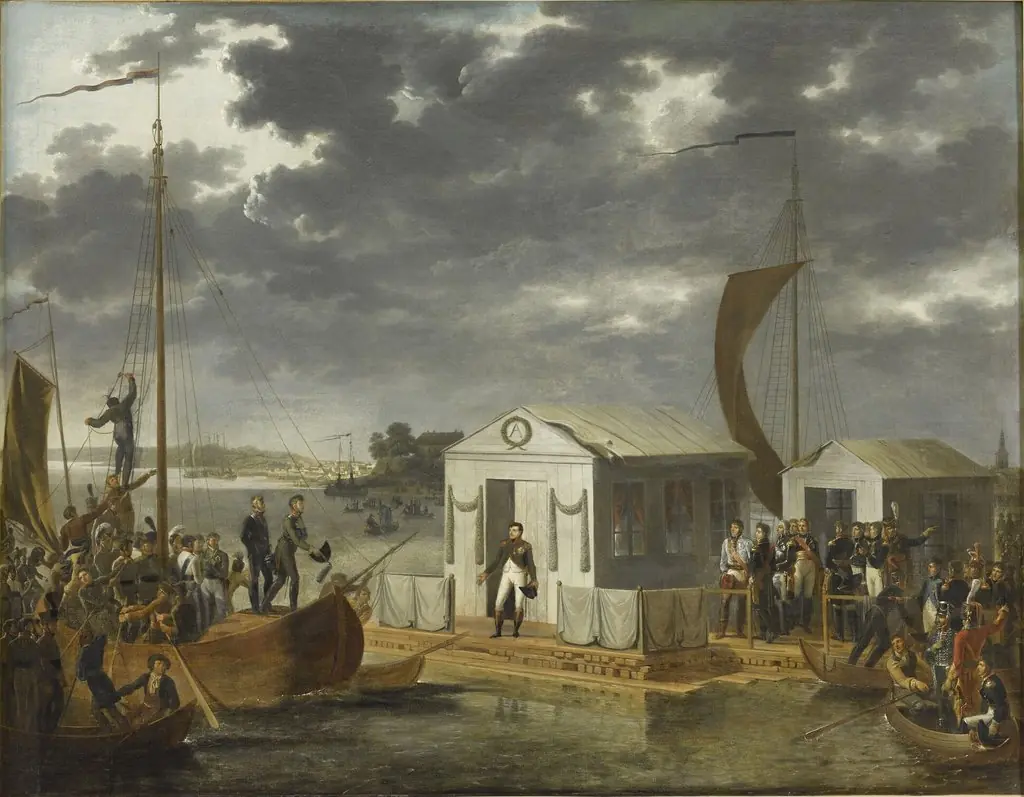 The Meeting of Napoleon I and Tsar Alexander I at Tilsit
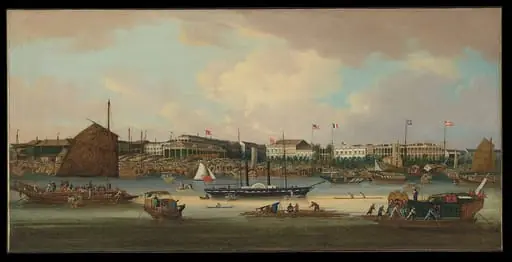 Canton Waterfront (The Hongs at Canton)
 Lake Lucerne
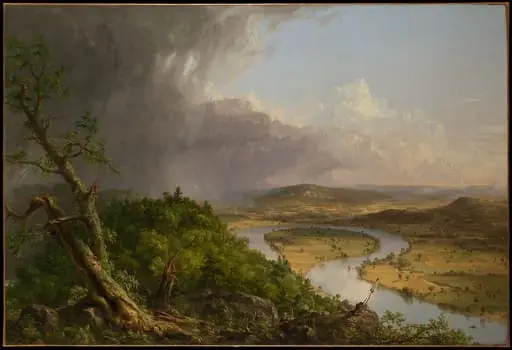 View from Mount Holyoke, Northampton, Massachusetts, after a Thunderstorm—The Oxbow
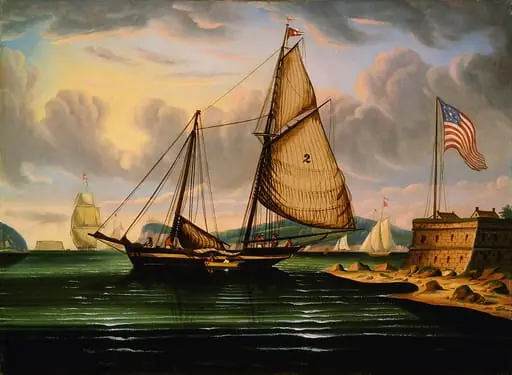 New York Harbor with Pilot Boat "George Washington"
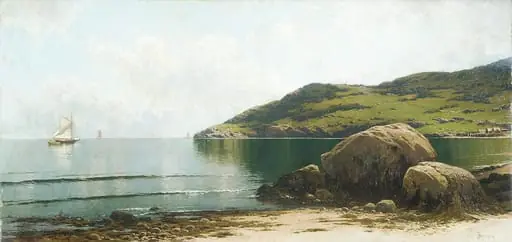 Marine Landscape
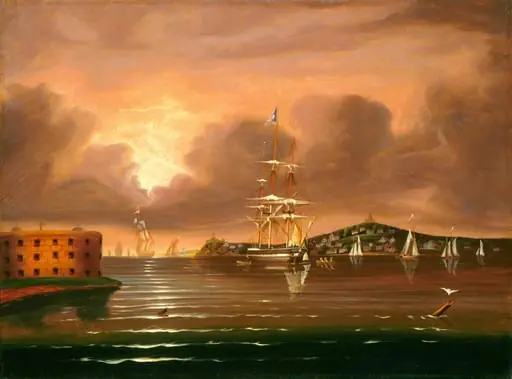 Threatening Sky, Bay of New York
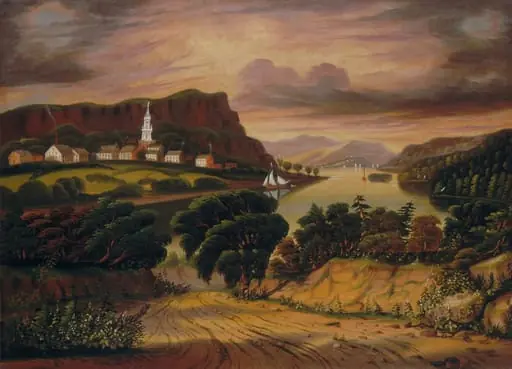 Lake George and the Village of Caldwell
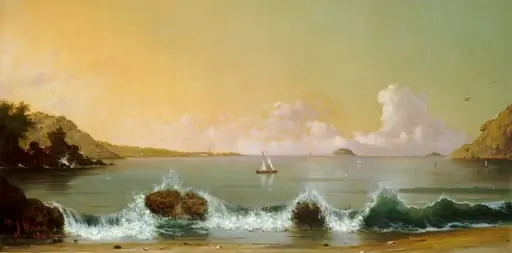 Rio de Janeiro Bay
 Packet Ship Passing Castle Williams, New York Harbor