Artwork
An Arab Rider on Camelback
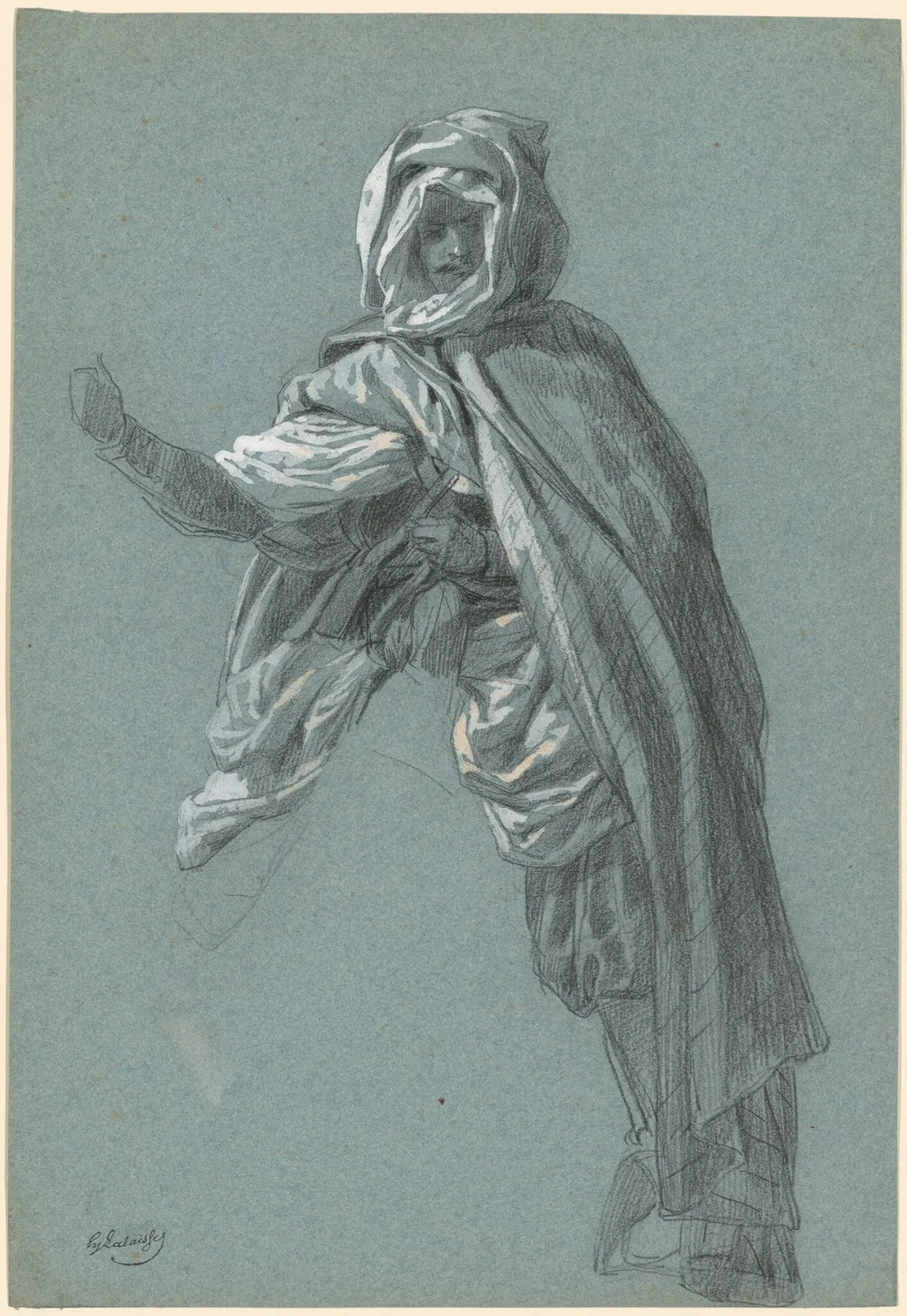
An Arab Rider on Camelback is a chalk drawing by the Romanticist artist Hippolyte Lalaisse. It dates from 1840 and is held in the collection of the National Gallery of Art.
- Markings
- Marked:artist's signature stamp (Lugt 4728)
About this work
Overview
An Arab Rider on Camelback is a drawing executed in black chalk with white heightening on blue paper, attributed to the French artist Hippolyte Lalaisse and dated to around 1840.
Technique & Style
The work combines the dense, expressive lines of black chalk with selective white highlights that emphasize the rider and the camel’s form against the cool blue ground, a method typical of mid‑nineteenth‑century academic drawing practices.
Subject & Meaning
The composition depicts a solitary Arab figure astride a camel, suggesting a scene of travel or desert passage, reflecting contemporary European fascination with Oriental subjects.
History & Provenance
Created circa 1840, the drawing belongs to Lalaisse’s oeuvre of travel‑related studies; its subsequent ownership and exhibition history remain undocumented in the available records.
Own this work as a print
Artist & collection


 A Peasant Woman
 Study for "Greek Girls Bathing"
 Study of a Standing Woman
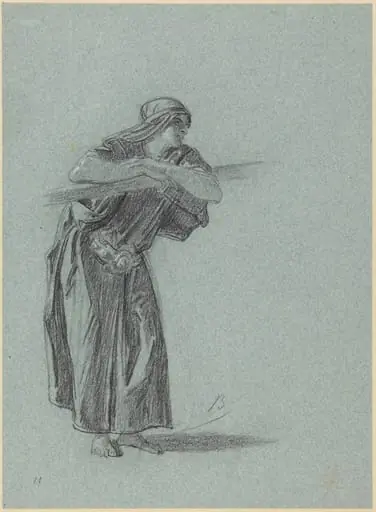 The Woman in the “Song of Songs”
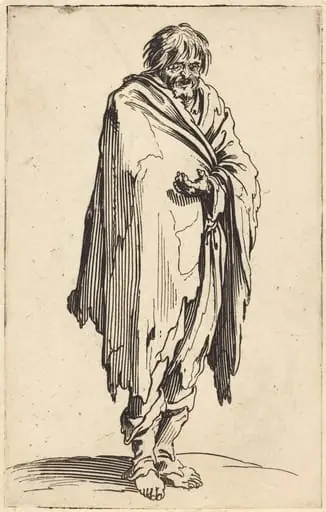 Beggar with Bare Head and Feet
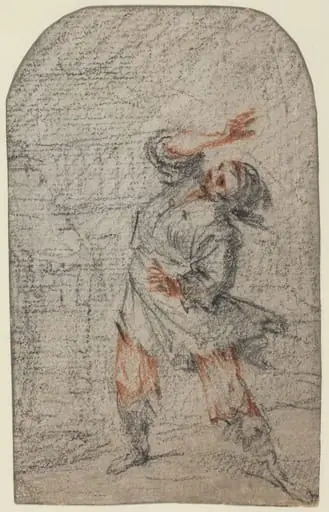 Dream of a Man Fleeing
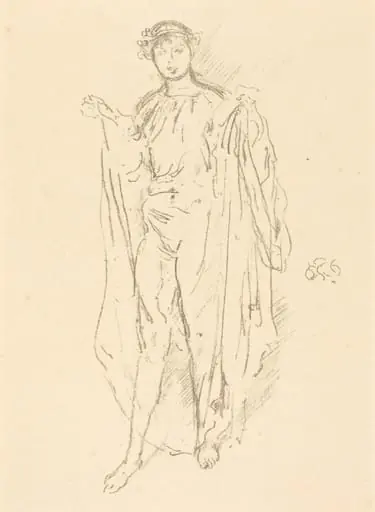 The Girl
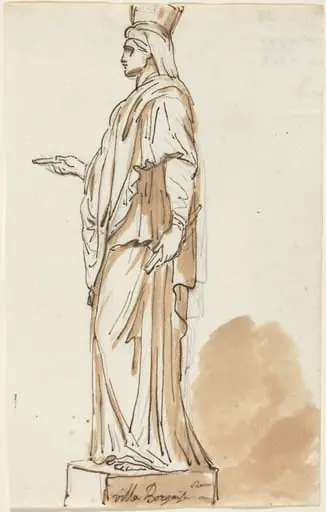 The Borghese Cybele
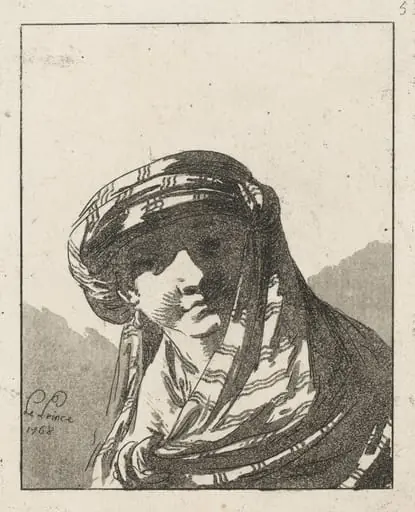 Head of a Young Woman
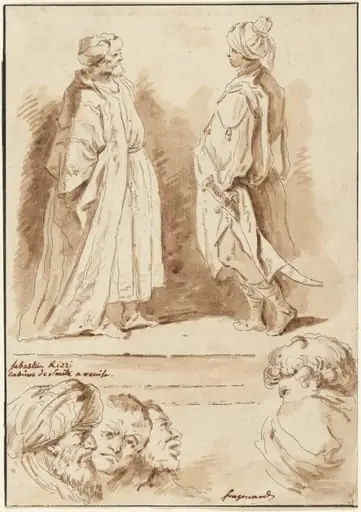 Details from "The Adoration of the Magi" and "The Pool at Bethesda"
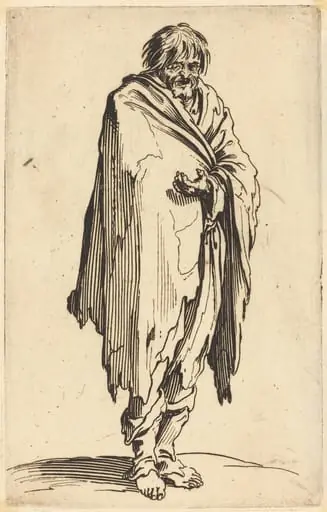 Beggar with Bare Head and Feet
![Portrait of a Procurator [verso], by Alessandro Longhi](https://artifactworldgallery.com/img/alessandro-longhi--portrait-of-a-procurator-verso--b1f9a8462c76ecbe-w320.webp) Portrait of a Procurator [verso]
Portrait of a Procurator [verso]