Artwork
Woman and Child
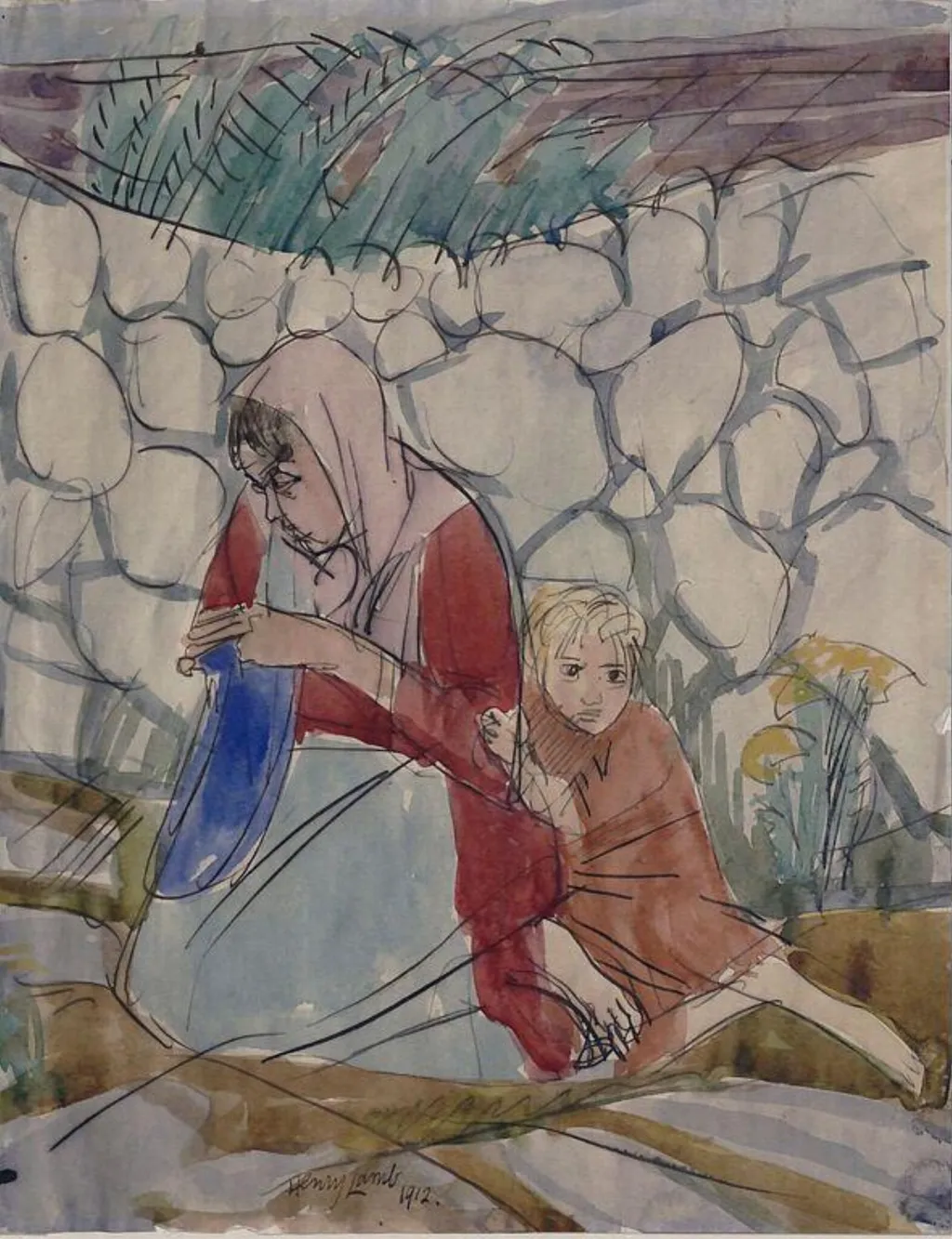
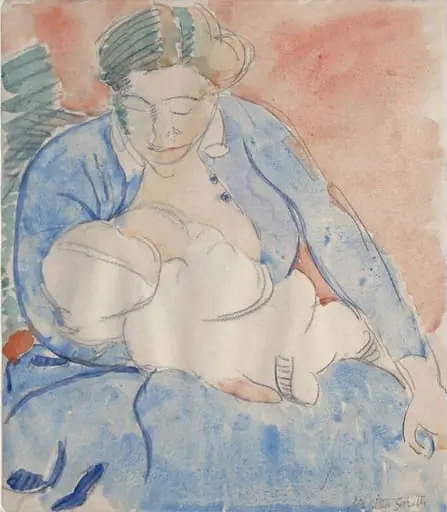
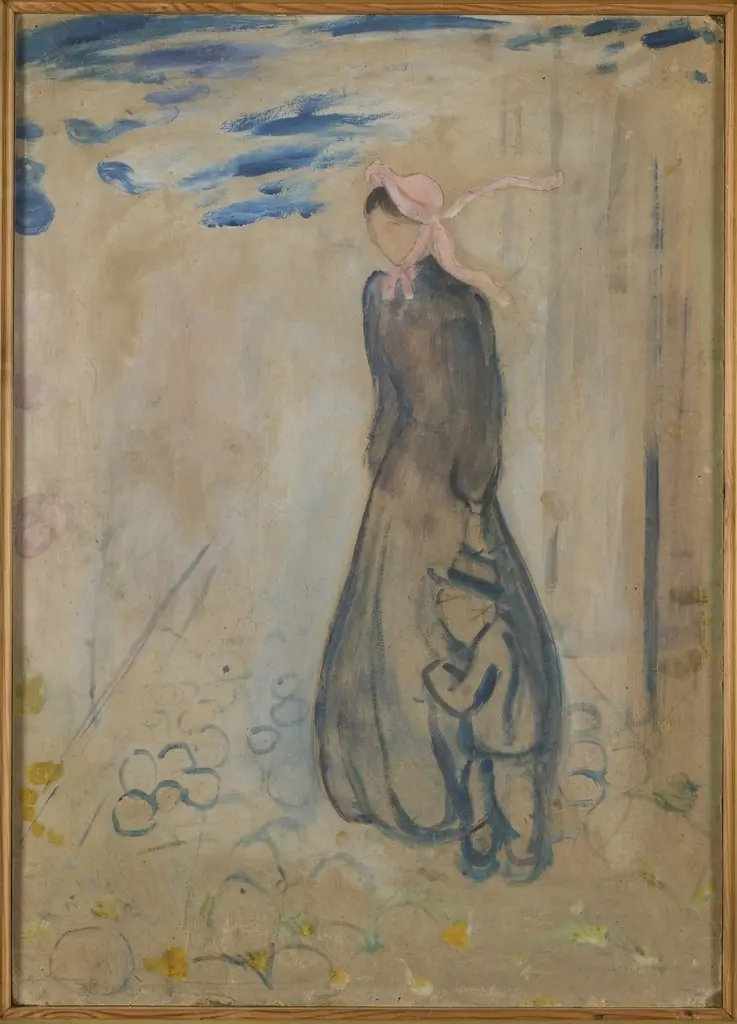
Woman and Child is a watercolor work on paper by the Post-Impressionist artist Henry Lamb. It dates from 1912 and is held in the collection of the Victoria and Albert Museum.
About this work
Overview
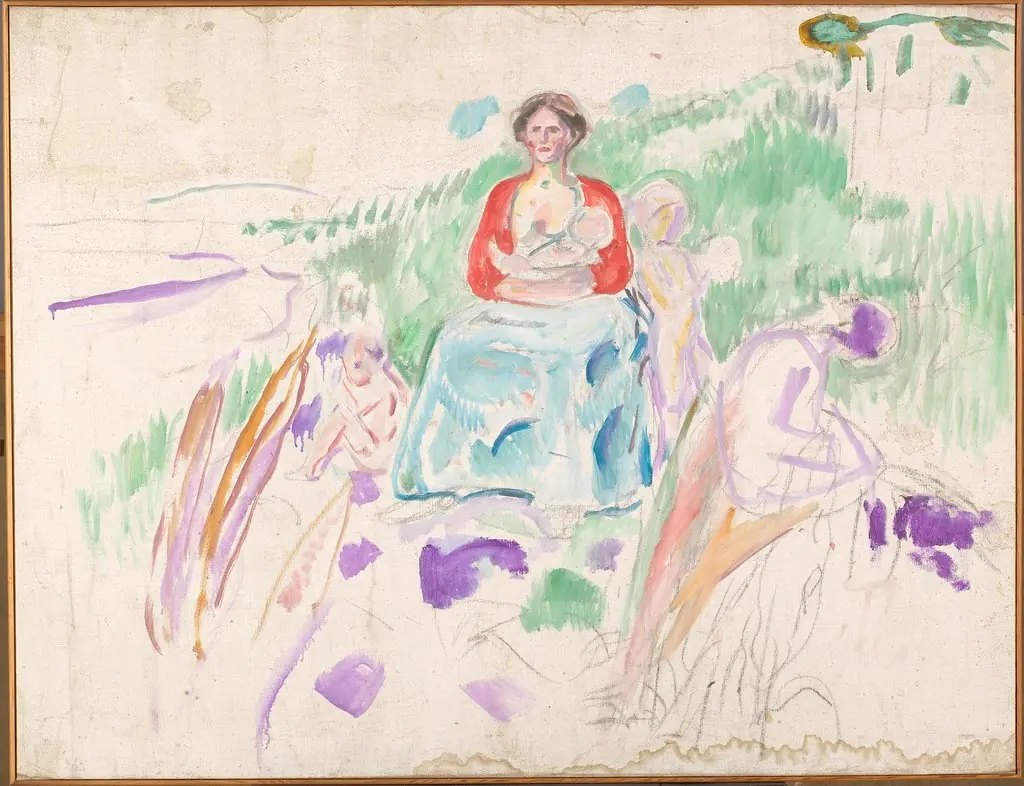
Painted in 1912, this watercolour by Henry Lamb captures a quiet moment between a woman and child in an outdoor setting. The work is signed and dated by the artist, confirming its origin and timing. Executed with delicate washes and minimal detail, it reflects Lamb’s interest in intimate, everyday scenes rendered with emotional subtlety rather than narrative precision.
Subject & Meaning
The figures, a woman in a red dress and blue shawl, and a child in a brown coat, are seated close together, their postures suggesting quiet companionship. The child looks downward, while the woman leans forward slightly, creating a sense of protective closeness. The absence of facial detail does not diminish emotional resonance; instead, it invites contemplation of the unspoken bond between them.
Technique & Style
The background features bare trees and a fence rendered with sketchy lines, while patches of colour hint at ground-level flowers.
Lamb employed loose, fluid brushwork and translucent watercolour layers to suggest form without defining it rigidly. The background features bare trees and a fence rendered with sketchy lines, while patches of colour hint at ground-level flowers. The soft edges and restrained palette enhance the sense of spontaneity, aligning the work with early 20th-century British watercolour traditions that valued atmosphere over finish.
History & Provenance
The painting’s documented date and artist’s signature establish its authenticity within Lamb’s early 20th-century output. While its full provenance is not detailed here, its preservation and recognition suggest it has remained within private or institutional collections since its creation, consistent with the reception of Lamb’s smaller-scale works during his lifetime.
Context
Created during a period when British artists were redefining watercolour beyond traditional landscape conventions, Lamb’s work reflects a broader shift toward personal, domestic subjects. His approach aligns with contemporaries who favored emotional immediacy and painterly freedom, moving away from Victorian precision toward a more impressionistic sensibility in intimate genre scenes.
Legacy
Though not widely exhibited today, this watercolour exemplifies Lamb’s contribution to the revival of watercolour as a medium for psychological nuance. Its understated composition and sensitivity to light and gesture continue to inform how modern viewers perceive the quiet dignity of ordinary moments in early 20th-century British art.
Artist & collection
Artist
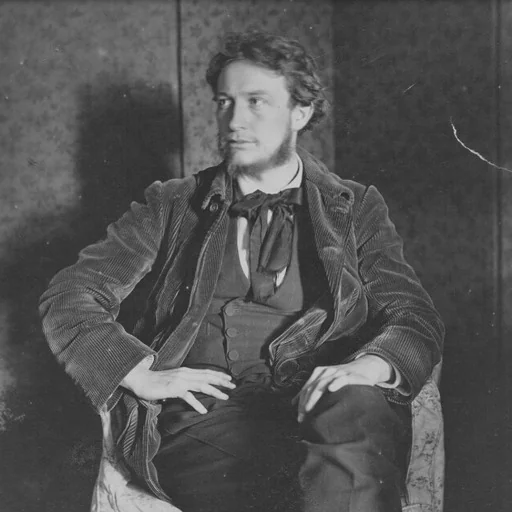
Henry Taylor Lamb (21 June 1883 – 8 October 1960) was an Australian-born British painter. A follower of Augustus John, Lamb was a founder member of the Camden Town Group in 1911 and of the London Group in 1913.