Subject
Mother
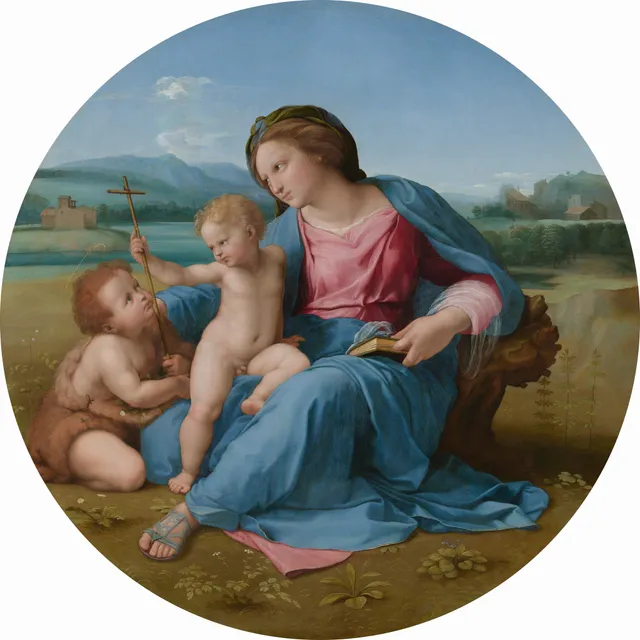
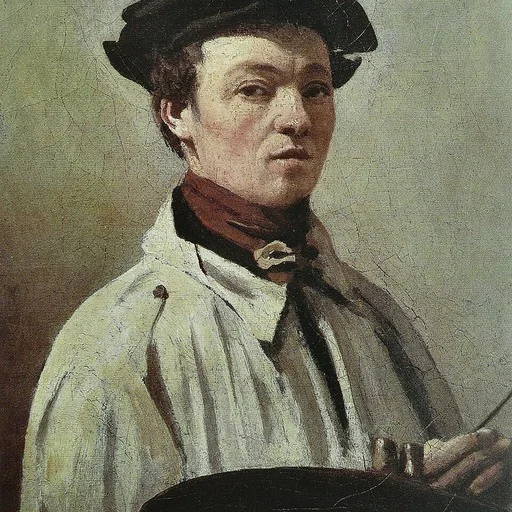
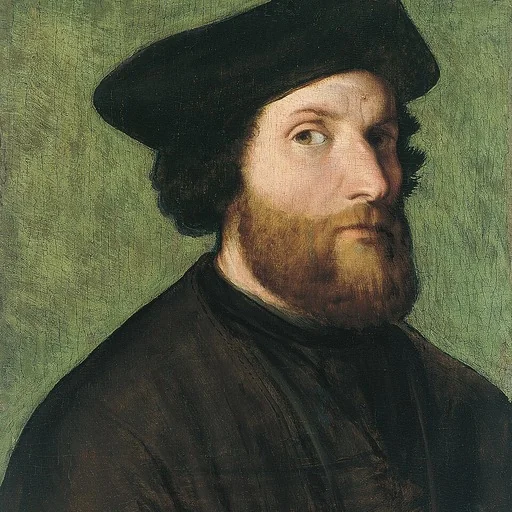
Mother is a subject in art. The gallery holds 200 works in this subject in art, including works by Jean Baptiste Camille Corot, Lorenzo Lotto and Raphael.
Few subjects are as old or as universal in art as the mother. While the biological definition is simple — the female parent of a child, whether through birth, upbringing, or the donation of an ovum in gestational surrogacy — the image of the mother has carried an enormous symbolic weight across cultures. Long before Christianity, the ancient Mediterranean produced enthroned mother-goddesses and nursing figures such as the Egyptian Isis suckling the infant Horus, a composition that art historians widely regard as a visual ancestor of later Christian imagery. The mother became a vessel for ideas about fertility, lineage, devotion, and sacrifice, and the female body cradling a child became one of art's most enduring and legible forms.
In medieval and Renaissance Europe the theme crystallised around the Madonna and Child, the most influential mother-and-child motif in Western art. Painters refined a stable visual vocabulary: the pyramidal grouping of mother and infant, the gold halo, the exchanged gaze, the protective enclosure of arm and drapery. Raphael perfected this balance of tenderness and theology in works such as The Alba Madonna (c. 1510), while Fra Bartolomeo and countless Italian and Northern masters elaborated the Virgin with the young Saint John the Baptist. Secular and classical variants existed alongside the sacred — Ercole de' Roberti's The Wife of Hasdrubal and Her Children dramatises maternal heroism from antiquity rather than scripture.
From the eighteenth century the mother increasingly stepped out of the church and into the parlour. Portraitists like the American Ralph Earl recorded matriarchs amid their offspring (Mrs. Noah Smith and Her Children, 1798), and the Impressionists made domestic maternity a modern subject: Claude Monet posed his wife Camille and son Jean in the open air in Woman with a Parasol (1875). The American Mary Cassatt, herself childless, became the great chronicler of the everyday mother after about 1890, consciously reworking the Madonna tradition into secular, unsentimental scenes of bathing and tending.
The theme's modern legacy is double-edged. Cassatt's gentle, idealised intimacy contrasts sharply with Käthe Kollwitz, who — having lost a son in the First World War — rendered working-class mothers in grief and protest. Whistler's Arrangement in Grey and Black No. 1 (1871), universally known as "Whistler's Mother," turned the maternal portrait into a cool formal exercise. Together these strands show how the mother has remained a continually renegotiated emblem of love, labour, loss, and identity.
Key artists
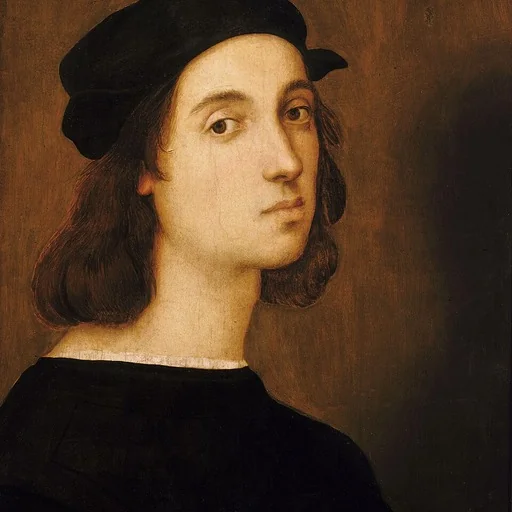
Overview
The mother, defined as the female parent of a child, stands as one of the most enduring and universal subjects in visual art. The motif transcends mere biological designation to encompass women who raise children through birth, adoption, or surrogacy, and it has served artists across millennia as a vehicle for exploring intimacy, identity, social structure, and spiritual belief. In the collection under discussion, the mother appears in 274 works, a frequency that testifies to her centrality in artistic imagination. These range from devotional images of the Madonna and Child to secular portraits of aristocratic and bourgeois families, from Impressionist domestic scenes to documentary photographs of economic hardship. The persistence of the mother in art reflects not only her role in human reproduction and social organization but also the evolving ways societies have valued, idealized, scrutinized, and reinterpreted maternal experience.
Iconography & meaning
The iconography of the mother in art draws upon multiple symbolic registers. In religious contexts, particularly within Christianity, the Virgin Mary established the dominant visual paradigm: the mother as pure, nurturing, and spiritually exalted, often depicted with attributes of humility, piety, and divine favor. The Madonna and Child formula, with variants such as the inclusion of the young Saint John the Baptist, provided a template for sacred motherhood that influenced European art for centuries. Secular motherhood developed its own vocabulary, with artists employing domestic settings, gestures of care, and physical proximity to signify maternal bonds. The maternal instinct, protection, sacrifice, and emotional complexity constitute recurring thematic clusters. In modern and contemporary art, the mother has become a site for psychological exploration and social critique. Louise Bourgeois's spider sculptures, particularly Maman, deliberately complicate maternal symbolism by invoking the spider as both protector and predator, weaver and threat, thereby acknowledging ambivalence within the maternal role. The mother figure also carries class and political dimensions, as in documentary photography where she becomes an emblem of collective struggle or national condition.
Across movements & periods
The treatment of the mother in art has shifted dramatically across movements and periods, though certain continuities persist. In the Renaissance, the Madonna dominated, with artists from Raphael to Leonardo perfecting idealized forms of sacred motherhood that emphasized harmony, beauty, and theological significance. The Baroque introduced greater emotional intensity and naturalism, while the eighteenth century saw the rise of secular domesticity, with artists like Élisabeth Louise Vigée Le Brun portraying aristocratic mothers and their children with a new intimacy that borrowed from sacred precedents. The nineteenth century brought divergent developments: Impressionists such as Mary Cassatt elevated everyday maternal care to high art through formal innovations borrowed from Japanese prints, while academic painters continued traditional commemorative portraits. The early twentieth century witnessed modernist fragmentation of the maternal image, from Giorgio de Chirico's psychologically ambiguous portraits of his mother to the surrealist explorations of Salvador Dalí. Documentary photography, exemplified by Dorothea Lange's Migrant Mother, harnessed the mother's emotional power for social advocacy. Contemporary art has further expanded the field, with artists like Tracey Emin and Frida Kahlo exploring infertility, loss, and the body's limits, while Bourgeois monumentalized maternal ambivalence in sculptural form.
Notable depictions
Certain depictions of mothers have achieved particular canonical status. James Abbott McNeill Whistler's Arrangement in Grey and Black No. 1, commonly known as Whistler's Mother (1871), now at the Musée d'Orsay, has become an icon of filial piety and American cultural identity, its formal austerity belying its emotional resonance. Mary Cassatt's The Child's Bath (1893), in the Art Institute of Chicago, demonstrates how Impressionist technique and Japanese compositional influence could transform a mundane domestic act into a meditation on intimacy and care. Élisabeth Louise Vigée Le Brun's Self-Portrait with Her Daughter, Julie, painted in two versions (1787 and 1789), caused contemporary controversy for the artist's unorthodox smile but now exemplifies the Enlightenment-era merging of maternal feeling and professional identity. Dorothea Lange's Migrant Mother (1936), capturing Florence Thompson in a California pea-picker camp, became the definitive image of Depression-era suffering and resilience. Louise Bourgeois's Maman (1999), a monumental spider sculpture at nearly nine meters, reimagines maternal tribute through abstracted, emotionally complex form. Other significant works include Giorgio de Chirico's Ritratto della madre (1911), Albrecht Dürer's charcoal portrait of his mother Barbara (1514), and Vincent van Gogh's 1888 Portrait of the Artist's Mother.
Legacy
The mother in art continues to generate critical attention and creative reinterpretation. The feminist art historical scholarship of the 1970s, which helped secure recognition for artists like Alice Neel, also prompted reassessment of how maternal subjects had been framed and who had been permitted to represent them. The tension between motherhood and artistic production, once assumed to be inherently conflicting, has become itself a subject of investigation, with scholars and curators examining how institutional structures and social expectations shaped women's careers. The Mütter Museum in Philadelphia, founded in 1863 and named for Thomas Dent Mütter, while primarily a medical history institution, indirectly testifies to the cultural weight of the maternal through its collections of reproductive and developmental specimens, even as contemporary debates about the ethics of displaying human remains have prompted institutional reexamination. In popular culture, the maternal image retains potent currency, from the commercial appropriation of Whistler's portrait to the ongoing political deployment of mothers in advocacy imagery. The digital age has democratized maternal representation through photography and social media, even as it has raised new questions about consent, privacy, and the commodification of domestic life. The mother persists, in art as in society, as a figure simultaneously universal and insistently particular, idealized and contested, timeless and urgently contemporary.
Works
 Woman with a Parasol - Madame Monet and Her Son
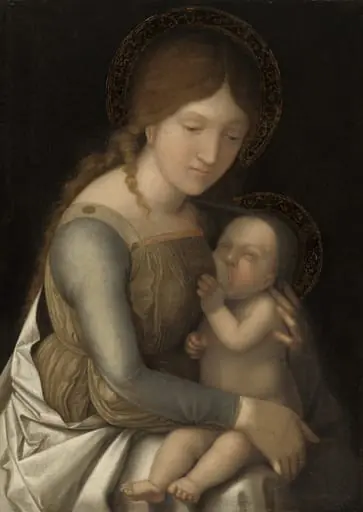 Madonna and Child
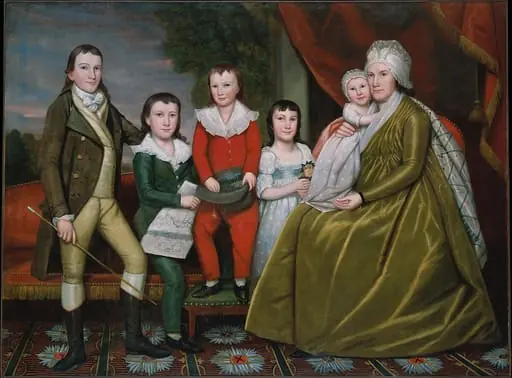 Mrs. Noah Smith and Her Children
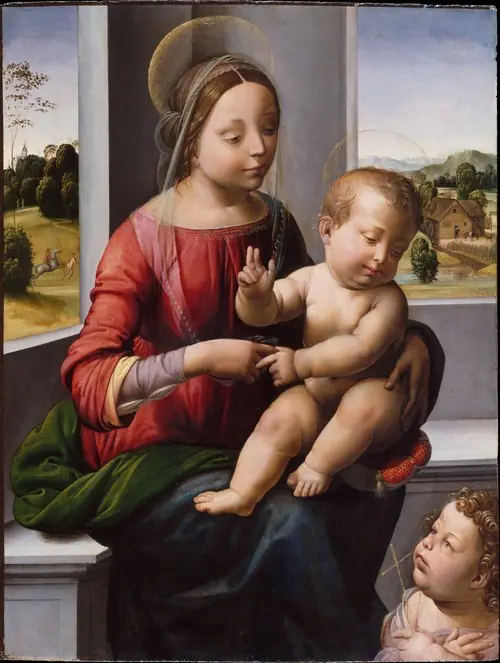 Madonna and Child with the Young Saint John the Baptist
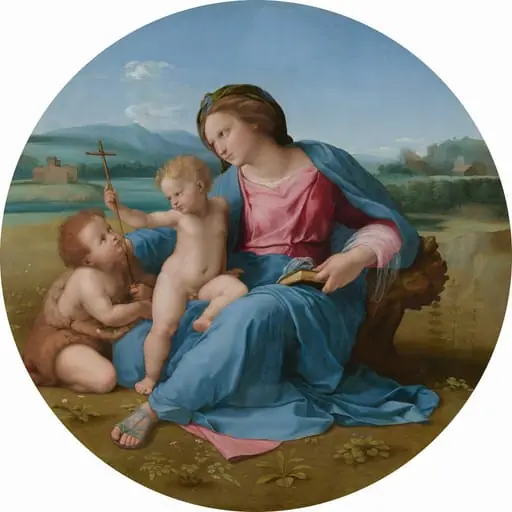 The Alba Madonna
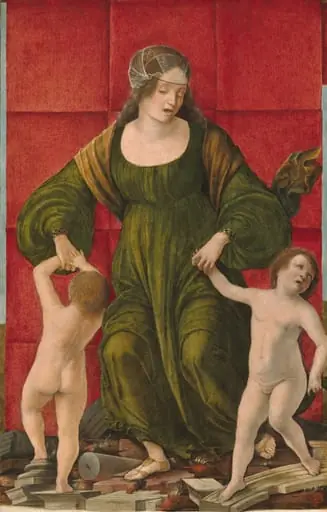 The Wife of Hasdrubal and Her Children
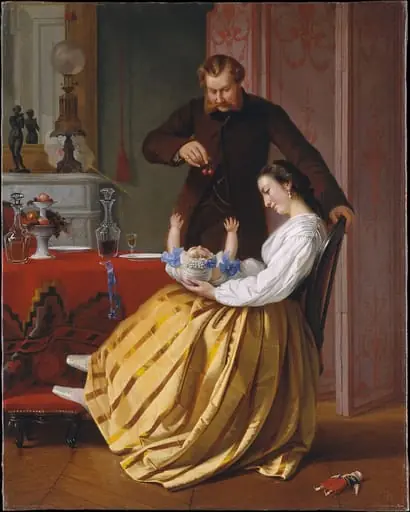 Conversation Piece
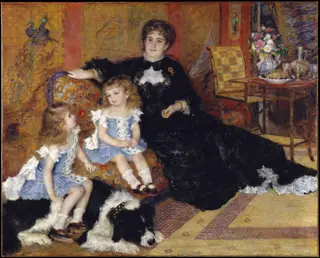 Madame Georges Charpentier and her Children
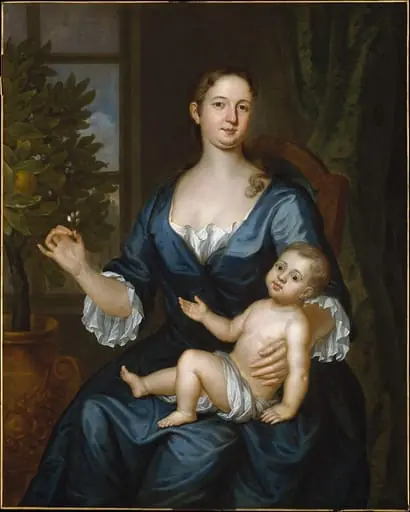 Mrs. Francis Brinley and Her Son Francis
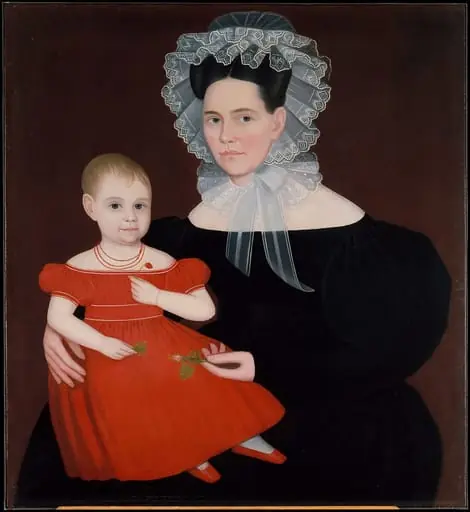 Mrs. Mayer and Daughter
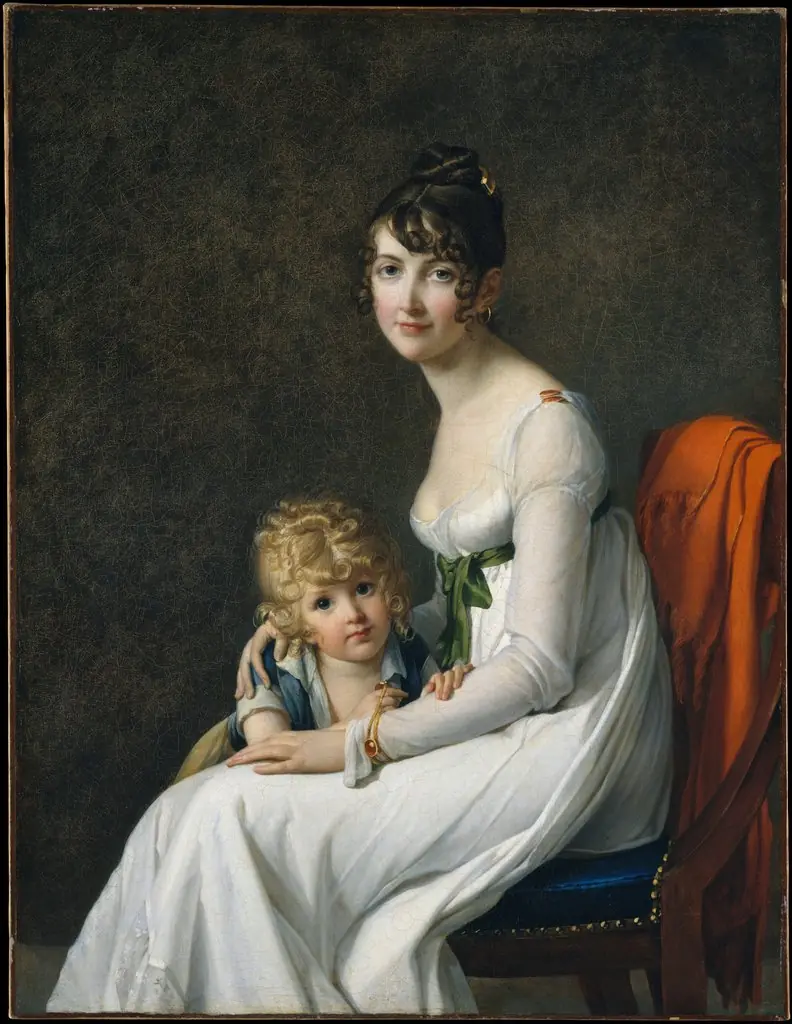 Madame Philippe Panon Desbassayns de Richemont (Jeanne Eglé Mourgue, 1778–1855) and Her Son, Eugène (1800–1859)
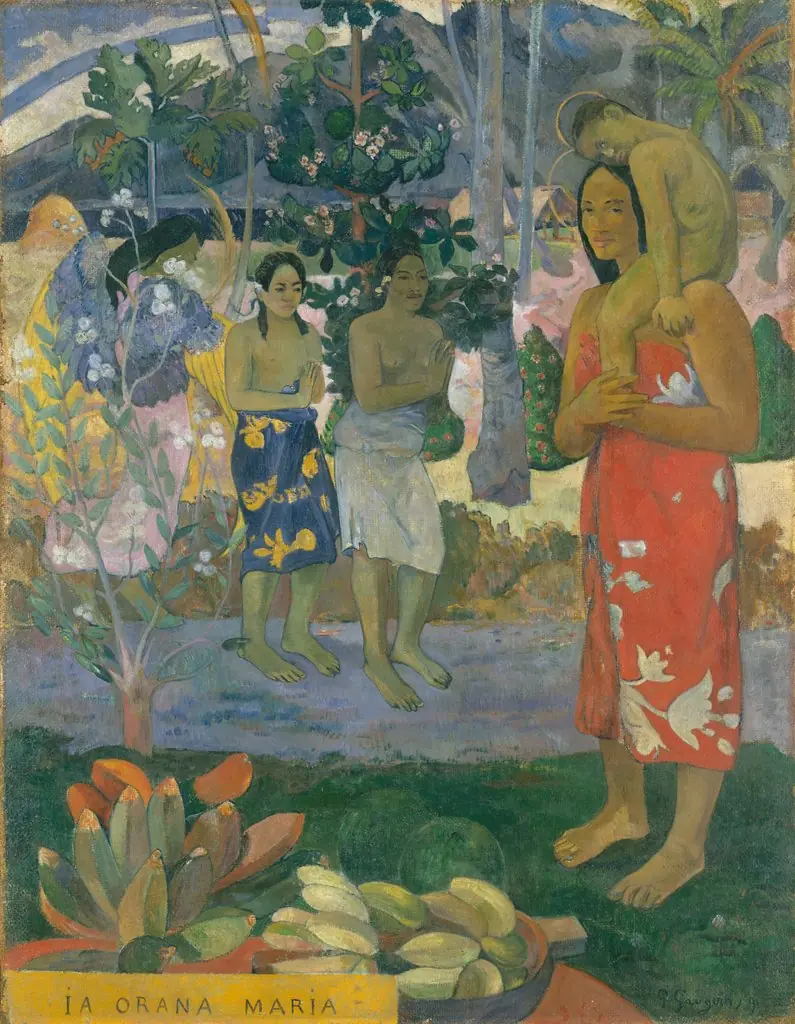 Ia Orana Maria
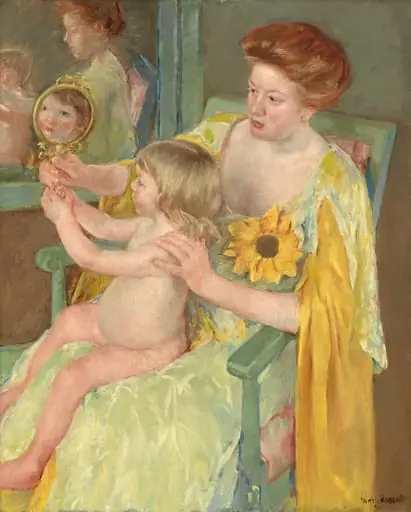 Woman with a Sunflower
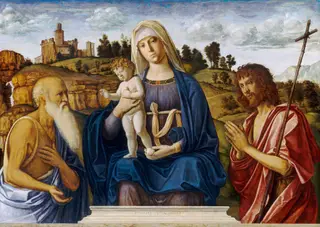 Madonna and Child with Saint Jerome and Saint John the Baptist
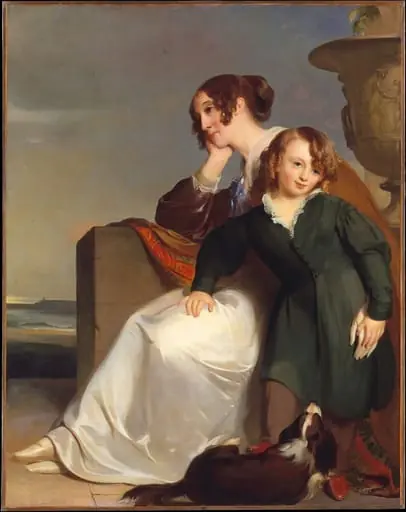 Mother and Son
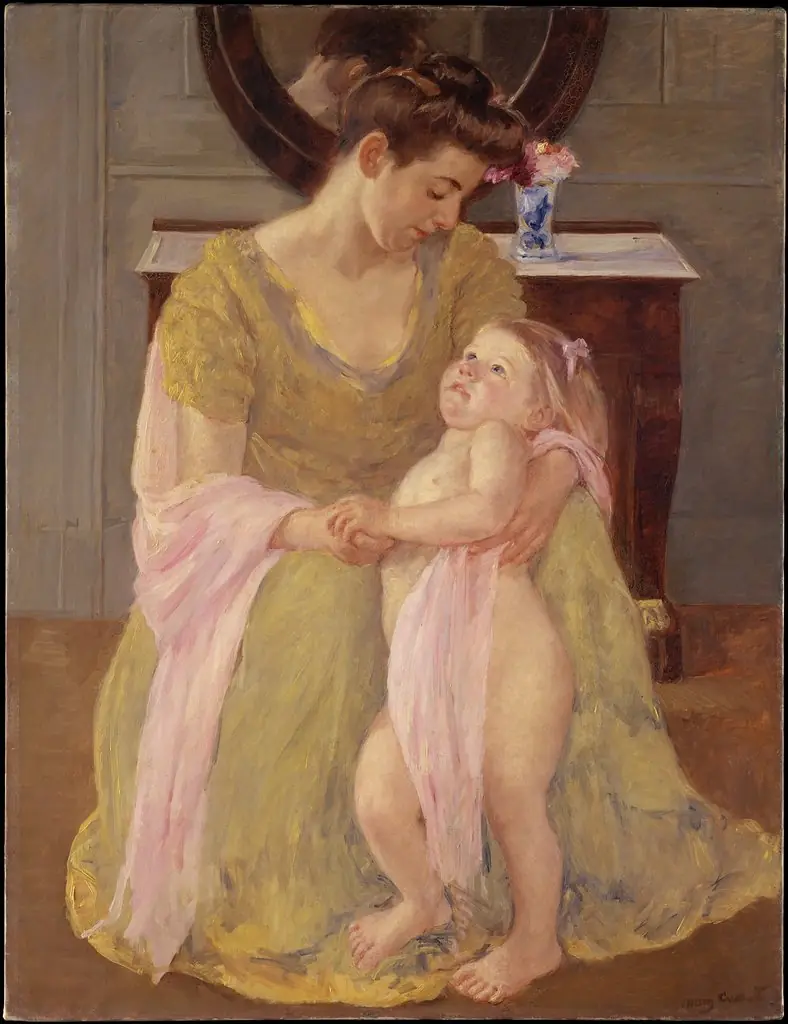 Mother and Child with a Rose Scarf
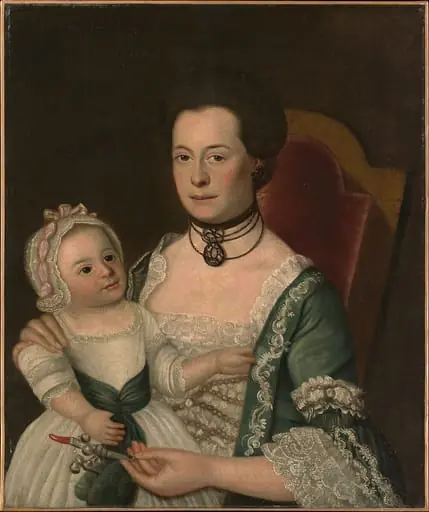 Mrs. Jacob Hurd and Child
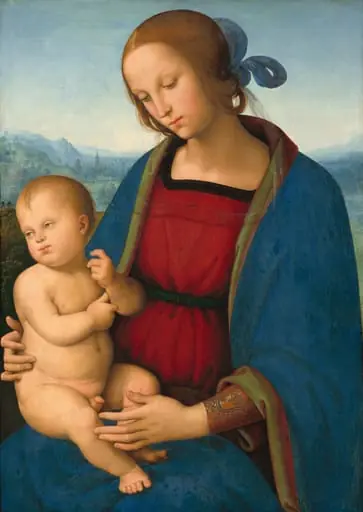 Madonna and Child
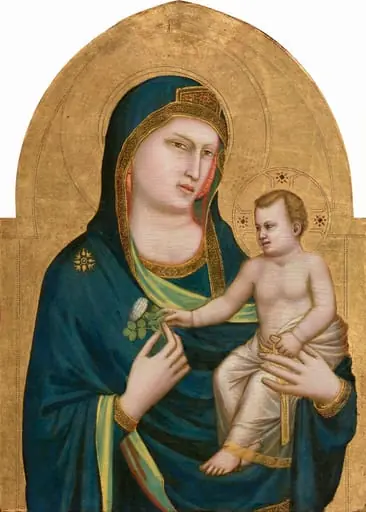 Madonna and Child
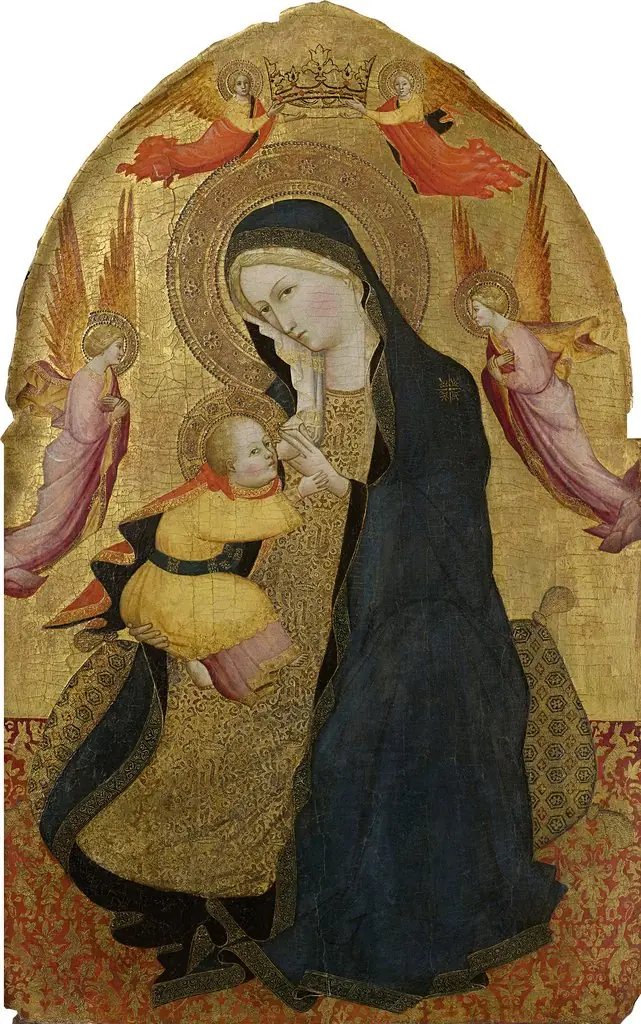 Madonna of Humility (Madonna dell'Umiltà)
![Madonna and Child [obverse]](https://artifactworldgallery.com/img/albrecht-durer--madonna-and-child-obverse--d7b8ebf05d22ebe5-w320.webp) Madonna and Child [obverse]
Madonna and Child [obverse]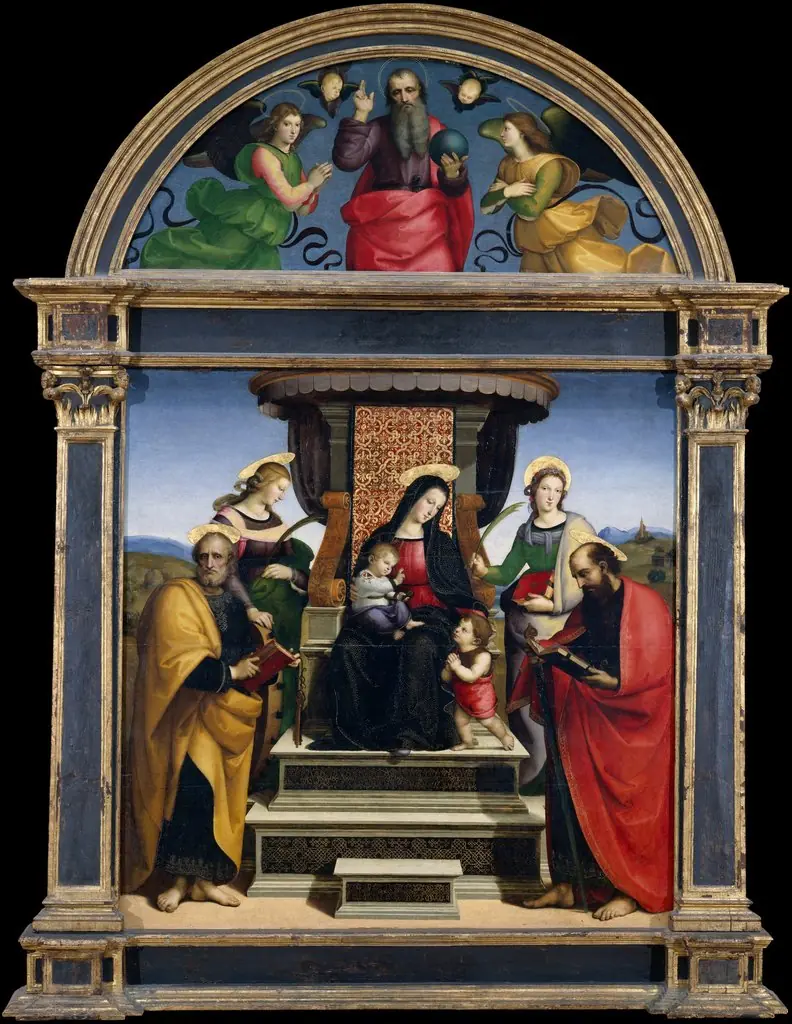 Madonna and Child Enthroned with Saints
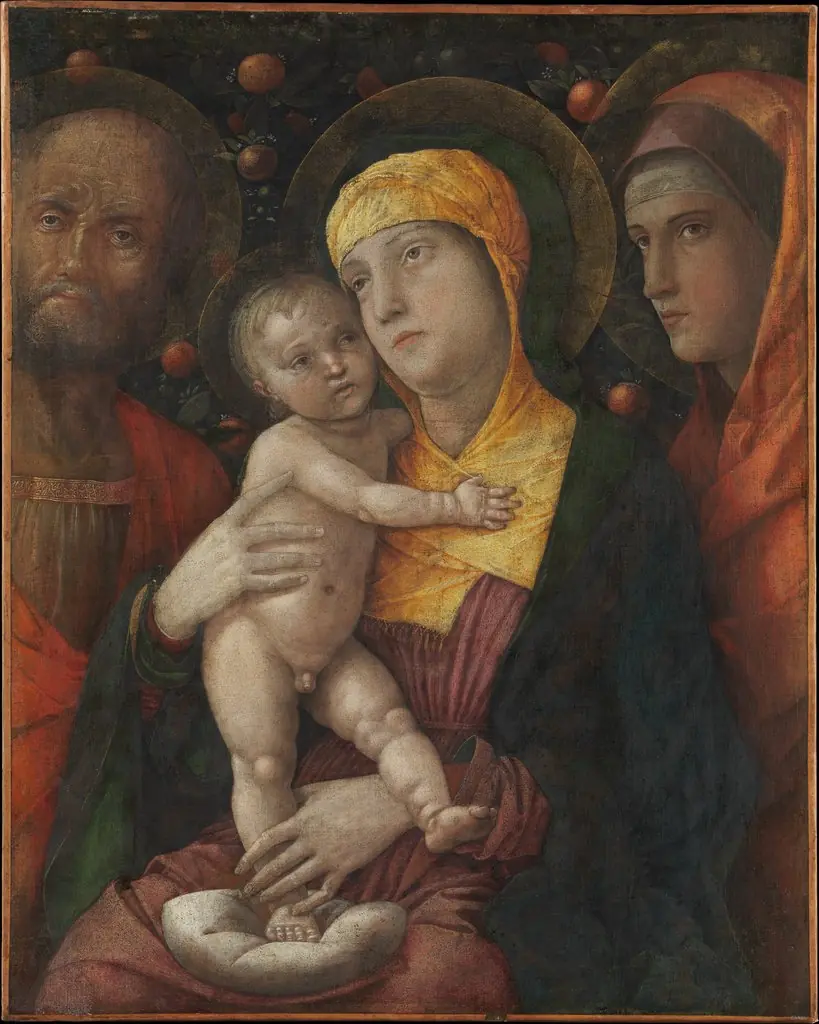 The Holy Family with Saint Mary Magdalen
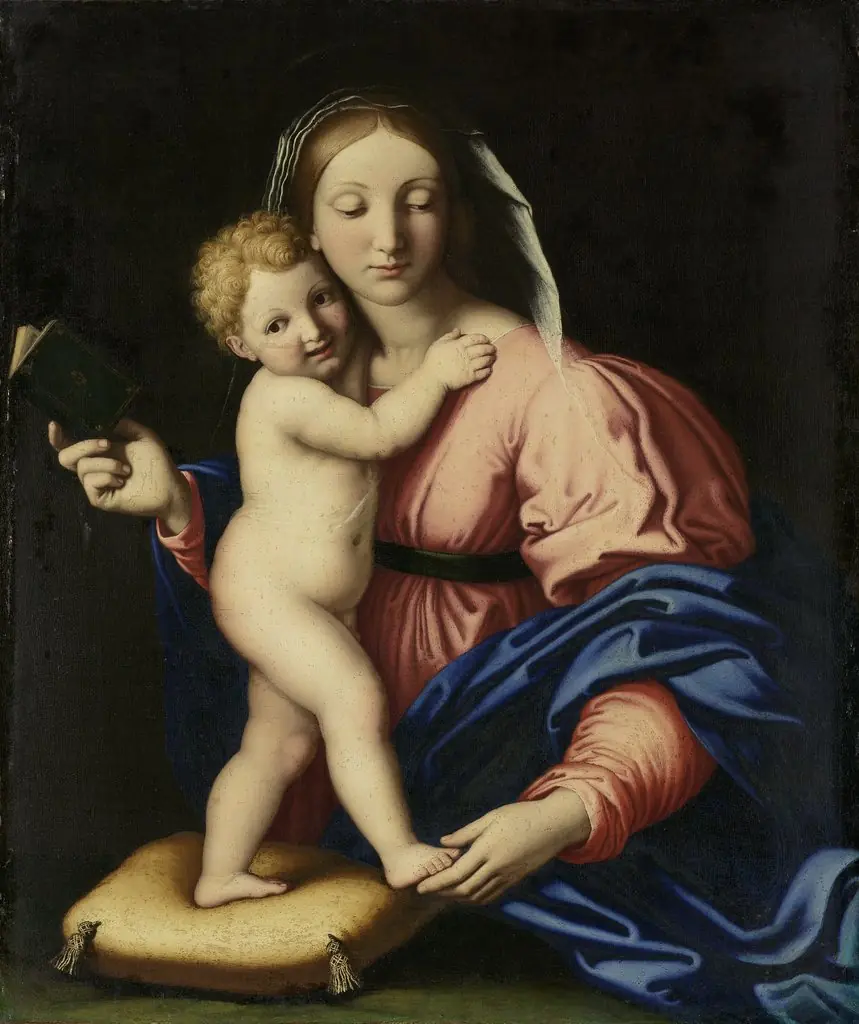 Virgin and Child
 Madonna and Child Enthroned
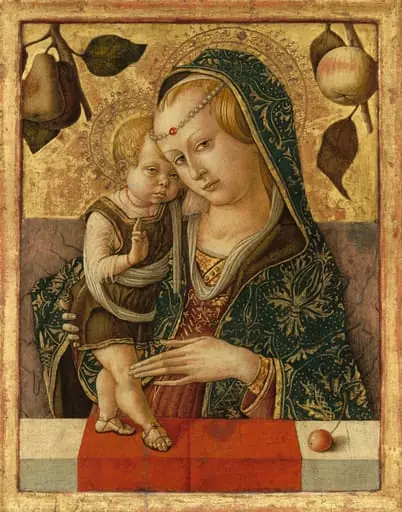 Madonna and Child
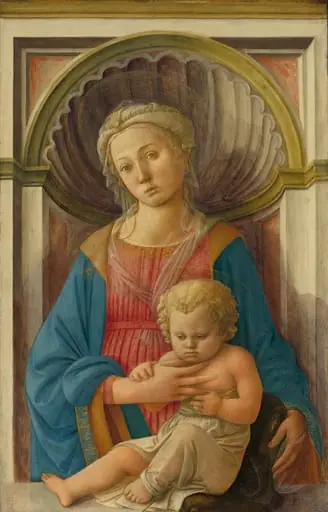 Madonna and Child
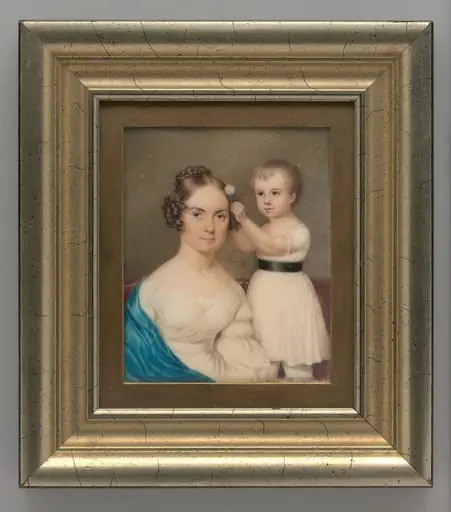 Mrs. William Gordon Ver Planck and Her Son Samuel Hopkins Ver Planck
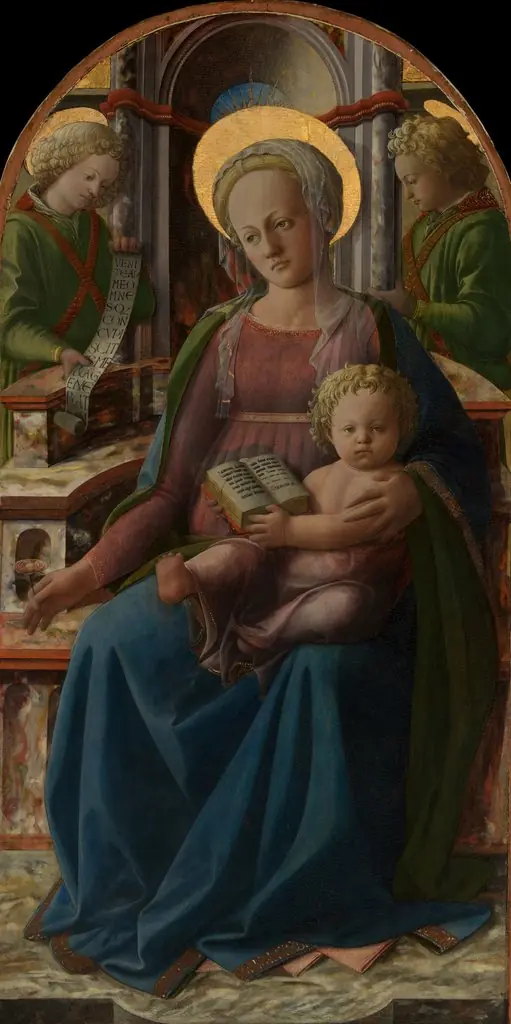 Madonna and Child Enthroned with Two Angels
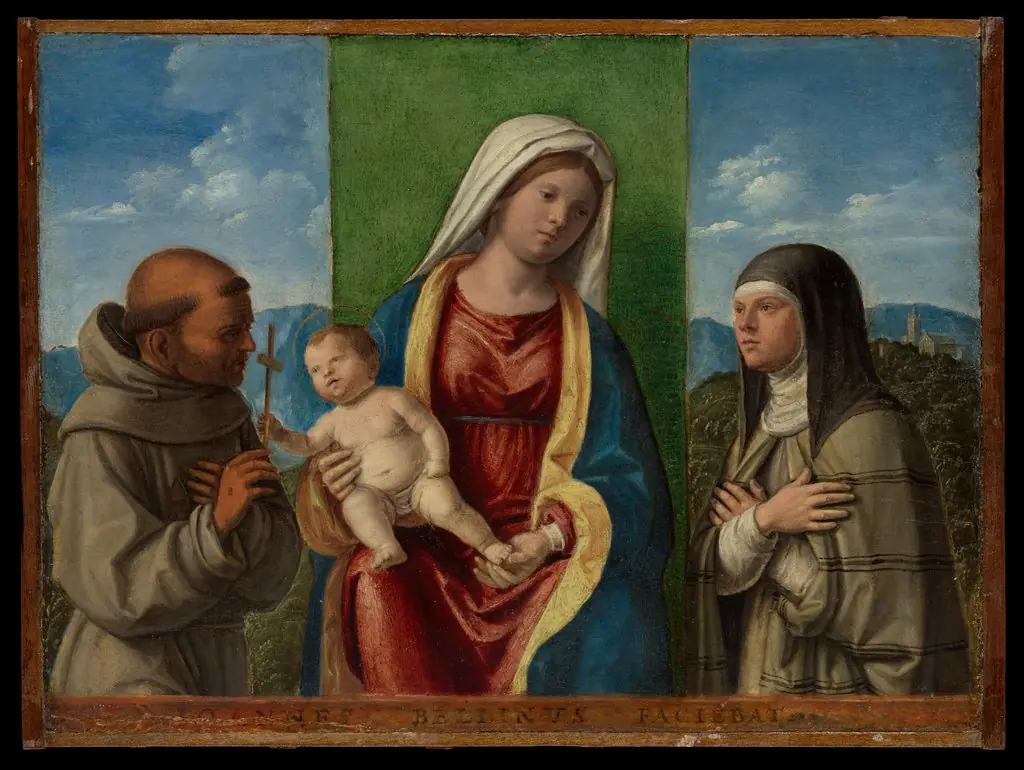 Madonna and Child with Saints Francis and Clare
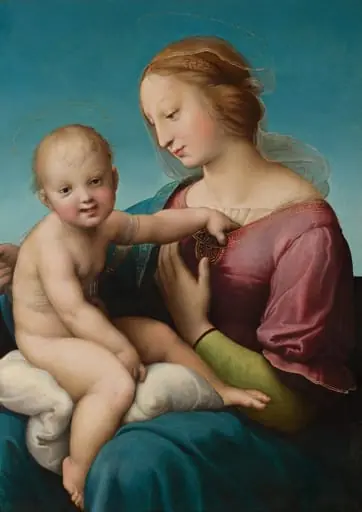 The Niccolini-Cowper Madonna
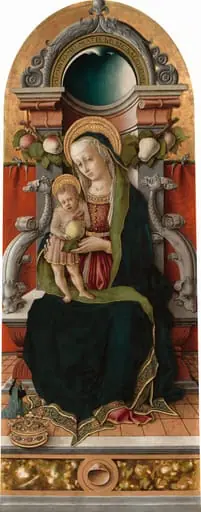 Madonna and Child Enthroned with Donor
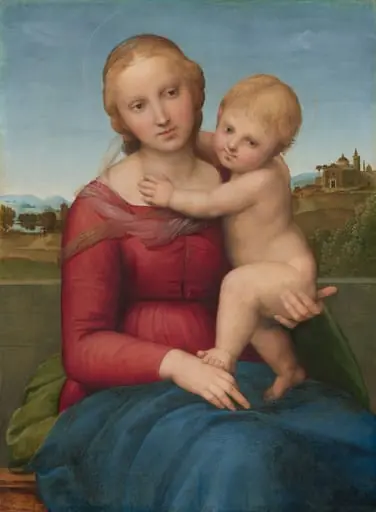 The Small Cowper Madonna
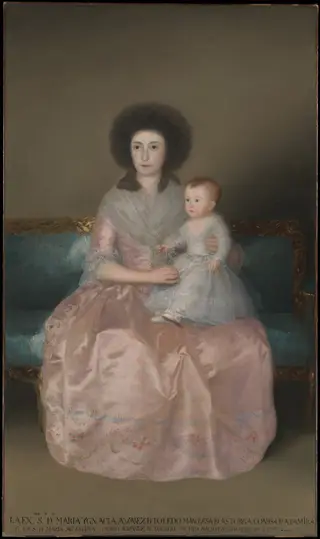 Condesa de Altamira and Her Daughter, María Agustina
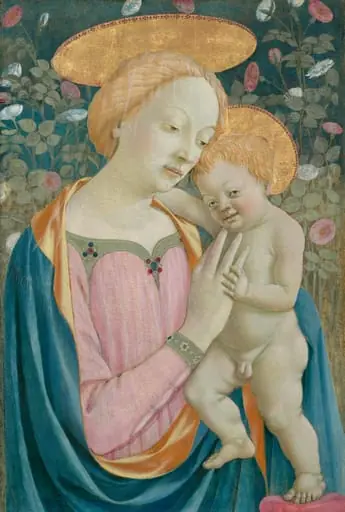 Madonna and Child
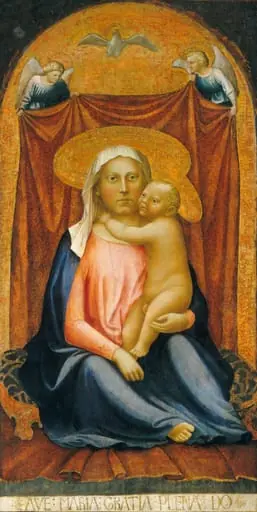 The Madonna of Humility
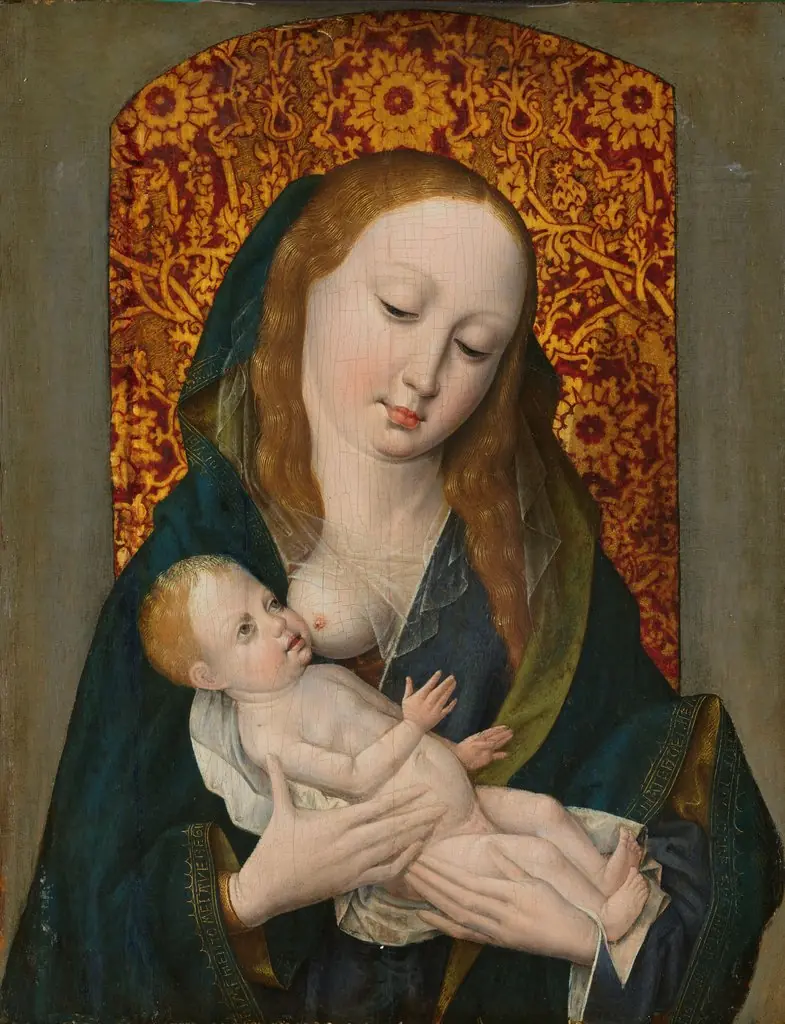 The Virgin and Child
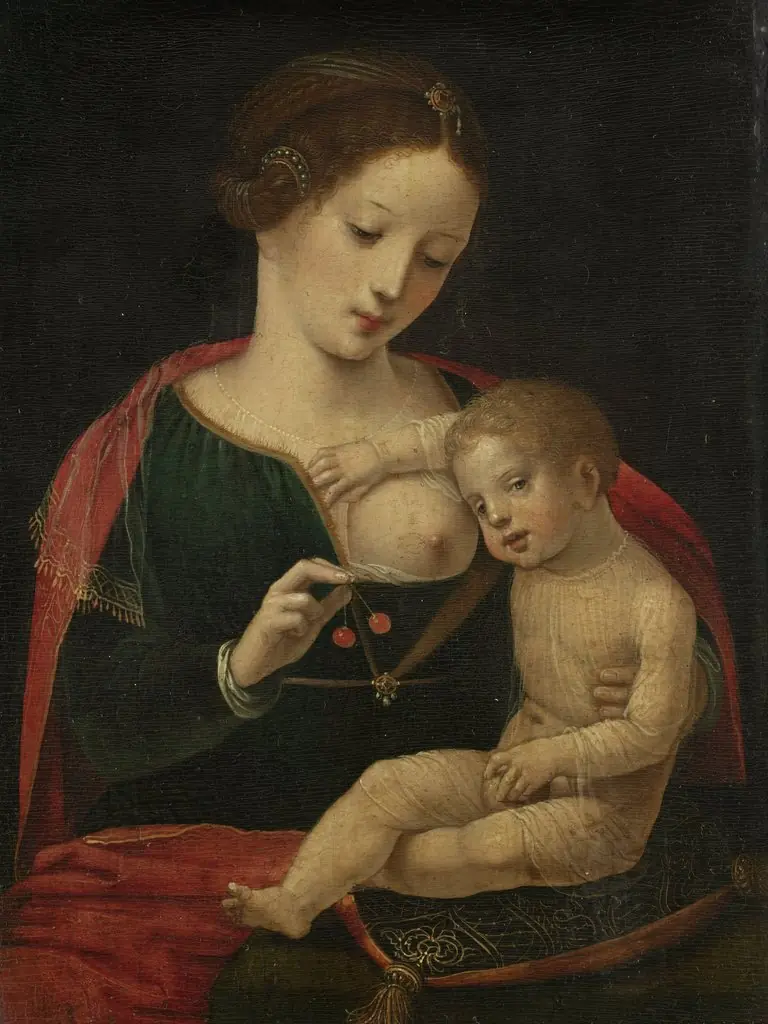 Madonna and child
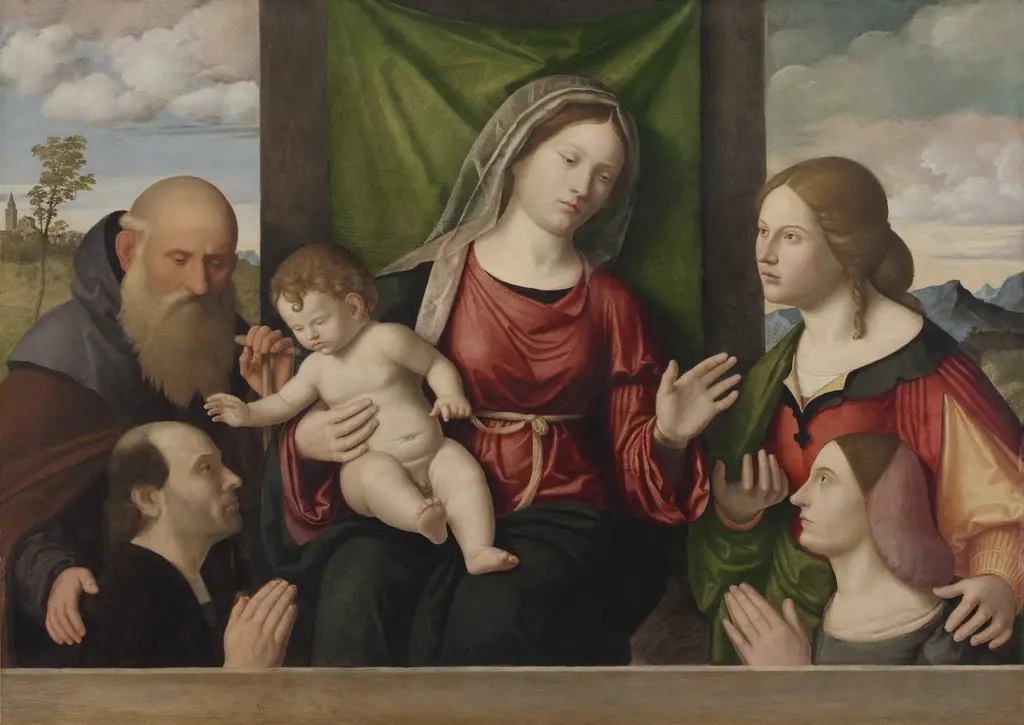 Virgin and Child with Saints and Donors
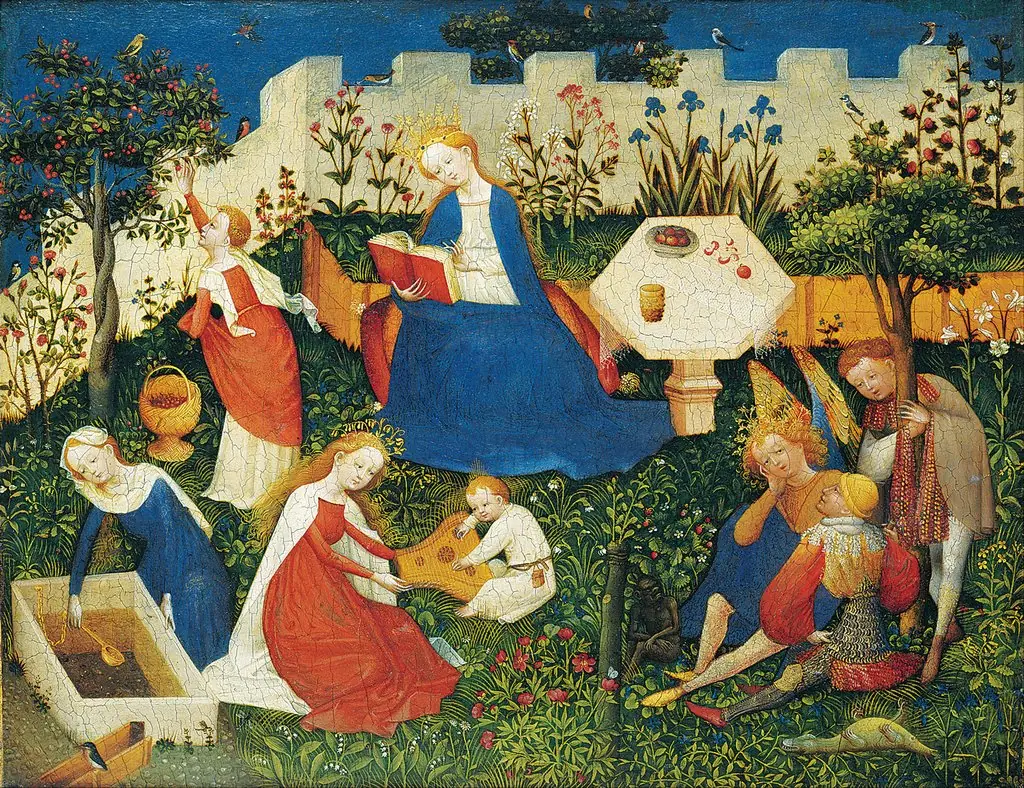 Paradiesgärtlein
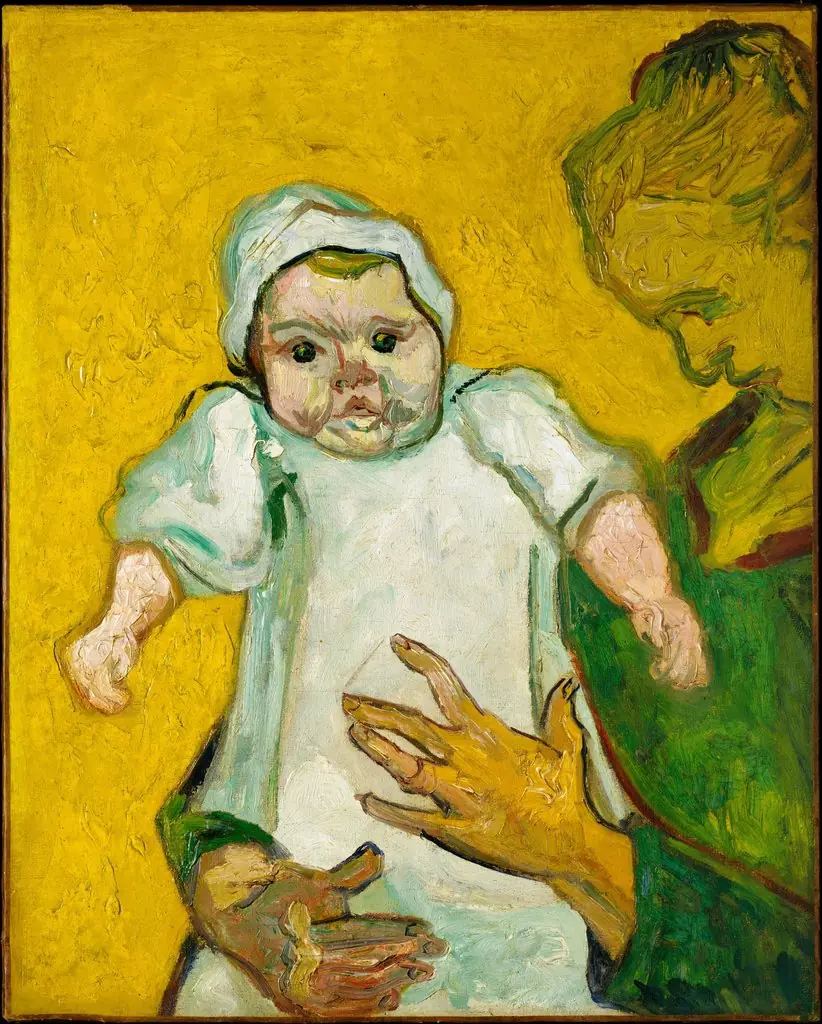 Madame Augustine Roulin with Baby
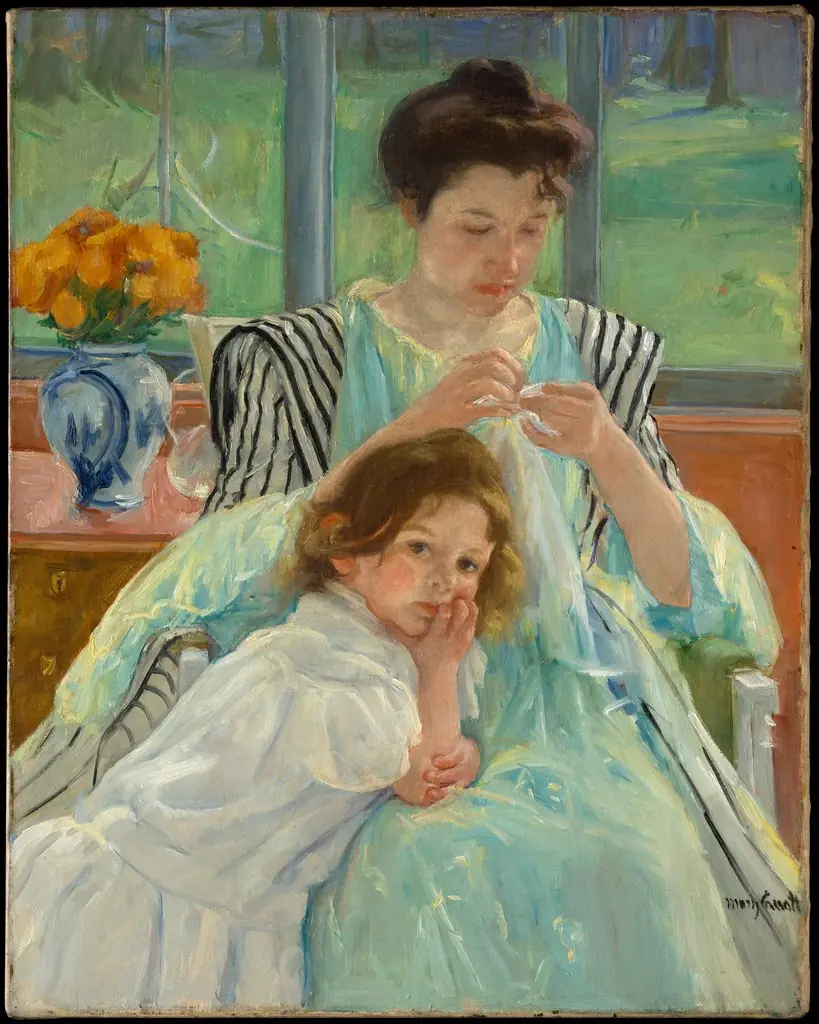 Young Mother Sewing
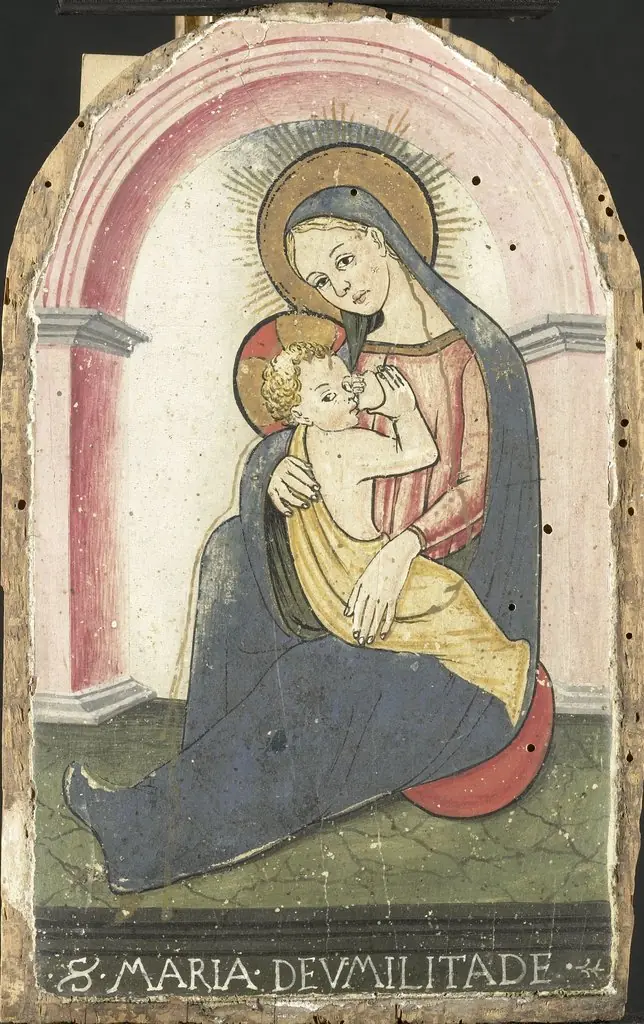 Madonna of Humility
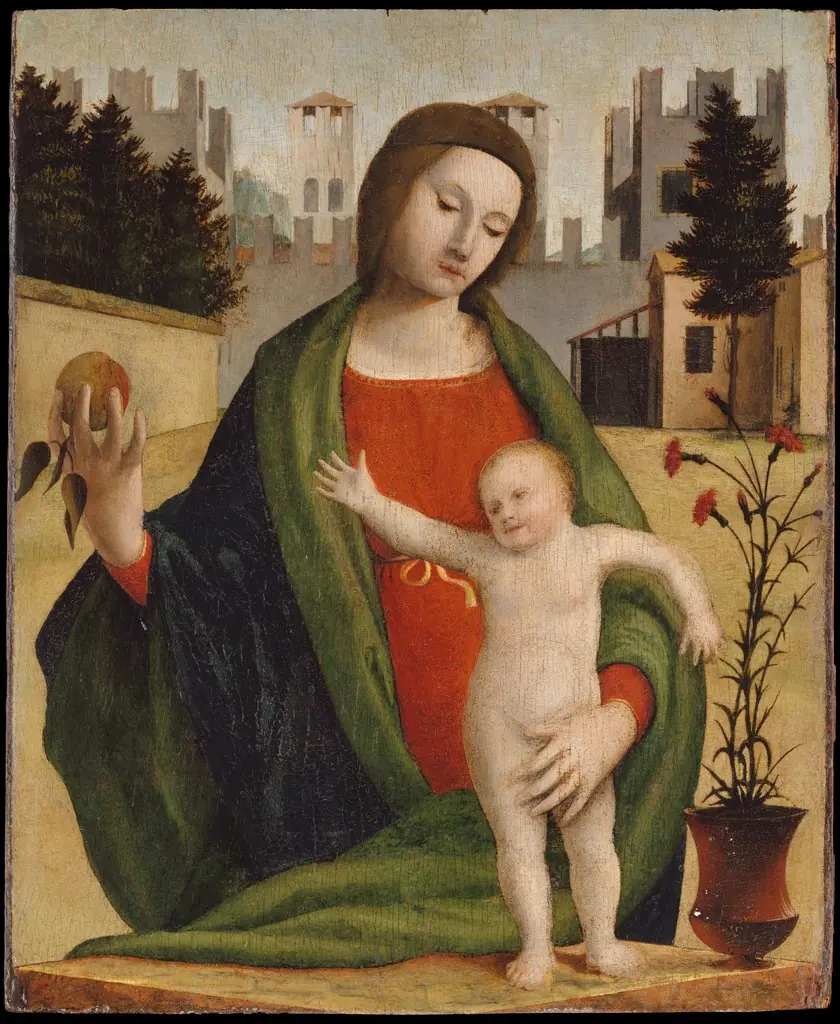 Madonna and Child
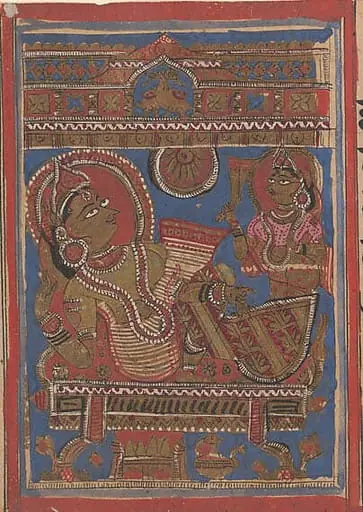 Untitled
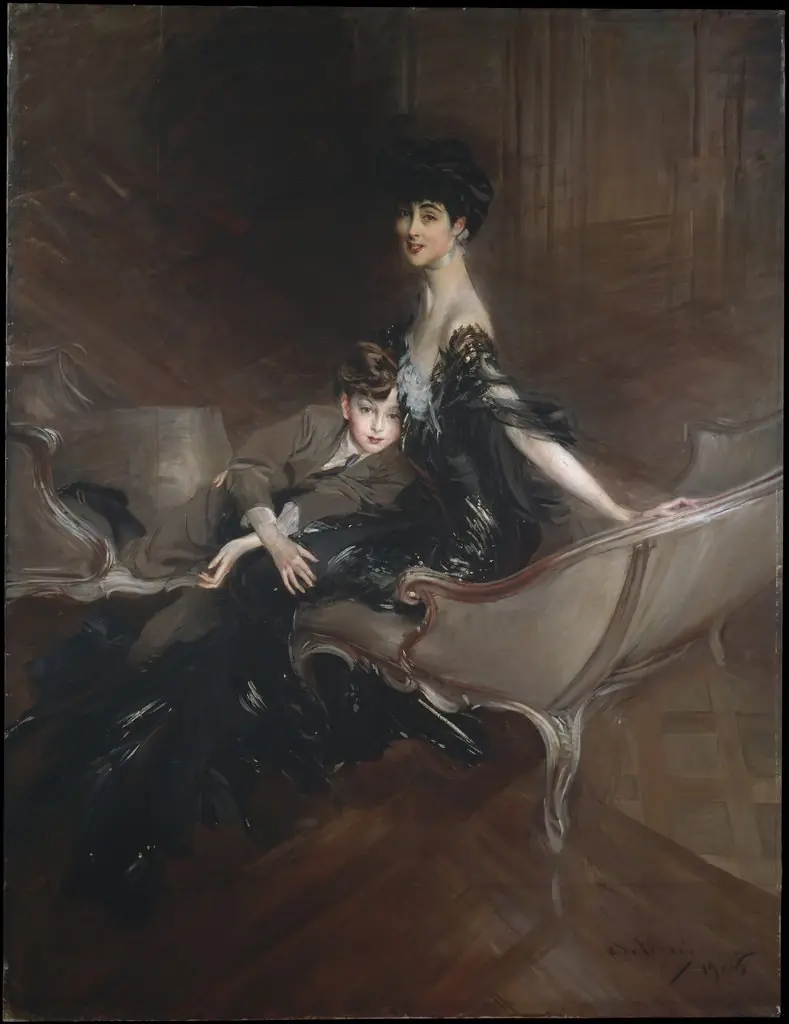 Consuelo Vanderbilt (1876–1964), Duchess of Marlborough, and Her Son, Lord Ivor Spencer-Churchill (1898–1956)
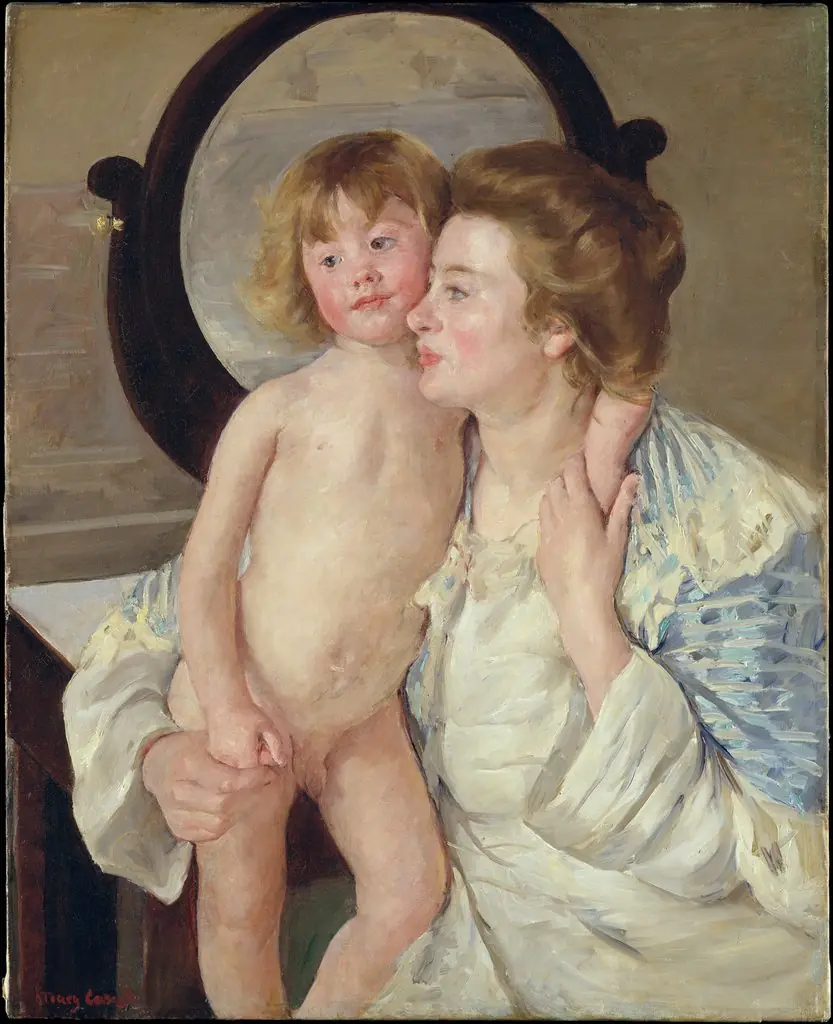 Mother and Child (The Oval Mirror)
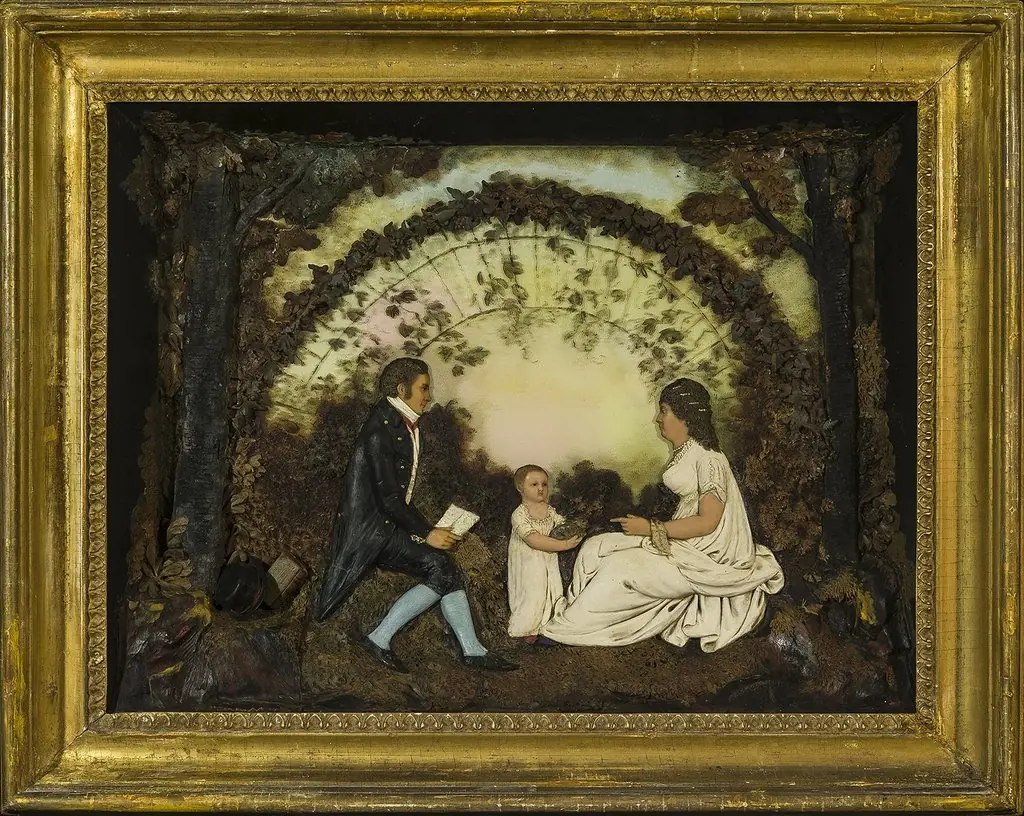 Father, Mother, and Child in a Park
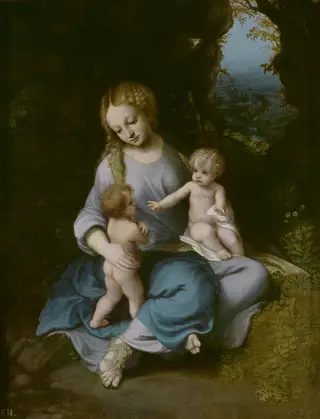 Madonna and Child with the Young Saint John
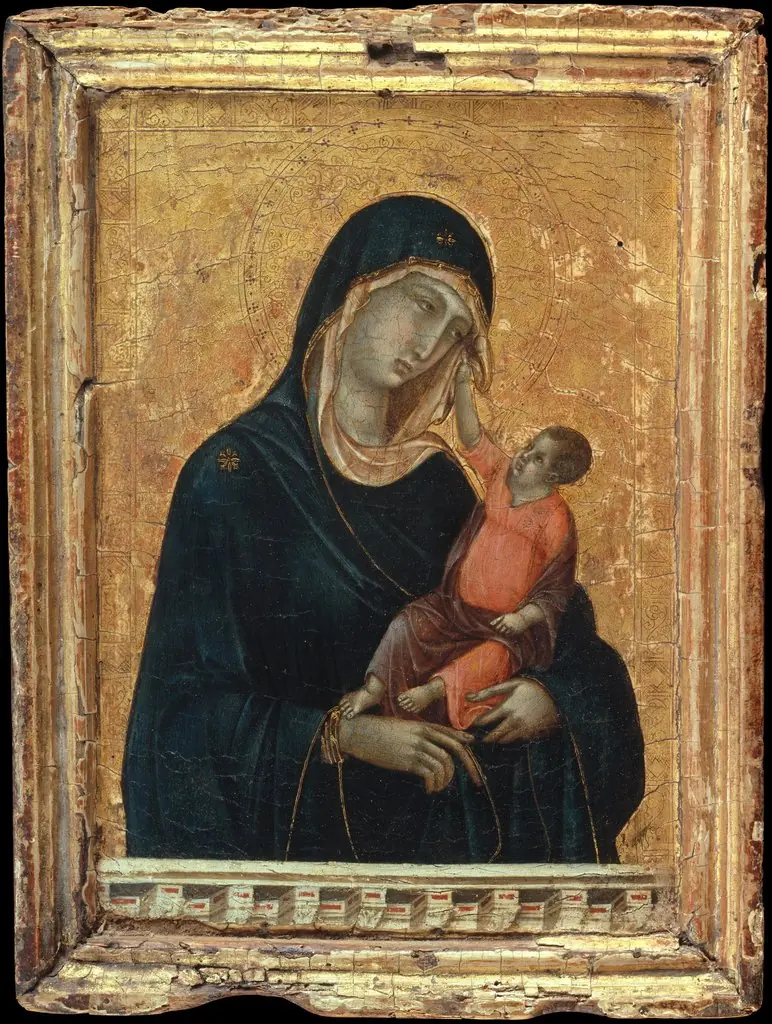 Madonna and Child
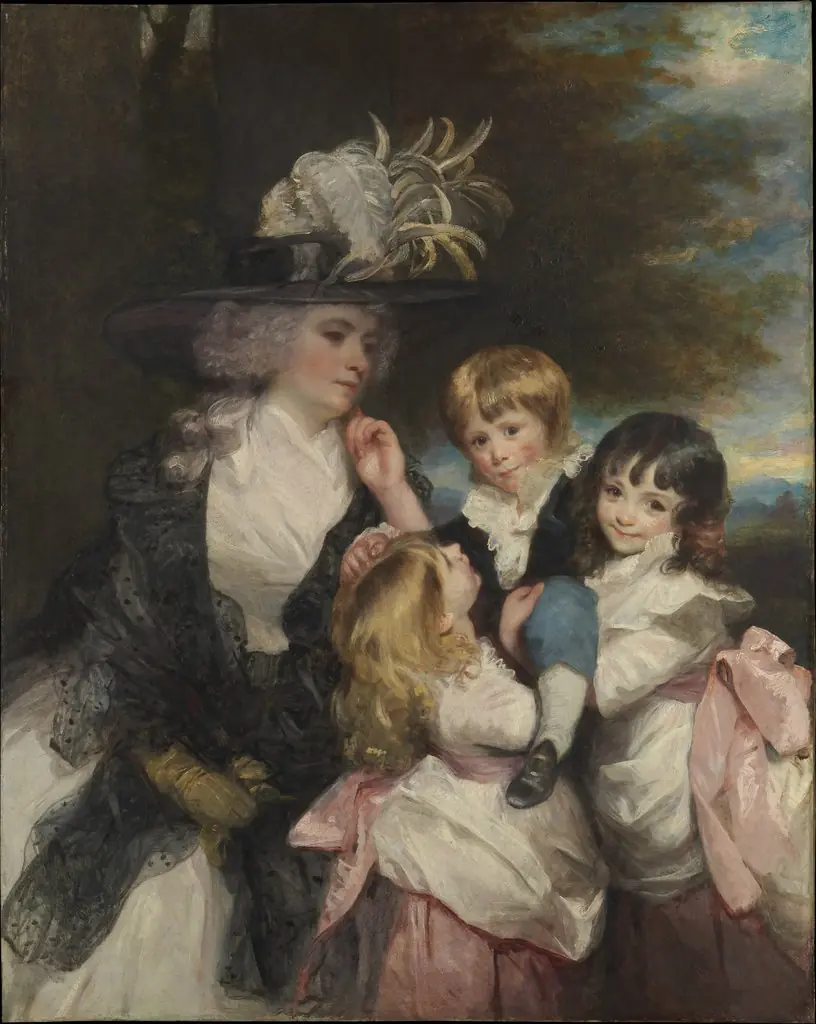 Lady Smith (Charlotte Delaval) and Her Children (George Henry, Louisa, and Charlotte)
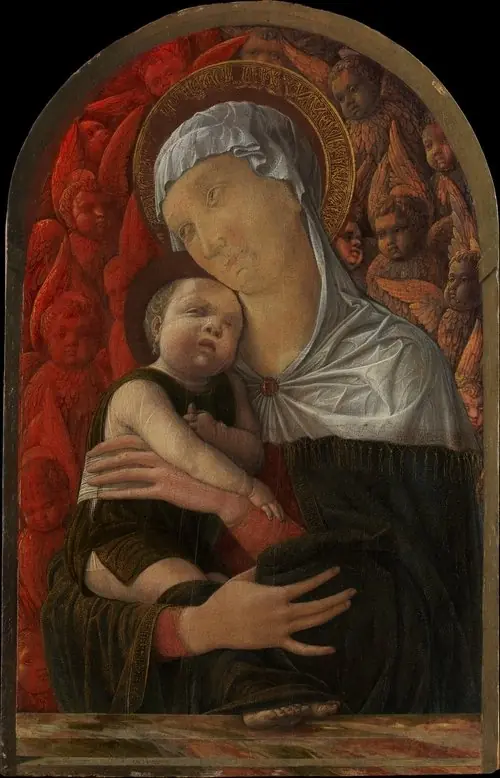 Virgin and Child
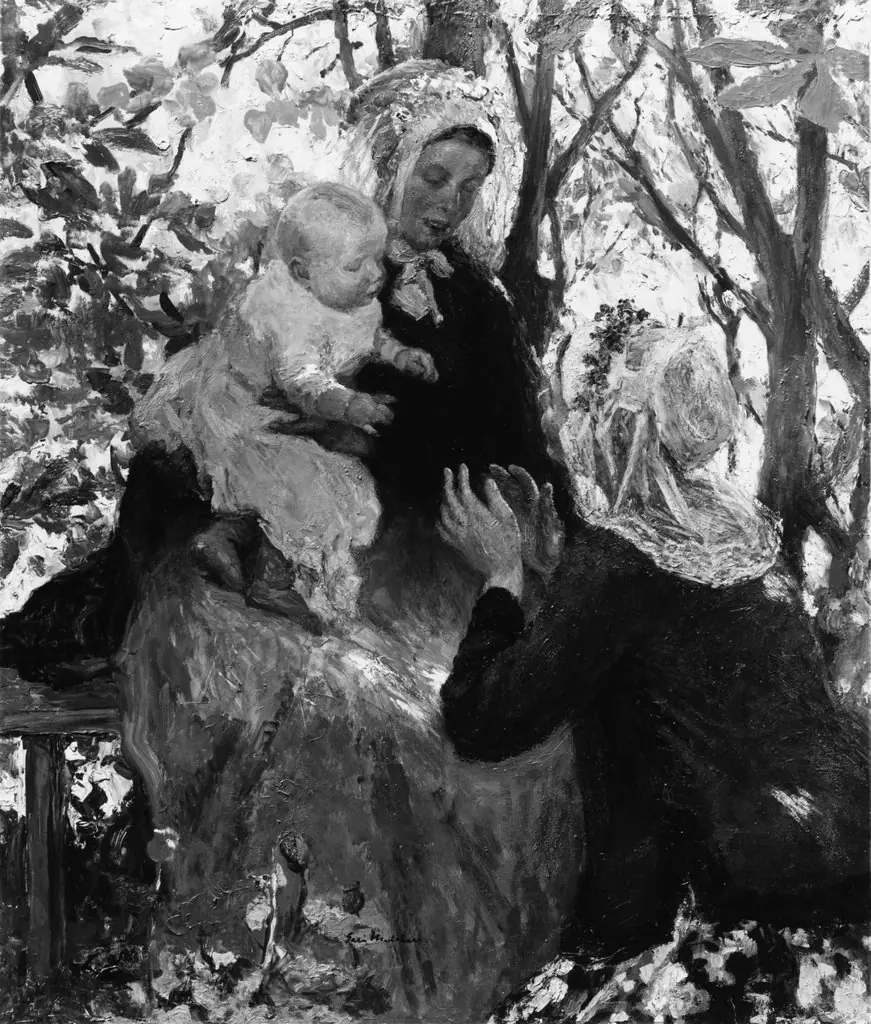 Madonna
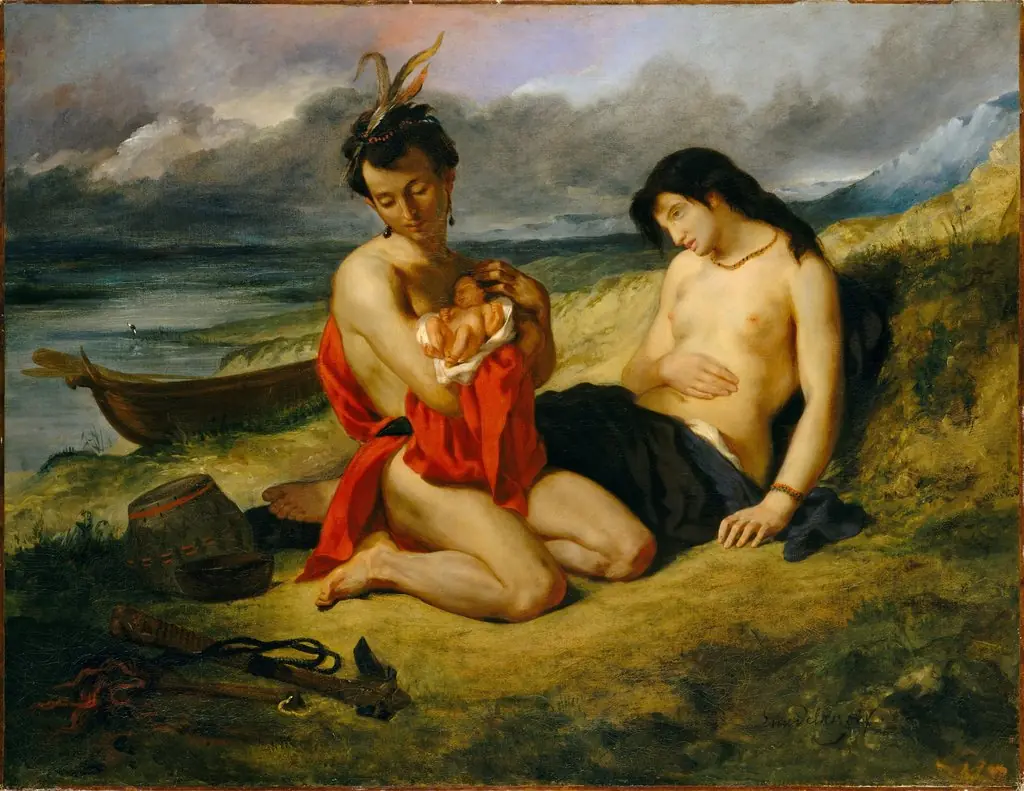 The Natchez
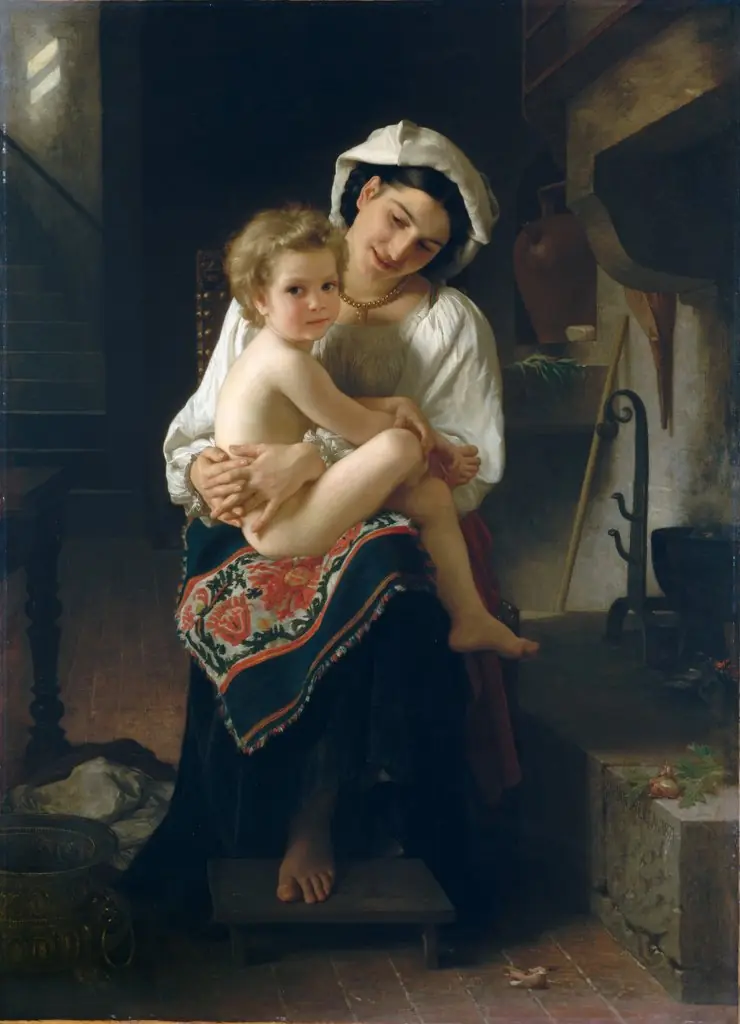 Young Mother Gazing at Her Child
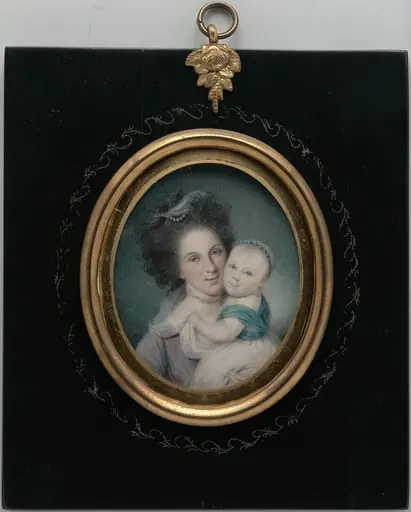 Mrs. Charles Willson Peale (Rachel Brewer) and Baby Eleanor
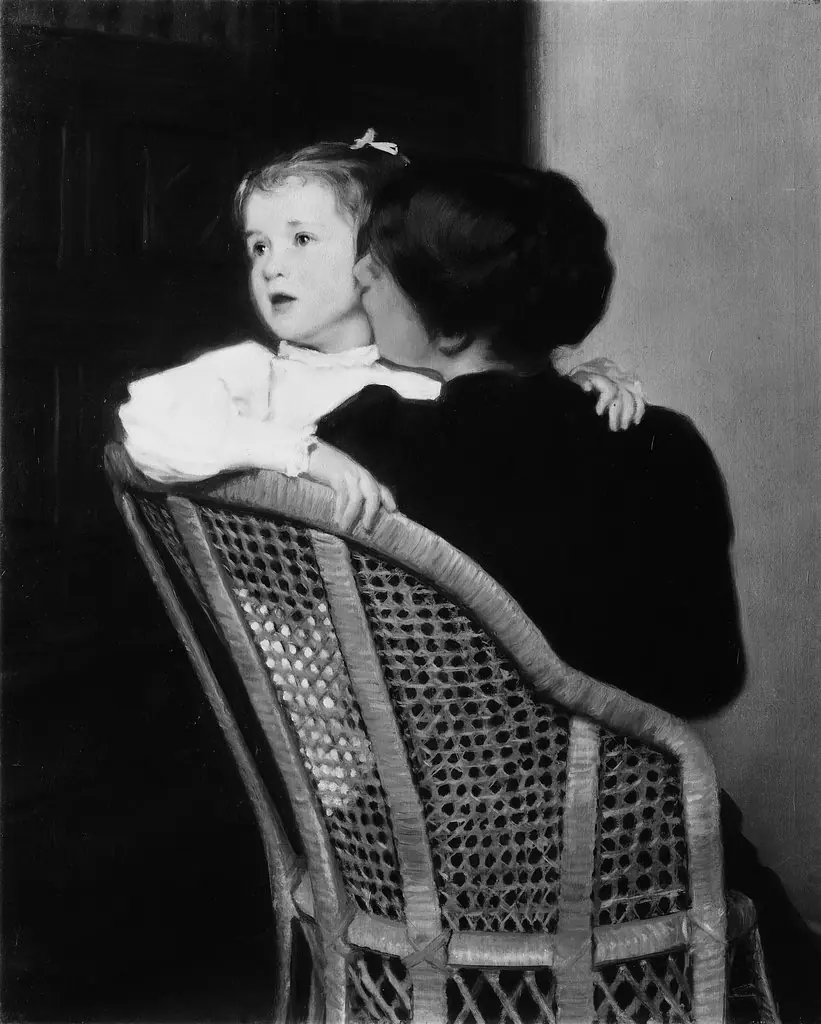 The Seer
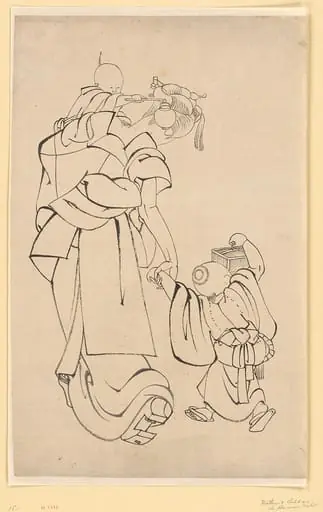 Untitled
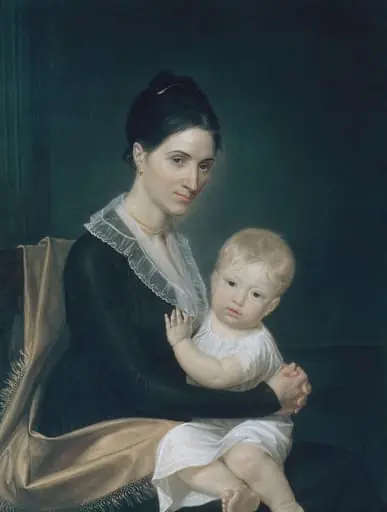 Mrs. Marinus Willett and Her Son Marinus, Jr.
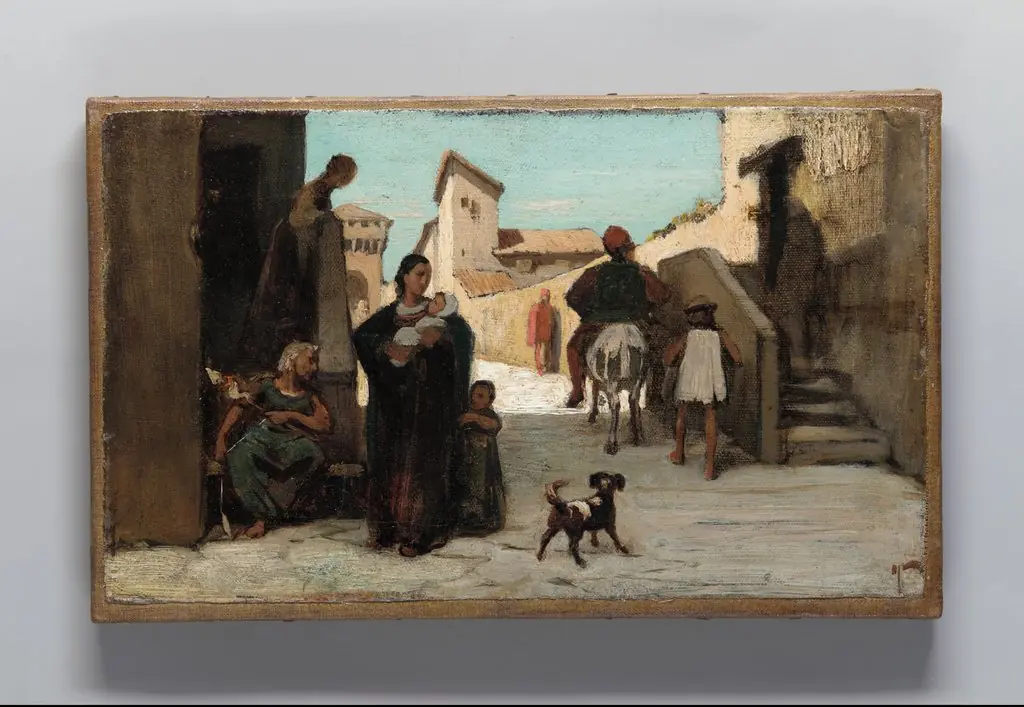 The Fable of the Miller, His Son, and the Donkey
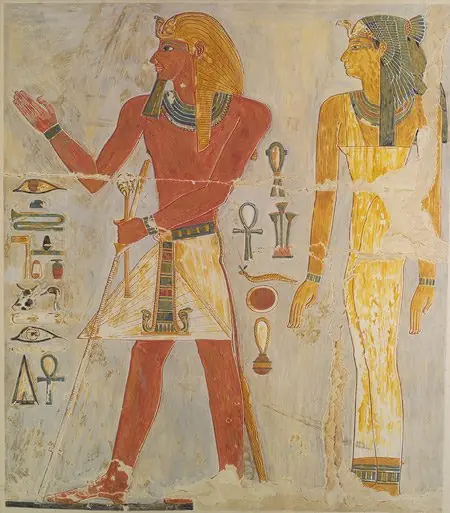 Thutmose I and His Mother Seniseneb
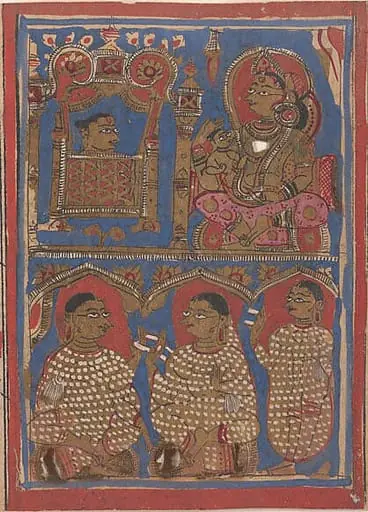 Untitled
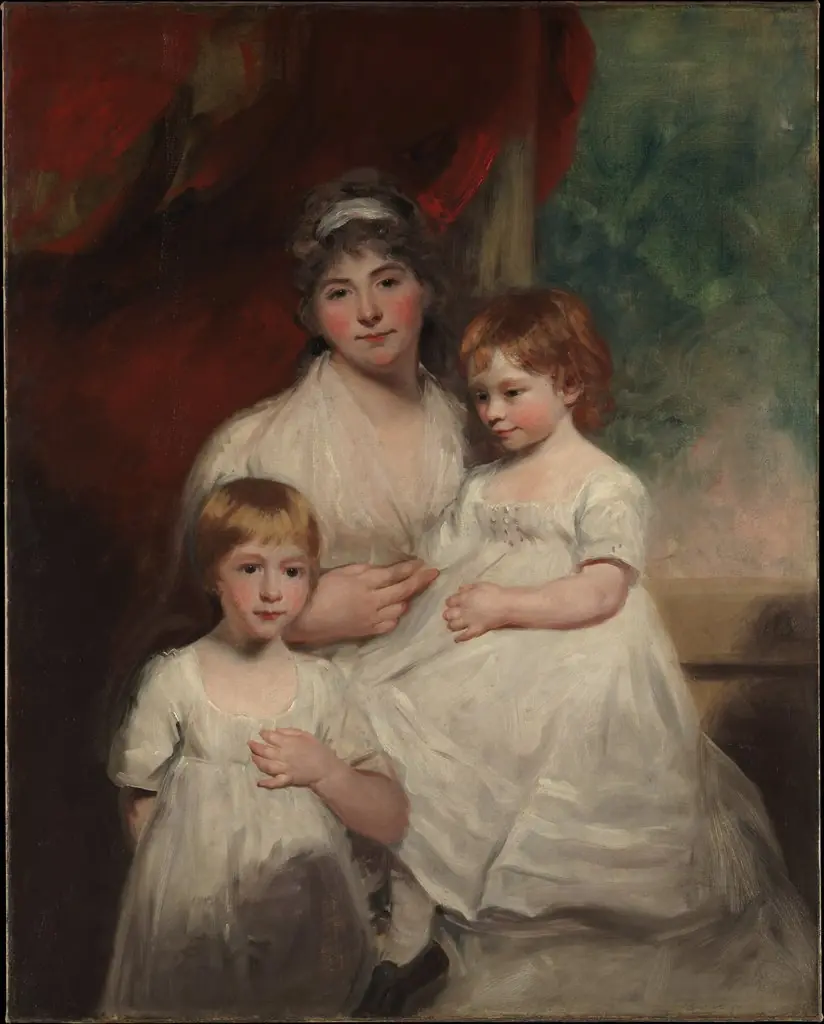 Mrs. John Garden (Ann Garden, 1769–1842) and Her Children, John (1796–1854) and Ann Margaret (born 1793)
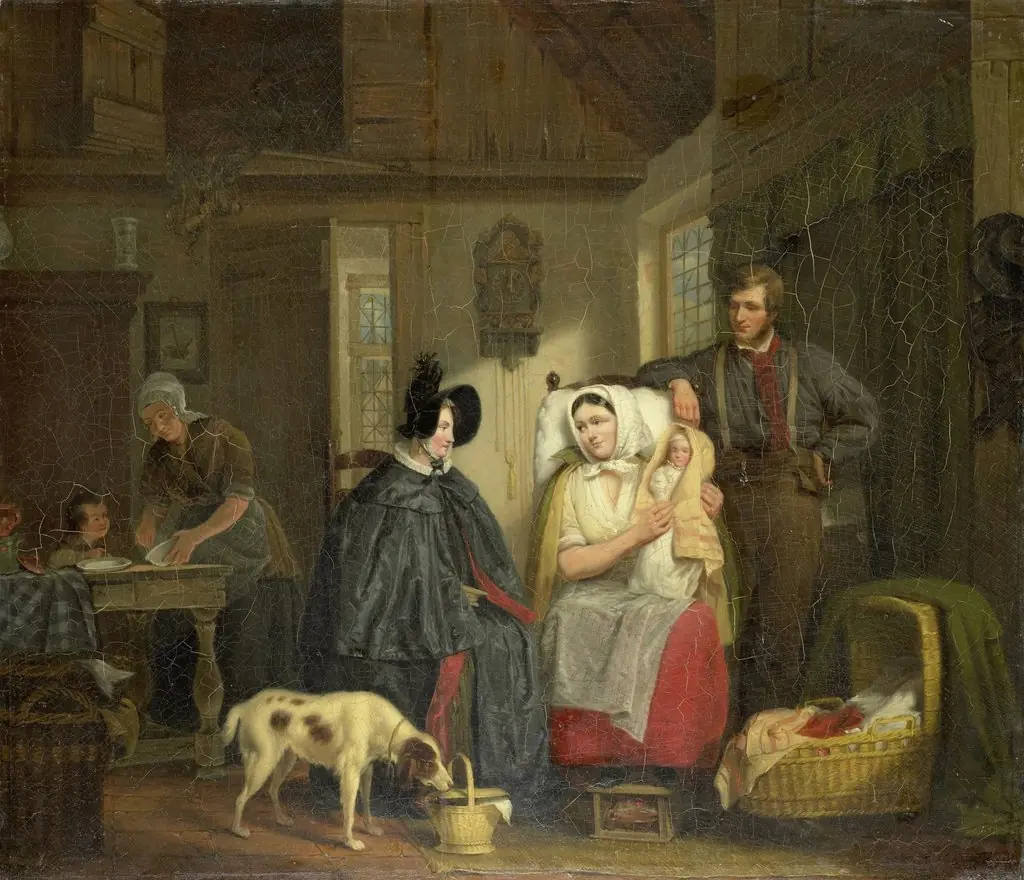 Visit to a New Mother
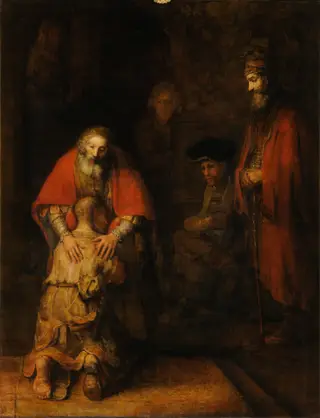 The Return of the Prodigal Son
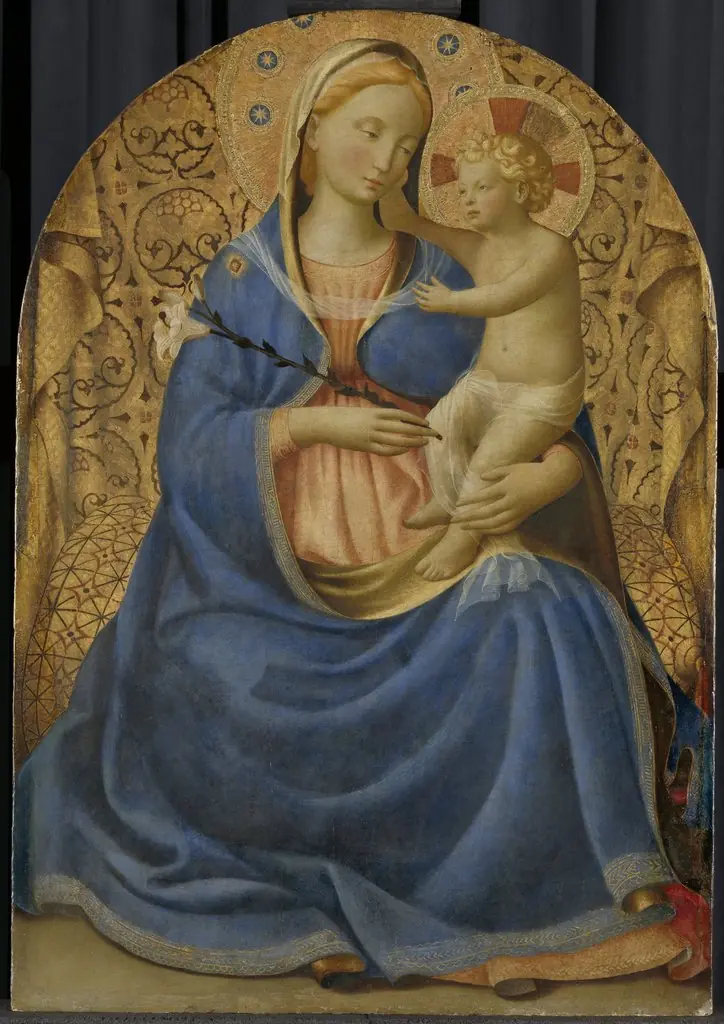 Madonna of Humility
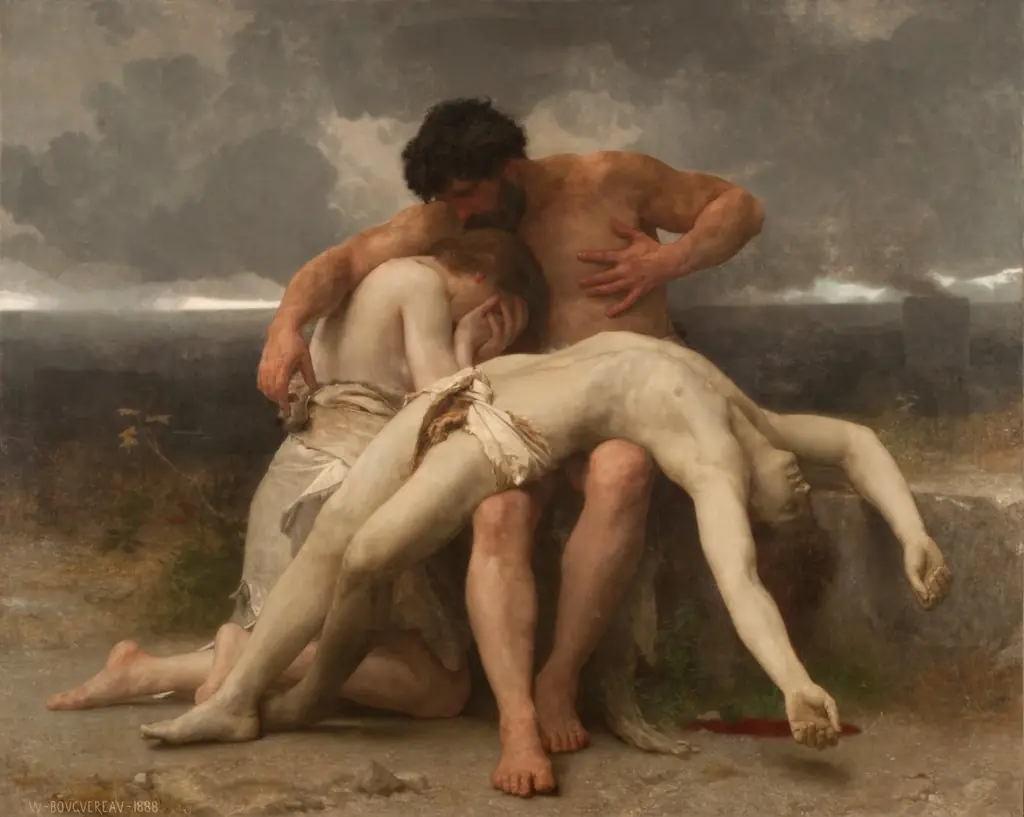 The First Mourning
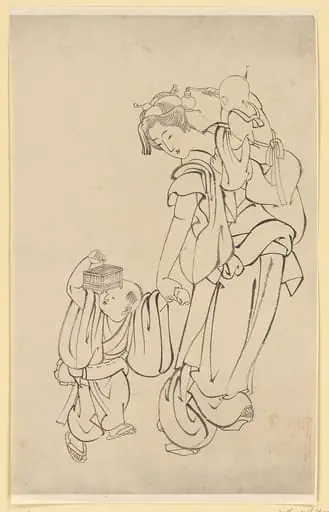 Untitled
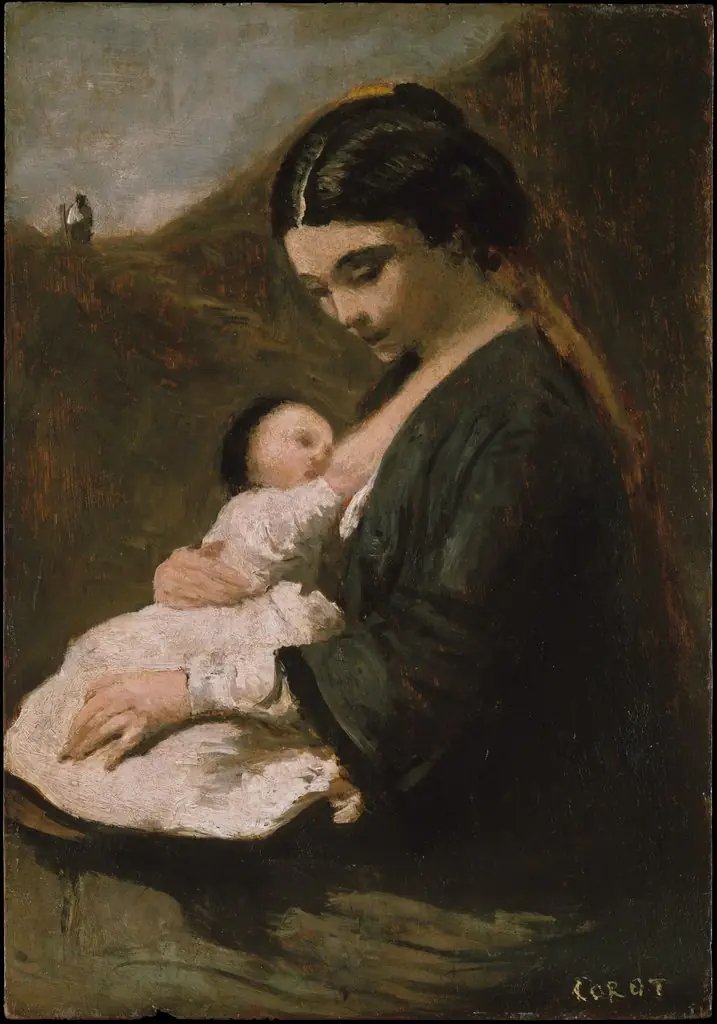 Mother and Child
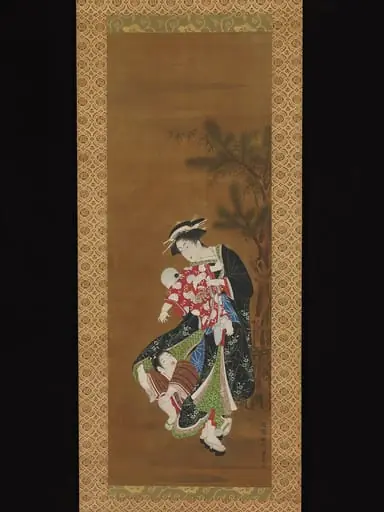 Untitled
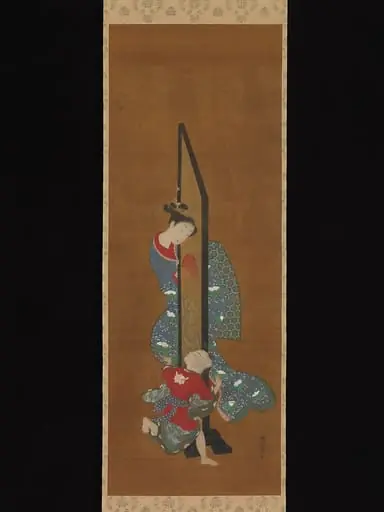 Untitled
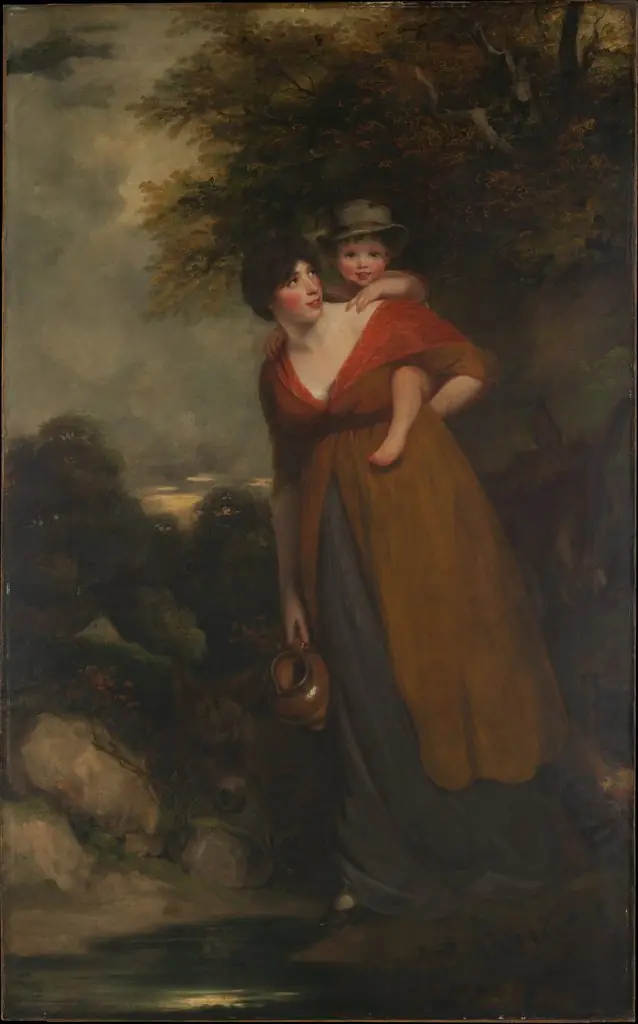 Mrs. Richard Brinsley Sheridan (Hester Jane Ogle, 1775/76–1817) and Her Son (Charles Brinsley Sheridan, 1796–1843)
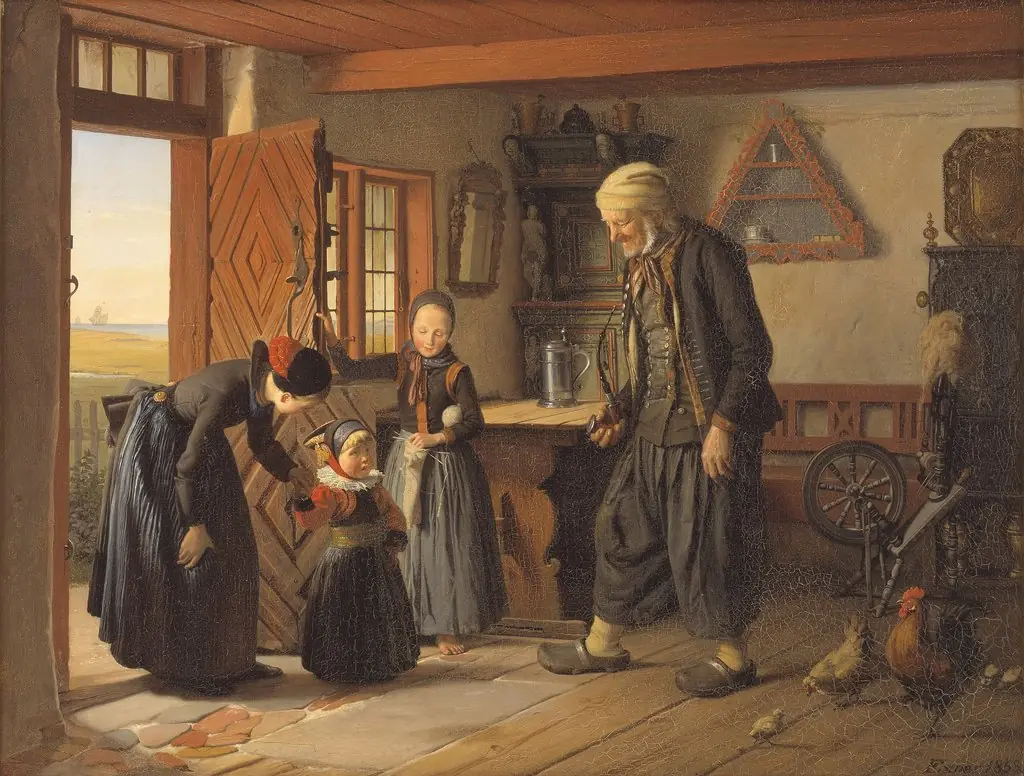 Visiting Grandfather
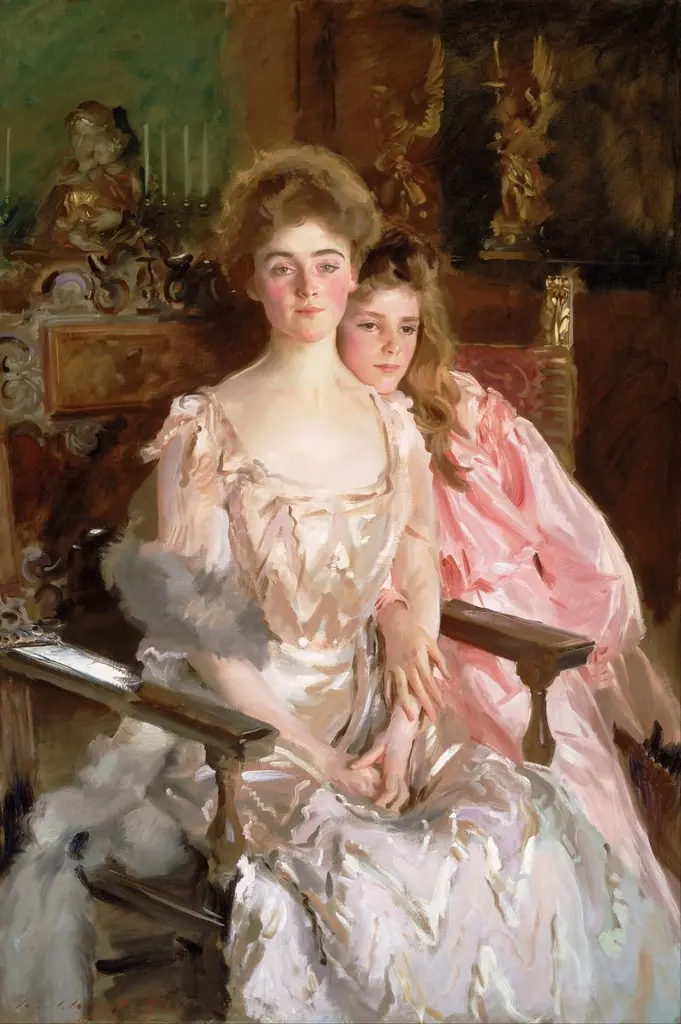 Mrs. Fiske Warren (Gretchen Osgood) and Her Daughter Rachel
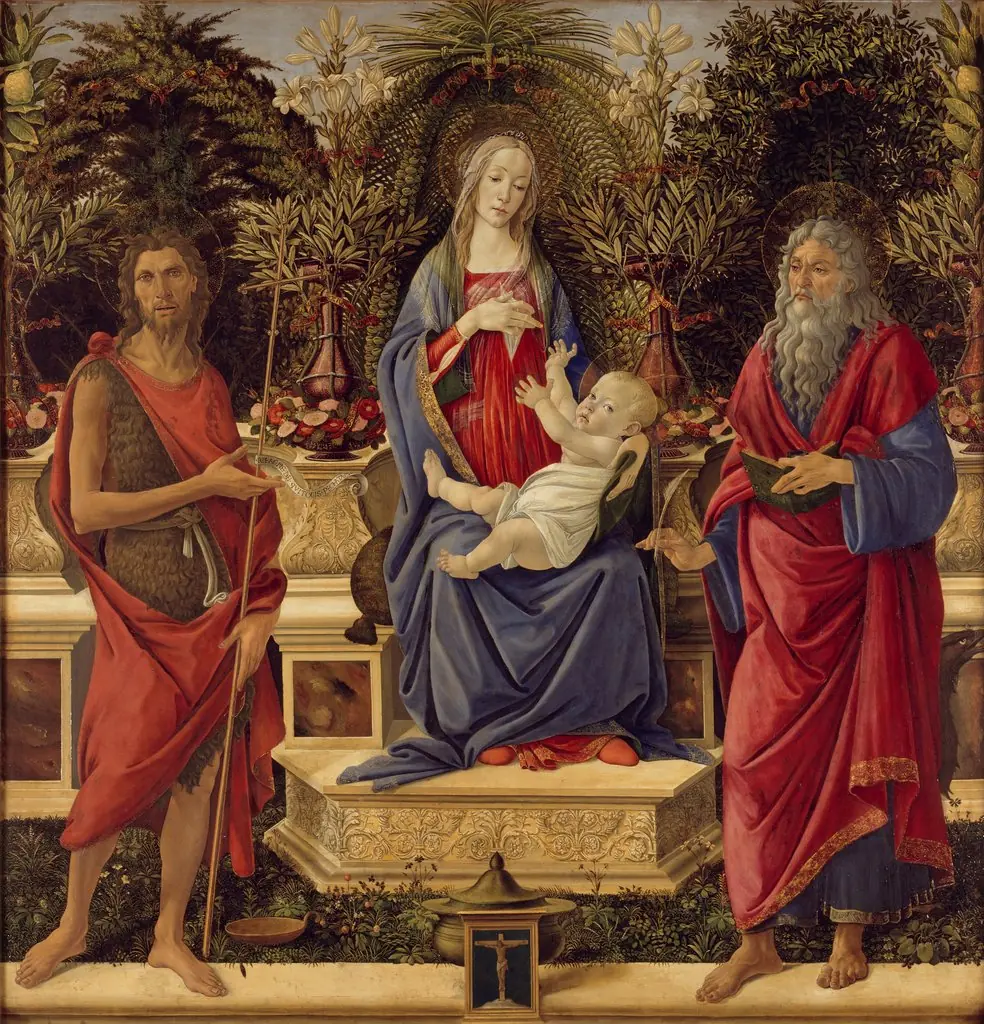 Madonna Bardi
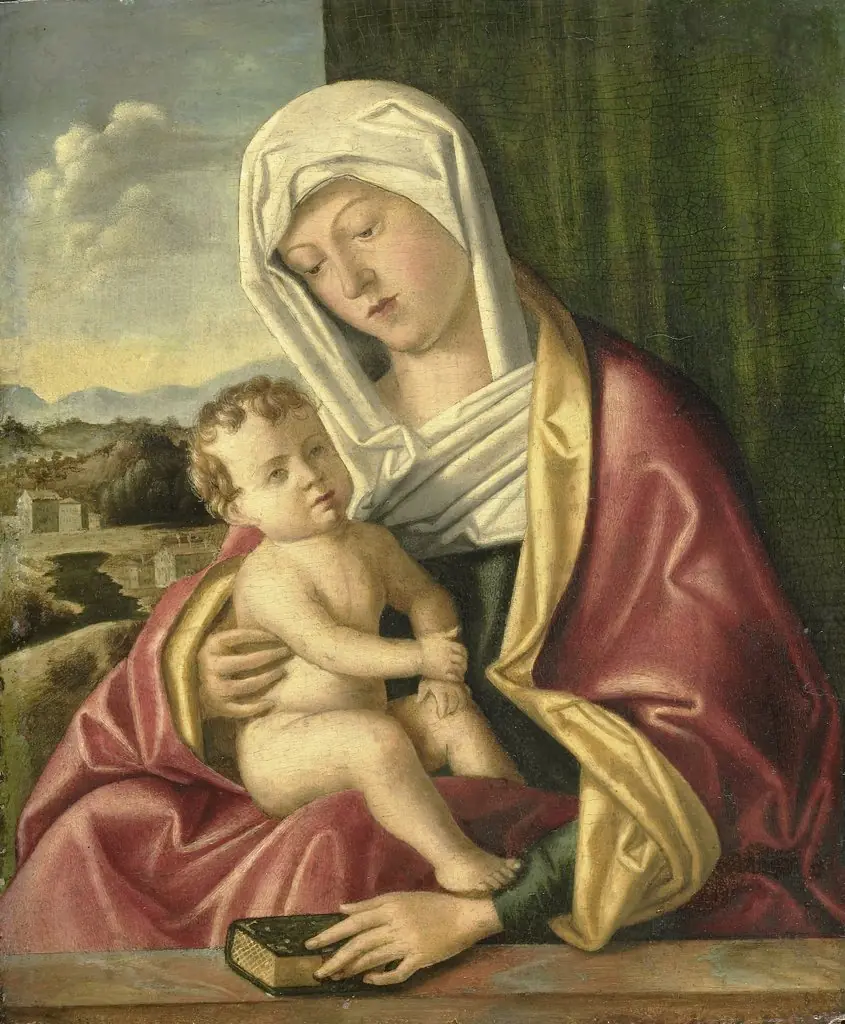 Virgin and Child
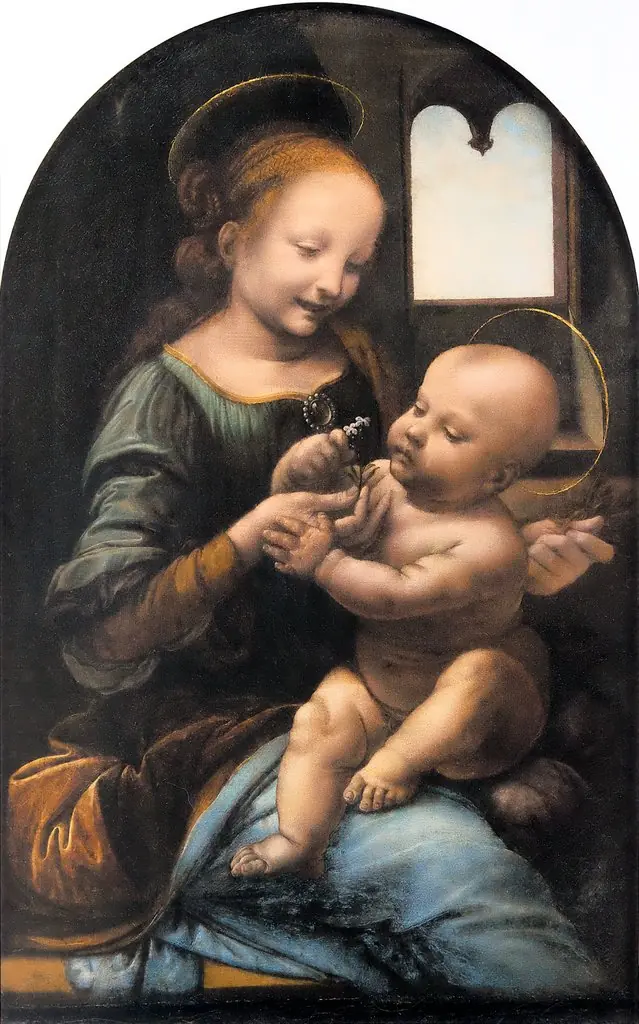 Benois Madonna
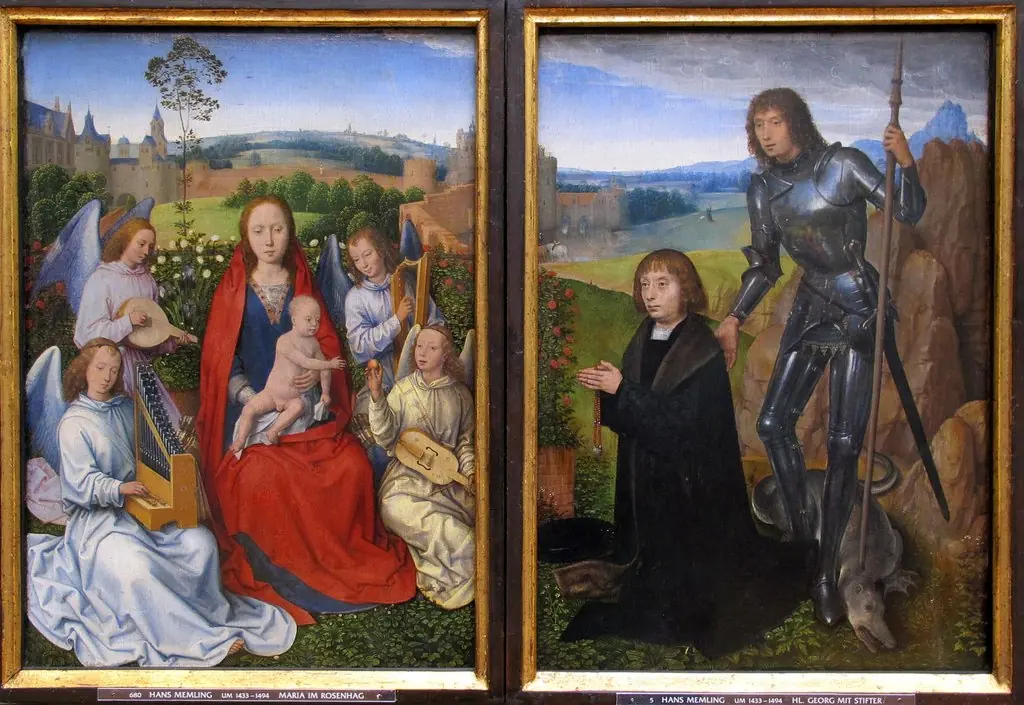 Diptych of Munich
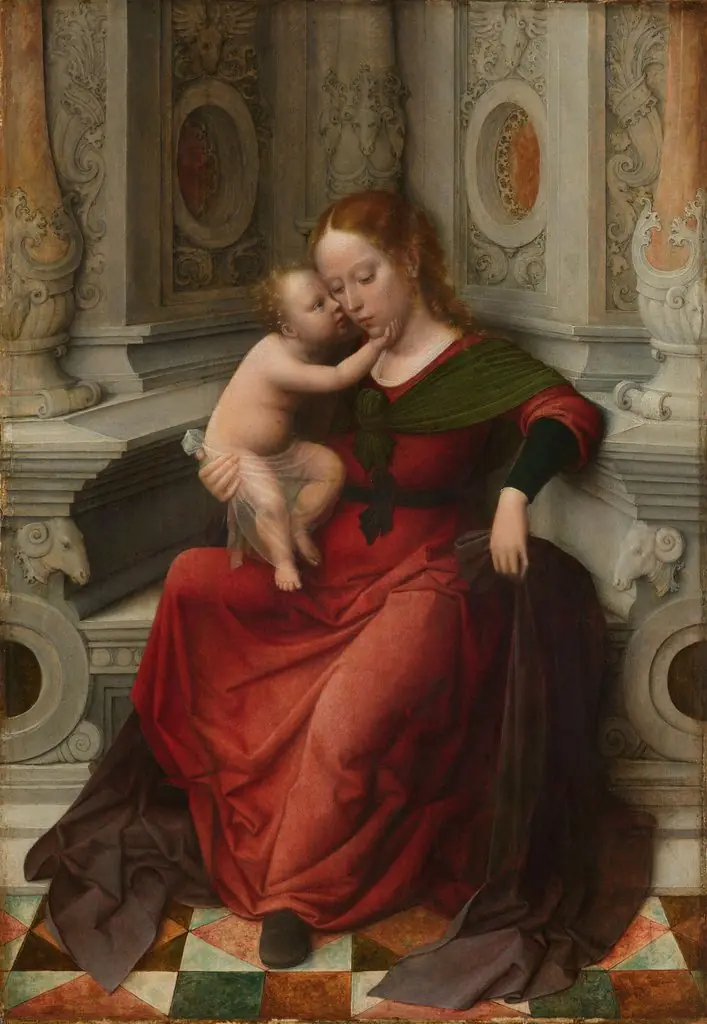 Virgin and Child
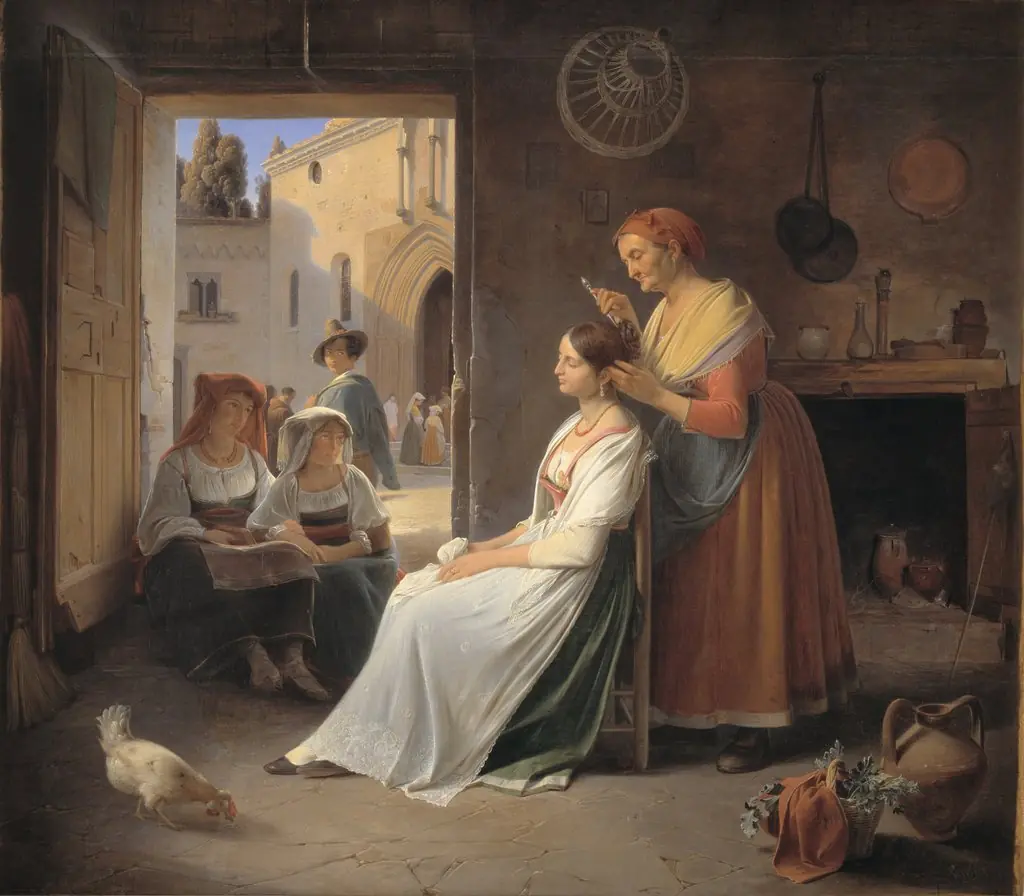 A Young Italian Woman being Adorned by her Mother
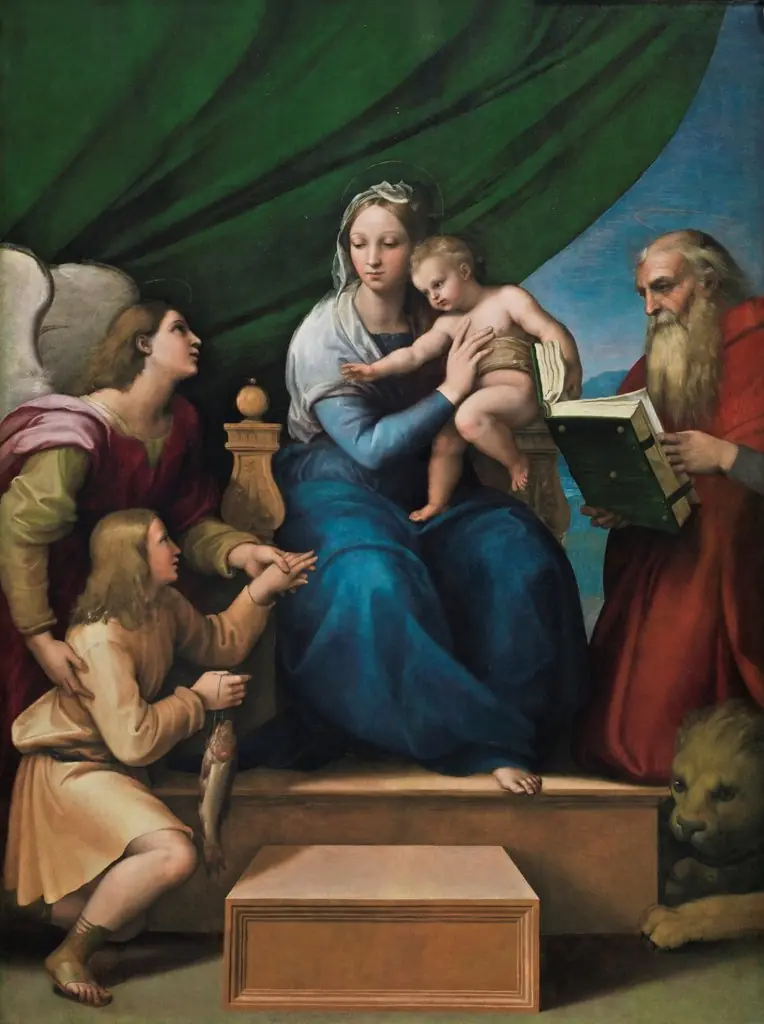 Madonna with the Fish
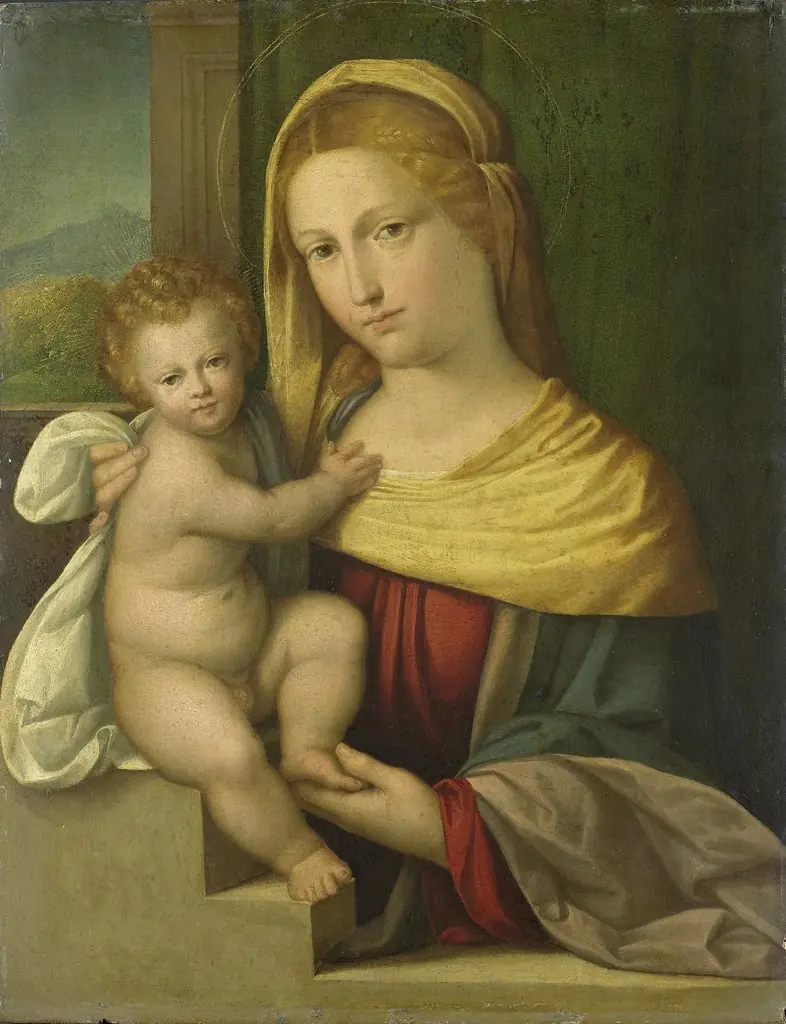 Virgin and Child
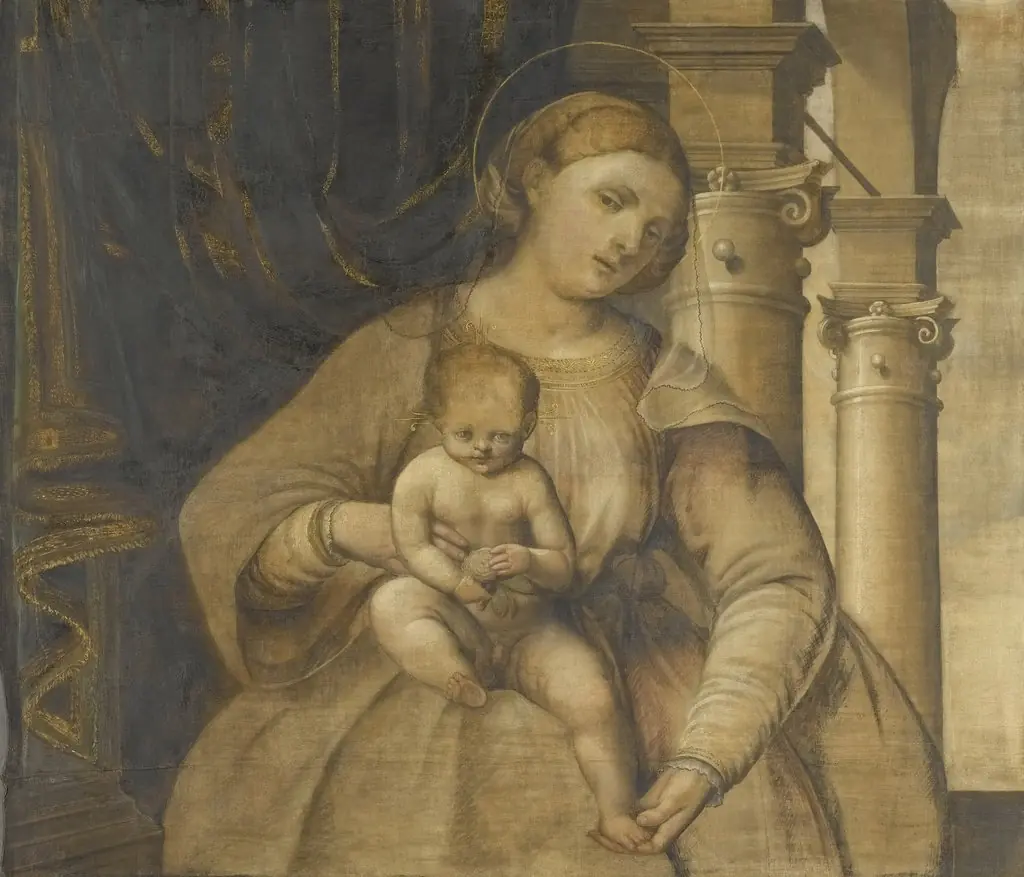 Virgin and Child
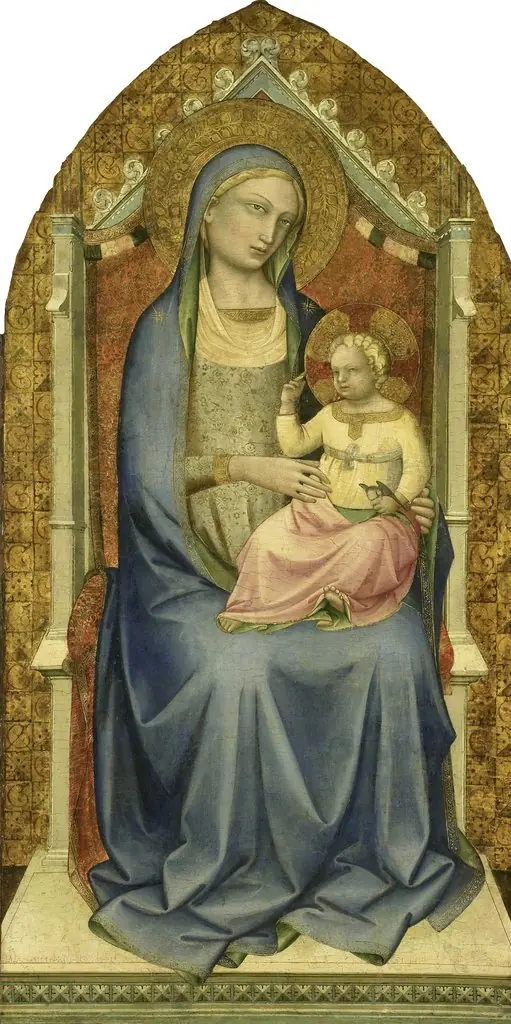 Virgin and Child
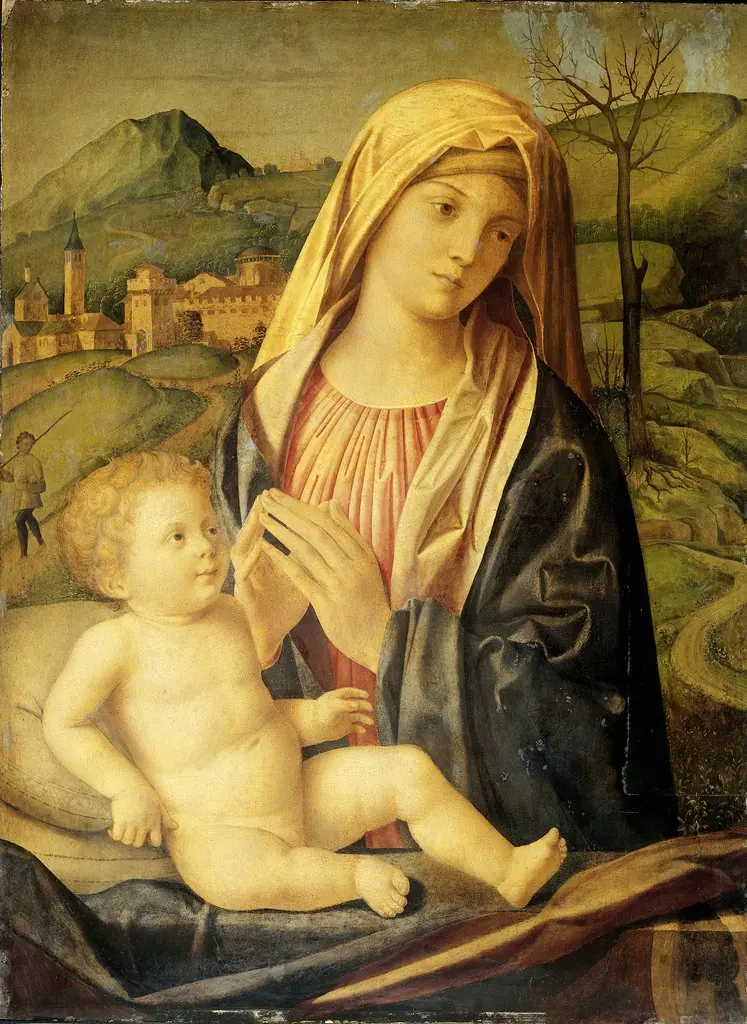 Mary and Christ child
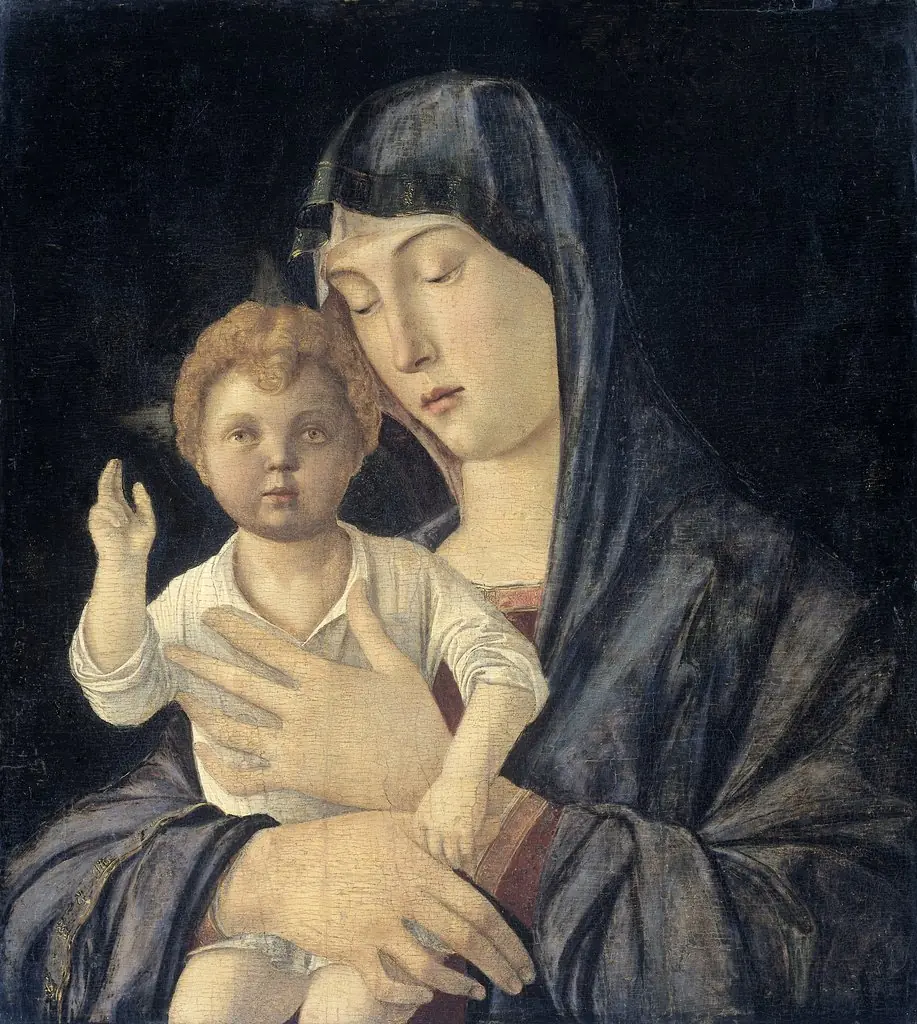 Madonna and Child
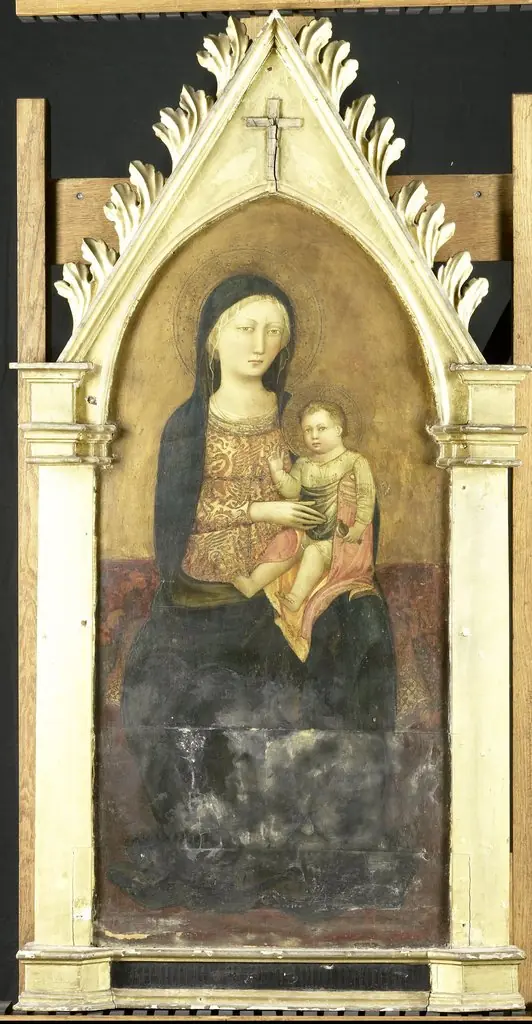 Virgin and Child
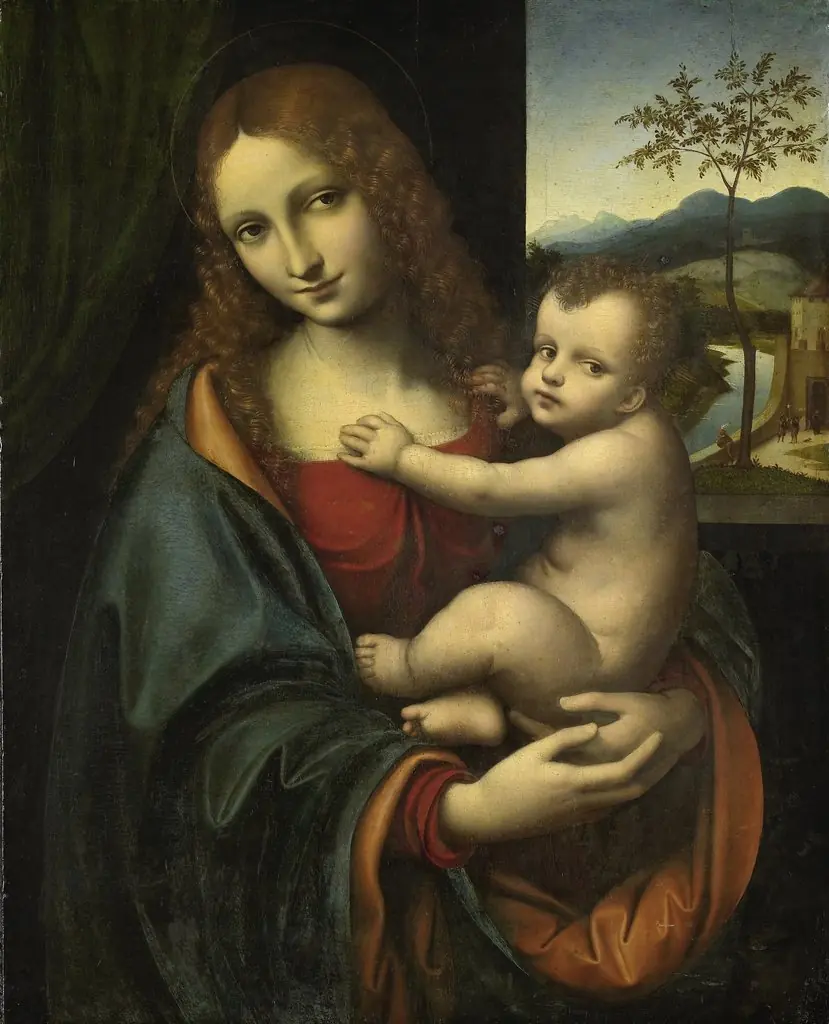 Virgin and Child
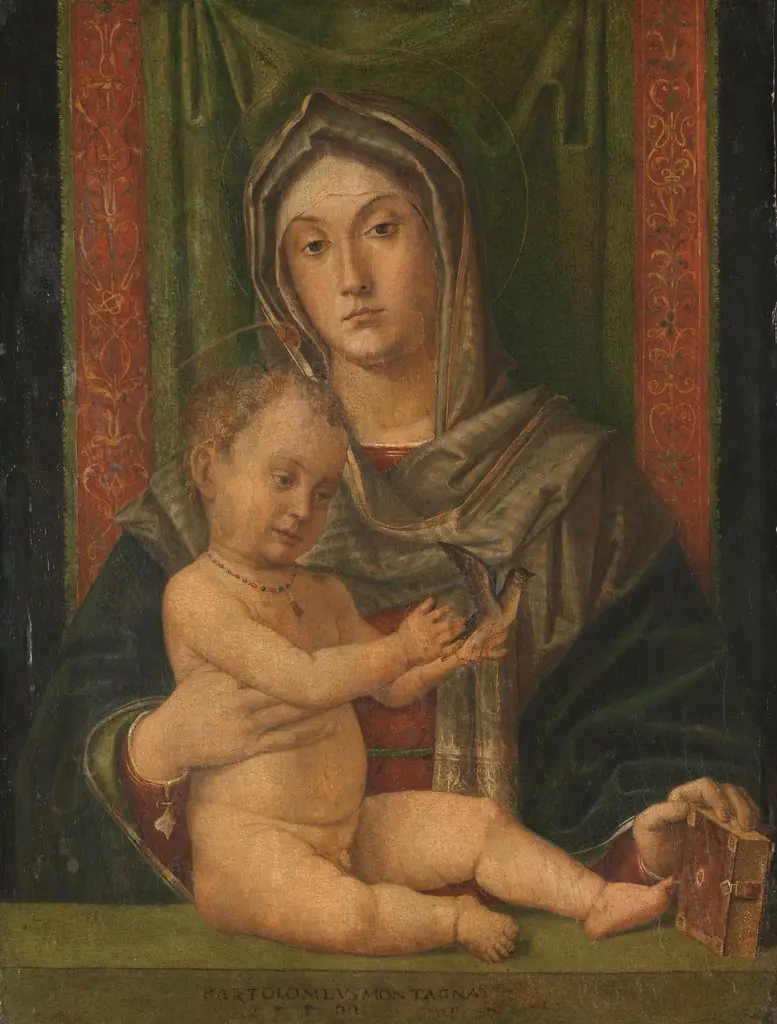 Virgin and Child
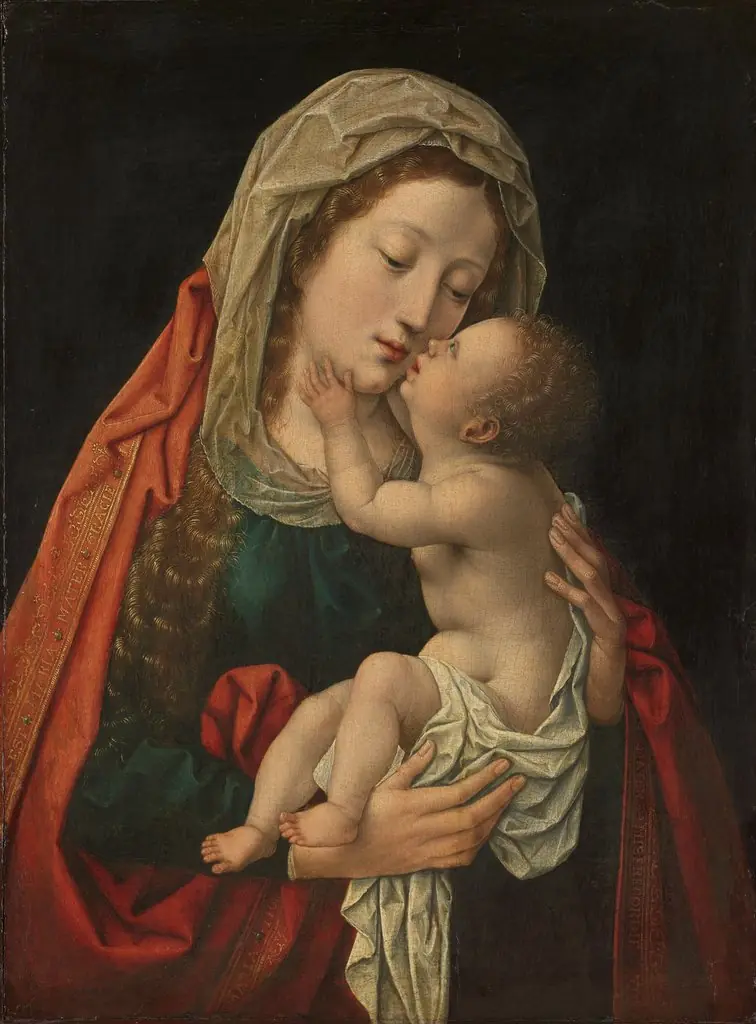 The Virgin and Child
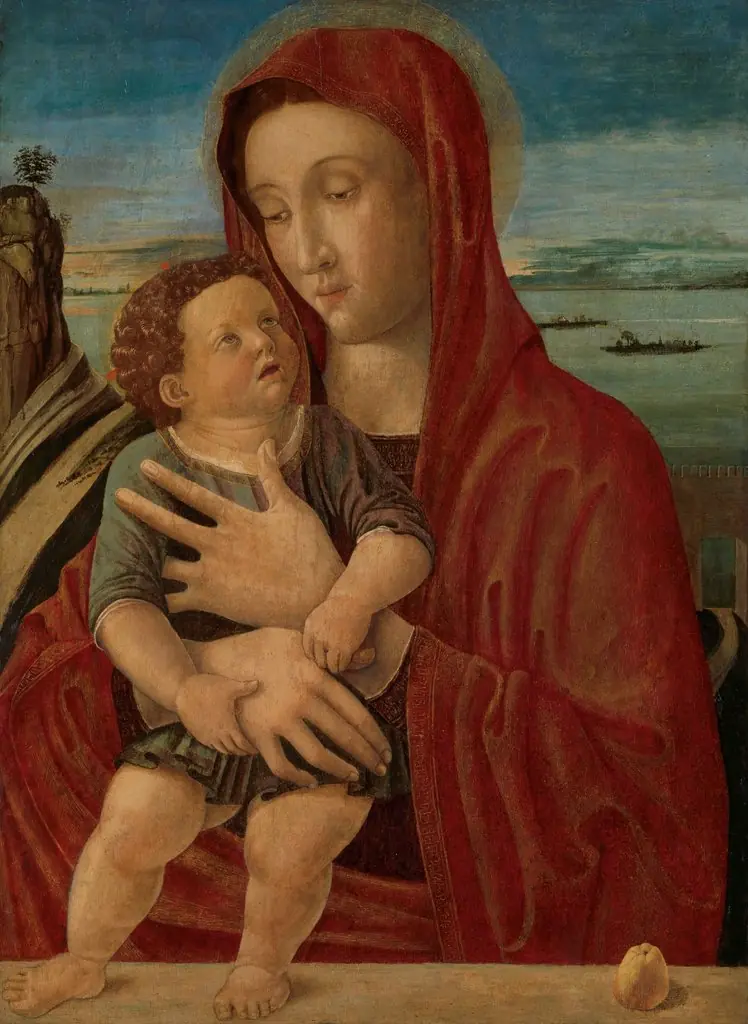 Madonna and Child
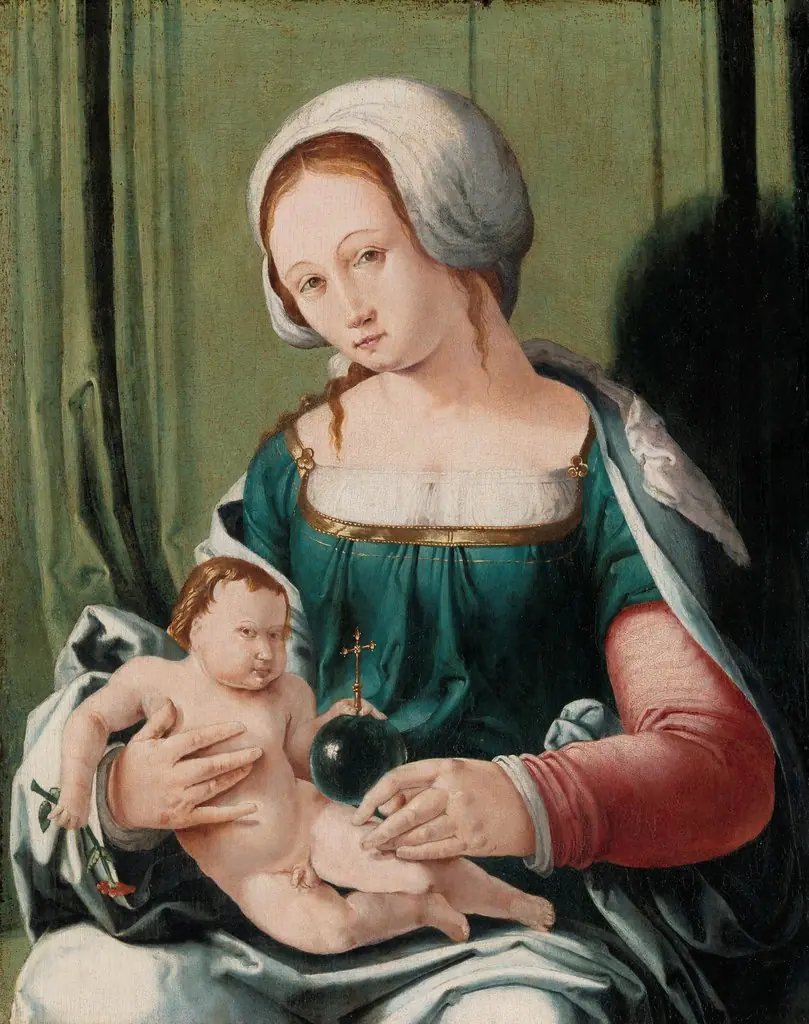 The Virgin and Child
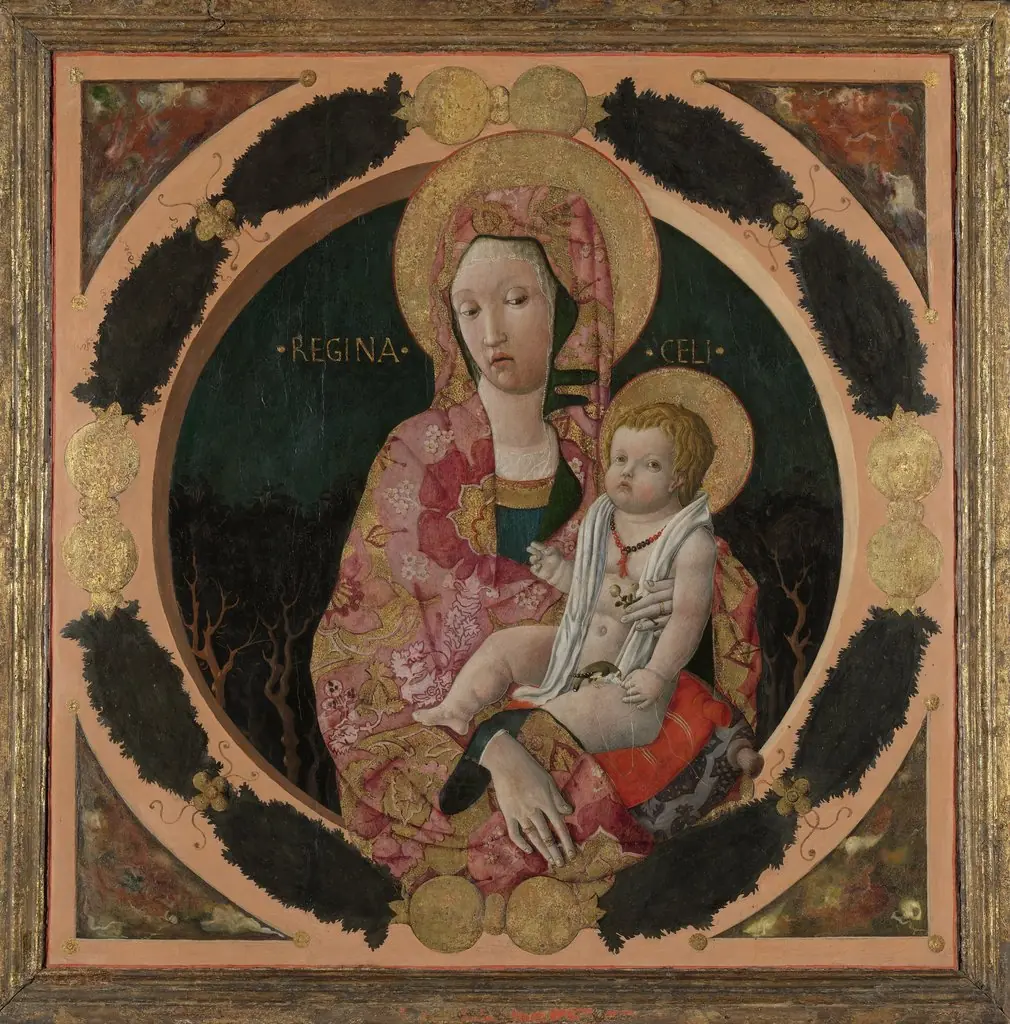 Virgin and Child
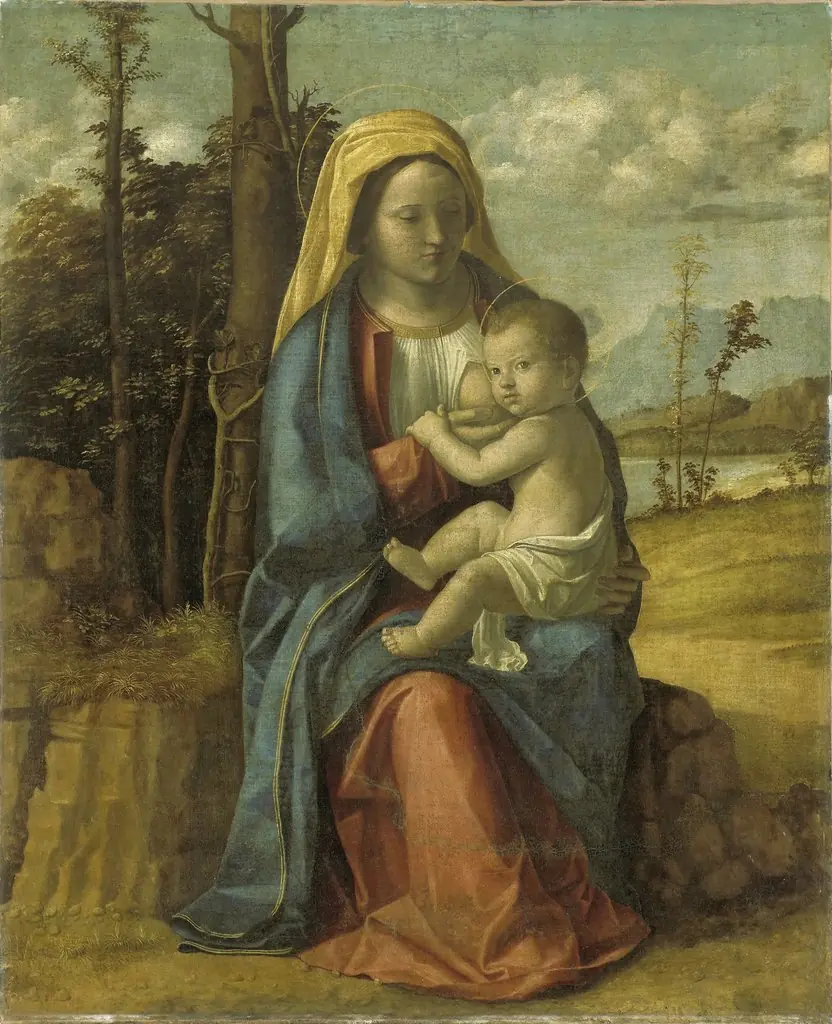 Madonna and Child
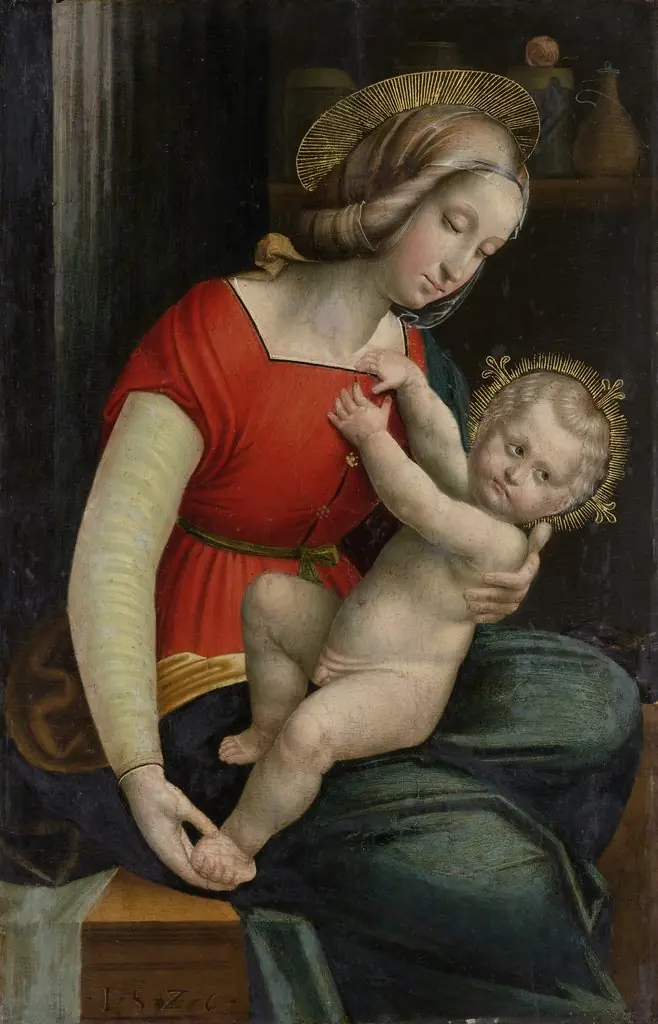 Virgin and Child
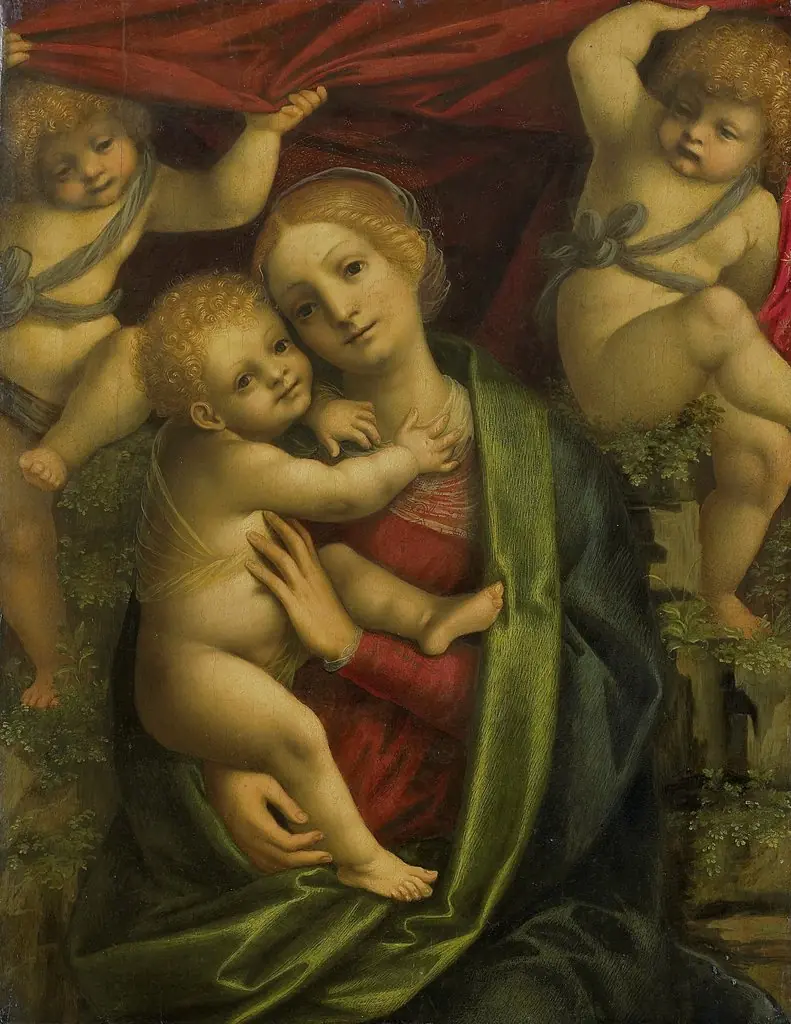 Virgin and Child
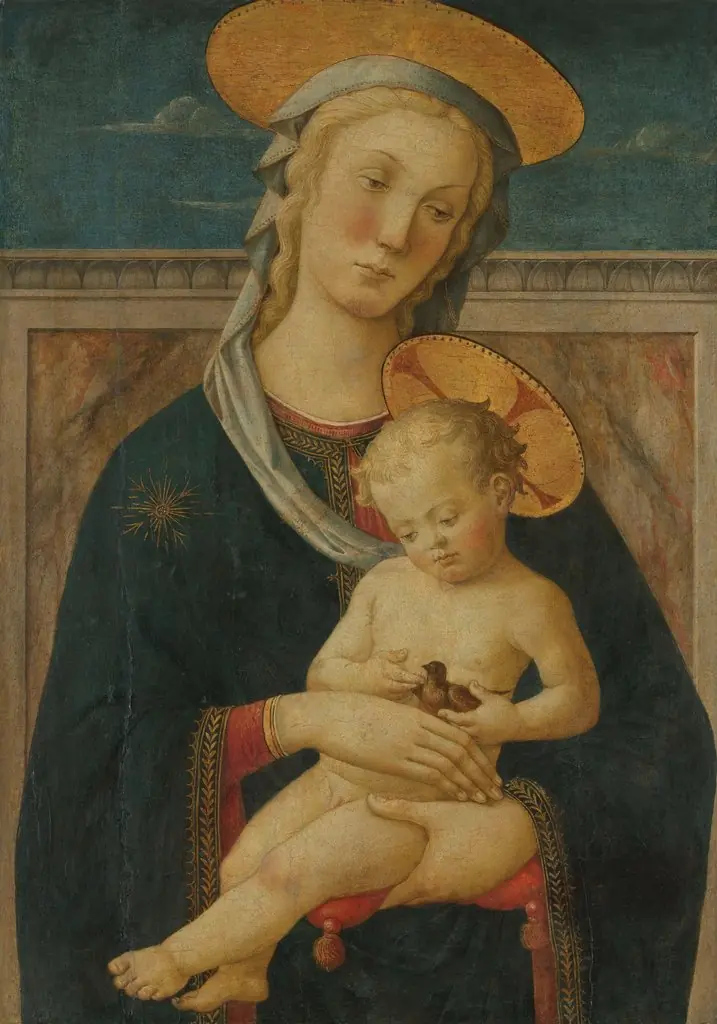 Virgin and Child
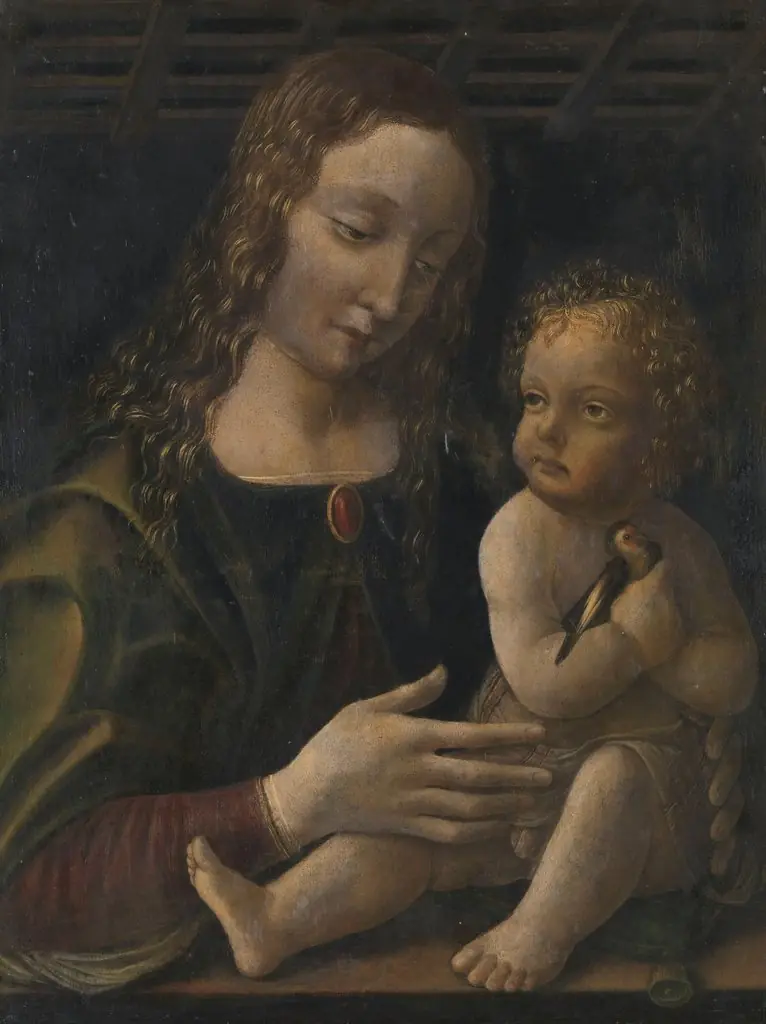 Virgin and Child
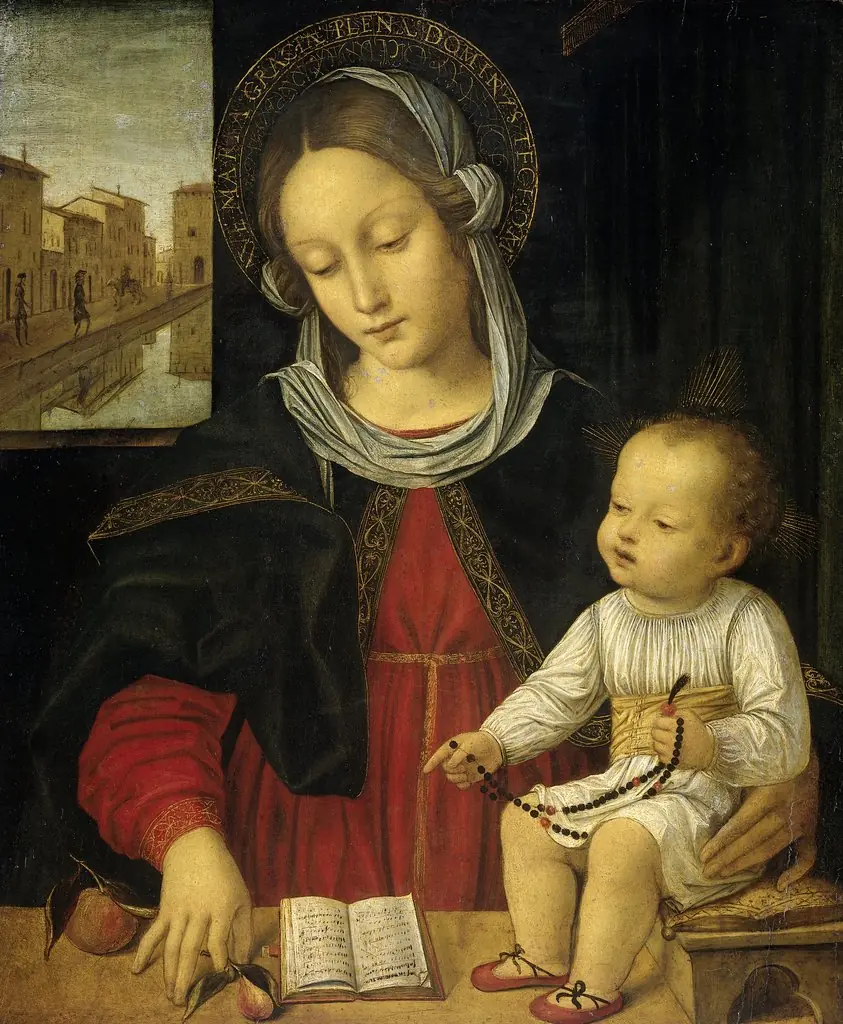 Madonna and Child
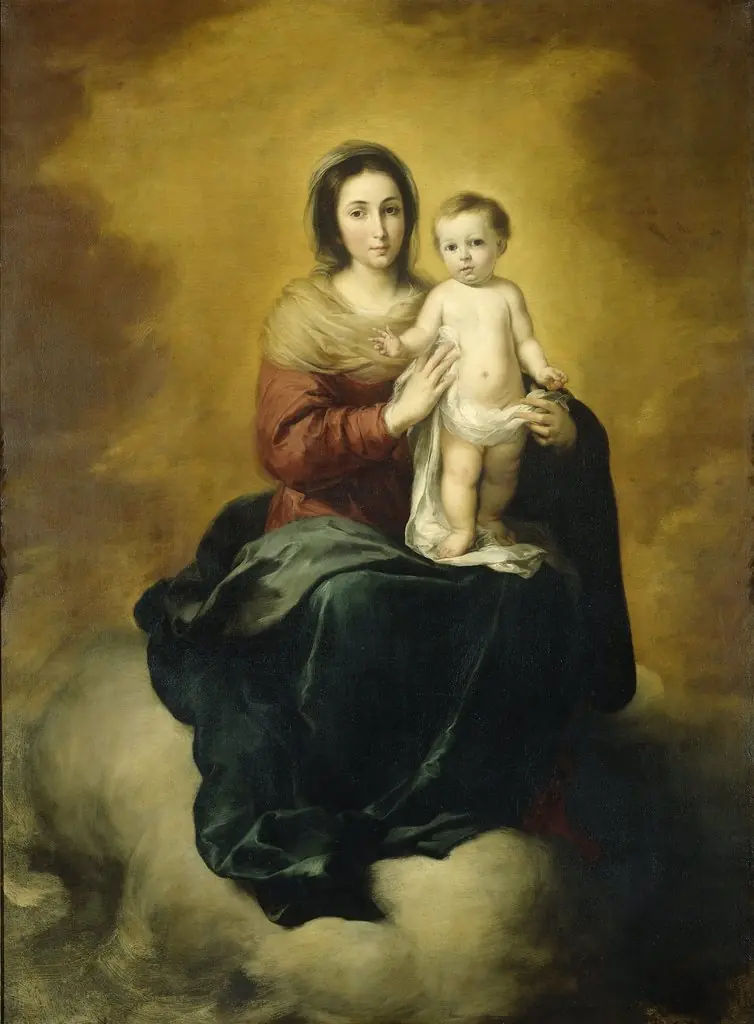 Virgin and Child
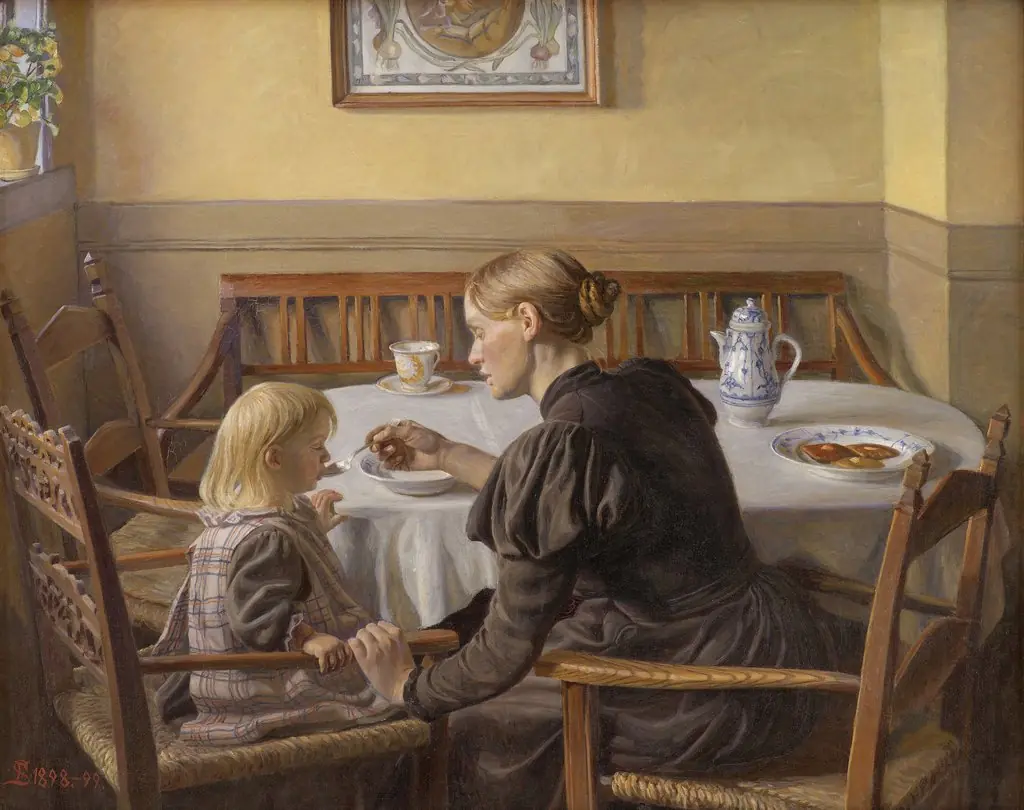 Mother and Child
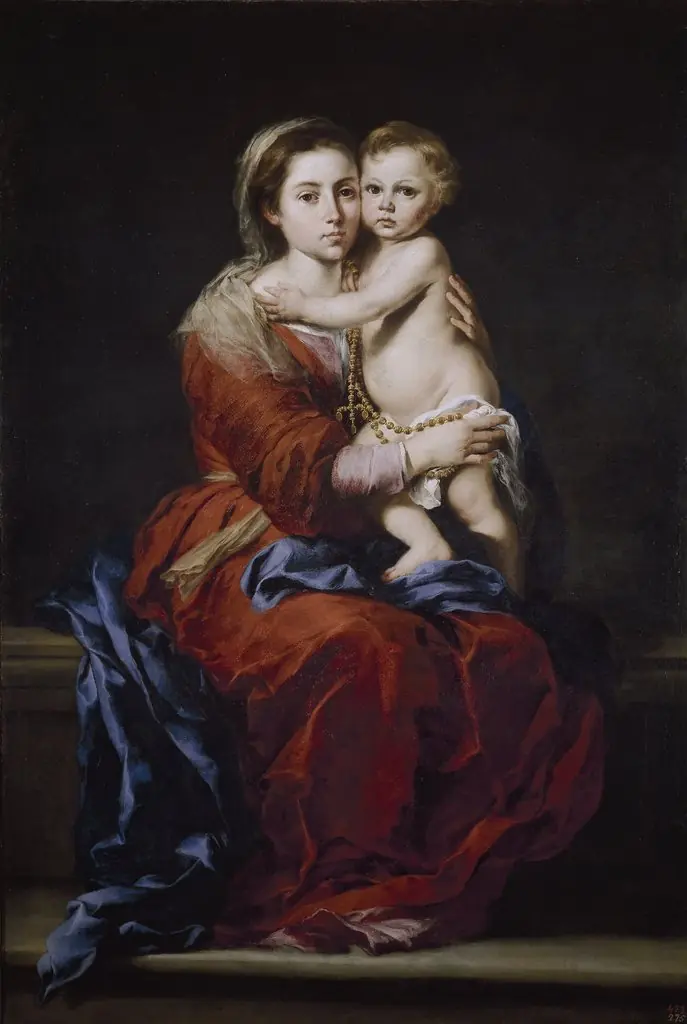 Virgin and Child with a Rosary
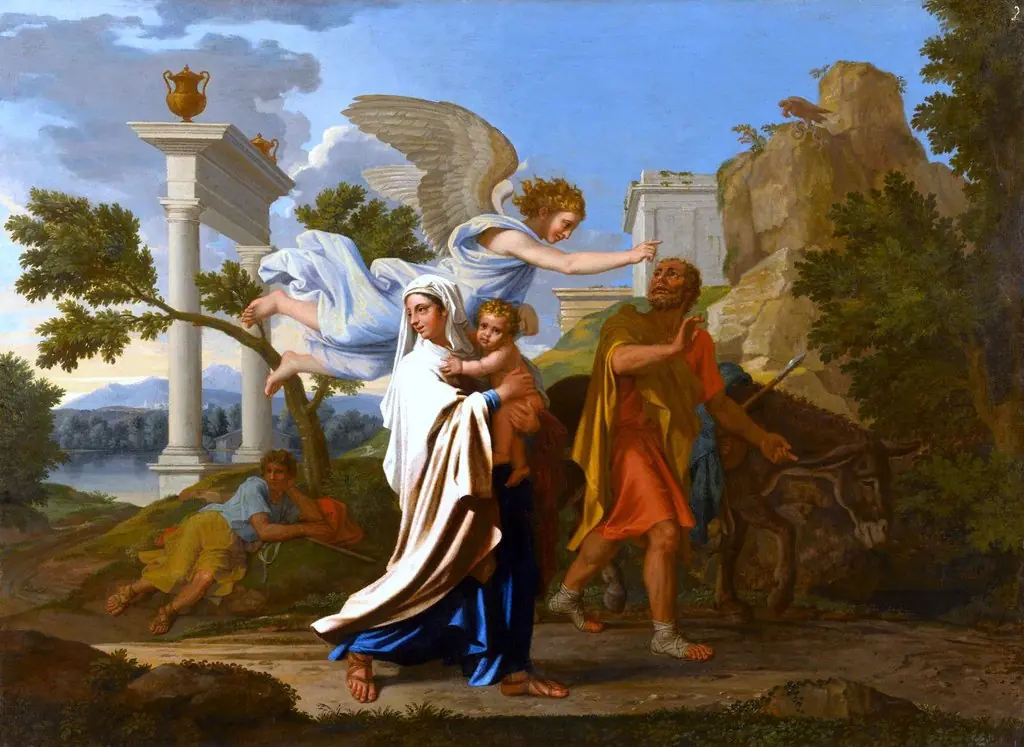 The Flight into Egypt
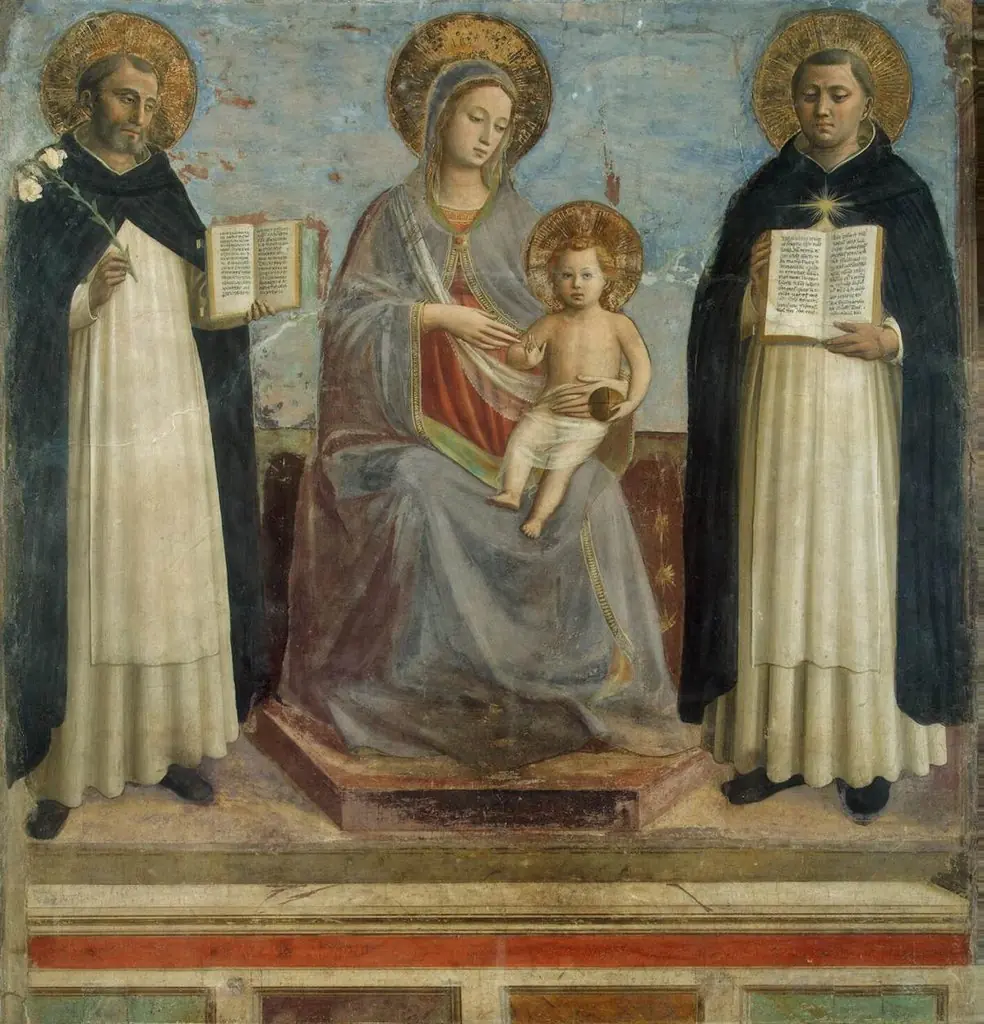 Madonna and Child
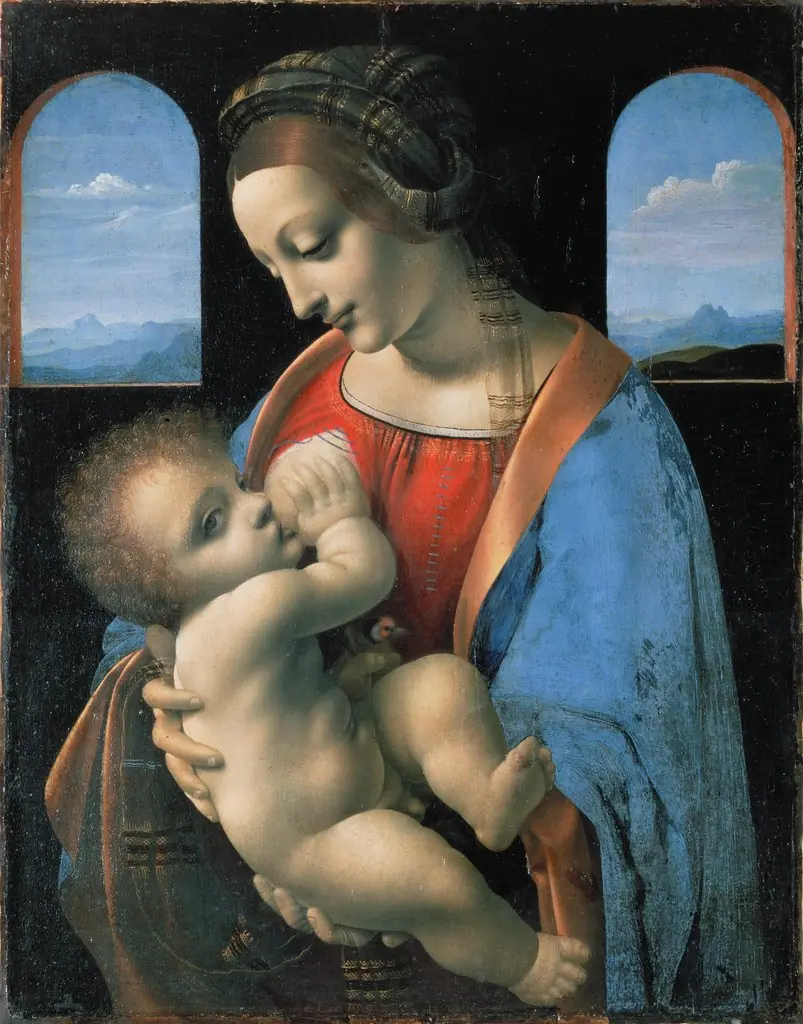 Madonna Litta
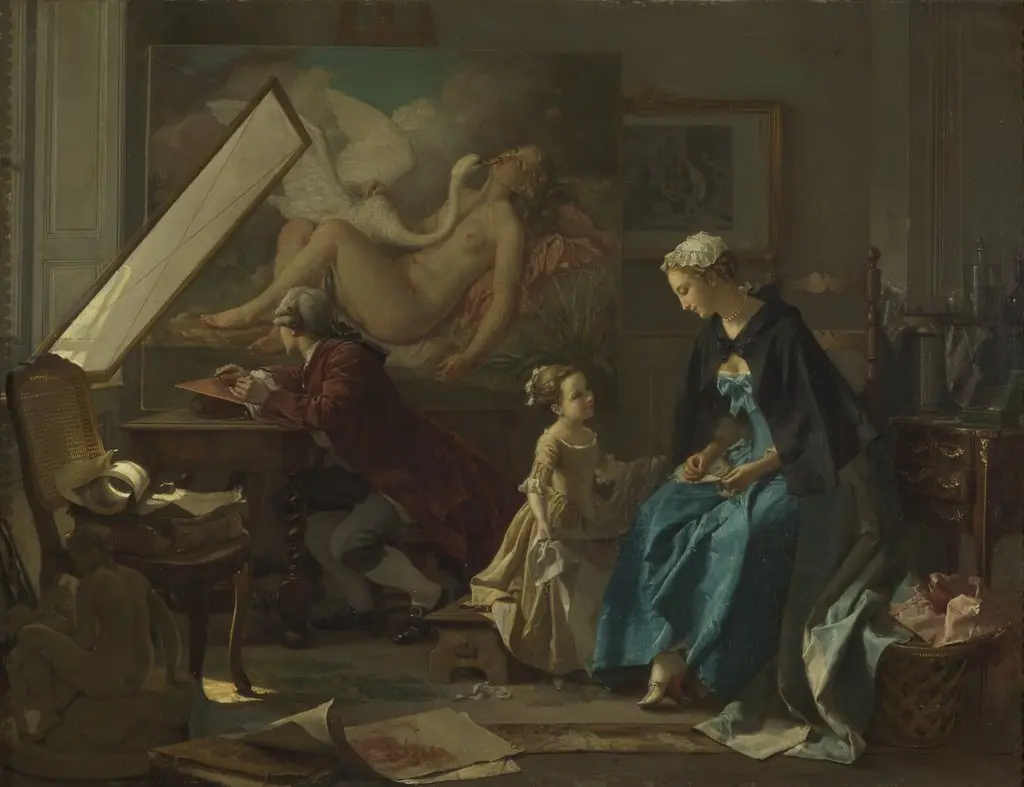 The Studio of the Engraver
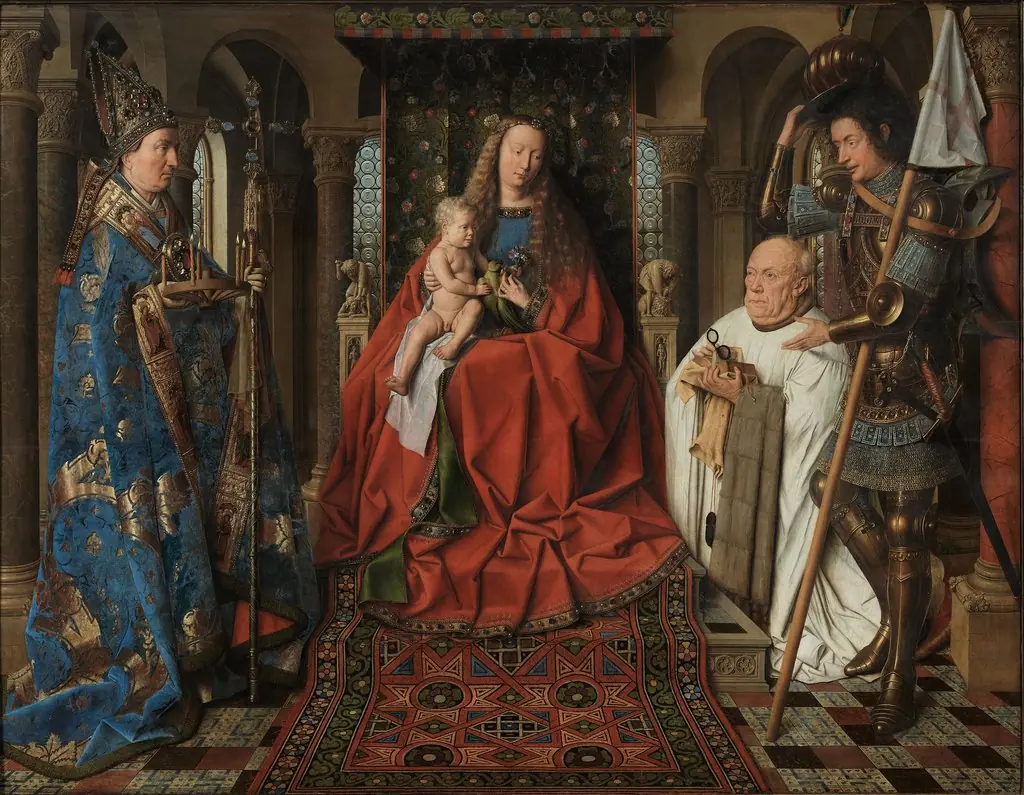 Madonna with Canon Joris van der Paele
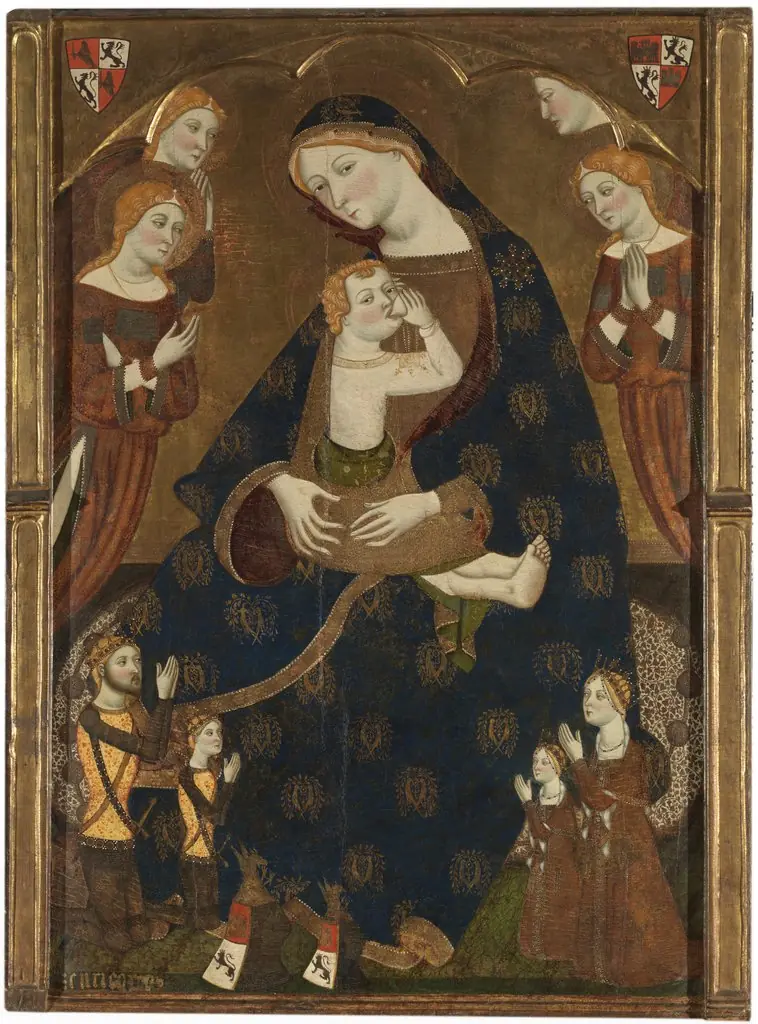 Madonna and Child
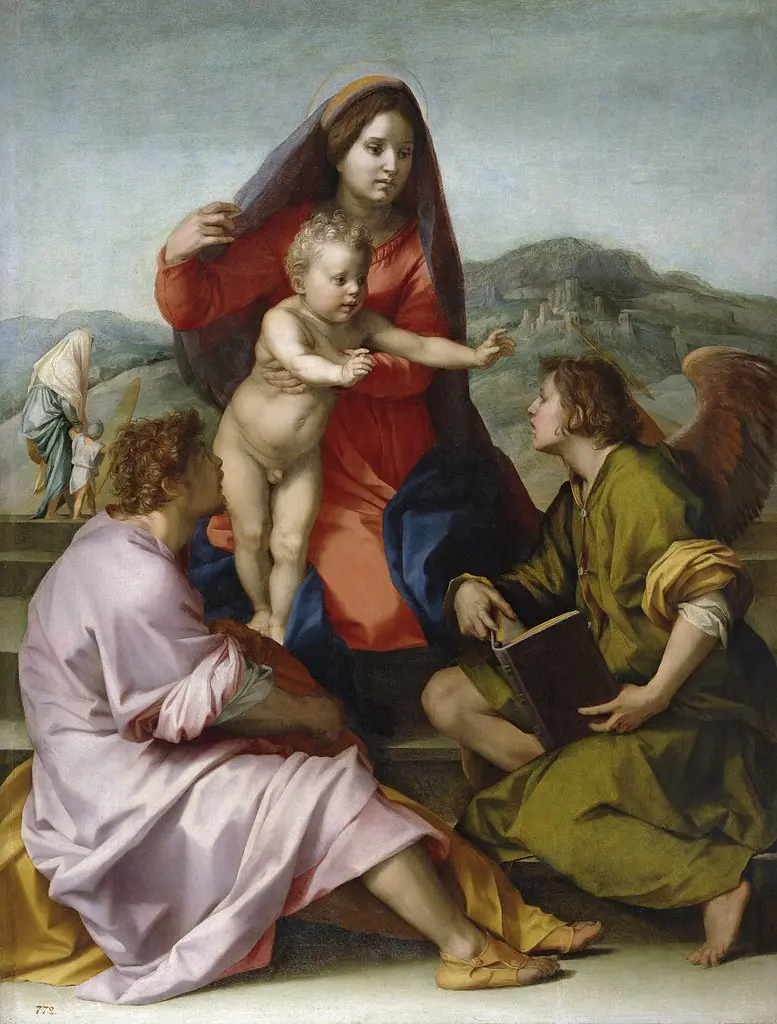 Virgin of the Stairs
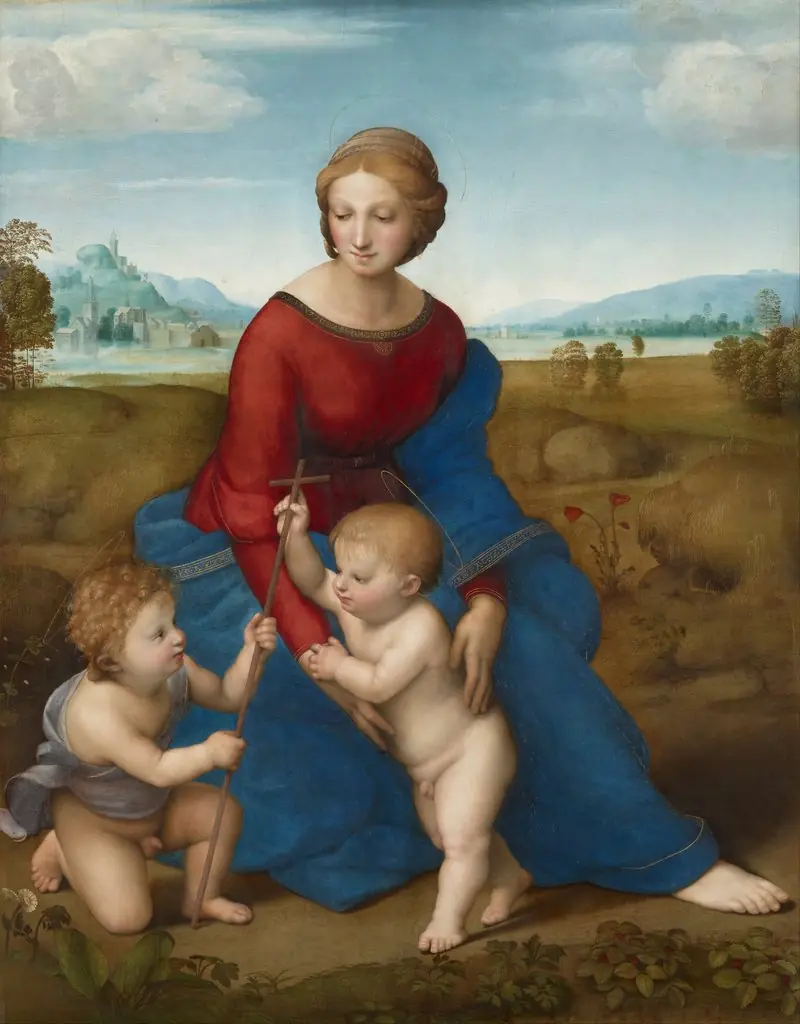 Madonna del Prato
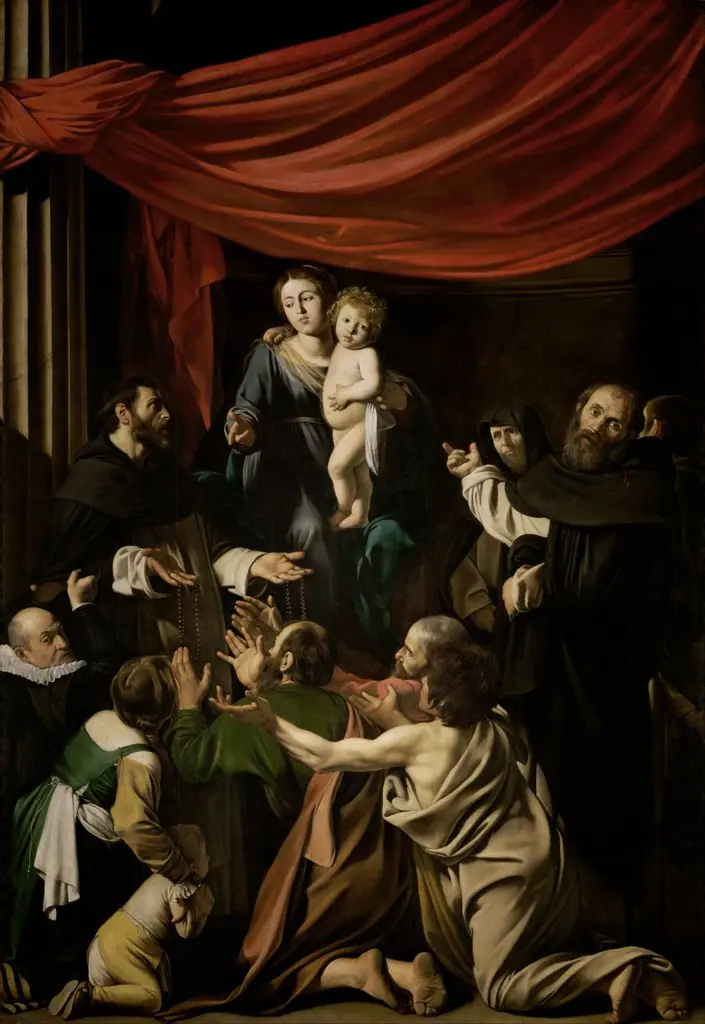 Madonna of the Rosary
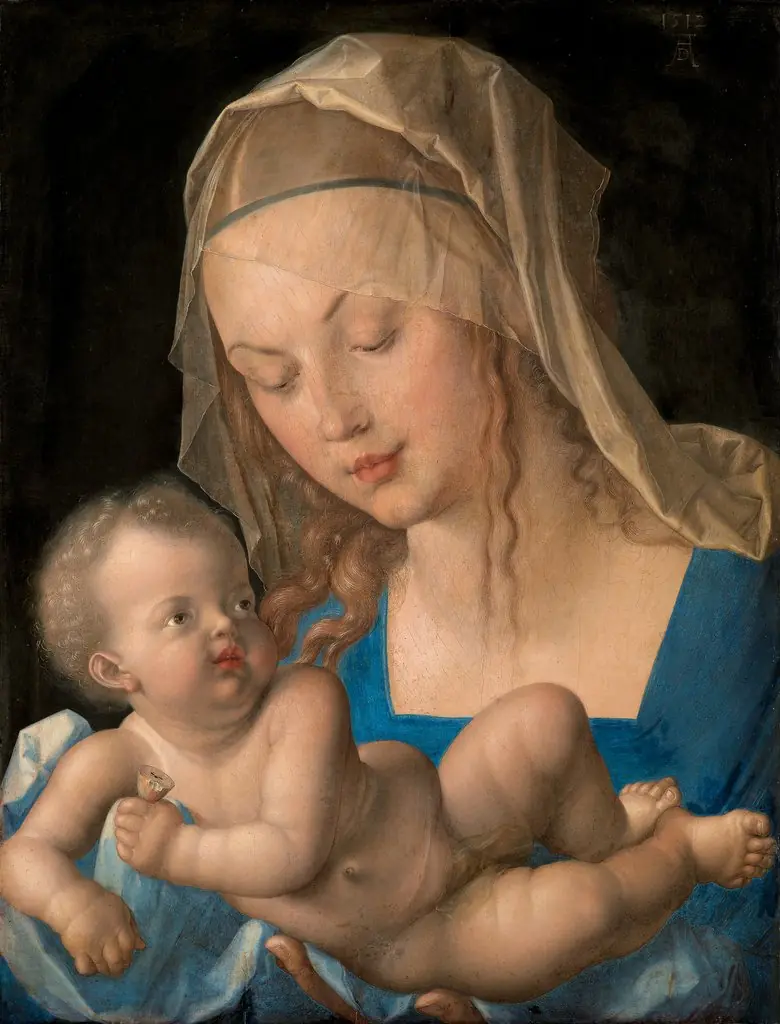 Mary and Child
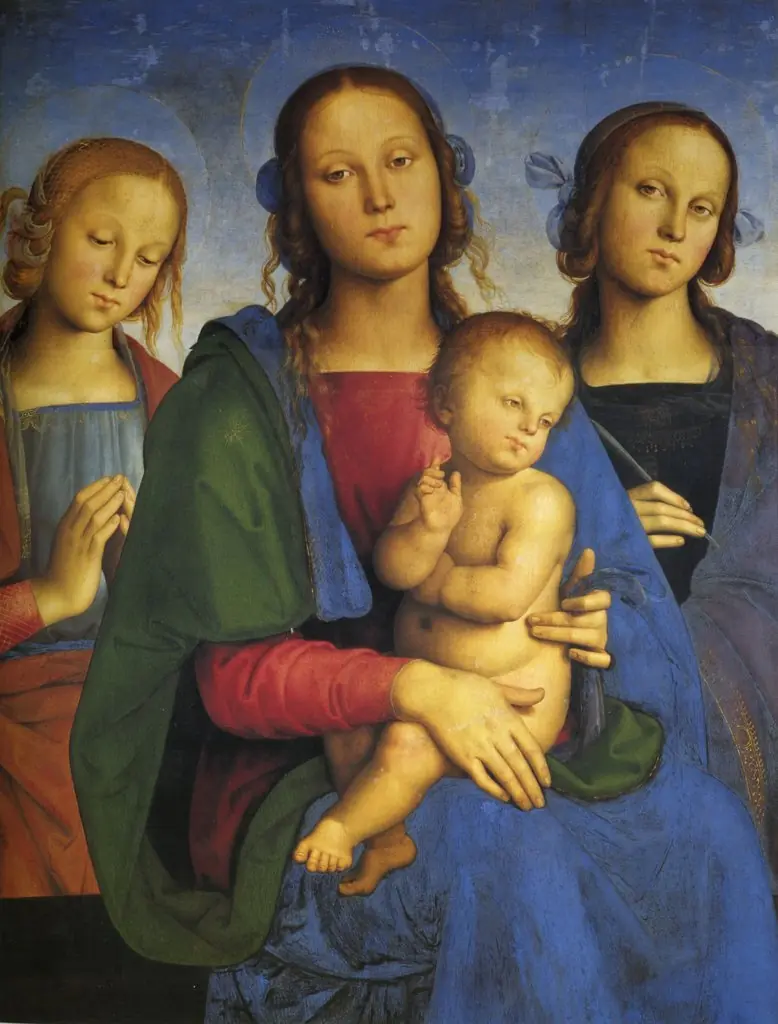 Madonna with child and two female saints
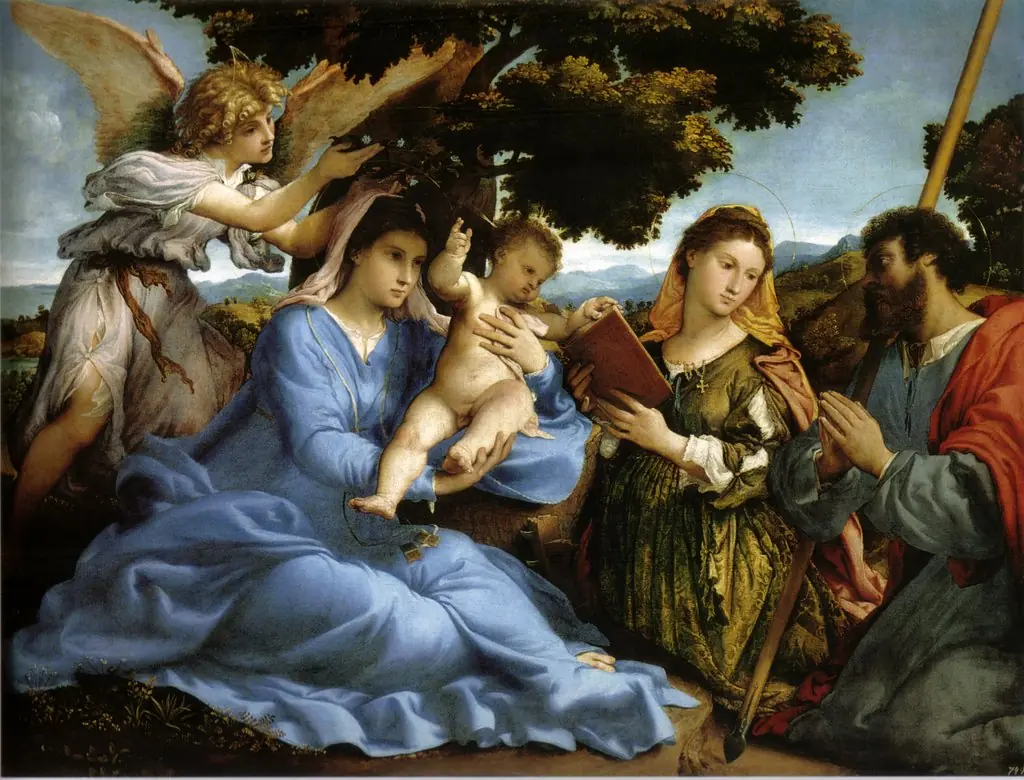 Madonna and child with Saint Catherine, Saint James the Greater, and an angel
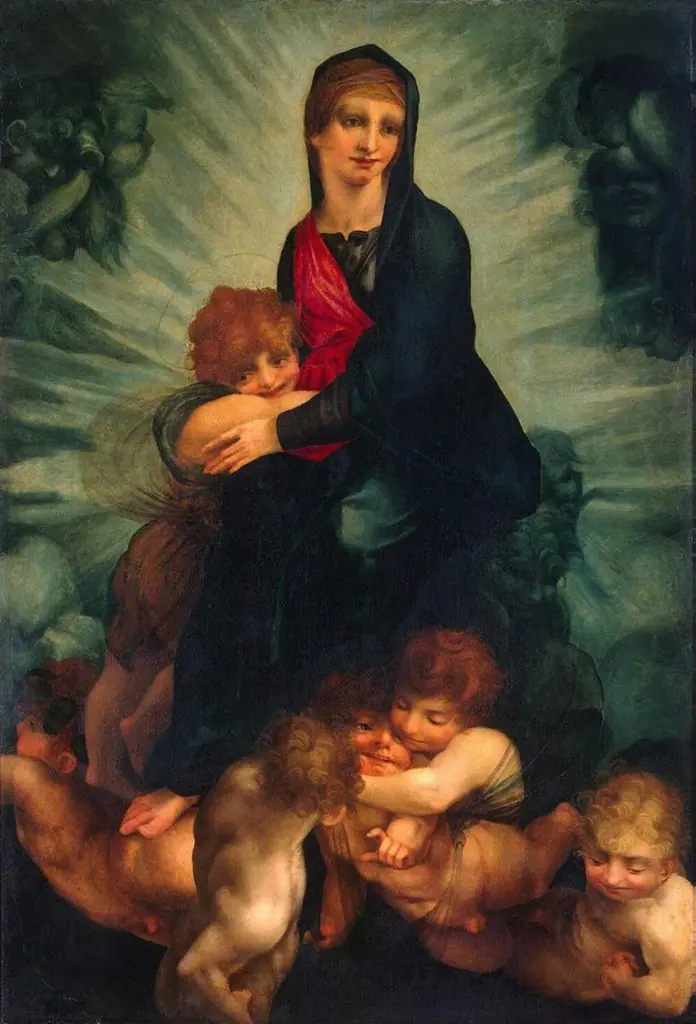 Madonna and Child with Cherubs
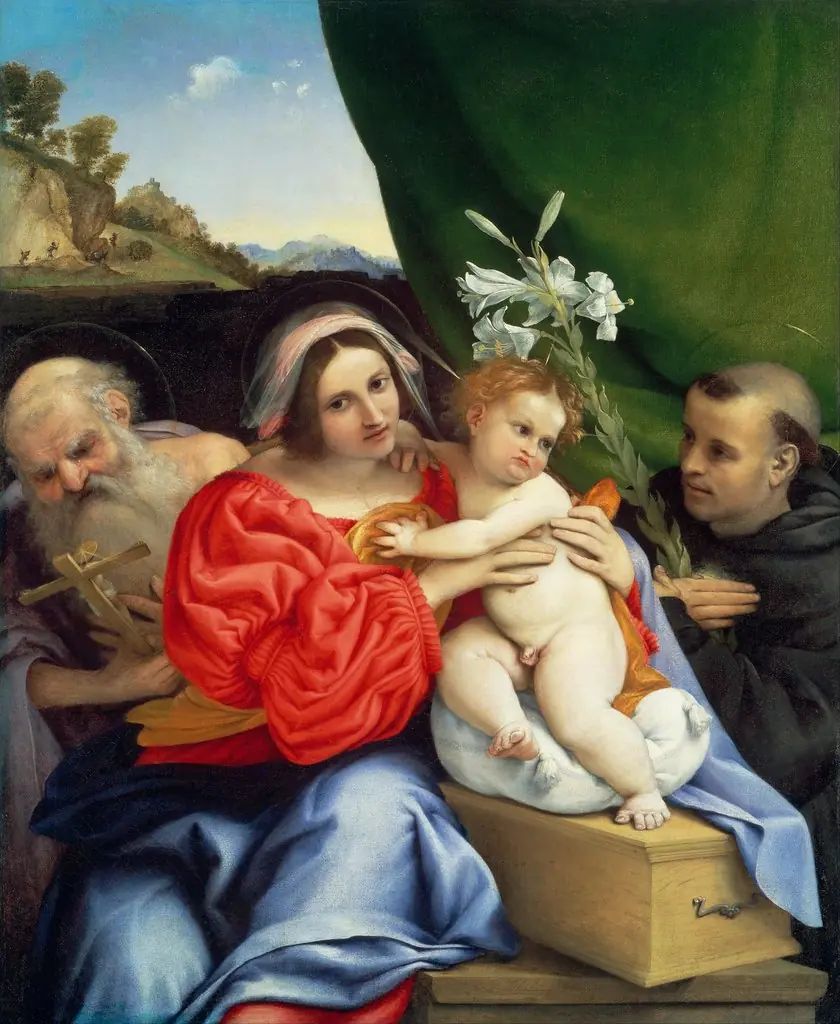 Virgin and Child with Saints Jerome and Nicholas of Tolentino
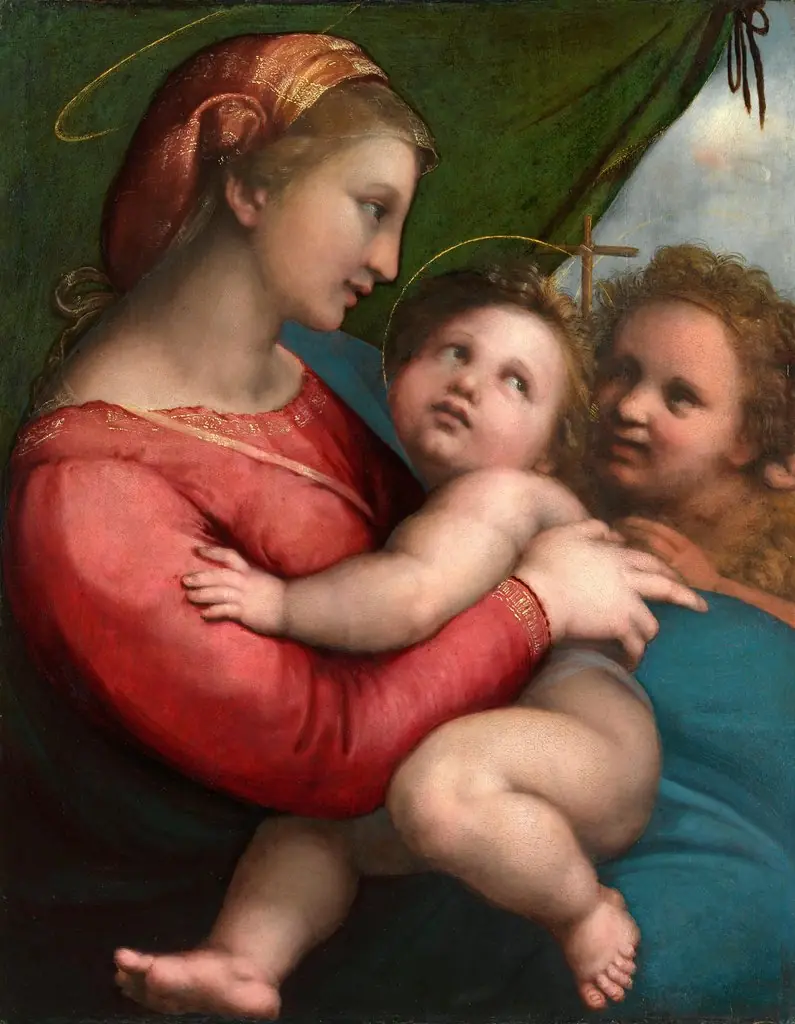 Madonna della tenda
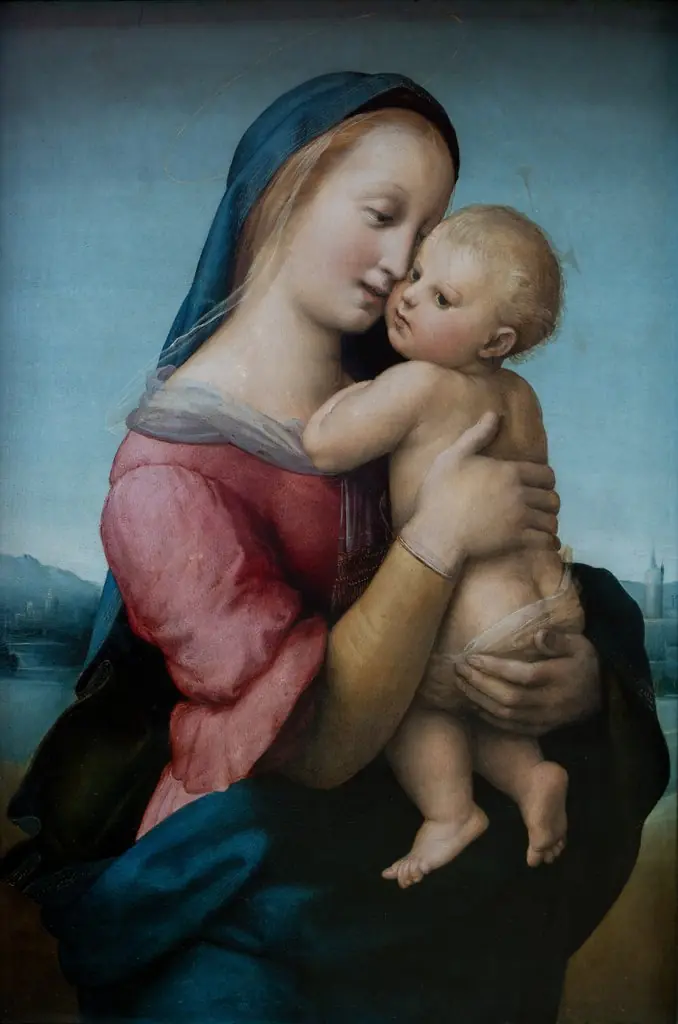 Tempi Madonna
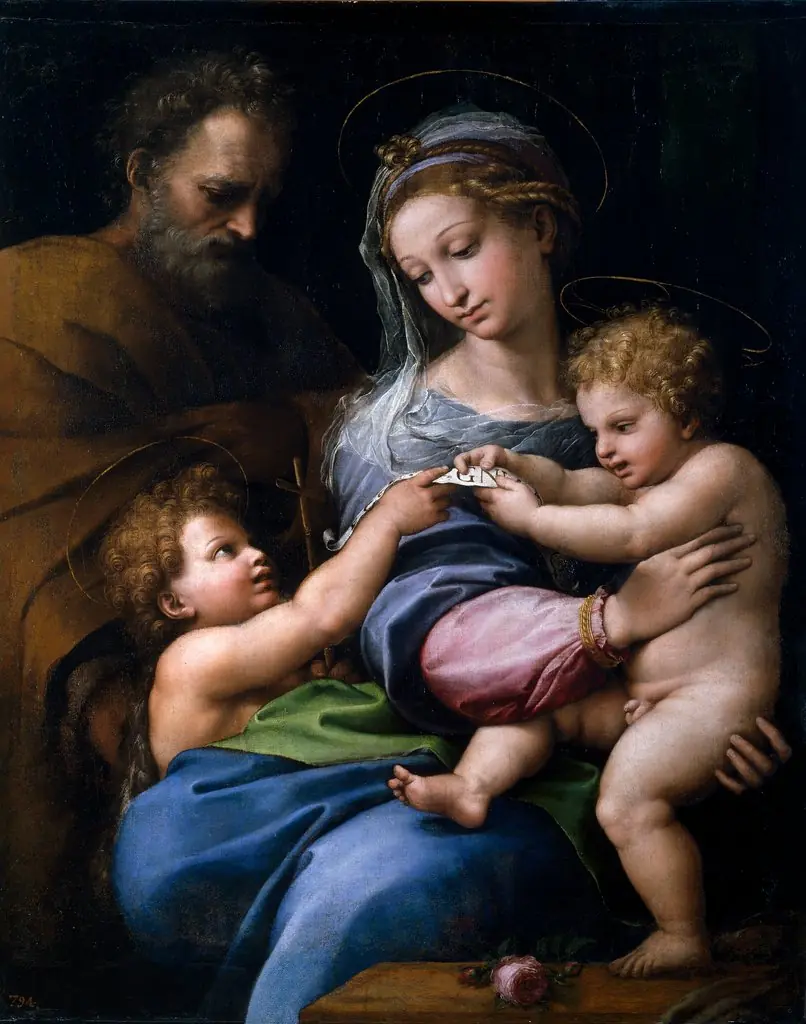 Madonna of the Rose
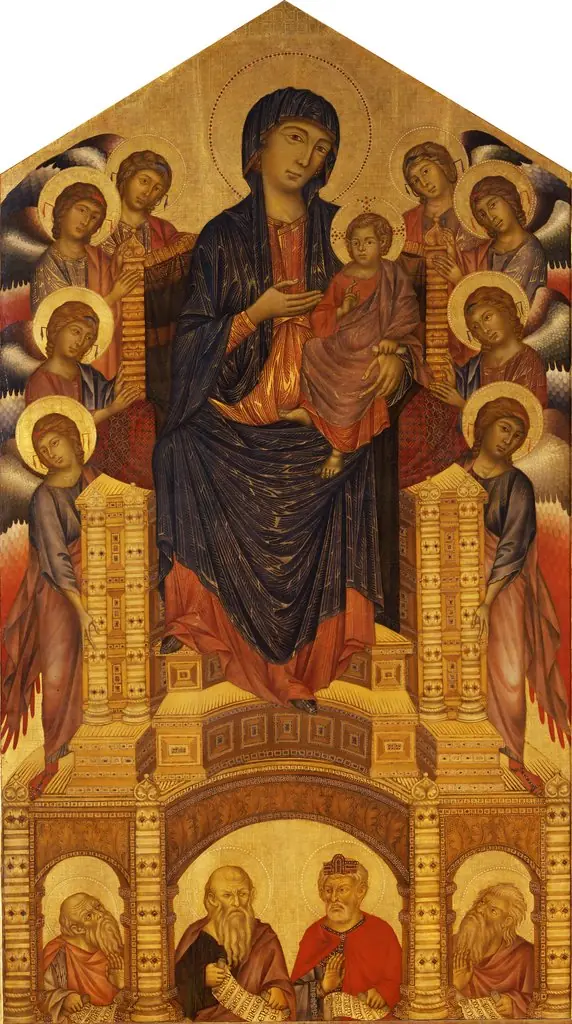 Madonna and Child Enthroned with Angels and Prophets. ˋSanta Trinità Maestà´
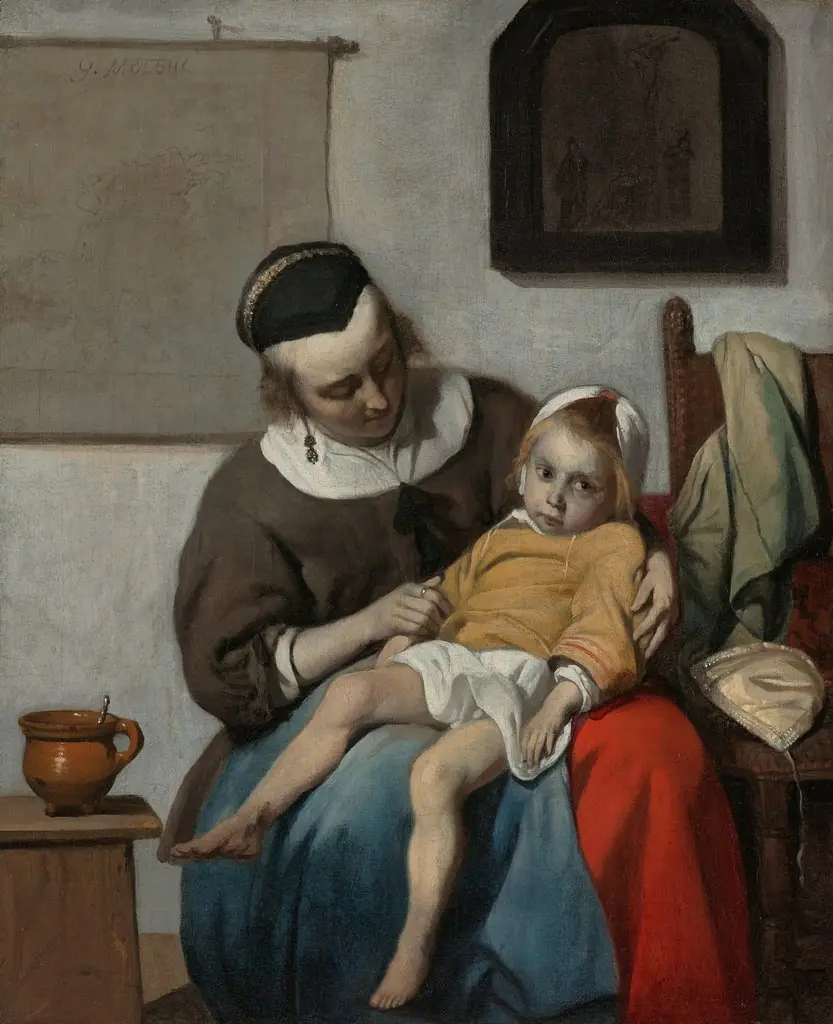 The Sick Child
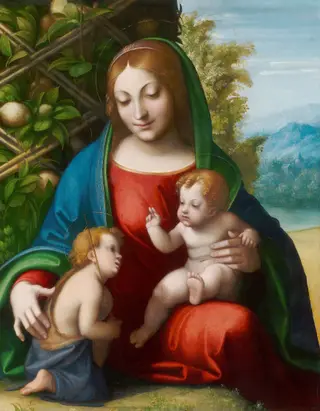 Virgin and Child with the Young Saint John the Baptist
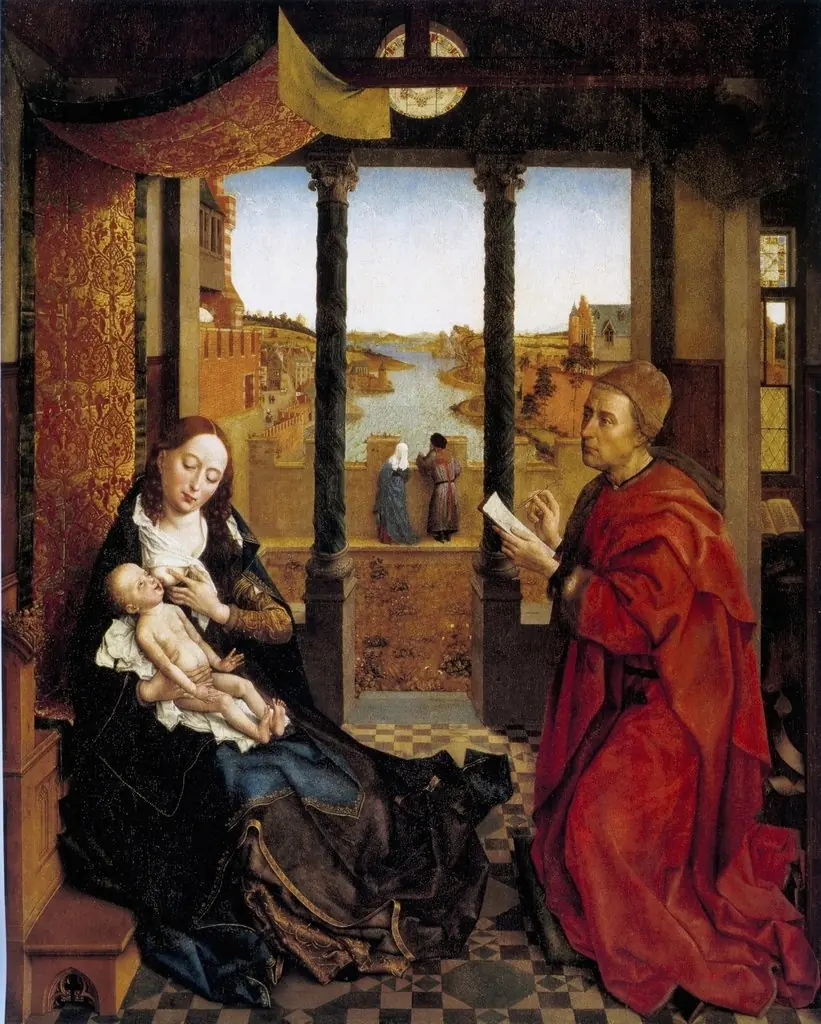 Saint Luke Drawing the Virgin
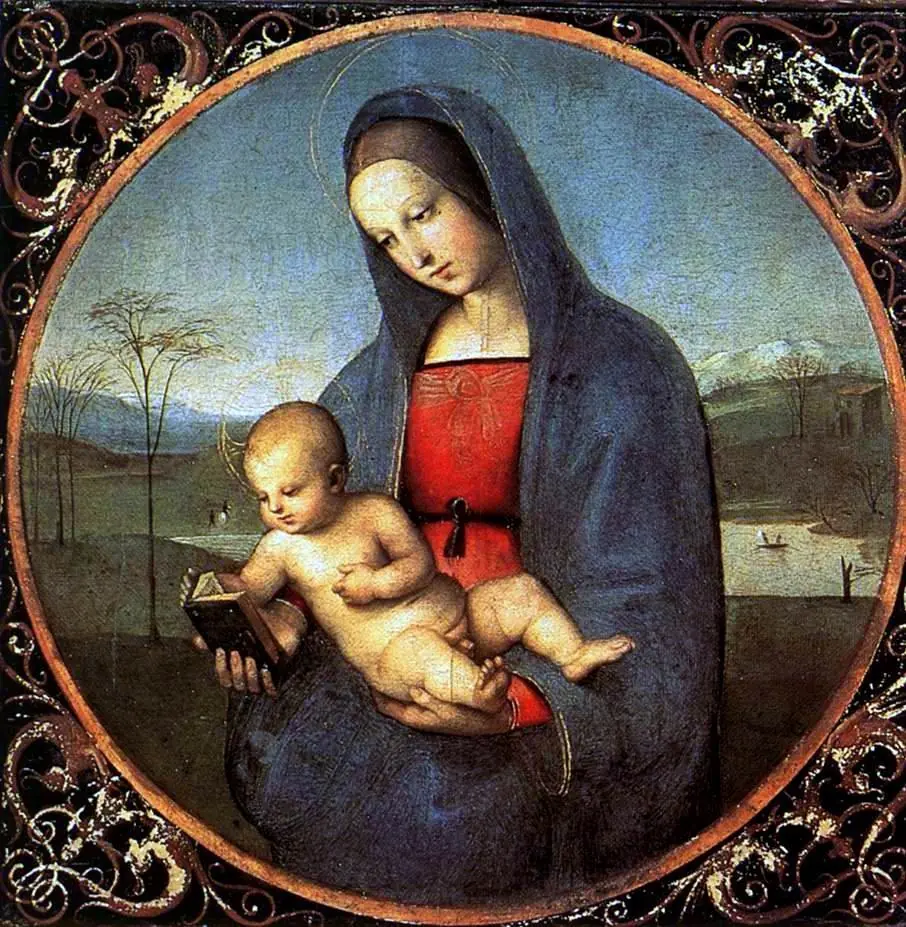 Madonna and Child (The Conestabile Madonna)
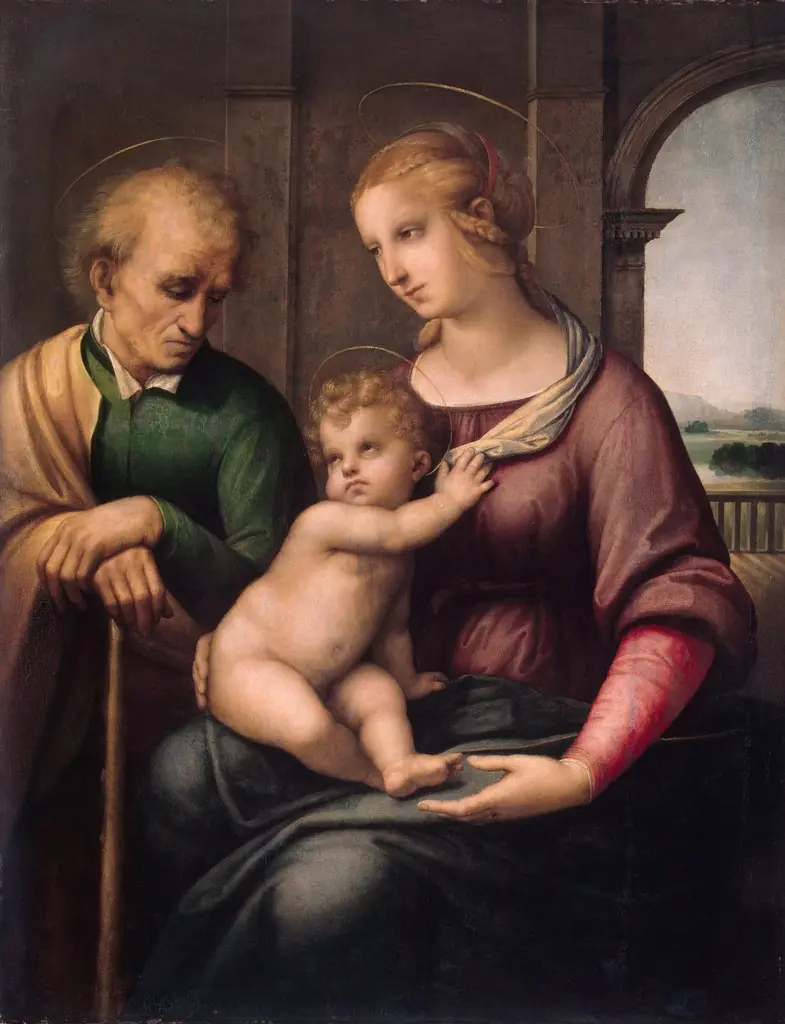 Madonna with Beardless Saint Joseph
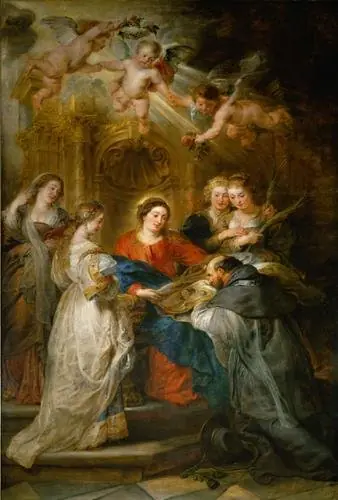 Ildefonso Altarpiece (central panel)
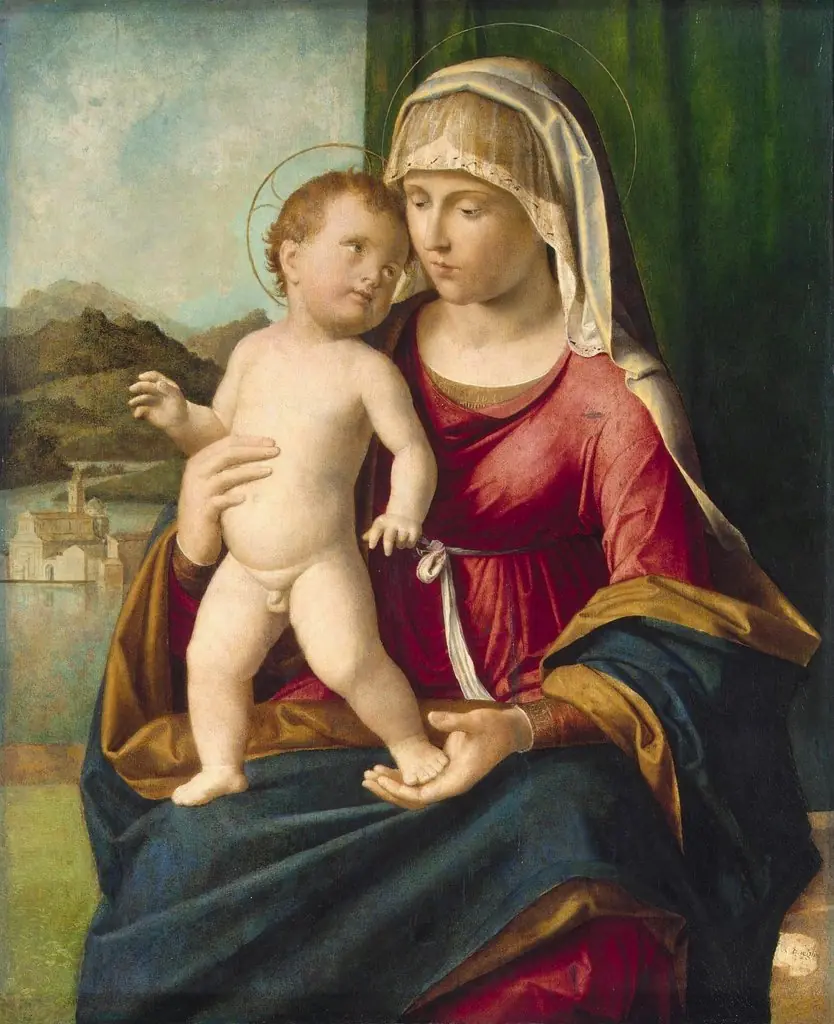 Madonna and Child
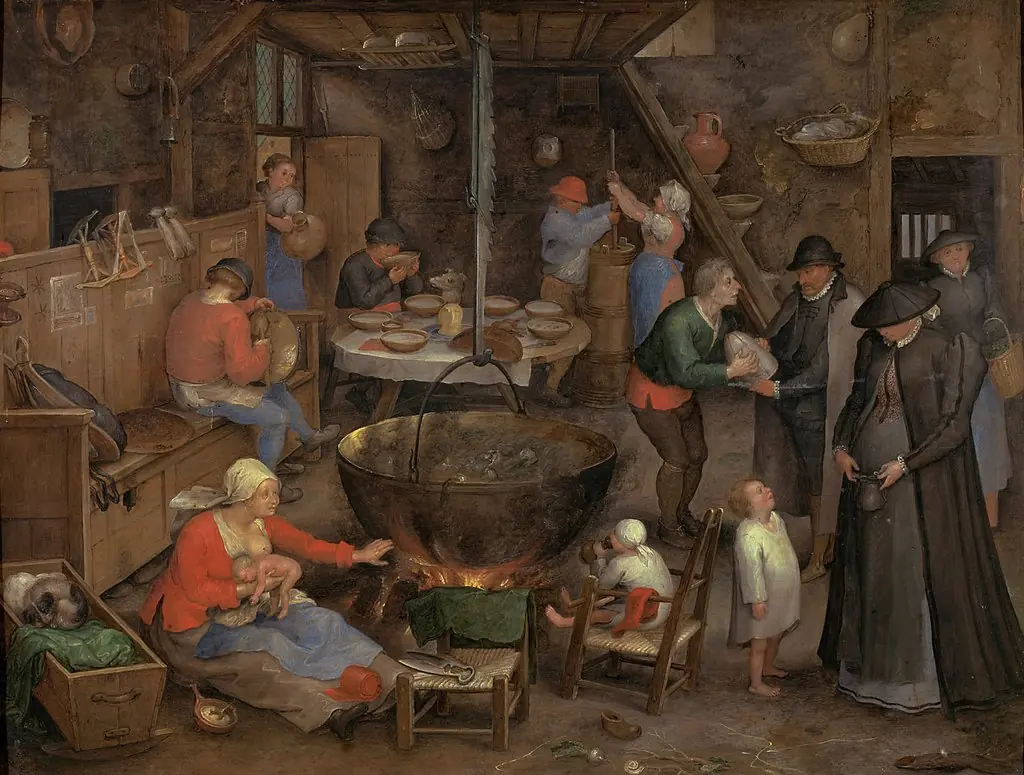 Visit to the Farm
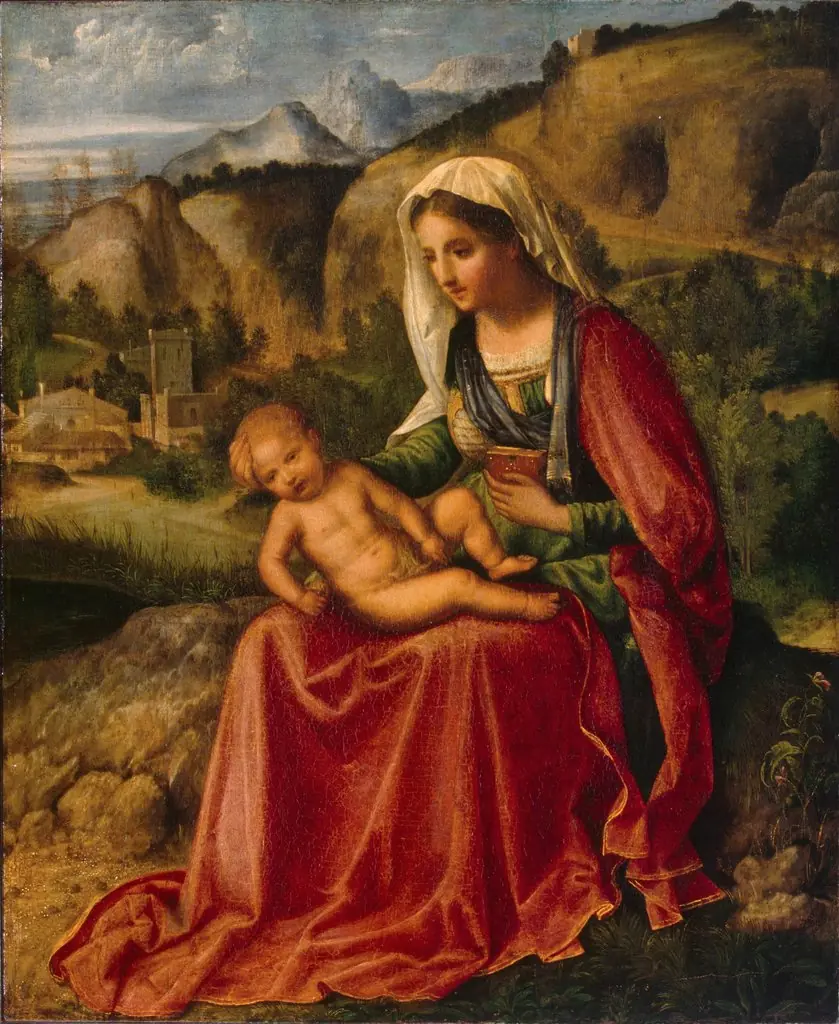 Virgin and Child in a Landscape
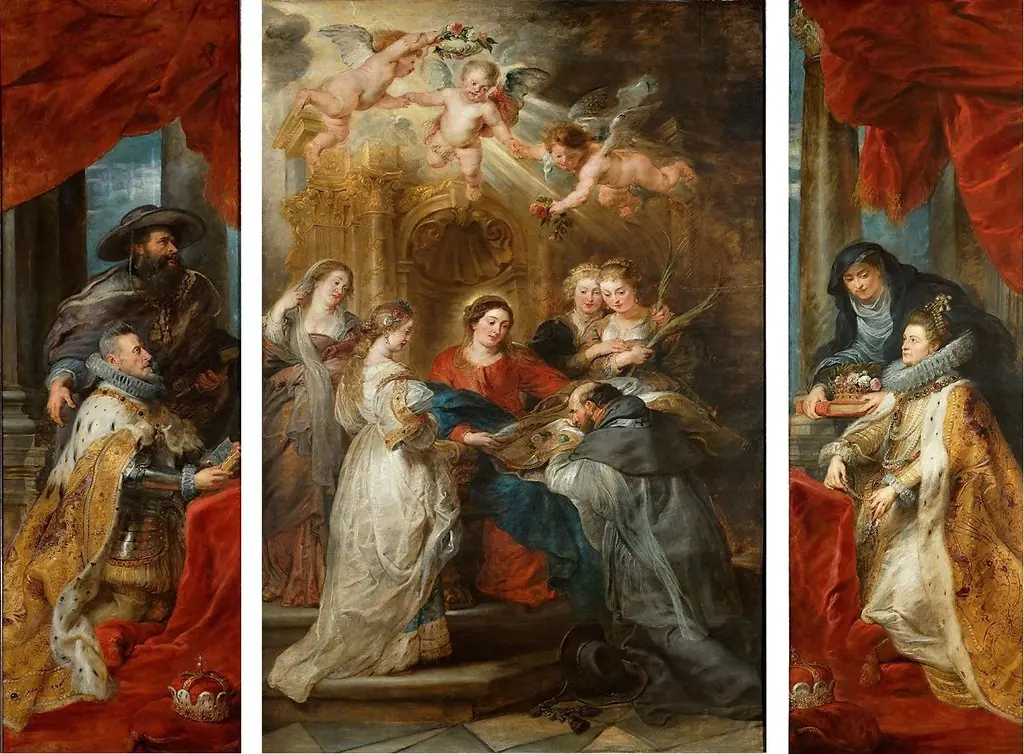 Ildefonso Altarpiece
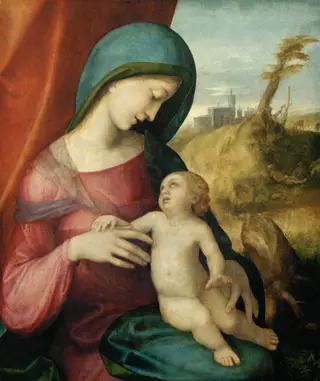 Mary and Child
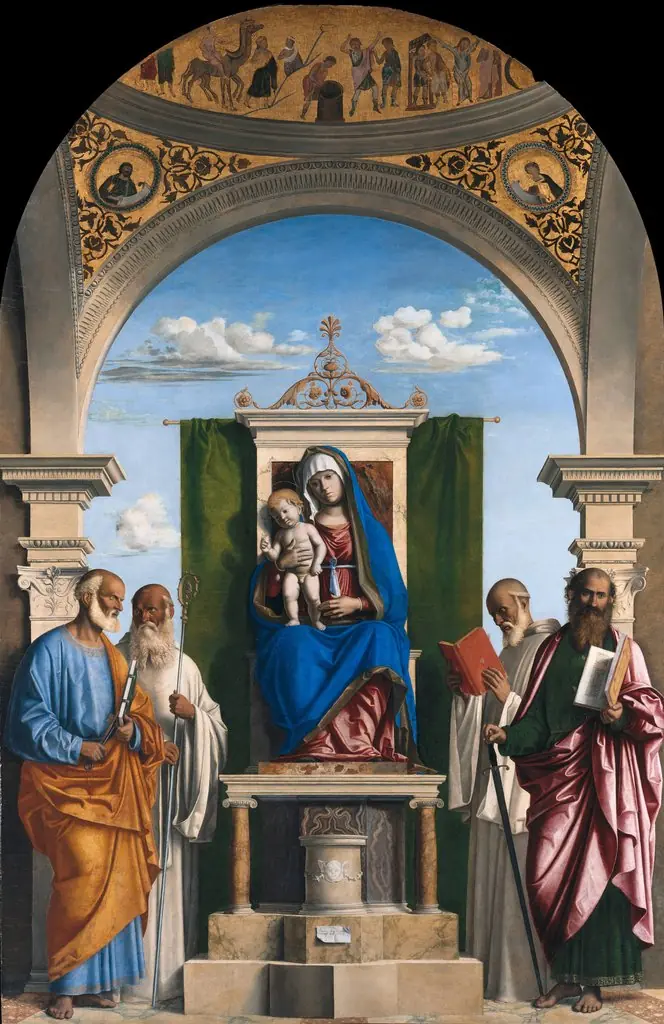 Madonna and Child Enthroned with Saints
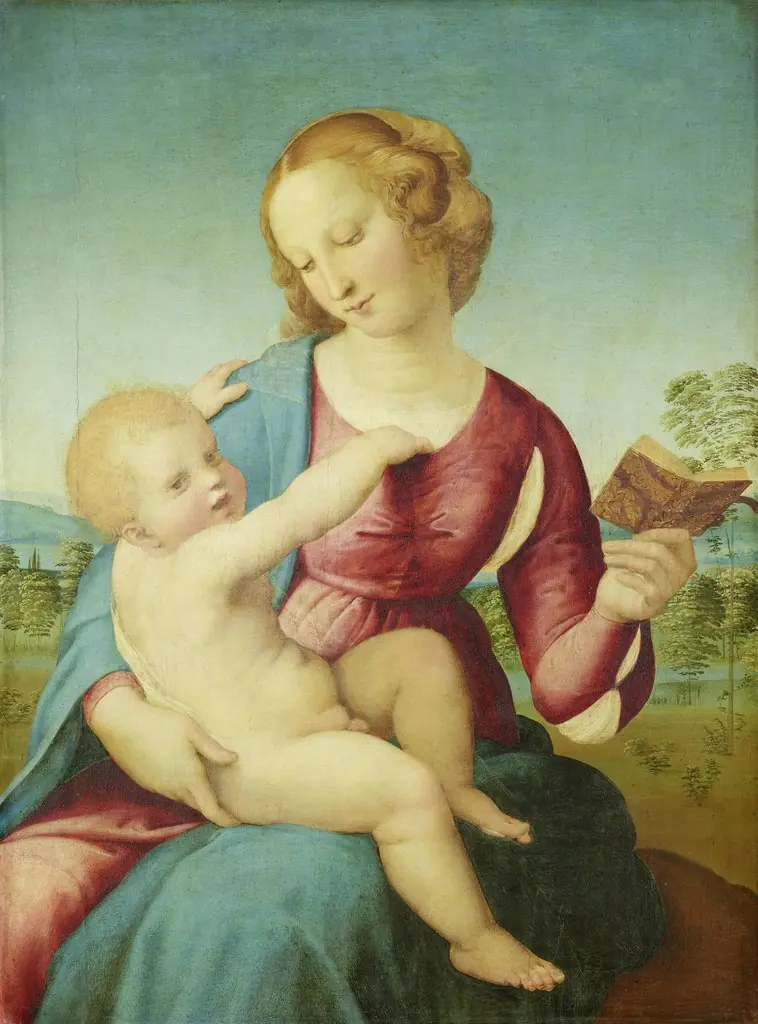 Colonna Madonna
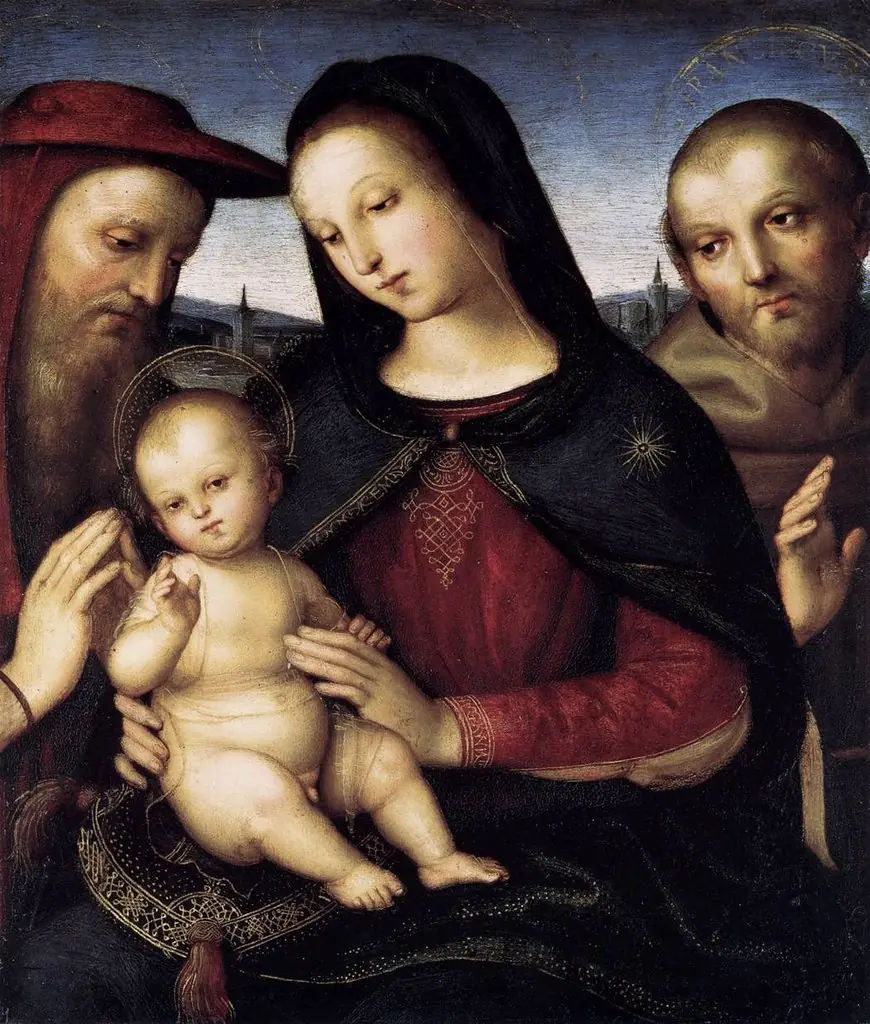 Von der Ropp Madonna
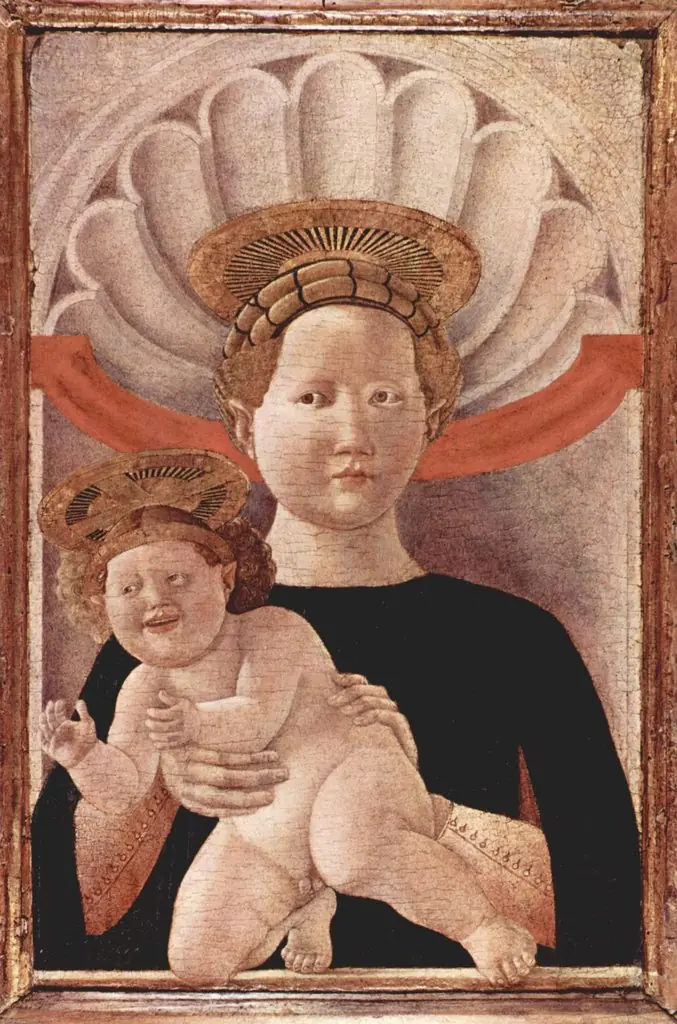 Madonna and Child
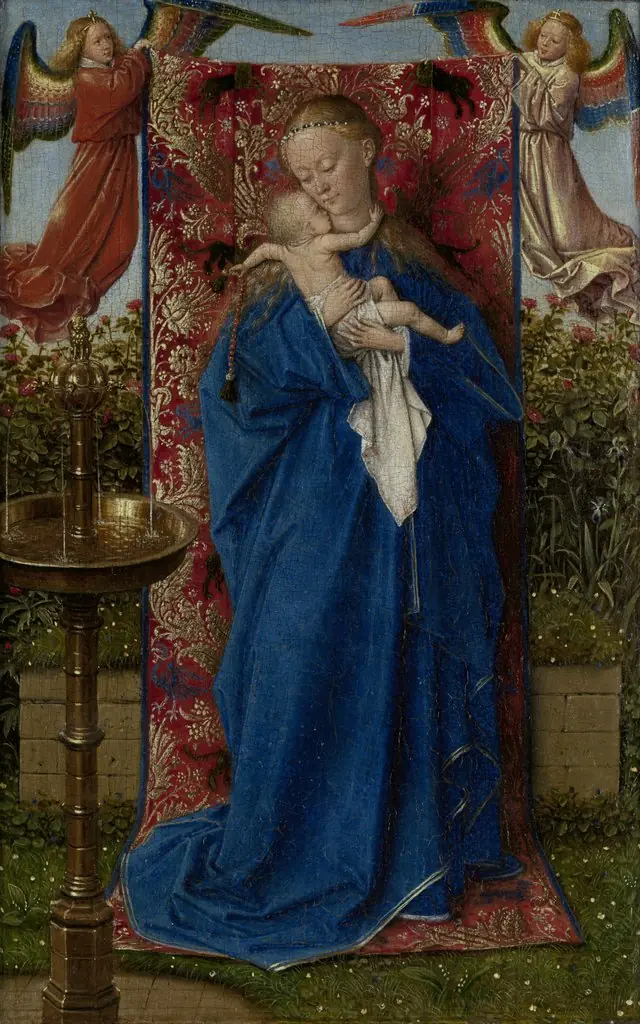 Madonna at the Fountain
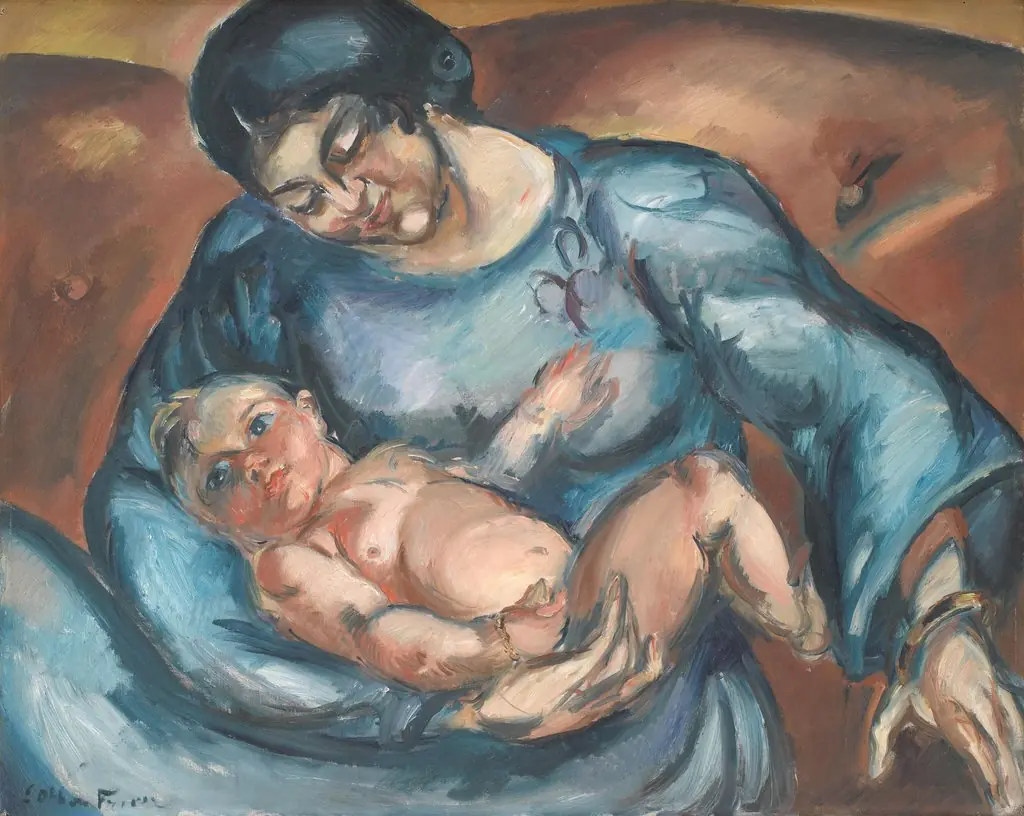 Mother's Love
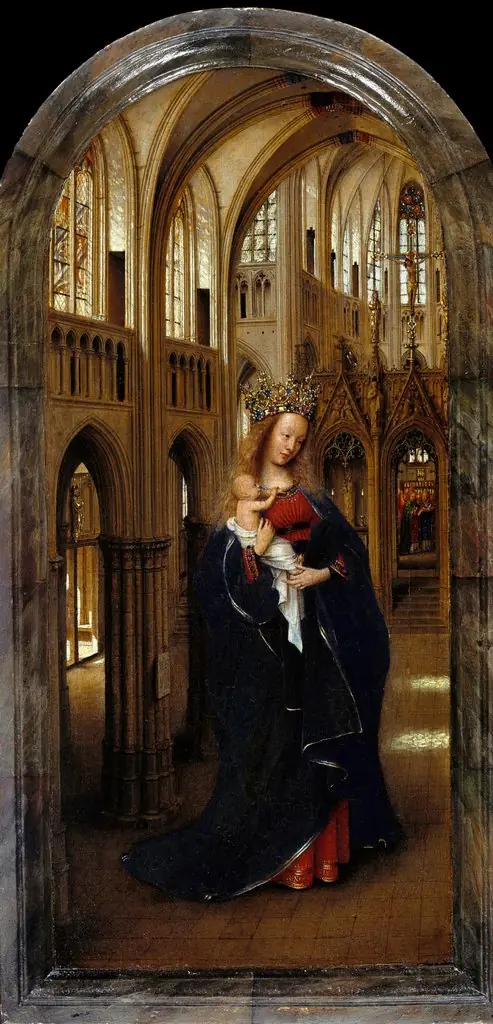 The Madonna in the Church
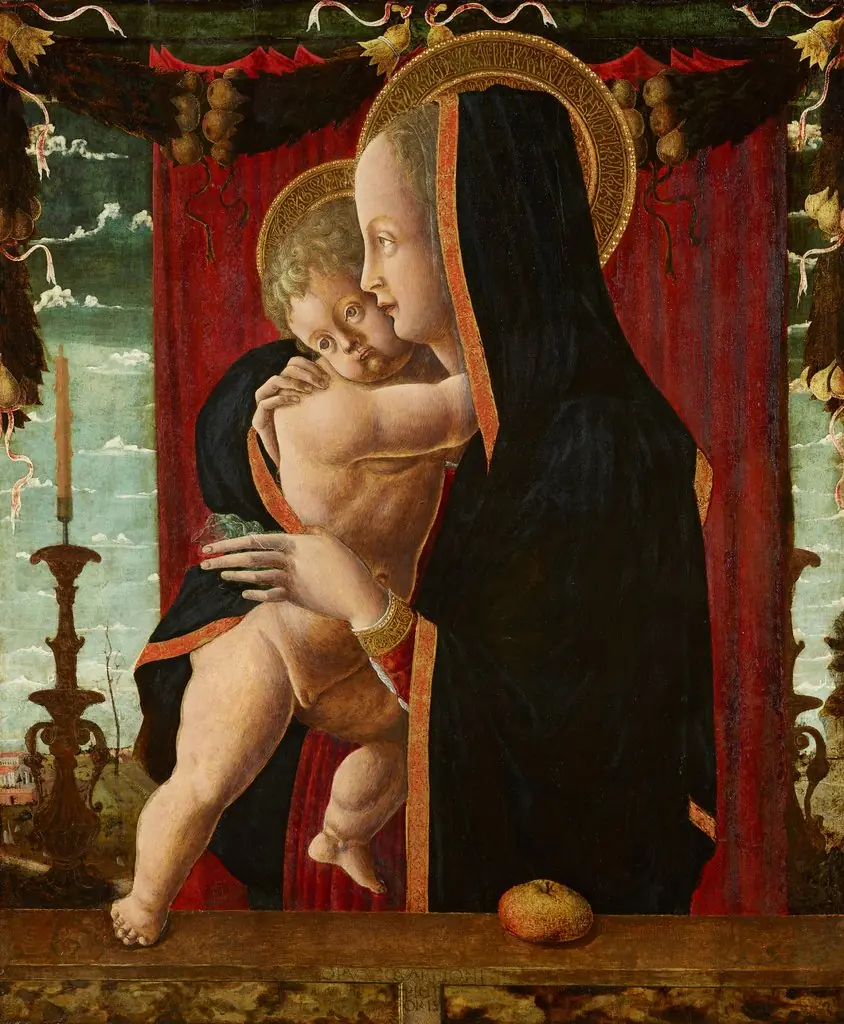 Virgin and Child
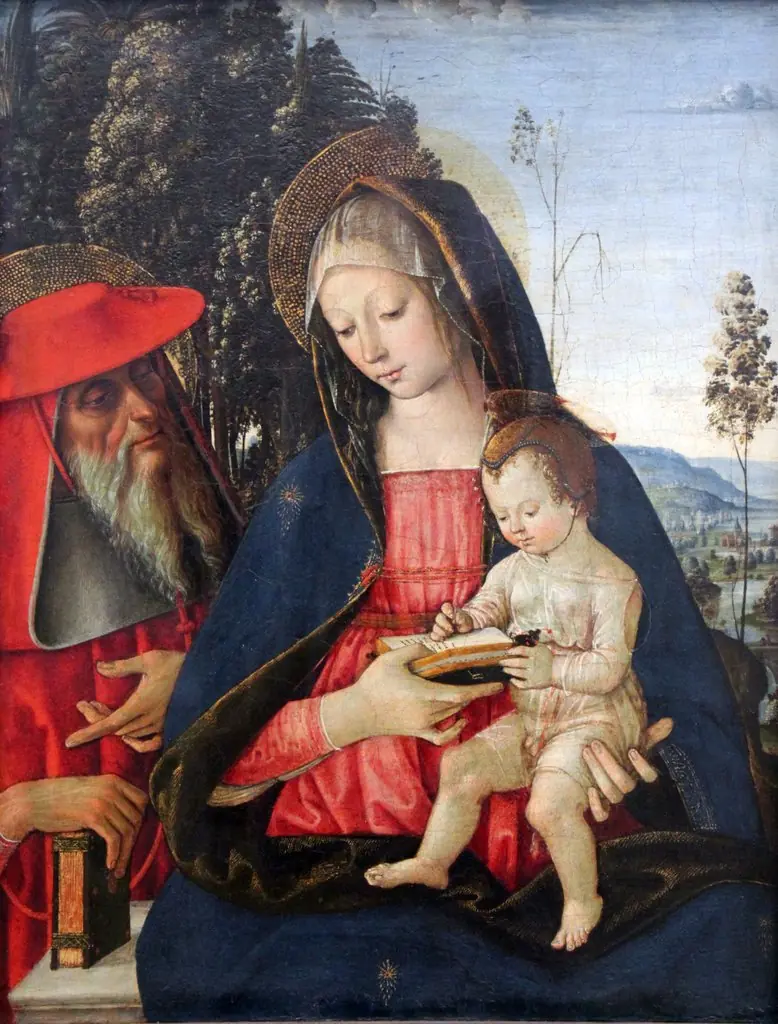 Madonna and Child with Saint Jerome
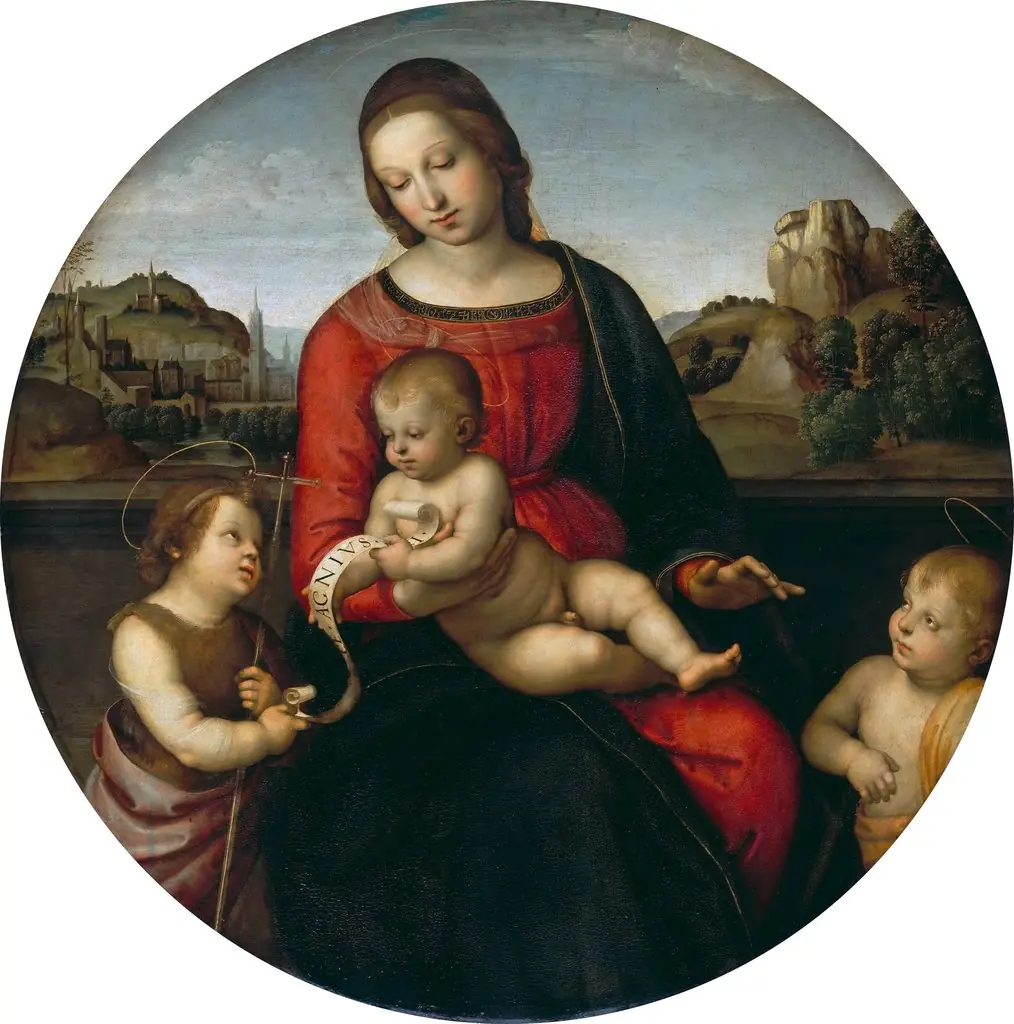 Terranuova Madonna
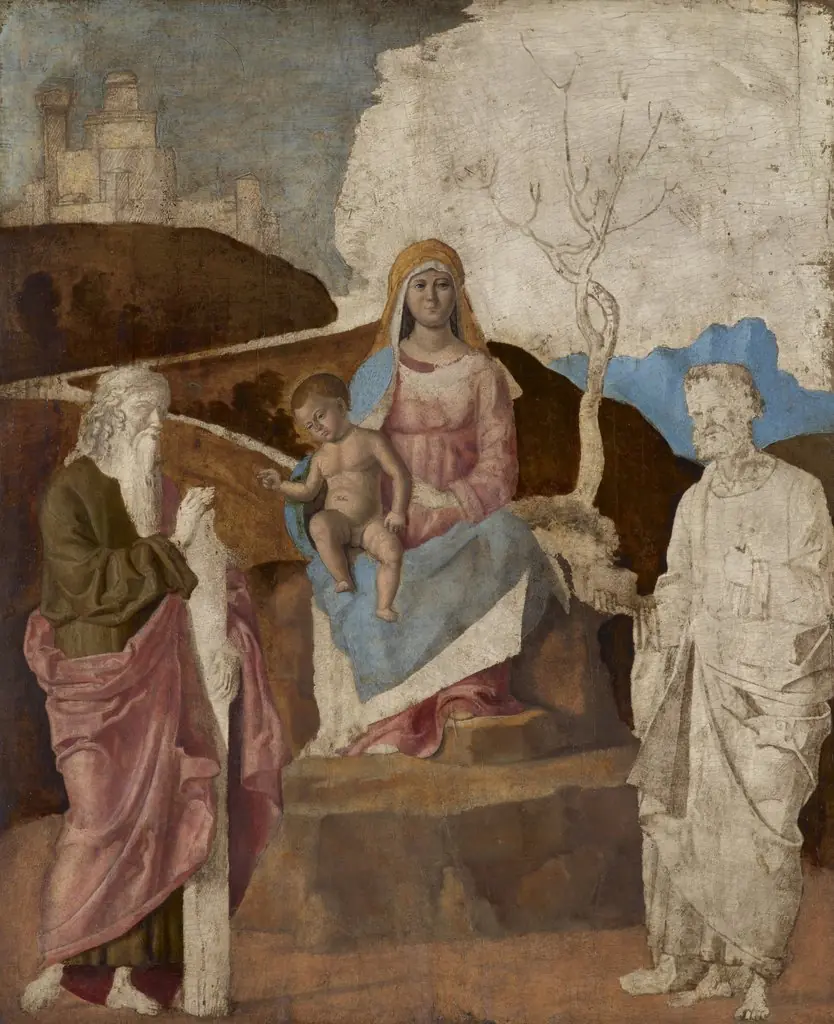 The Virgin and Child with Saint Andrew and Saint Peter
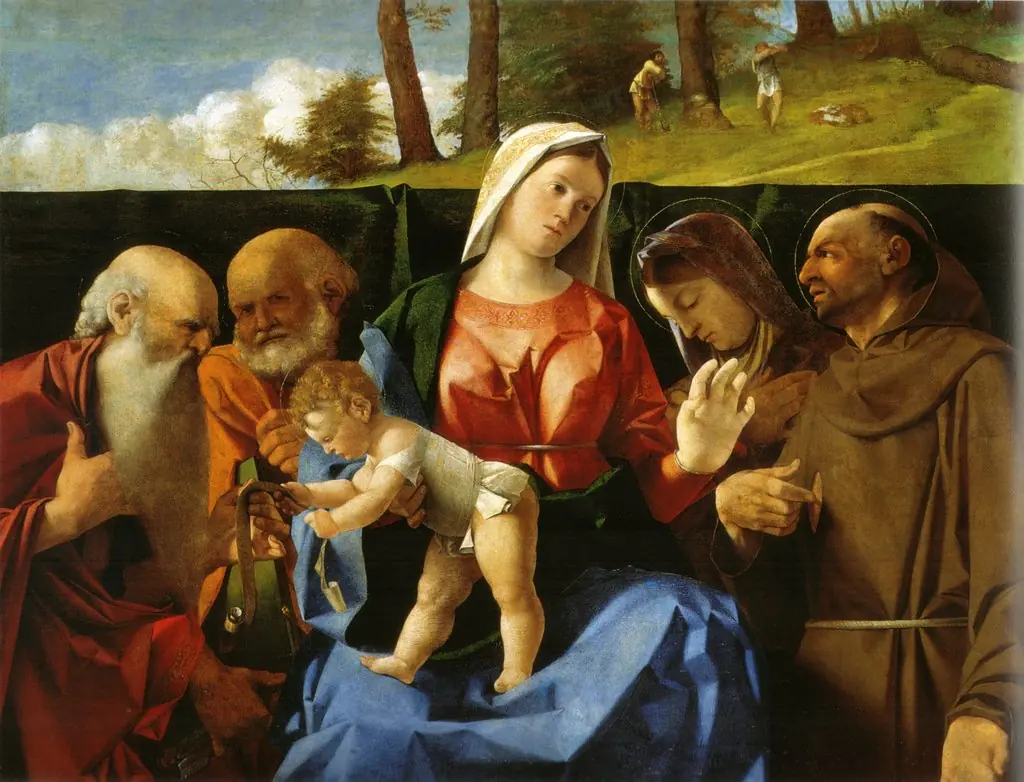 The Virgin and Child with Saints
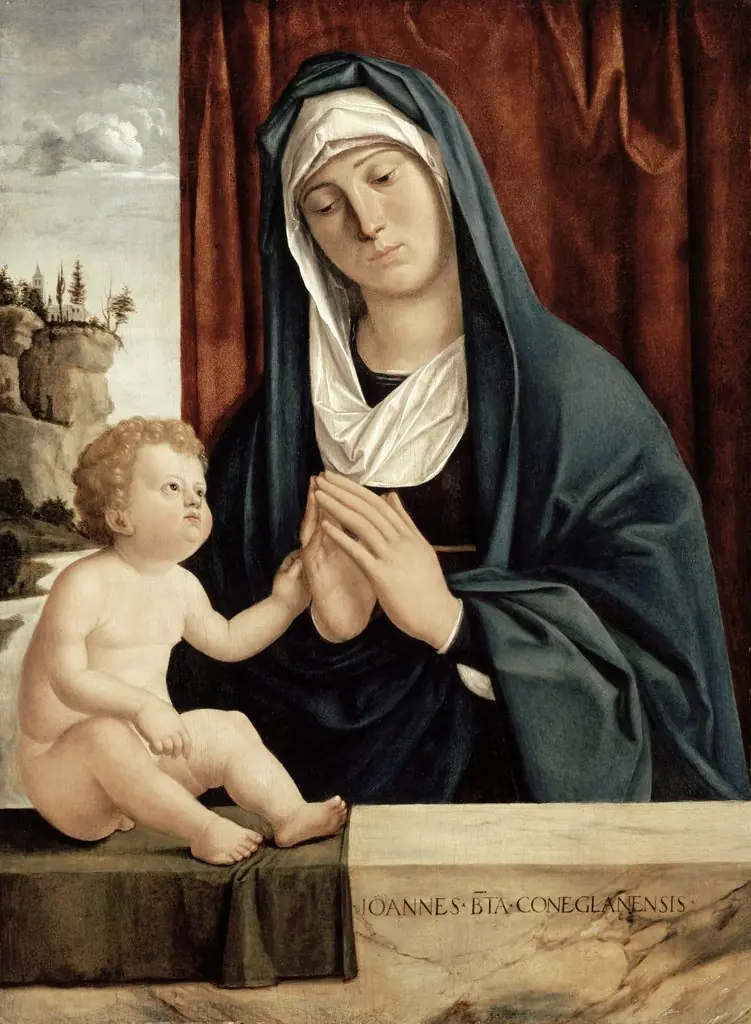 Madonna and Child
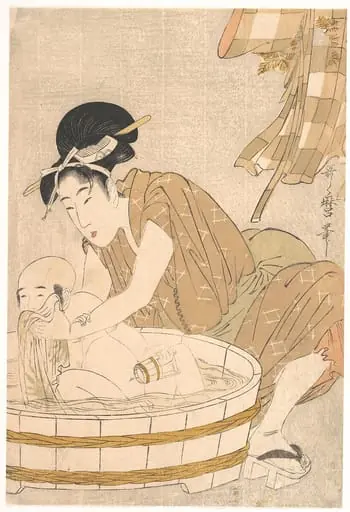 行水|Bathtime (Gyōzui)
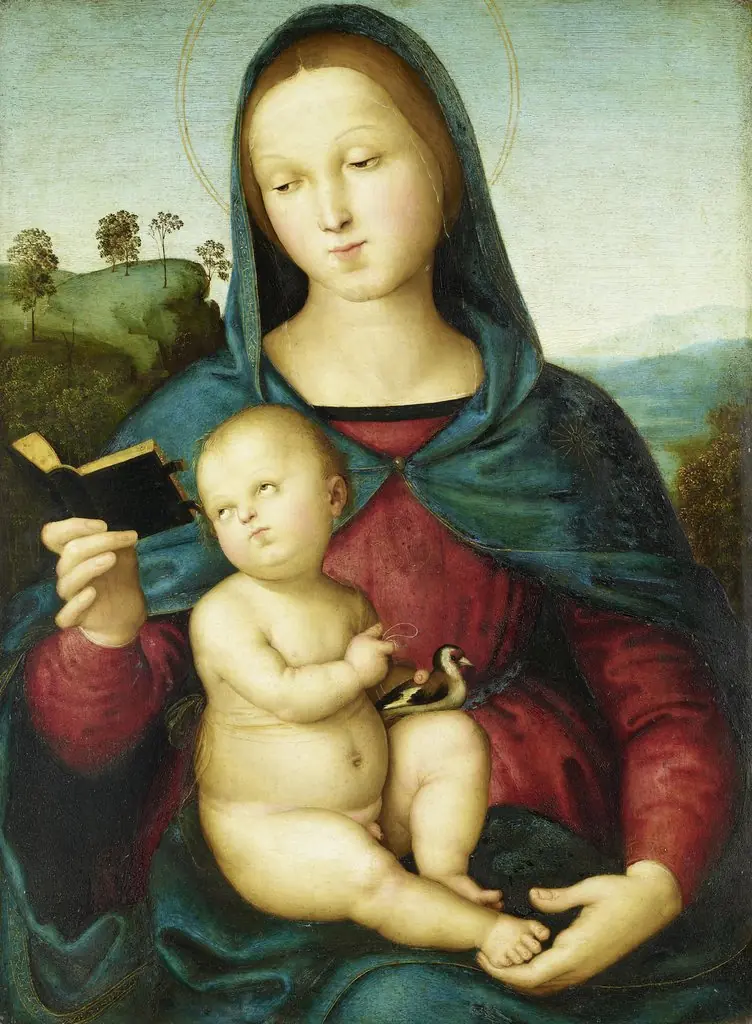 Solly Madonna
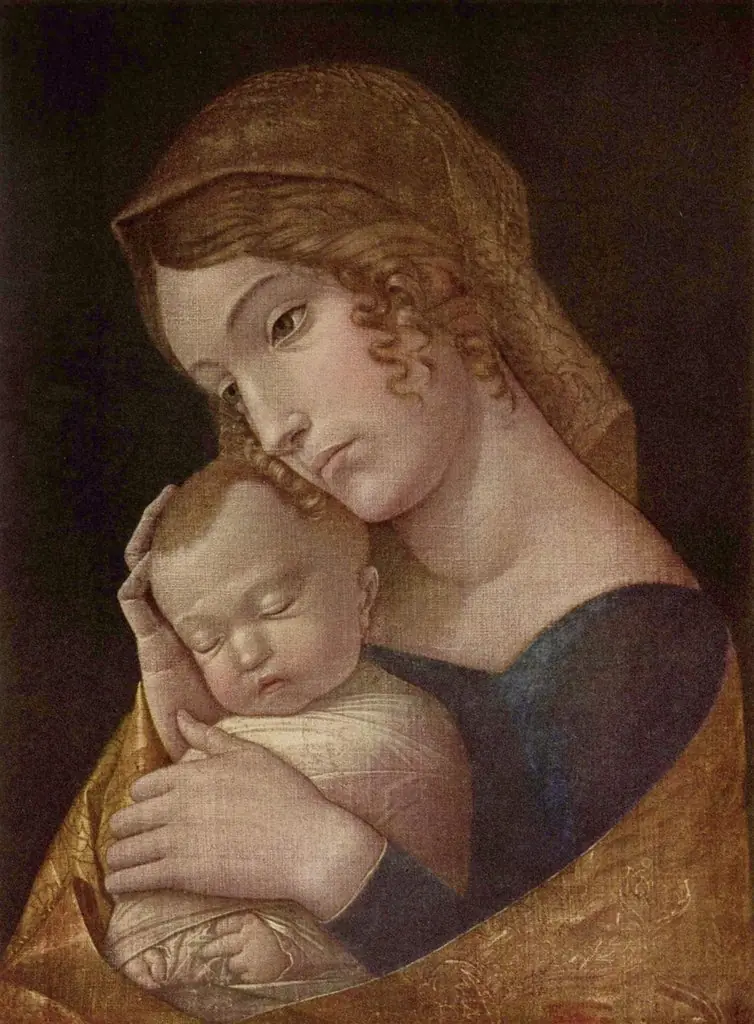 Madonna and sleeping child
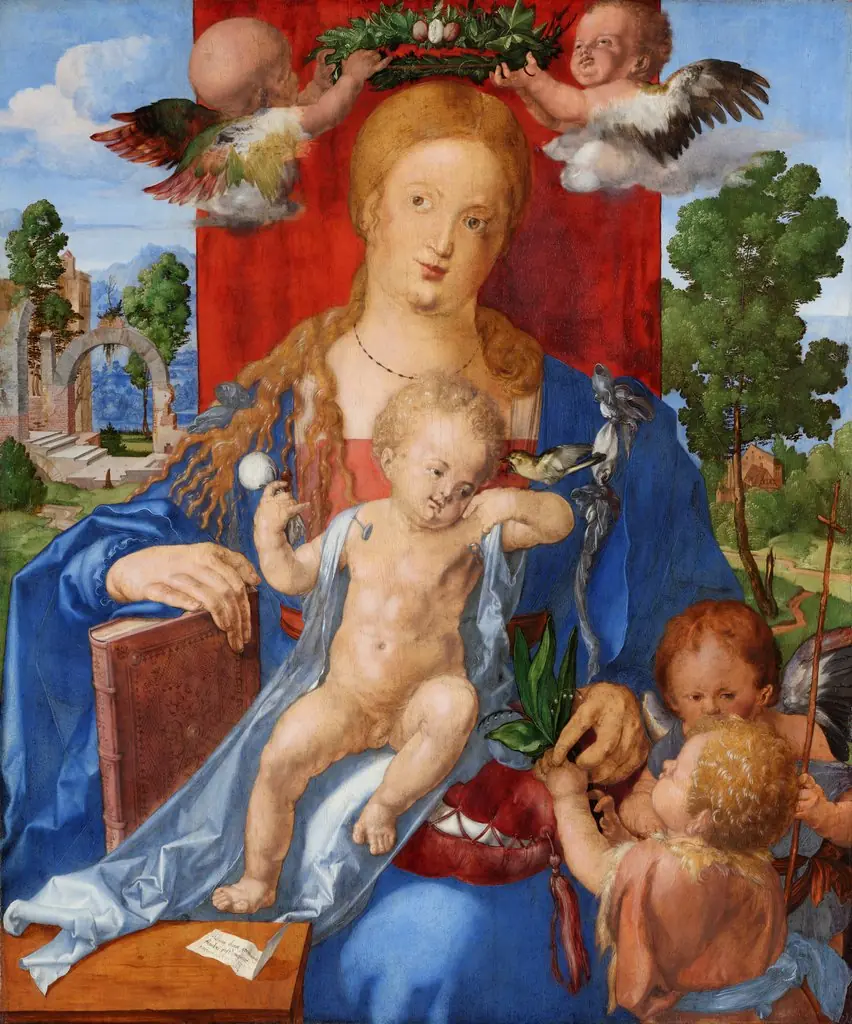 Madonna with the Siskin
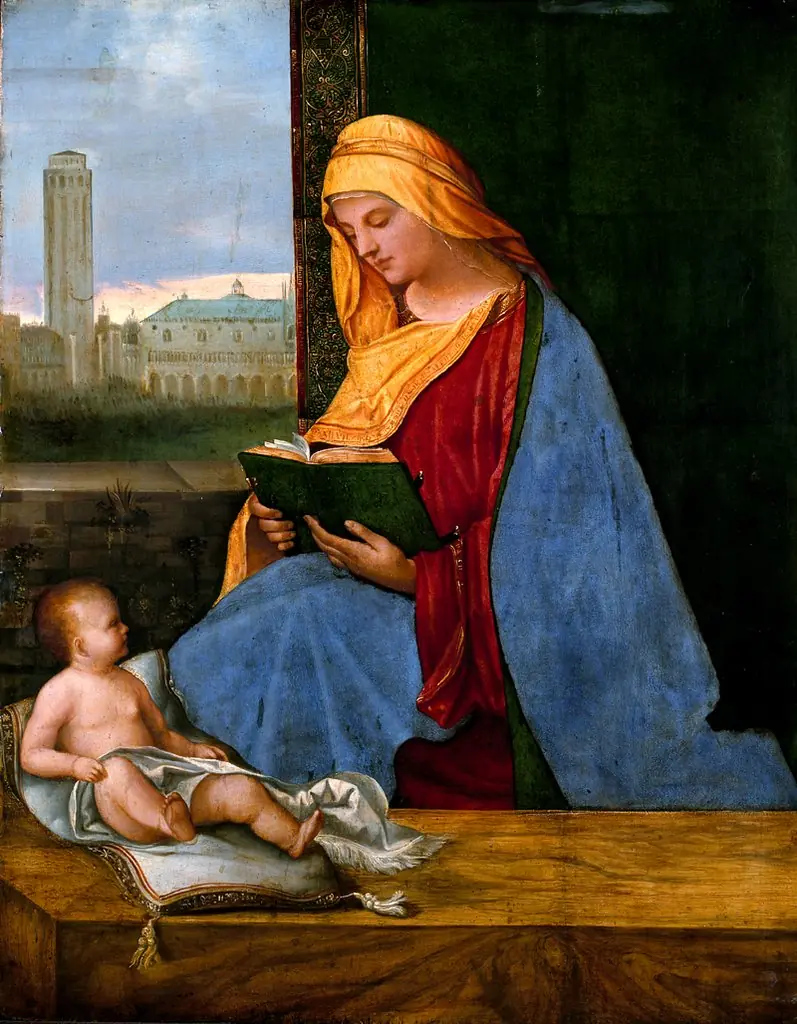 Reading Madonna
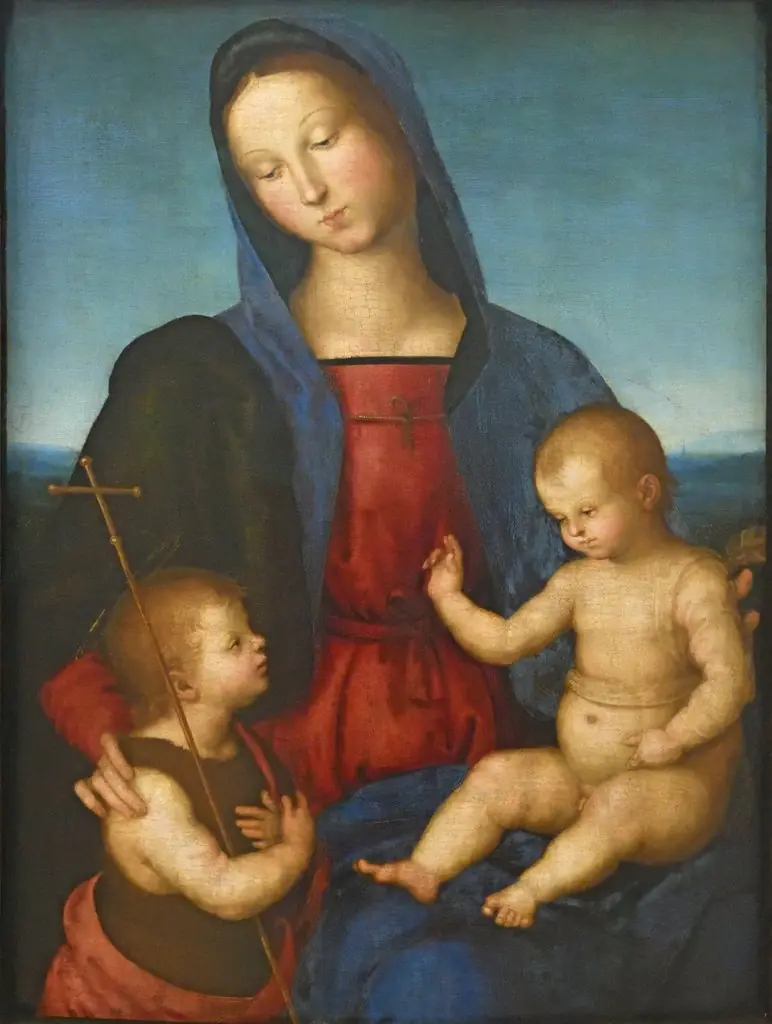 Madonna Diotallevi
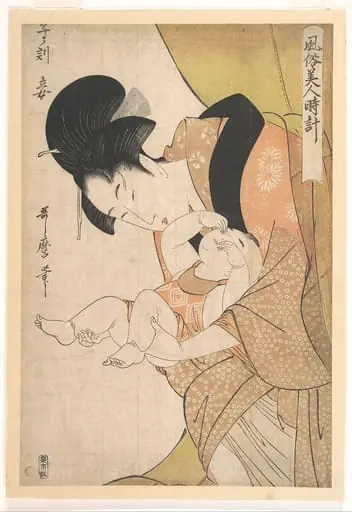 風俗美人時計 子ノ刻 妾|Midnight: Mother and Sleepy Child
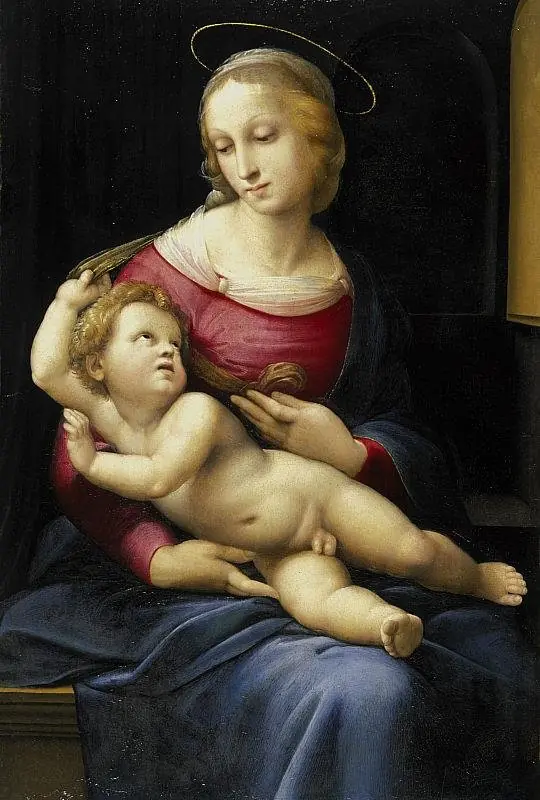 Bridgewater Madonna
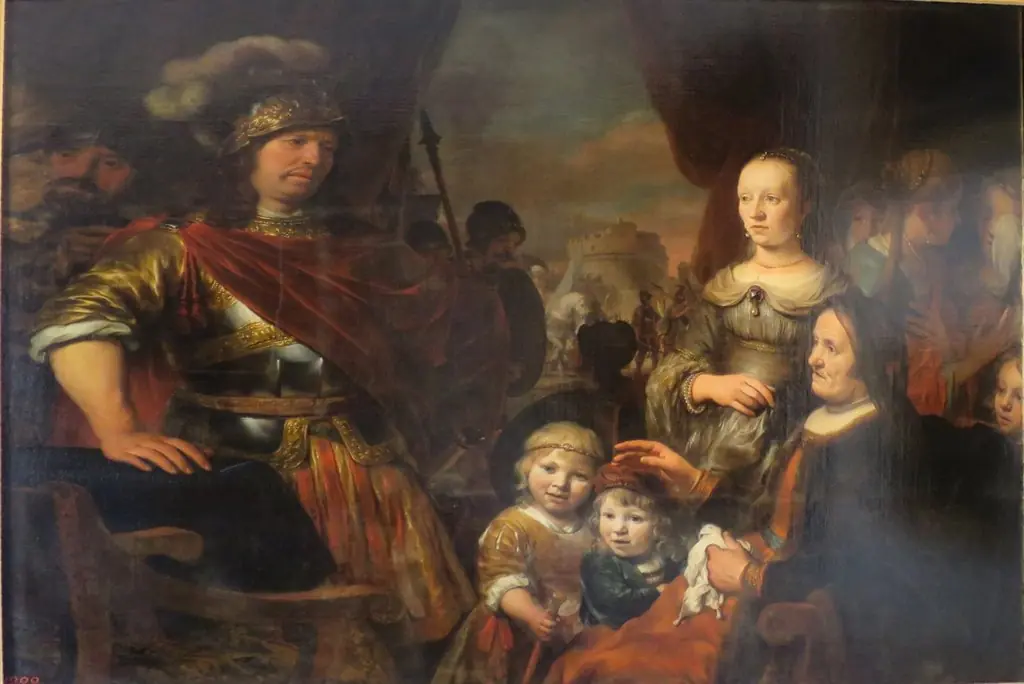 Coriolanus's Mother and Wife Begging Him to Spare Rome
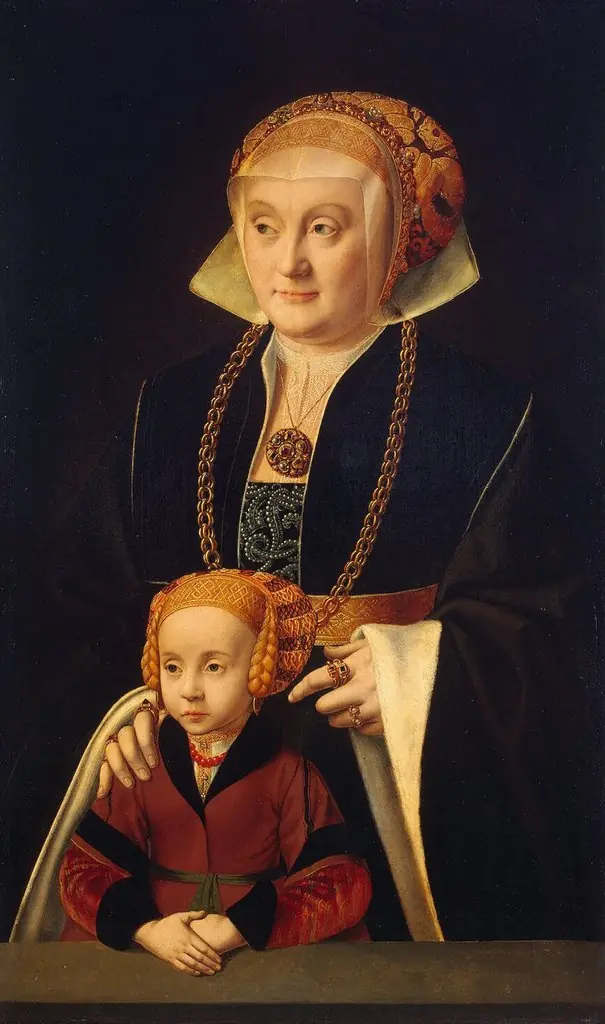 Portrait of a Lady and Her Daughter
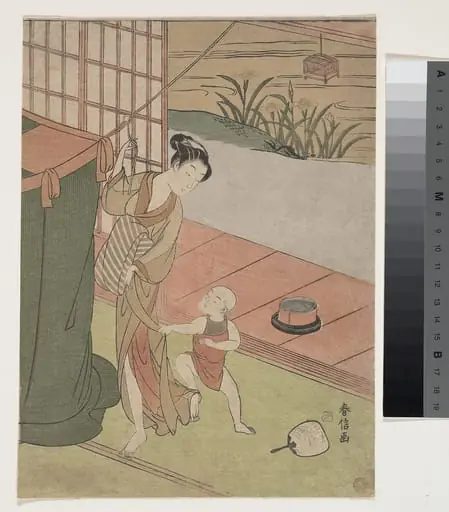 Untitled
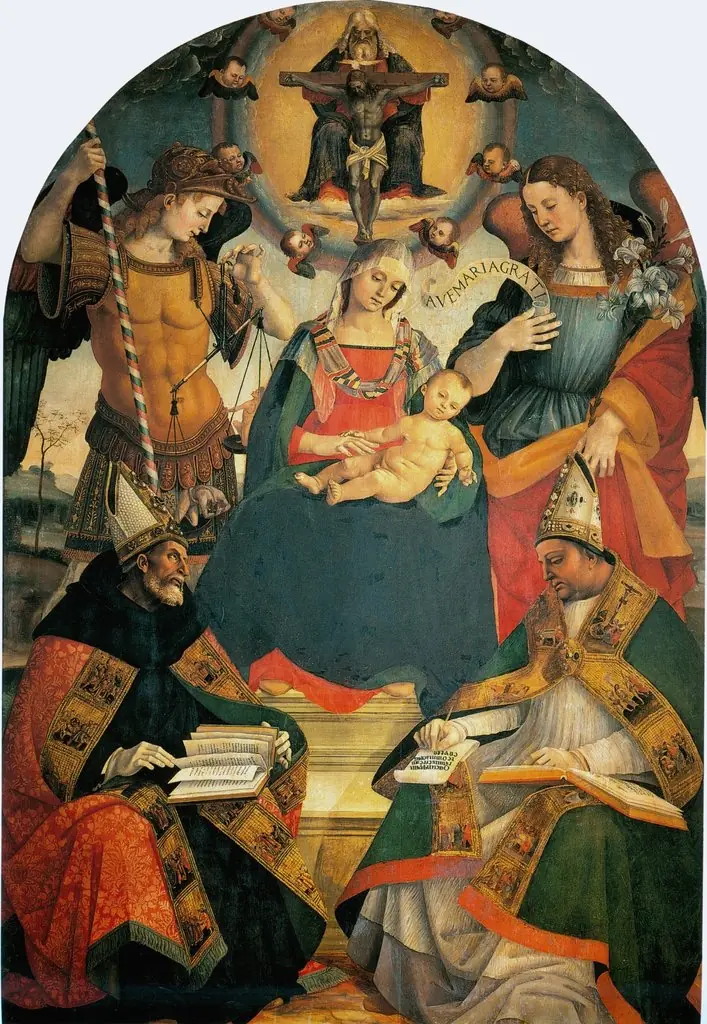 Trinity, the Virgin, and Two Saints
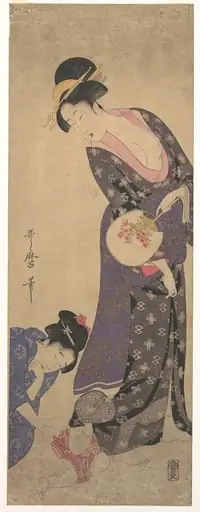 Untitled
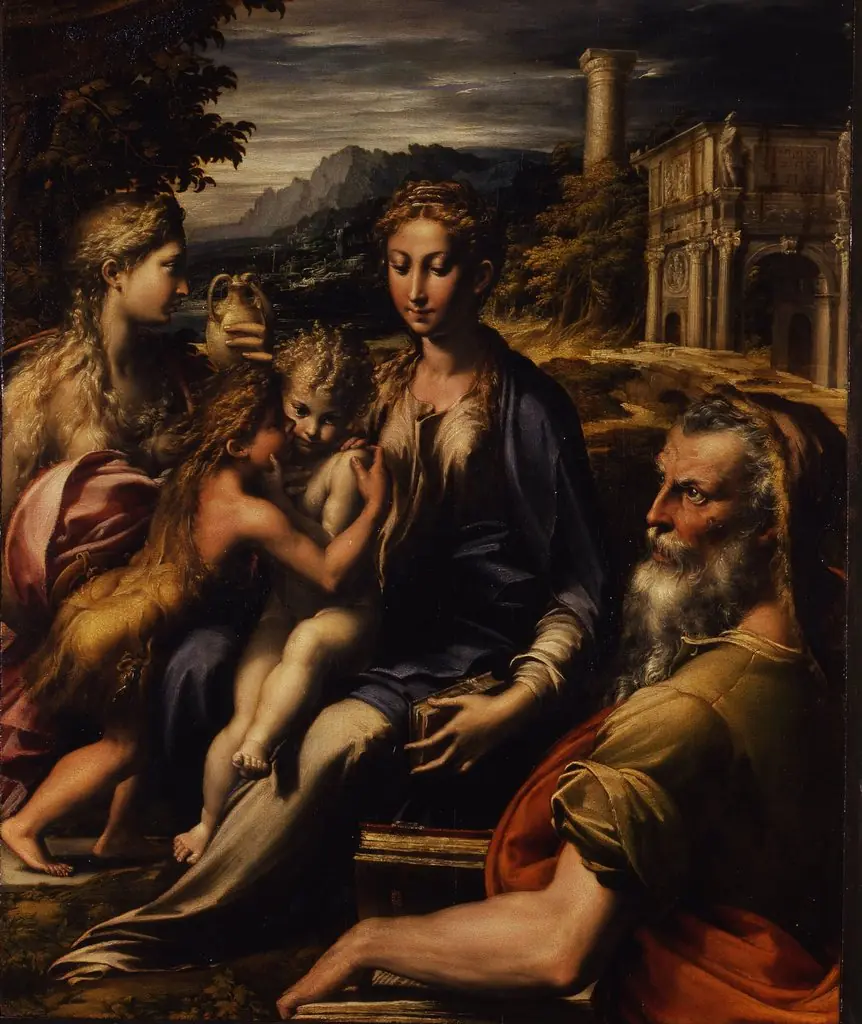 Madonna and Child with Saints
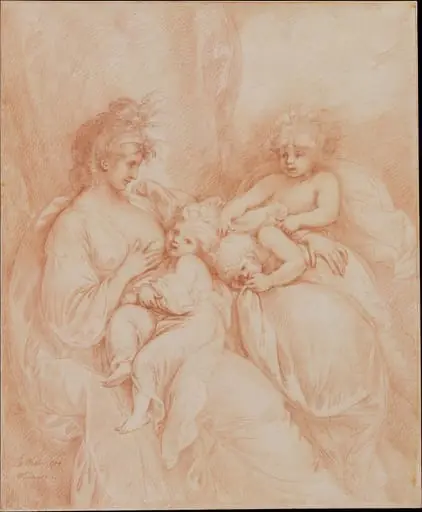 Maternity
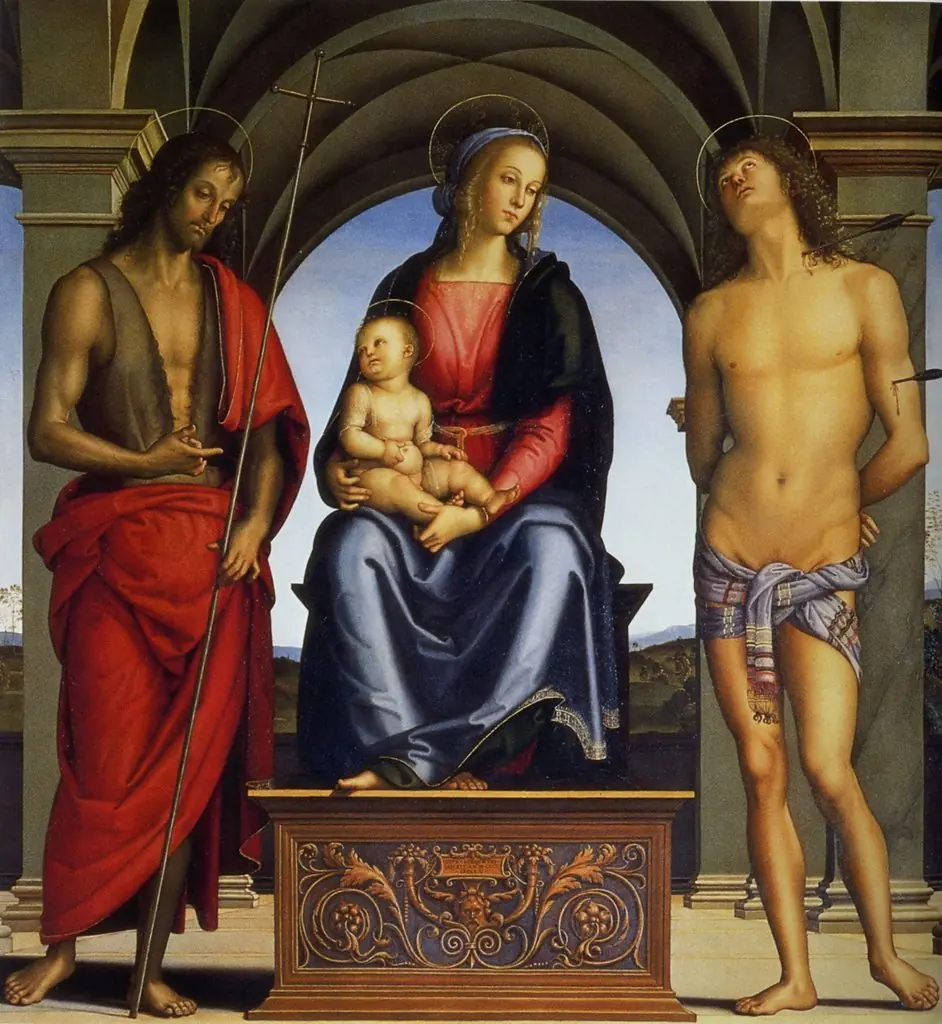 Madonna and Child Enthroned with Saints John the Baptist and Sebastian
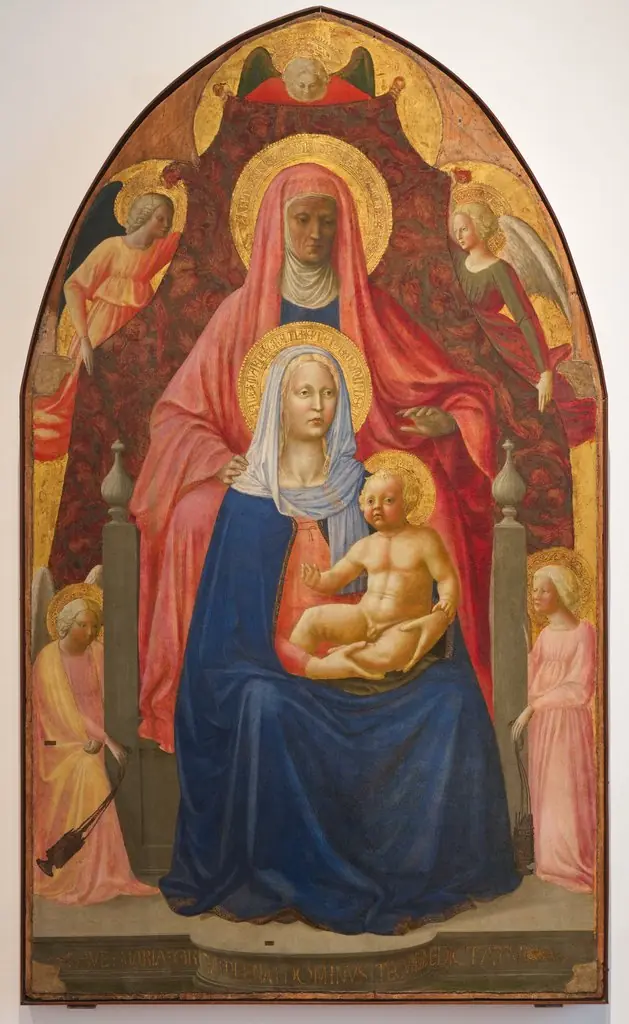 Virgin and Child with Saint Anne
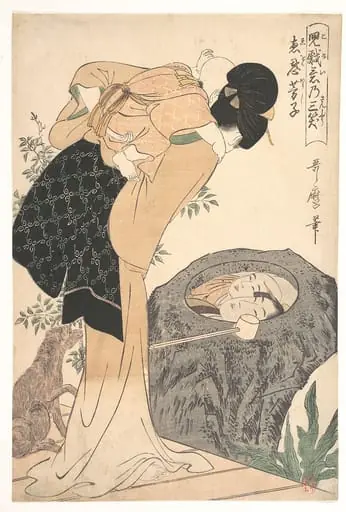 児戯意乃三笑 恵恩芳子|Mother and Child
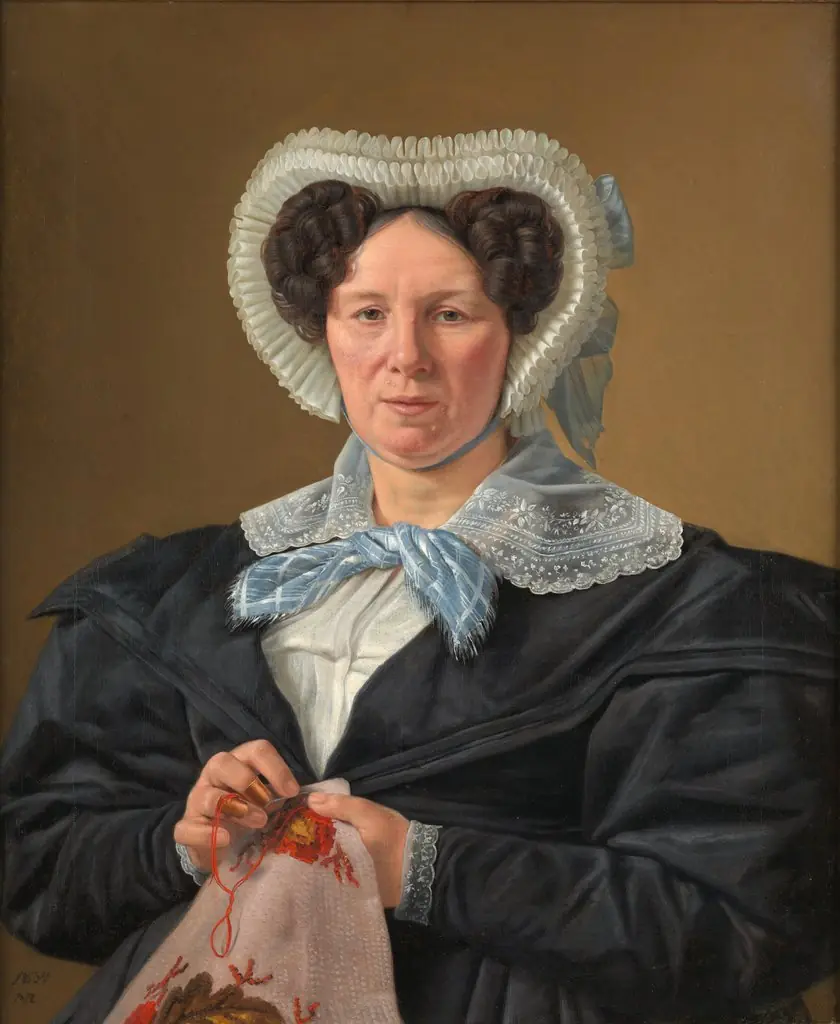 The Artist's Mother, Frederikke Eleonore Cathrine Rørbye, née Stockfleth
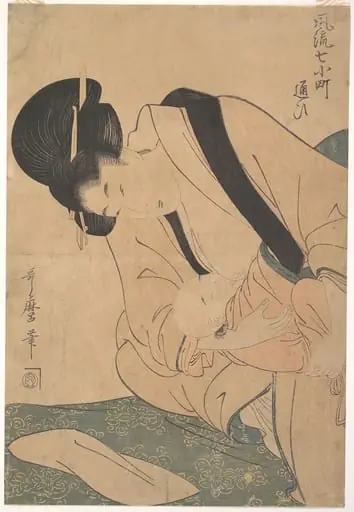 風流七小町 通ひ|Young MotHer Nursing Her Baby
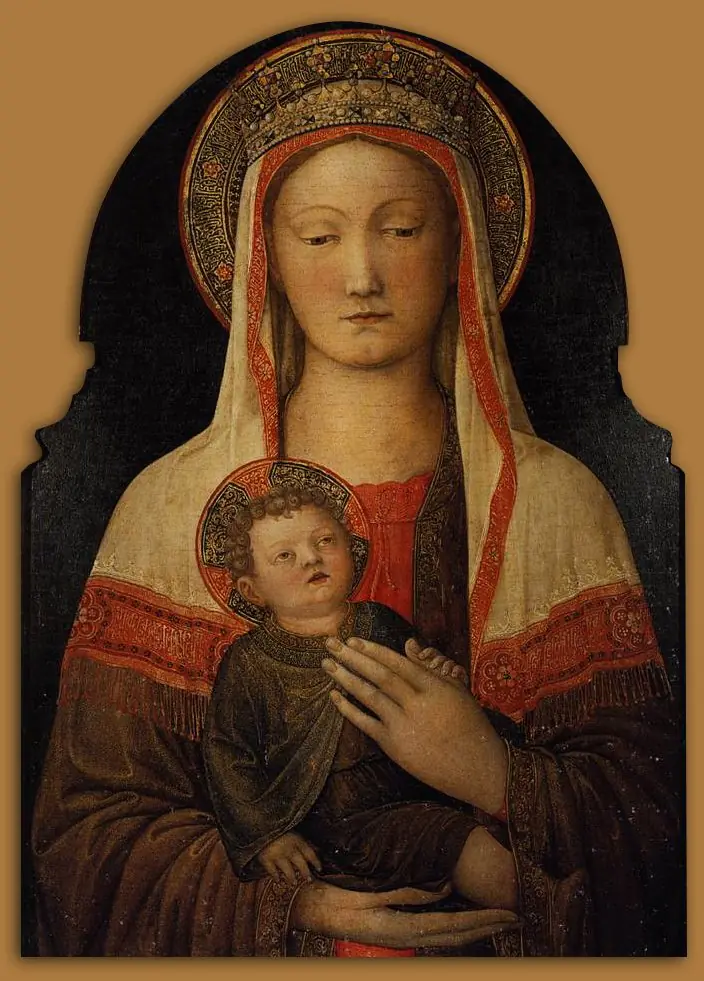 Madonna and Child
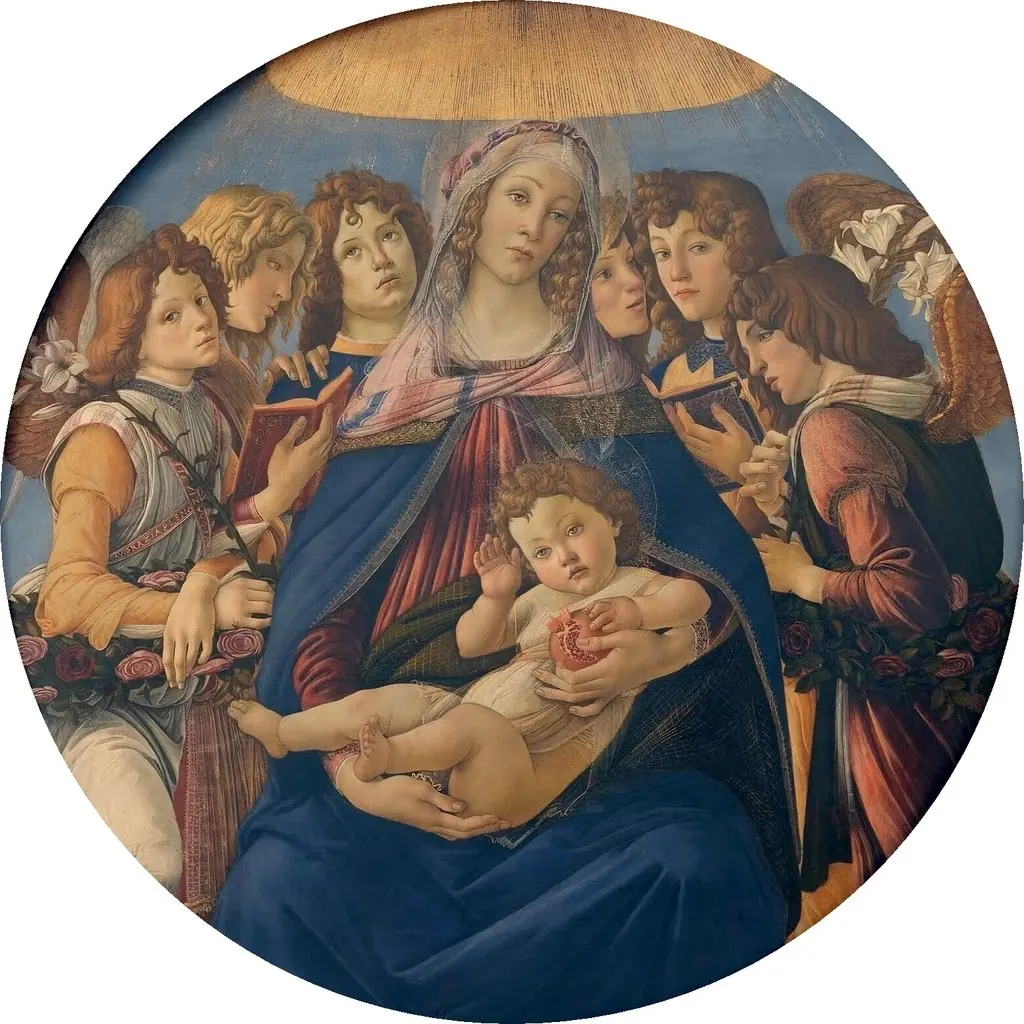 Madonna of the Pomegranate
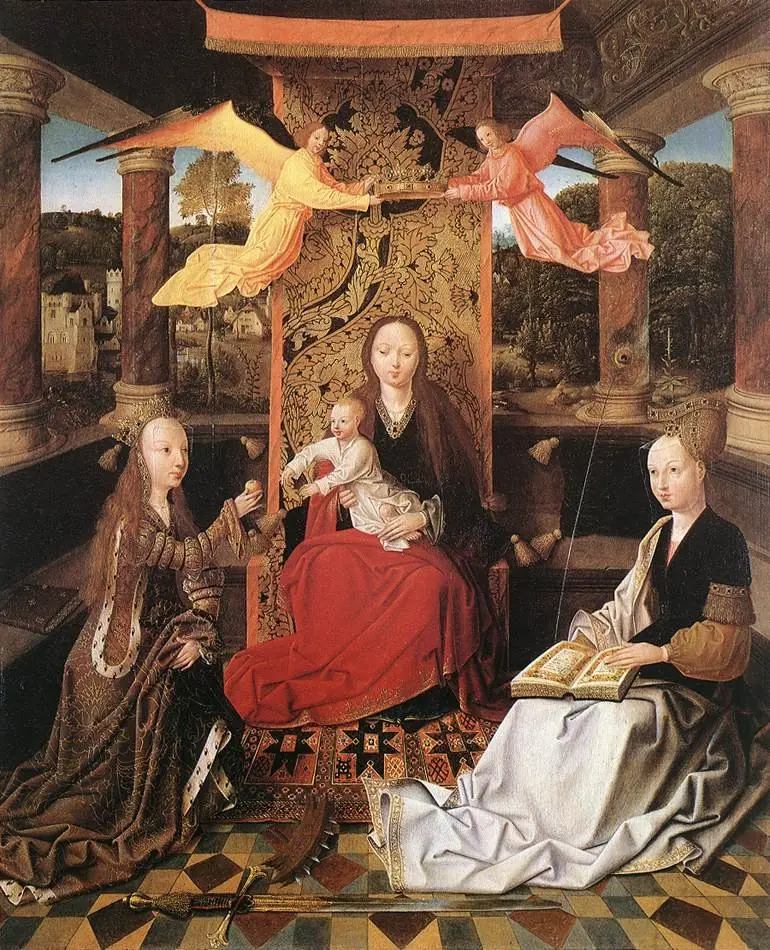 Madonna and Child with Sts Catherine and Barbara
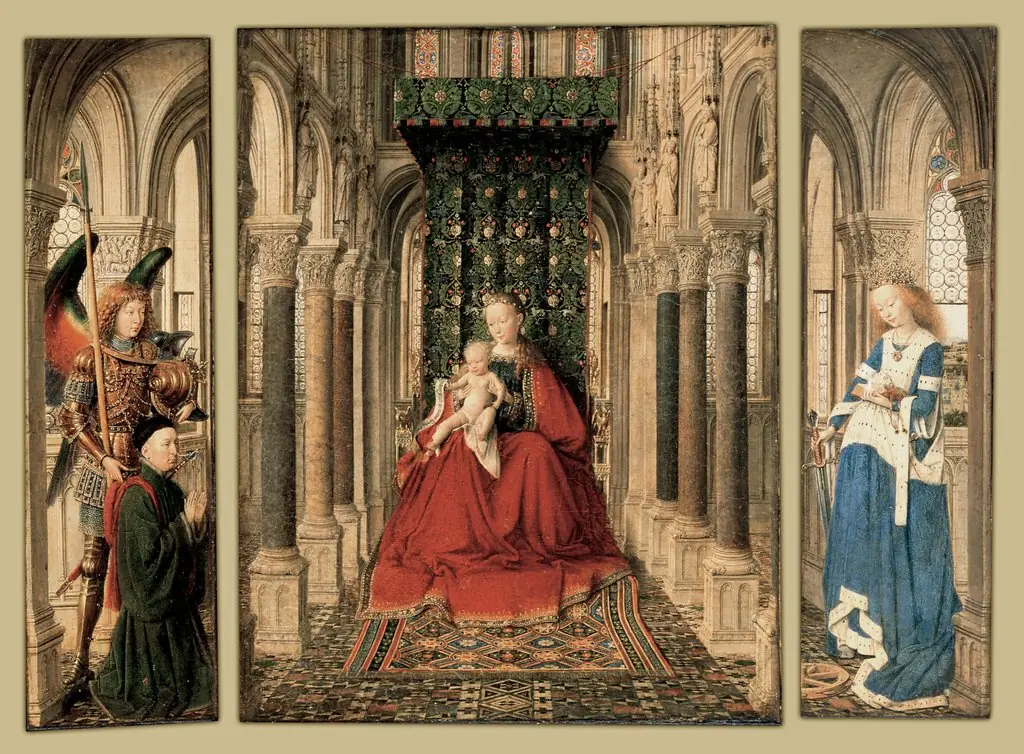 Dresden Triptych
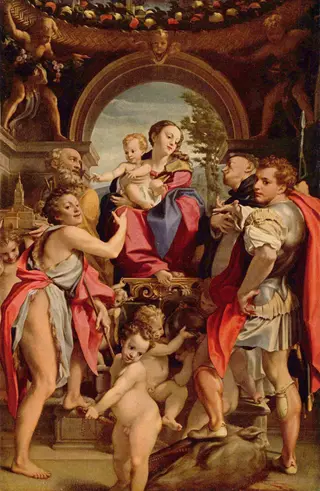 Madonna of Saint George
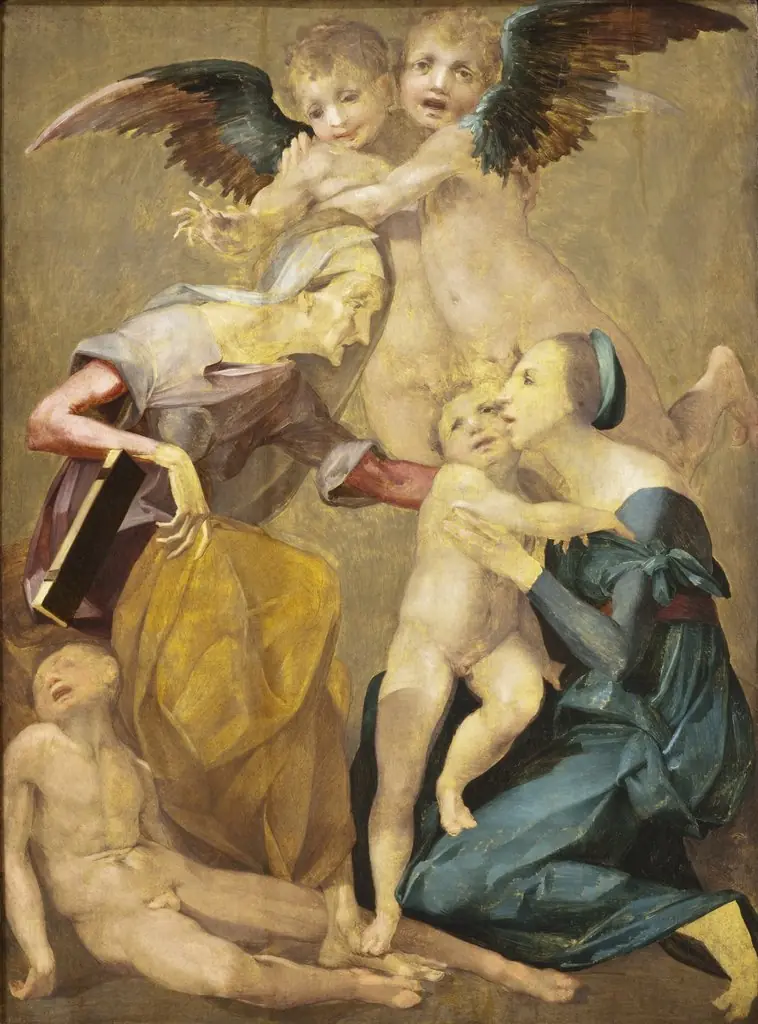 Allegory of Salvation with the Virgin and Christ Child, St. Elizabeth, the Young St. John the Baptist and Two Angels
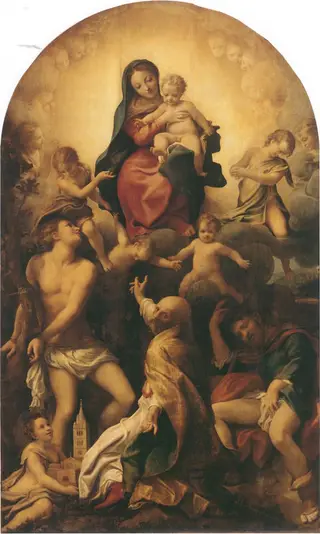 Madonna of Saint Sebastian
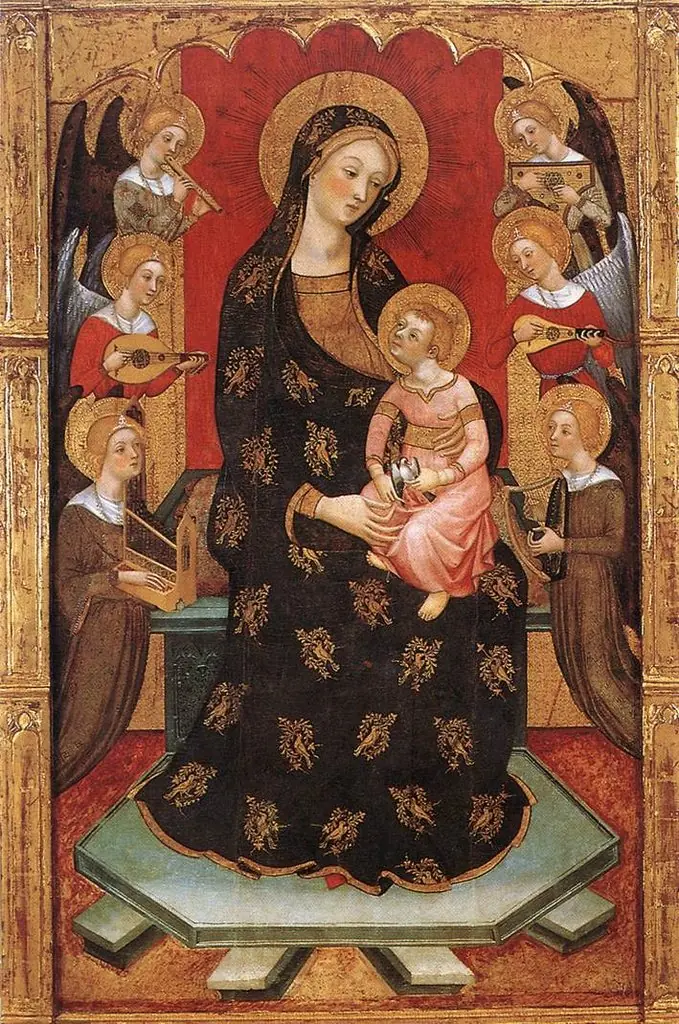 Virgin of the Angels
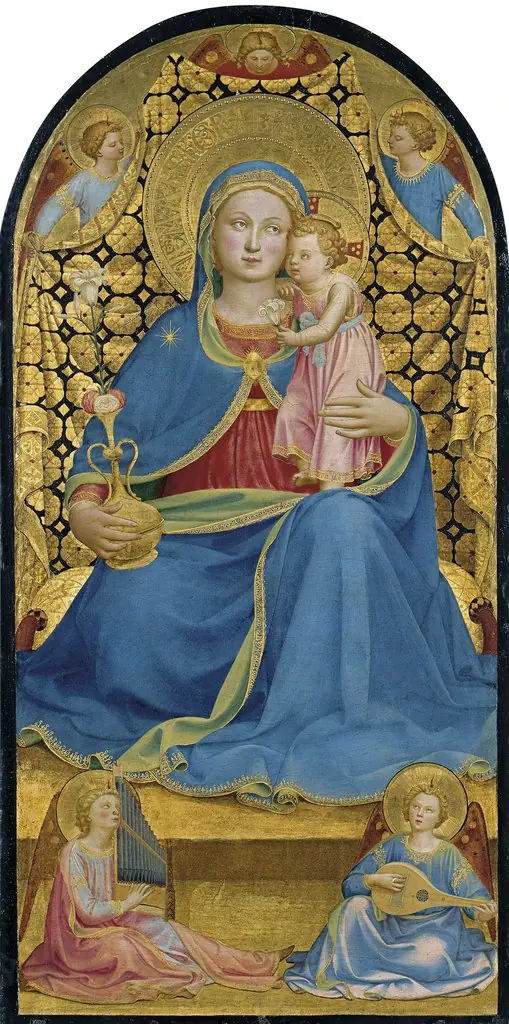 Madonna of Humility
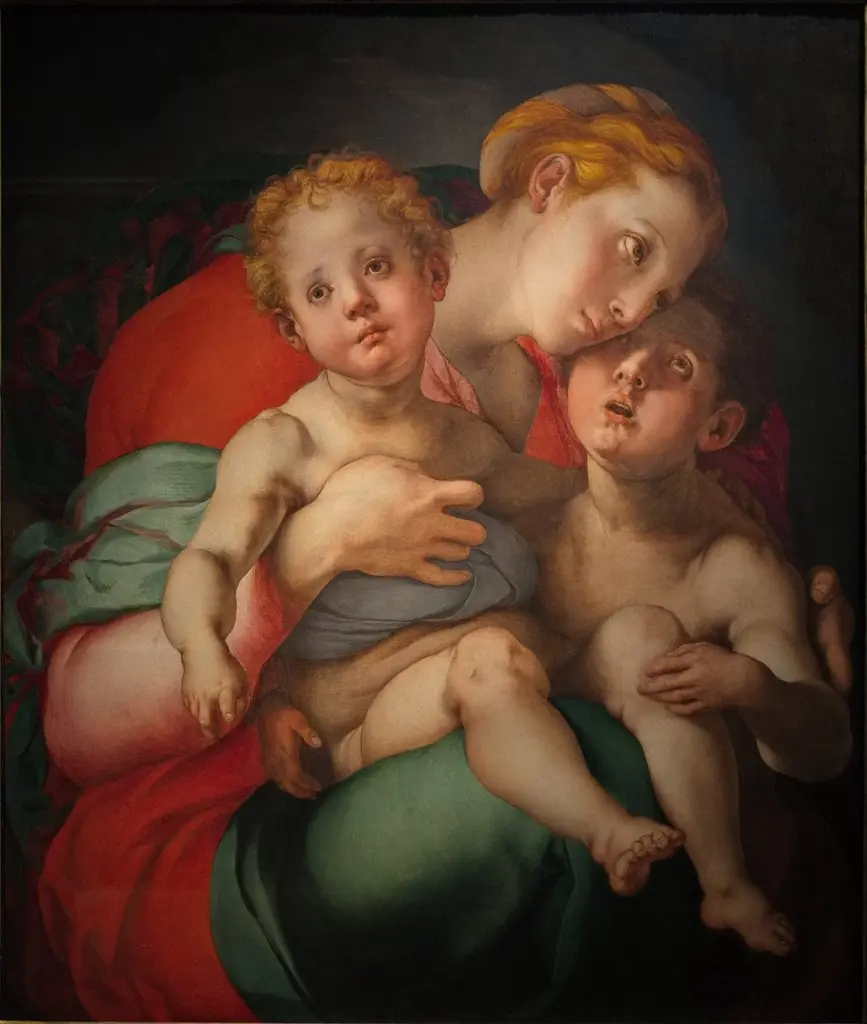 Madonna and Child with Saint John the Baptist
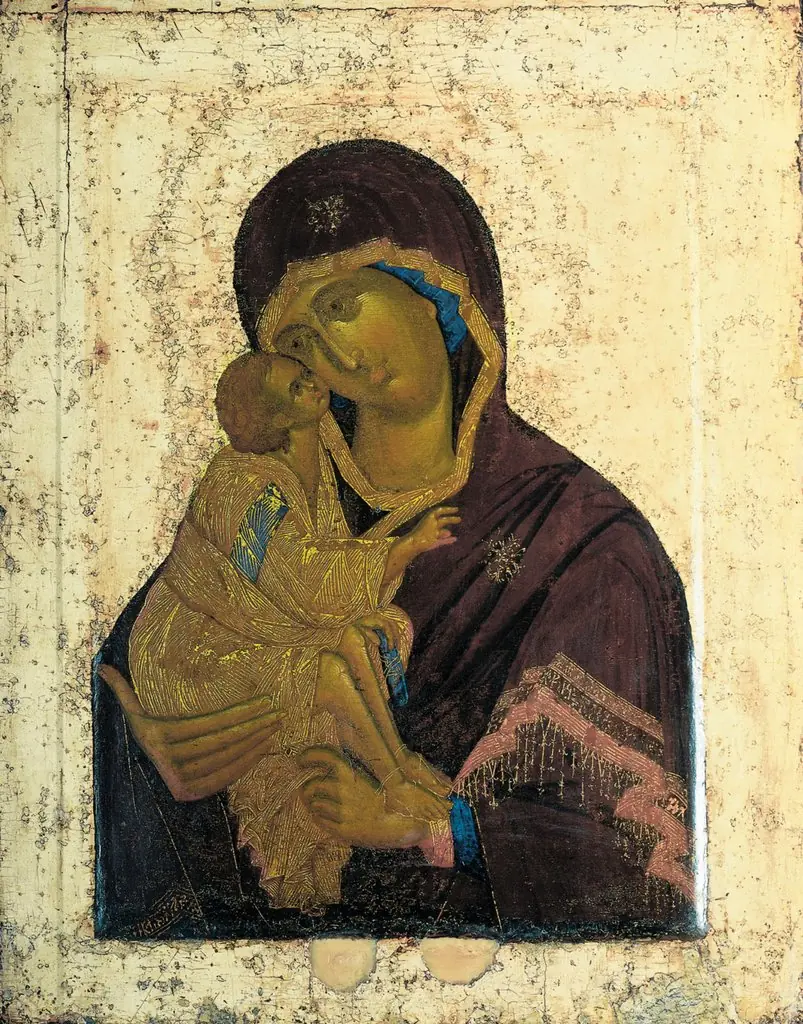 Our Lady of the Don
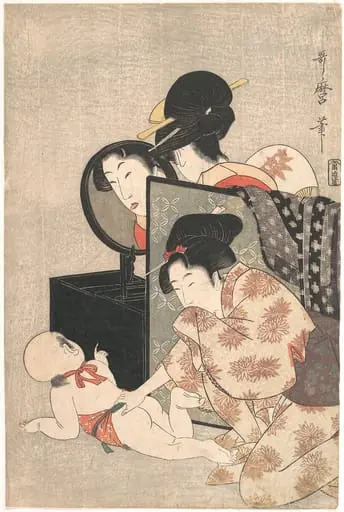 Untitled
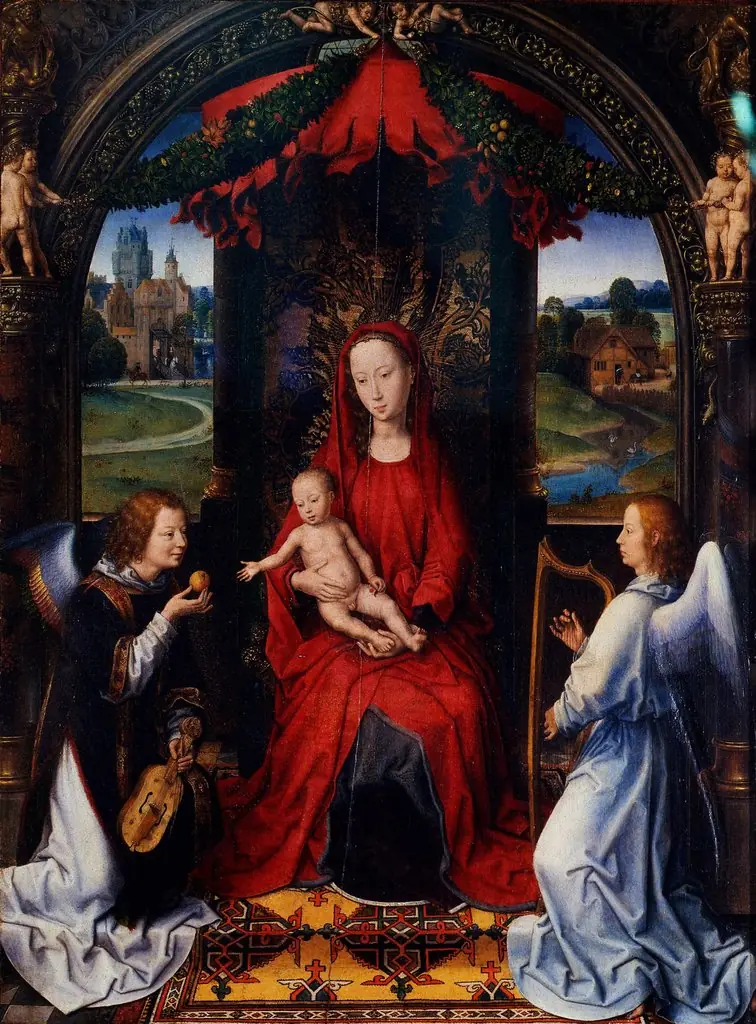 Madonna enthroned with child and two musical angels
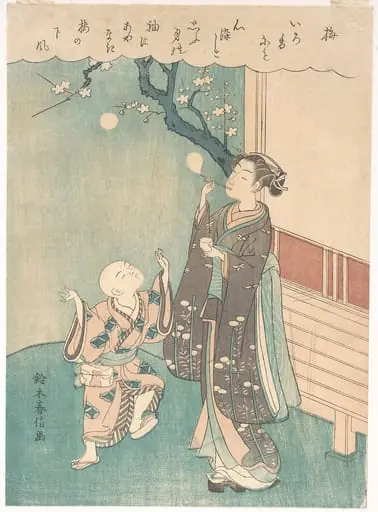 梅|Blowing Soap Bubbles Under the Plum Blossom
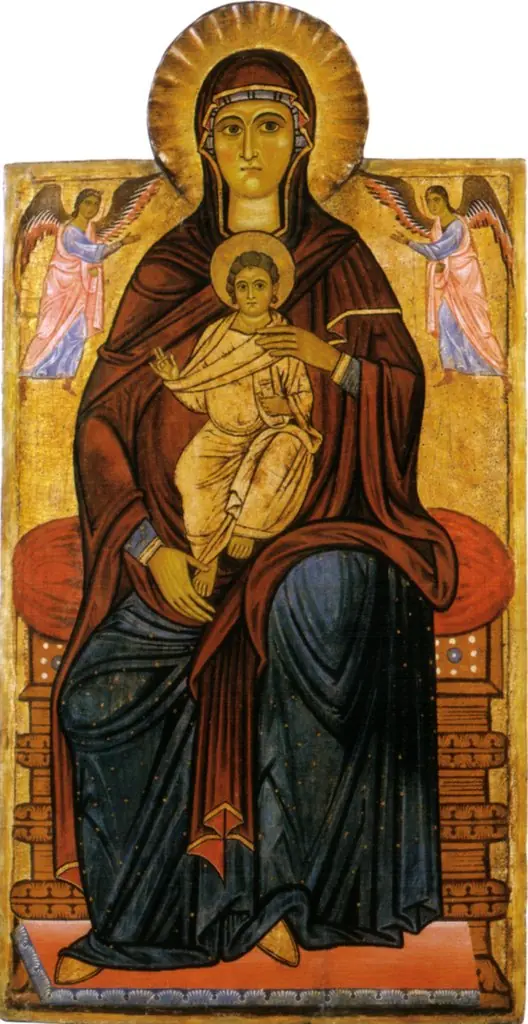 Madonna with Child enthroned with two Angels
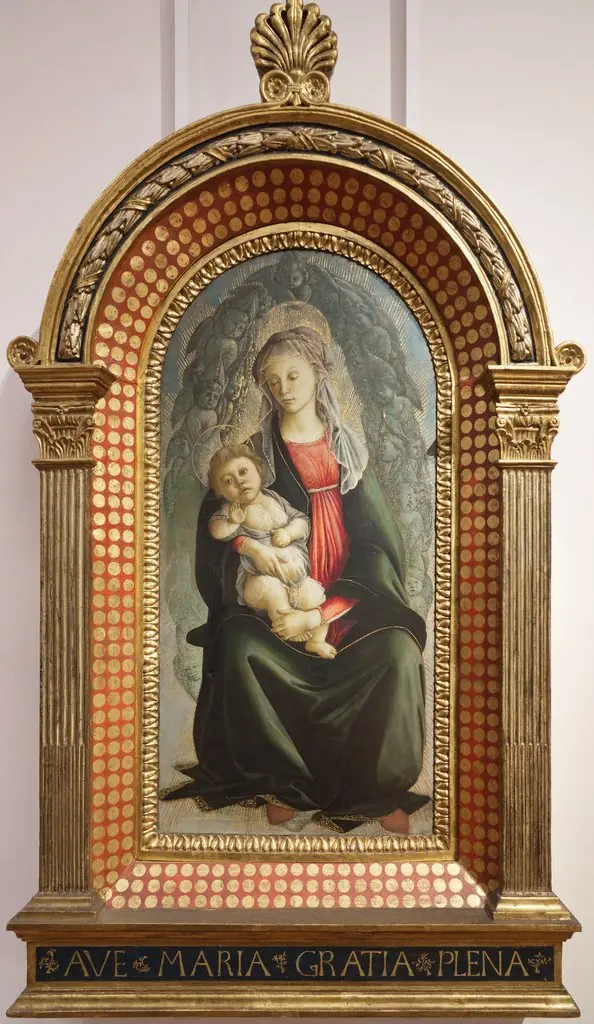 Madonna in Glory with Seraphim
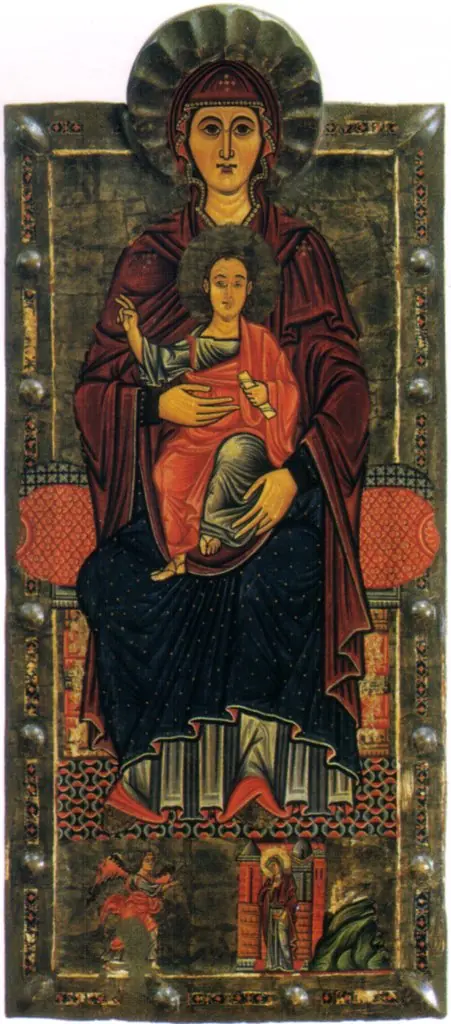 Virgin and Child enthroned; Annunciation
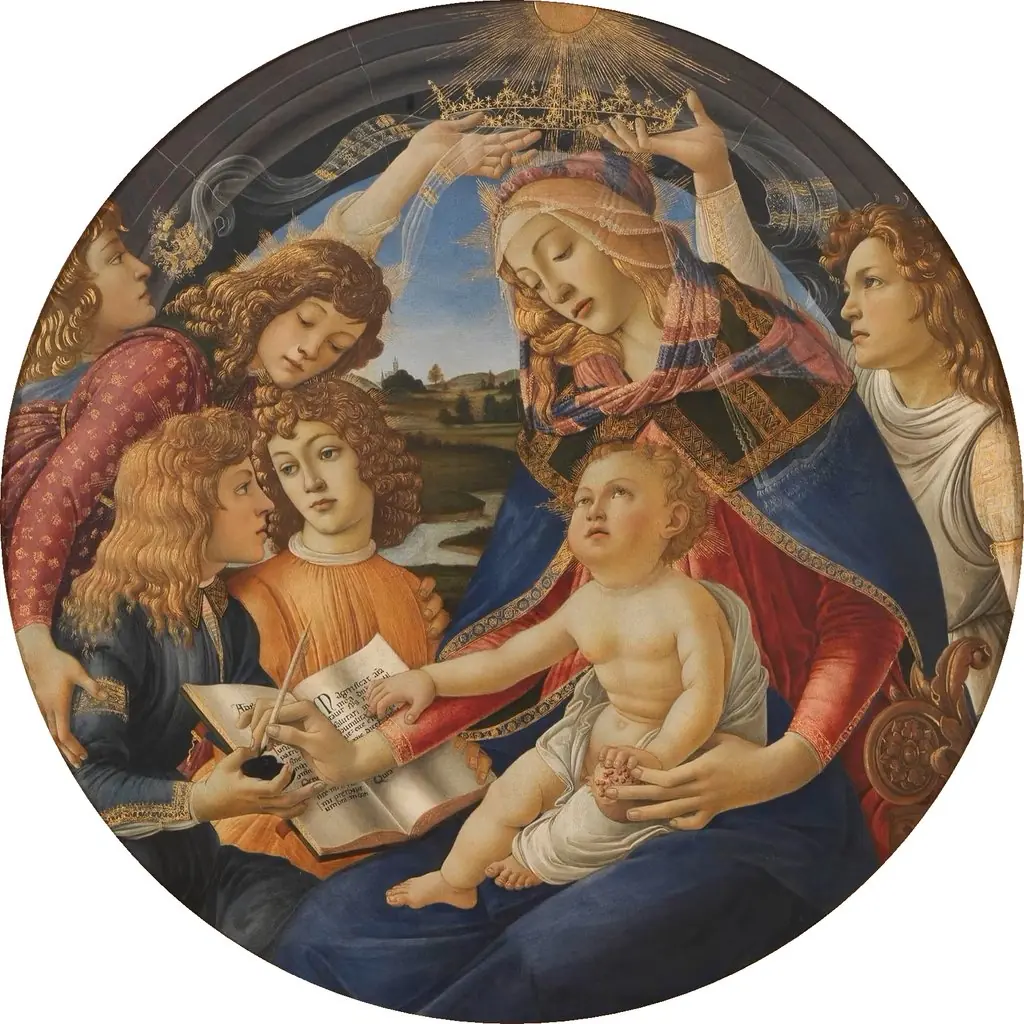 Madonna of the Magnificat
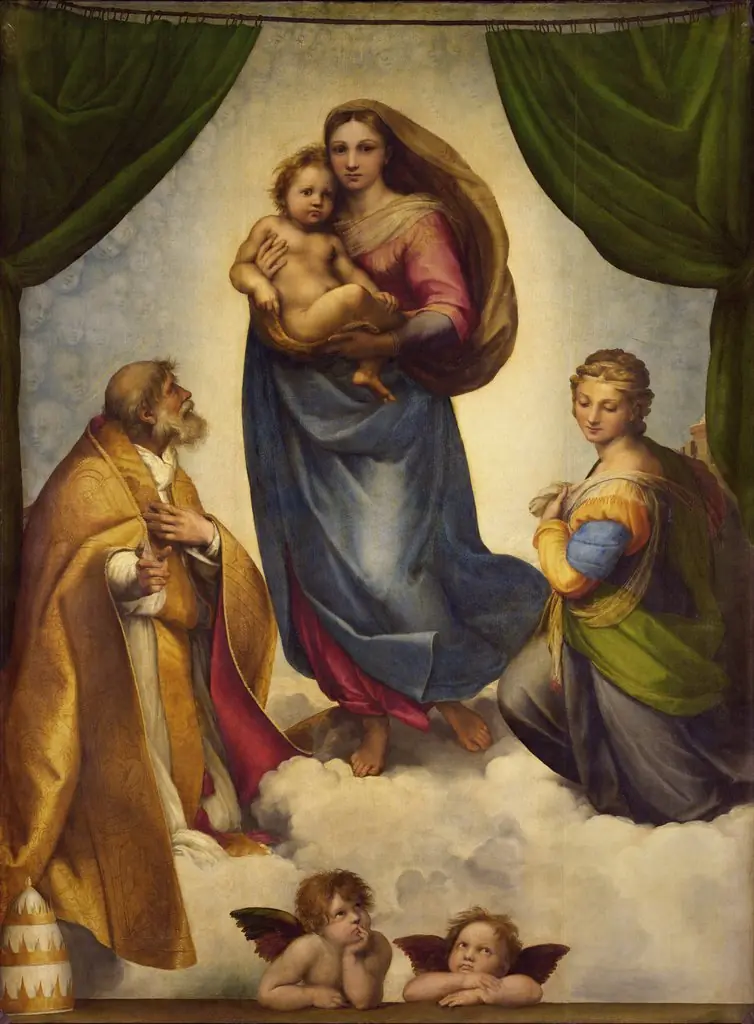 Sistine Madonna
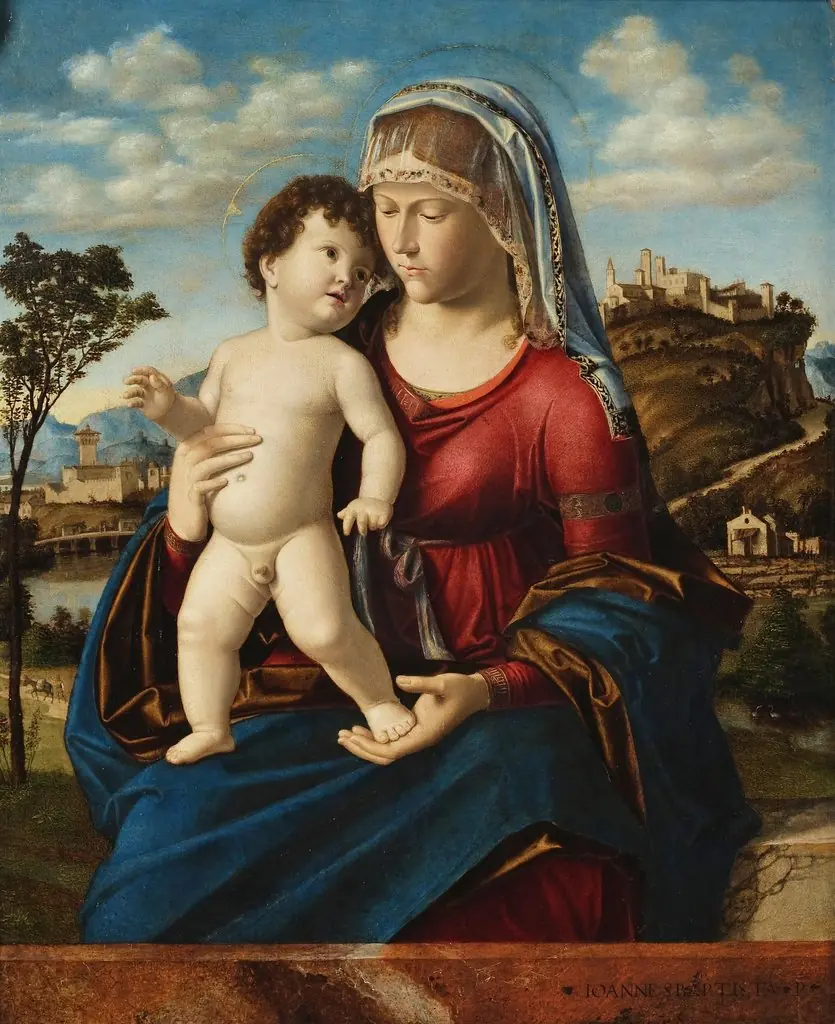 Madonna and Child in a Landscape
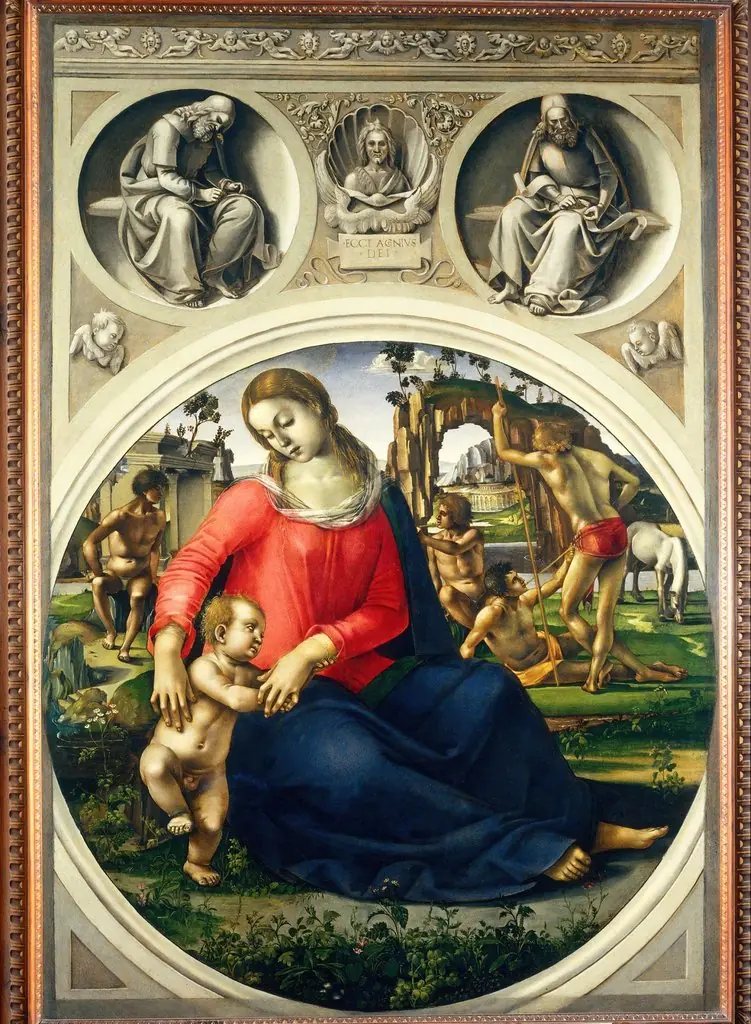 Madonna and Child
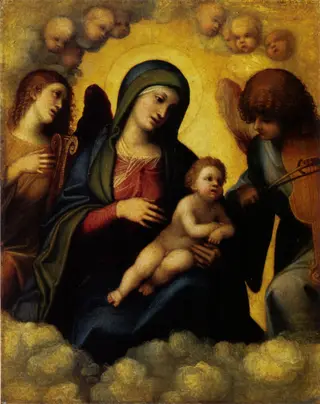 Madonna with child and two angel musicians
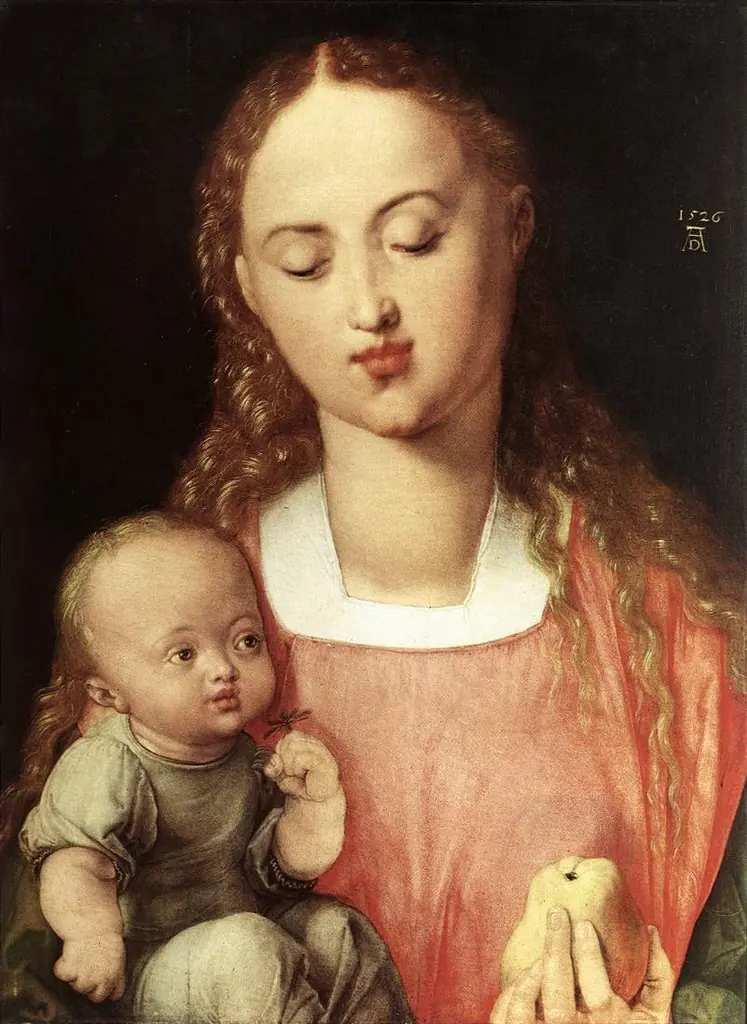 Madonna and Child
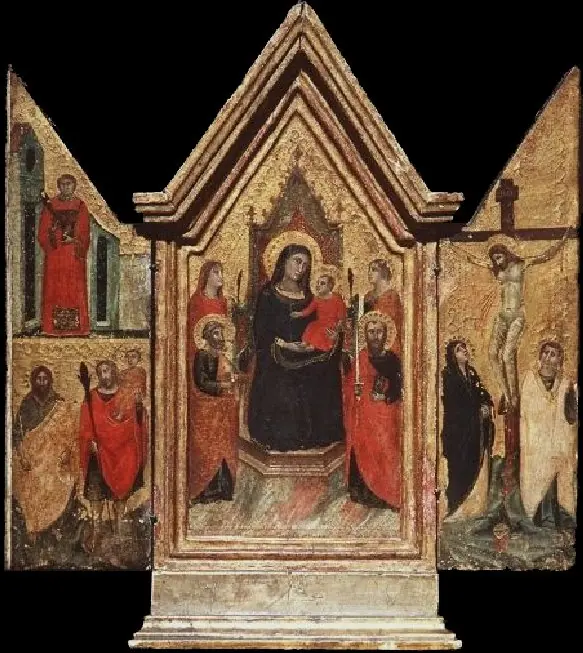 Crucifixion, Madonna, and saints
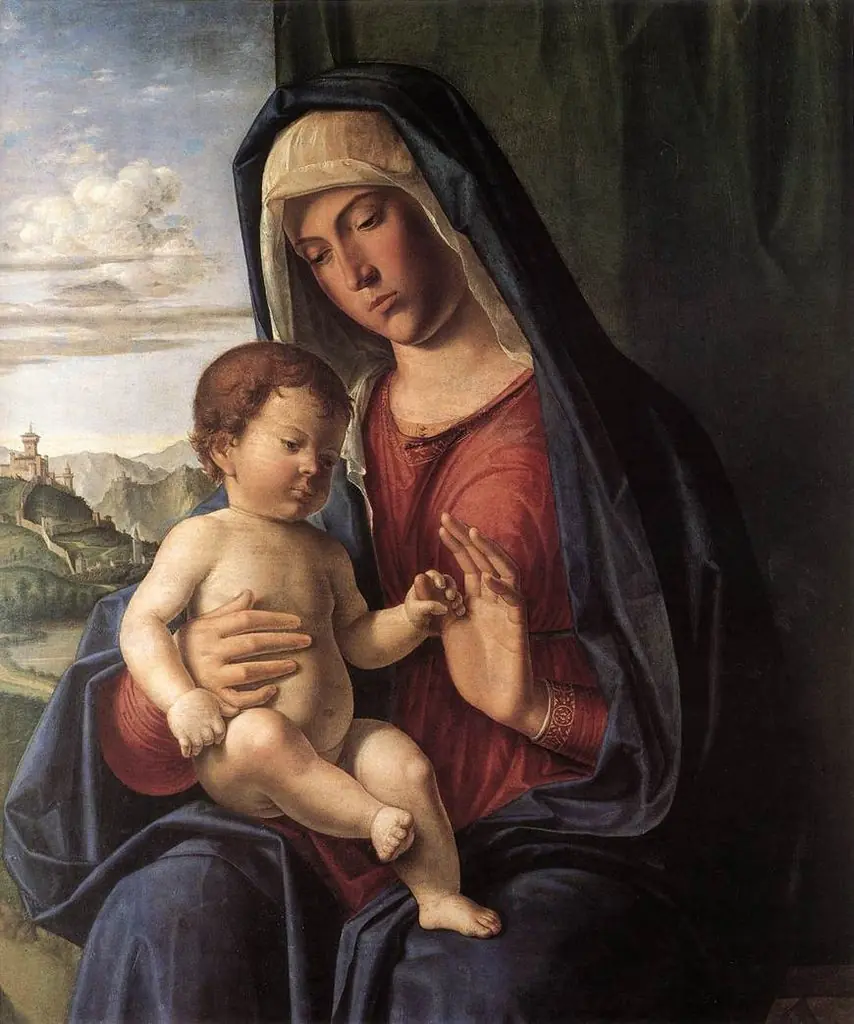 Madonna and Child
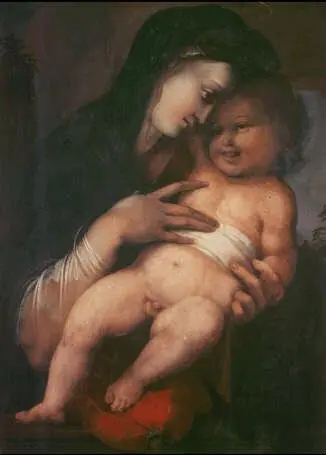 Madonna with Child
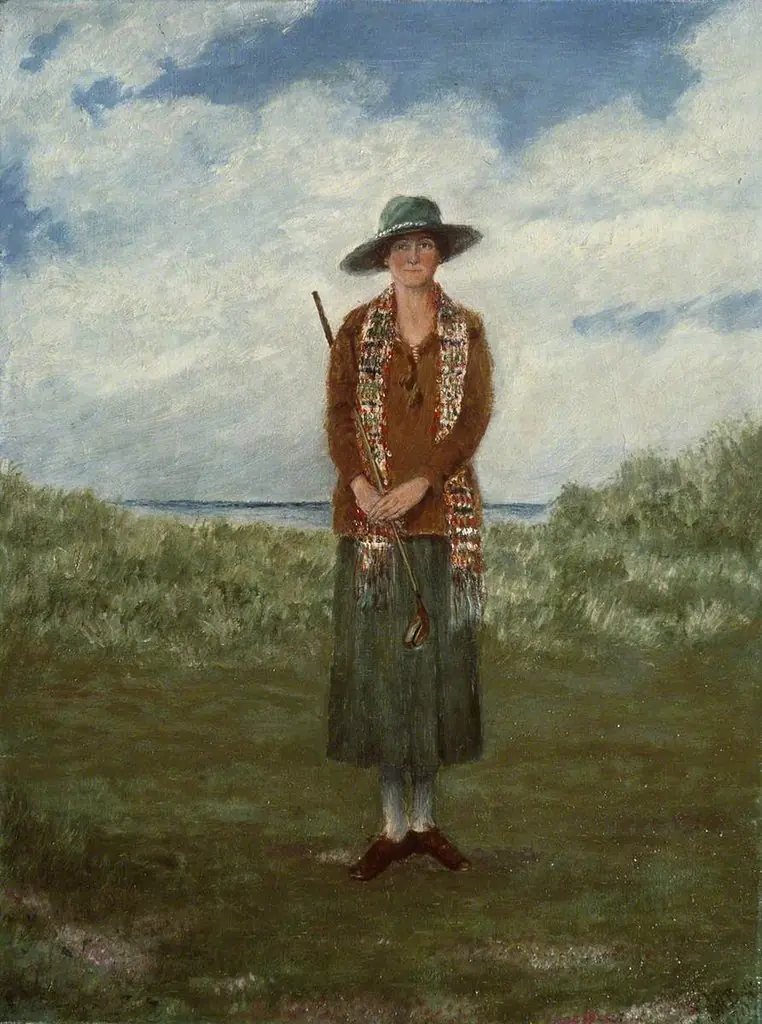 The Mother of Mrs Williams, Bonvieston College
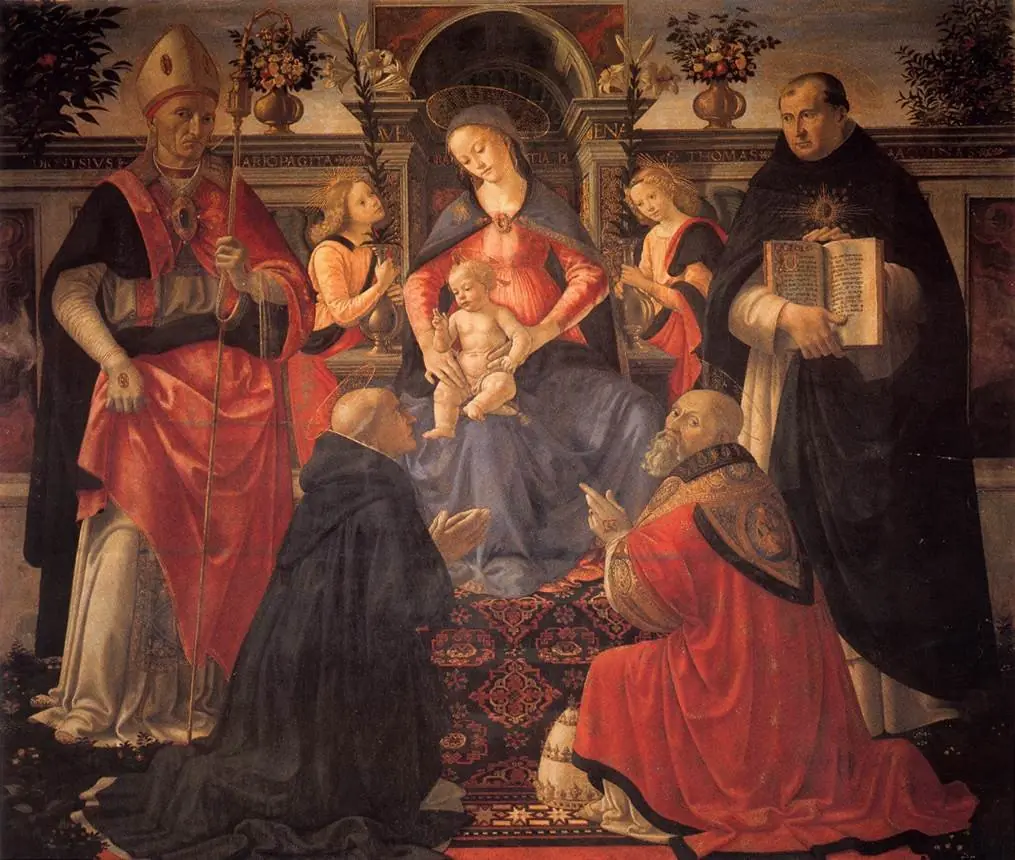 Madonna and Child Enthroned between Angels and Saints
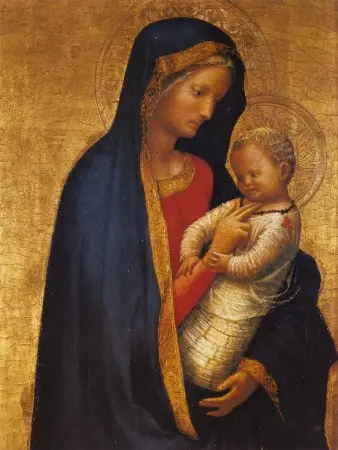 Madonna Casini
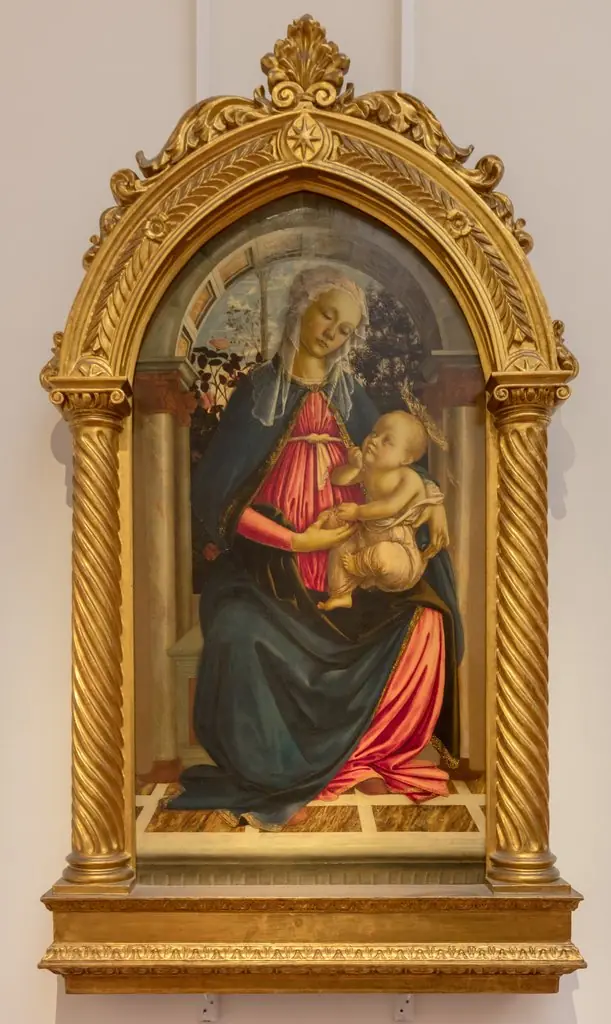 Madonna of the Rose Garden
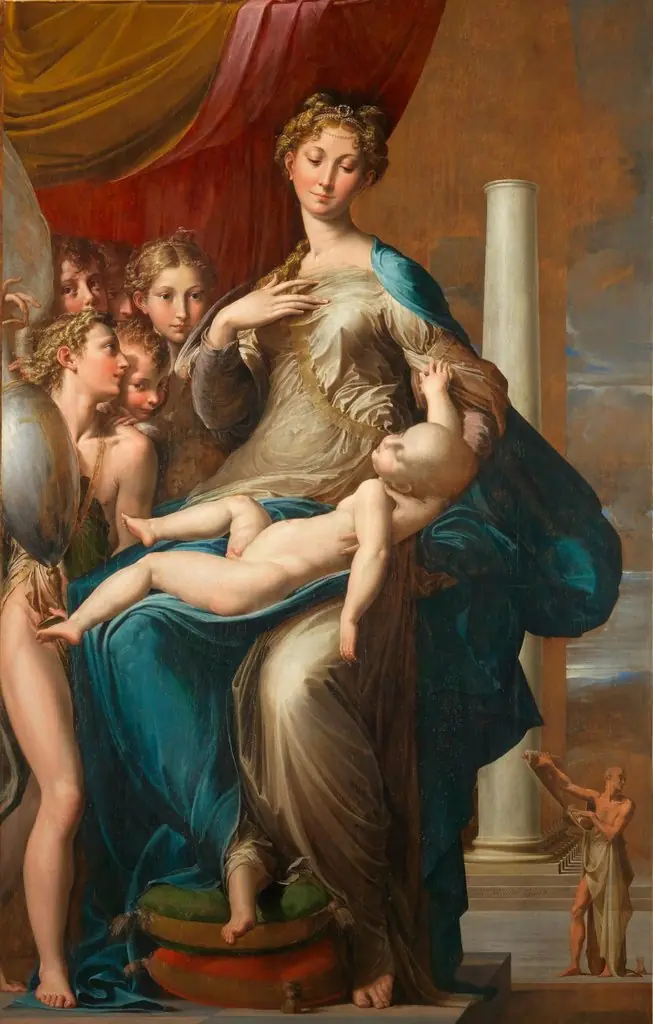 Madonna with the Long Neck
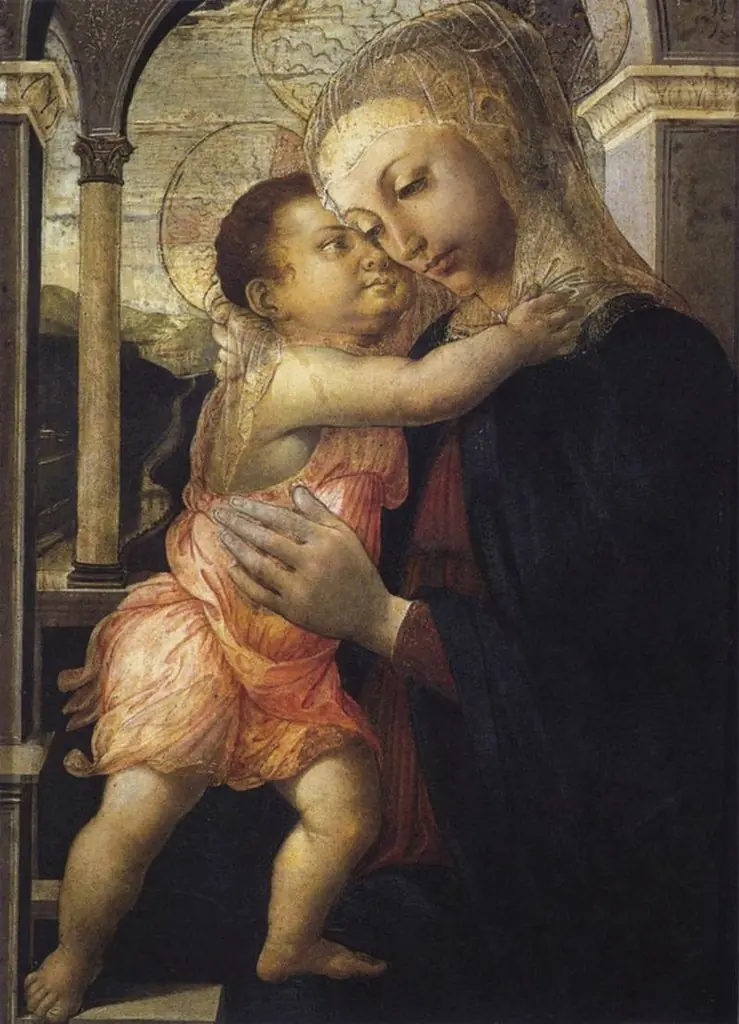 Madonna della Loggia
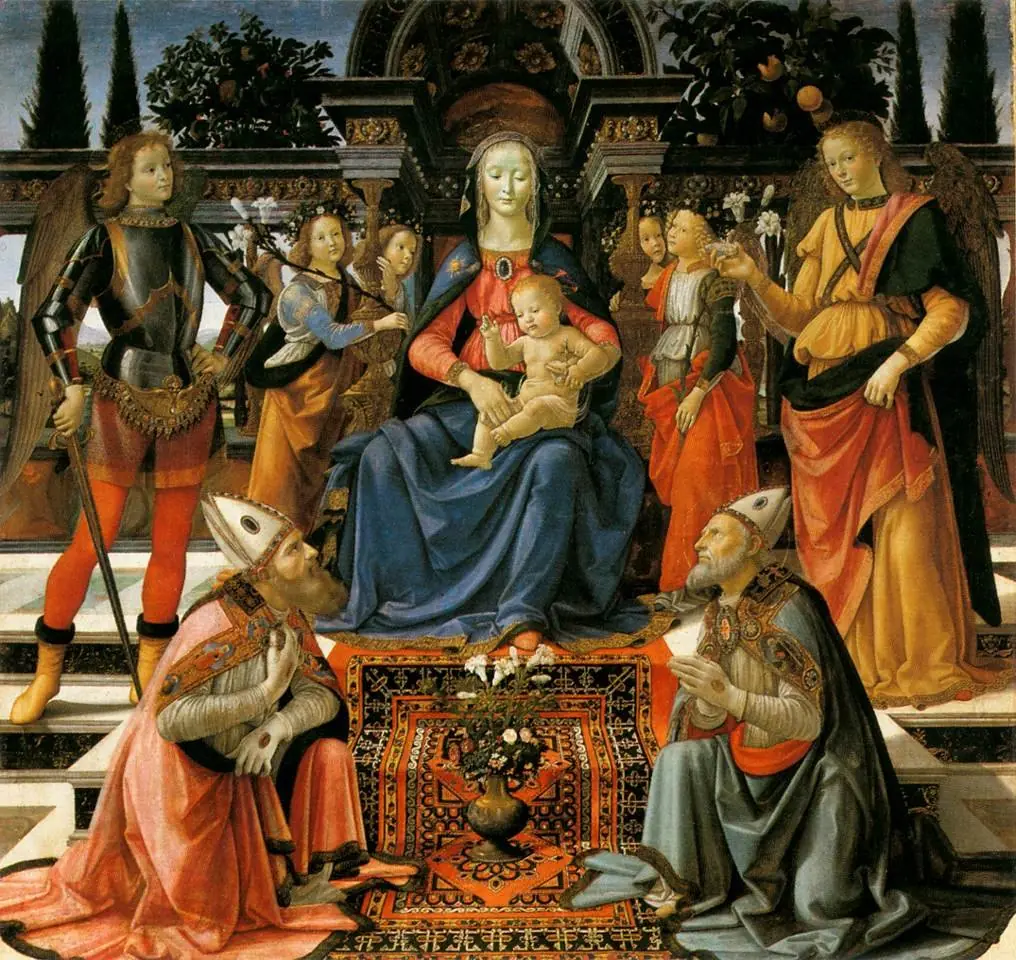 Madonna and Child Enthroned with Saints
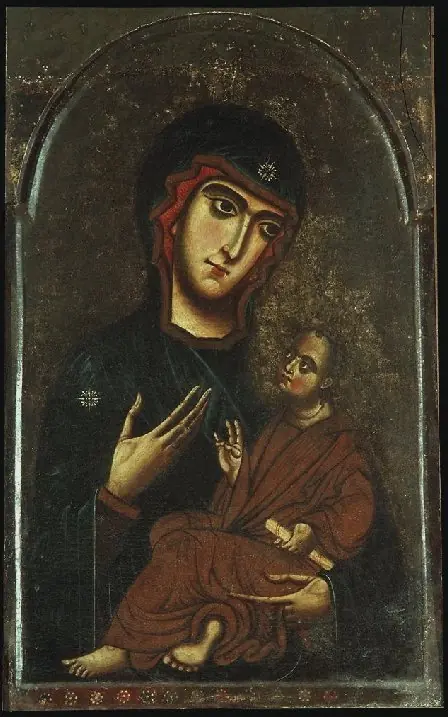 Madonna Pisa
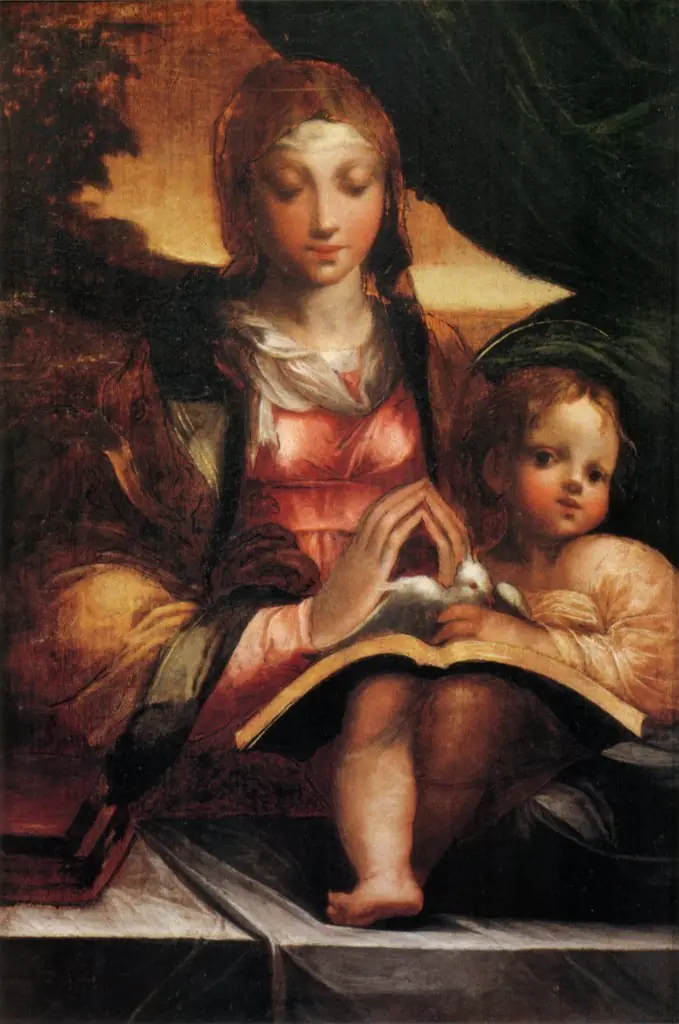 Madonna with child
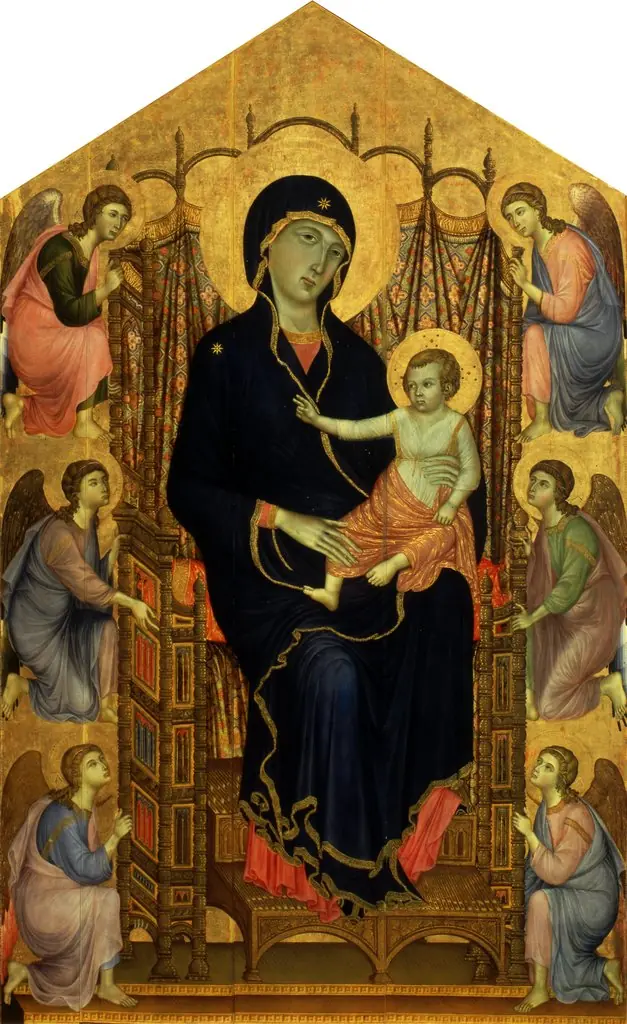 Rucellai Madonna
Frequently asked questions
What is Mother?
Mother is a subject in art. A mother is the female parent of a child.
How many Mother works does Artifact World Gallery have?
Artifact World Gallery holds 200 public-domain Mother works, all free to view and download.
Who are the key Mother artists?
Key Mother artists in the collection include Jean Baptiste Camille Corot, Lorenzo Lotto and Raphael.
Where can I see Mother works?
Mother works in the collection are held by Metropolitan Museum of Art, Uffizi Gallery and Rijksmuseum.