Artwork
Cleric
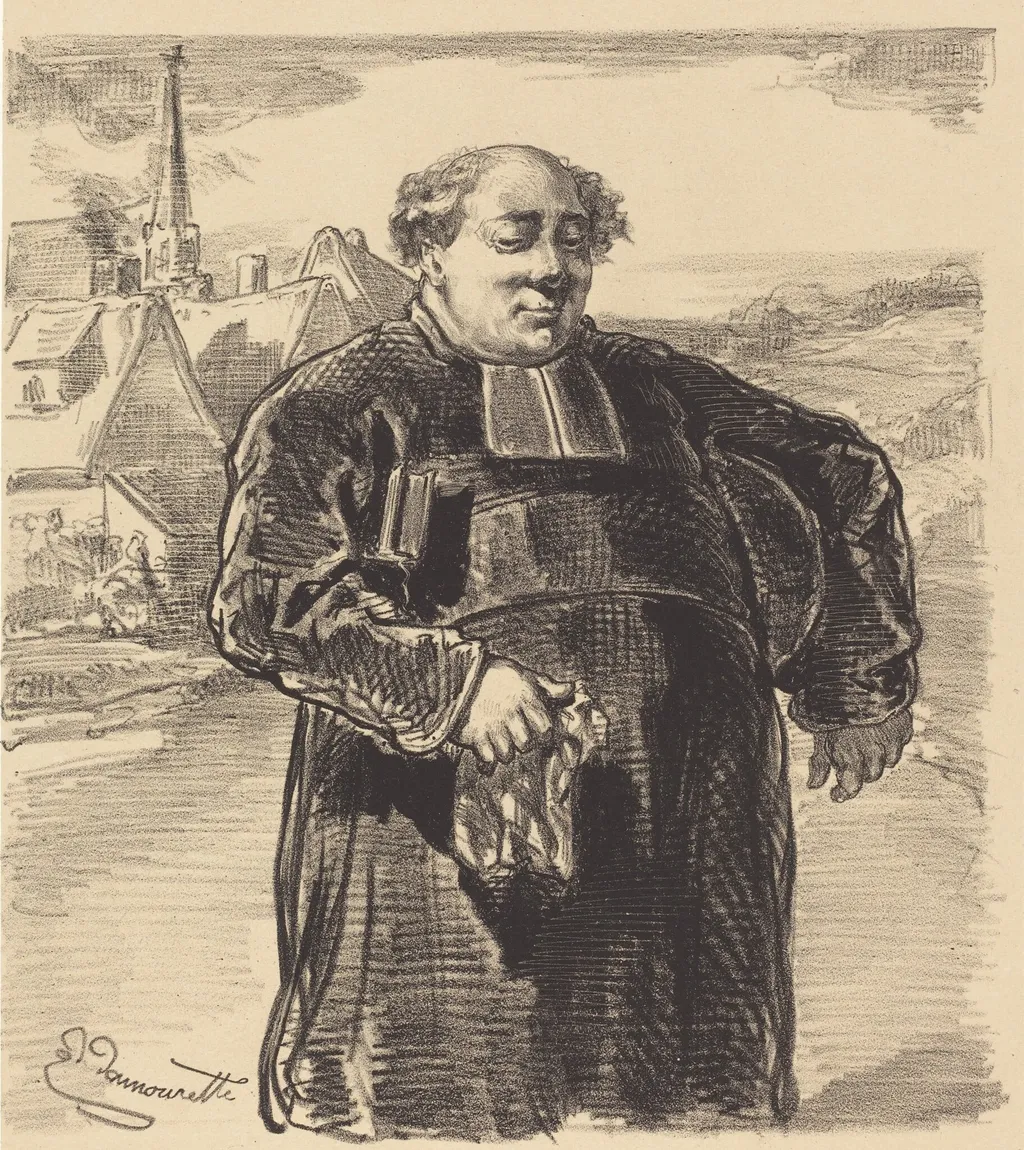
Cleric is an ink print by the Romanticist artist Lamourette. It dates from 1840 and is held in the collection of the National Gallery of Art.
About this work
Overview
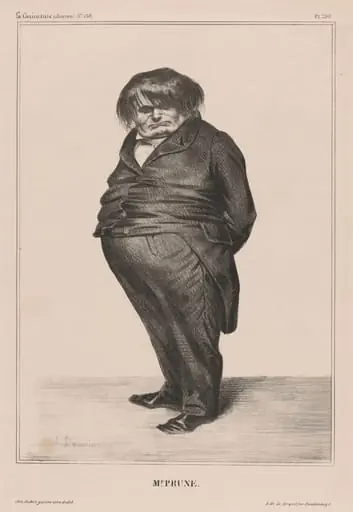
Created in 1840, this lithograph on chine collé by Lamourette presents a solitary figure dressed in period clerical attire. The composition centers on the man, whose solemn expression and aged features dominate the picture, while the surrounding environment recedes into an indistinct urban backdrop.
Subject & Meaning
The central figure is rendered as a cleric, identifiable by his high collar, gloves, and the ceremonial robes he wears. He holds a small book or tablet in one hand, suggesting scholarly or liturgical duties, and a elongated object, perhaps a staff or key, in the other, hinting at authority or guardianship.
Technique & Style
Lamourette employs swift, sketch‑like lines that emphasize the figure’s presence over fine detail. The lithographic process on a thin paper support (chine collé) allows for delicate tonal variations, while the background is rendered in loose, blurred strokes that suggest a bustling cityscape without distracting from the subject.
History & Provenance
The work originates from the early nineteenth‑century French printmaking tradition, a period when lithography was increasingly used for rapid, expressive images. Specific ownership records are not documented, but the piece reflects Lamourette’s engagement with contemporary print techniques.
Context
During the 1840s, European art often explored themes of religious and civic authority, situating clerical figures within modernizing urban settings. This lithograph aligns with that trend, juxtaposing a timeless religious persona against a hint of industrial development, as suggested by the faint crane or scaffolding in the distance.
Own this work as a print
Artist & collection

- Old Irish Woman
 Joseph Prud'homme Standing
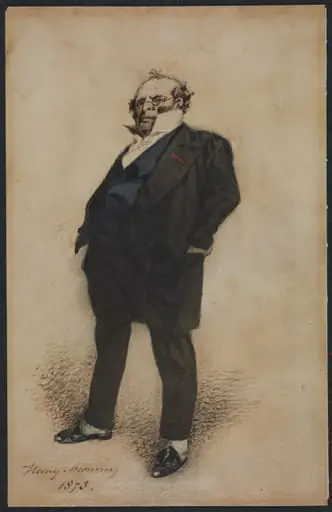 Self-Portrait in the Role of M. Prud'homme
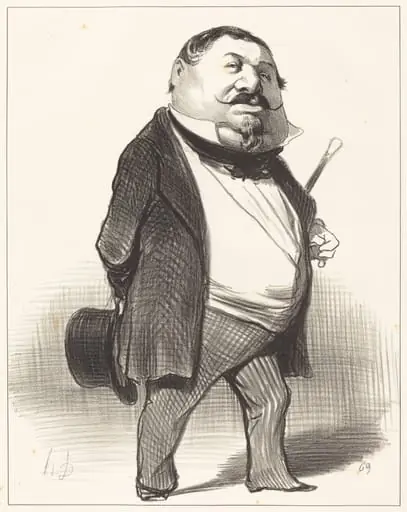 Prince Lucien Murat
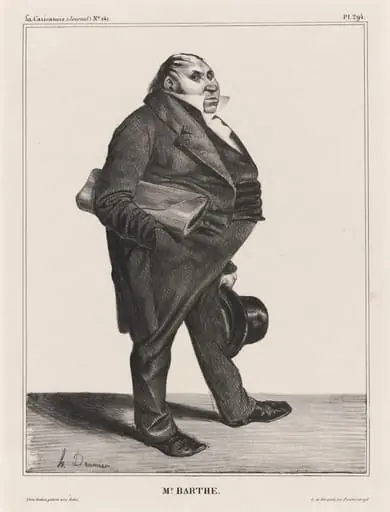 Félix Barthe
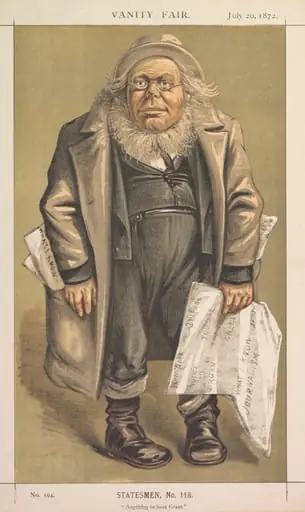 Vanity Fair: Statesman, No. 118 "Anything to Beat Grant"
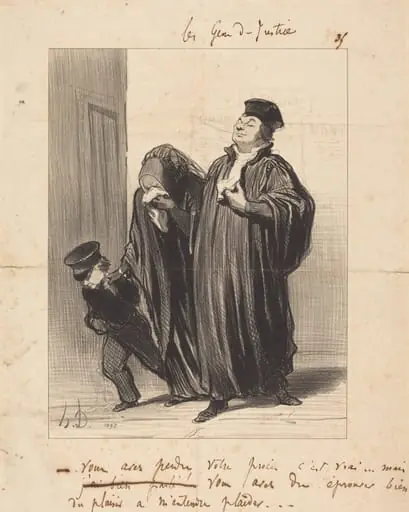 Vous avez perdu votre procès c'est vrai...
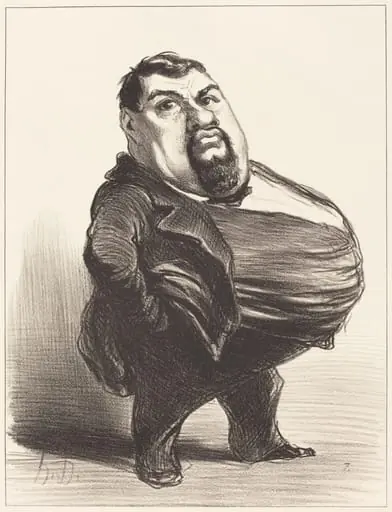 Antony Thouret
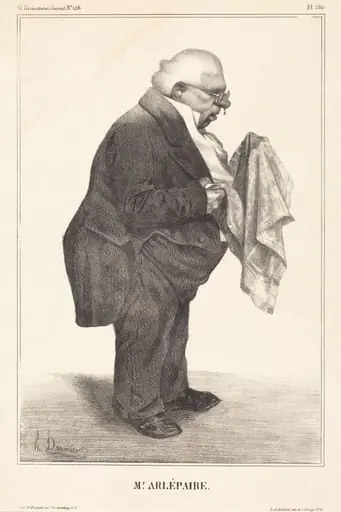 Harlé père
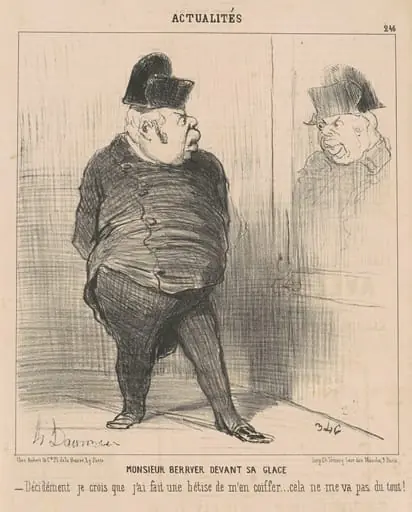 Monsieur Berryer devant sa glace ...
 Docteur Prunelle
 Man wearing a bowler hat