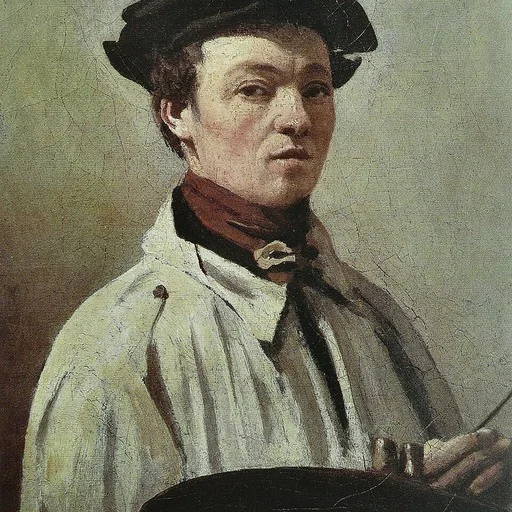
Subject
Village
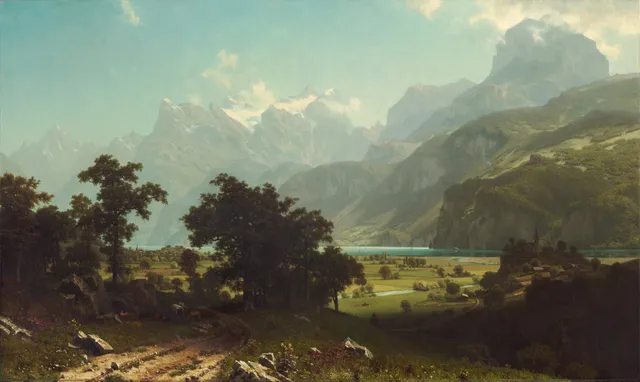
Village is a subject in art. The gallery holds 78 works in this subject in art, including works by Jean Baptiste Camille Corot, Albert Bierstadt and Thomas Chambers.
The village—a settlement larger than a hamlet but smaller than a town—entered Western art not as mere backdrop but as a subject in its own right during the Northern Renaissance. Although peasants and rural labour appear in medieval manuscript calendars, it was the Flemish master Pieter Bruegel the Elder (c. 1525–1569) who made village life the centrepiece of ambitious large-scale painting. A friend of the Antwerp merchant Hans Franckert, Bruegel reportedly attended village fairs and weddings in disguise, studying the dances, feasts and customs of country people. Works such as The Peasant Dance (c. 1567) and the winter landscape Hunters in the Snow (1565), in which weary hunters trudge back toward a snowbound hamlet, established the village as a stage for the rhythms of communal and seasonal life.
Bruegel's vernacular focus fed directly into the genre painting of the 17th-century Dutch Golden Age, when scenes of ordinary folk—taverns, kermises, frozen canals and clustered cottages—became a flourishing market specialty. This attention to everyday existence, rather than myth or scripture, would later be recognised as a foundation of 19th-century Realism. Defining characteristics across these traditions include a low, human vantage point, anecdotal detail, and the integration of architecture, weather and figures into a single lived environment.
The village reached new prominence with the French Barbizon School (c. 1830–1870), named for the village of Barbizon at the edge of the Forest of Fontainebleau. Painting en plein air, Jean-François Millet, Théodore Rousseau and Jules Dupré treated rural France with unsentimental gravity, and their concern for changing light directly prepared the way for Impressionism. Camille Pissarro continued this lineage at the Hermitage, a cluster of houses near Pontoise where he lived from 1866; his Edge of the Woods Near L'Hermitage, Pontoise—held in this collection—shows red- and blue-roofed houses glimpsed through foliage, brushstrokes laid in diagonals he likened to knitting.
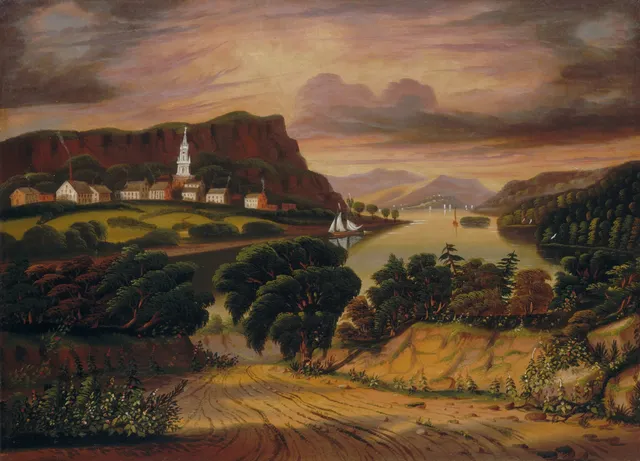
In America, the village fused with the landscape sublime. The folk painter Thomas Chambers rendered Lake George and the Village of Caldwell with fanciful colour and flattened perspective, while Hudson River School artists set tiny settlements against vast scenery. Alongside Charles-François Daubigny's river views and works by Albert Bierstadt and Sanford Robinson Gifford, such pictures frame the village as a measure of humanity's place within nature.
Key artists


Works
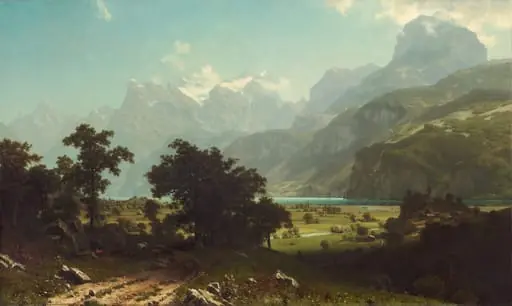 Lake Lucerne
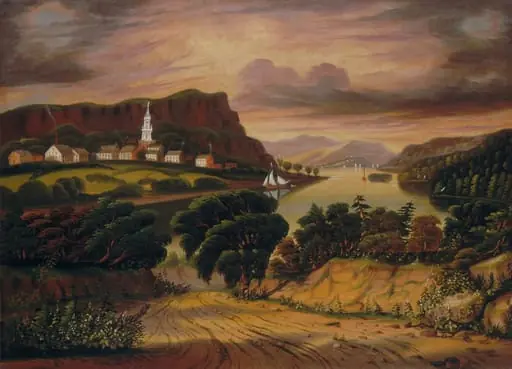 Lake George and the Village of Caldwell
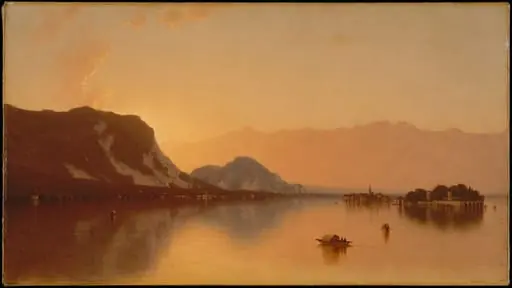 Isola Bella in Lago Maggiore
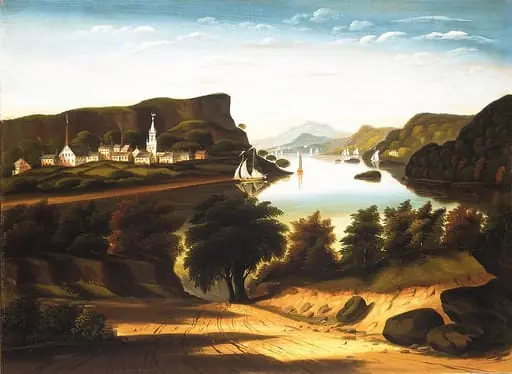 Lake George and the Village of Caldwell
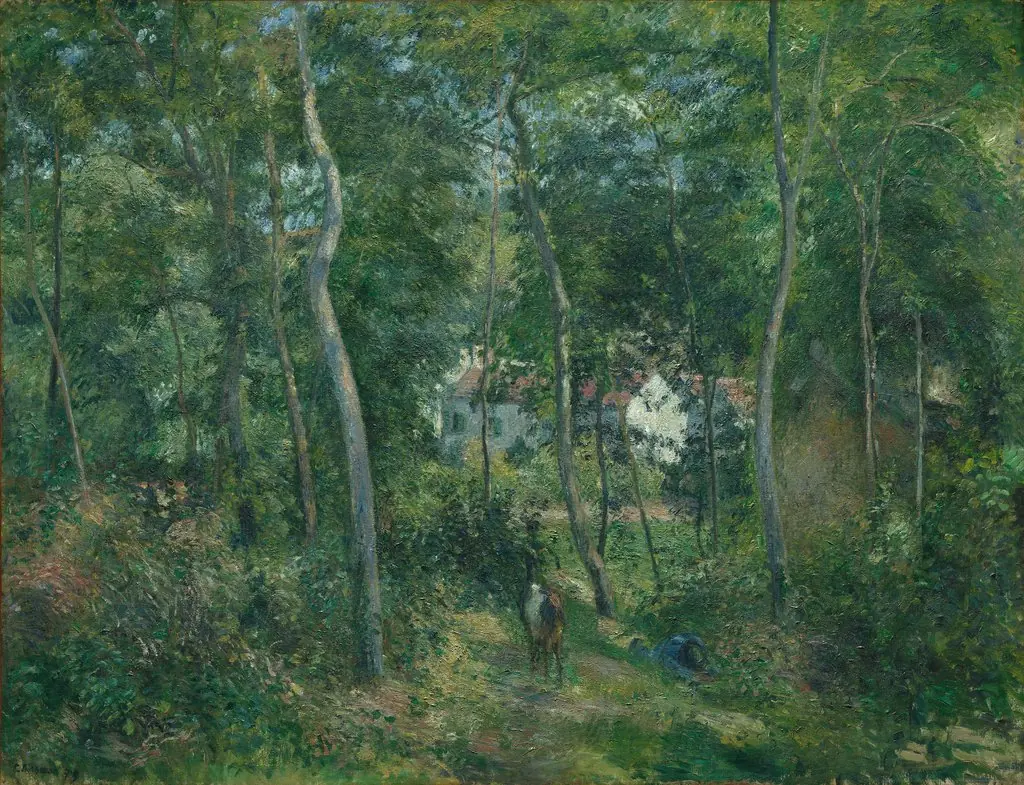 Edge of the Woods Near L'Hermitage, Pontoise
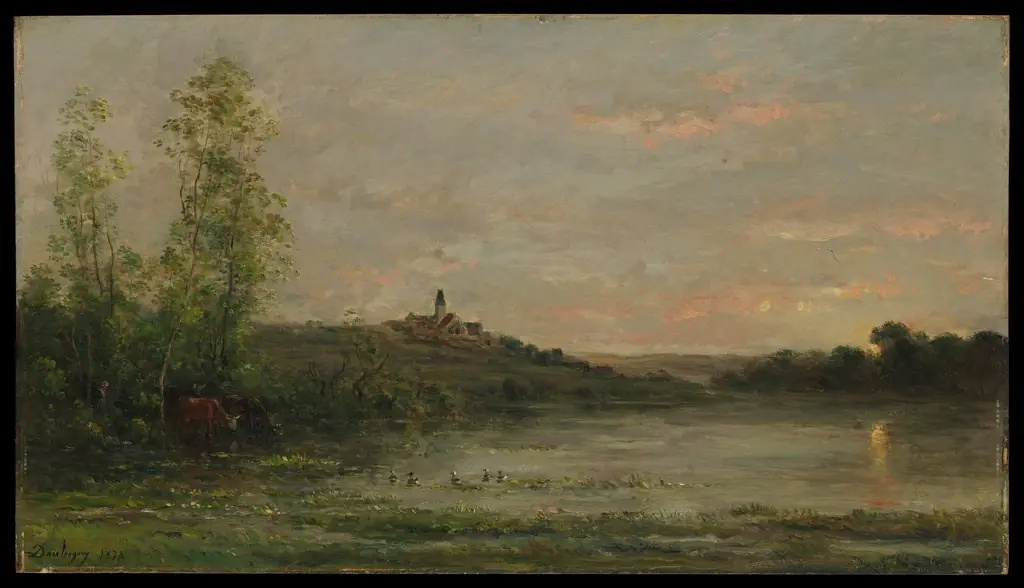 The Seine: Morning
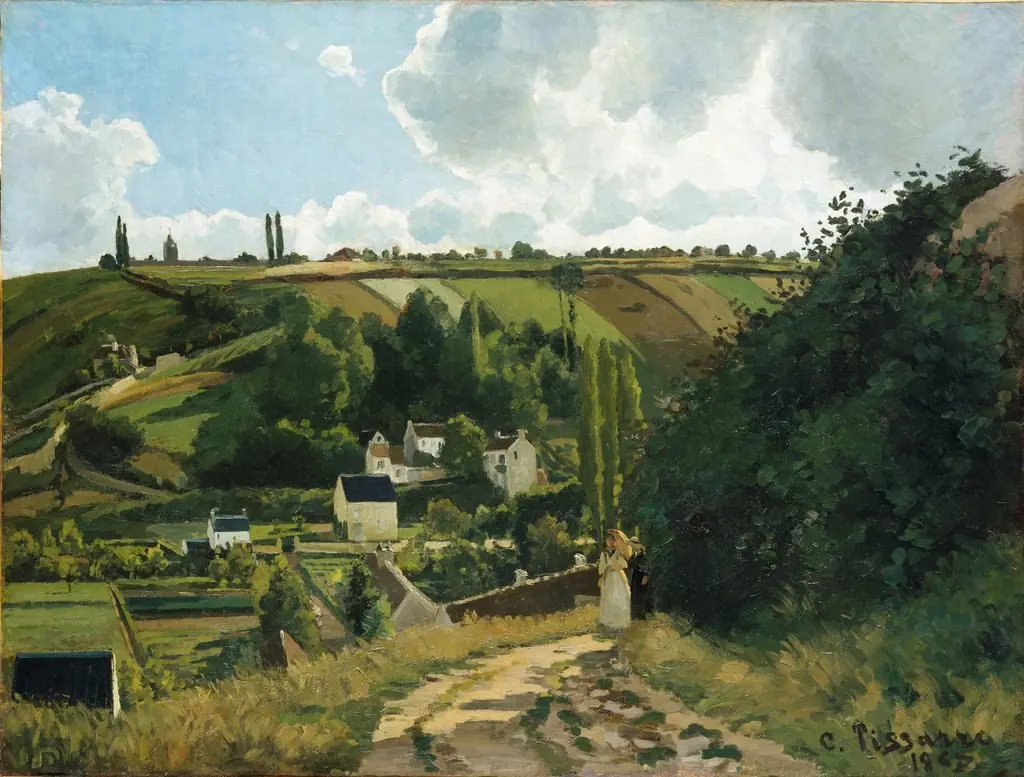 Jalais Hill, Pontoise
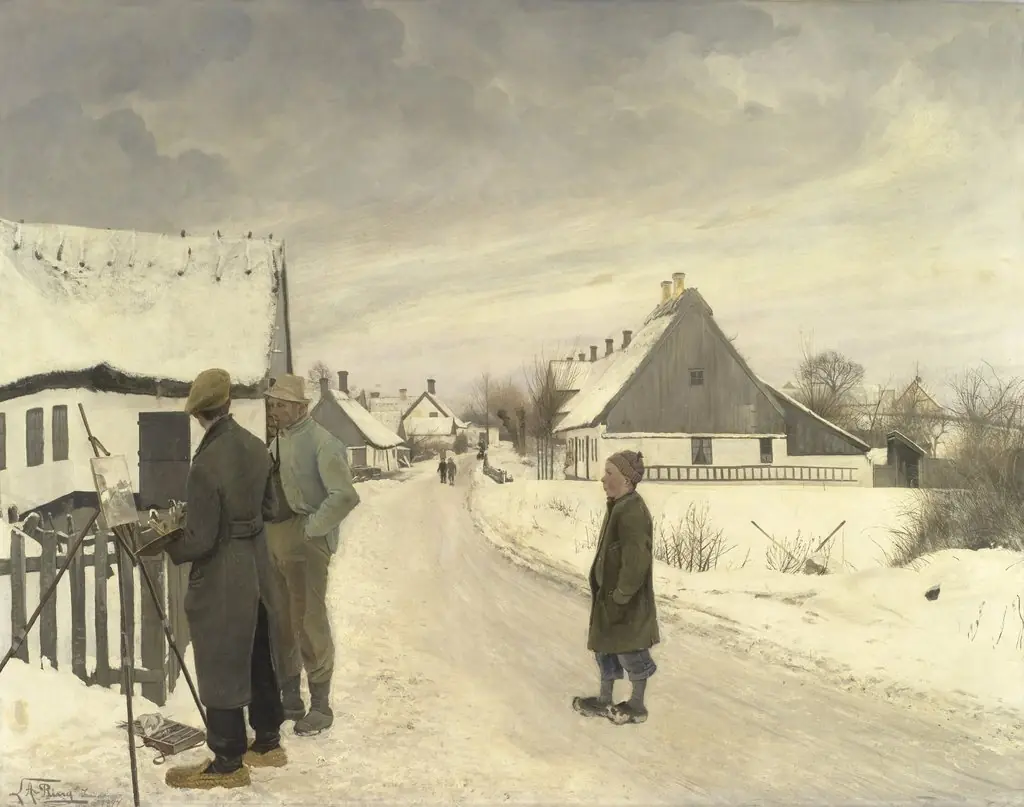 The Painter in the Village
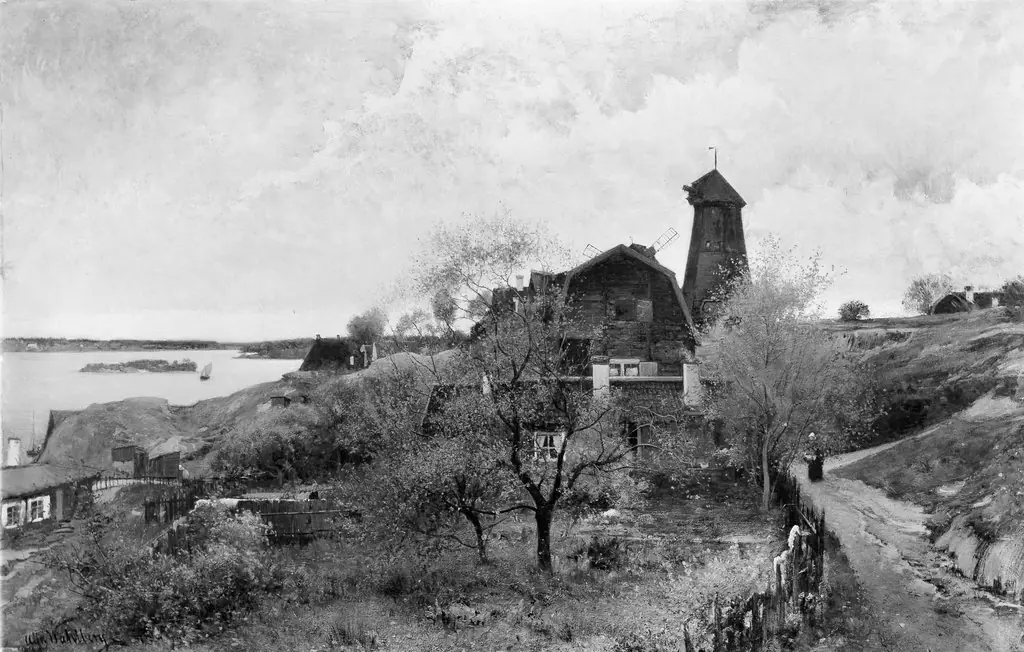 A Day in October, near Waxholm, Sweden
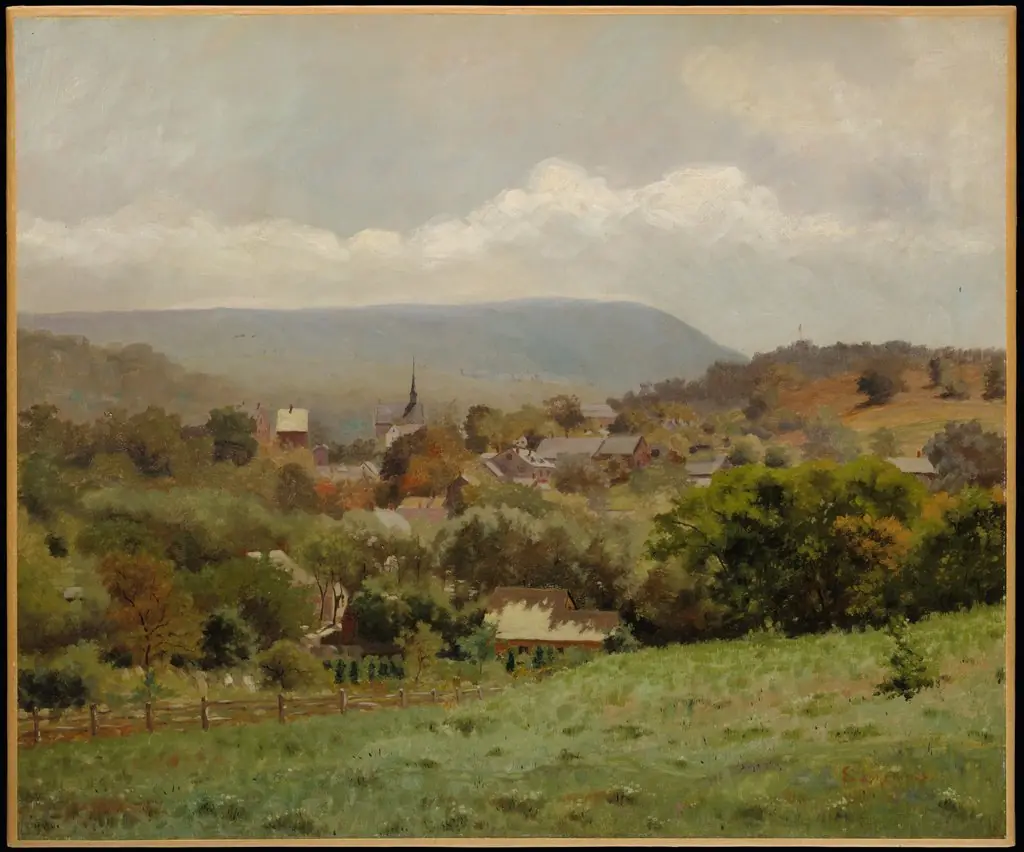 Delaware Water Gap Village
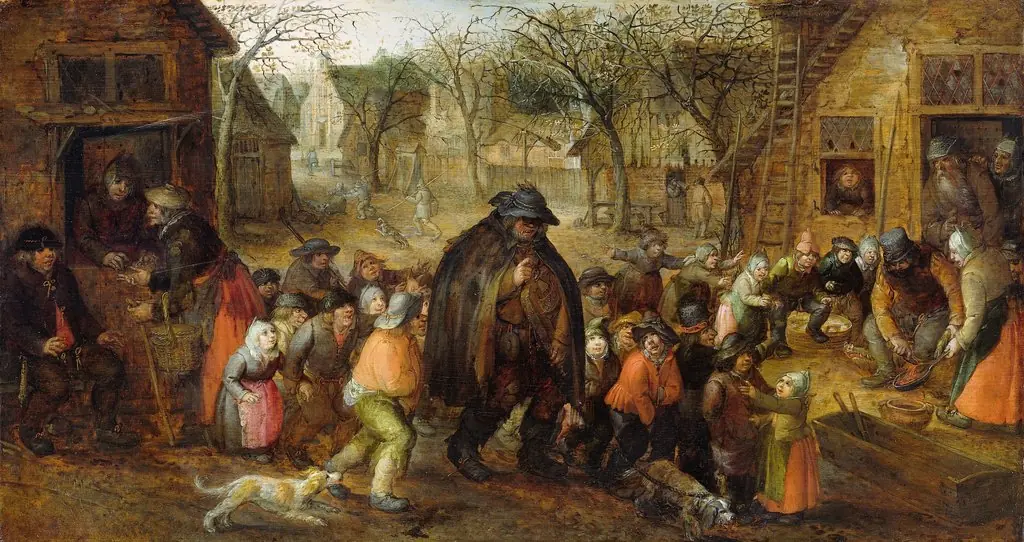 The hurdy-gurdy player
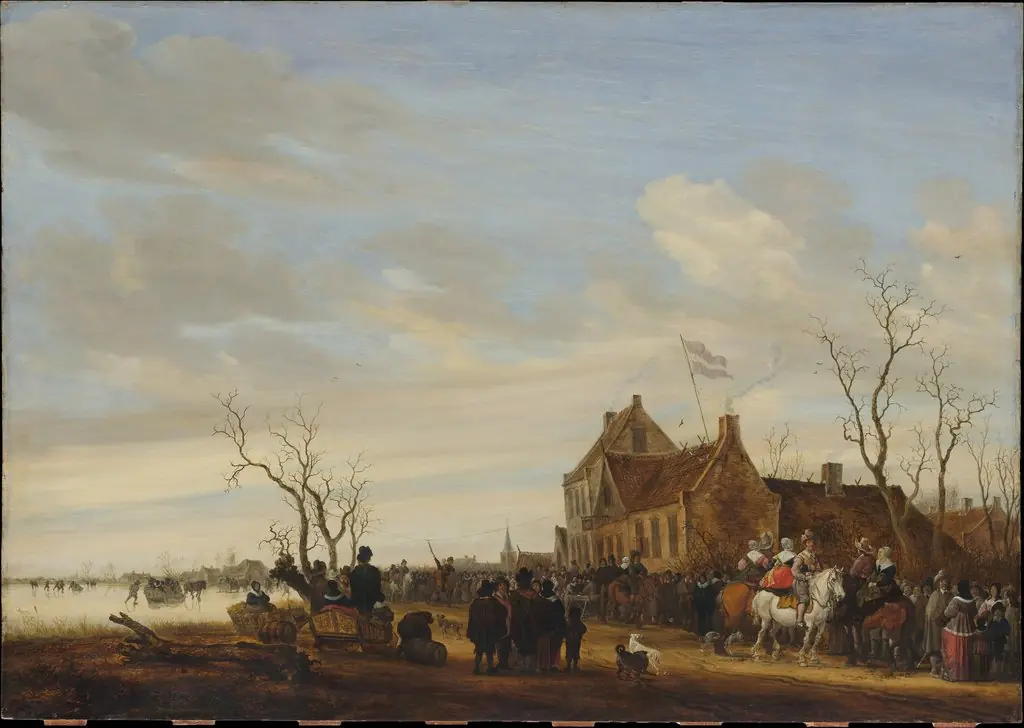 Drawing the Eel
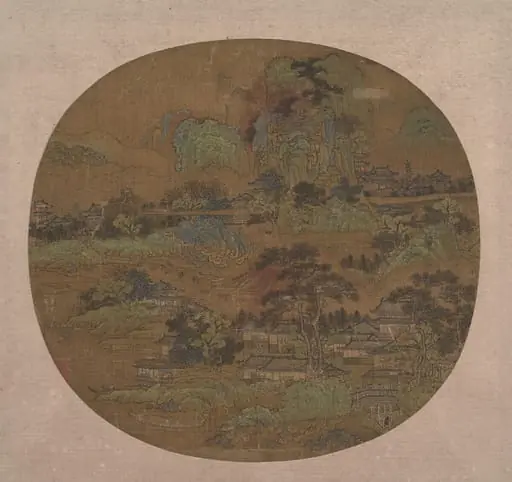 明 佚名 樓閣江帆圖 團扇|Village and Temples in Jiangnan
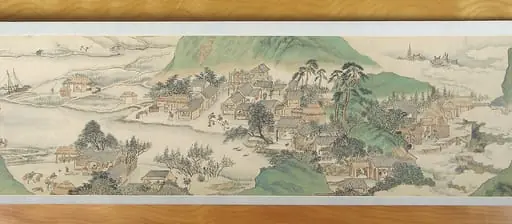 明/清 張宏 桃源勝概圖 卷|Peach Blossom Spring
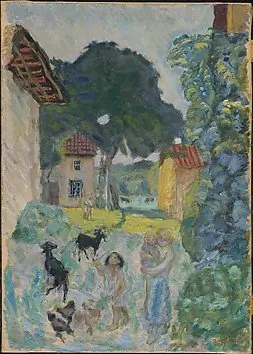 Village Scene, Grasse
 北宋 傳趙令穰 江村秋曉圖 卷|南宋 舊傳 趙令穰 江村秋曉圖 卷|River Village in Autumn Dawn
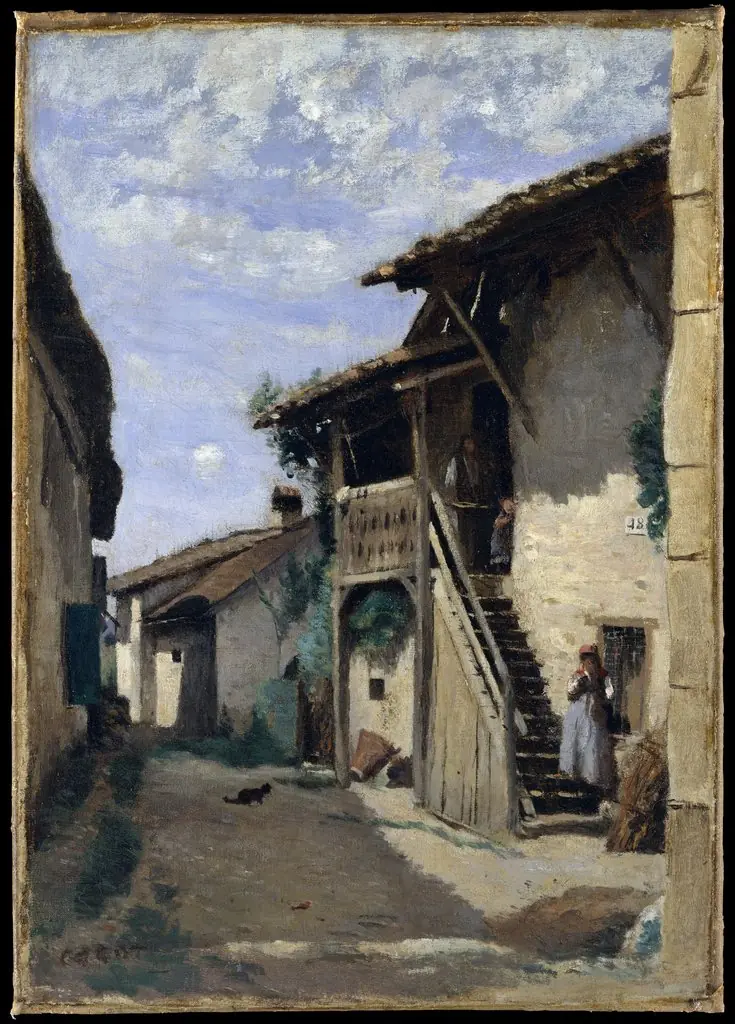 A Village Street: Dardagny
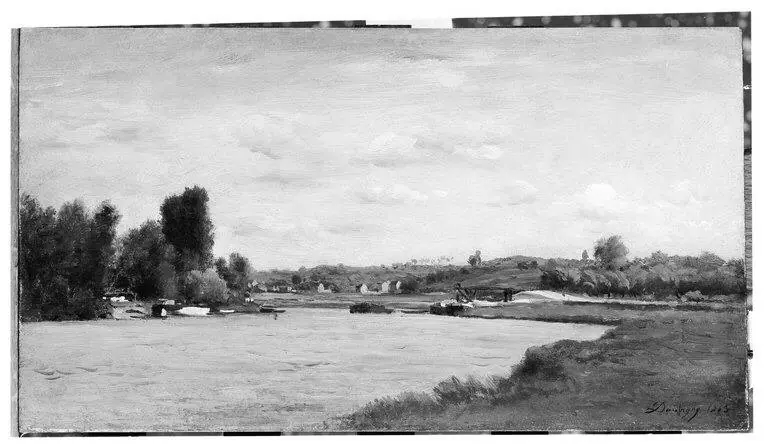 Landscape on a River
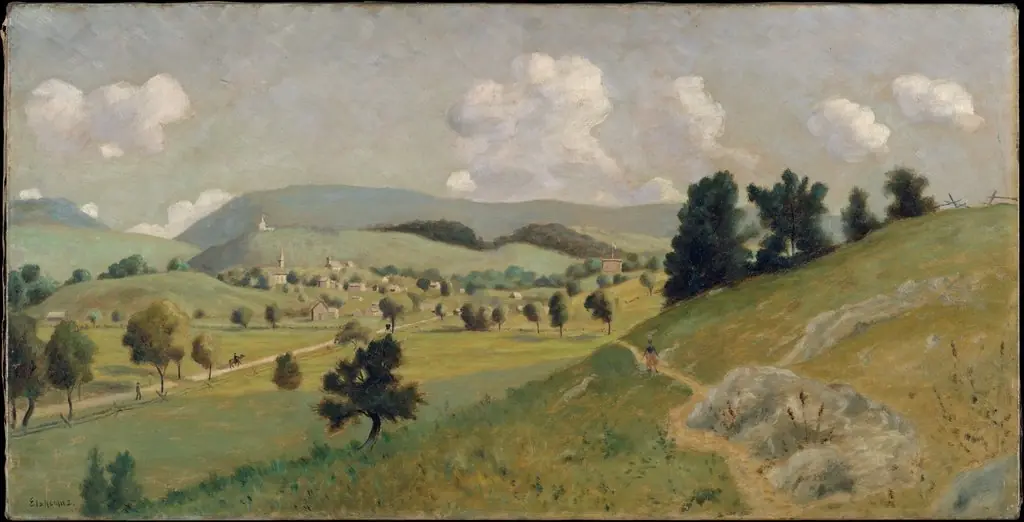 Delaware Water Gap Village
 Village by a River
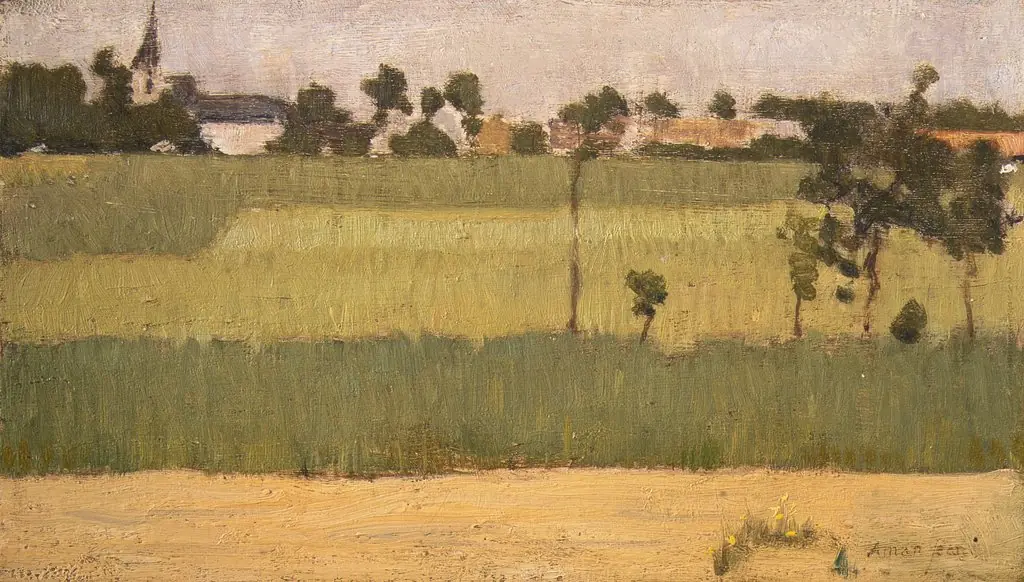 The Outskirts of a Village
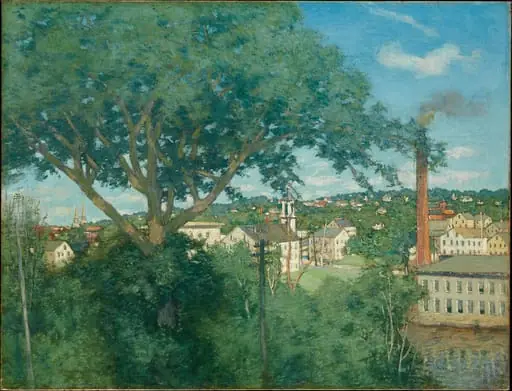 The Factory Village
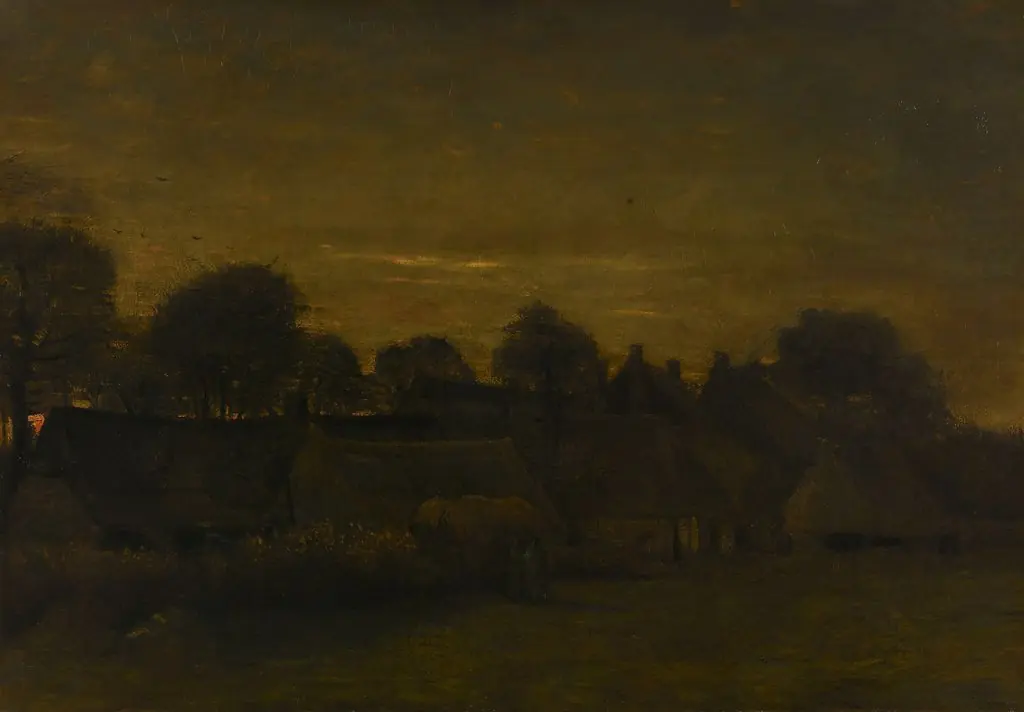 Farming Village at Twilight
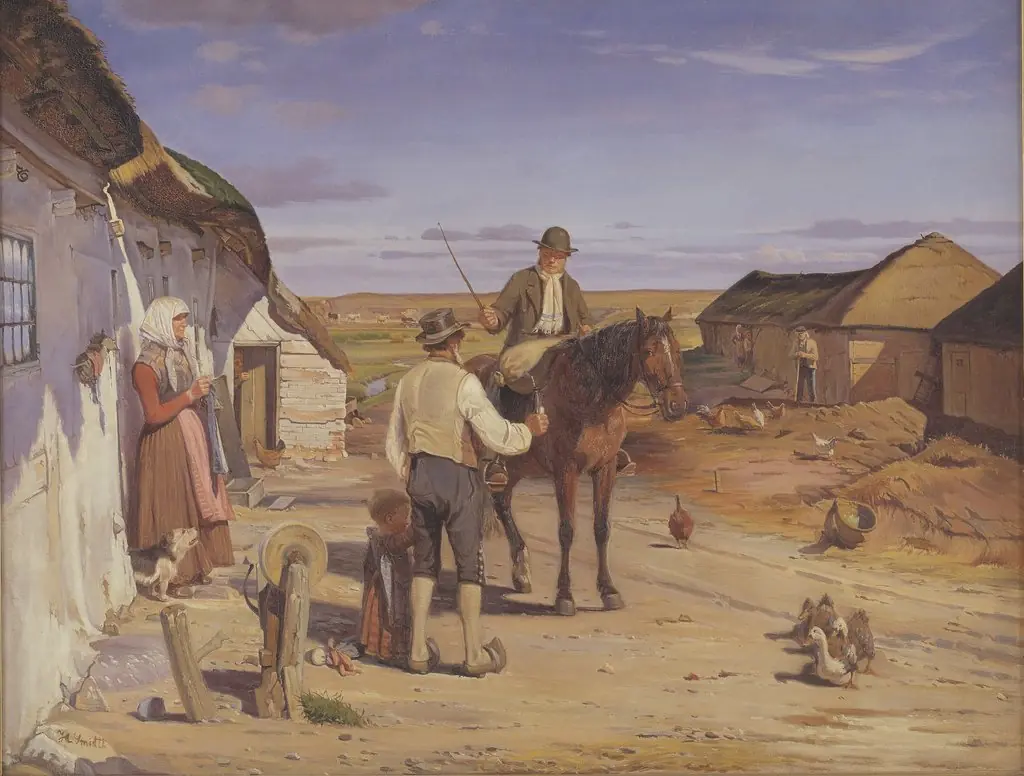 A Stranger Asking his Way at a Farm on the Moors
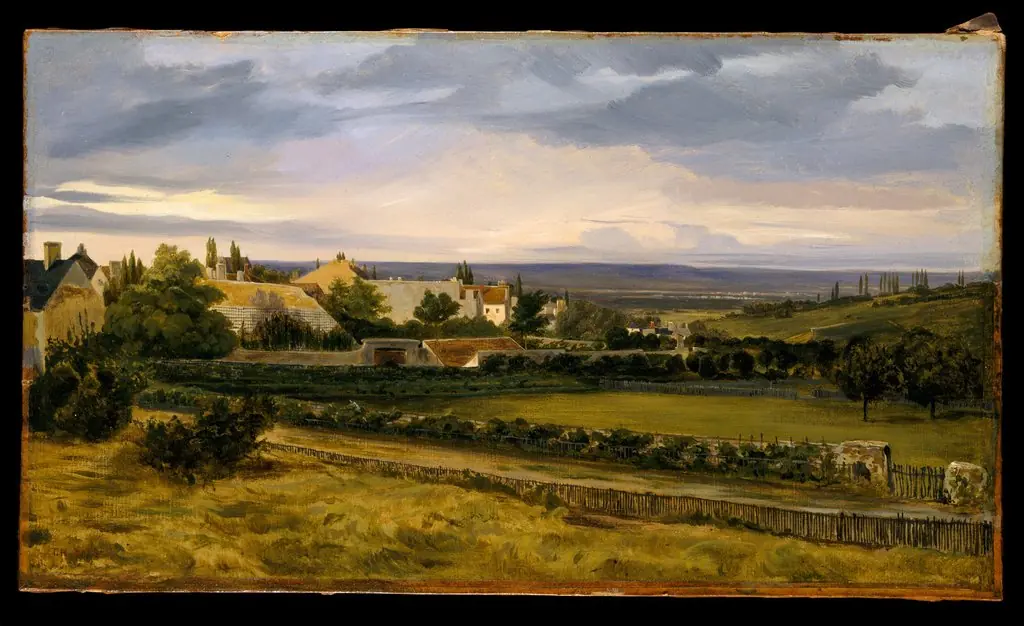 A Village in a Valley
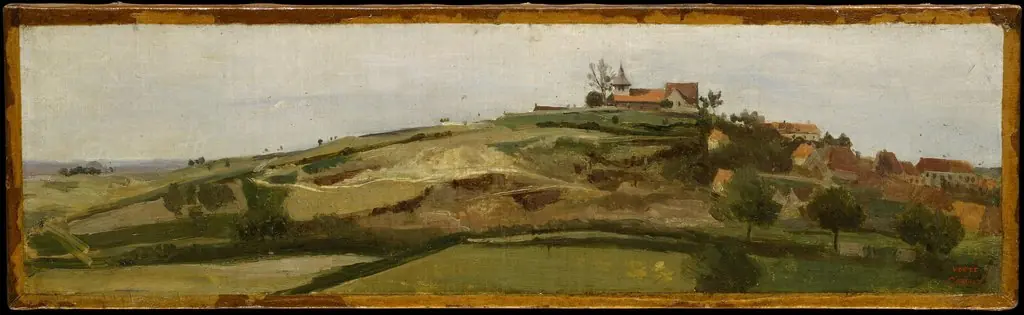 View of Lormes
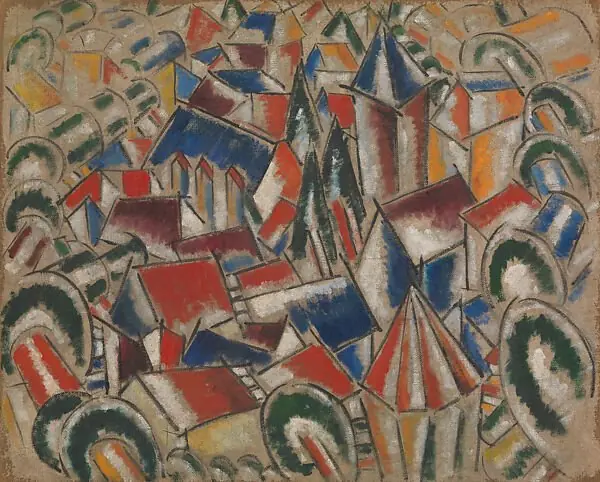 The Village
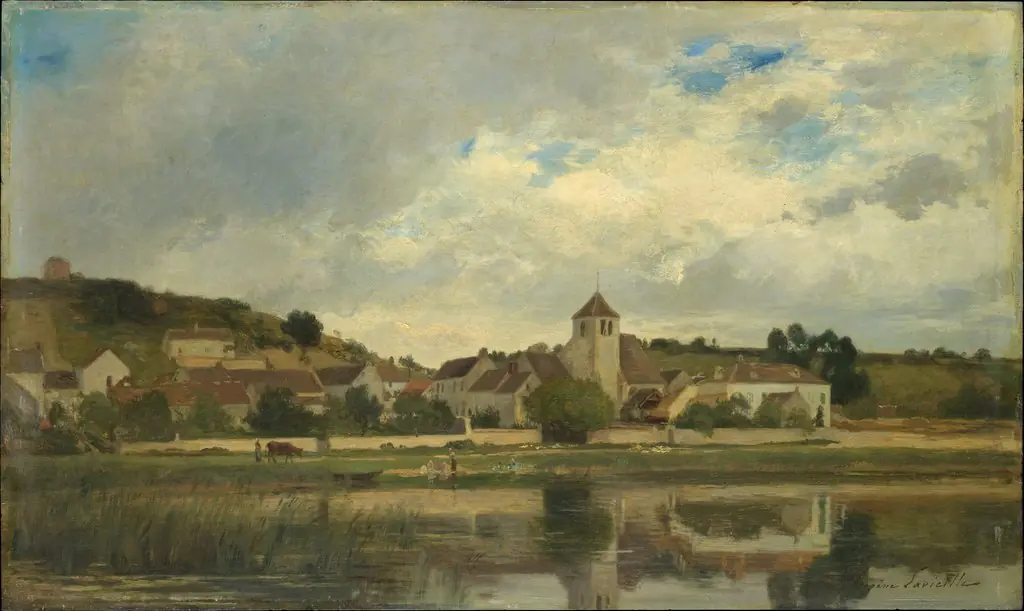 The Village of La Celle-sous-Moret
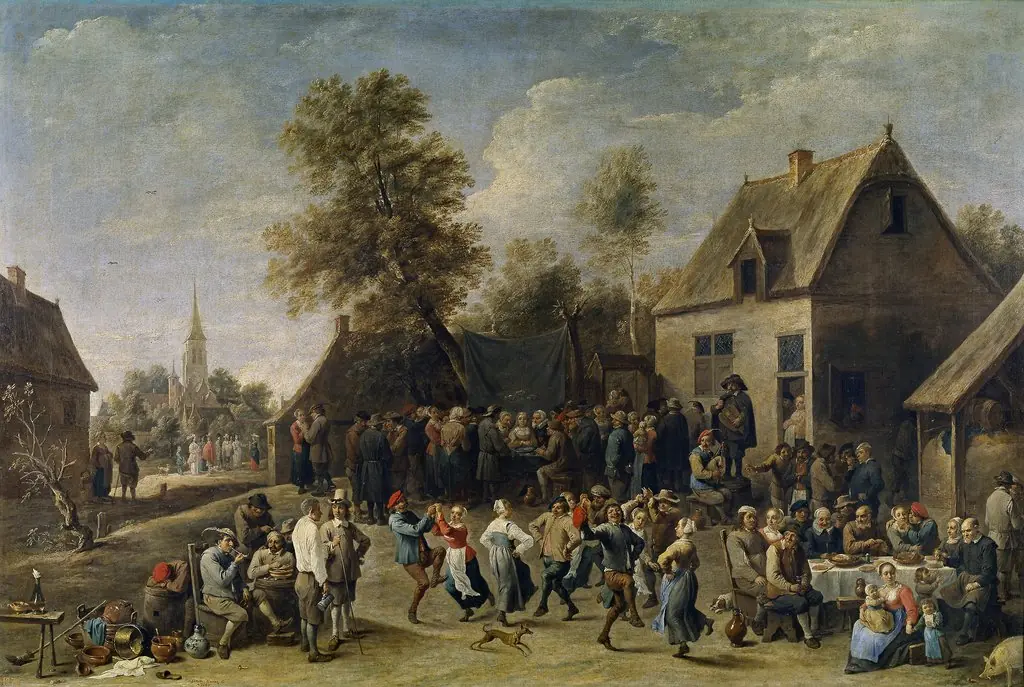 Country Feast
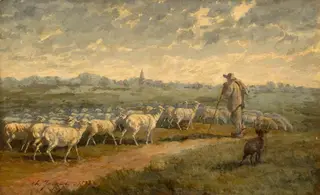 Landscape with a Herd
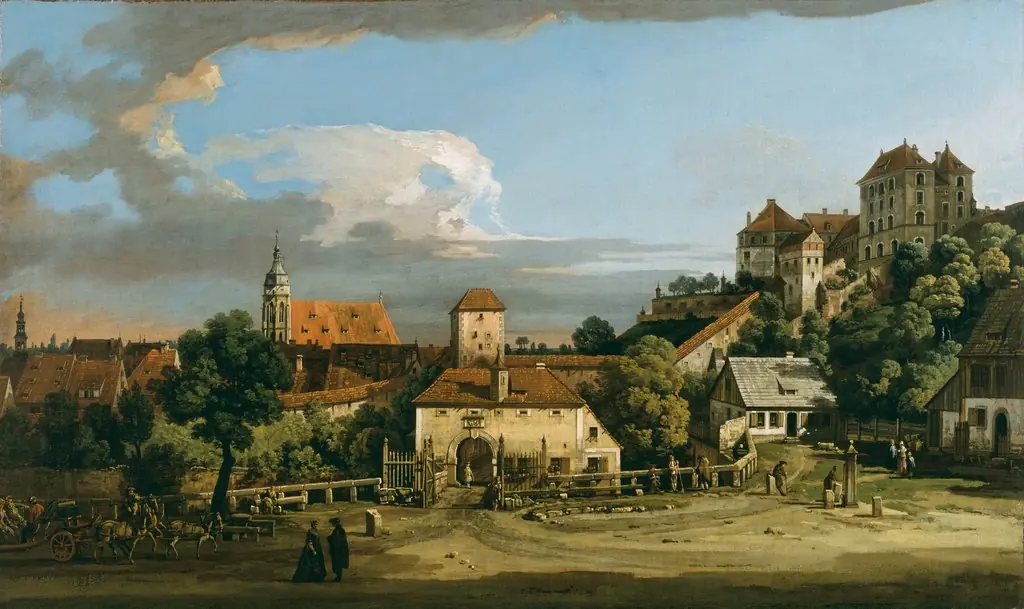 Pirna: The Obertor from the South
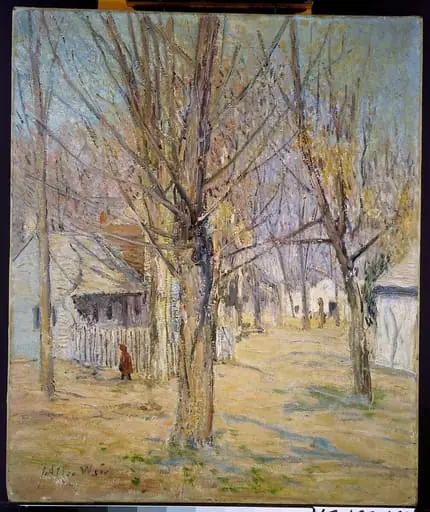 Connecticut Village (Going to School)
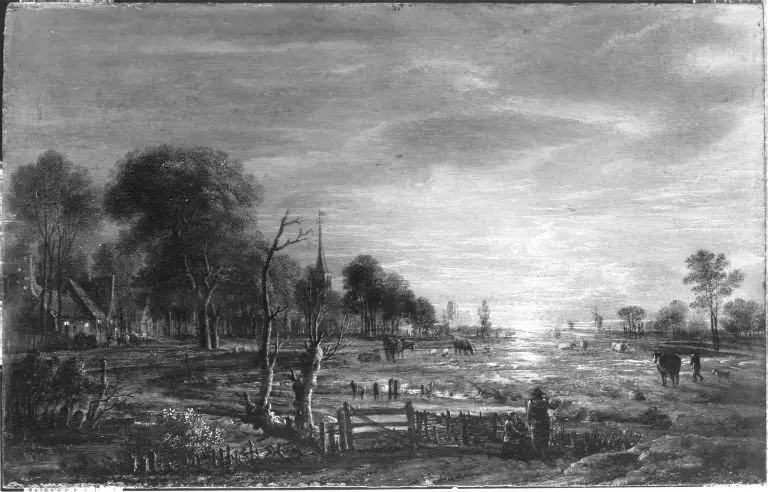 Sunset over a cattle meadow
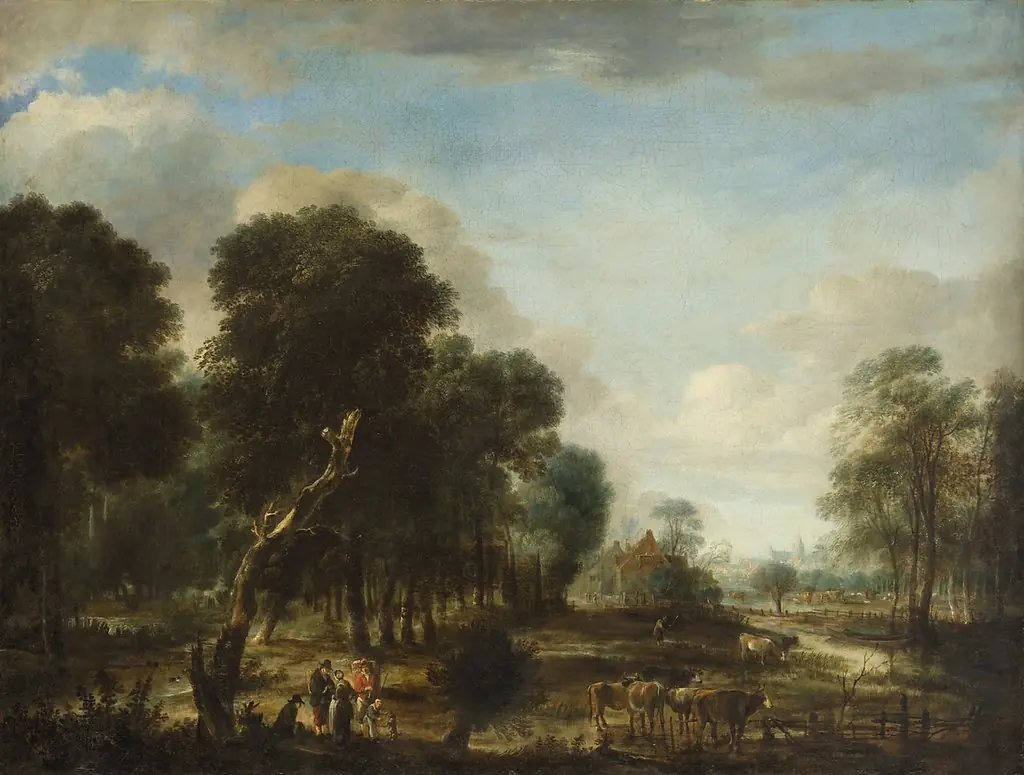 Road through a wet forest
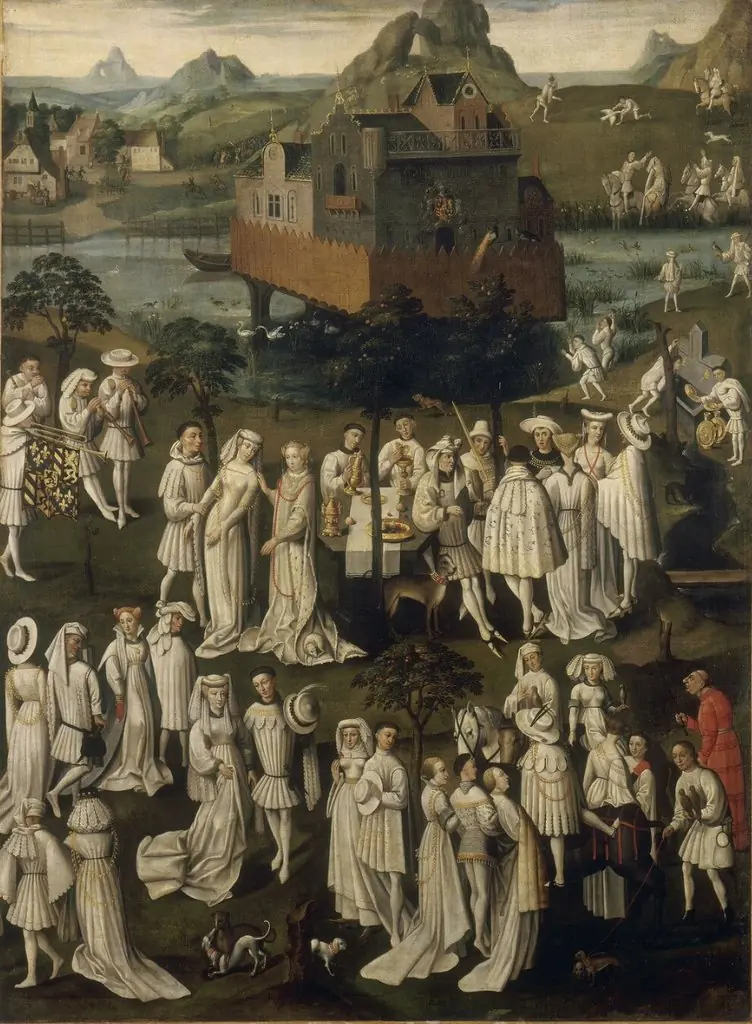 Garden of love at the court of Philippe the Good, Duke of Burgundy
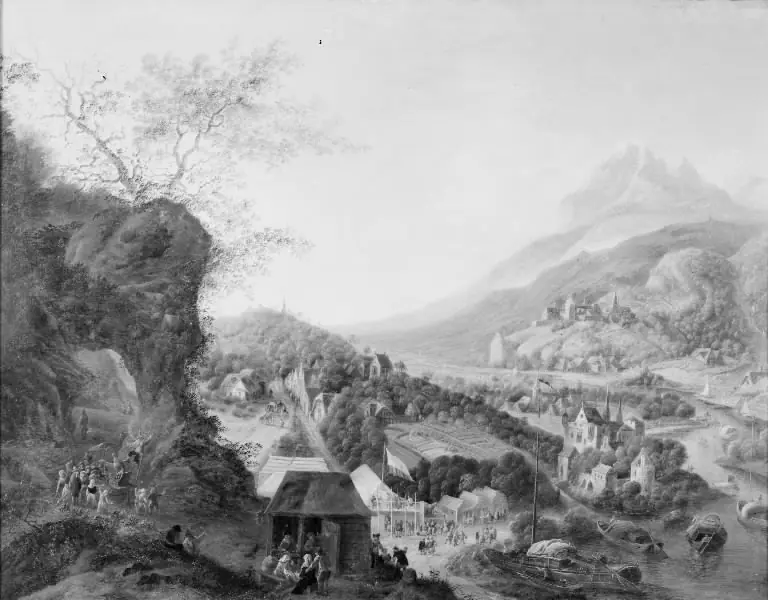 Mountain Scenery with River
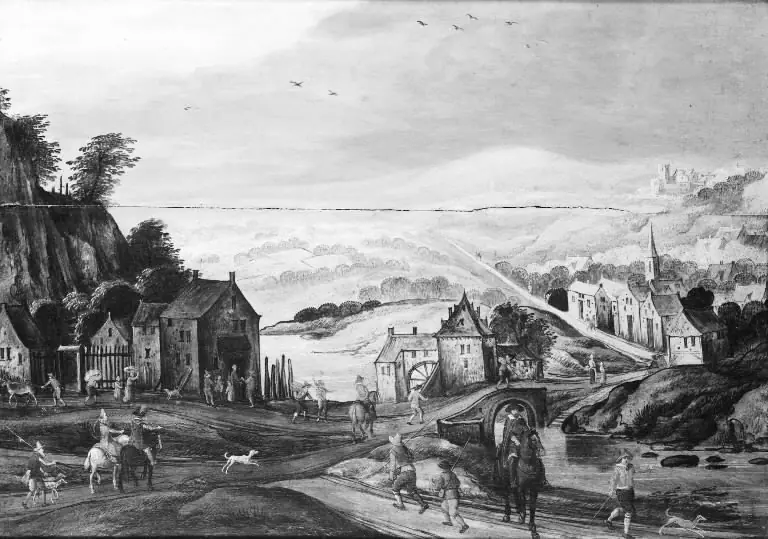 Landscape
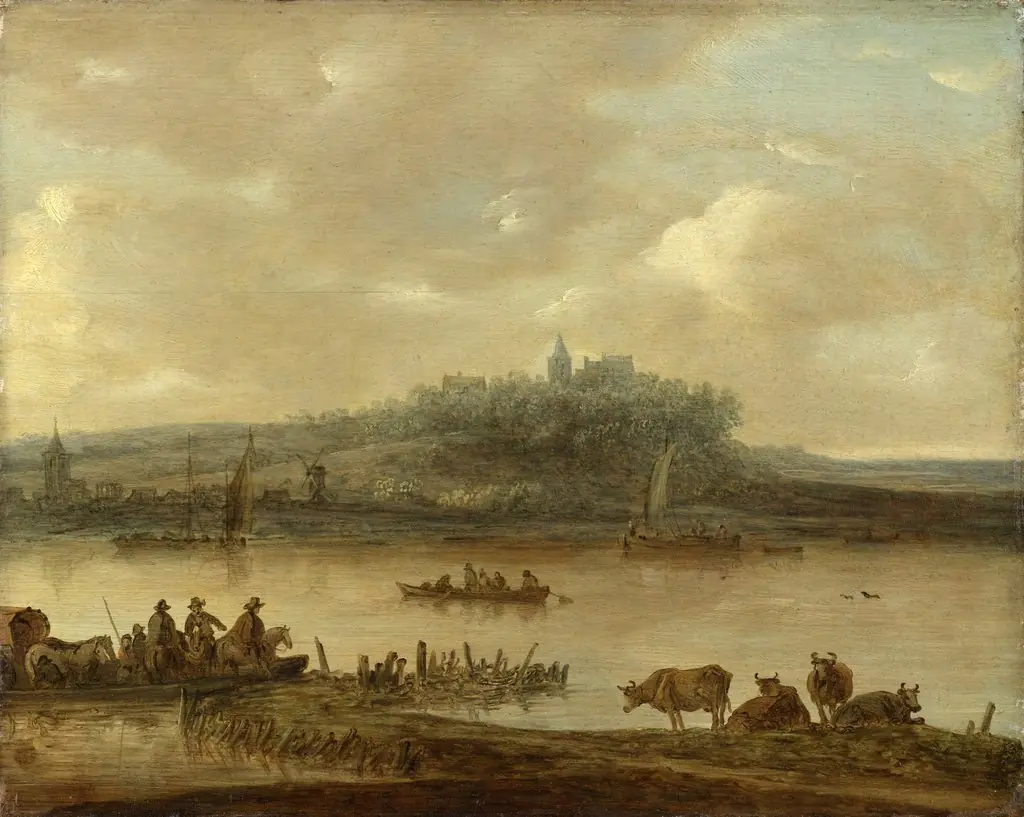 View of the Rhine and the Elterberg
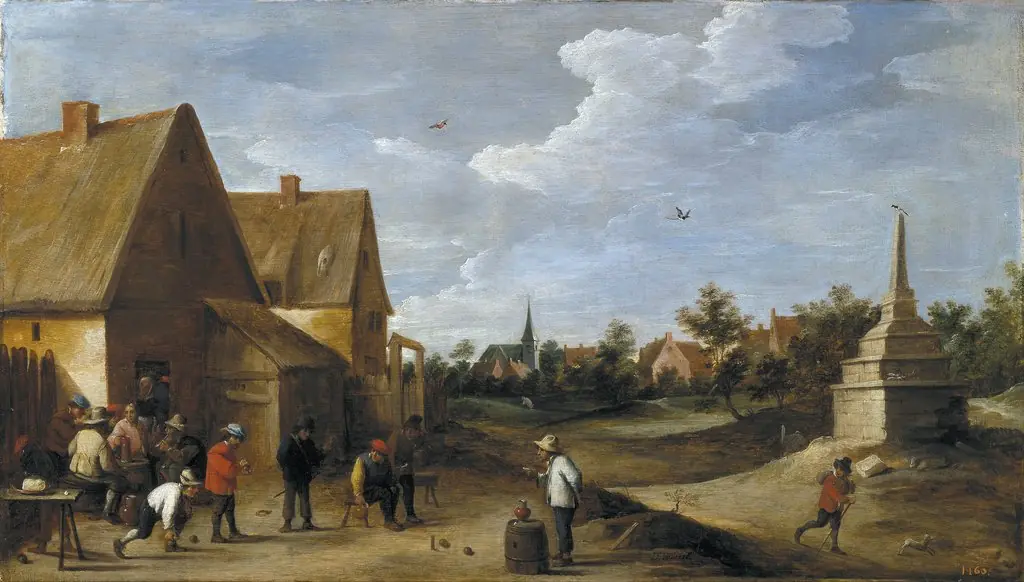 The Skittles Game
![Village, Mountains, and Lake [Maggiore?] (recto, from sketchbook)](https://artifactworldgallery.com/img/jervis-mcentee--village-mountains-and-lake-maggiore-recto-from-sketchbook--3cfb09e258099ce7-w320.webp) Village, Mountains, and Lake [Maggiore?] (recto, from sketchbook)
Village, Mountains, and Lake [Maggiore?] (recto, from sketchbook)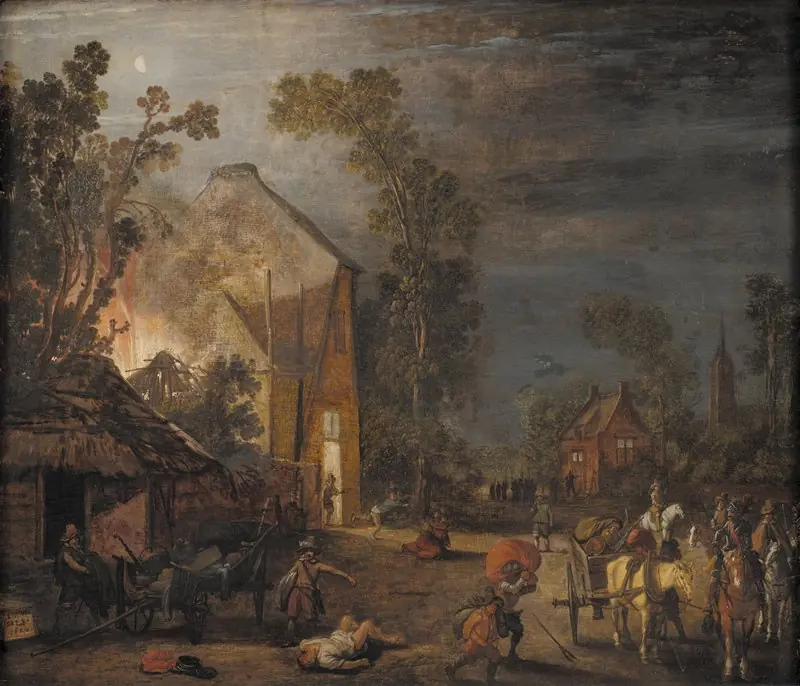 A Village Looted at Night
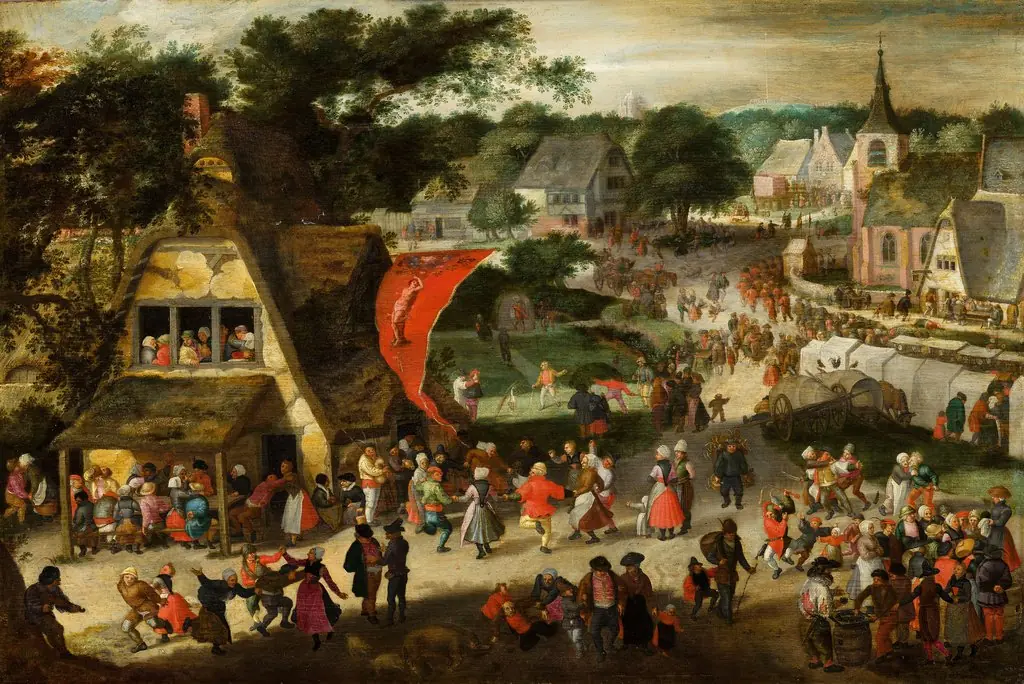 St. Sebastian fair in a Flemish village
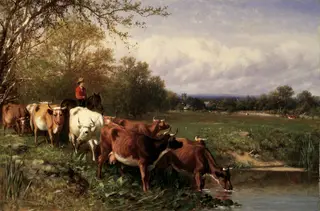 Cattle and Landscape
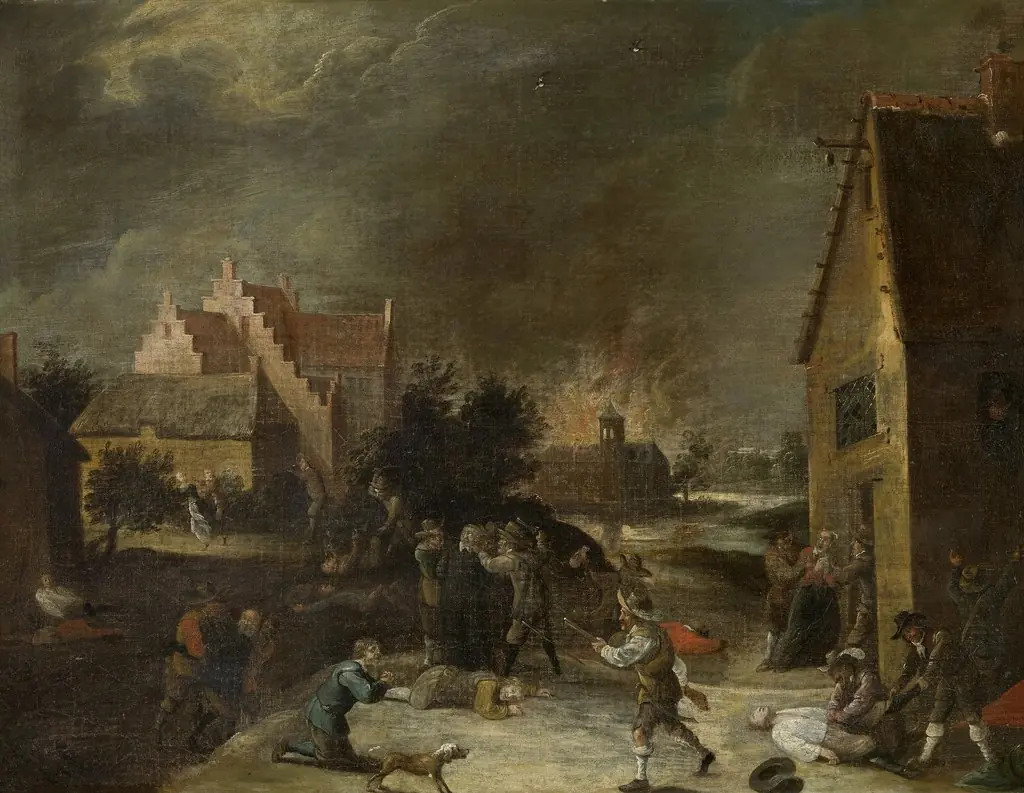 Looting of a village
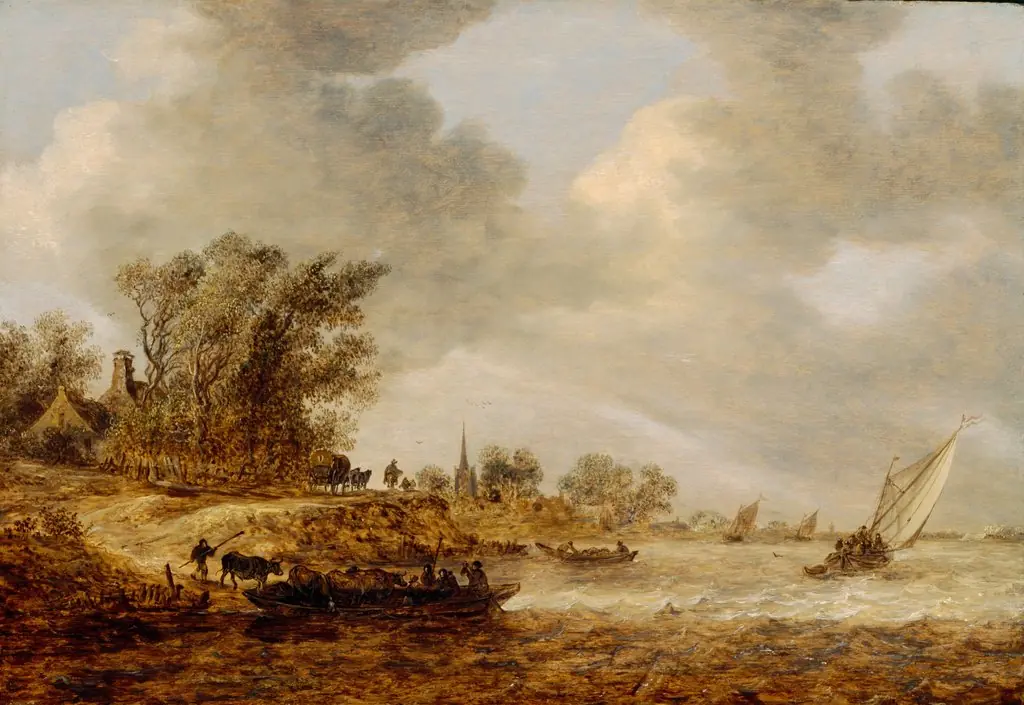 A Windy Day
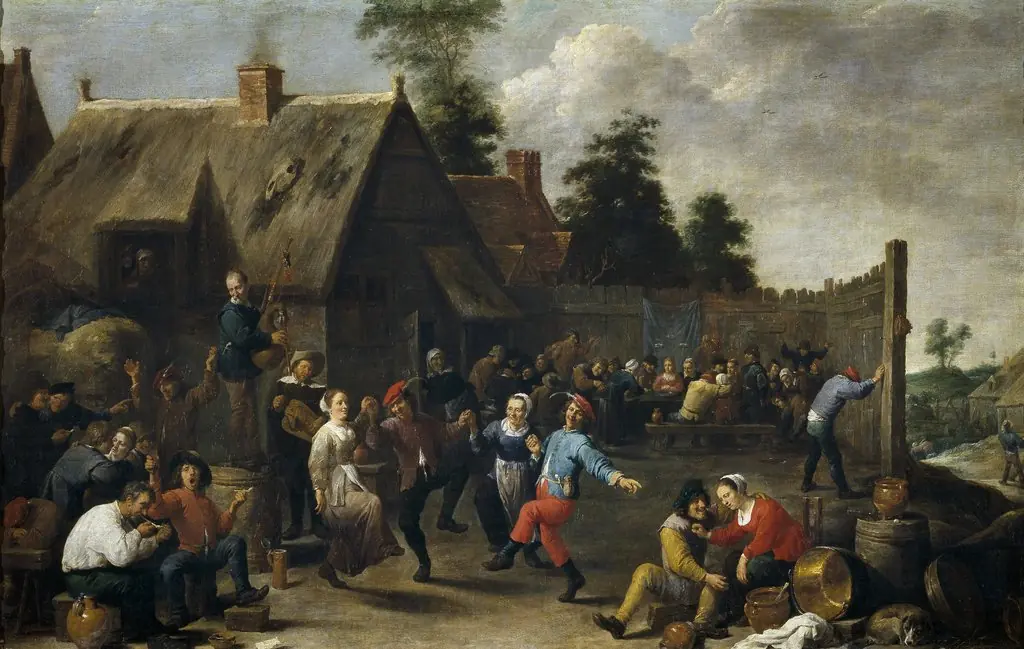 Village Festival and Feast
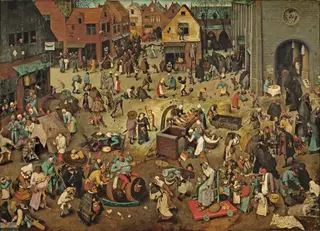 The Fight Between Carnival and Lent
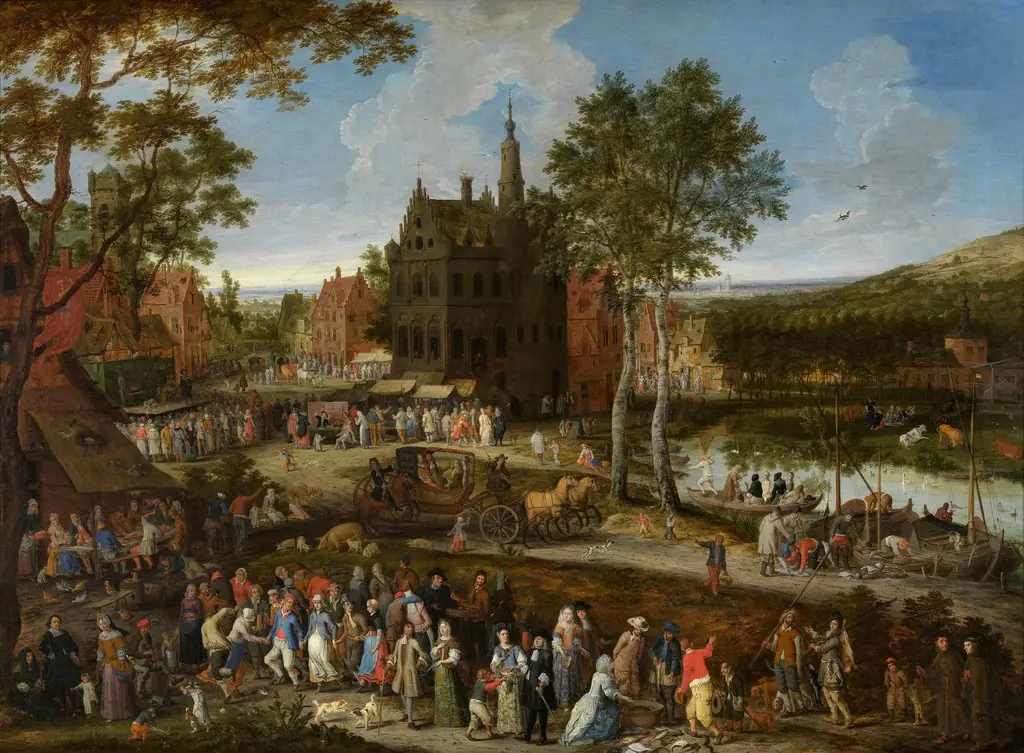 Kermis in a Flemish village
 Village on Lake Como: May 1, 1869 (verso, from sketchbook)
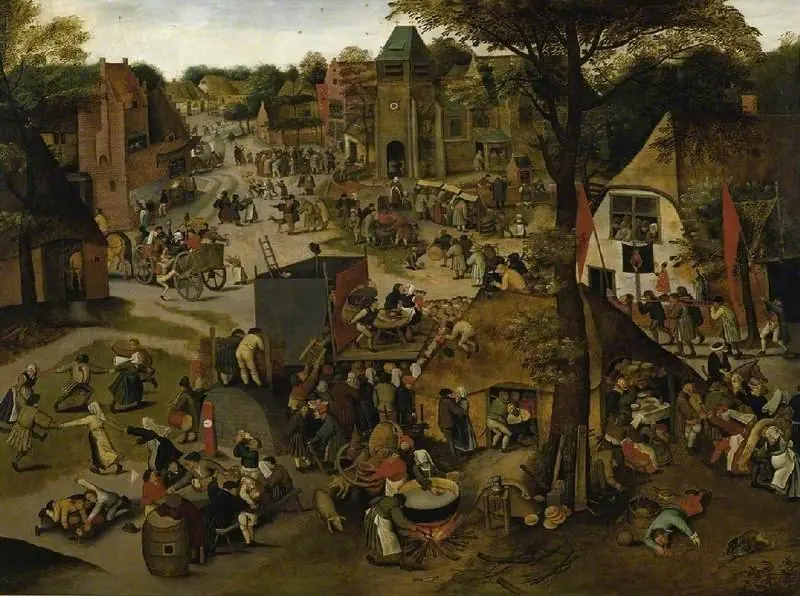 A Village Festival, With a Theatrical Performance and a Procession in Honour of St Hubert and St Anthony
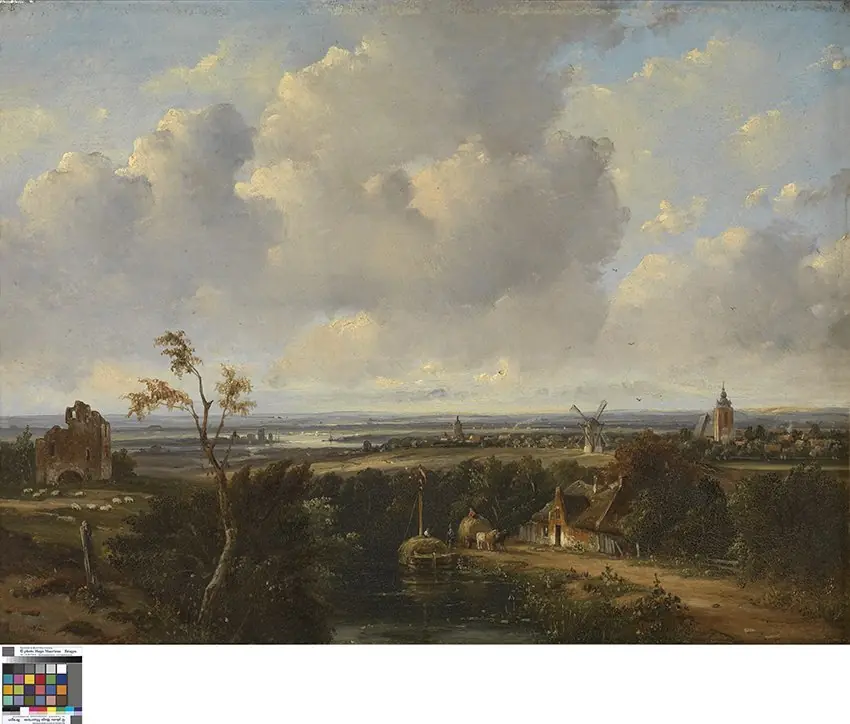 Landschap in Holland
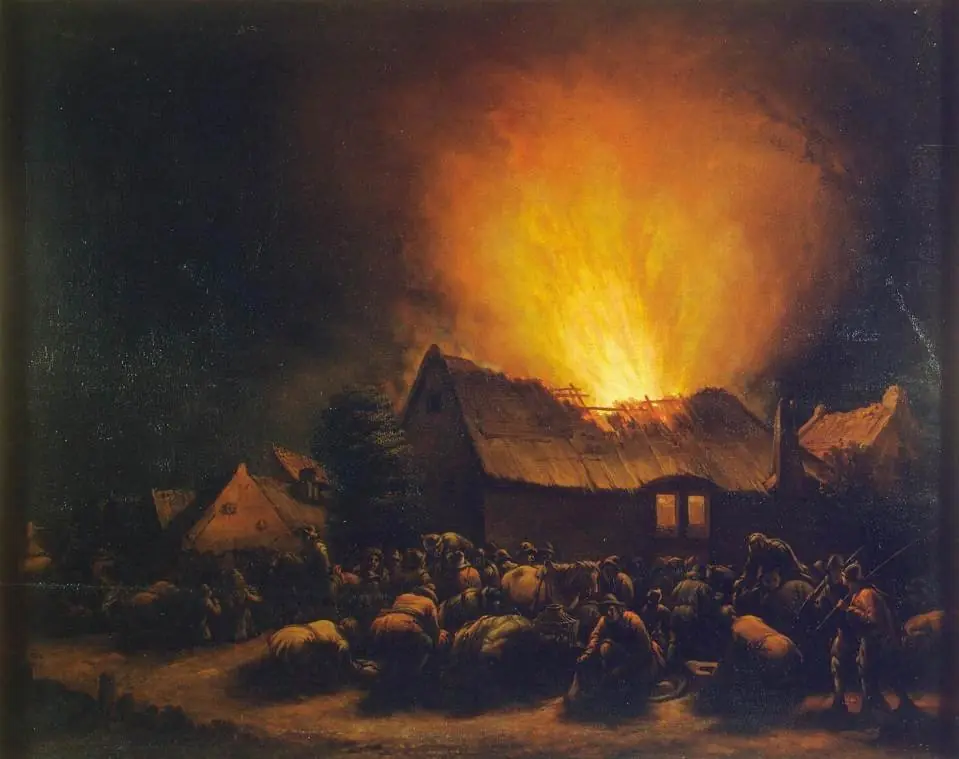 Fire in a Village
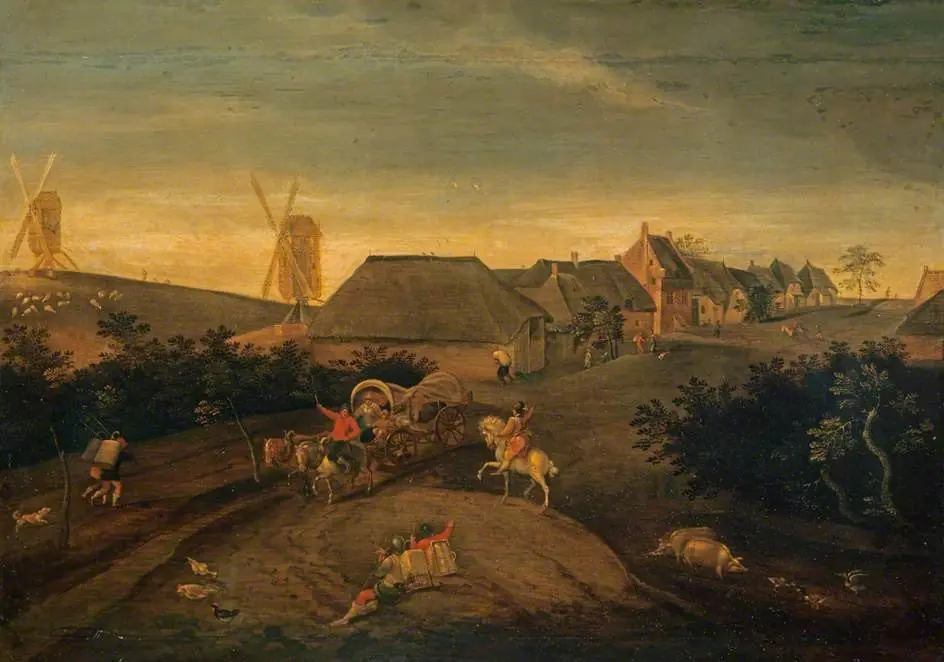 A Flemish Village
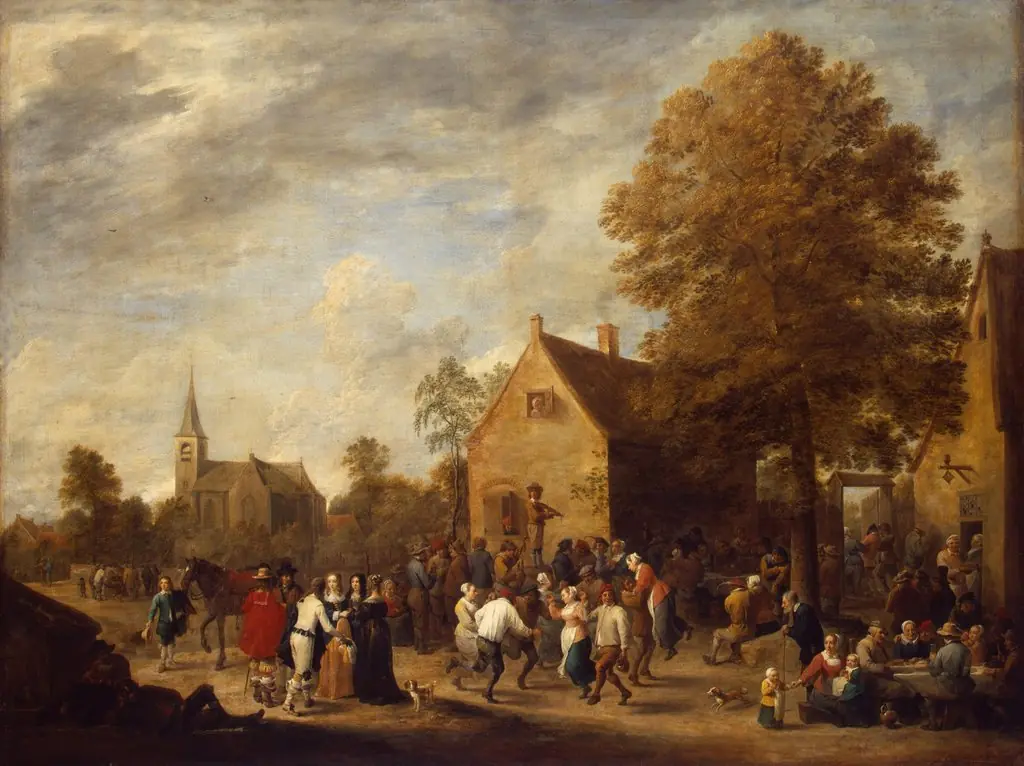 Rural Feast
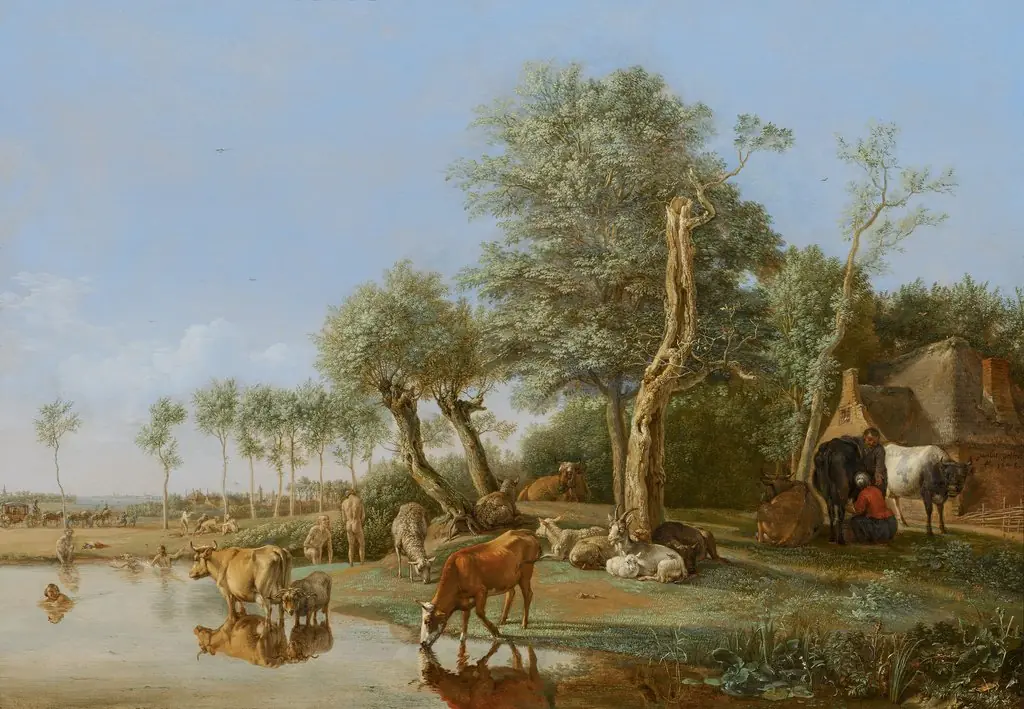 Cows reflected in the water
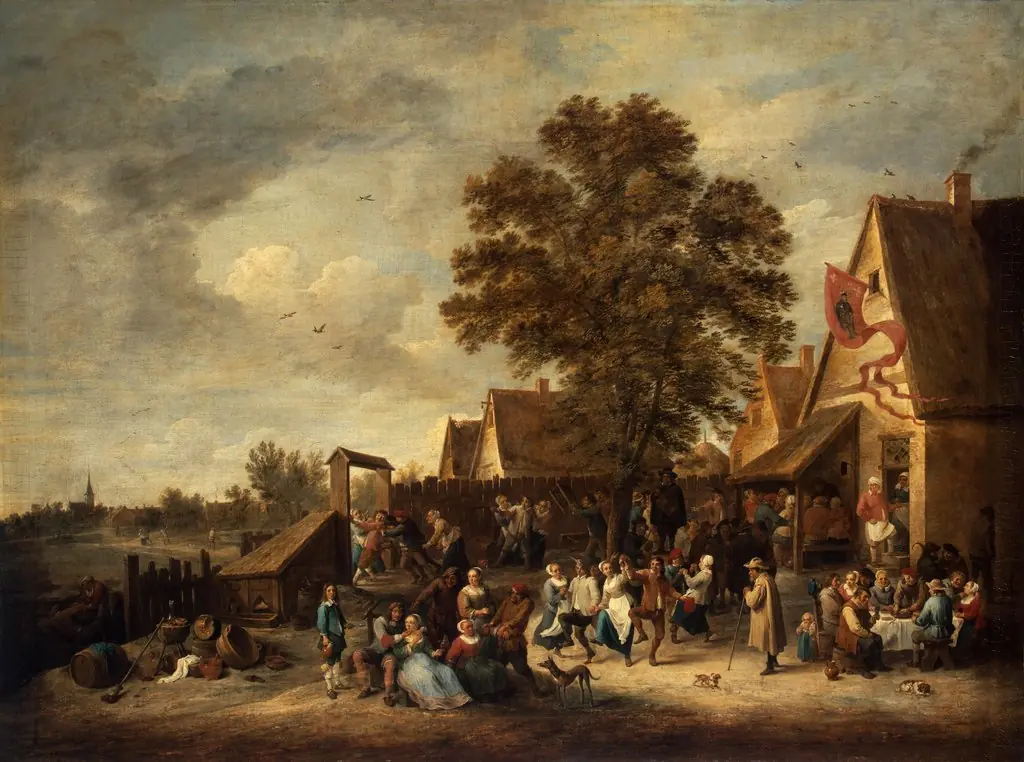 Rural Feast
 The Gloomy Day
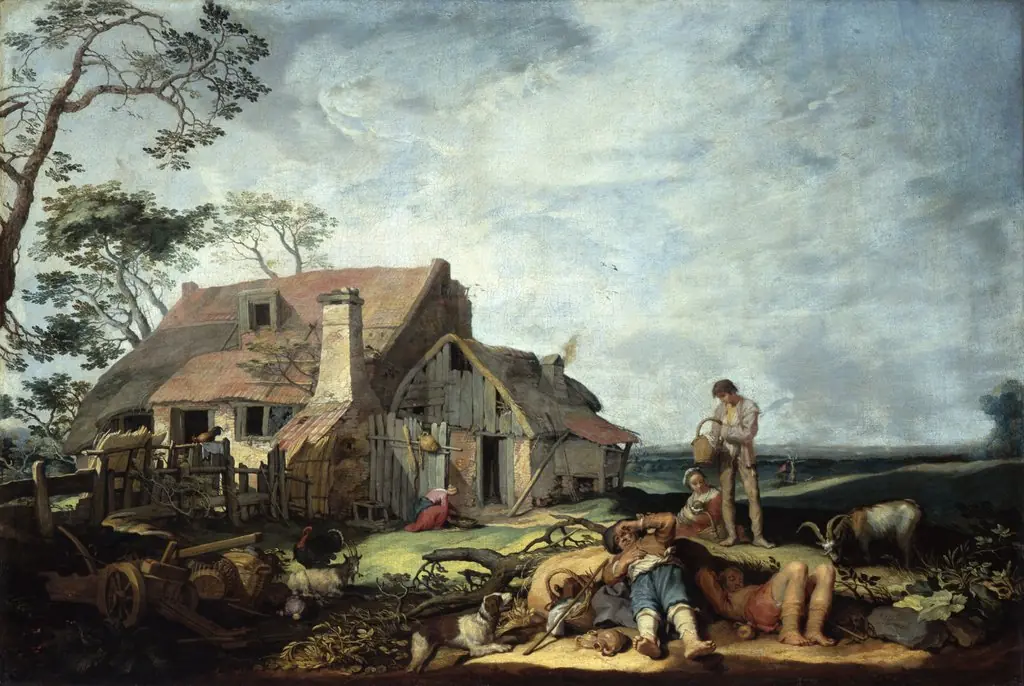 Landscape with farmstead, peasants and the exodus of Tobias with the angel
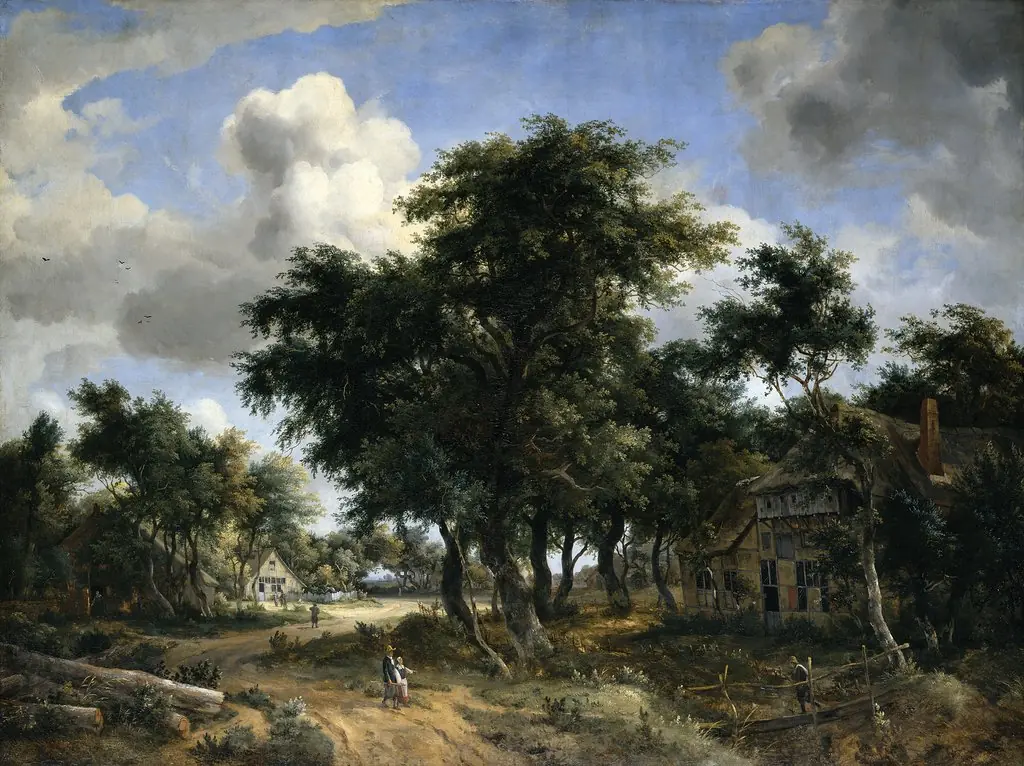 Village Street under Trees
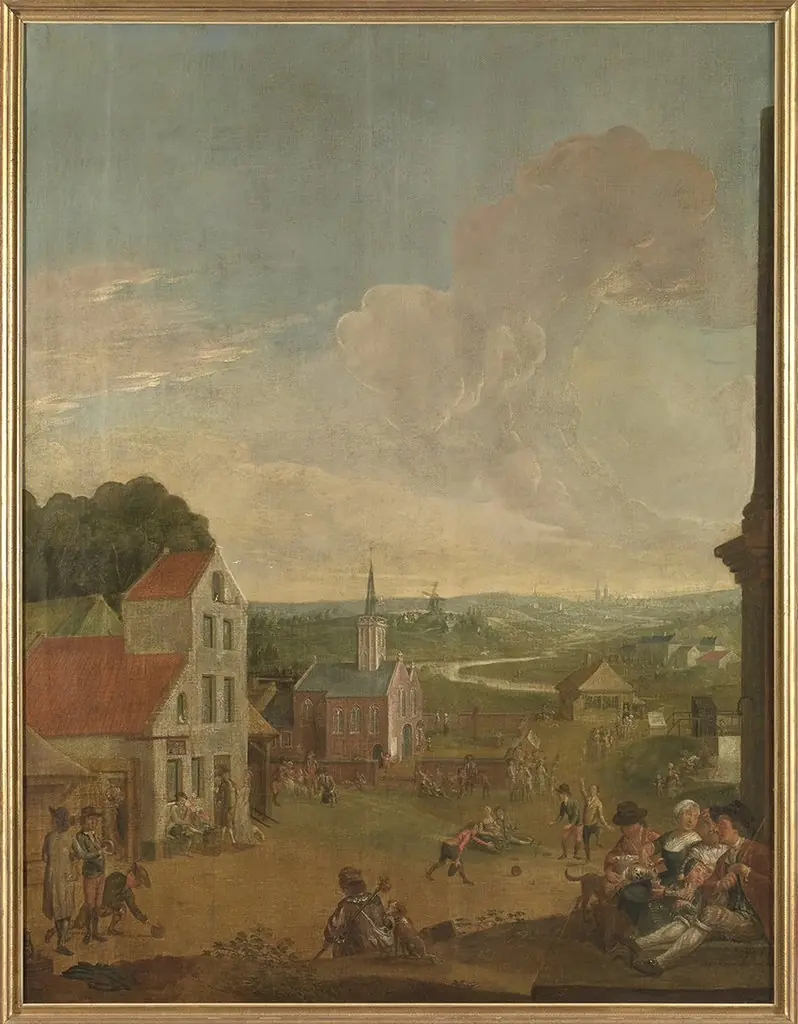 Gezicht op Sint-Michiels
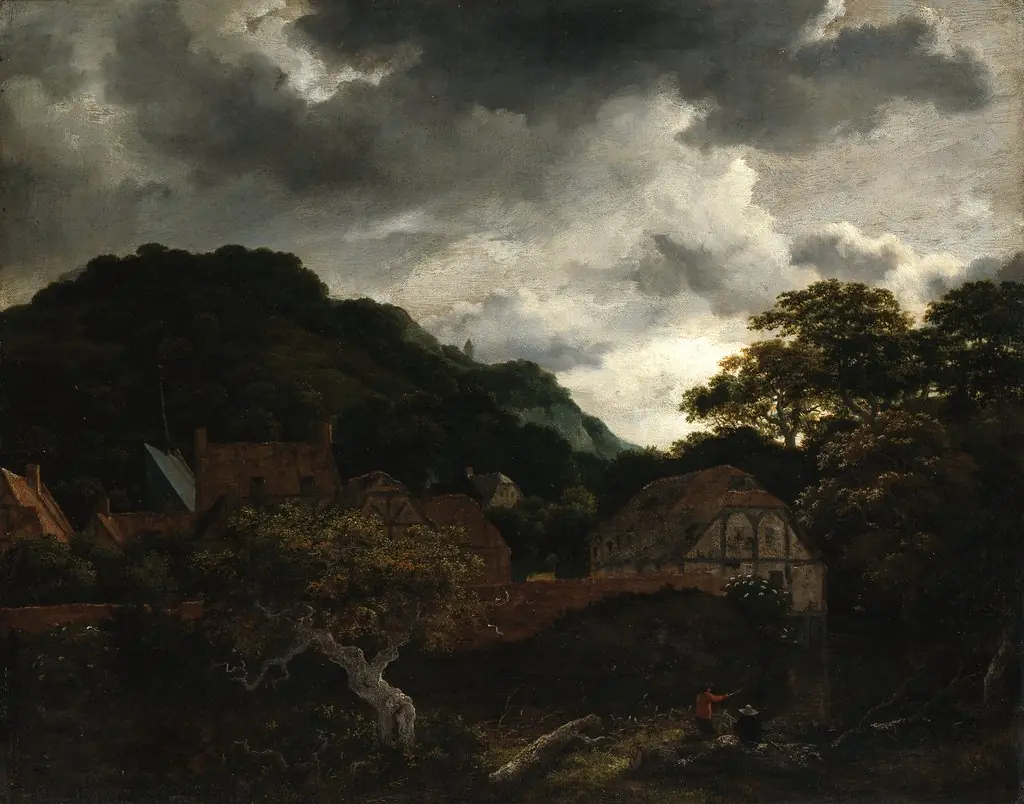 Village at the Wood's Edge
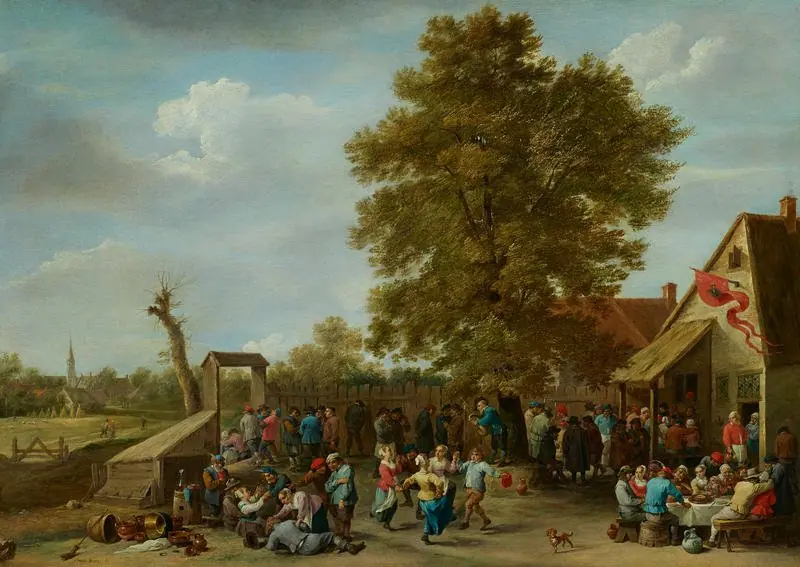 The Village Fair
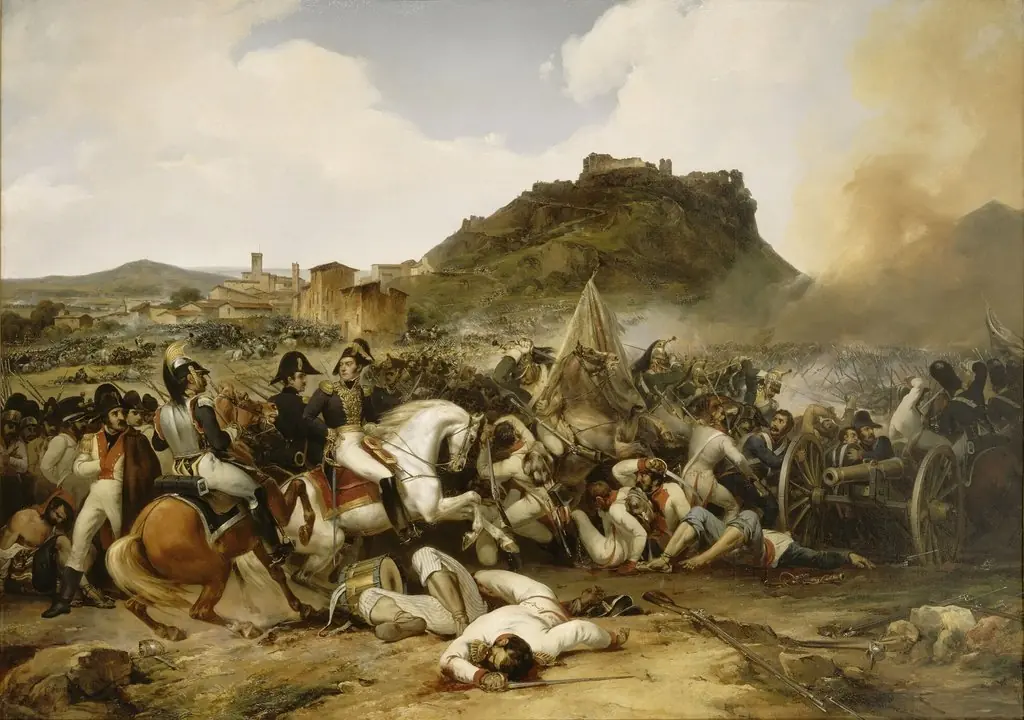 Battle of Castalla, July 21, 1812
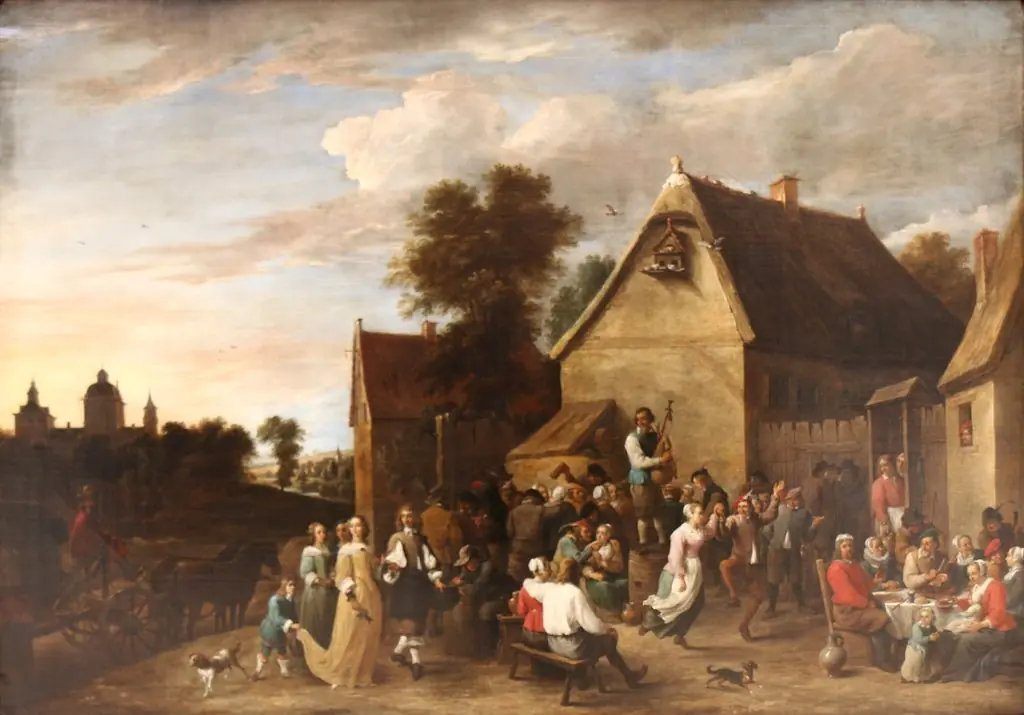 Flemish Feast
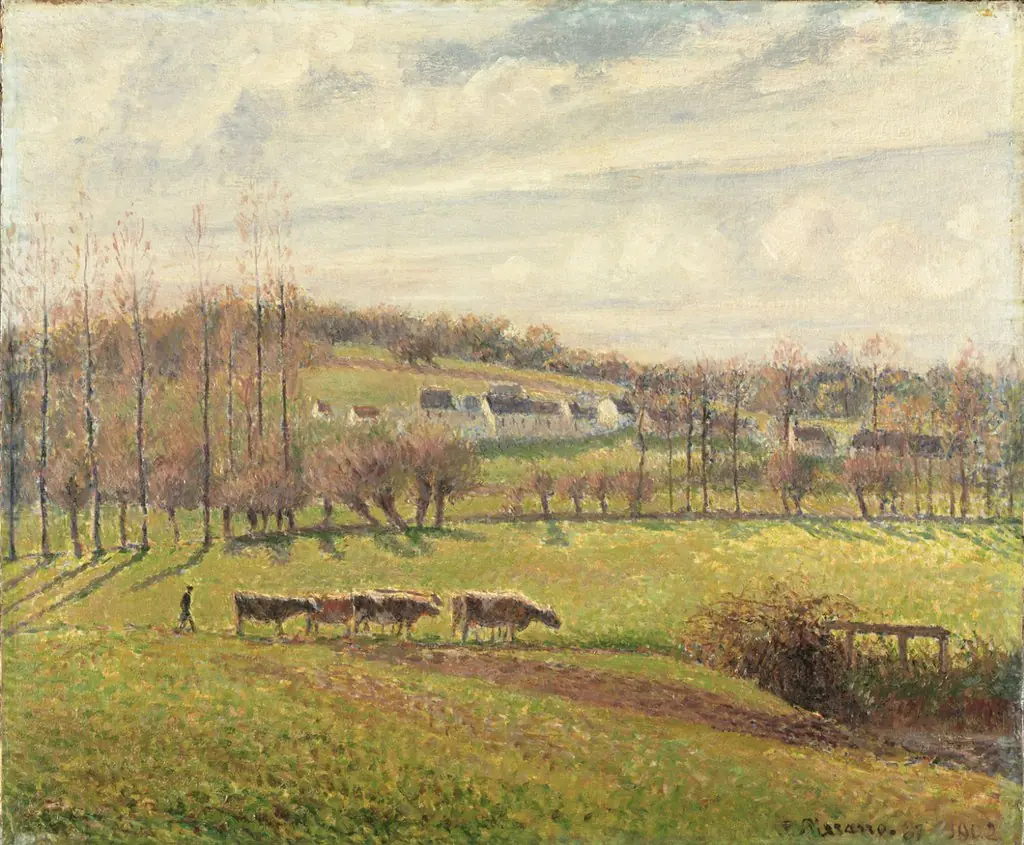 Summer Landscape, Eragny
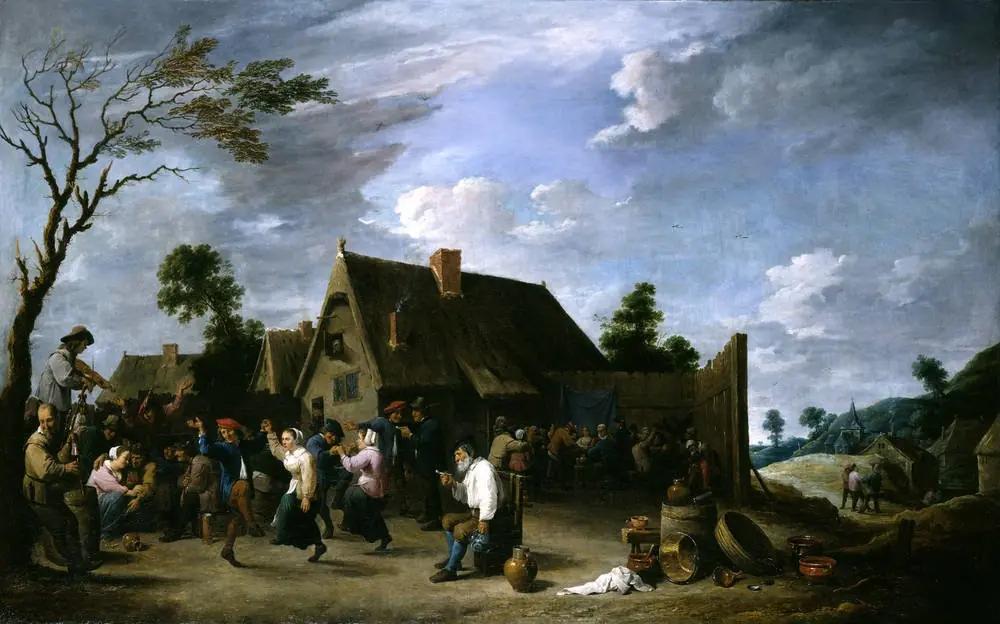 Village Feast
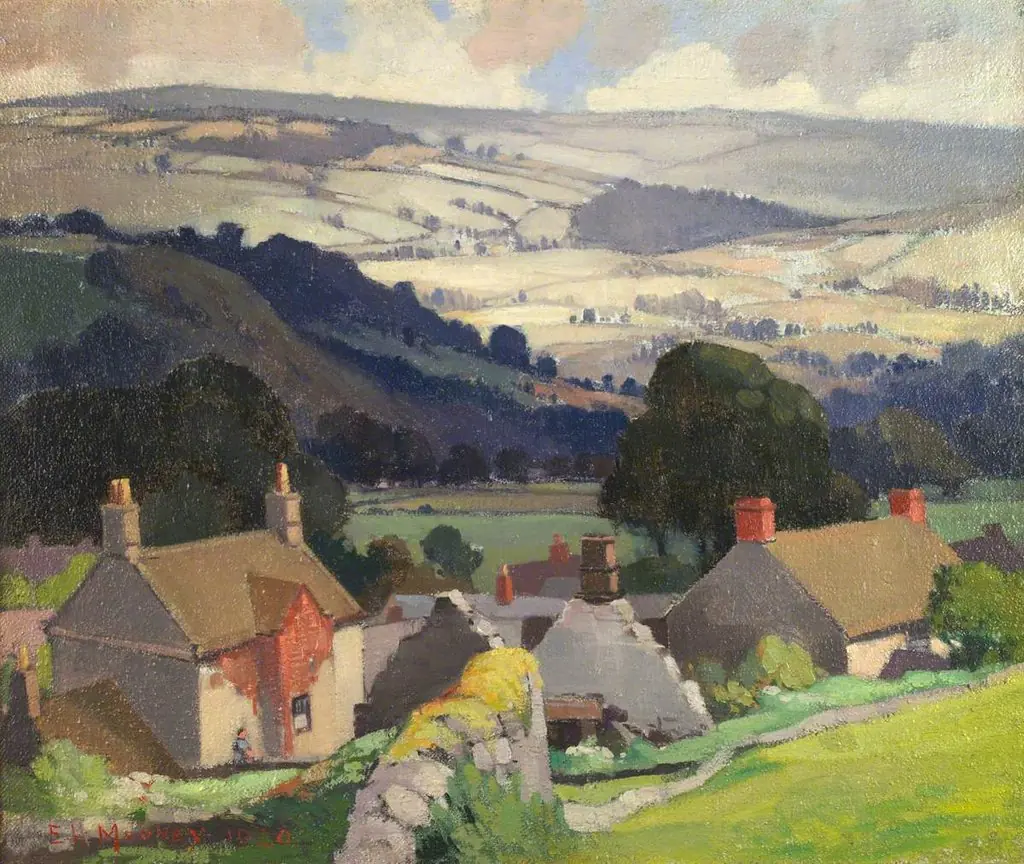 Vale of Clwyd
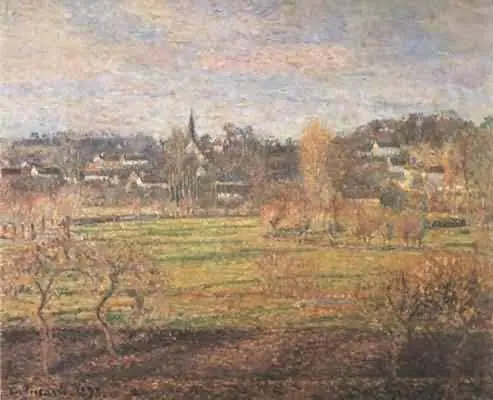 View of Bazincourt, February, Sunrise
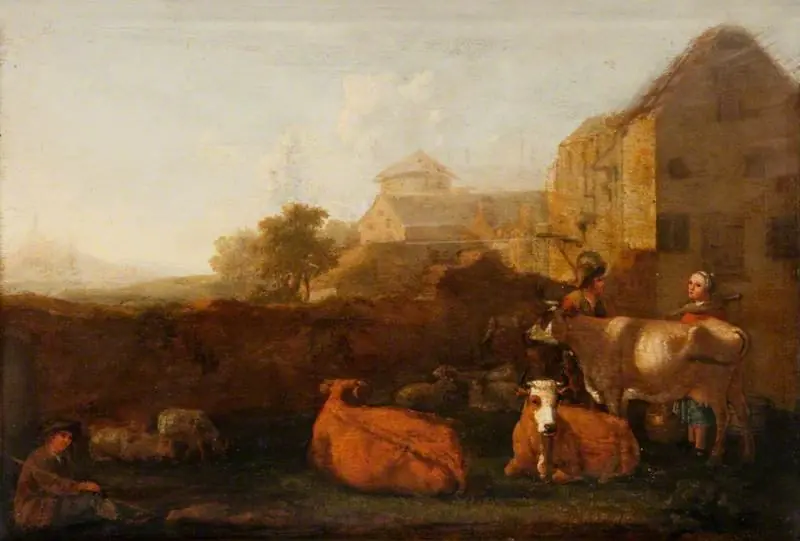 Landscape with Cattle and Figures
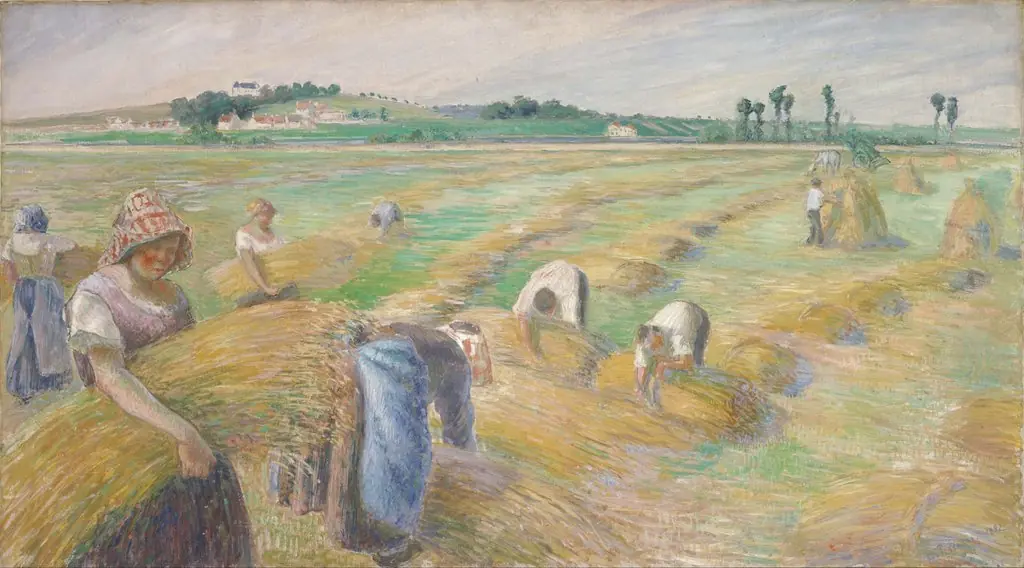 The Harvest
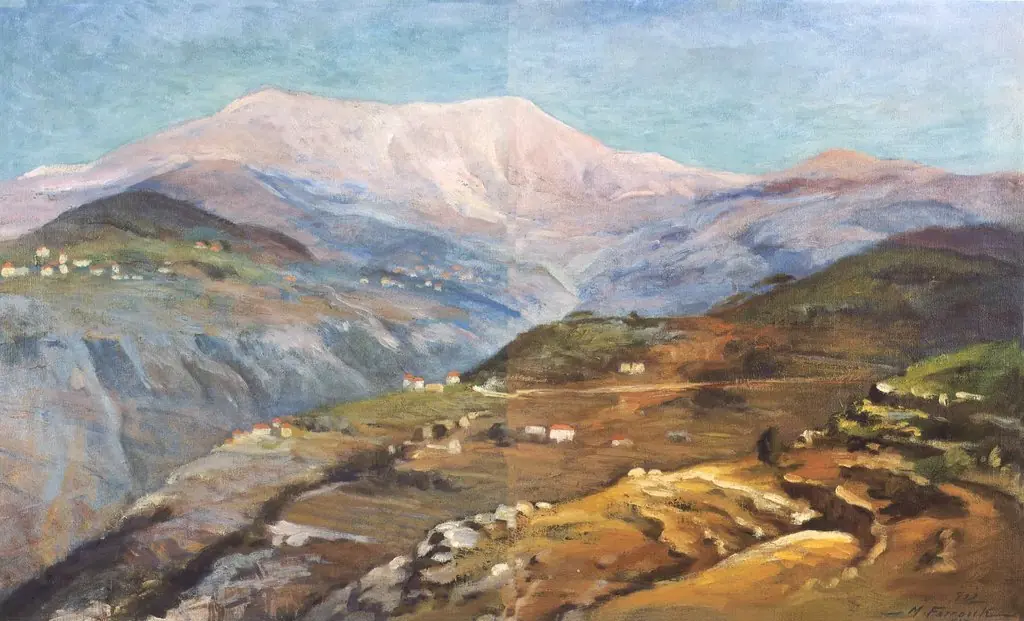 Zaarour Region and Mount Sannine
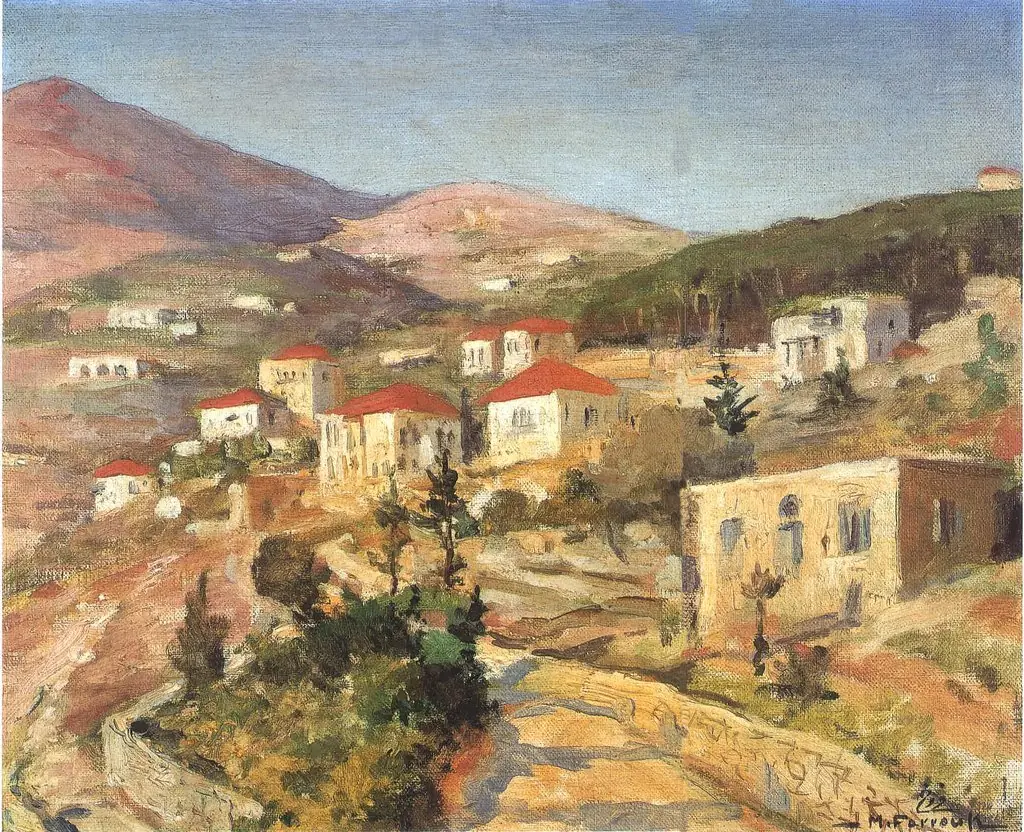 A View from Keserwan
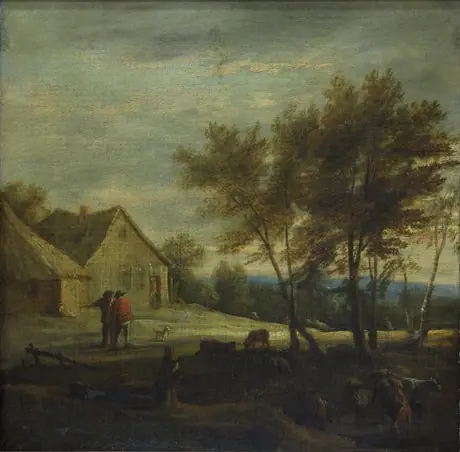 Surrounding of village
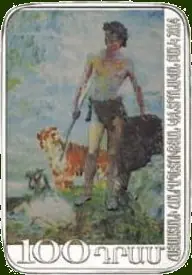 Young David
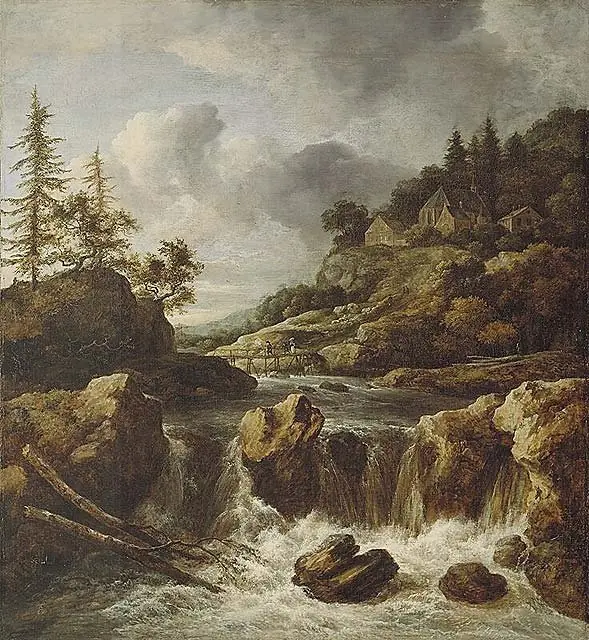 A Waterfall with village, footbridge and pine trees
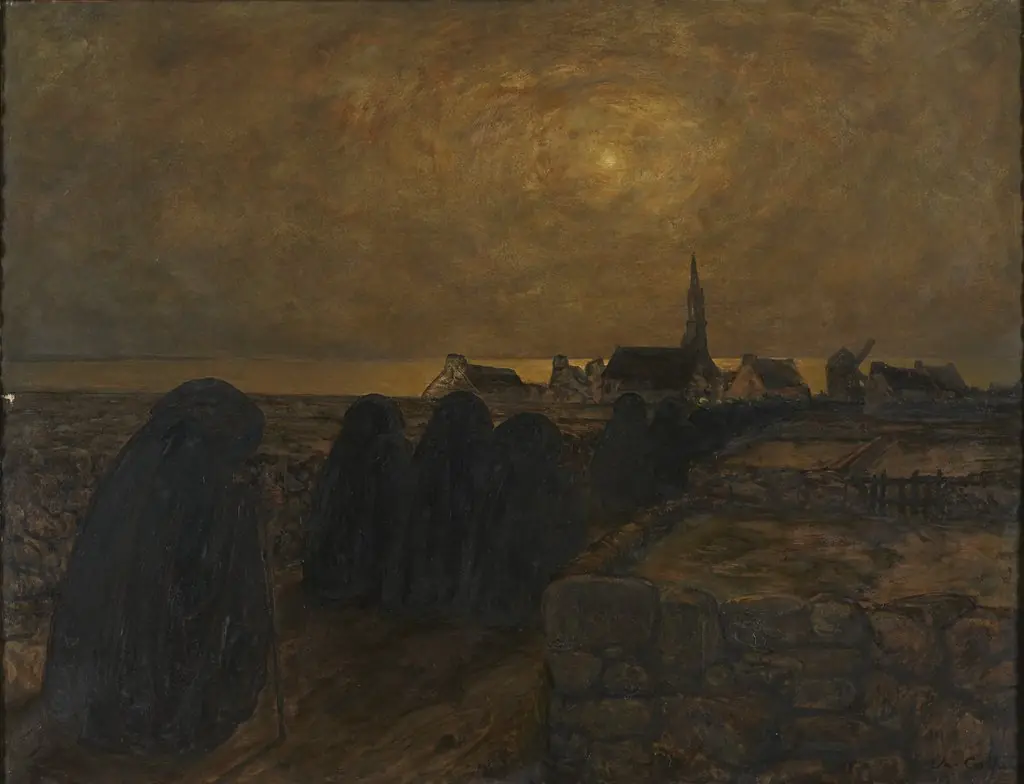 Low Mass
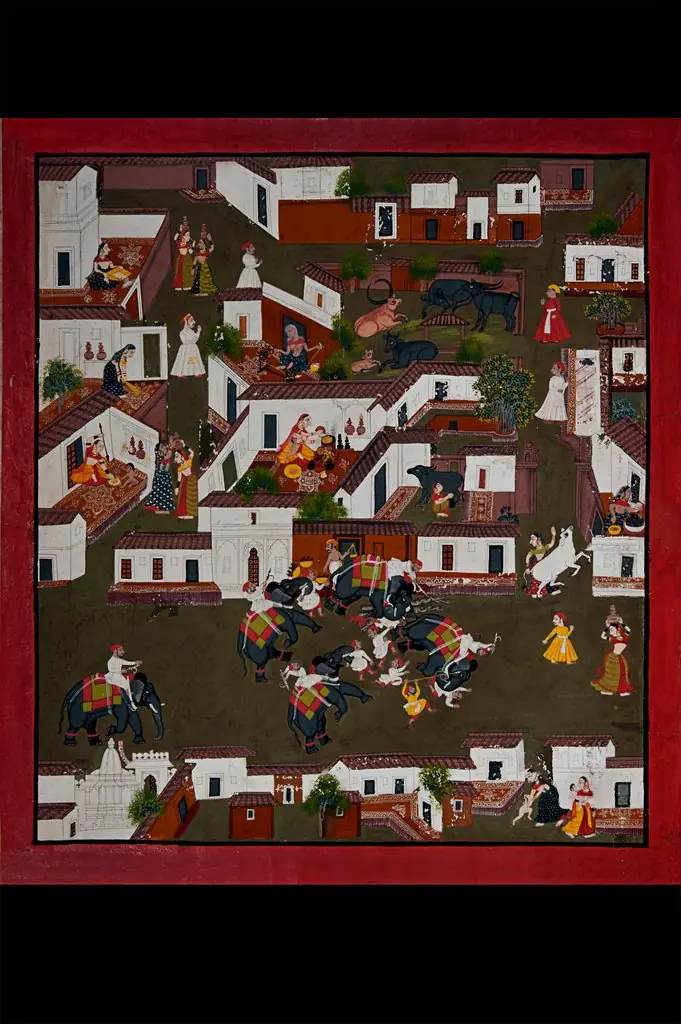 Daily life in a village
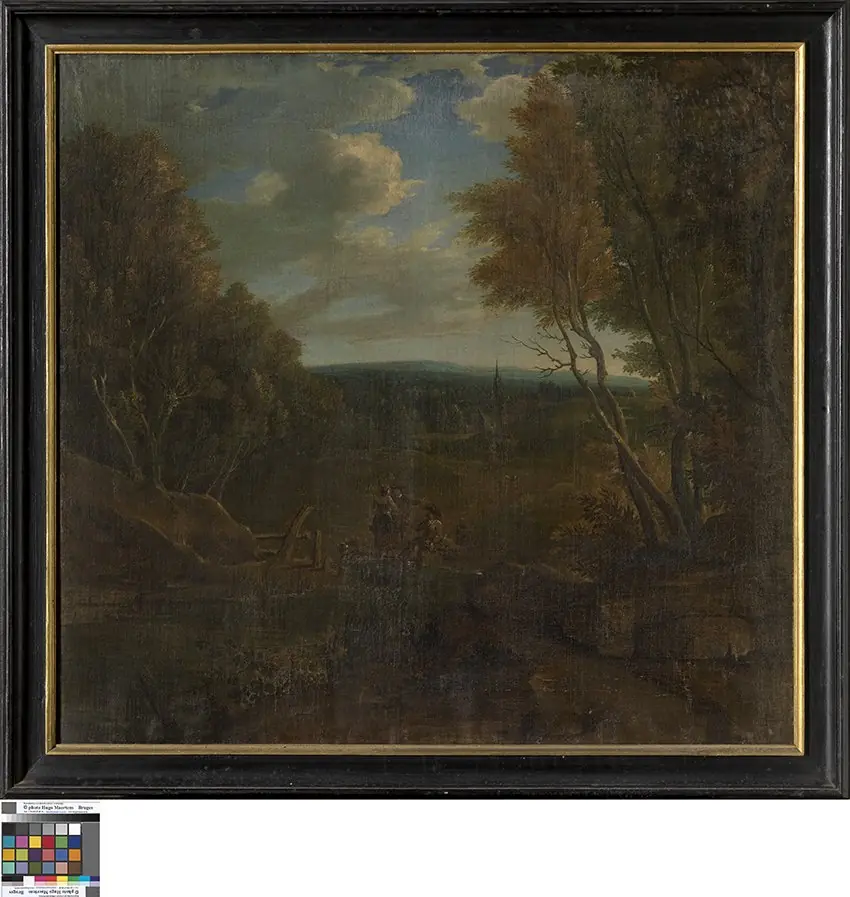 Dorp in een dal
Frequently asked questions
What is Village?
Village is a subject in art. A village is a human settlement or a residential community, larger than a hamlet but smaller than a town; some geographers describe villages as having between 500 and 2,500 inhabitants.
How many Village works does Artifact World Gallery have?
Artifact World Gallery holds 78 public-domain Village works, all free to view and download.
Who are the key Village artists?
Key Village artists in the collection include Jean Baptiste Camille Corot, Albert Bierstadt and Thomas Chambers.
Where can I see Village works?
Village works in the collection are held by Metropolitan Museum of Art, Statens Museum for Kunst and Groeningemuseum.