Artwork
Column VII
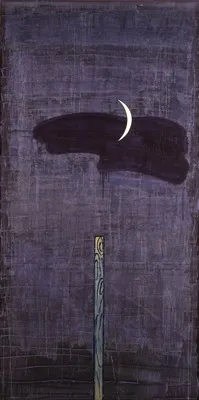
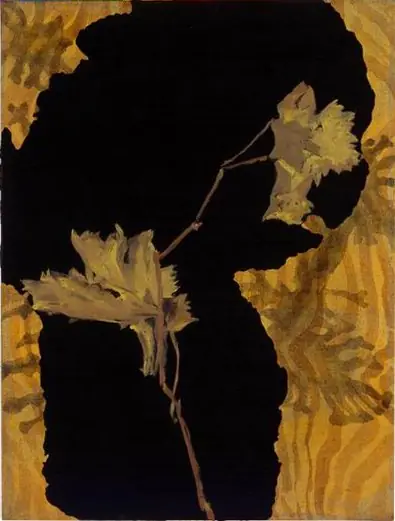
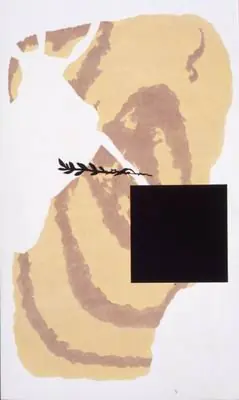
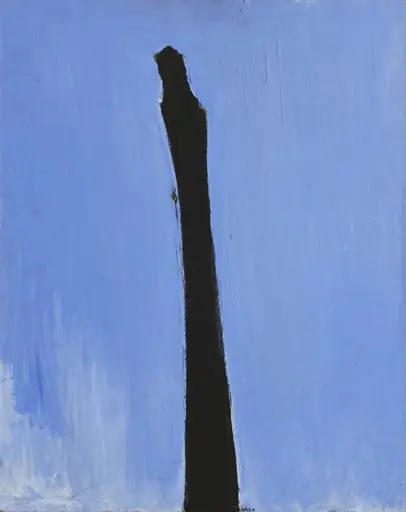
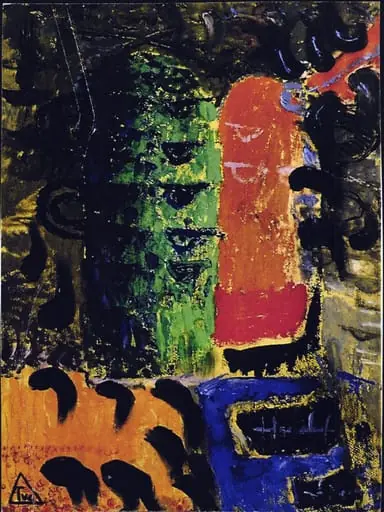
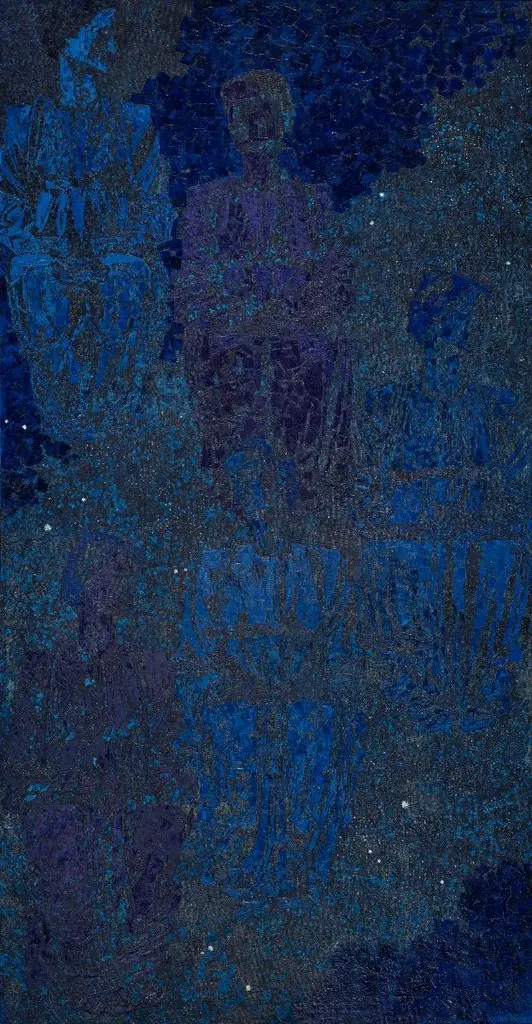
Column VII is an acrylic painting by the Neo Expressionist artist Larry Abramson. It dates from 1994 and is held in the collection of the Israel Museum.
About this work
Overview
Column VII is a 1994 acrylic painting by Israeli artist Larry Abramson, part of the permanent collection at the Israel Museum in Jerusalem.
Column VII is a 1994 acrylic painting by Israeli artist Larry Abramson, part of the permanent collection at the Israel Museum in Jerusalem. The work belongs to a series exploring architectural and symbolic forms through abstraction. Its composition centers on a vertical column, flanked by celestial and occluding shapes, all rendered in restrained tones. The painting avoids narrative clarity, inviting contemplation of form and spatial tension.
Subject & Meaning
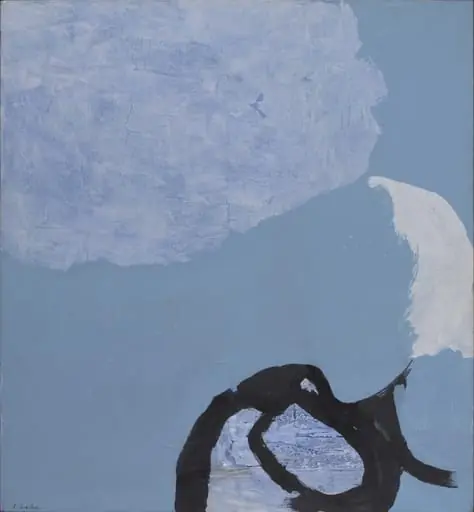
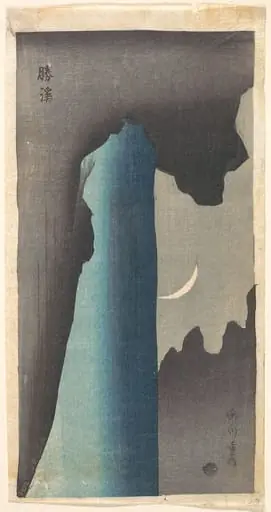
The central column suggests structural or monumental presence, possibly alluding to architectural ruins or spiritual pillars. Above it, a crescent moon hovers, partially veiled by a shadowy form, evoking ambiguity between visibility and concealment. These elements, devoid of literal context, operate as abstract symbols, hinting at memory, loss, or cultural layers without prescribing a single interpretation.
Technique & Style
Abramson employs thick, layered acrylic to build a dense, tactile background with a faint grid beneath the surface. The column and crescent are defined by sharp, geometric edges, contrasting with the irregular, smudged contours of the obscuring shape. Colors remain muted, charcoal, slate, and deep brown, emphasizing texture over hue. The technique balances control and spontaneity, reinforcing the painting’s quiet unease.
History & Provenance
Created in 1994, Column VII entered the Israel Museum’s collection shortly after its completion. It is one of several works from Abramson’s mid-1990s series examining form and memory through minimal abstraction. The museum acquired it as part of its commitment to documenting contemporary Israeli art, preserving its place within a broader national artistic dialogue of the period.
Context
In the 1990s, Israeli artists increasingly turned to abstraction to navigate complex cultural and political identities. Abramson’s work reflects this trend, using geometric forms to suggest historical weight without direct representation. Column VII aligns with regional movements that favored ambiguity over overt symbolism, responding to a society grappling with collective memory and fractured narratives.
Legacy
Column VII remains a significant example of Abramson’s contribution to Israeli abstract painting. Its restrained language and layered composition influenced later artists seeking to convey historical resonance through non-representational means. While not widely exhibited outside Israel, it continues to be referenced in scholarly discussions on post-1980s Israeli art and the evolution of abstraction in the region.
Artist & collection

Artist
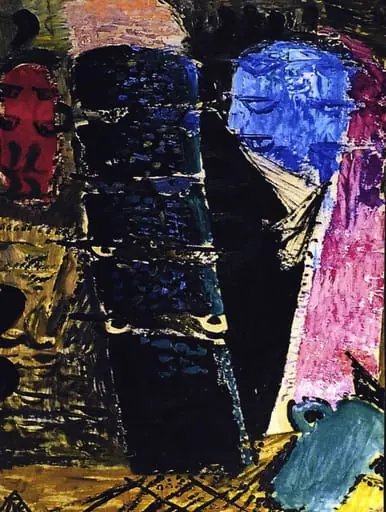
South African painter Larry Abramson’s sharp, geometric shapes play with color and order.