Subject
Painting
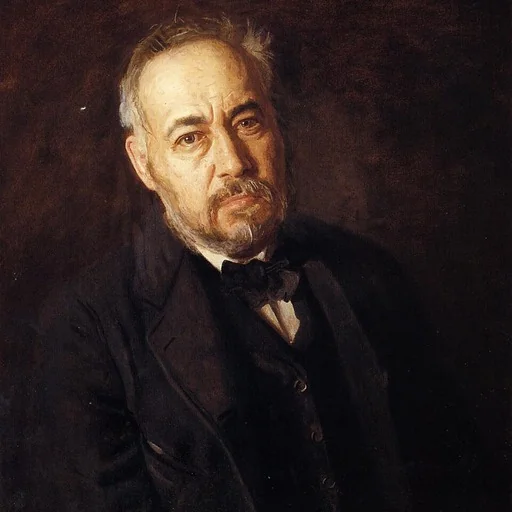
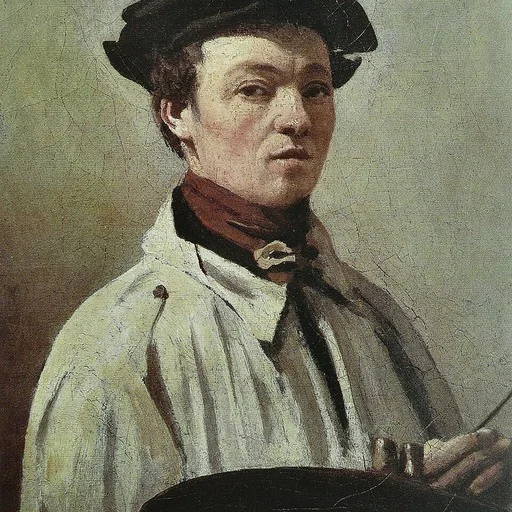
Painting is a subject in art. The gallery holds 200 works in this subject in art, including works by Thomas Eakins, Jean Baptiste Camille Corot and Thomas Cole.
Painting—the application of pigment, color, or other medium to a solid surface, most often with a brush—is among humanity's oldest and most enduring creative practices. Its origins reach deep into the Upper Palaeolithic: the charcoal and red-ochre animal figures of Chauvet Cave in southern France date to roughly 37,000–33,500 years ago, making them the oldest known paintings, while the celebrated bulls and horses of Lascaux were rendered around 17,000–15,000 BCE. From these beginnings the impulse to depict the visible and imagined world spread across every culture, serving ritual, devotional, commemorative, and purely aesthetic ends.
Painting is defined as much by its materials as by its imagery. The Renaissance worked chiefly in three media: fresco for walls and ceilings, egg tempera for panels, and—increasingly after about 1500—oil. The Flemish master Jan van Eyck, though not the inventor of oil paint, was among the first to exploit it fully in the early fifteenth century; its slow drying time allowed gradual tonal transitions, luminous glazes, and meticulous detail impossible in fast-setting tempera. Oil became the favored medium of the late Renaissance and dominated Western painting for centuries, later joined by watercolor, pastel, and, in the twentieth century, acrylics.
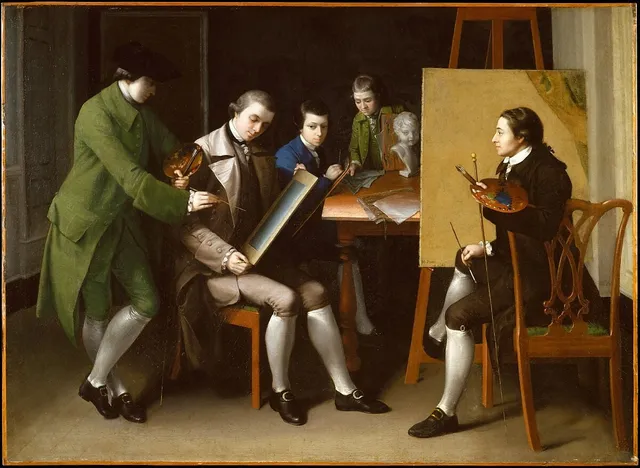
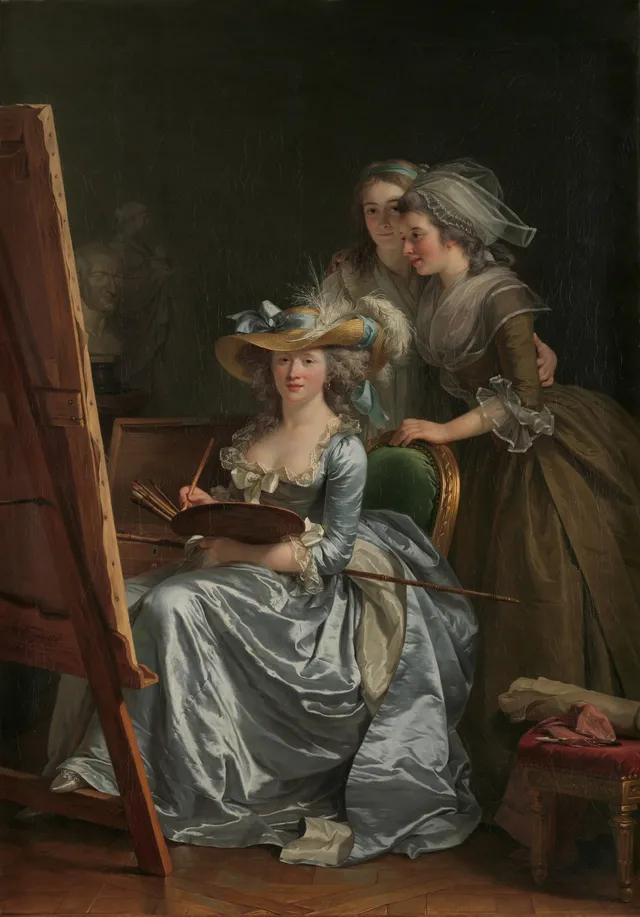
The canon of painting runs from Giotto and the High Renaissance triumvirate of Leonardo da Vinci, Michelangelo, and Raphael through Rembrandt, Velázquez, and beyond. Painting has also repeatedly turned its gaze on itself: Matthew Pratt's The American School (1765) portrays Benjamin West's London studio, and Adélaïde Labille-Guiard's Self-Portrait with Two Pupils (1785), shown to acclaim at the Salon, advocates for women's place in an academy that admitted only four. The nineteenth century yielded both the polished academicism of Jean-Léon Gérôme's Pygmalion and Galatea (1890), drawn from Ovid, and the Romantic American landscape of Thomas Cole's View from Mount Holyoke… The Oxbow (1836), the founding statement of the Hudson River School.
Painting's influence is inseparable from the broader history of art. It gave rise to and absorbed successive movements—Baroque, Neoclassicism, Romanticism, Realism, Impressionism—and, confronted by photography in the nineteenth century, increasingly pursued abstraction and pure form in the twentieth. Across mural, panel, and canvas, it remains the medium against which other visual arts continue to measure themselves.
Key artists
Overview
Painting is a visual art form defined by the practice of applying paint, pigment, color, or other medium to a solid surface, typically with a brush though other implements may be used. The term encompasses both the act of creating and the resulting artwork itself. As a fundamental mode of artistic expression, painting integrates drawing, composition, gesture, narration, and abstraction, and can range from naturalistic and representational to photographic, abstract, narrative, symbolist, emotive, or political in character. The medium holds a central place in art history, with the oldest known examples dating more than 40,000 to 60,000 years ago in the caves of Maros, Sulawesi, Indonesia. Recent discoveries have pushed back the timeline even further: cave art of a pig in Sulawesi dated to over 45,500 years ago, and anthropomorphic figures interacting with a pig at Leang Karampuang, published in Nature in July 2024, established at approximately 51,200 years old, now represent the oldest known paintings in the world. The invention of photography in 1829 profoundly altered painting's role, depriving it of its documentary function and spurring movements from Impressionism to Dadaism that challenged Renaissance conventions. Yet painting has persisted, and in the 21st century its vitality and versatility continue to defy predictions of its demise.
Iconography & meaning
The iconography of painting as a subject in art carries multiple layers of meaning. At its most fundamental, painting represents the artist's craft and the creative act itself, making it a frequent subject for self-reflexive works that explore the nature of art-making. The materials of painting, pigment, binder, and support, carry symbolic weight: pigments historically derived from plants, semi-precious stones, and earths connected the artist to the natural world, while the transformation of these raw materials into enduring images suggested alchemical or even divine creation. Color itself functions as a core element of meaning, composed of hue, saturation, and value, with psychological and cultural associations that vary across societies, black signifying mourning in Western cultures while white does so in Eastern traditions. The subject of painting also appears as a metonym for knowledge, collection, and cultural prestige, particularly in works depicting galleries, studios, and the act of viewing art. The Feminist art movement, beginning in the 1960s during the second wave of feminism, additionally invested the subject with political significance, using it to claim equal rights and opportunities for female artists and to challenge the male-dominated history of the medium.
Across movements & periods
The treatment of painting as a subject has evolved significantly across movements, periods, and cultures. In prehistoric contexts, painting served ritual and communicative functions, with hand stencils and geometric shapes giving way to figurative narrative by at least 51,200 years ago in Sulawesi. Ancient Egyptian panel paintings on plastered wood and Greek easel paintings from the fourth century BCE established the portable artwork as a distinct form. Byzantine mosaic panels in the tenth century expanded the technical possibilities, while medieval European practice encompassed panel paintings, ivory, and embroidered works. The fourteenth century marked a decisive shift in Europe as painting on panel became generalized as an independent, movable decorative support, distinct from tapestry or mural painting. The sixteenth century saw the emergence of the first systematic collectors and dedicated cabinets. The development and rapid spread of oil painting in the fifteenth and sixteenth centuries transformed the concept of the painting as an autonomous artwork. Western art history long privileged oil on canvas or wood panel, often classifying works on paper as drawings regardless of medium, a bias that excluded traditional Eastern painting on paper or silk. Eastern and African painting maintained long histories of stylization that did not undergo the equivalent rupture caused by photography in the West. The late nineteenth and early twentieth centuries saw movements from Impressionism to Cubism and Dadaism challenge Renaissance worldviews, while modern and contemporary art has moved from craft and documentation toward concept, without diminishing painting's continued practice. Today, pluralism prevails, with no consensus on a representative style.
Legacy
The legacy of painting as a subject in art extends from its prehistoric origins to contemporary practice, continually renewed by technological, social, and conceptual shifts. The challenge of photography, which emerged after 1829, ultimately liberated painting from documentary obligation, enabling the explosive formal innovations of modernism. The Feminist art movement of the 1960s reclaimed painting as a site of political struggle and gendered analysis, ensuring that the medium's history would be critically re-examined. The persistence of painting in the 21st century, despite recurrent pronouncements of its death, testifies to its adaptability and enduring capacity to engage fundamental questions of perception, materiality, and meaning. In the collection, the 218 works that take painting as their subject constitute a significant corpus for studying how artists have represented their own medium across centuries, from the grand statement of landscape to the intimate interior, from self-portraiture to the celebration of patronage and collection. The subject of painting thus remains indispensable to understanding art's history, not merely as a record of what was made, but as a continuous reflection on how and why images are produced, valued, and experienced.
Works
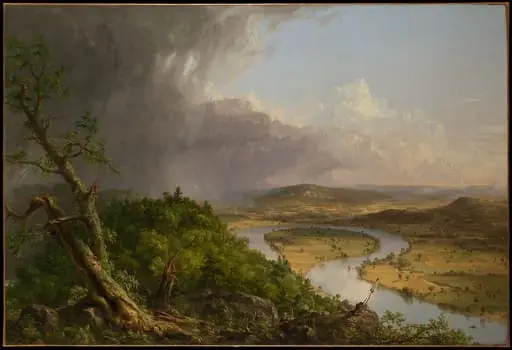 View from Mount Holyoke, Northampton, Massachusetts, after a Thunderstorm—The Oxbow
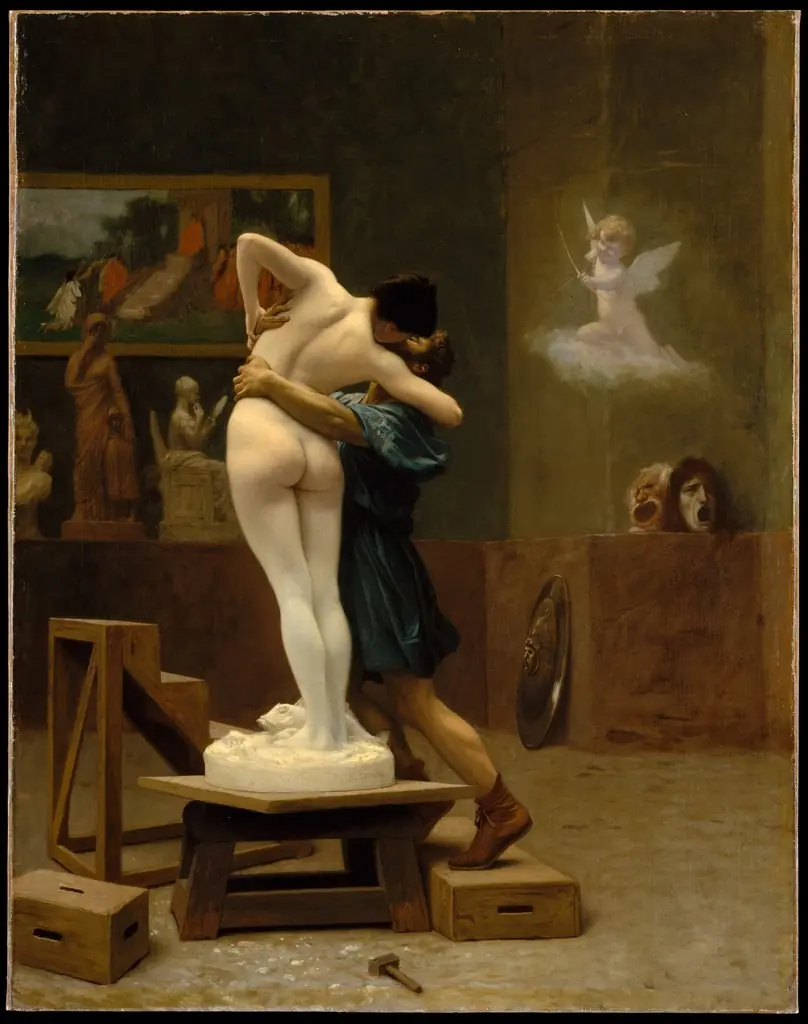 Pygmalion and Galatea
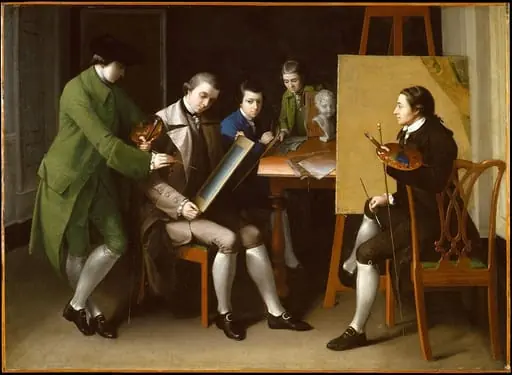 The American School
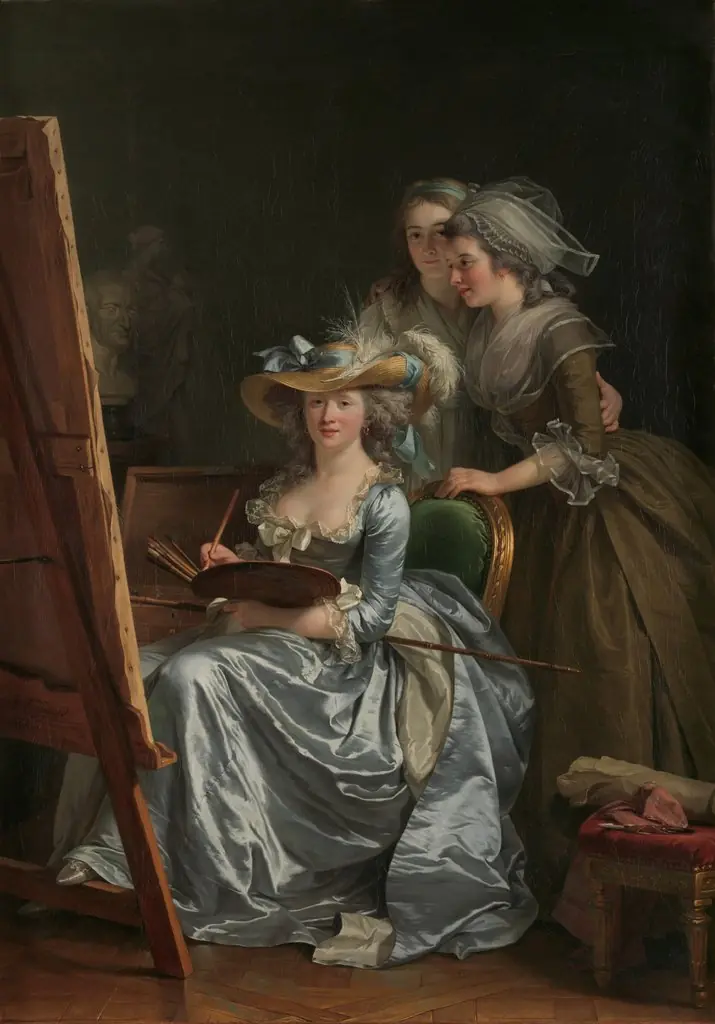 Self-Portrait with Two Pupils
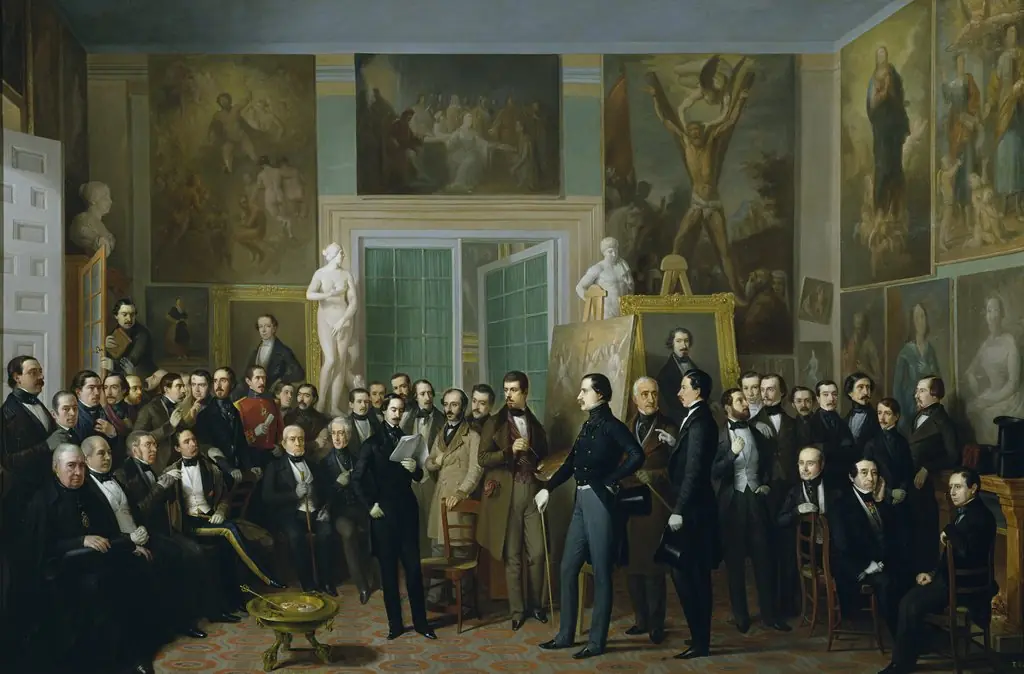 The Contemporary Poets. A Reading of Zorrilla in the Artist's Studio
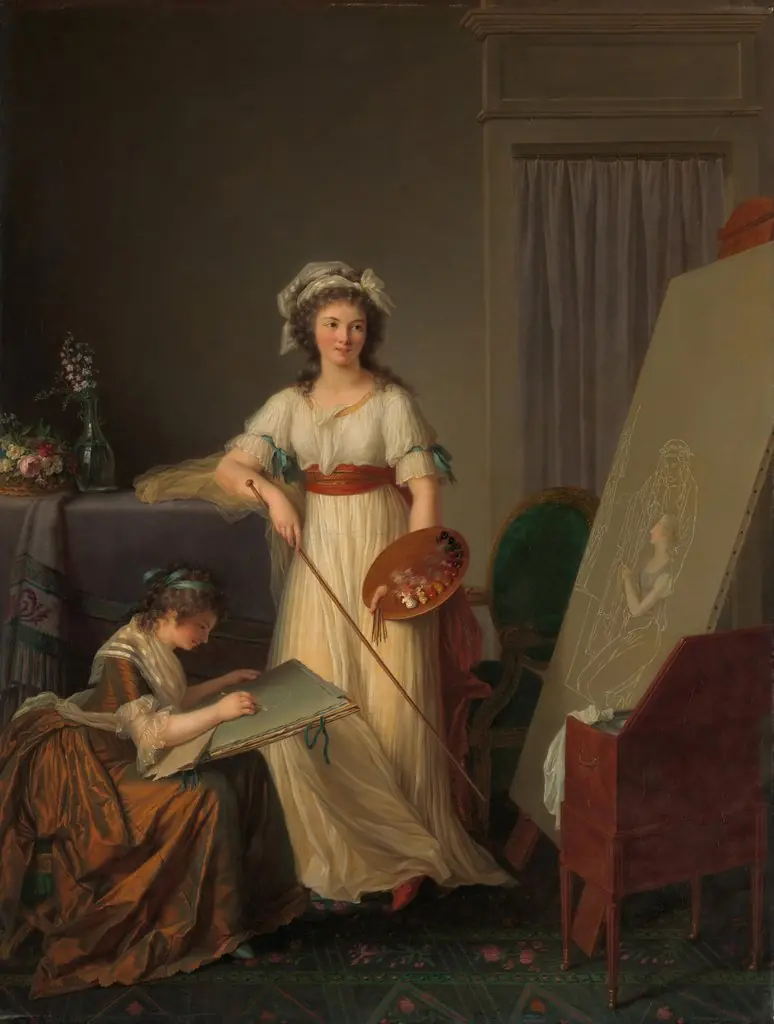 The Interior of an Atelier of a Woman Painter
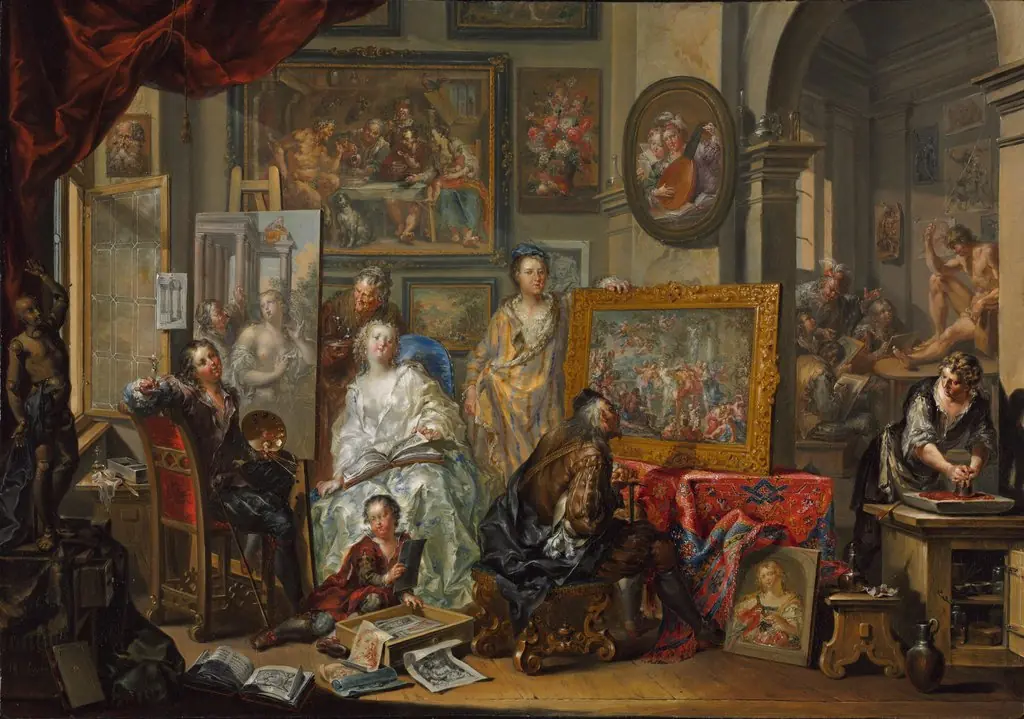 The Artist's Studio
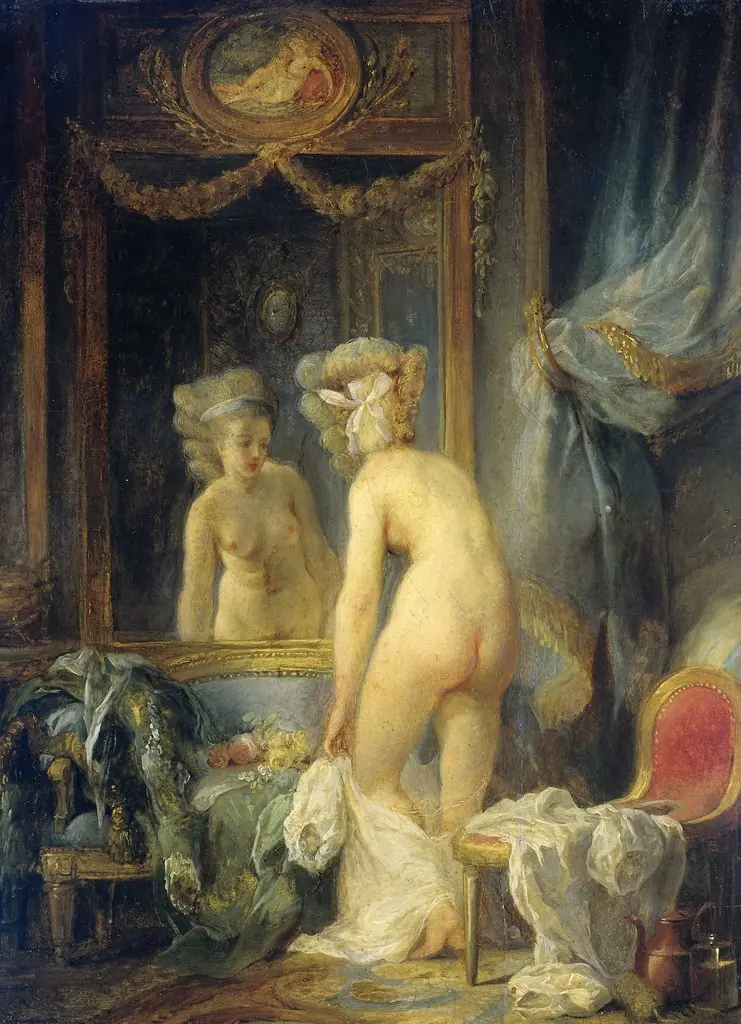 Morning Toilet
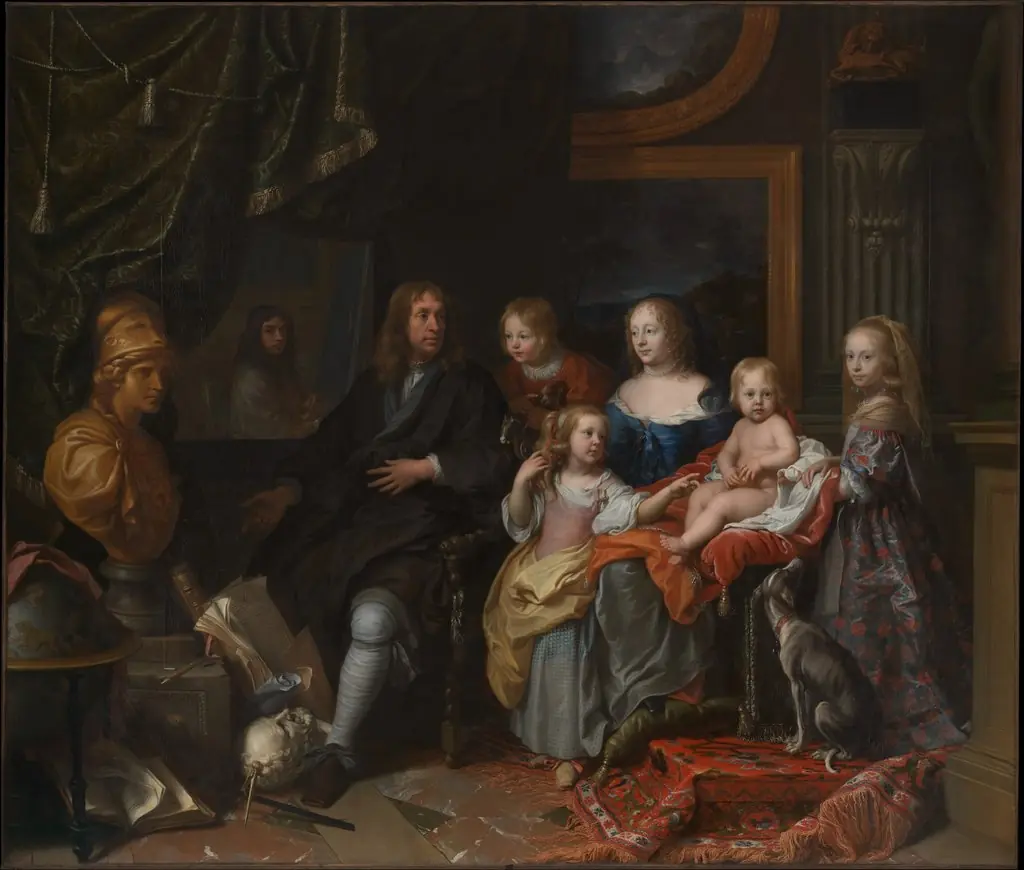 Everhard Jabach (1618–1695) and His Family
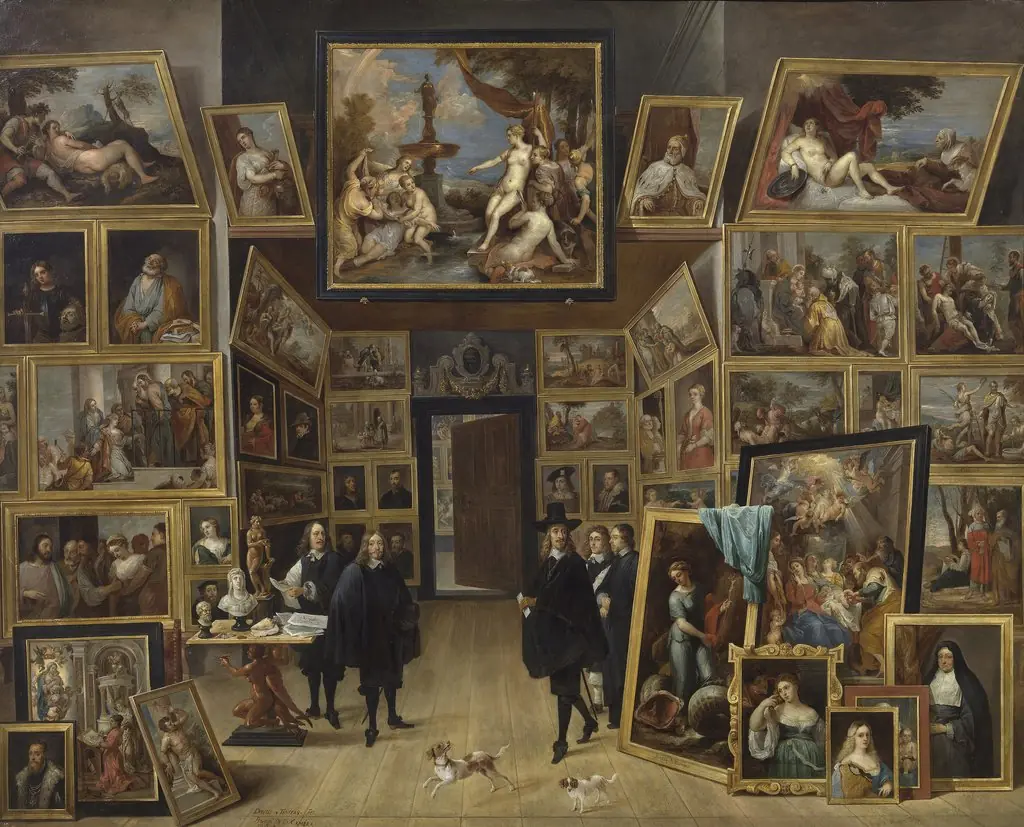 Archduke Leopold Wilhelm in his Gallery
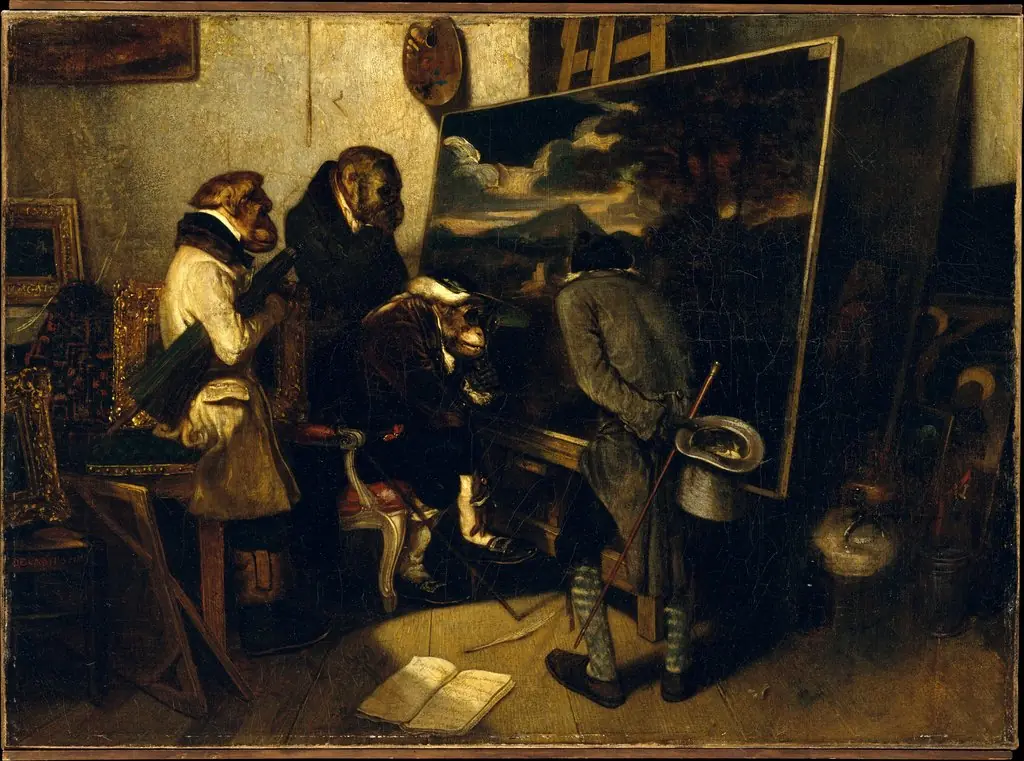 The Experts
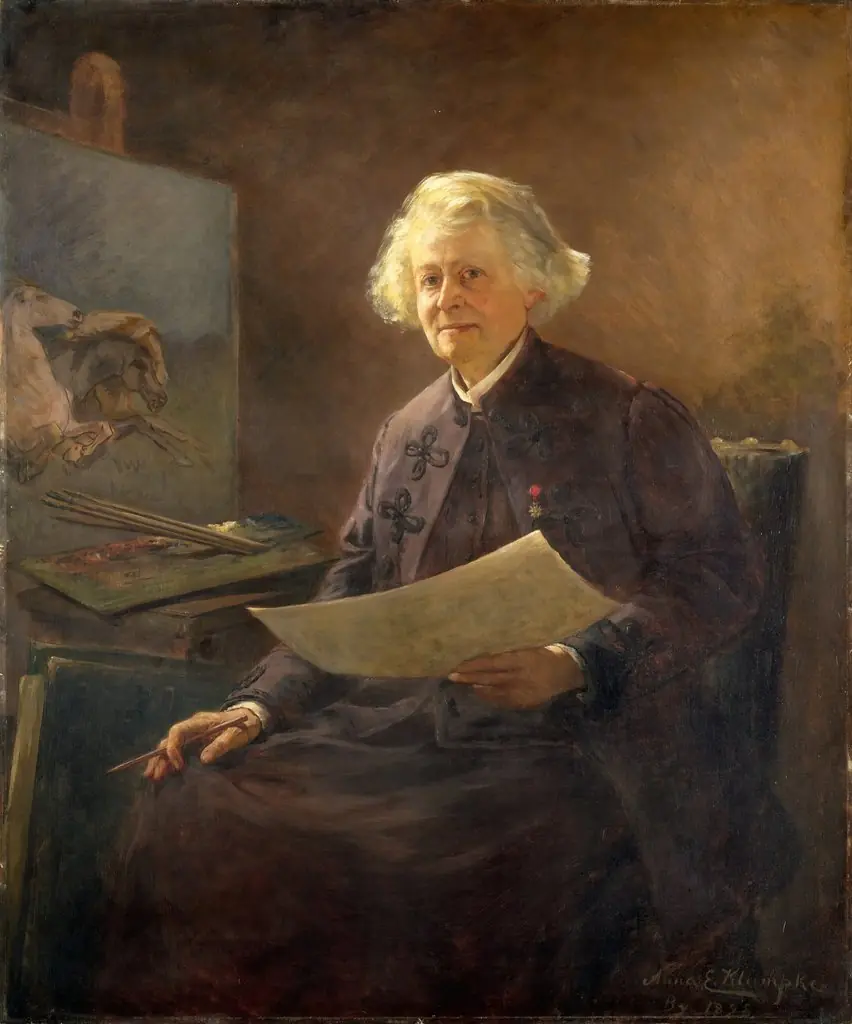 Rosa Bonheur
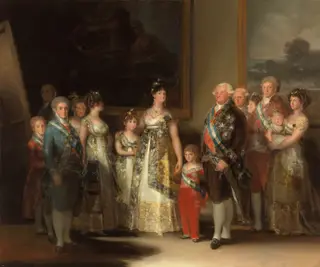 Charles IV of Spain and His Family
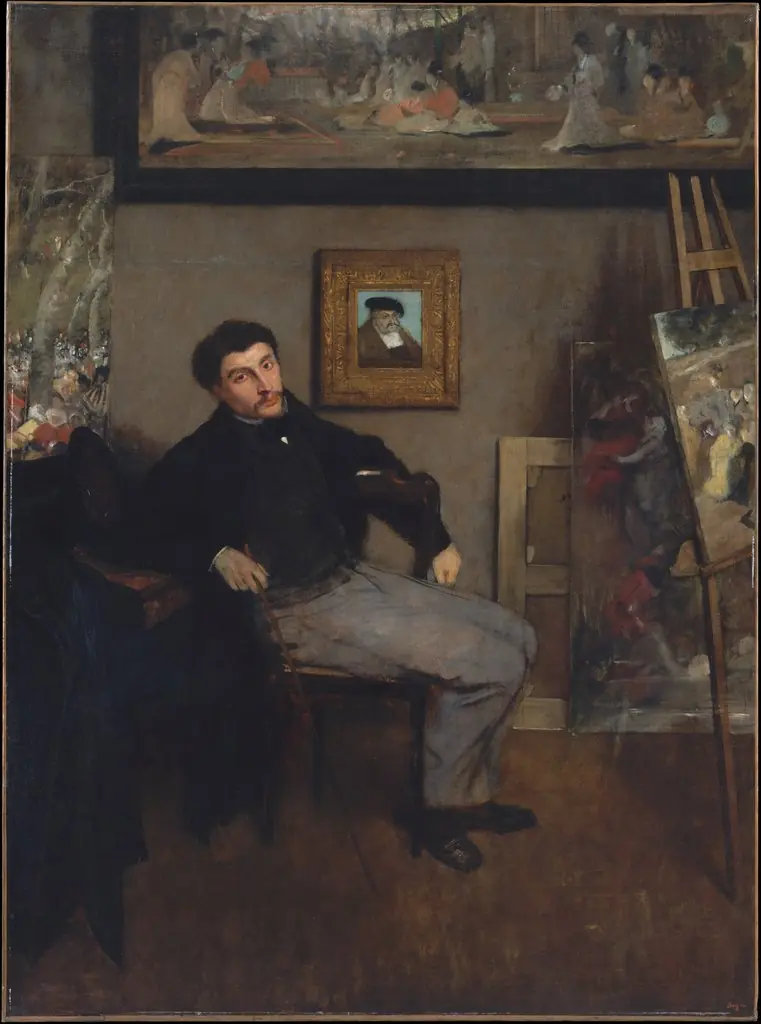 James-Jacques-Joseph Tissot (1836–1902)
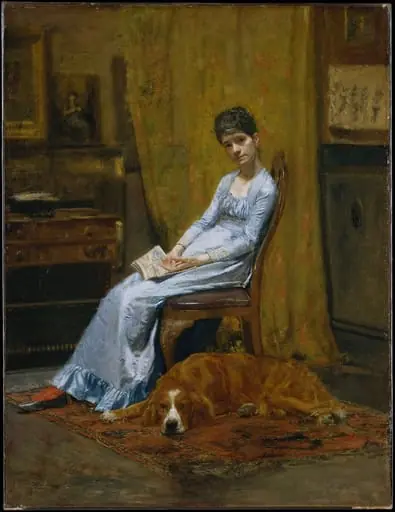 The Artist's Wife and His Setter Dog
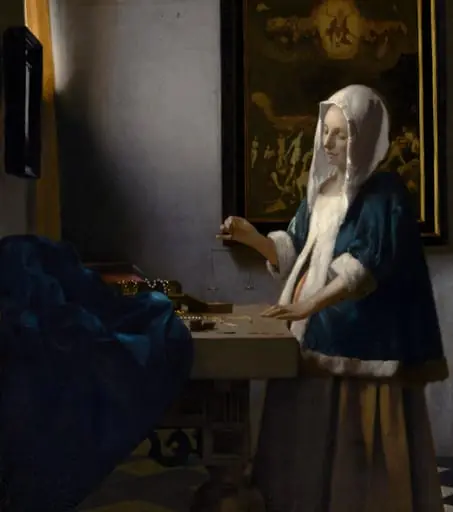 Woman Holding a Balance
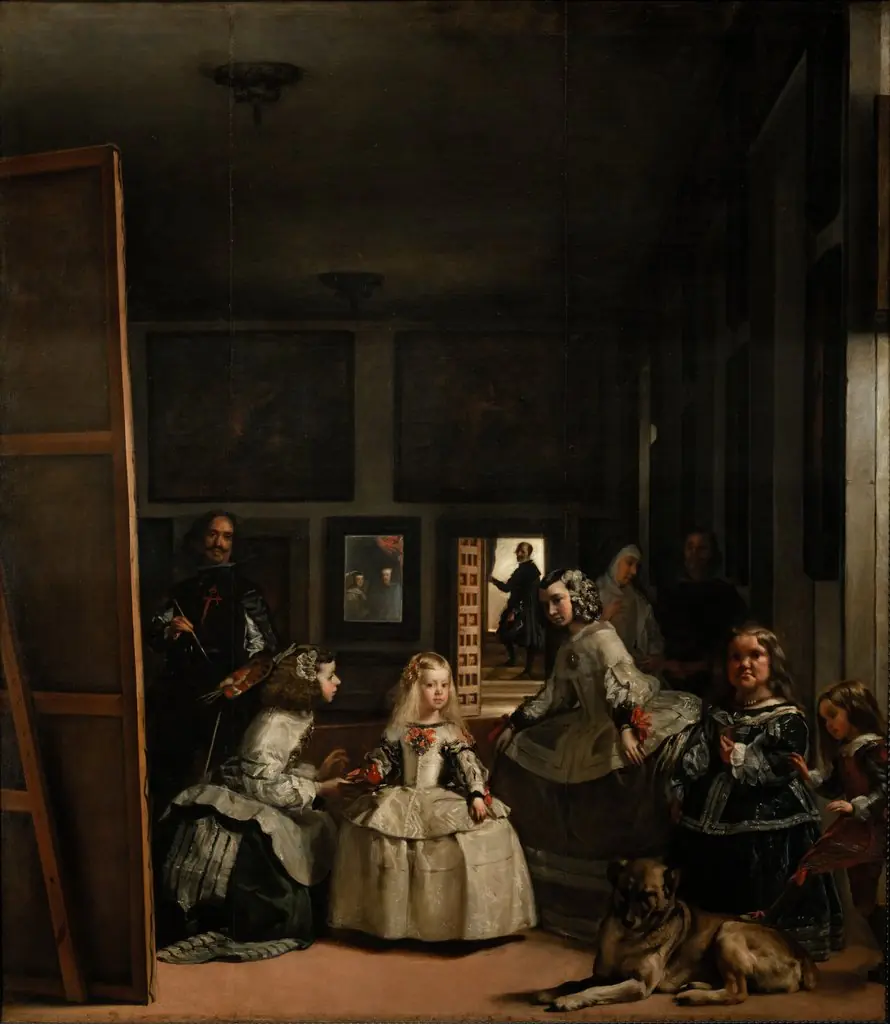 Las Meninas
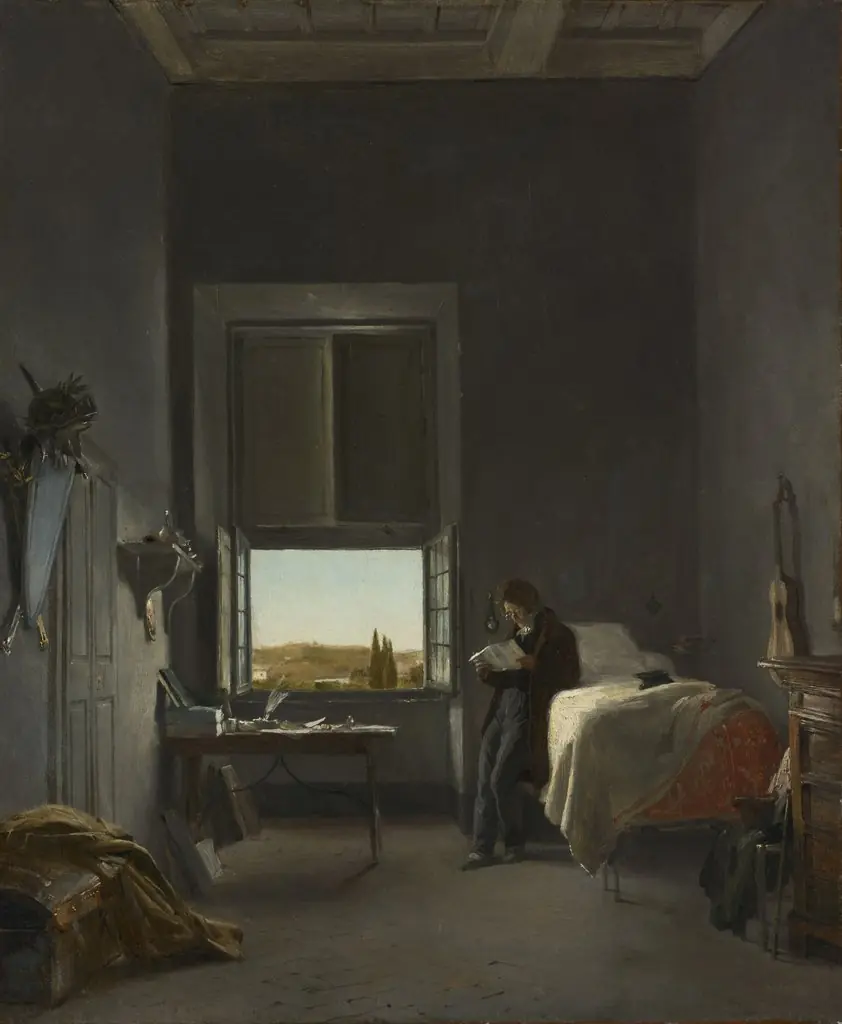 The Artist in His Room at the Villa Medici, Rome
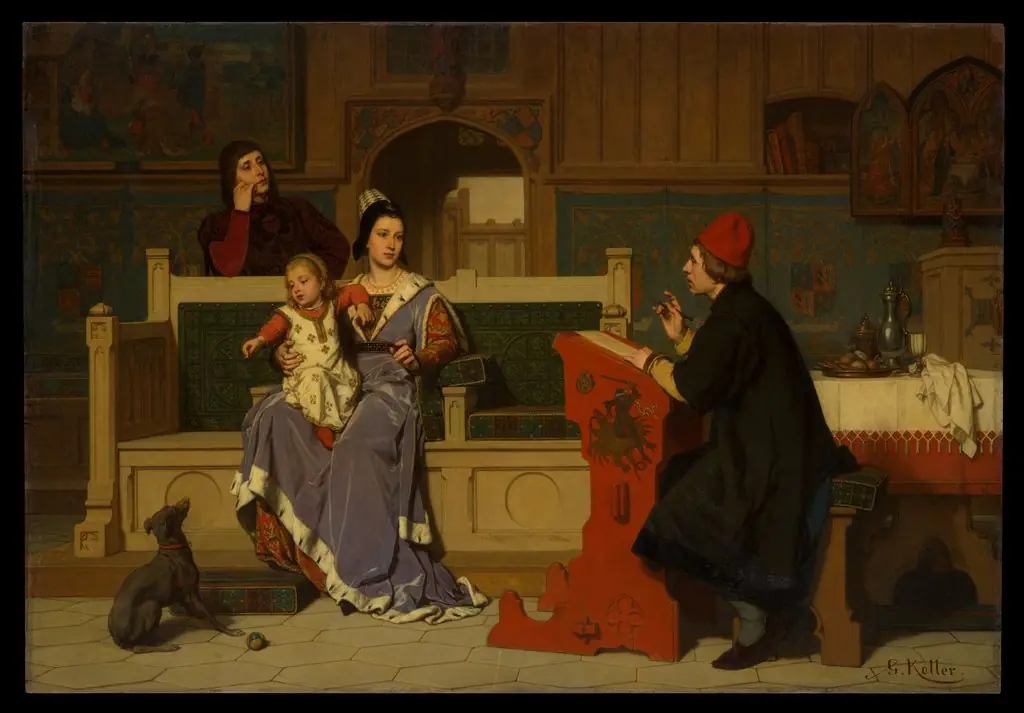 Hugo van der Goes Painting the Portrait of Mary of Burgundy
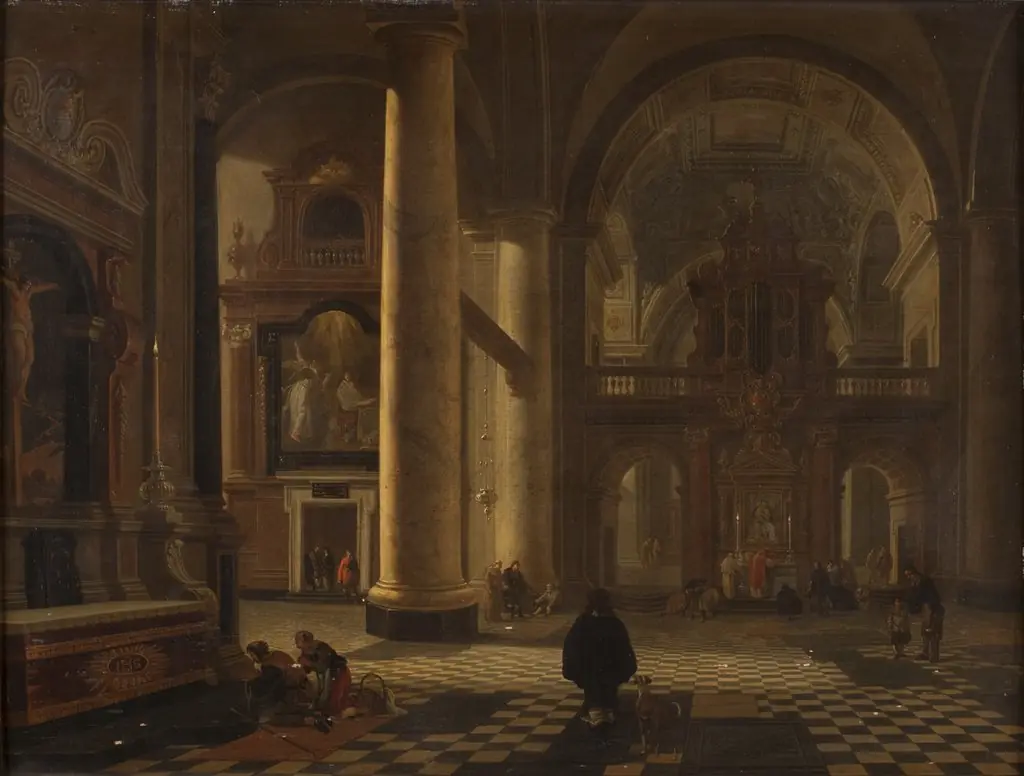 Interior of a Catholic Church
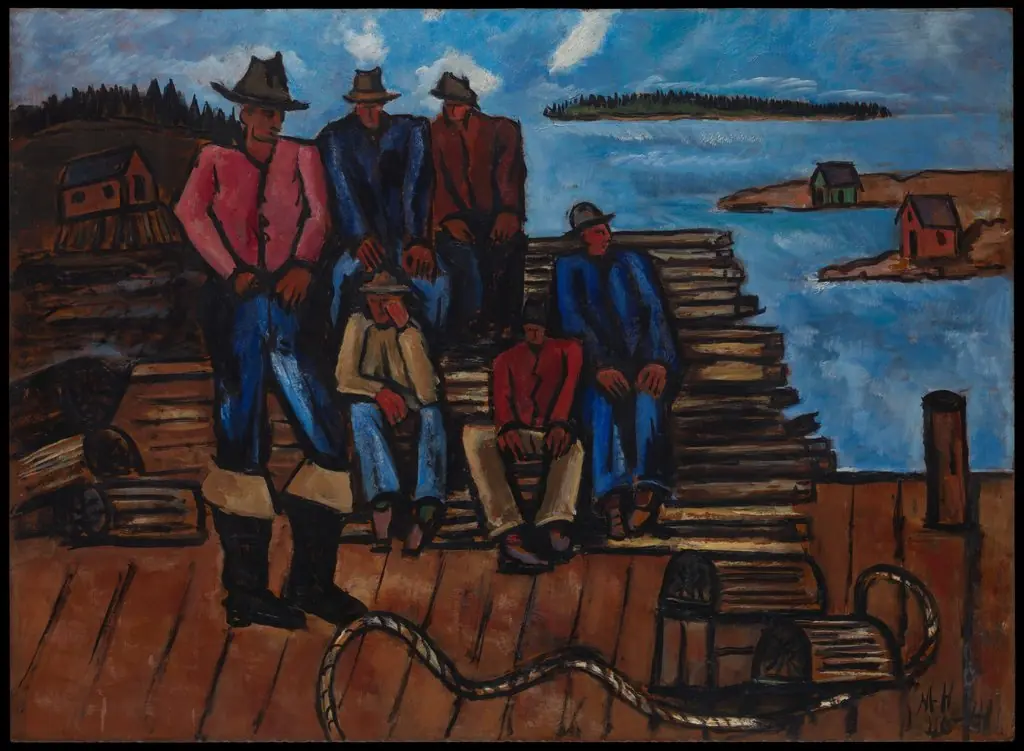 Lobster Fishermen
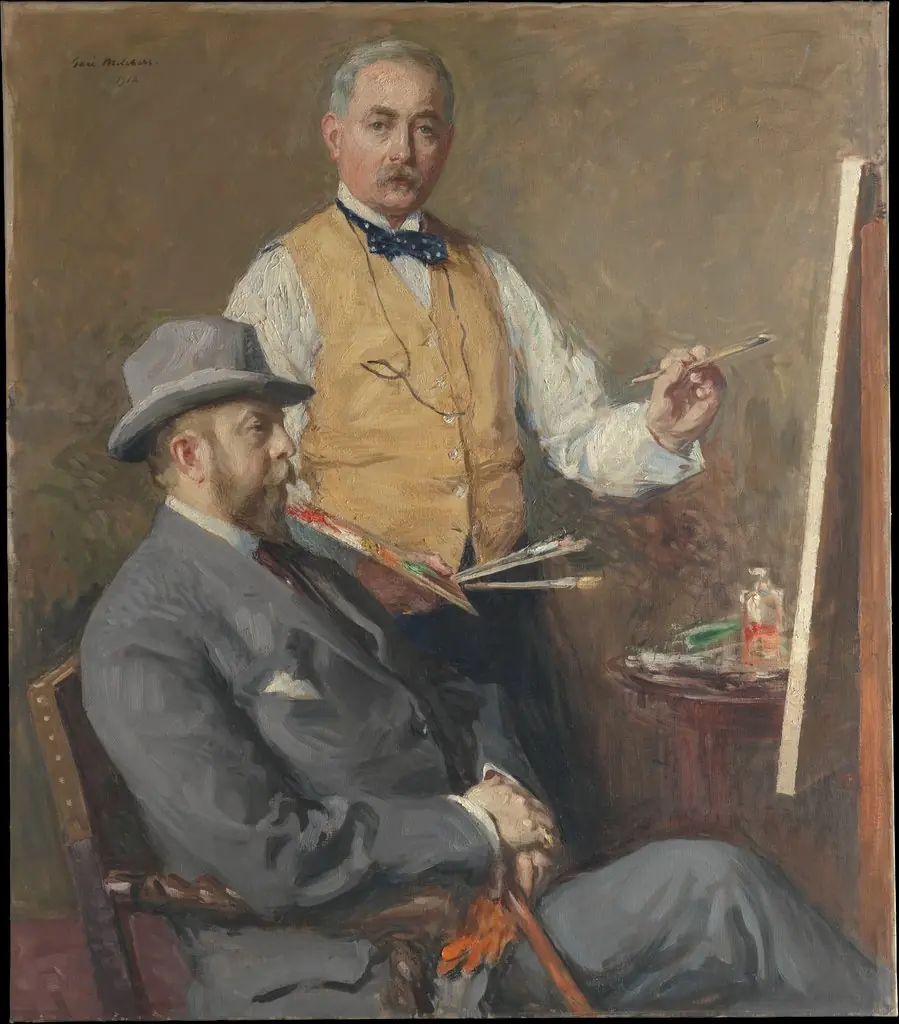 In the Studio (Gari Melchers and Hugo Reisinger)
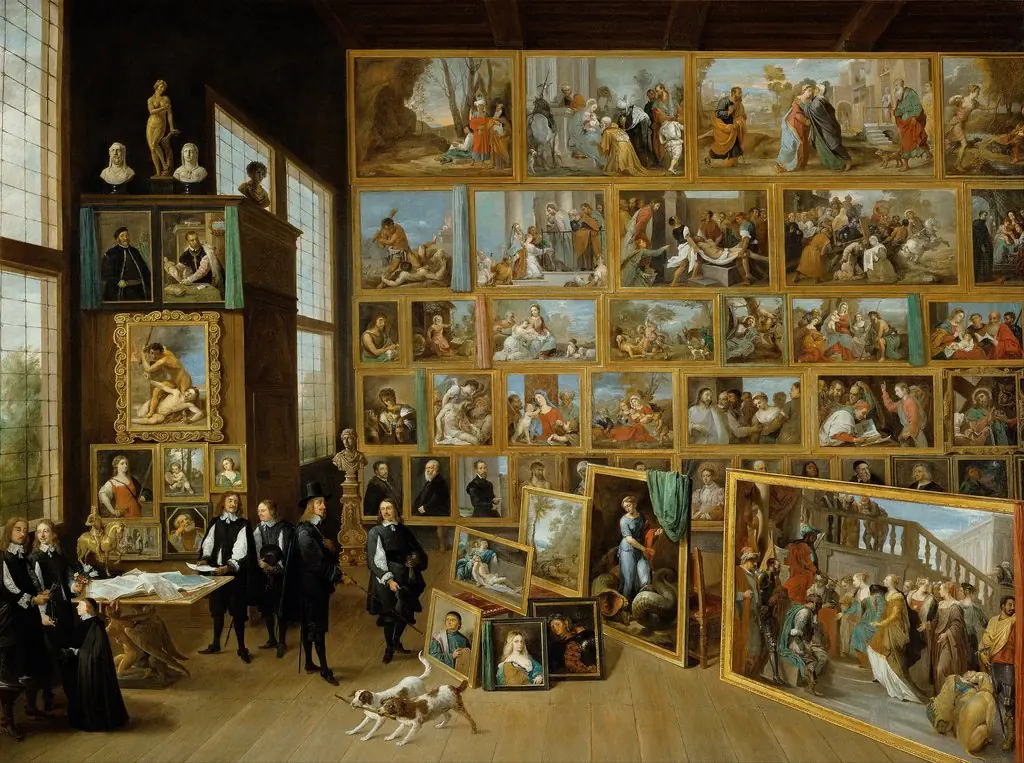 Archduke Leopold Wilhelm in his Gallery in Brussels
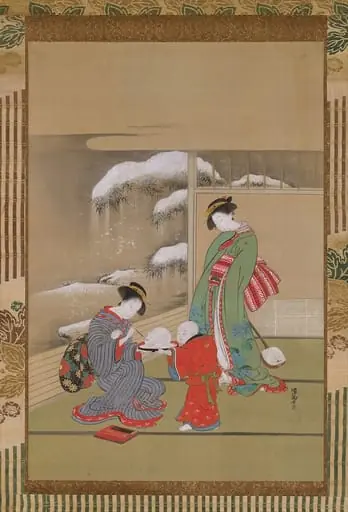 雪兎図|Painting the Eyes on a Snow Rabbit
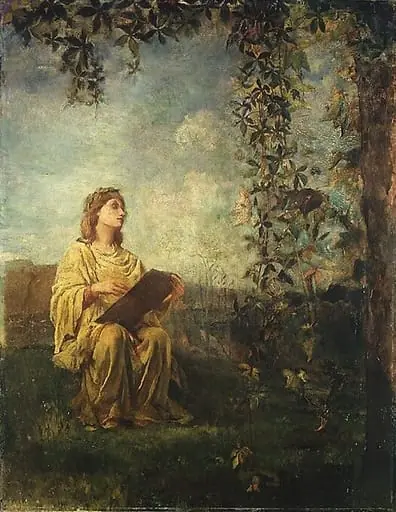 The Muse of Painting
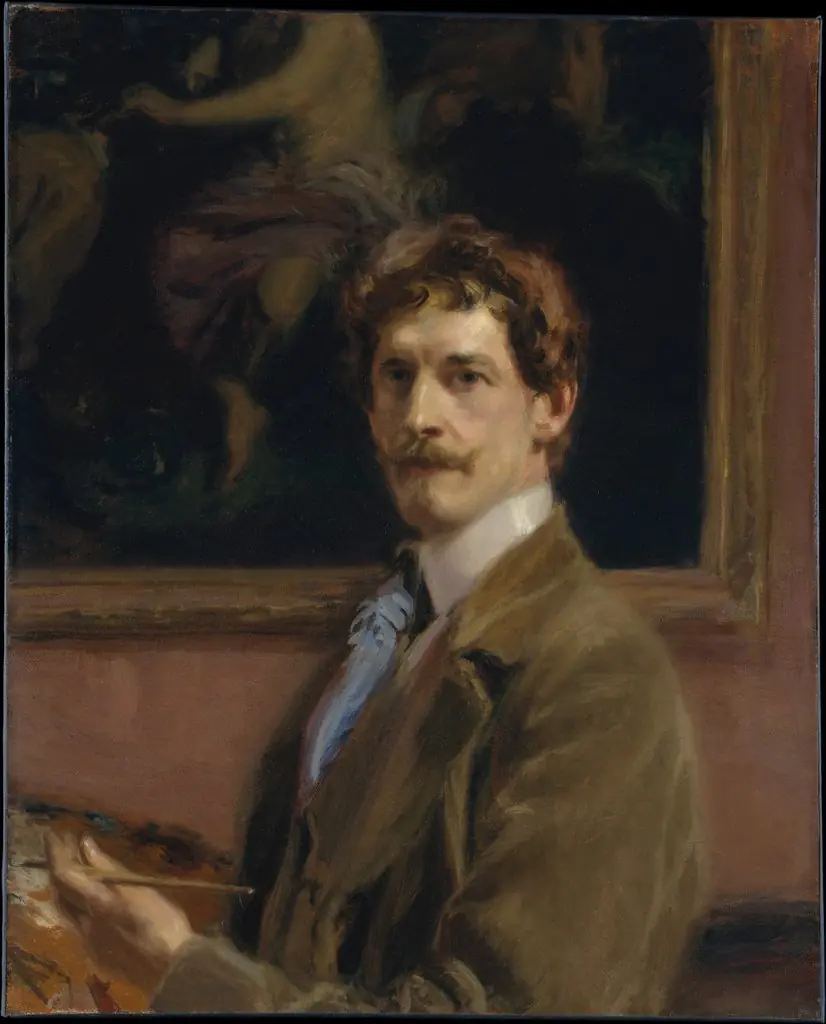 Self-portrait
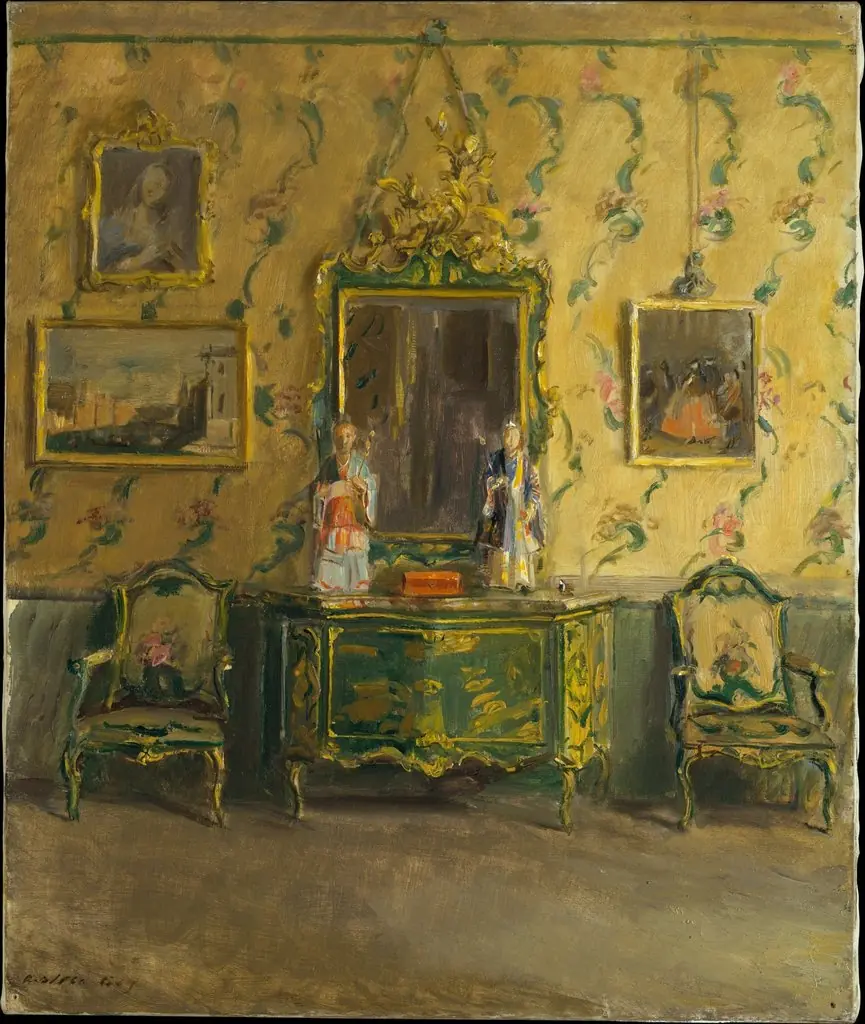 The Green Lacquer Room, Museo Correr, Venice
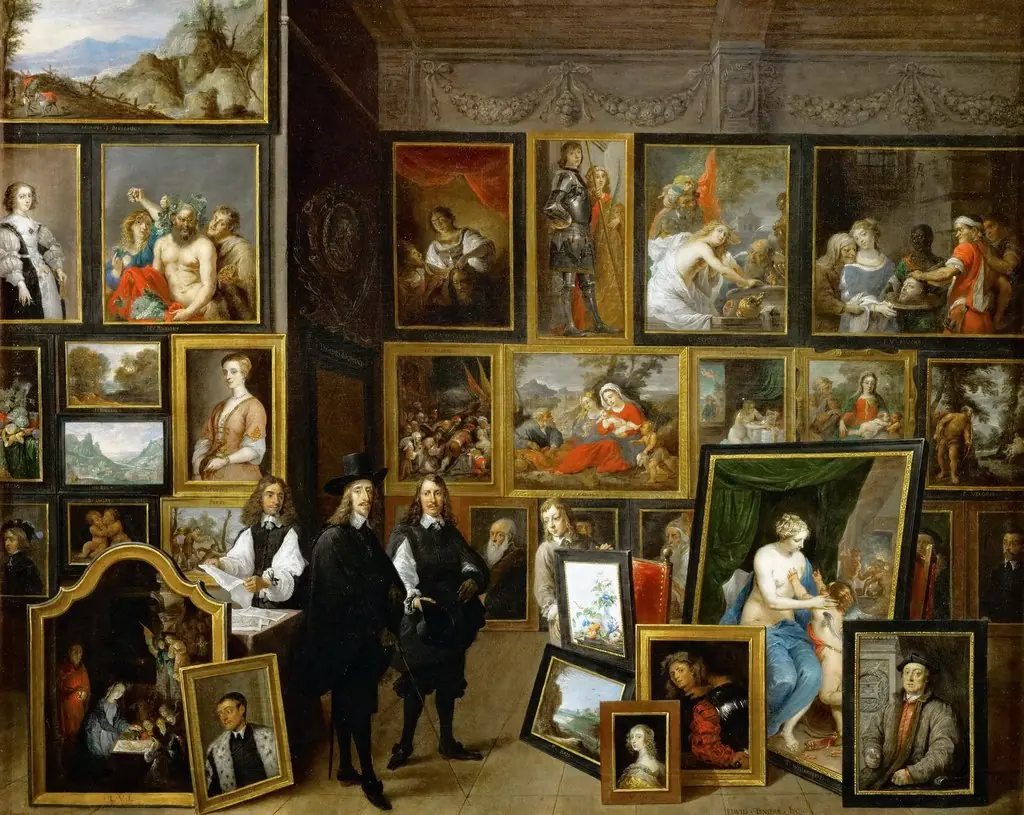 Archduke Leopold Wilhelm in his Gallery in Brussels
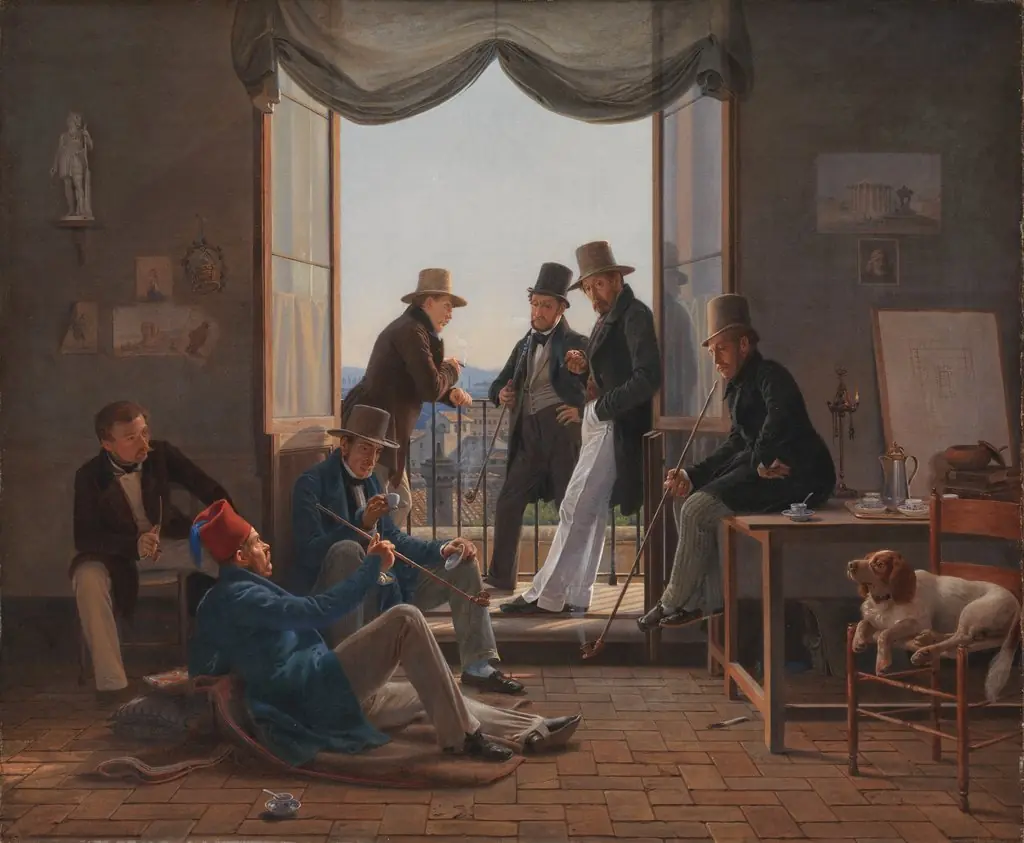 A Group of Danish Artists in Rome
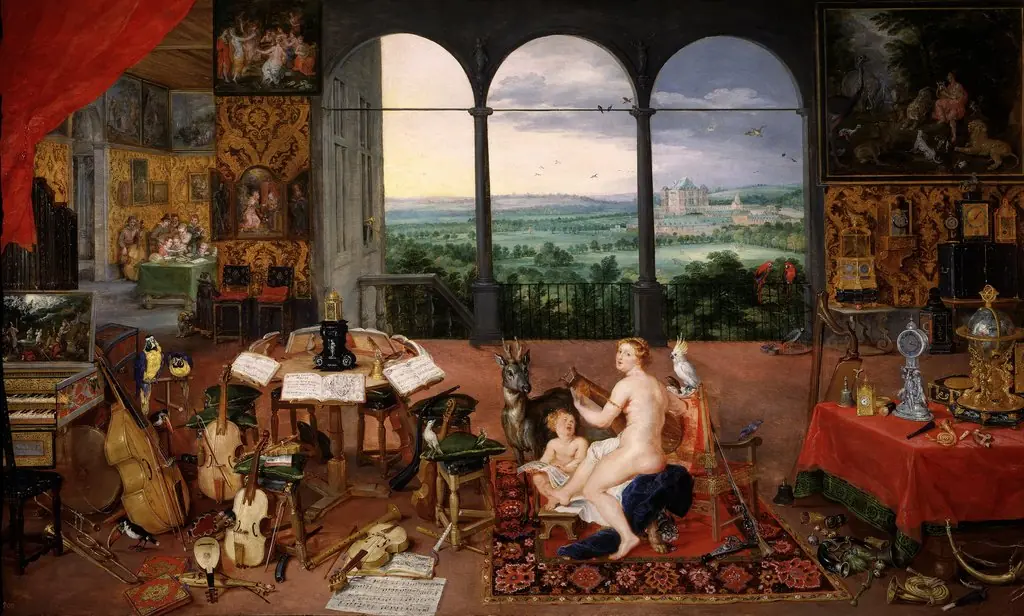 Hearing
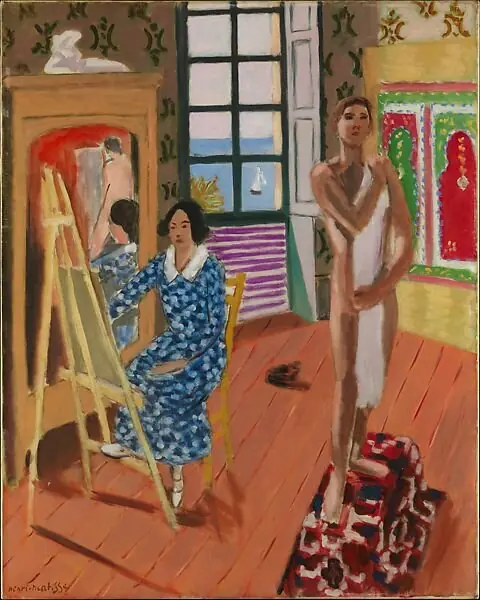 The Three O'Clock Sitting
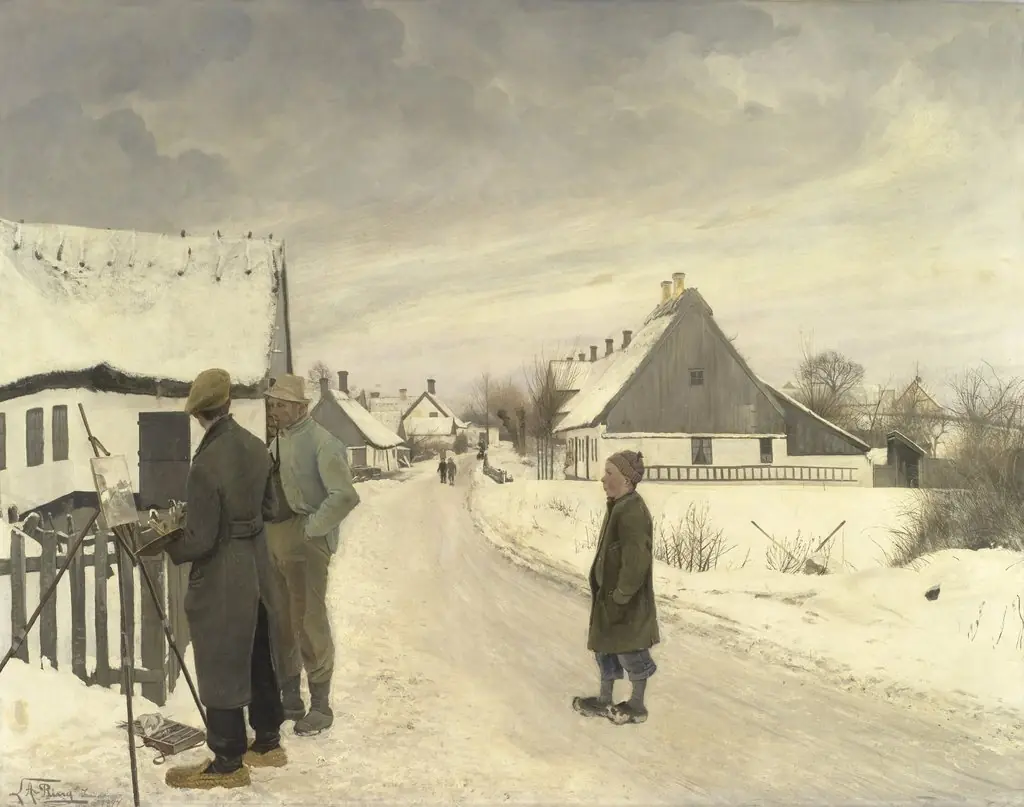 The Painter in the Village
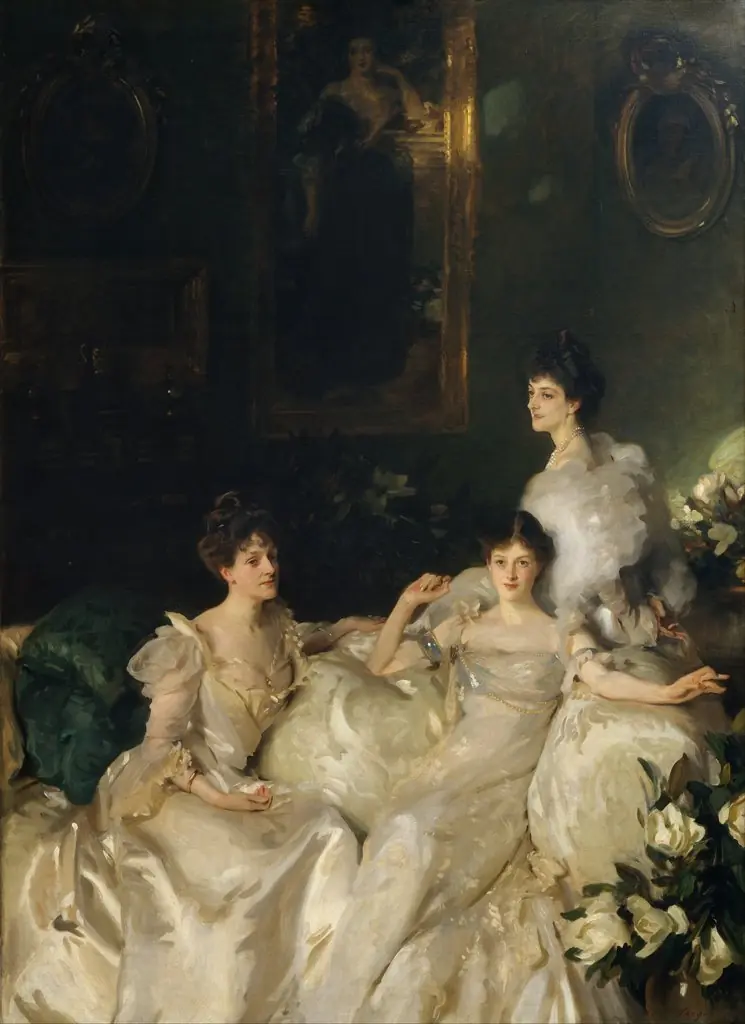 The Wyndham Sisters: Lady Elcho, Mrs. Adeane, and Mrs. Tennant
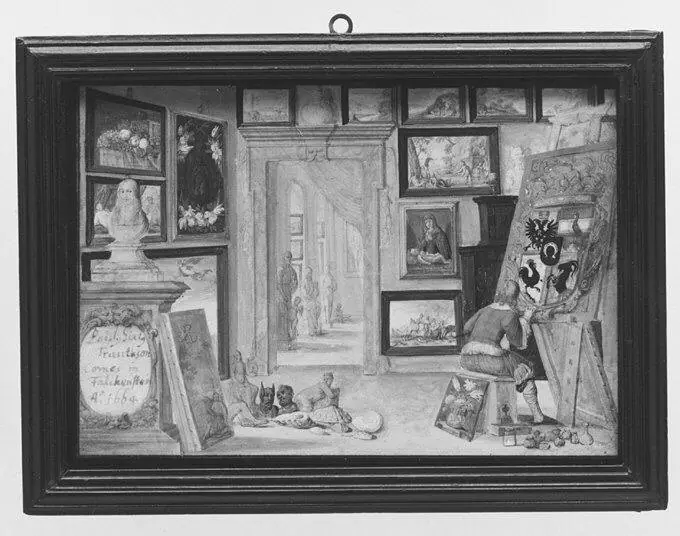 An Artist Painting a Heraldic Shield in a Cabinet of Curiosities
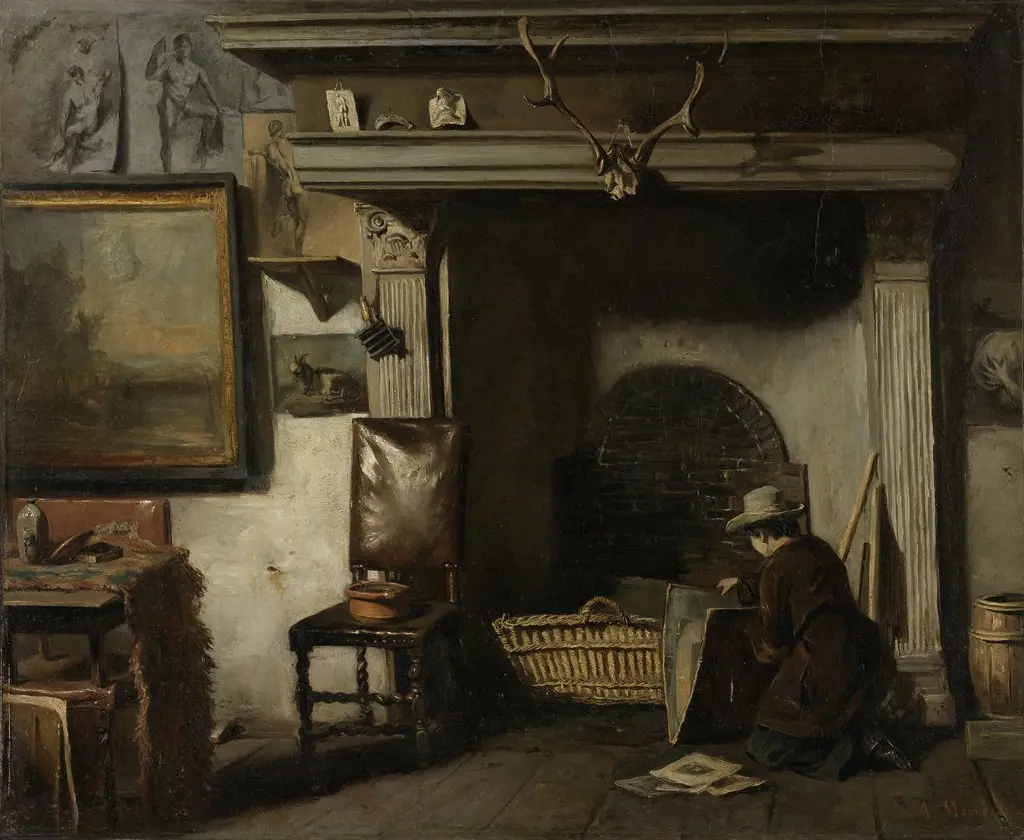 The Studio of the Haarlem Painter Pieter Frederik van Os
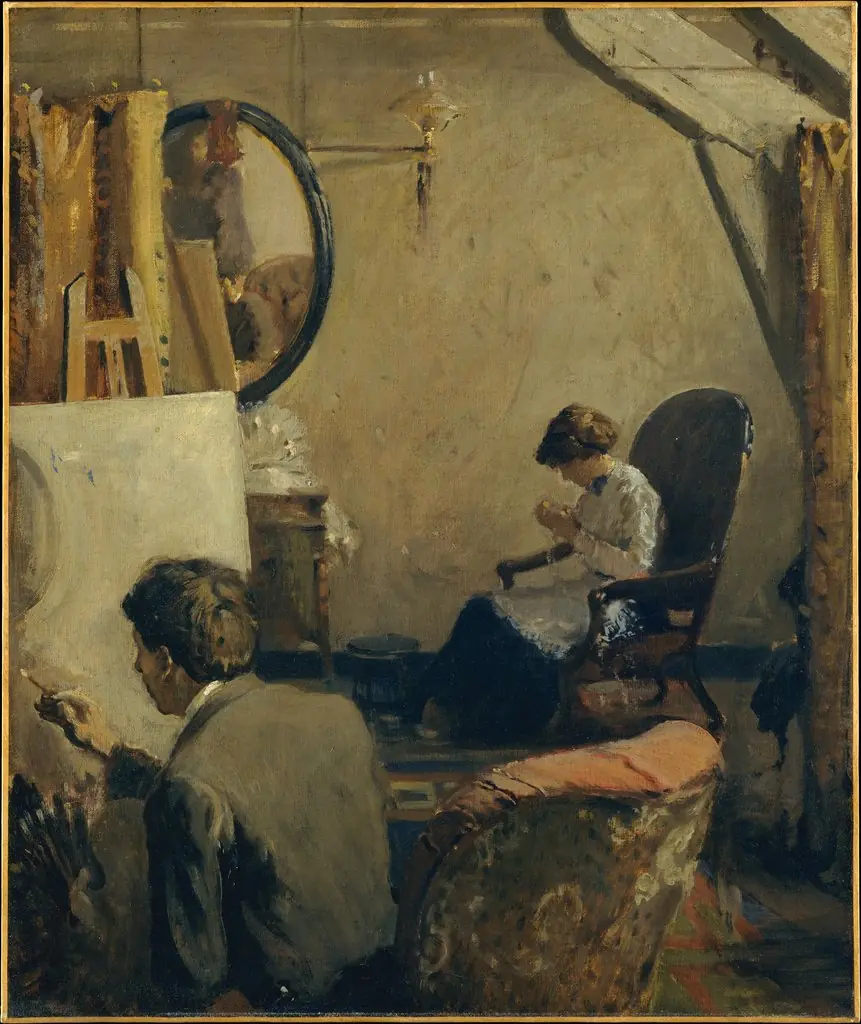 Louis Kronberg in His Studio in Copley Hall
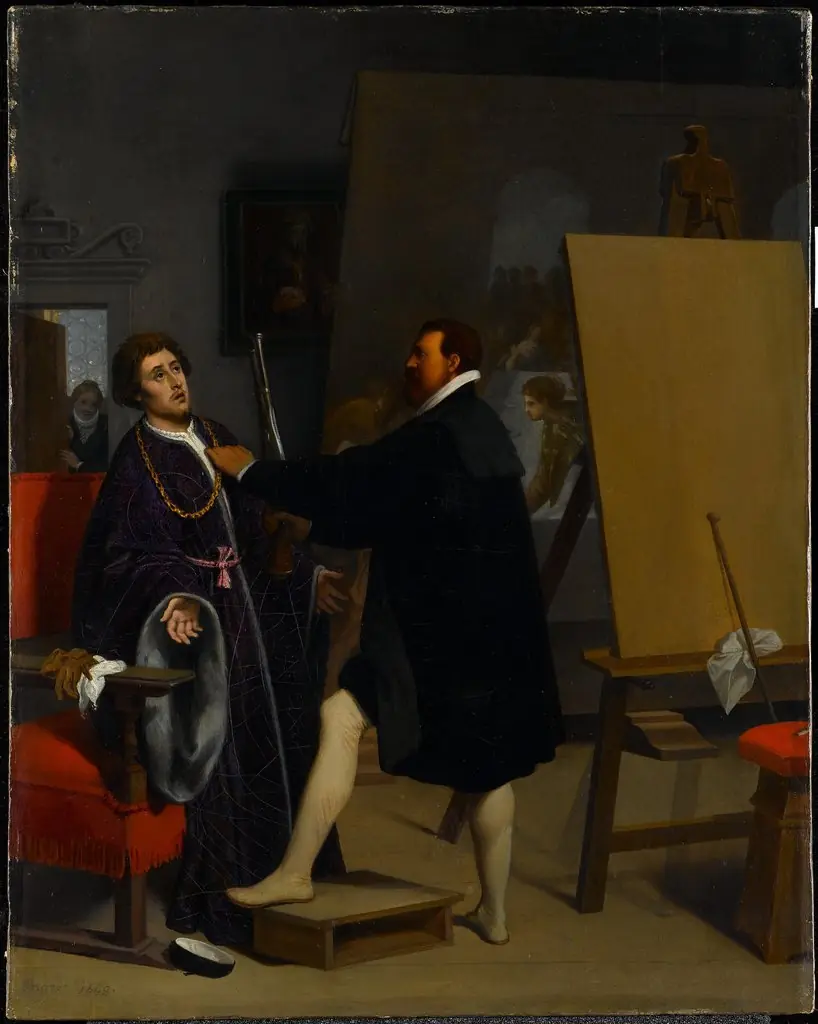 Aretino in the Studio of Tintoretto
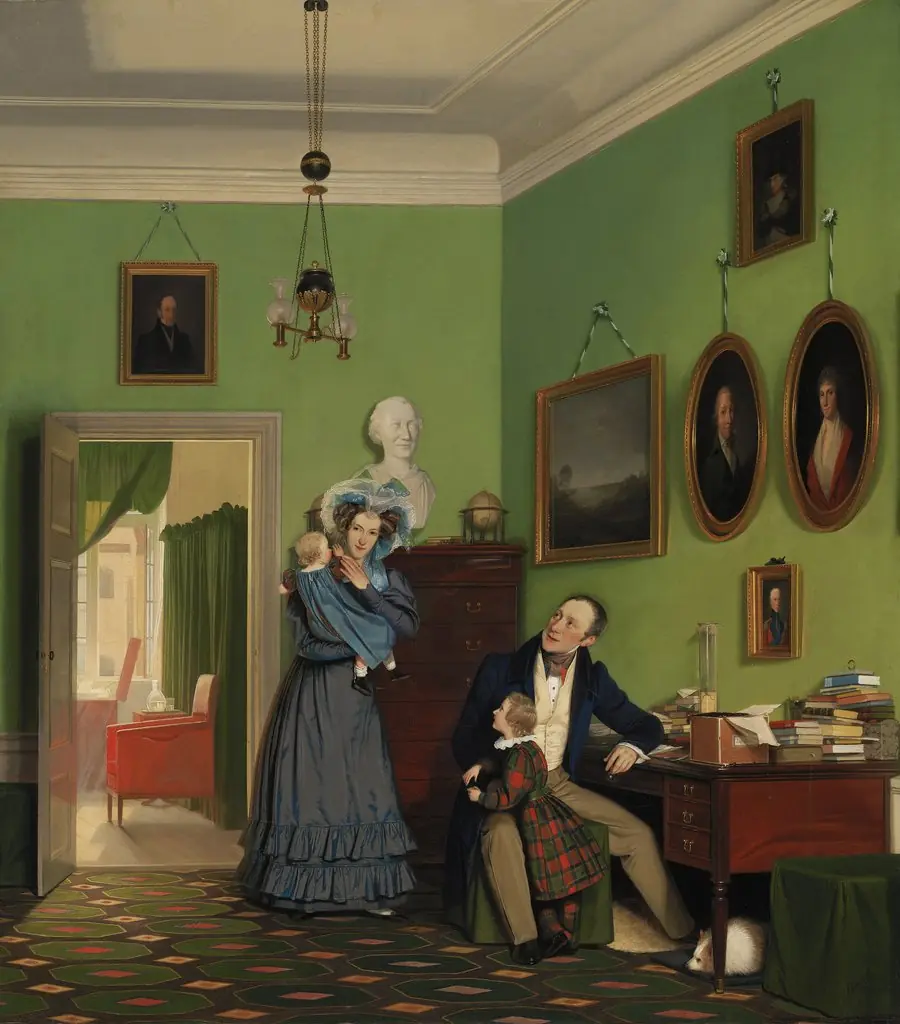 Familien Waagepetersen
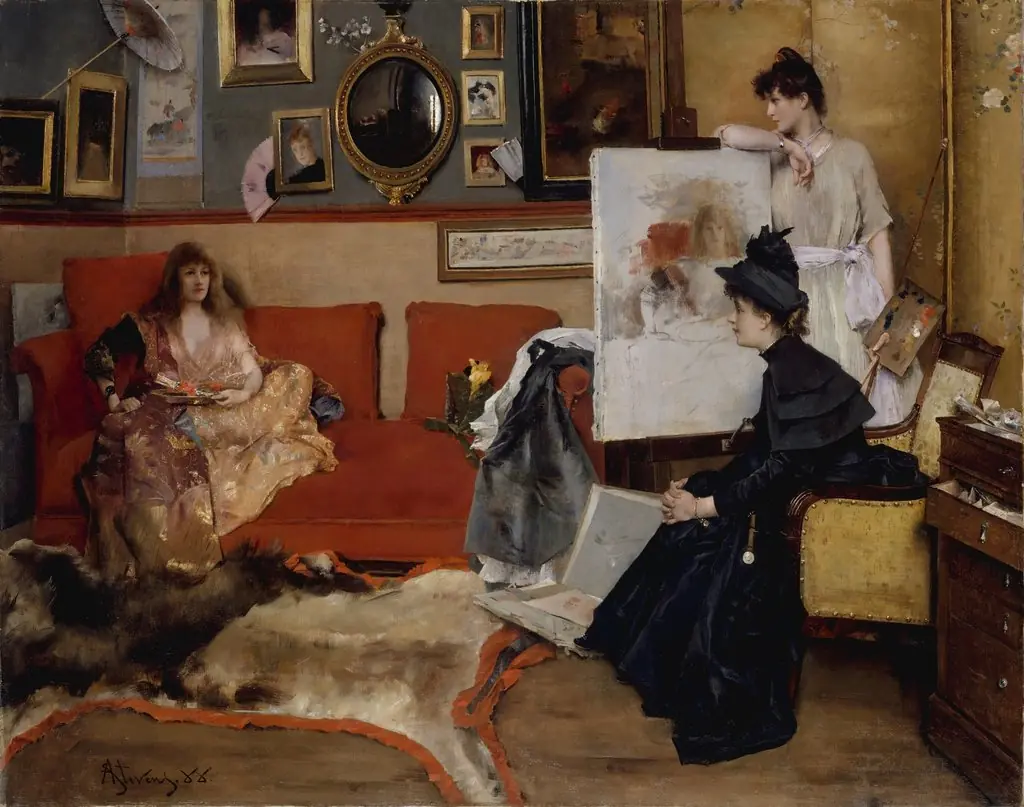 In the Studio
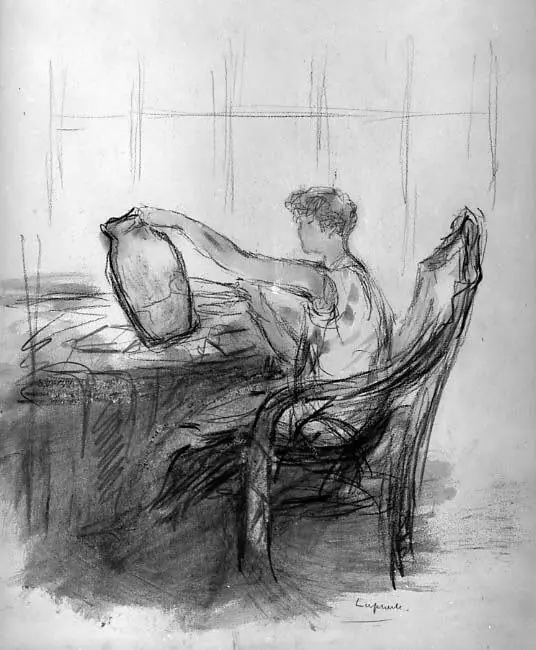 Woman Painting a Vase
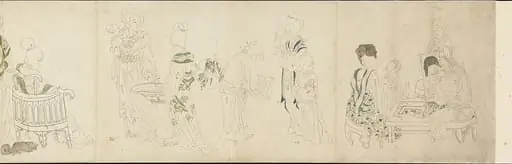 Untitled
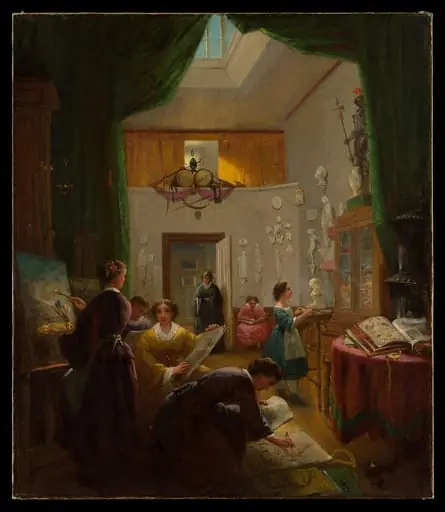 Women's Art Class
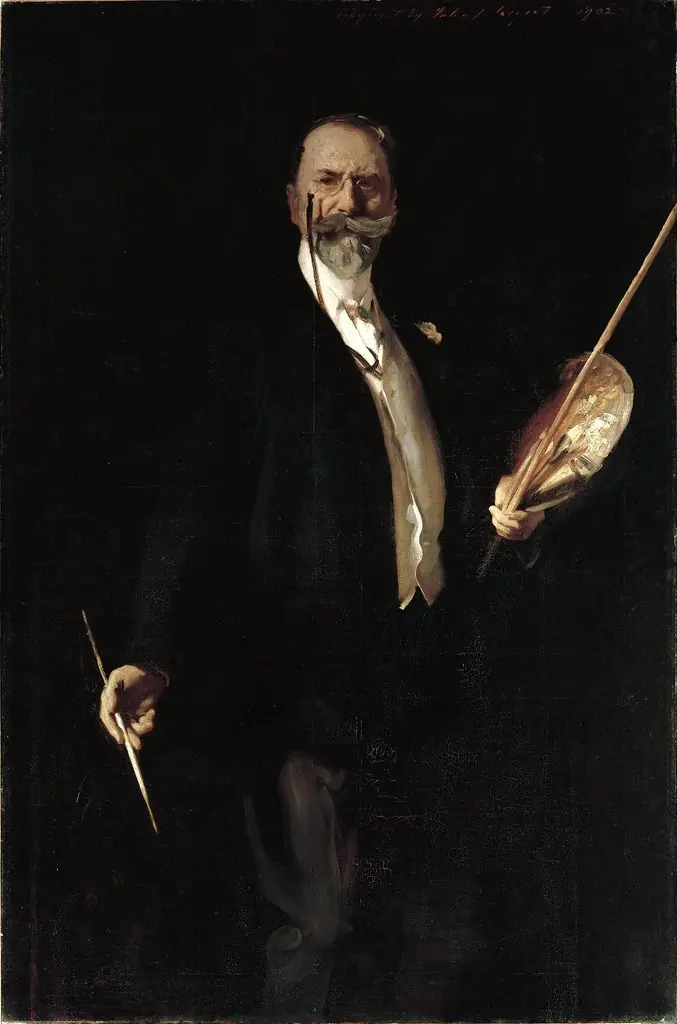 William M. Chase, N. A.
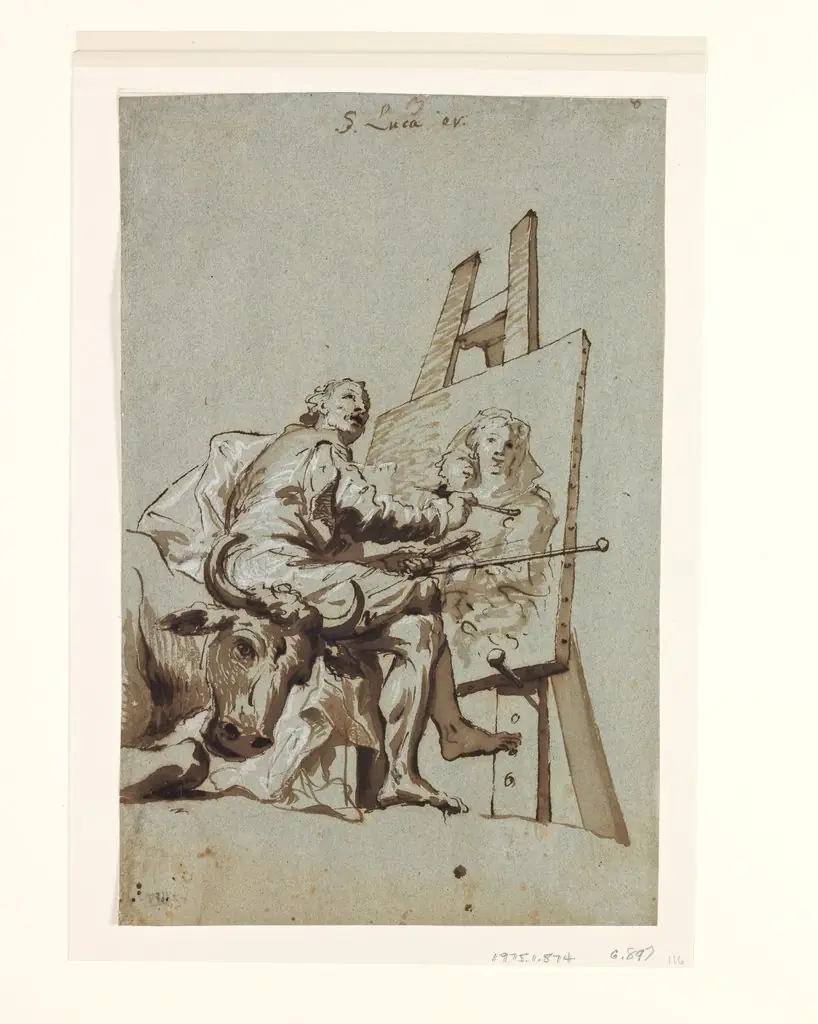 Saint Luke Painting the Virgin
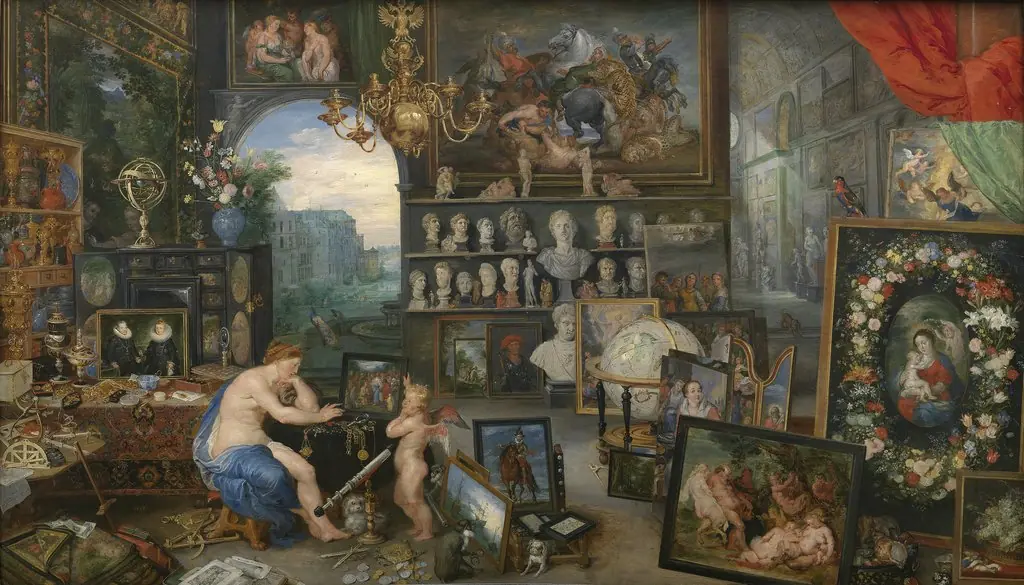 The Sense of Sight
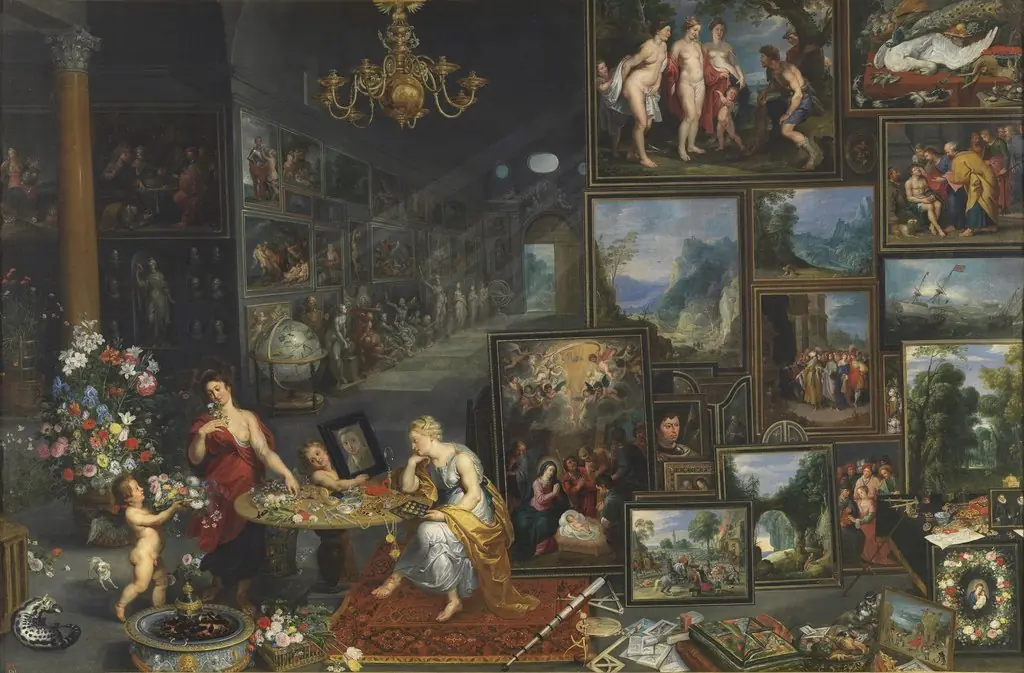 Allegory of Sight and Smell
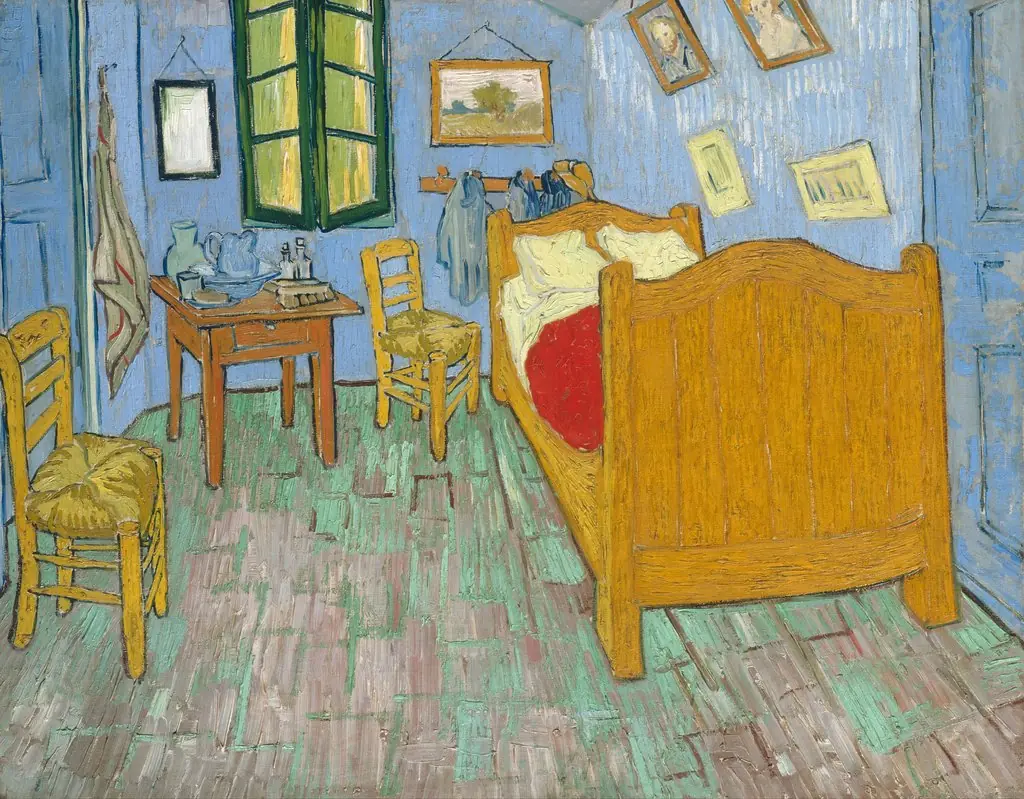 Bedroom in Arles
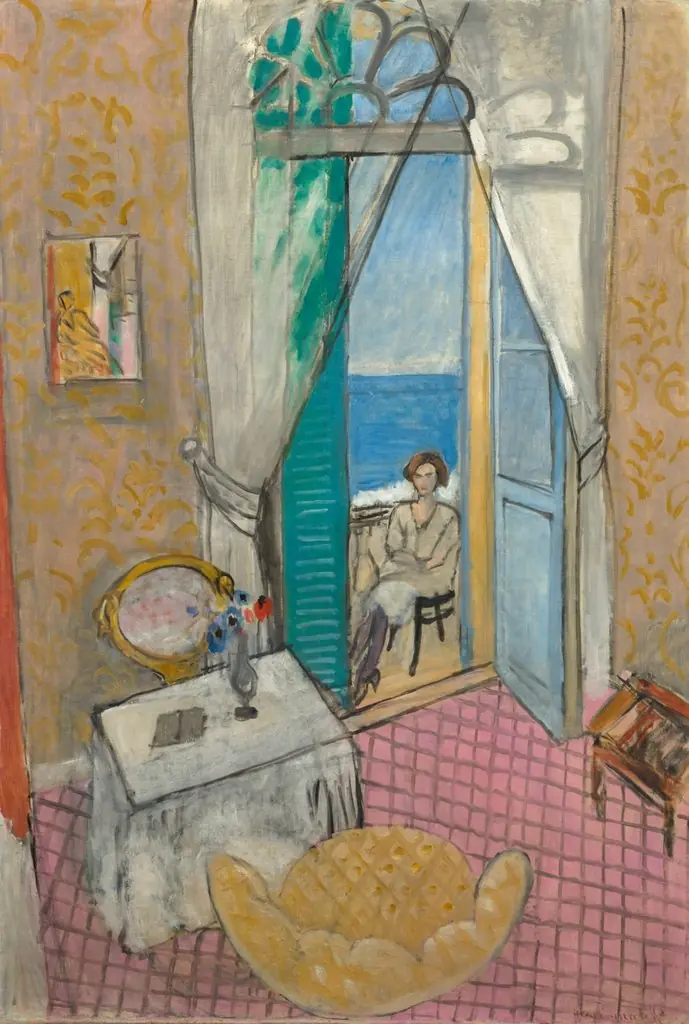 Interior at Nice
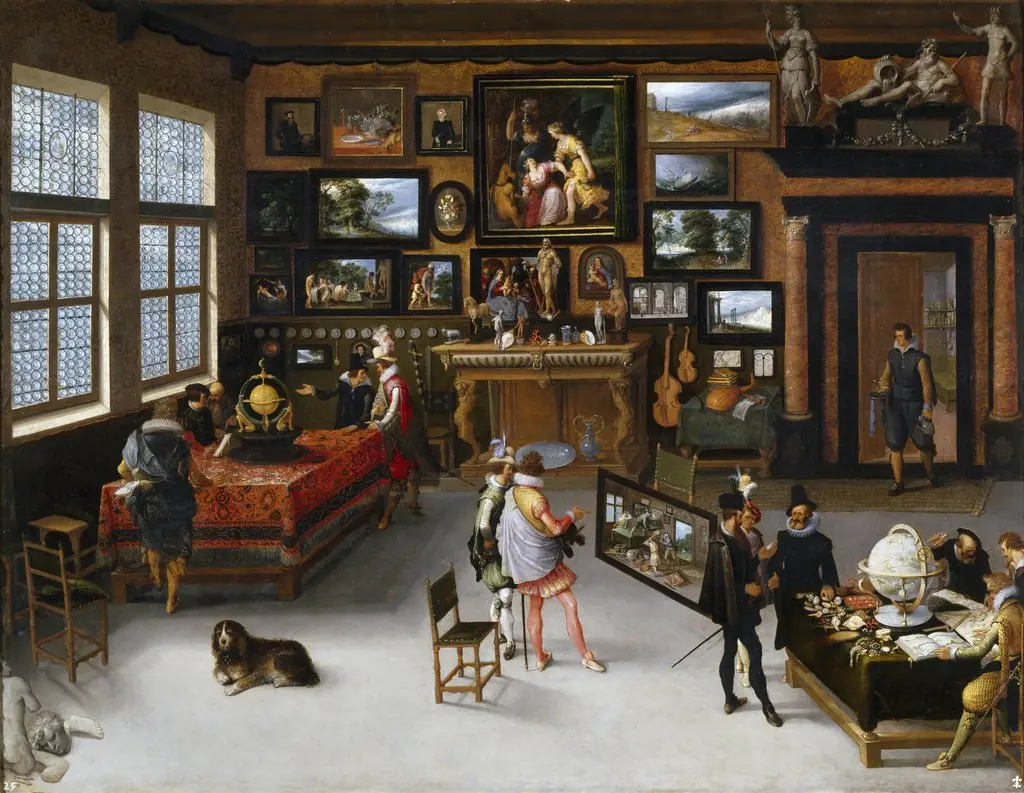 The Sciences and Arts
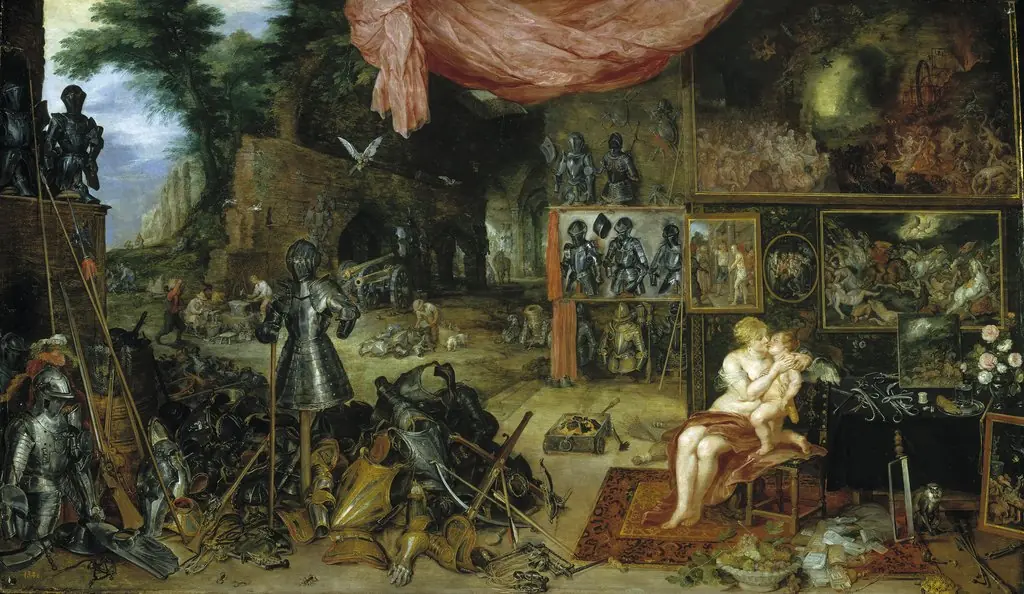 Touch
Touch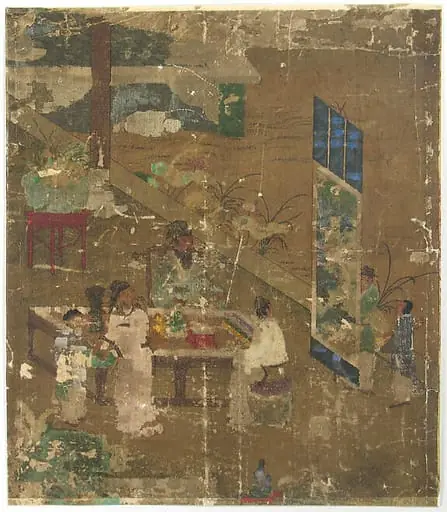 Untitled
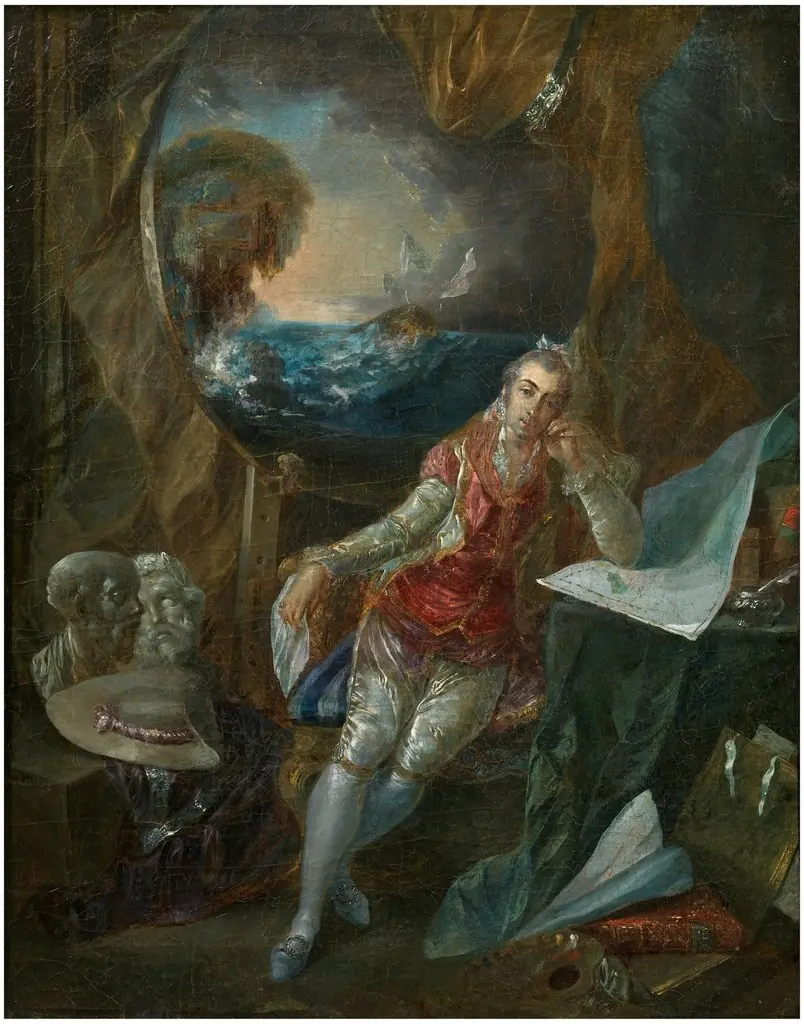 Self-portrait of the Artist in his Studio
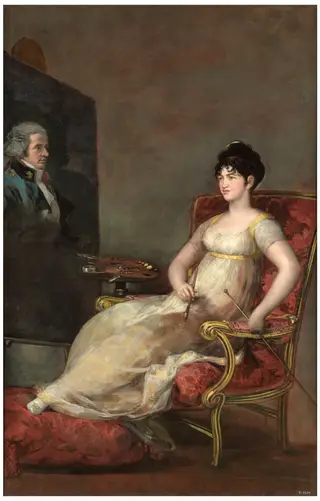 The Marchioness of Villafranca Painting her Husband
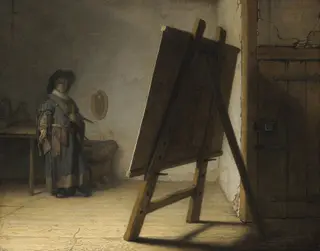 Artist in his studio
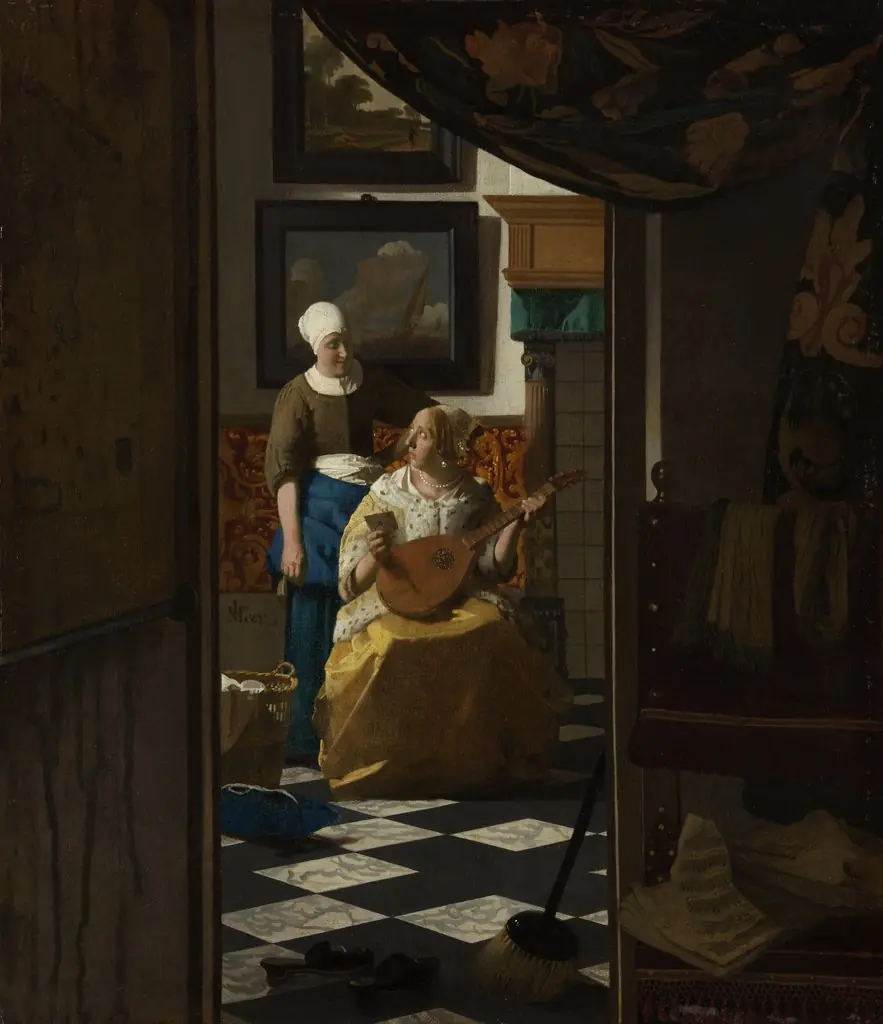 The Love Letter
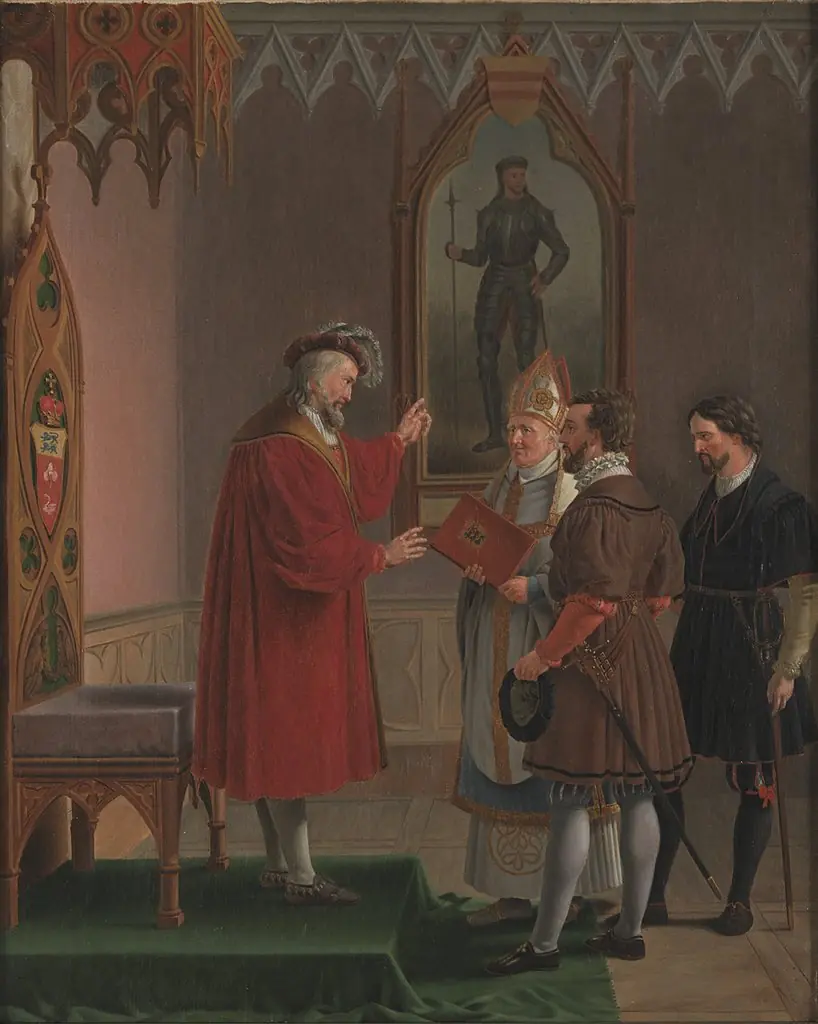 Adolf, Duke of Schleswig-Holstein, Declines the Offer to Accede to the Danish Throne. Copy after C. W. Eckersberg
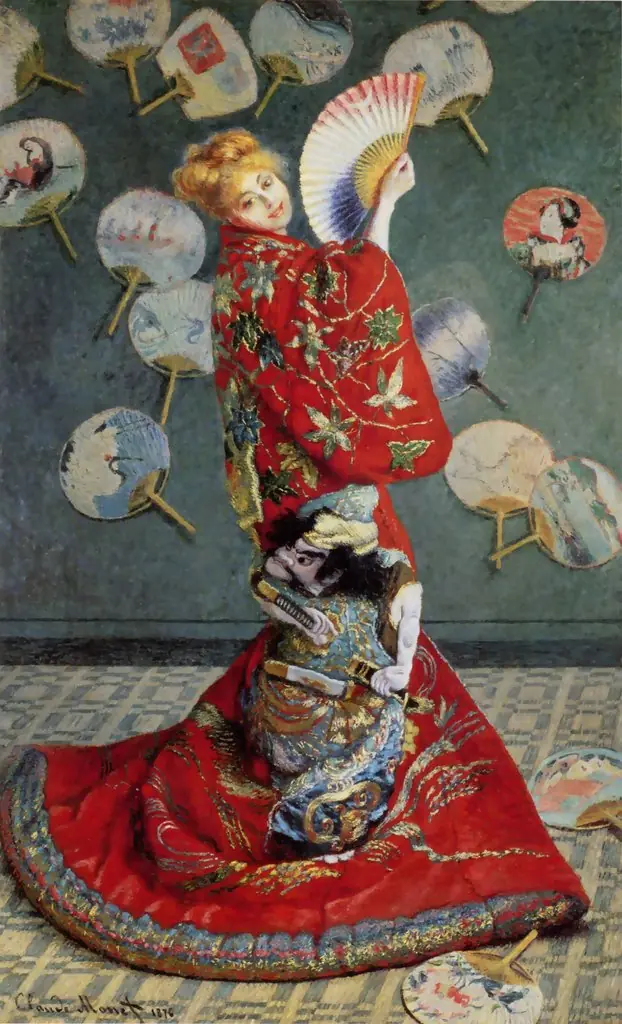 Madame Monet wearing a kimono
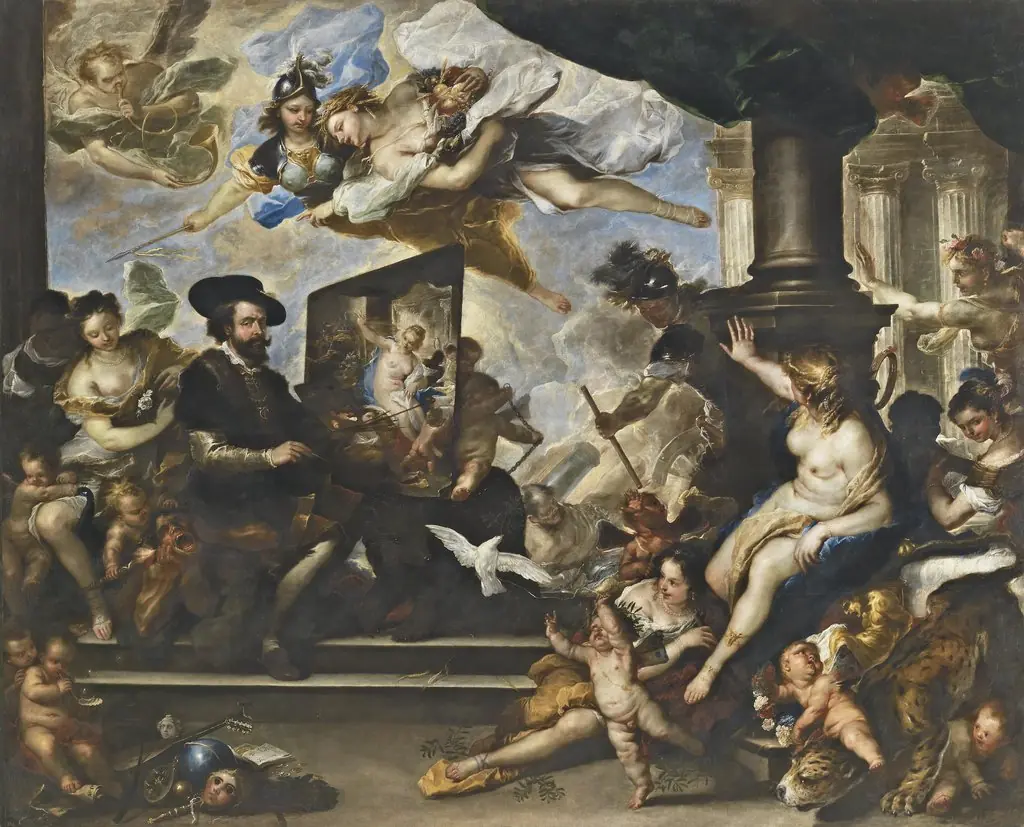 Rubens painting ‘The Allegory of Peace’
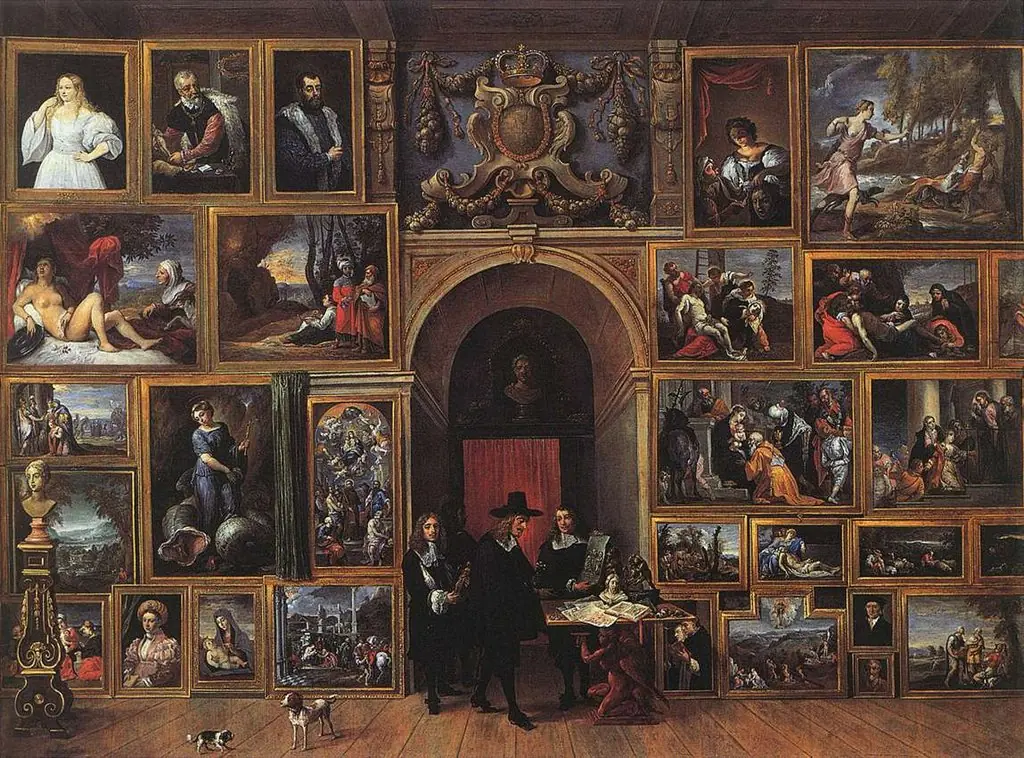 Archduke Leopold Wilhelm of Austria in his Gallery
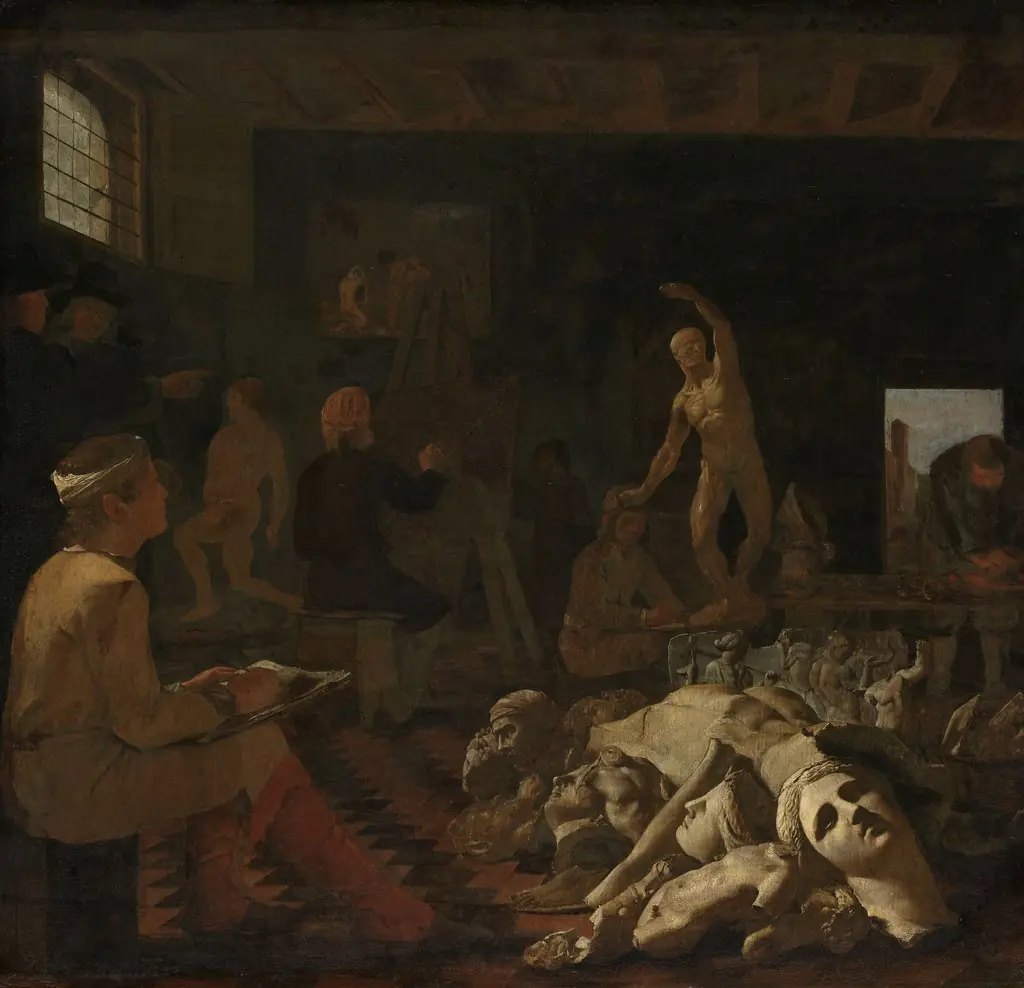 A Painter’s Studio
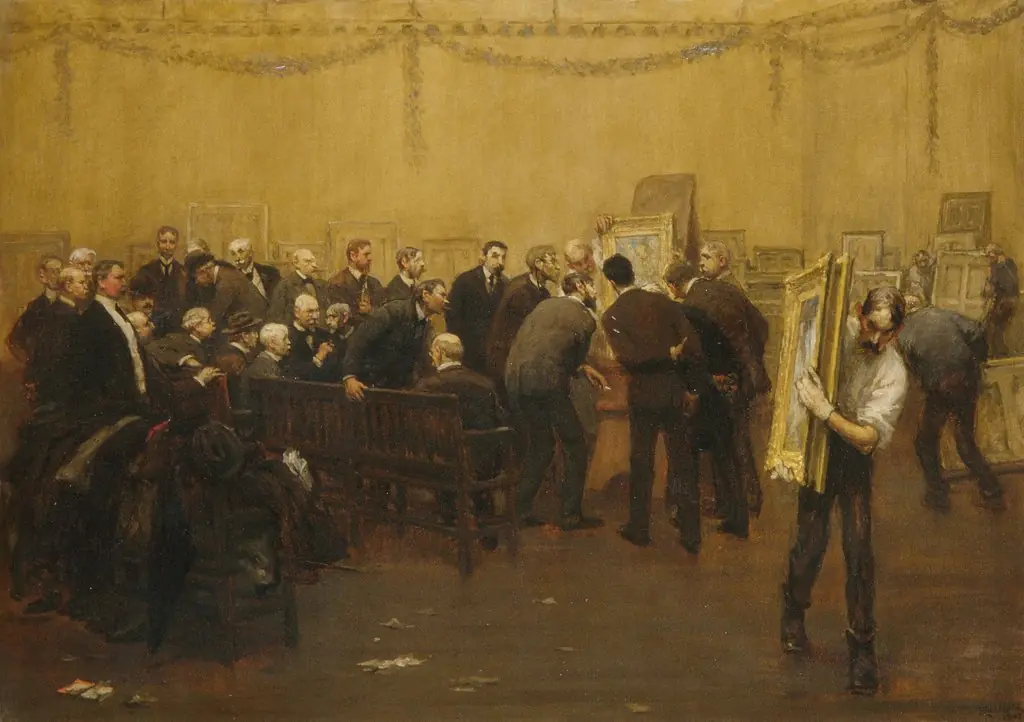 The National Academy Jury of 1907
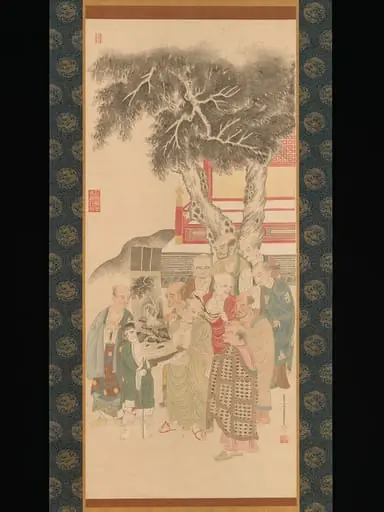 加藤信清筆 羅漢図|Ten Rakan Examining a Painting of White-Robed Kannon
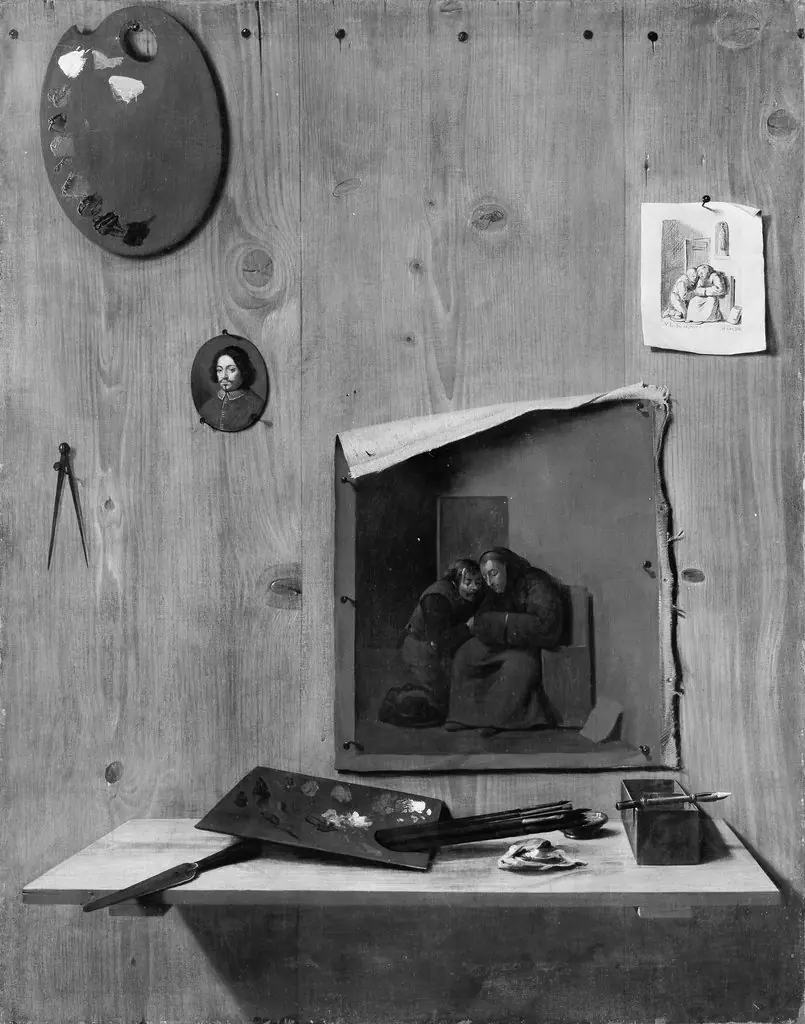 Trompe l'oeil with Palettes and Miniature
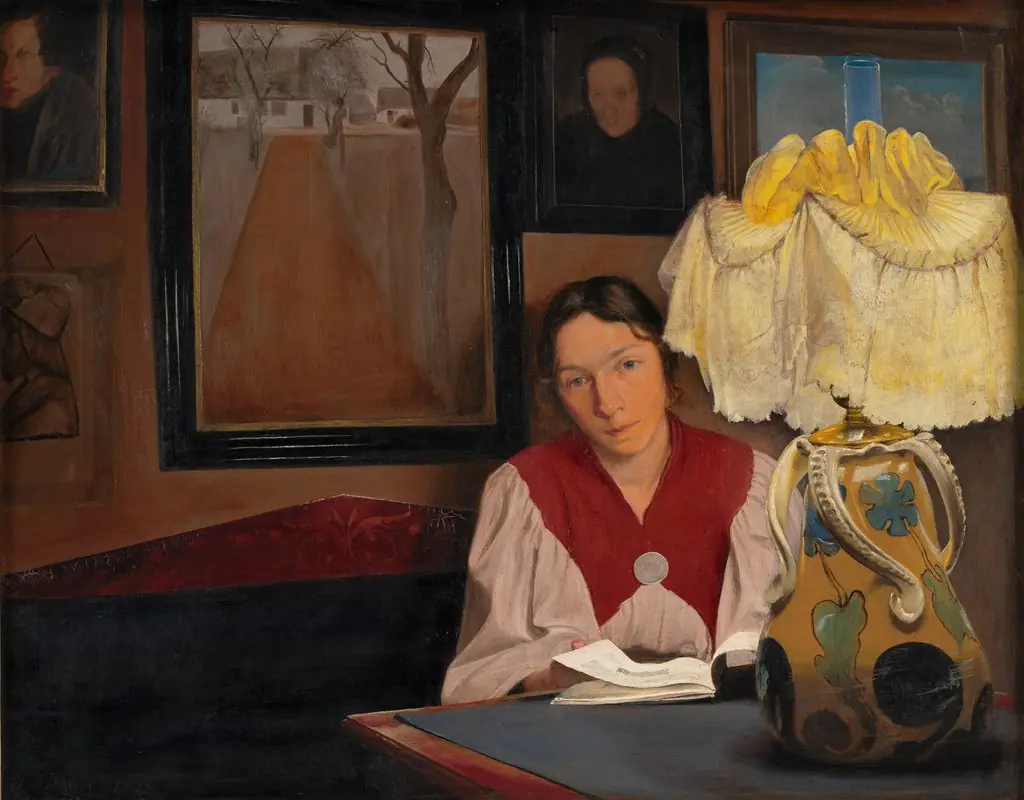 The Artist's Wife by Lamplight
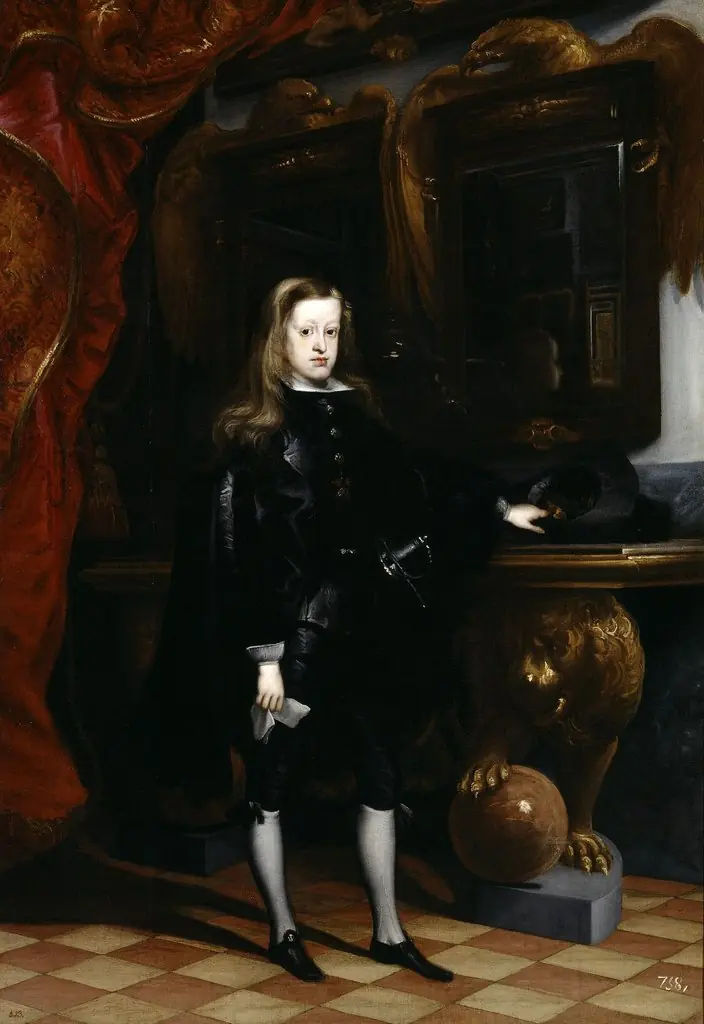 Charles II as a child
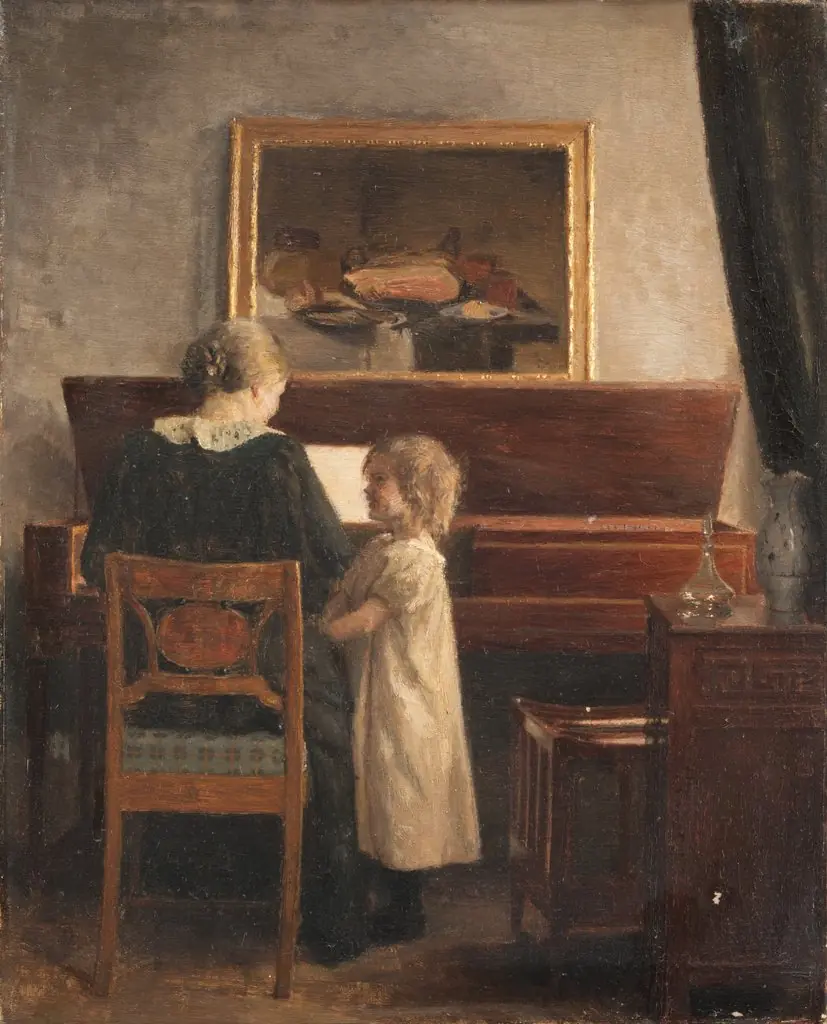 Ved klaveret
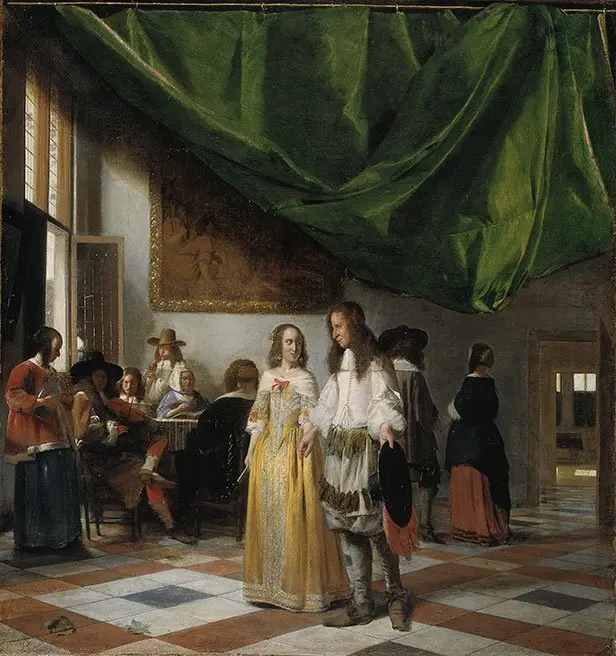 Merry Company in a Hall
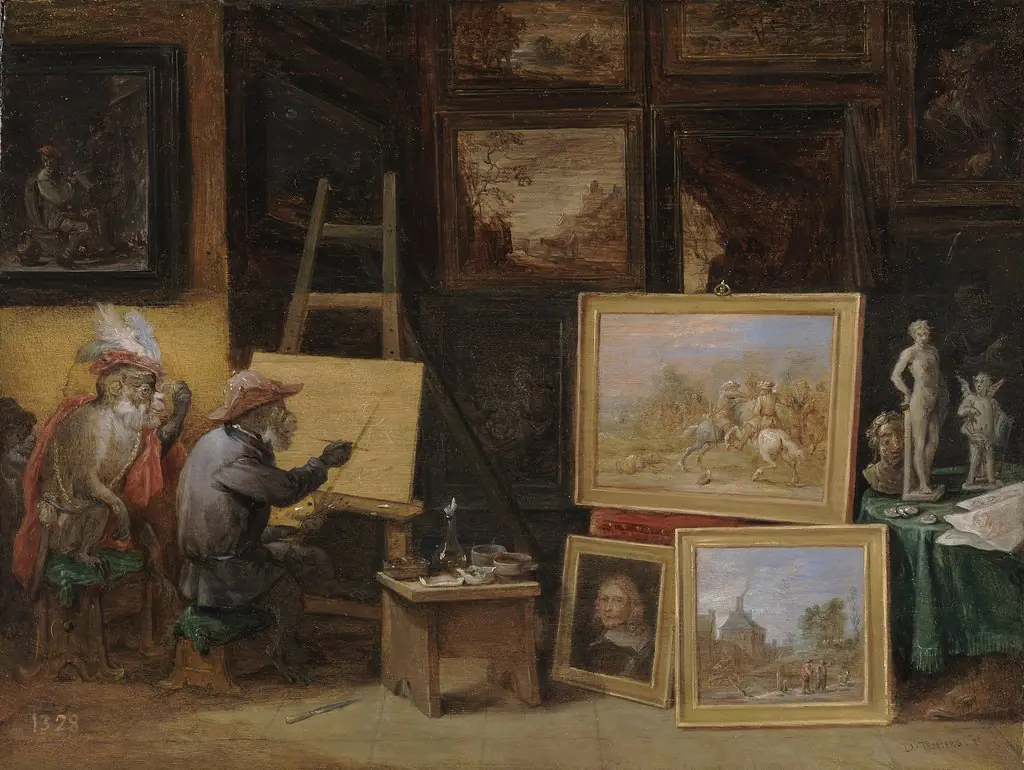 The Monkey Painter
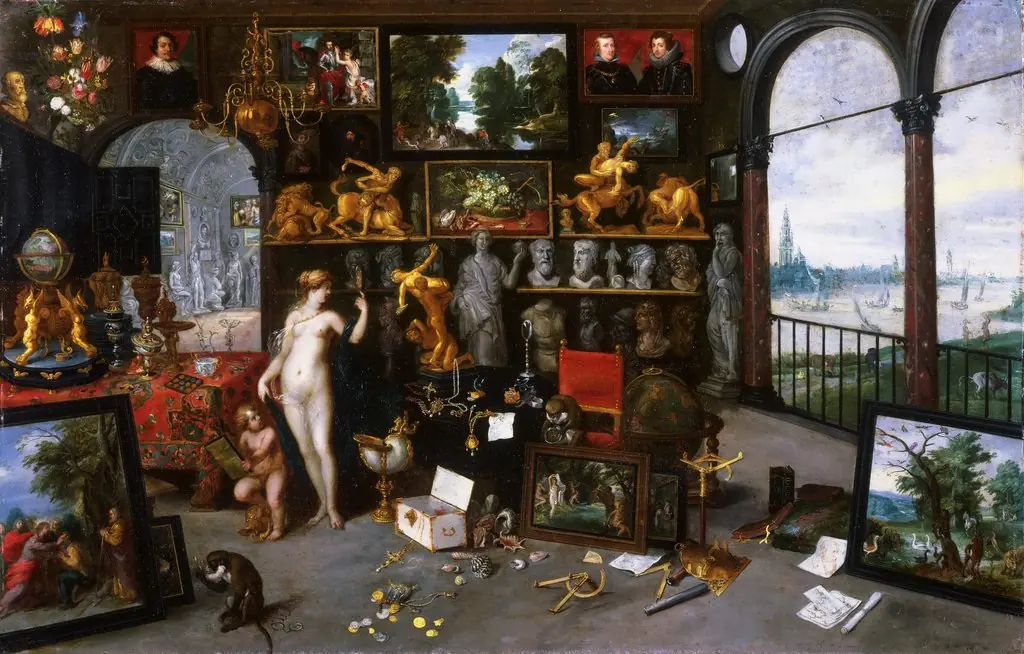 Allegory of Sight (Venus and Cupid in a Picture Gallery)
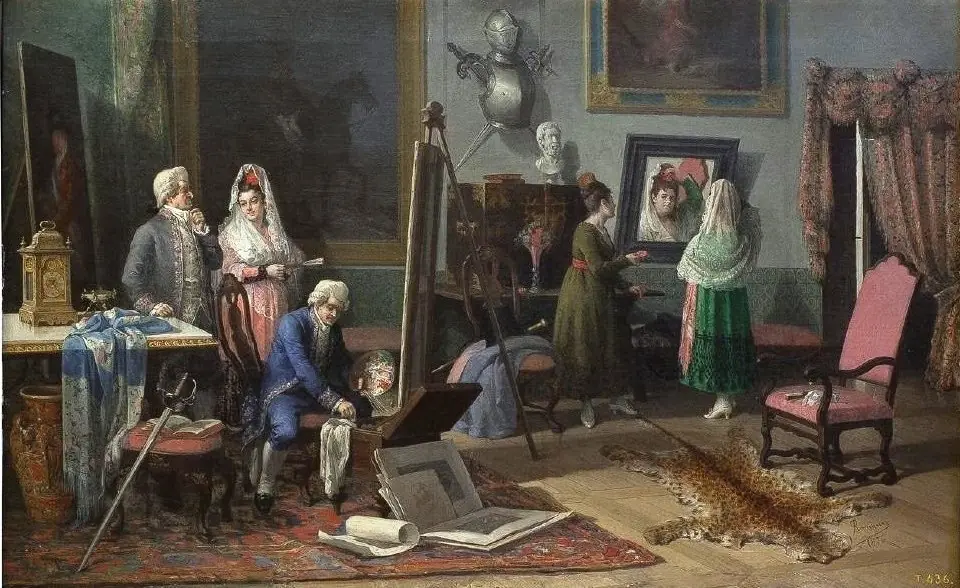 Antes de continuar el retrato
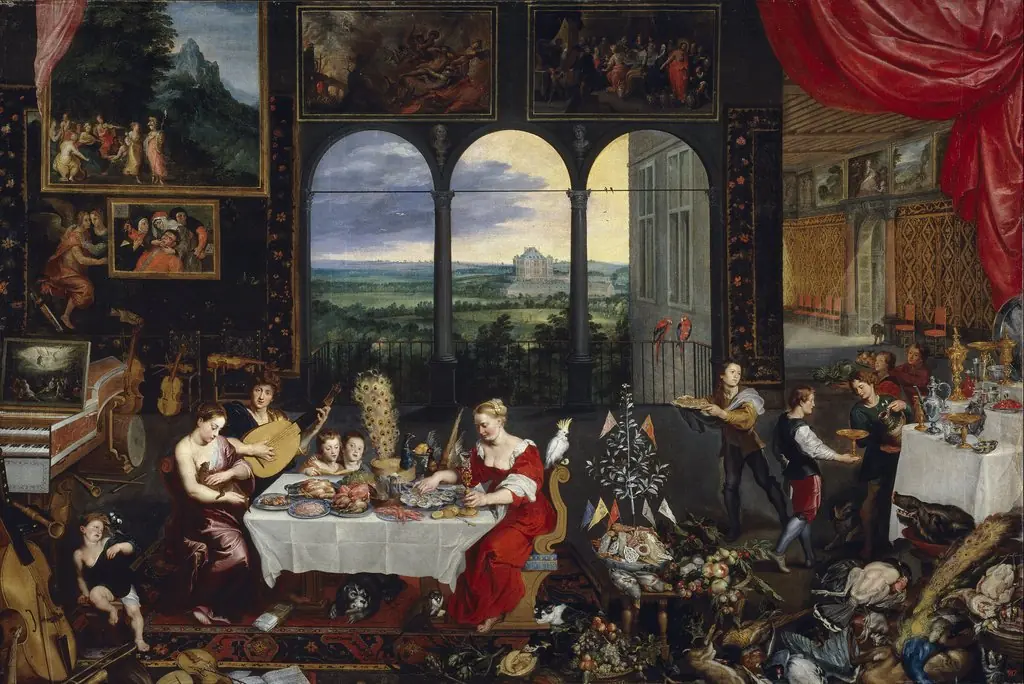 The Senses of Hearing, Touch and Taste
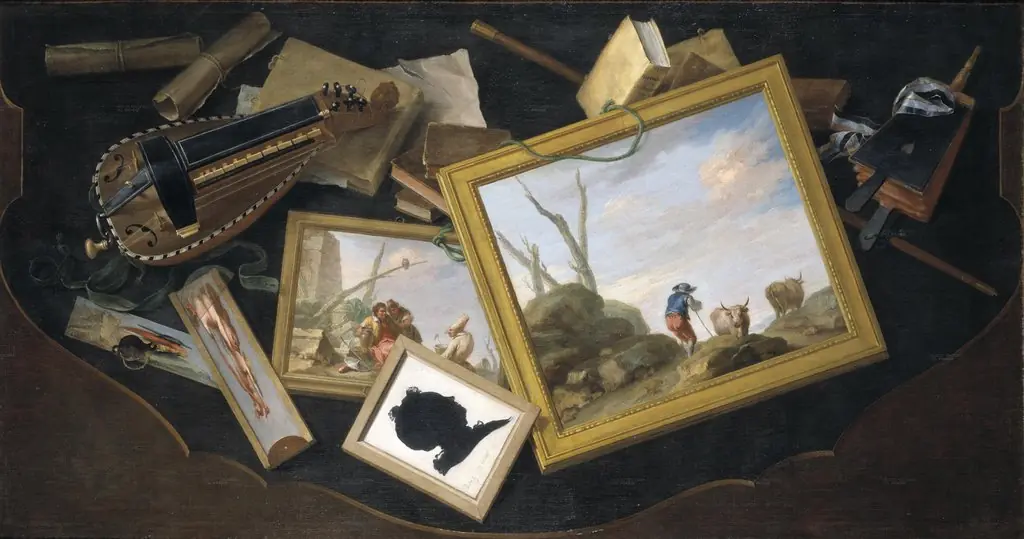 Trompe-l'œil of a Table in a Mess with Paintings, a Hurdy-Gurdy, Books and Other Objects
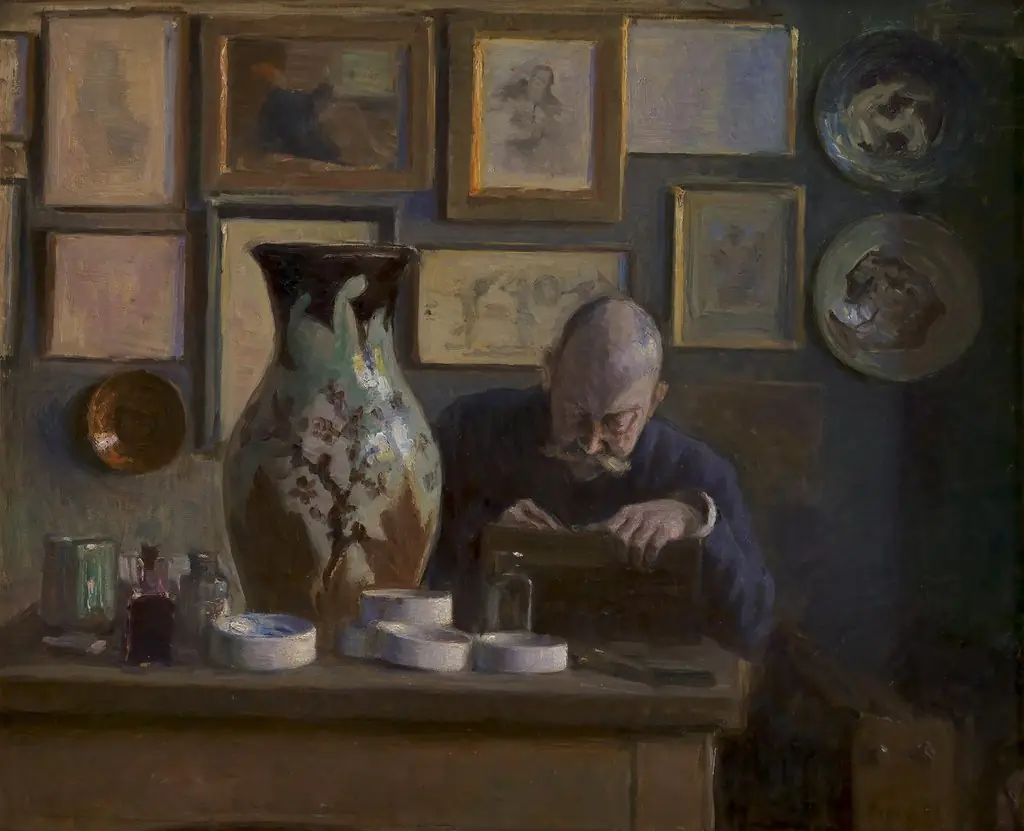 Arkitekten Thorvald Bindesbøll i sin arbejdsstue
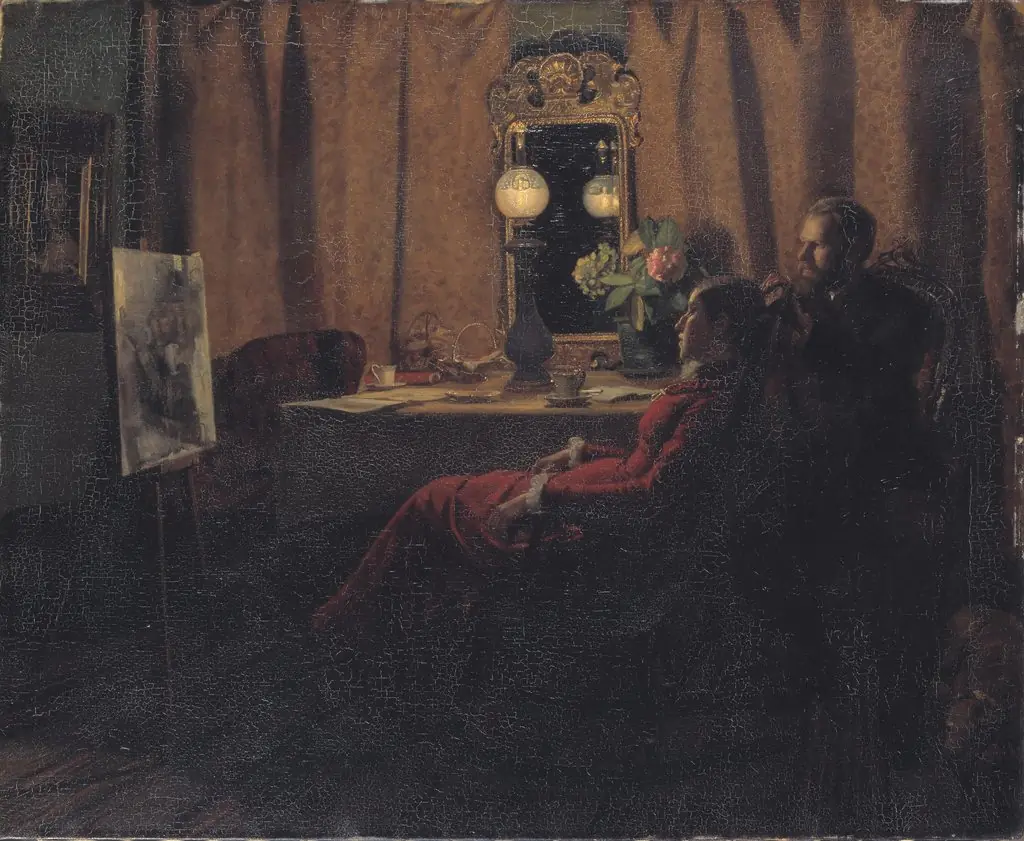 Appraising the Day's Work
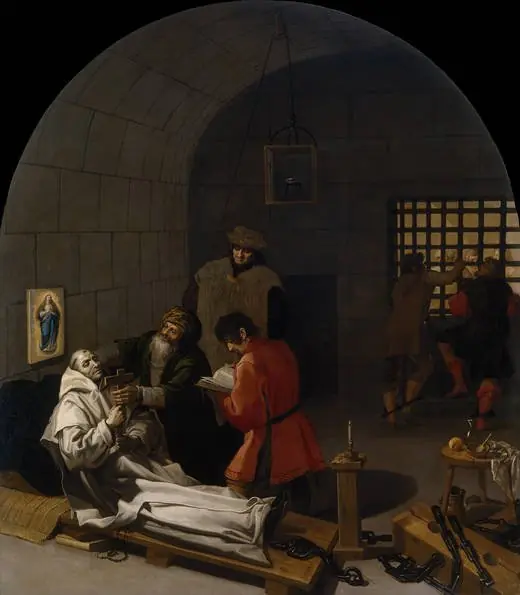 Landuino Dies in Jail
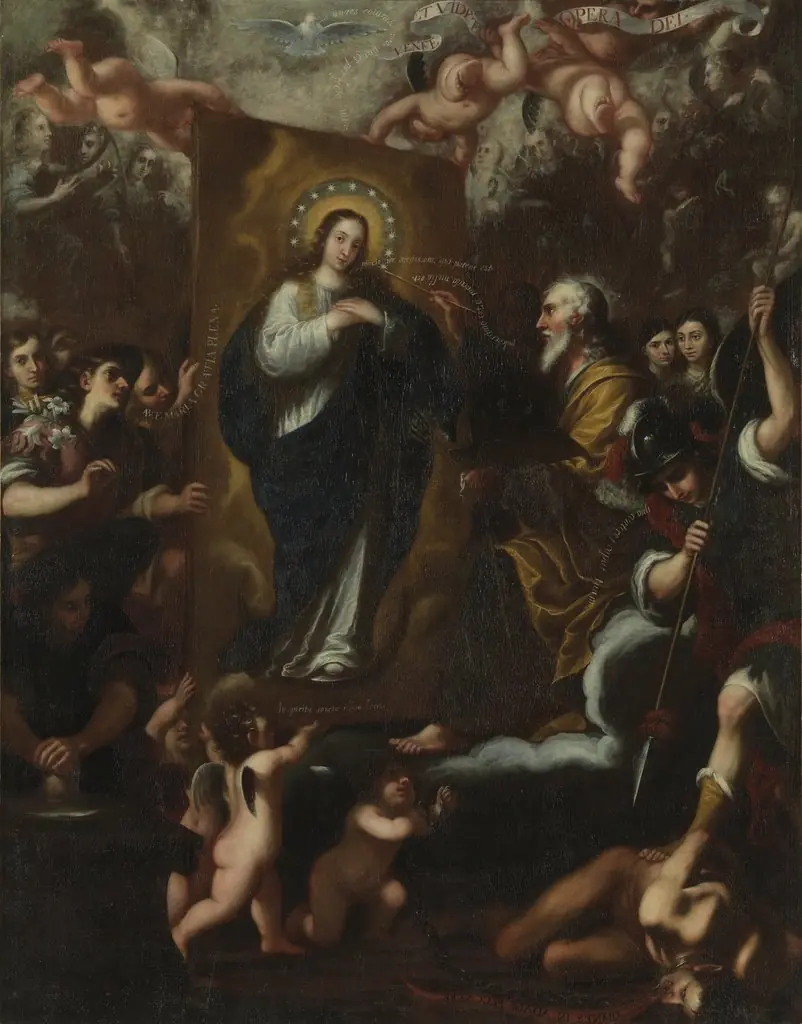 God the Father painting the Immaculate Conception
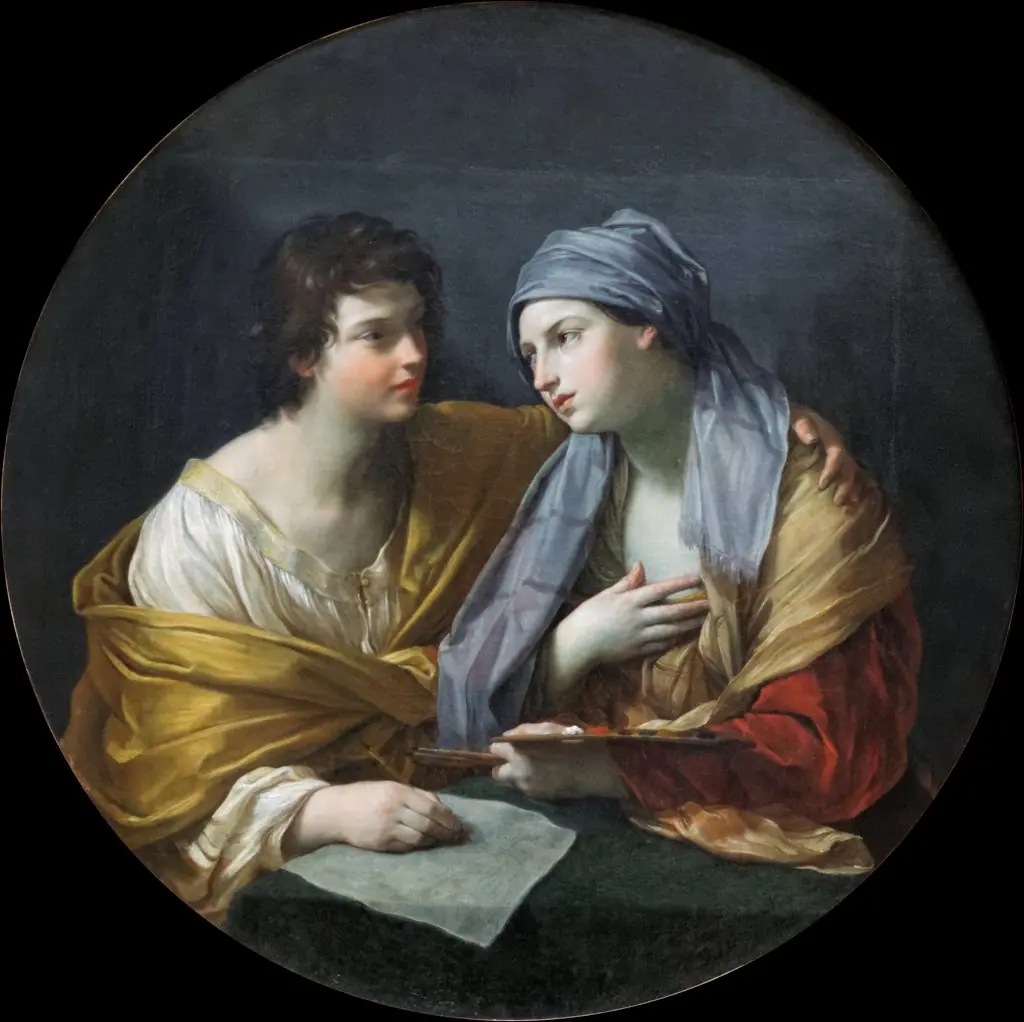 The Union of Drawing and Color
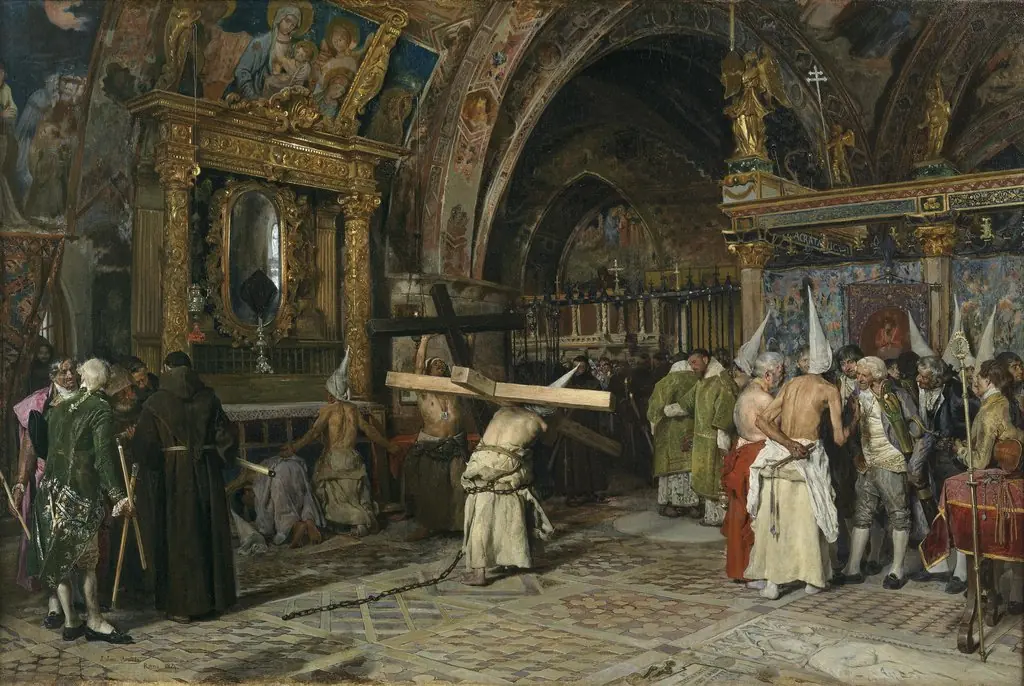 Penitents in the Lower Basilica of Assisi
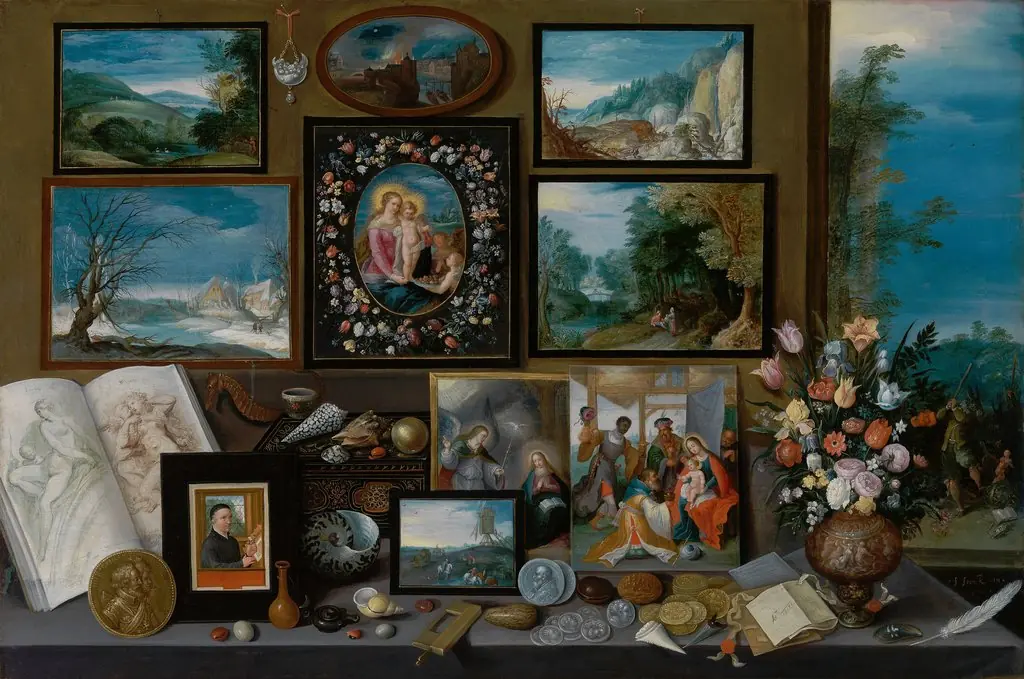 A Collection
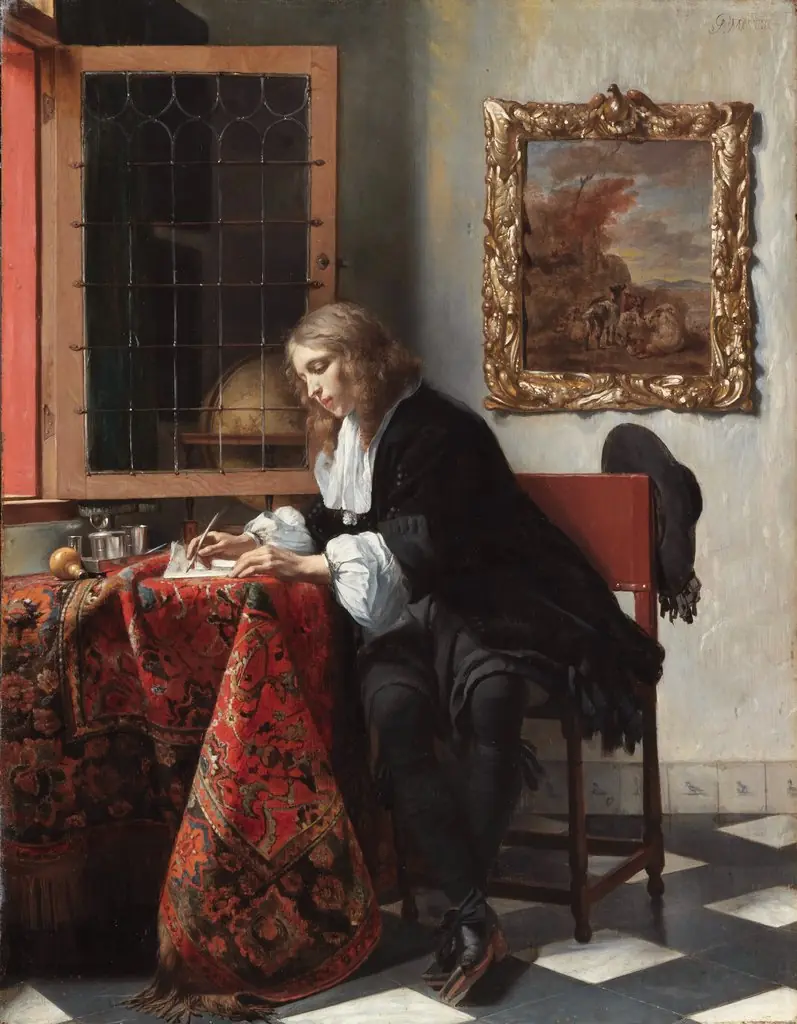 Man Writing a Letter
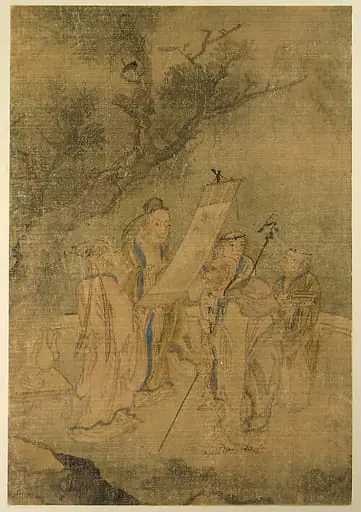 Untitled
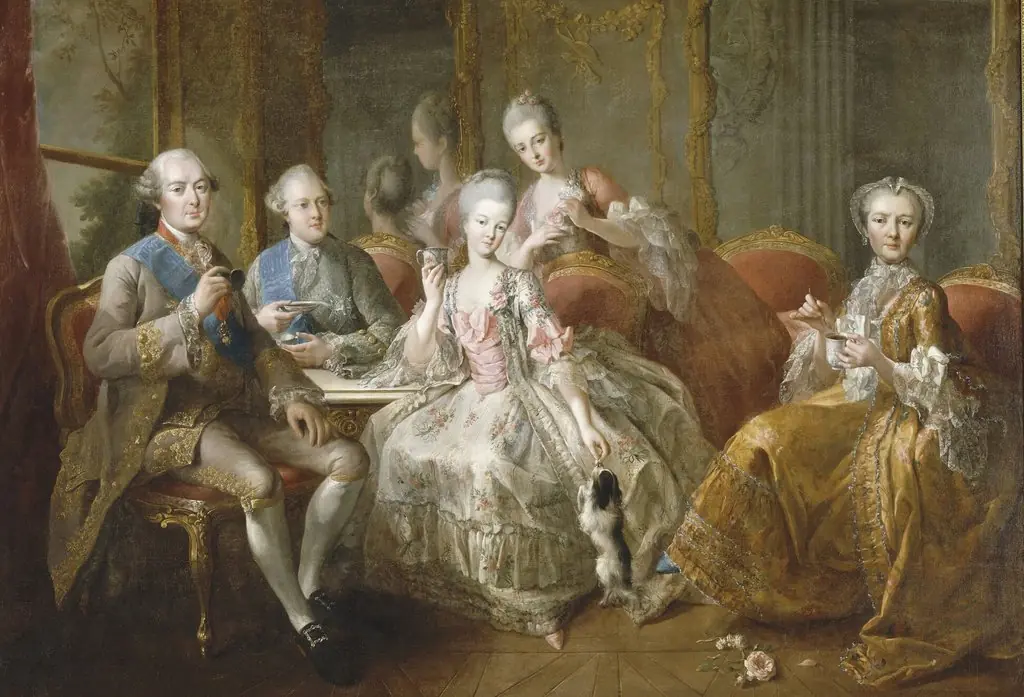 The family of the Duke of Penthièvre called la tasse de chocolat
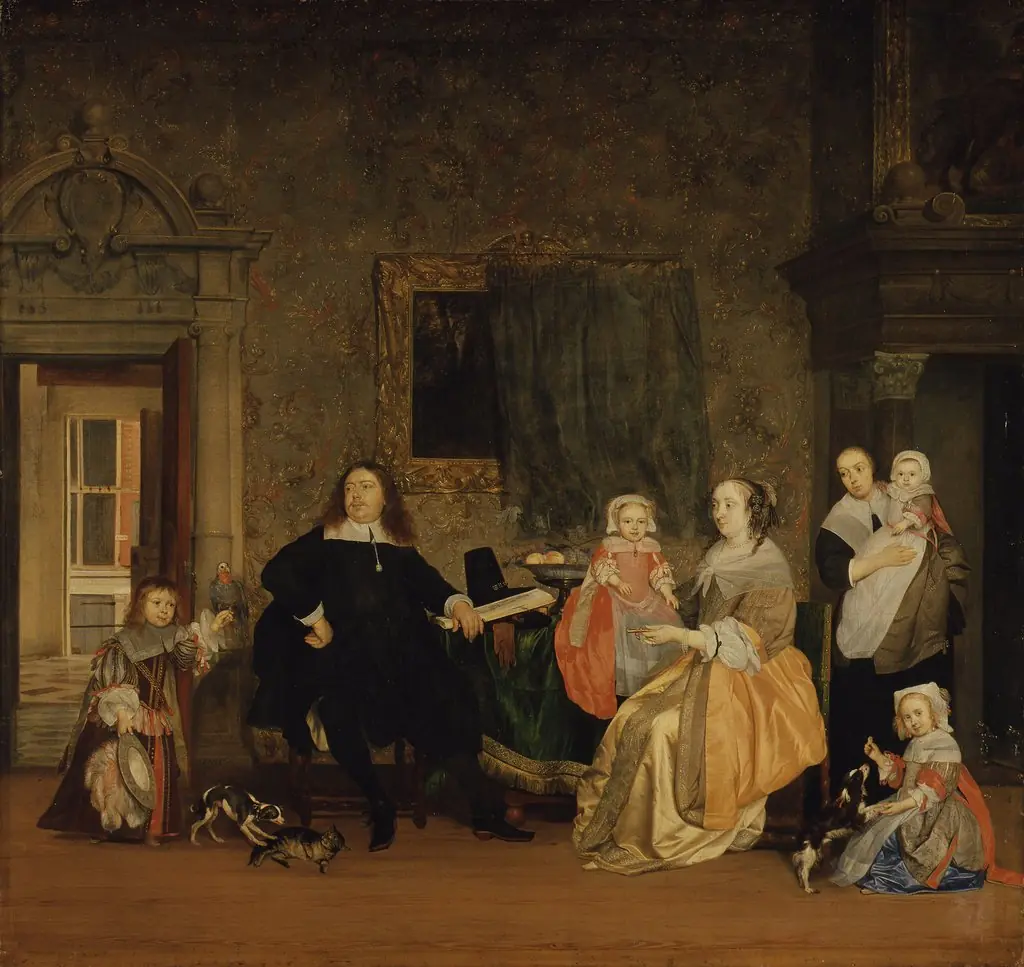 Portrait of the Family Hinlopen
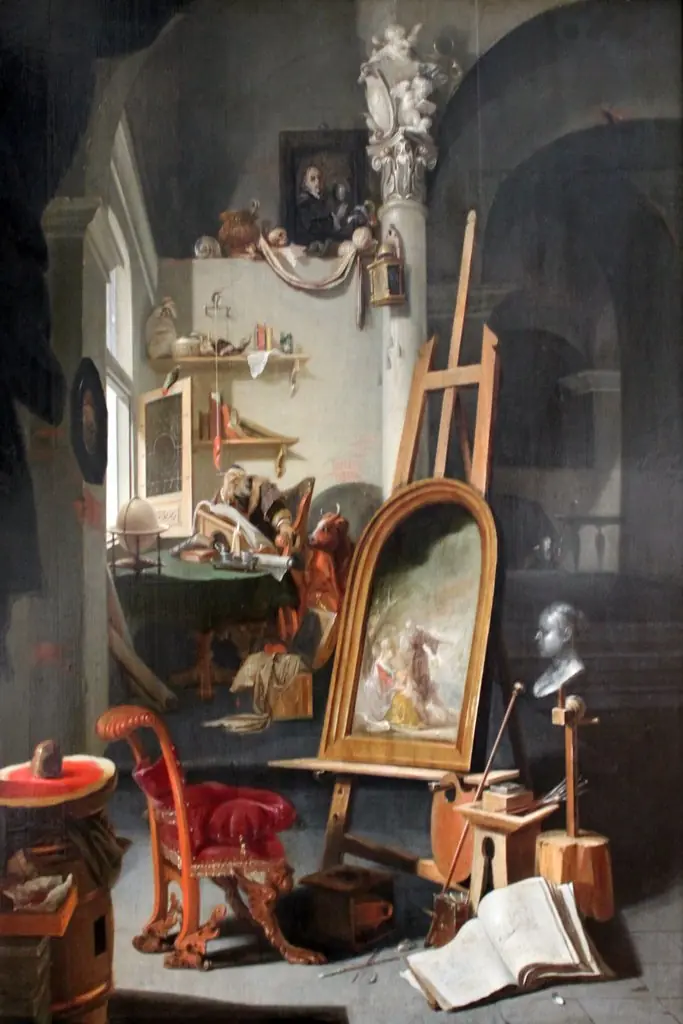 The Workshop of the Evangelist Luke
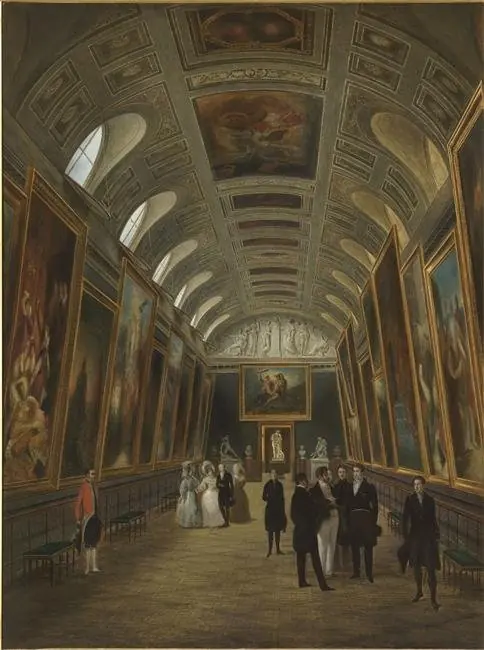 Louis-Philippe visiting the Luxembourg Museum
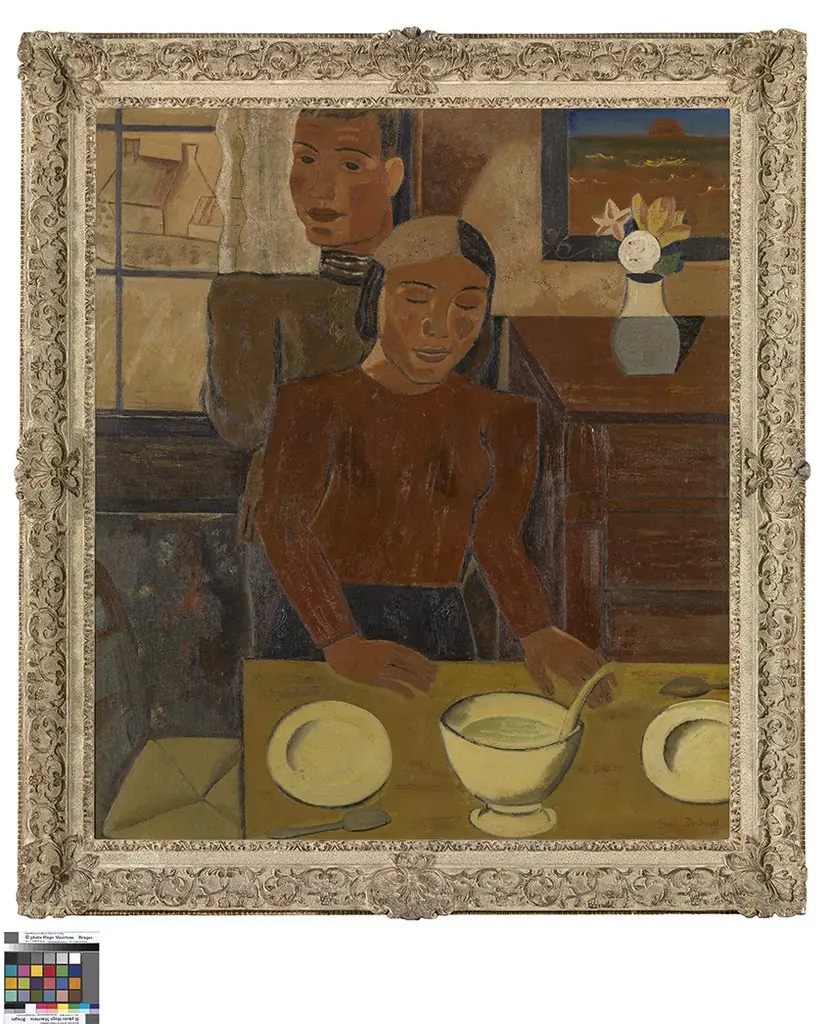 De maaltijd
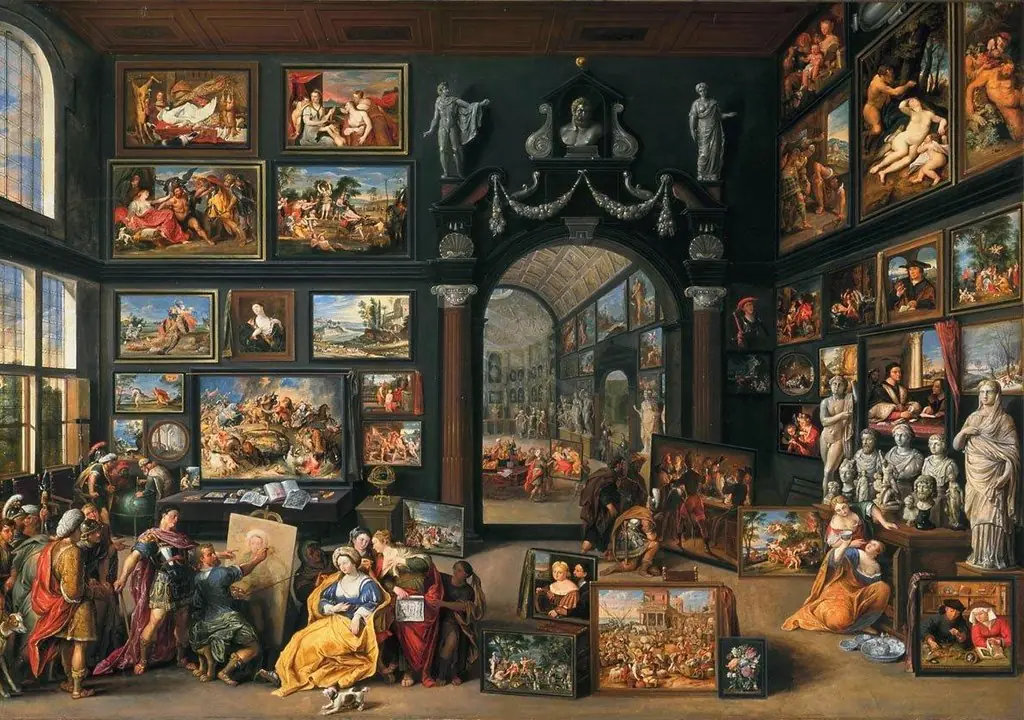 Appelles painting Campaspe
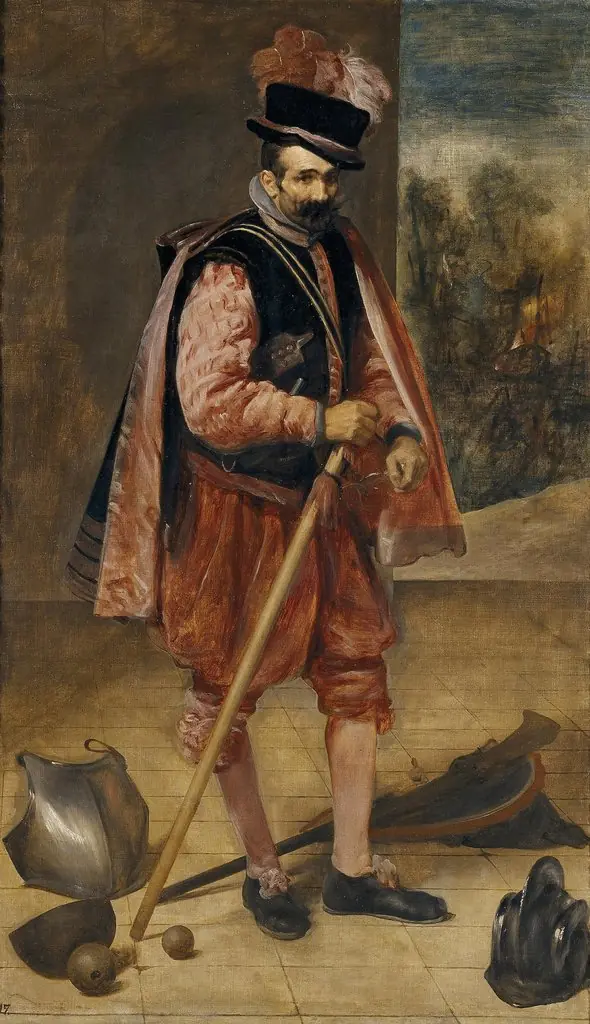 The Jester Named Don John of Austria
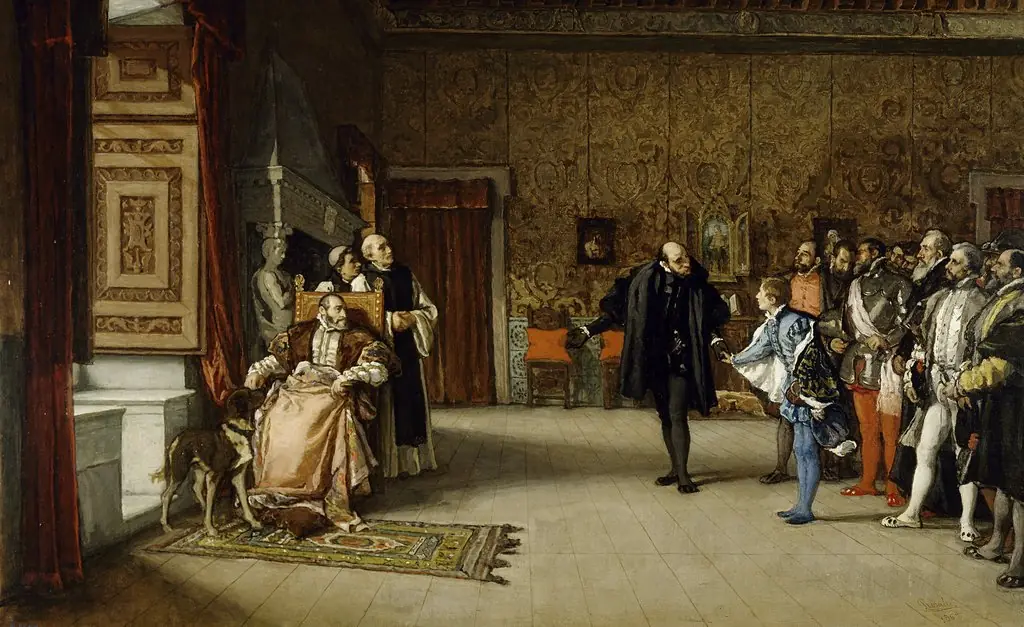 Juan de Austria's presentation to Emperor Carlos V in Yuste
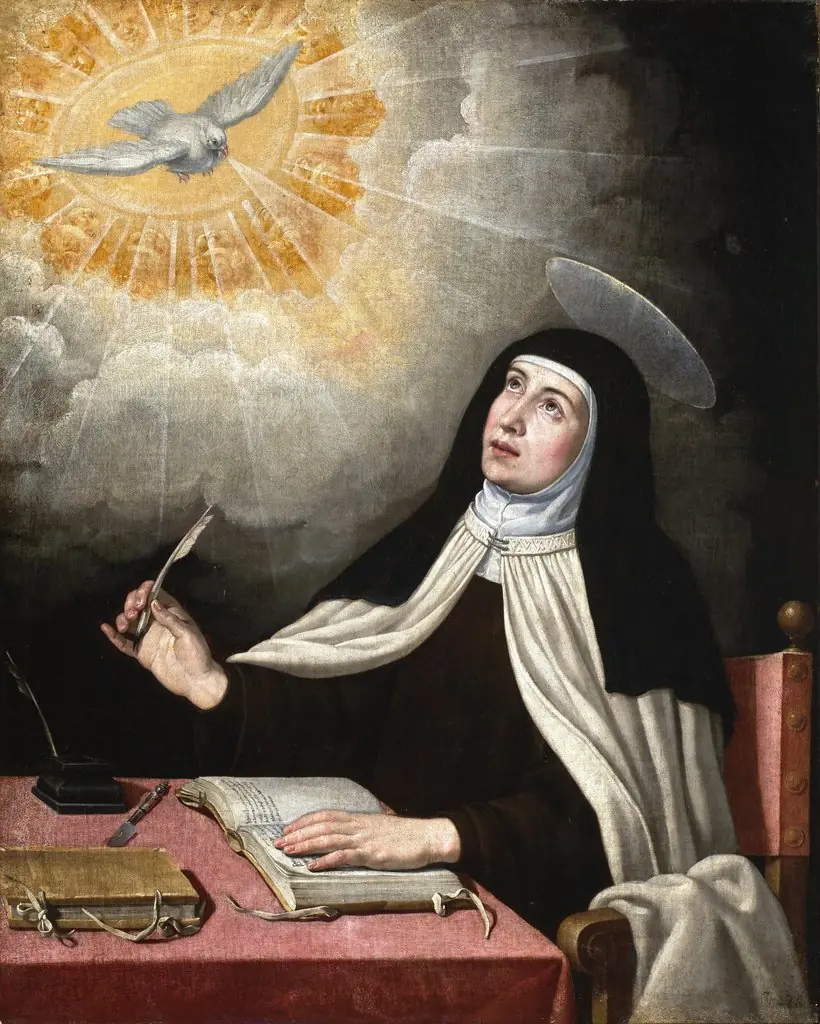 Santa Teresa de Jesús
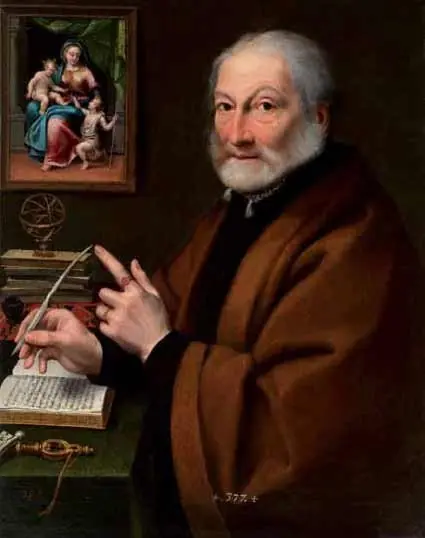 Portrait of Giovanni Battista Caselli
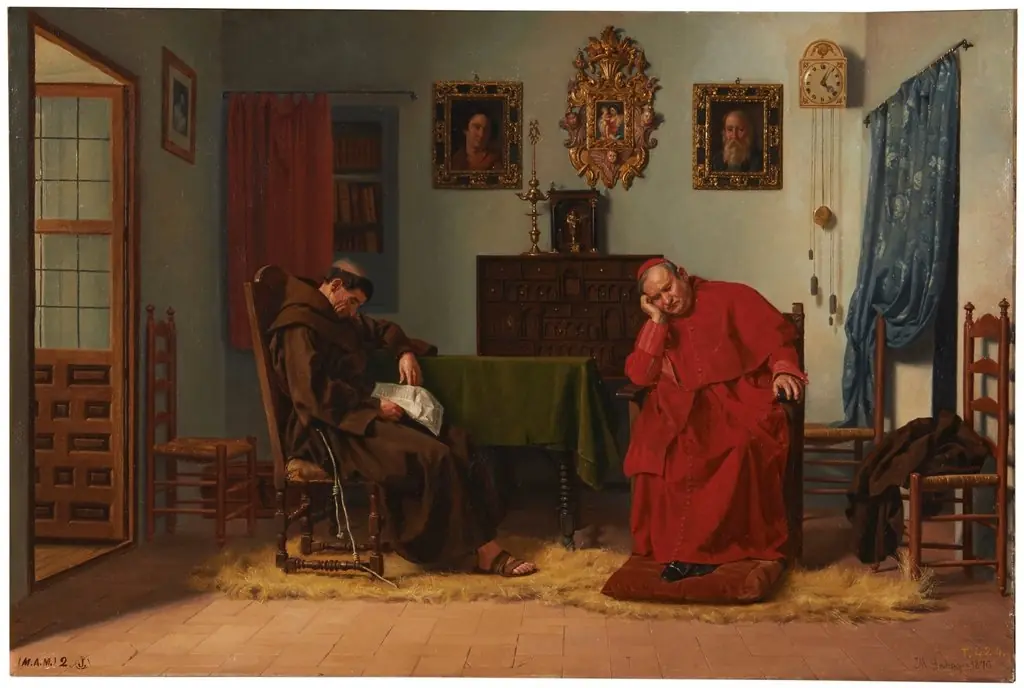 Una lectura interesante
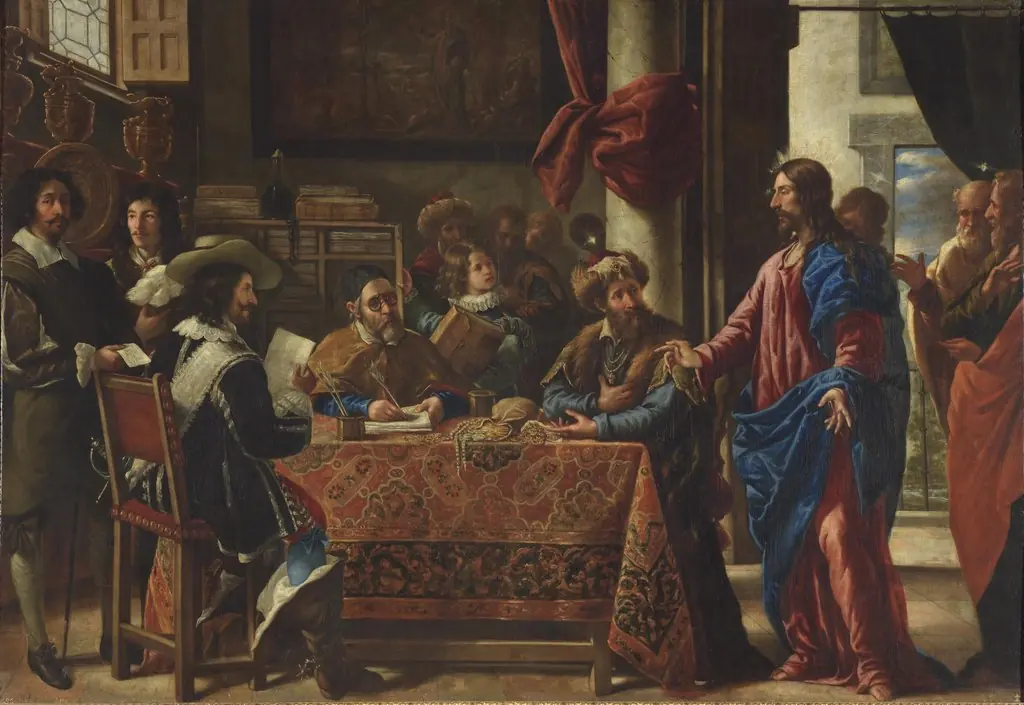 The Calling of Saint Matthew
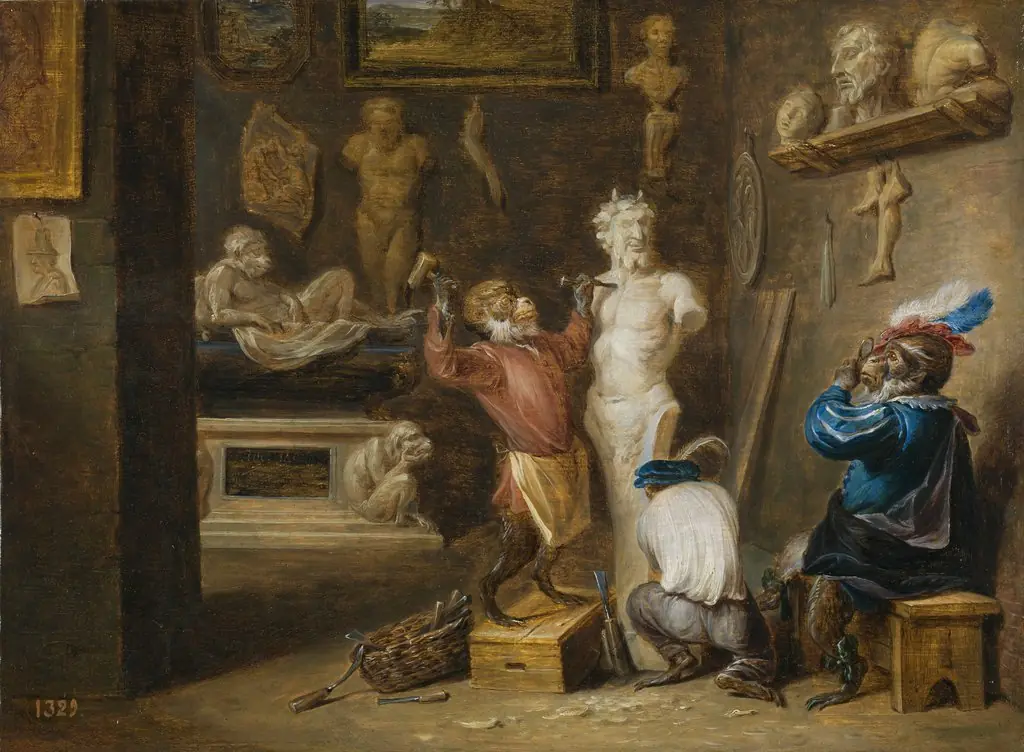 The Monkey Sculptor
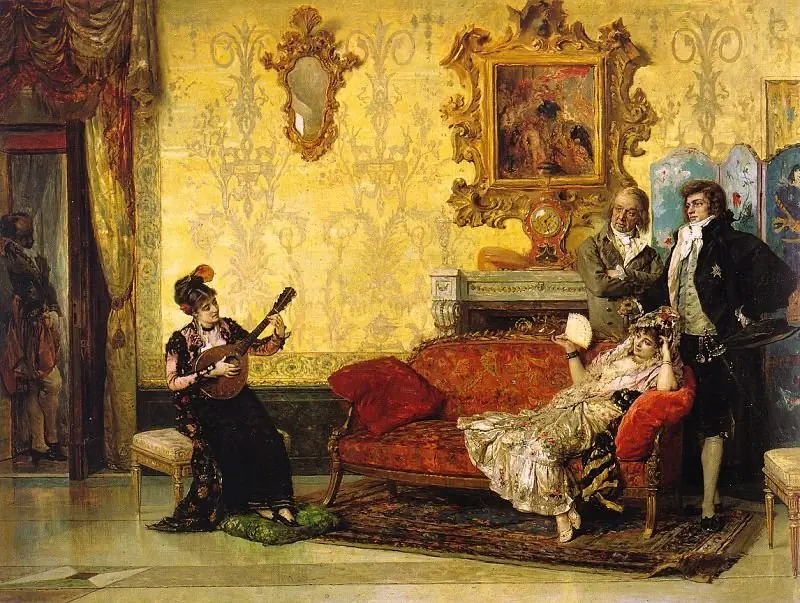 The Concert
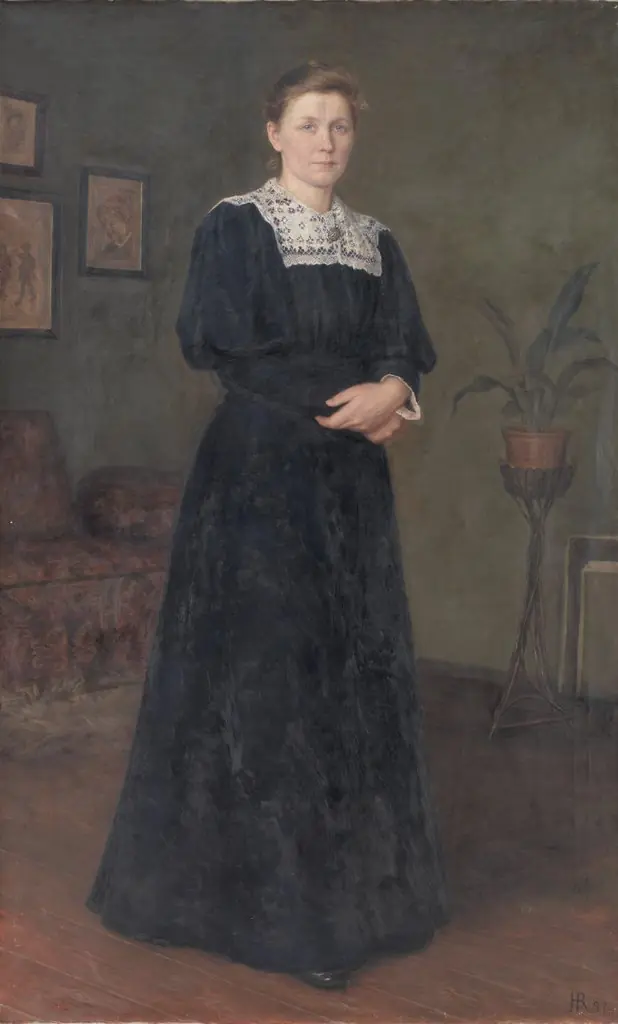 The Painter Ane Marie Hansen
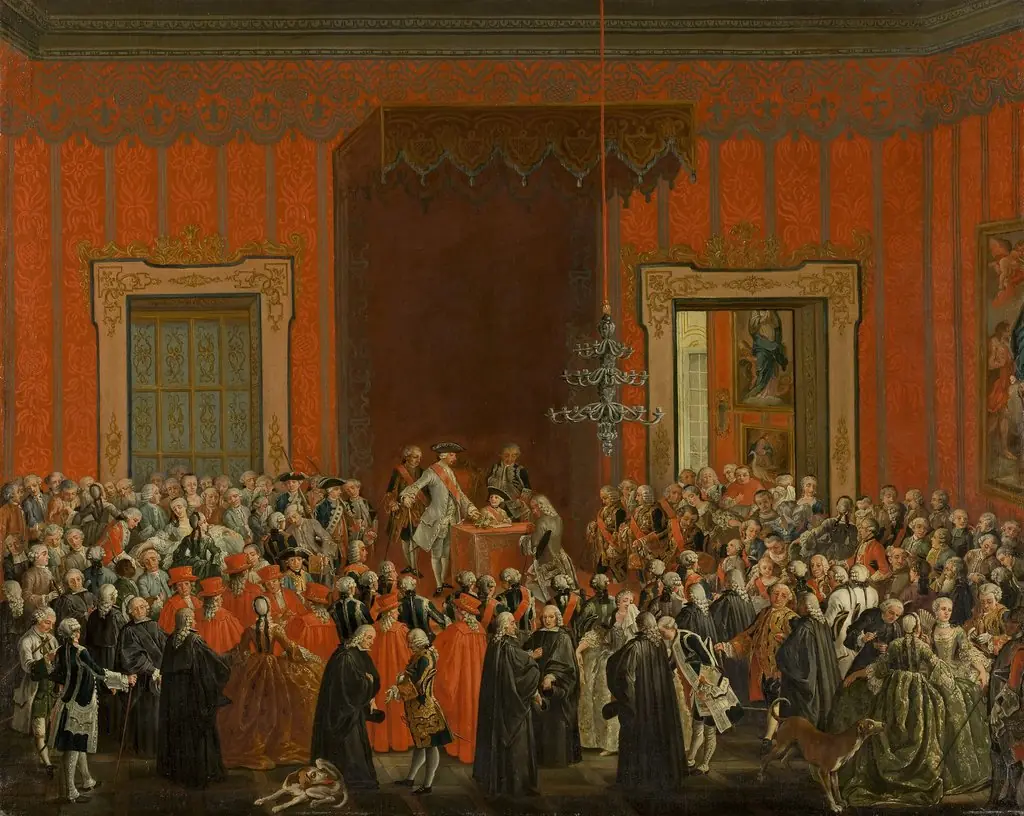 Carlos III renuncia a la corona de Nápoles
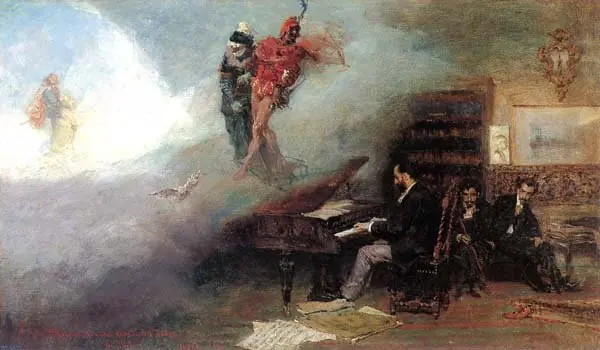 Fantasy on Faust
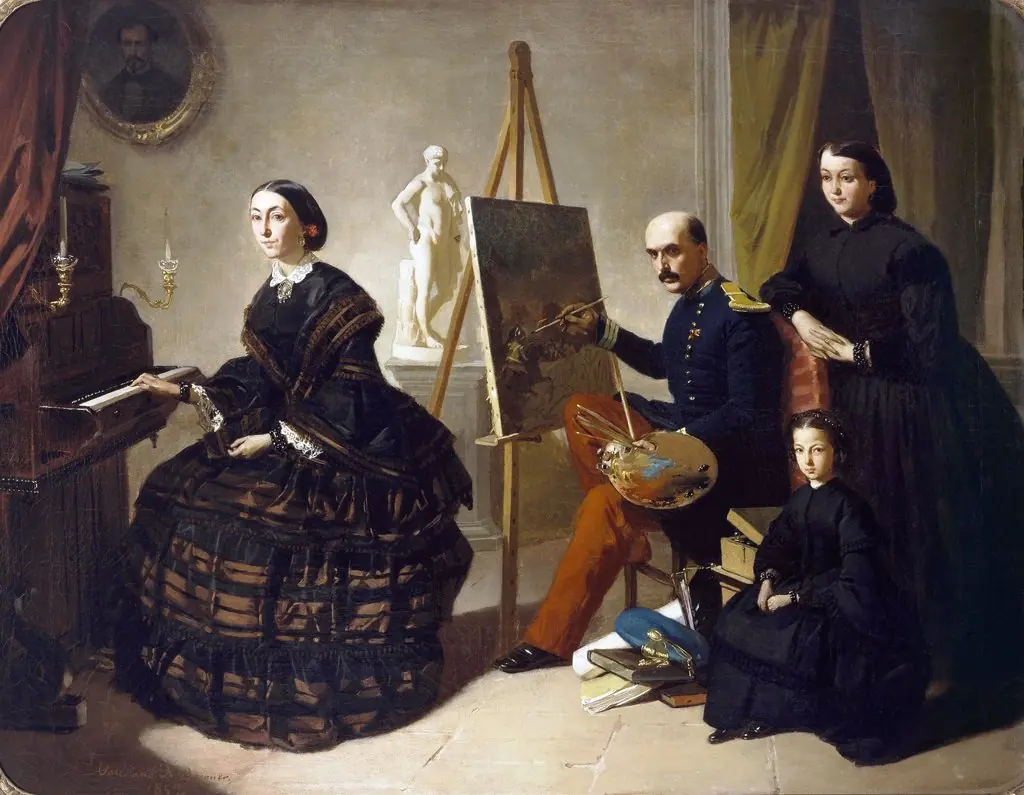 El pintor carlista y su familia
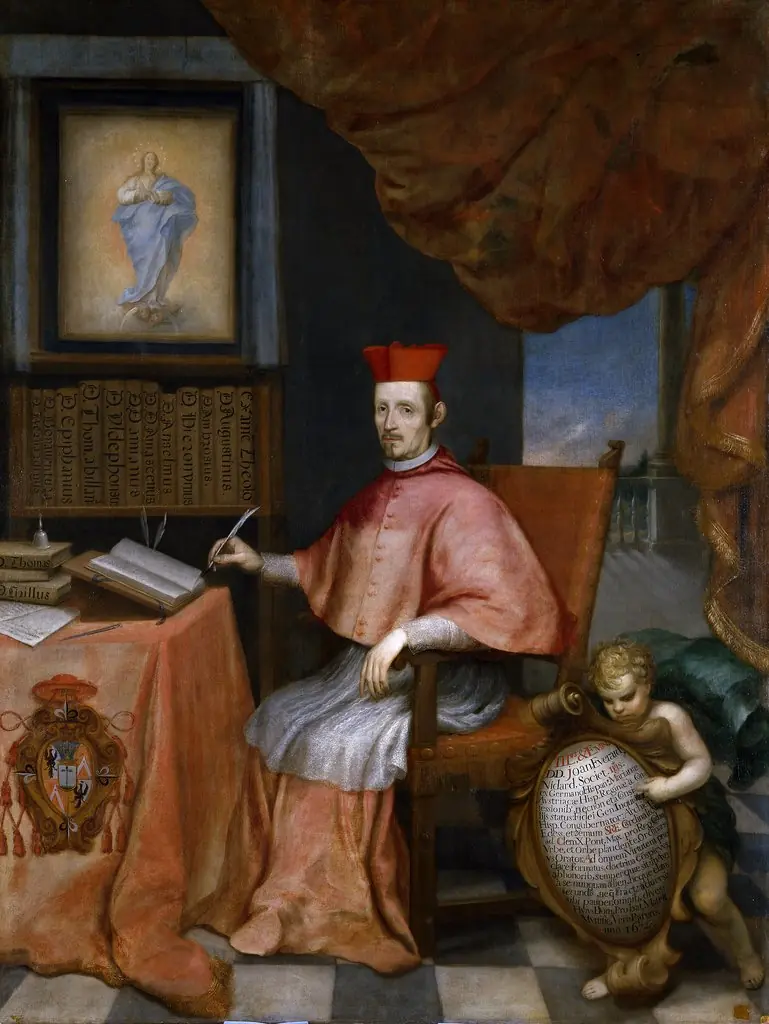 Cardinal Juan Everardo Nithard
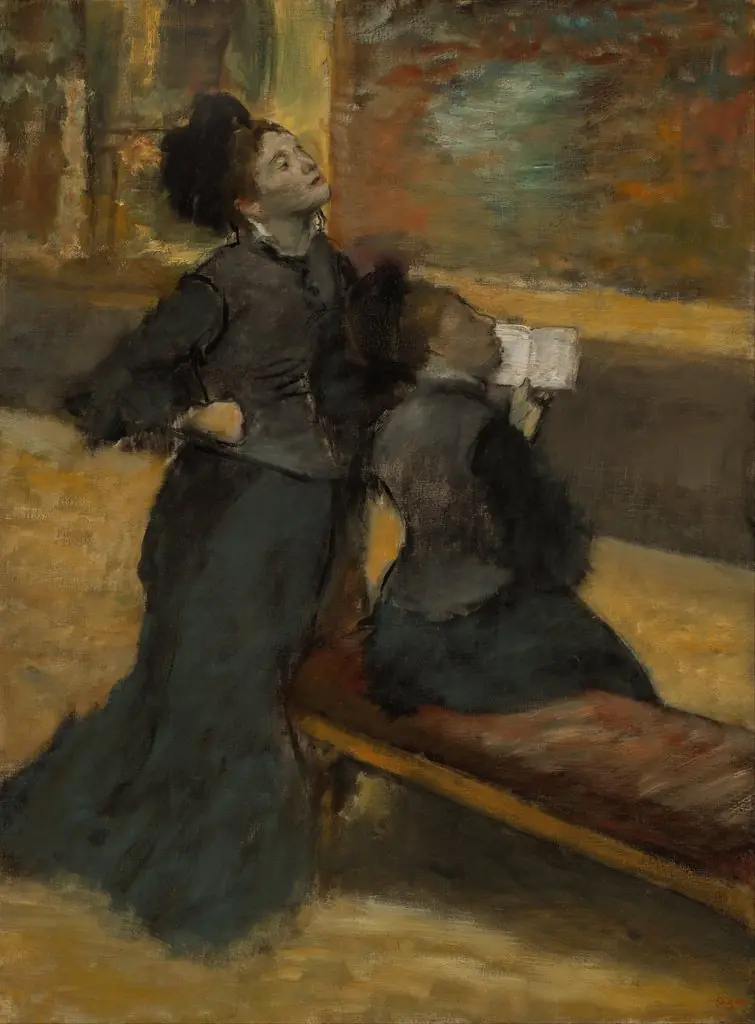 Visit to a Museum
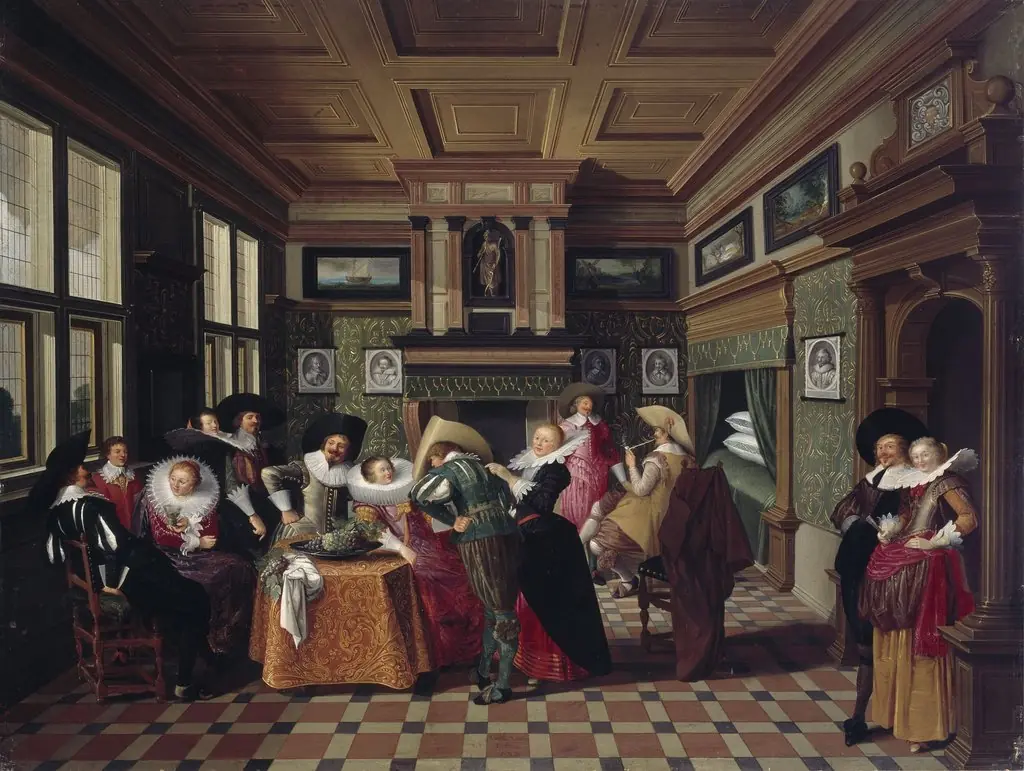 An Interior with Ladies and Cavaliers
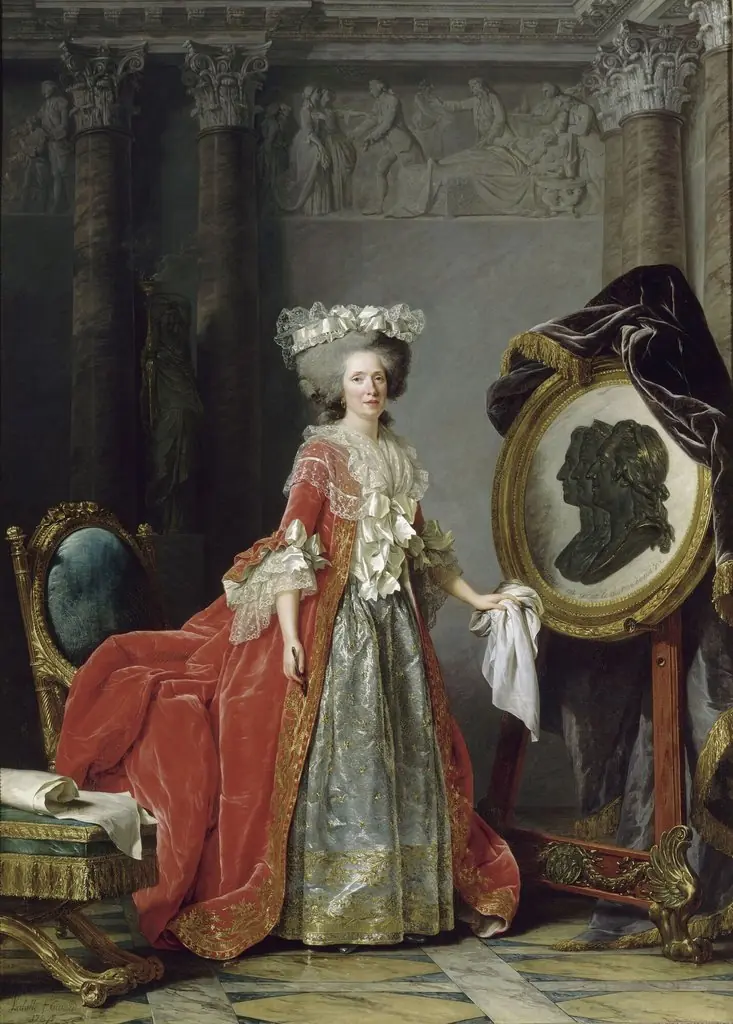 Marie-Adélaïde of France, known as Madame Adélaïde
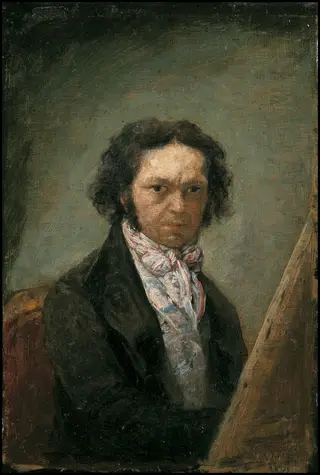 Self-portrait on Linen
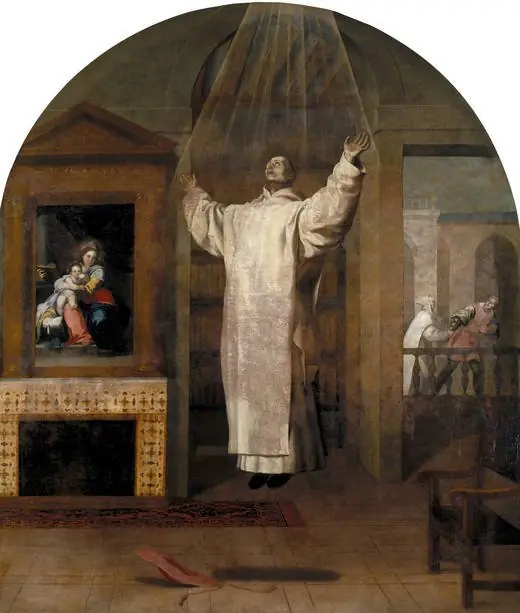 The Extasis of Jean Birelle
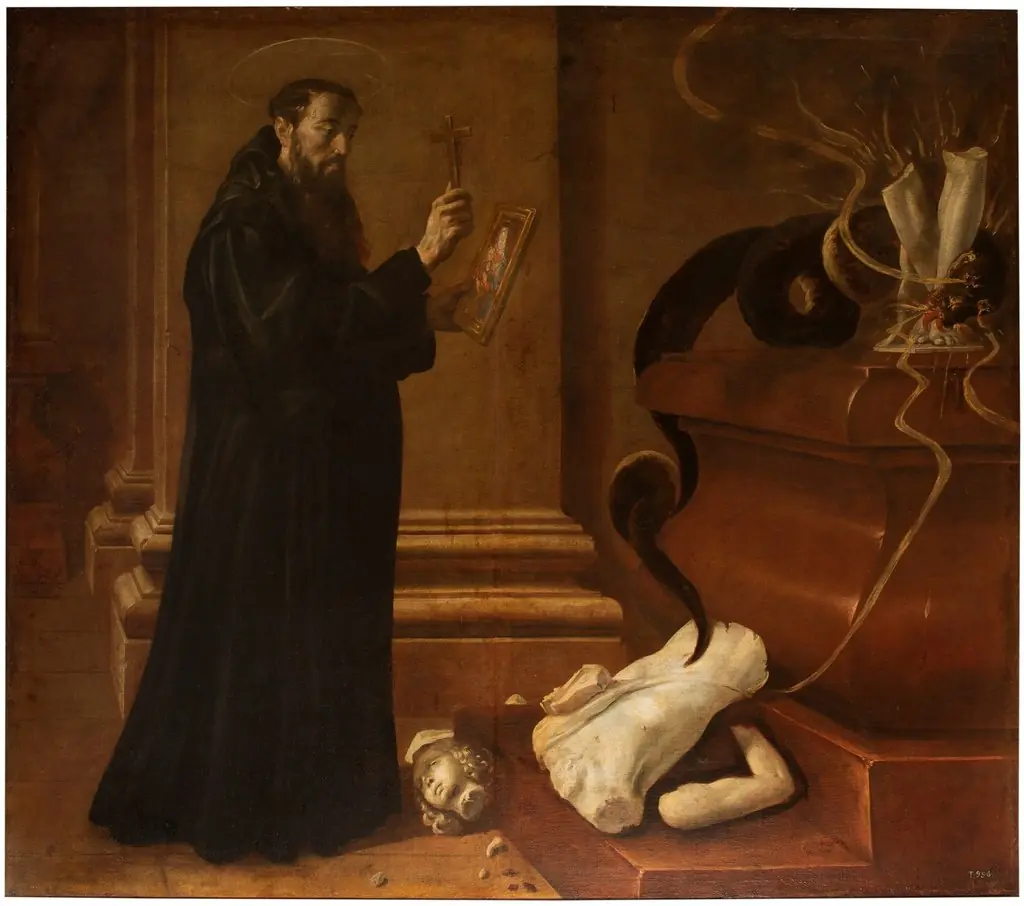 Saint Benedict destroying Idols
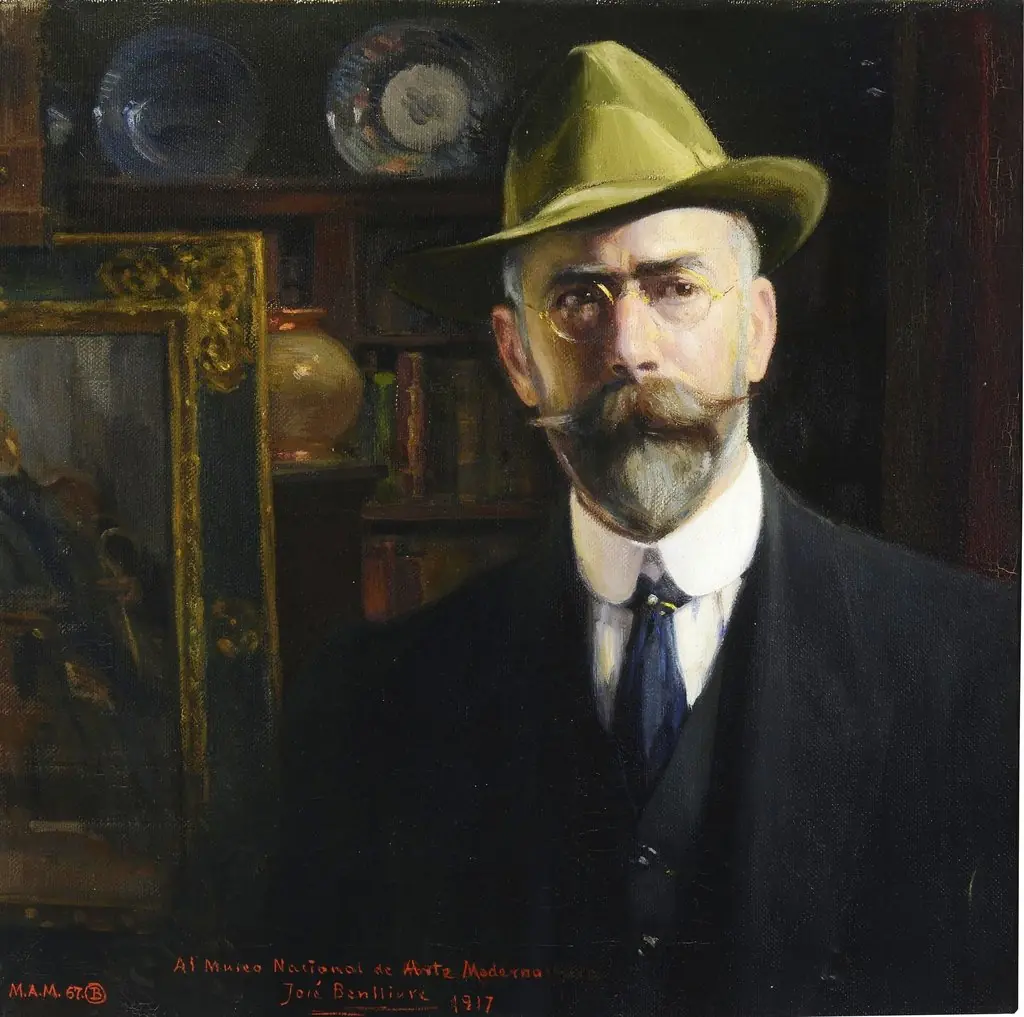 Self-portrait
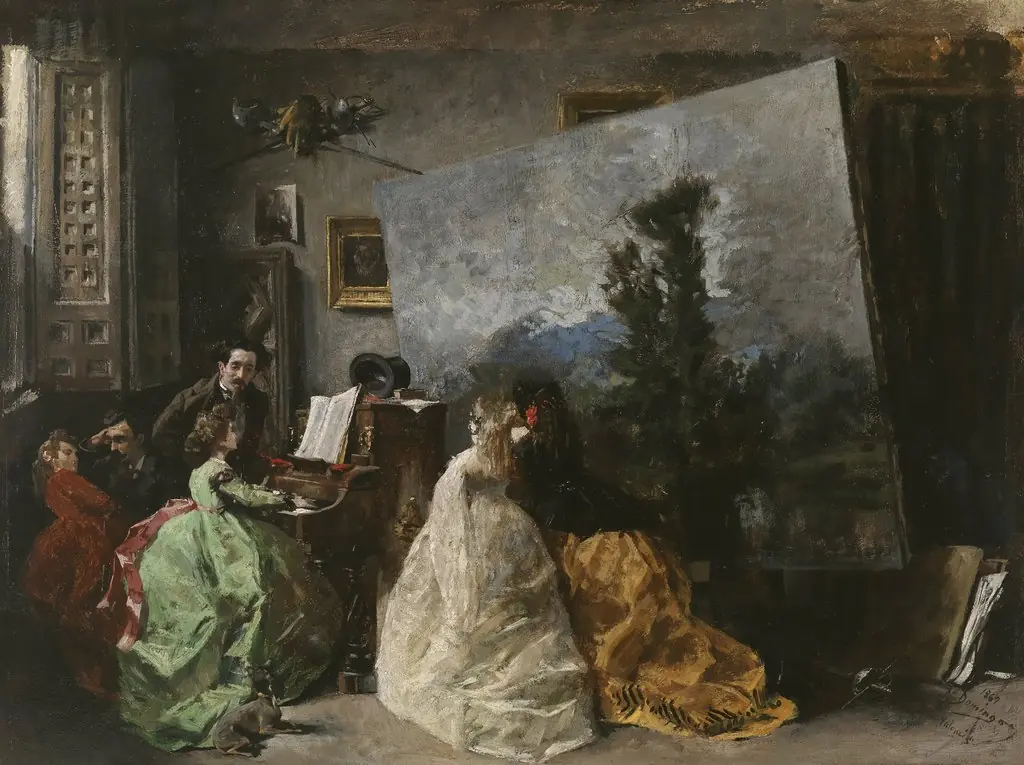 Interior del estudio de Muñoz Degrain en Valencia
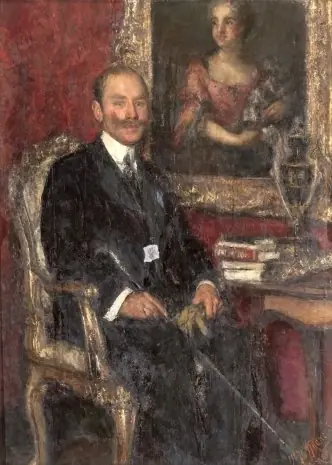 Otto Messinger
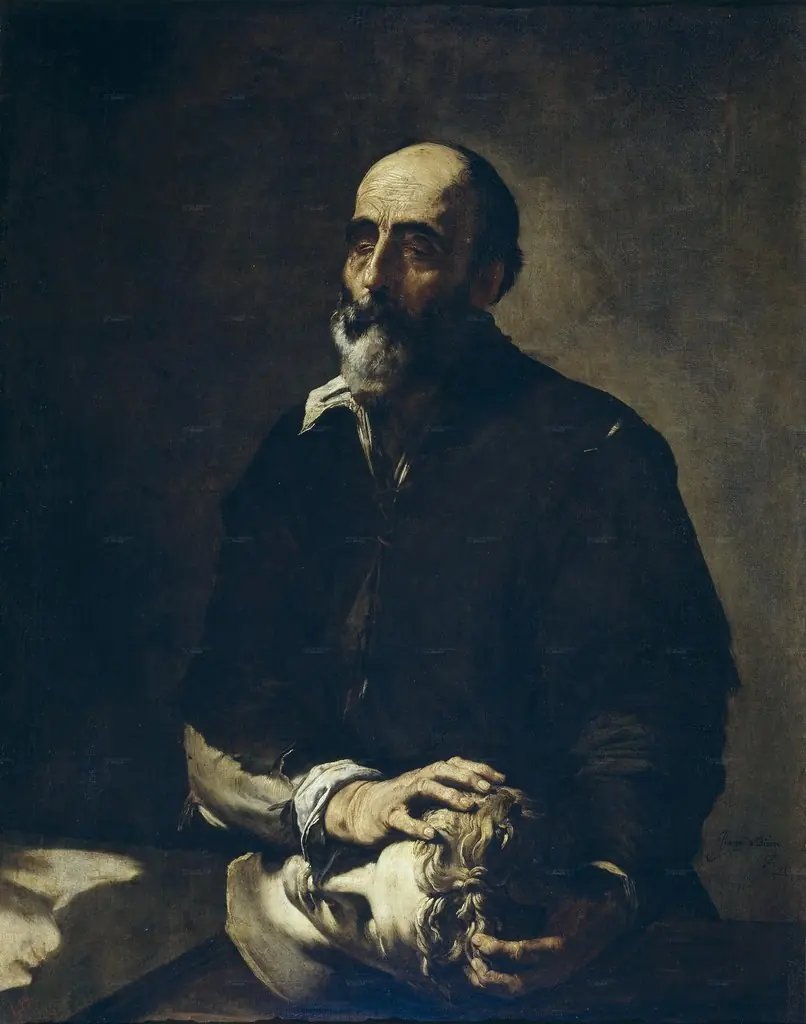 The Blind Sculptor
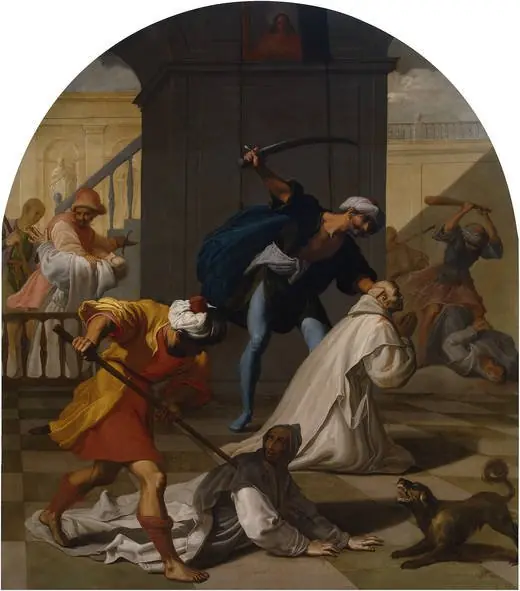 The Martyrdom of the Mauerbach Carthusians
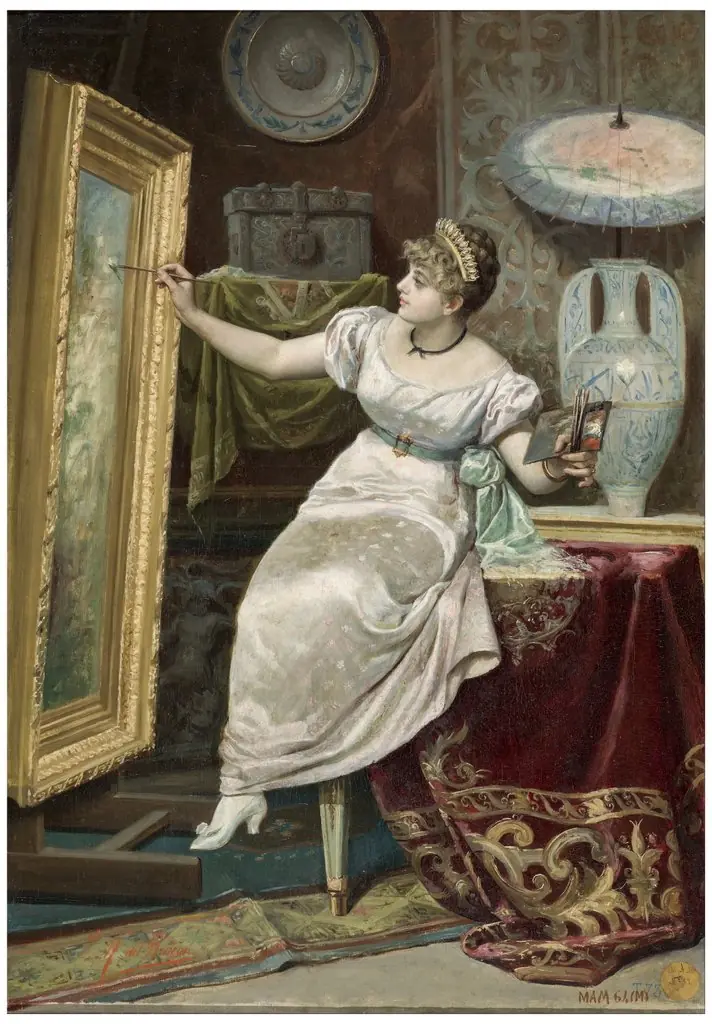 La artista
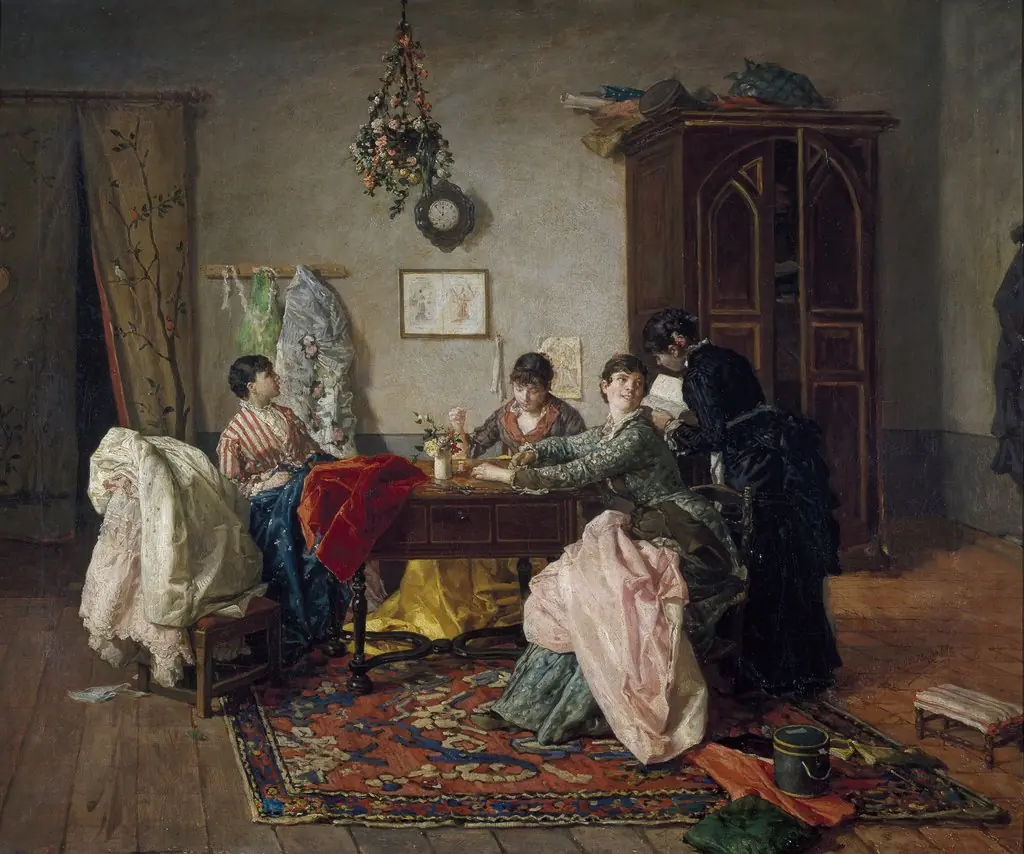 Dressmaker shop
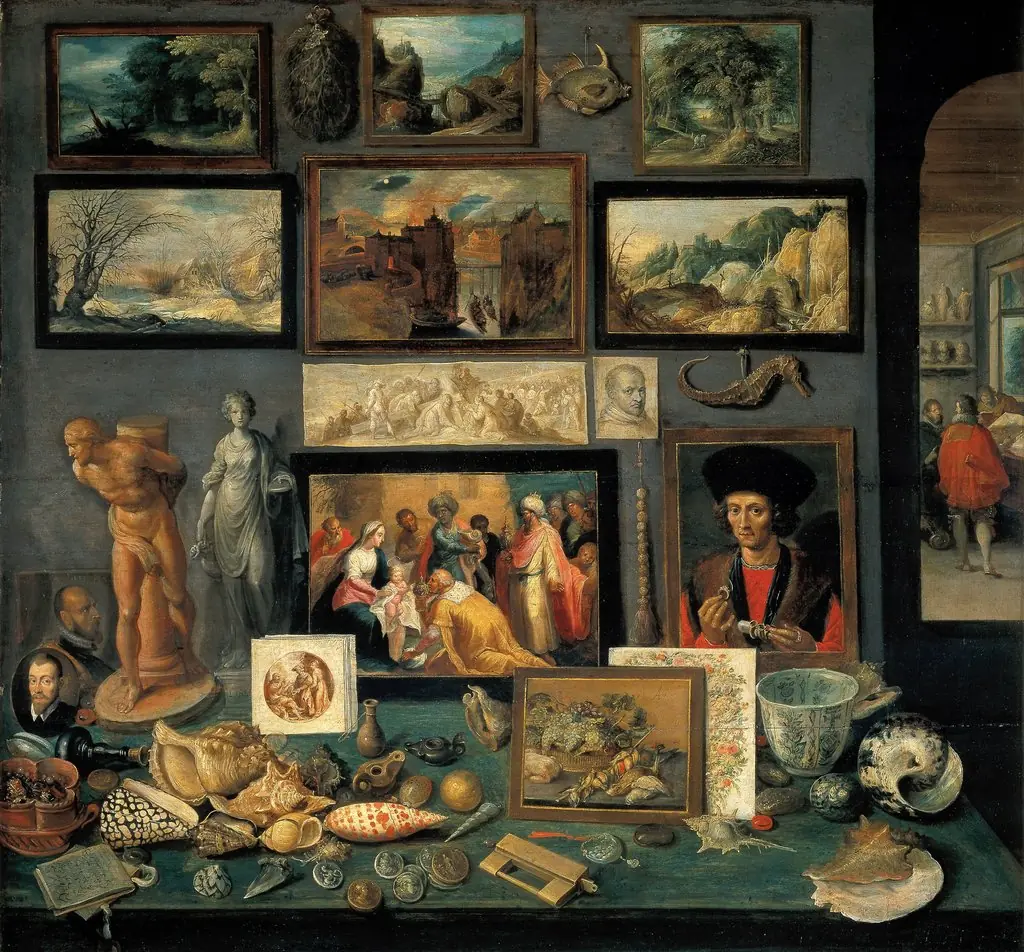 Chamber of Art and Curiosities
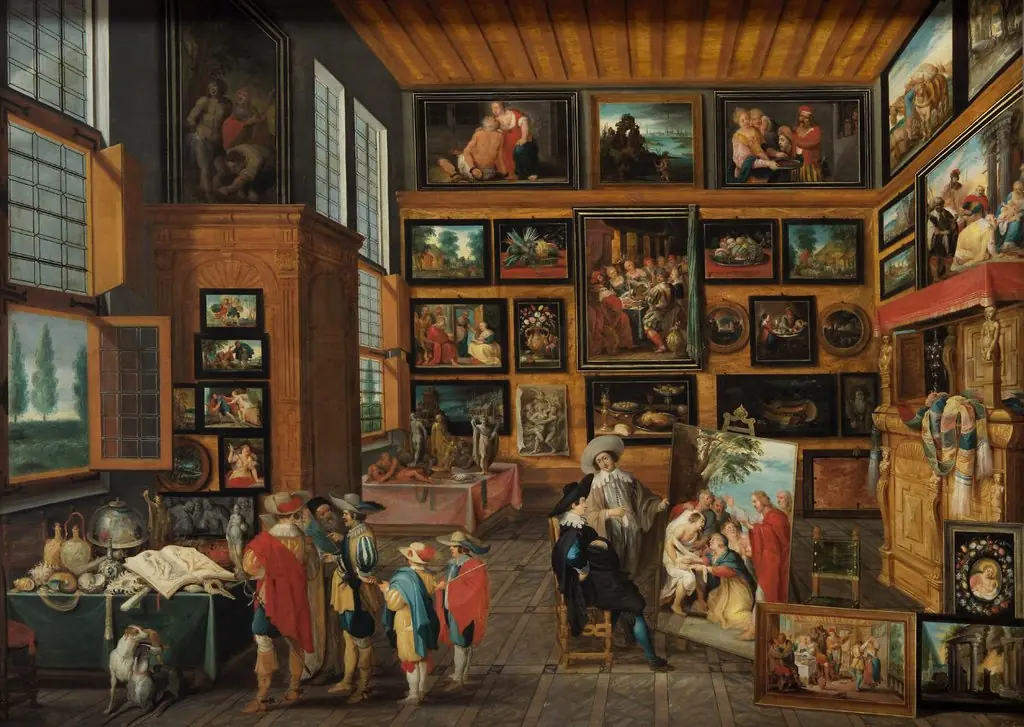 Art and Rarity Cabinet
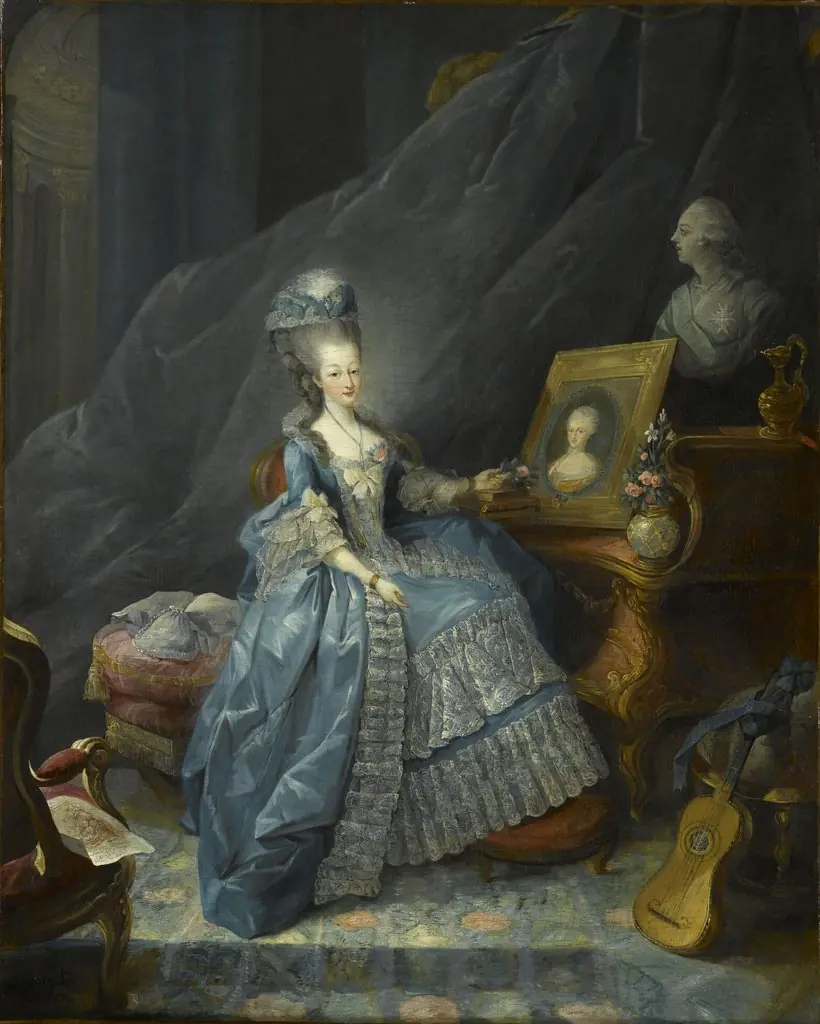 Marie-Thérèse of Savoy, Countess of Artois (1756-1805)
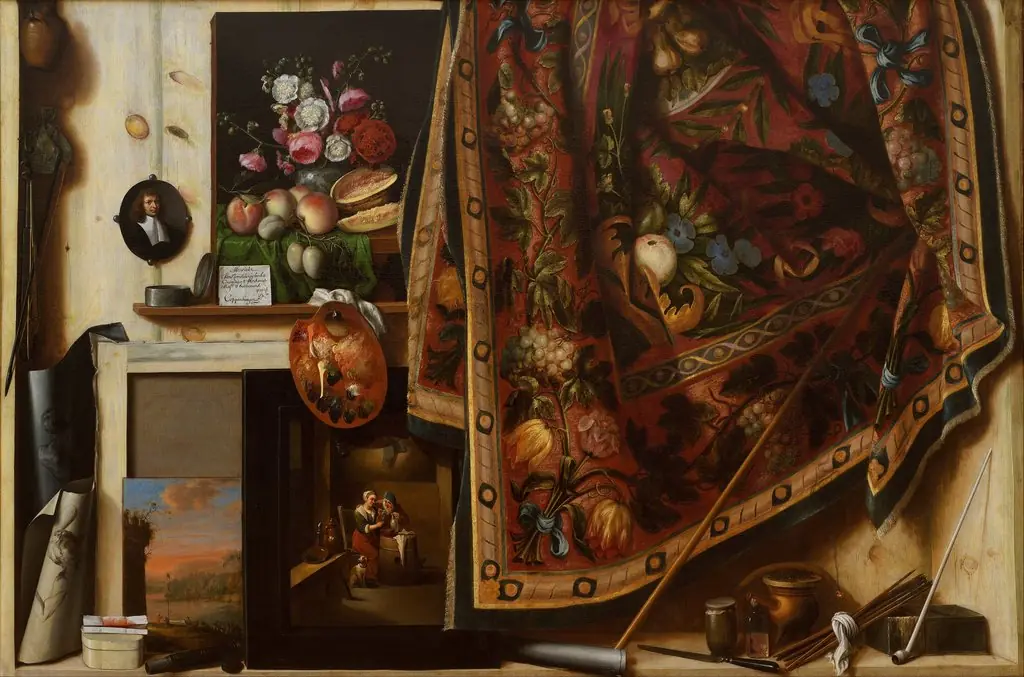 Trompe-l'œil. A Cabinet in the Artist's Studio
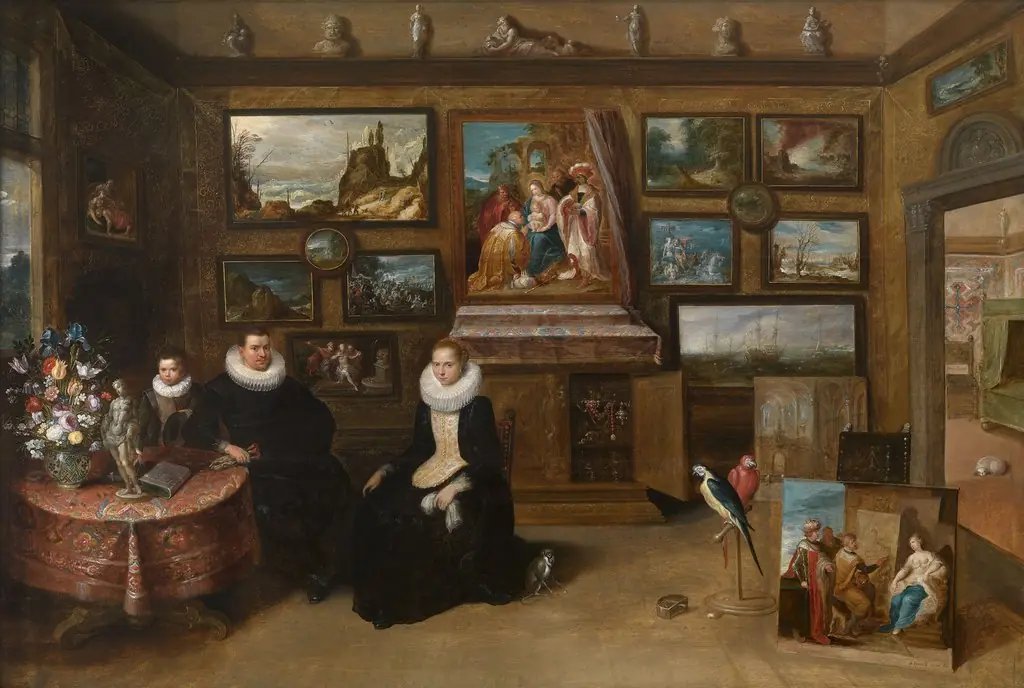 The Collection of paintings of Sebastiaan Leerse
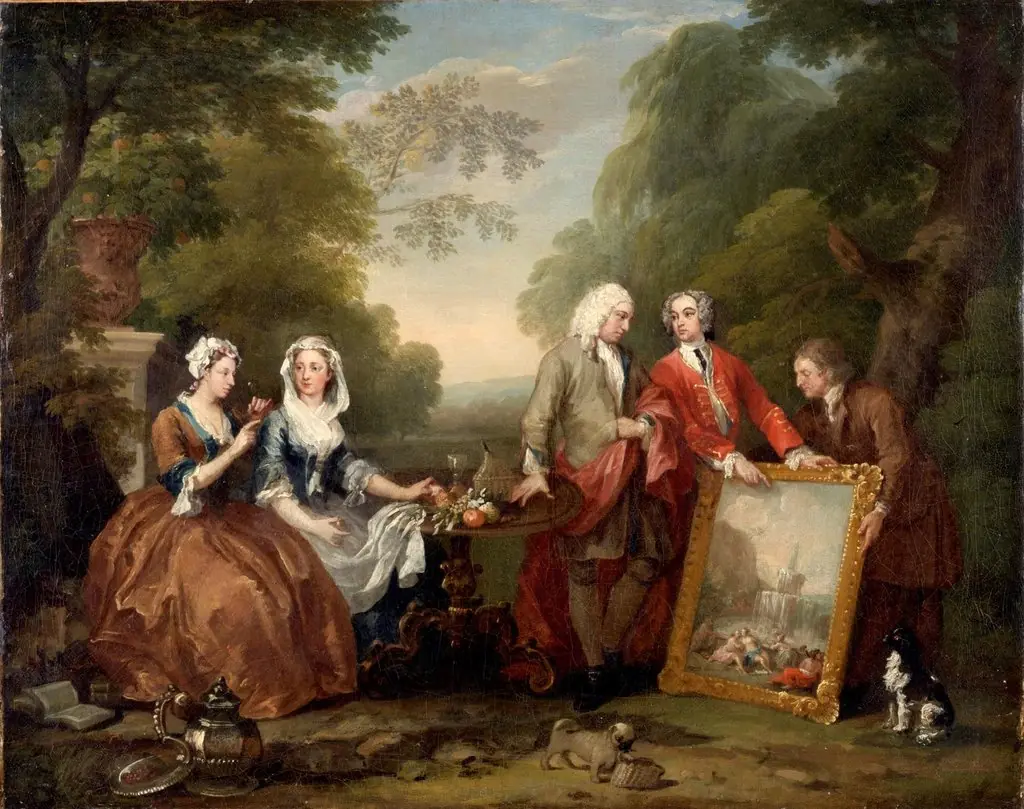 Conversation Piece (Portrait of Sir Andrew Fountaine with Other Men and Women)
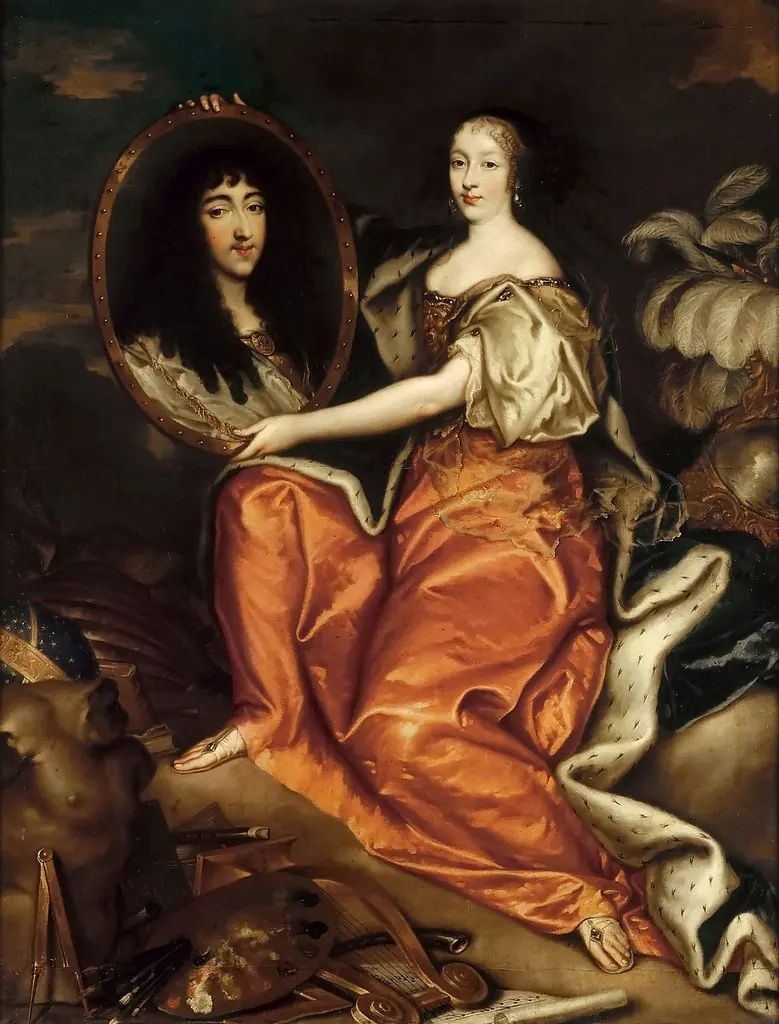 Henriette-Anne of England, Duchess of Orleans, known as Madame (1644-1670)
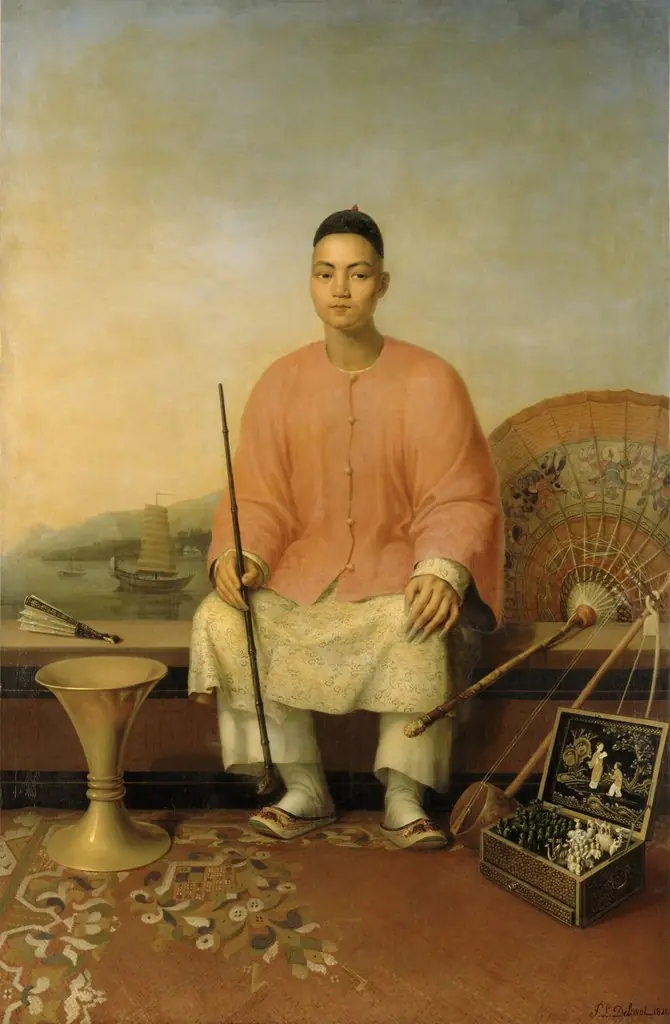 Kan-Gao, Cayenne Chinese
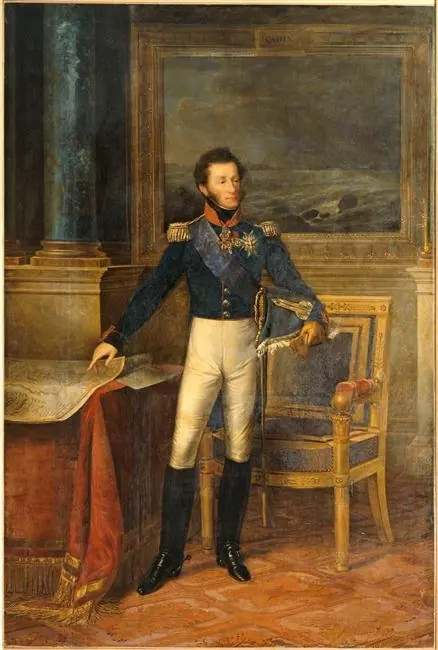 Louis-Antoine d'Artois, Duke of Angoulême (1775-1844)
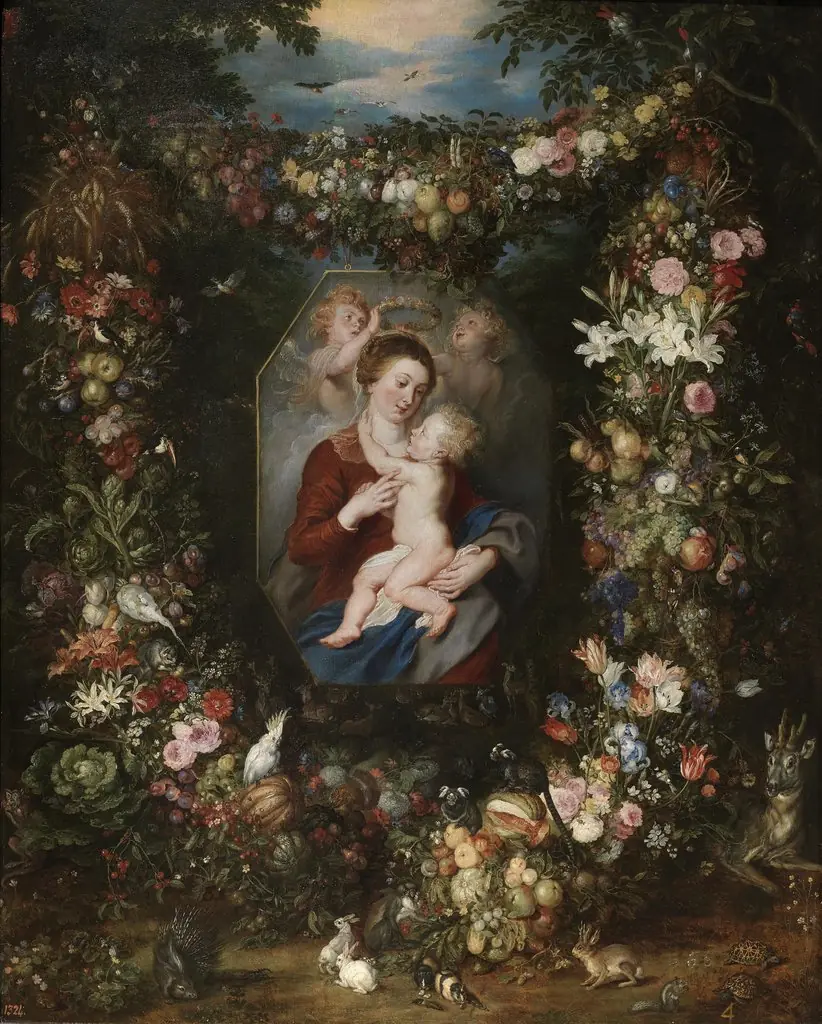 The Virgin and Child in a Painting surrounded by Fruit and Flowers
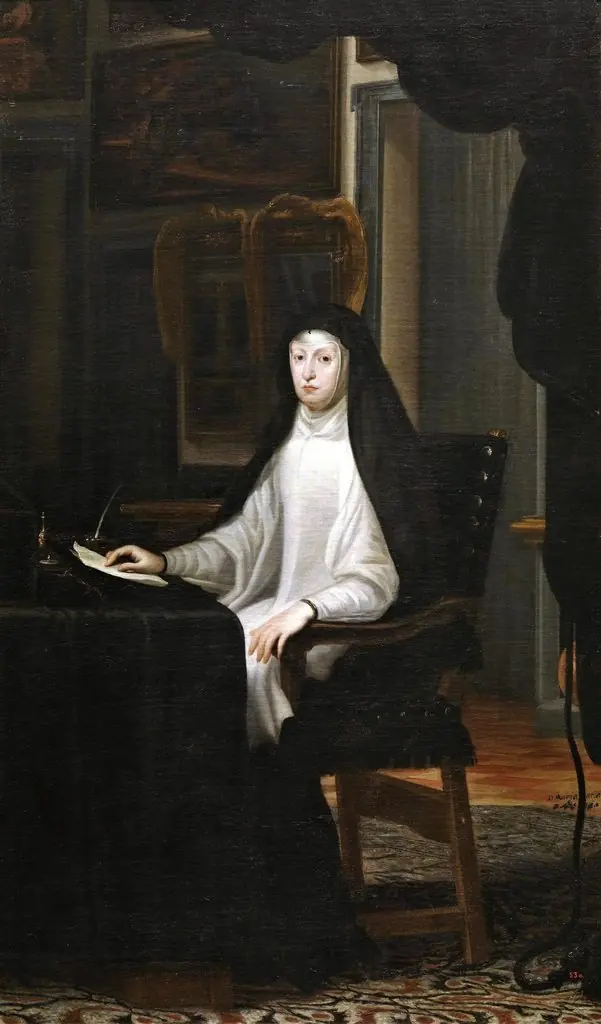 Queen Mariana de Austria as a Widow
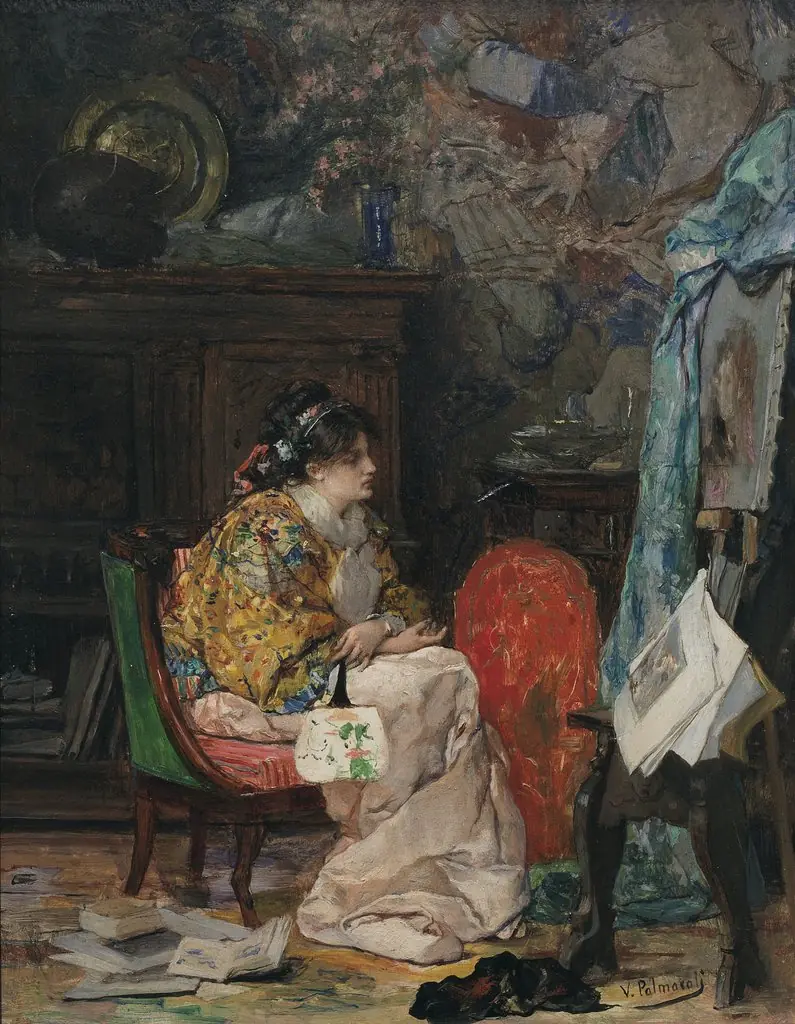 In the Studio
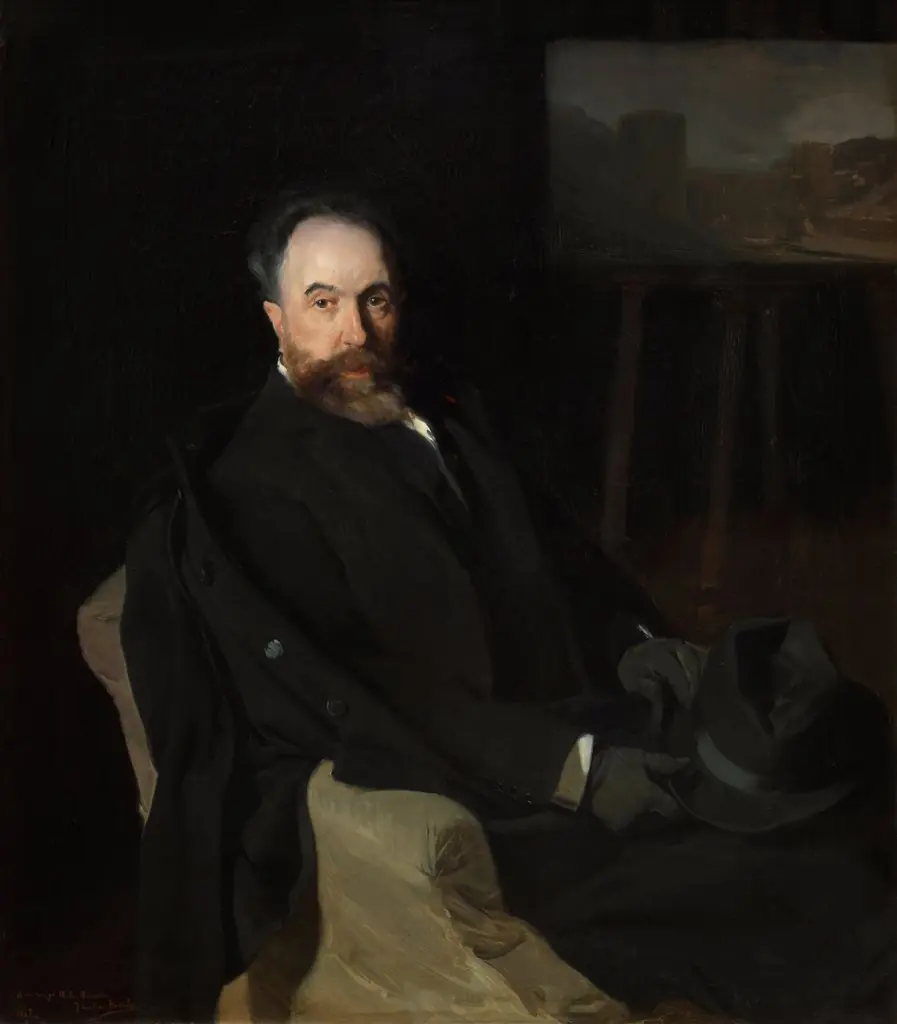 The Painter Aureliano de Beruete
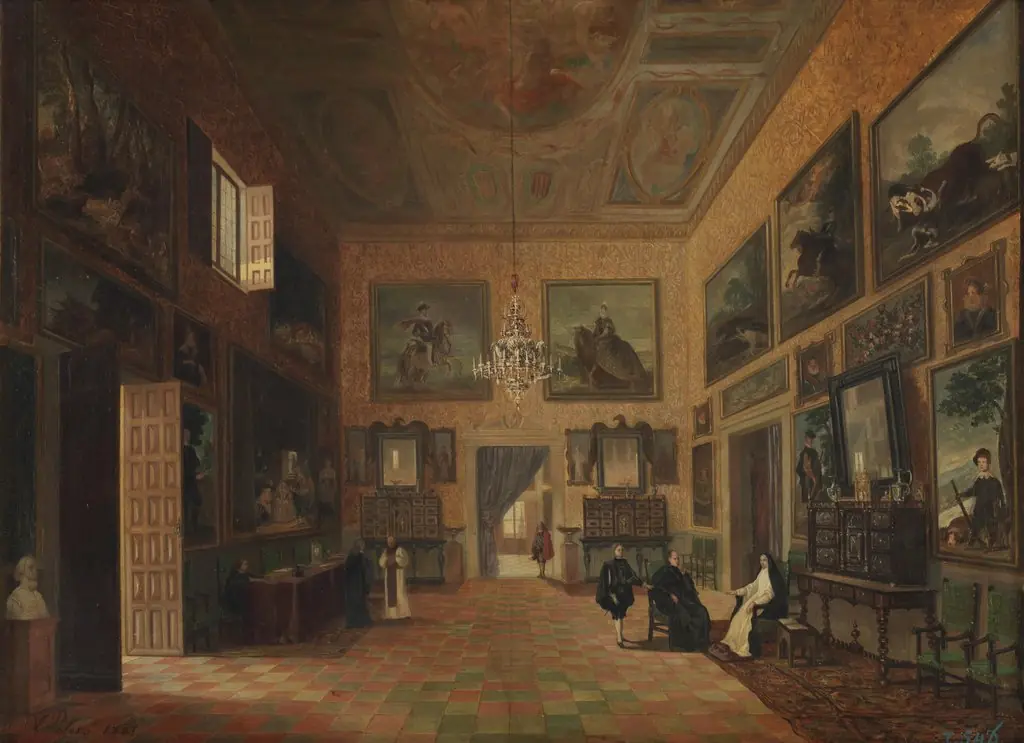 The chamber of Philip IV in the Buen Retiro Royal Palace
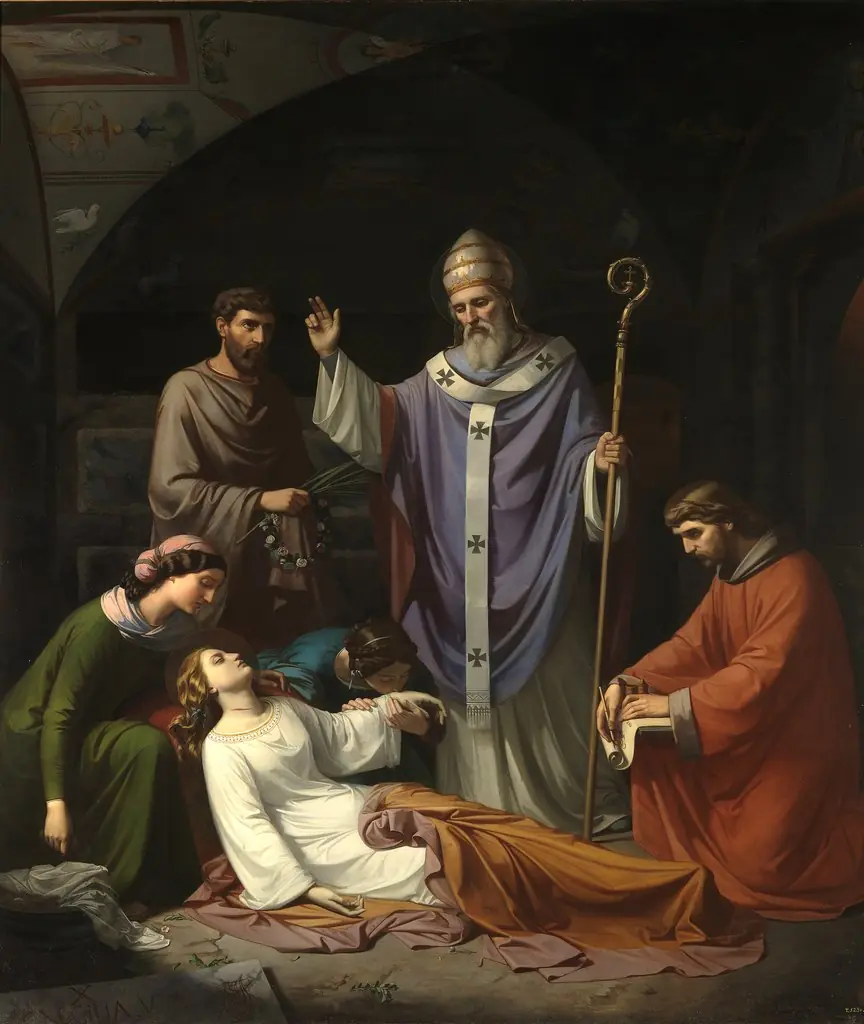 Entierro de Santa Cecilia en las catacumbas de Roma
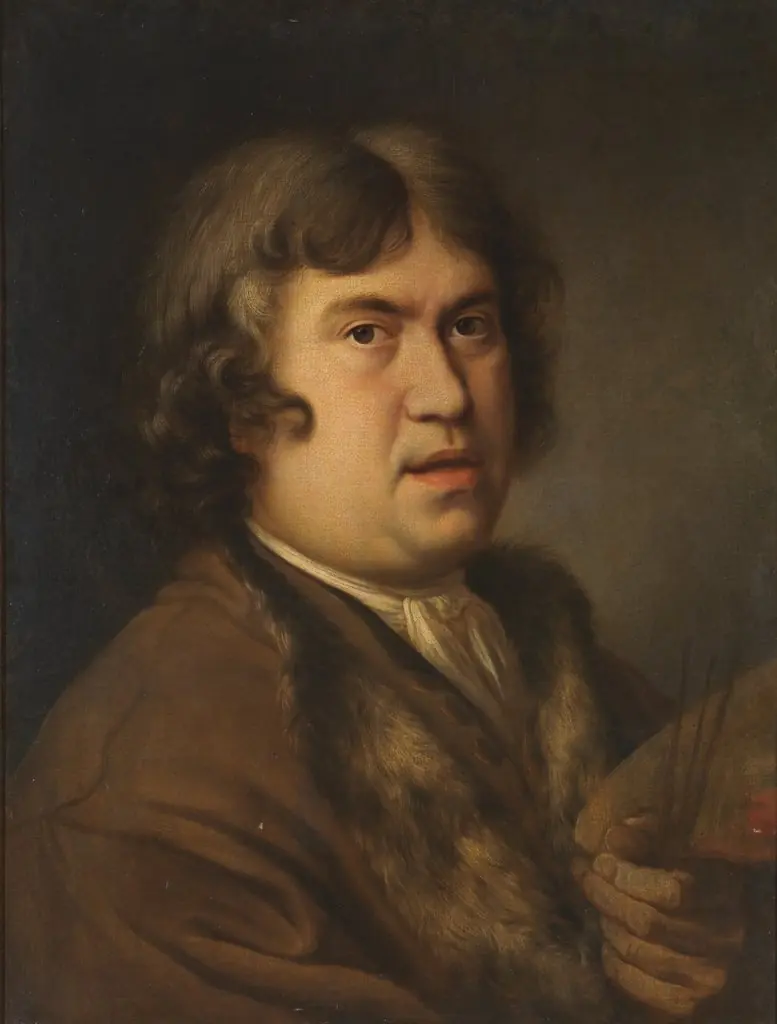 Self-Portrait
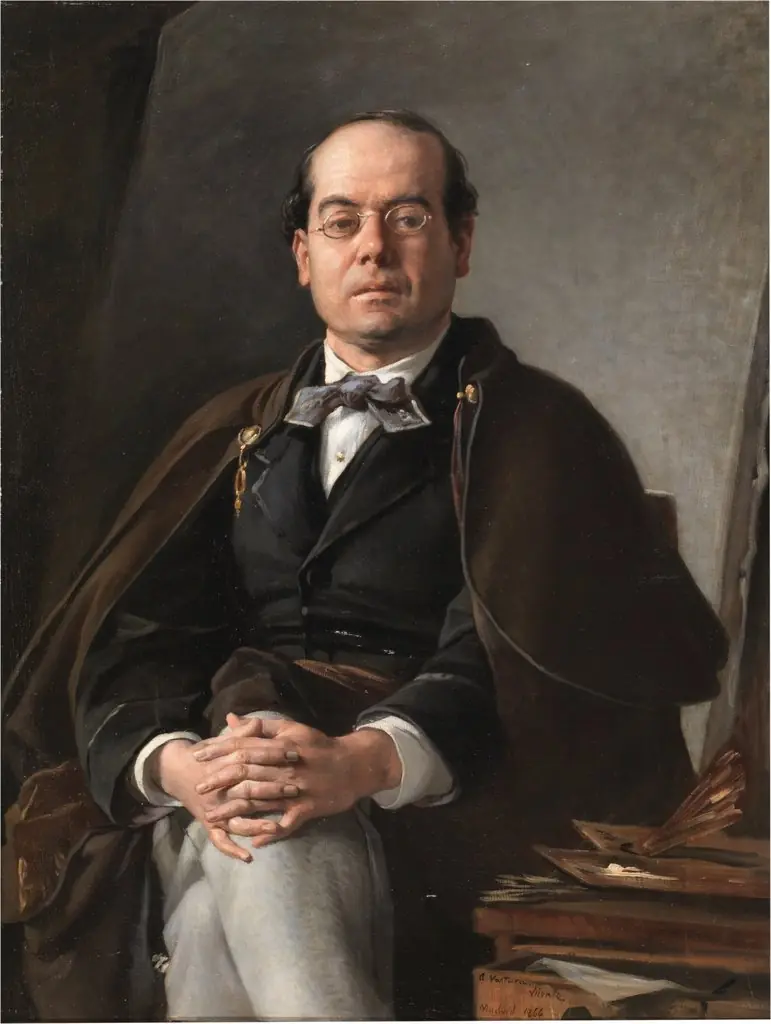 El pintor Ventura Miera
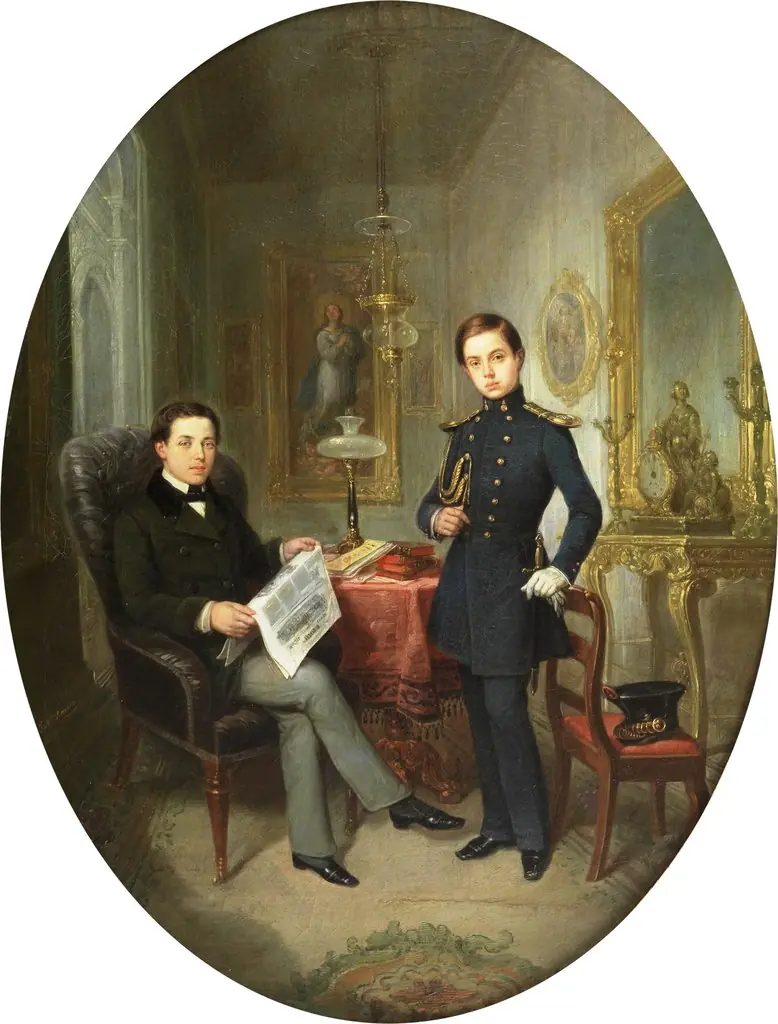 Ricardo y Federico Santaló
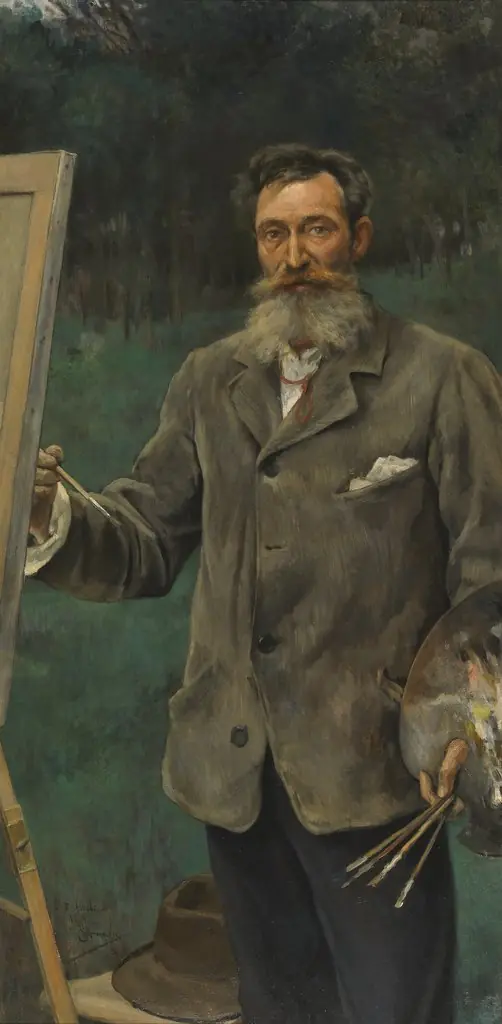 The painter Ricardo Arredondo
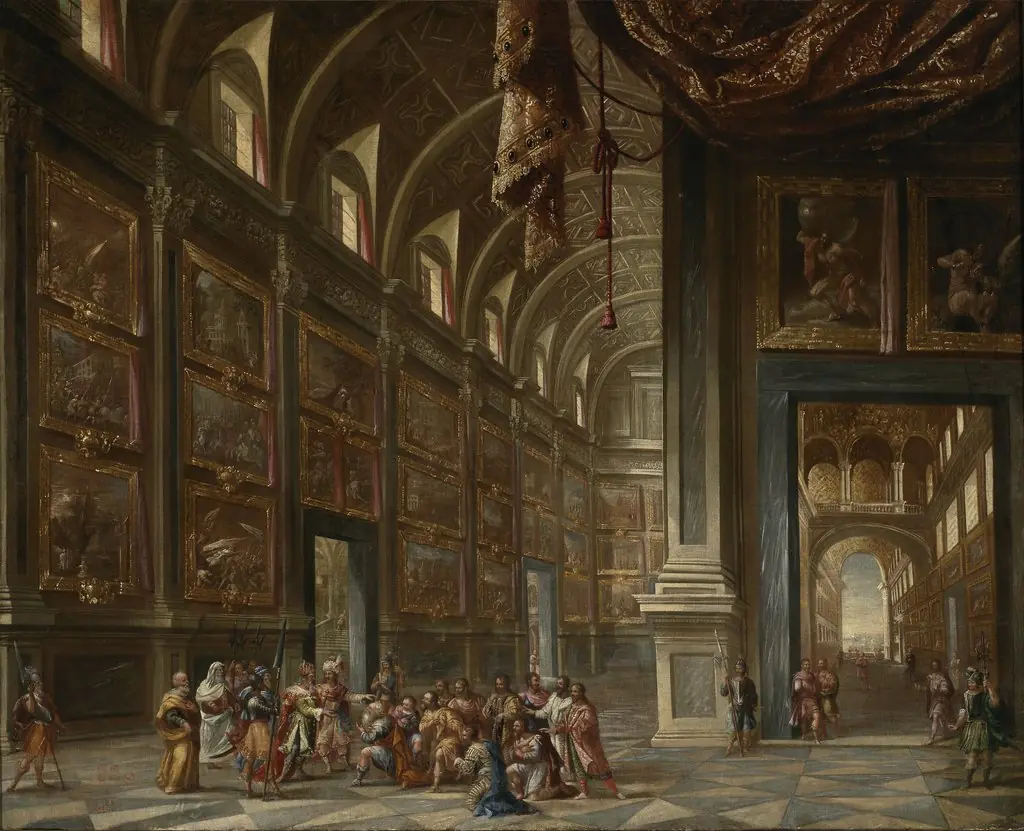 José mostrando a su padre y sus hermanos al Faraón
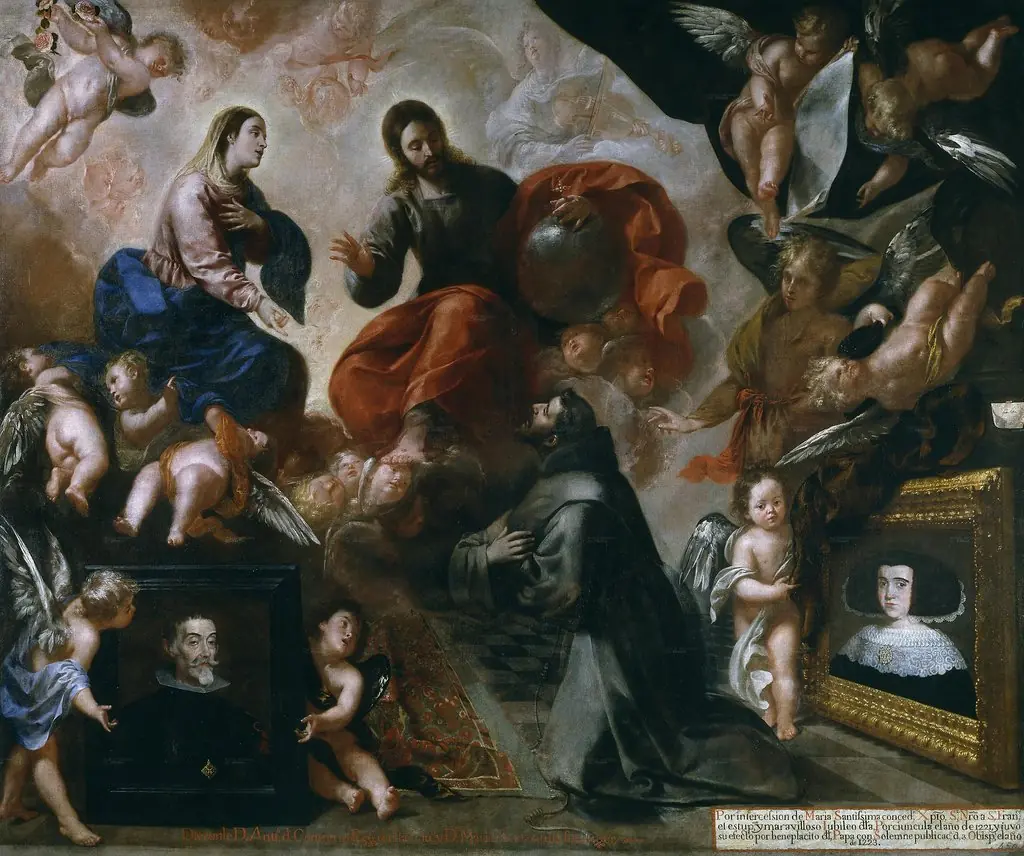 Saint Francis of Assisi in the Porziuncola with the Donors Antonio Contreras and María Amezquita
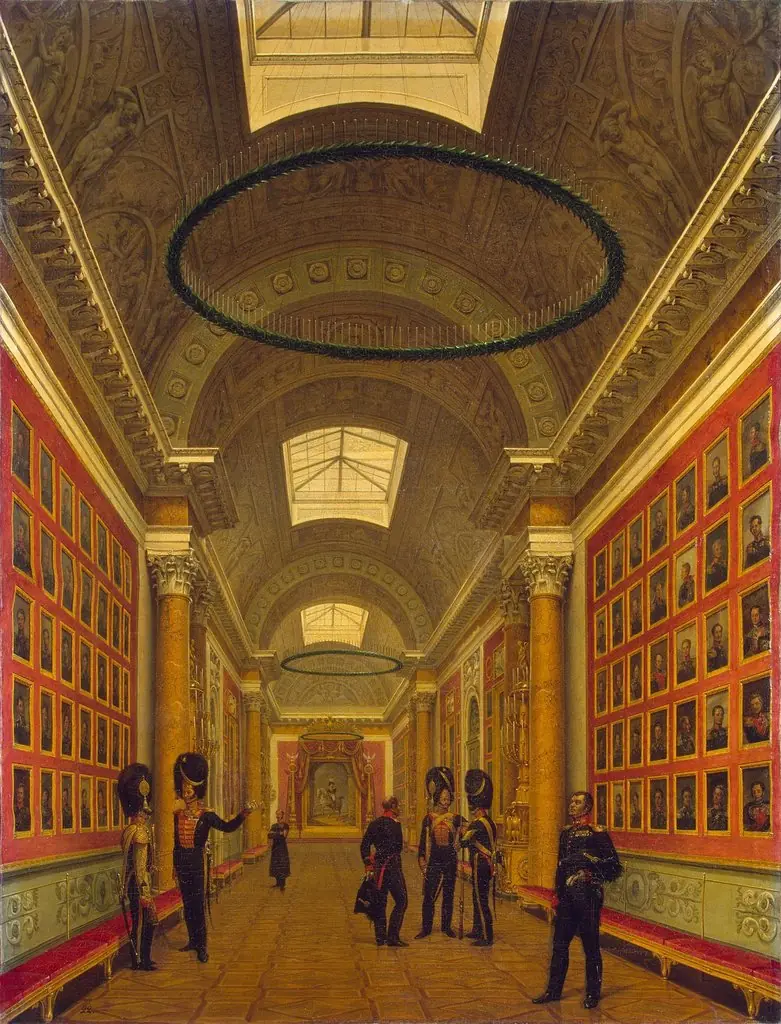 Military Gallery of the Winter Palace
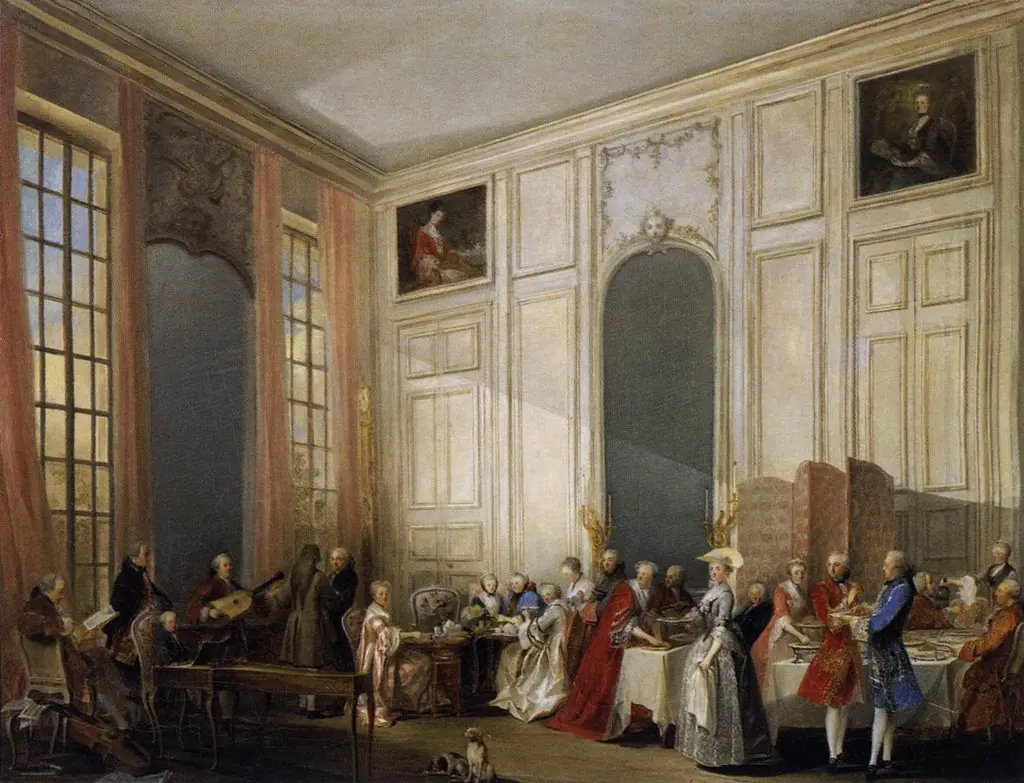 Afternoon Tea at the Temple
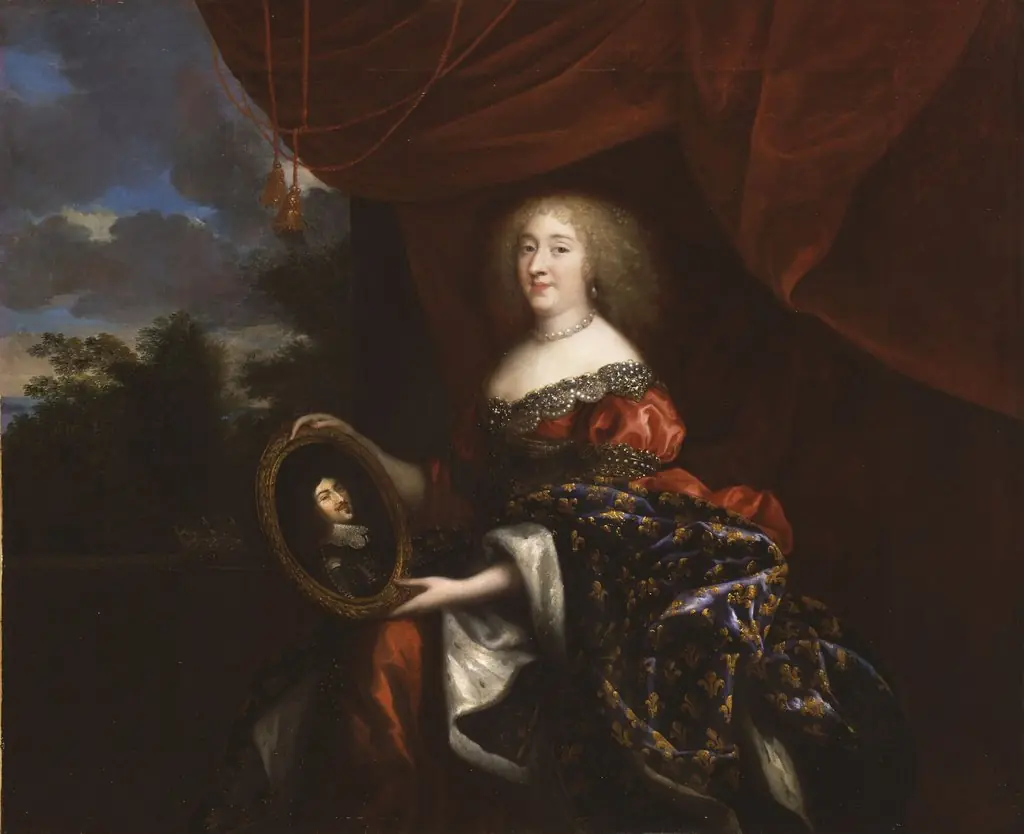 Anne Marie Louise d'Orléans holding a portrait of her father the late Duke of Orléans
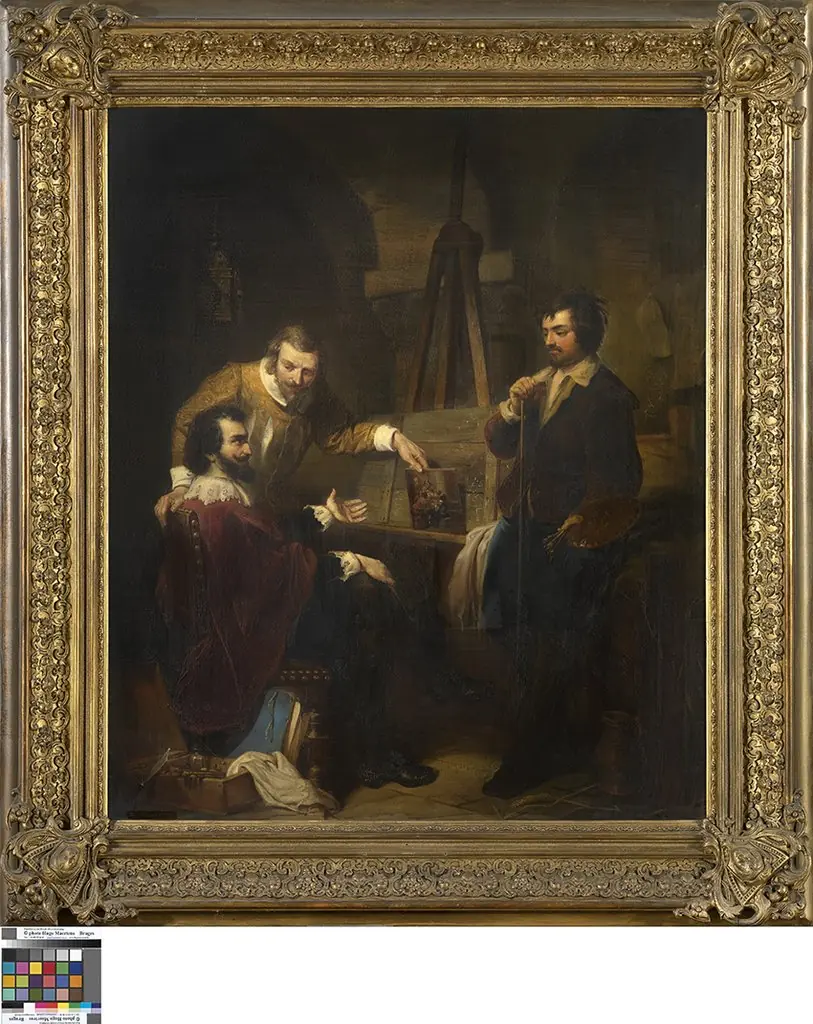 Peter Paul Rubens bezoekt Adriaen Brouwer in de Citadel van Antwerpen
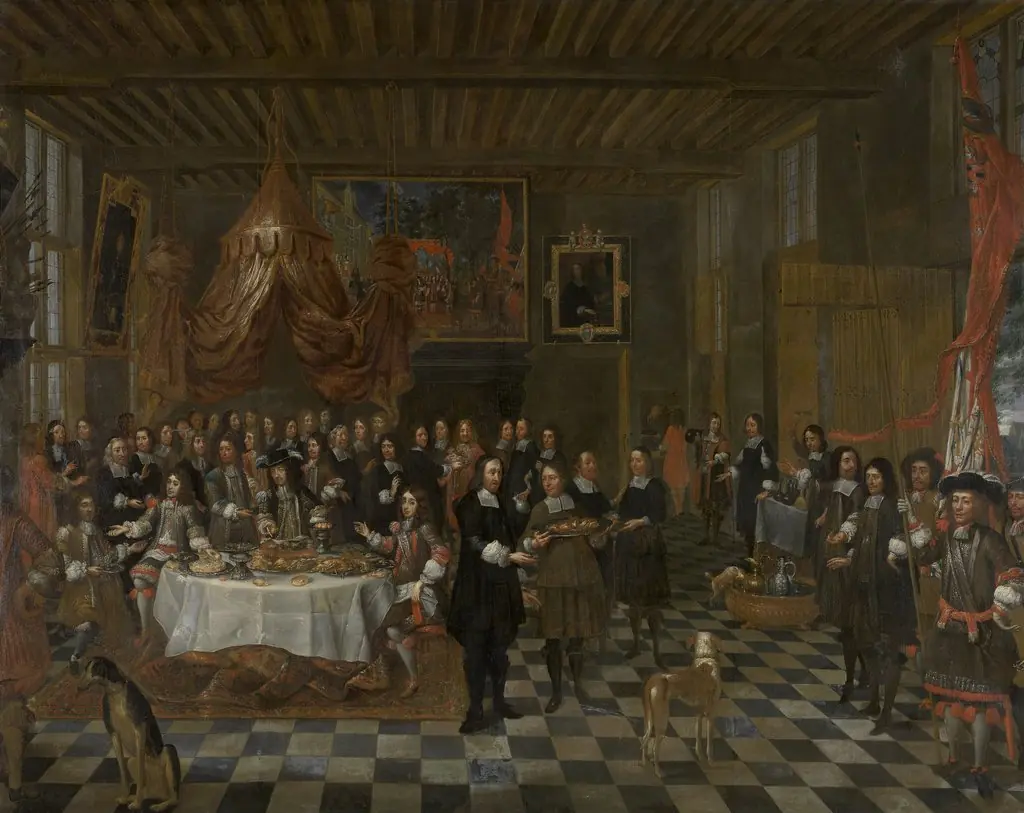 The Reception of Charles II and his Brothers in the Guild of Saint Barbara in Bruges
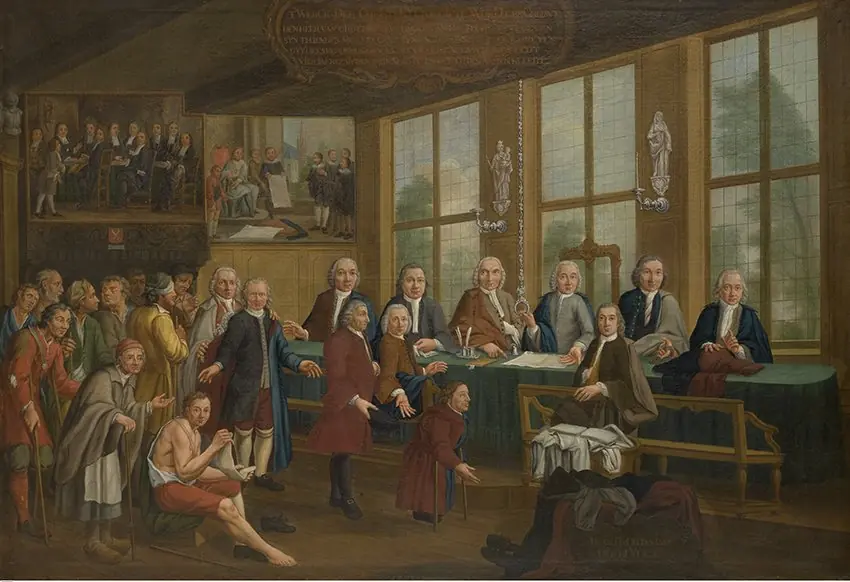 Eed van de kleermakers
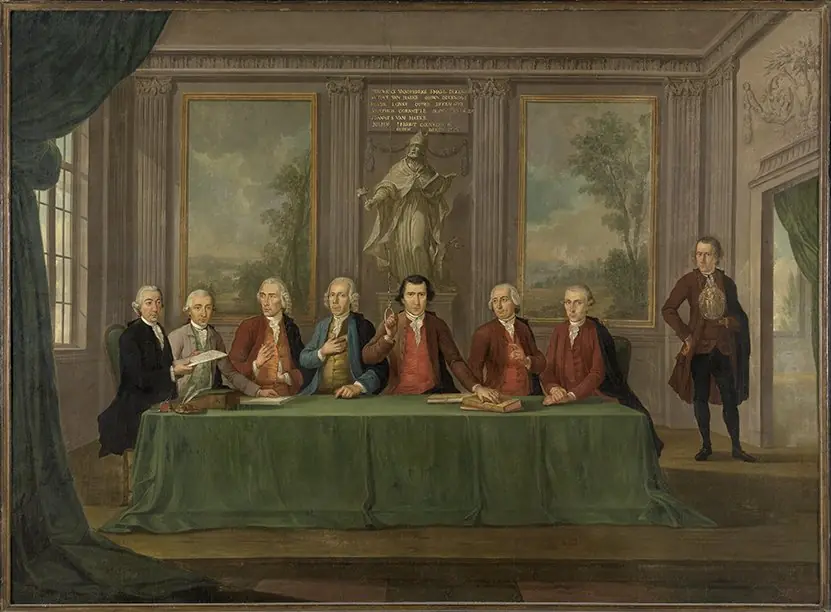 Het bestuur van het Brugse smedenambacht
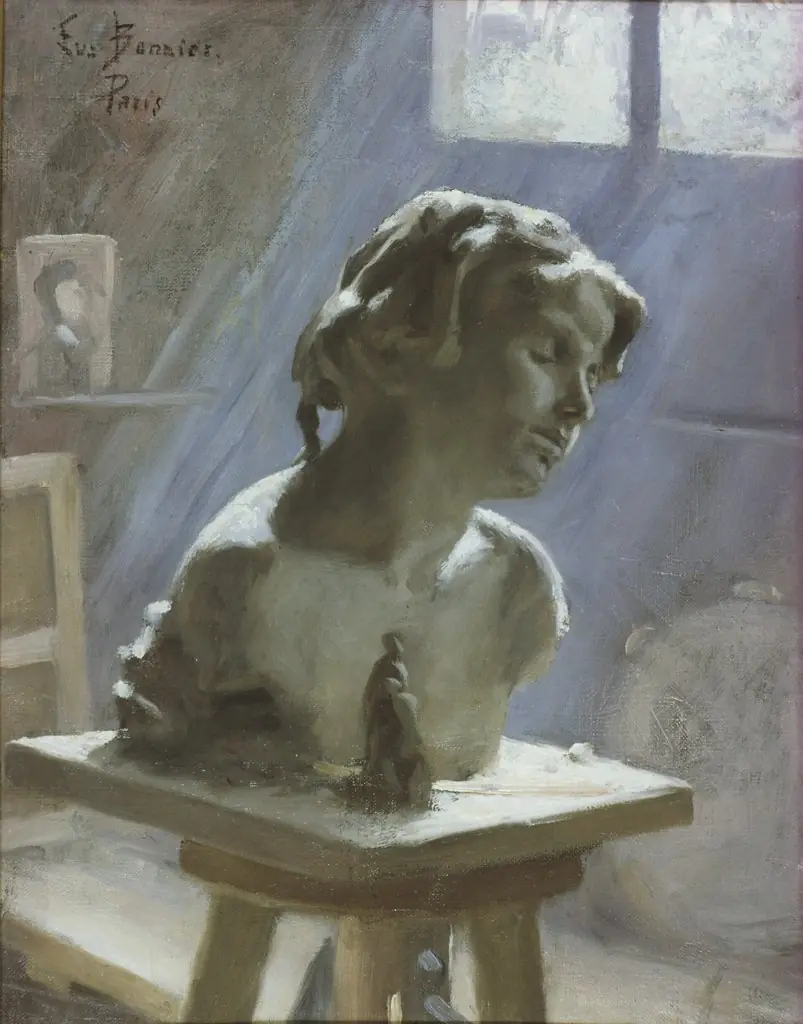 Interior of a Studio in Paris
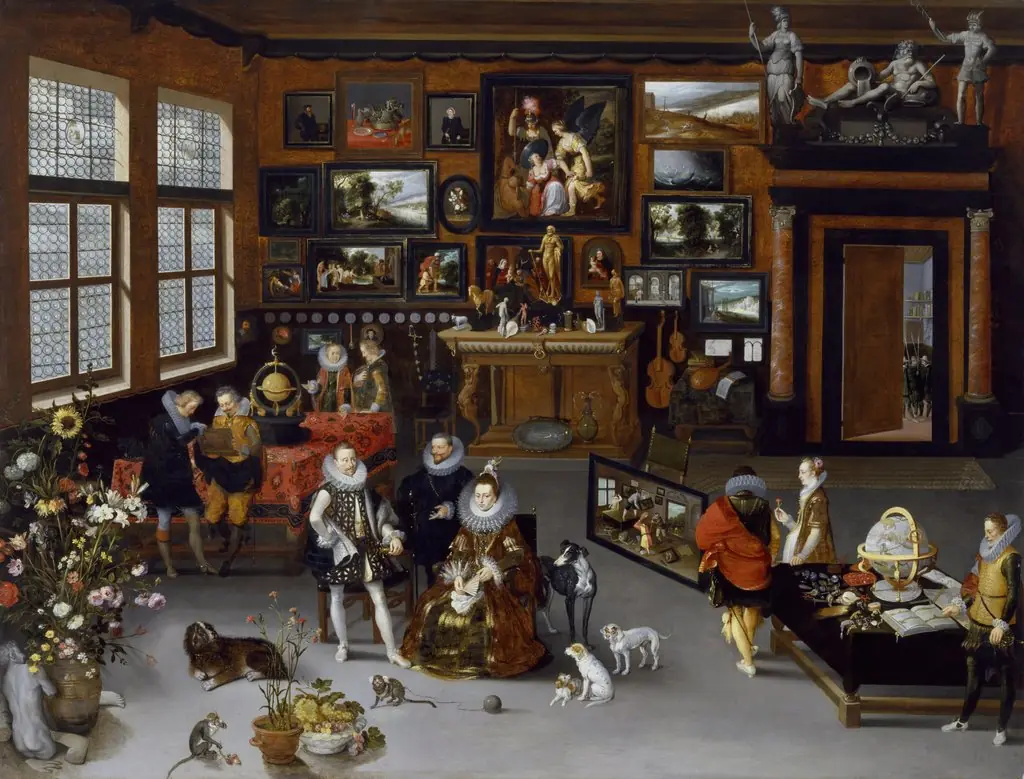 The Archdukes Albert and Isabella Visiting a Collector's Cabinet
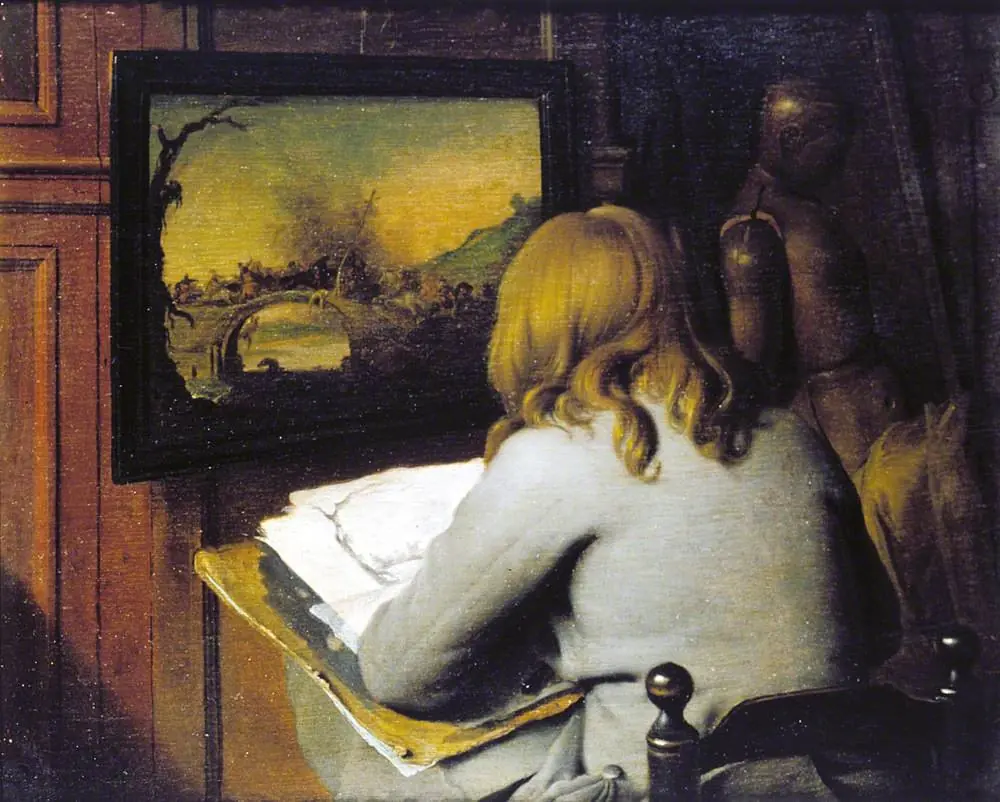 A Young Boy Copying a Painting
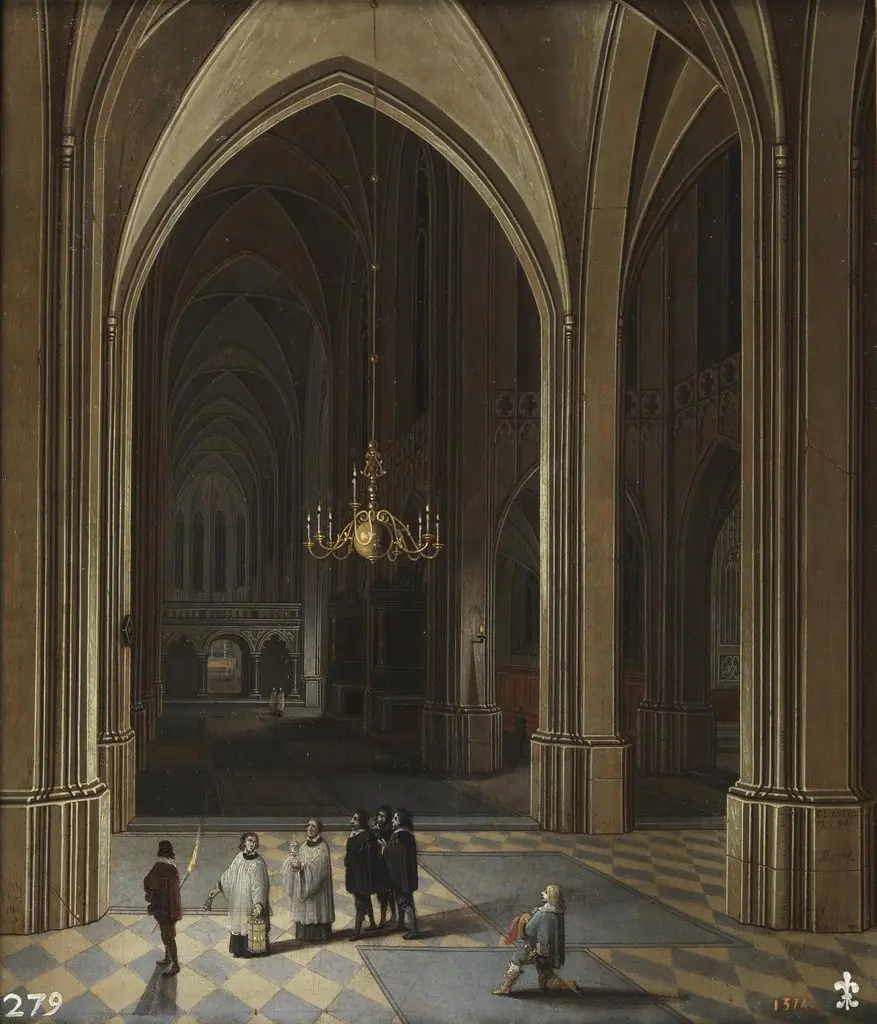 Interior of a church, the Viaticum
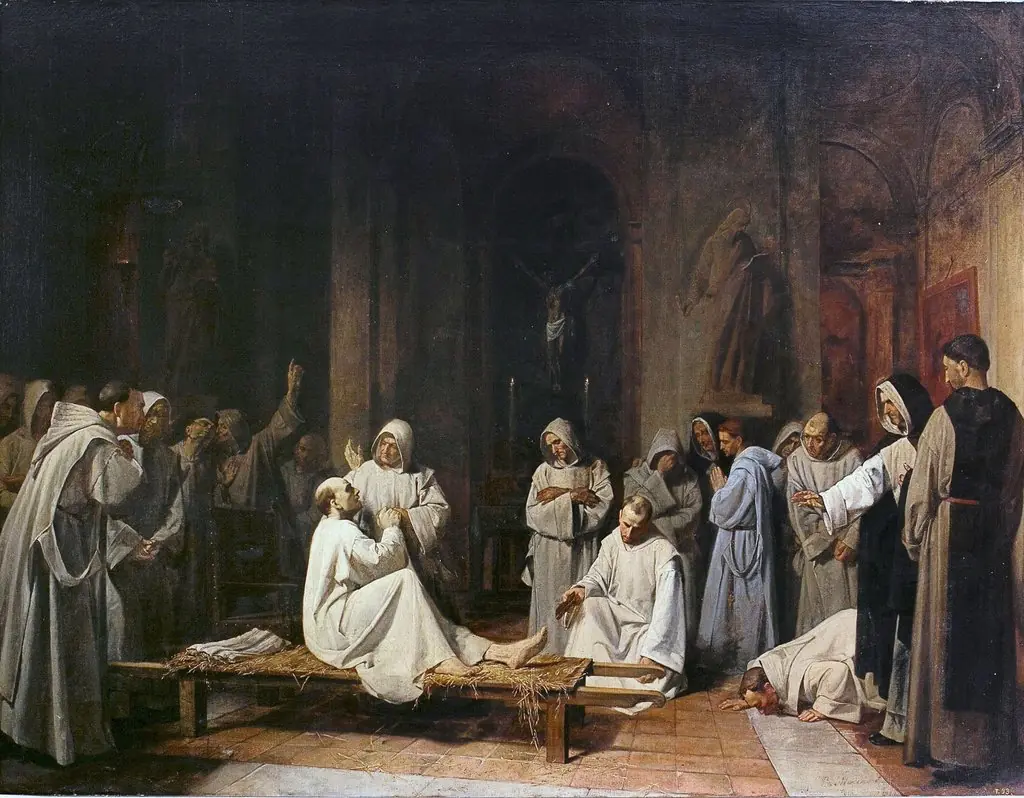 Últimos momento de Fray Charles Climaque
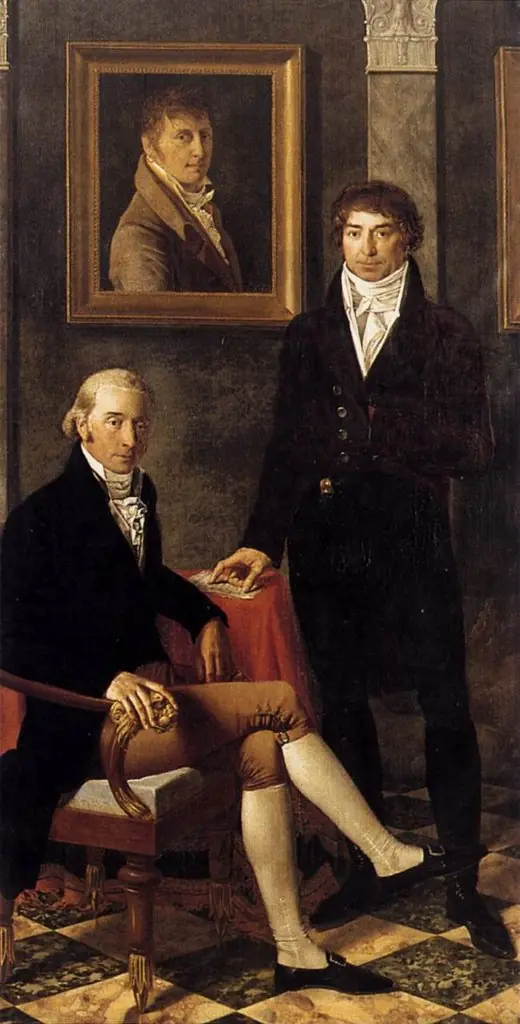 Friendship portrait of the artists François Wynckelman, François van der Donckt and Joseph Odevaere
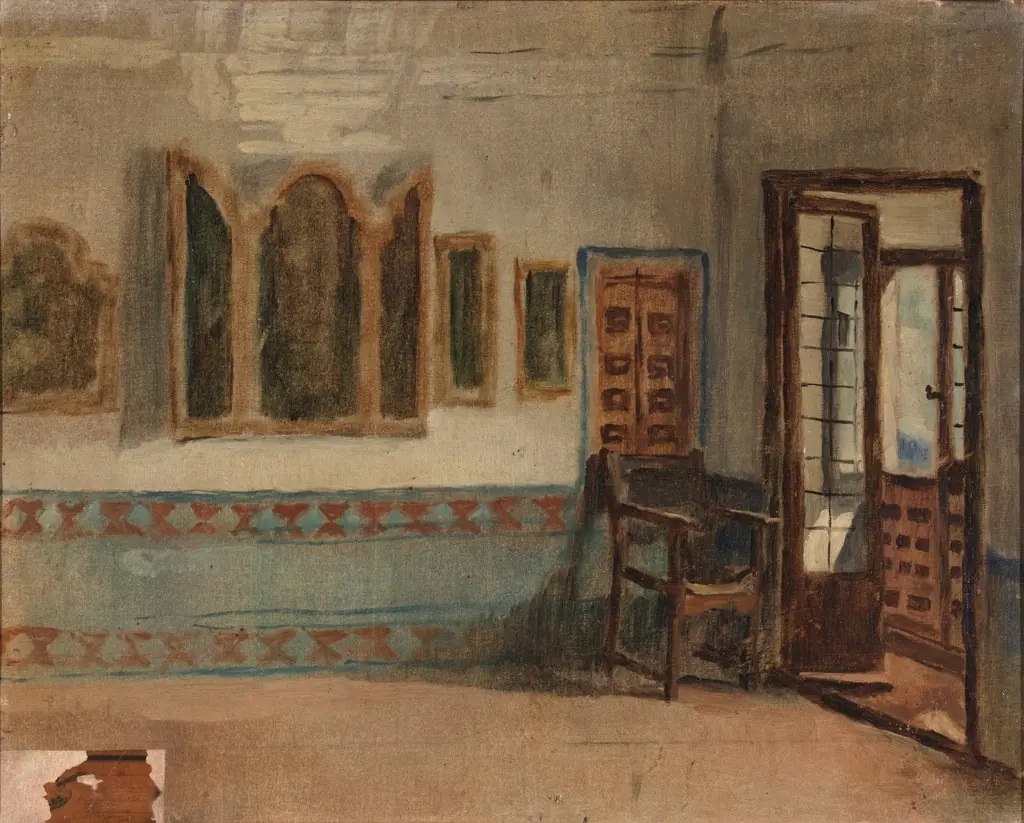 Celda prioral del Monasterio de El Escorial
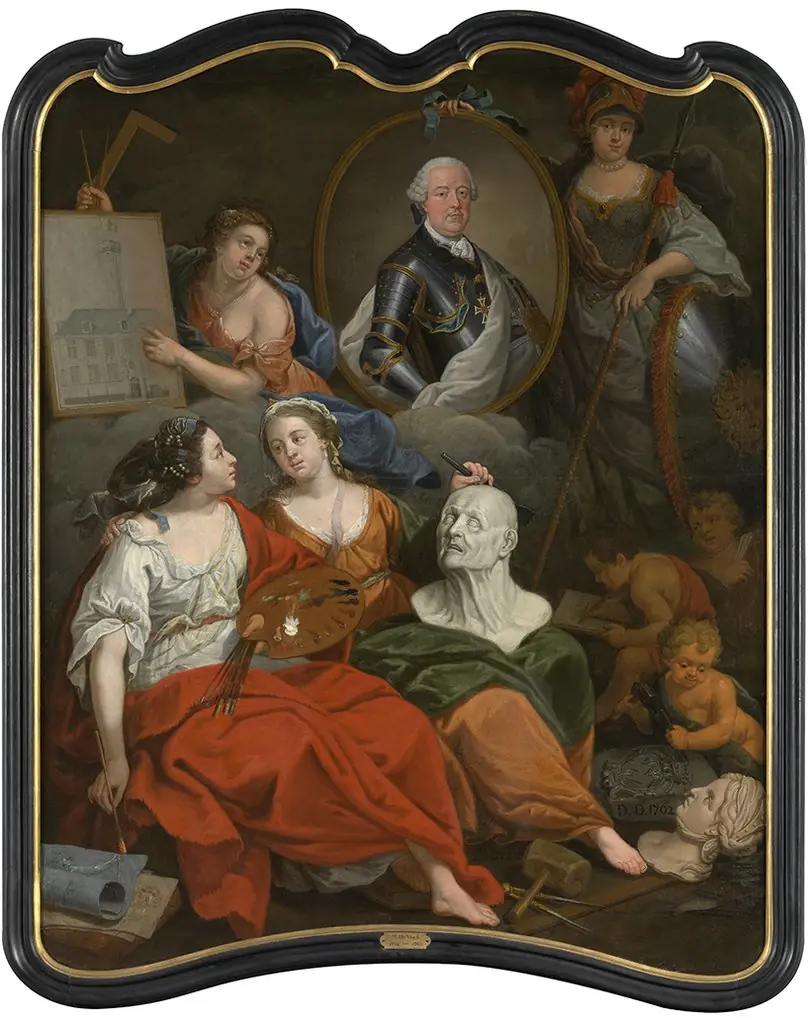 Karel van Lotharingen als beschermheer van de Kunsten
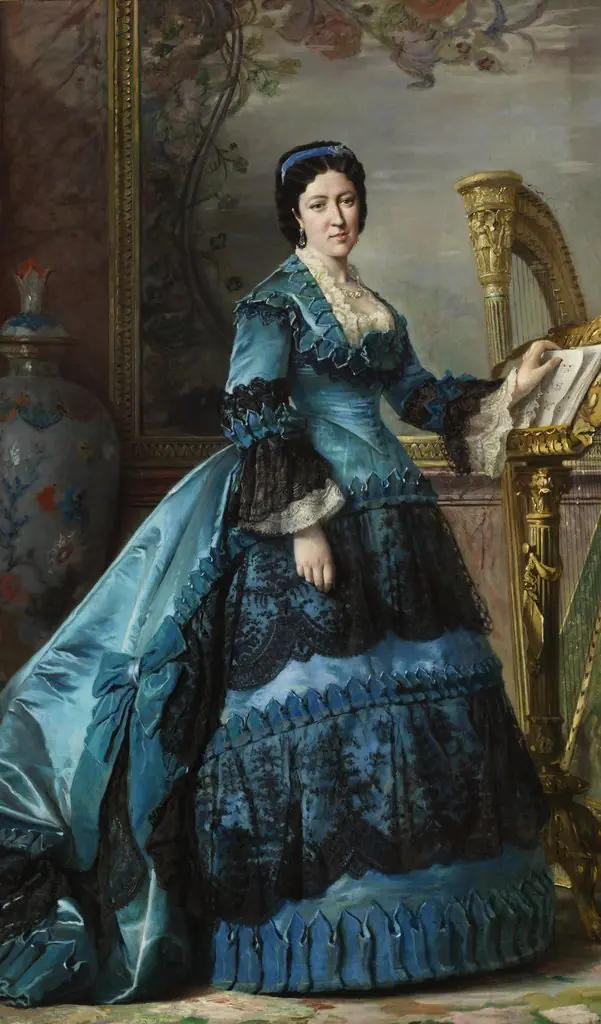 María de los Dolores Collado y Echagüe, duchess of Bailén
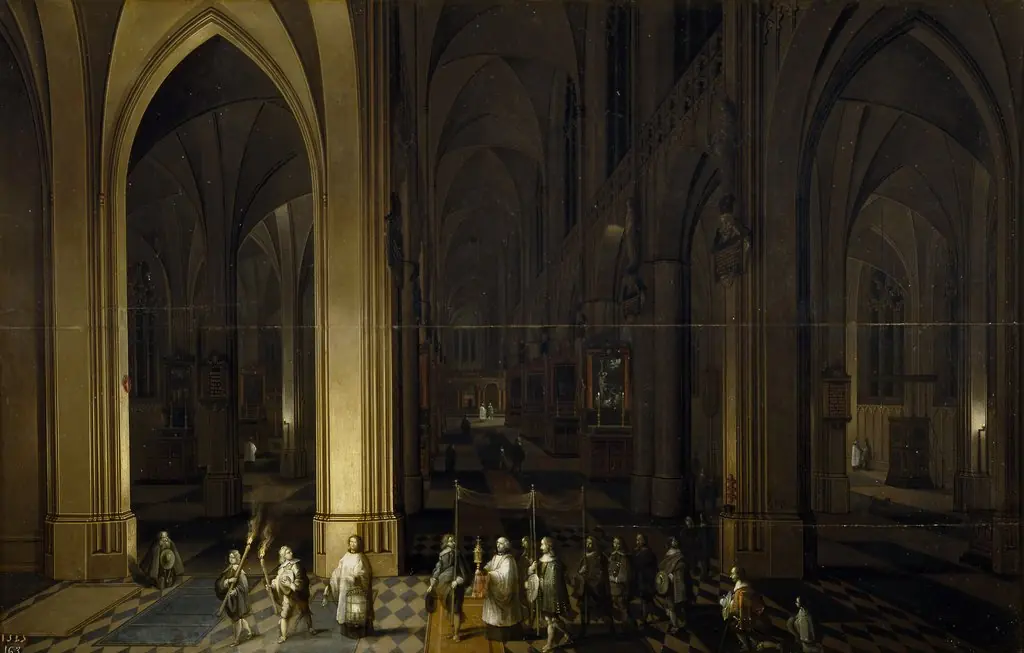 Viaticum inside a church
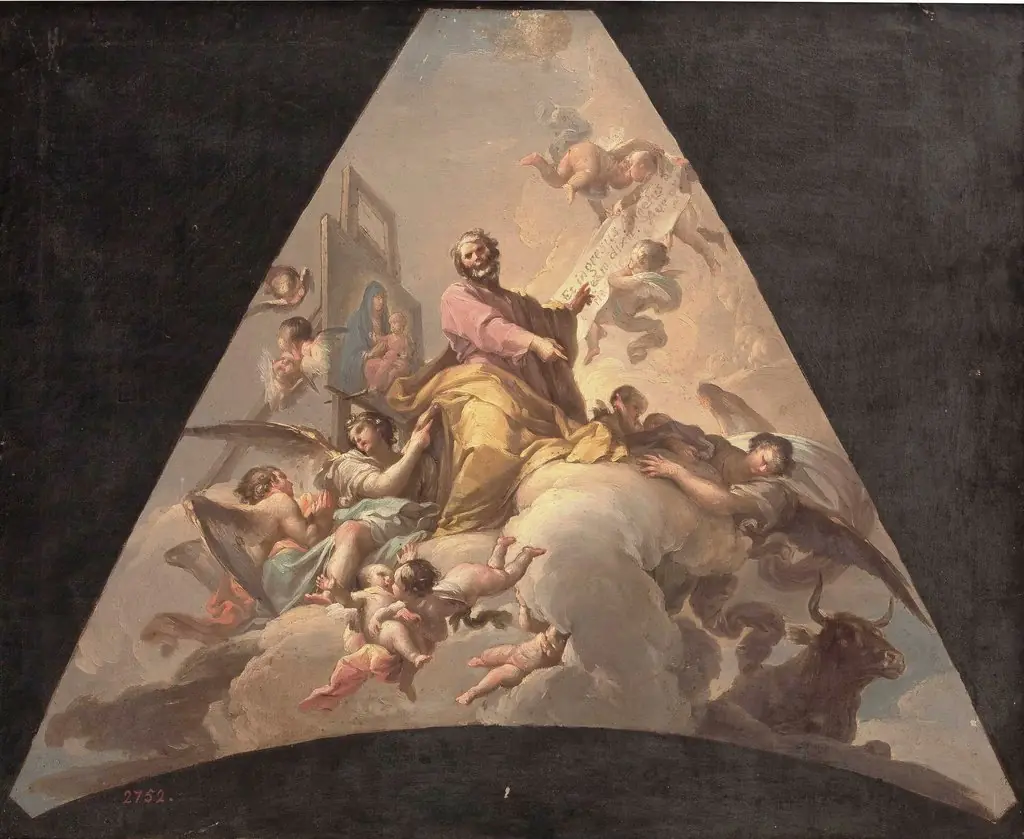 San Lucas
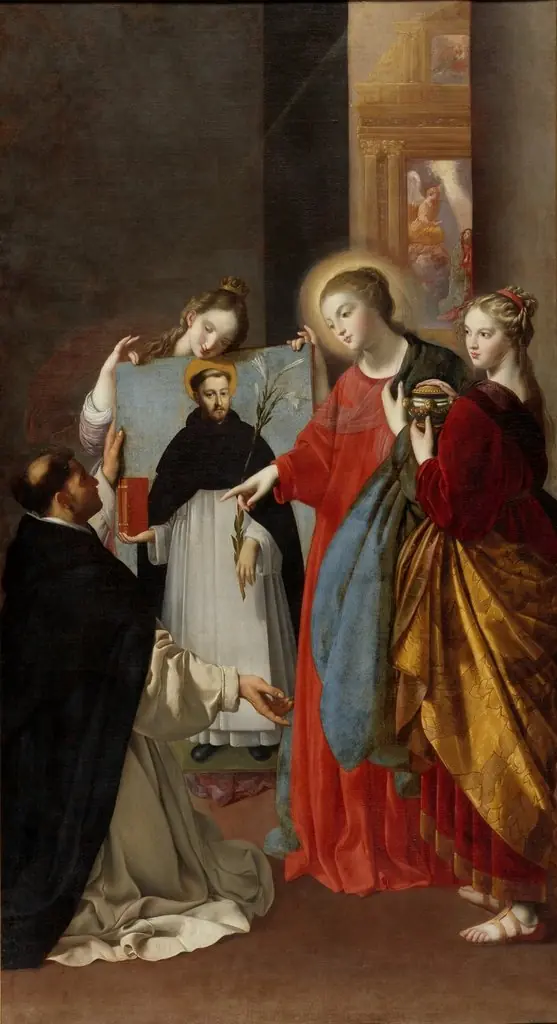 Saint Dominic in Soriano
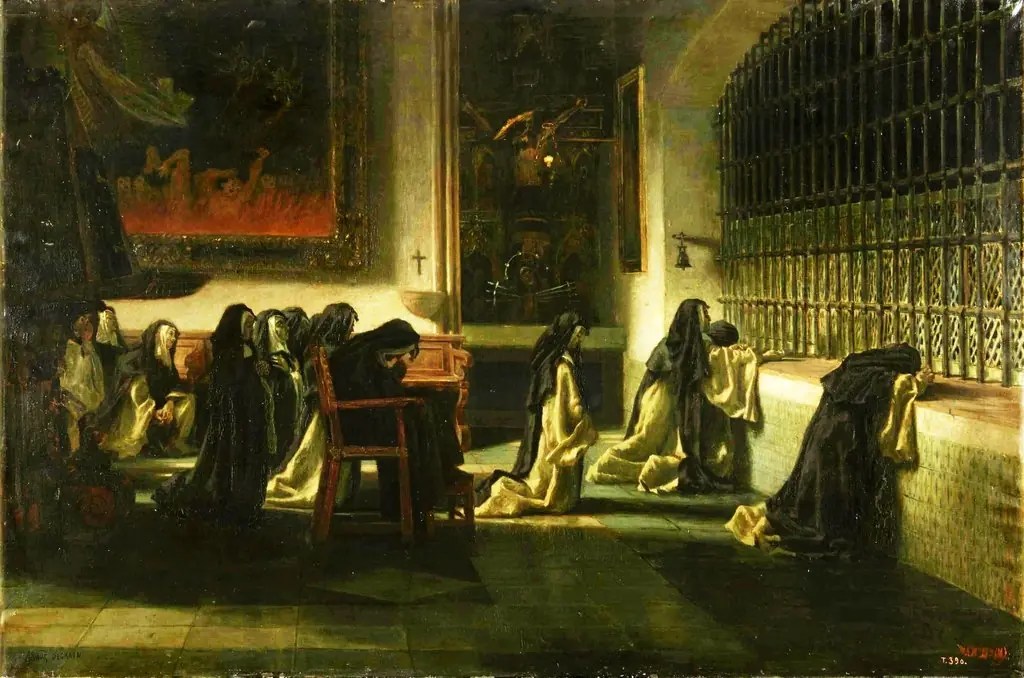 La oración
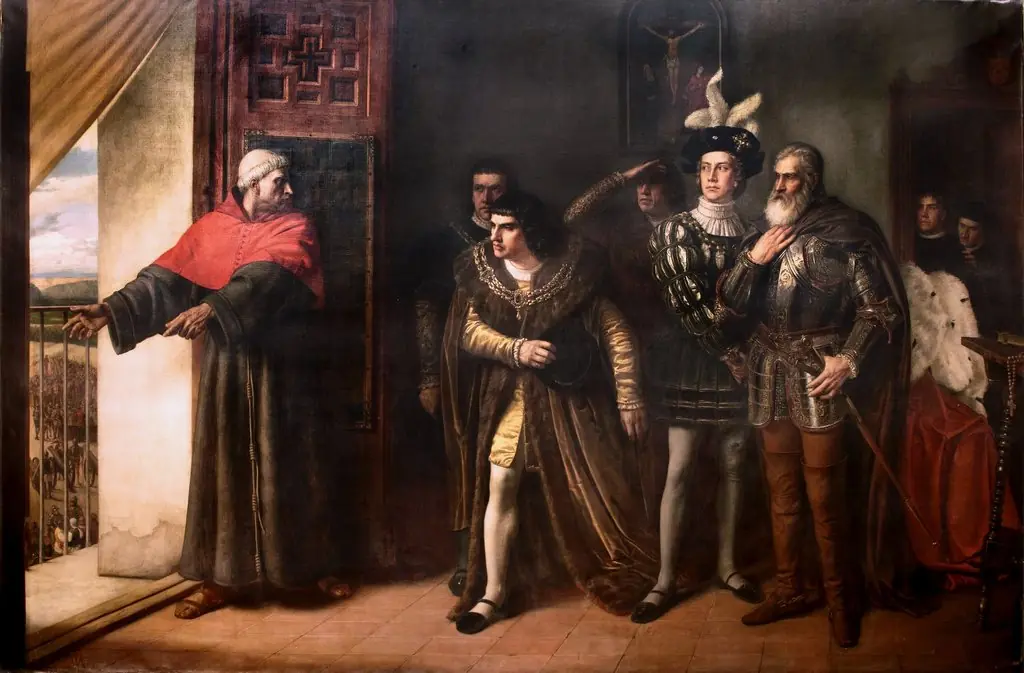 Cisneros y los Grandes
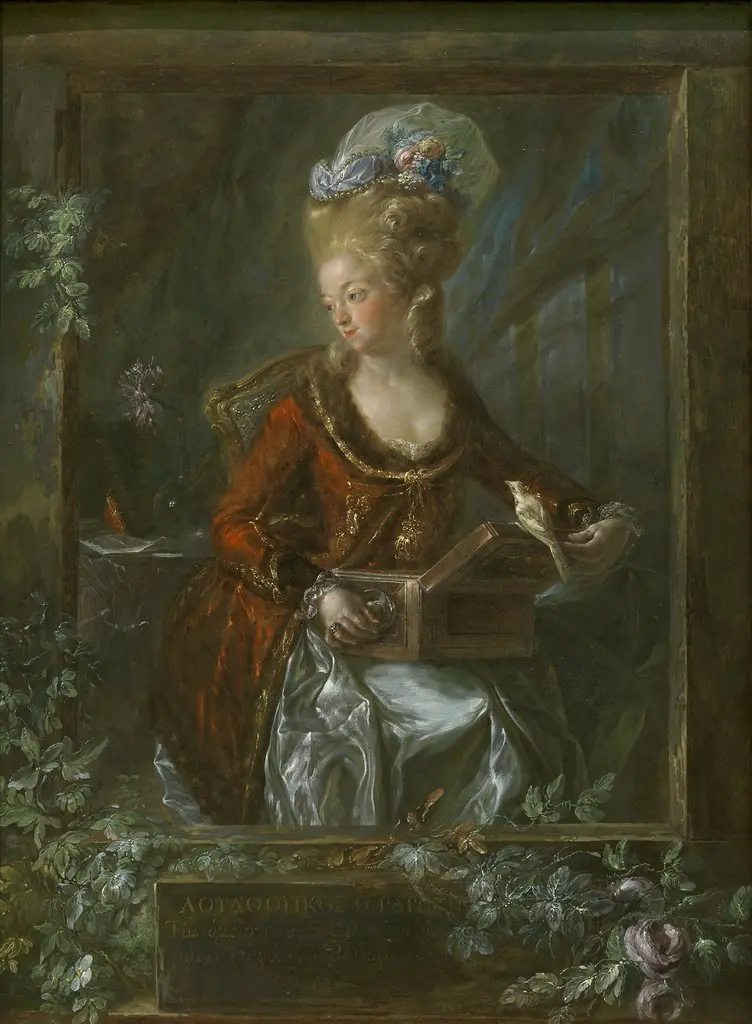 María de las Nieves Micaela Fourdinier, the Painter's Wife
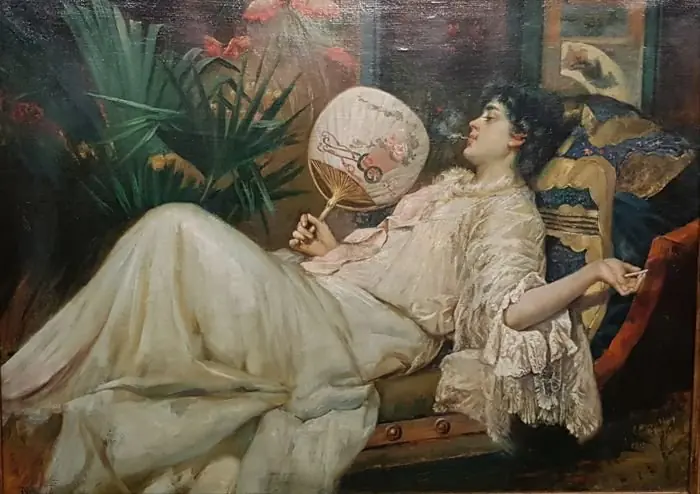 Youth Resting
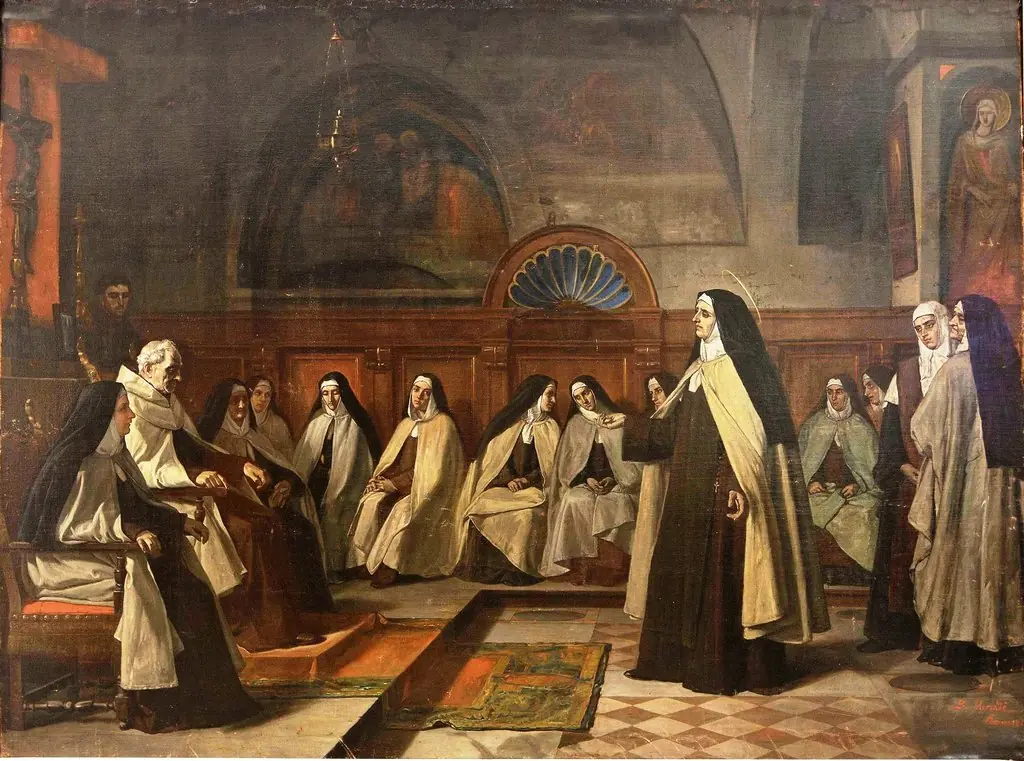 Santa Teresa de Jesús
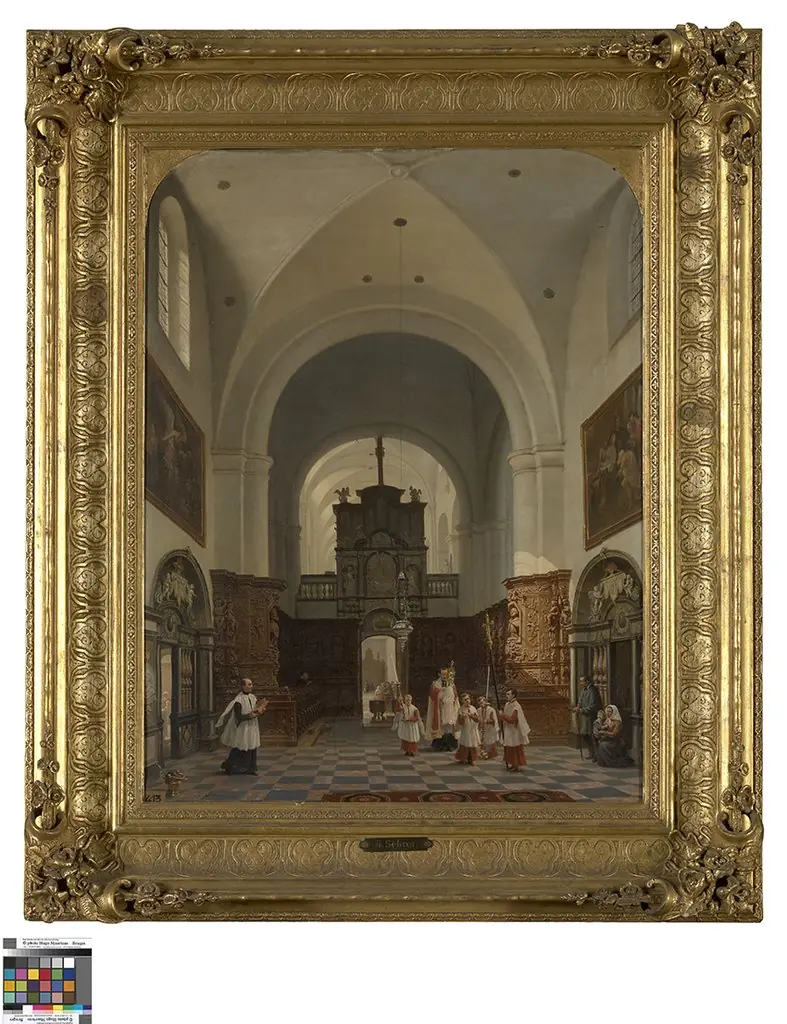 Kerkinterieur
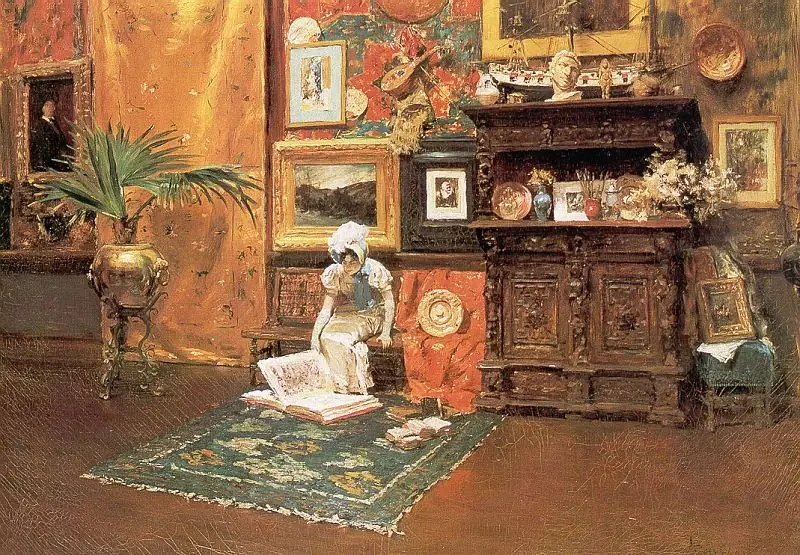 Studio Interior
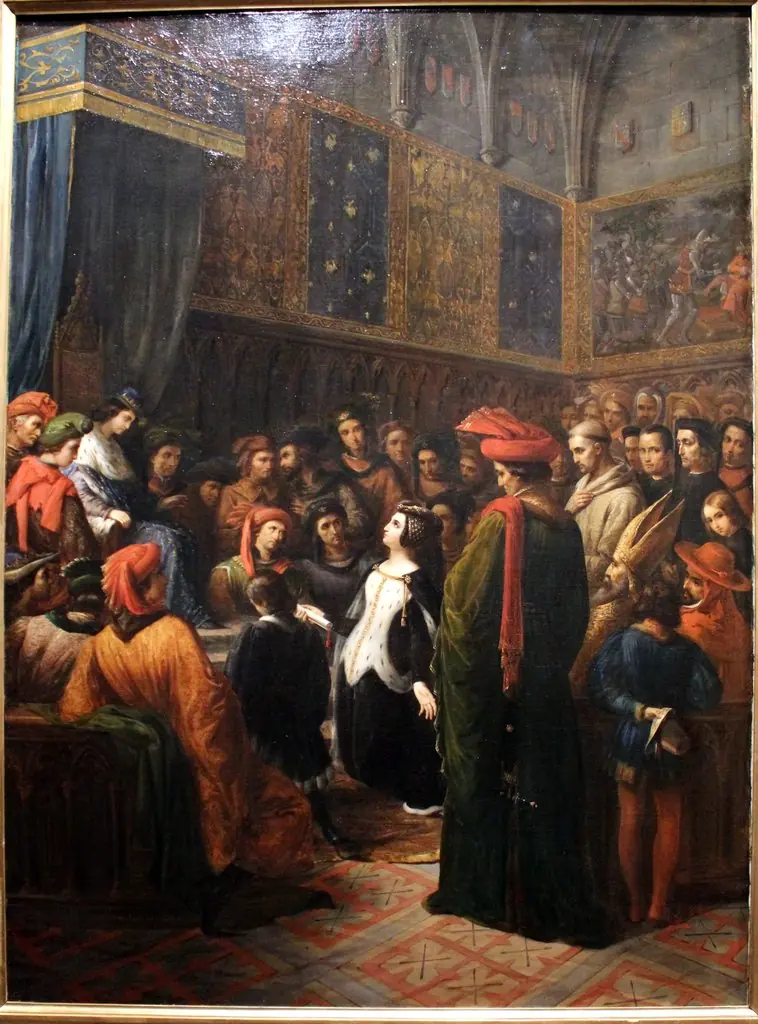 Valentine de Milan implore la justice du roi Charles VI pour l'assassinat du duc d'Orléans by Alexandre Colin
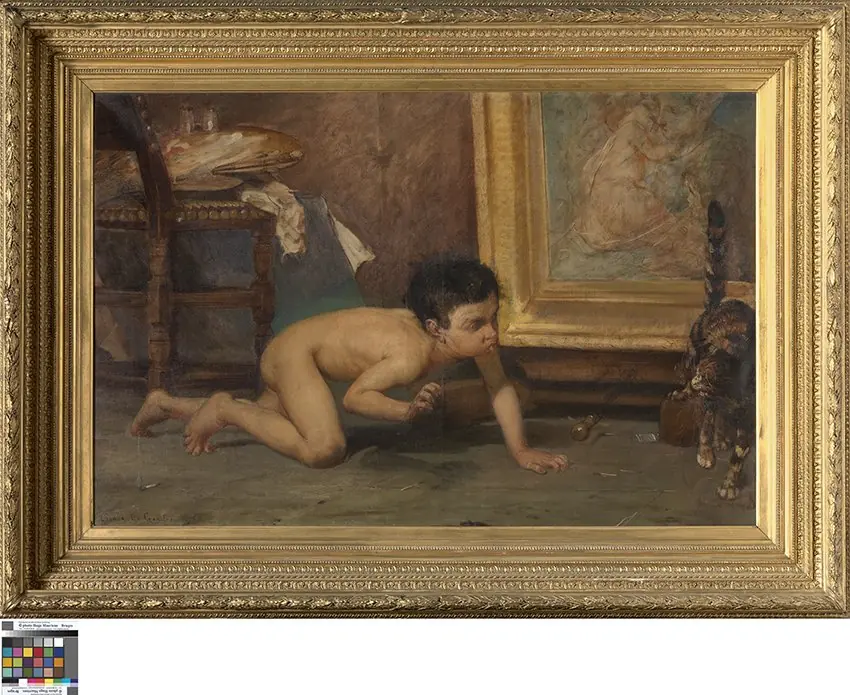 Alleen in het atelier
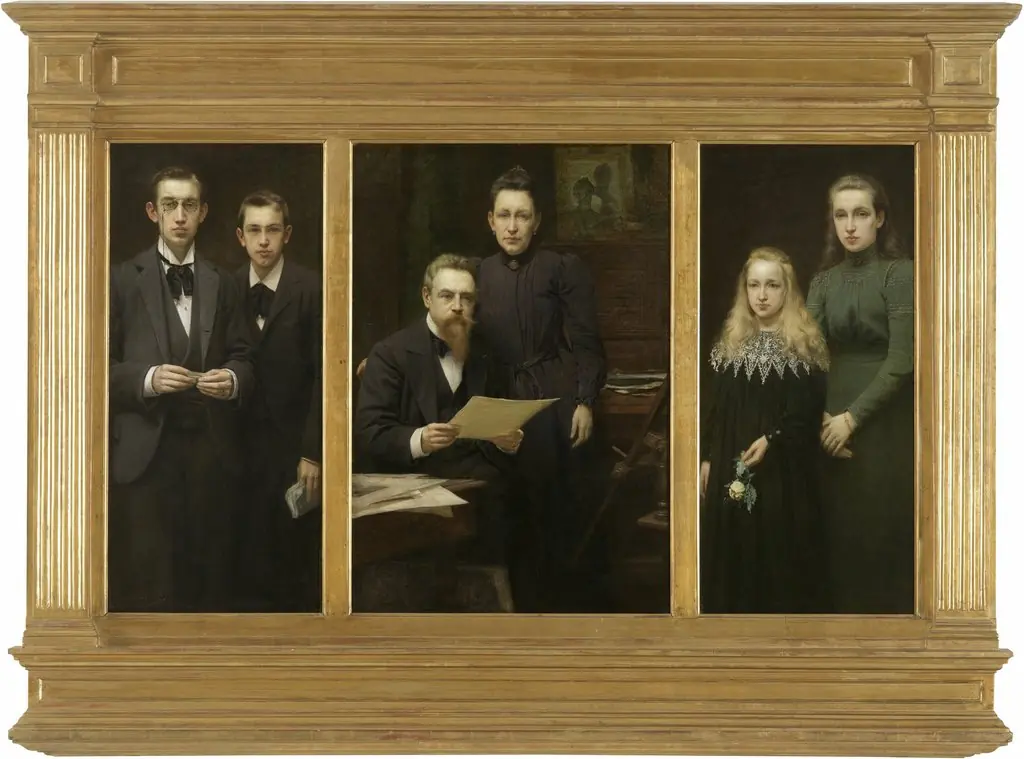 Portrait of the Artist and his Family
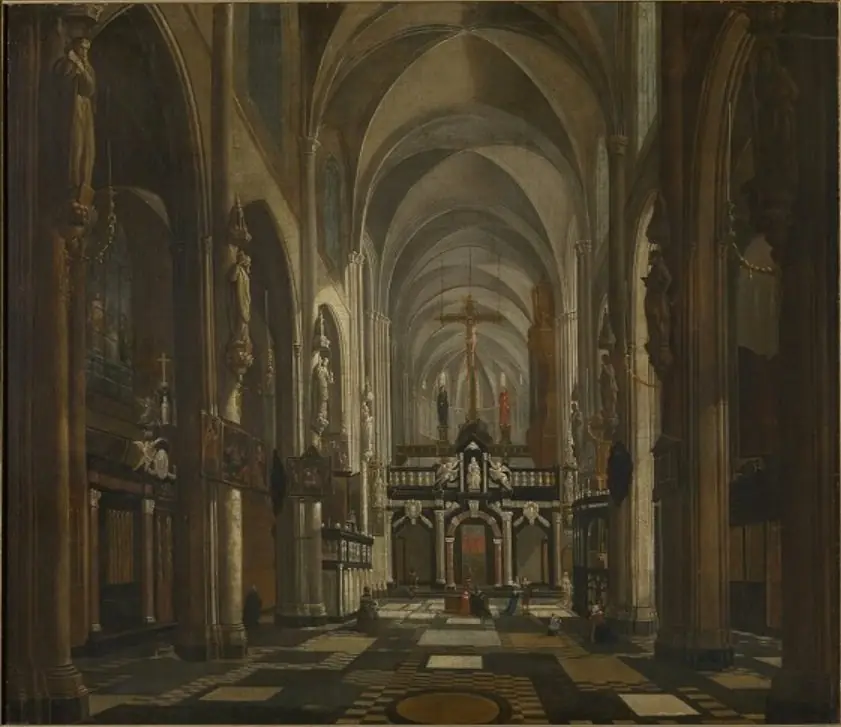 Interior of the former Saint Donatus Church in Bruges
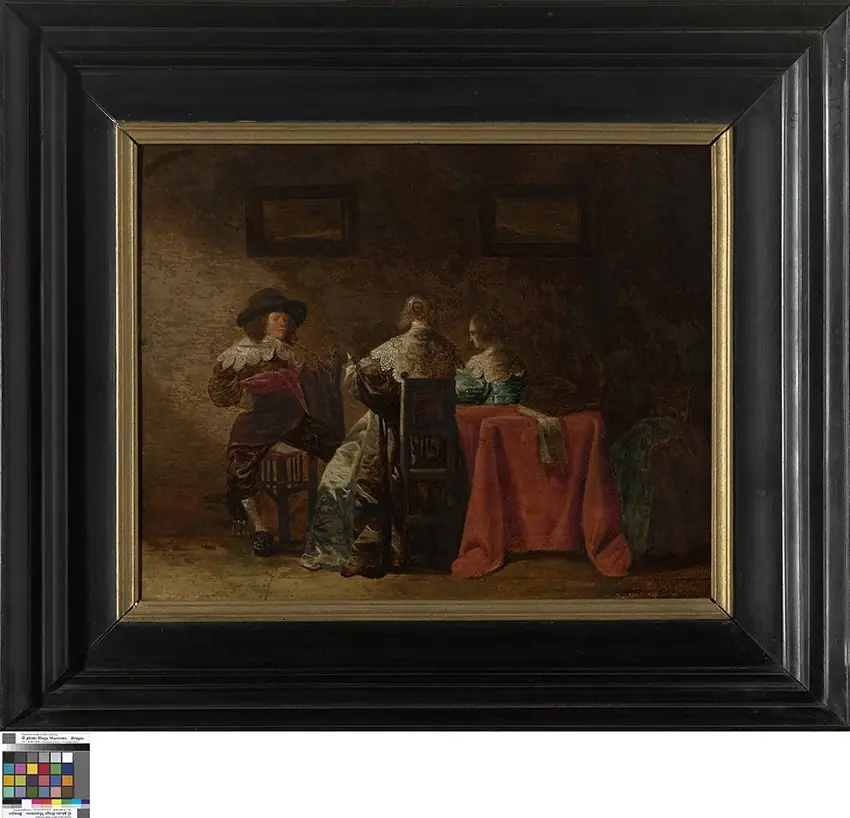 Musicerend gezelschap
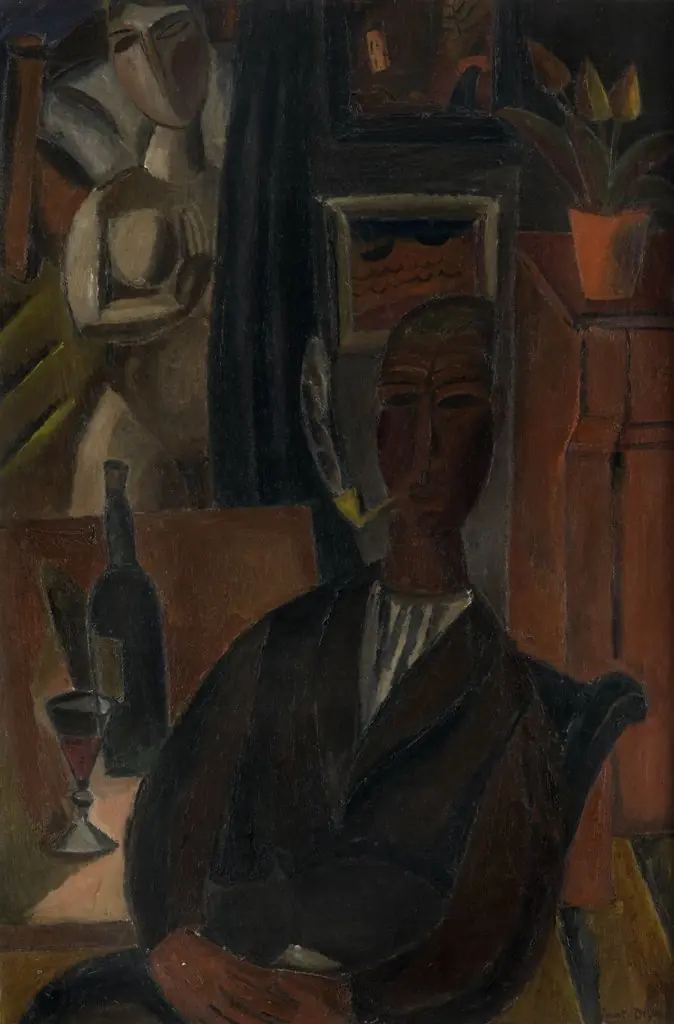 The man with the bottle
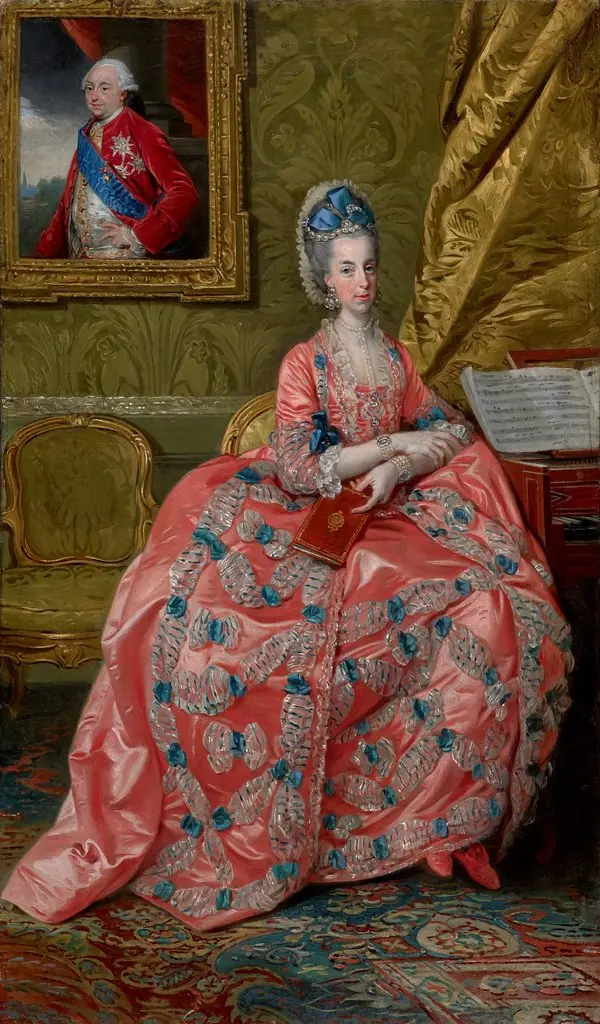 Portrait of the Archduchess Maria Amalia of Austria, Duchess of Parma
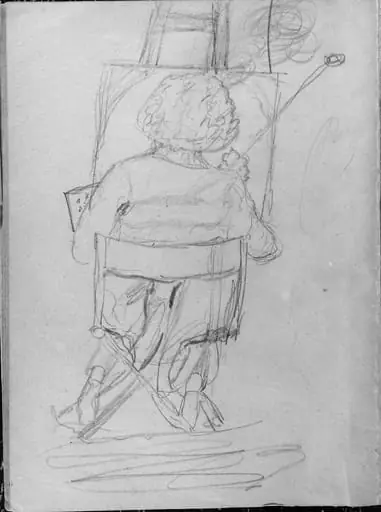 Seated Artist, Viewed from the Rear, Painting at an Easel (from Whistler Album)
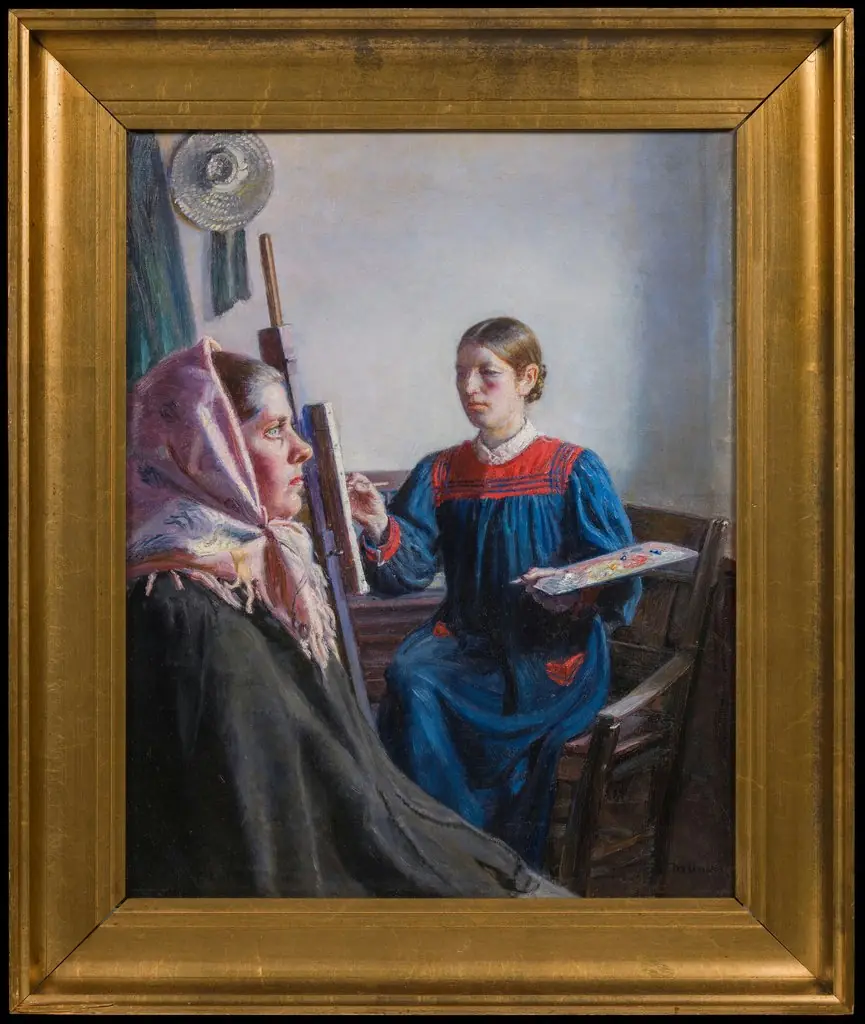 Anna Ancher Painting a Model
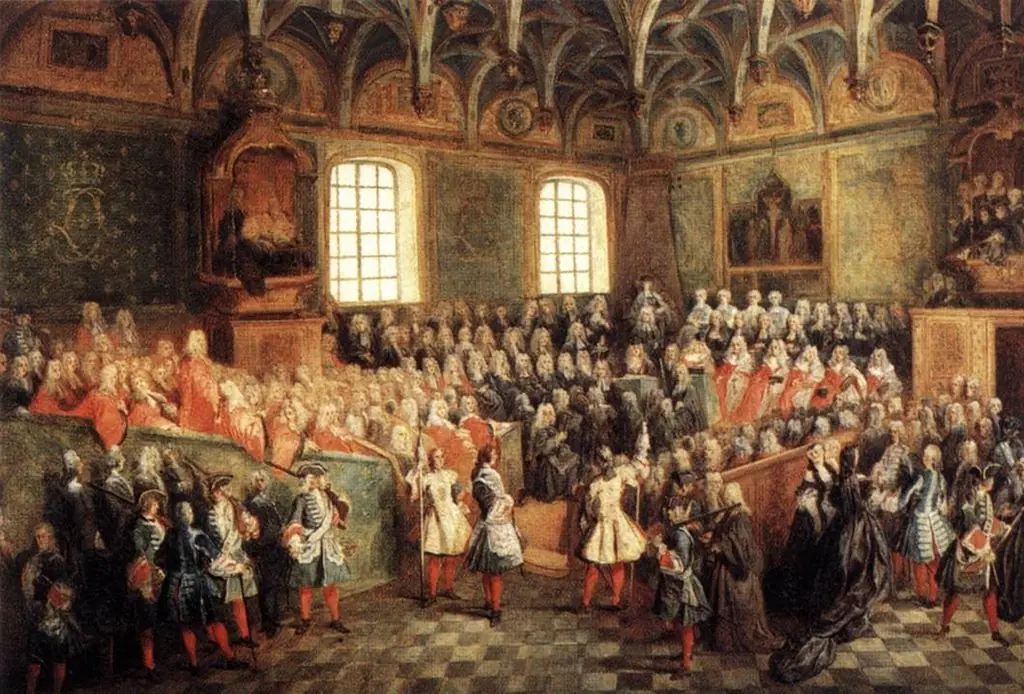 The Seat of Justice in the Parliament of Paris in 1723
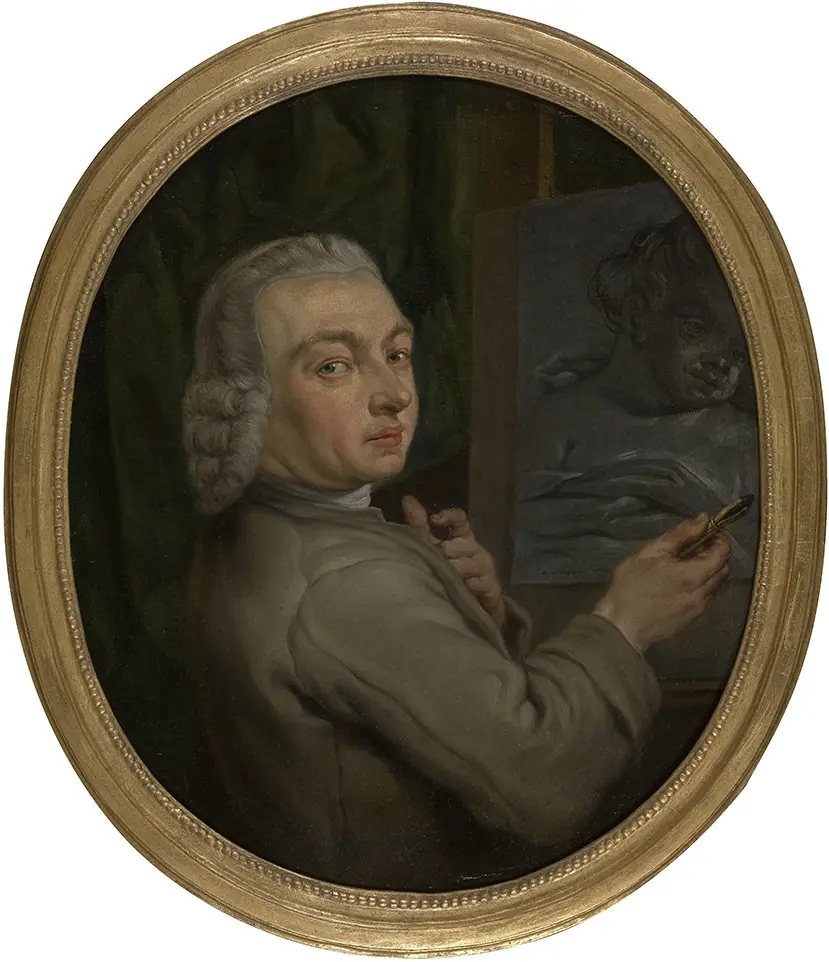 Zelfportret
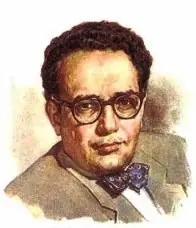 Portrait of Composer Gara Garayev
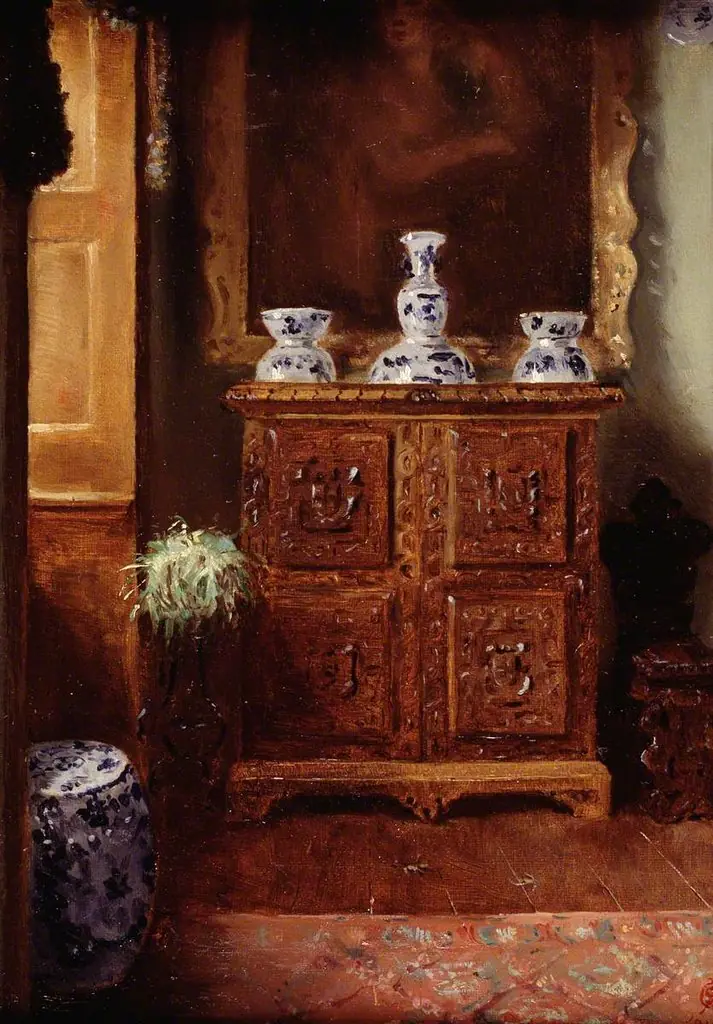 The Hoda Cum Tewdwr Cabinet at Derwydd
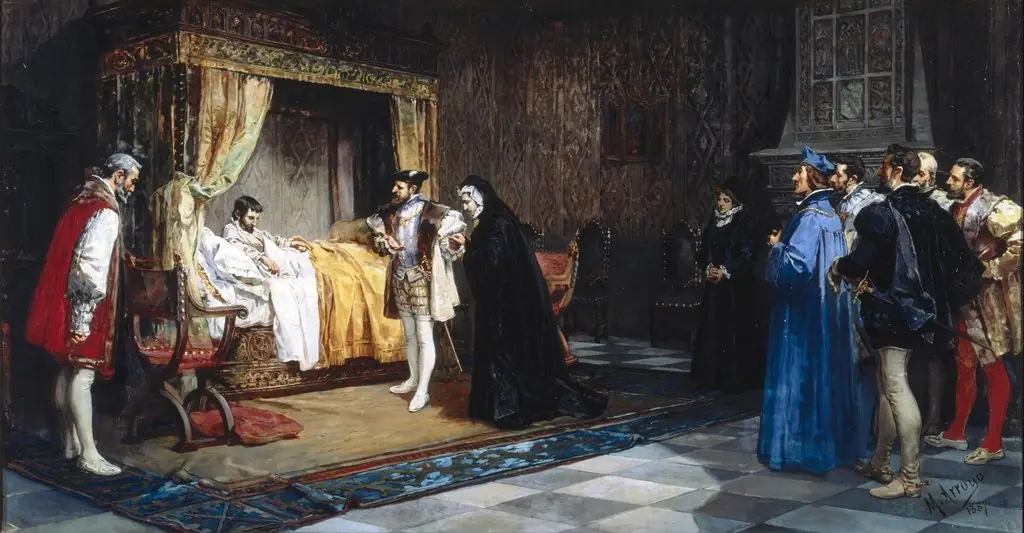 La duquesa de Alençon presentada a su hermano el rey de Francia Francisco I por el emperador Carlos V
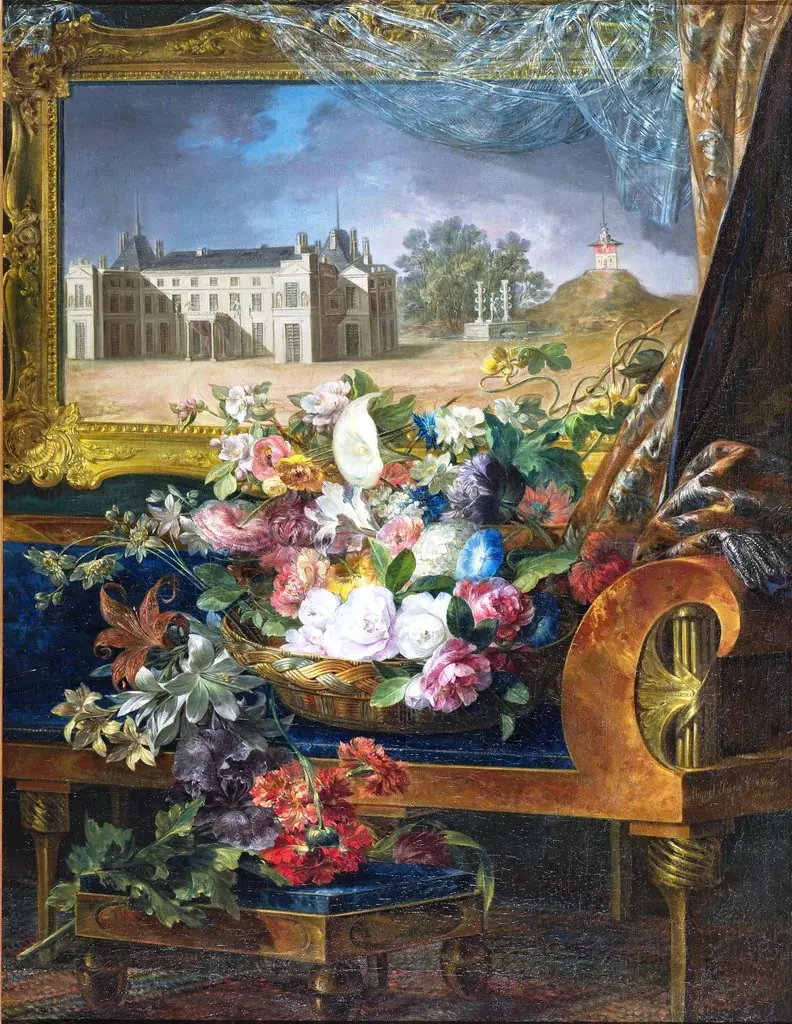 Basket of Flowers and View of a Royal Palace of Valencia
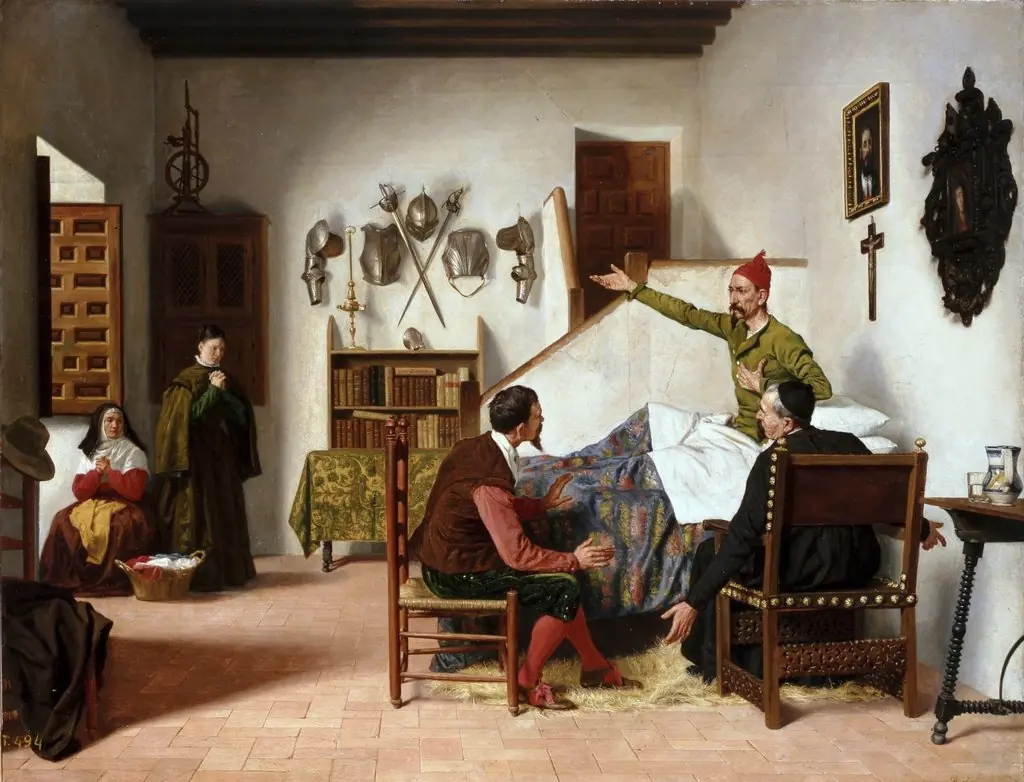 Visita del cura y el barbero a don Quijote
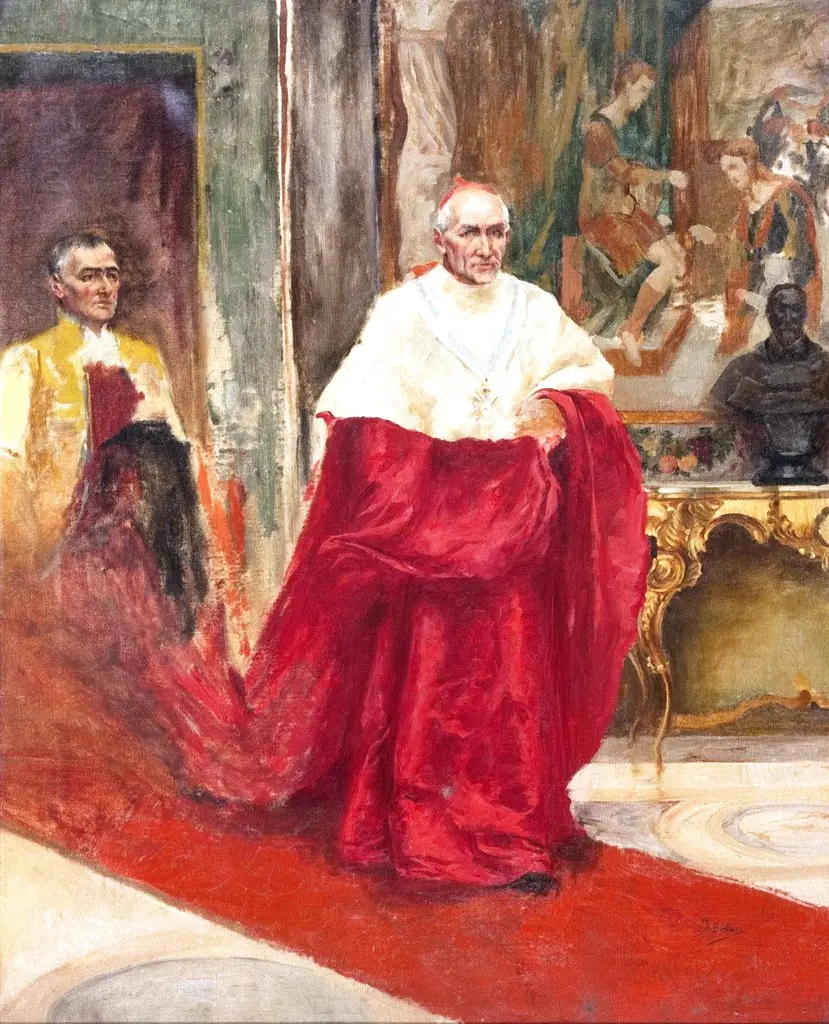 A Cardinal
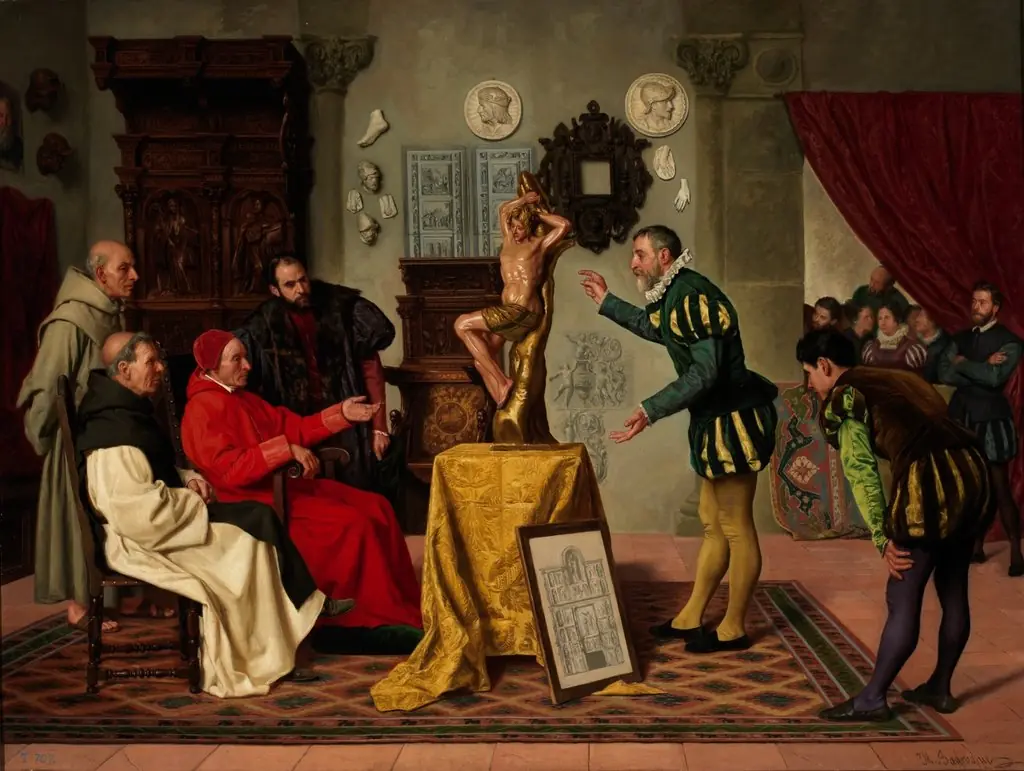 Visita del cardenal Tavera al célebre Alonso Berruguete
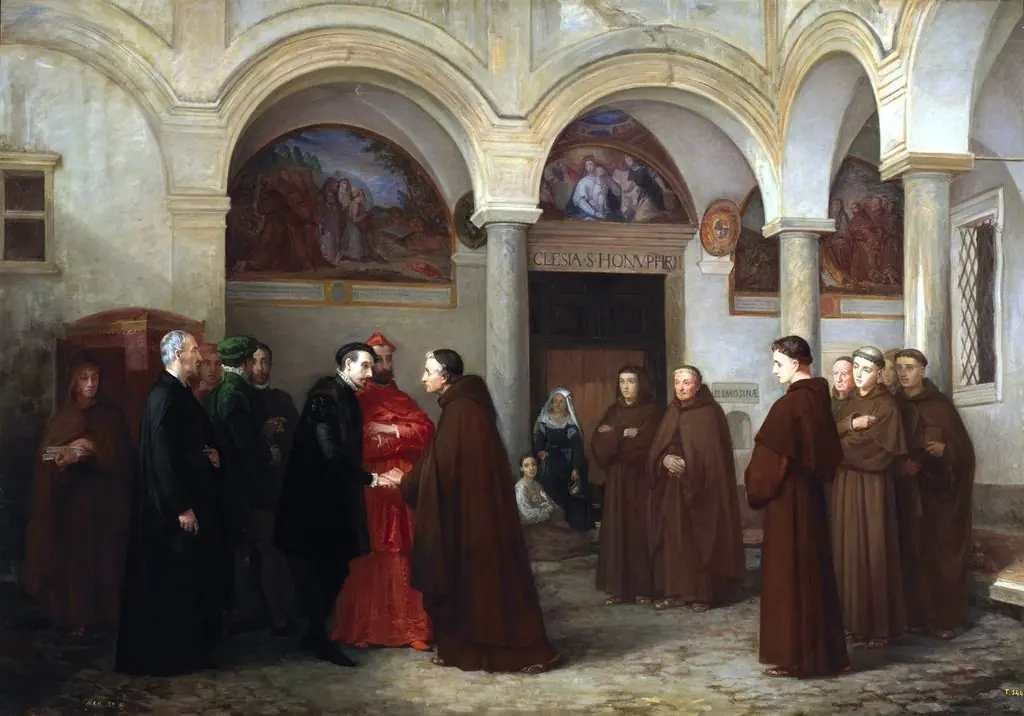 Torcuato Tasso se retira al convento de San Onofre en el Janículo
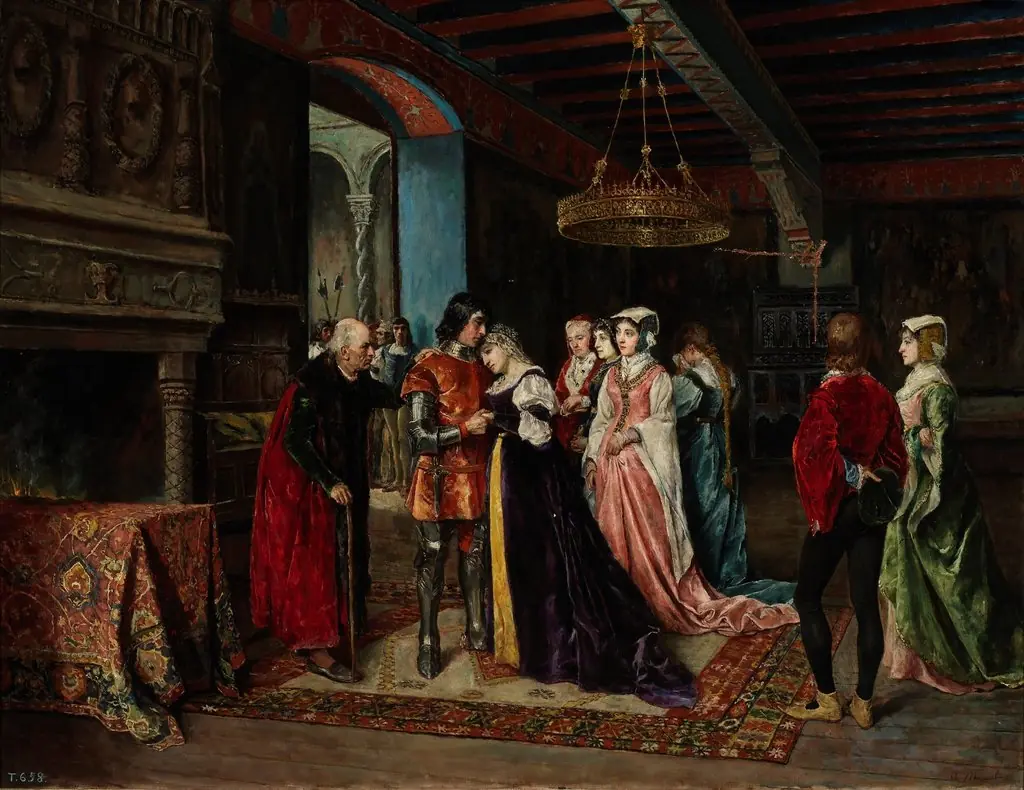 La despedida
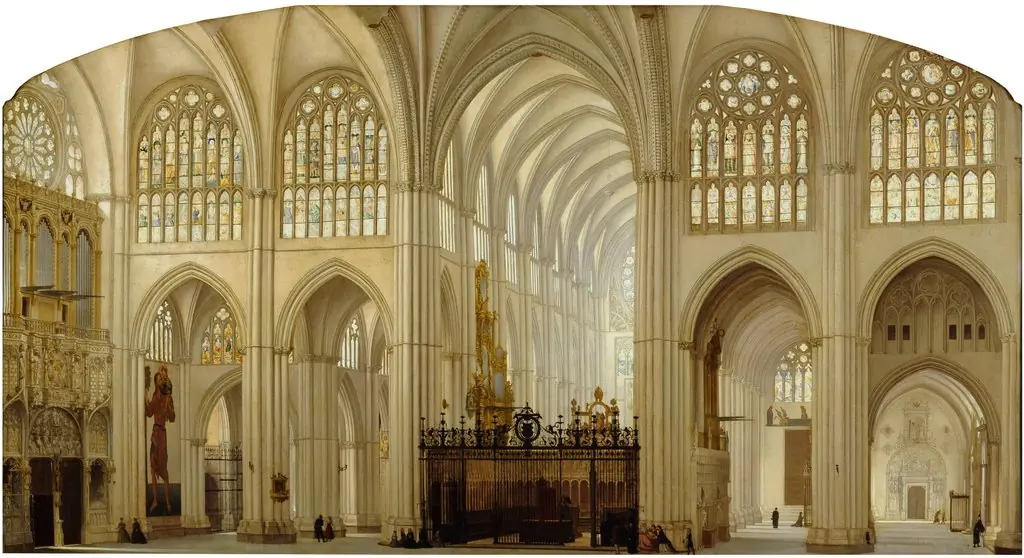 Interior de la Catedral de Toledo
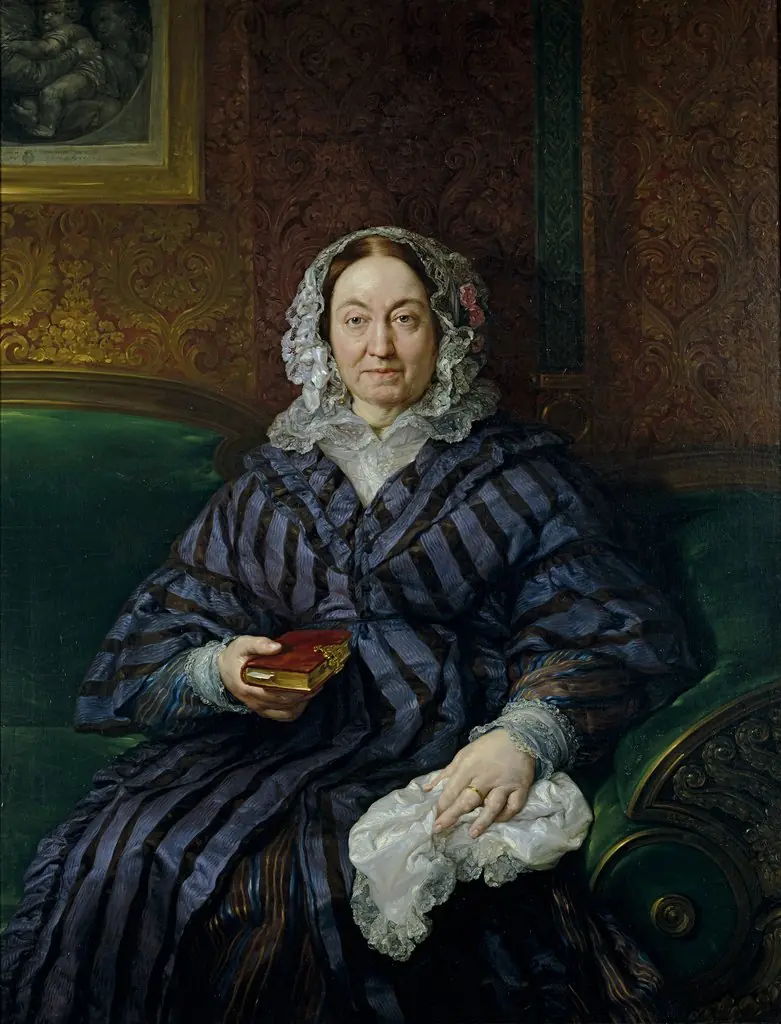 María Francisca de la Gándara, Countess widow of Calderón
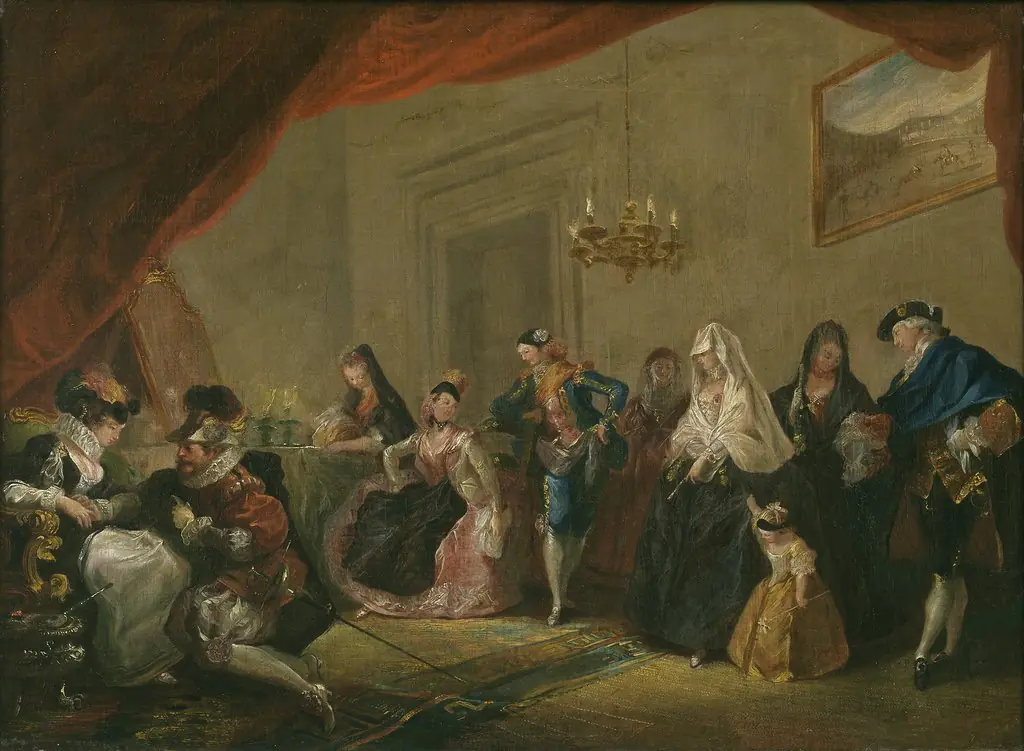 Rehearsal for a Play
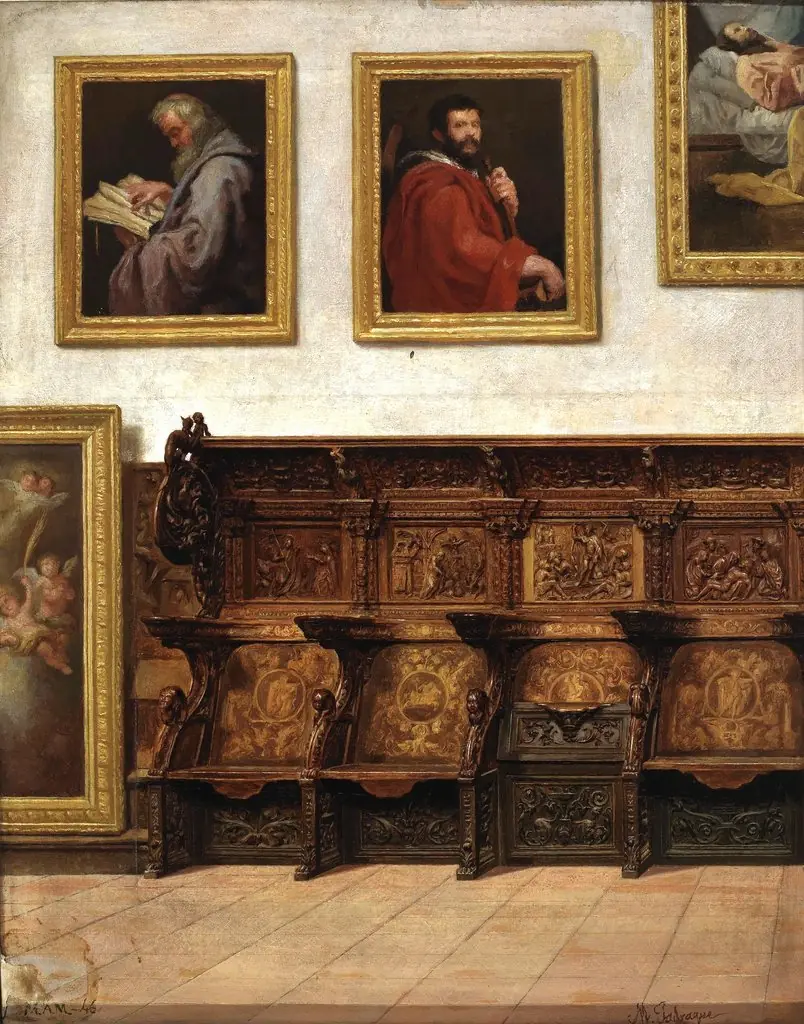 Estudio de la sillería de coro de Andrés de Nájera (Museo de Valladolid)
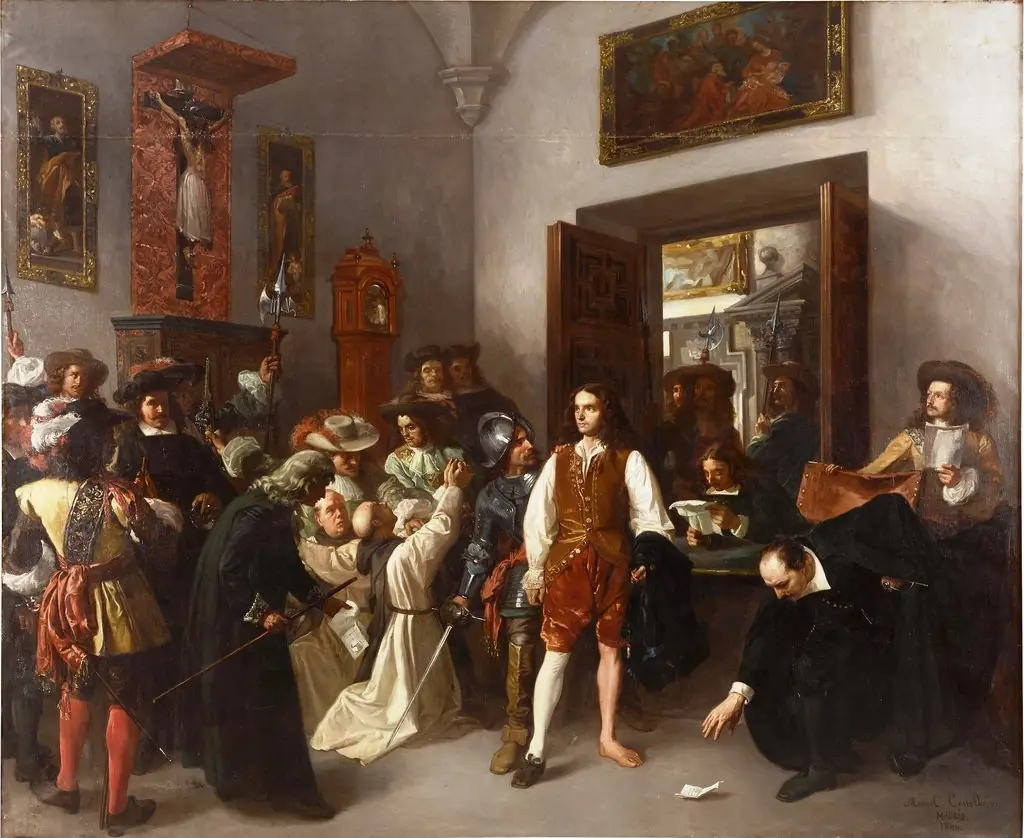 Prisión de don Fernando de Valenzuela
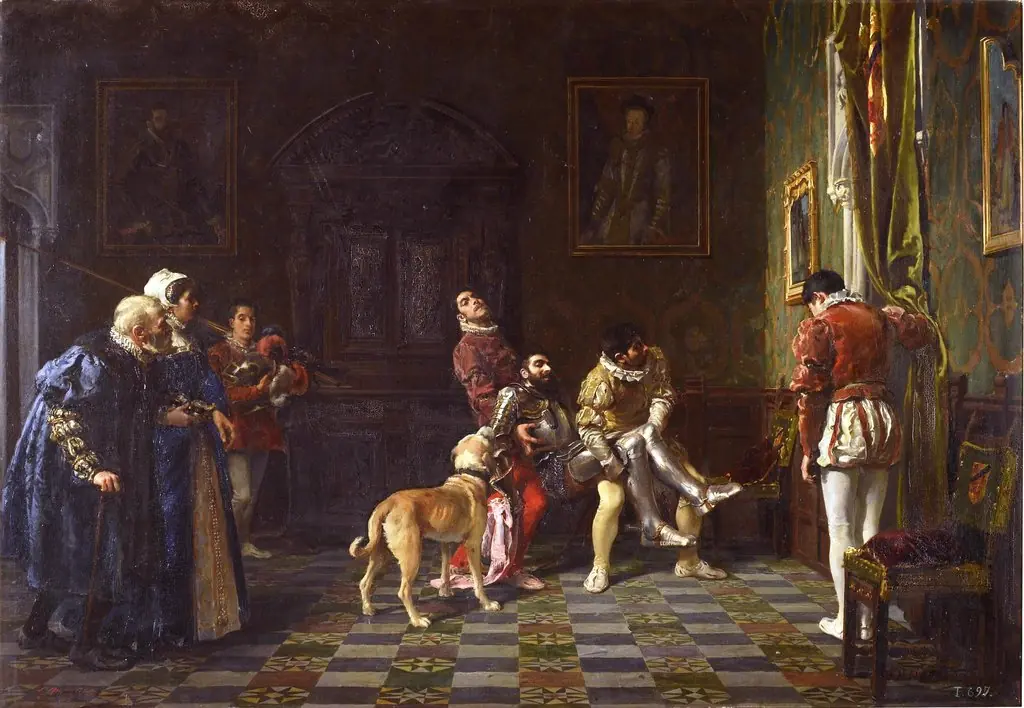 La vuelta del torneo
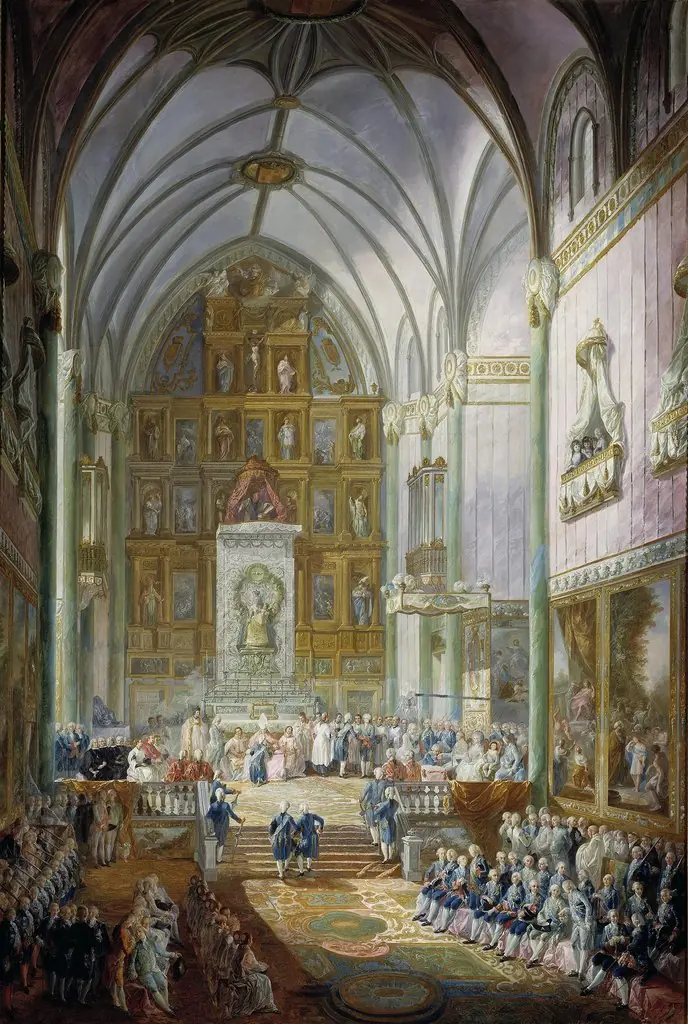 Ferdinand VII swears the Oath as Prince of Asturias
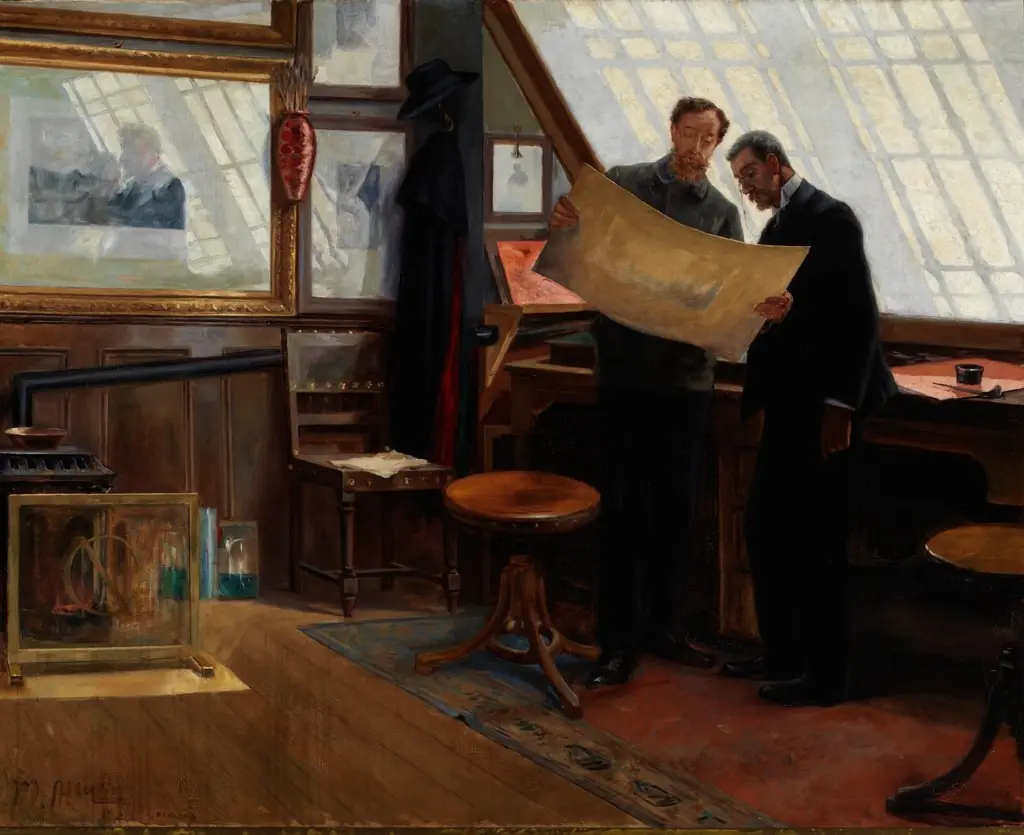 Taller de grabado (Calcografía Nacional)
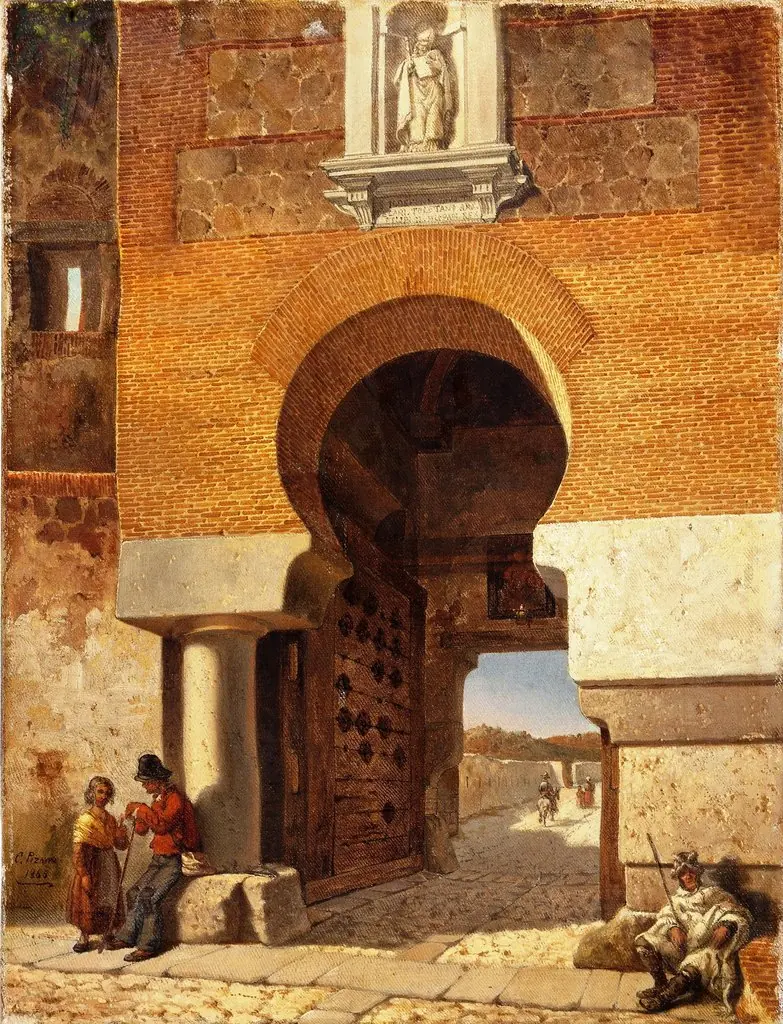 Puerta árabe de la plaza de armas en el puente de Alcántara de Toledo
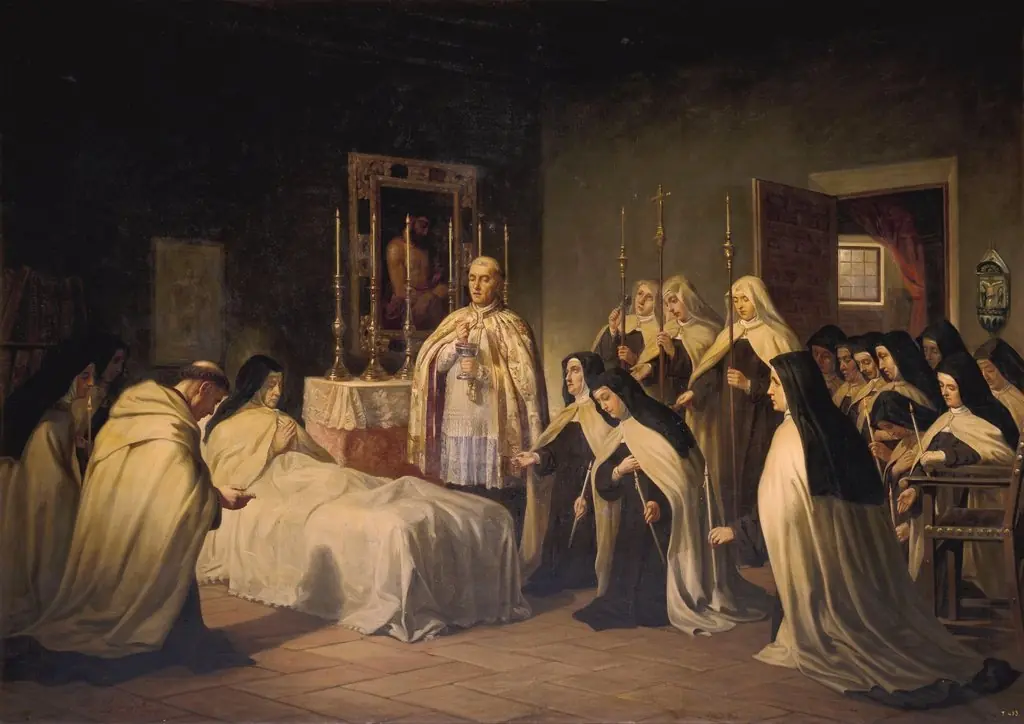 Viático de santa Teresa
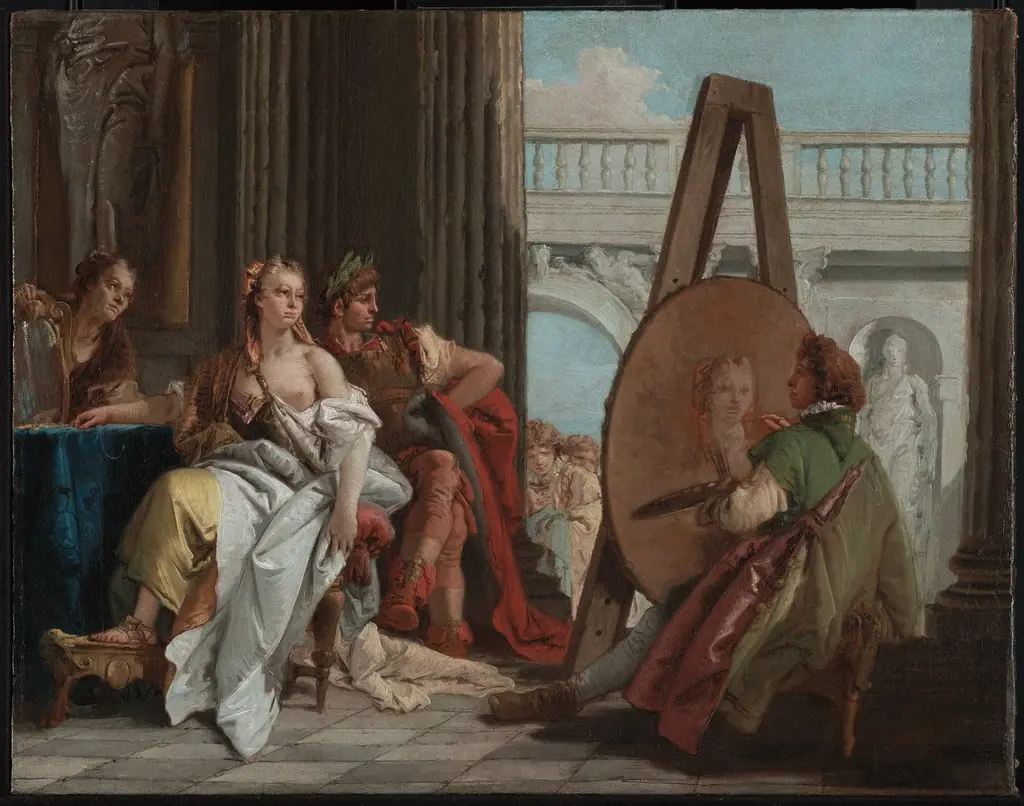 Alexander the Great and Campaspe in the Studio of Apelles
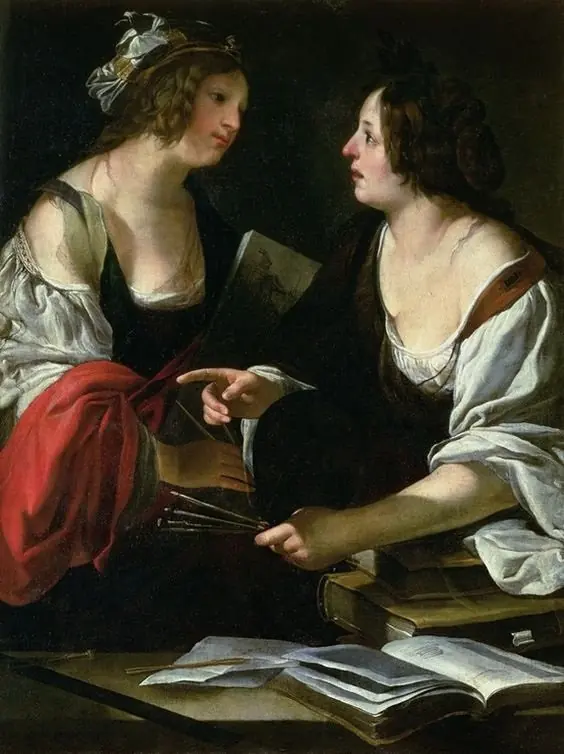 Allegory of Painting and Architecture
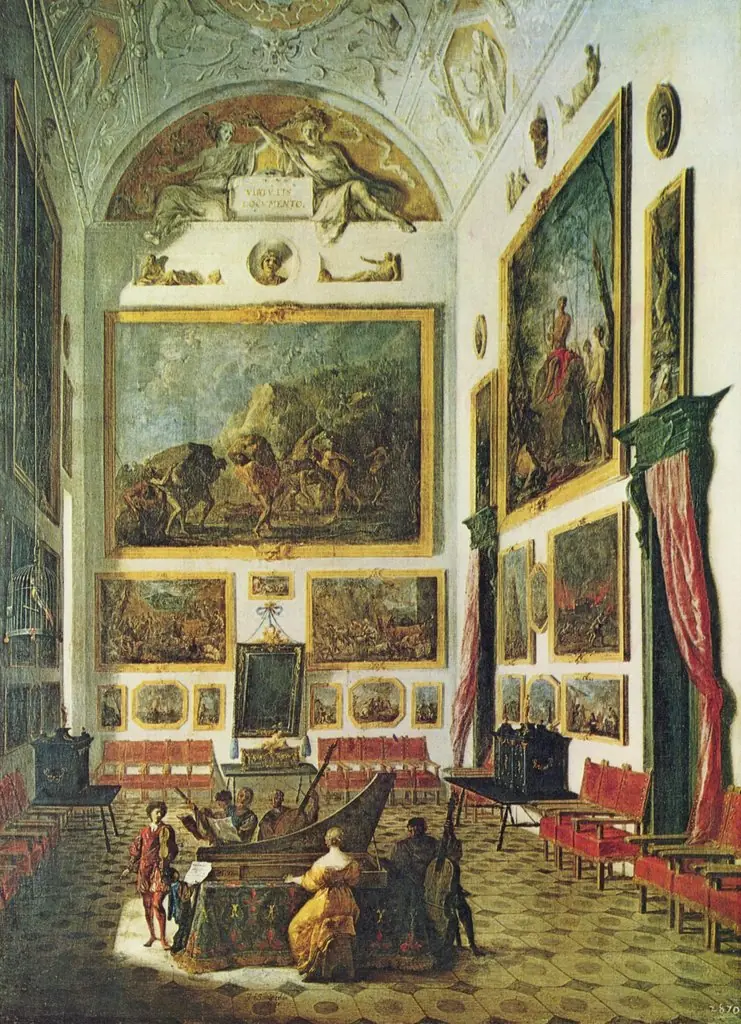 Musical Entertainment at the Spinet
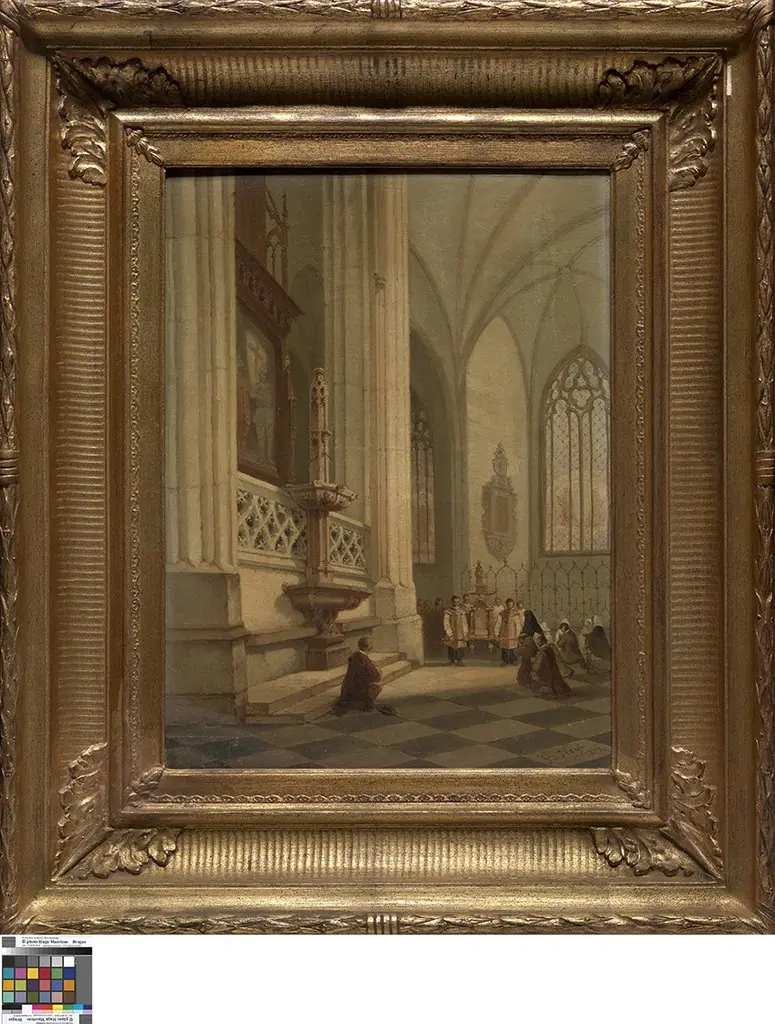 Absis van de kathedraal van Freiburg
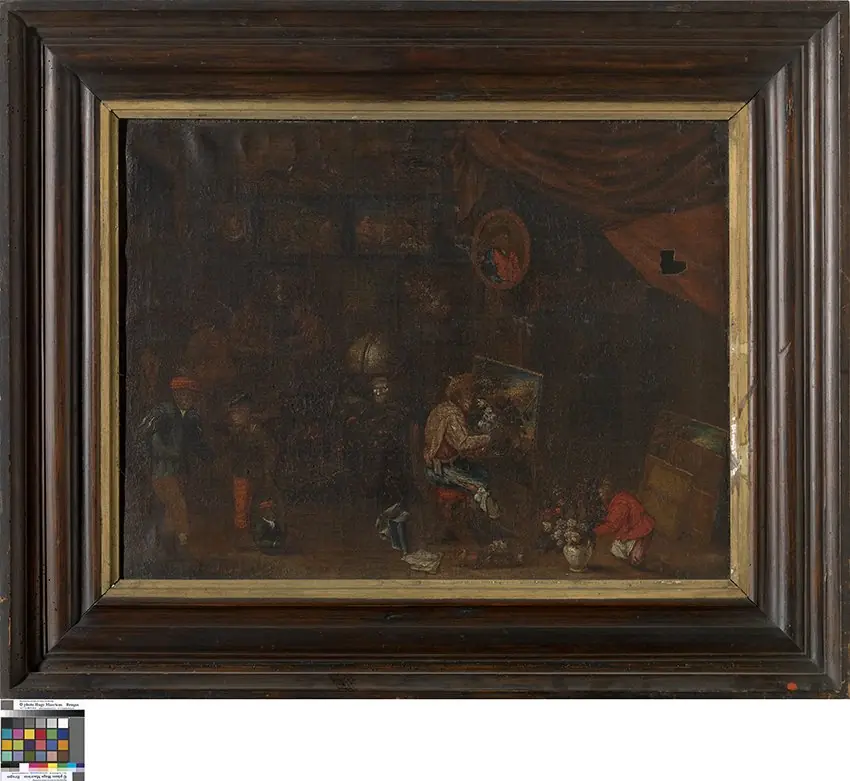 Singerie in een kunstkamer
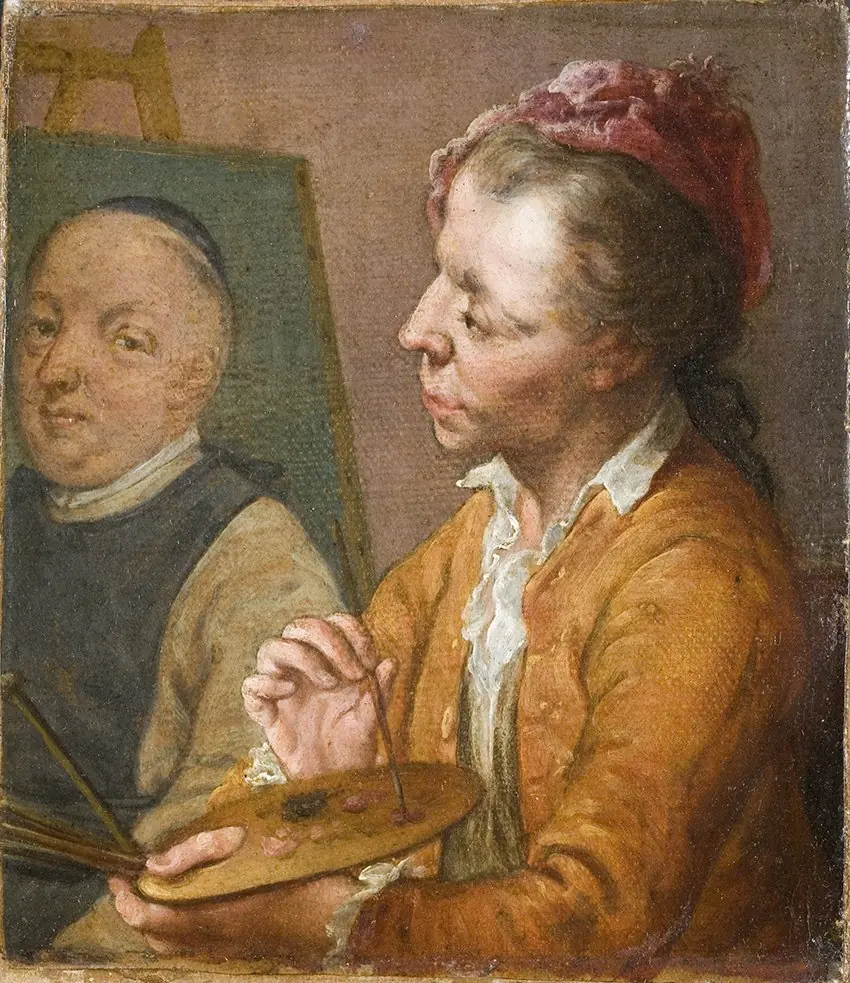 Een schilder aan het werk
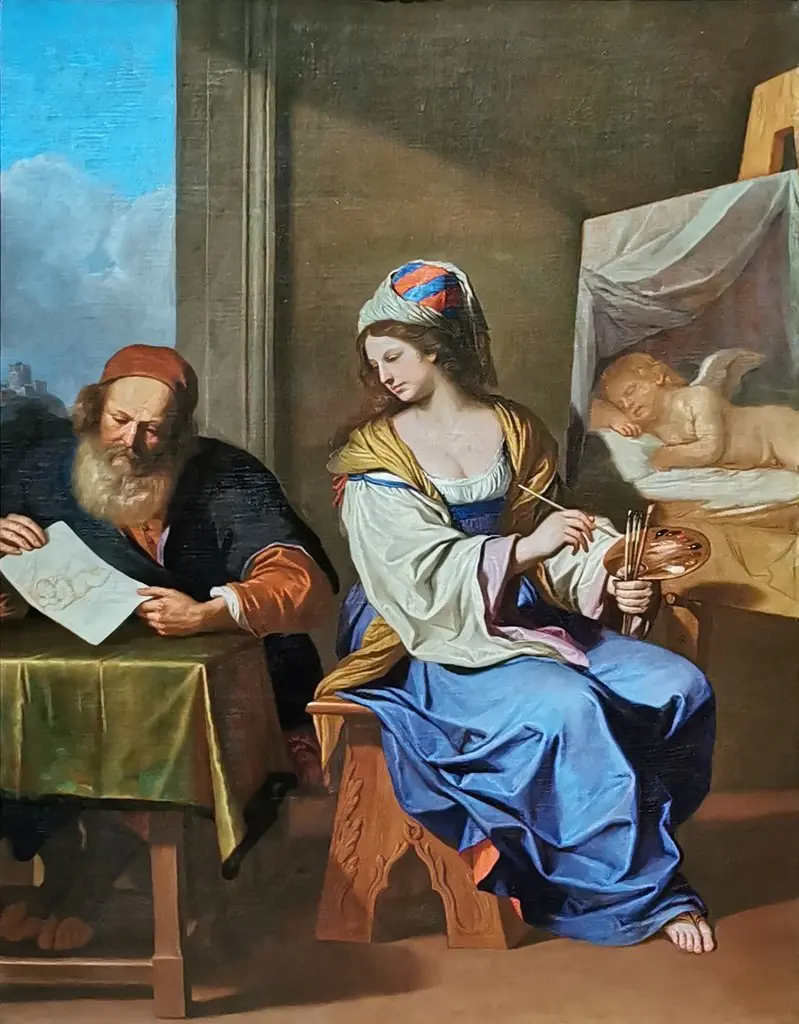 Painting and Drawing
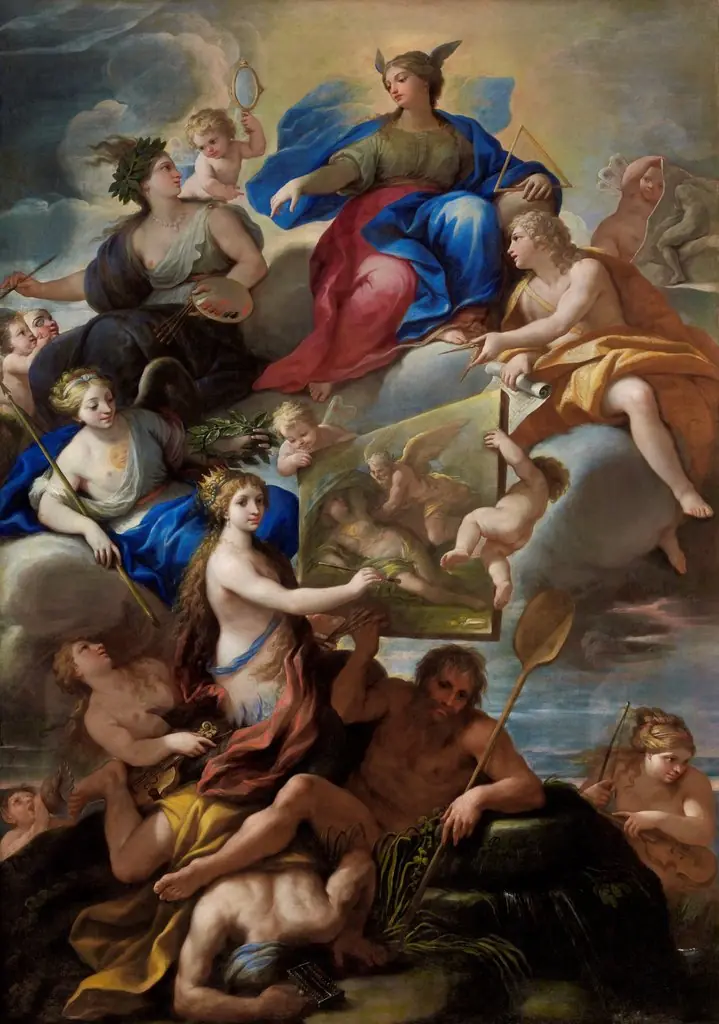 Allegory of Knowledge and the Arts in Naples
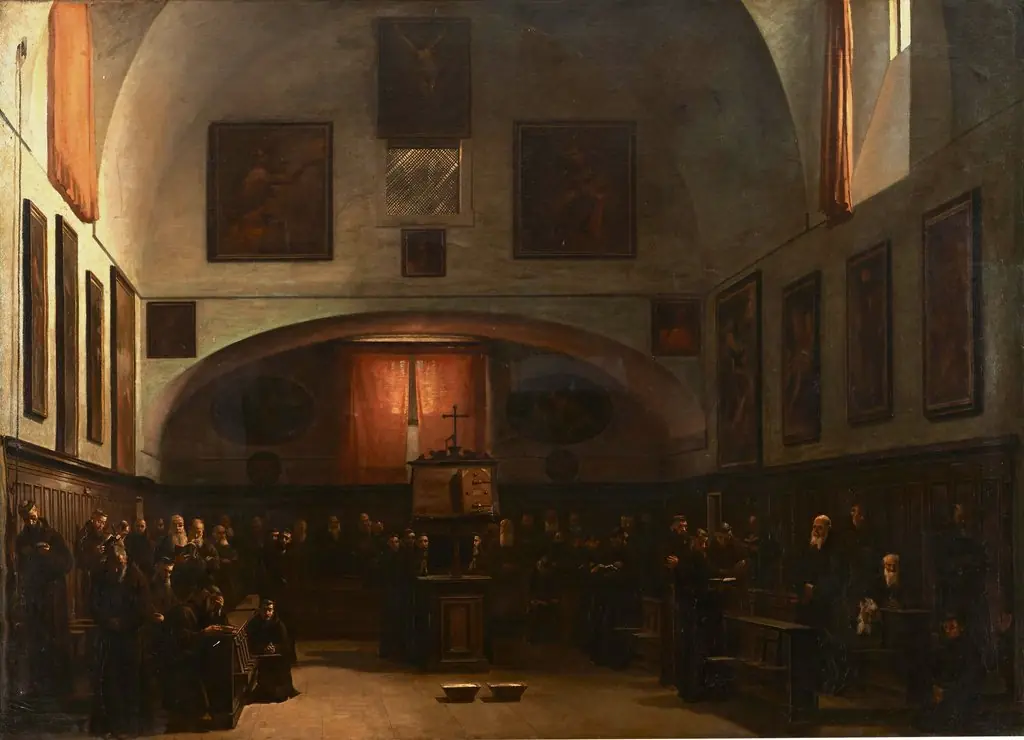 Capuchinos en el coro
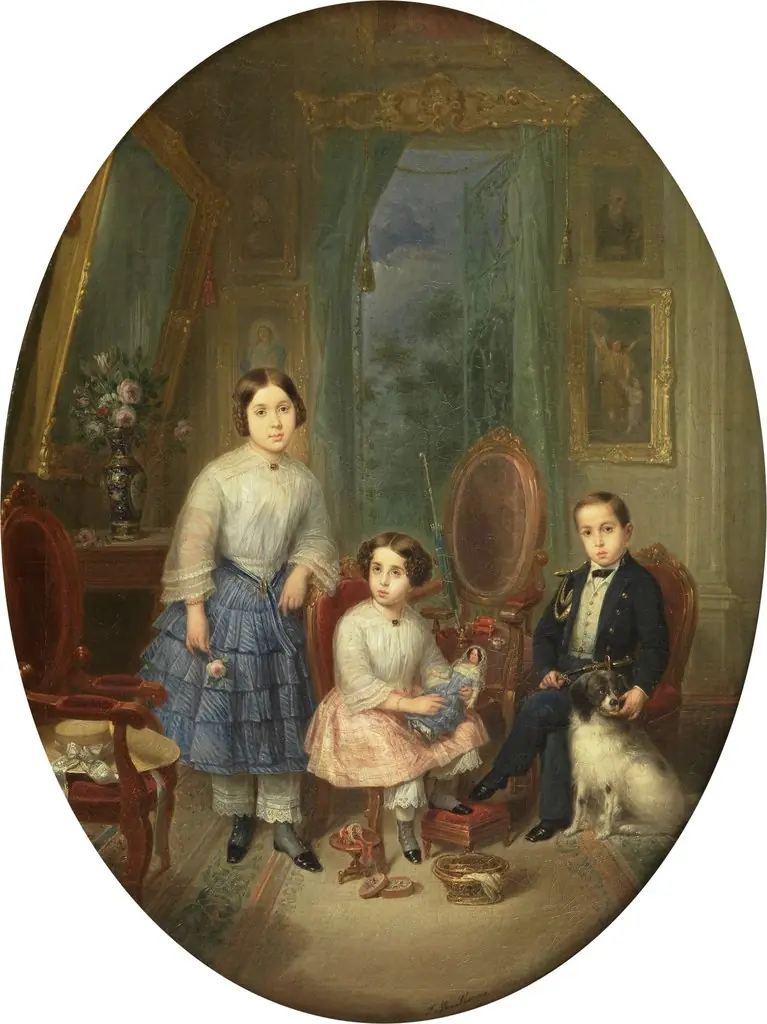 Enrique Concepción y Salud Santaló
Frequently asked questions
What is Painting?
Painting is a visual art, characterized by the practice of applying paint, pigment, color, or other medium to a solid surface.
How many Painting works does Artifact World Gallery have?
Artifact World Gallery holds 200 public-domain Painting works, all free to view and download.
Who are the key Painting artists?
Key Painting artists in the collection include Thomas Eakins, Jean Baptiste Camille Corot and Thomas Cole.
Where can I see Painting works?
Painting works in the collection are held by Museo del Prado, Metropolitan Museum of Art and Groeningemuseum.