Movement
Neo Expressionism
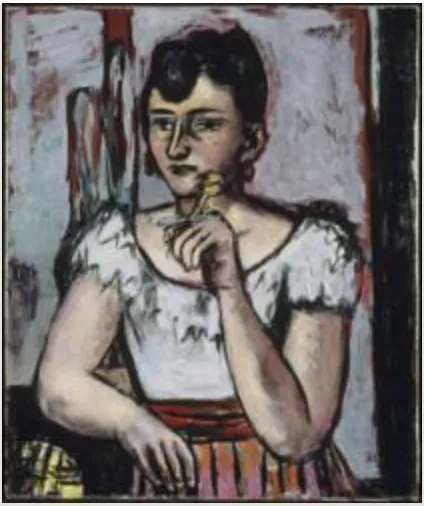
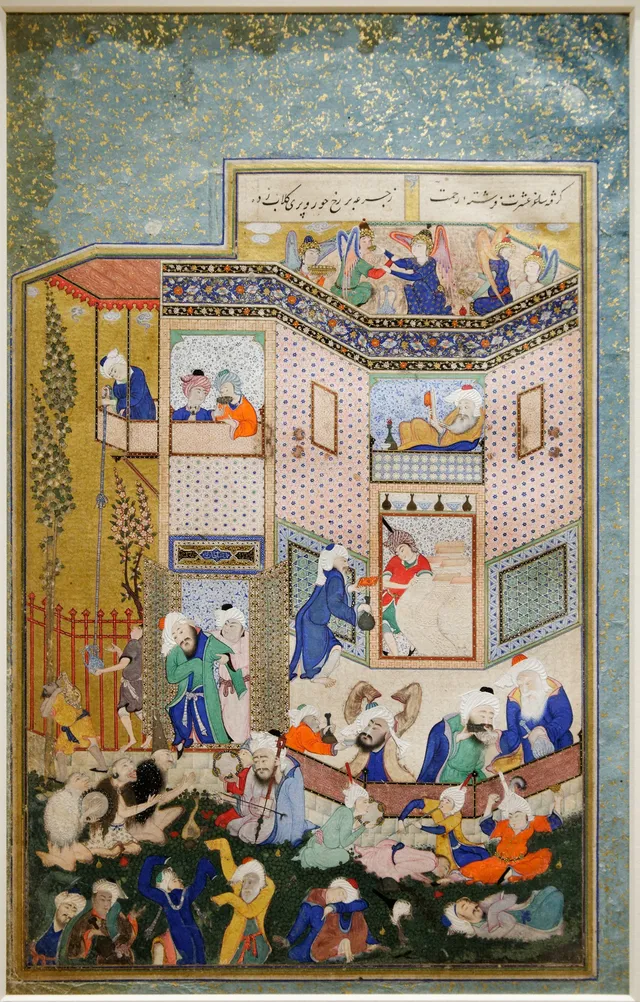
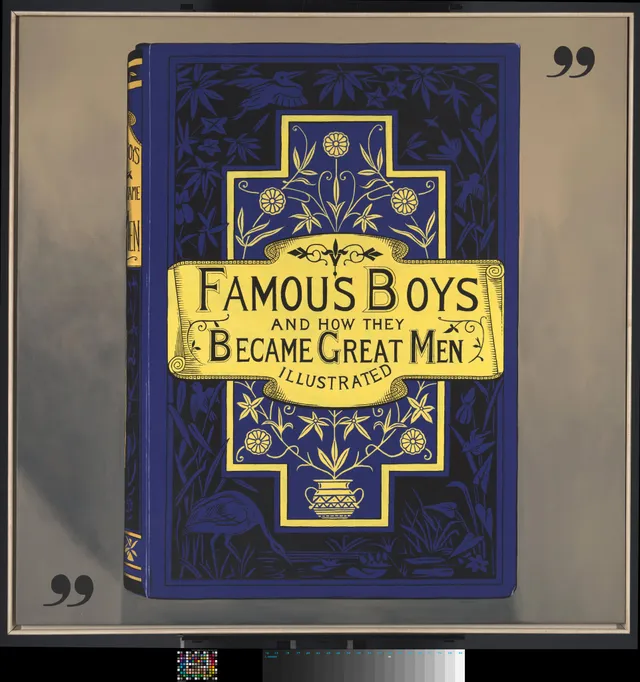
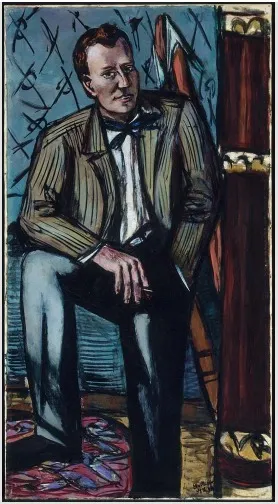
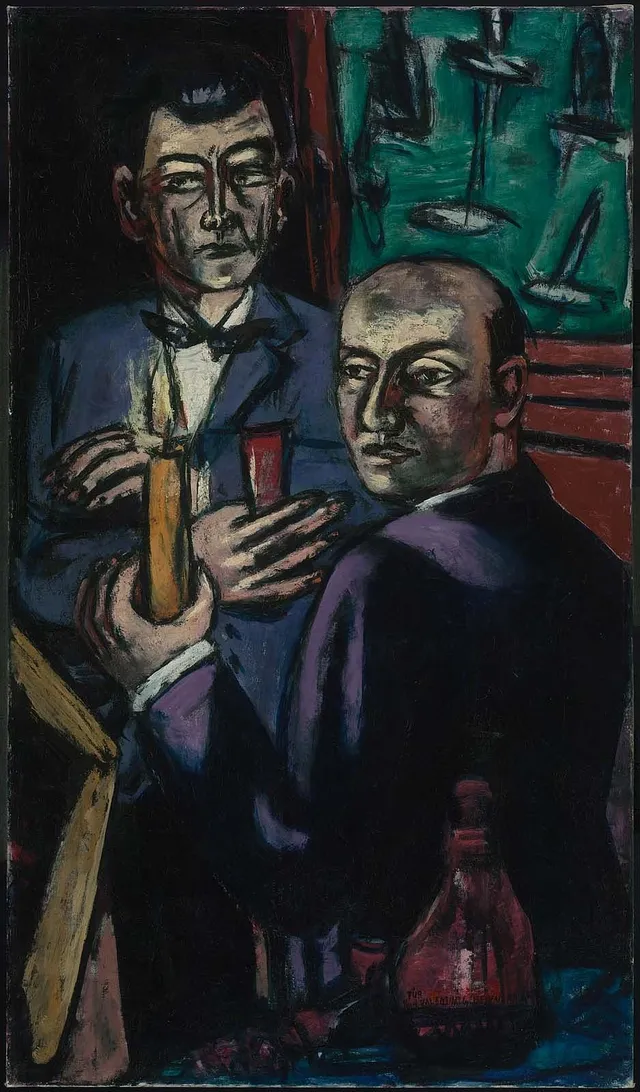
Neo Expressionism is an art movement of the 1970–1990 period. The gallery holds 64 works in this movement, including works by Max Beckmann, Peter Howson and Rob Scholte. Browse Neo Expressionism paintings, portraits, pictures and artworks from the world's public-domain museum collections.
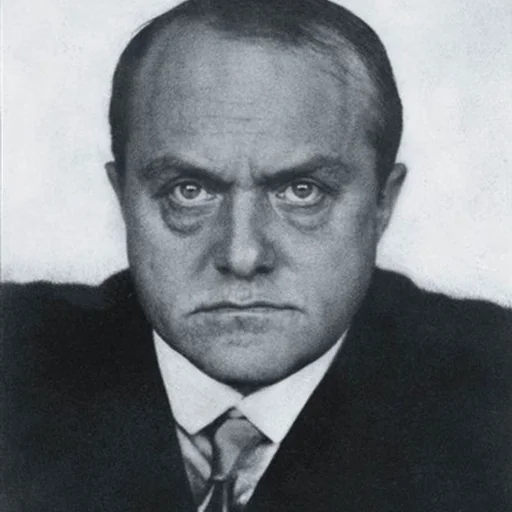
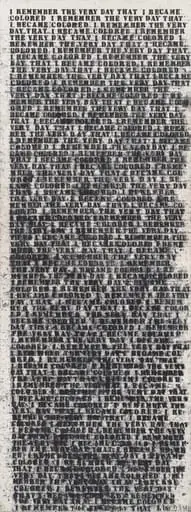
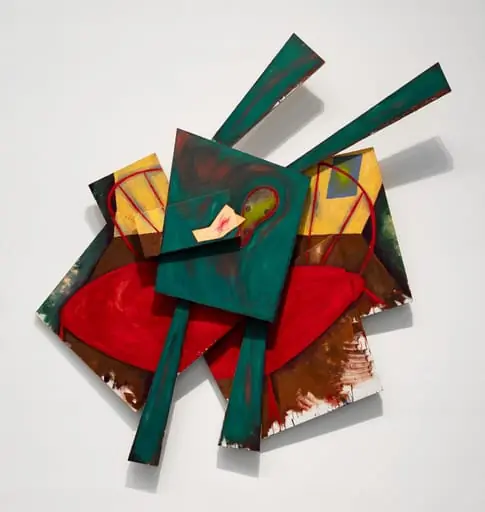
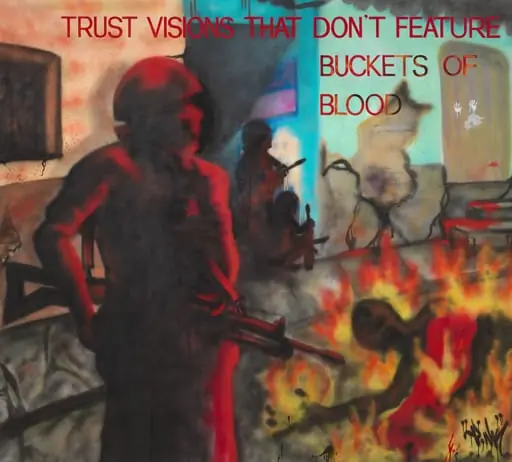
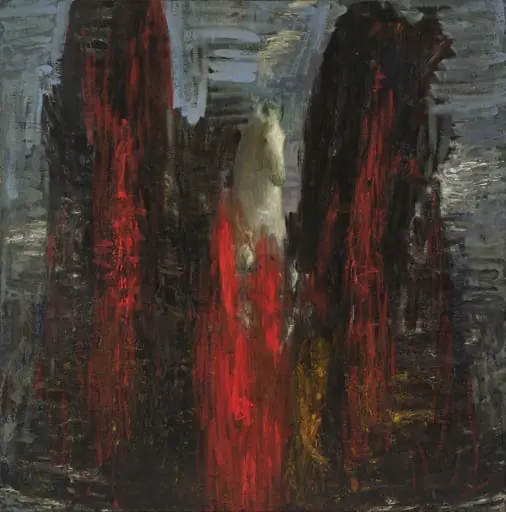
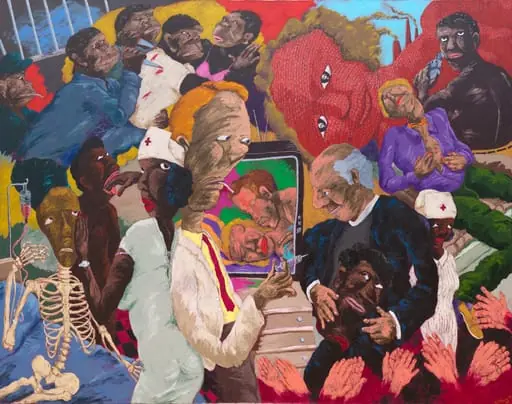
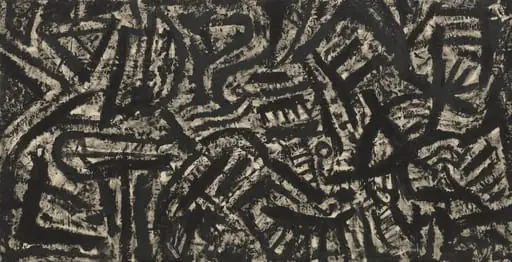
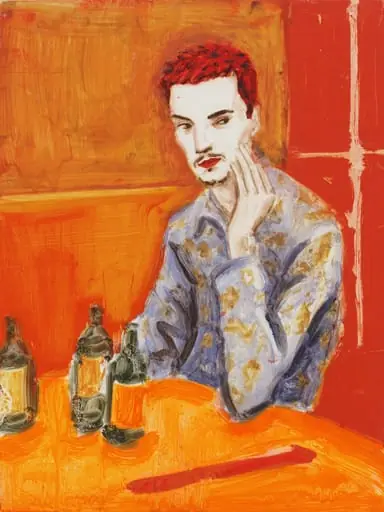
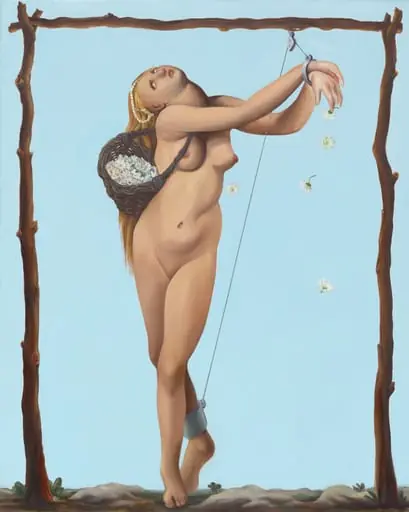
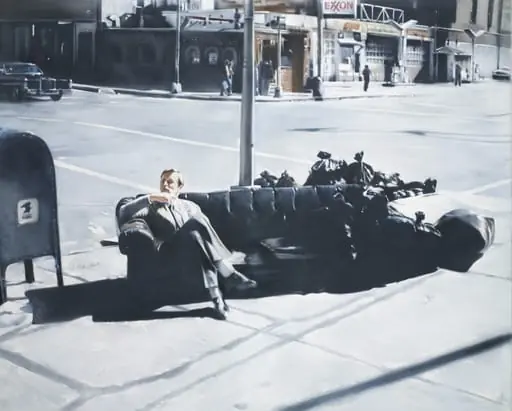
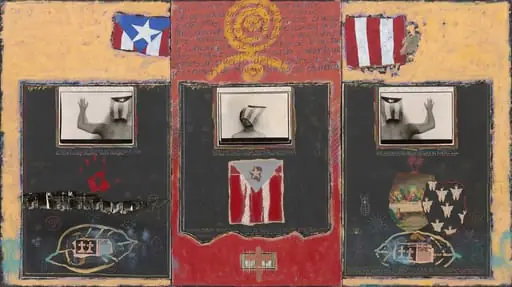
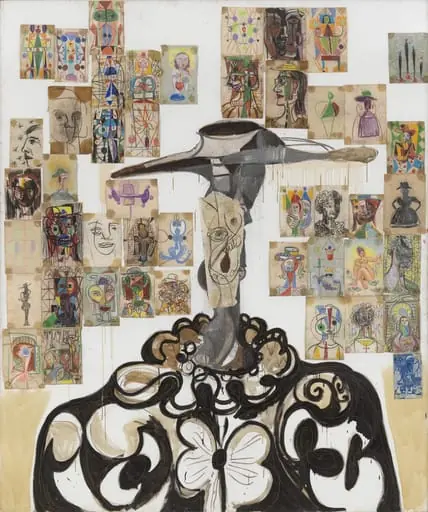
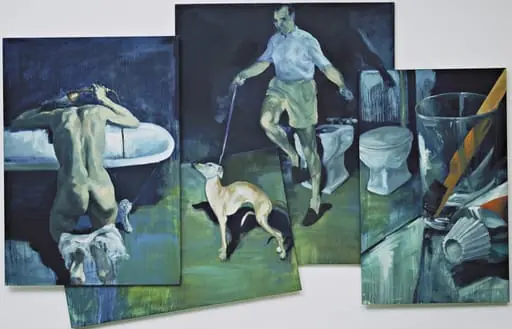
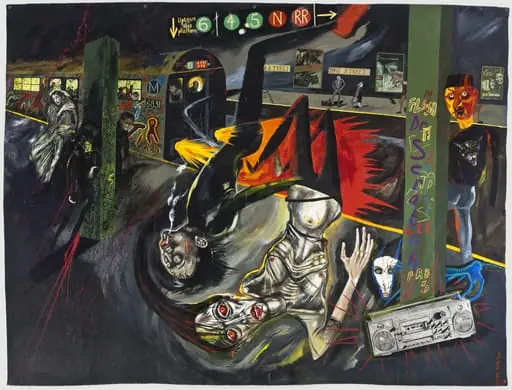
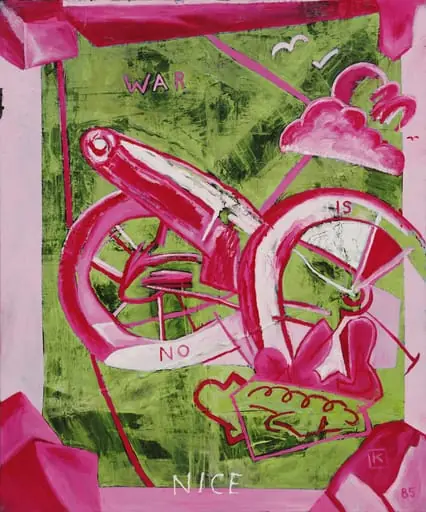
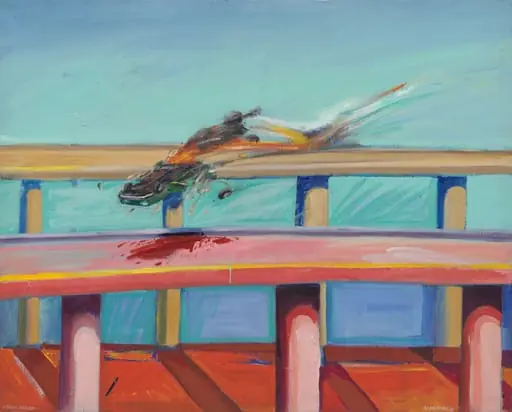
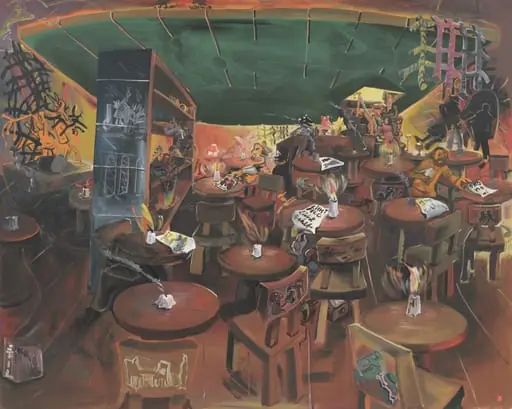
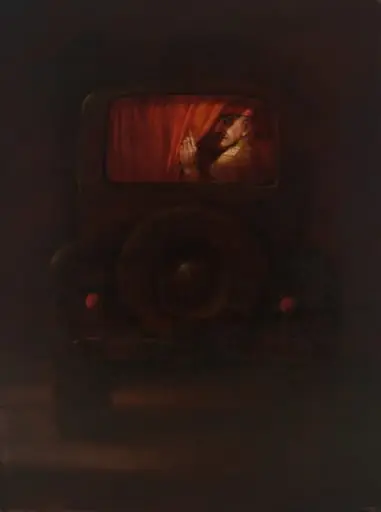
Neo-Expressionism was the dominant painting movement of the late 1970s and 1980s, a deliberately raw, figurative reaction against the cool intellectualism of Minimalism and Conceptual art that had governed the previous decade. Where those tendencies had stripped art to ideas and industrial surfaces, Neo-Expressionists returned emphatically to the human figure, to myth and history, and to the loaded, hand-worked canvas. The revival drew openly on early-twentieth-century German Expressionism—artists such as Max Beckmann, several of whose portraits including the Rathbone pictures the collection holds—as well as on Abstract Expressionism, fusing painterly heat with a knowing, Postmodern appetite for appropriation and quotation.
The movement is best understood as a cluster of national variants that emerged almost simultaneously: the Neue Wilden ("New Wild Ones") in West Germany, the Transavanguardia named by critic Achille Bonito Oliva in Italy, Figuration Libre in France, and an American wing centred on New York's booming gallery scene. Despite regional differences, the work shared a visual signature: large scale, fast and gestural brushwork, thickly built and often coarse surfaces, jarring colour, and charged, frequently violent or mythological imagery.
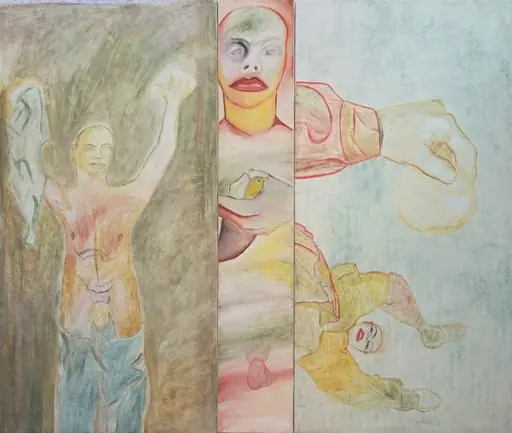
Its canonical figures span these geographies. In Germany, Georg Baselitz—whose deliberately upended figures, such as those following his 1962–63 Die große Nacht im Eimer, became a trademark—and Anselm Kiefer, who confronted Germany's Nazi past in tar-black, straw-encrusted landscapes, anchored the European side. Italy contributed Francesco Clemente, Sandro Chia and Enzo Cucchi. In New York, the brief, incandescent career of Jean-Michel Basquiat (1960–1988) brought graffiti-rooted, African-diasporic urgency, while Julian Schnabel—whose shattered-crockery "plate paintings" debuted at the Mary Boone Gallery in 1979—and David Salle epitomised the American market frenzy.
By the mid-1980s Neo-Expressionism commanded the art market and is often called the last great international movement of modern art, before the cooler, critique-driven Neo-Geo and the broader figurative revival—echoed in painters like Scotland's Peter Howson, represented here by Samson (Bairds Carryout)—reshaped the decade's close. Its legacy endures in the continued licence painters take for emotion, narrative and unruly surface.
Key artists


Works
 Samson (Bairds Carryout)
 Illustration
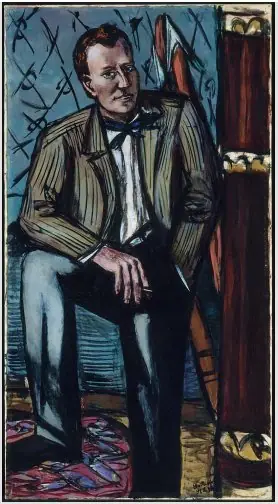 Perry T. Rathbone
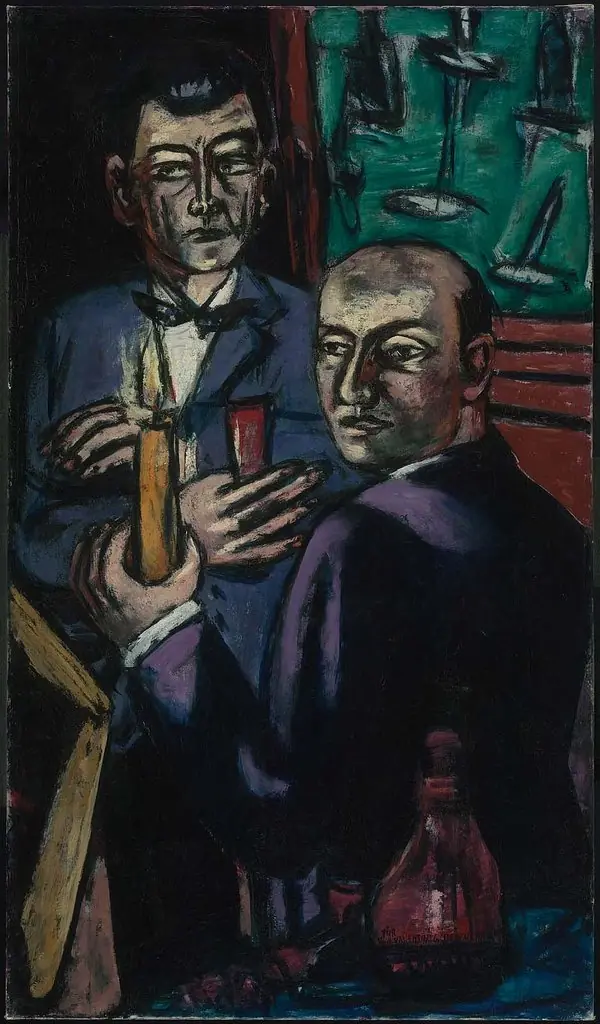 Double Portrait
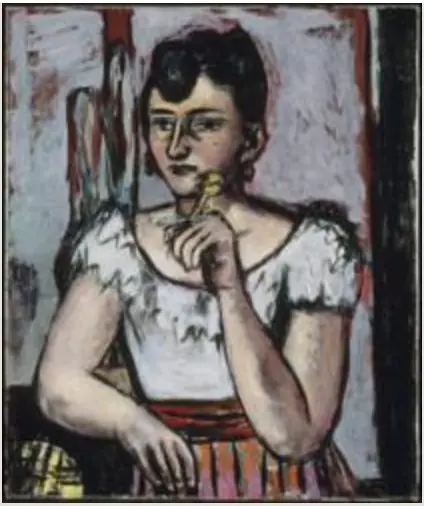 Euretta Rathbone
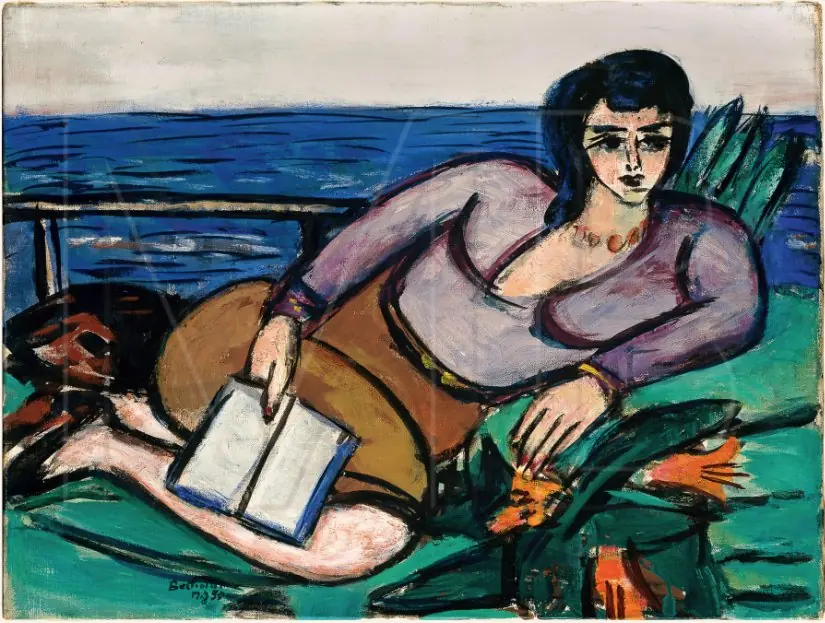 Reclining Woman by the Sea
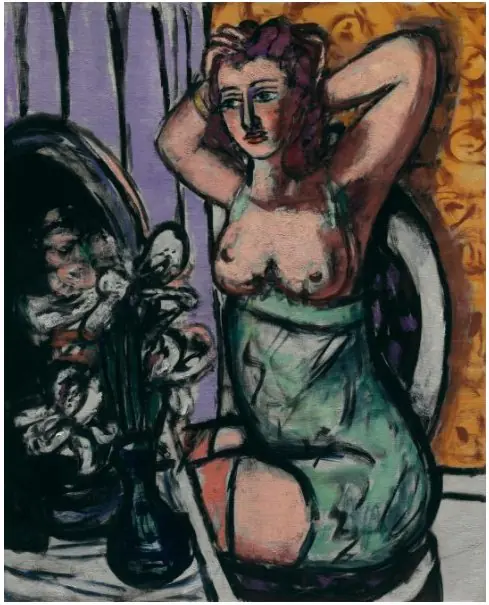 Woman with Mirror and Orchids
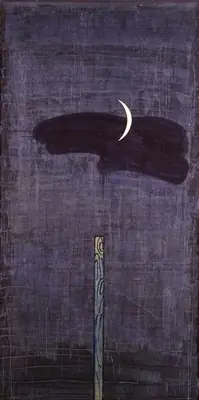 Column VII
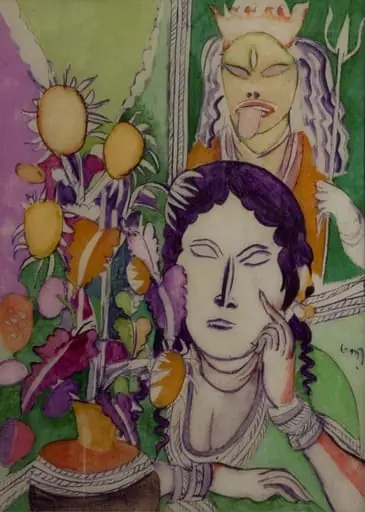 Untitled
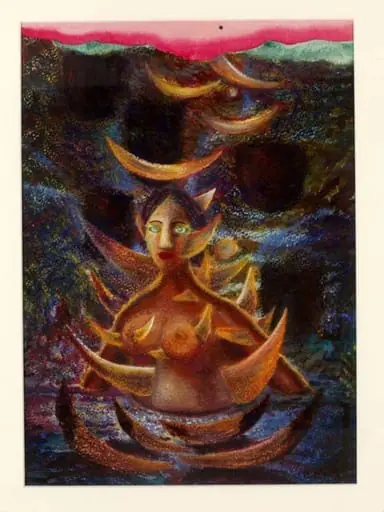 Woman pierced by Moons
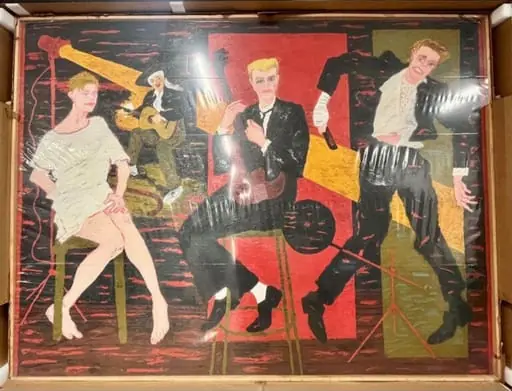 David Bowie Three Times
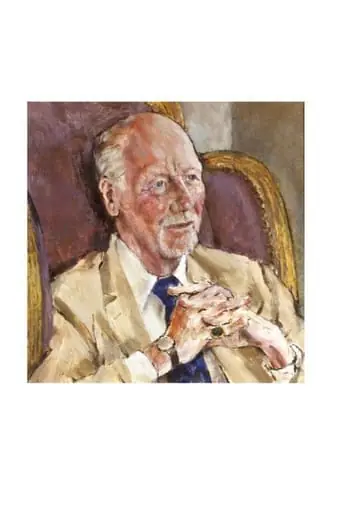 Sir John Gielgud
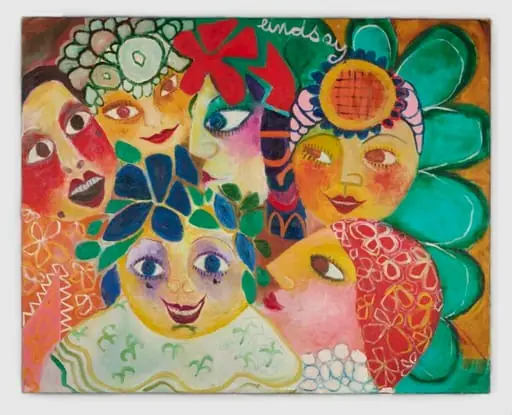 Untitled
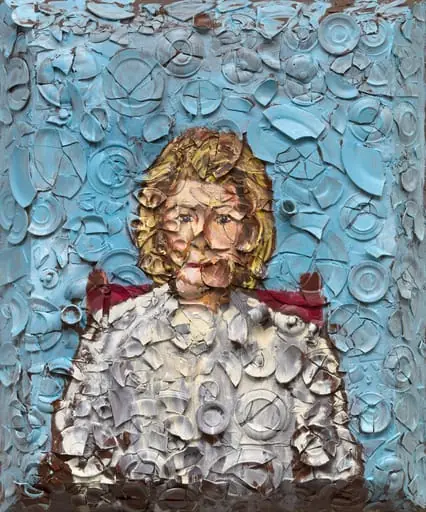 Untitled
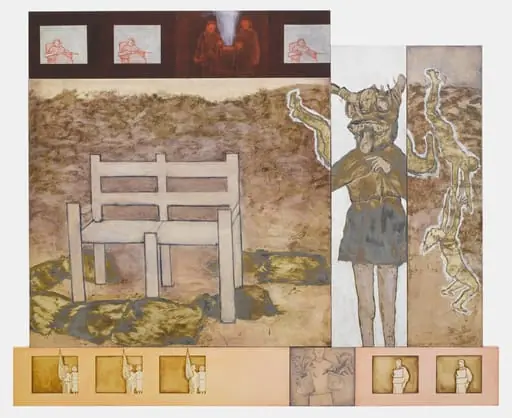 Untitled
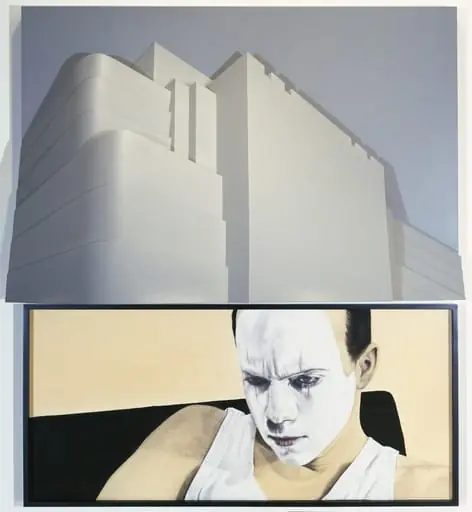 Untitled
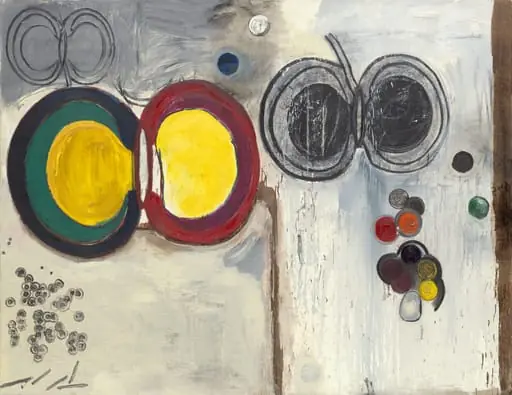 Untitled
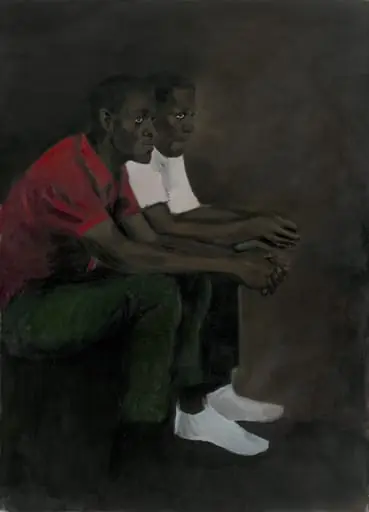 Untitled
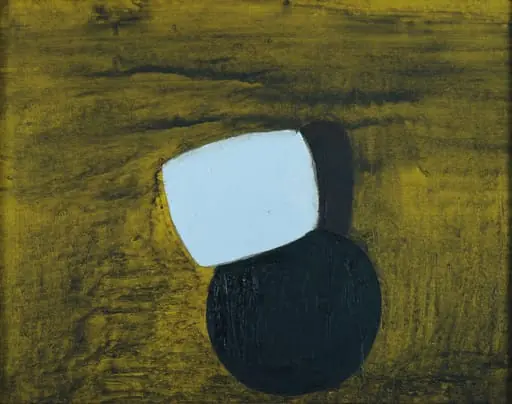 Untitled
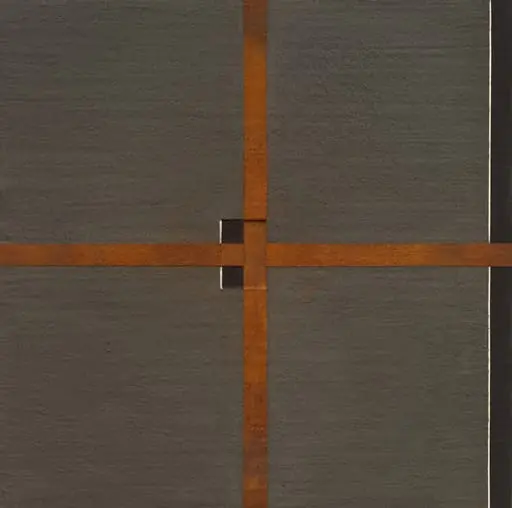 Untitled
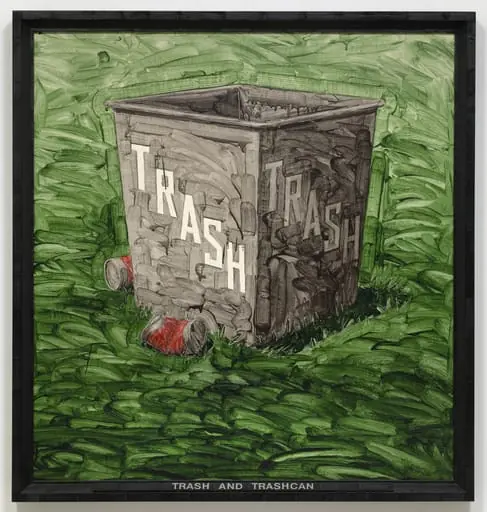 Untitled
 Untitled
 Untitled
 Untitled
 Untitled
 Untitled
 Untitled
 Untitled
 Untitled
 Untitled
 Untitled
 Untitled
 Untitled
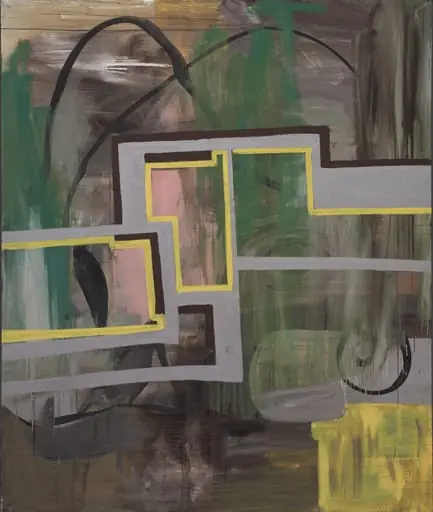 Untitled
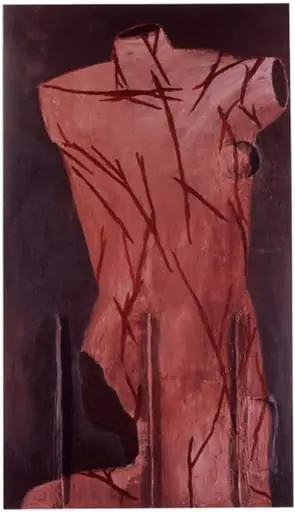 Untitled
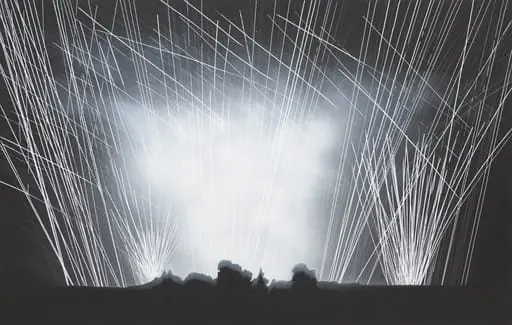 Untitled
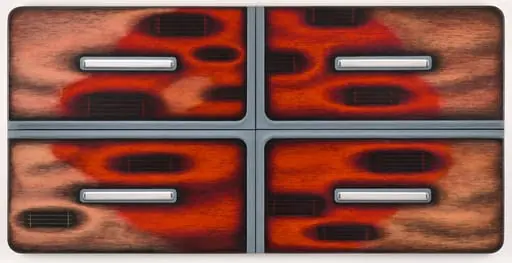 Untitled
 Untitled
 Untitled
 Untitled
 Untitled
 Untitled
 Untitled
 Untitled
 Untitled
 Untitled
 Untitled
 Untitled
 Untitled
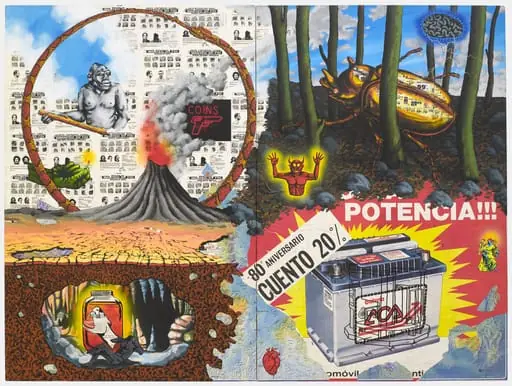 Untitled
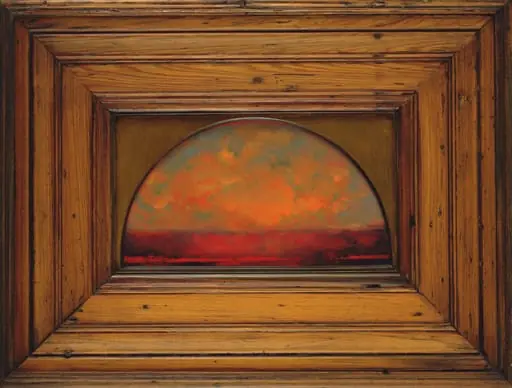 Untitled
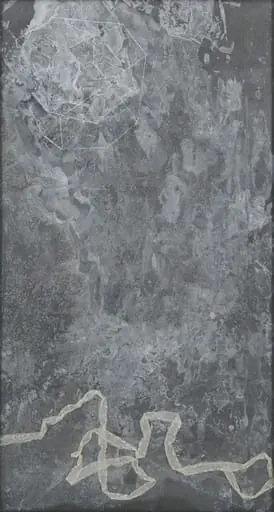 Untitled
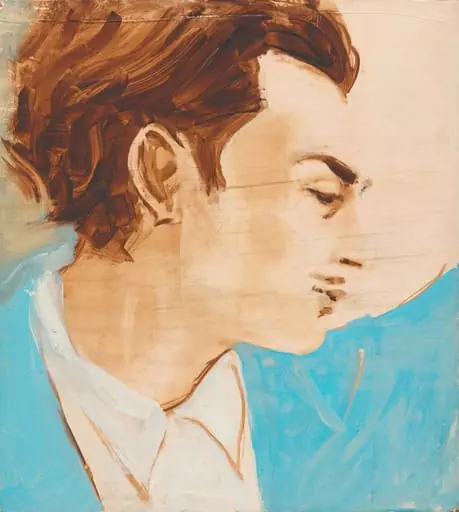 Untitled
 Untitled
 Untitled
 Untitled
 Untitled
 Untitled
 Untitled
 Untitled
 Untitled
 Untitled
 Untitled
 Portrait of Jalil Ziapour
Frequently asked questions
What is Neo Expressionism?
Neo Expressionism is an art movement. A raw, figurative revival of the late 1970s and 1980s that rejected cool minimalism.
How many Neo Expressionism works does Artifact World Gallery have?
Artifact World Gallery holds 64 public-domain Neo Expressionism works, all free to view and download.
Who are the key Neo Expressionism artists?
Key Neo Expressionism artists in the collection include Max Beckmann, Peter Howson and Rob Scholte.
When did Neo Expressionism take place?
Neo Expressionism dates from 1970–1990.
Where can I see Neo Expressionism works?
Neo Expressionism works in the collection are held by Museum of Modern Art, Victoria and Albert Museum and Museum of Fine Arts Boston.