Subject
Night
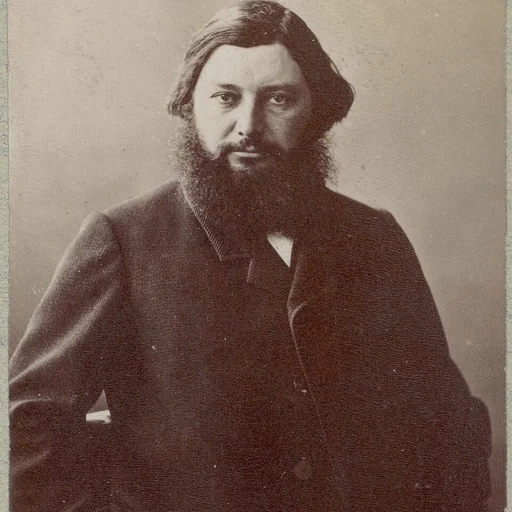
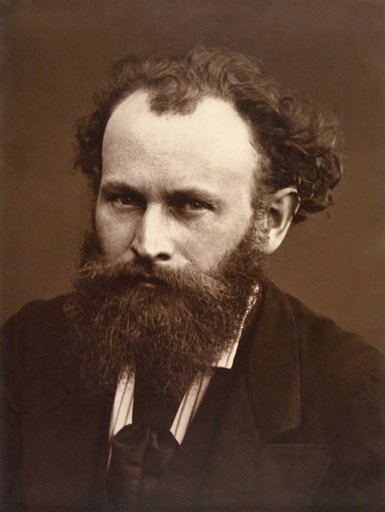
Night is a subject in art. The gallery holds 68 works in this subject in art, including works by Gustave Courbet, Édouard Manet and Albert Bierstadt.
In art, "night" is the period of darkness when the Sun sits below the horizon, leaving one hemisphere of the Earth in shadow while the other is bathed in daylight. As a subject it has long fascinated painters precisely because it strips the world of ordinary colour and form, forcing the artist to build an image from moonlight, firelight, lamplight, and the faint glow of stars. Depicting night convincingly is a technical feat as much as a poetic one, and for centuries it stood among the hardest problems in Western painting.
The earliest sustained efforts grew out of the Baroque. Caravaggio (1571–1610), working in Rome around 1600, pioneered tenebrism, plunging most of the canvas into deep shadow and spotlighting figures with harsh, theatrical light. The German painter Adam Elsheimer carried the night outdoors: his tiny copper panel The Flight into Egypt (c. 1609) is regarded as the first naturalistic rendering of the night sky, with the Moon, scattered campfires, and a carefully observed Milky Way—complete with recognisable constellations—as the sole sources of light. Elsheimer's experiments fed directly into Rembrandt and the Dutch landscape tradition.
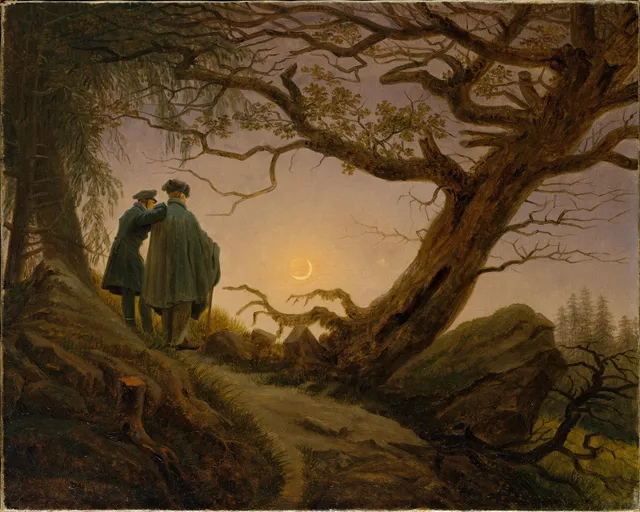
Night acquired new emotional weight with Romanticism. Caspar David Friedrich (1774–1840) turned moonlit landscapes into meditations on mortality and the infinite; our Two Men Contemplating the Moon (versions c. 1819–30) embodies this quiet, contemplative mood. The fascination with the sublime night also drew artists to spectacle, as in Albert Bierstadt's Mount Vesuvius at Midnight, where eruption and darkness meet.
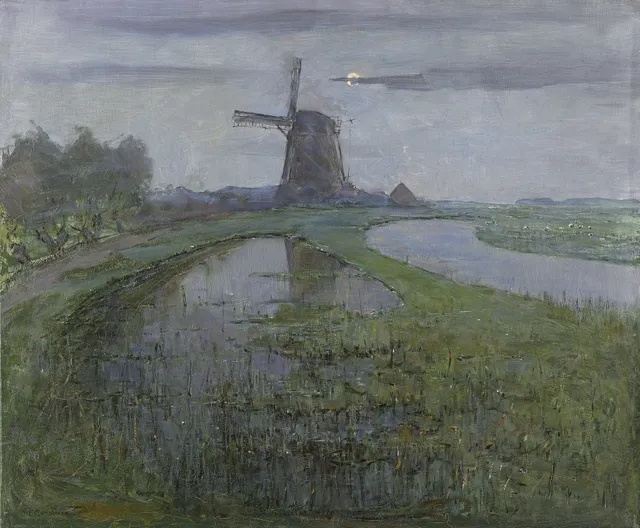
In the later nineteenth century James McNeill Whistler distilled the genre into pure mood. Borrowing the musical term from Chopin, he called his hushed, near-abstract views of the Thames "nocturnes" (1870s–80s), prizing tone and atmosphere over incident. Vincent van Gogh's The Starry Night (1889) pushed nocturnal feeling toward expressive abstraction, while Piet Mondrian's early Oostzijdse Mill by Moonlight shows even a future abstractionist learning through the night motif.
The theme persisted into modern art: Grant Wood's The Midnight Ride of Paul Revere (1931, Metropolitan Museum) recasts a moonlit American legend in crisp Regionalist fantasy. From tenebrism through Romanticism, Impressionism, and beyond, night has remained a proving ground where light, silence, and imagination converge.
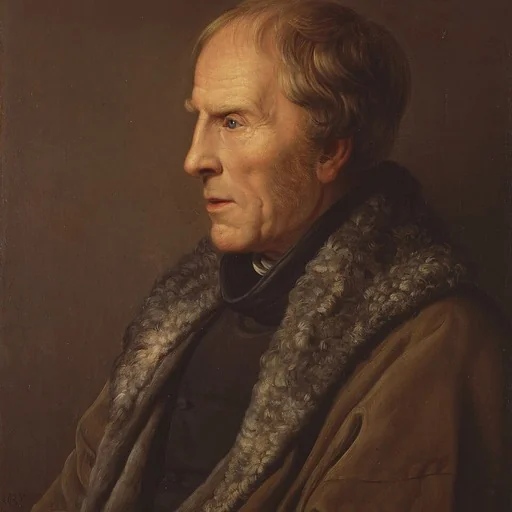
Key artists

Overview
Night, or nighttime, is the period of darkness when the Sun is below the horizon, a universal condition created by Earth's rotation that has served as one of the most enduring and evocative subjects in visual art. The collection holds 72 works that engage with this motif, ranging from moonlit landscapes and nocturnal interiors to symbolic and narrative scenes. Artists have returned to night repeatedly not merely to document darkness, but to explore its psychological, spiritual, and aesthetic possibilities. The technical challenge of representing what is essentially an absence of light has driven innovation across centuries, while the thematic associations of night, vulnerability, mystery, transcendence, and danger, have given the subject extraordinary expressive range.
Iconography & meaning
Night carries a dense cluster of meanings that artists have mined for symbolic effect. Darkness itself has historically signified danger and moral dissolution. Many cultures personified night through deities embodying its ambiguous power, while folklore populated the hours after sunset with creatures of the night such as werewolves, witches, ghosts, and goblins, externalizing societal fears. In Christian tradition, night became the domain of evil, sin, and the devil, against which Christ figured as light. Yet night equally enables contemplation, intimacy, and transcendence. The moon and stars provide natural iconographic elements that transform darkness into something luminous and navigable. Artificial lighting, from candles to gas lamps, introduced further symbolic registers: the warmth of domesticity, the isolation of the solitary figure, or the modernity of urban experience. The psychological dimension remains potent; the widespread fear of darkness, rooted in genuine historical dangers of reduced visibility, continues to inform nocturnal imagery. In figurative terms, night can represent death, the unconscious, or simply the unknown, while dawn and moonlight offer redemption, clarity, or romantic melancholy depending on context.
Legacy
The artistic engagement with night has had significant cultural afterlife, extending far beyond the specific works in this collection. The development of artificial lighting technologies, from seventeenth-century lanterns through nineteenth-century gas and electric systems to contemporary urban illumination, progressively transformed both the actual experience of night and its artistic representation. Where night once imposed genuine limits on human activity and perception, technological mastery over darkness became a marker of modernity itself. This transformation carried social consequences: the expansion of acceptable leisure activities into evening hours, the creation of night shifts in industry, and the emergence of nightlife as a distinct urban cultural form. Light pollution, the unintended consequence of this development, has paradoxically made the starry sky that once inspired countless night landscapes increasingly invisible to urban populations. In contemporary art, night persists as subject but also as condition; the nocturnal viewing of illuminated installations, the projection technologies that require darkness, and the continued psychological pull of darkness in an overlit world suggest that the motif retains its power even as its natural referent becomes degraded. The collection's 72 works thus document not only a persistent artistic interest but also a rapidly changing relationship between human culture and the fundamental astronomical condition of Earth's rotation.
Works
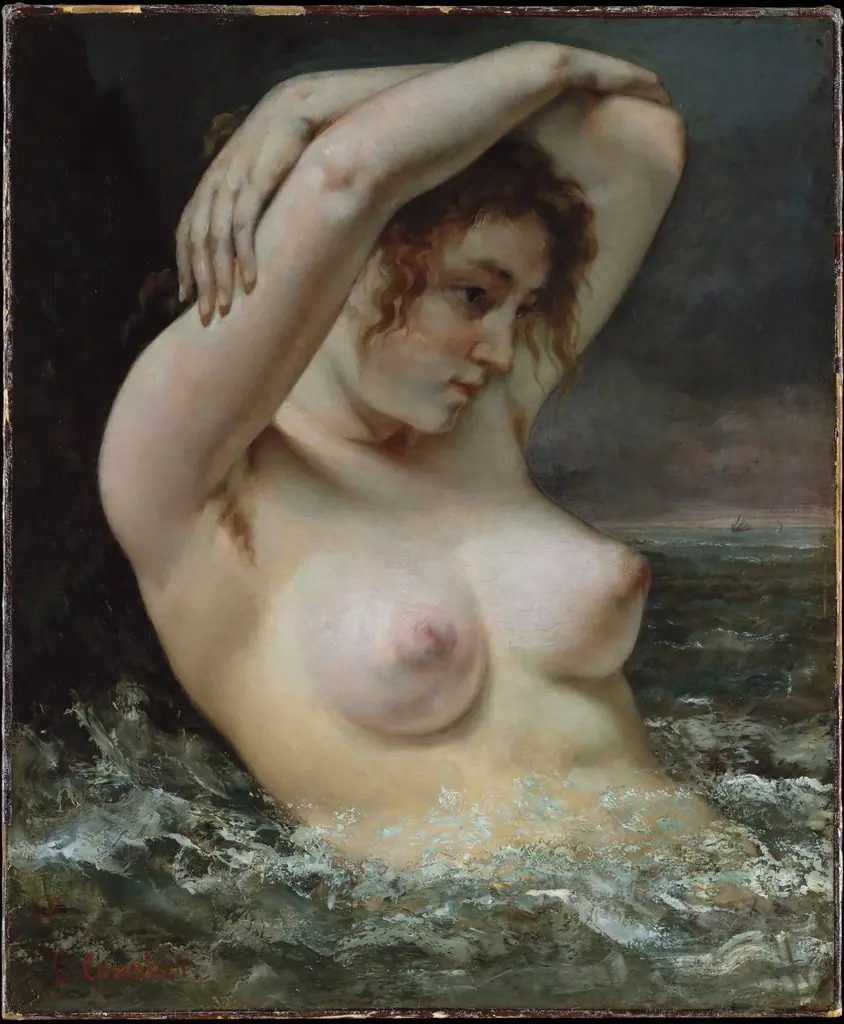 The Woman in the Waves
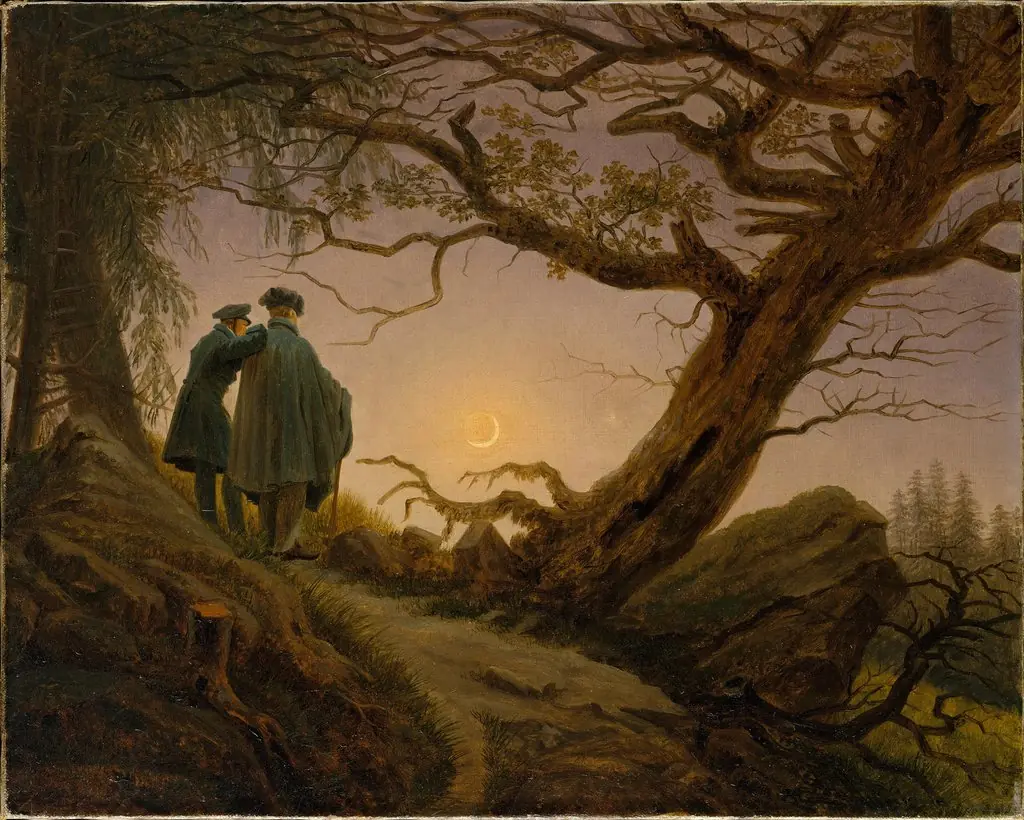 Two men contemplating the Moon
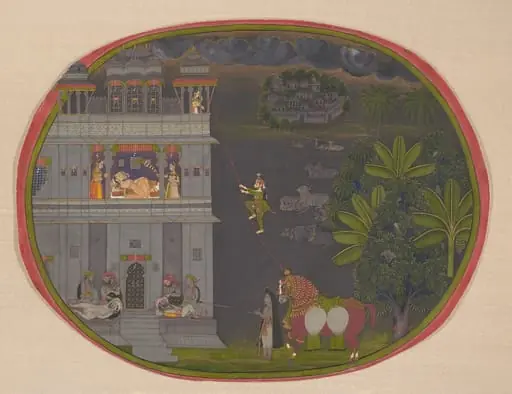 Untitled
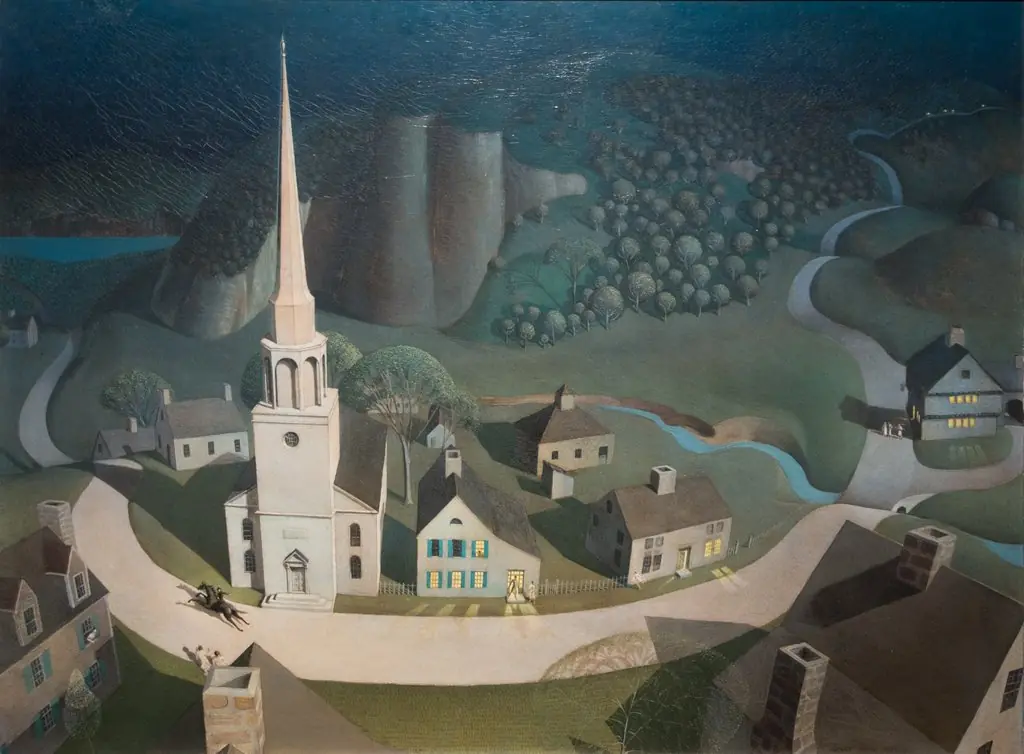 The Midnight Ride of Paul Revere
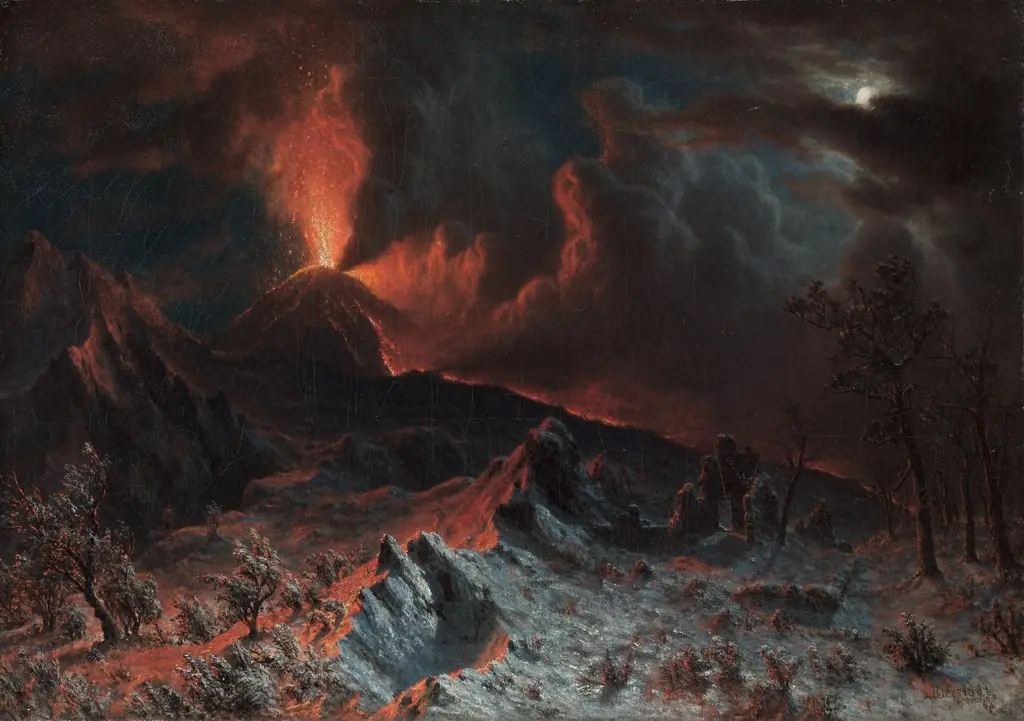 Mount Vesuvius at Midnight
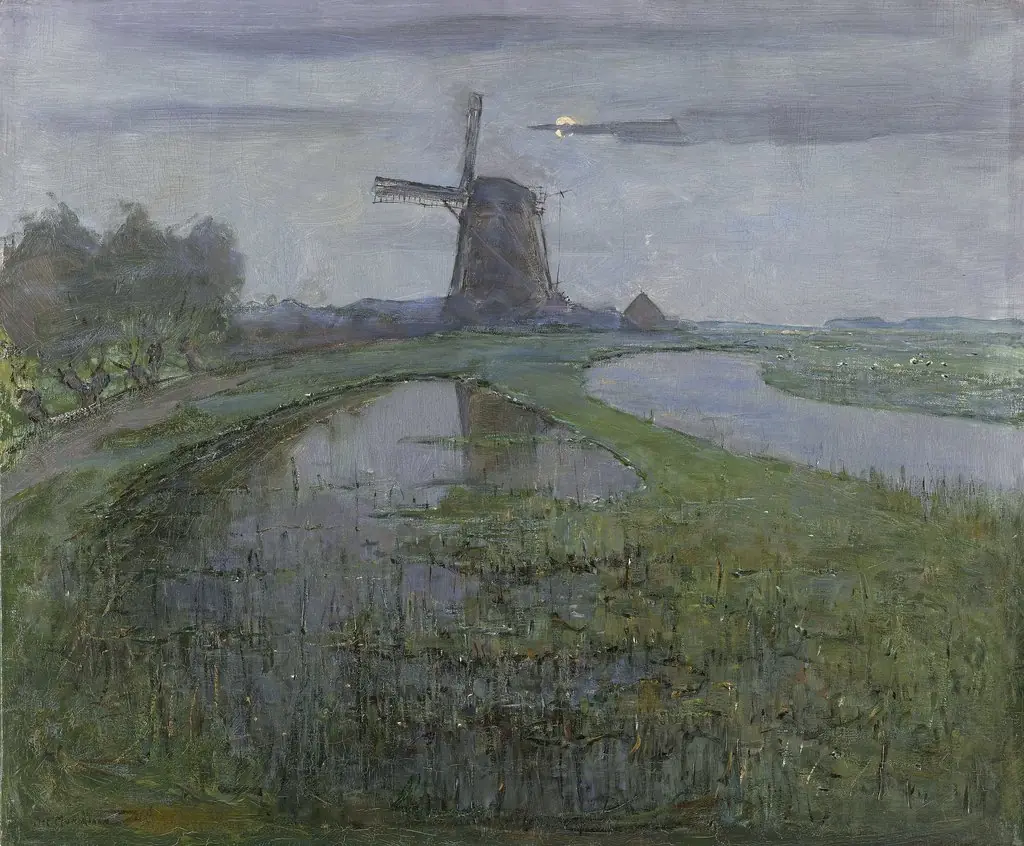 Oostzijdse Mill along the River Gein by Moonlight
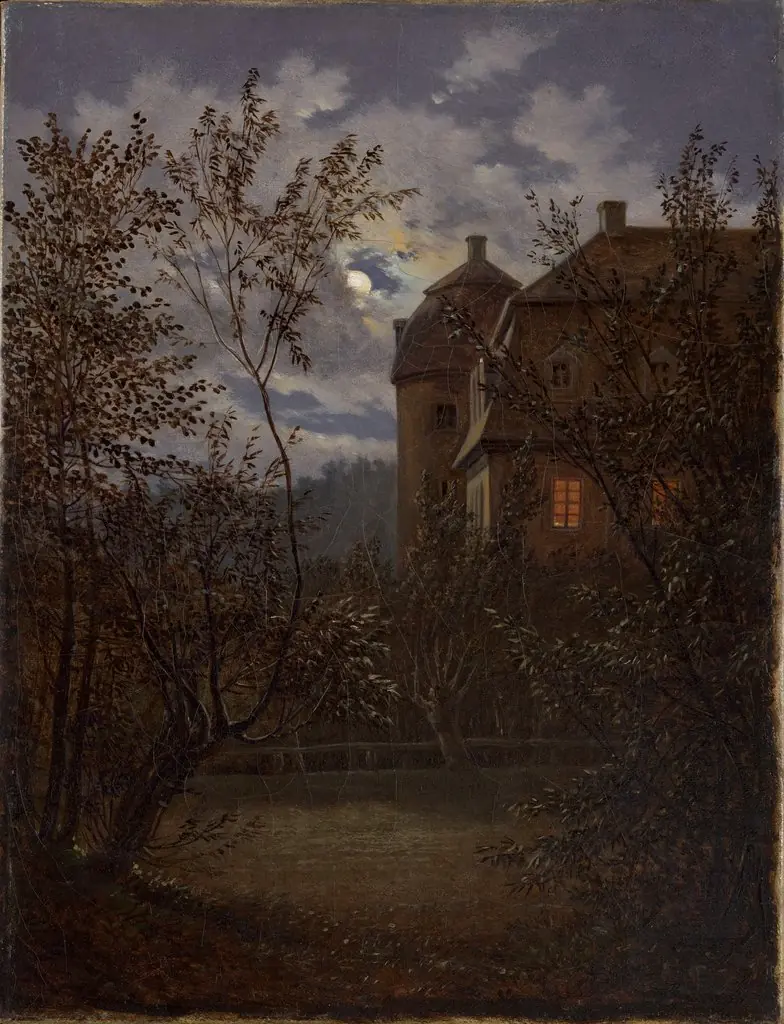 Schloss Milkel in Moonlight
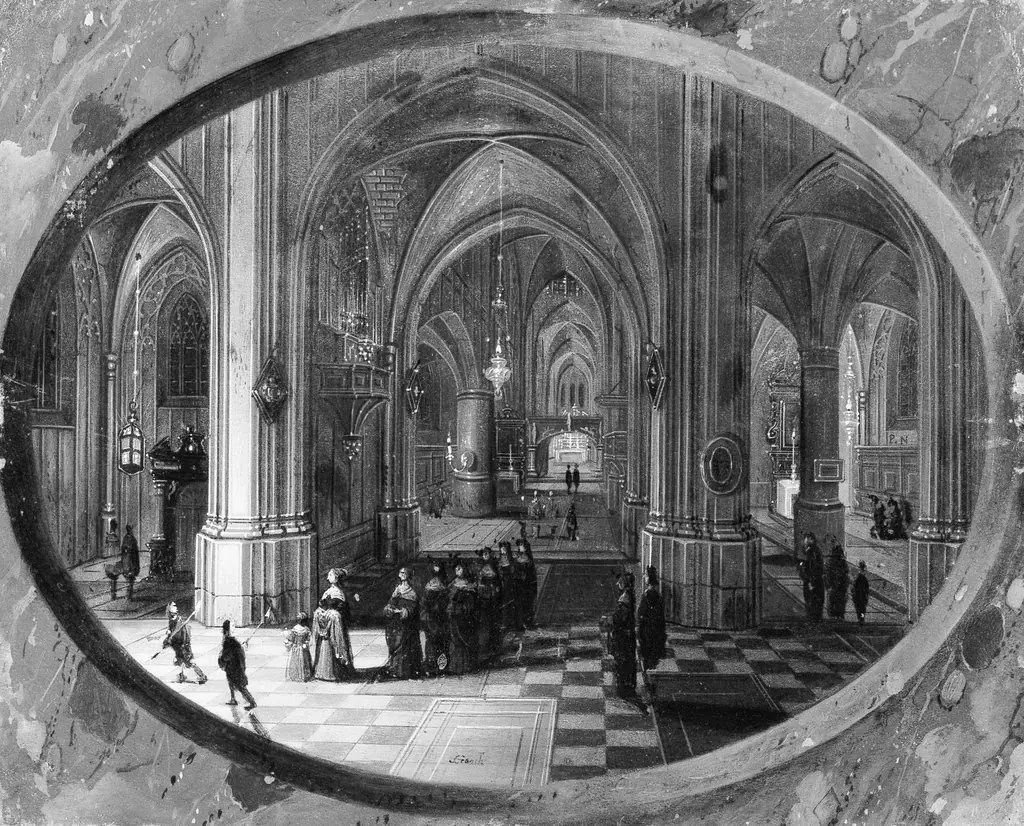 Interior of a Gothic Church at Night
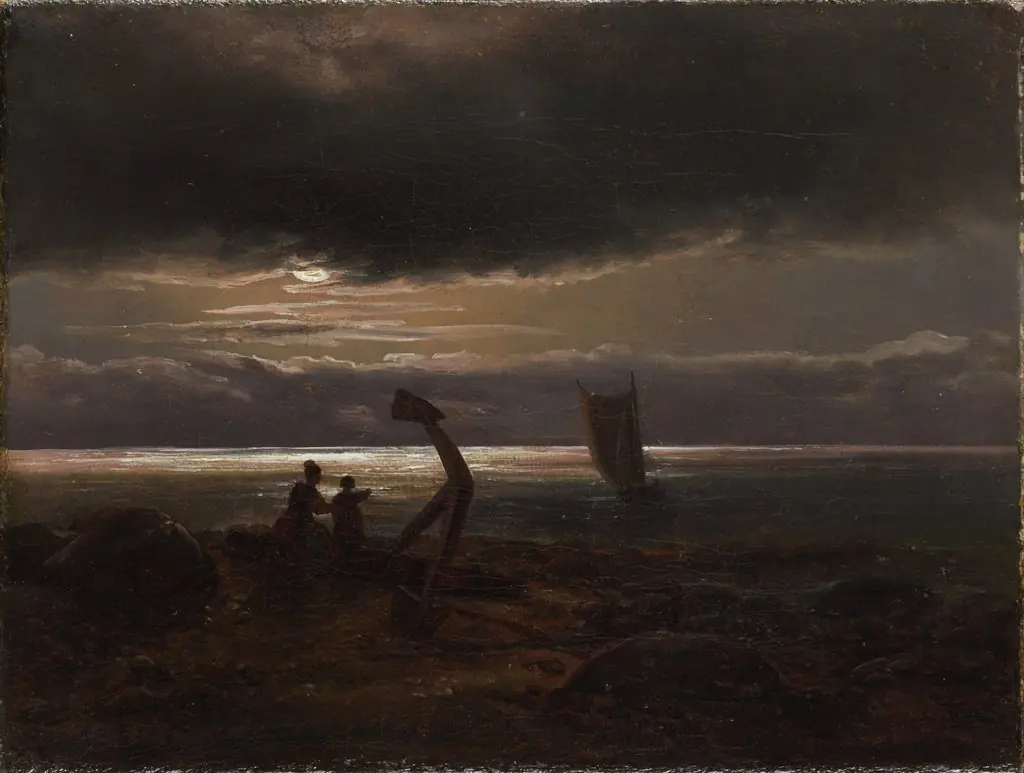 Mother and Child by the Sea
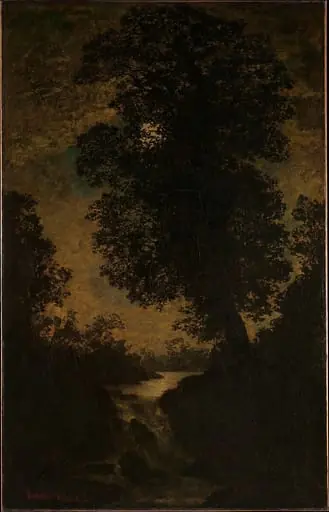 A Waterfall, Moonlight
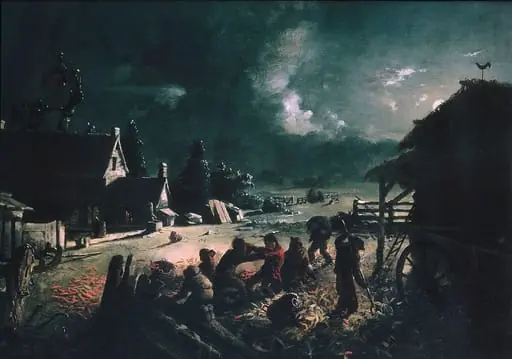 Corn Husking
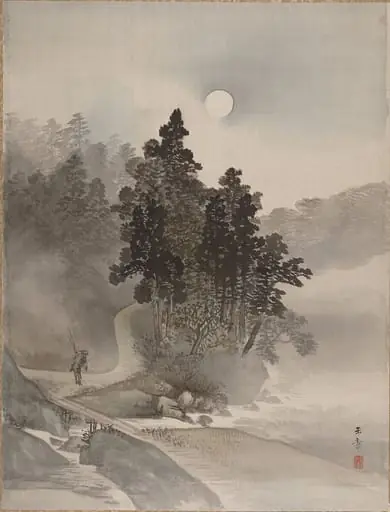 Untitled
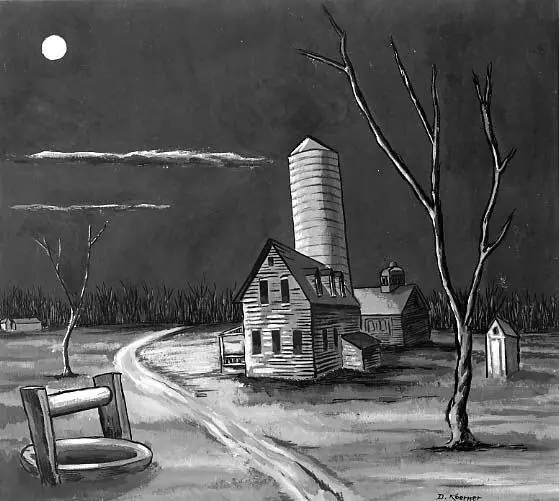 Farm in Moonlight
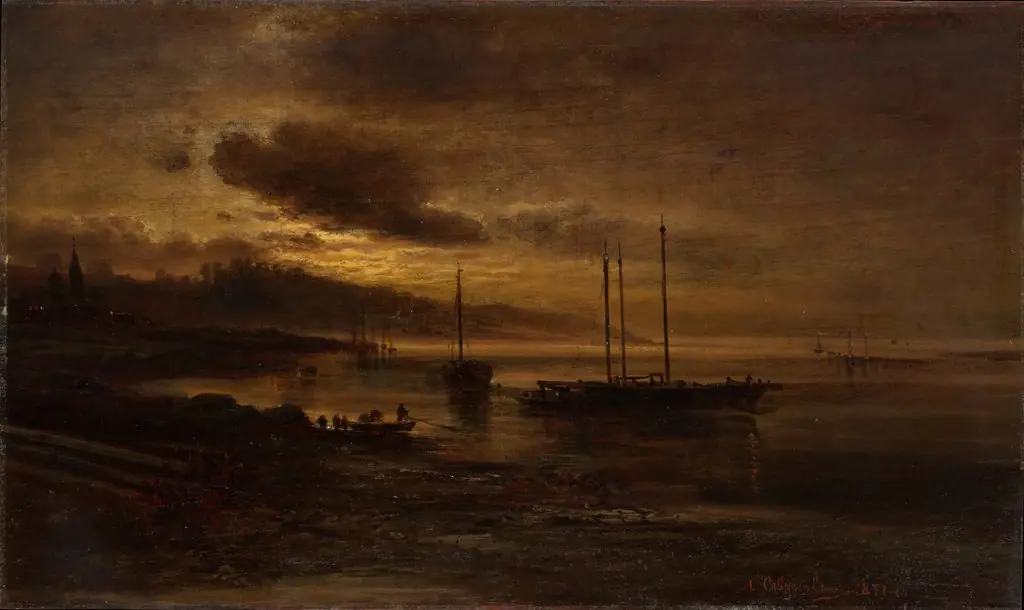 Night Scene on the Volga
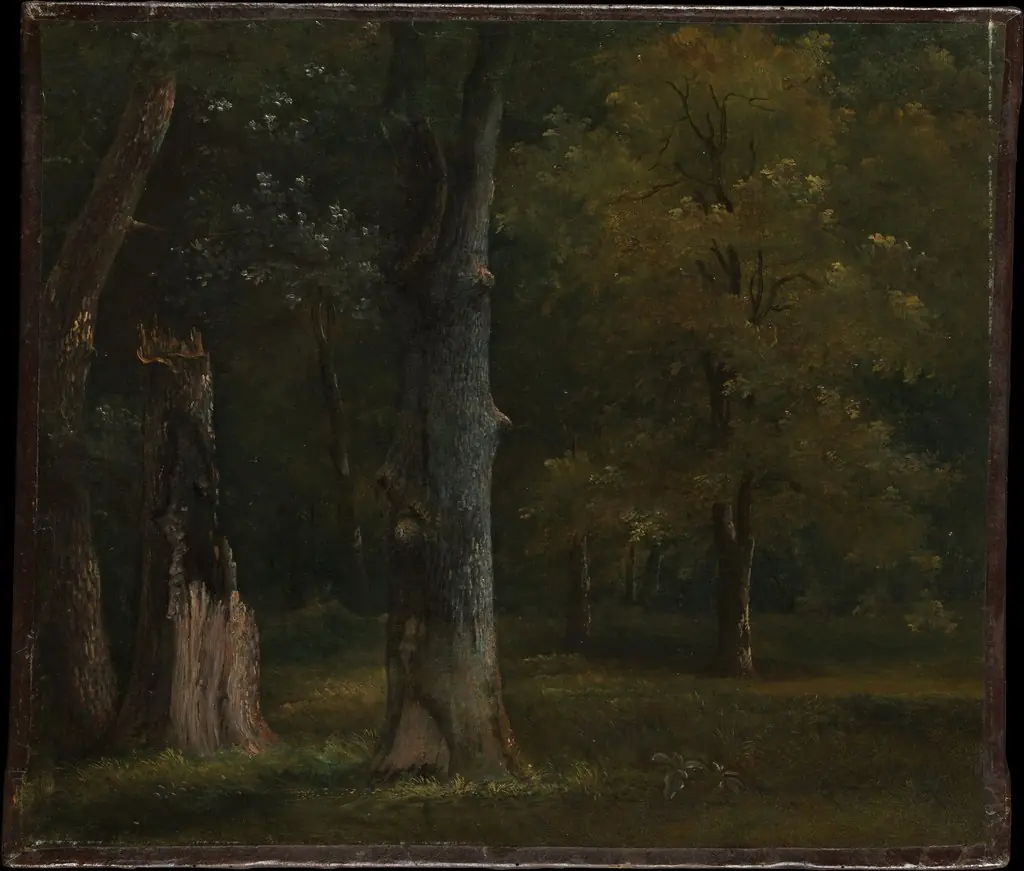 Trees in the Bois de Boulogne, Paris
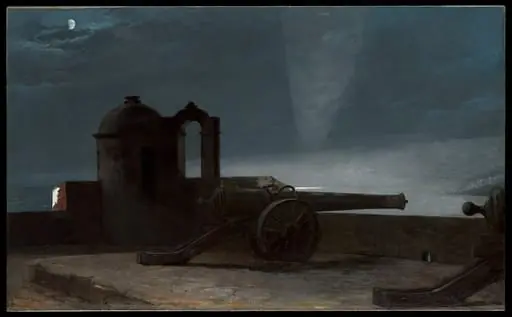 Searchlight on Harbor Entrance, Santiago de Cuba
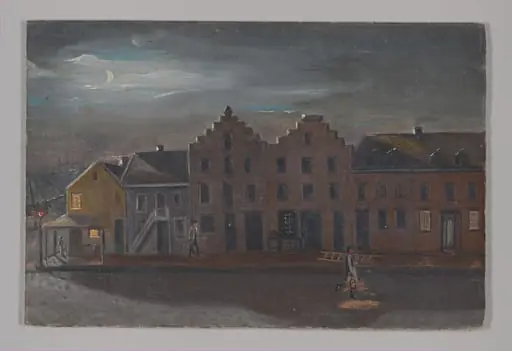 The Lamp Lighter
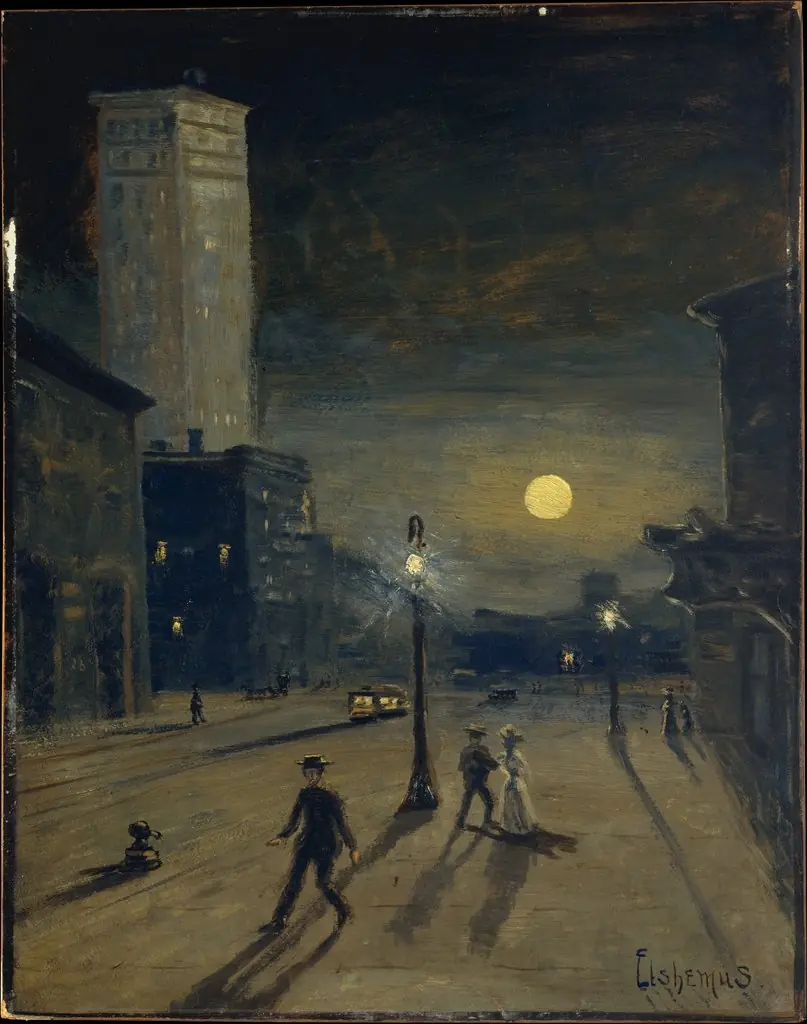 New York at Night
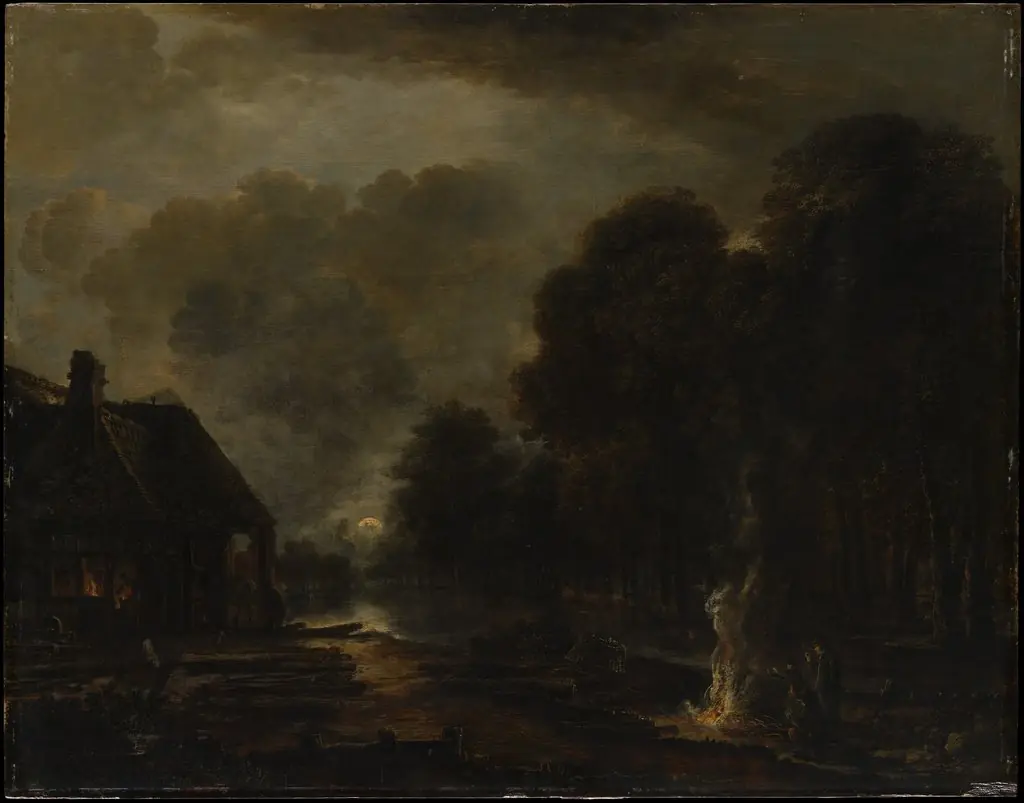 The Farrier
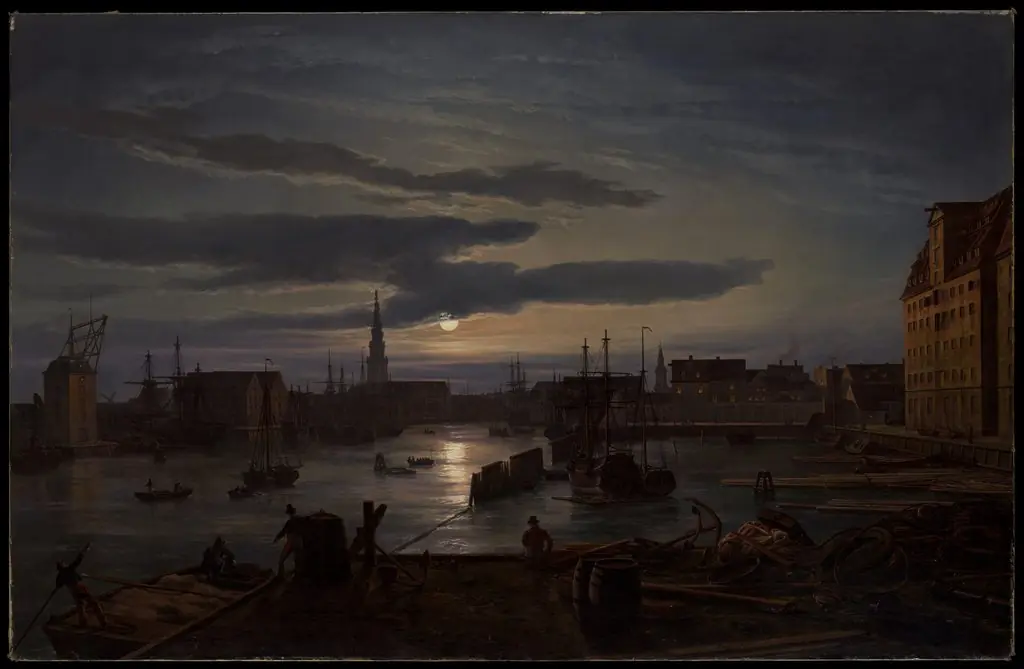 Copenhagen Harbor by Moonlight
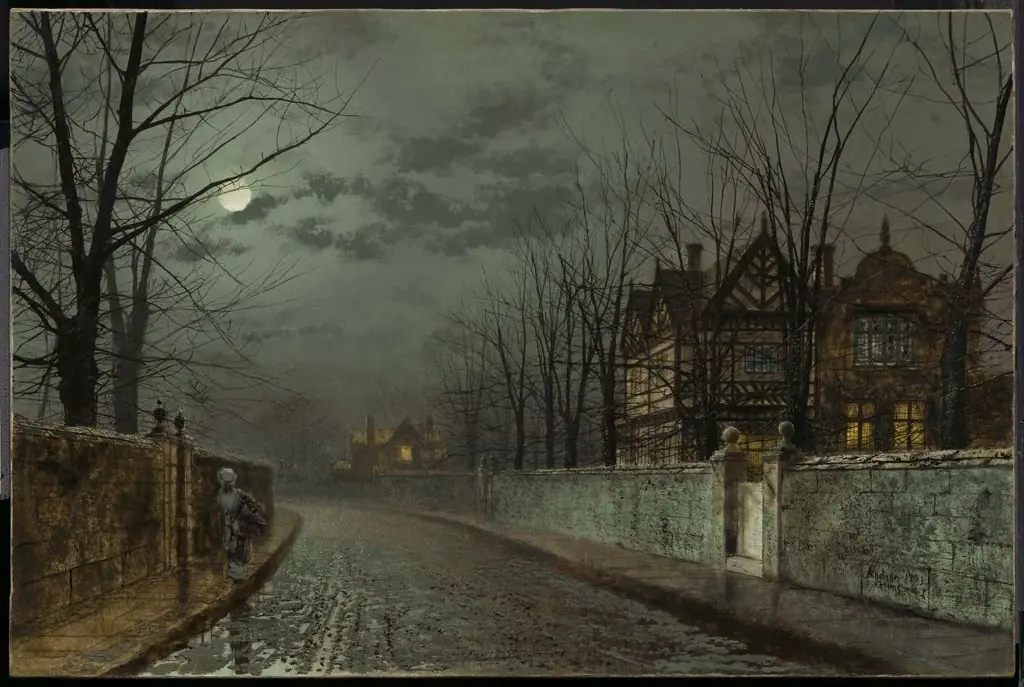 Old English House by Moonlight
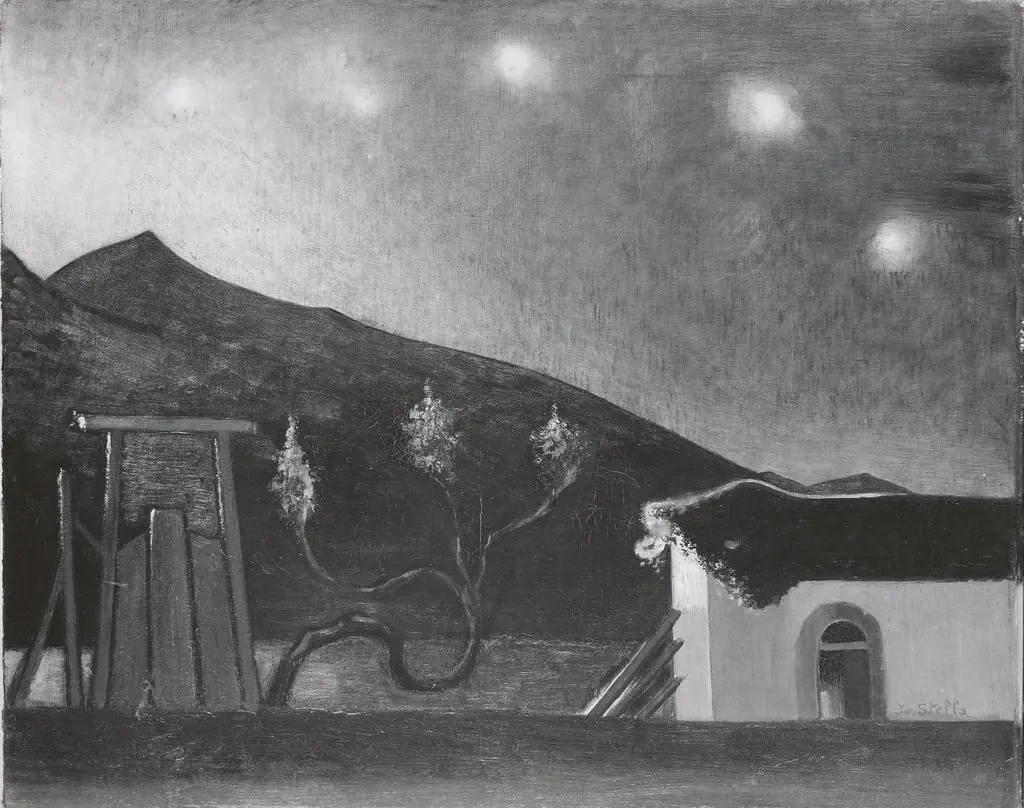 Nocturne
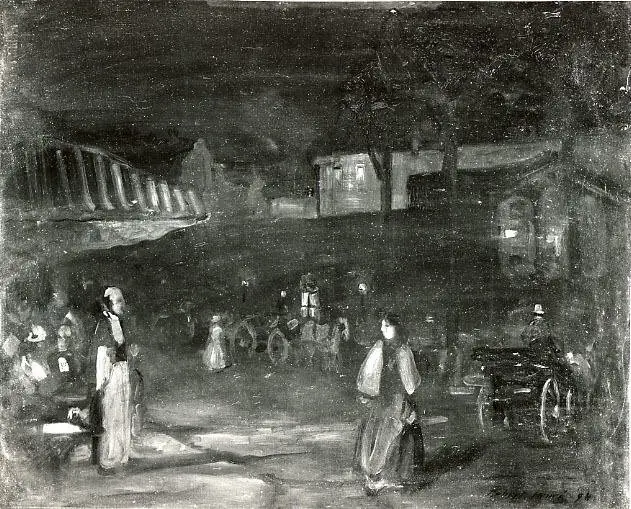 Paris Night
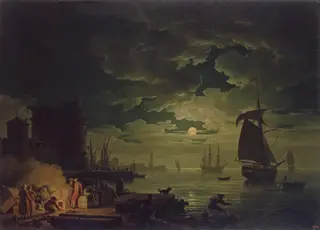 Entrance to the Port of Palermo by Moonlight
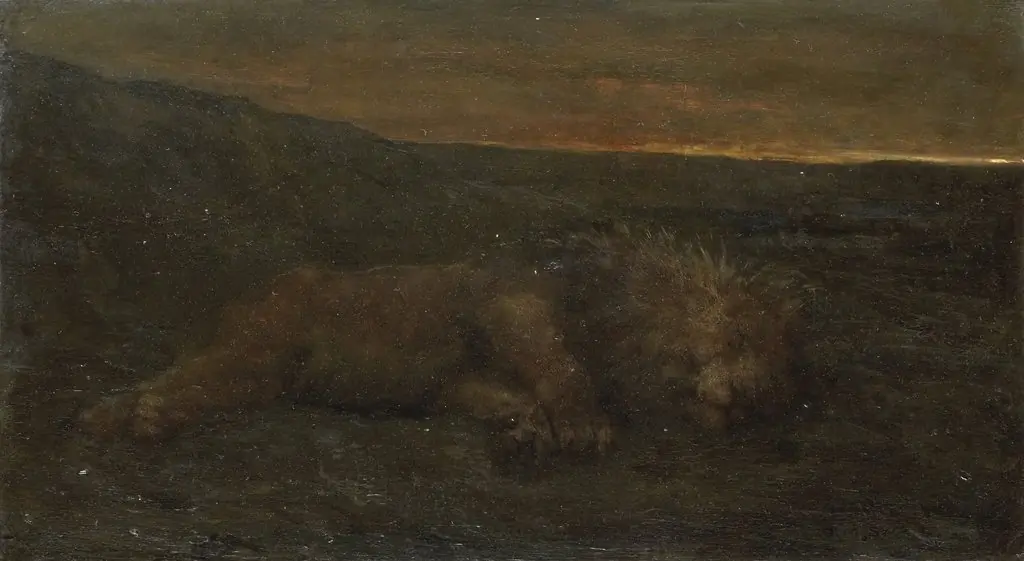 Sleeping lion at night
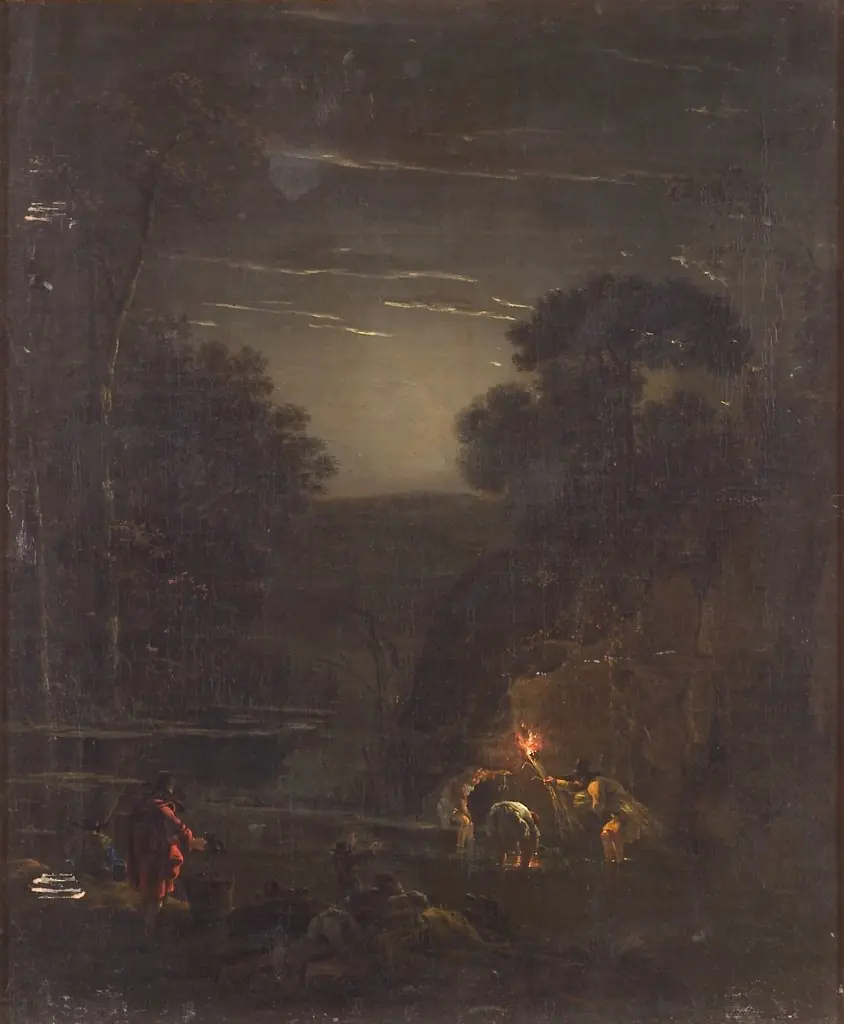 Nocturnal Crayfishing
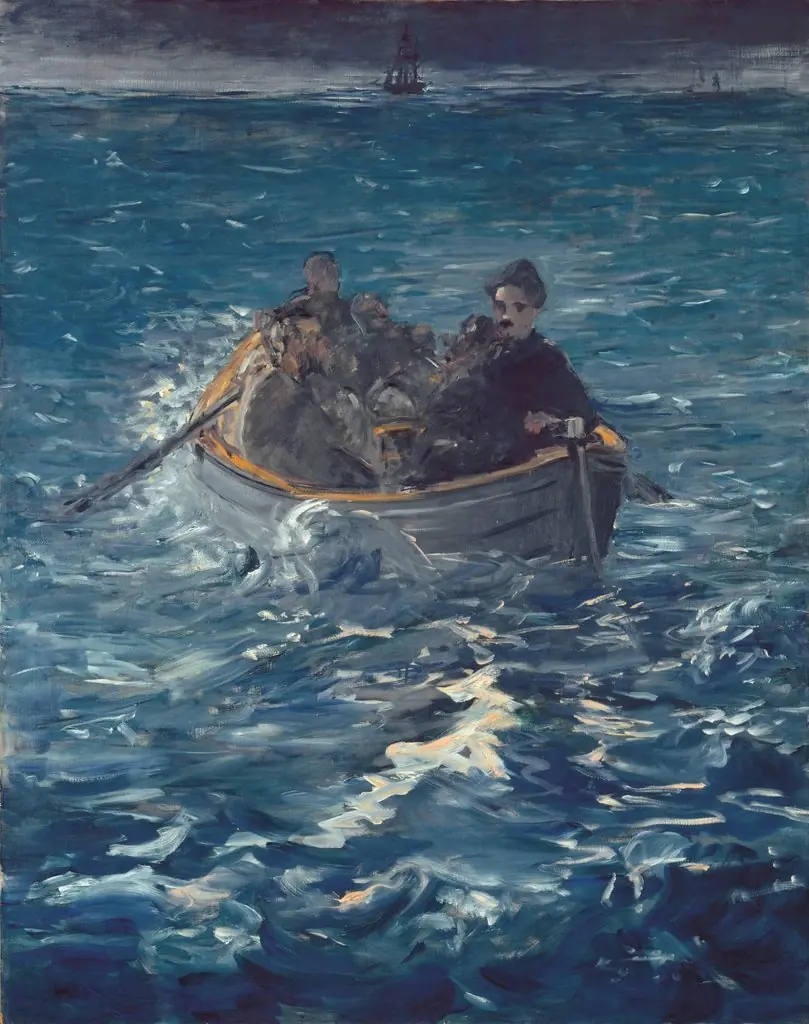 Rochefort's Escape
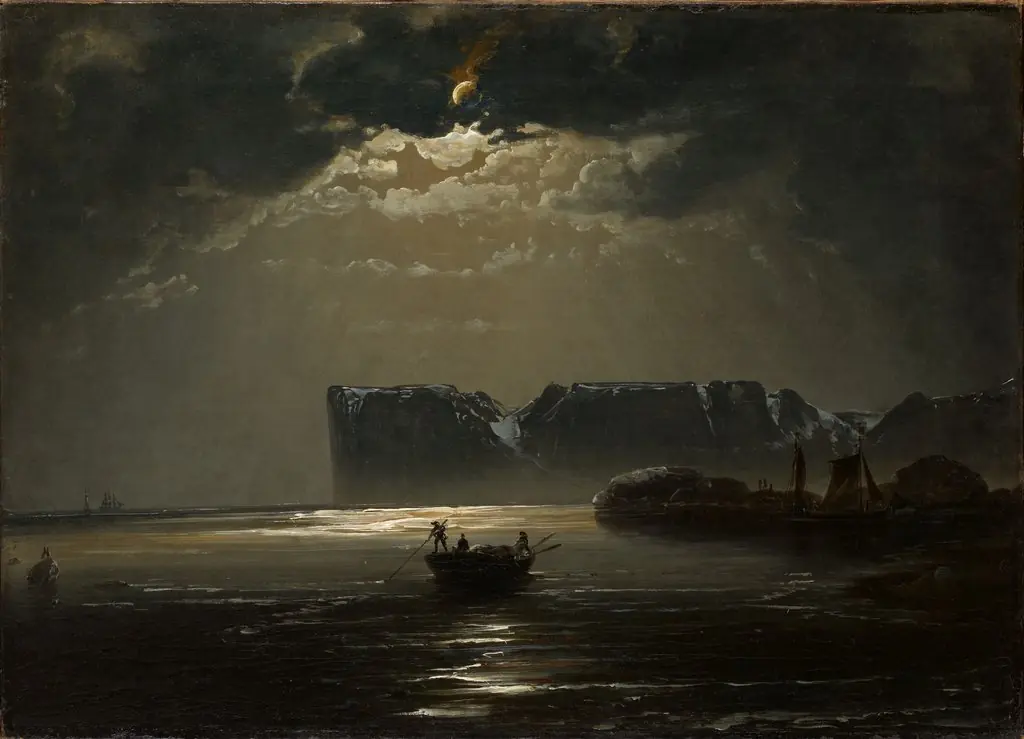 The North Cape by Moonlight
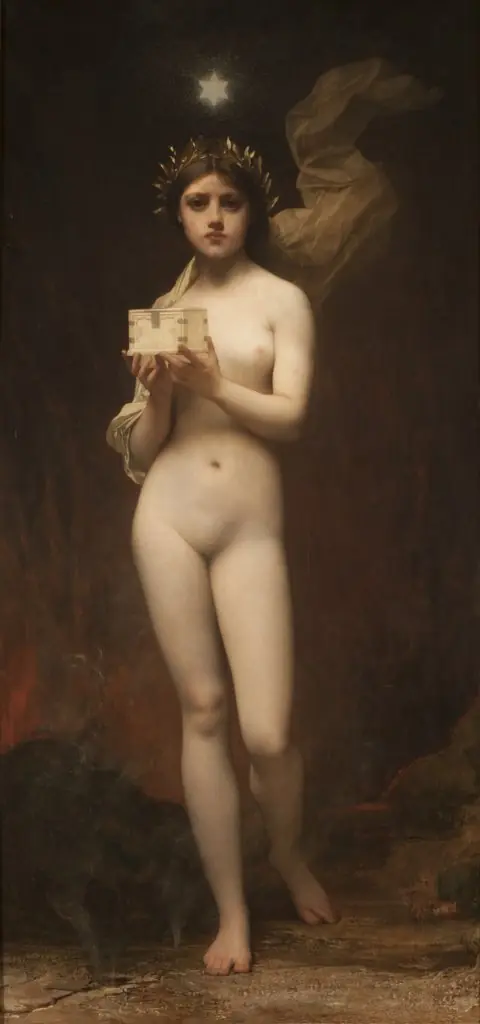 Pandora
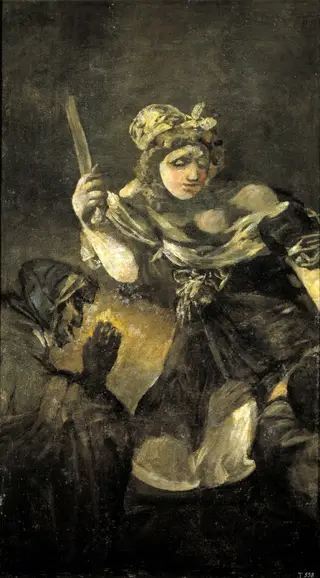 Judith and Holofernes
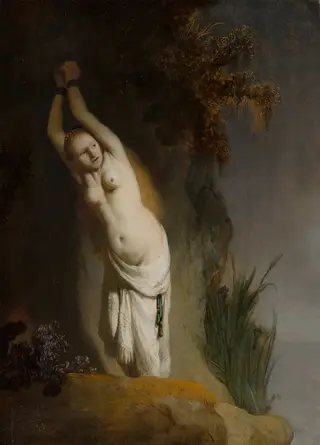 Andromeda Chained to the Rocks
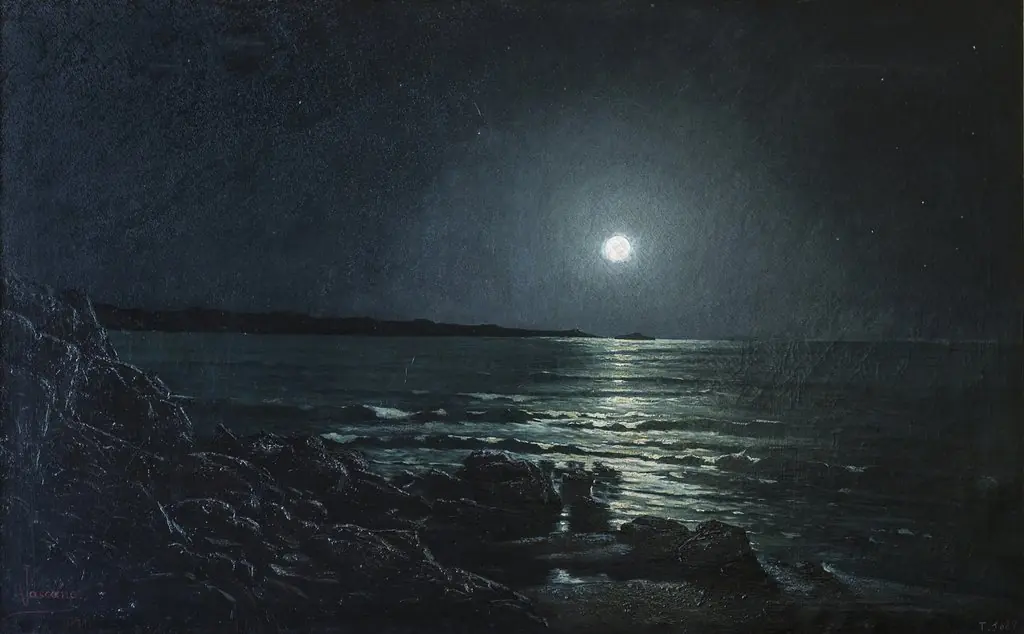 A Night at the Sea
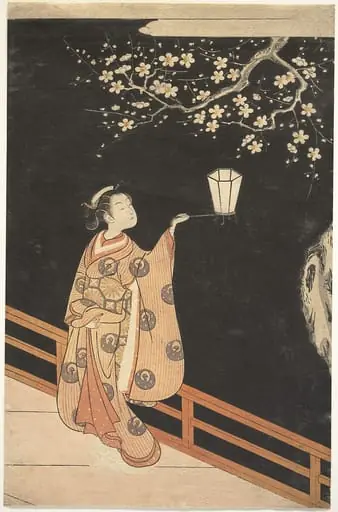 鈴木春信画 夜の梅|Woman Admiring Plum Blossoms at Night
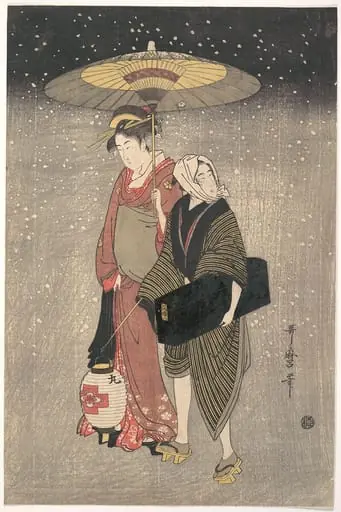 Untitled
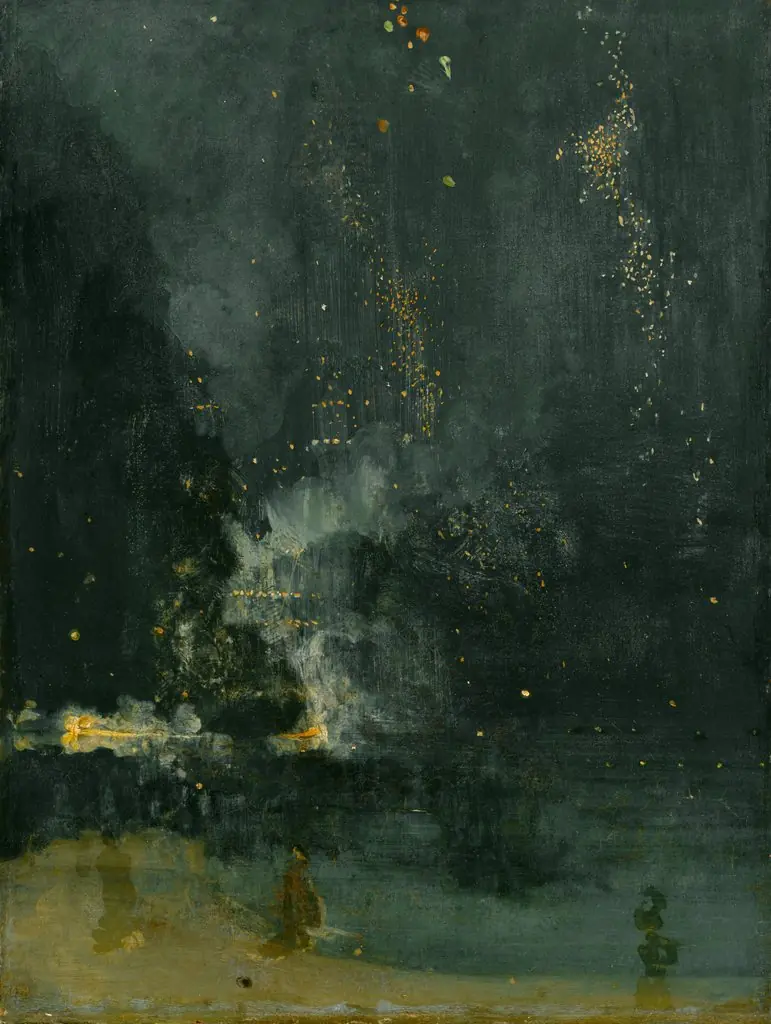 Nocturne in Black and Gold – The Falling Rocket
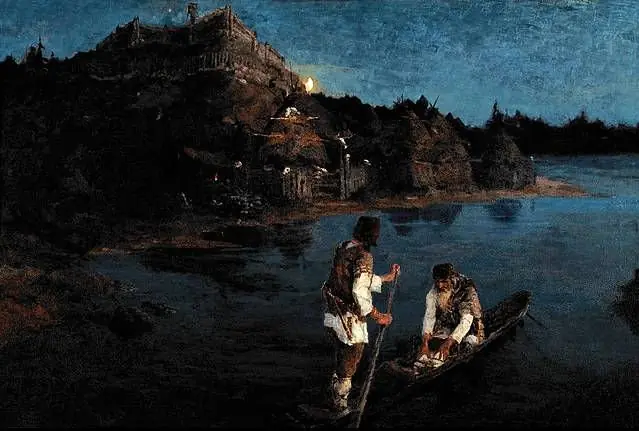 Messenger. Clan revolted against to clan.
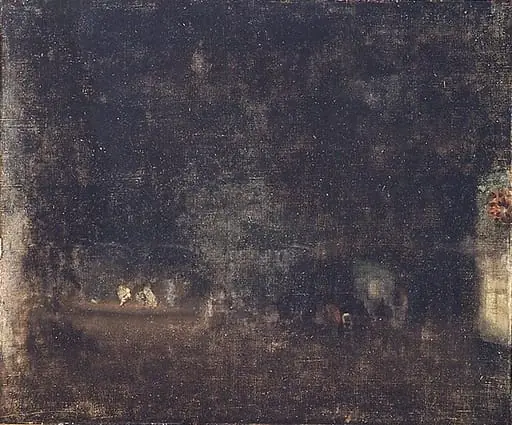 Nocturne in Green and Gold
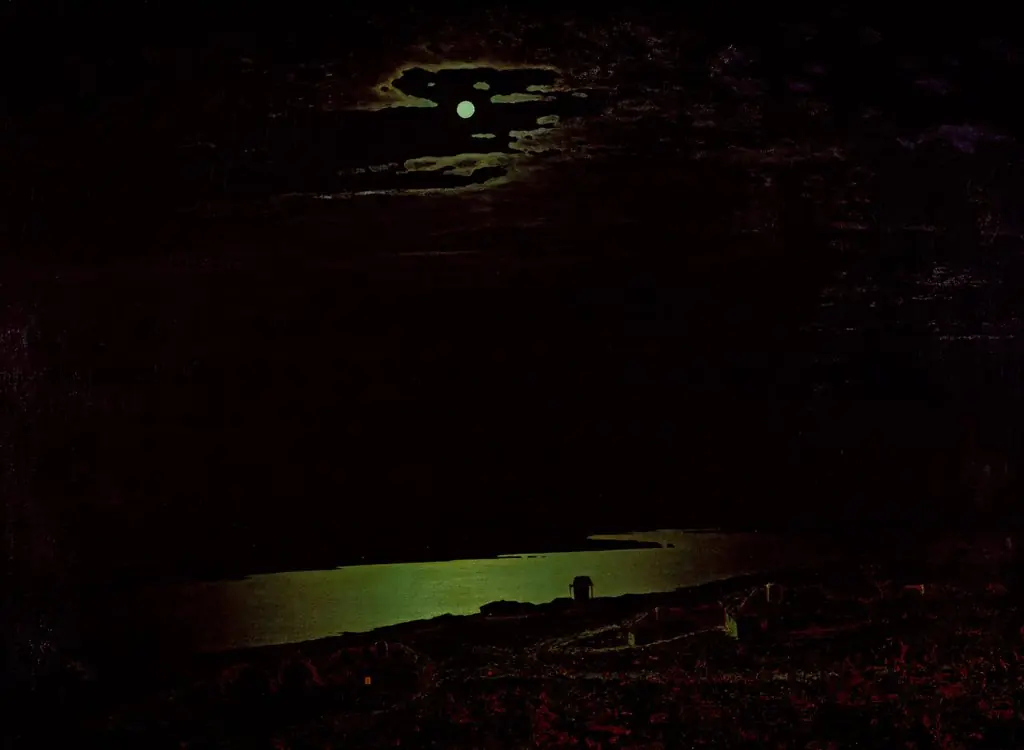 Night on the Dniepr
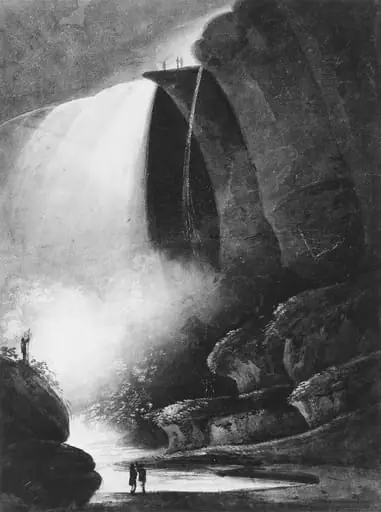 Niagara Falls—Table Rock by Moonlight
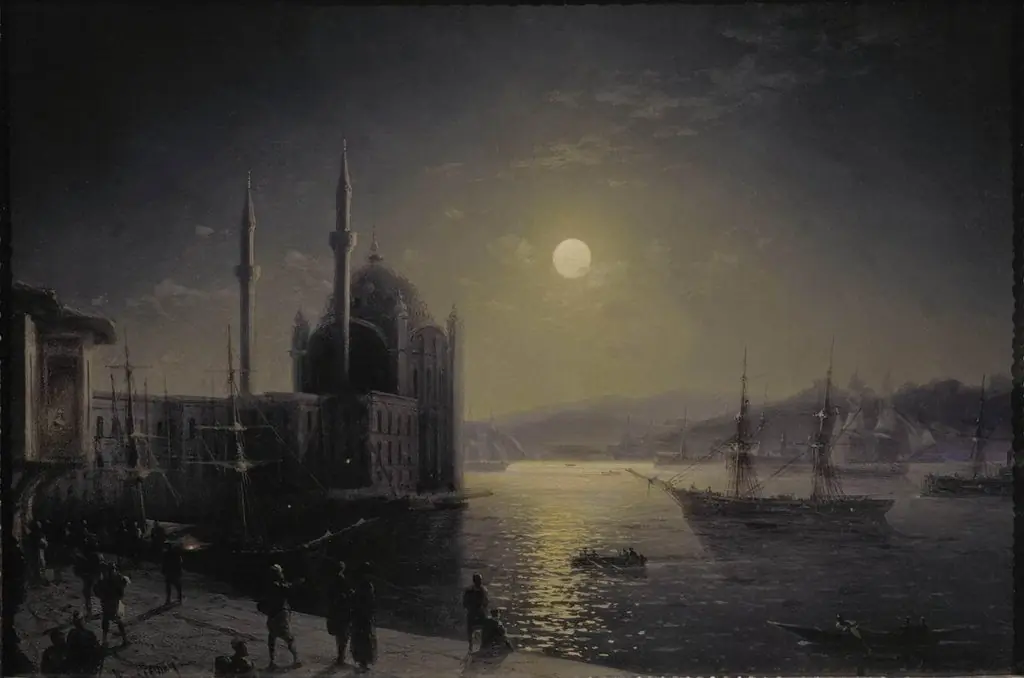 A Moonlit Night on the Bosphorus
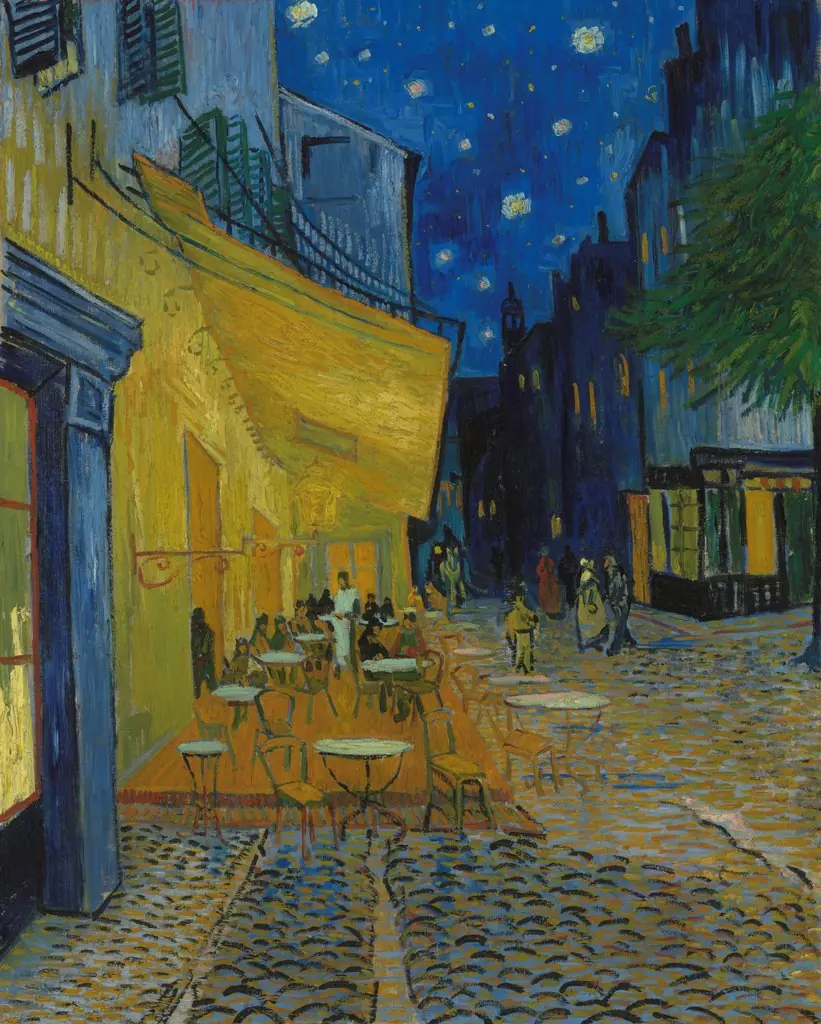 Café Terrace at Night
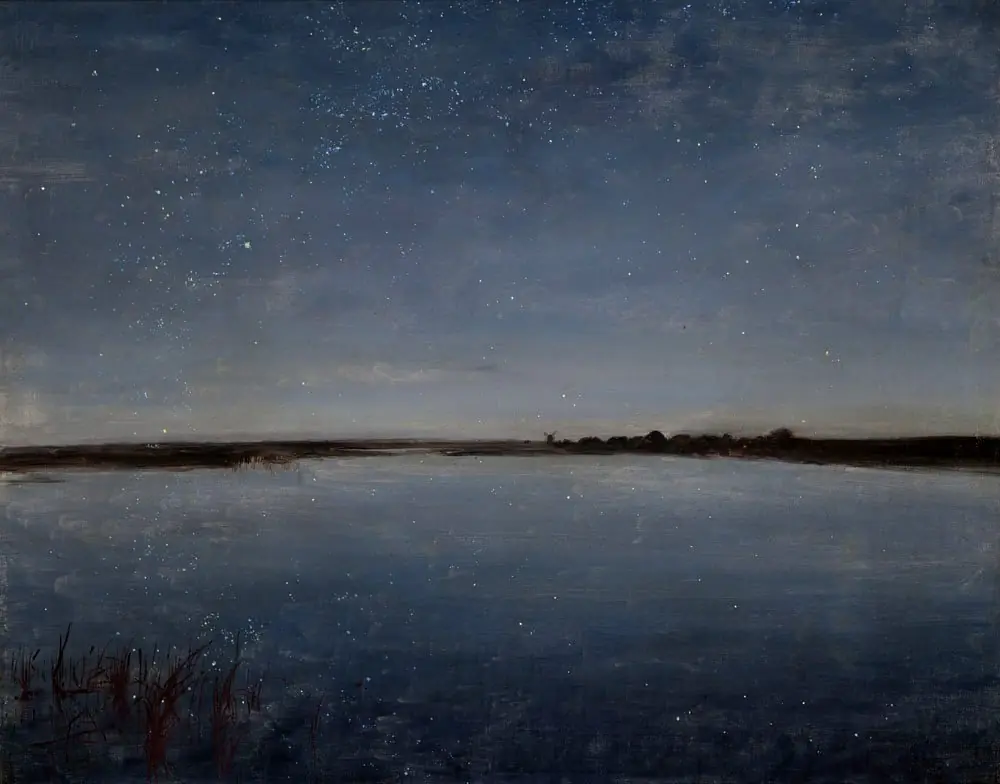 Noc gwiaździsta
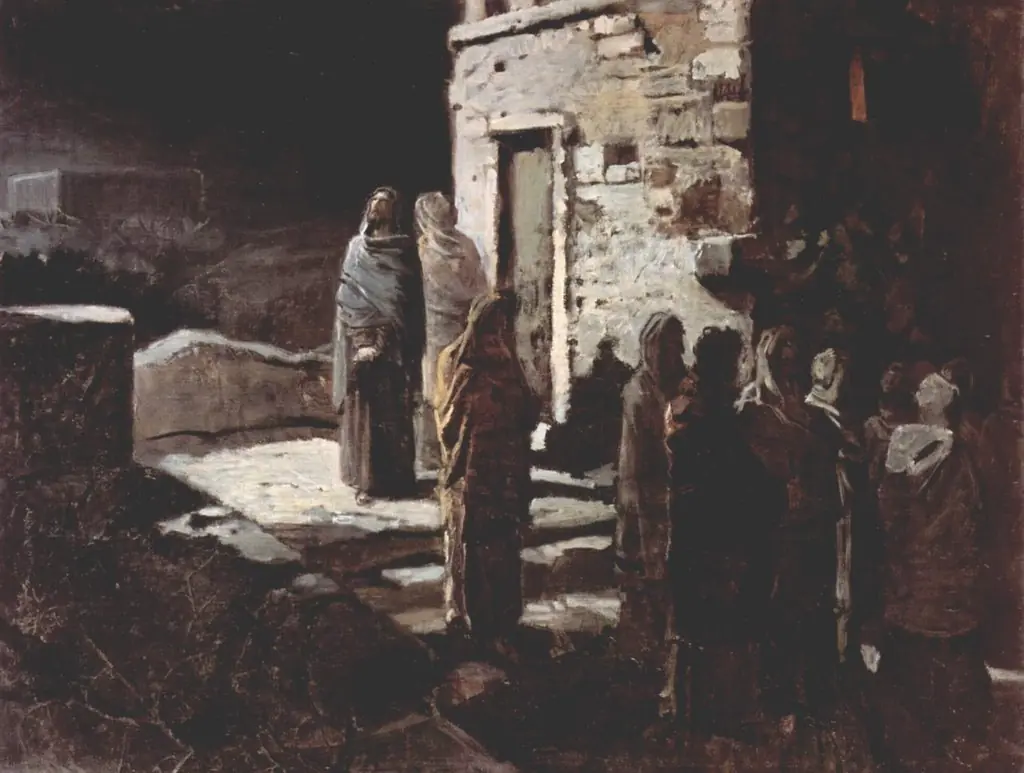 Le Départ du Christ avec ses disciples pour le jardin de Gethsémani
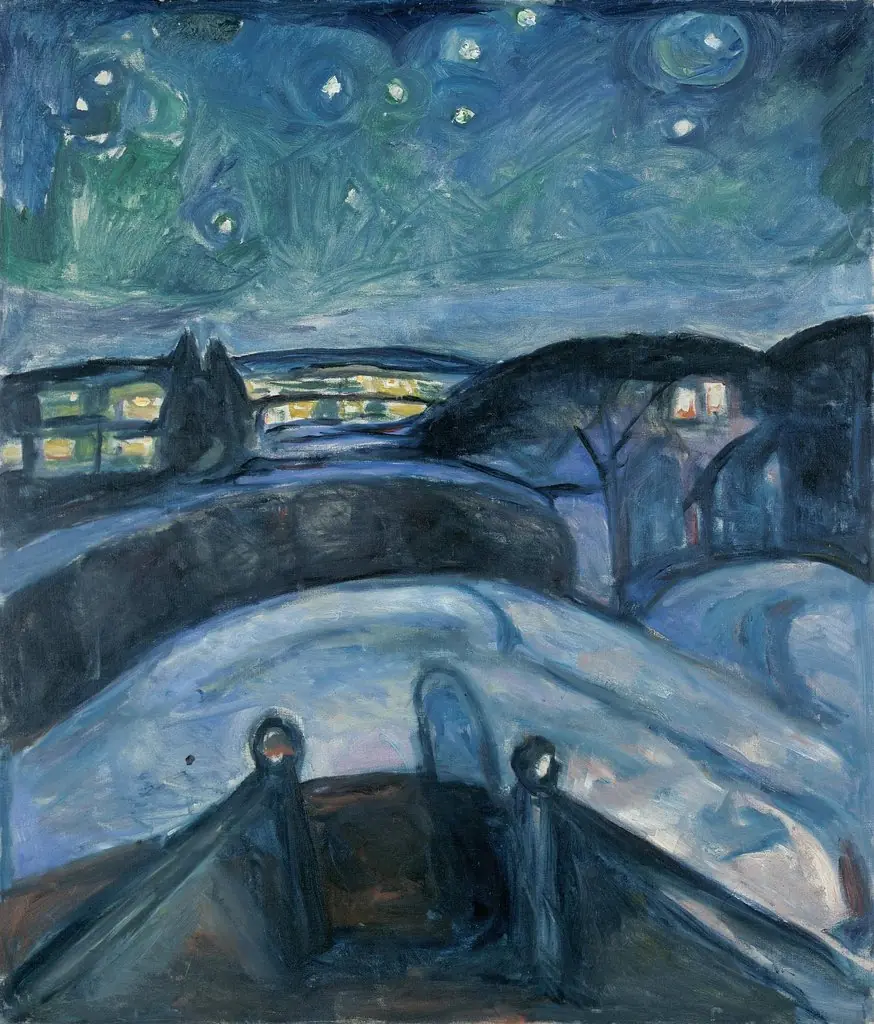 Starry Night
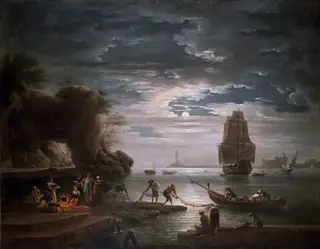 The Night
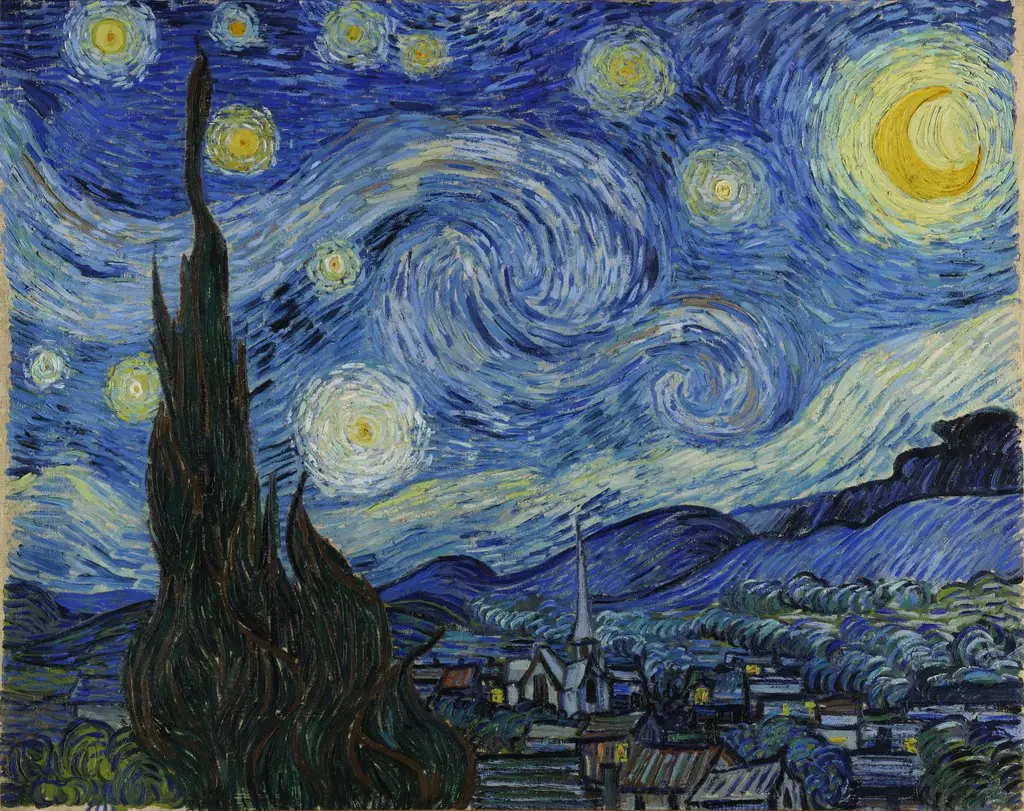 The Starry Night
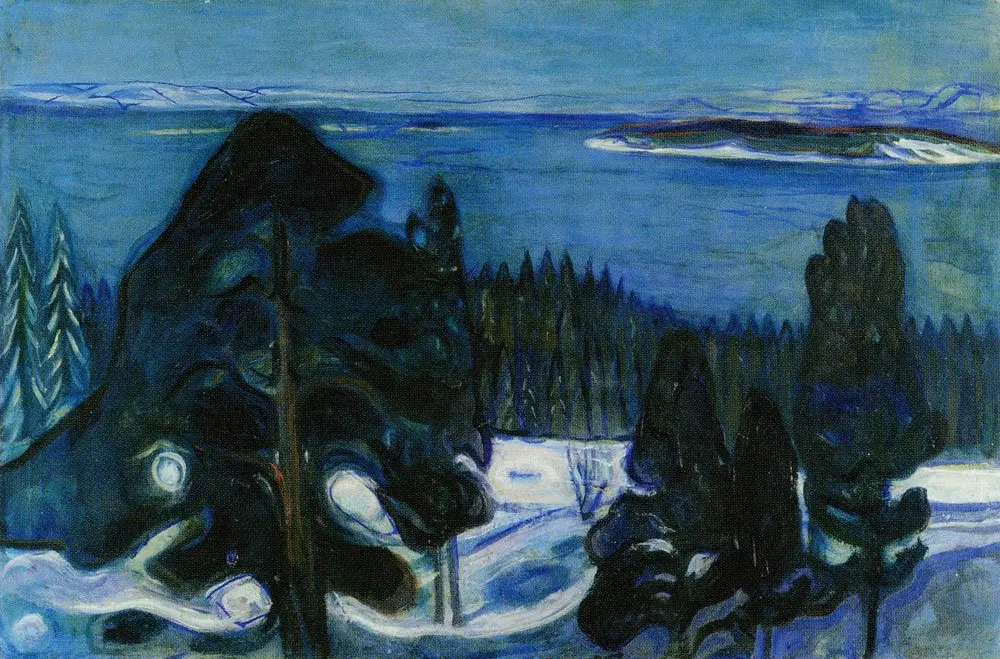 Winter Night
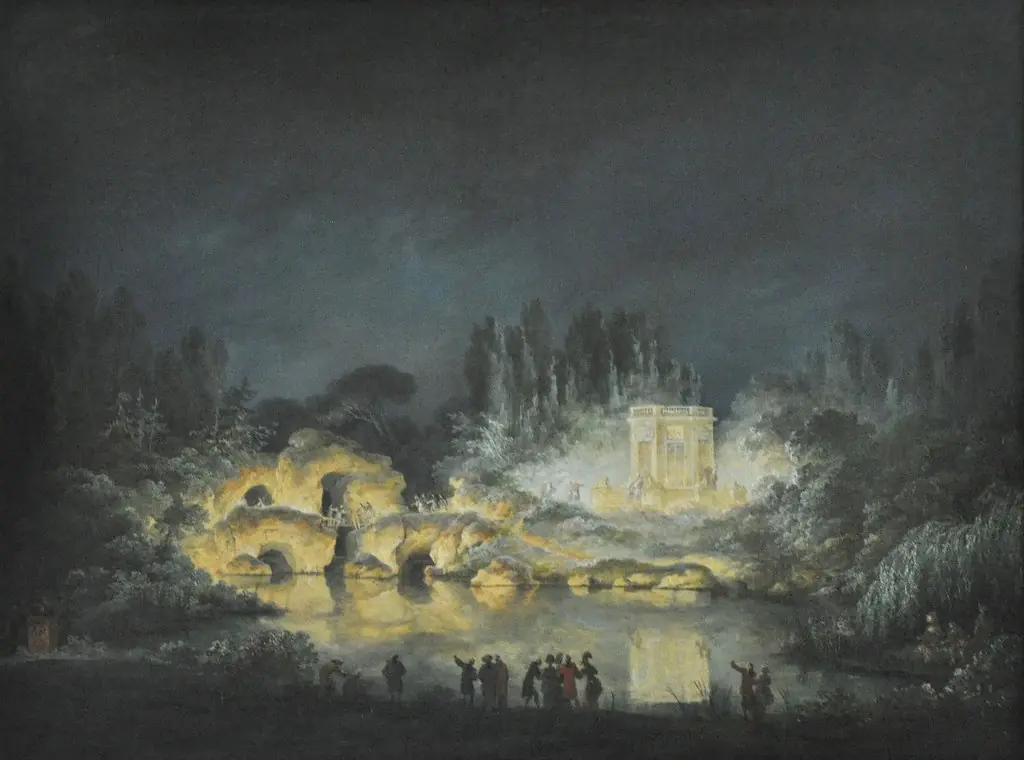 Illumination of the Belvedere Pavilion
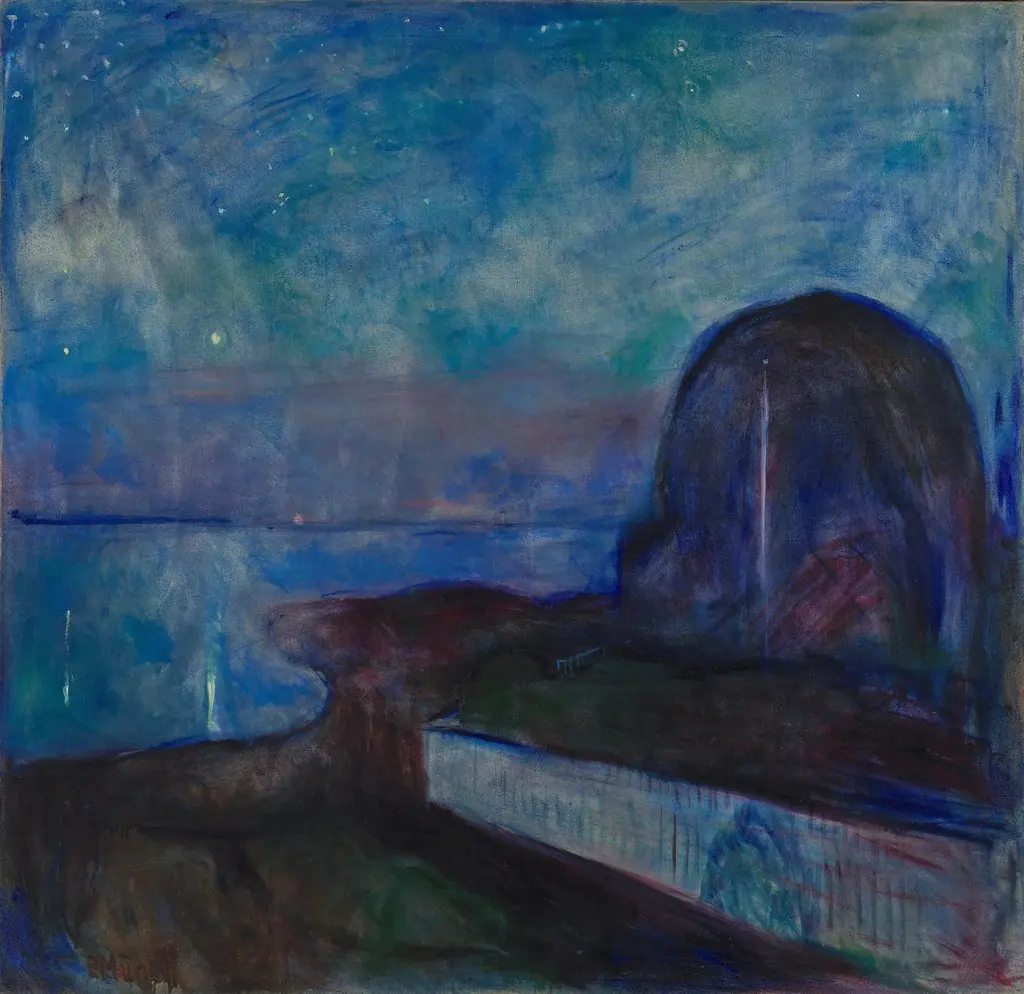 Starry Night
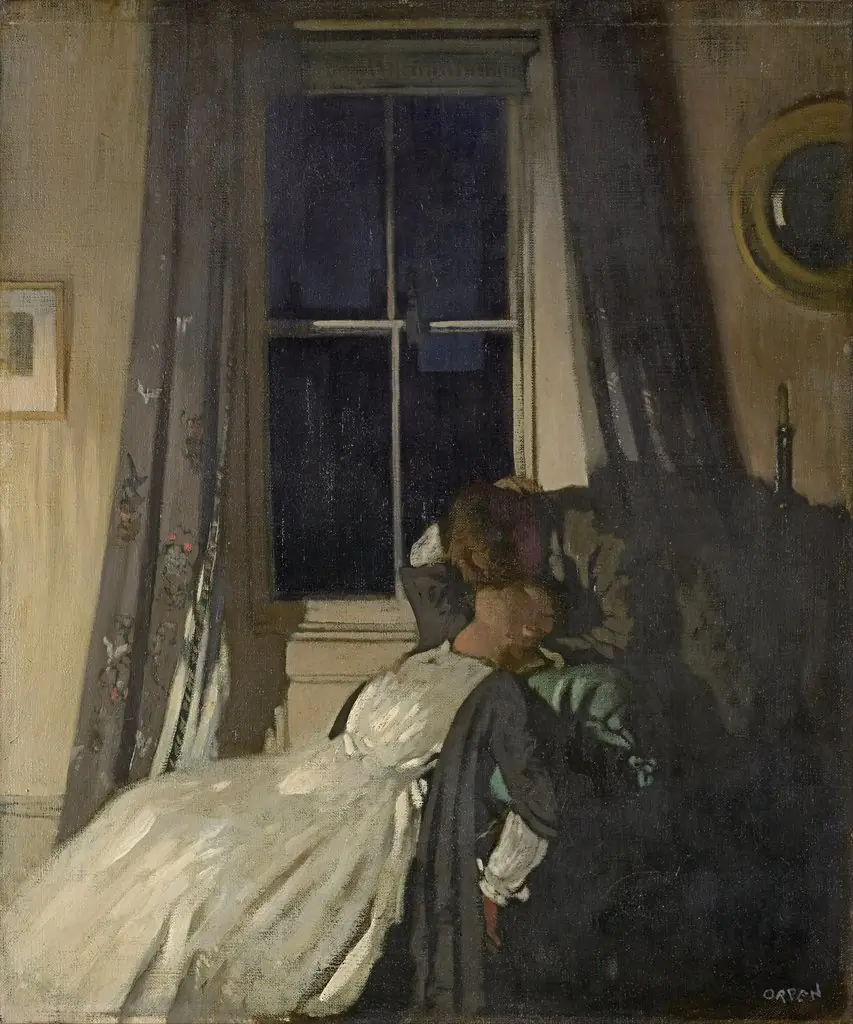 Night
Night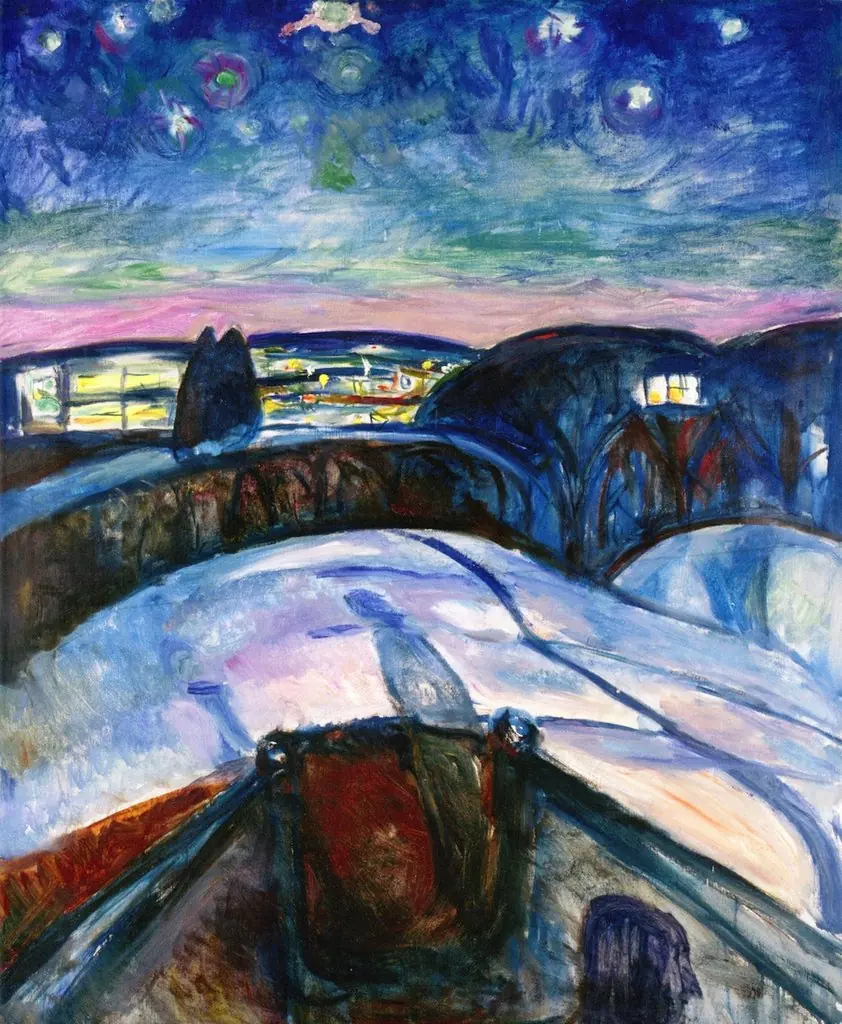 Starry Night
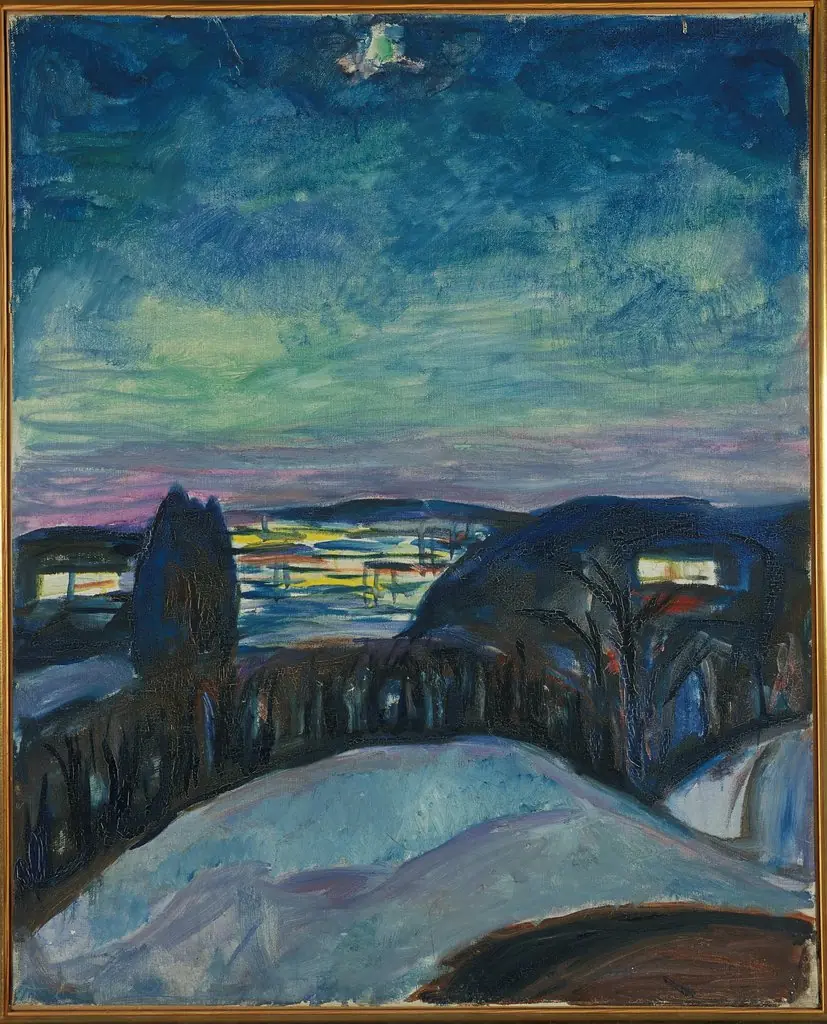 Starry Night
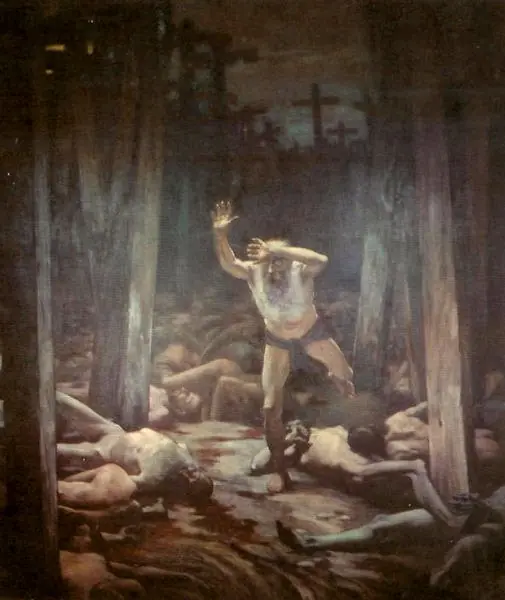 The Wandering Jew
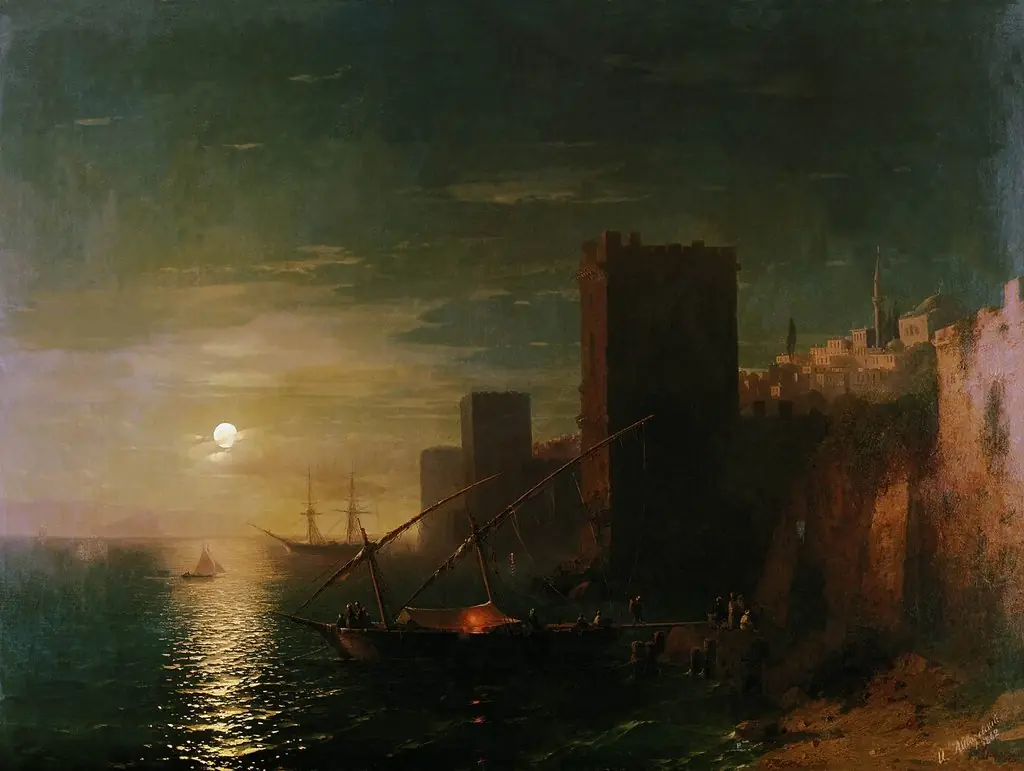 Night in Constantinople
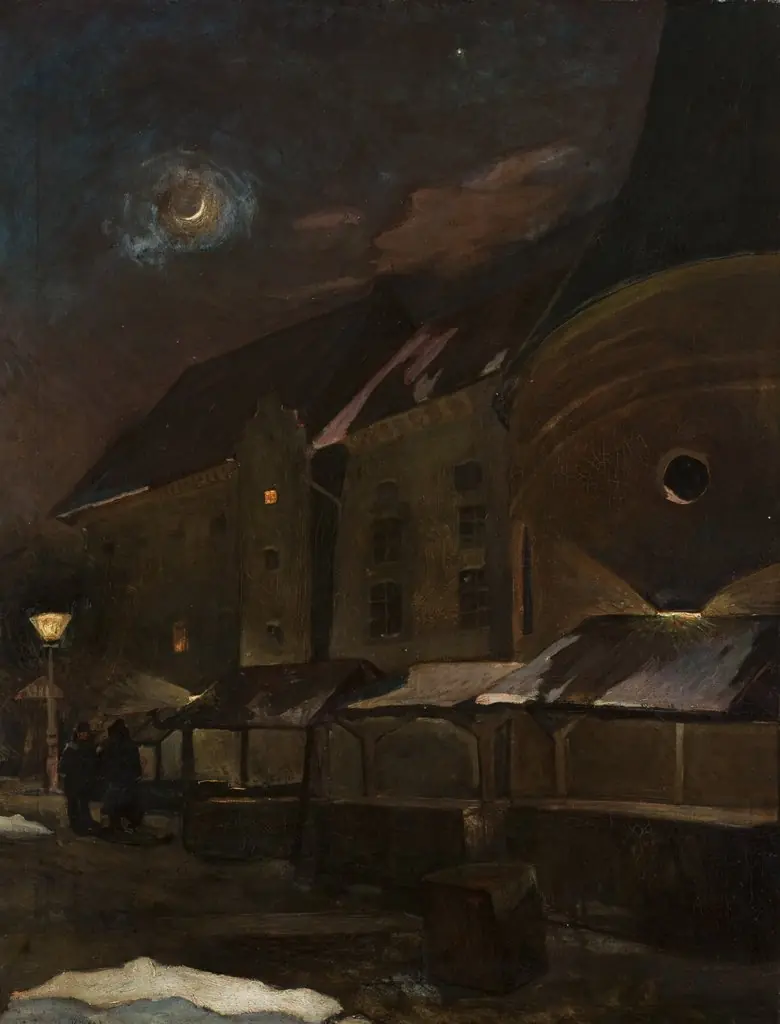 Small Market Square in Krakow at Night
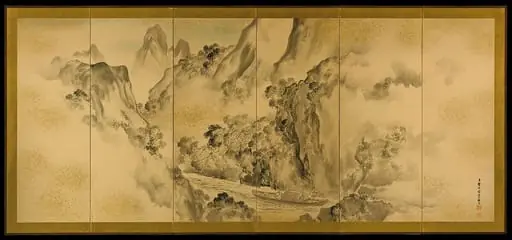 塩川文麟筆 登峨眉山図屏風|The Poet Li Bo's Visit to Mount Emei
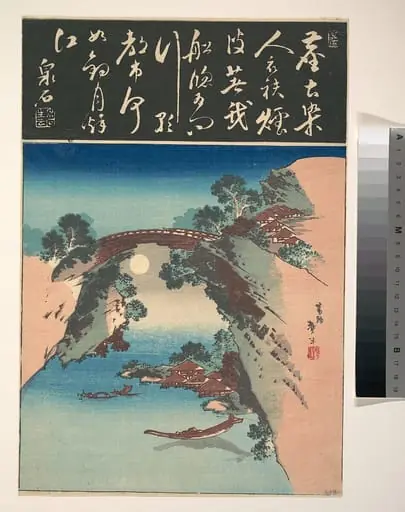 Untitled
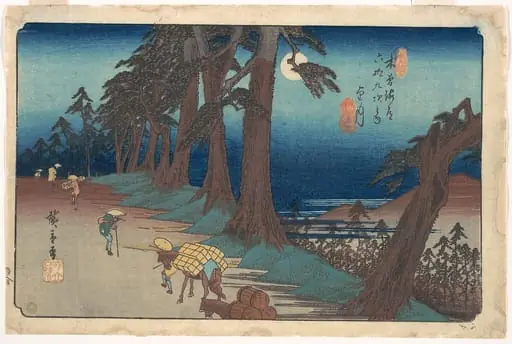 木曽海道六拾九次之内 望月|Mochizuki Station
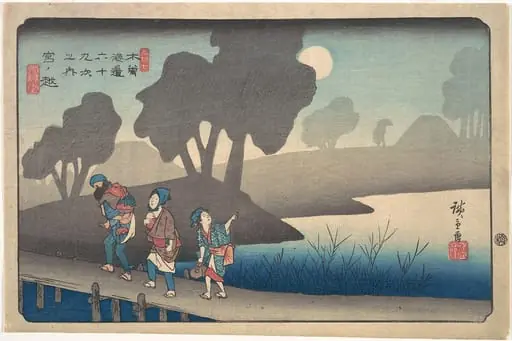 木曽海道六拾九次之内 宮ノ越|Moonlit Night at Miyanokoshi, from The Sixty-nine Stations of the Kisokaidō
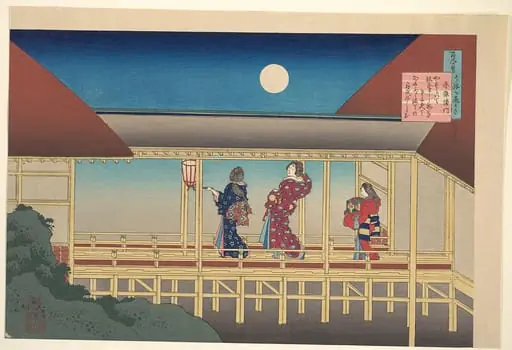 百人一首 うはかゑとき 赤染衛門|Poem by Akazome Emon, from the series One Hundred Poems Explained by the Nurse (Hyakunin isshu uba ga etoki)
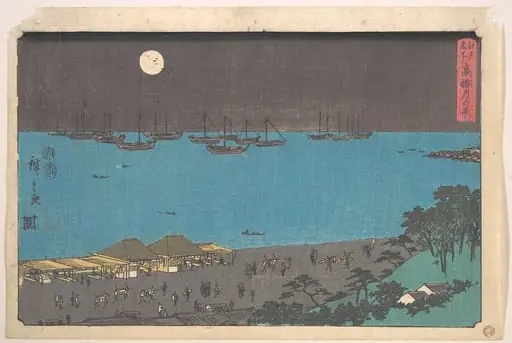 江戸名所 高輪月の景|Takanawa Tsuki no Kei
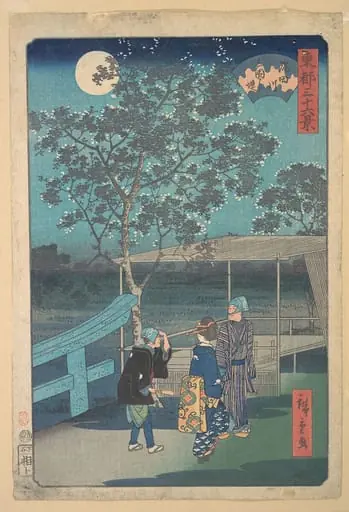 東都三十六景 隅田川三囲り堤|Sumidagawa, Mimeguri
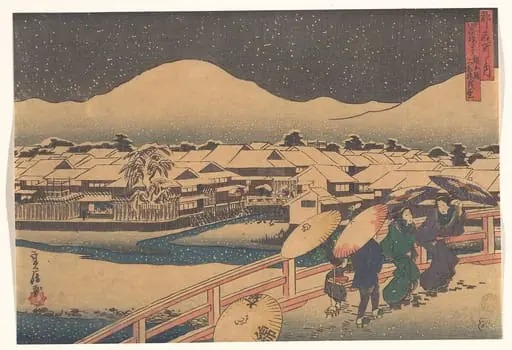 Untitled
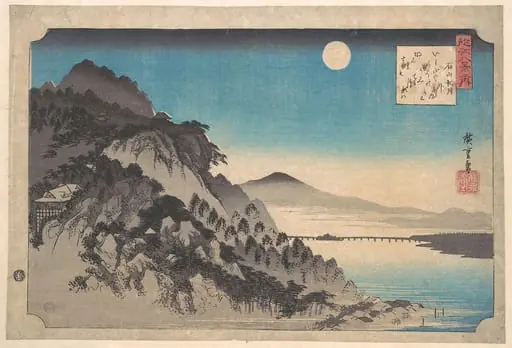 近江八景之内 石山秋月|The Autumn Moon at Ishiyama on Lake Biwa
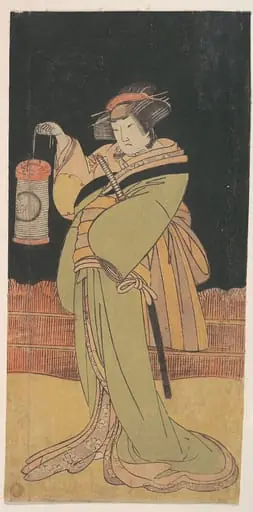 Untitled
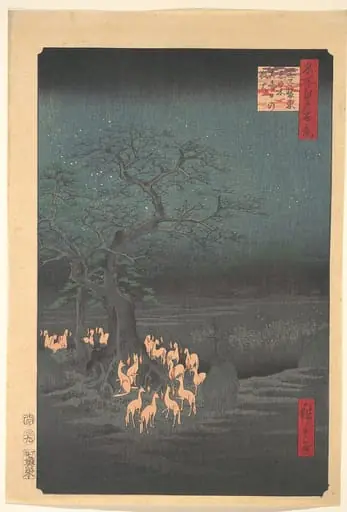 名所江戸百景 王子装束えの木大晦日の狐火|Foxes Meeting at Oji
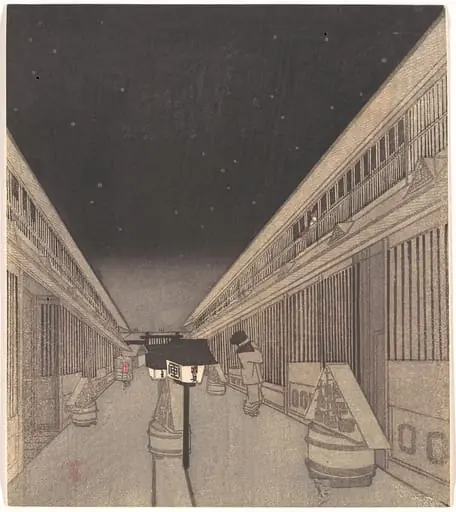 Untitled
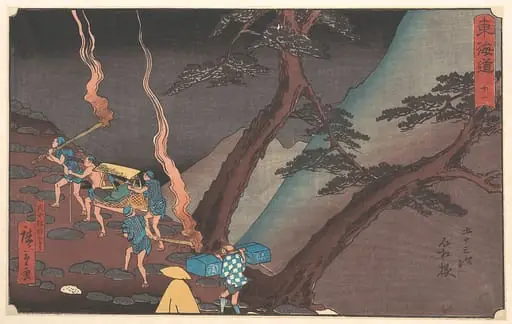 東海道五十三次 箱根 夜中松明とり|Hakone
Frequently asked questions
What is Night?
Night, or nighttime, is the period of darkness when the Sun is below the horizon.
How many Night works does Artifact World Gallery have?
Artifact World Gallery holds 68 public-domain Night works, all free to view and download.
Who are the key Night artists?
Key Night artists in the collection include Gustave Courbet, Édouard Manet and Albert Bierstadt.
Where can I see Night works?
Night works in the collection are held by Metropolitan Museum of Art, Tretyakov Gallery and Munch Museum.