Artwork
Adoration of the Magi
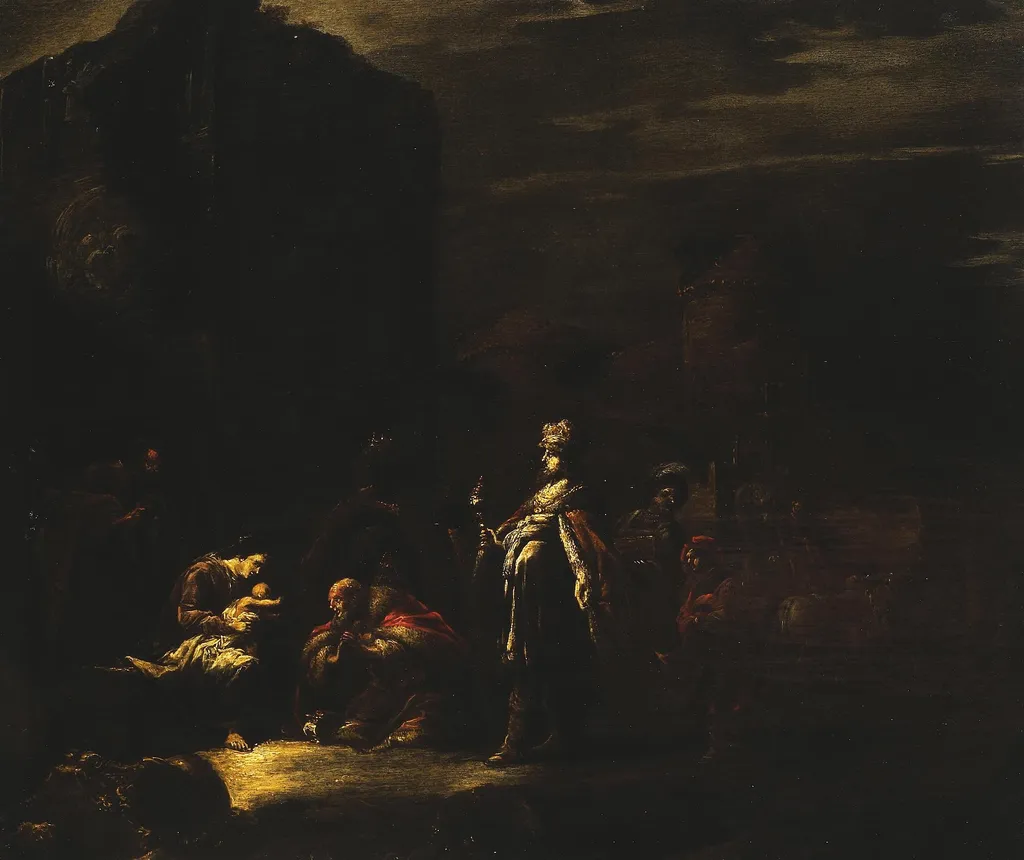
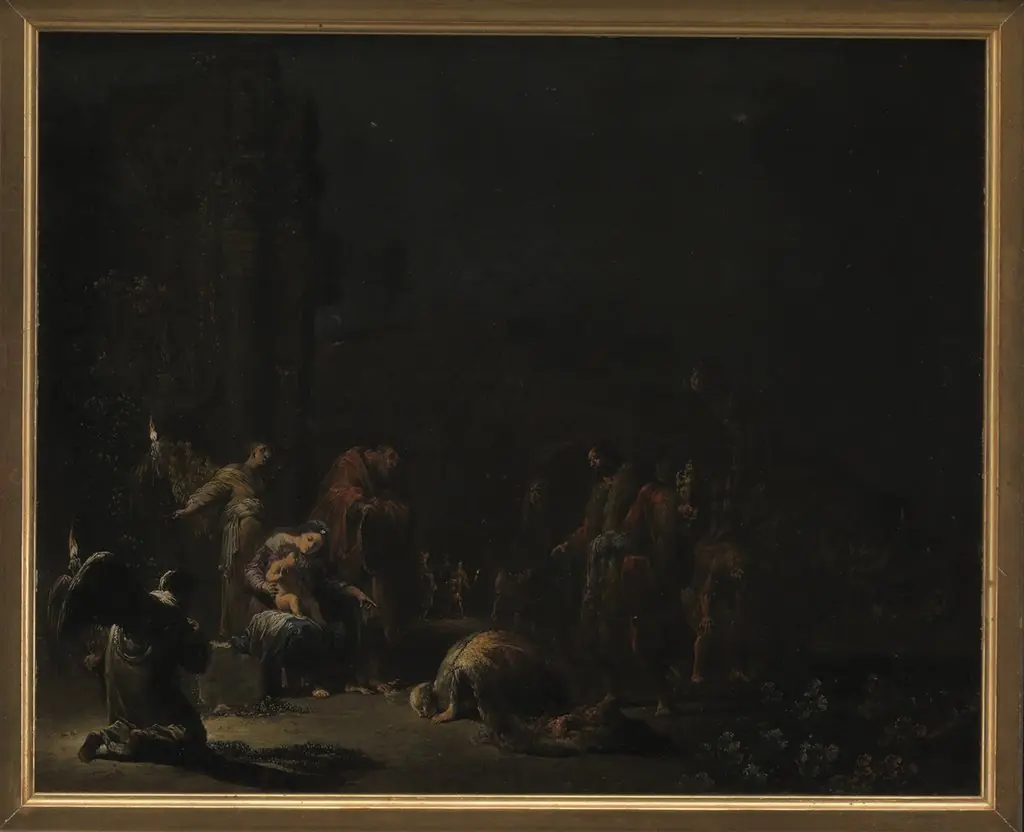
Adoration of the Magi is an oil painting by the Dutch Golden Age artist Leonaert Bramer. It dates from 1639 and is held in the collection of the Hermitage Museum.
About this work
Overview
The painting exemplifies Bramer's celebrated nocturnal manner, showcasing the dramatic chiaroscuro that earned him the Italian sobriquet 'Leonardo della Notte.
The Adoration of the Magi is an oil painting on panel by the Dutch artist Leonaert Bramer, dated 1639. Measuring 46.5 by 54.5 centimeters, the work is held in the collection of the Hermitage Museum in Saint Petersburg, where it entered as part of the Pyotr Semyonov-Tyan-Shansky collection. The painting exemplifies Bramer's celebrated nocturnal manner, showcasing the dramatic chiaroscuro that earned him the Italian sobriquet 'Leonardo della Notte.' As a religious work from the mature phase of his career, it represents a significant example of Dutch Golden Age biblical painting, distinct from the more typical Dutch genres of landscape, still life, and portraiture that dominated the period.
Subject & Meaning
The painting depicts the biblical episode of the Magi adoring the Christ Child, a traditional subject in Christian art representing the recognition of Christ's divinity by the Gentile world. In Bramer's treatment, the Virgin Mary sits at left, bending over the infant Jesus, who rests on a cloth-draped surface. Before them, a kneeling bearded man in crimson clasps his hands in reverence, while a standing crowned figure in ornate, light-catching robes occupies the center, holding a staff or scepter. Additional shadowy figures populate the right side and background, their forms barely discernible in the darkness. The concentrated golden light source at lower left illuminates the sacred figures while isolating them against an indistinct architectural or landscape background, creating an intimate, contemplative atmosphere focused on the mystery of the Incarnation.
Technique & Style
Bramer executed the work in oil on panel, employing the nocturnal style for which he became renowned. The composition is arranged in a loose horizontal grouping across the lower half of the canvas, with deep shadow dominating the upper two-thirds. His palette consists of near-black browns and umbers, relieved by warm golden yellows, cream highlights, and touches of crimson. The brushwork appears loose and fluid in the dark passages, with thicker, more deliberate application in the illuminated areas. Light falls sharply from below, creating dramatic chiaroscuro that isolates the figures. The surface shows visible texture in the lighter passages, suggesting rapid, expressive handling. This technique reflects Bramer's absorption of Italian influences, particularly the tenebrist effects associated with Adam Elsheimer and the fresco painter Agostino Tassi, both of whom shaped his approach to light and shadow. The phosphorescent quality of his illumination, noted by contemporaries, distinguishes his work from that of his Dutch peers.
History & Provenance
The painting was created in 1639 in the Netherlands, during Bramer's mature period following his return from Italy and establishment in Delft. The work's provenance includes the collection of Pyotr Semyonov-Tyan-Shansky, a notable Russian collector, before its acquisition by the Hermitage Museum, where it remains today. The painting has been discussed in significant scholarly literature, including W. Sumowski's Gemälde der Rembrandt-Schüler (1983), F. Fox Hofrichter's exhibition catalogue Leonaert Bramer, 1596-1674, A Painter of the Night (1992), and the Delft exhibition catalogue Leonaert Bramer, 1596-1674, Ingenious Painter and Draughtsman in Rome and Delft (1994). It was also referenced in the Metropolitan Museum of Art's Vermeer and the Delft School (2001) and George S. Keyes's Masters of Dutch Painting: The Detroit Institute of Arts (2004).
Context
Bramer occupies a distinctive position in seventeenth-century Dutch art. Born in Delft in 1596, he traveled to Italy in 1614, reaching Rome in 1616 and becoming a founder of the Bentvueghels, a society of Northern artists. His nickname 'Nestelghat' (Fidget) and his Italian sobriquet 'Leonardo della Notte' attest to his restless, cosmopolitan character. Unlike most Dutch artists of his generation, Bramer showed a preference for Italian rather than Dutch artistic practice, favoring mythological, allegorical, historical, and biblical subjects over typical Dutch themes. His possible connection to Johannes Vermeer, Delft's most celebrated painter, has generated scholarly interest, though any direct teacher-pupil relationship remains undocumented and stylistically questionable. The superficial resemblance between Bramer's and Rembrandt's night scenes has been debated, but scholars now generally agree that both artists arrived at their tenebrist effects independently. Bramer's Roman Catholic faith, unusual in Protestant Delft, may have influenced his continued dedication to religious subjects like the Adoration of the Magi.
Legacy
Bramer's reputation rests primarily on his nocturnal scenes and his rare achievement as a fresco painter in the Netherlands, though these wall paintings have not survived the Dutch climate. His contemporaries considered him an outstanding decorative painter, and he received important commissions from members of the House of Orange, including work for Frederik Hendrik's hunting lodge at Honselaarsdijk. The Adoration of the Magi exemplifies the qualities that have sustained his critical reputation: dramatic lighting, exotic costume details, and a distinctive nervous energy in composition. Upon his death in 1674, his extensive studio holdings were sold at the auctions in Delft, including many paintings, drawings, and sketchbooks. The Flemish merchant and collector Gaspar Roomer alone owned 1500 drawings by Bramer, indicating the breadth of his output. While his dark, exotic style ultimately differed from the luminous domesticity of Vermeer and the psychological naturalism of Rembrandt, Bramer remains, in the assessment of modern scholars, one of the most intriguing personalities of the Dutch Golden Age.
Own this work as a print
Artist & collection
Artist
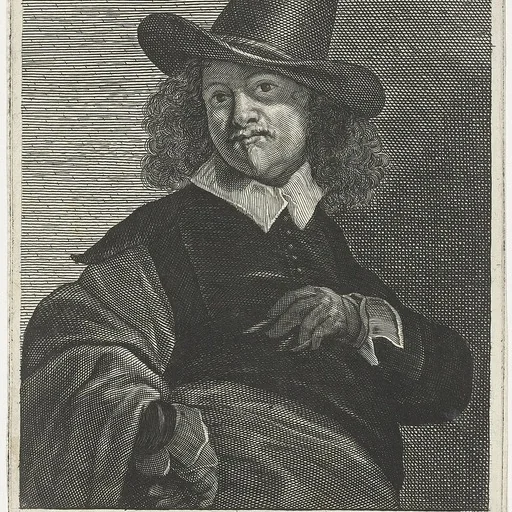
Leonaert Bramer, also Leendert or Leonard (24 December 1596 – before 10 February 1674 (date of burial)), was a Dutch painter known primarily for genre, religious, and history paintings.

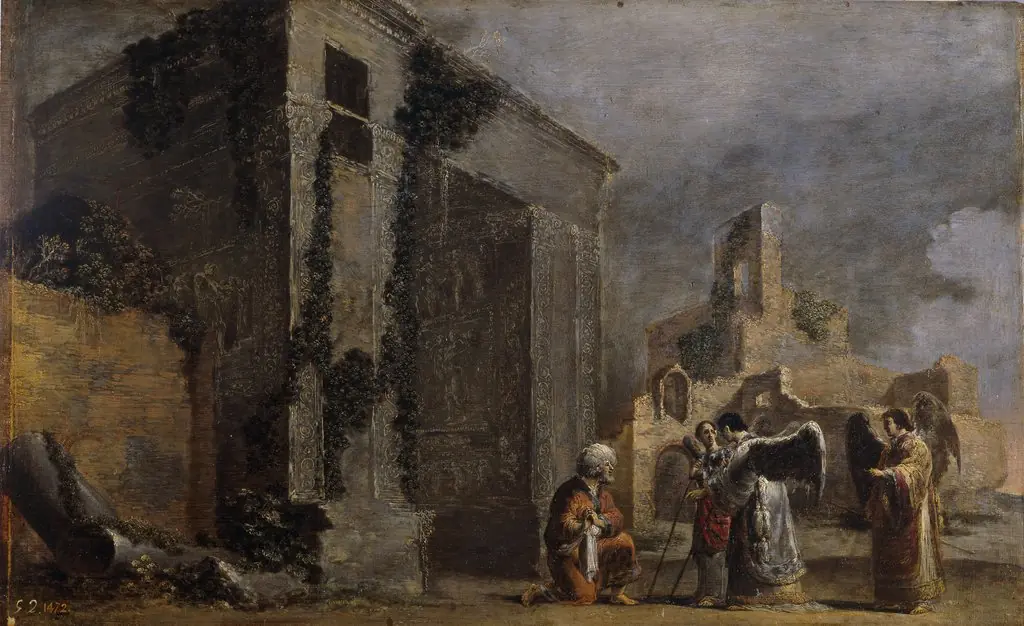
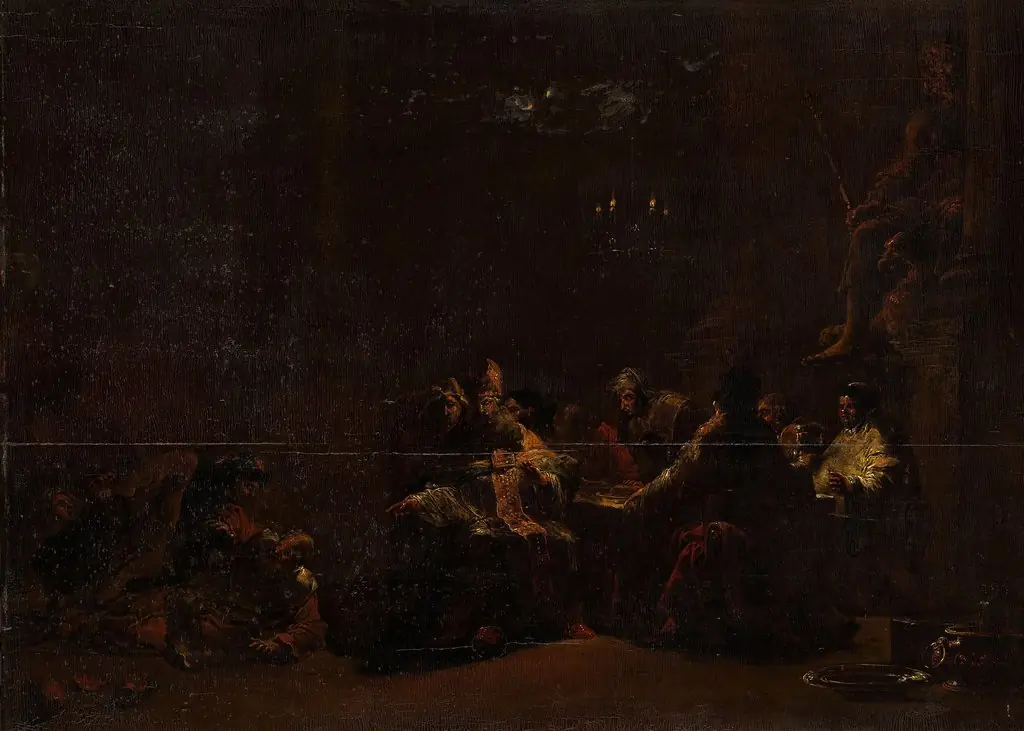
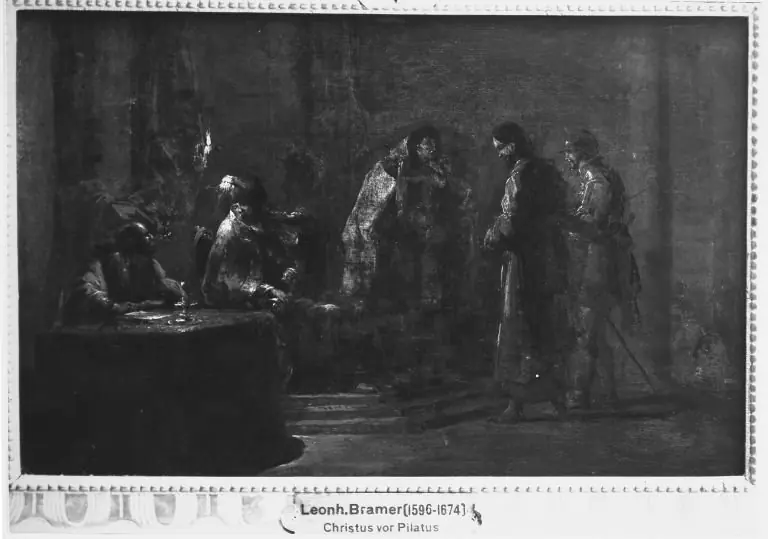
- Adoration of the Magi
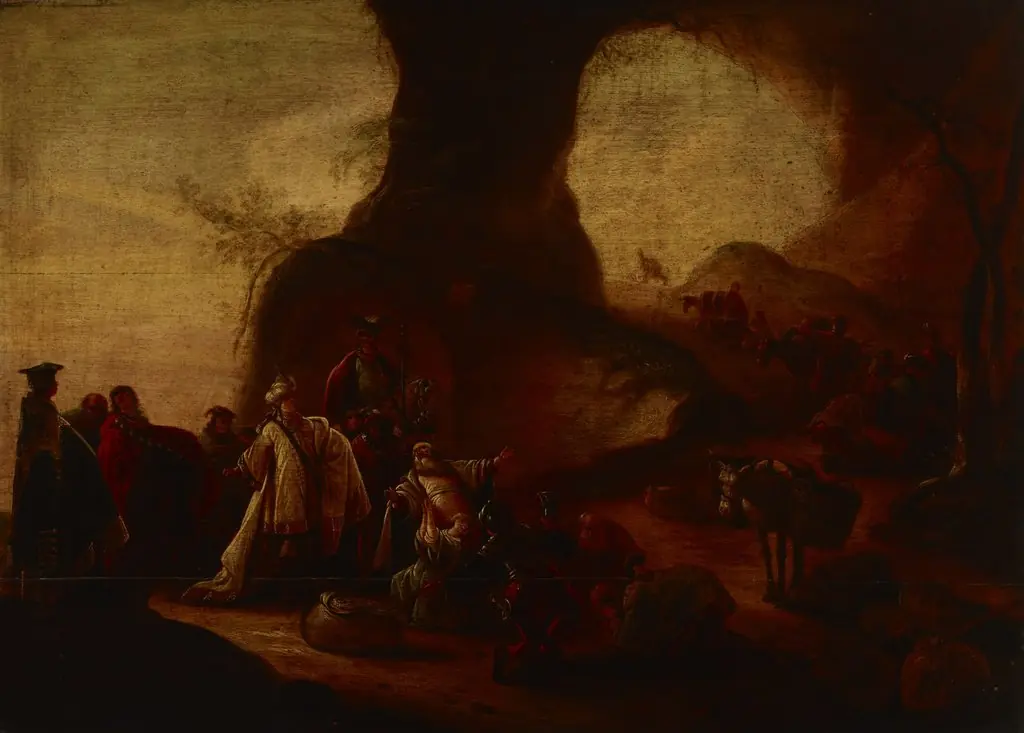 Discovery of the Joseph's Silver Cup in Benjamin's Sack
 Episod din lupta lui Saul cu David
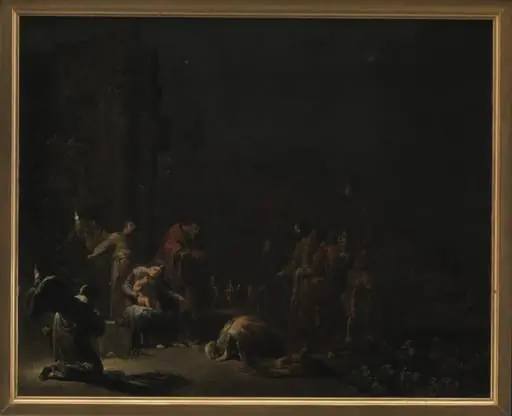 The Adoration of the Magi
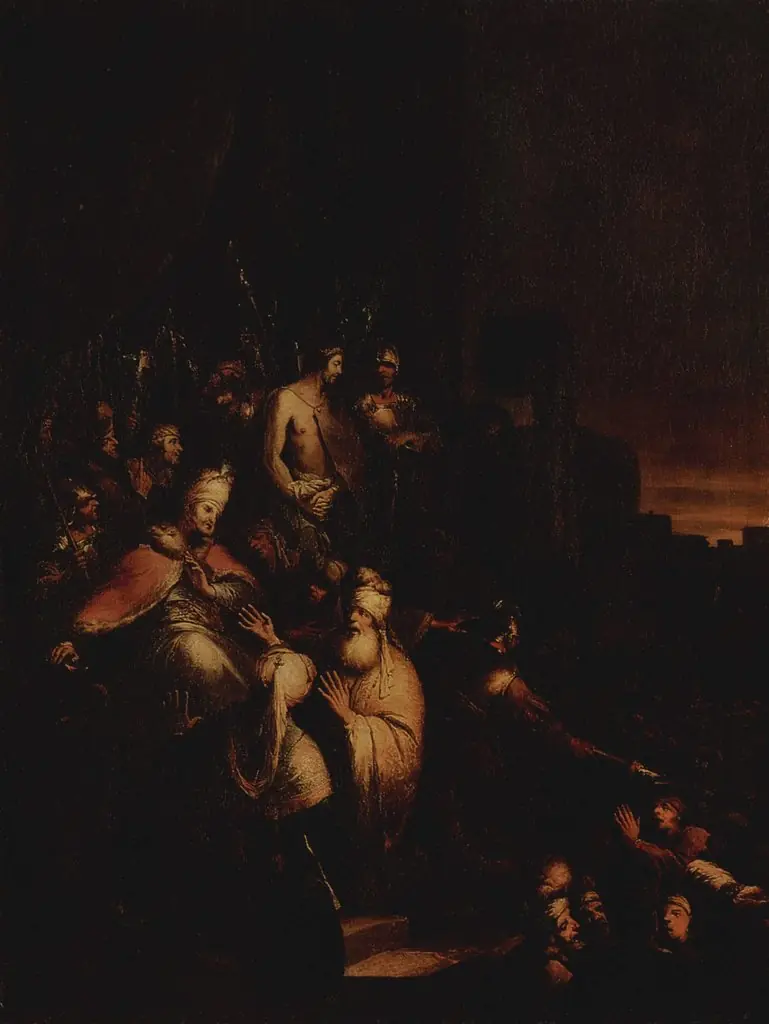 Pilate Debates Christ's Fate
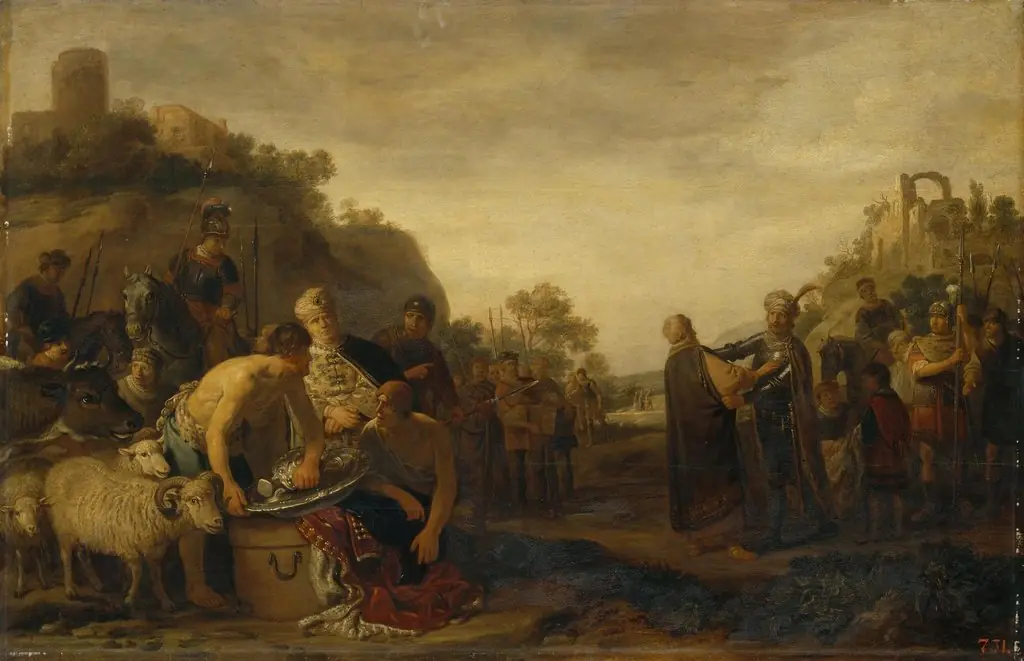 Samuel and Saul
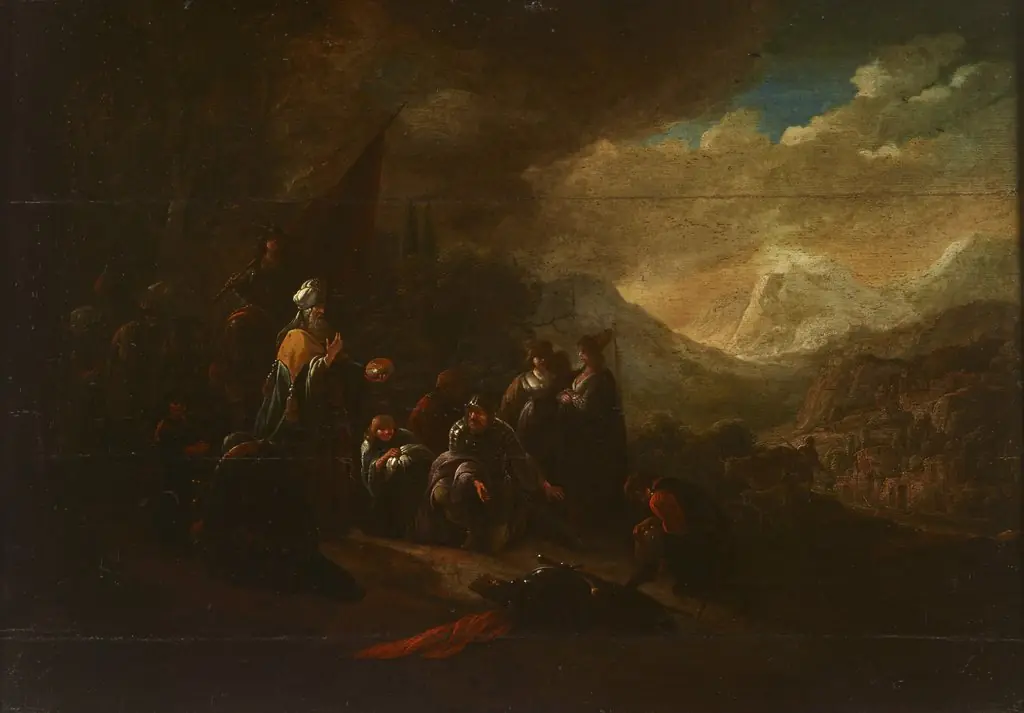 Melchizedek and Abraham
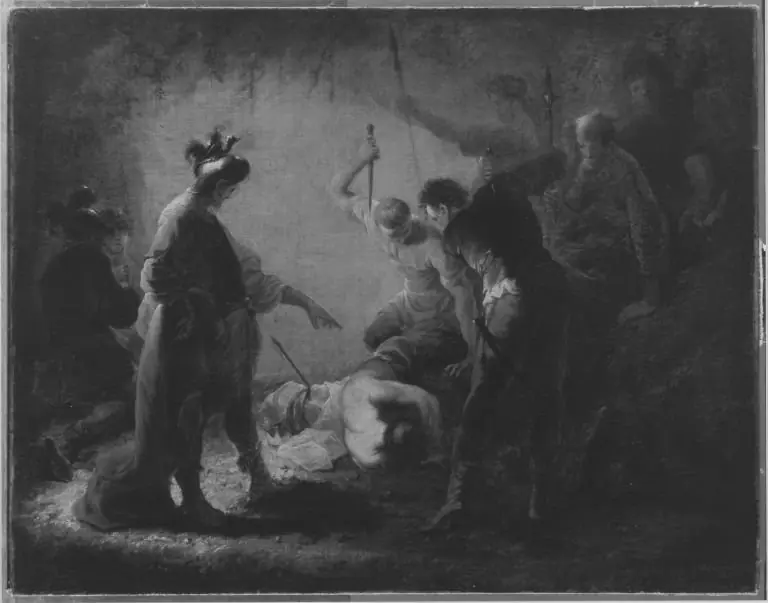 Die Ermordung des hl. Severus
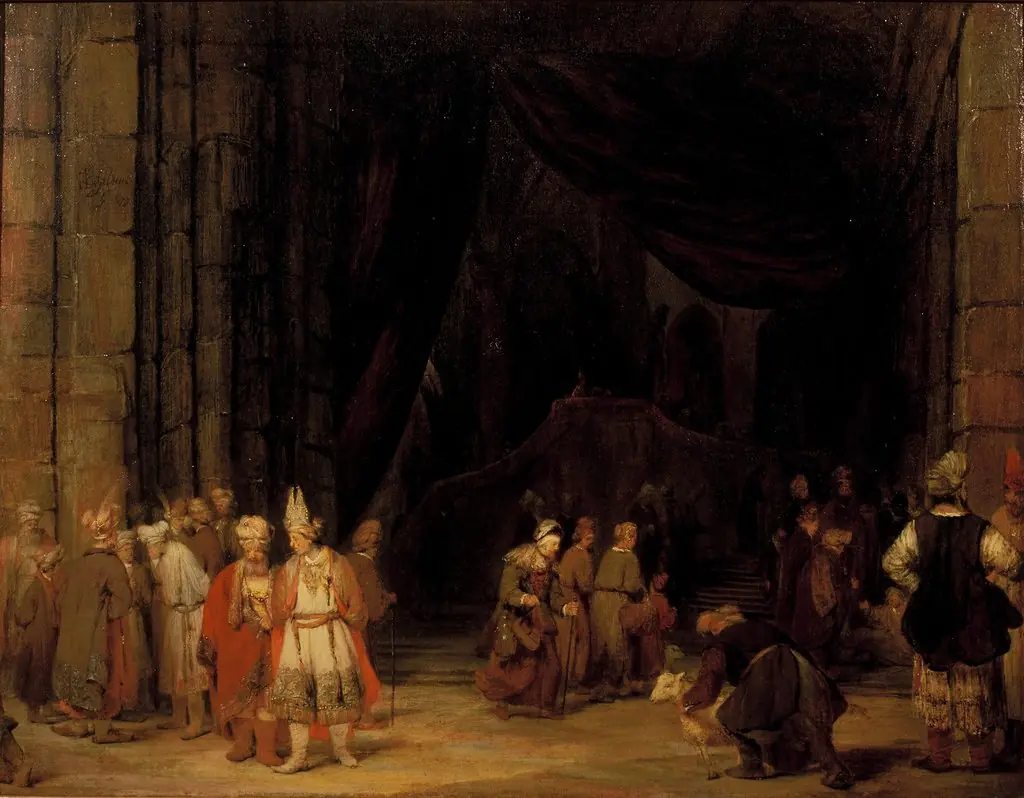 Courtyard of a temple
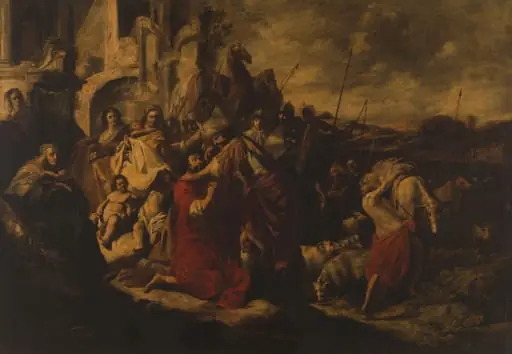 The Meeting of Jacob and Esau
 Parable of the Laborers in the Vineyard