Artwork
Allegory of Vanity (Vanitas)
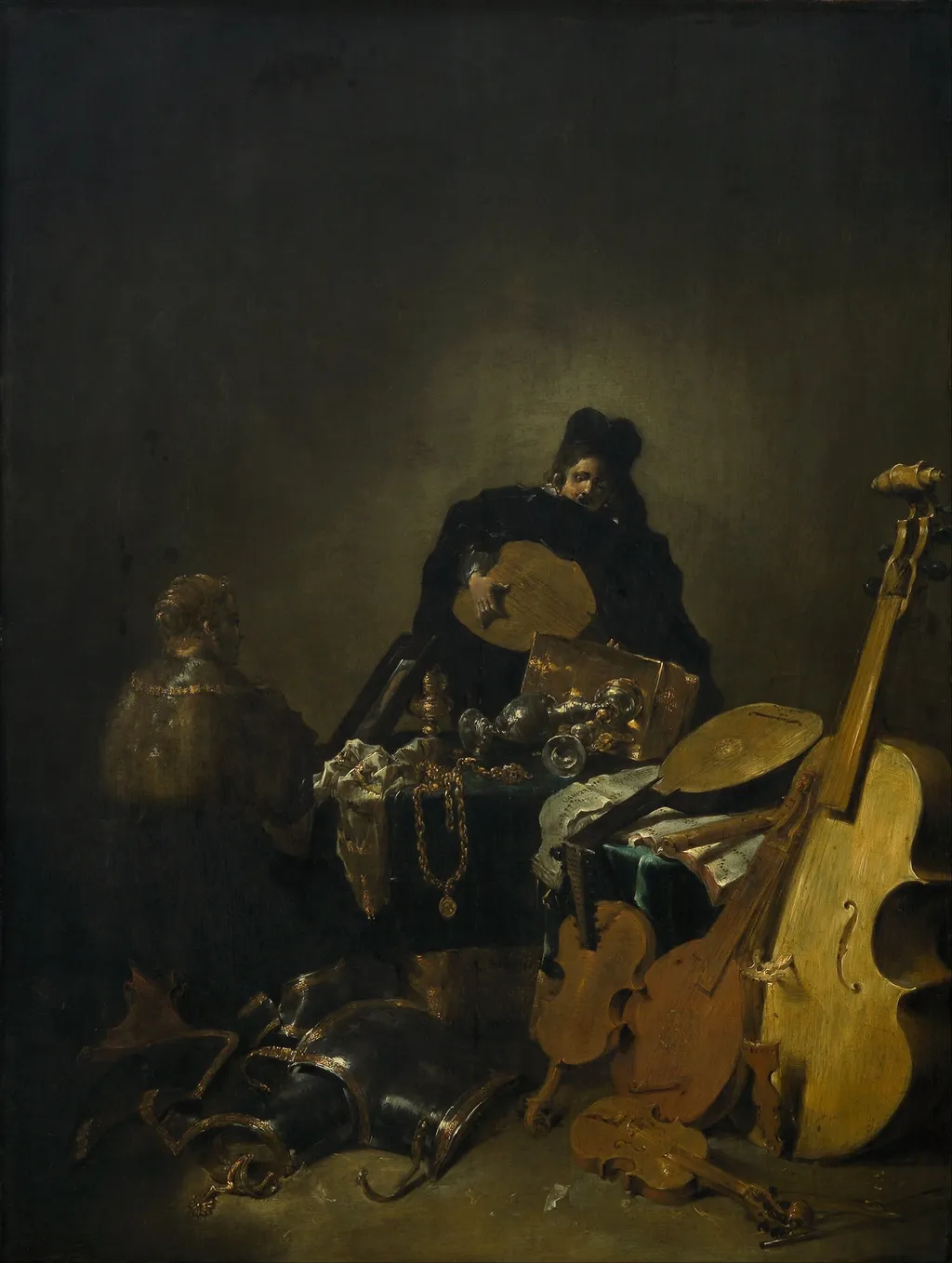
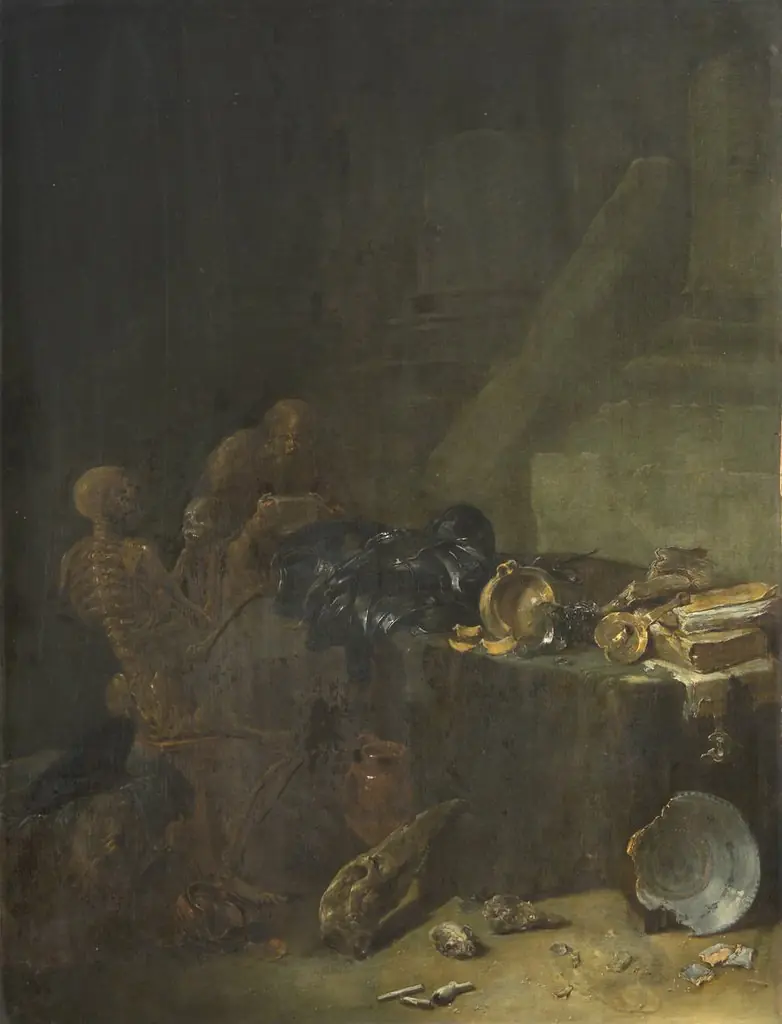
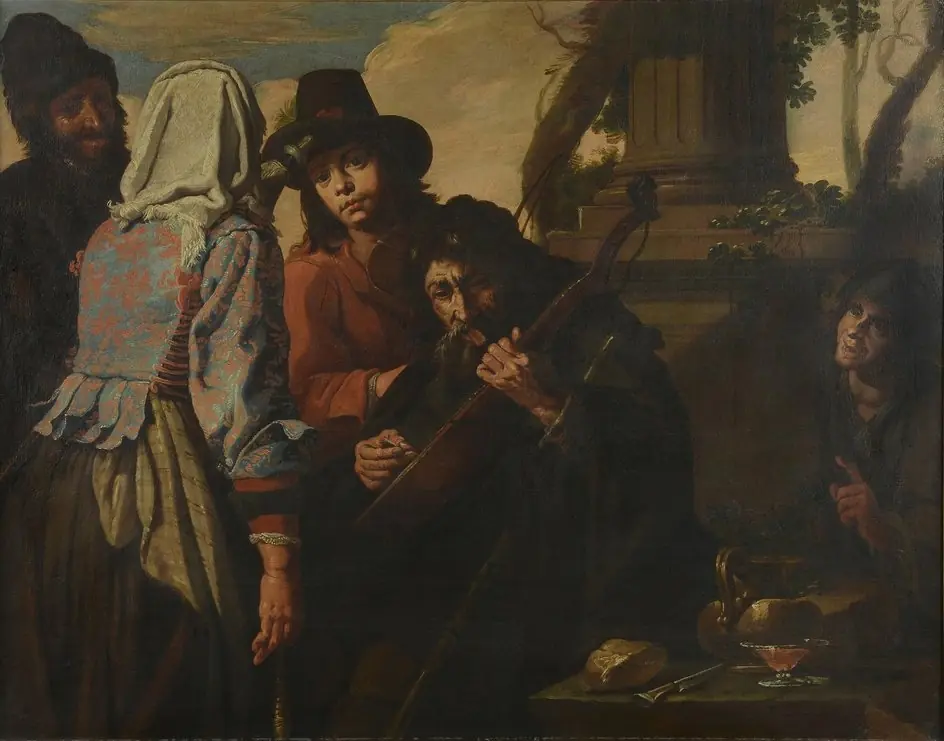
Allegory of Vanity (Vanitas) is an oil painting by the Dutch Golden Age artist Leonaert Bramer. It dates from 1650 and is held in the collection of the Kunsthistorisches Museum.
About this work
Subject & Meaning
Leonaert Bramer's 1650 painting is a vanitas meditation on the transience of life and the futility of earthly pursuits.
Leonaert Bramer's 1650 painting is a vanitas meditation on the transience of life and the futility of earthly pursuits. The composition features an elderly man surrounded by objects symbolizing human achievement and pleasure, including armor and stringed instruments such as a lute and a double bass. These elements function as traditional vanitas motifs: military gear represents power and conflict, while musical instruments signify the fleeting nature of sensory enjoyment.
Juxtaposed with the figure of the old man, they underscore the inevitability of death and the emptiness of vanity.
Technique & Style
Executed in oil on an oak panel around 1650, the work depicts a still-life arrangement of symbolic objects, a lute, armor, and a double bass, alongside a seated old man. The oak support measures approximately 80.0 cm in height by 61.3 cm in width. The available sources do not document the painting's palette, handling, or condition.
History & Provenance
Leonaert Bramer created the oil-on-oak painting Allegory of Vanity (Vanitas) in 1650, measuring 80 cm in height and 61.3 cm in width. It depicts allegorical vanitas themes, including an old man and objects such as a lute and armor. The work is held in the collection of the Kunsthistorisches Museum in Vienna. The records do not list a specific inventory number or an exhibition history for the piece.
Overview
Leonaert Bramer's Allegory of Vanity (Vanitas), an oil painting from approximately 1650, exemplifies the allegorical tradition prevalent during the Dutch Golden Age. This work, now housed in the Kunsthistorisches Museum, features a complex still life centered around a figure, conveying profound themes of life's fleeting nature and the futility of worldly pursuits. Bramer, a versatile artist, often explored such symbolic narratives within his diverse oeuvre.
Context
Active in the first half of the 17th century, Leonaert Bramer was a prolific Dutch painter recognized for his genre, religious, and history paintings. He was particularly noted for his nocturnal scenes, which often incorporated exotic costumes and settings. Allegory of Vanity aligns with his broader interest in allegorical subjects, reflecting a common artistic and philosophical current within the Dutch Golden Age that contemplated mortality and earthly transience.
Own this work as a print
Artist & collection
Artist
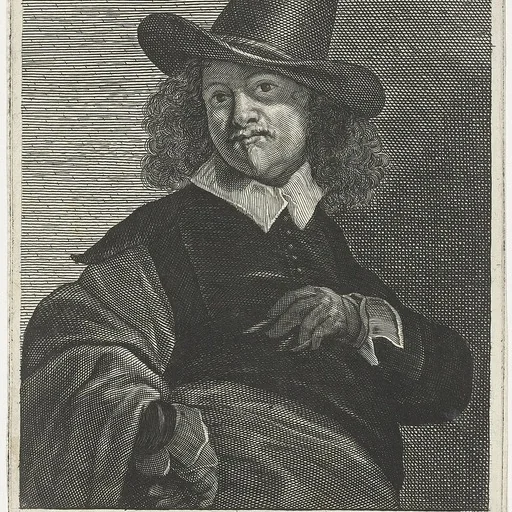
Leonaert Bramer, also Leendert or Leonard (24 December 1596 – before 10 February 1674 (date of burial)), was a Dutch painter known primarily for genre, religious, and history paintings.

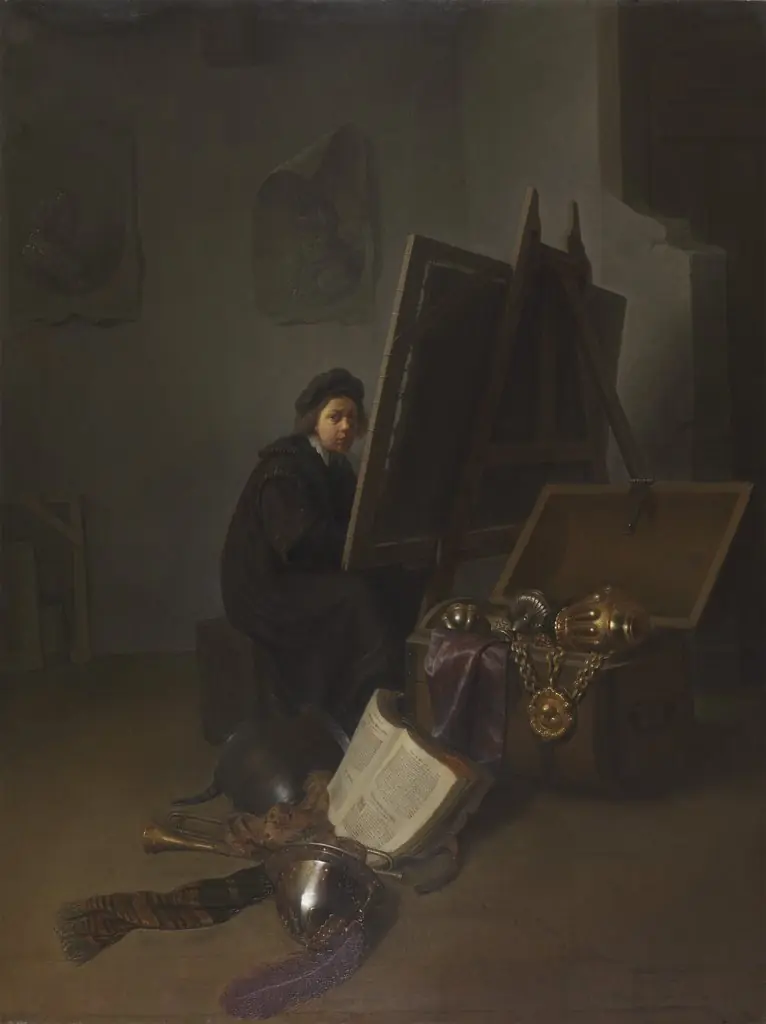 An Artist in his Studio (Self-portrait?)
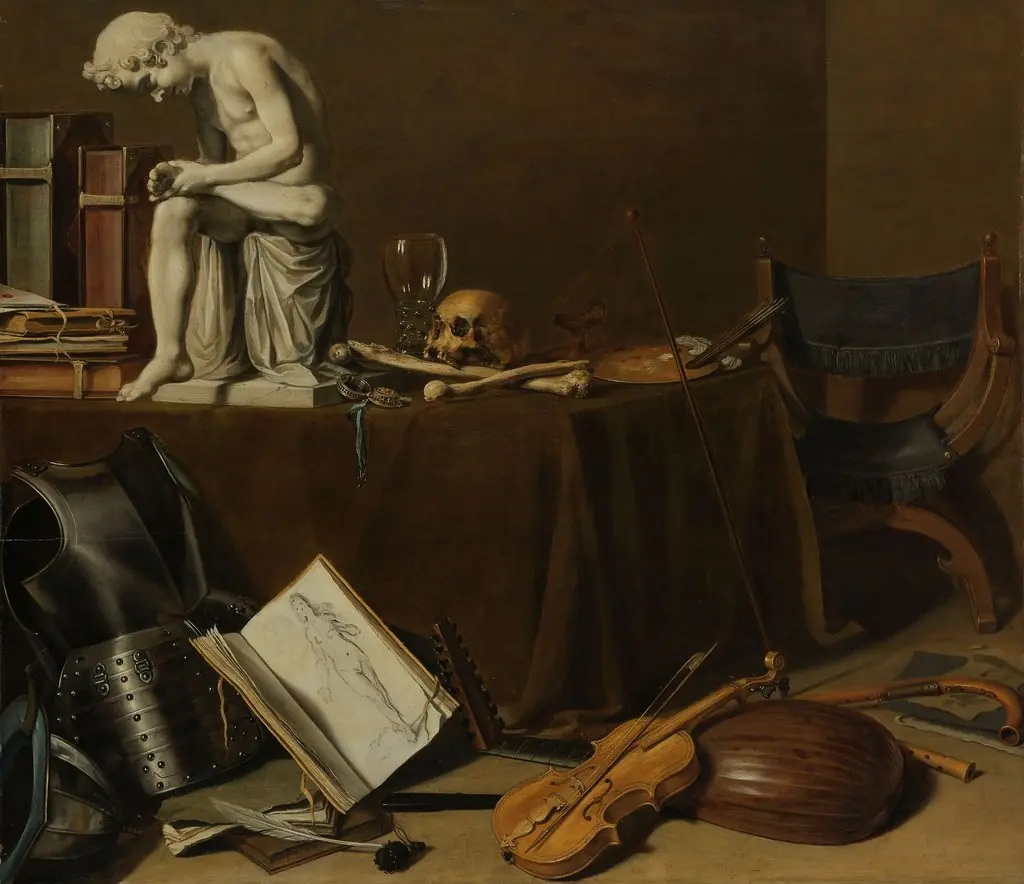 Vanitas Still Life with the Spinario
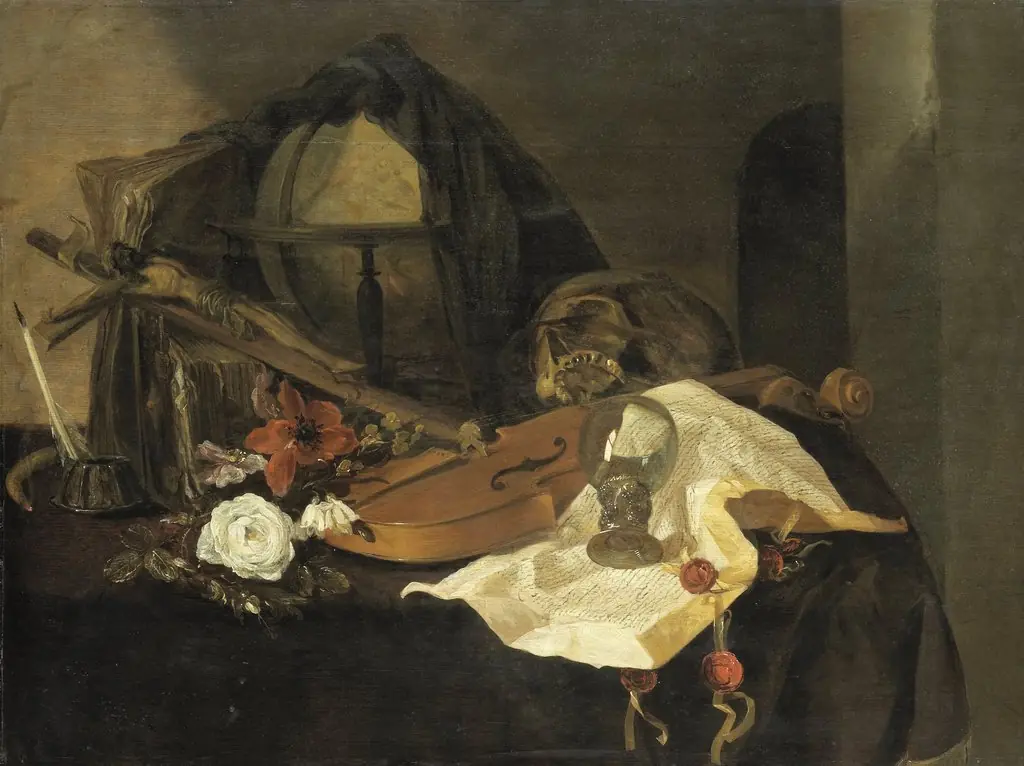 Vanitas still life
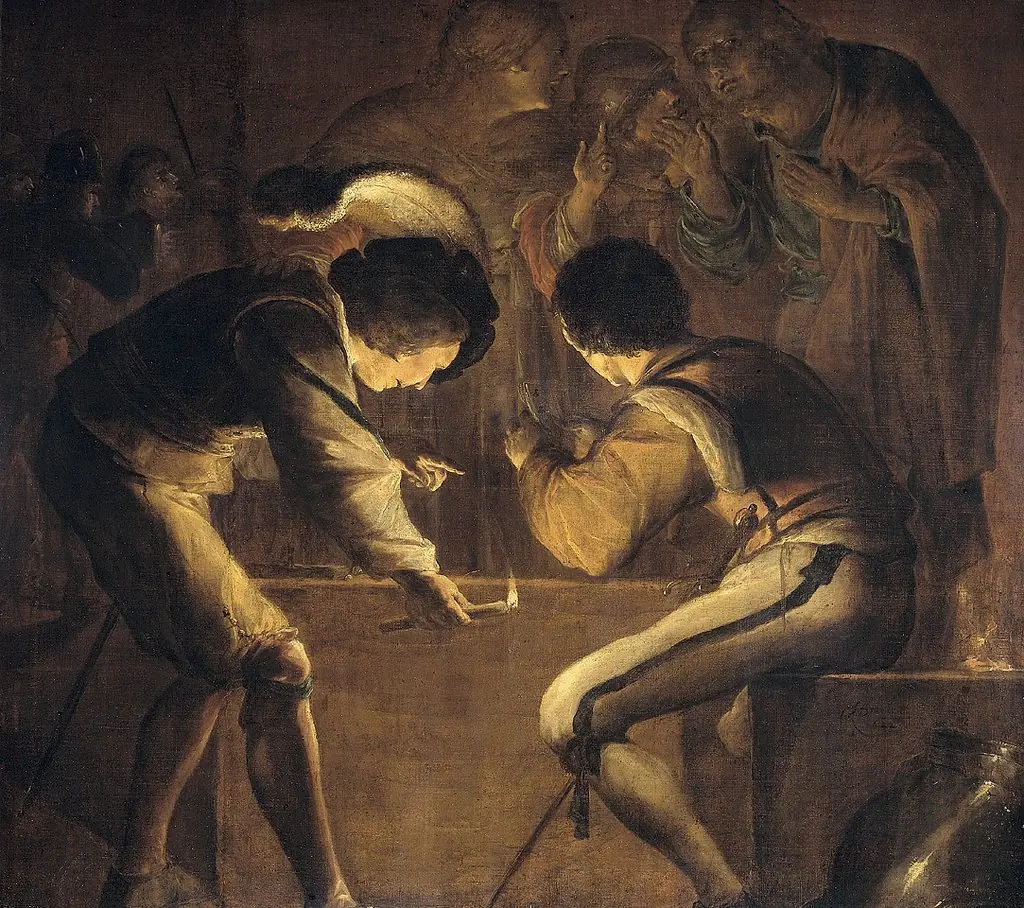
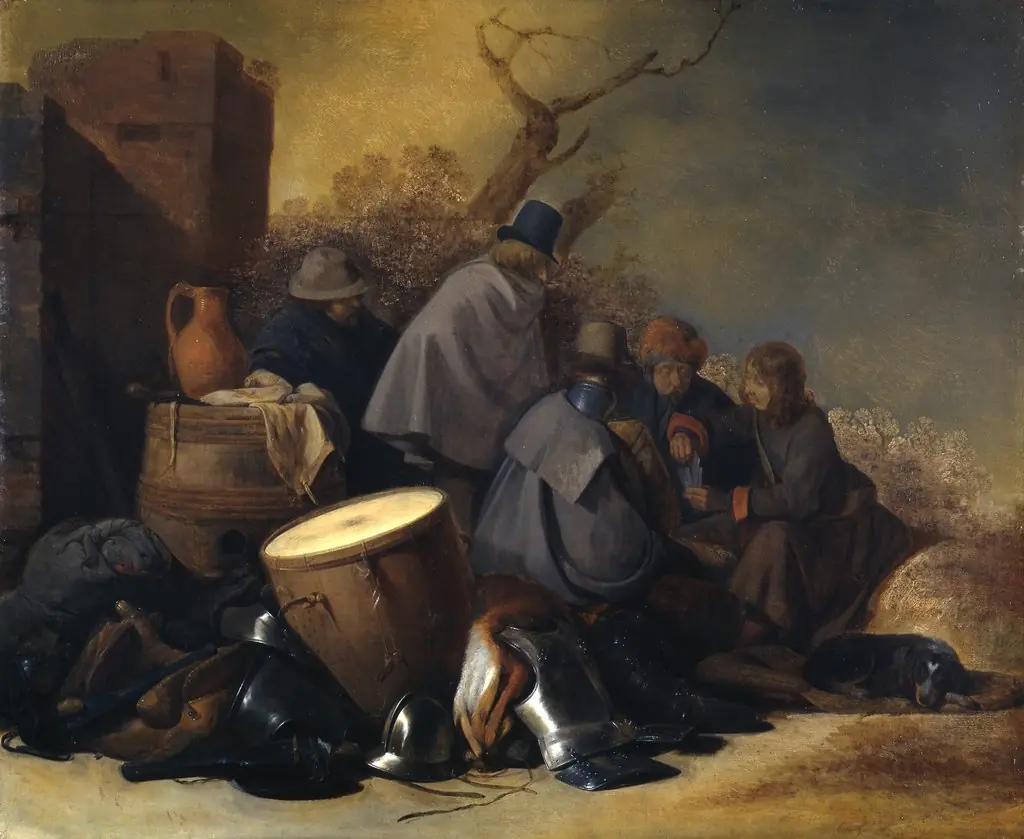 Card-playing Soldiers
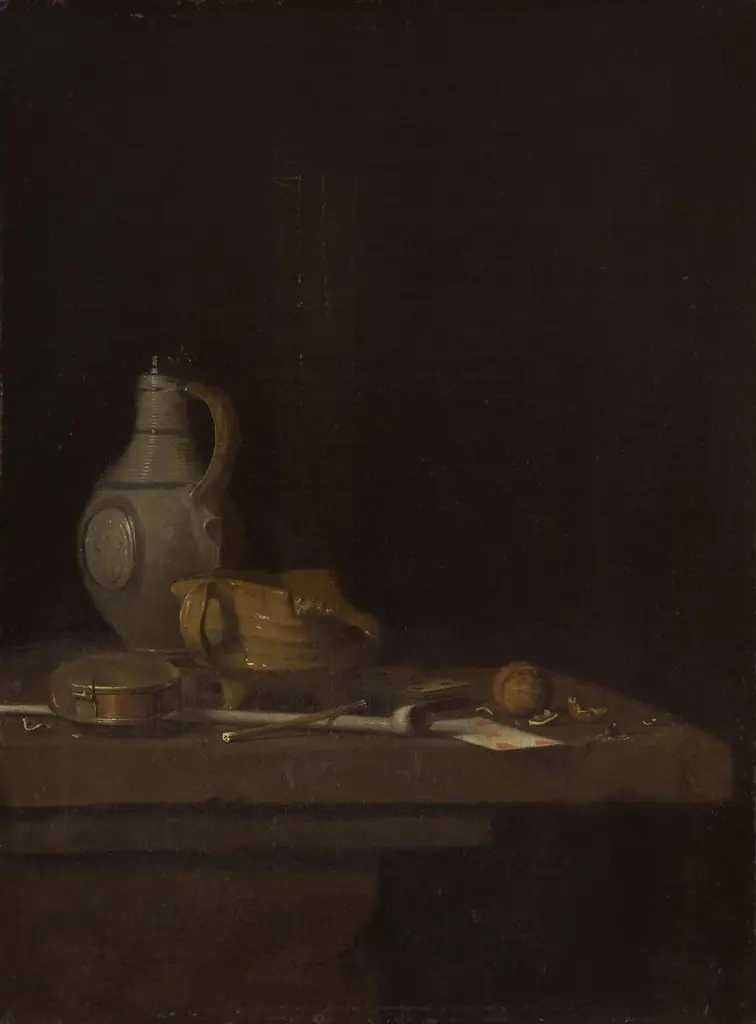 Still Life with a Stoneware Jar and a Brazier
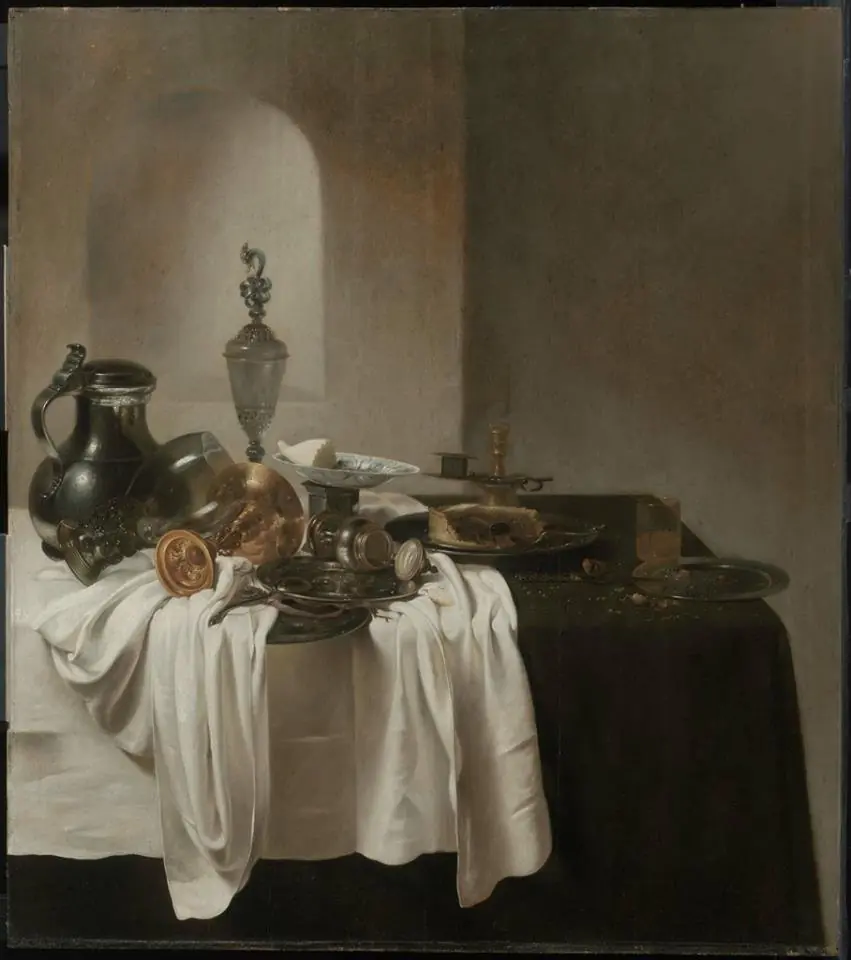 Breakfast Still Life with Glass and Metalwork
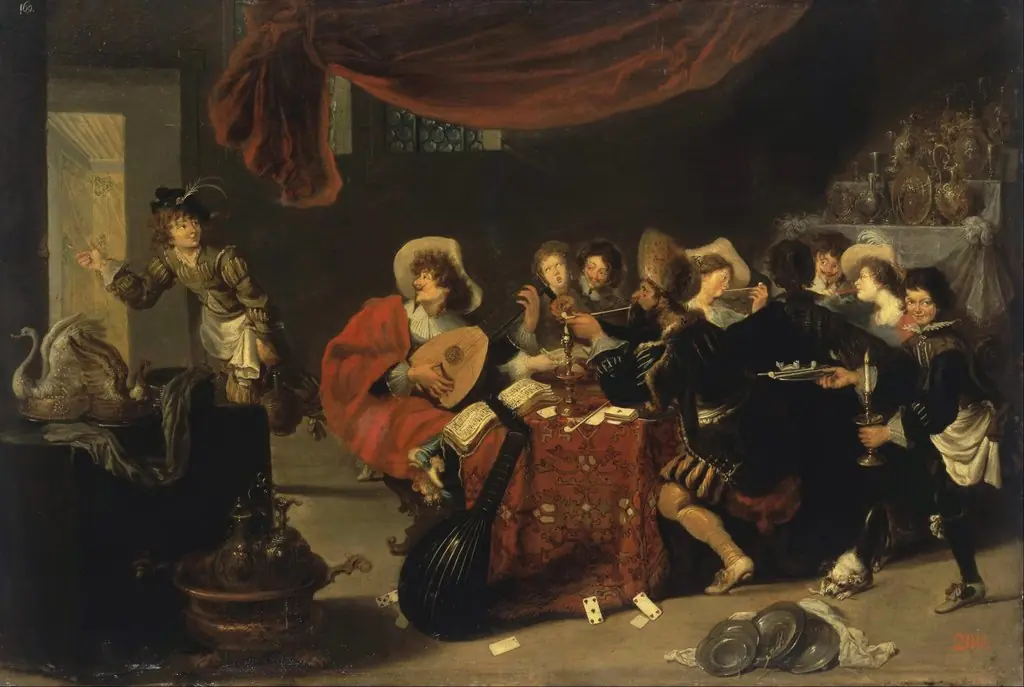 Merry Company
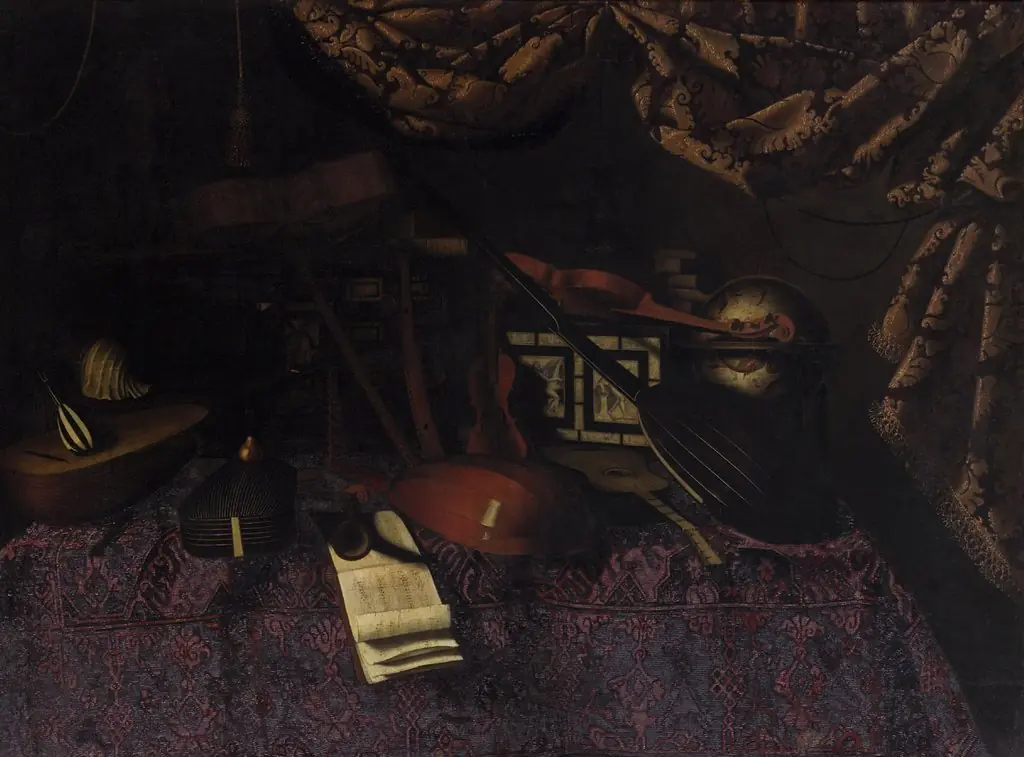 Stilleben mit Musikinstrumenten, Notenblättern, Himmelsglobus und Muschel
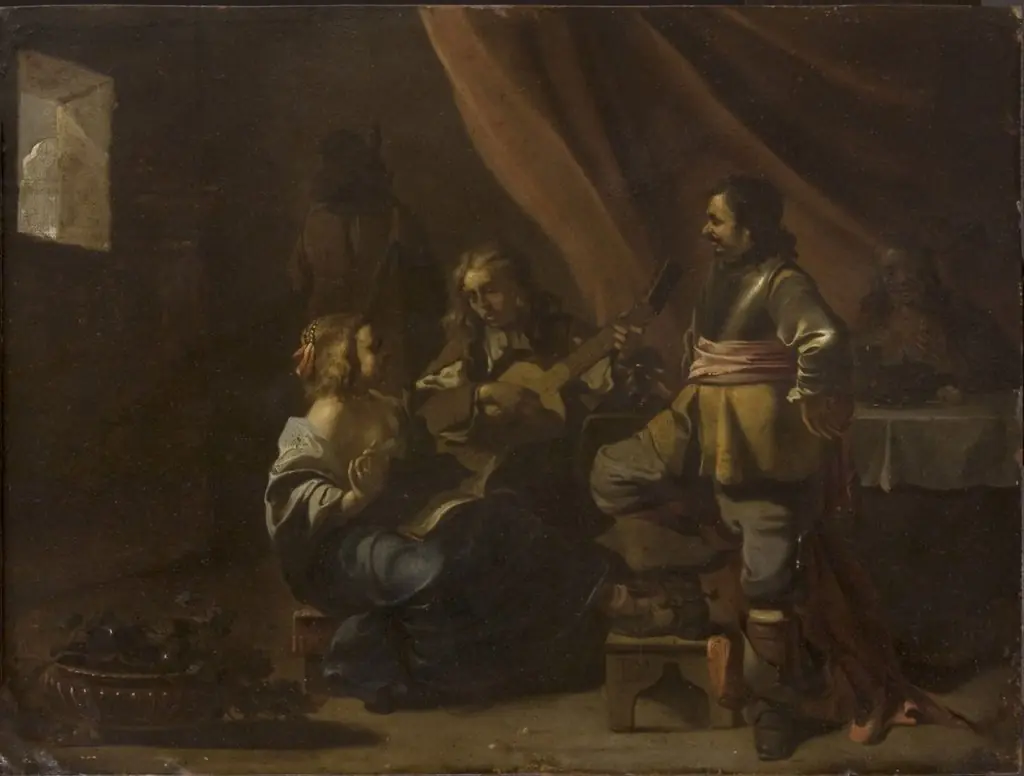 Concert
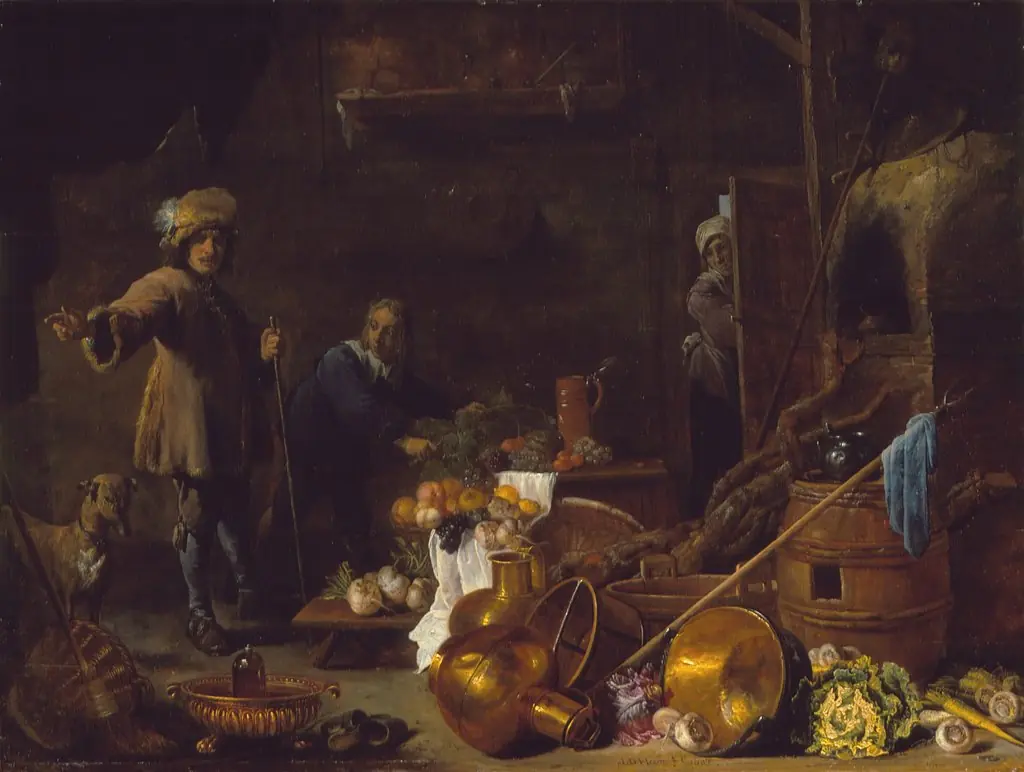 Kitchen Interior
 Gipsy Musicians
- Vanitas