Artwork
Sir Francis Drake
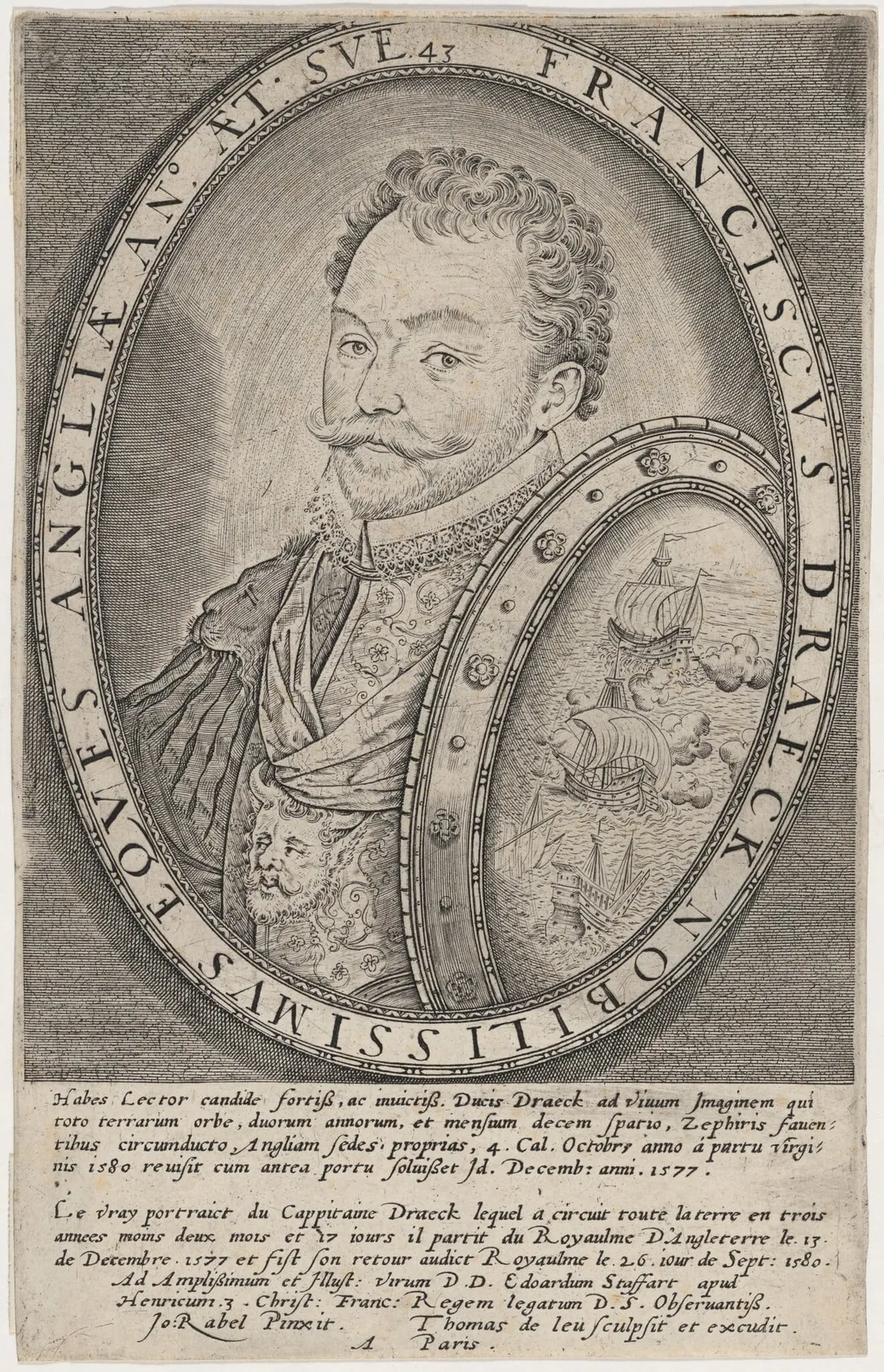
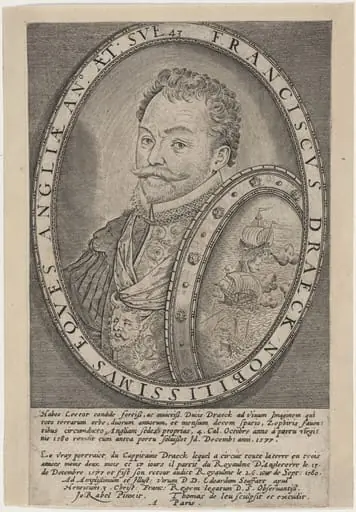
Sir Francis Drake is an ink print by the Renaissance artist Thomas de Leu. It dates from 1590 and is held in the collection of the National Gallery of Art.
About this work
Overview
The print 'Sir Francis Drake' is an engraving created by Thomas de Leu in 1590. It is a black-and-white portrait of the English explorer.
Subject & Meaning
The engraving depicts Sir Francis Drake with a serious expression, dressed in ornate attire. The surrounding banner and shield, featuring a ship and dragon, accompany a Latin and French inscription, while text below describes Drake's circumnavigation of the globe in under three years.
Technique & Style
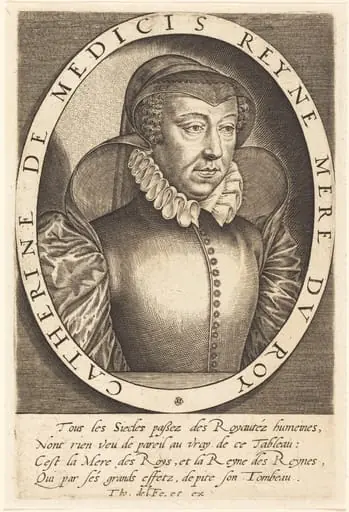
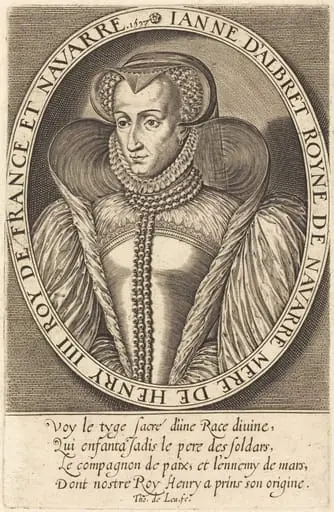
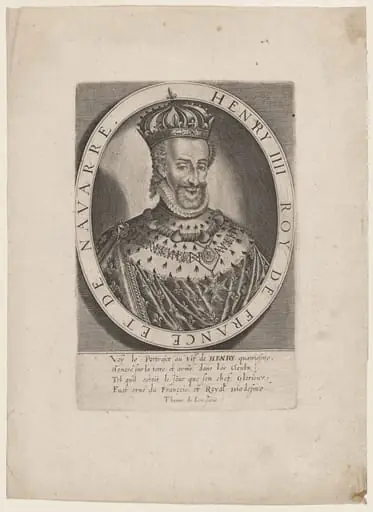
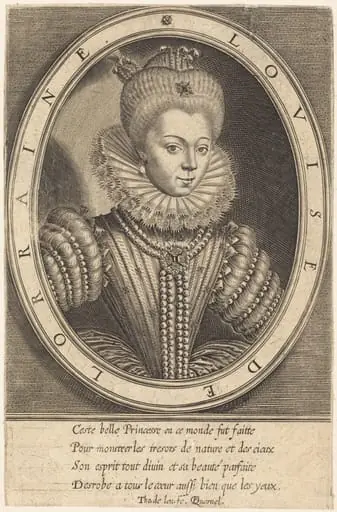
De Leu employed fine lines to achieve depth in the subject's face and clothing, characteristic of engraving techniques. The use of a curved banner and shield adds to the portrait's ornate style.
History & Provenance
Thomas de Leu, a French engraver of Flemish origin, produced this work during a period of heightened interest in maritime exploration and figures. His contributions to printmaking facilitated the widespread dissemination of images in the late 16th century.
Own this work as a print
Artist & collection
Artist
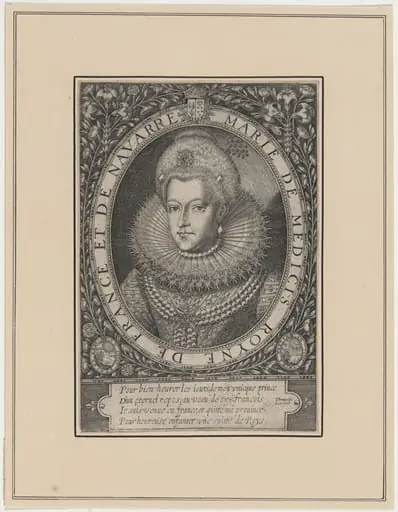
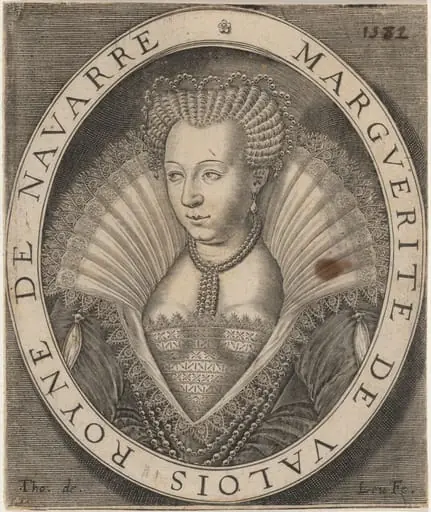
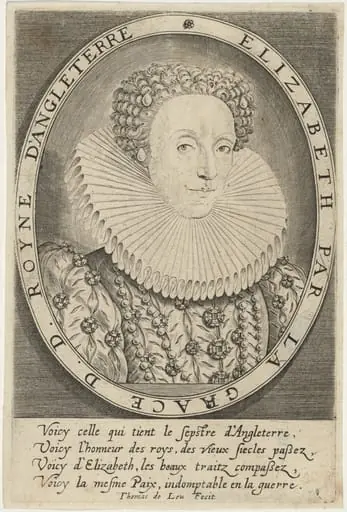
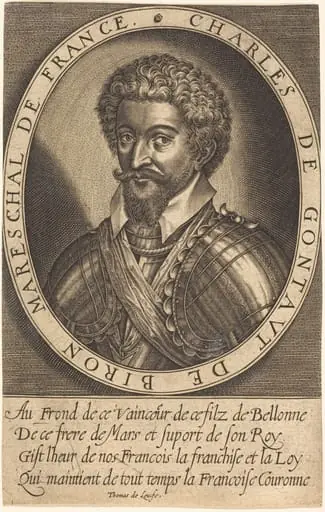
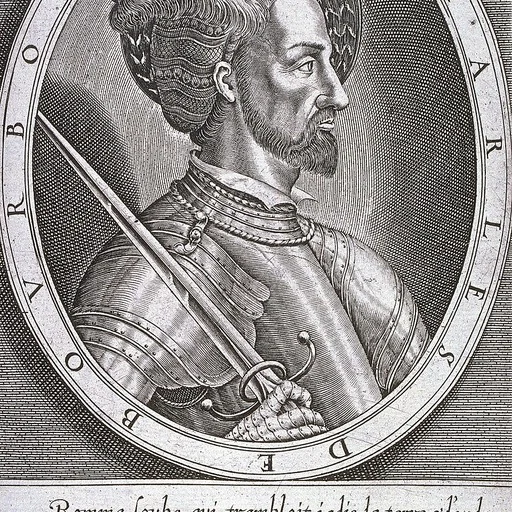
Thomas de Leu or Leeuw or Le Leup or Deleu (1560–1612) was a French engraver, publisher, and print dealer of Flemish origin.