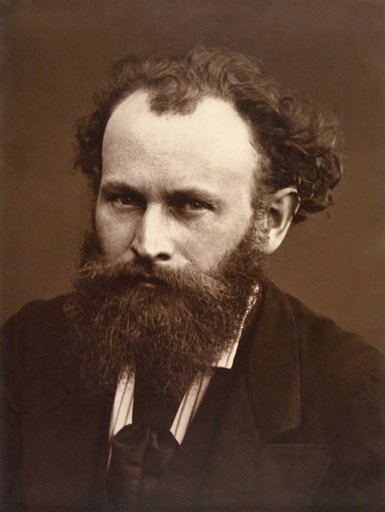
Artist
Subject
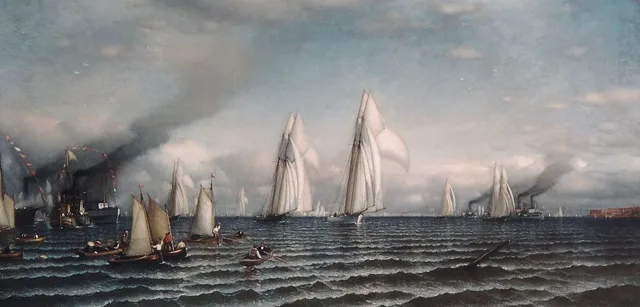
Ship is a subject in art. The gallery holds 195 works in this subject in art, including works by Édouard Manet, Thomas Chambers and Camille Pissarro.
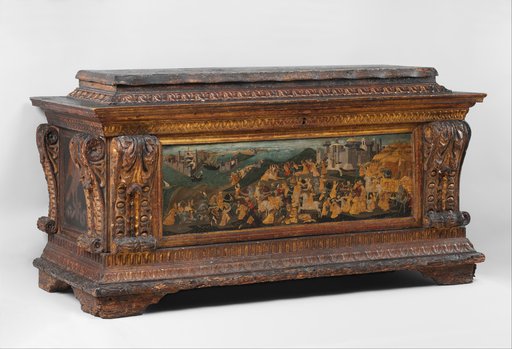
The ship is among the oldest recurring subjects in Western art, appearing long before painting recognized it as a genre. Egyptian tomb decoration and Greek black- and red-figure vases of the eighth to fifth centuries BCE already rendered oared galleys and triremes with rams and banked rowers, treating the vessel as both a feat of engineering and a vehicle of myth and warfare. In Renaissance Italy the motif resurfaced on furniture and panel painting—as in Apollonio di Giovanni's cassone depicting the Conquest of Trebizond in our collection—where fleets signal voyage, conquest, and dynastic prestige.
Ship painting matured into an independent genre in the seventeenth-century Dutch Republic, whose wealth rested on maritime trade and naval power. Hendrick Cornelisz Vroom (c. 1562–1640) of Haarlem is generally credited as the founder of Dutch marine art, replacing the older bird's-eye convention with lower, more realistic vantage points and meticulous rigging. The tradition culminated in Willem van de Velde the Elder (1611–1693)—a pioneer of the pen painting (penschilderij) technique—and his son Willem van de Velde the Younger (1633–1707), the leading marine painter of his age. Often sailing themselves, they recorded everything from fishing craft to towering warships with documentary precision while infusing the scenes with atmospheric light and weather.
The genre acquired new emotional and symbolic weight under Romanticism. J.M.W. Turner's *The Fighting Temeraire* (1838–39, National Gallery, London)—voted Britain's favourite painting in 2005—shows a Trafalgar warship towed by a steam tug to be broken up, an elegy for the age of sail dissolving into Turner's luminous, near-abstract atmosphere. Such handling of light and air would later feed directly into Impressionism.
In the United States the ship became an emblem of national identity and sport. Thomas Chambers (1808–1869) celebrated the War of 1812 in *The Constitution and the Guerriere* (c. 1845), while Samuel Colman's *Finish—First International Race for America's Cup, August 8, 1870* documents the era of competitive yachting. By the late nineteenth century vessels also drifted into modern life as incidental motifs—the moored craft in Pissarro's *The Louvre, Afternoon, Rainy Weather* or Tissot's elegant deck scene *Tea*—linking the marine tradition to Impressionism and the painting of contemporary leisure.
Artist

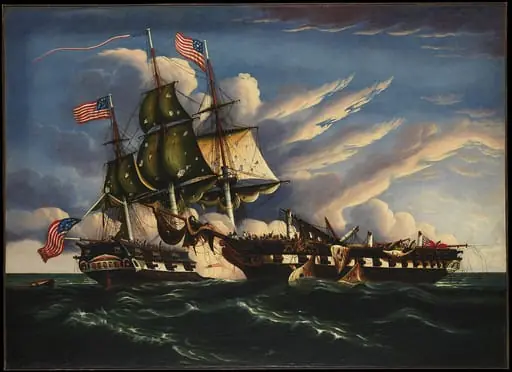 The Constitution and the Guerriere
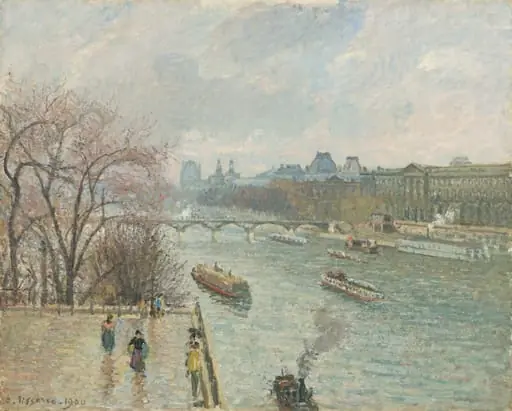 The Louvre, Afternoon, Rainy Weather
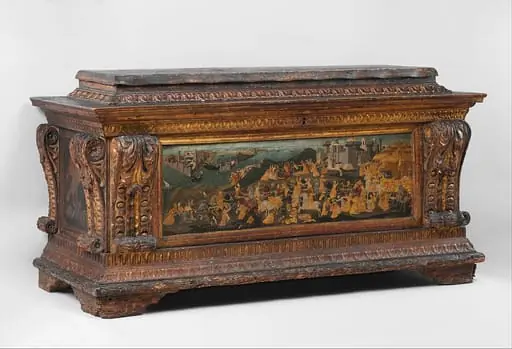 Cassone with painted front panel depicting the Conquest of Trebizond
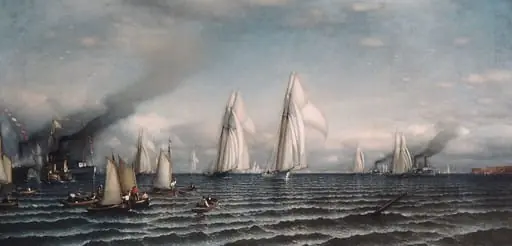 Finish—First International Race for America's Cup, August 8, 1870
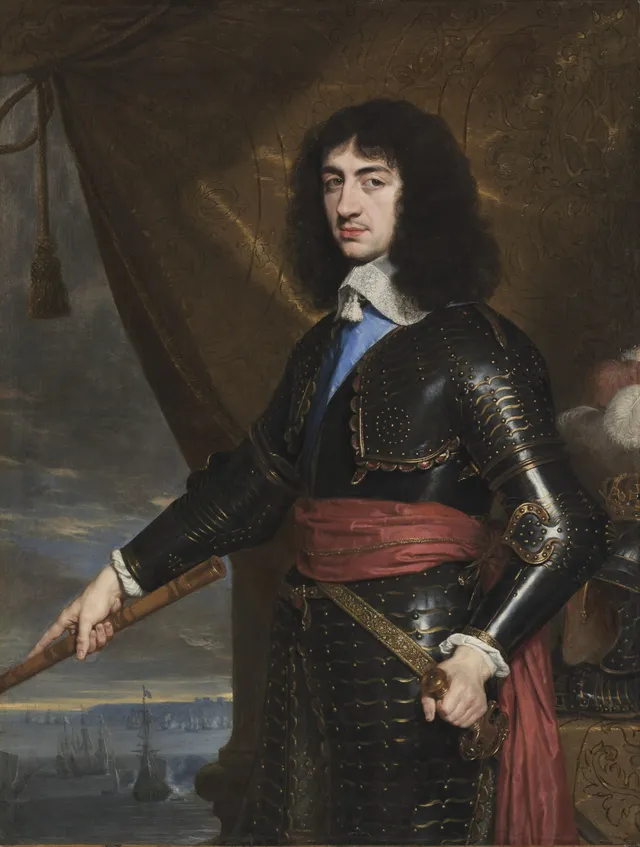
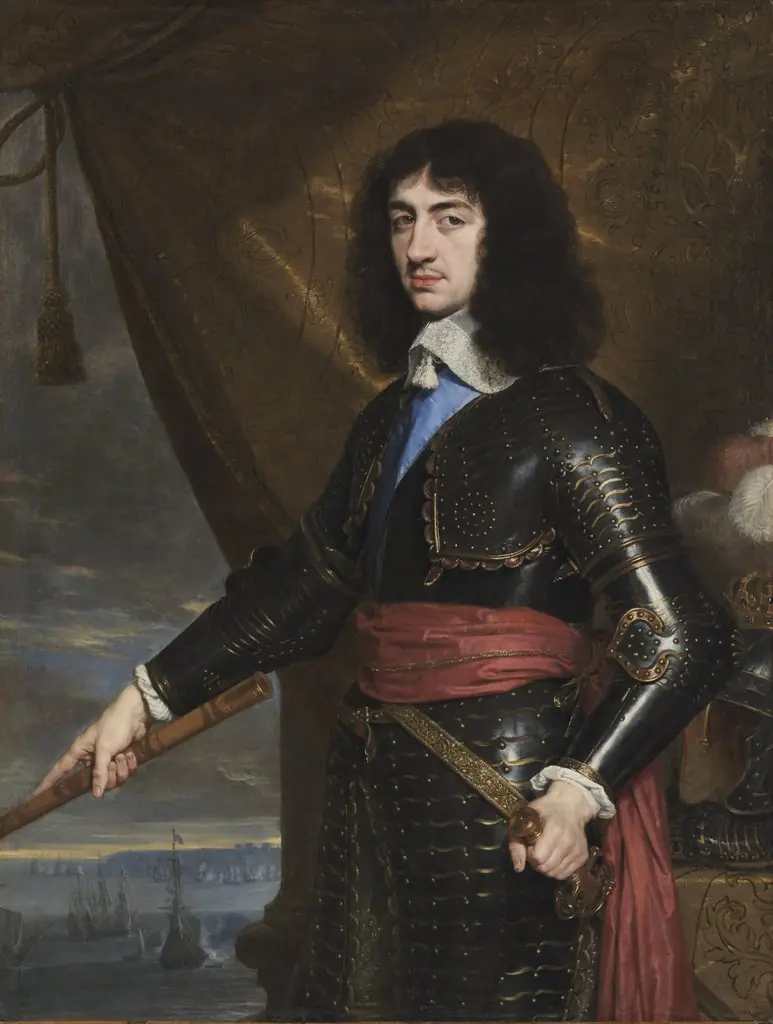 Portrait of King Charles II of England
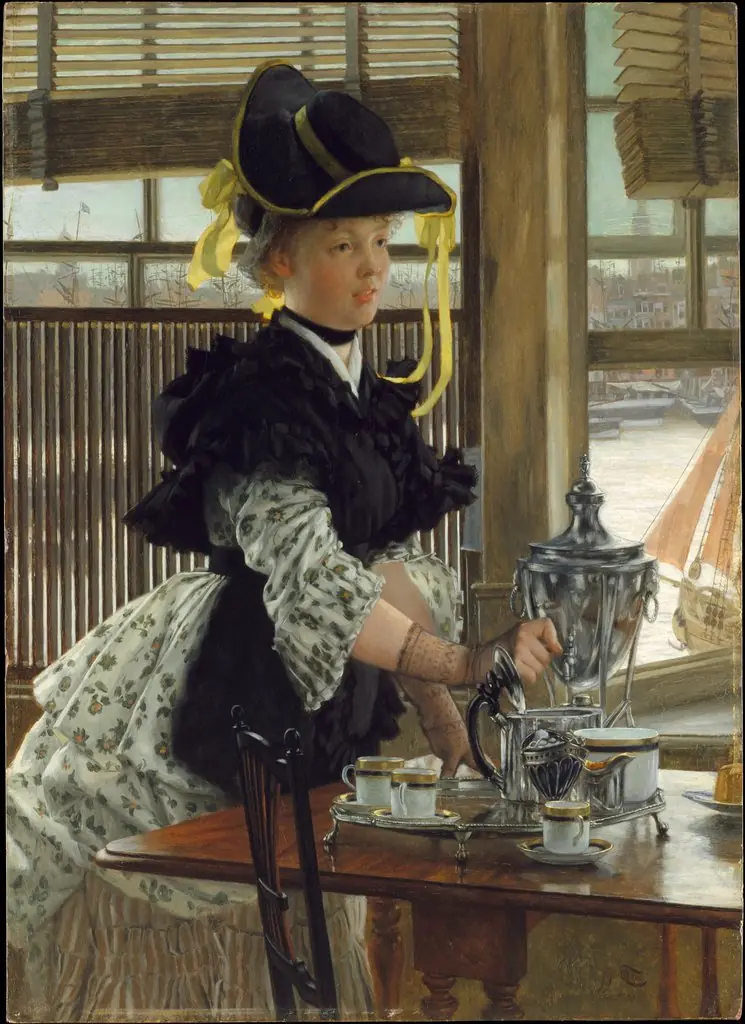 Tea
Tea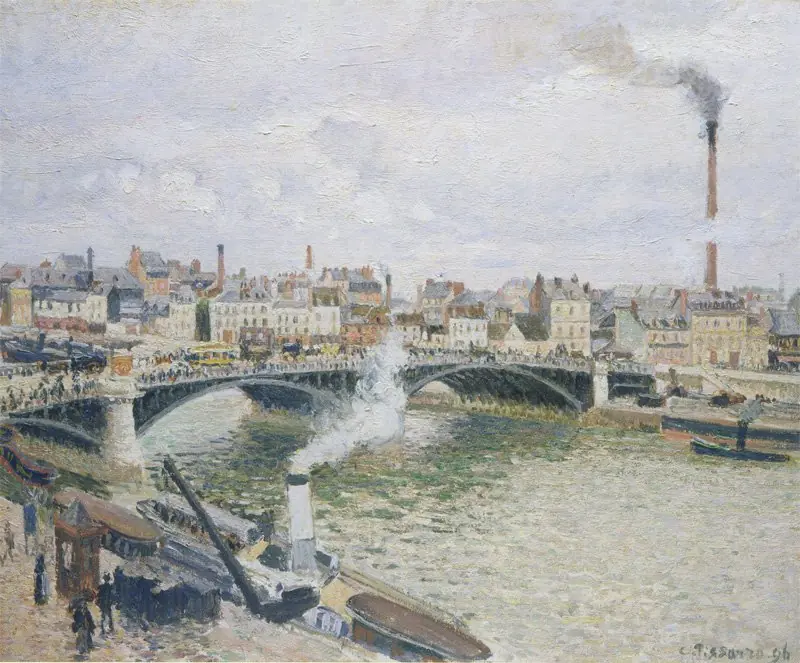 Morning, An Overcast Day, Rouen
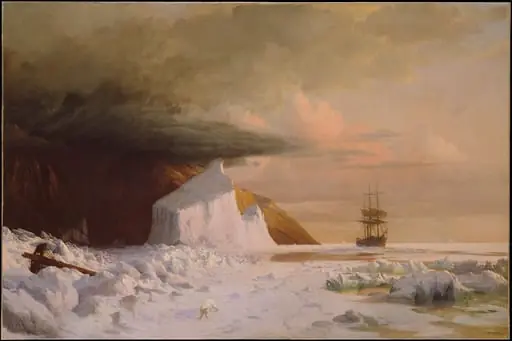 An Arctic Summer: Boring Through the Pack in Melville Bay
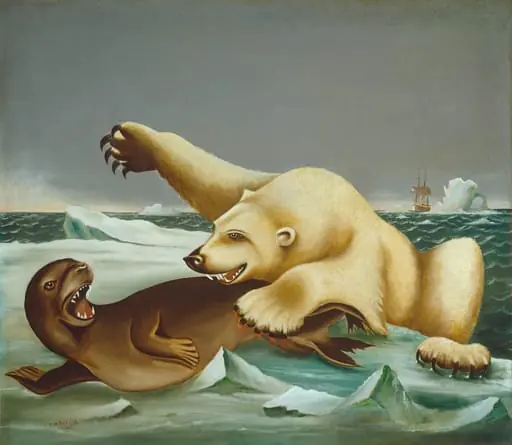 Law of the Wild
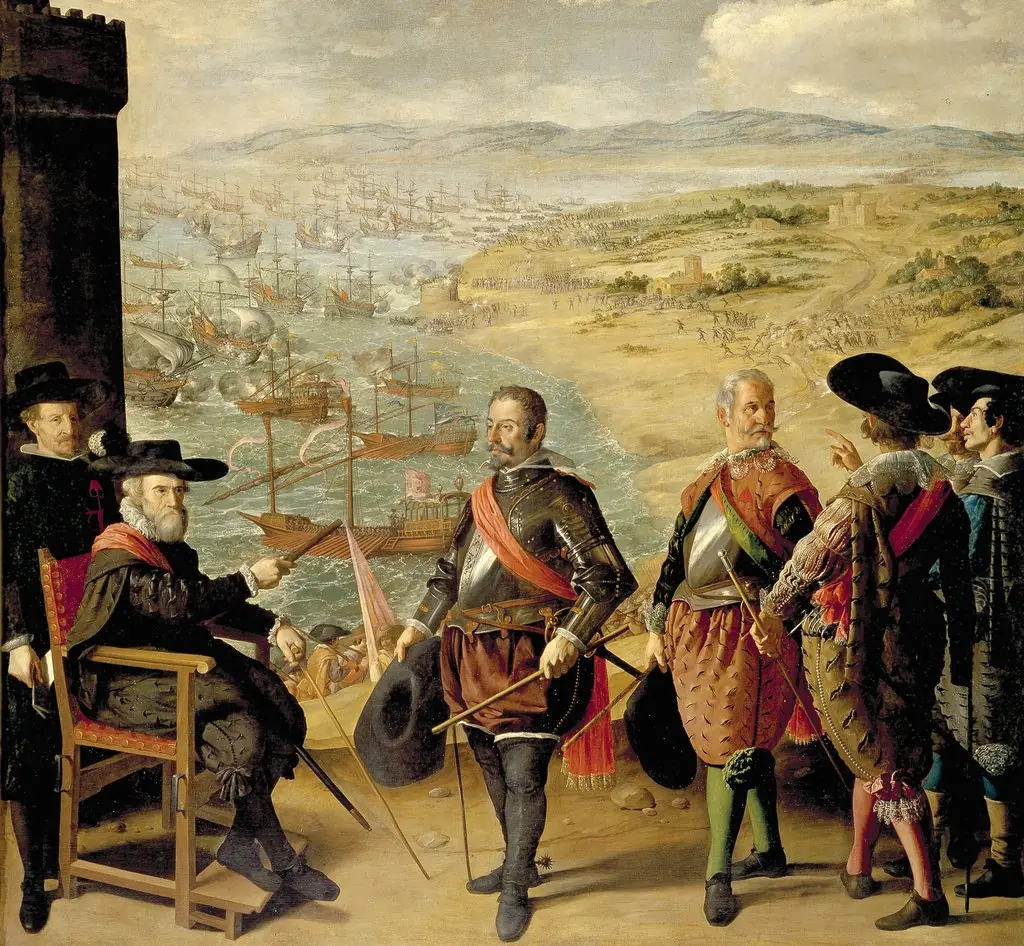 The Defense of Cadiz Against the English
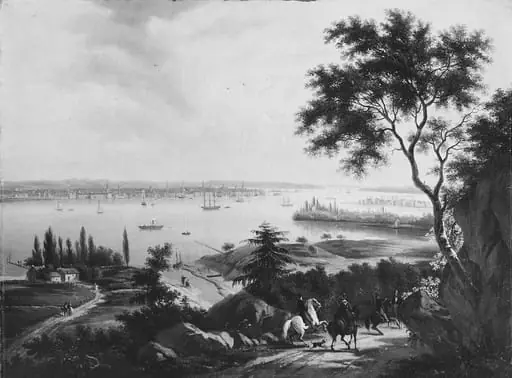 View of New York from New Jersey
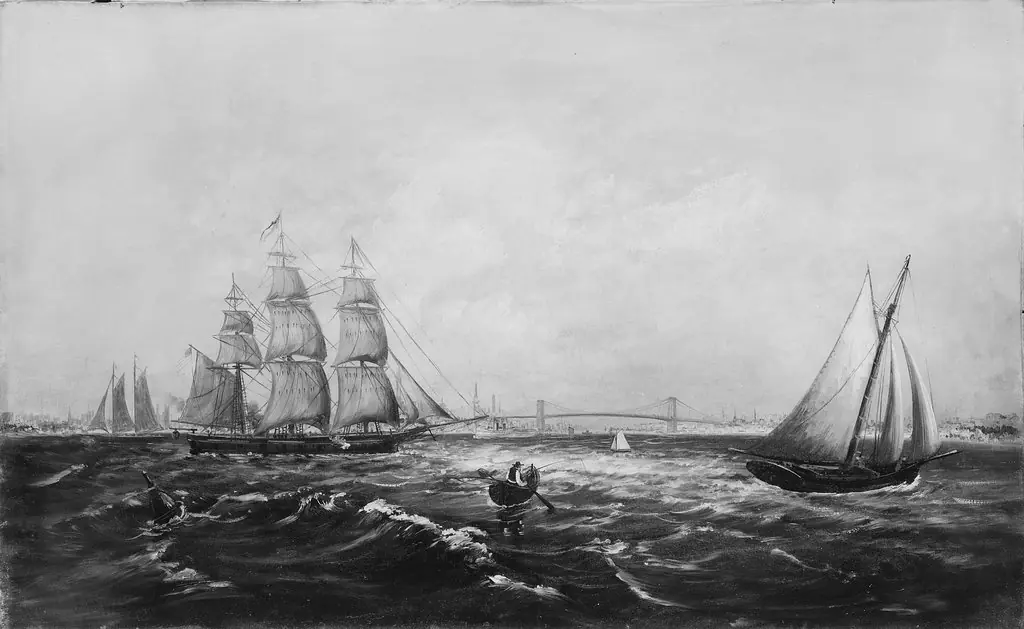 New York Bay and Harbor
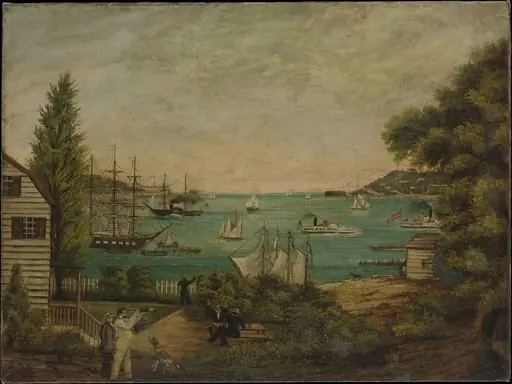 View from Staten Island
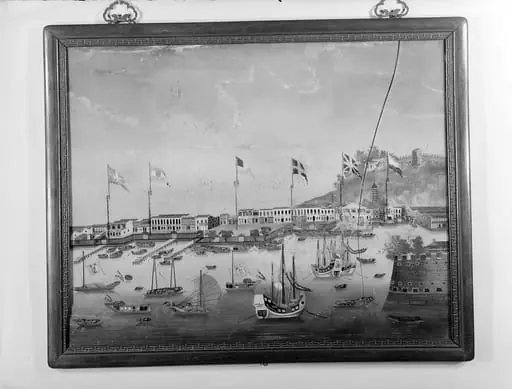 View of the Harbor at Canton
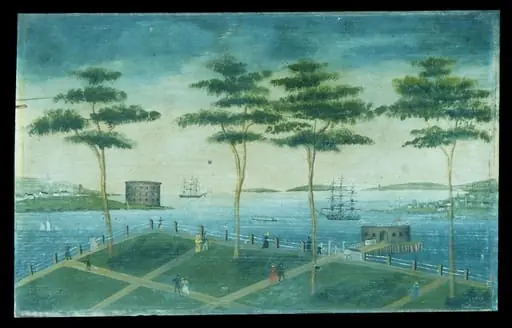 View of the Battery, New York
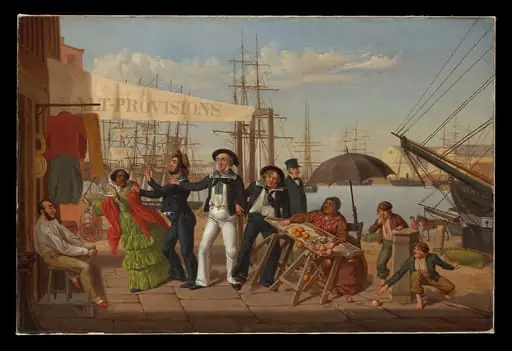 After a Long Cruise
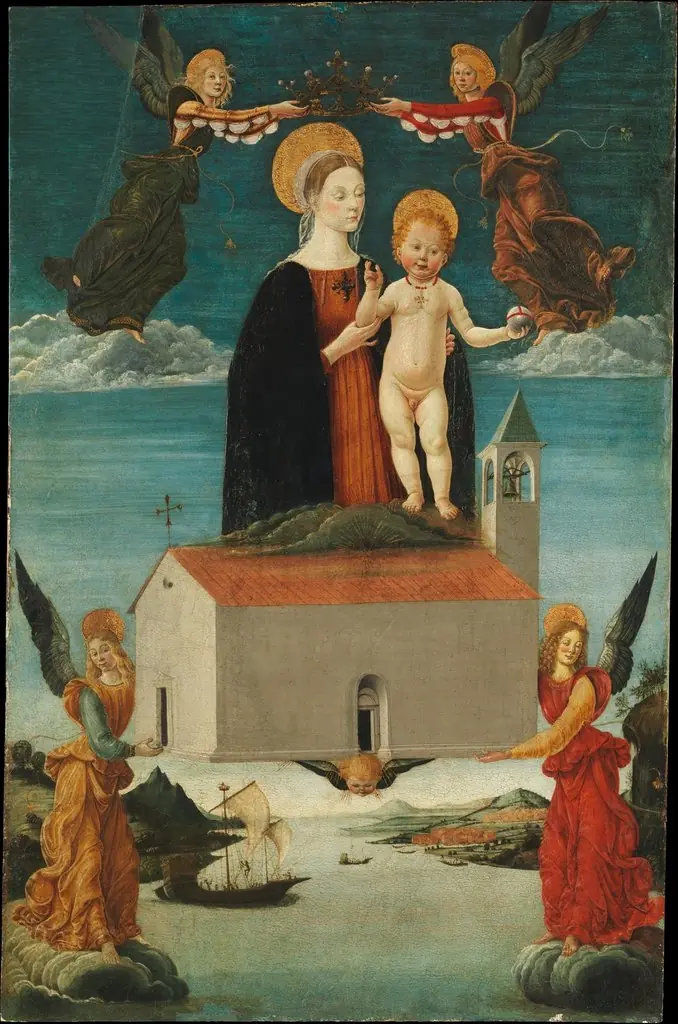 The Translation of the Holy House of Loreto
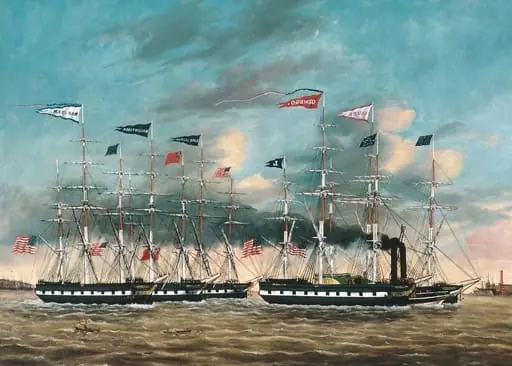 The Tow Boat Conqueror
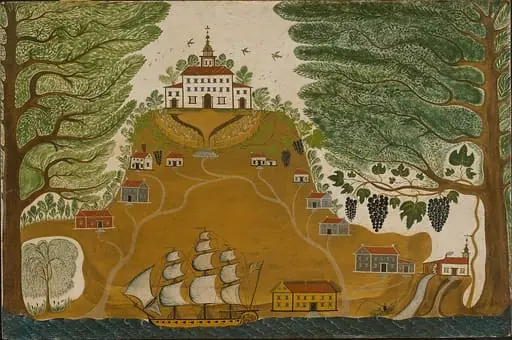 The Plantation
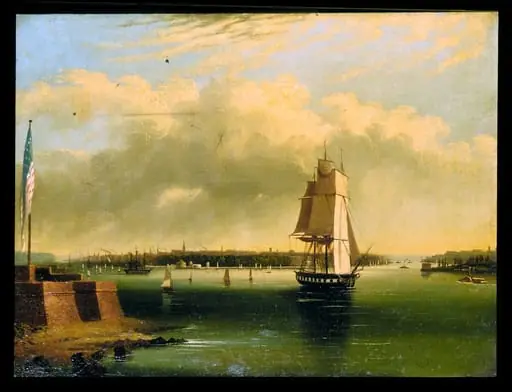 Bay and Harbor of New York from Bedlow's Island
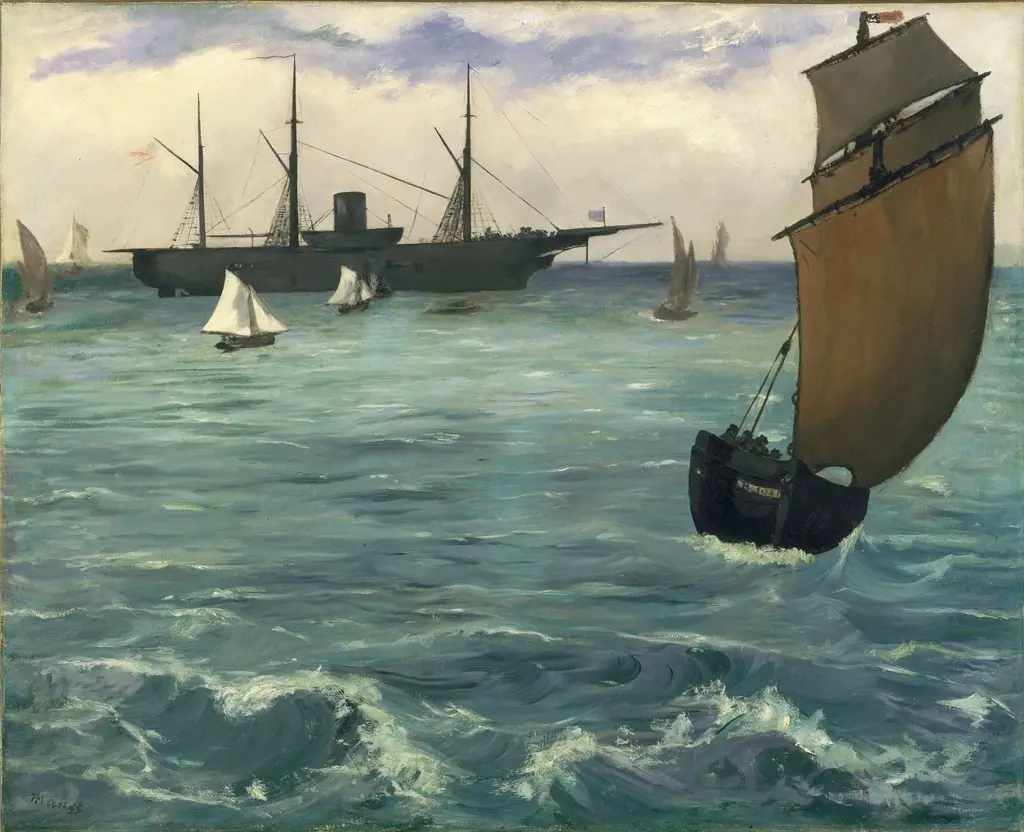 The Kearsarge at Boulogne
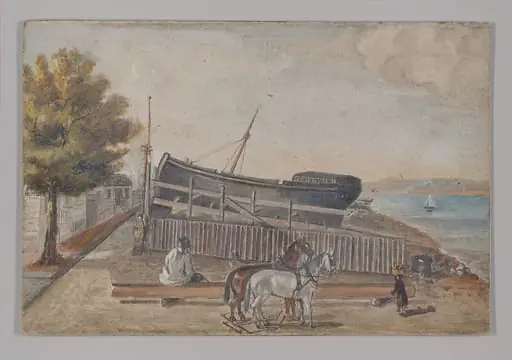 Berg's Ship Yard
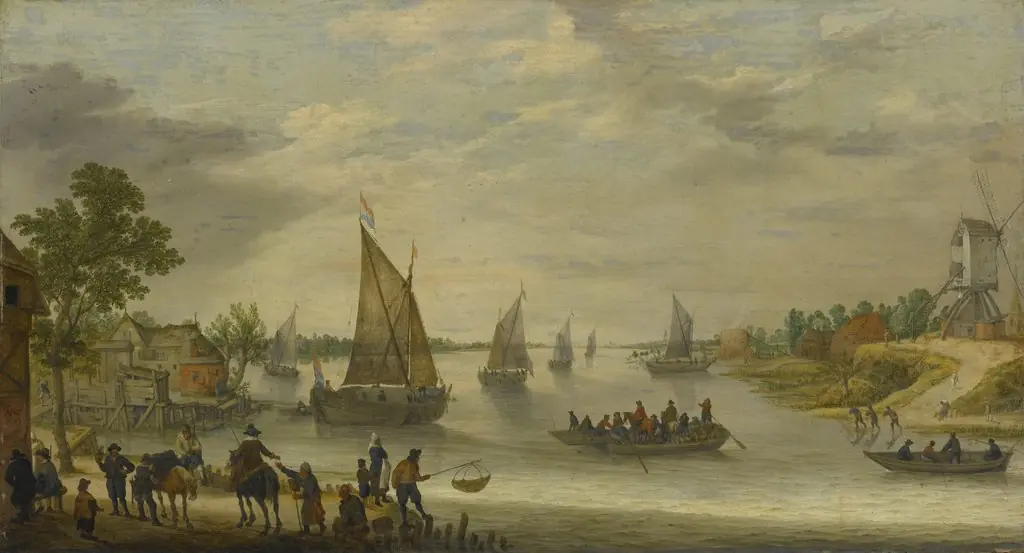 River Scene with Boats
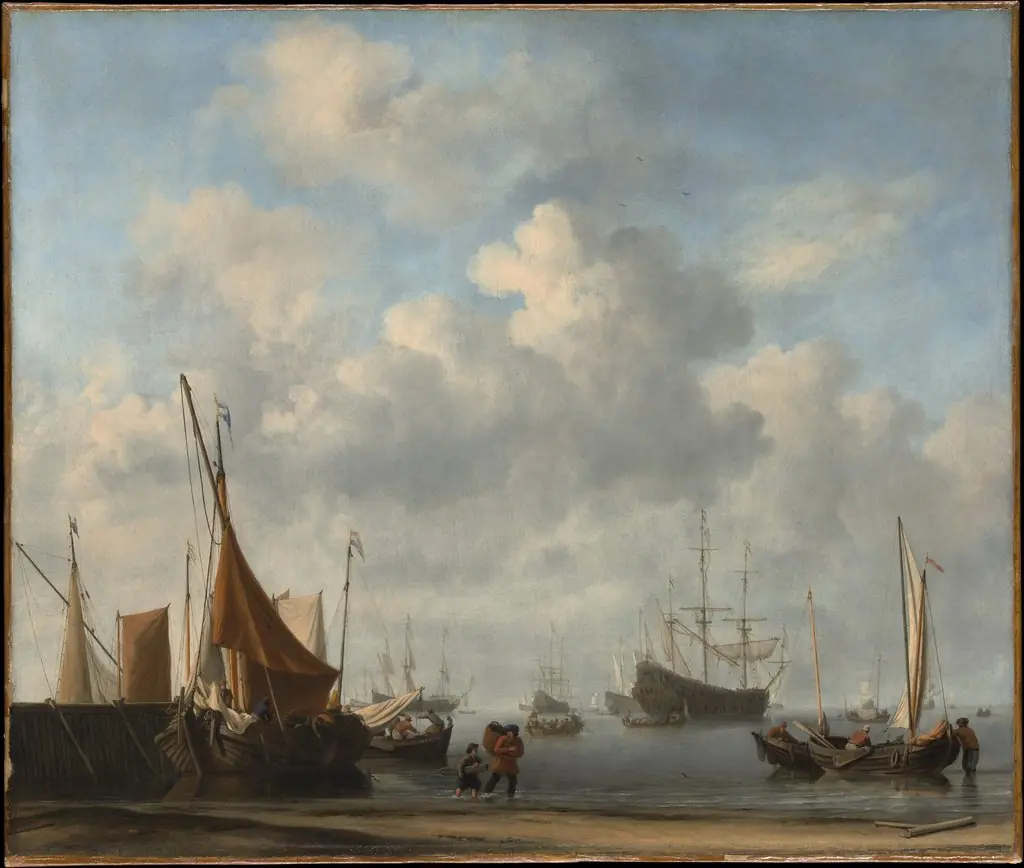 Entrance to a Dutch Port
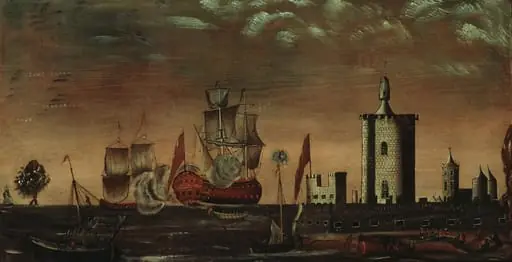 Seascape Fantasy
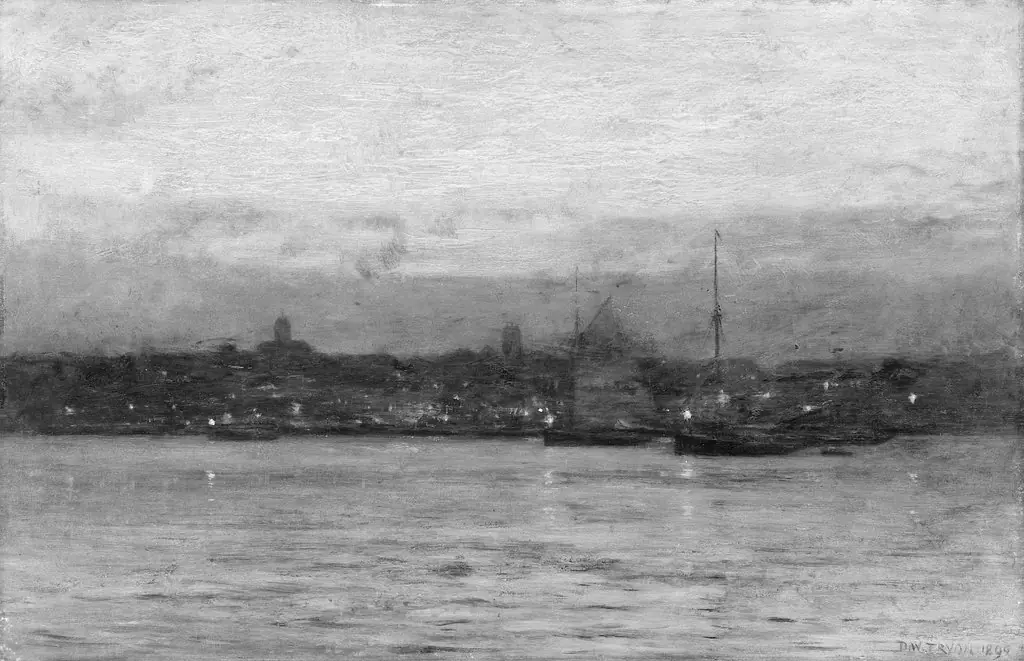 Evening, New Bedford Harbor
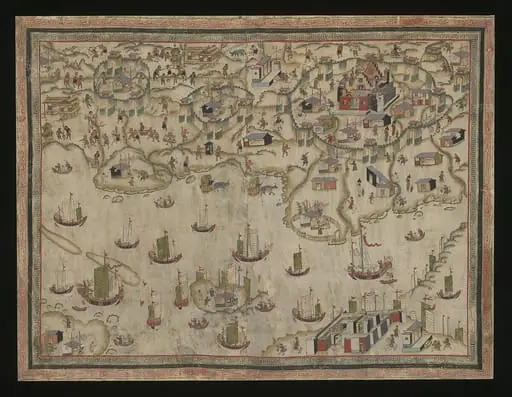 清 佚名 台南地區荷蘭城堡|Forts Zeelandia and Provintia and the City of Tainan
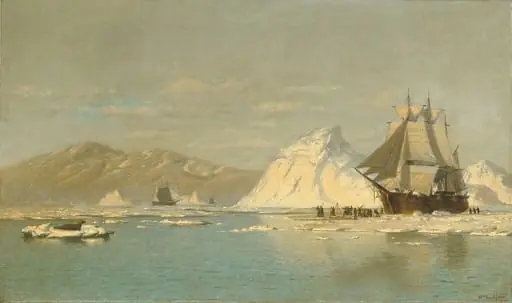 Off Greenland—Whaler Seeking Open Water
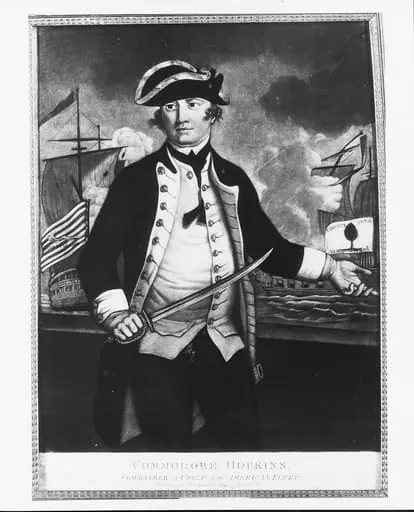 Commodore Hopkins
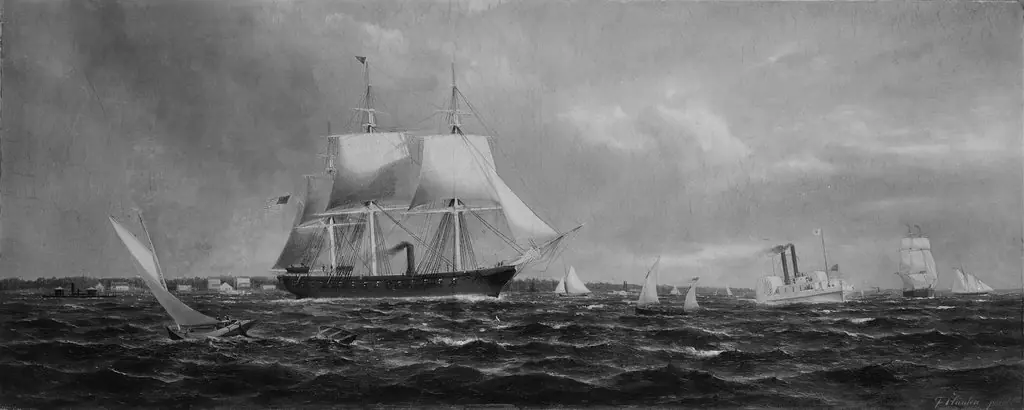 New York Bay
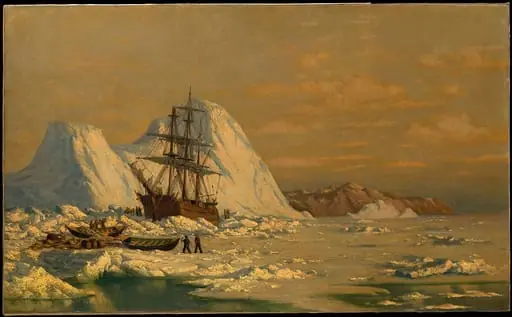 An Incident of Whaling
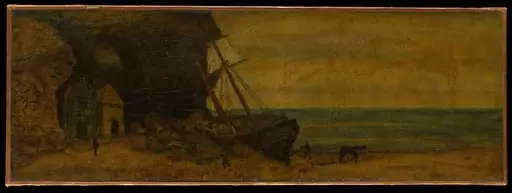 The Smugglers' Cove
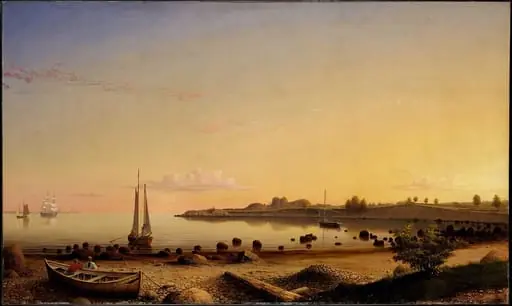 Stage Fort across Gloucester Harbor
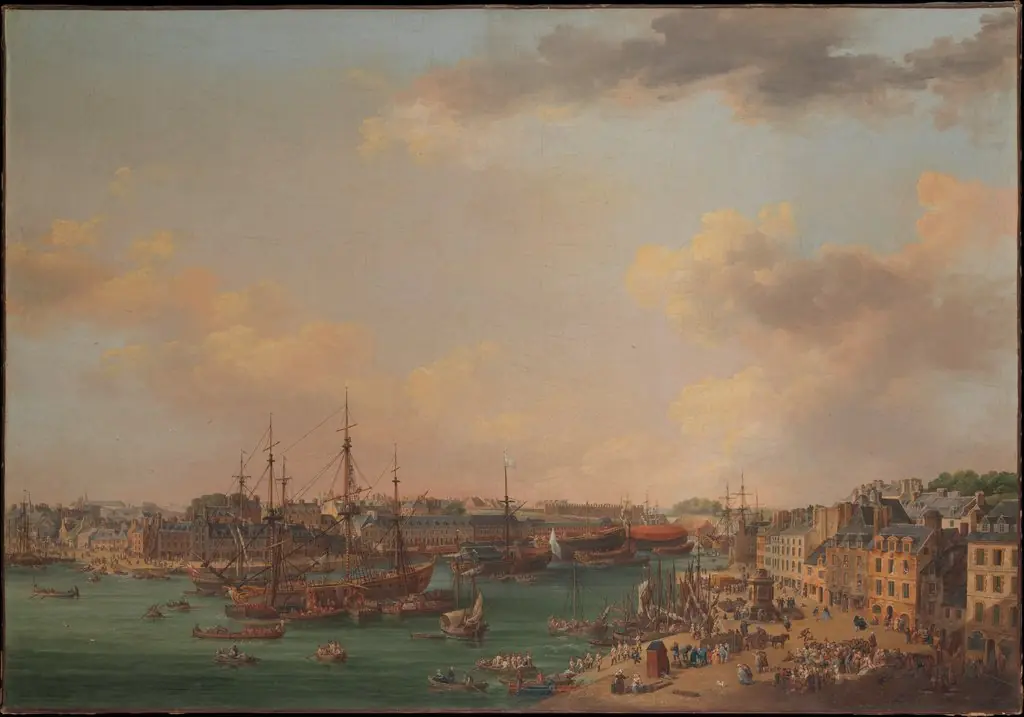 The Outer Harbor of Brest
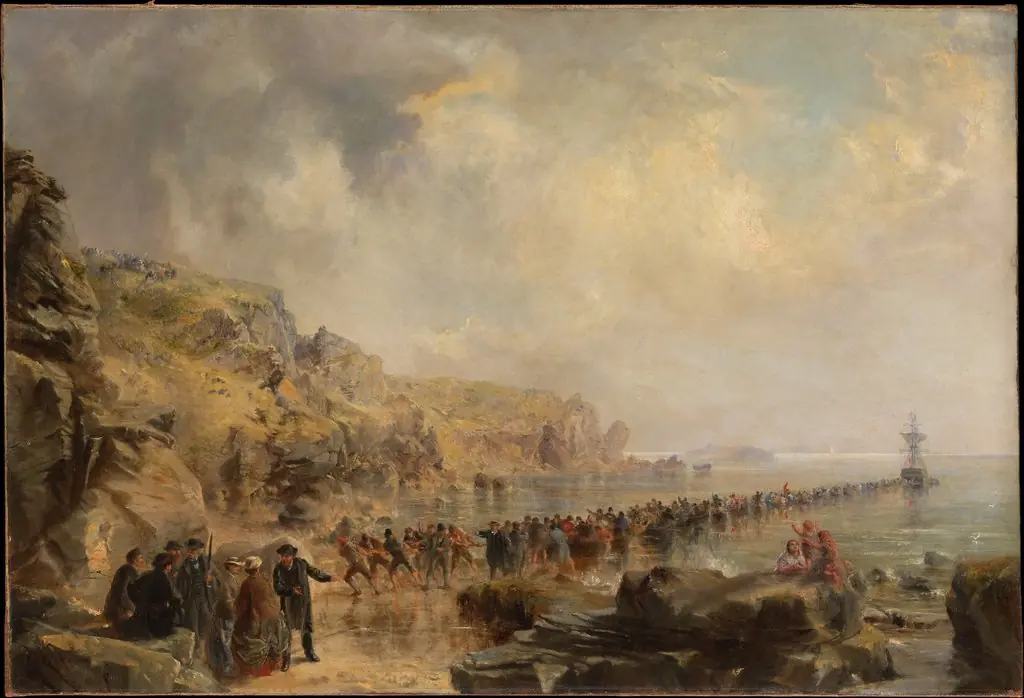 Landing the Shore End of the Atlantic Cable
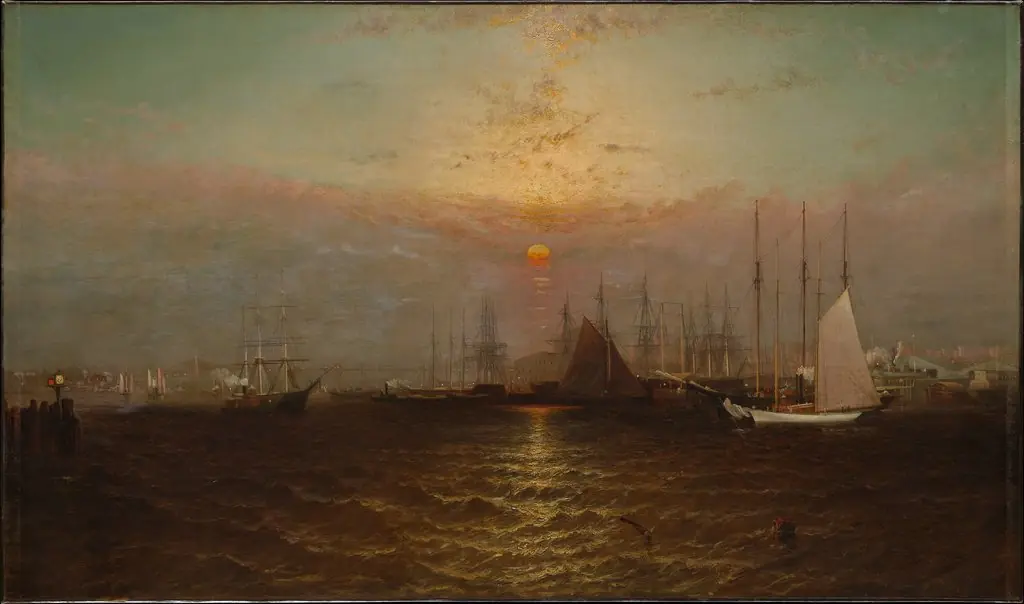 New York Harbor with Brooklyn Bridge
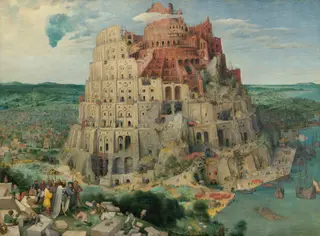 The Tower of Babel
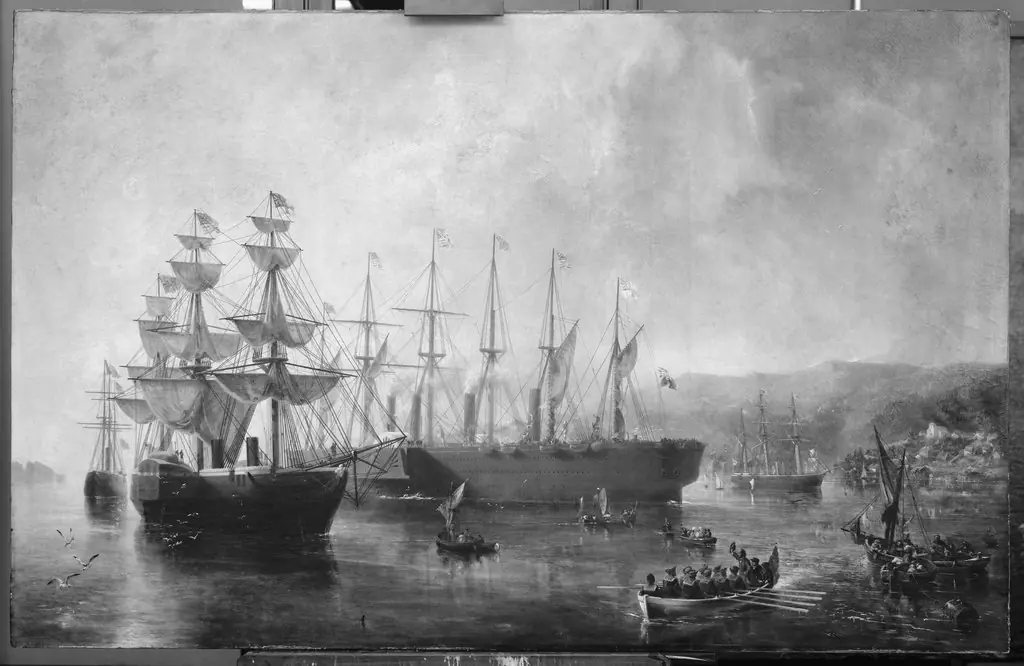 Homeward Bound: "The Great Eastern"
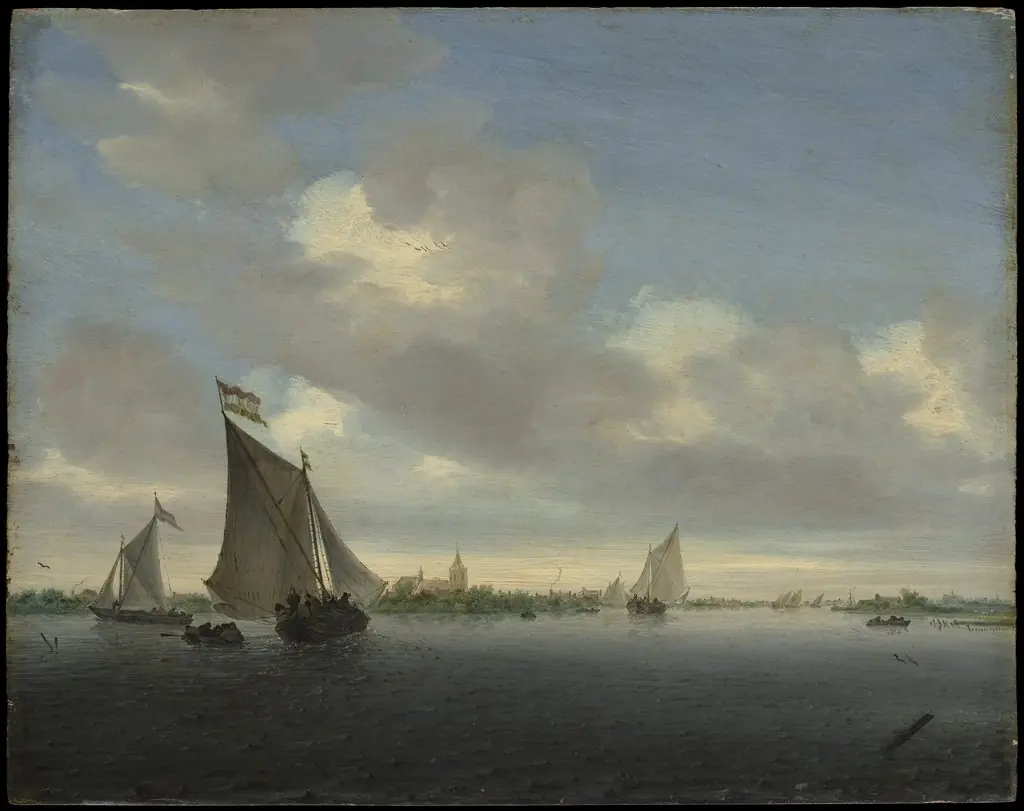 Marine
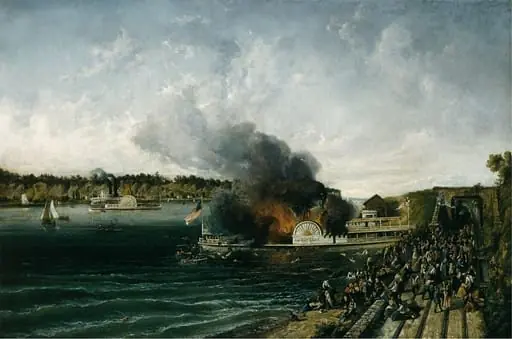 Burning of the Sidewheeler Henry Clay
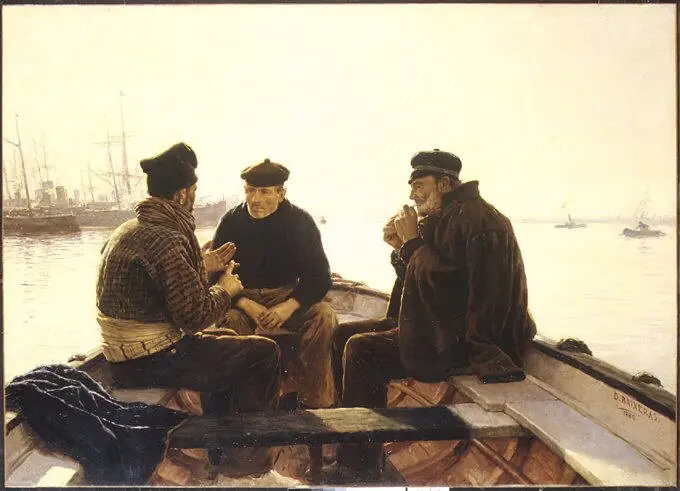 Boatmen of Barcelona
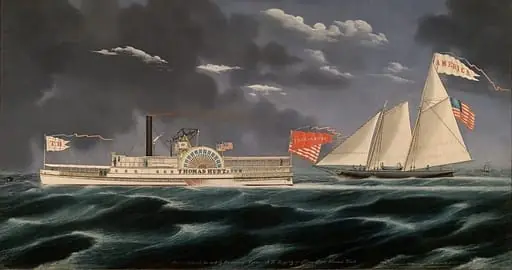 The Thomas Hunt and the America
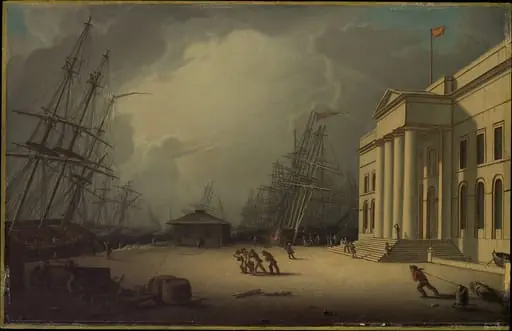 The Custom House at Greenock, Scotland
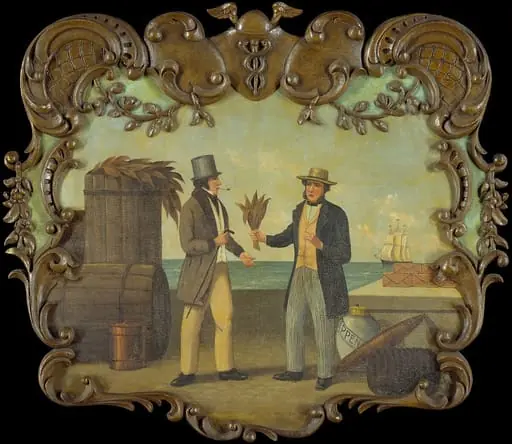 Tobacco Sign
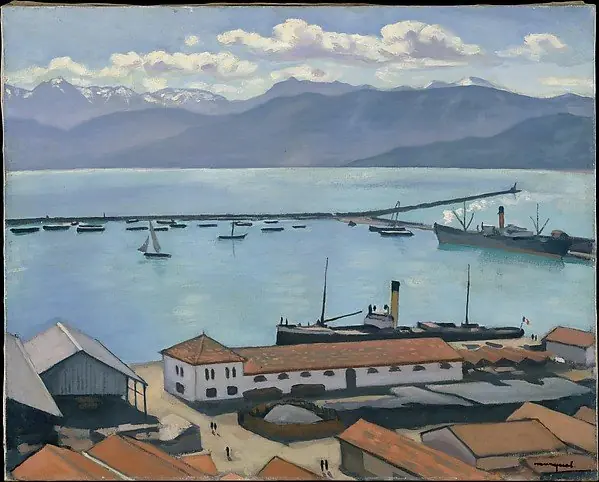 The Port de Bougie, Algiers, in Sunlight
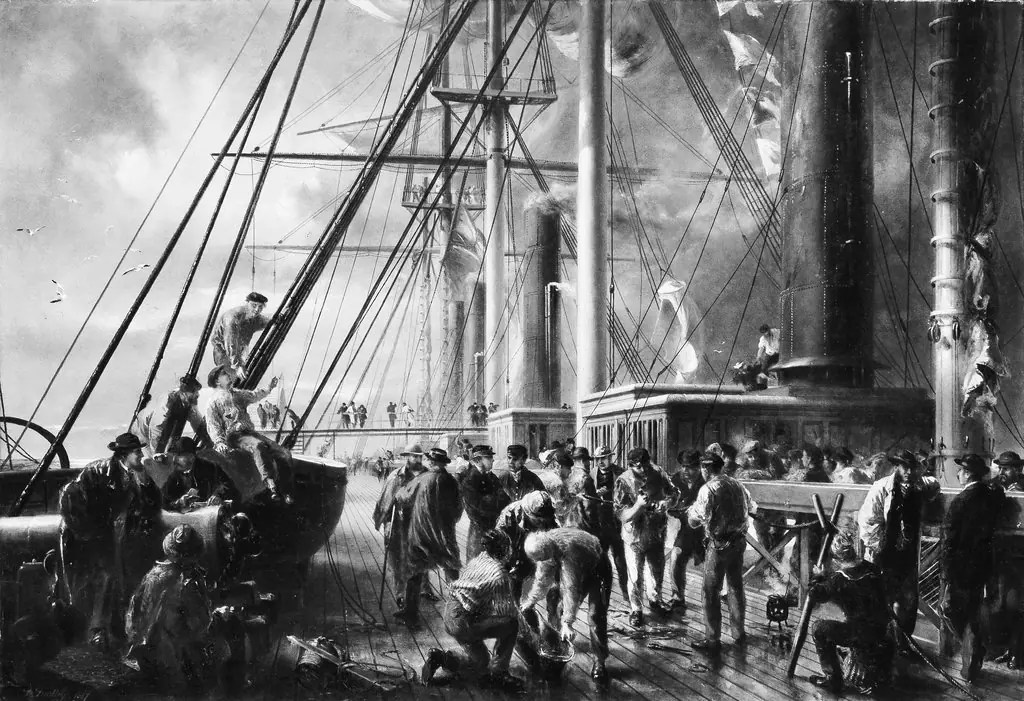 Making the Splice between the Shore End and the Ocean Cable
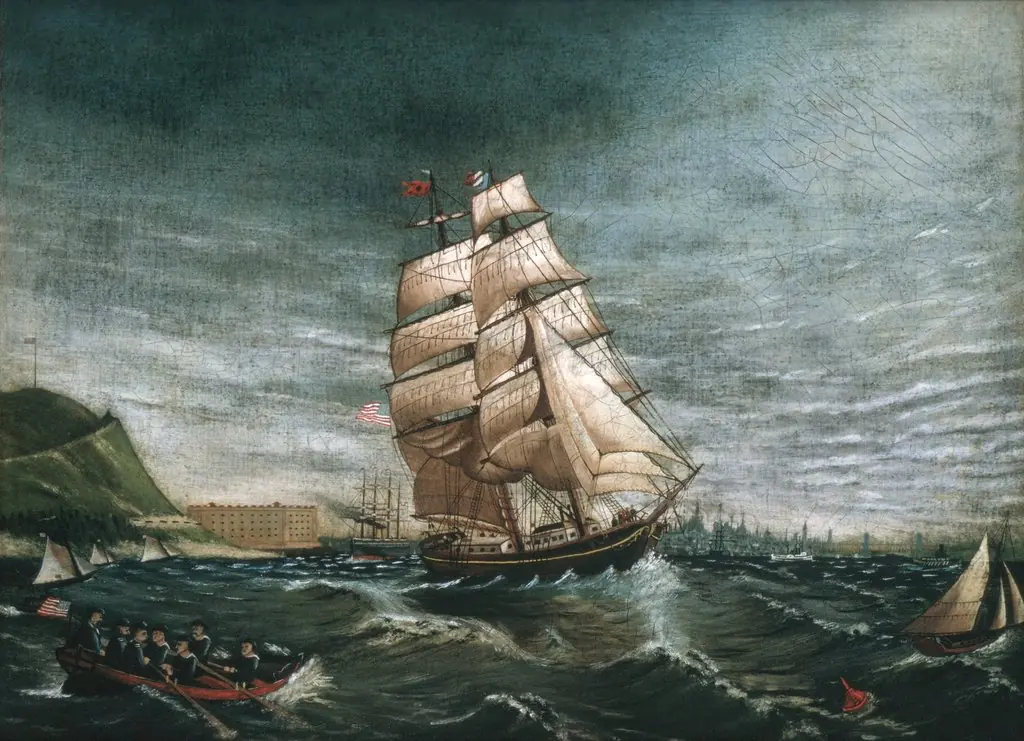 Ship in New York Harbor
 The U. S. Ship Franklin, with a View of the Bay of New York
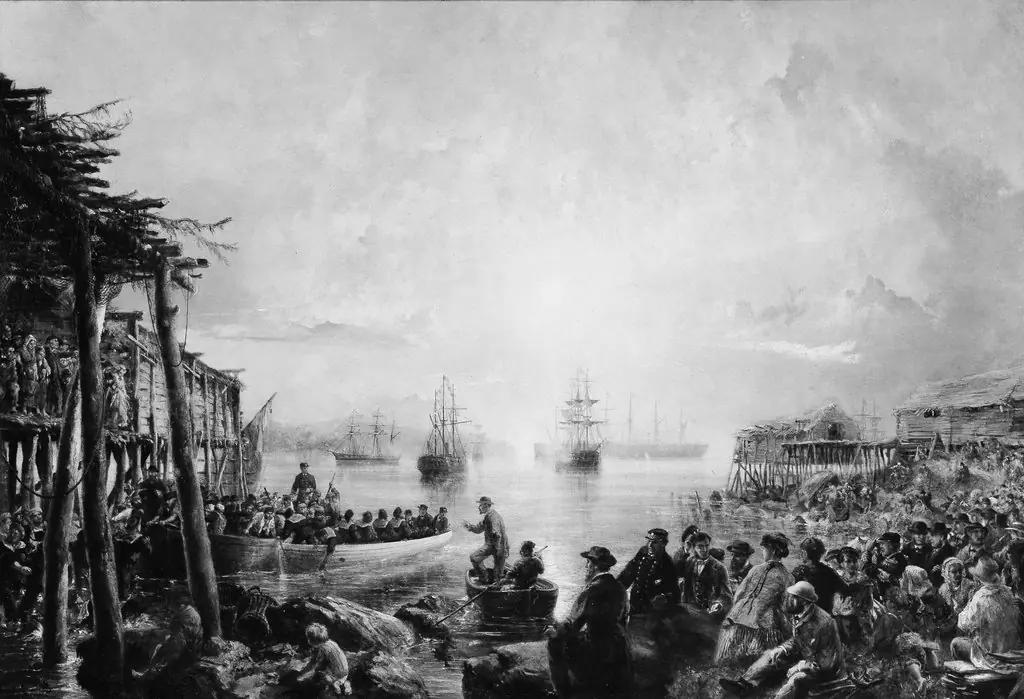 Landing at Newfoundland
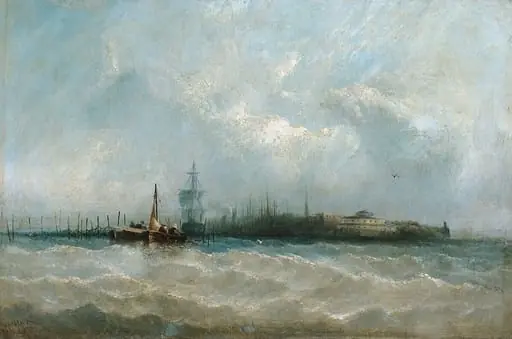 New York from the Harbor Showing the Battery and Castle Garden
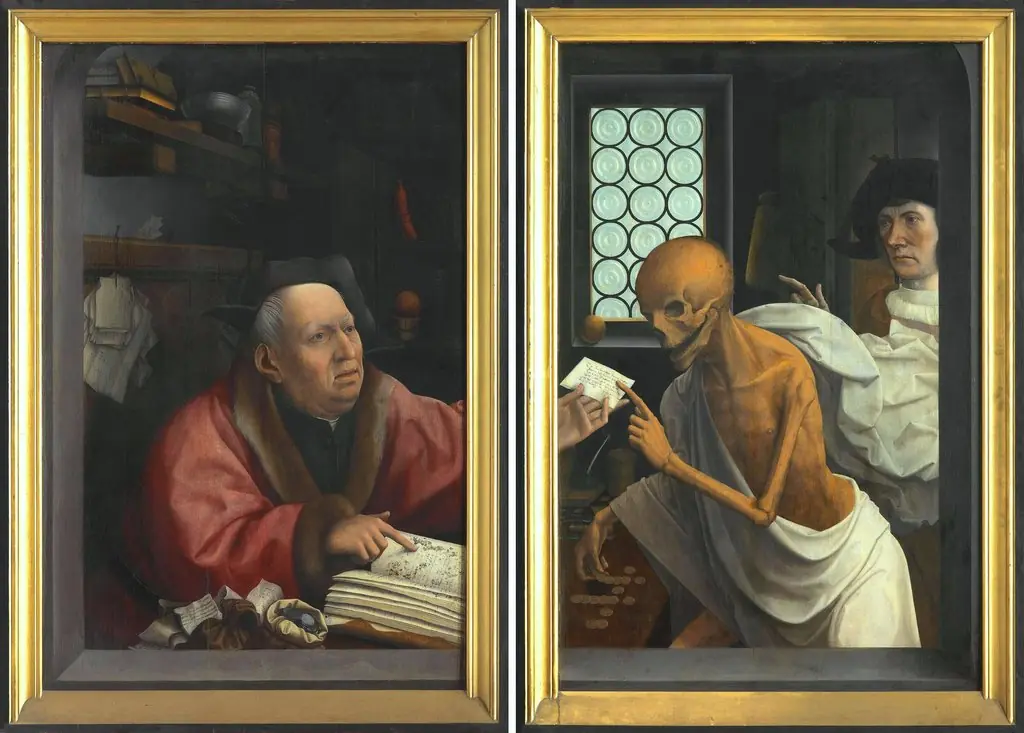 Death and the Miser (outer doors); St. Nicolas with donor and St. Godelieve with donor (inner doors)
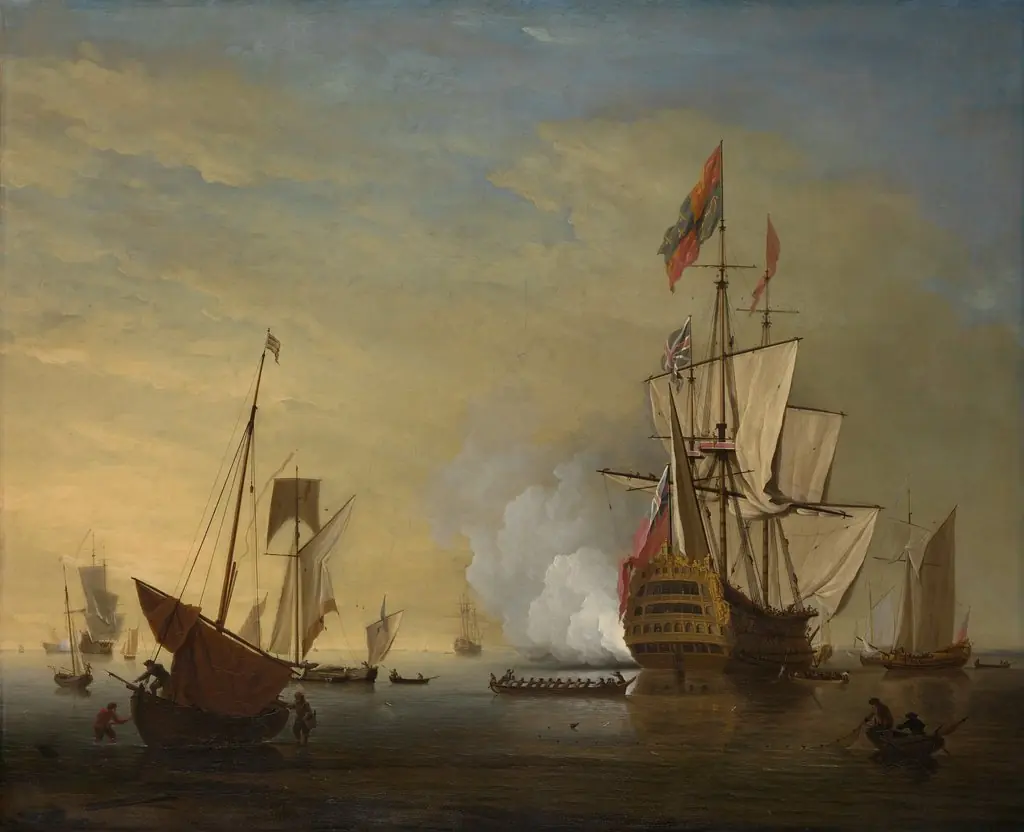 Harbor Scene: An English Ship with Sails Loosened Firing a Gun
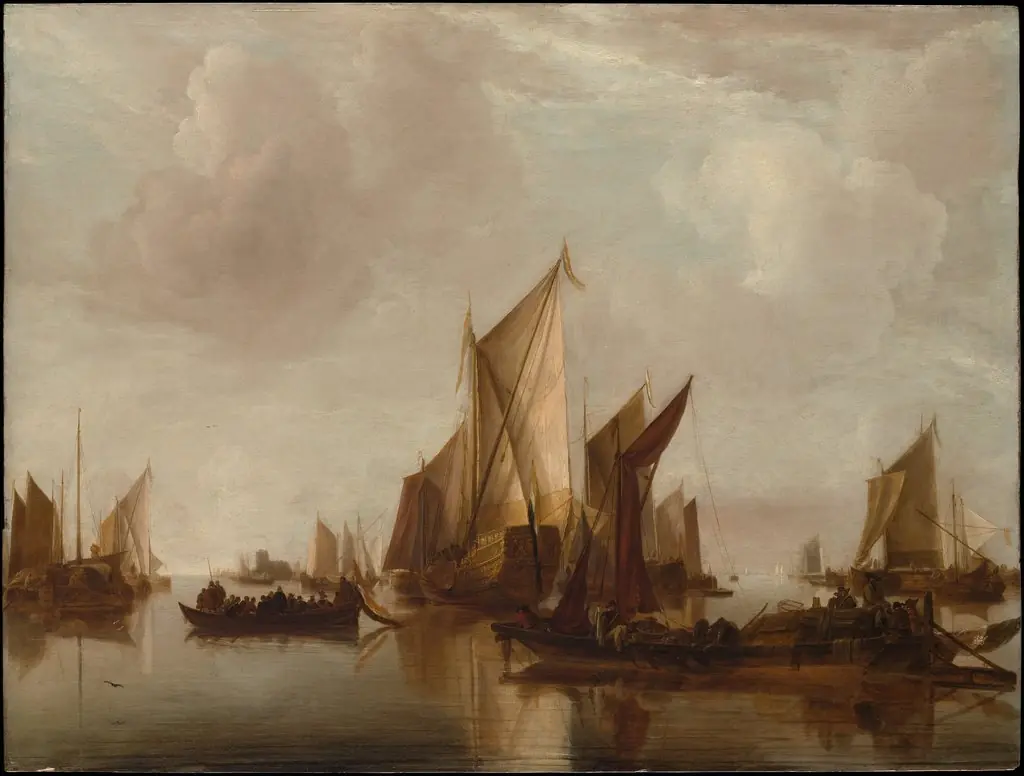 A State Yacht and Other Craft in Calm Water
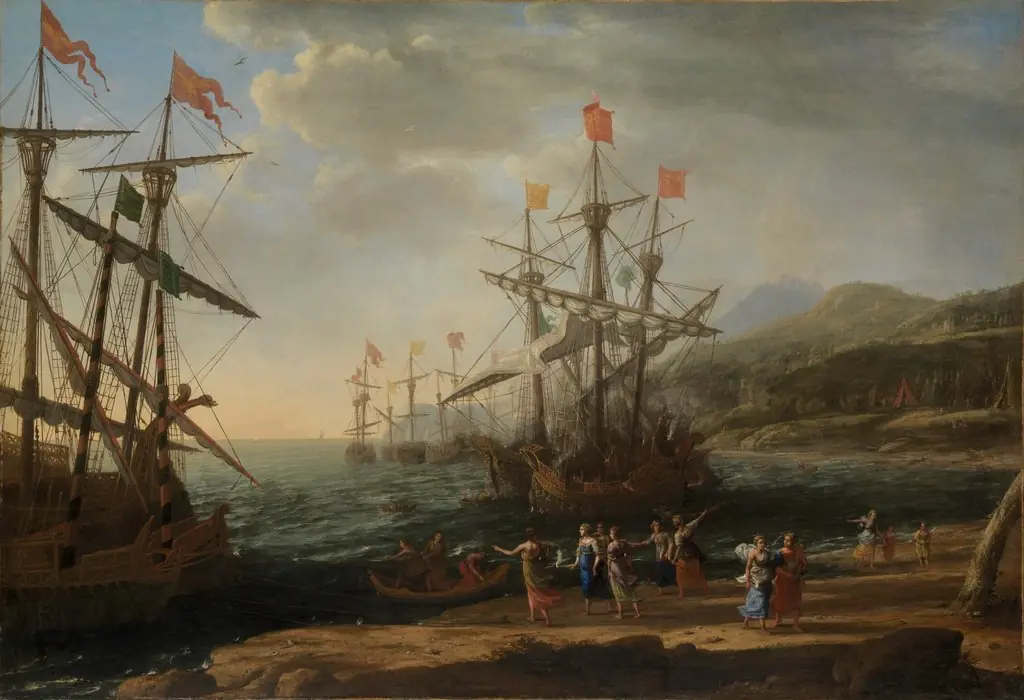 The Trojan Women Setting Fire to Their Fleet
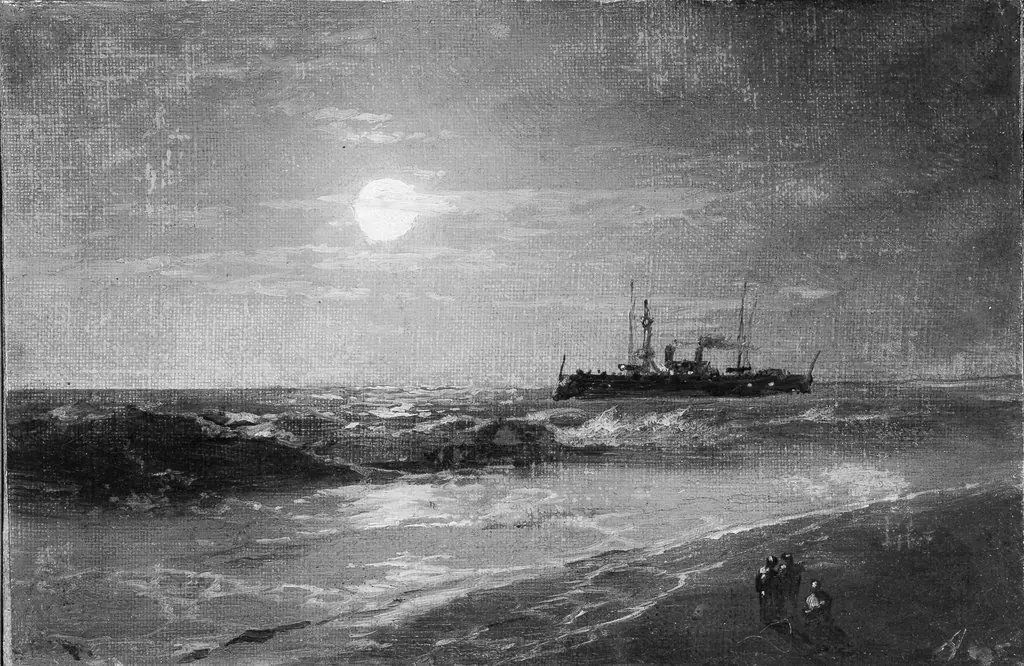 Ship by Moonlight
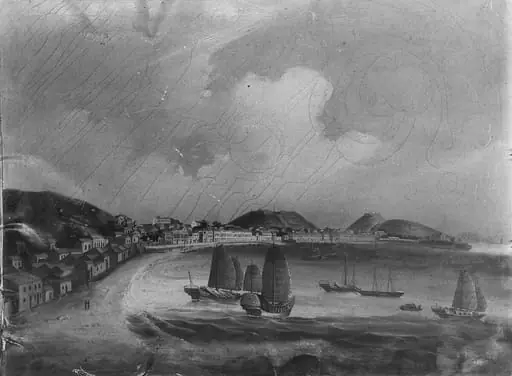 View of Macau
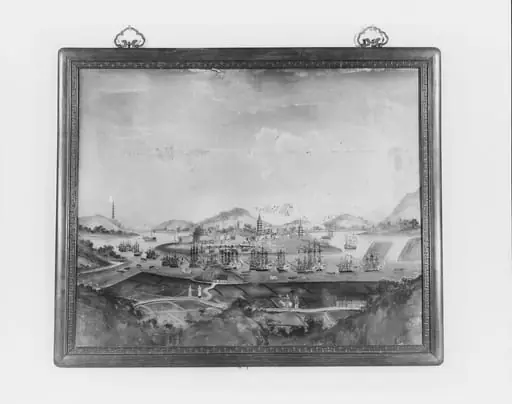 Harbor Scene
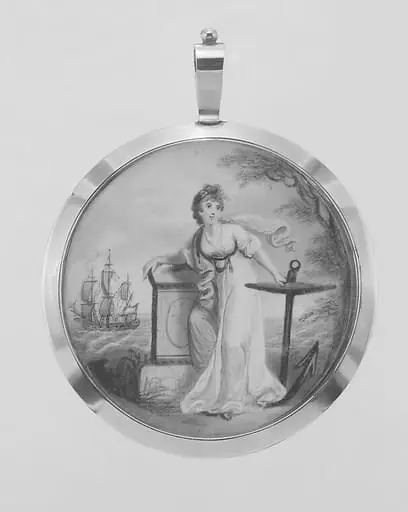 Hope
Hope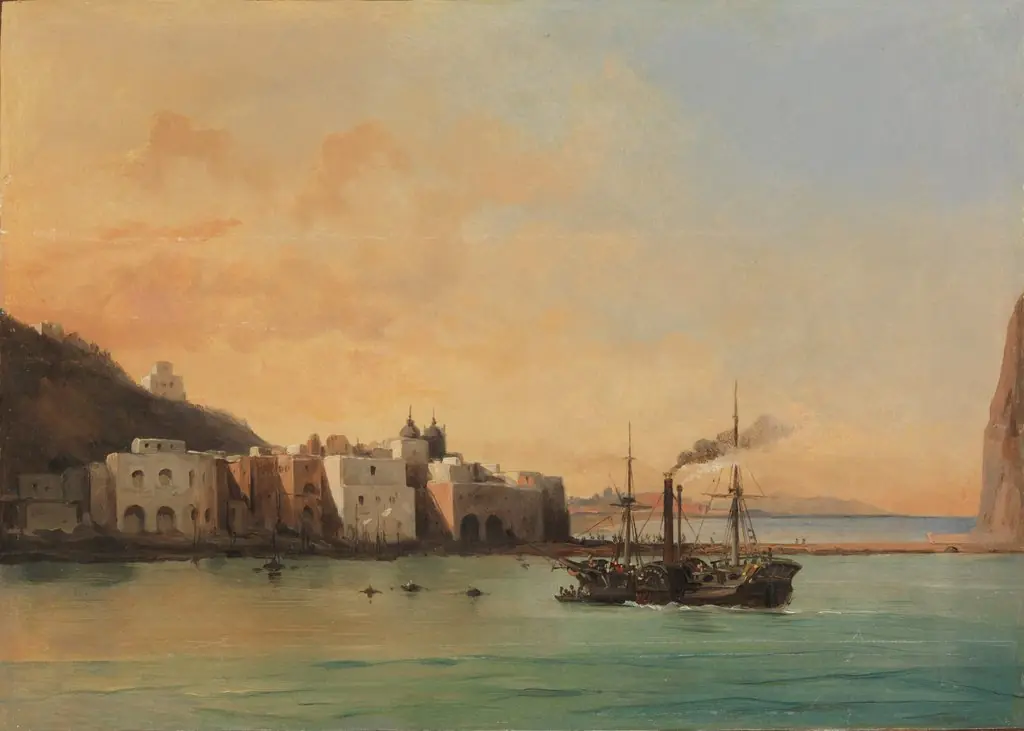 View of Ischia from the Sea
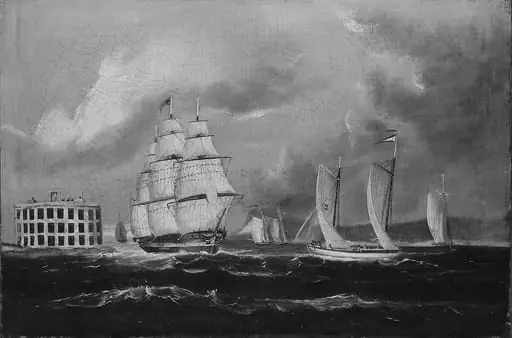 Bay and Harbor from near Fort Castle William
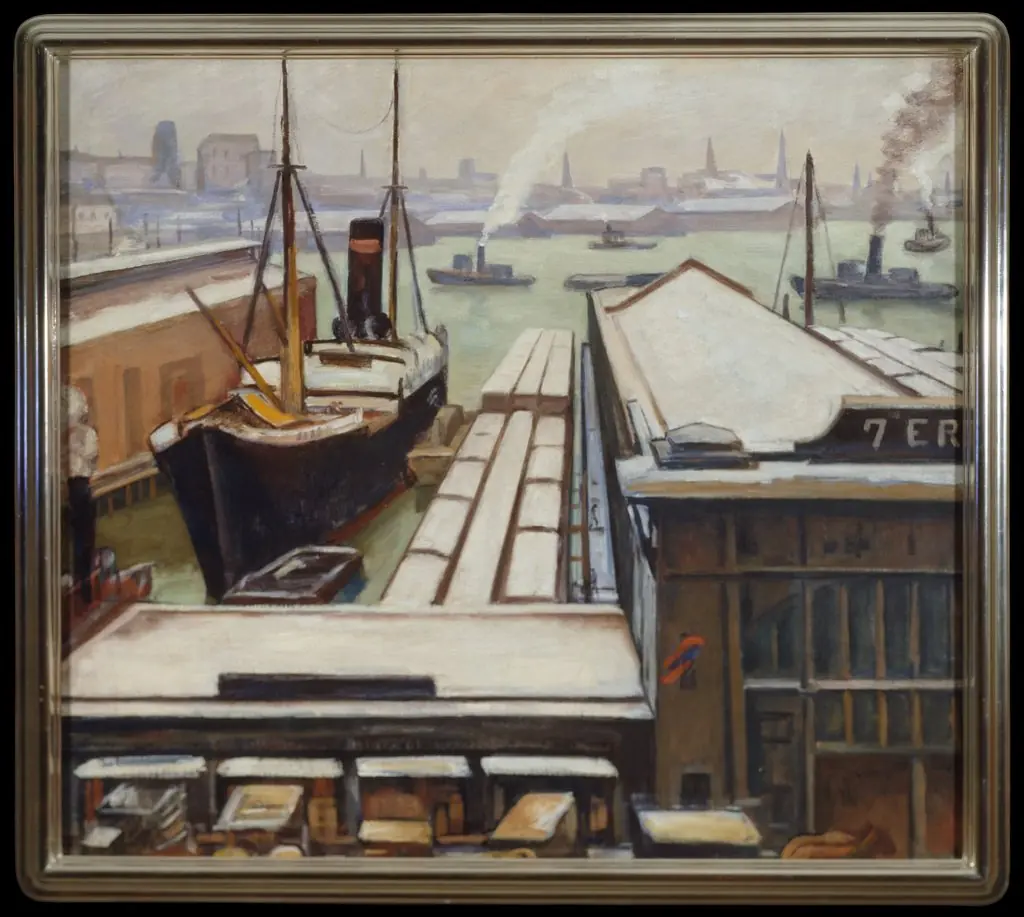 East River
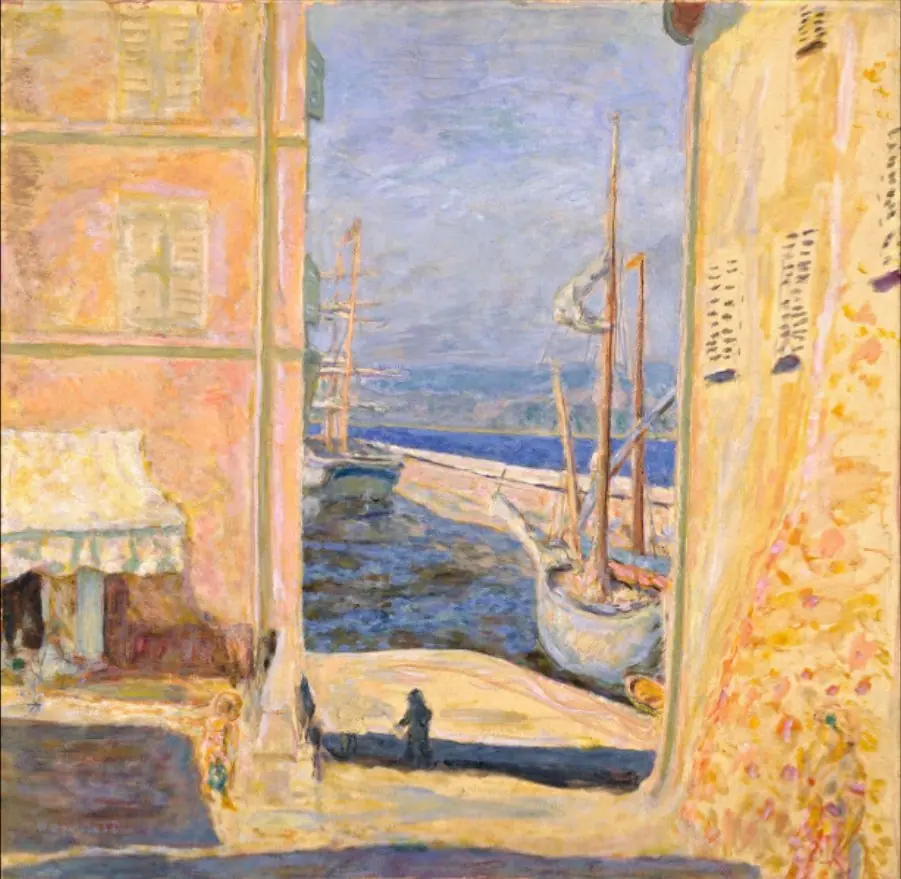 View of The Old Port, Saint-Tropez
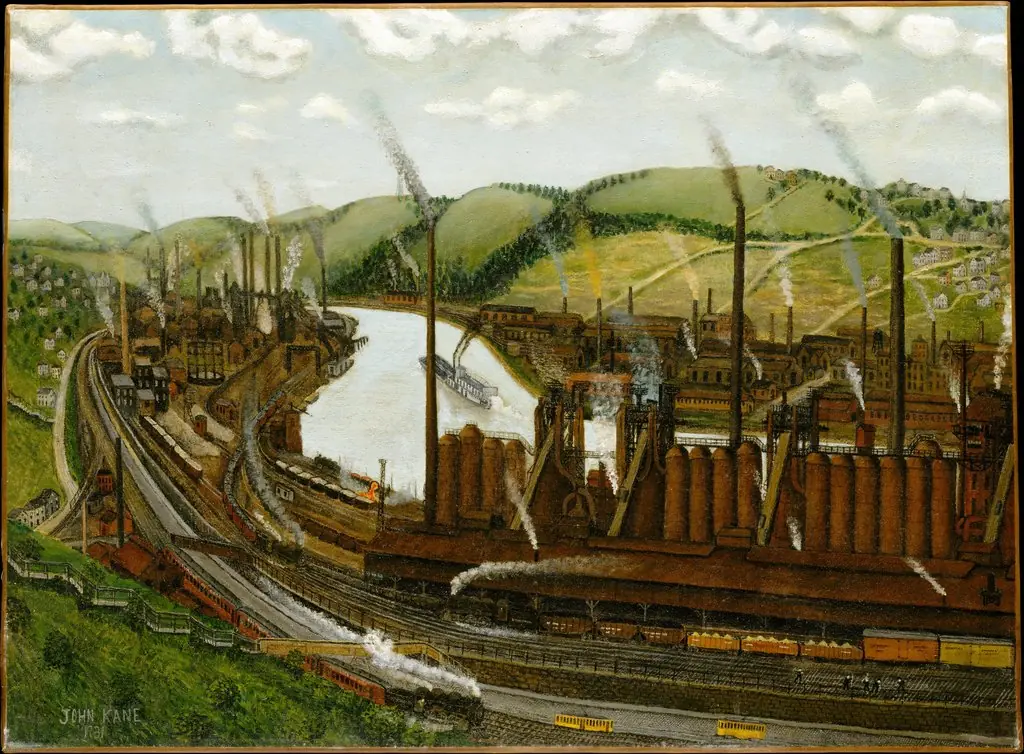 The Monongahela River Valley, Pennsylvania
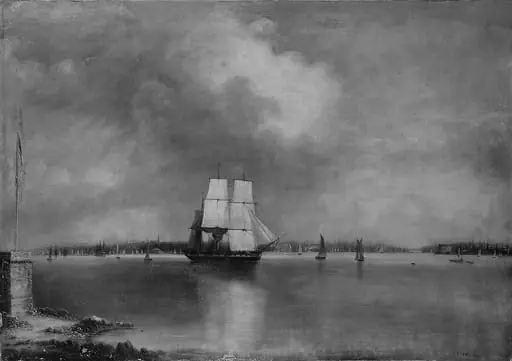 Bay and Harbor of New York from Bedlow's Island
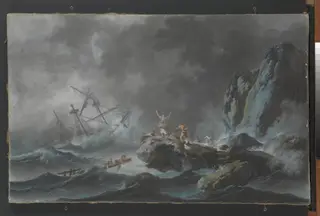 A Shipwreck in a Storm
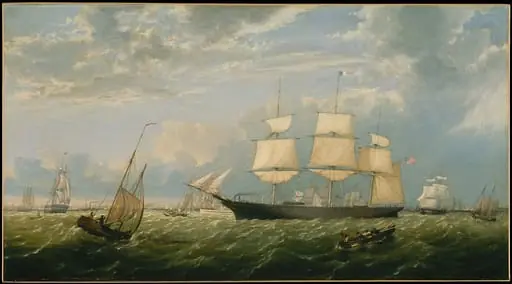 The Golden State Entering New York Harbor
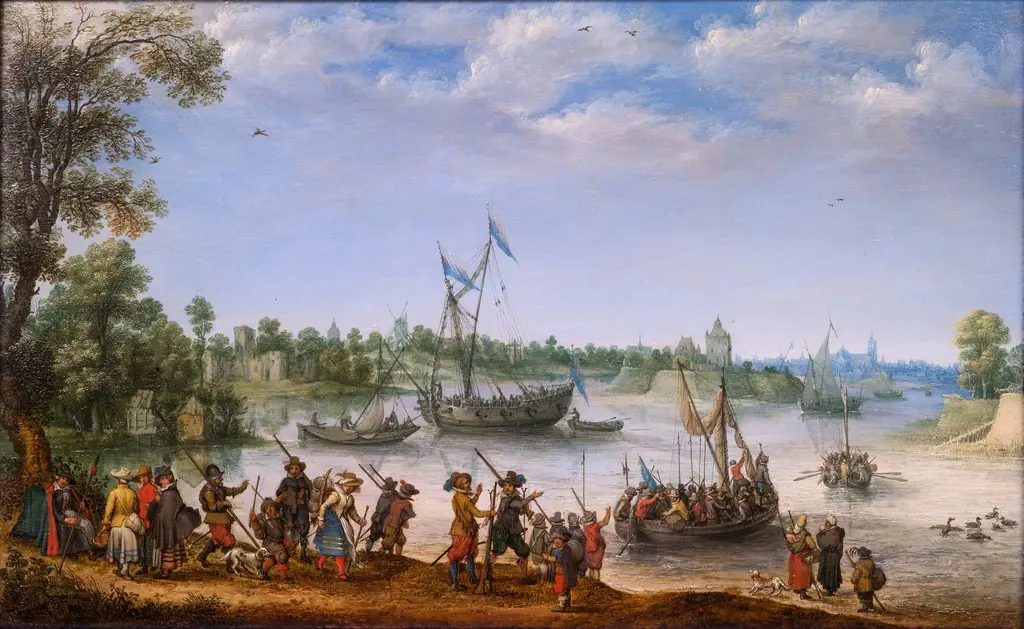 The Departure of the Pilgrim Fathers from Delfshaven on their Way to America
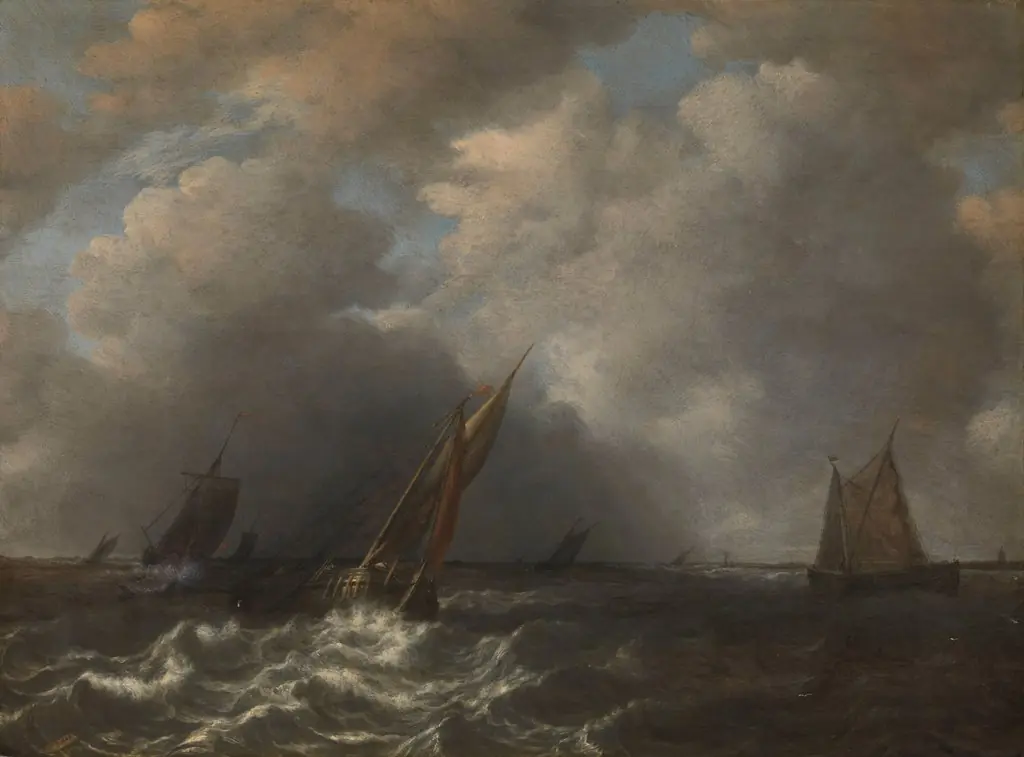 Storm on the Meuse River
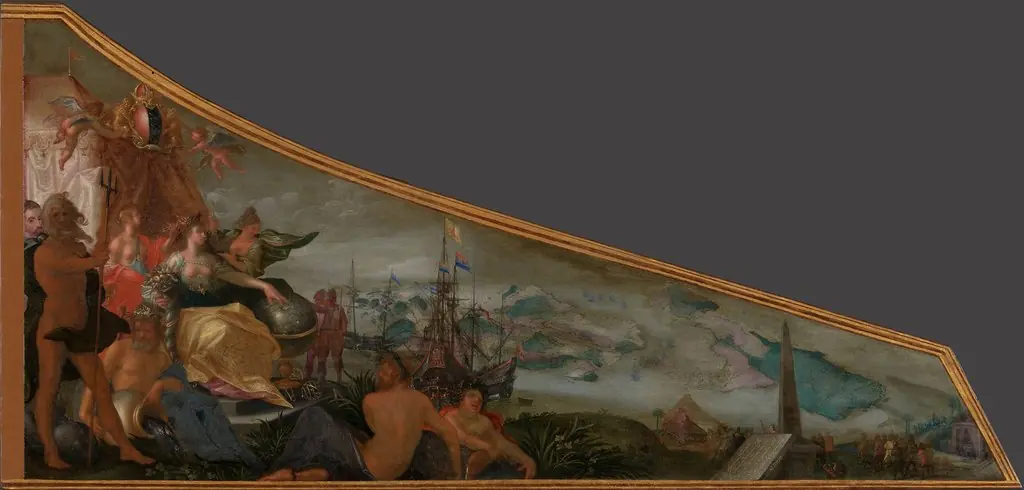 Harpsichord Lid showing an Allegory of Amsterdam as the Center of World Trade
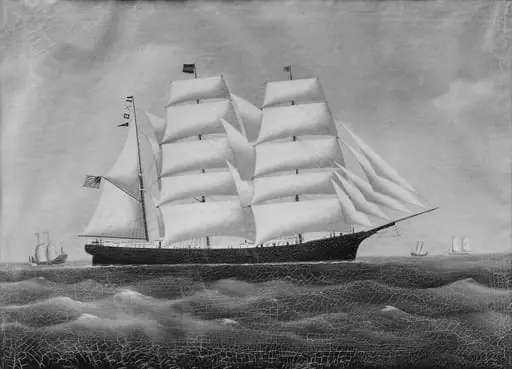 The Ship "John W. Brewer"
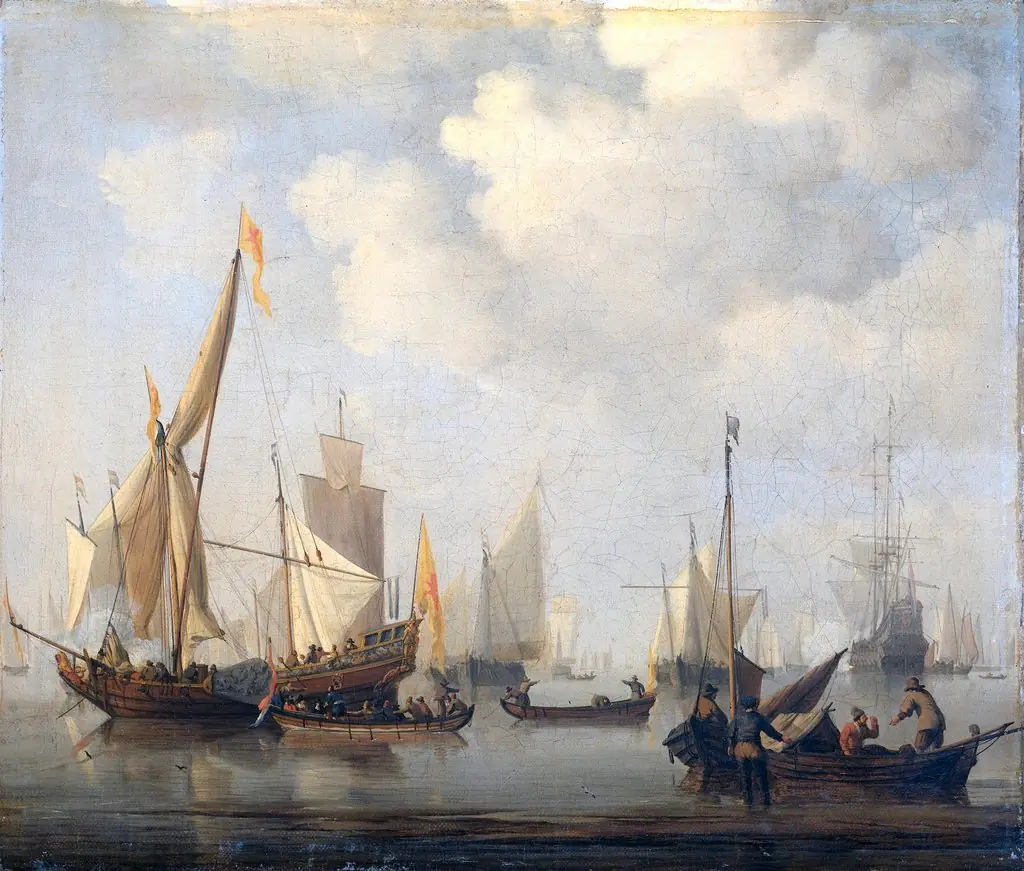 Ships in a calm
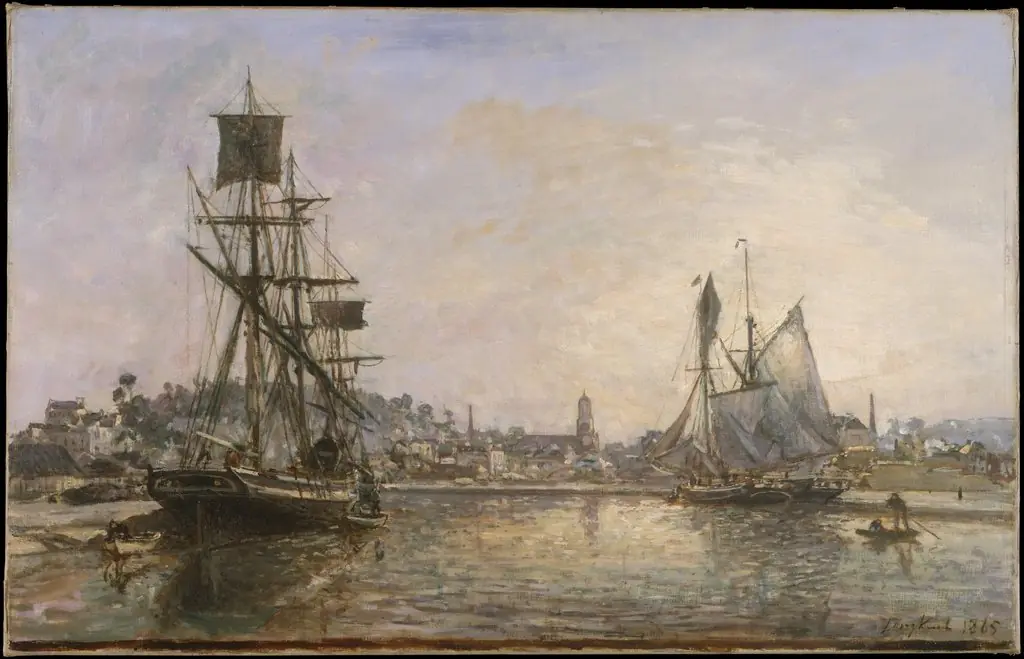 Honfleur
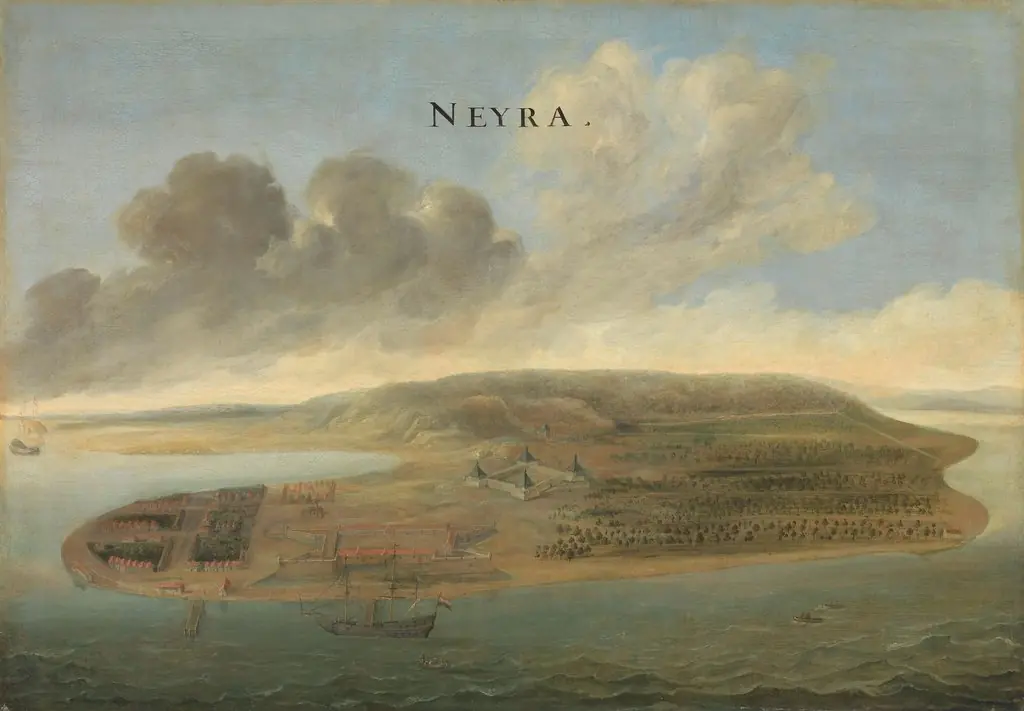 View of Banda, Southern Moluccas
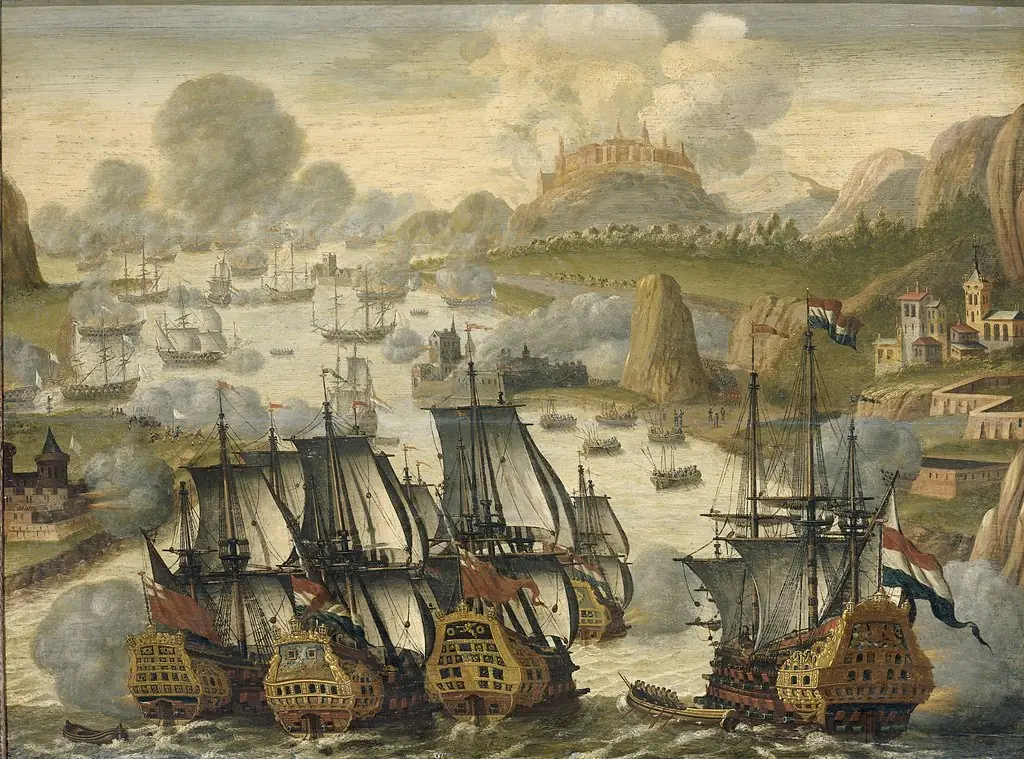 Naval Battle of Vigo Bay, 23 October 1702. Episode from the War of the Spanish Succession
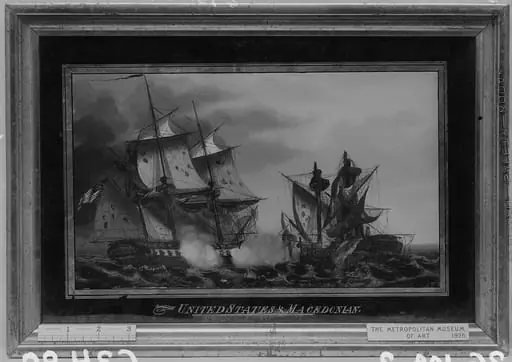 United States and Macedonian
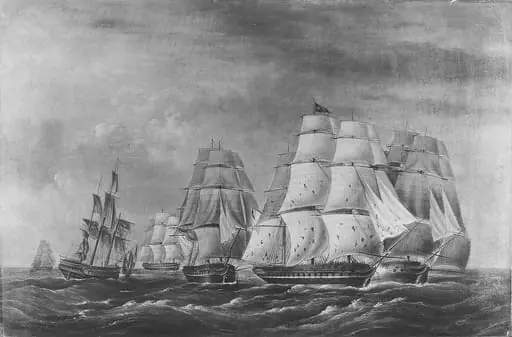 Fight Between the U.S. Frigate President and H.B.M. Endymion, January 15, 1814
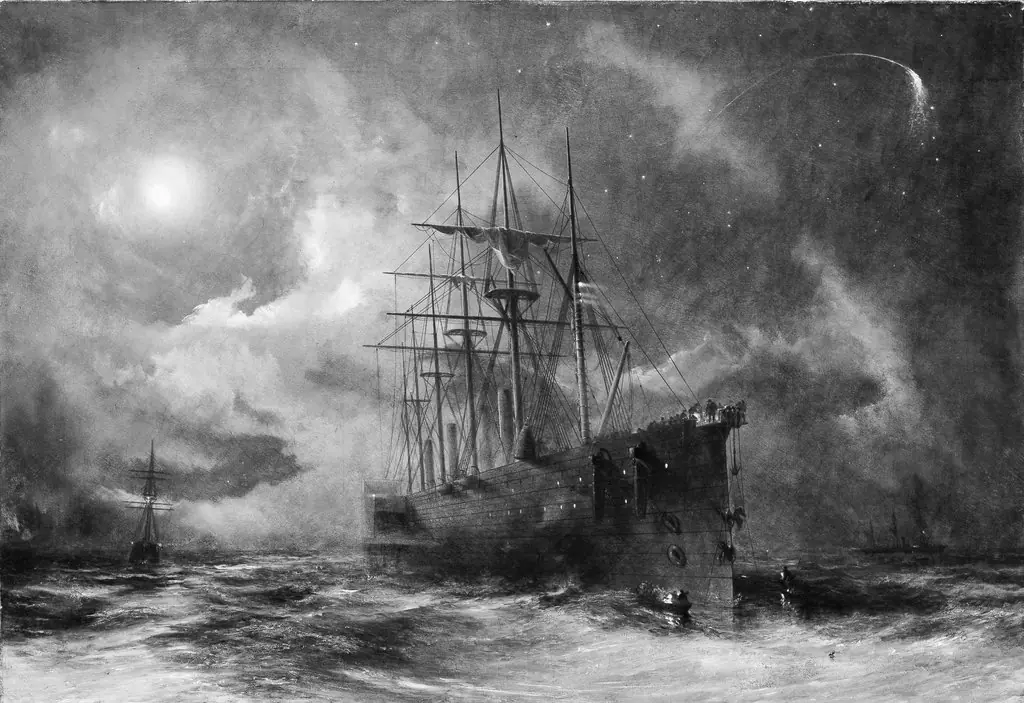 Grappling for the Lost Cable
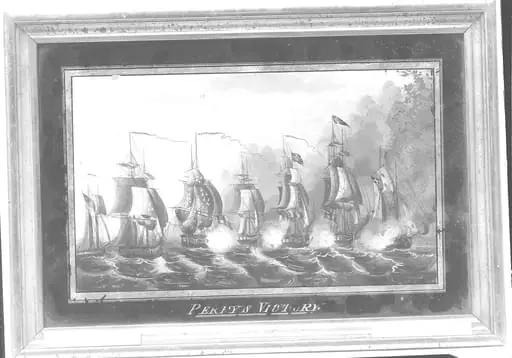 Perry's Victory
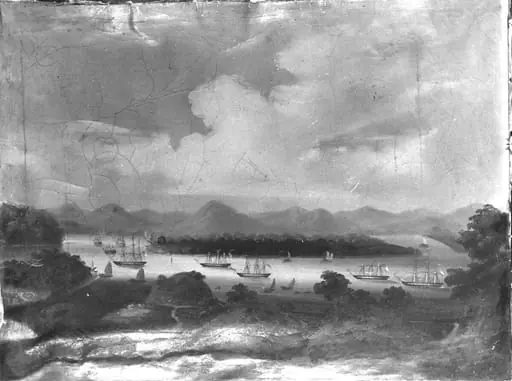 View of the Whampoa Anchorage
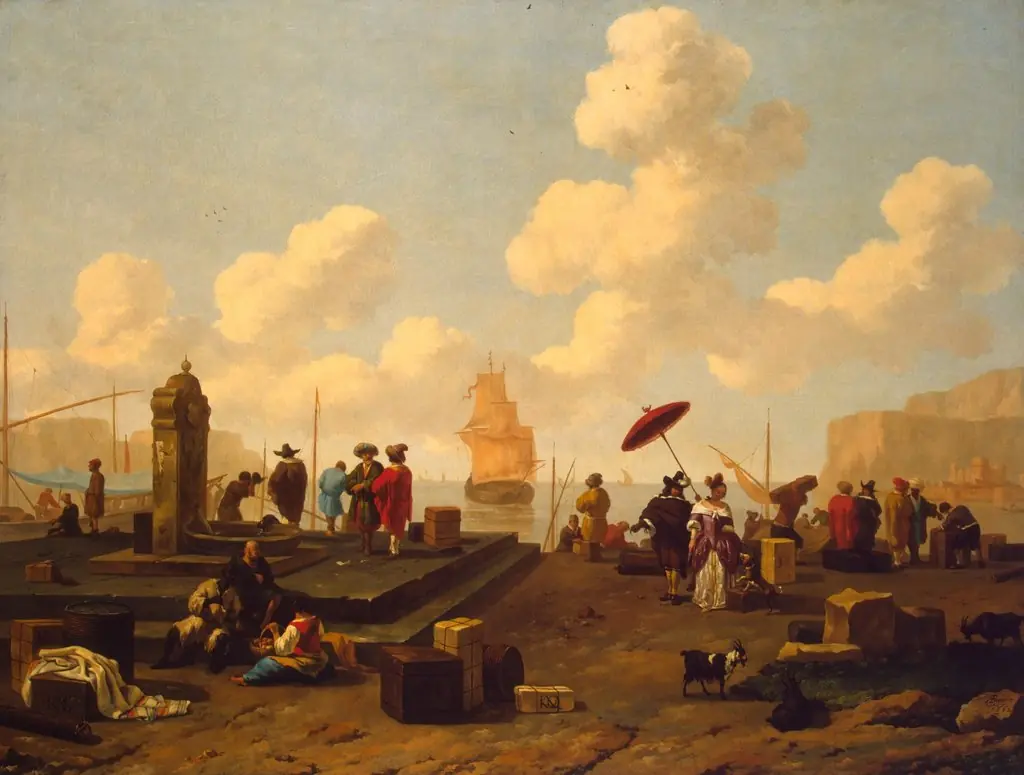 A Strand of the Sea
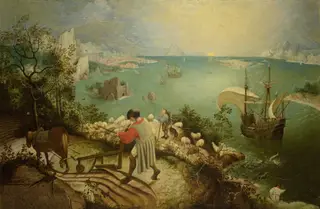 Landscape with the Fall of Icarus
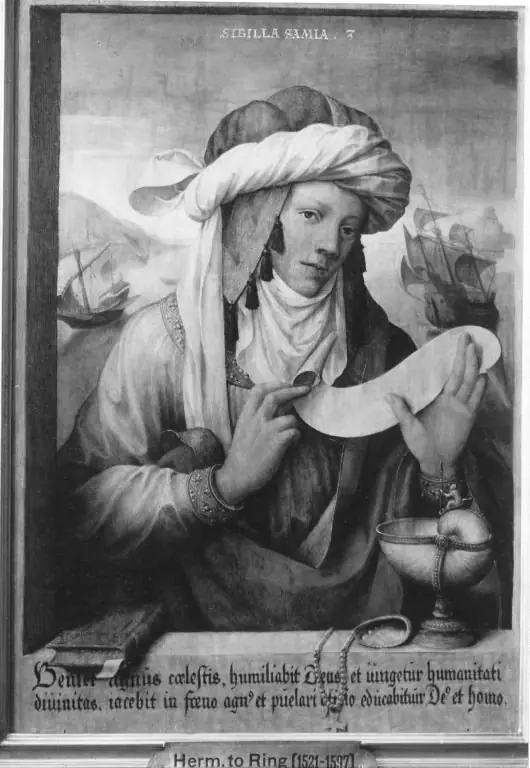 Sibylla Samia
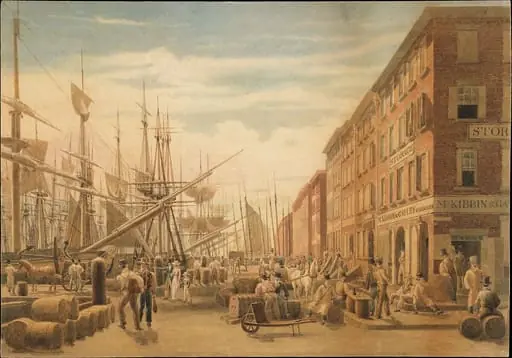 View of South Street, from Maiden Lane, New York City
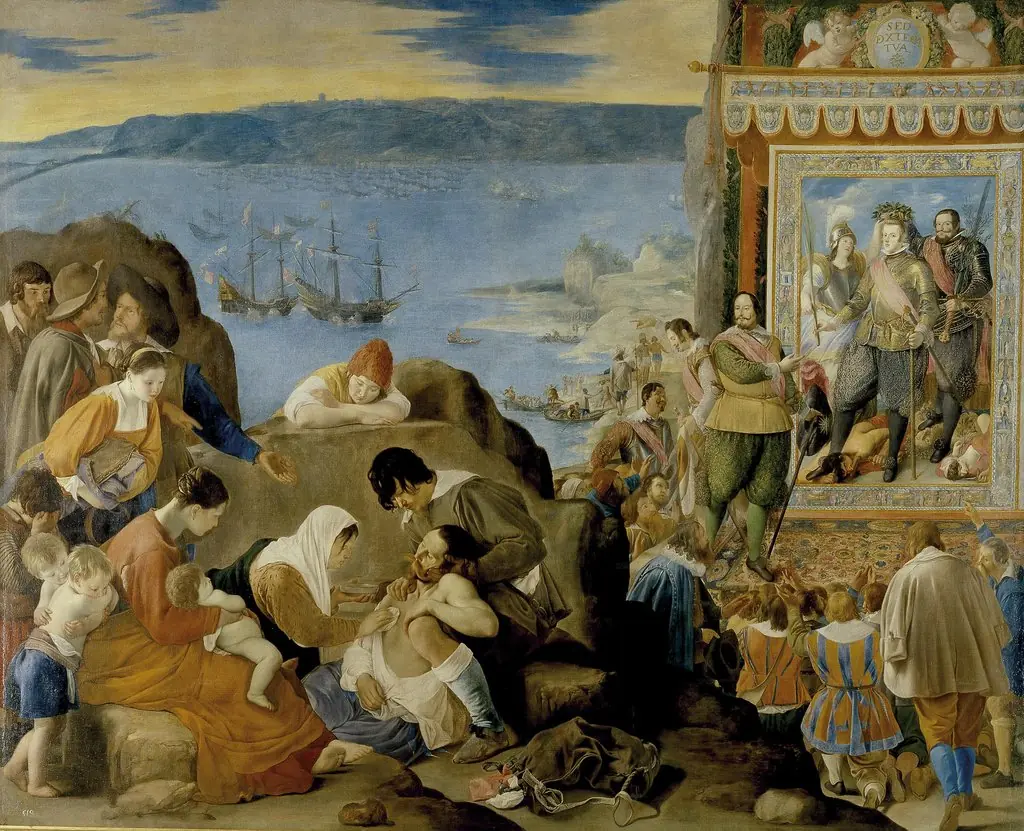 The Recovery of Bahía de Todos los Santos
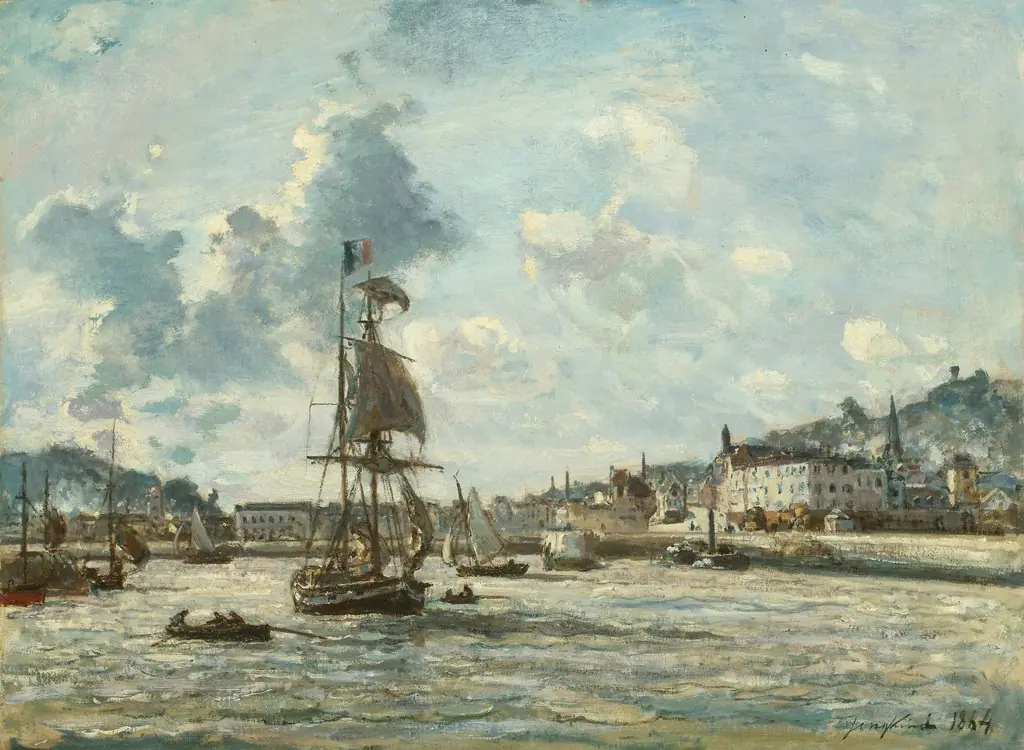 Entrance to the Port of Honfleur
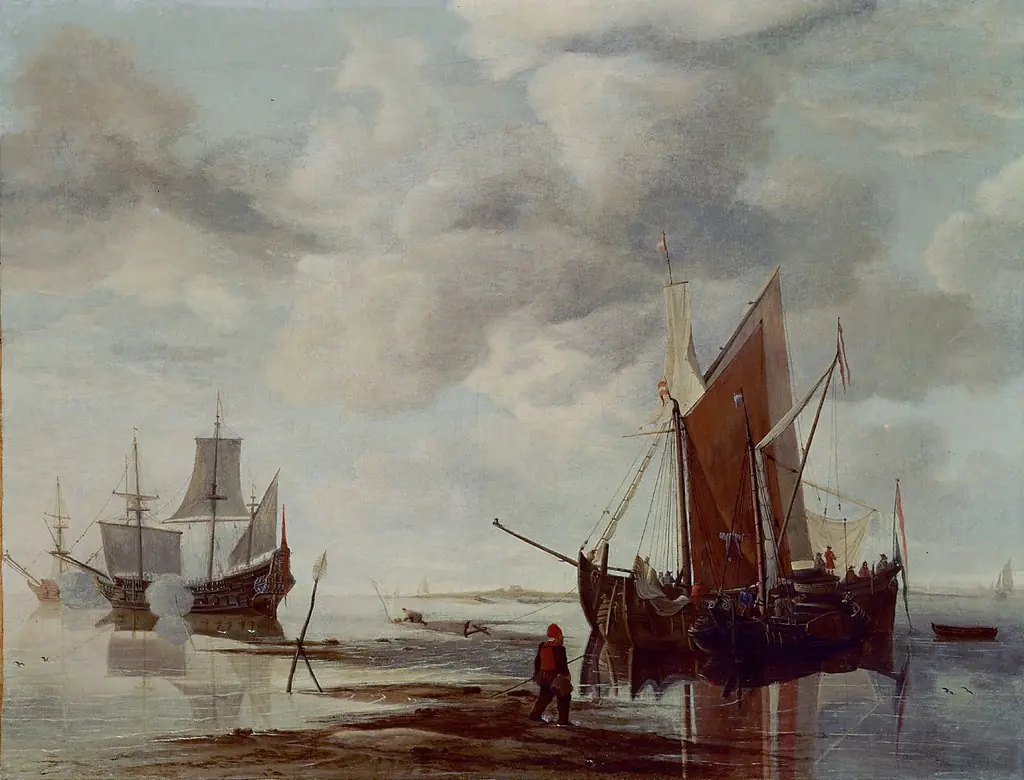 Calm Sea at Ebb Tide
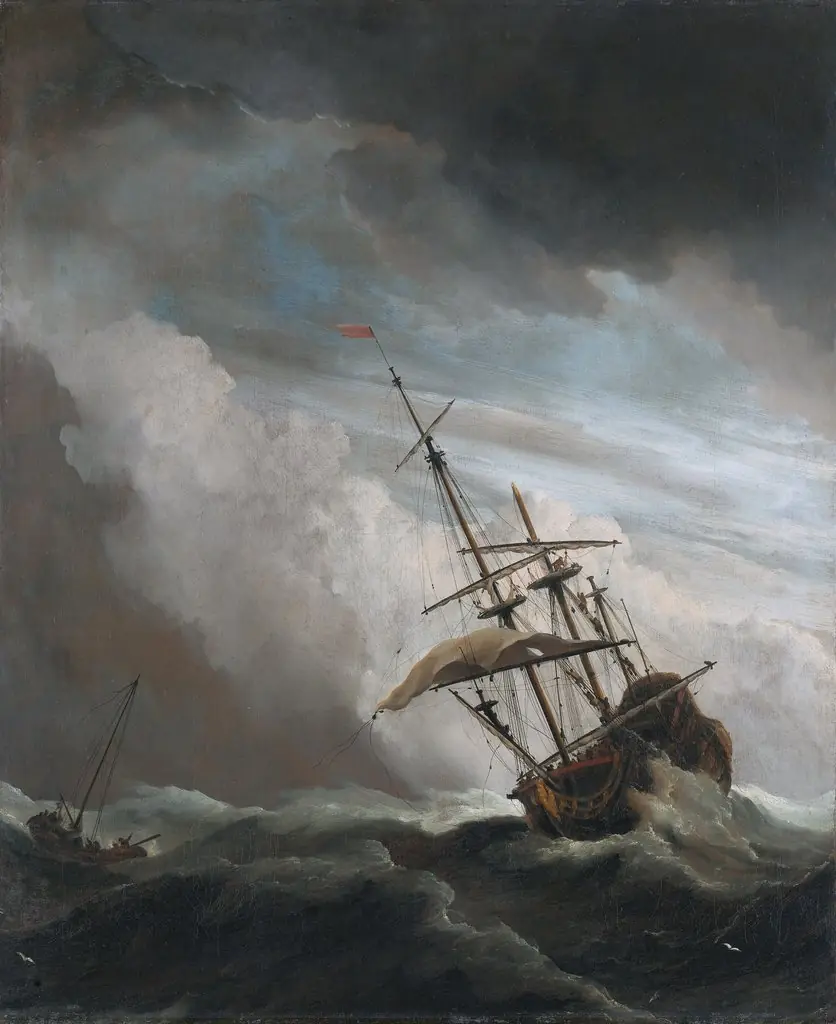 A Ship on the High Seas Caught by a Squall, Known as ‘The Gust’
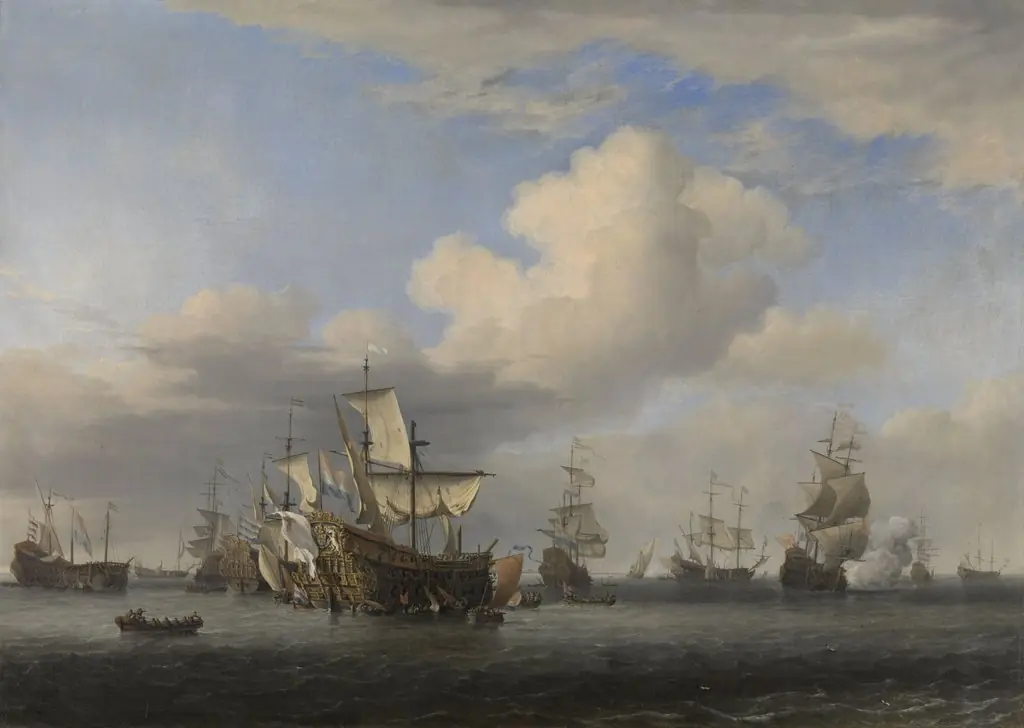 Captured English Ships after the Four Days’ Battle
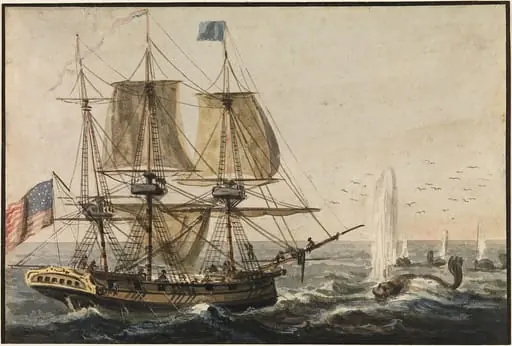 Replenishing the Ship's Larder with Codfish off the Newfoundland Coast
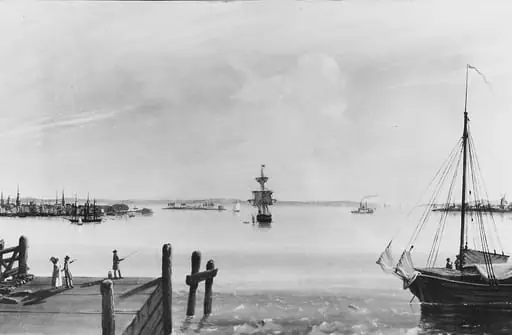 View of New York from Hoboken
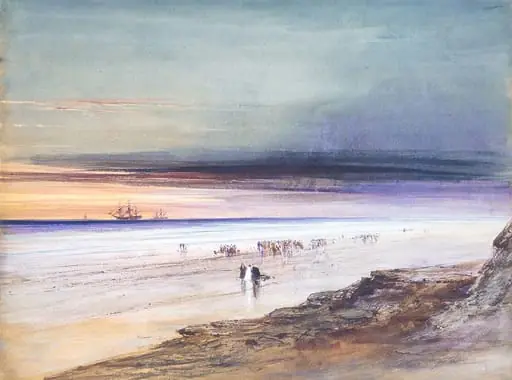 Beach Scene
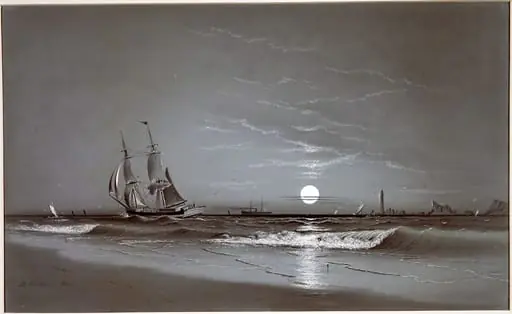 Entrance to Harbor—Moonlight
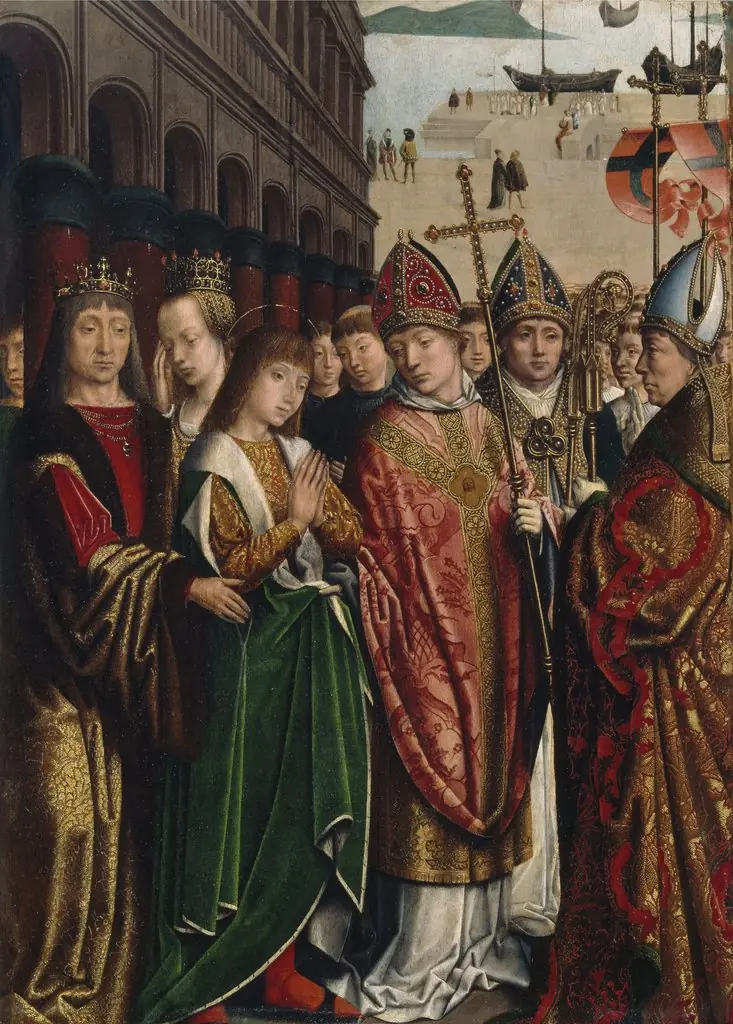 Saint Rumbold Taking Leave of his Parents
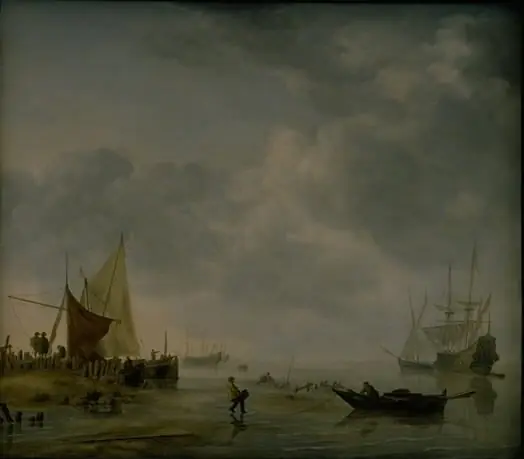 View of a Dutch Roadstead
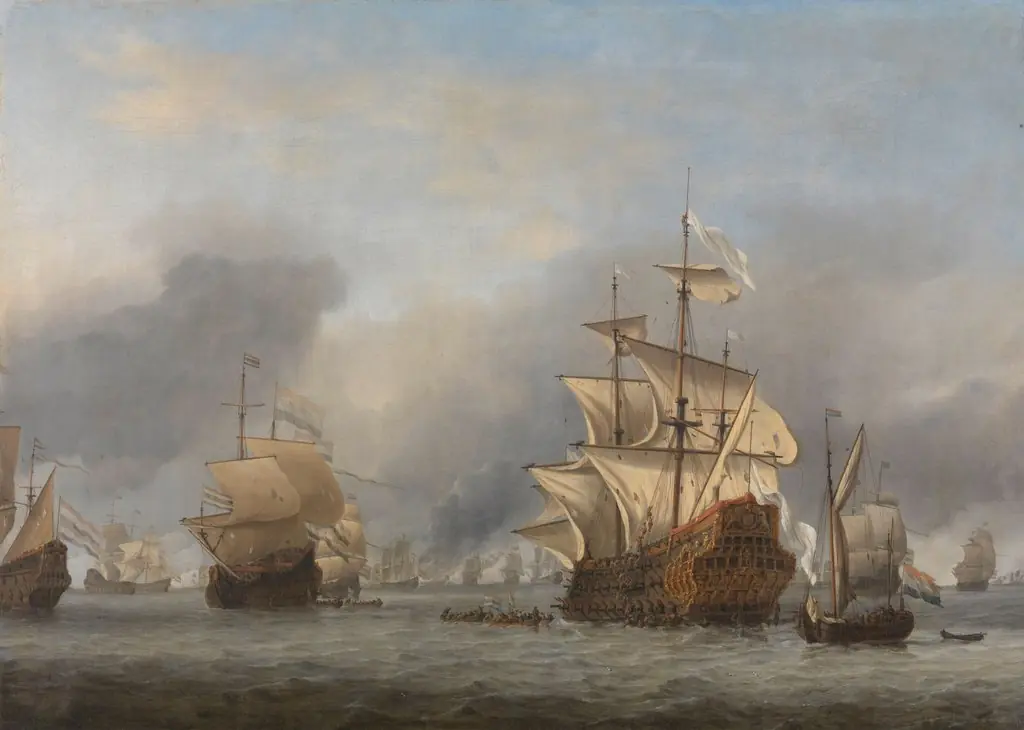 The Capture of the Royal Prince
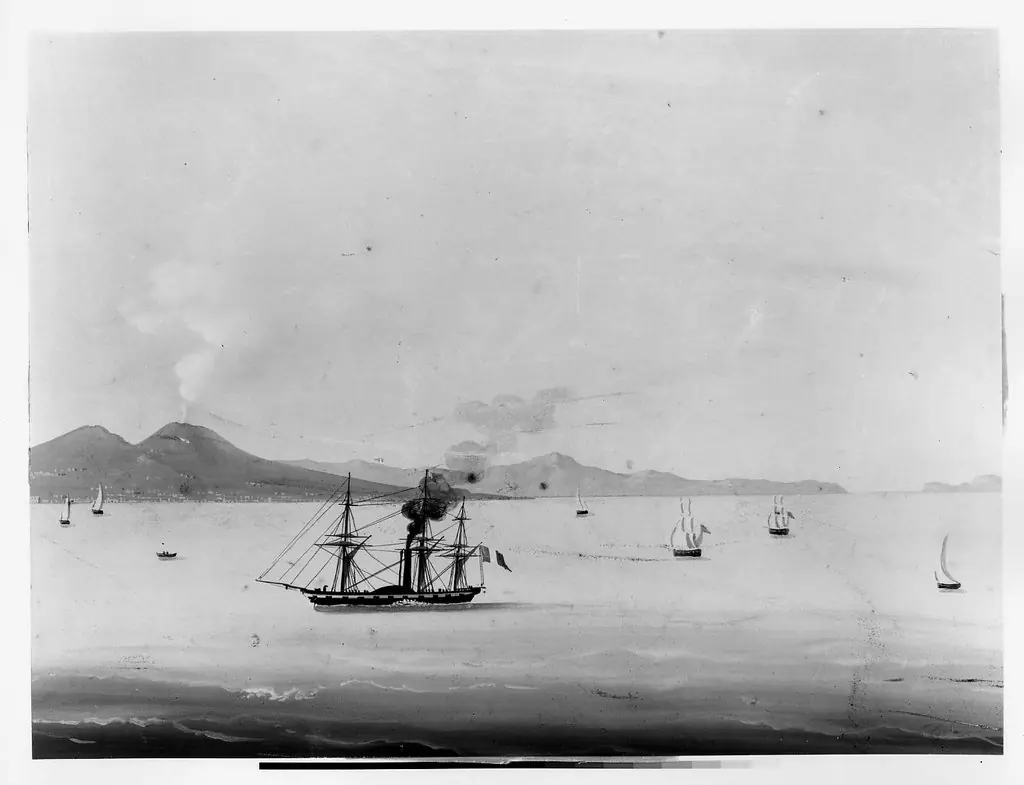 The Bay of Naples
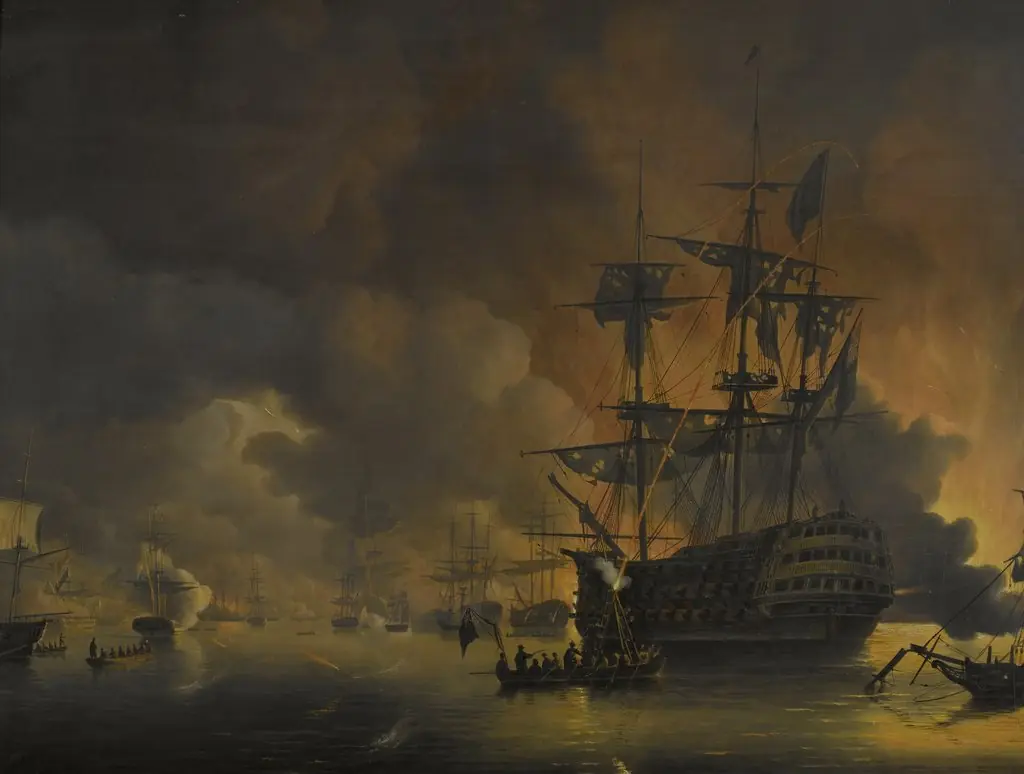 The fire on the Wharves of Algiers, shortly after the commencement of the Bombardment by the Anglo-Dutch Fleet, 27 August 1816
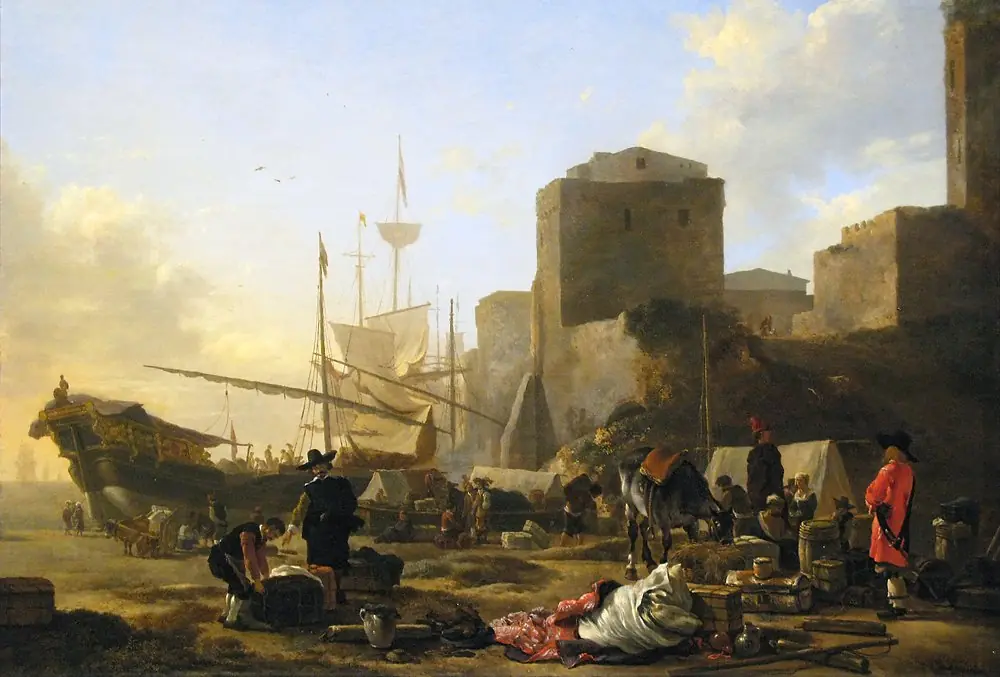 Mediterranean Harbor
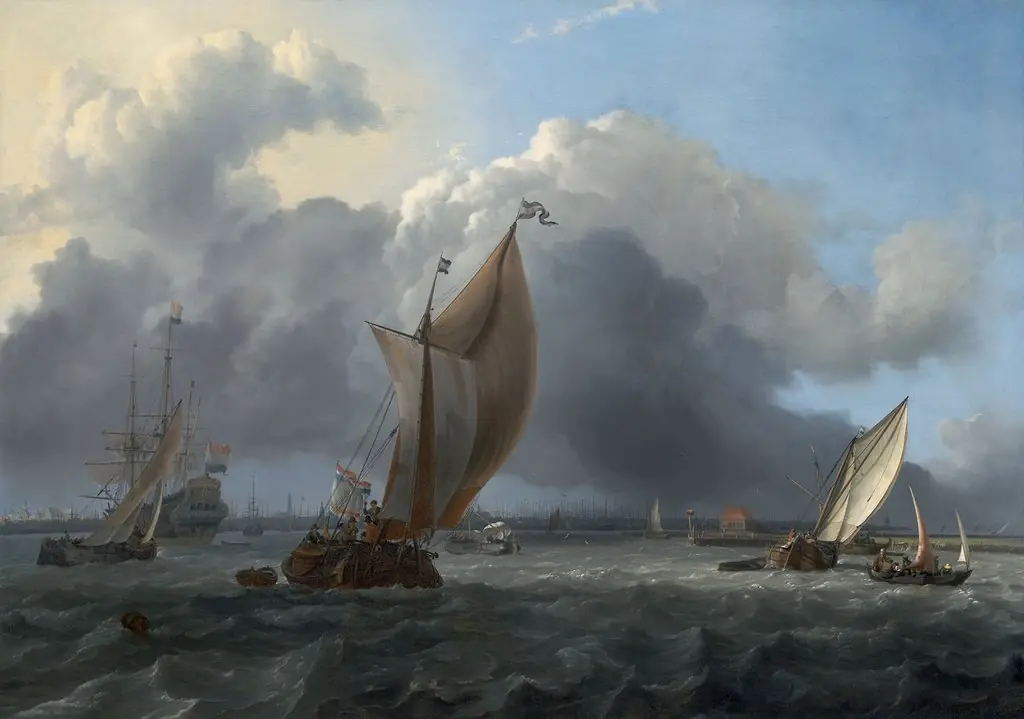 Ships in a Gale on the IJ before the City of Amsterdam
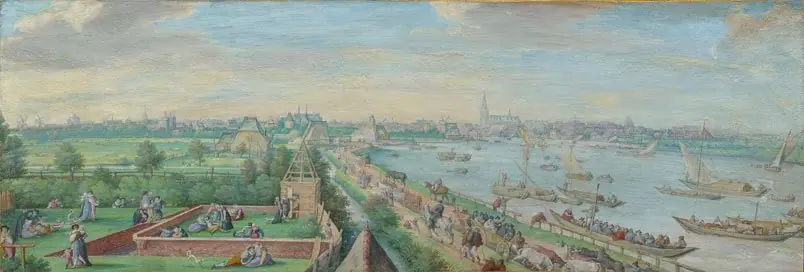 Profile of Amsterdam, seen from the landside
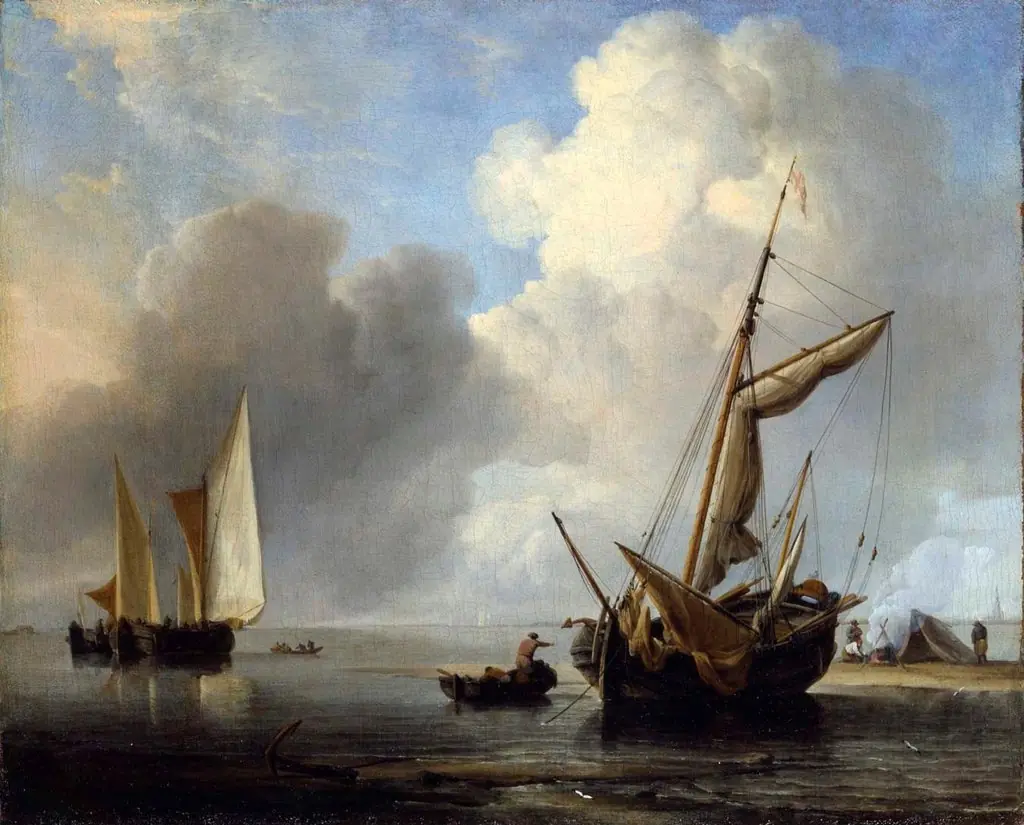 Fishing Boats in a Calm
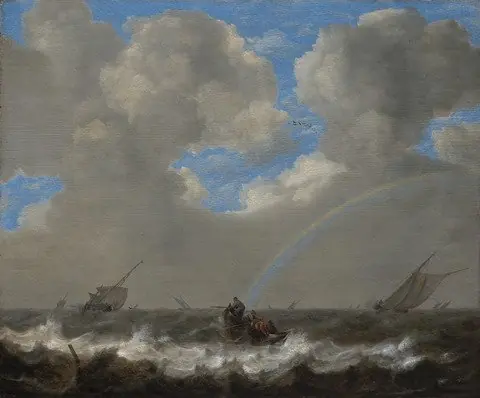 Seascape with a Rainbow
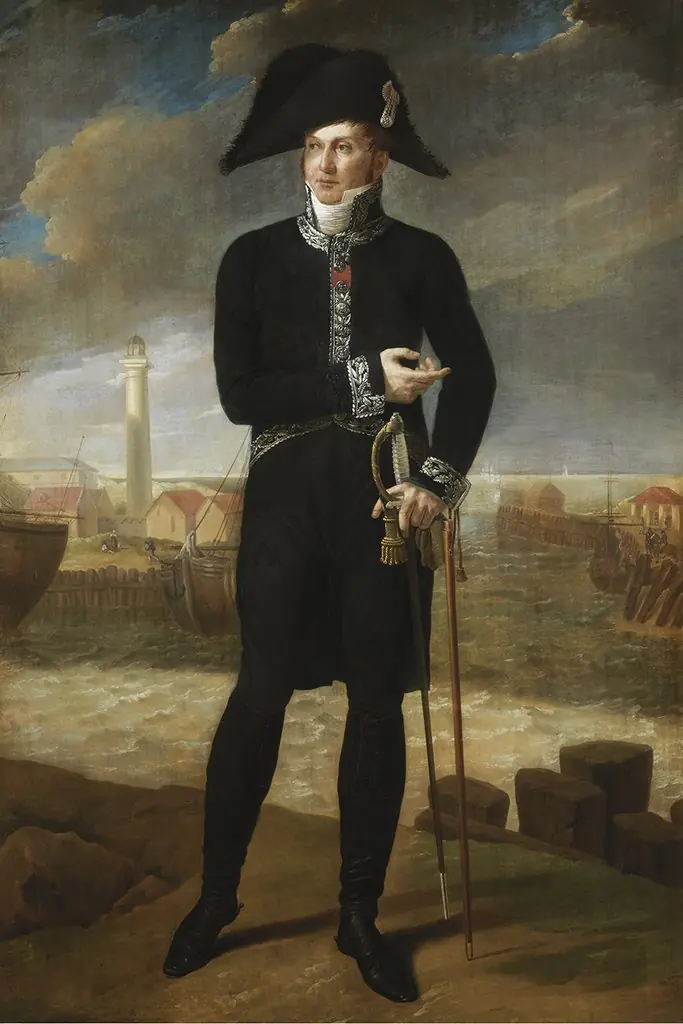 Portrait of Marquis Bernard-François de Chauvelin
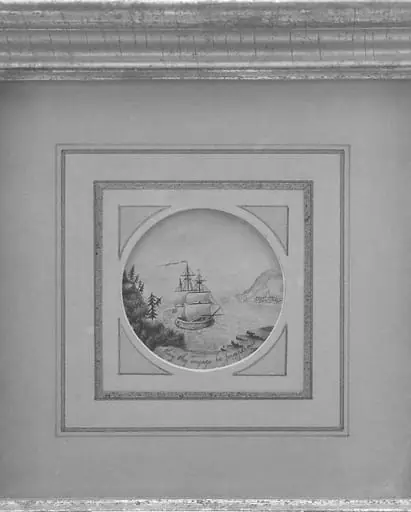 May Thy Voyage Be Prosperous
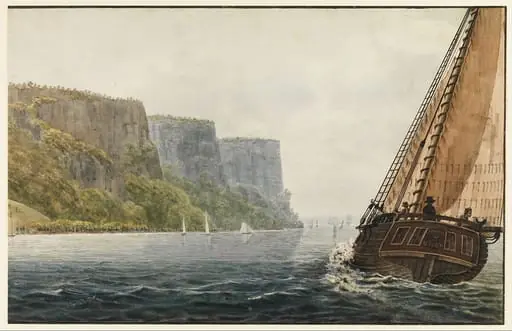 The Packet "Mohawk of Albany" Passing the Palisades
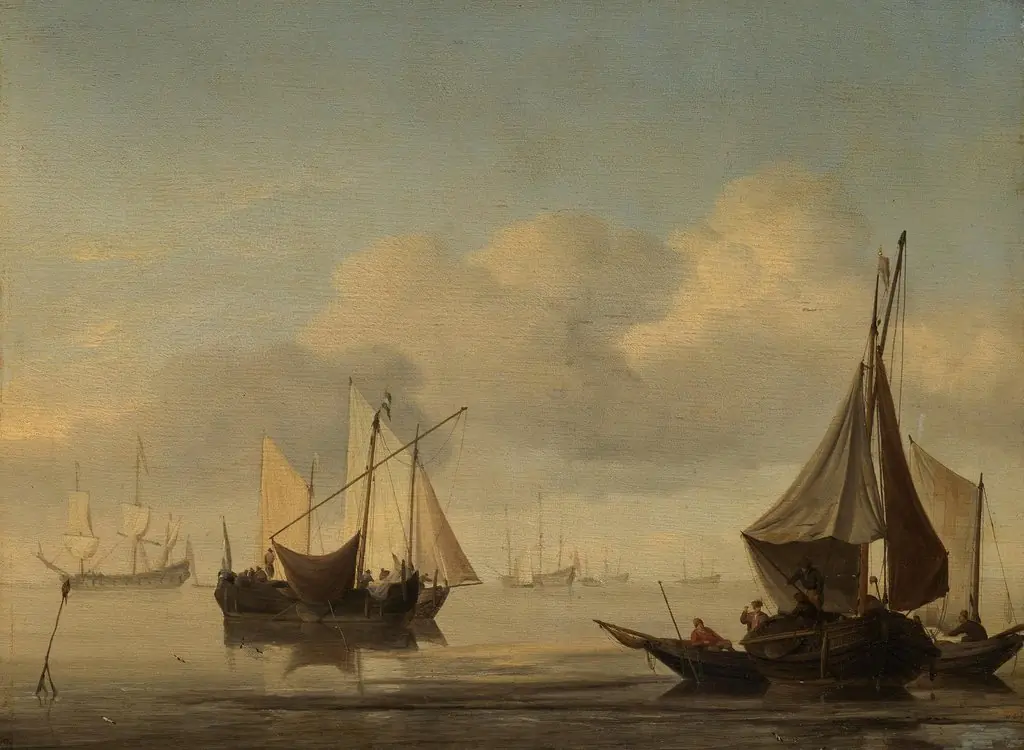 Fishing Boats near a Sandbank in a Calm
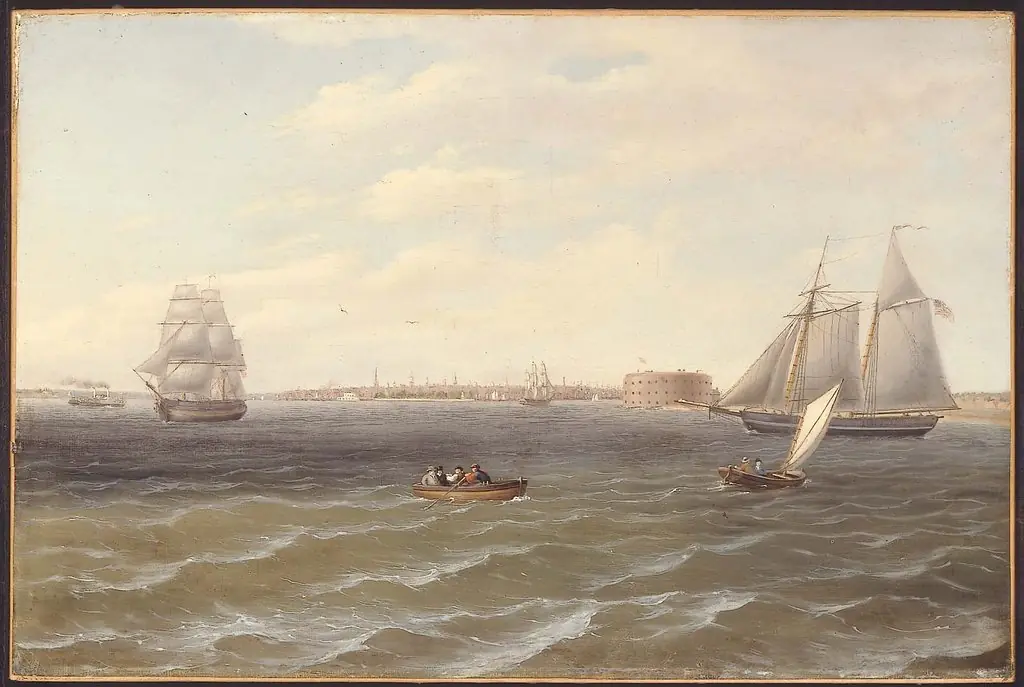 New York Harbor
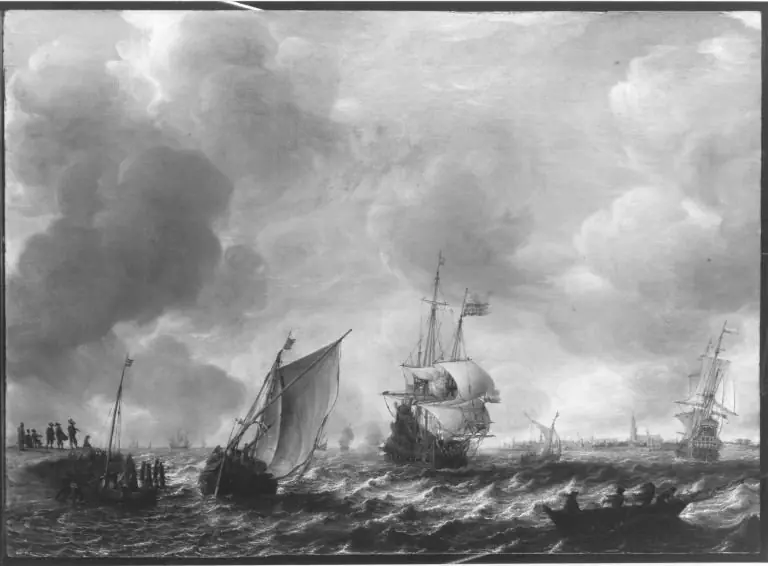 Marine bei Vlissingen
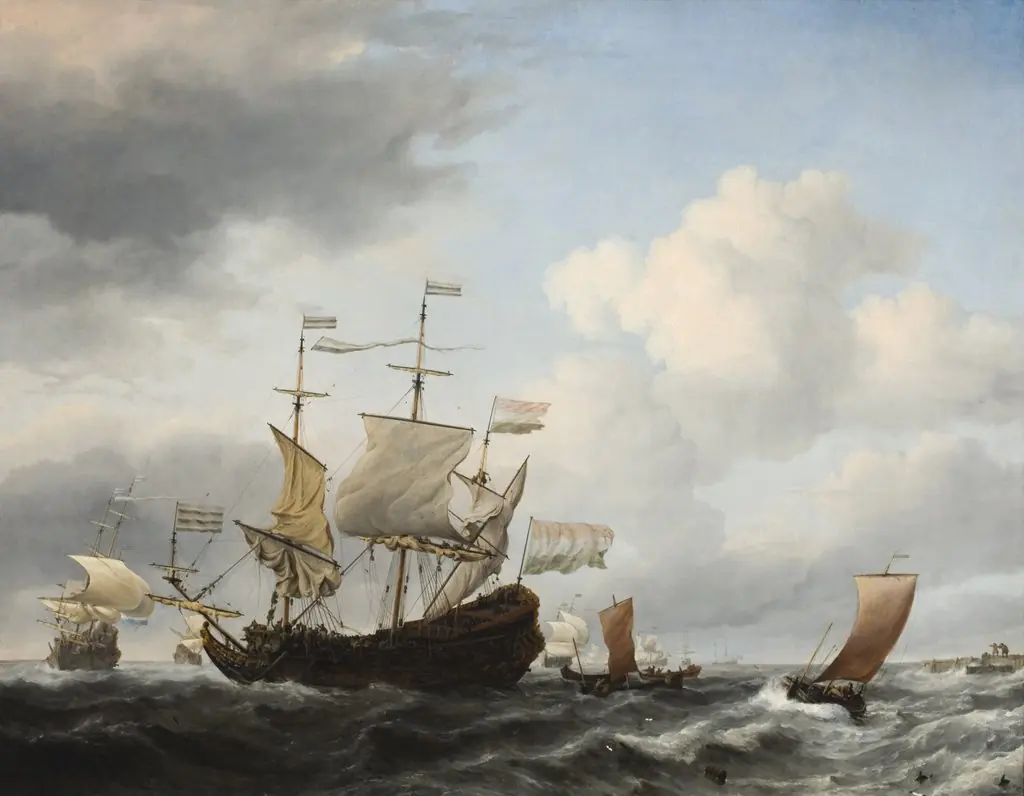 A Dutch Flagship Coming to Anchor
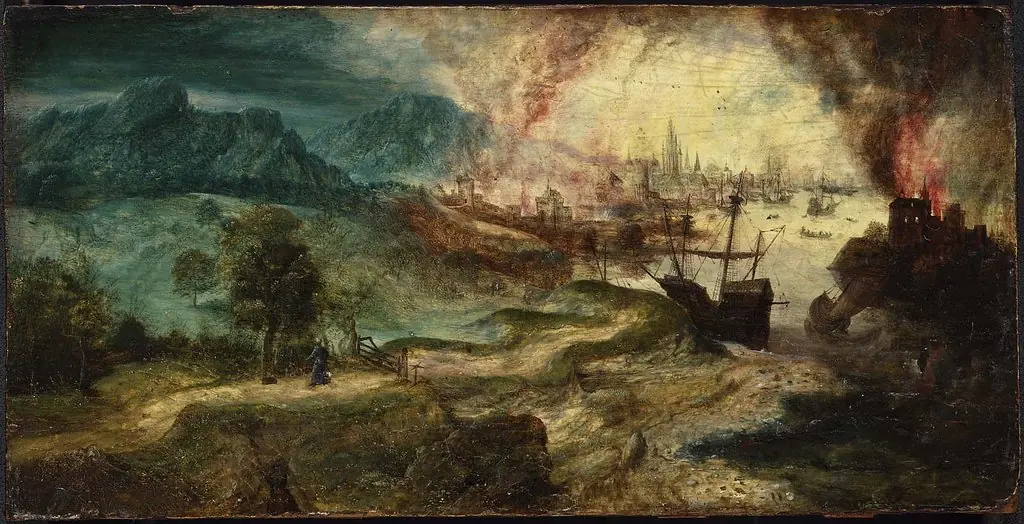 Landscape with Burning City
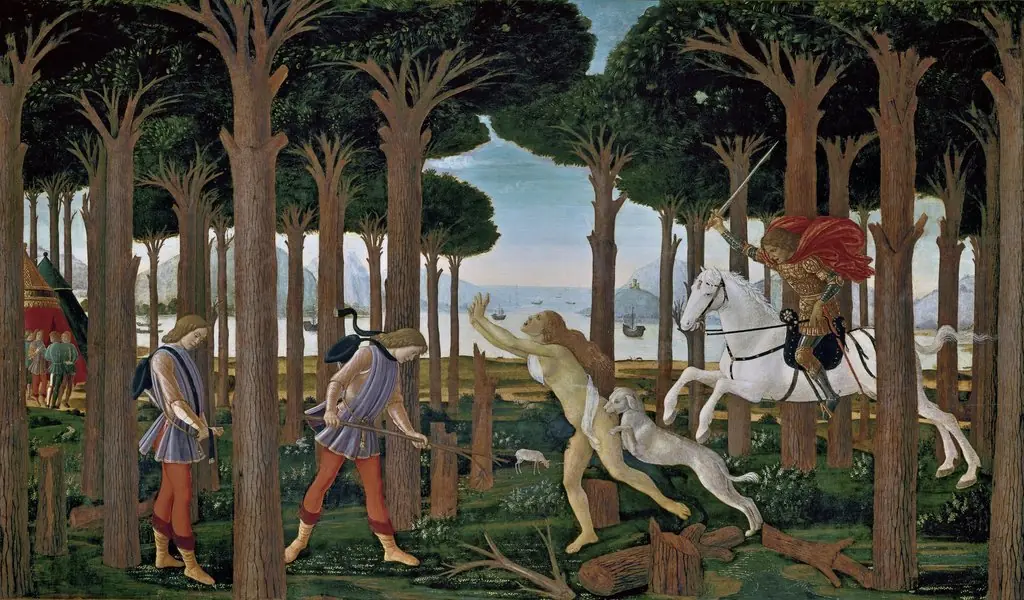 The Story of Nastagio Degli Onesti, part one
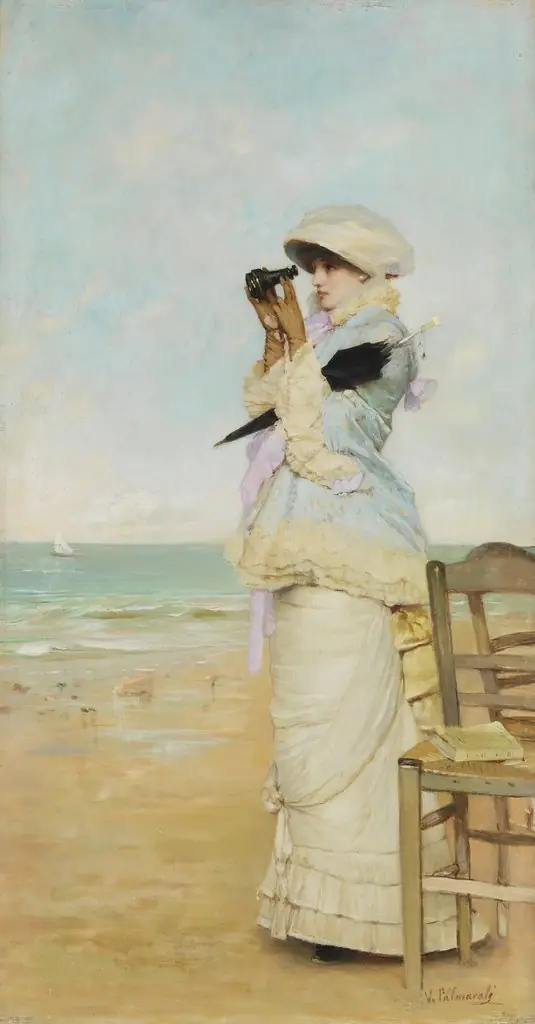 En vue
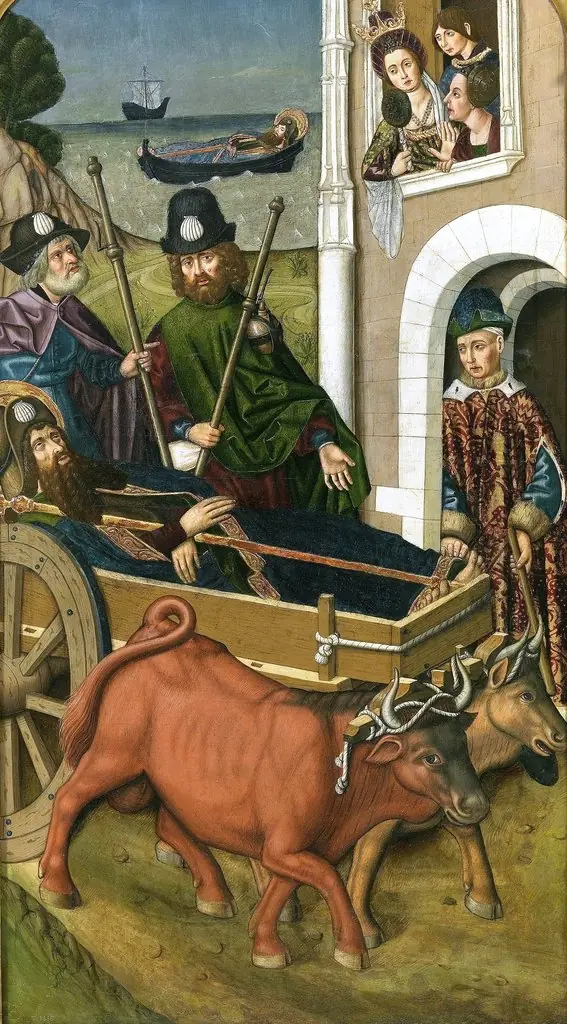 The Translation of the Body of Saint James the Greater at the Palace of Queen Lupa
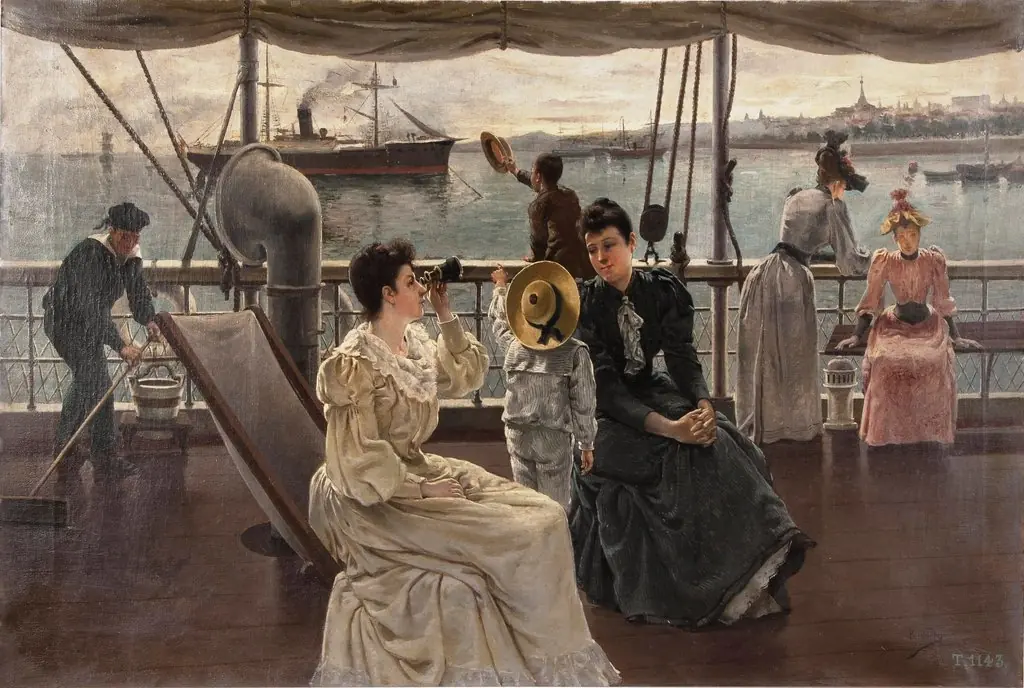 Bajo toldilla
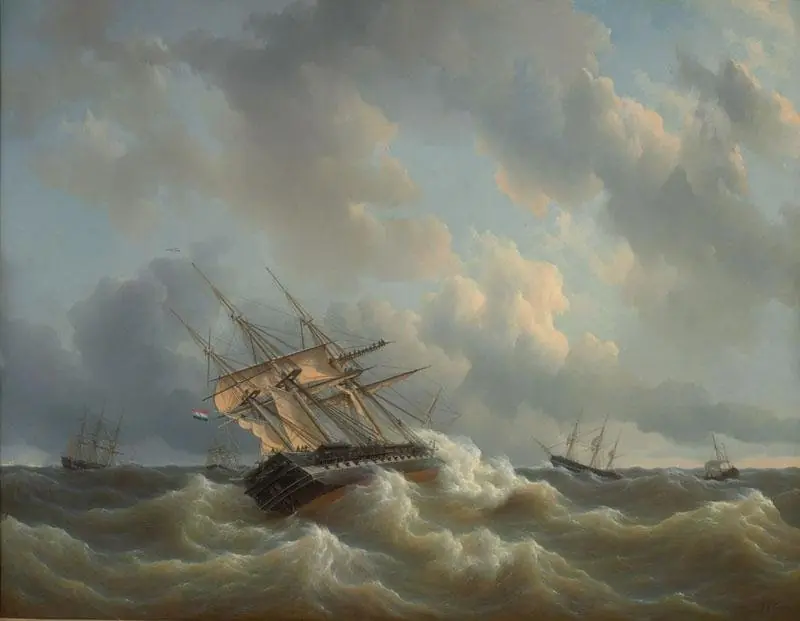 Squadron of Prince Henry of the Netherlands in the Channel during rough weather, 1843
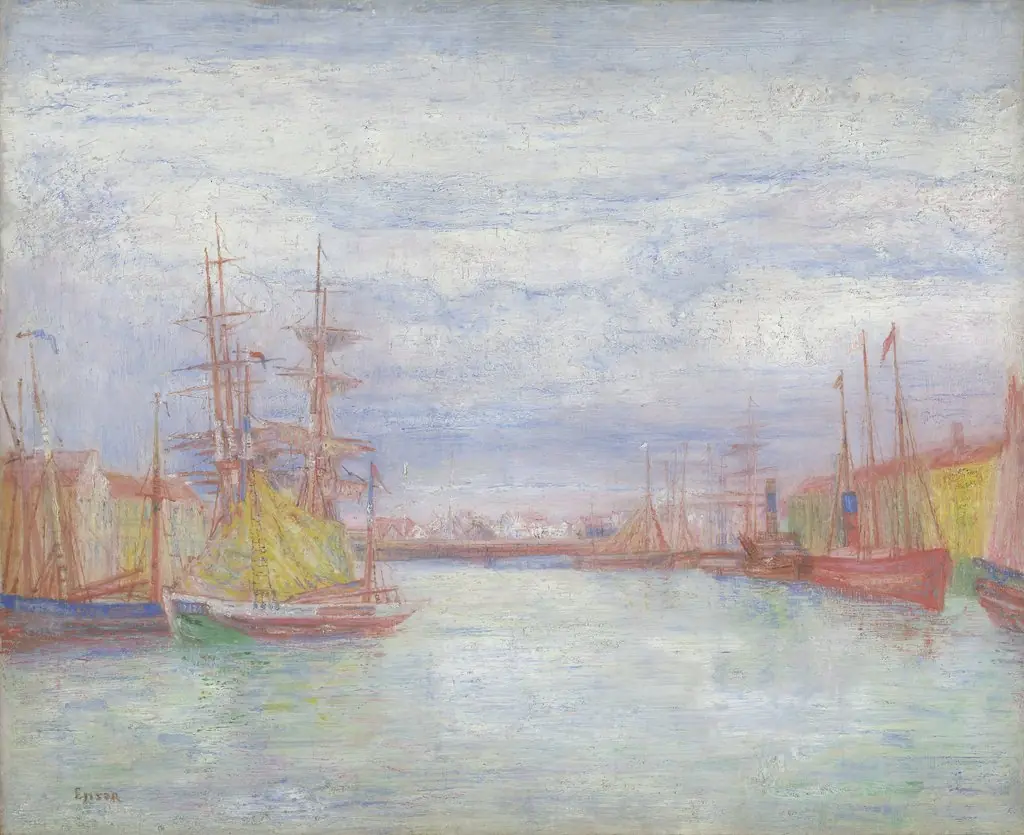 Ostend Harbour
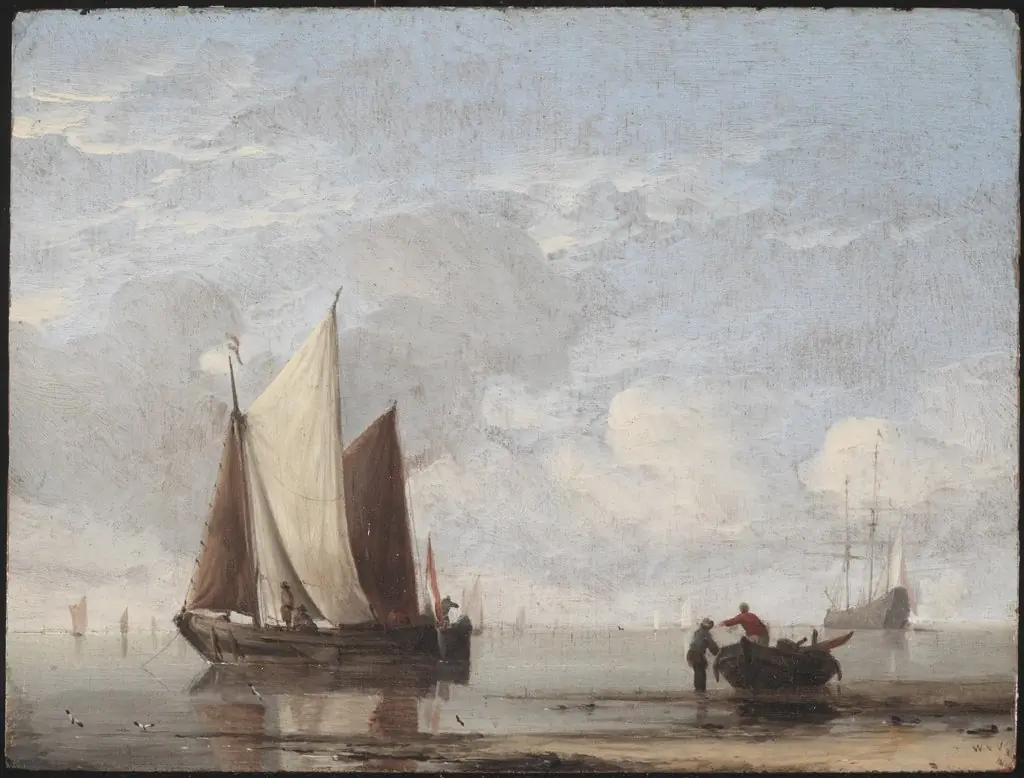 Calm Sea
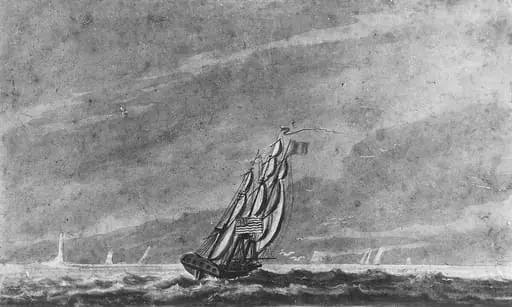 Full Sail off Sandy Hook—Entrance to New York Harbor
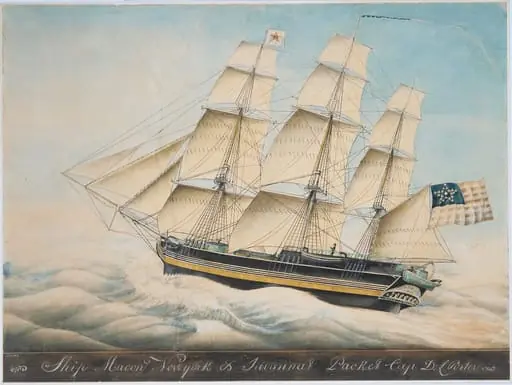 The Ship "Macon"
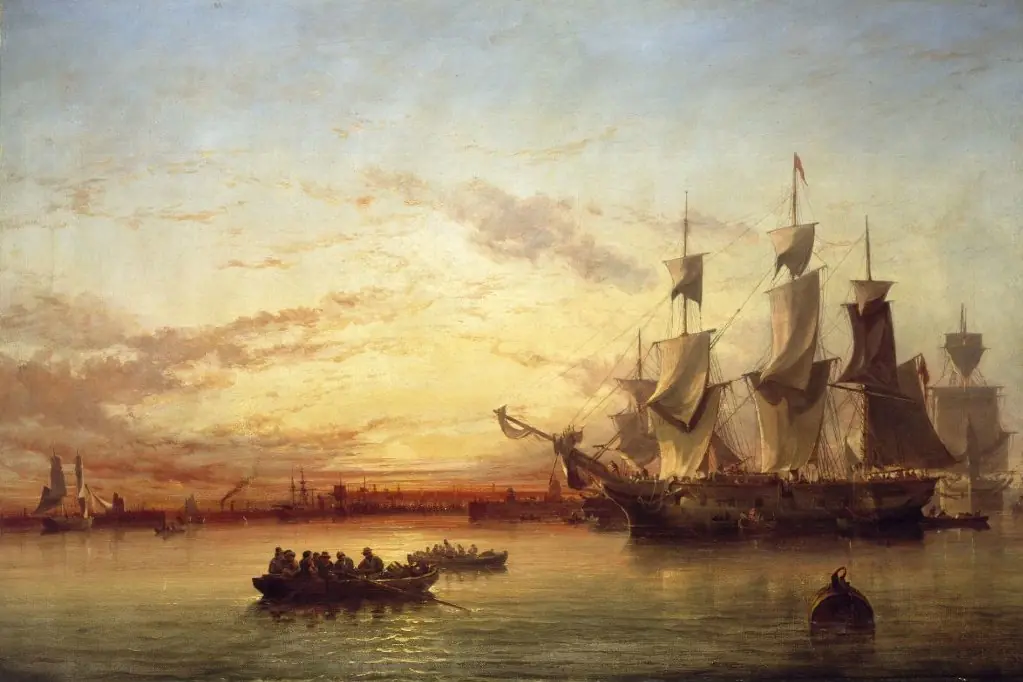 An Emigrant Ship, Dublin Bay, Sunset
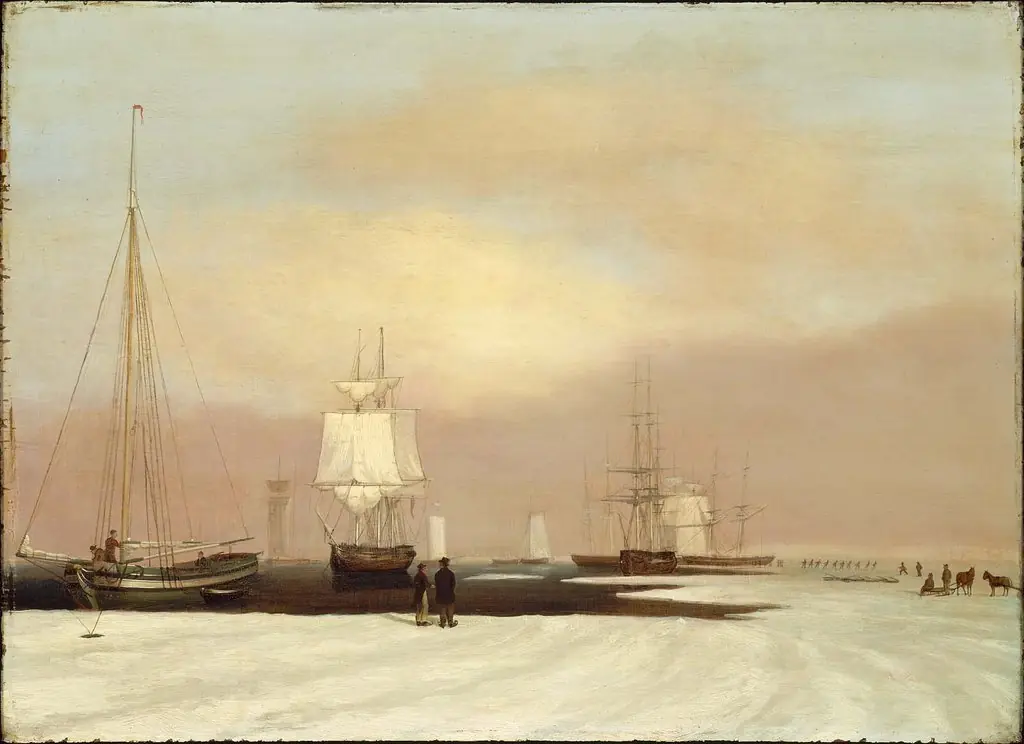 Boston Harbor
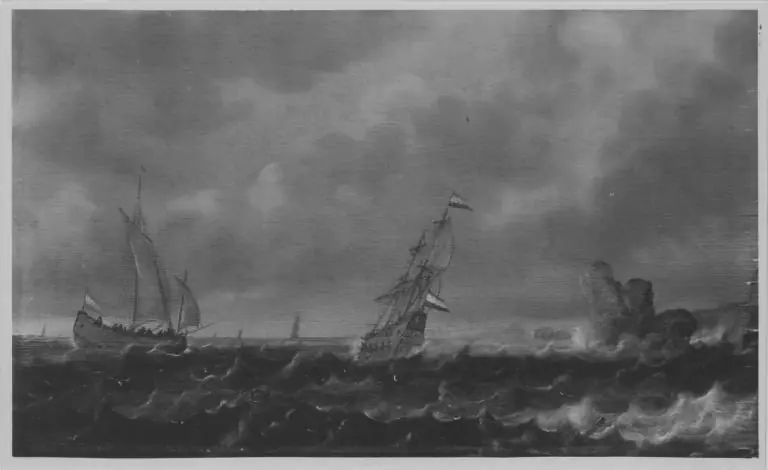 Seestück
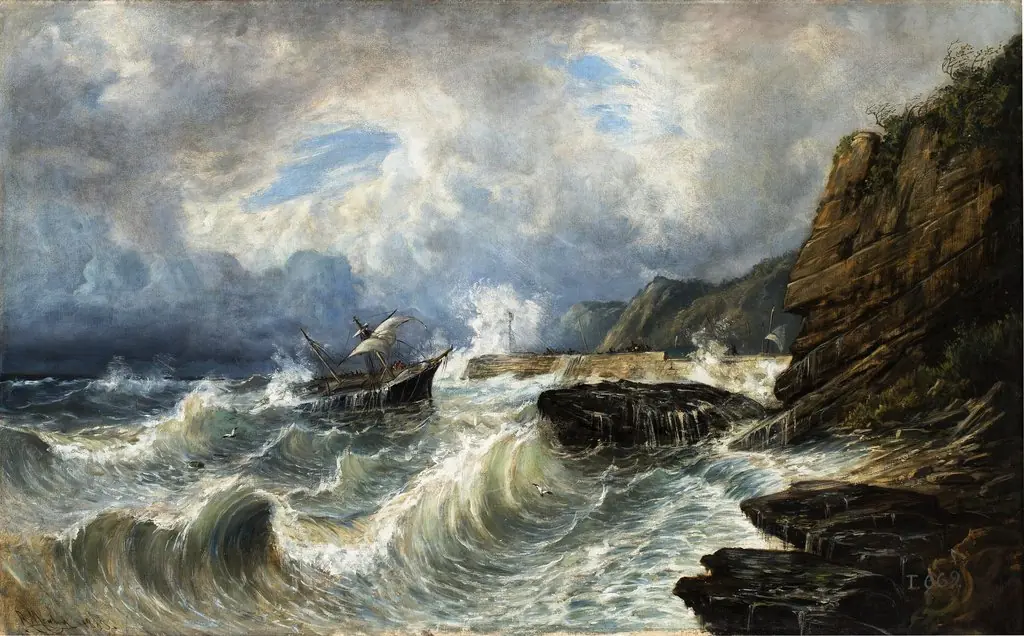 Puerto de Laredo
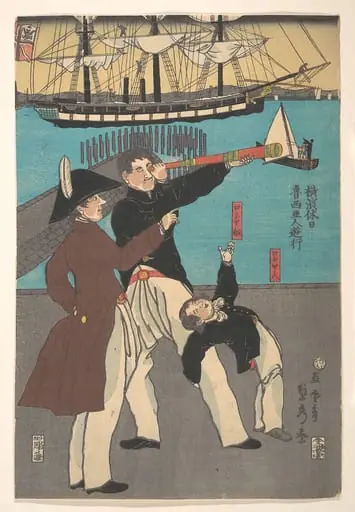 歌川五雲亭貞秀画 『横浜休日 魯西亜人遊行』|Russians Enjoying a Holiday in Yokohama (Yokohama kyūjitsu Roshiajin yūkō)
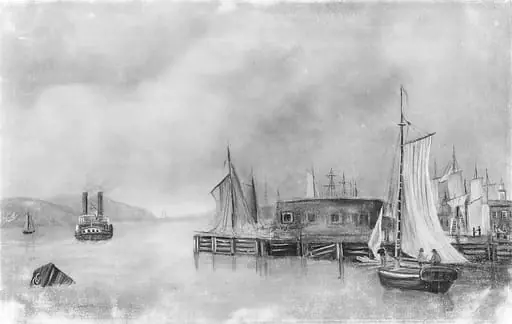 North Battery or "Red Fort"
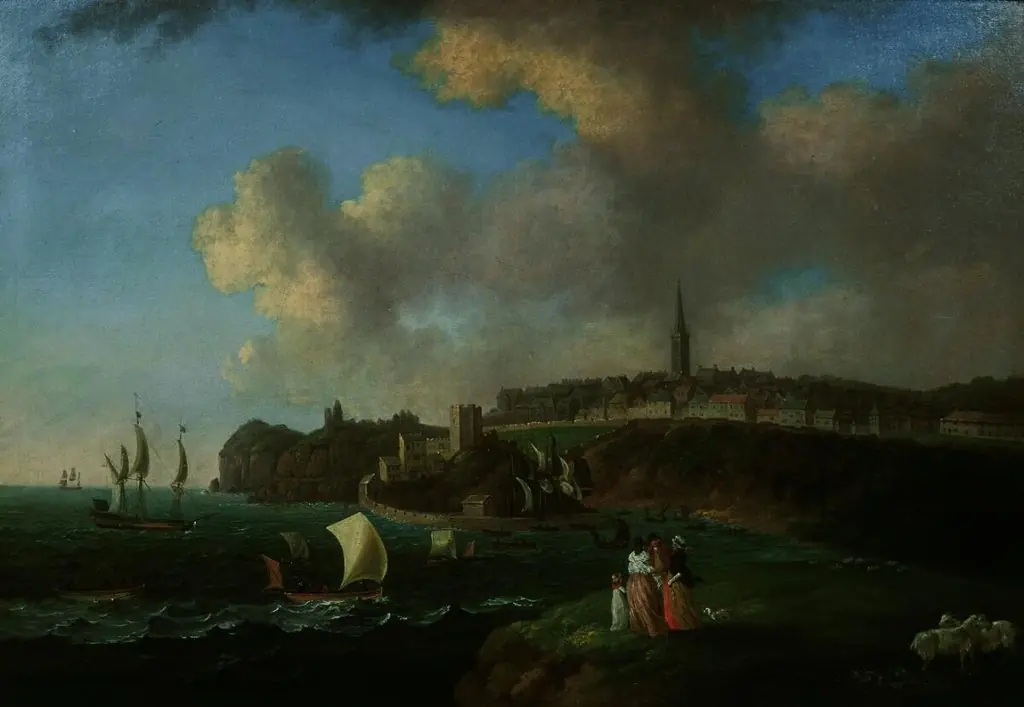 Tenby
Tenby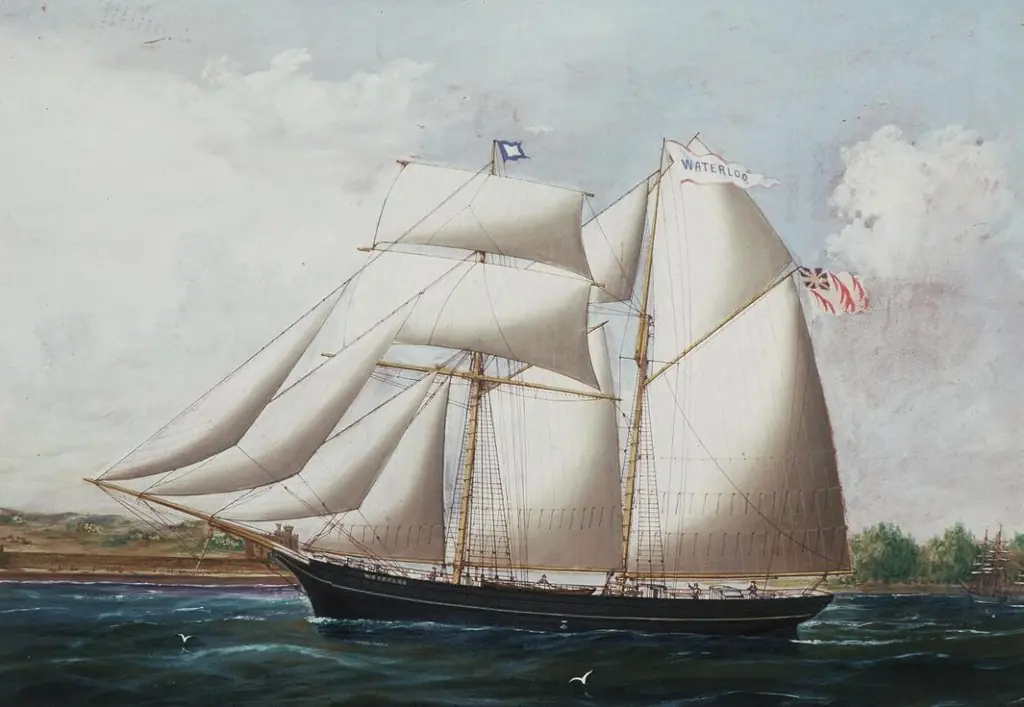 Waterloo, off Conway causeway
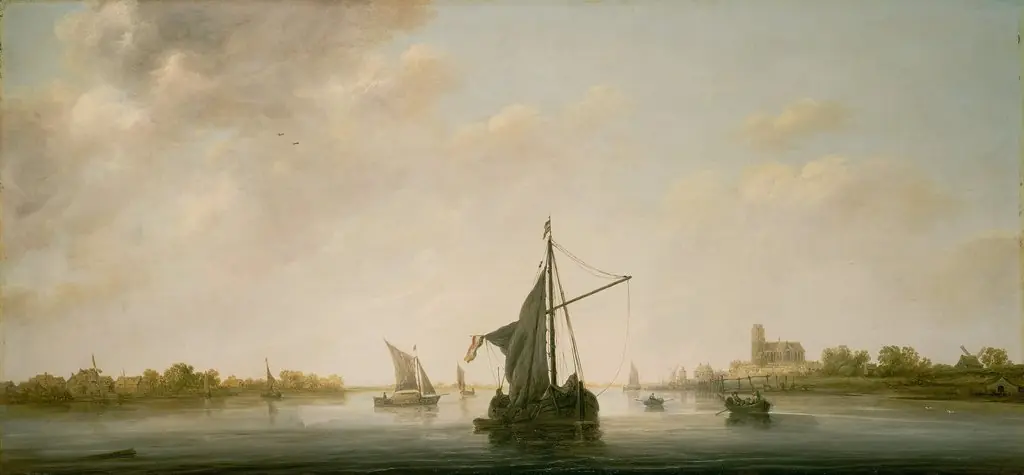 A View of the Maas at Dordrecht
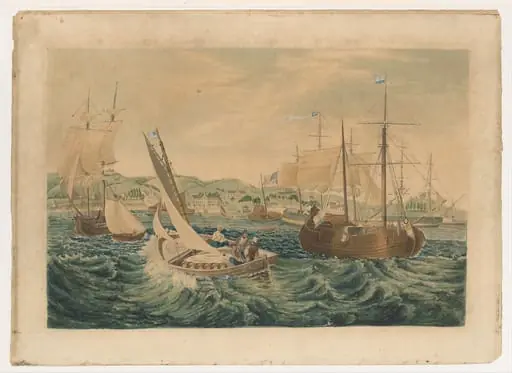 Quarantine, Staten Island
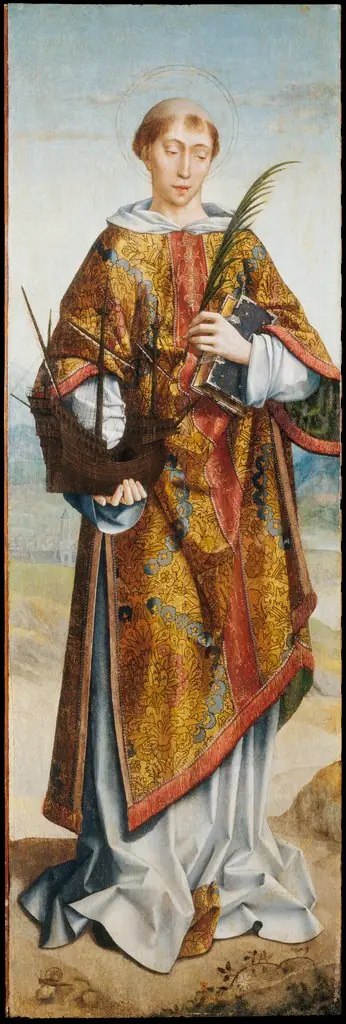 Saint Vincent, Patron Saint of Lisbon
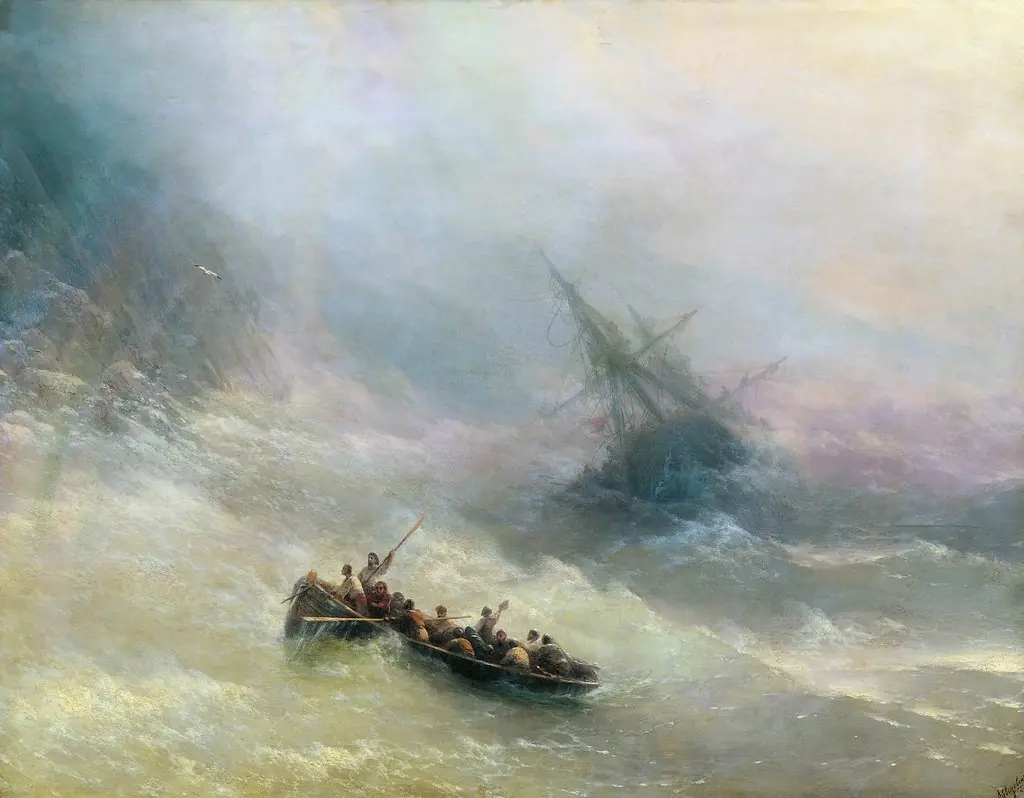 Rainbow
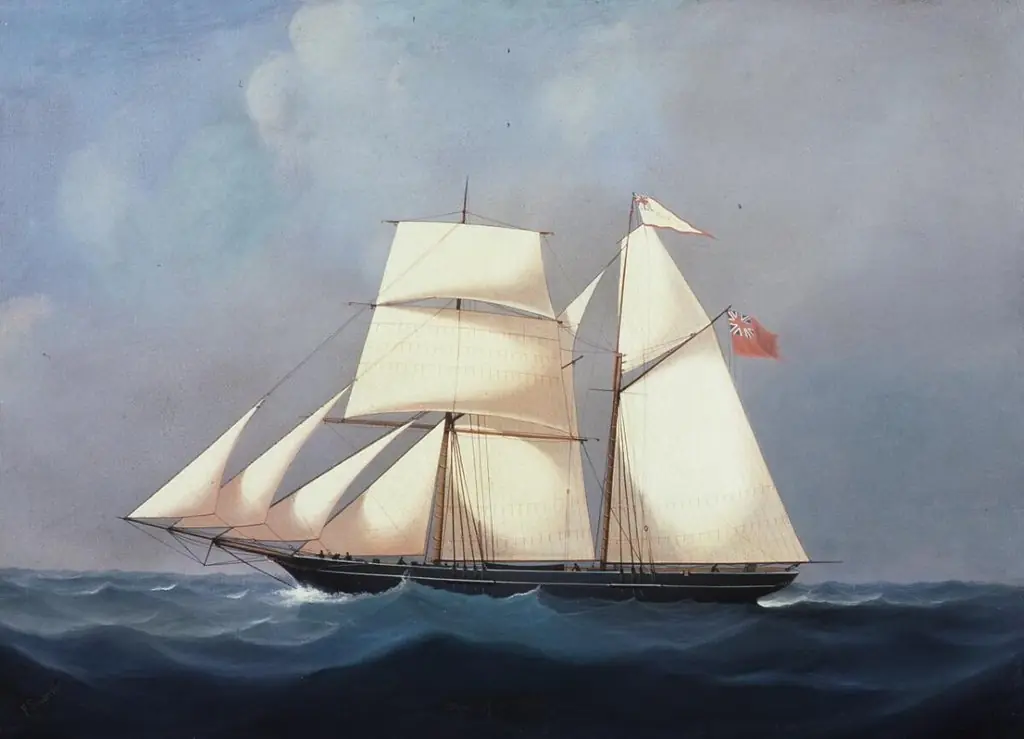 Bell of Plymouth
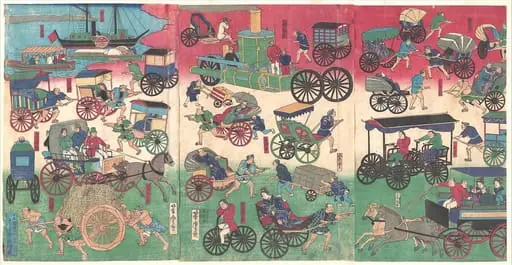 Untitled
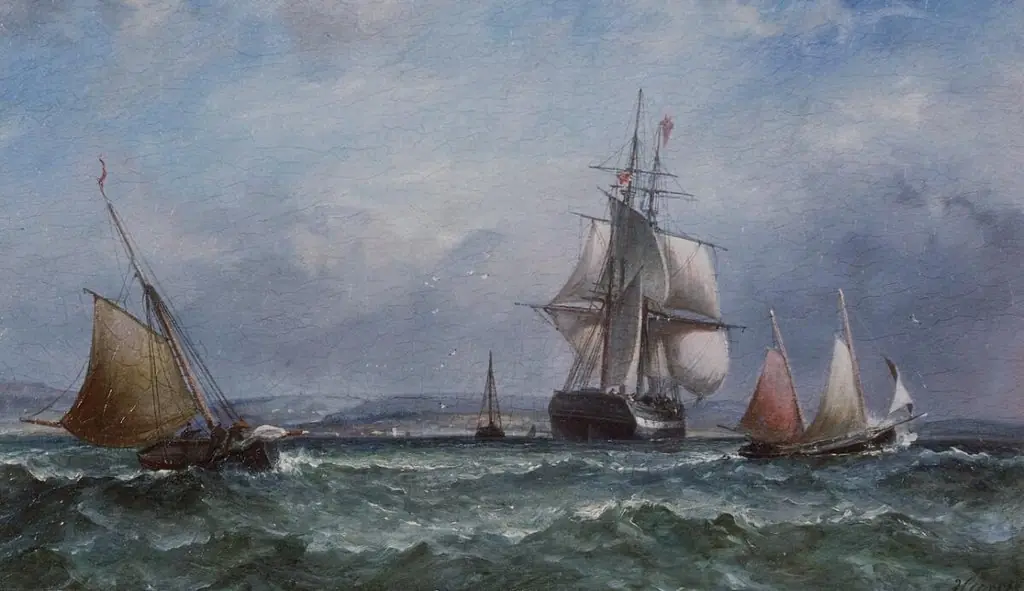 'Man of War' - Sailing Ships
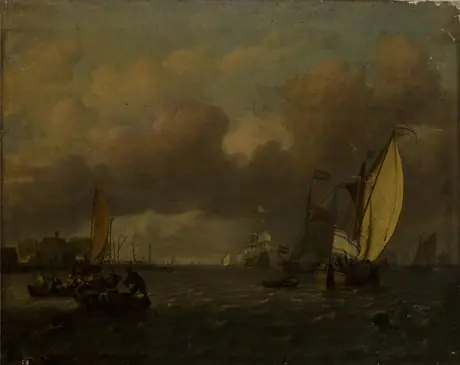 Seascape with ships
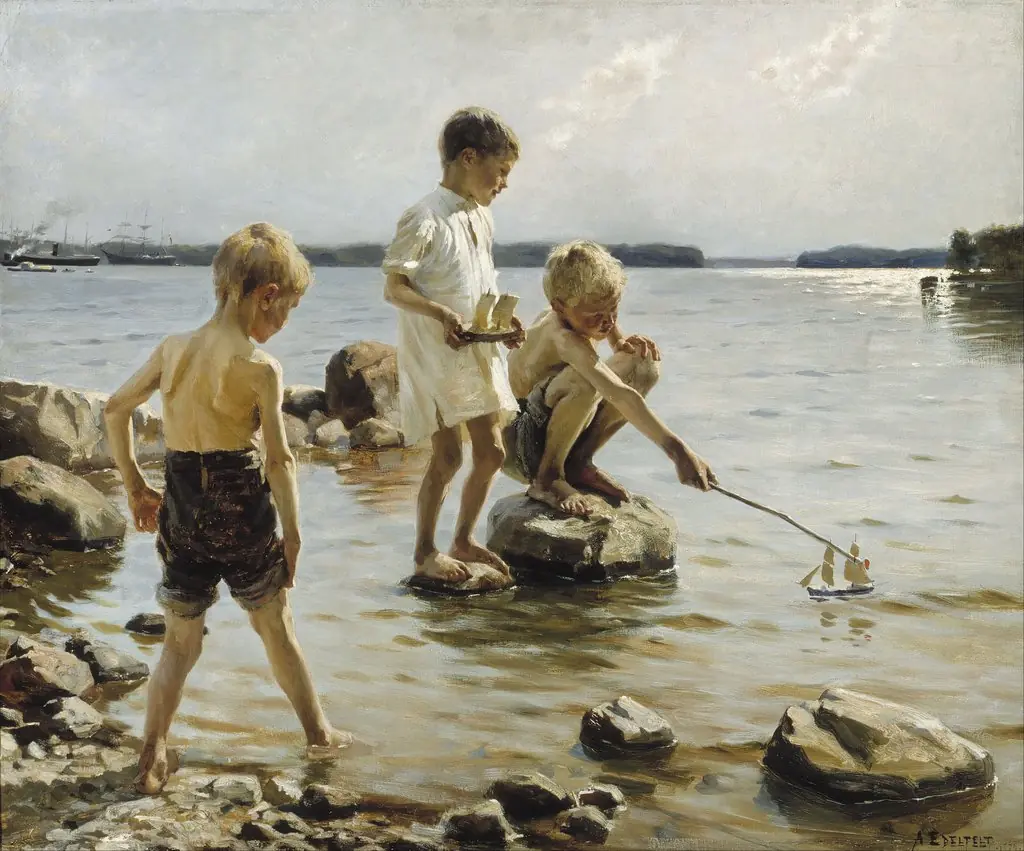 Boys Playing on the Shore
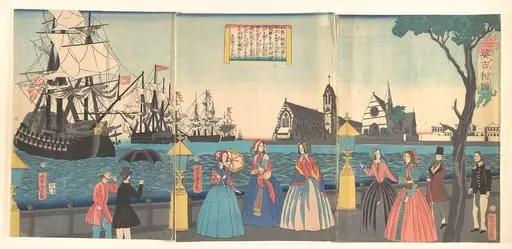 英吉利国|England (Igirisukoku)
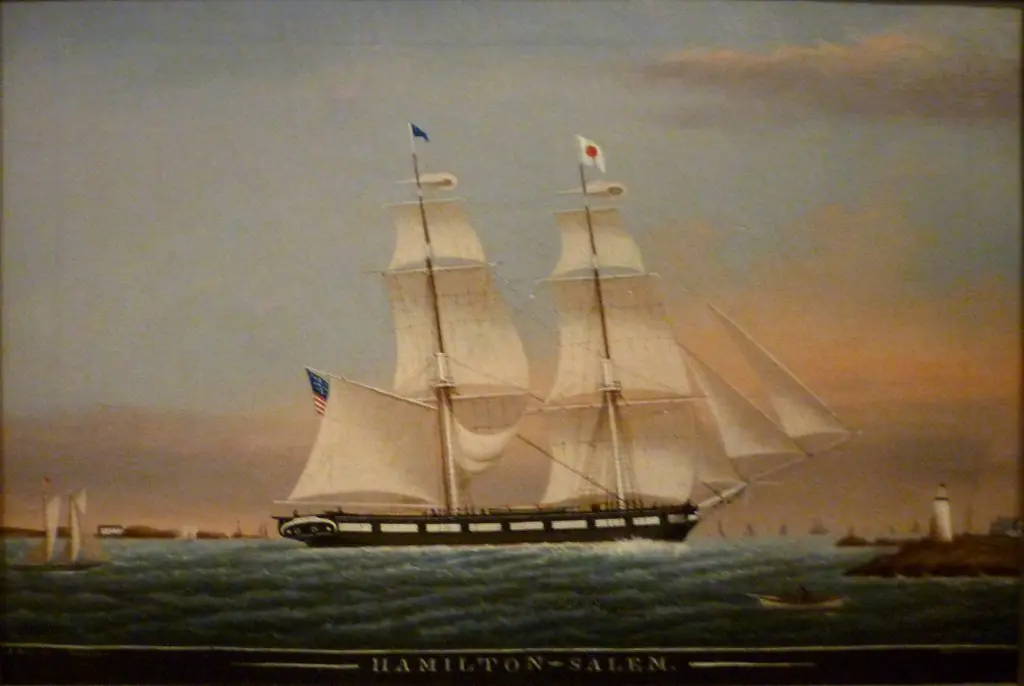 Hamilton, Salem
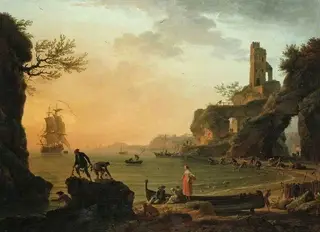 Sunset
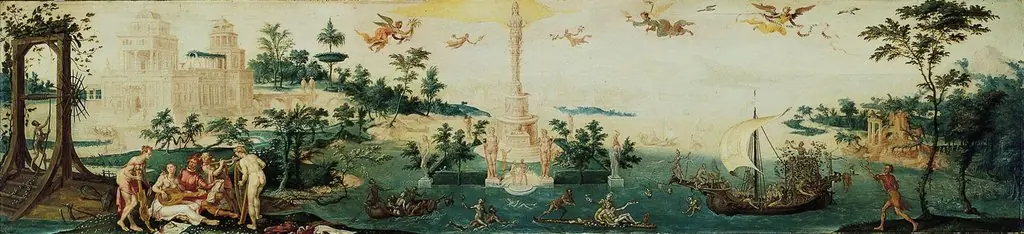 Allegory of Nature
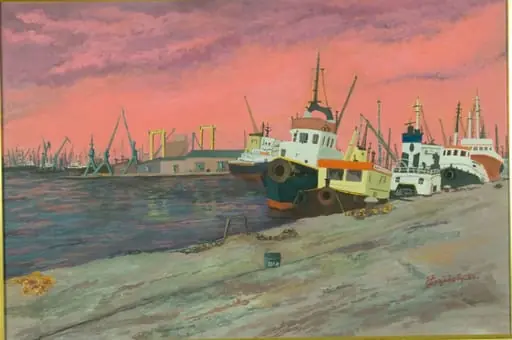 Λιμάνι
 Peisaj din Tulcea
 Untitled
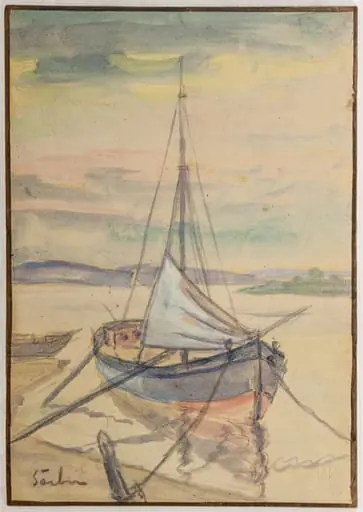 Barcaz la mal
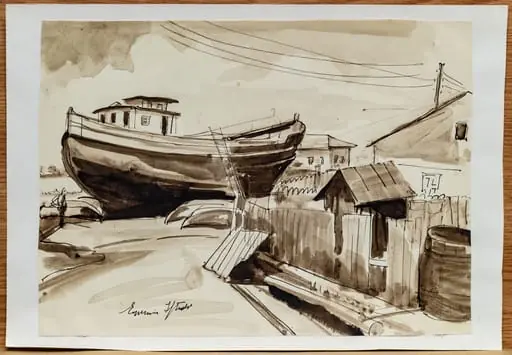 Barcajul navei
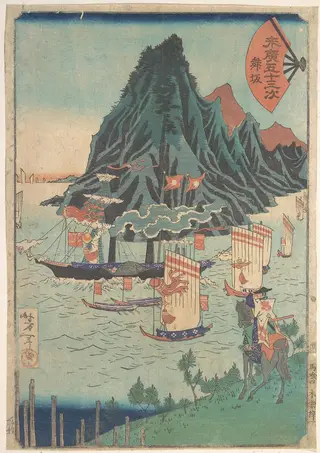 Untitled
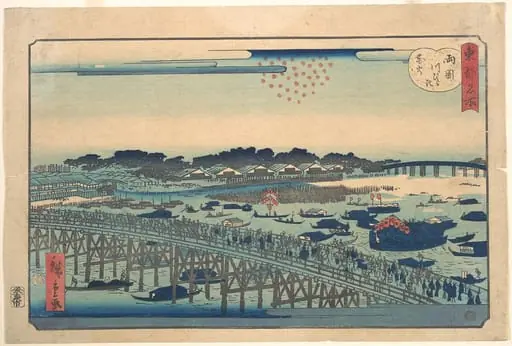
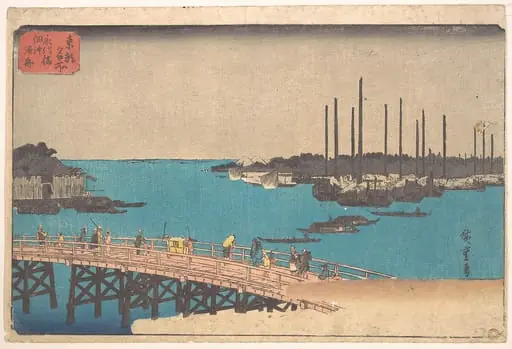 東都名所 永代橋佃沖漁舟|Eitai Bashi Tsukudajima Ryosen
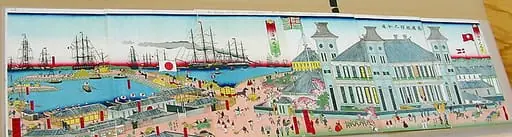 Untitled
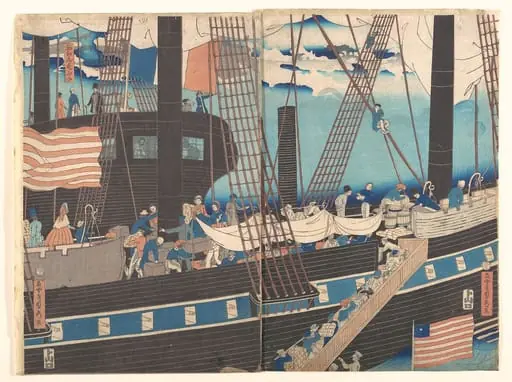 「横浜交易西洋人荷物運送之圖」|“Yokohama Trade: Westerners Loading Cargo”
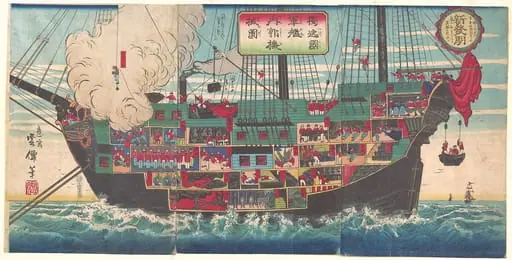 Doitsukokukan naibu kikai|The Interior Works of an Armed Japanese Battleship
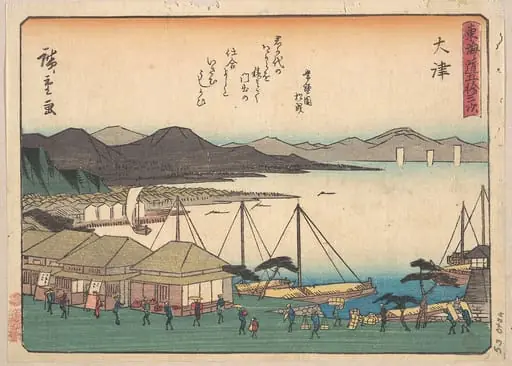 東海道五十三次 大津|Otsu
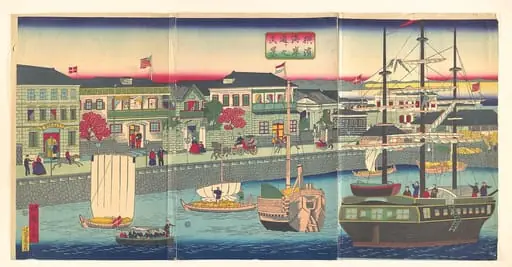 横浜海岸通り之風景|View of the Seafront in Yokohama (Yokohama Kagandori no fūkei)
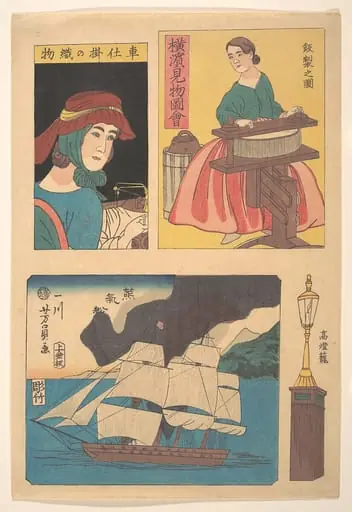 Yokohama kenbutsu zue|Picture of Sights in Yokohama: Woman with a Ringer, Lamp Post, a Steamboat at Full Sail and a Woman with a Sewing Machine
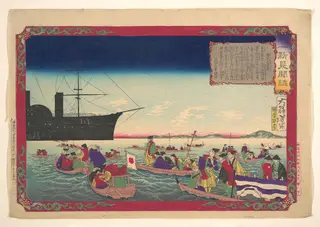 皇国一新見聞誌|Chronicle of the Imperial Restoration (Kōkoku isshin kenbunshi)
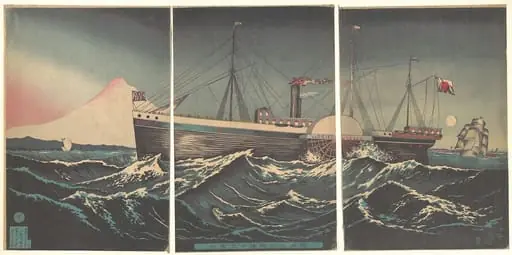 Untitled
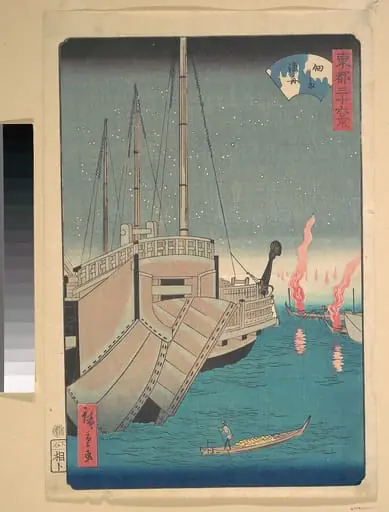 東都三十六景 佃しま漁舟|Tsukudajima Gyoshoi
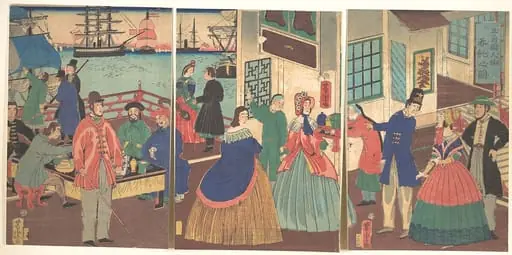 歌川芳虎画 『五箇国人物 呑飥之図』|People of the Five Nations Drinking and Eating (Gokakoku jinbutsu dontaku no zu)
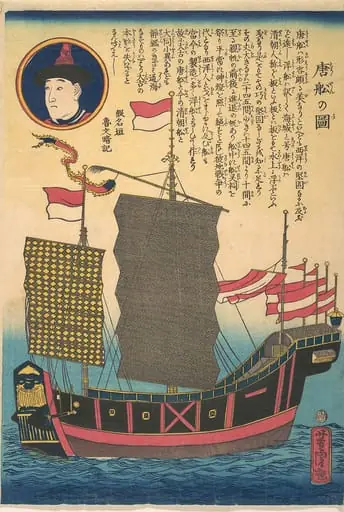 Tōsen no zu|Chinese Junk
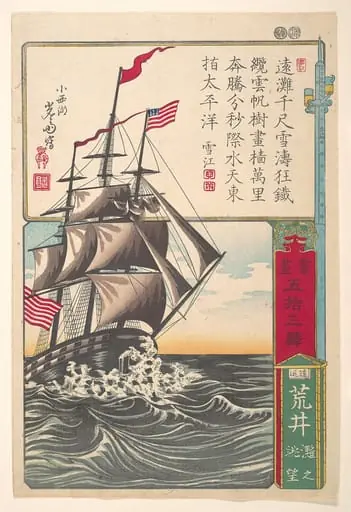
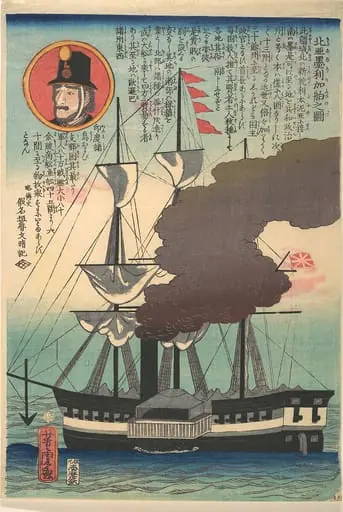 Kita Amerka fune no zu|North American Ship
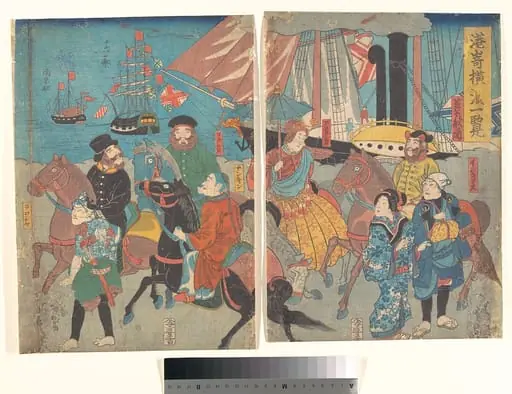 港崎横浜一覧|A Glance at Miyosaki, Yokohama
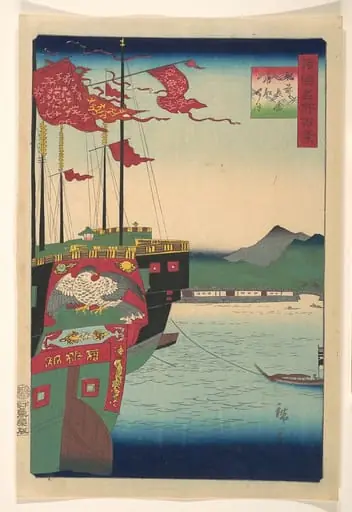 諸国名所百景 肥前長崎唐船の津|Dutch and Chinese Ships in the Harbor at Nagasaki in Hizen Province
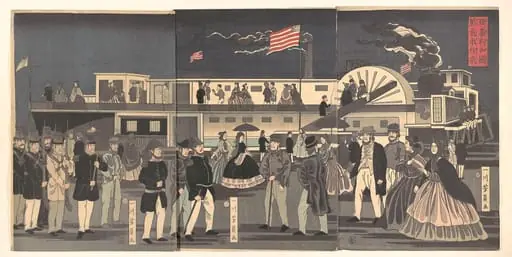 「亞墨利加國蒸氣車往来」|“America”: A Steamship in Transit
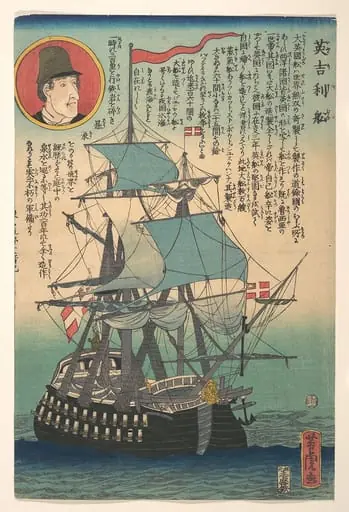 Igirisu fune|English Ship
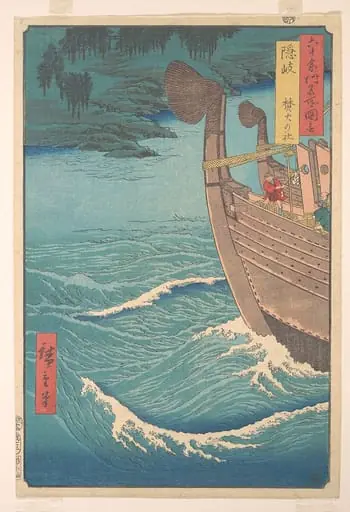 六十余州名所図会 隠岐 焚火の社|The Takihi Shrine, Oki Province, from the series Views of Famous Places in the Sixty-Odd Provinces
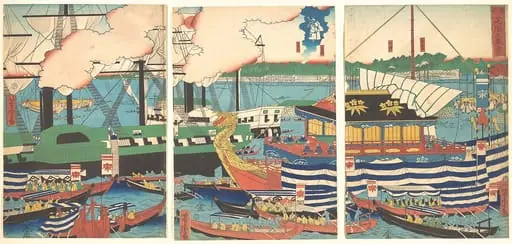 東都芝浦之風景|View of Shibaura, from the series Eastern Capital (Tōto, Shibaura no fūkei)
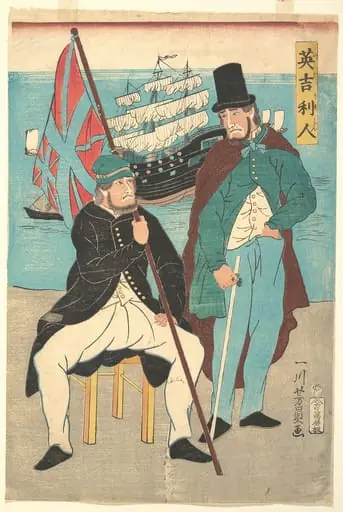 Igirisujin|Englishmen
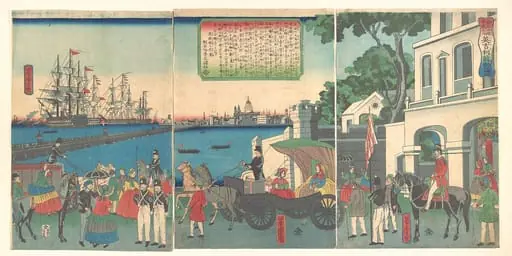 Igirisu Rondon no kaiko|The Port of London England
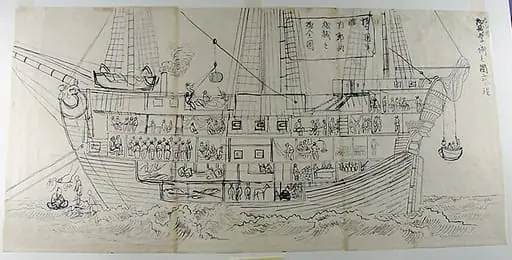 Untitled
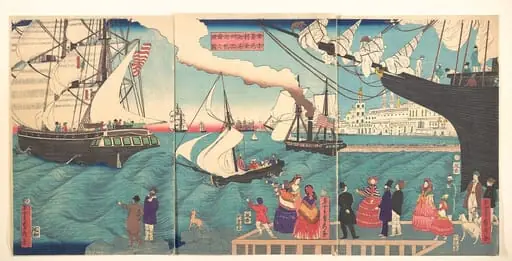
![Hatoba no kihan|Returning Sails at the Wharves [American couple]](https://artifactworldgallery.com/img/utagawa-yoshitora--hatoba-no-kihan-returning-sails-at-the-wharves-american-coup--7cbb23b38d23029d-w320.webp) Hatoba no kihan|Returning Sails at the Wharves [American couple]
Hatoba no kihan|Returning Sails at the Wharves [American couple]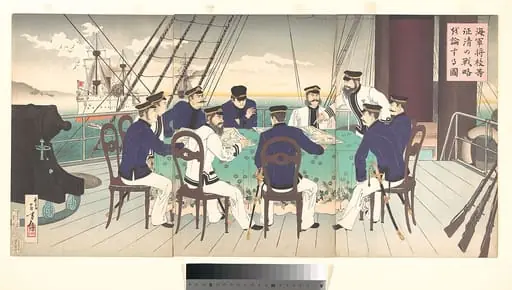 Untitled
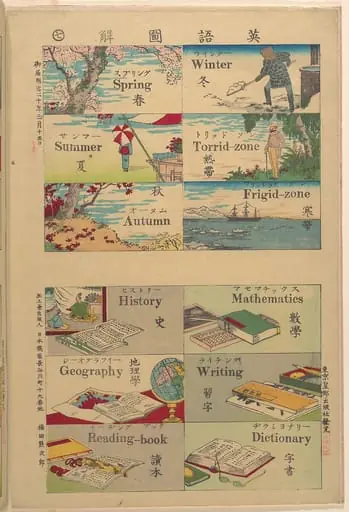 Untitled
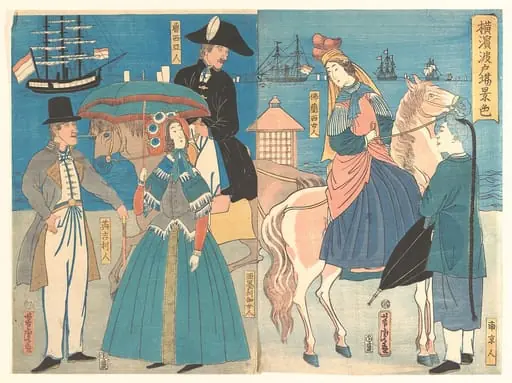 Yokohama hatoba keshiki|A View of the Wharves in Yokohama
![歌川芳盛画 「五ケ国之内 アメリカ]|“America,” from the series Five Nations](https://artifactworldgallery.com/img/utagawa-yoshimori--america-from-the-series-five-nations--cda6a88dd74d0da3-w320.webp) 歌川芳盛画 「五ケ国之内 アメリカ]|“America,” from the series Five Nations
歌川芳盛画 「五ケ国之内 アメリカ]|“America,” from the series Five Nations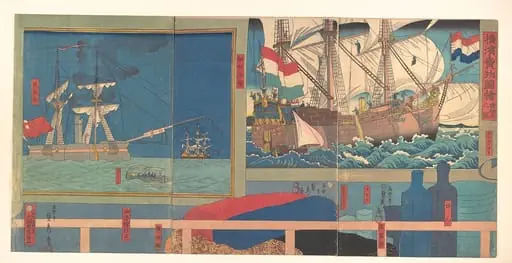 「横浜買物圖繒 唐物店之圖」|Curio Shop in Yokohama
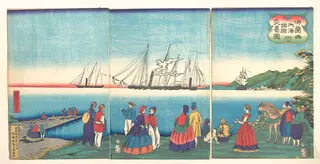 仏蘭西大湊諸国交易図|Illustration of a Large French Port Trading with Many Nations (Furansukoku oominato shokoku kōeki zu)
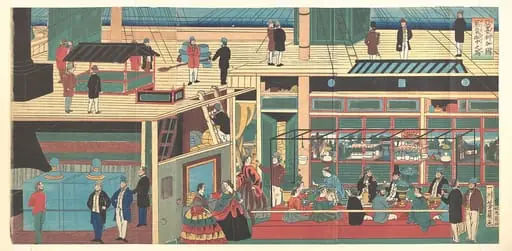 Amerika koku jōkisen naka no zu|Interior of an American Steamship
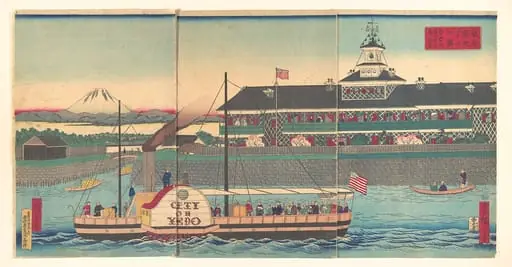 東京築地ホテル館|The Tsukiji Hotel in Tokyo (Tokyo Tsukiji hoteru kan)
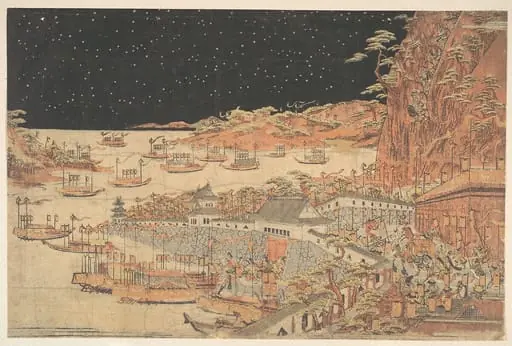 Untitled
 Peisaj
 Untitled
 Untitled
 Untitled
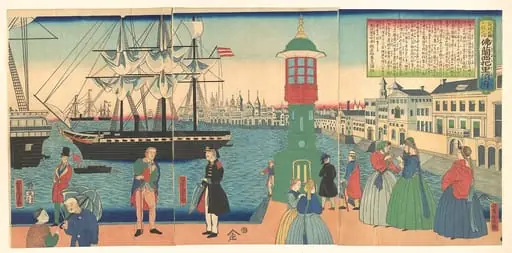 Furansu Paris no fu|Paris, France
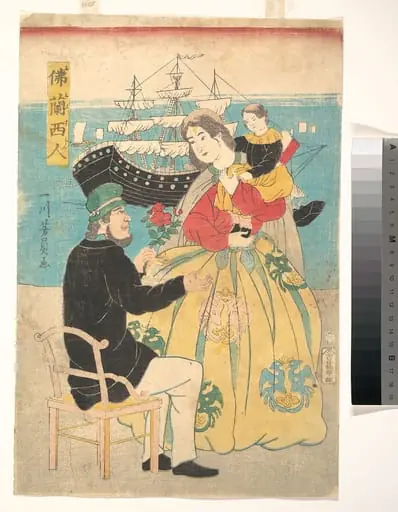 Untitled
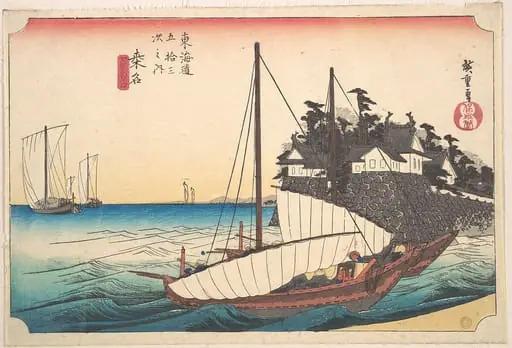 東海道五十三次之内 桑名 七里渡口|Kuwana, Shichi-Ri Watashi Guchi
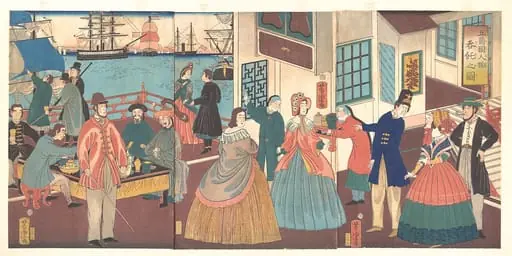 五箇国人物呑託之図|People of the Five Nations
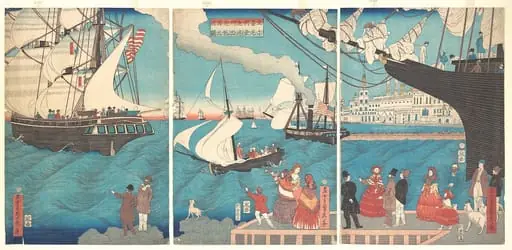 Amerika Karuhorunia Ko shuppan no zu|Sailing from a California Port
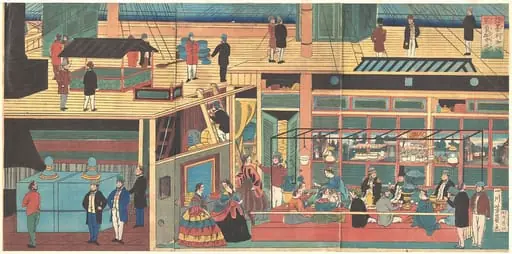 Amerika Koku Jokisen naka no zu|View Inside an American Steamship
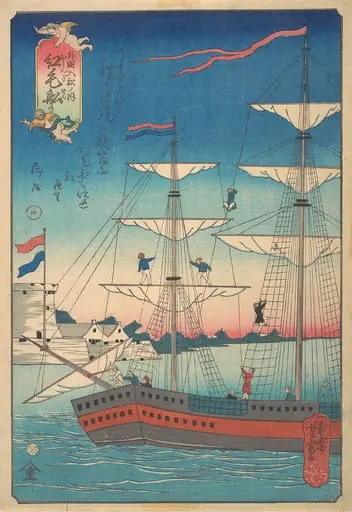 Orandasen|Dutch Ship
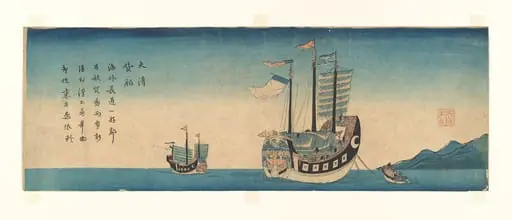 長崎港図|Chinese Ships at Nagasaki
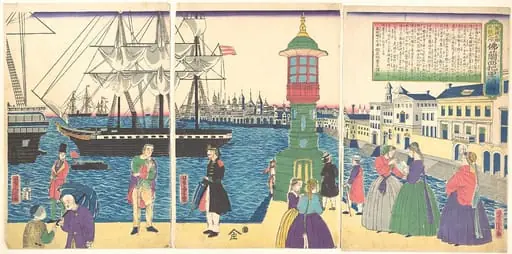 Untitled
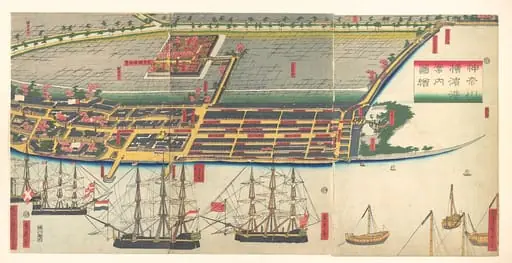 Kanagwa Yokohama minato...zue|Pictorial Guide to Yokohama Harbor
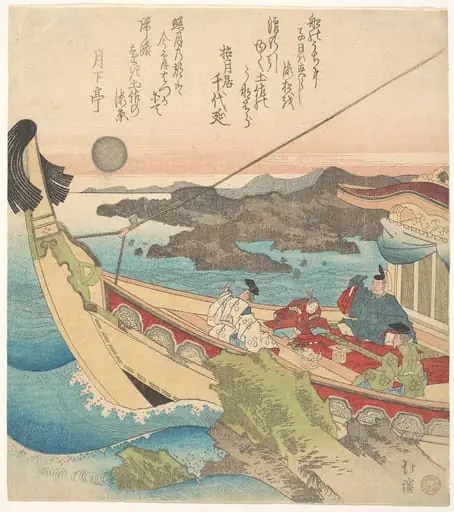 Tosa no umi|Inland Sea near Tosa
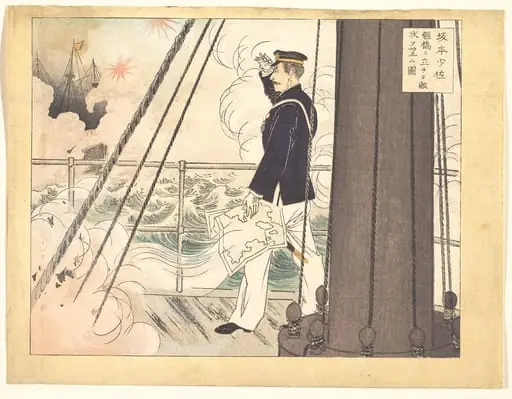 Sakamoto Otasuku Kankyo ni tachite tekijo o nozomu zu|Sakamoto Otasuku
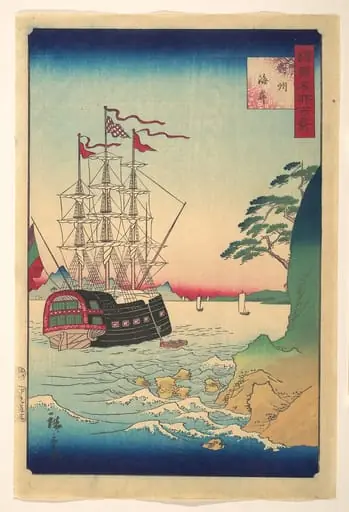 諸国名所百景 對州海岸|Dutch Ship at Anchor off the Coast of Tsushima
Ship is a subject in art. A ship is a large watercraft designed for travel across the surface of a body of water, carrying cargo or passengers, or in support of specialized tasks such as warfare, oceanography and fishing.
Artifact World Gallery holds 195 public-domain Ship works, all free to view and download.
Key Ship artists in the collection include Édouard Manet, Thomas Chambers and Camille Pissarro.
Ship works in the collection are held by Metropolitan Museum of Art, Rijksmuseum and Museum of Fine Arts Boston.
Your cart is empty
Browse artworks →