Artwork
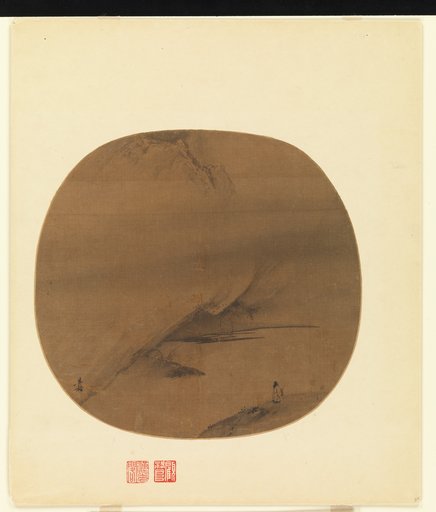
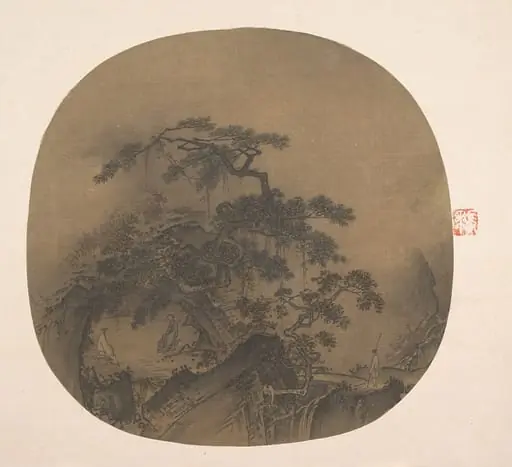
南宋 梁楷 澤畔行吟圖 團扇|Poet strolling by a marshy bank
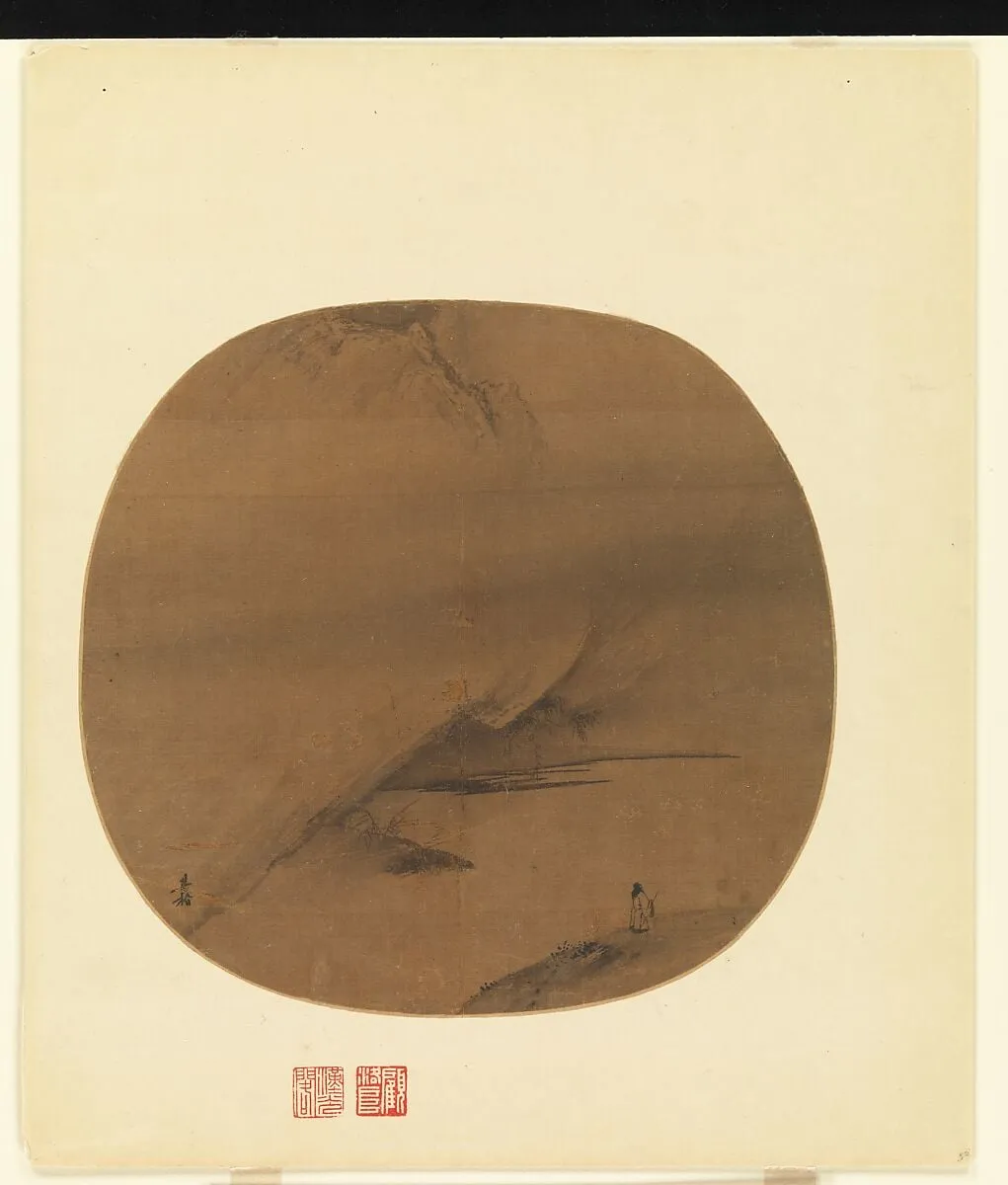
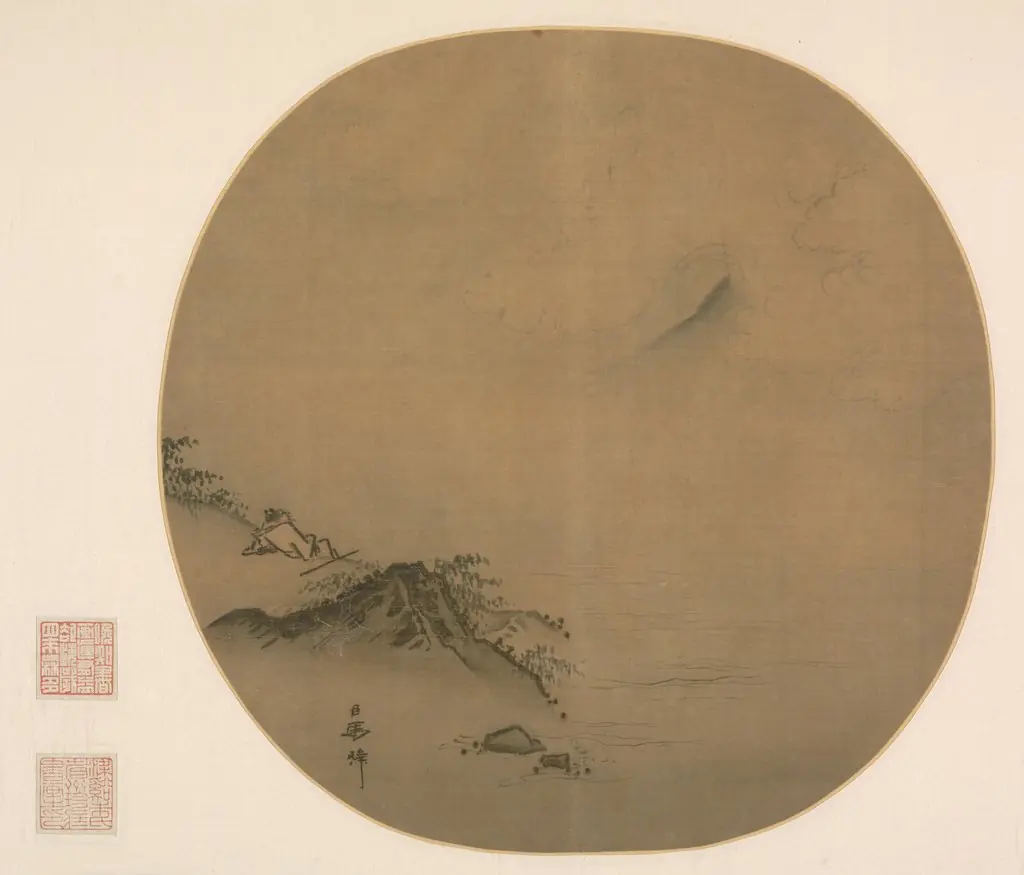
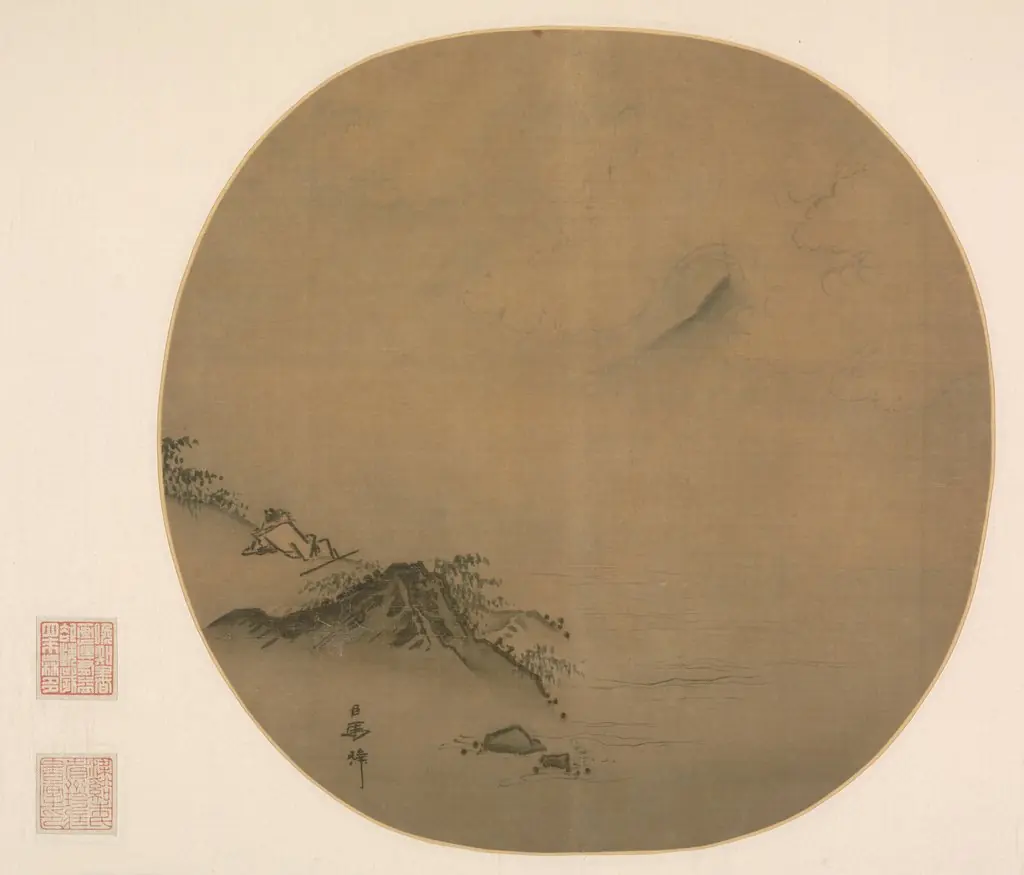
南宋 梁楷 澤畔行吟圖 團扇|Poet strolling by a marshy bank is an ink painting by the Song dynasty landscape artist Liang Kai. It dates from 1212 and is held in the collection of the Metropolitan Museum of Art.
About this work
Technique & Style
As a work of the Southern Song period, it belongs to the landscape genre, depicting a poet strolling by a marshy bank.
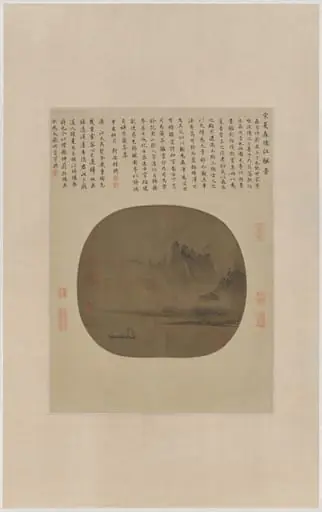
The painting is executed in ink on silk, forming a fan that has been subsequently mounted as an album leaf. Its dimensions are 22.9 cm in height by 24.3 cm in width, and it was created in 1212 in China. As a work of the Southern Song period, it belongs to the landscape genre, depicting a poet strolling by a marshy bank.
The piece is part of the Metropolitan Museum of Art's collection, where it is catalogued as a landscape painting.
History & Provenance
The work, identified as Poet strolling by a marshy bank, was created by the artist Liang Kai in 1212. Executed as an ink painting on silk, the piece originated as a fan that was subsequently mounted as an album leaf. It was produced in China and is classified within the landscape genre. The painting is currently held in the collection of the Metropolitan Museum of Art.
The work is held by the Metropolitan Museum of Art in New York, where it is catalogued as part of the museum's Asian painting collection. According to the museum's online record, the item is listed under the genre of landscape painting and was created in the early thirteenth century. The fan measures roughly twenty‑three centimeters in height and twenty‑four centimeters in width.
No accession number appears in the published catalog entry, and the available records do not mention any exhibition history for this piece.
Context
Liang Kai, a Southern Song literati painter active in the early thirteenth century, created the fan-mounted work titled "Poet strolling by a marshy bank" in 1212. Executed in ink on silk, the piece exemplifies the delicate brushwork and contemplative landscape genre characteristic of Southern Song court artists. The composition depicts a solitary poet amid reeds, reflecting the era’s emphasis on poetic retreat and natural observation.
The work is part of the Metropolitan Museum of Art’s collection, where it is catalogued with dimensions of 22.9 cm by 24.3 cm and recorded as a representative example of Chinese landscape painting from the period. Scholars consider it an important illustration of the synthesis of poetic subject matter and refined visual rhetoric in Southern Song art.
Overview
Poet strolling by a marshy bank is an ink on silk painting by Liang Kai from the Southern Song dynasty, created in 1212. Originally a round fan, it depicts a solitary figure navigating a tranquil landscape. The work exemplifies the era's focus on intimate natural scenes and the contemplative mood often associated with scholar-painters. Its minimalist composition and fluid brushwork are characteristic of Liang Kai's approach.
Subject & Meaning
The painting centers on a lone individual, identified as a poet, walking with a staff along a marshy bank. This solitary journey through nature suggests introspection and contemplation, themes frequently explored in Chinese literati art. The expansive empty space surrounding the figure emphasizes his isolation and the quietude of the moment, inviting viewers to share in the meditative atmosphere of the scene.
Artist & collection