
Movement
Song dynasty landscape
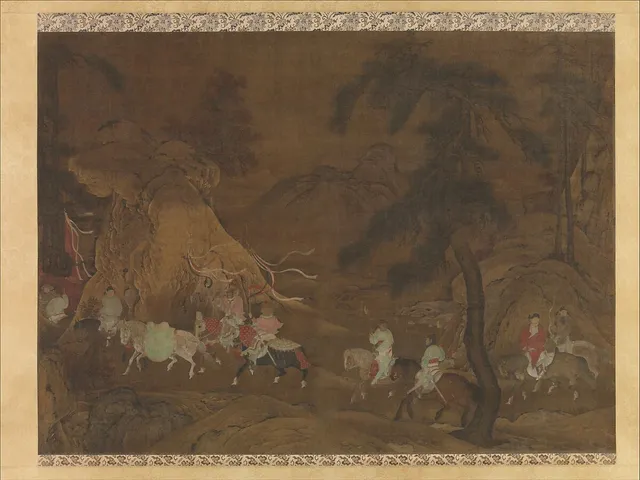
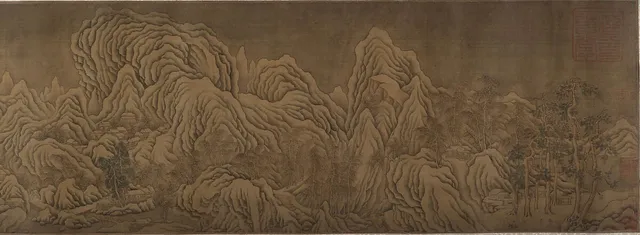
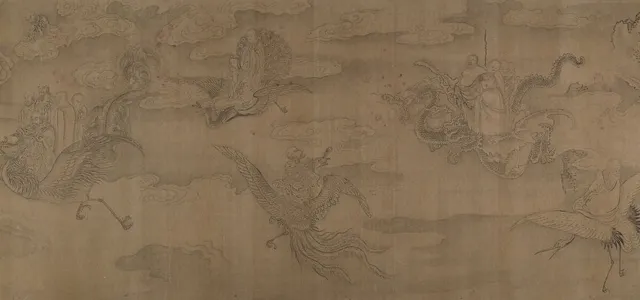
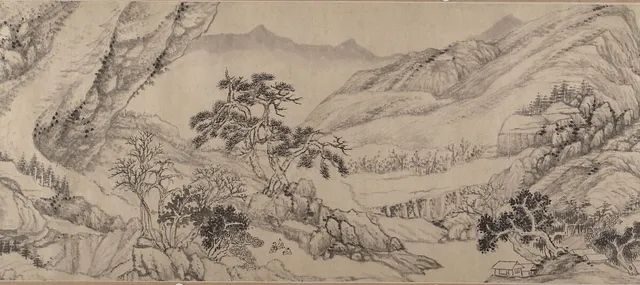
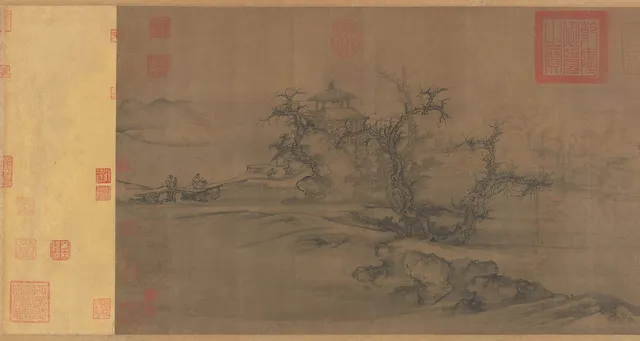
Song dynasty landscape is an art movement of the 960–1280 period. The gallery holds 259 works in this movement, including works by Qian Xuan, Wang Zhenpeng and Guo Xi. Browse Song dynasty landscape paintings, portraits, pictures and artworks from the world's public-domain museum collections.
Few traditions in world art match the ambition of the landscape painting that flourished under China's Song dynasty (960–1279). After centuries of division, the Song reunification brought a prosperous, literate court culture in which the depiction of nature—shan shui, literally "mountain-water"—became the most esteemed of all subjects. Steeped in Daoist reverence for the cosmos and Neo-Confucian inquiry into the underlying principle of things, painters treated the landscape not as scenery but as a moral and metaphysical order, within which tiny travellers, temples, and fishing boats are dwarfed by the immensity of creation.
Under the Northern Song (960–1127), this vision took monumental form. Towering central peaks rise through veils of mist above intricately observed foothills, waterfalls, and gnarled trees, built up from disciplined texture strokes (cun) that render rock and bark. The court painter Guo Xi codified the grammar of the genre in his treatise Linquan Gaozhi ("The Lofty Message of Forests and Streams"), compiled by his son Guo Si, which set out the famous "three distances"—high, deep, and level—and a mobile, "floating" viewpoint that lets the eye wander through the scene rather than fix it from one spot.
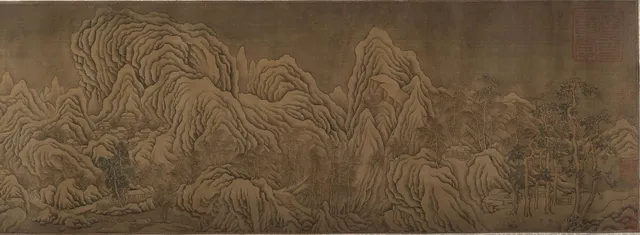
The three pillars of the Northern Song are Li Cheng (916–967), Fan Kuan, and Guo Xi. Fan Kuan's awe-inspiring Travellers among Mountains and Streams and Guo Xi's Early Spring (1072) remain the canonical statements of the style; our collection holds Guo Xi's intimate handscroll Old Trees, Level Distance, which shows the same master in a quieter, more lyrical key.
The Jurchen conquest of 1127 drove the court south to Lin'an (modern Hangzhou), and landscape painting transformed with it. Li Tang carried the northern tradition south and pioneered the broad "axe-cut" texture stroke; his successors Ma Yuan and Xia Gui developed the celebrated Ma-Xia or "one-corner" manner—asymmetric compositions of a single bank or bough set against washes of empty mist. The softer, rubbed brushwork of the southern masters Dong Yuan and Juran, and the intimate suburban scenes of the imperial scion Zhao Lingrang (represented here by River Village in Autumn Dawn), pointed toward the introspective "mind landscapes" later prized by Yuan and Ming literati painters, for whom the Song remained the unsurpassed standard.
Key artists


Works
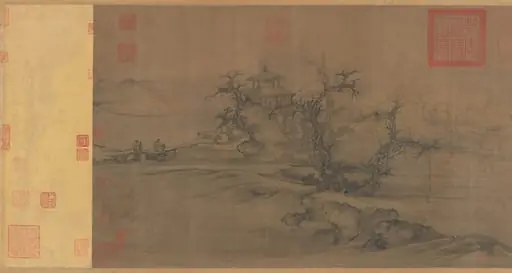 北宋 郭熙 樹色平遠圖 卷 |Old Trees, Level Distance
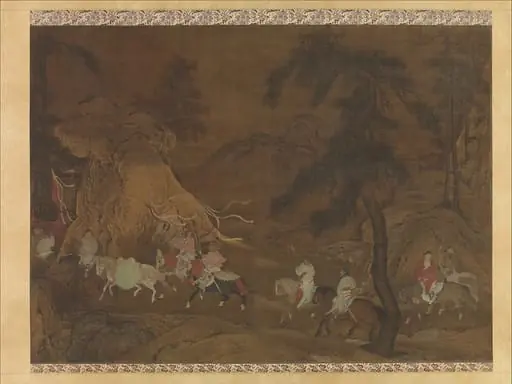 南宋 佚名 明皇幸蜀圖 軸|Emperor Xuanzong's Flight to Shu
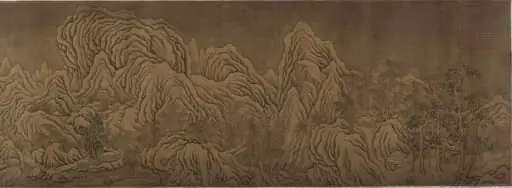 Untitled
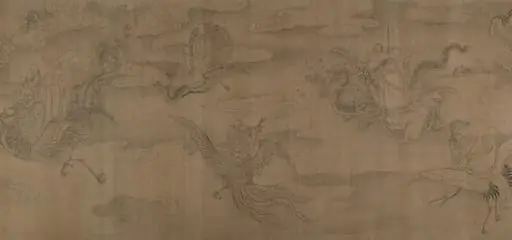 Untitled
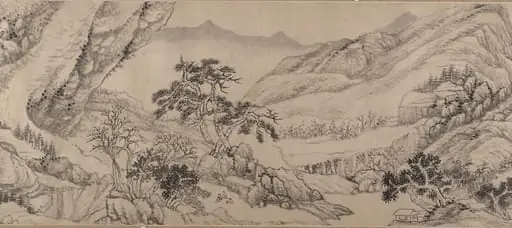 清 柳堉 山水圖 卷|Traveling Amid Streams and Mountains
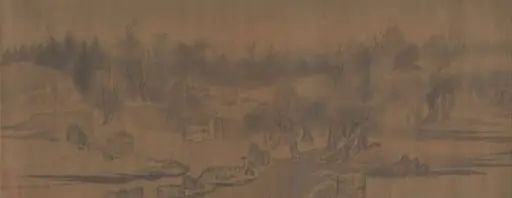 北宋 傳趙令穰 江村秋曉圖 卷|南宋 舊傳 趙令穰 江村秋曉圖 卷|River Village in Autumn Dawn
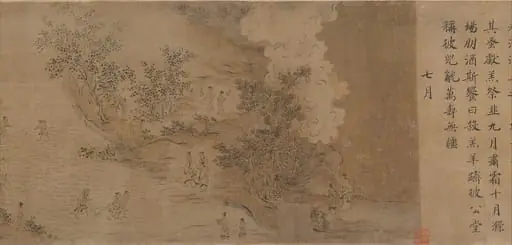 南宋 馬和之 詩經豳風圖 卷|Odes of the State of Bin
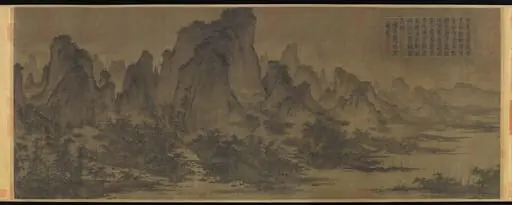 北宋 傳屈鼎 夏山圖 卷|Summer Mountains
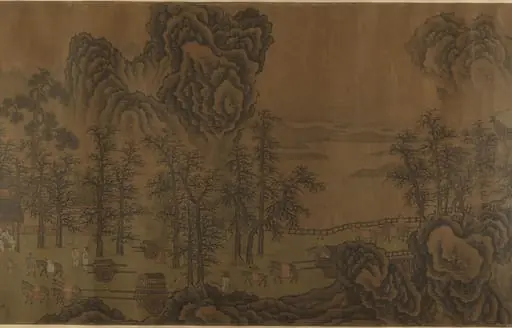 Untitled
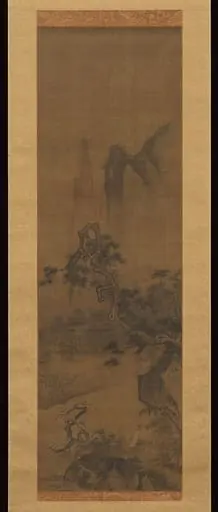 南宋 佚名 賞梅圖 軸|Scholar admiring plum blossoms
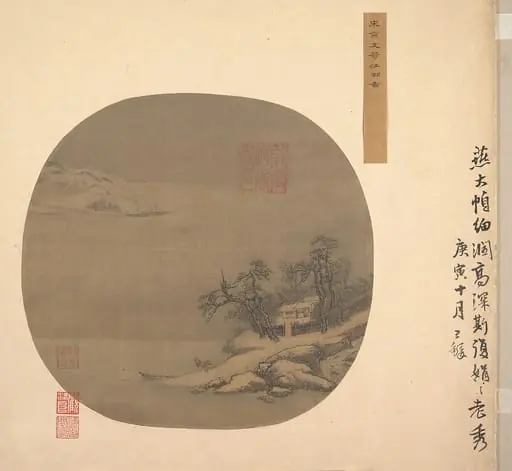 南宋 佚名 江邨圖 團扇|River Hamlet
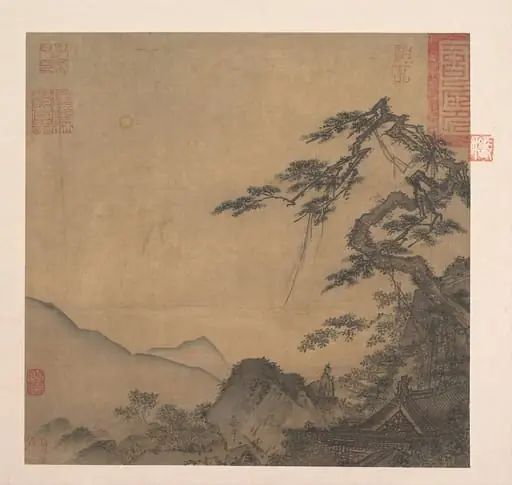 南宋 馬麟 松下高士圖 冊頁 絹本|Landscape with great pine
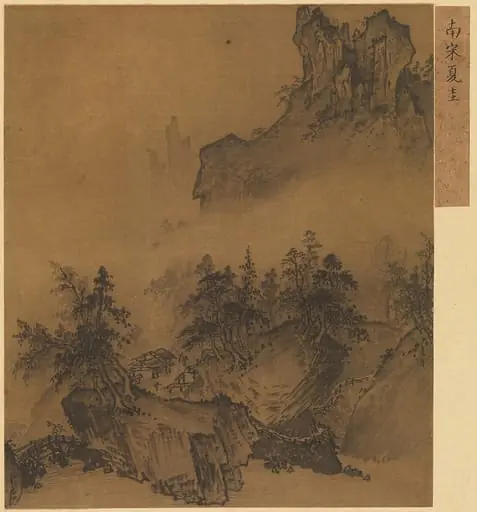 南宋 夏珪 山市晴嵐圖 冊頁|Mountain Market, Clearing Mist
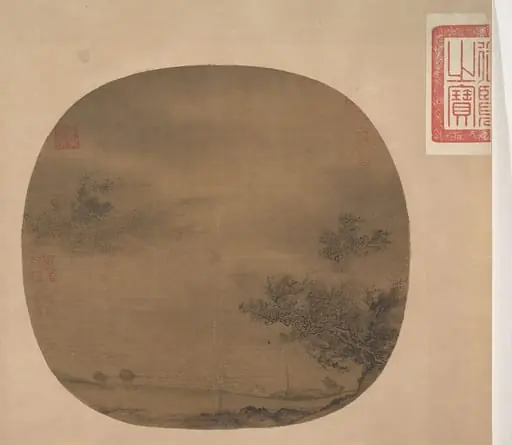 南宋 佚名 風雨拉縴圖 團扇|Towing a Boat in a Rainstorm
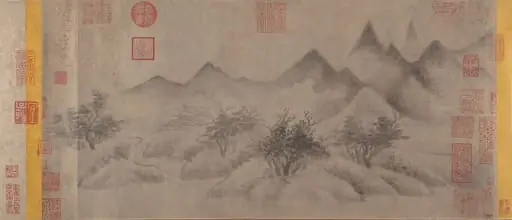 南宋 米友仁 雲山圖 卷|Cloudy Mountains
 南宋 李結 西塞漁社圖 卷 |Fisherman's Lodge At Mount Xisai
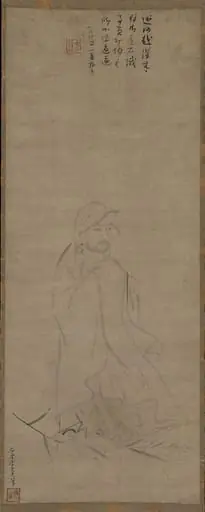 元 李堯夫,一山一寧題贊 達摩渡江圖 軸|Bodhidharma crossing the Yangzi River on a reed
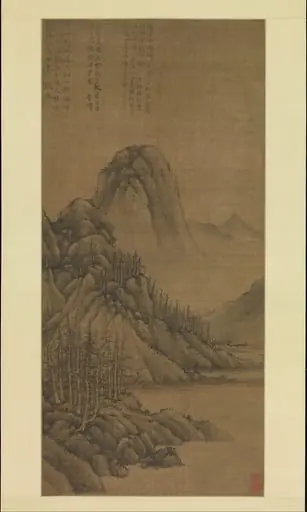 元 張遜 石上松花圖 軸|Rocky Landscape with Pines
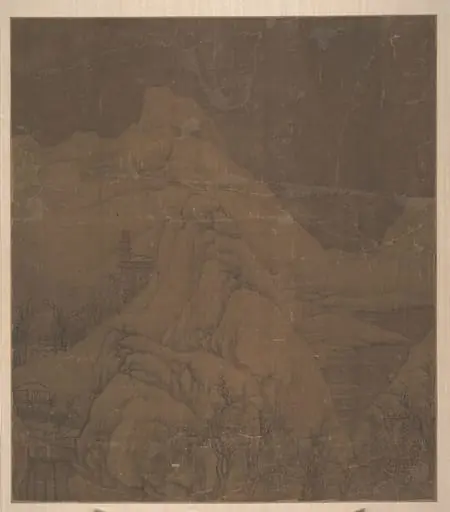 Untitled
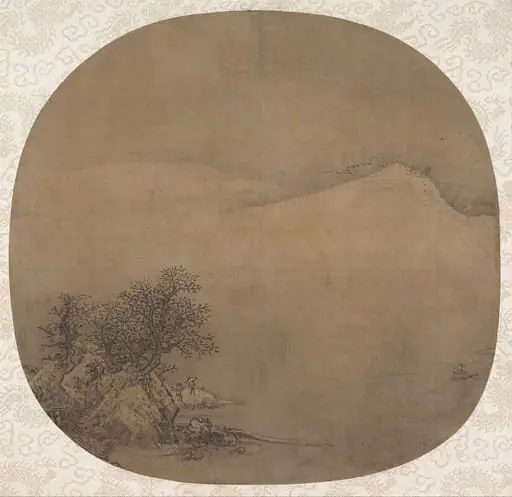 南宋 佚名 雪景待渡圖 團扇|Waiting for the Ferry
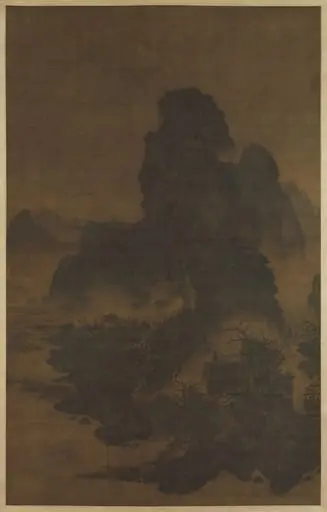 北宋 佚名 倣范寬山水圖 軸|Landscape in the style of Fan Kuan
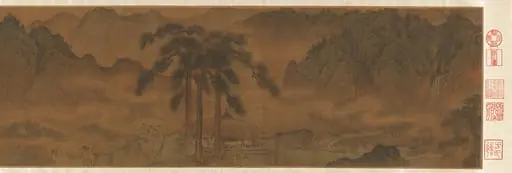 金 傳楊邦基 聘金圖 巻|A Diplomatic Mission to the Jin
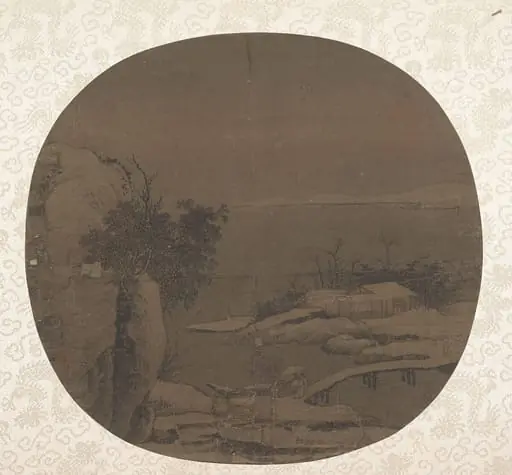 明? 佚名 舊傳燕文貴 雪橋送別 扇|Bridge in Snow
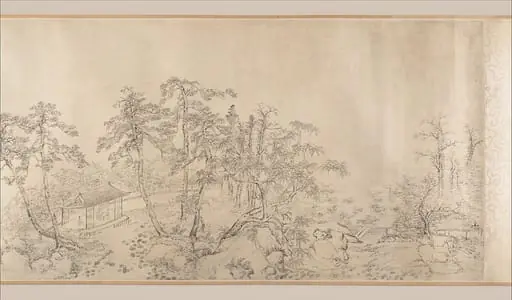 清 高簡 説詩圖 卷|Discourse on Poetry
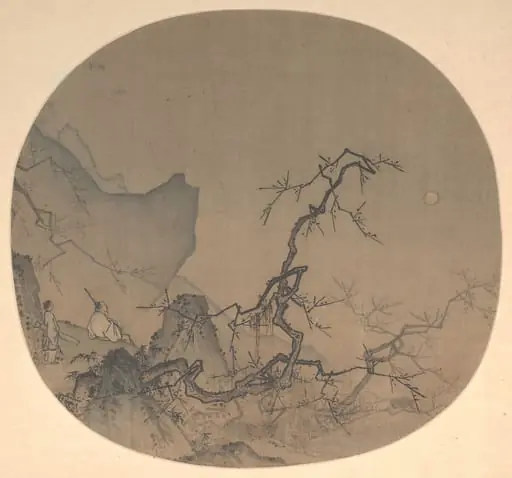 南宋 馬遠 月下賞梅圖 團扇|Viewing plum blossoms by moonlight
 Cloudy Mountains
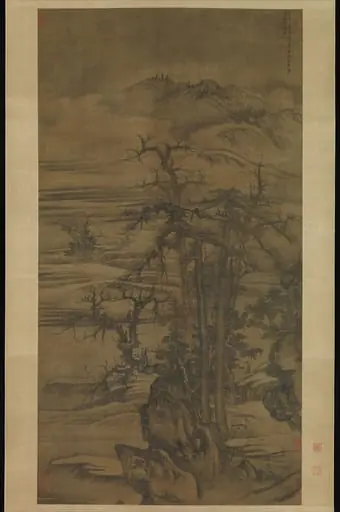 元 唐棣 摩詰詩意圖 軸|Landscape after a poem by Wang Wei
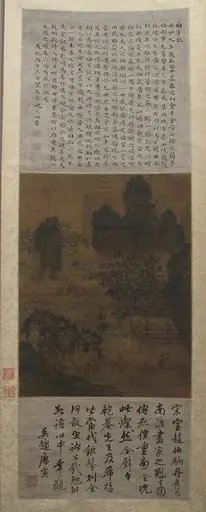 明/清 佚名(舊傳趙伯駒) 蘭亭圖 軸|Orchid Pavilion or Lanting
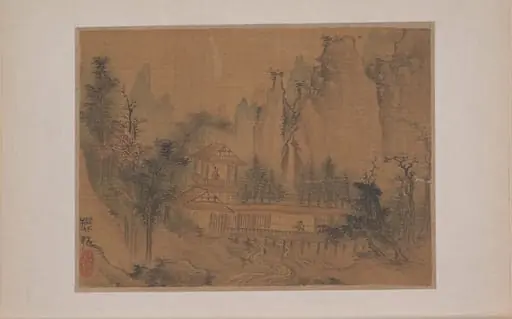 Untitled
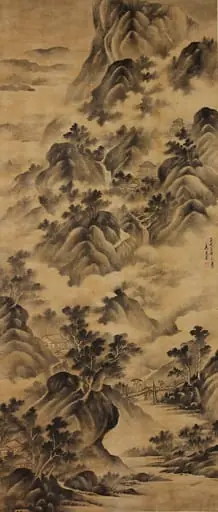 清 佚名 高克恭(僞款) 山水圖 軸|Landscape
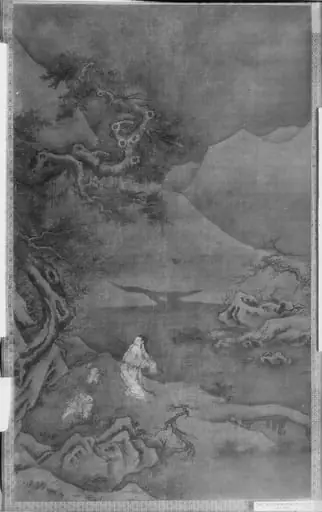 Untitled
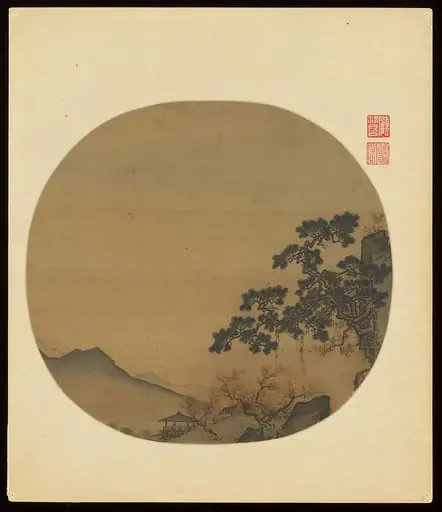 南宋 佚名 春山曛暮圖 團扇|Early spring landscape
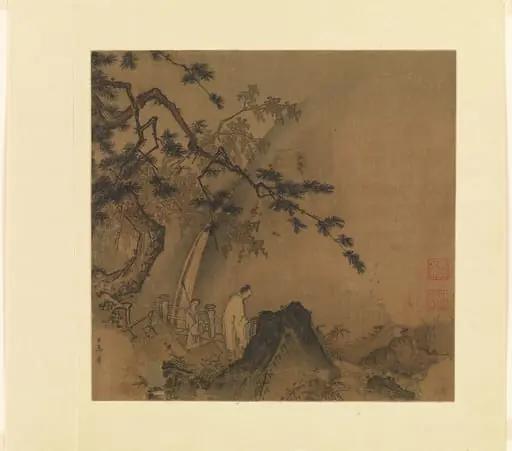 南宋 馬遠 高士觀瀑圖 冊頁 絹本|Scholar viewing a waterfall
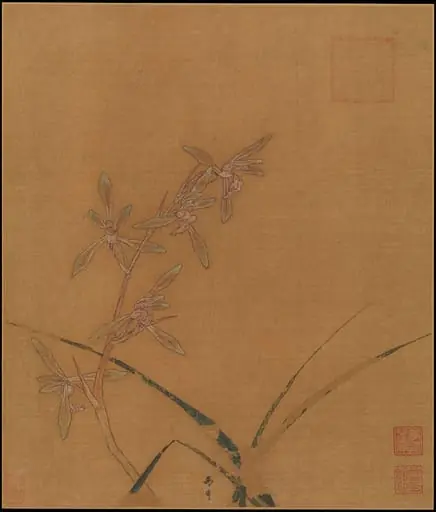 南宋 馬麟 蘭花圖 冊頁 絹本|Orchids
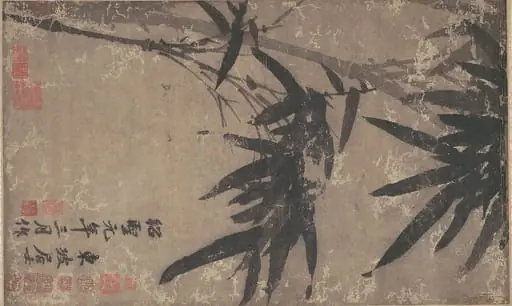 傳南宋 蘇軾 墨竹圖 卷|Bamboo
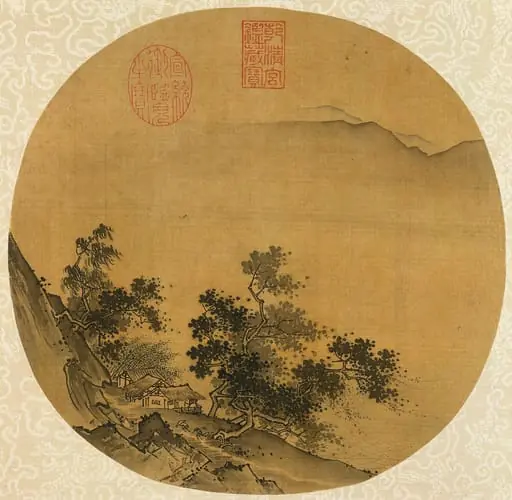 南宋 佚名 倣夏珪 冒雨尋莊圖 團扇|Returning Home in a Driving Rain
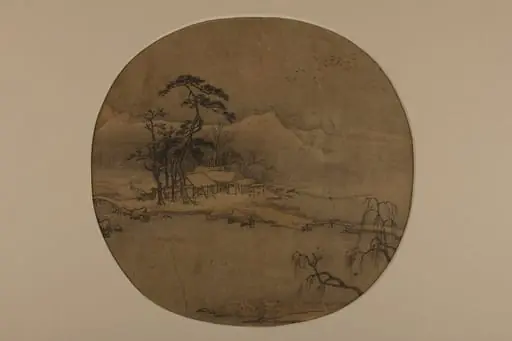 南宋 佚名 冬景圖 團扇|Winter Landscape
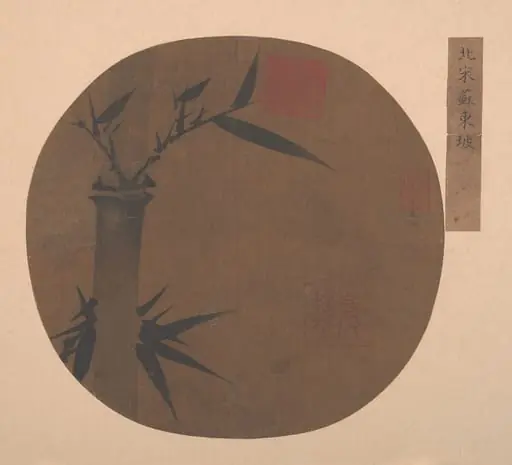 清 佚名 舊傳蘇軾 墨竹圖 扇|Bamboo
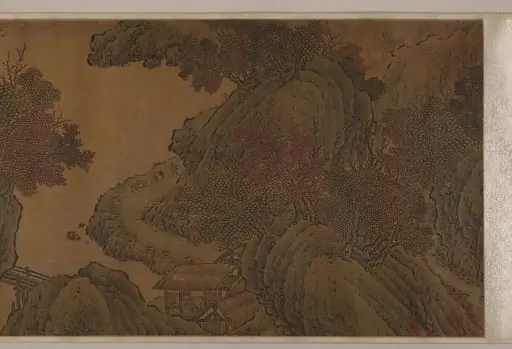 清 佚名 舊傳范寬 煙嵐秋曉圖 卷|Autumn Landscape
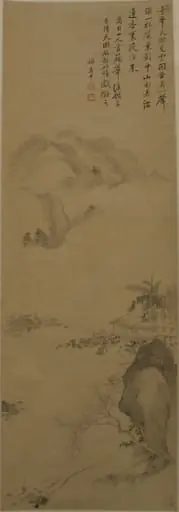 Untitled
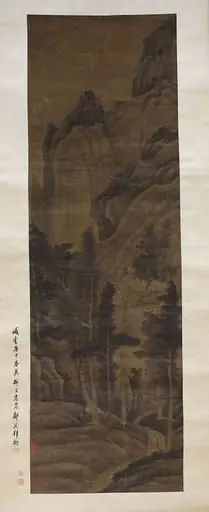 明/清 佚名 董源(僞款) 高樹叠嶂圖 軸|Mountain Landscape
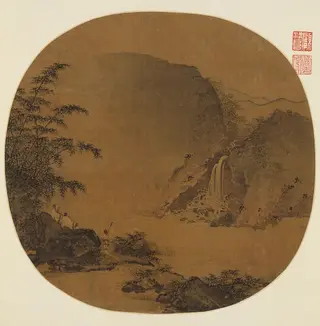 宋 佚名 觀瀑圖 團扇|Gentlemen gazing at a waterfall
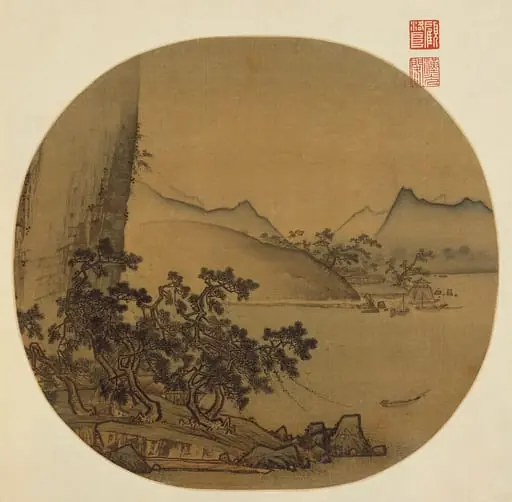 南宋 佚名 舊傳閻次于 風雨維舟圖 團扇|Boats Moored in Wind and Rain
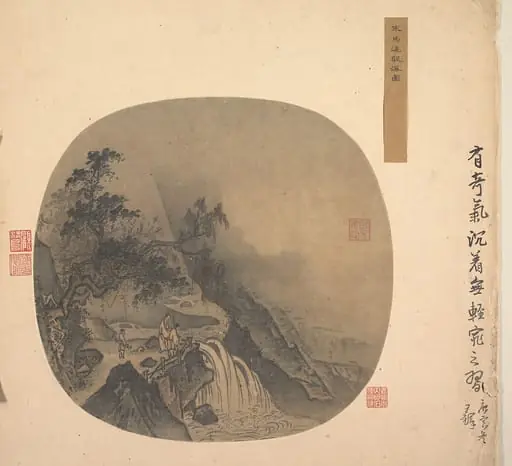 南宋 佚名 倣夏珪 觀瀑圖 團扇|Men Watching a Waterfall
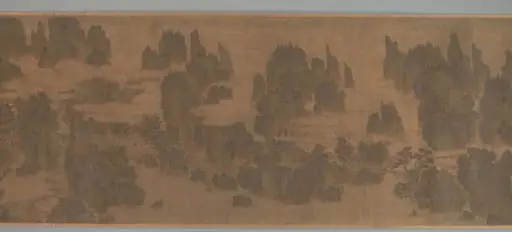 南宋 佚名 別苑春山圖 卷|Retreats in the Spring Hills
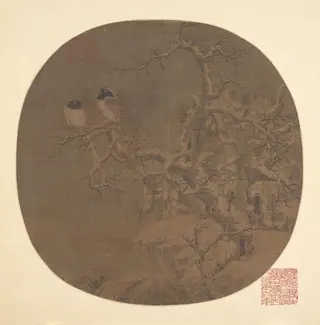 南宋 傳李迪 幽禽寒林圖 冊頁|Two Birds on a Wintry Tree
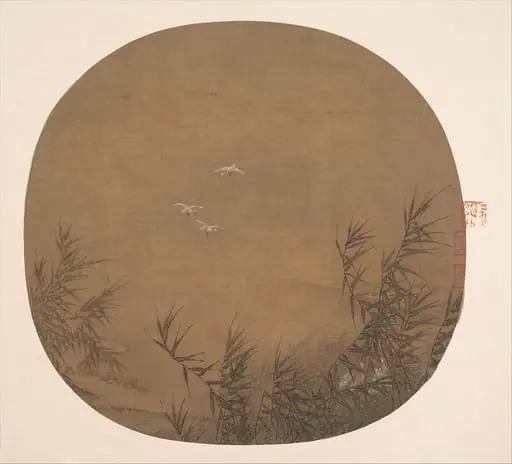 南宋 佚名 蘆鷺圖 團扇|Egrets in Water Reeds
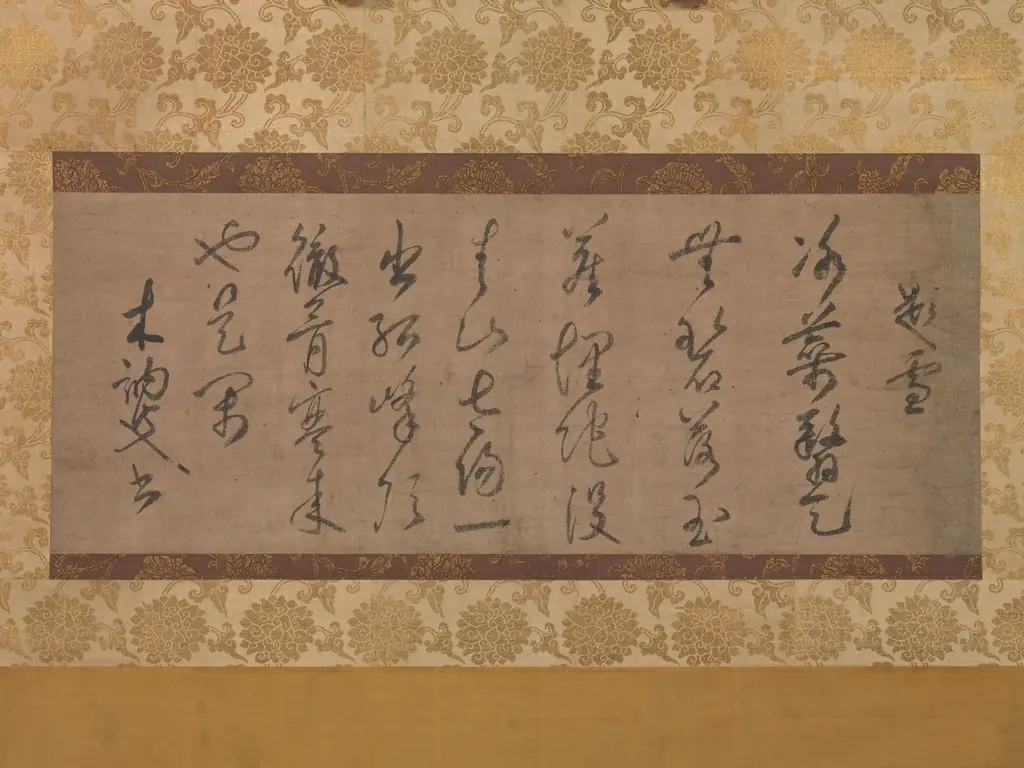 Poem on the Theme of Snow
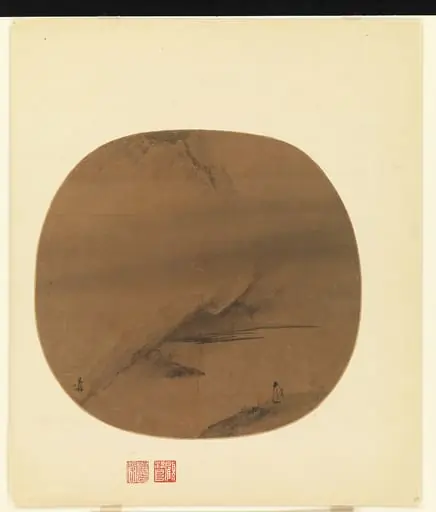 南宋 梁楷 澤畔行吟圖 團扇|Poet strolling by a marshy bank
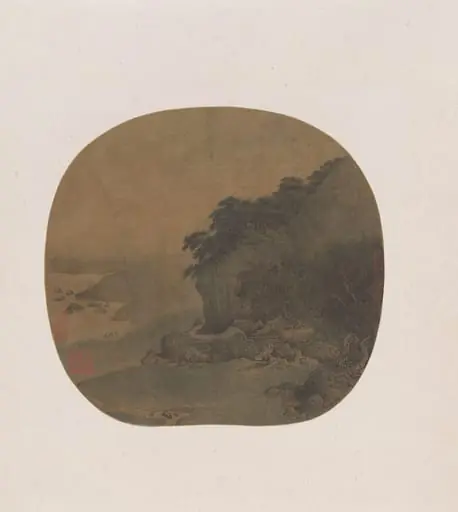 南宋 傳閻次于 松壑隱棲圖 團扇|Hermitage by a pine-covered bluff
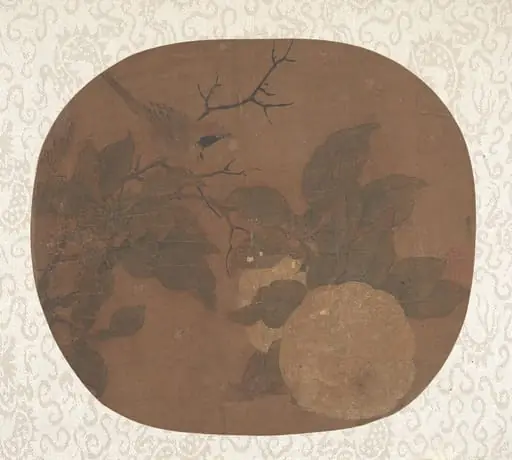 Untitled
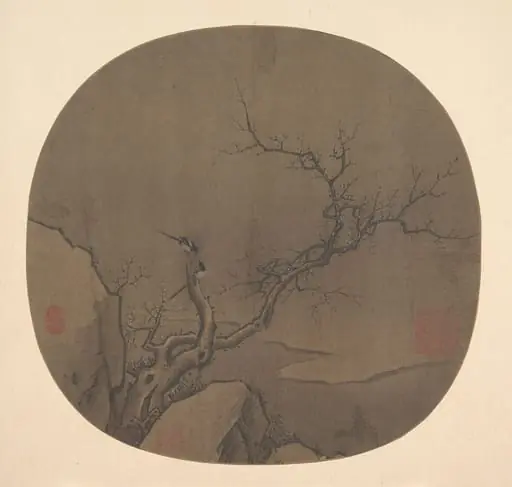 Untitled
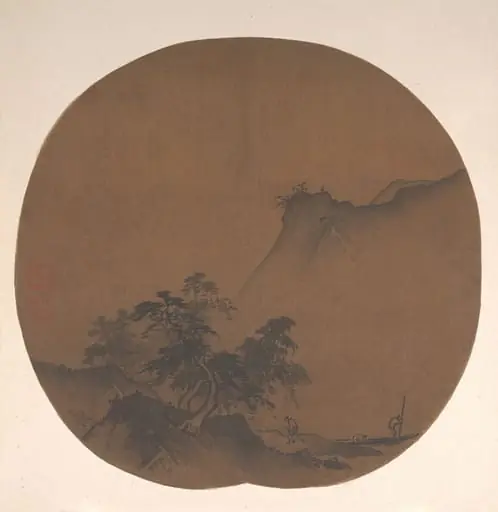 南宋 傳夏珪 澤畔疾風圖 團扇|Windswept lakeshore
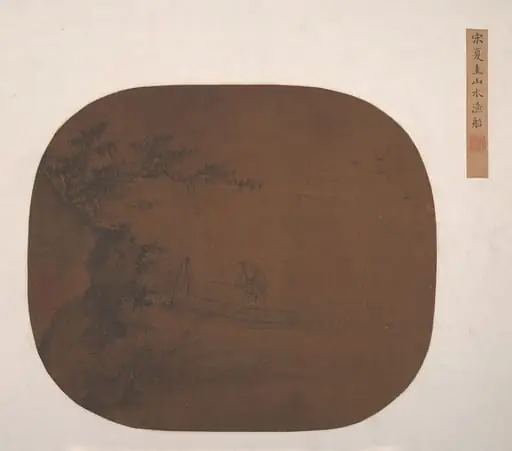 Untitled
 Folio 22 from a Gandavyuha-sutra (Scripture of the Supreme Array): Samantabhadra spinning clouds of things (recto); Text (verso)
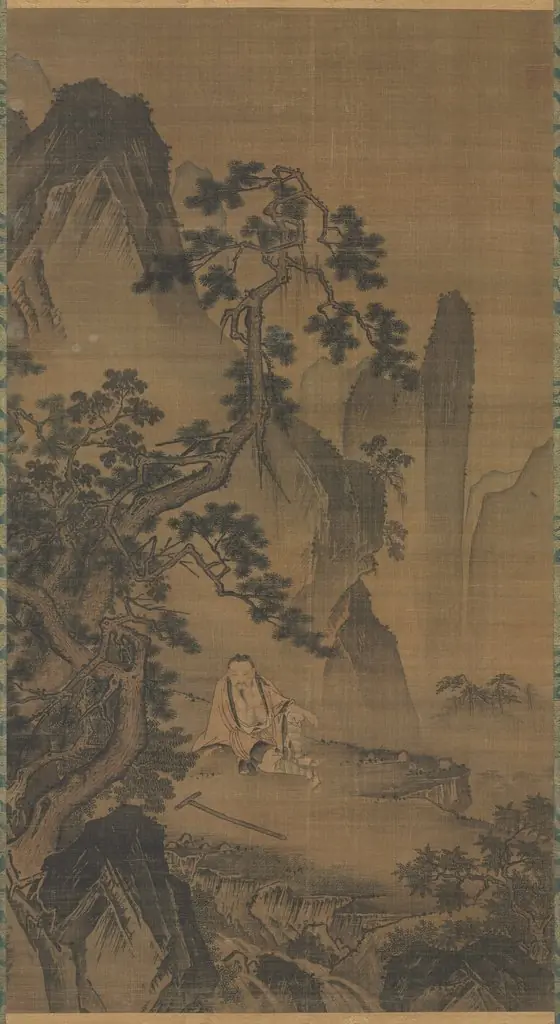 The Hermit Xu You Resting by a Stream
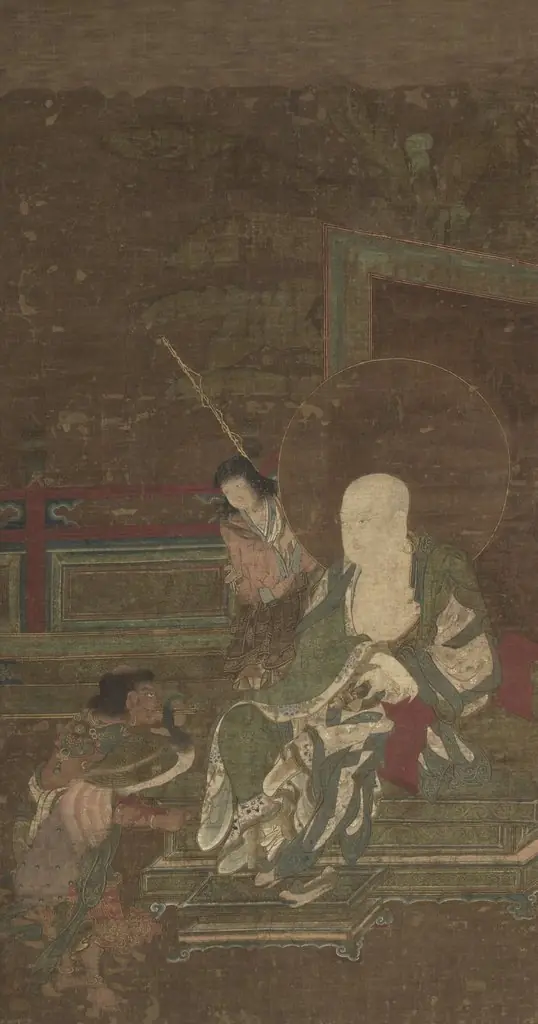 Seated Arhat with Two Attendants
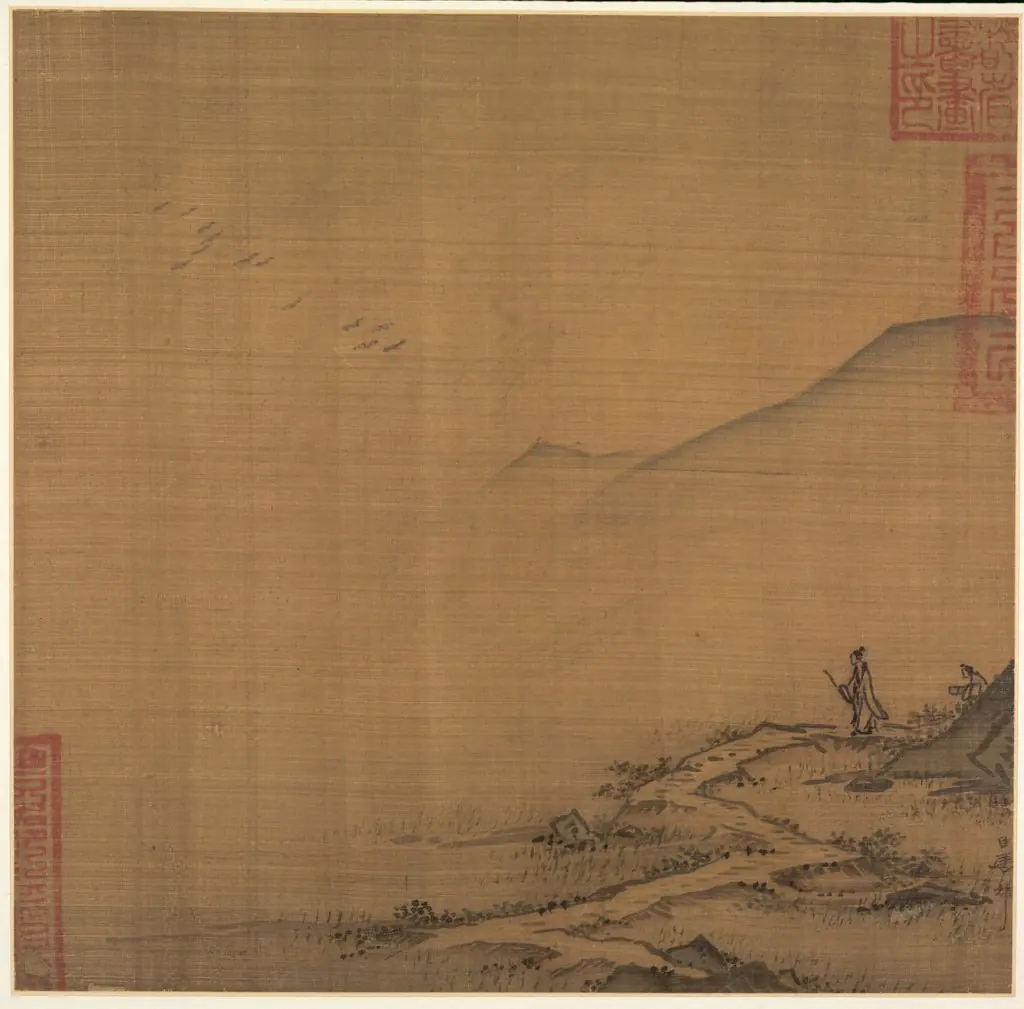 Landscape with Flying Geese
 Folio 348 from a Gandavyuha-sutra (Scripture of the Supreme Array): Bodhisattva Manjushri with two forms of Avalokiteshvara (recto); Bodhisattva Samantabhadra purifies the path to enlightenment, with Manjushri (verso)
 Text, folio 115 (verso) from a Gandavyuha-sutra (Manuscript of the Supreme Array)
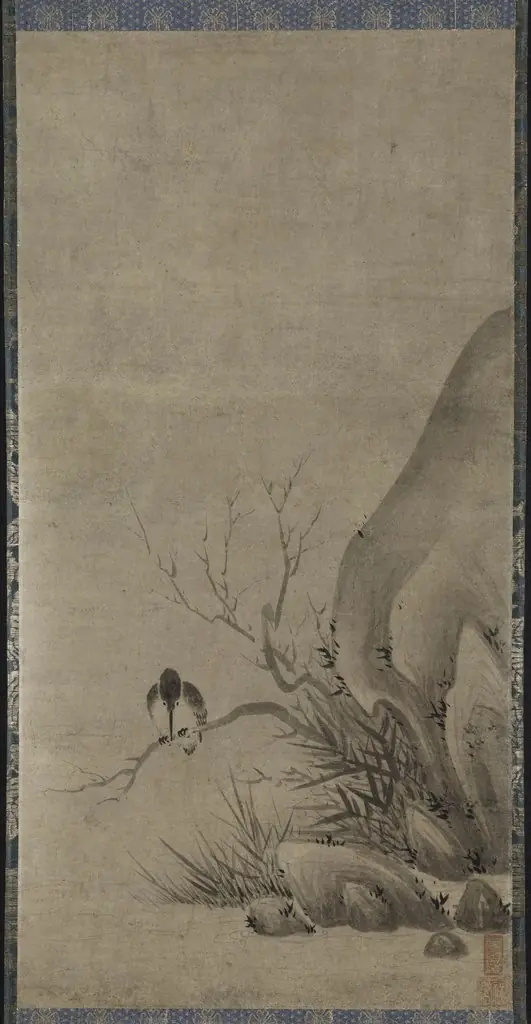 Kingfisher Perched above a Stream
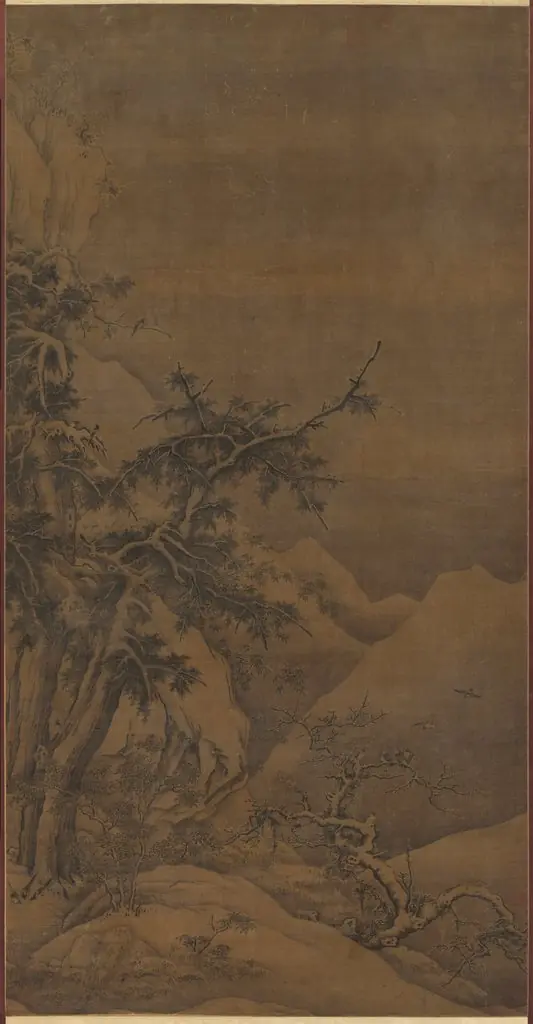 Birds in a Grove in a Mountainous Winter Landscape
 Sudhana and an antelope, folio 73 (recto) from a Gandavyuha-sutra (Scripture of the Supreme Array)
 Folio 73 from a Gandavyuha-sutra (Scripture of the Supreme Array): Sudhana and an antelope (recto); text (verso)
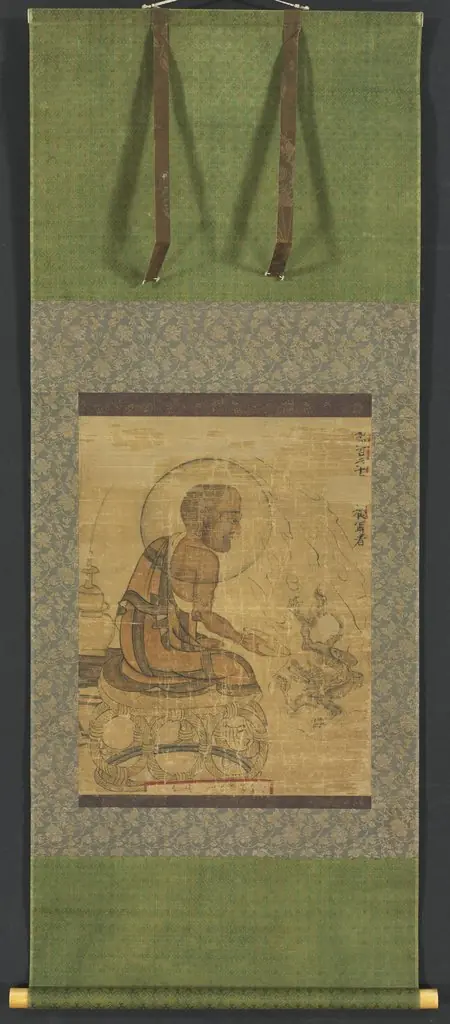 Arhat
Arhat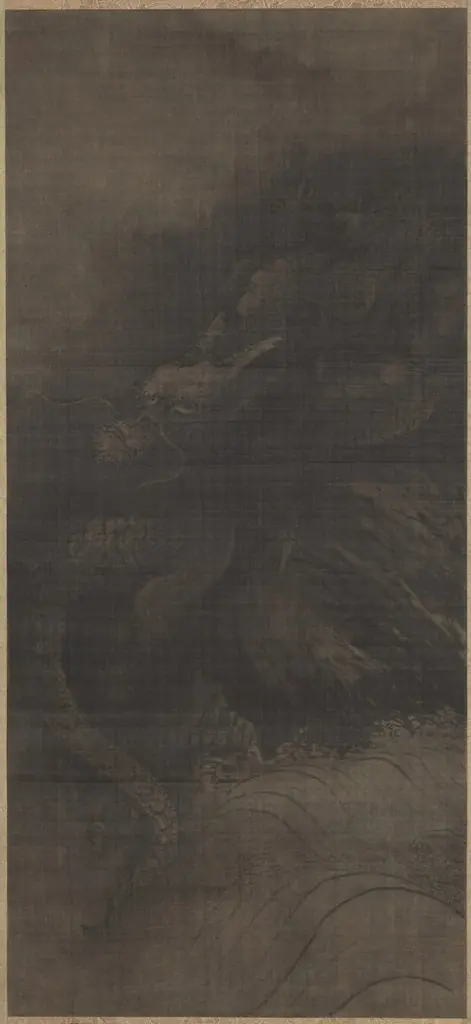 Dragon; Tiger
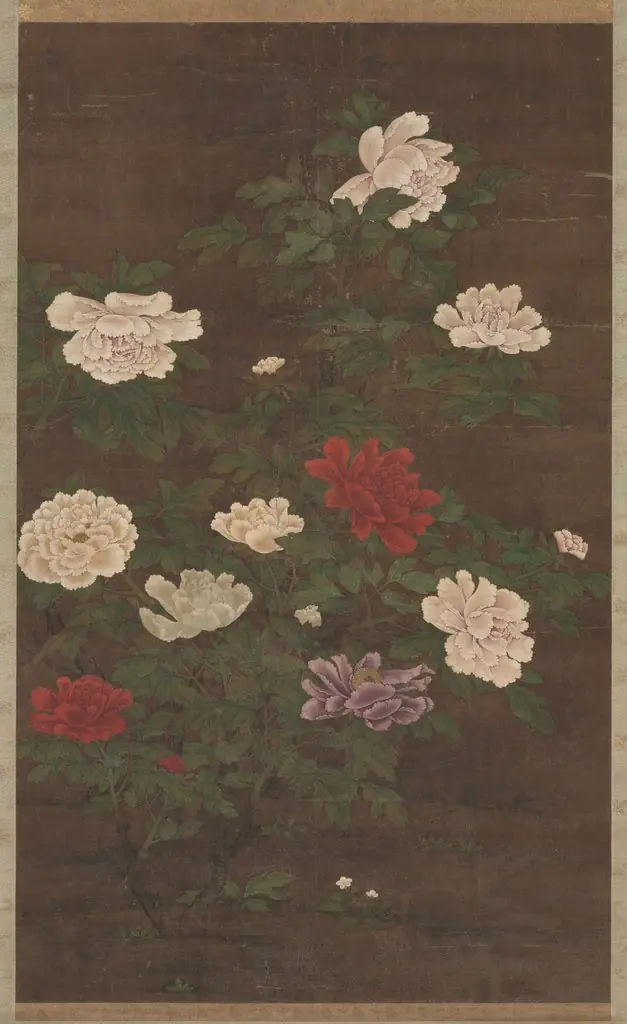 Peonies
 Samantabhadra spinning clouds of things, folio 22 (recto) from a Gandavyuha-sutra (Scripture of the Supreme Array)
 Sudhana and a parrot, folio 20 (recto) from a Gandavyuha-sutra (Scripture of the Supreme Array)
 Streams and Mountains without End
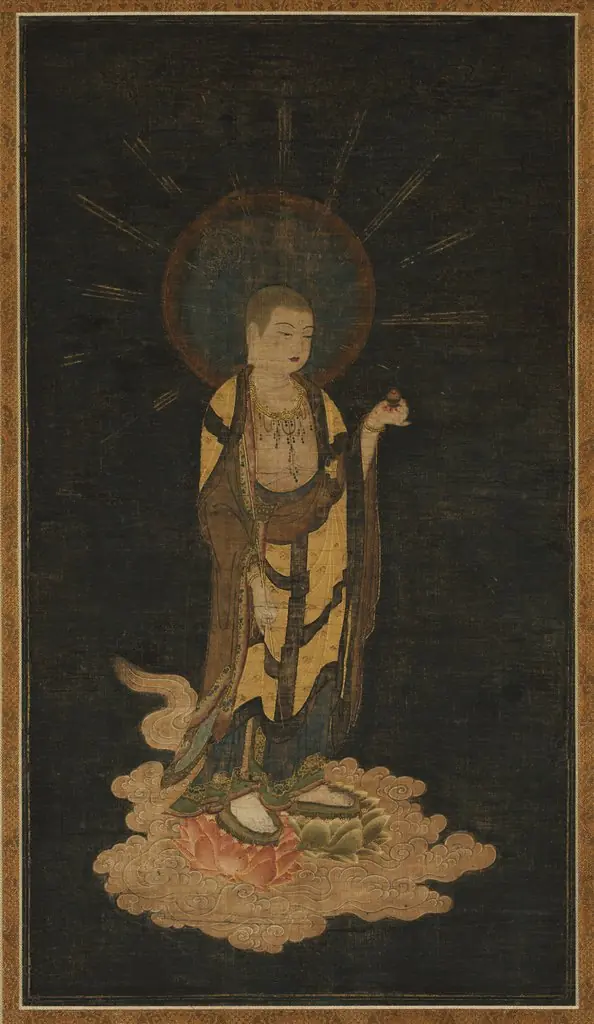 Welcoming Descent of Jizō
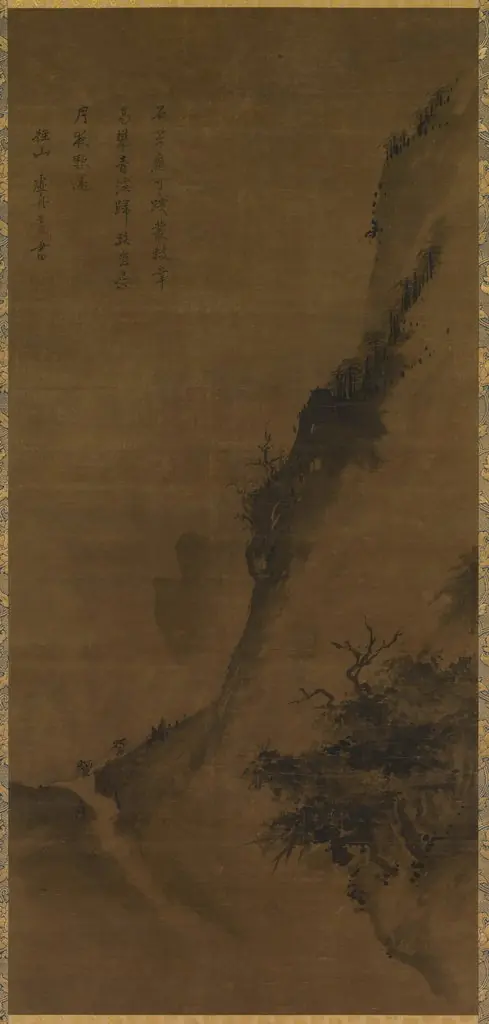 Landscape with Woodcutters Returning Home
 Folio 115 from a Gandavyuha-sutra (Scripture of the Supreme Array): Sudhana and a buffalo (recto); text (verso)
 Folio 37 from a Gandavyuha-sutra (Scripture of the Supreme Array): Sudhana and a pair of antelopes (recto); text (verso)
 Text, folio 20 (verso) from a Gandavyuha-sutra (Scripture of the Supreme Array)
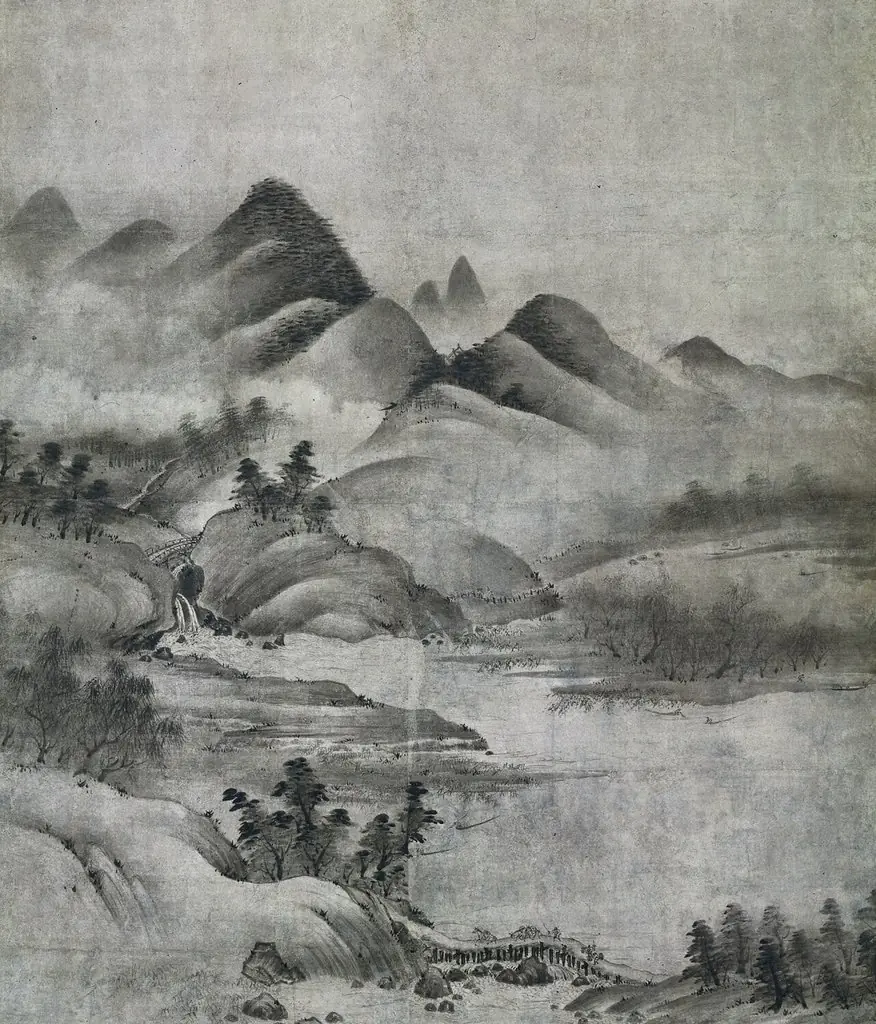 Landscape
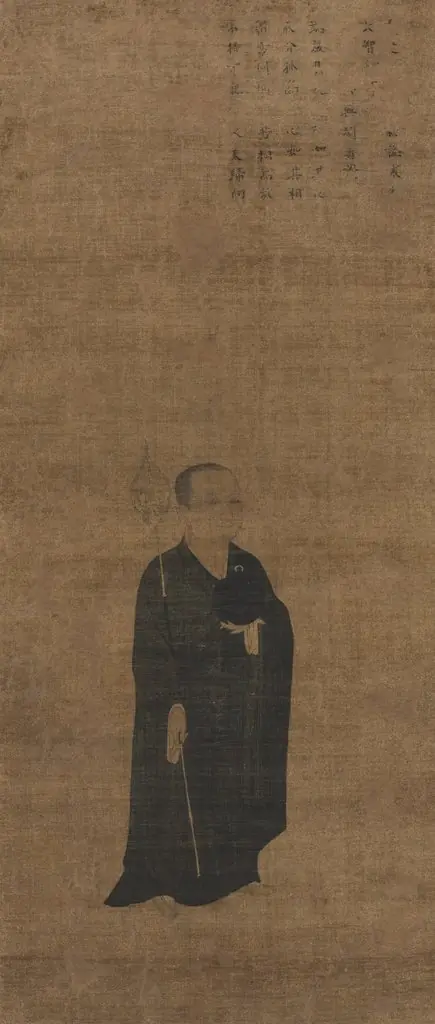 Portrait of Priest Dazhi (1048–1116), Master of Law
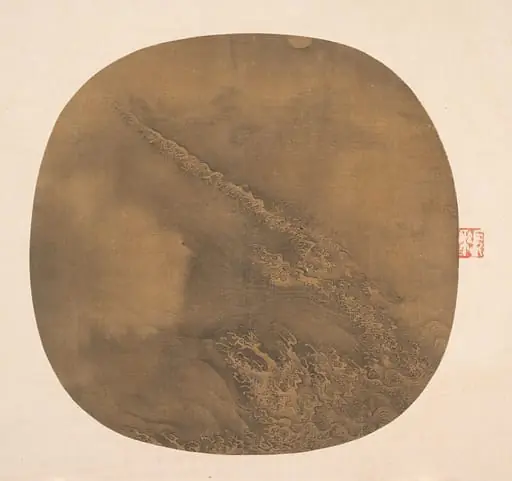 南宋 佚名 月下波浪圖 團扇|Waves in the moonlight
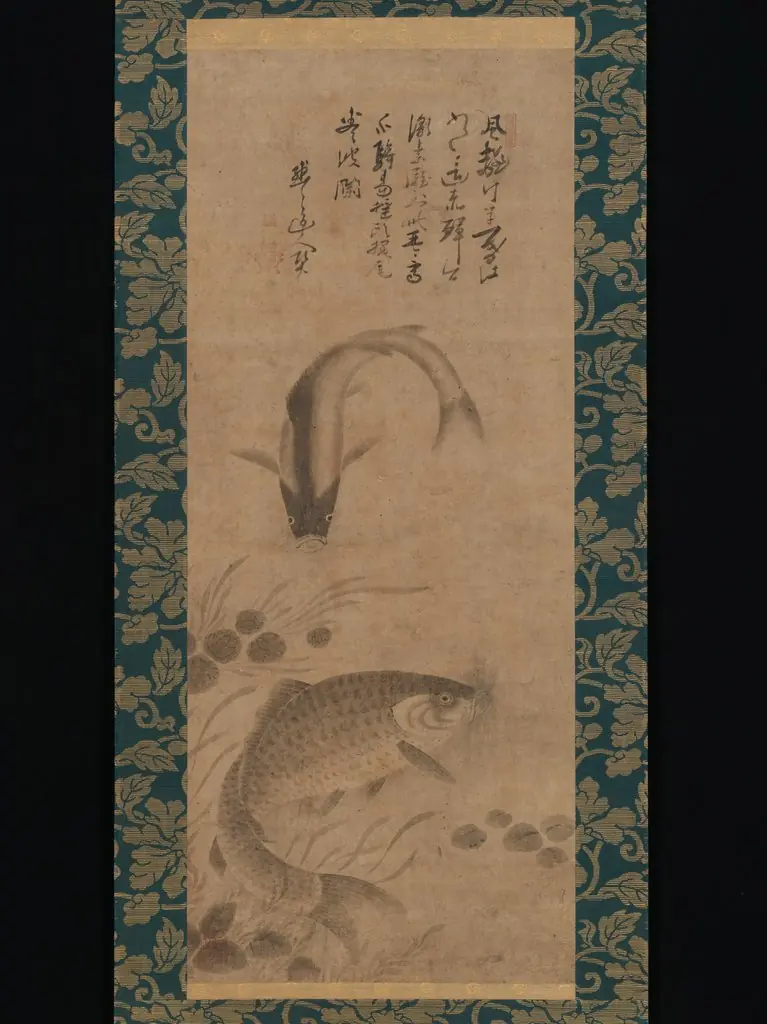 Carp and Waterweeds
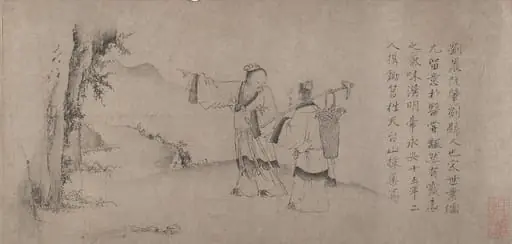 元 趙蒼雲 劉晨阮肇入天台山圖 卷|Liu Chen and Ruan Zhao Entering the Tiantai Mountains
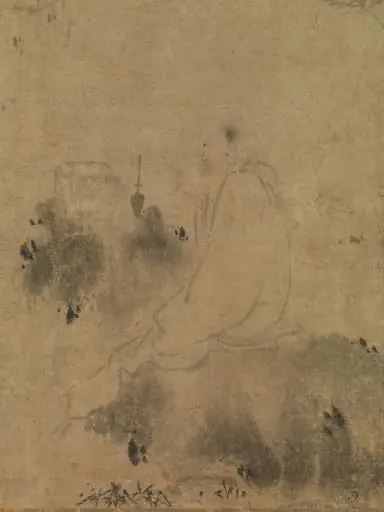 南宋 傳直翁 藥山李翱問道圖 軸|Meeting between Yaoshan and Li Ao
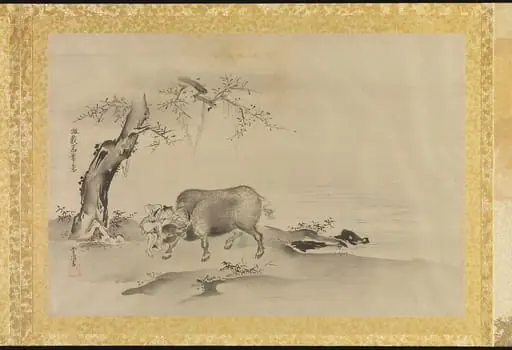 Untitled
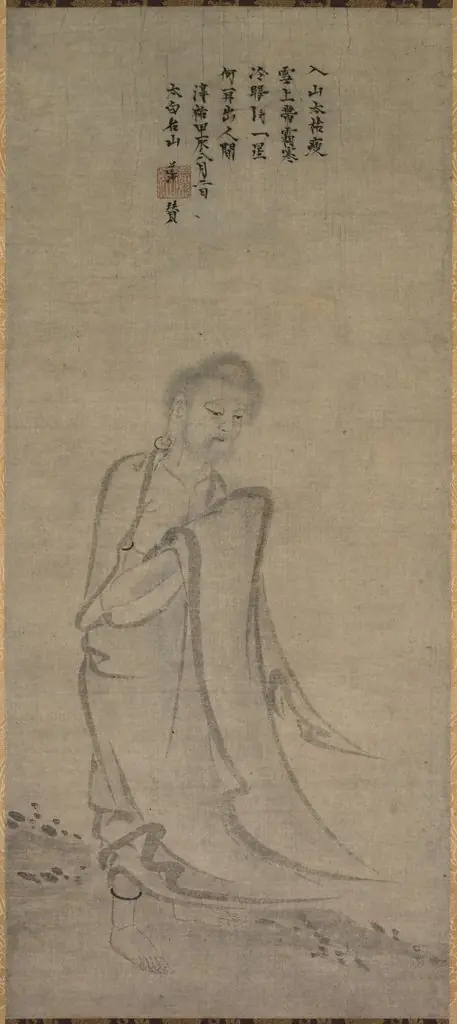 Shakyamuni Emerging from the Mountains
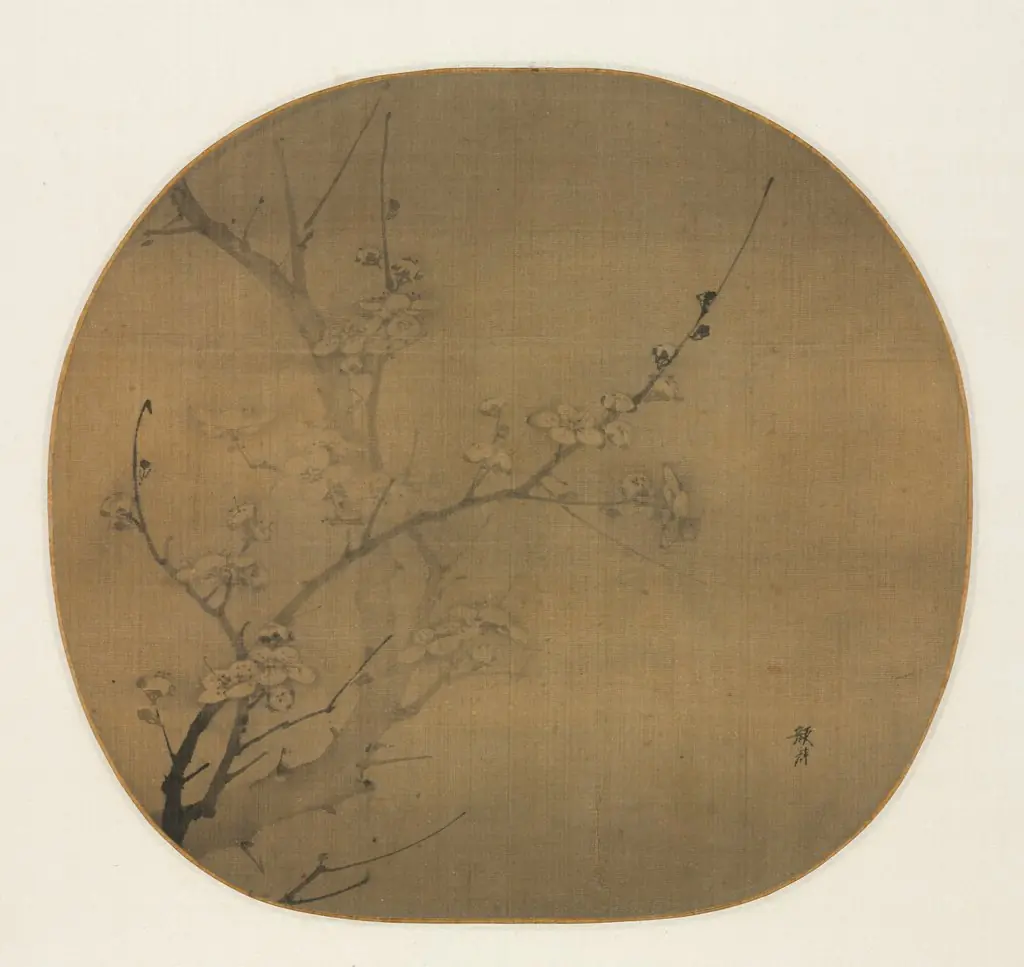 Plum Blossoms in Moonlight
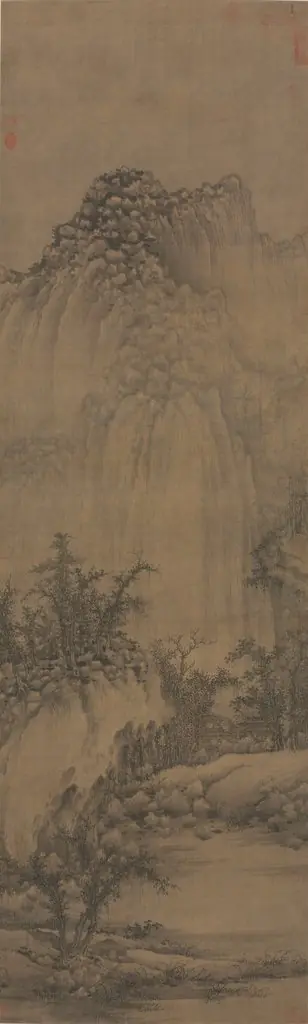 Buddhist Retreat by Stream and Mountains
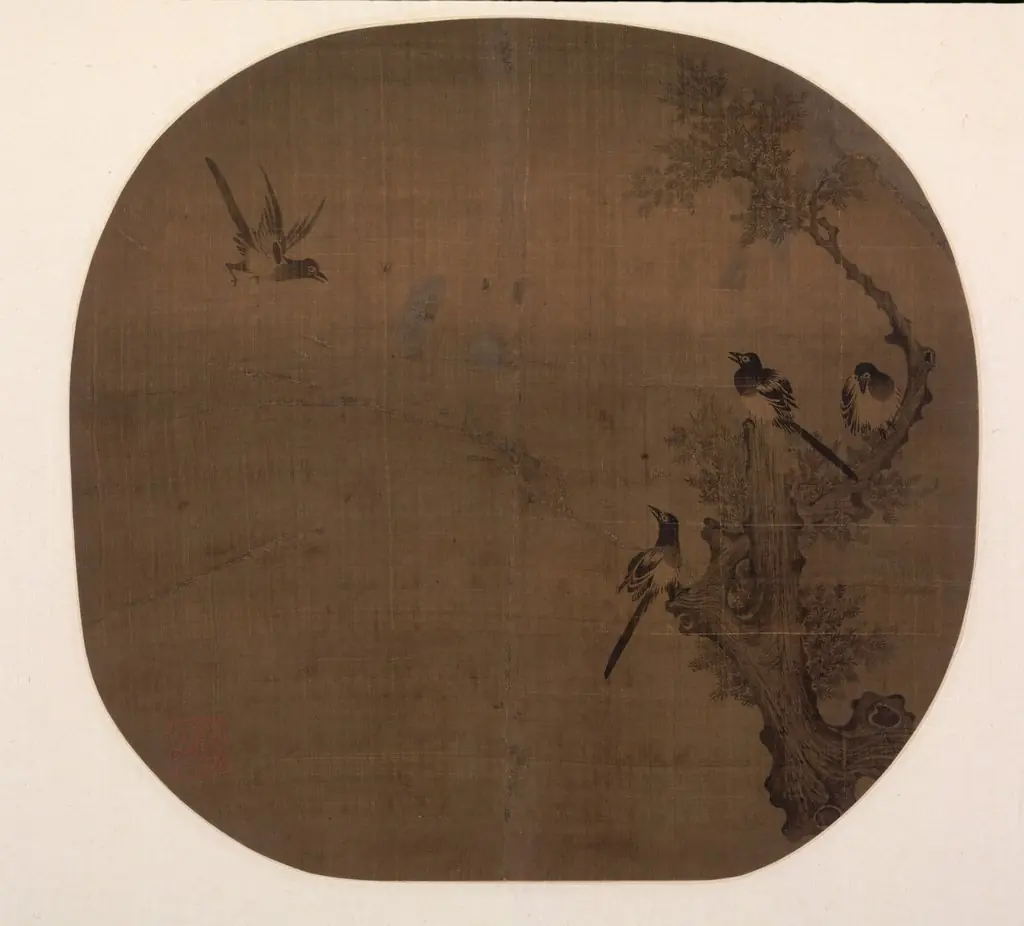 Returning Birds and Old Cypress
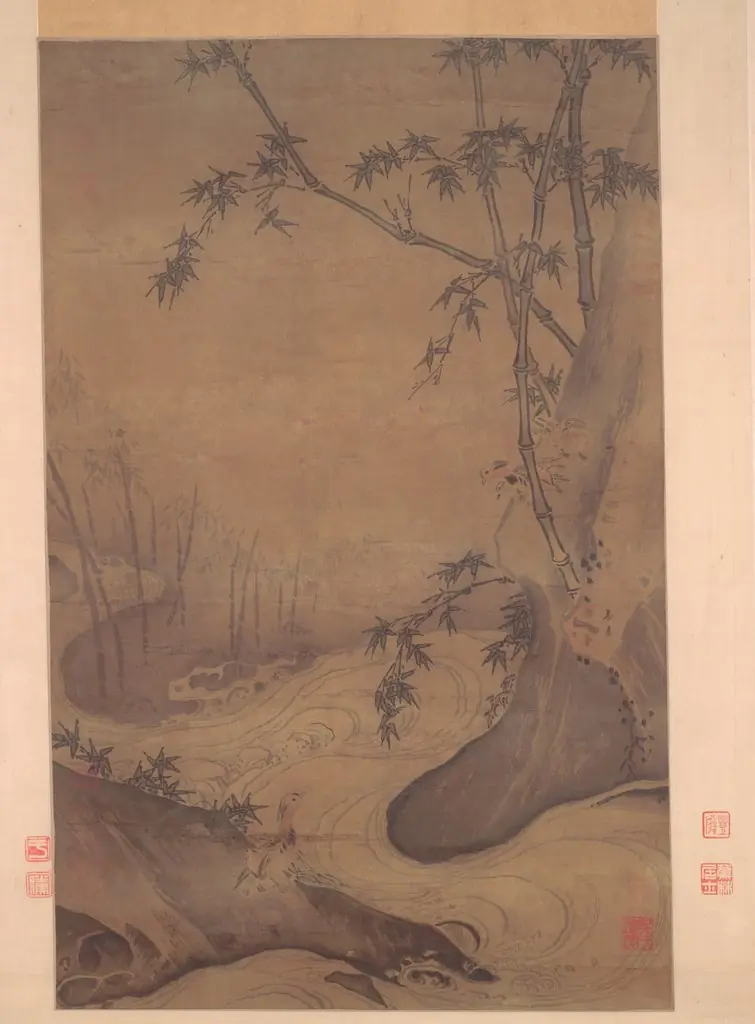 Bamboo and Ducks by a Rushing Stream
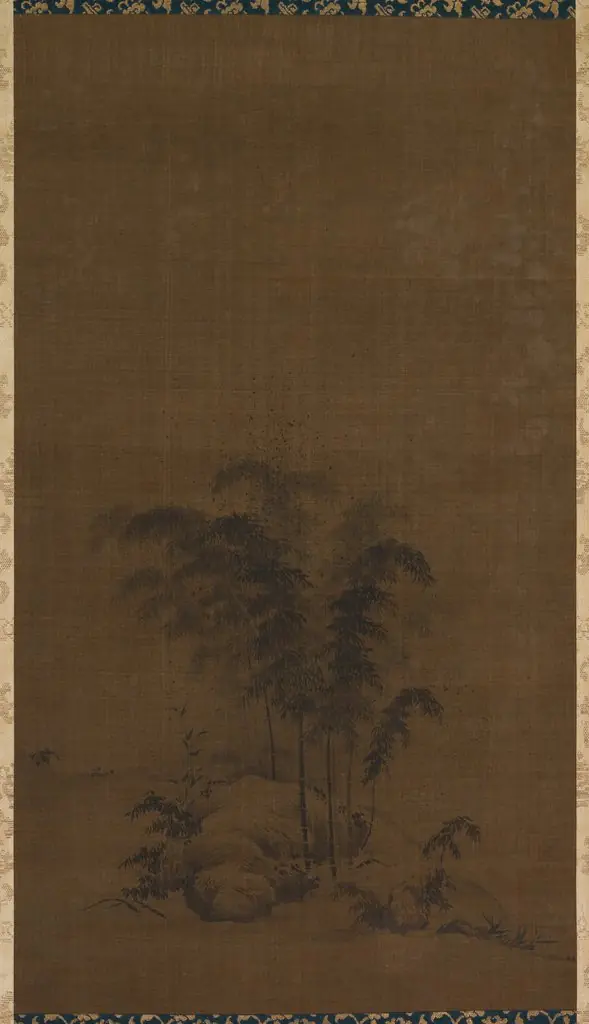 Bamboo Landscape
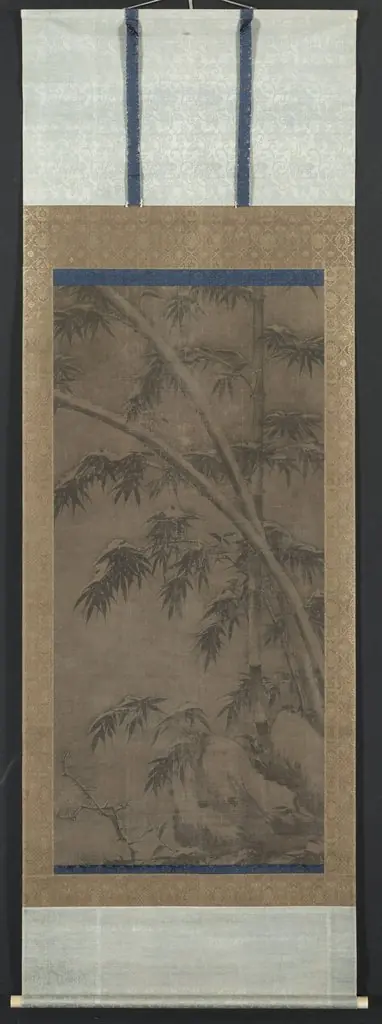 Bamboo in Four Seasons: Winter
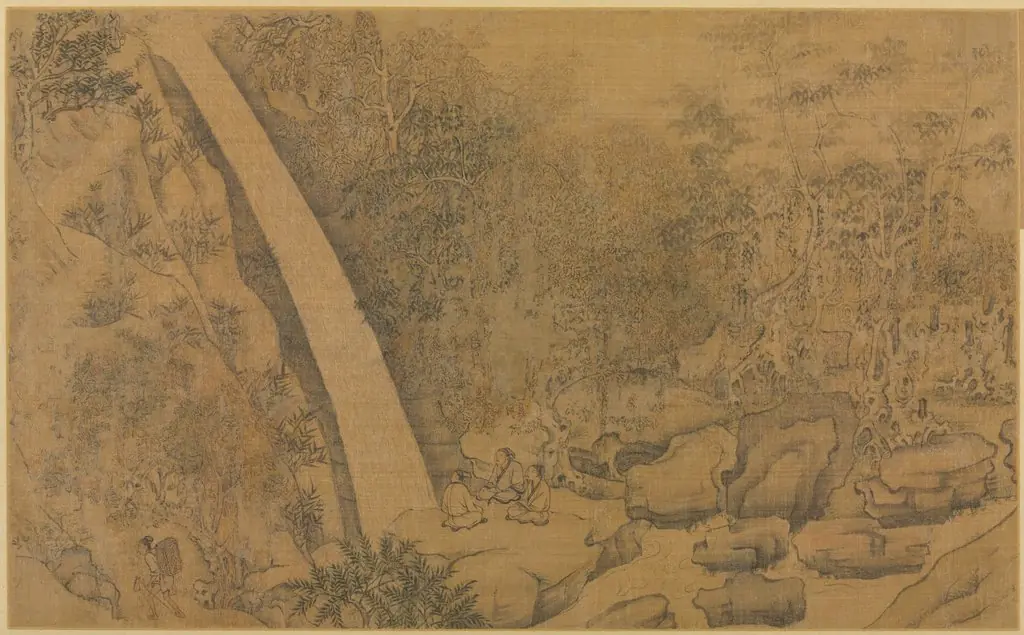 Dwelling in the Longmian ("Sleeping Dragon") Mountains
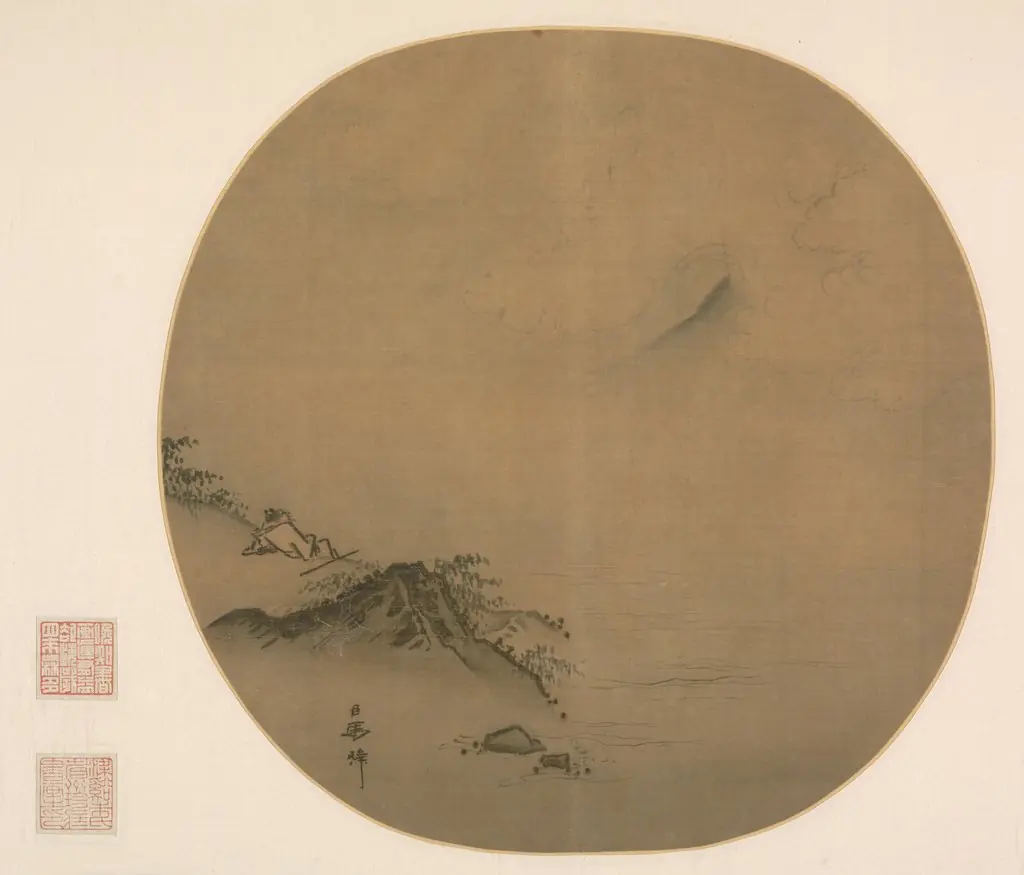 Scholar Reclining and Watching Rising Clouds, Poem by Wang Wei
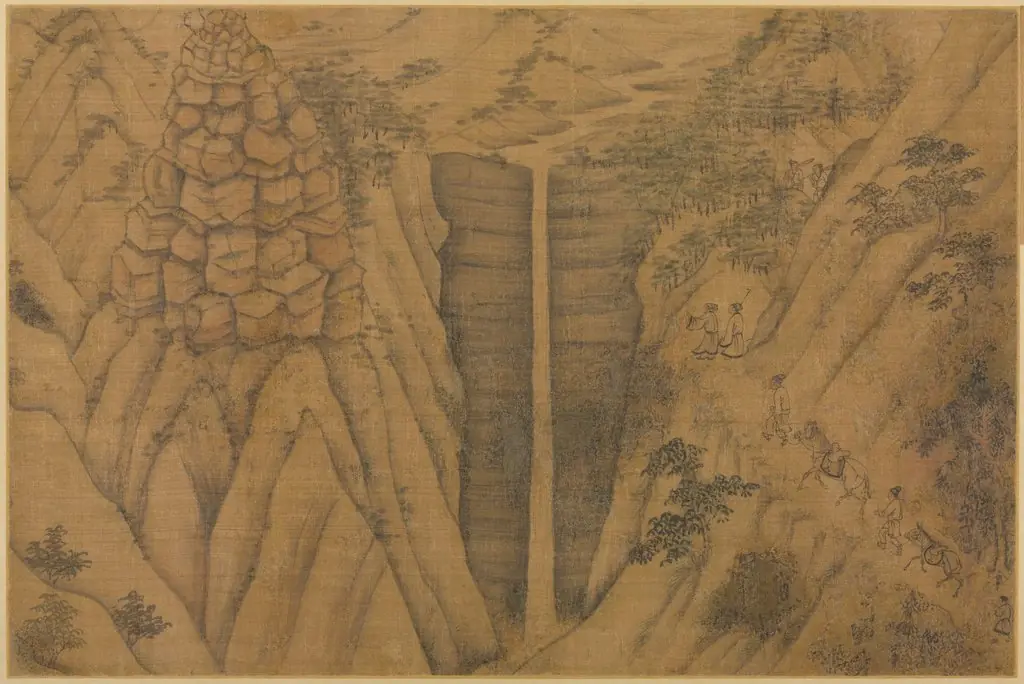 Dwelling in the Longmian ("Sleeping Dragon") Mountains
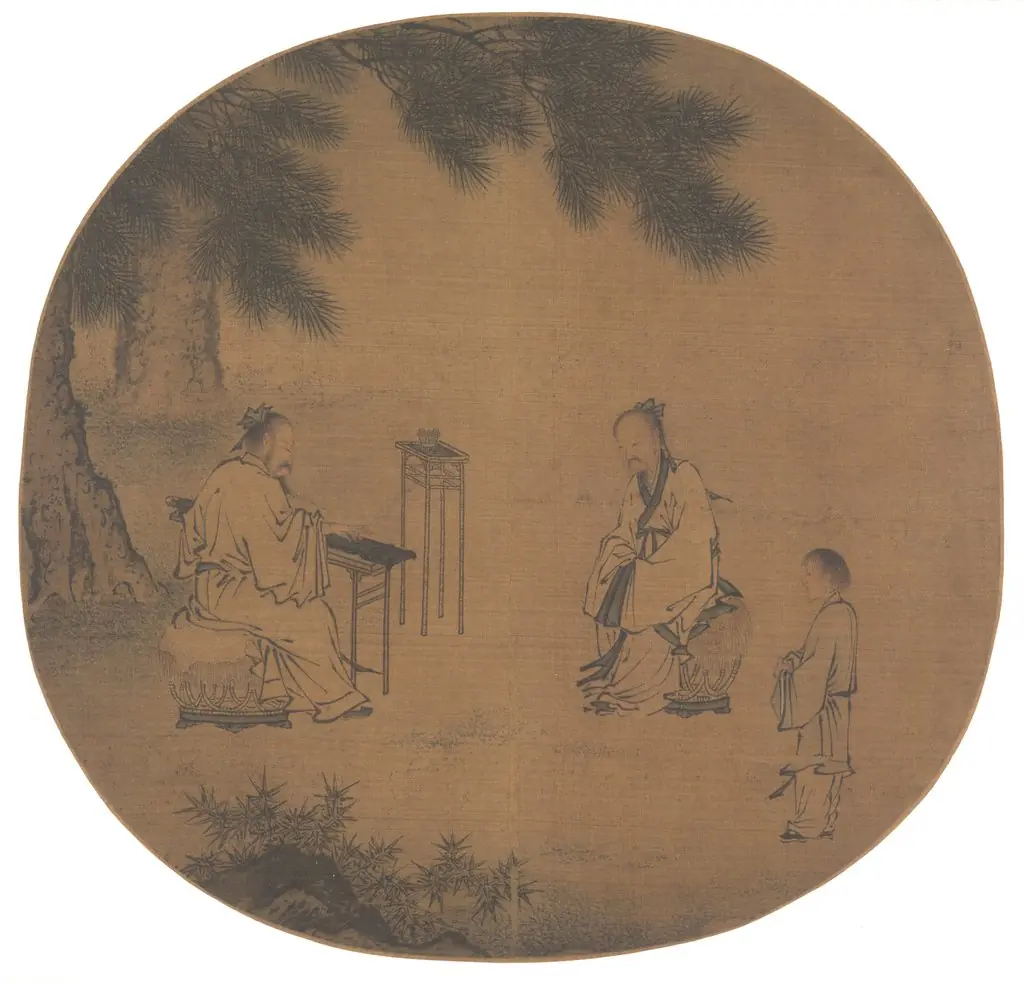 Listening to the Qin (Zither)
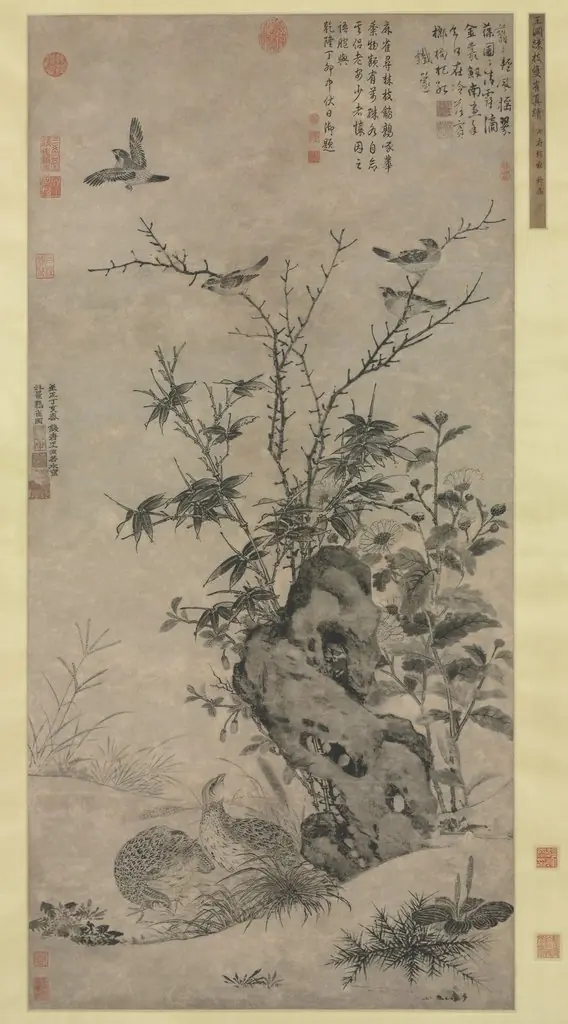 Quails and Sparrows in an Autumn Scene
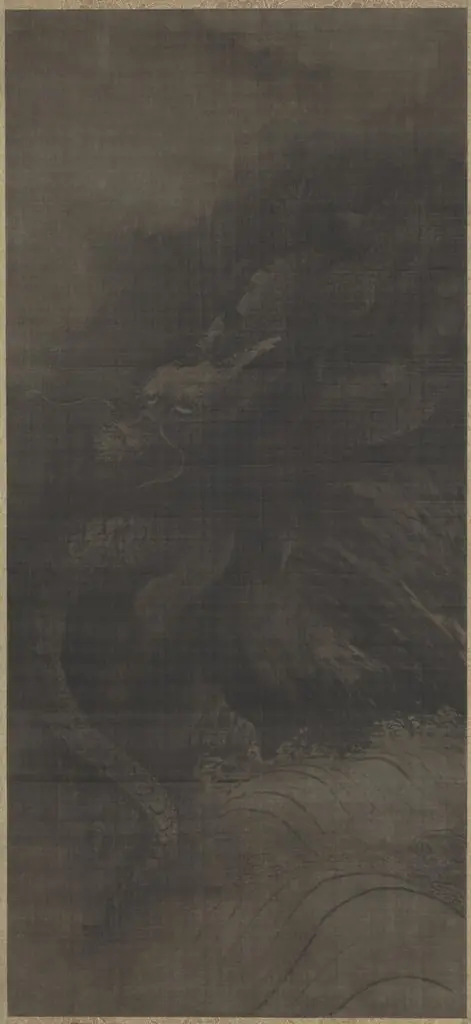 Dragon
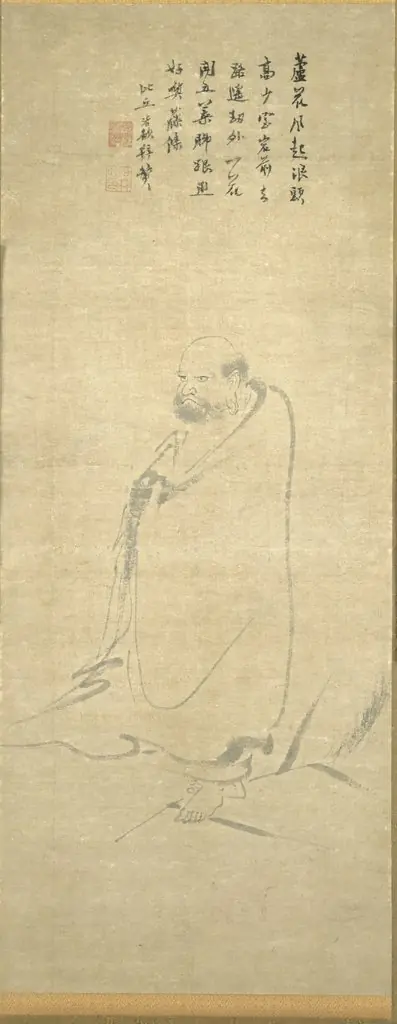 Bodhidharma Crossing the Yangzi on a Reed
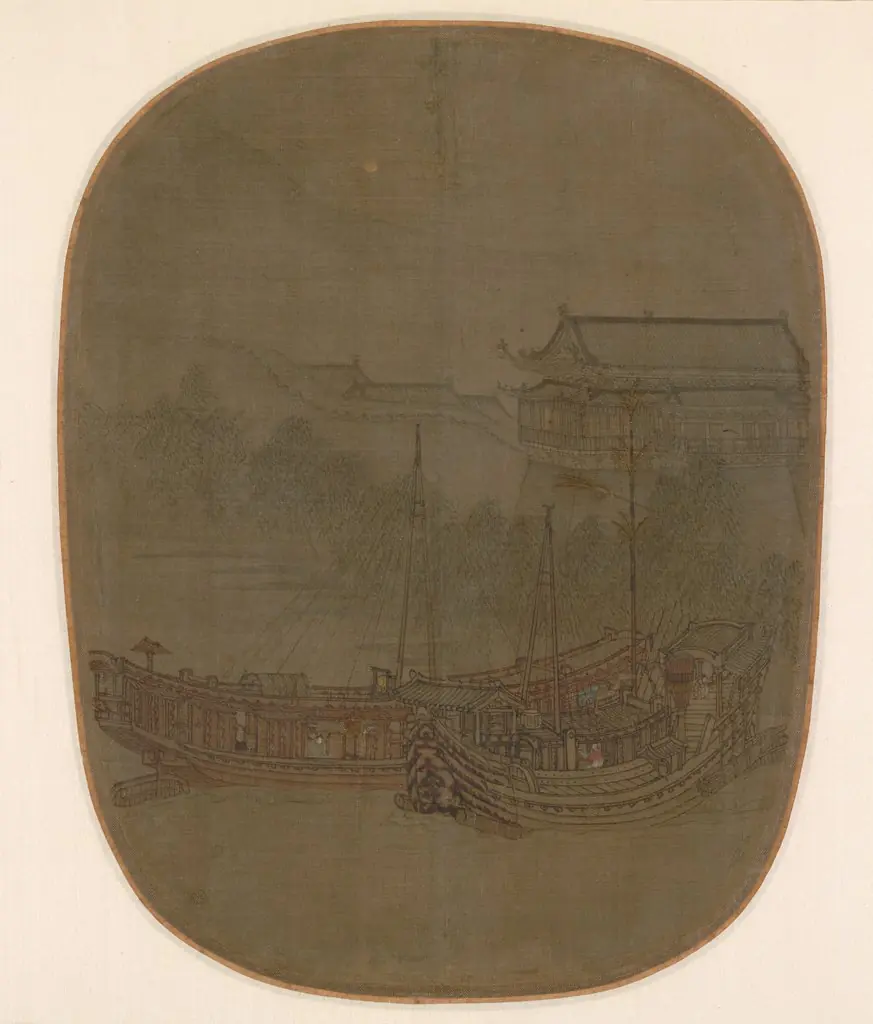 Boats at Anchor on West Lake at the City Gate
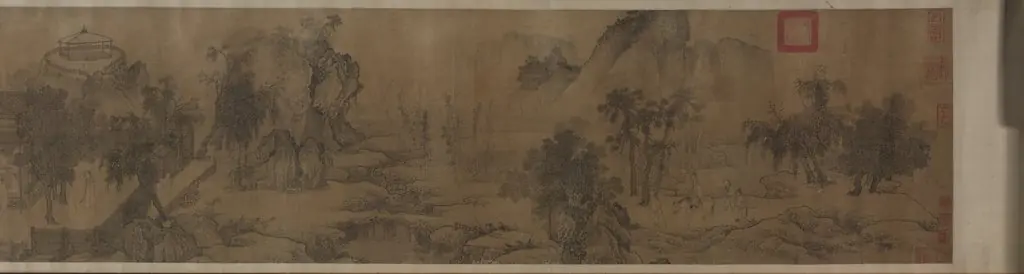 Tao Yuanming's Return Home
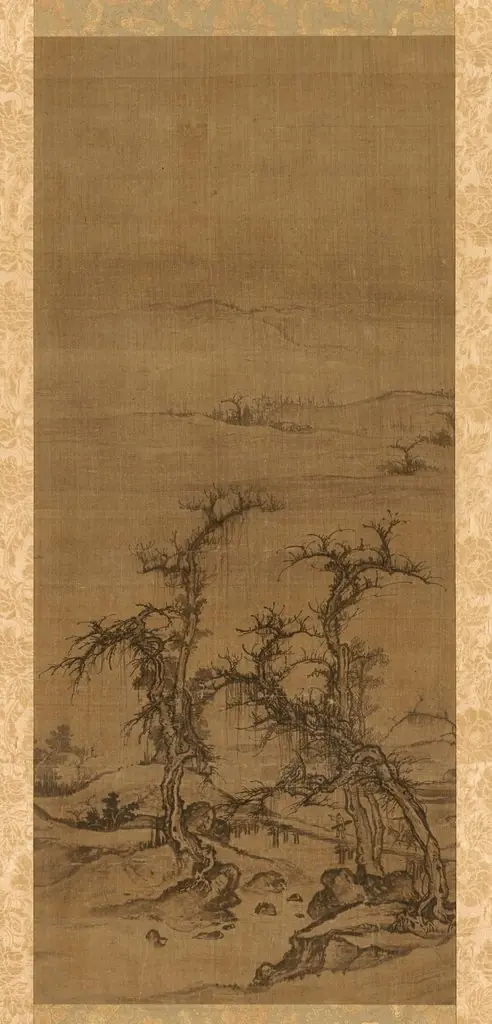 Carrying a Qin on a Visit
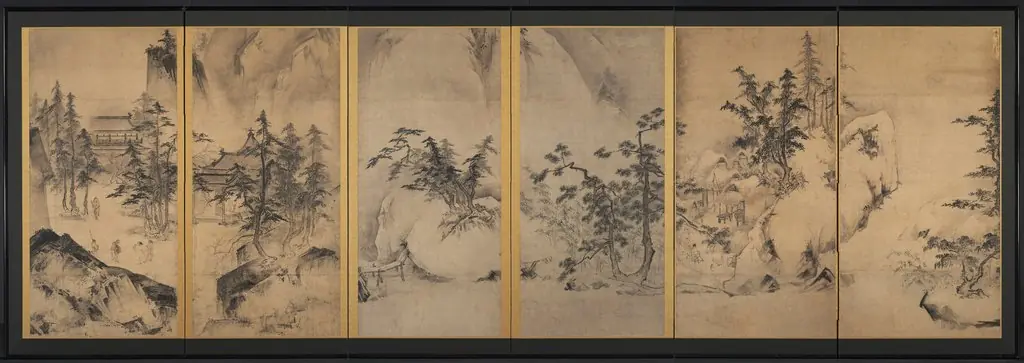 Winter and Spring Landscape
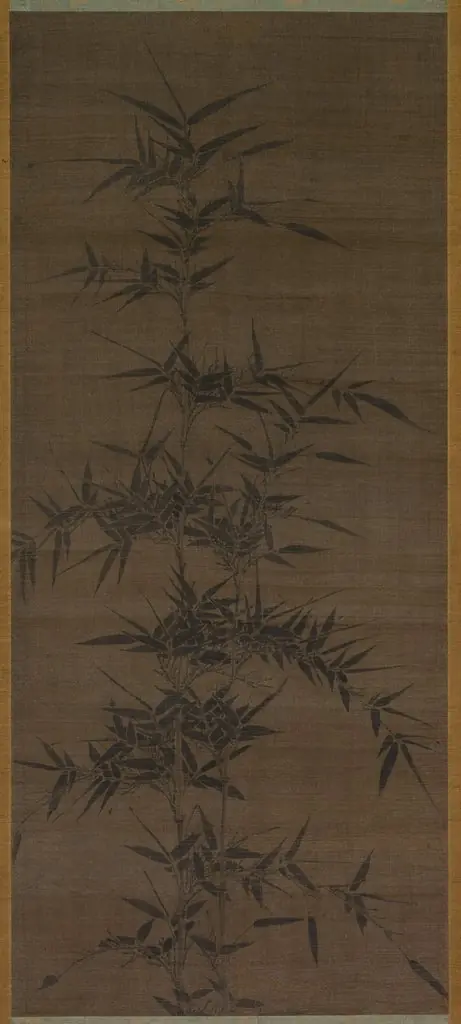 Ink Bamboo
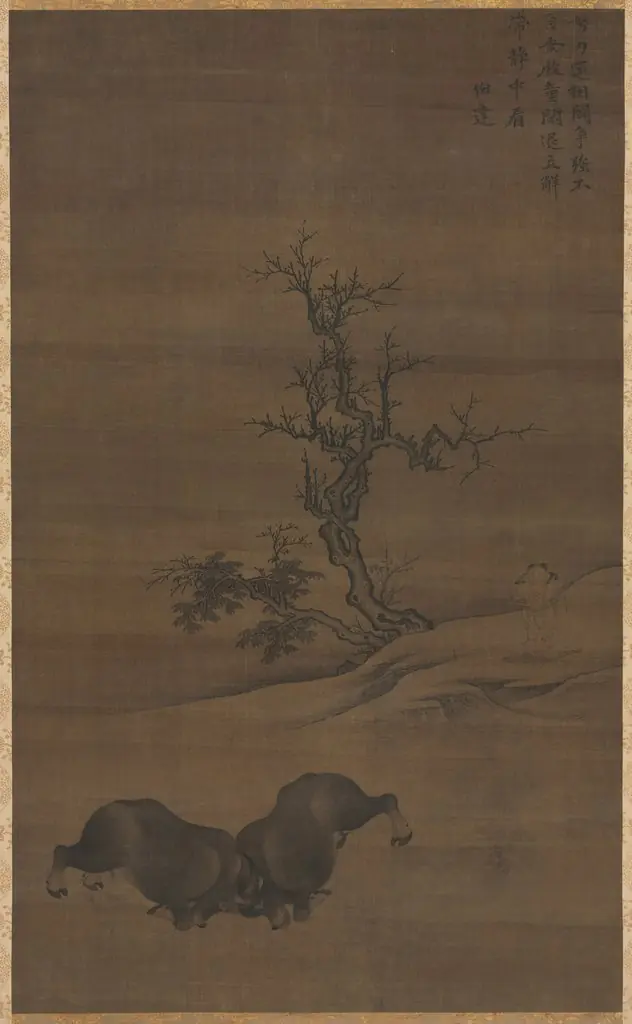 Herdboys and Buffalo in Landscape
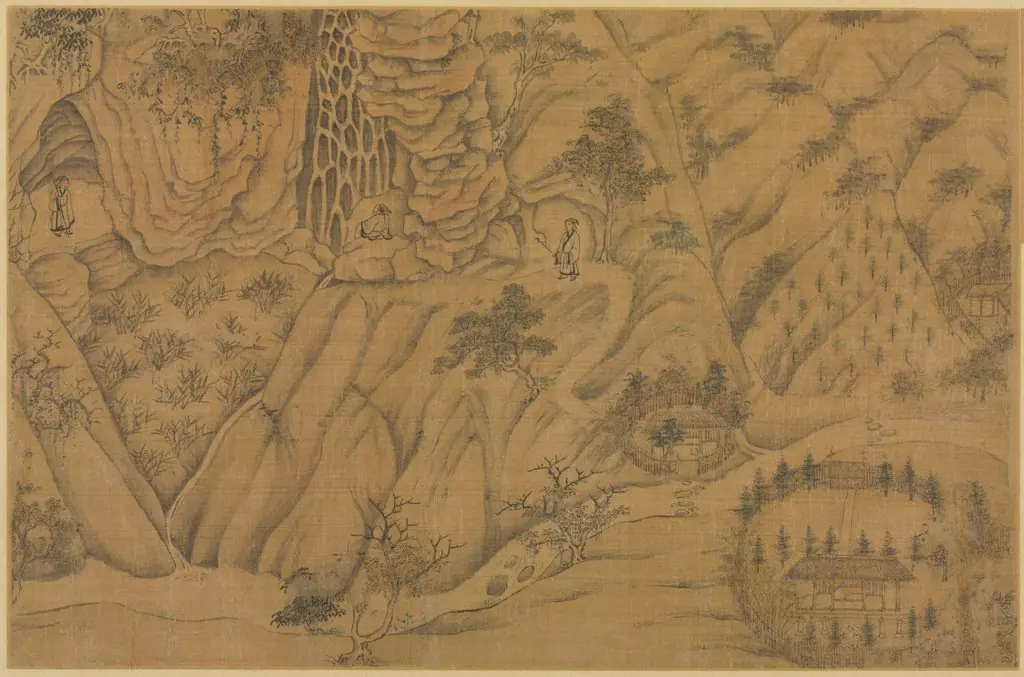 Dwelling in the Longmian ("Sleeping Dragon") Mountains
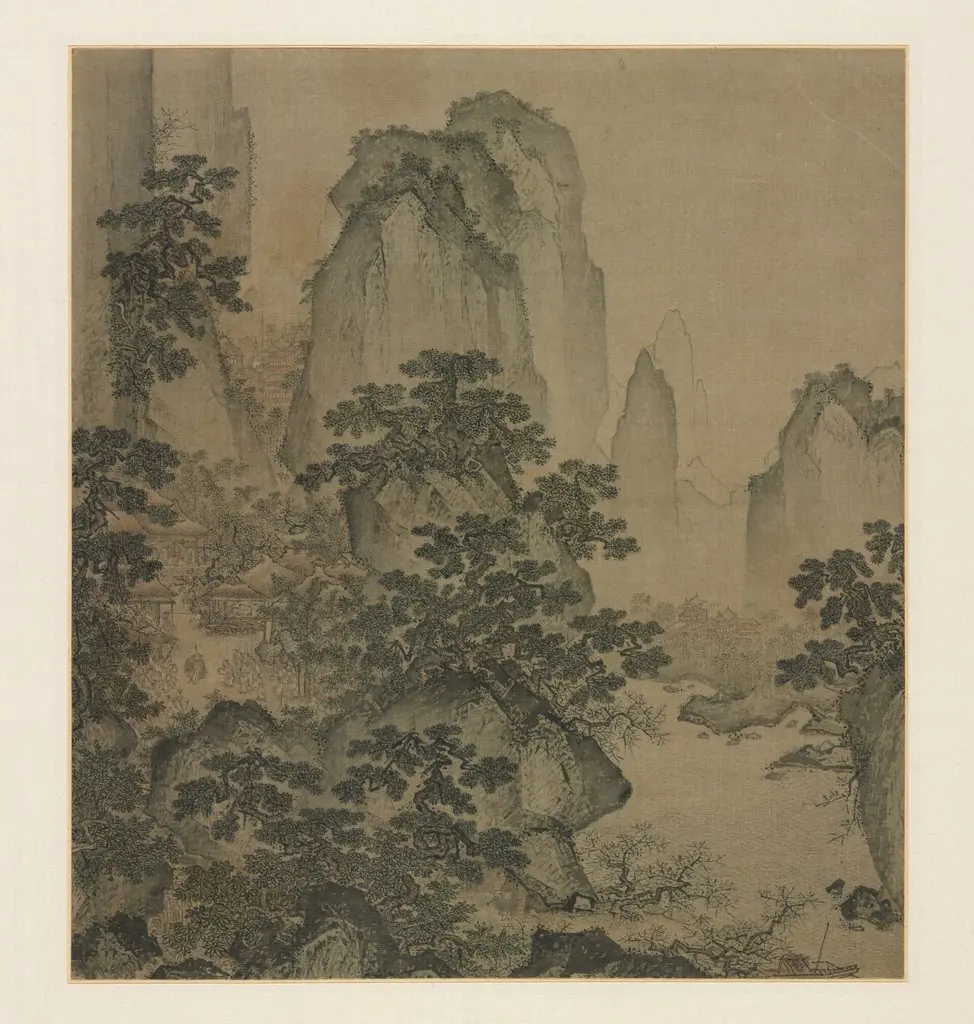 The Haven of the Peach-Blossom Spring
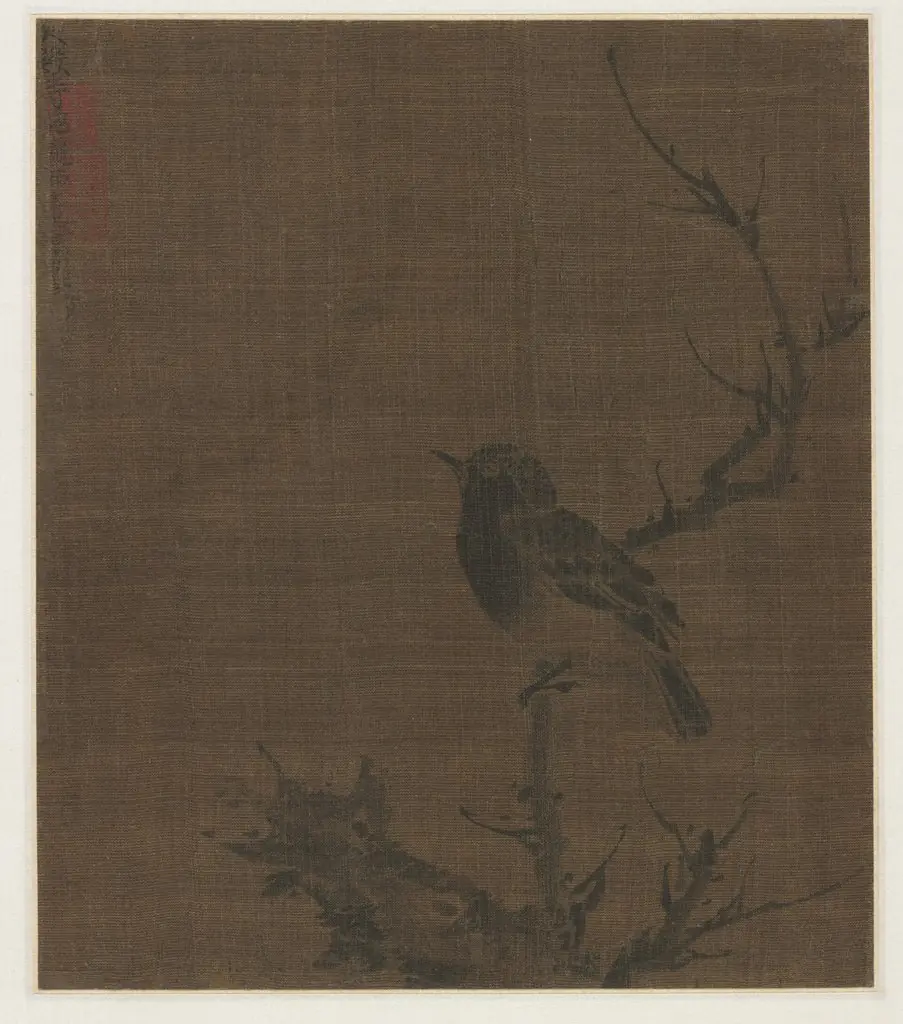 Sleeping Bird on a Prunus Branch
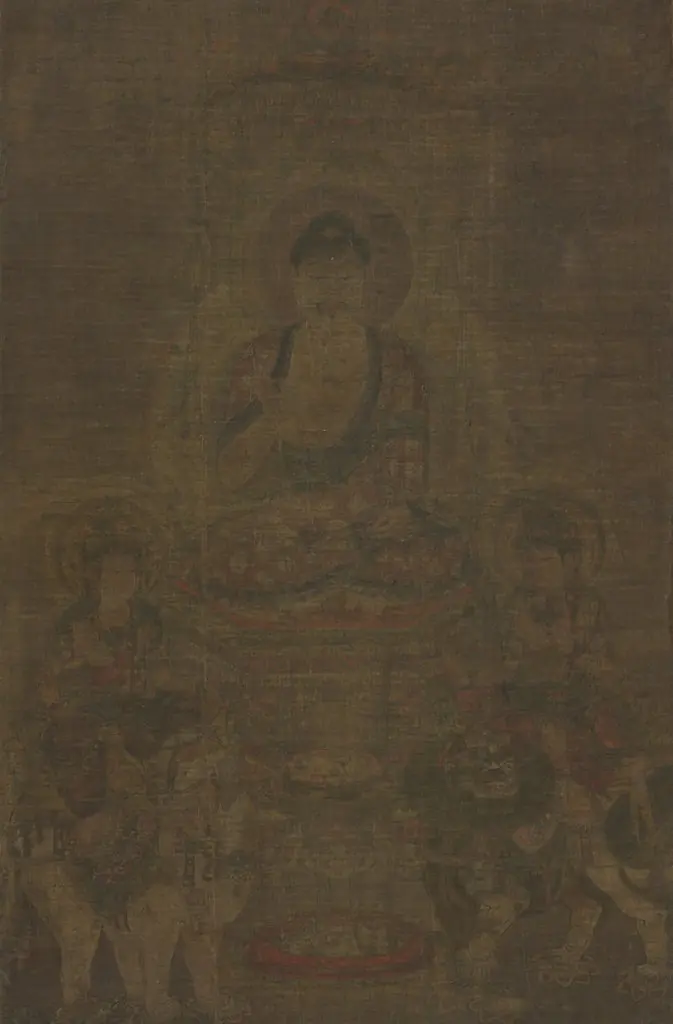 Shakyamuni Triad: Buddha Attended by Manjushri and Samantabhadra
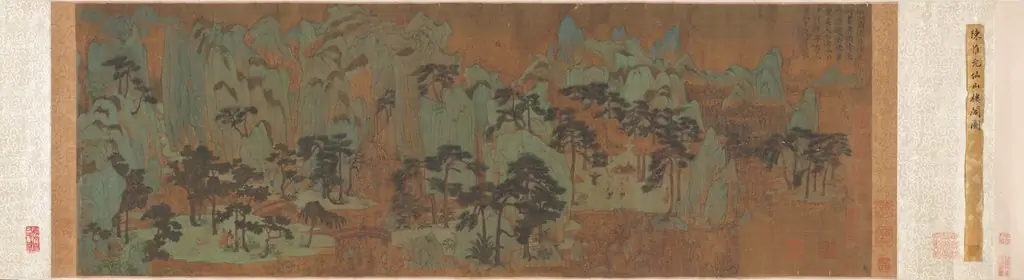 Mountains of the Immortals
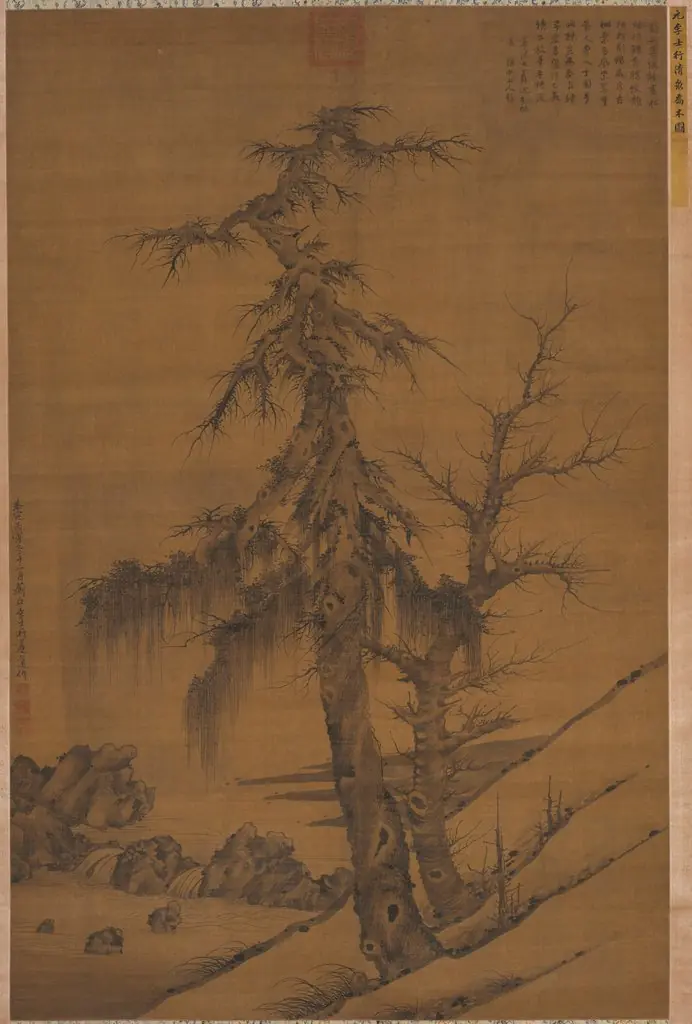 Old Trees by a Cool Spring
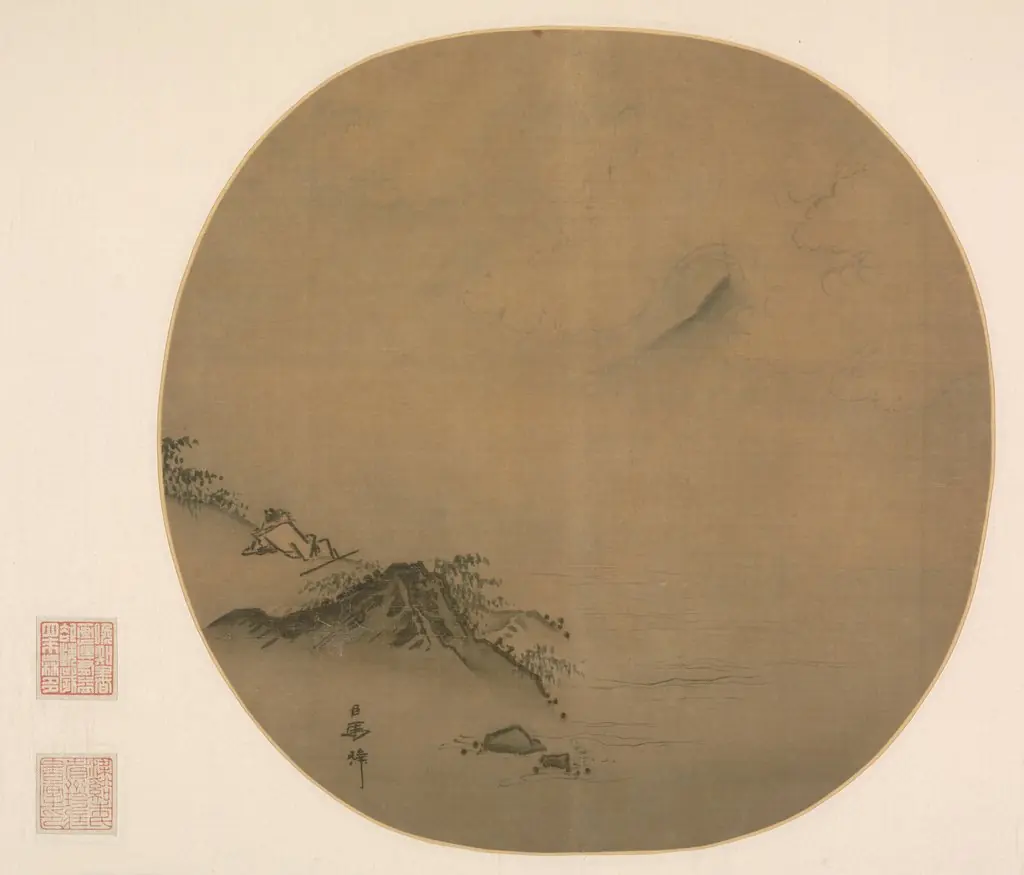 Scholar Reclining and Watching Rising Clouds; Poem by Wang Wei
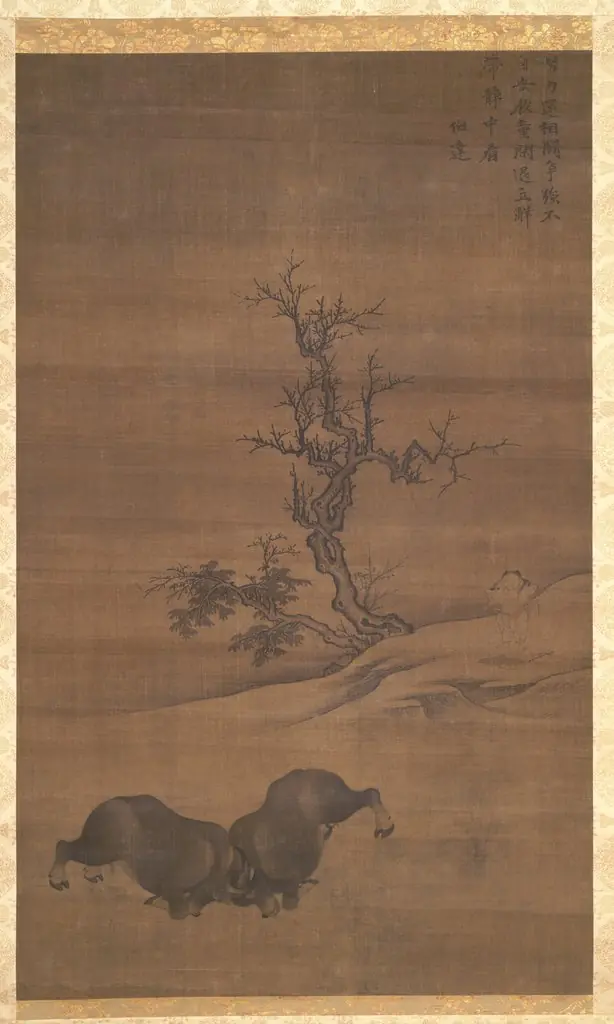 Herdboys and Buffalo in Landscapes
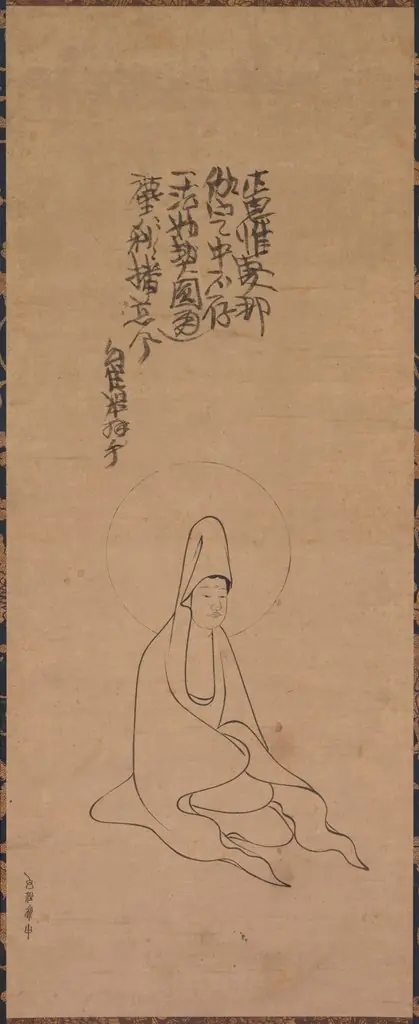 White-Robed Guanyin
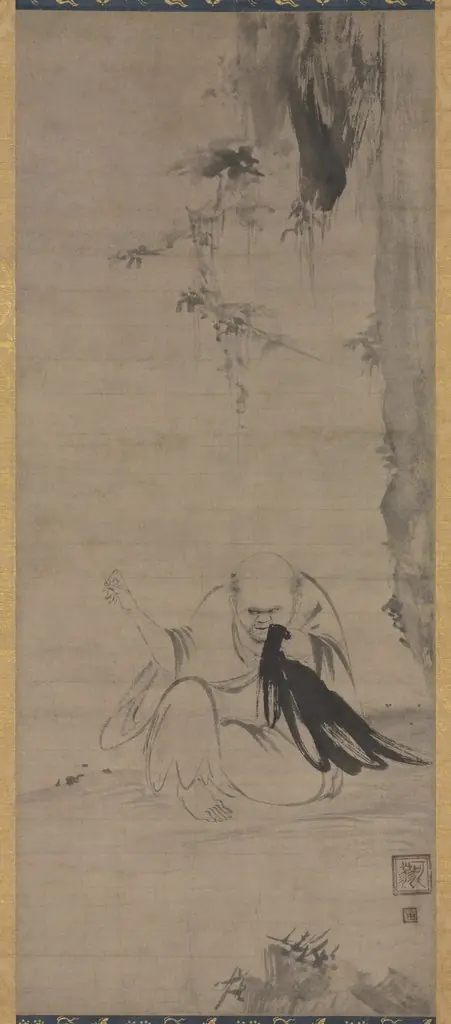 Monk Mending Clothes in the Morning Sun (Chōyō Hotetsuzu)
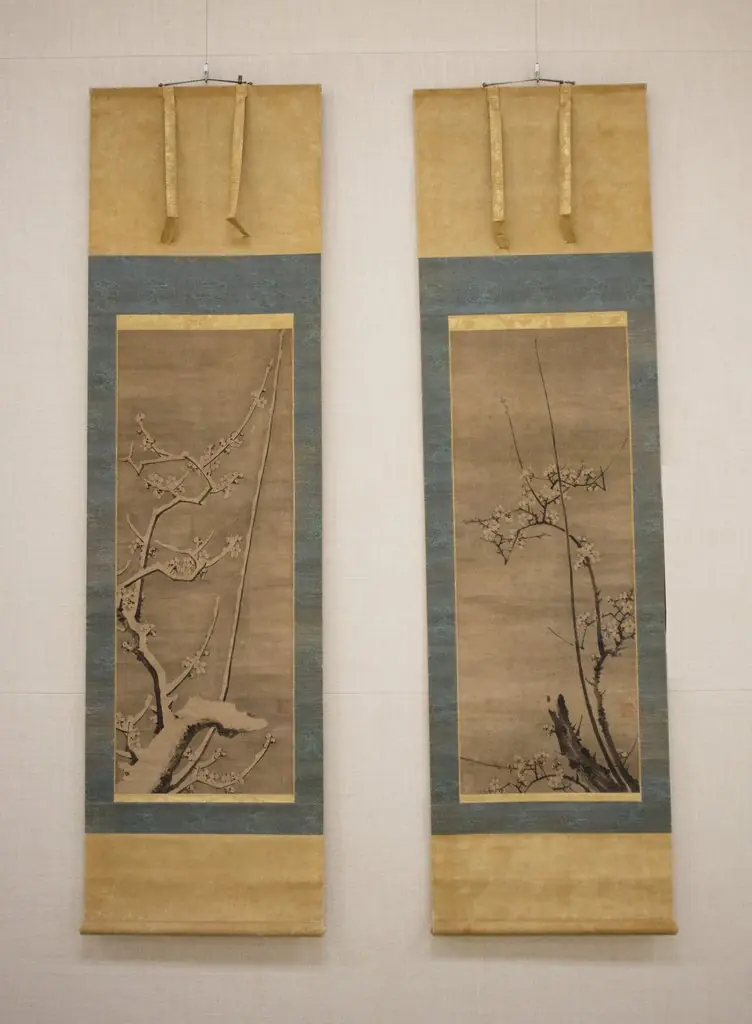 Ink Plum
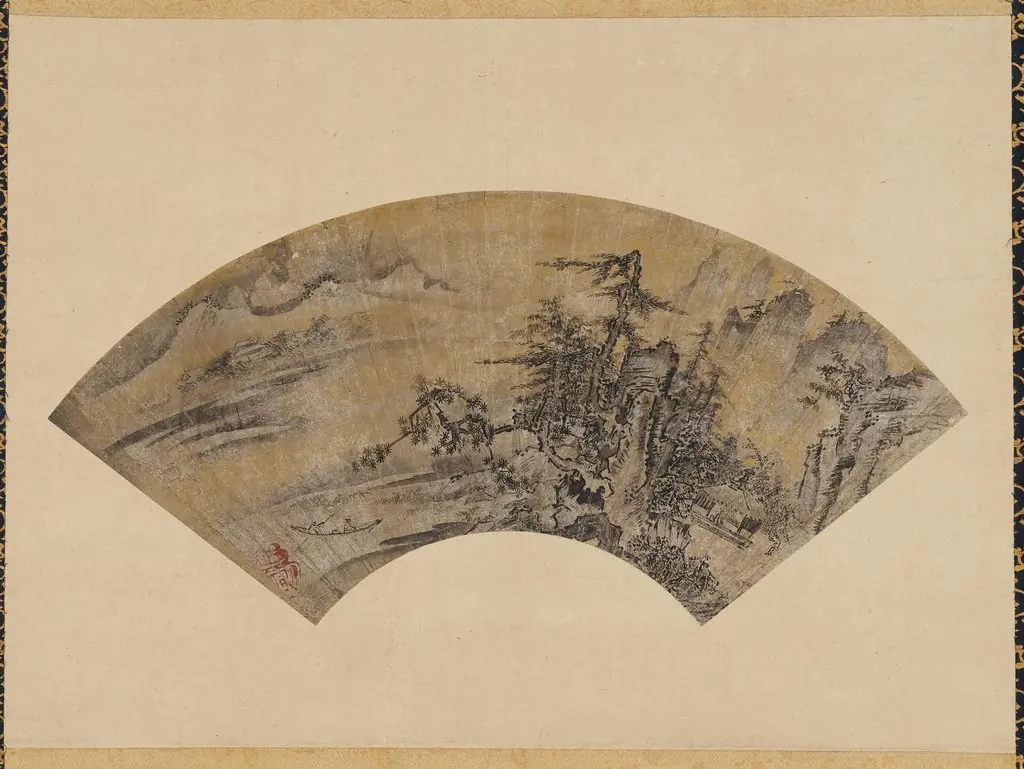 Snowy Landscape (Sekkei sansui zu)
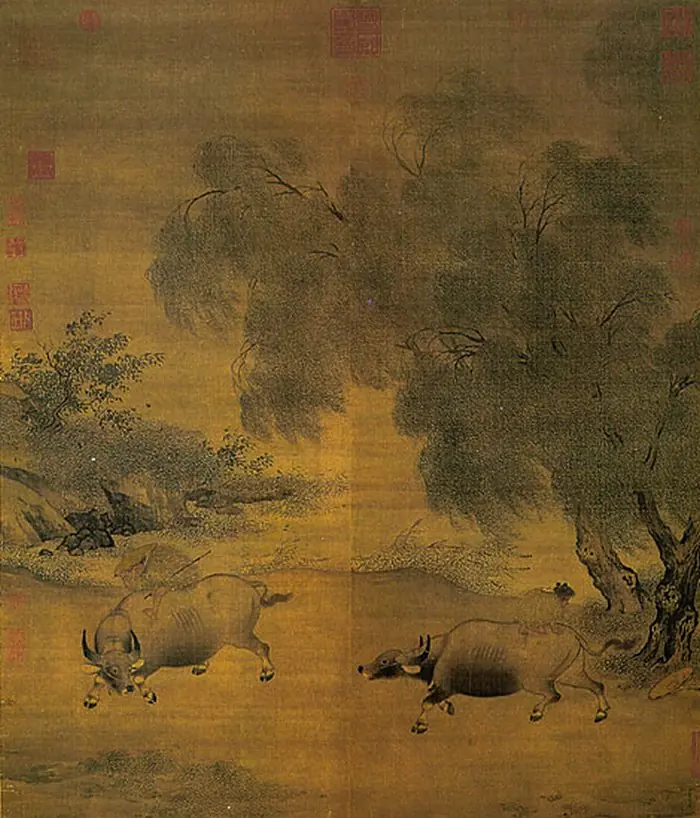 Homeward Oxherds in Wind and Rain
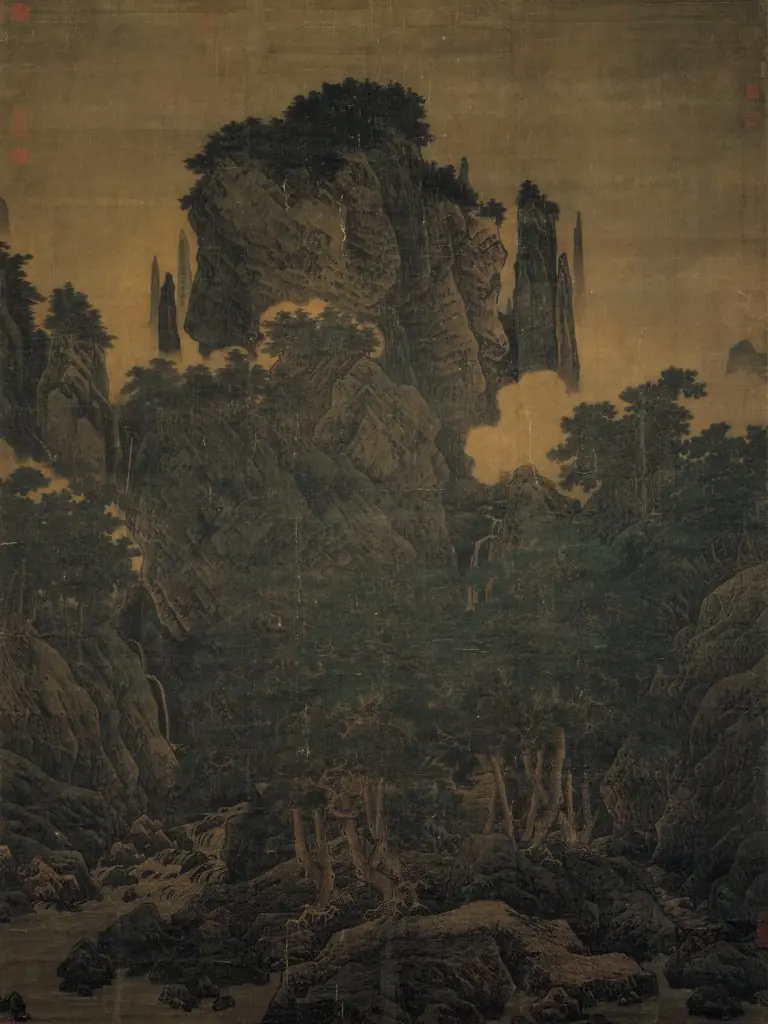 Wind in Pines Among a Myriad Valleys
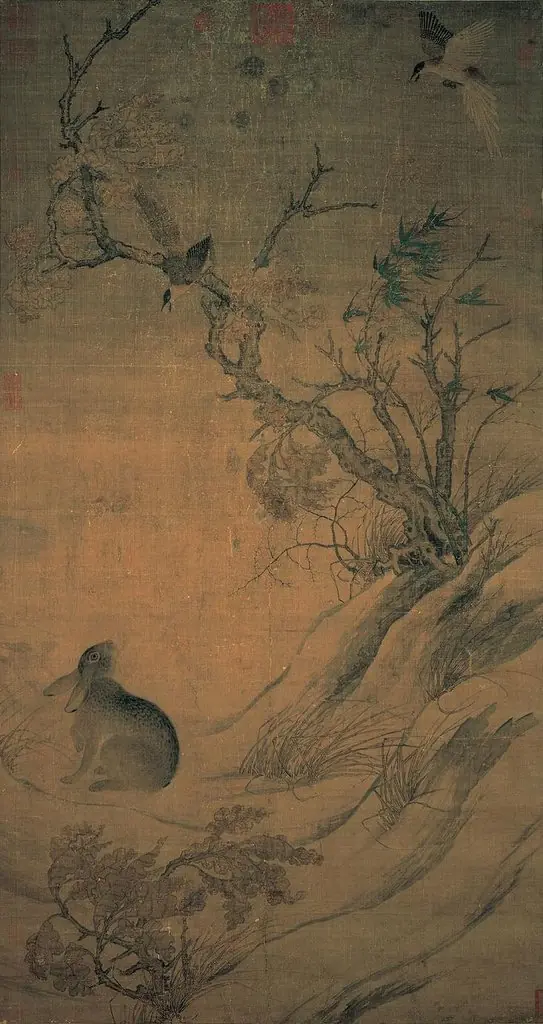 Magpies and Hare
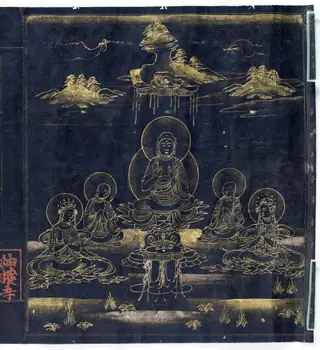 Anoku-Fu Sutra
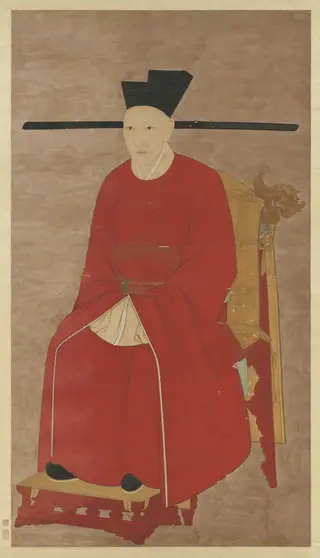 Seated Portrait of Emperor Gaozong
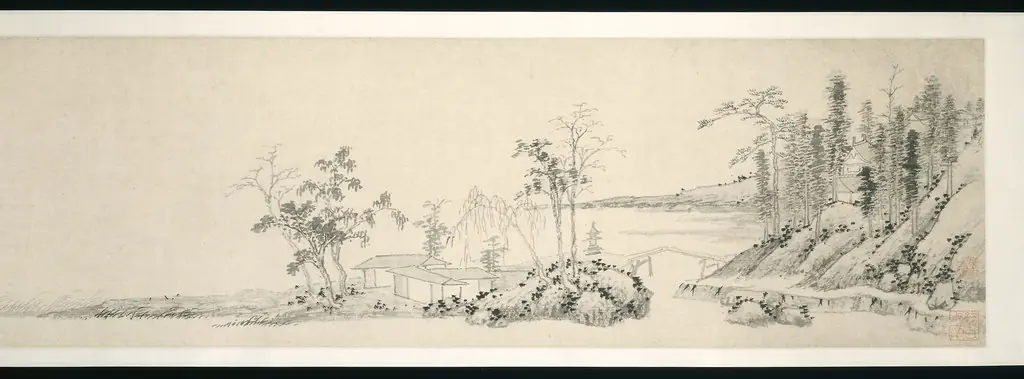 Return to Stone Lake
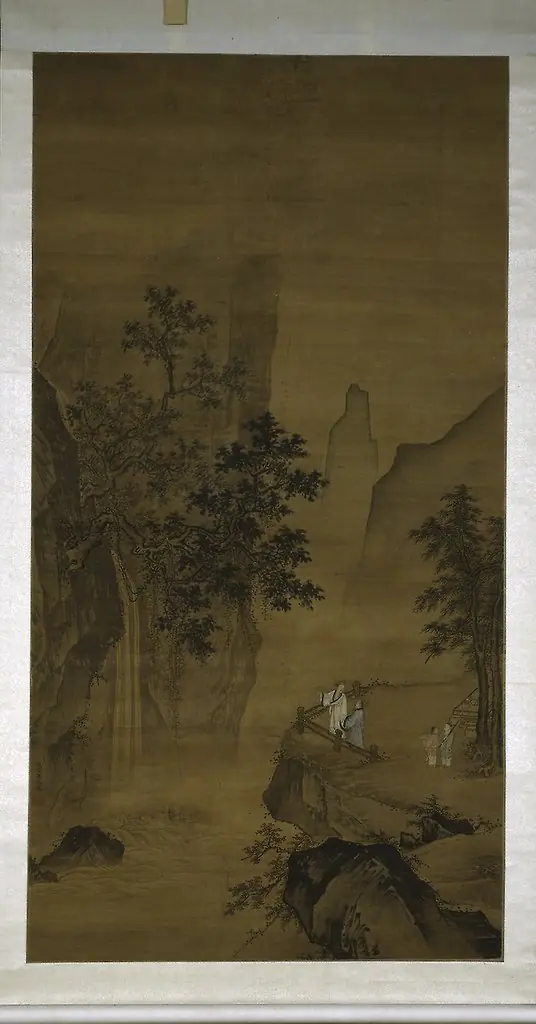 Watching the Waterfall
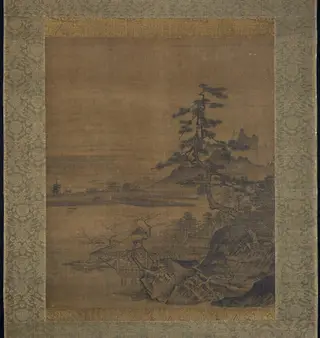 Spring View from a Thatched Pavilion on the Lakeshore
 Qingming in Brief
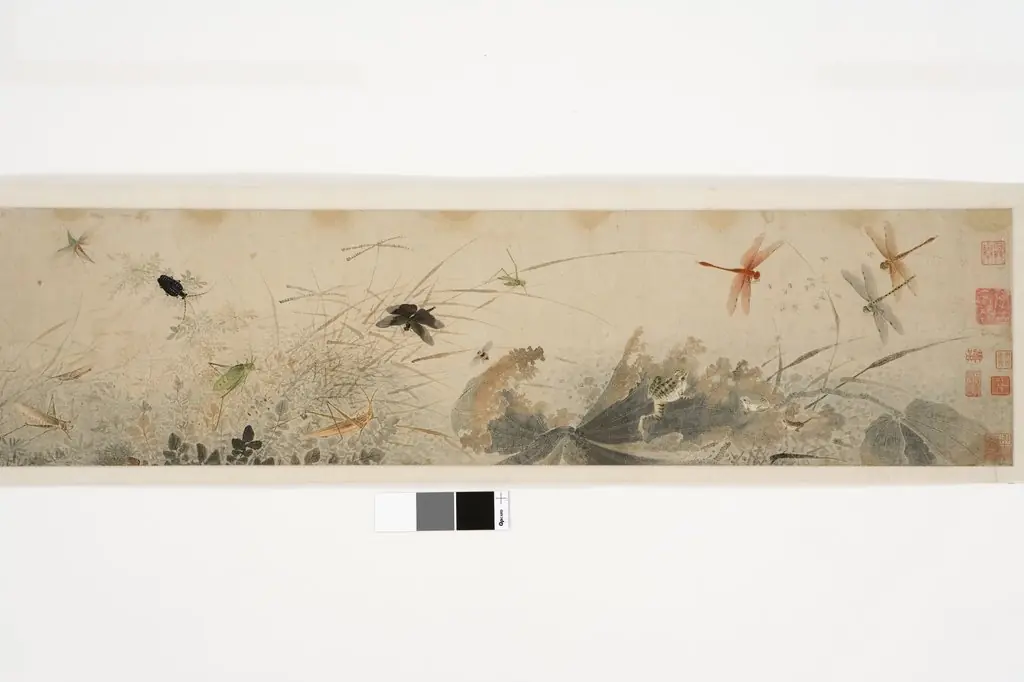 Early Autumn
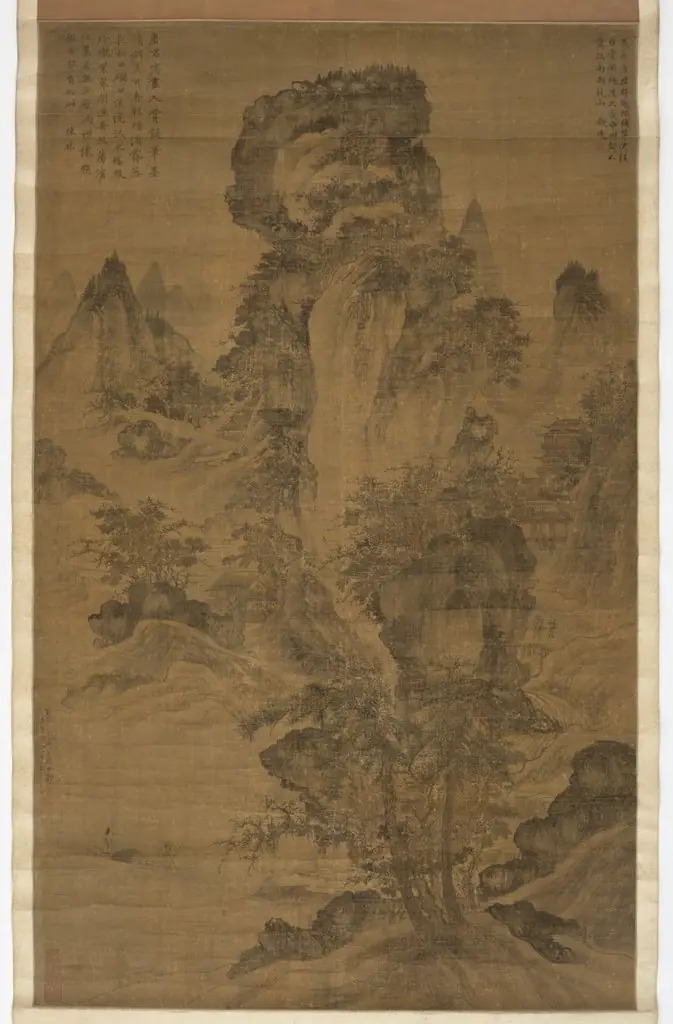 Fishing on an Autumn River
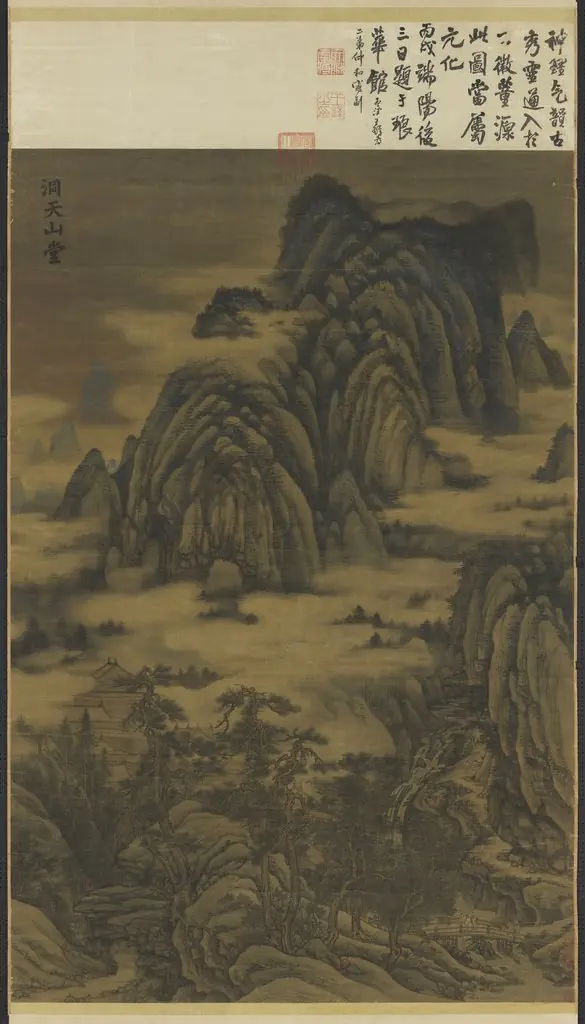 The Immortal Paradise Building in the Mountain
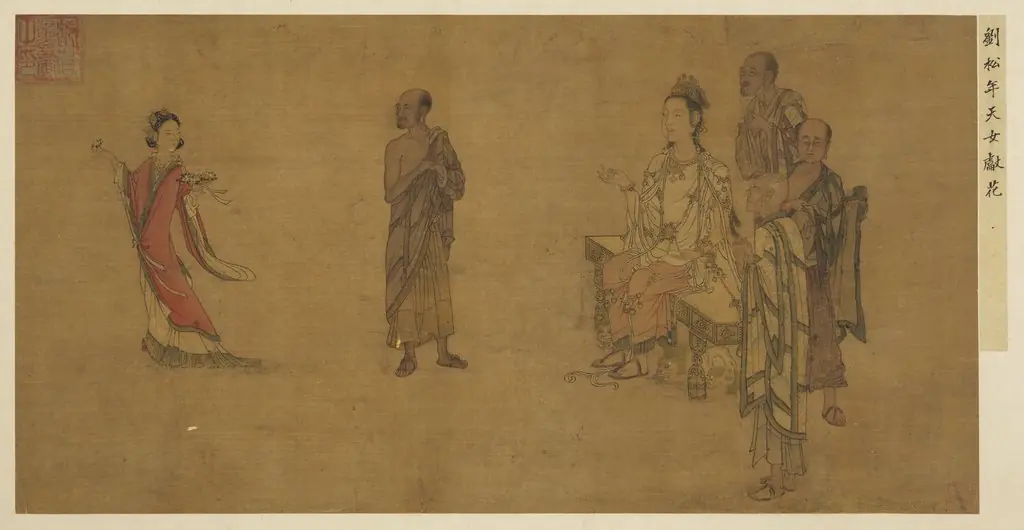 名繪集珍 冊 宋劉松年天女獻花
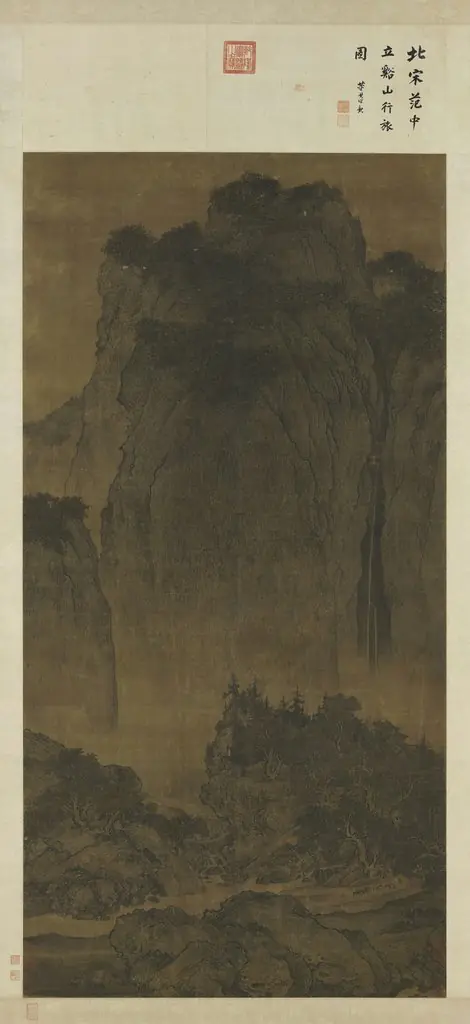 Travelers Among Mountains and Streams
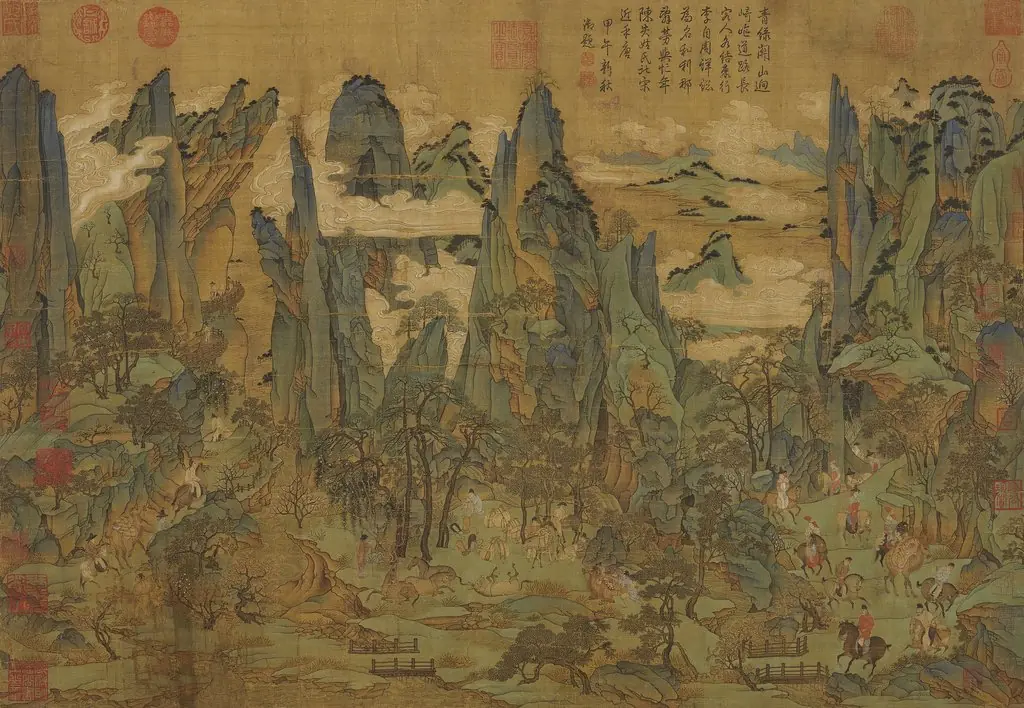 Emperor Ming-huang's Flight to Szechuan
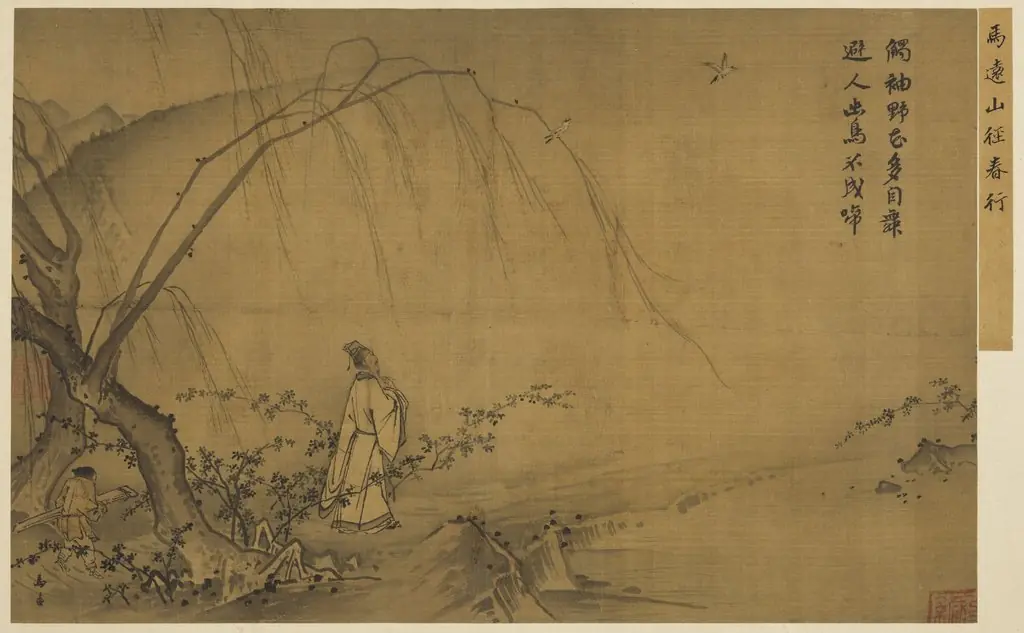 Walking on a Mountain Path in Spring
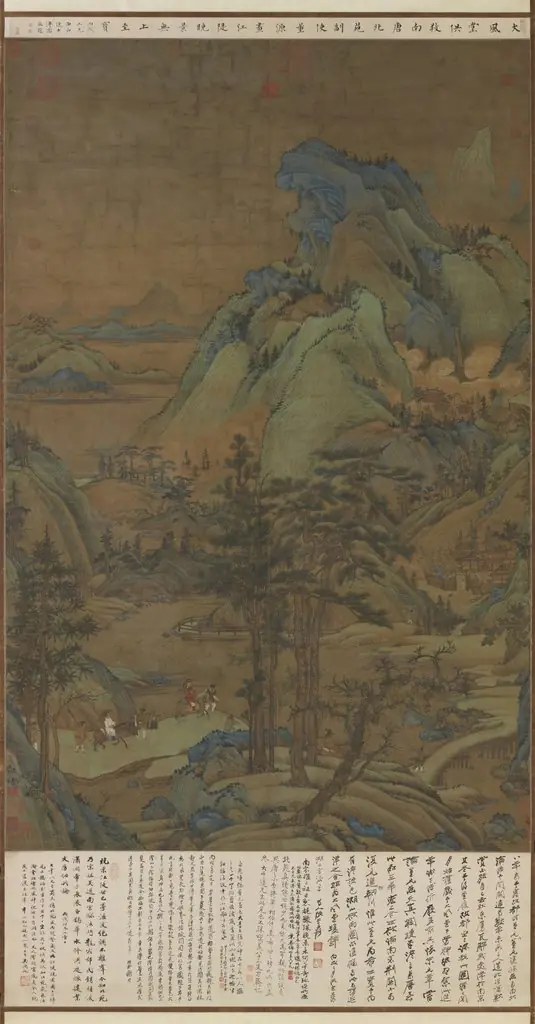 Late Scenery Along a Riverbank
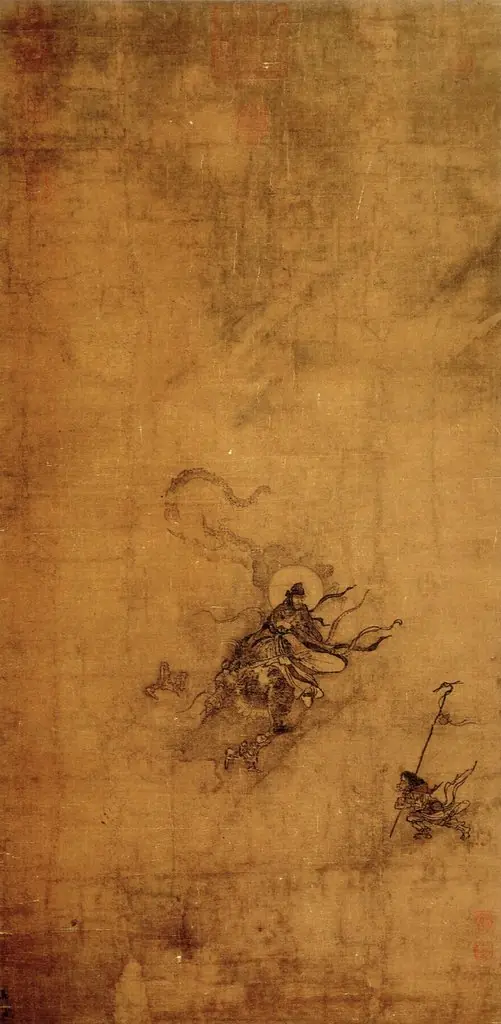 Riding a Dragon
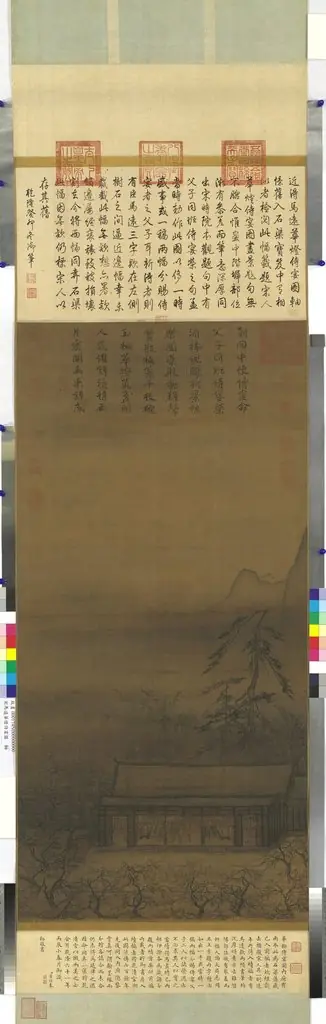 宋馬遠華燈侍宴圖 軸
 Depiction of the Day of Spring Offering to the Gods
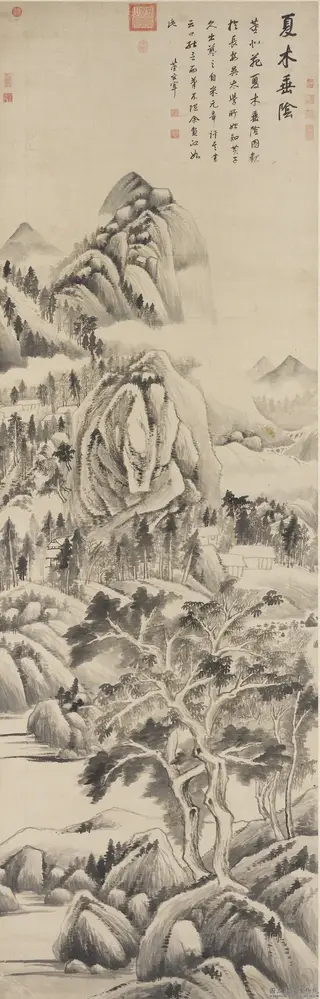 Shady Trees in a Summer Landscape
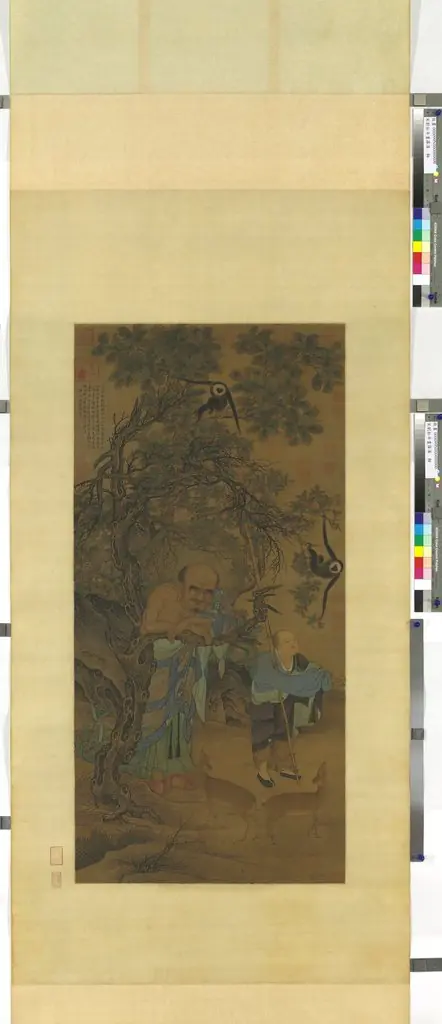 宋劉松年畫羅漢 軸
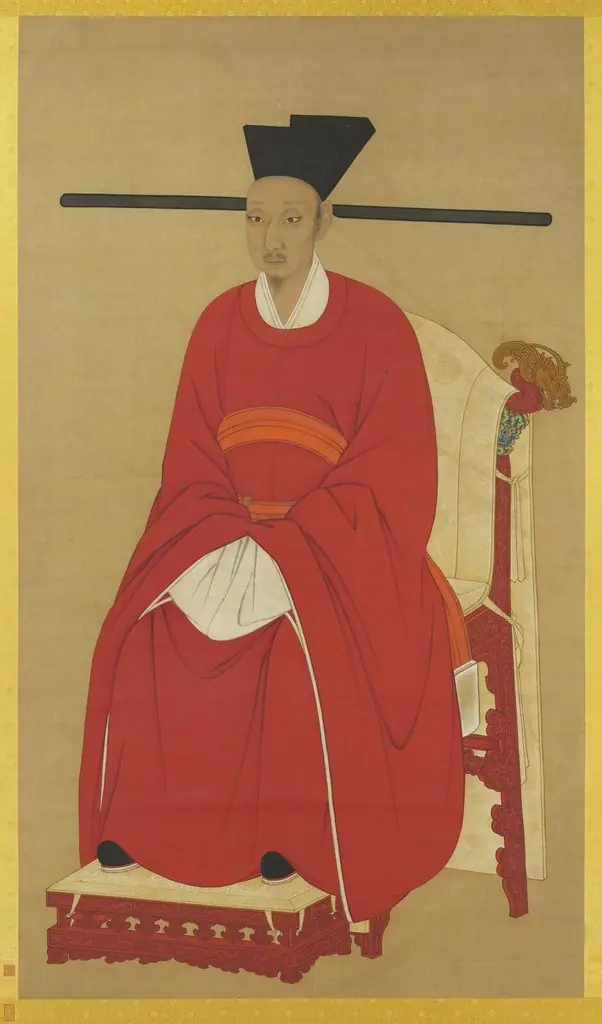 宋寧宗坐像 軸
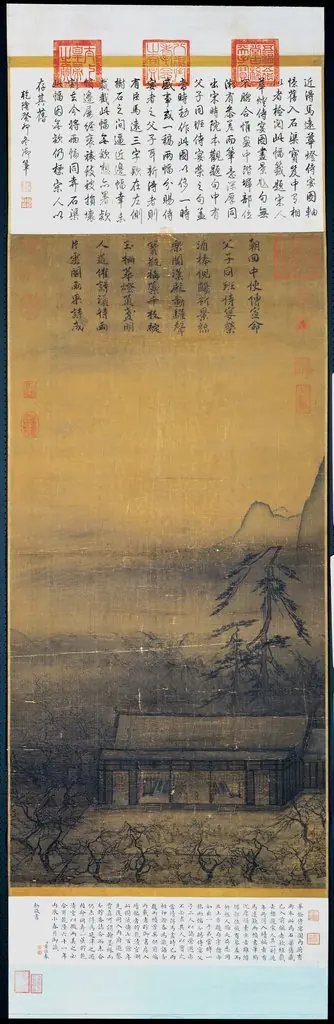 Attending an Imperial Banquet
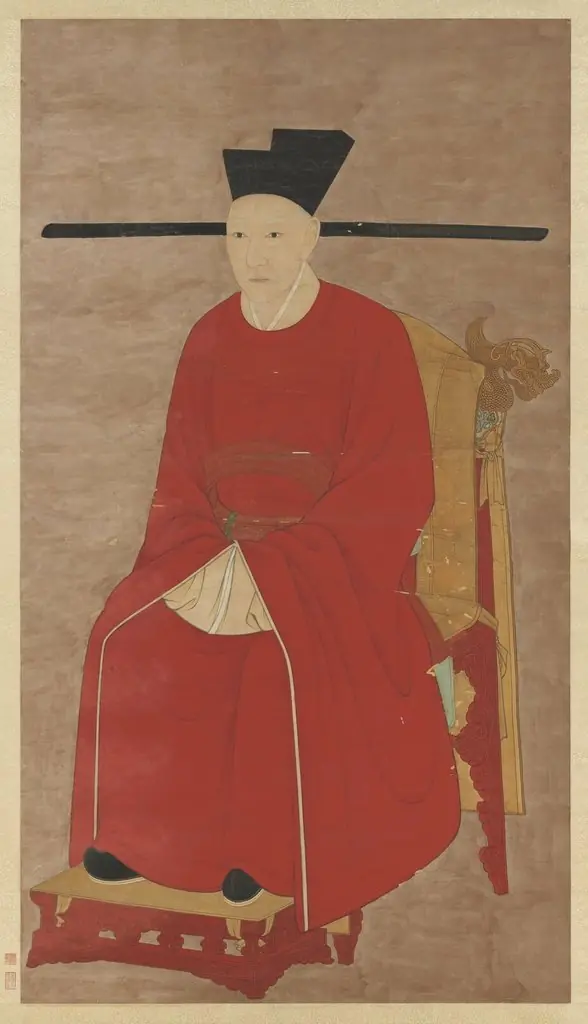 宋高宗坐像 軸
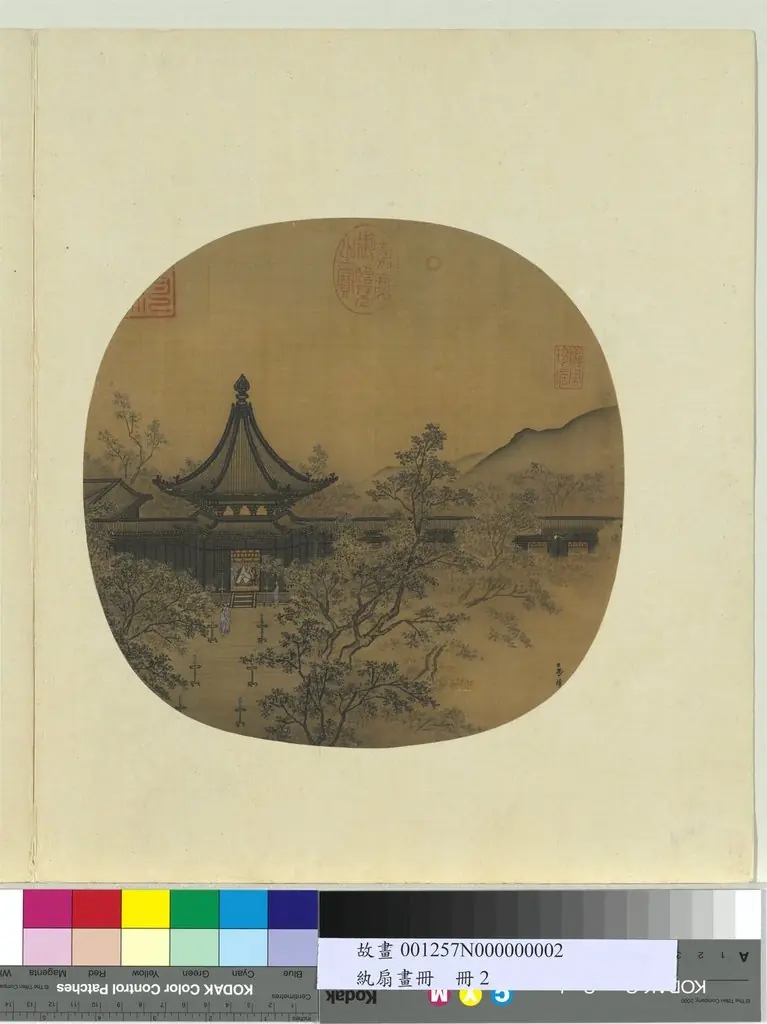 紈扇畫冊 冊 宋馬麟秉燭夜遊圖
 Myriad Miles of the Yangtze River
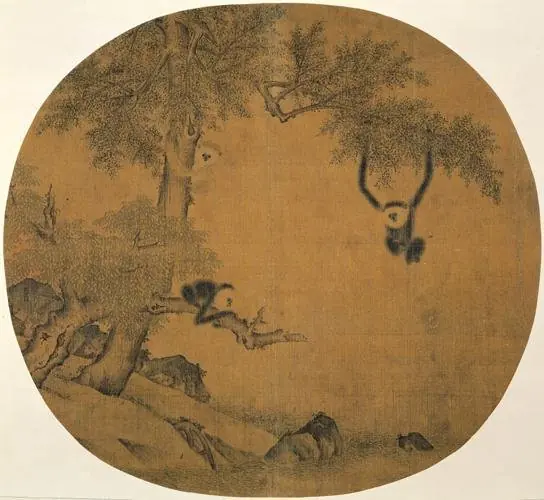 Gibbons Playing in Tree Branches
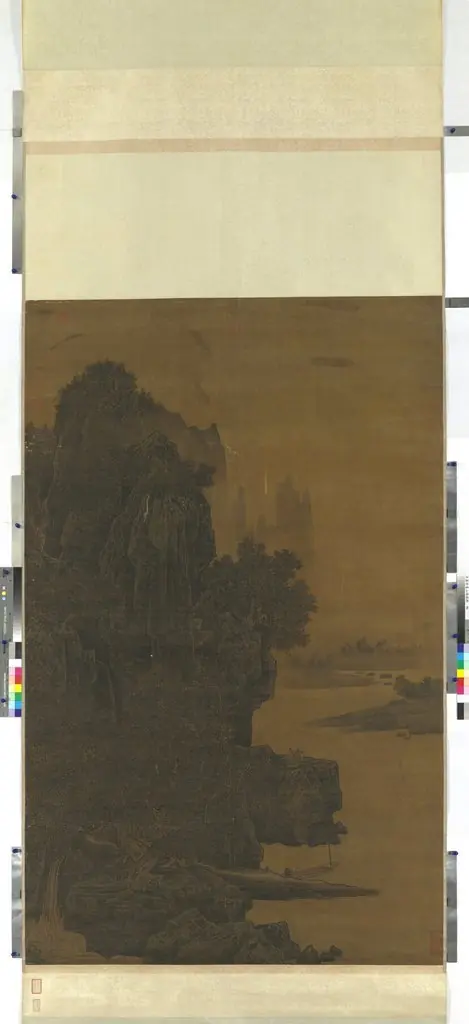 宋蕭照畫山腰樓觀軸
![名繪集珍 冊 李□焚香祝聖, by Li[?], 1170](https://artifactworldgallery.com/img/li--7ca1a4e908900d79-w320.webp) 名繪集珍 冊 李□焚香祝聖
名繪集珍 冊 李□焚香祝聖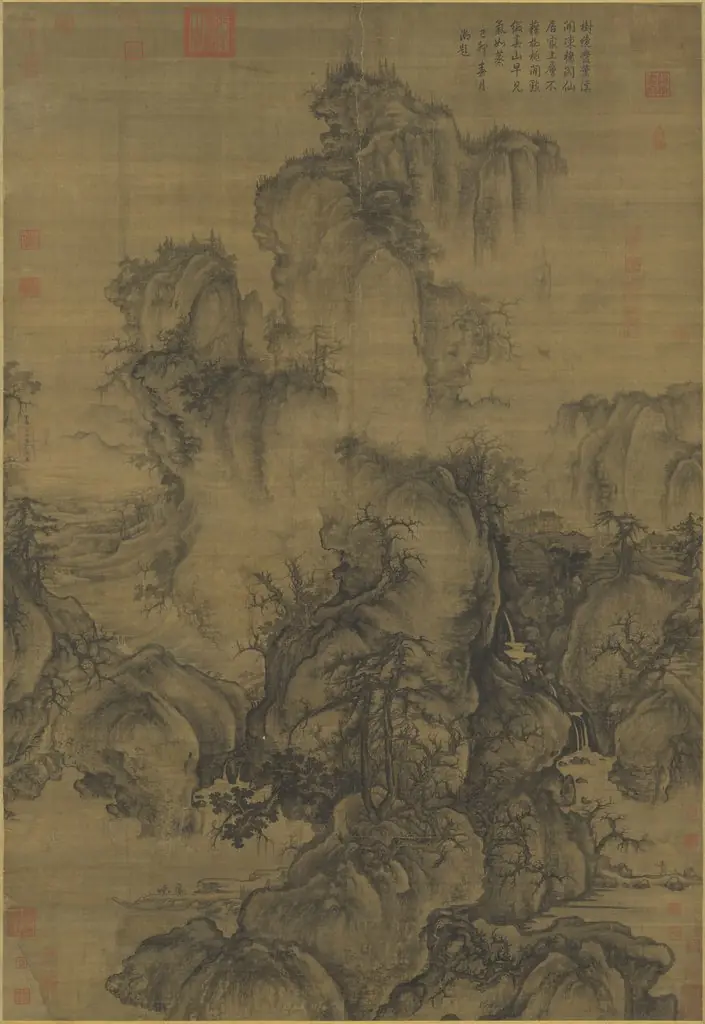 Early Spring
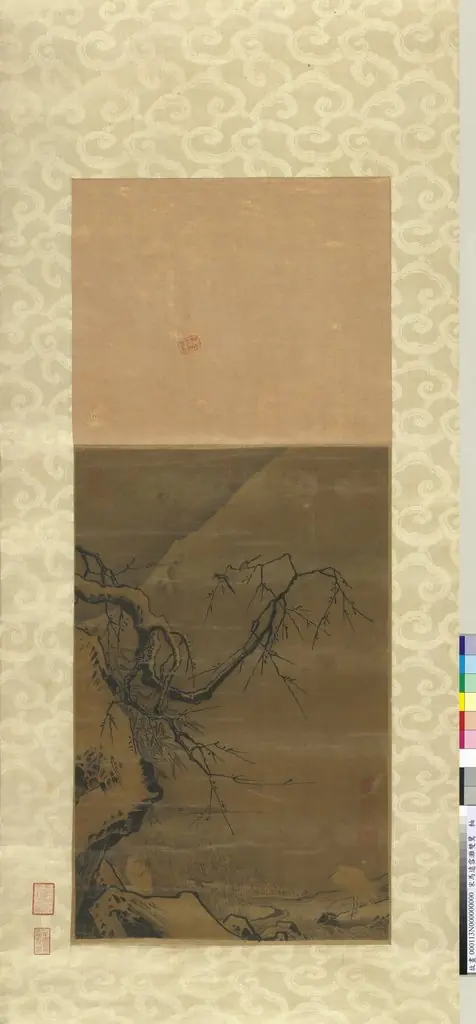 宋馬遠雪灘雙鷺 軸
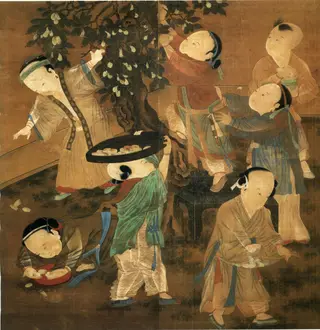 Assaulting the Jujube Tree
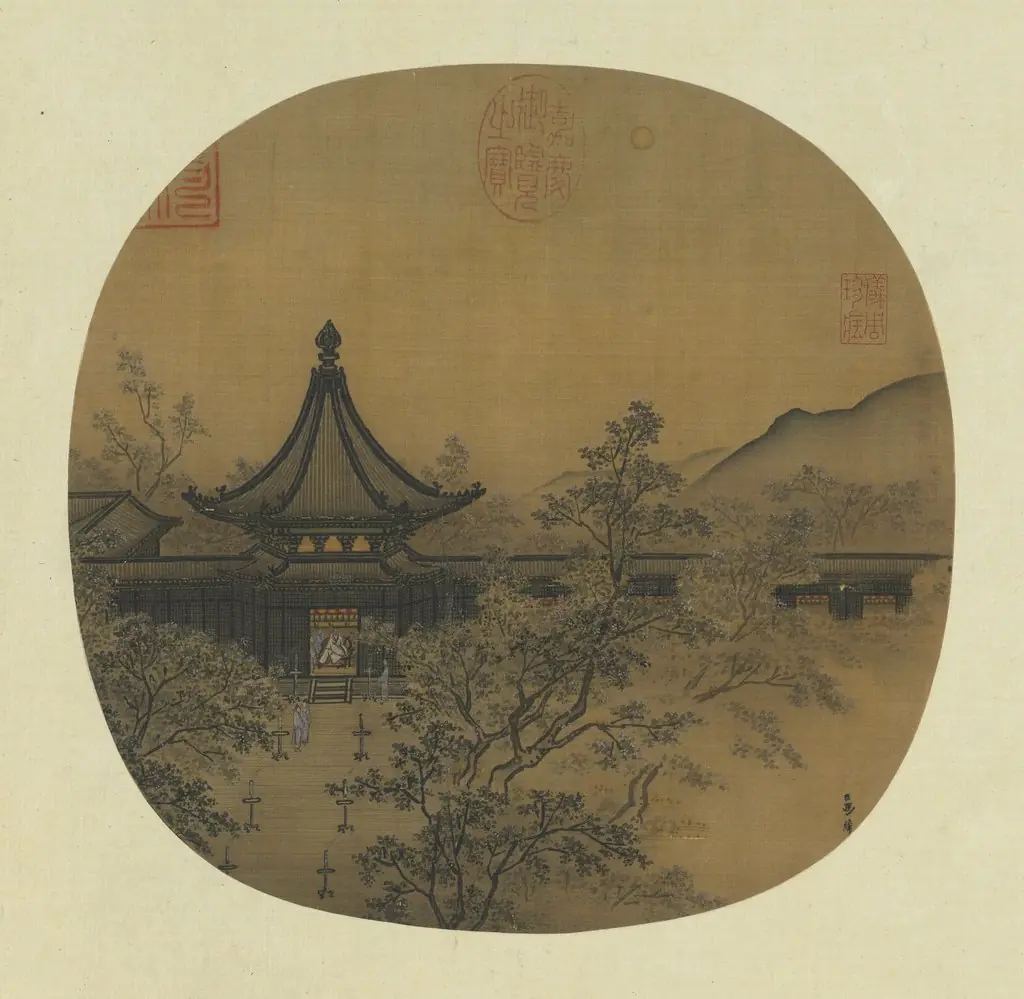 Waiting for Guests by Lamplight
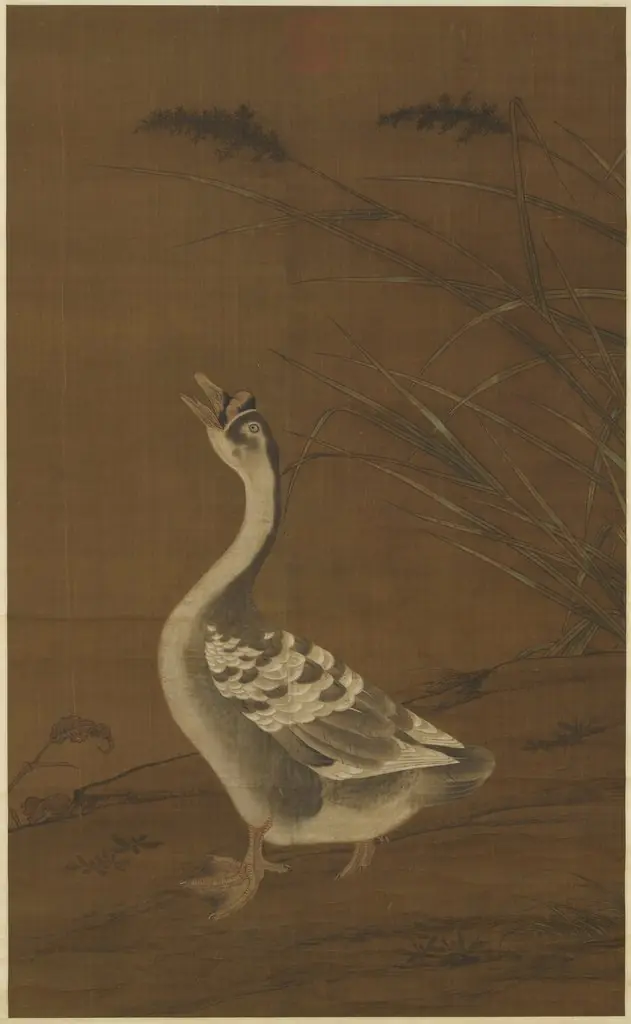 Reeds and Goose
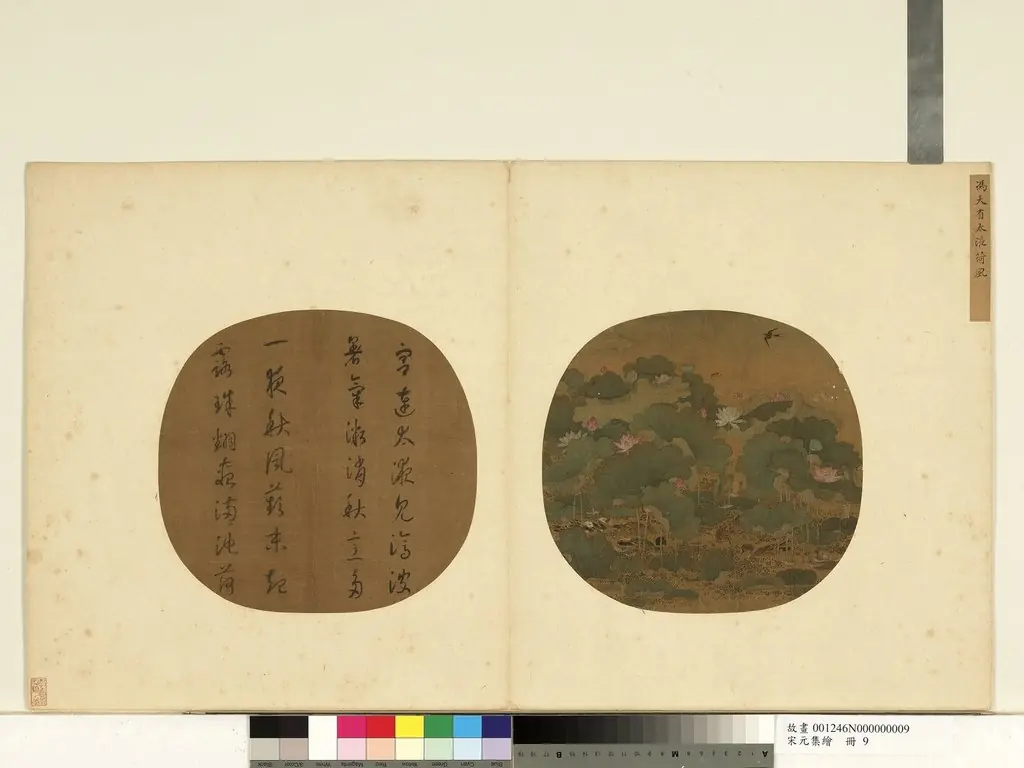 宋元集繪 冊 宋馮大有太液荷風
 Painting from Nature
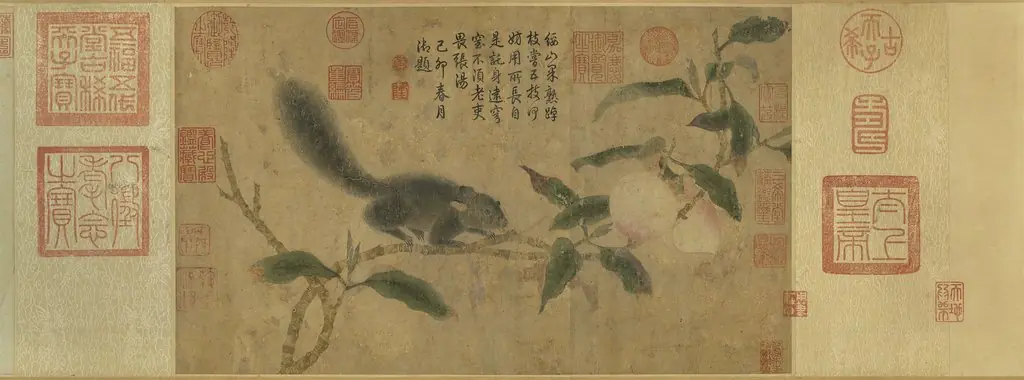 Squirrel on a Peach Branch
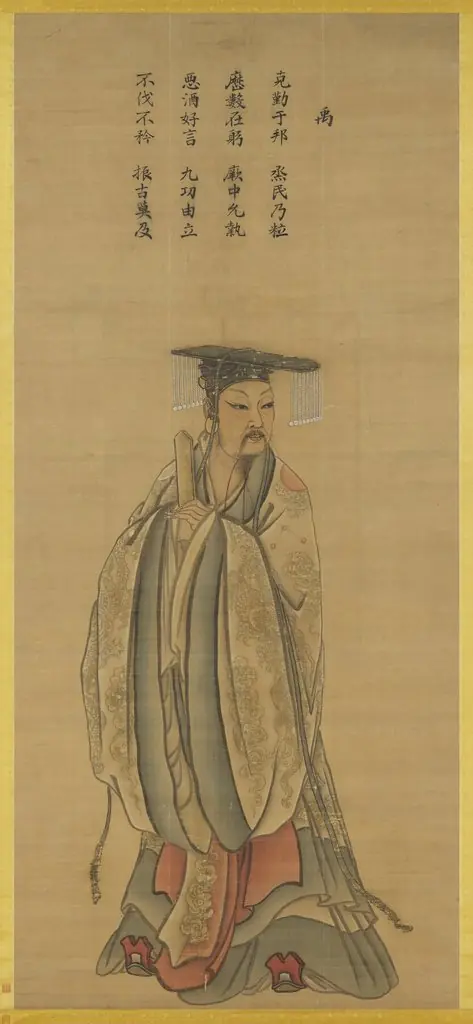 夏禹王立像 軸
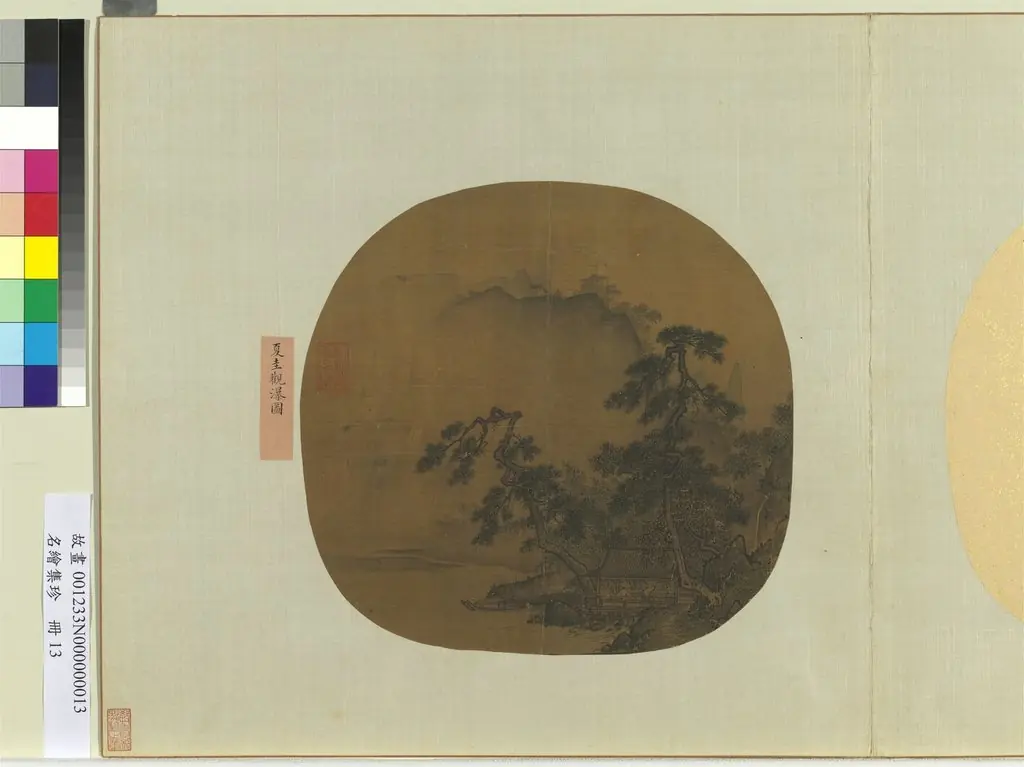 名繪集珍 冊 宋夏珪觀瀑圖
 Early Snow on the River
 Autumn Boating on a Maple River
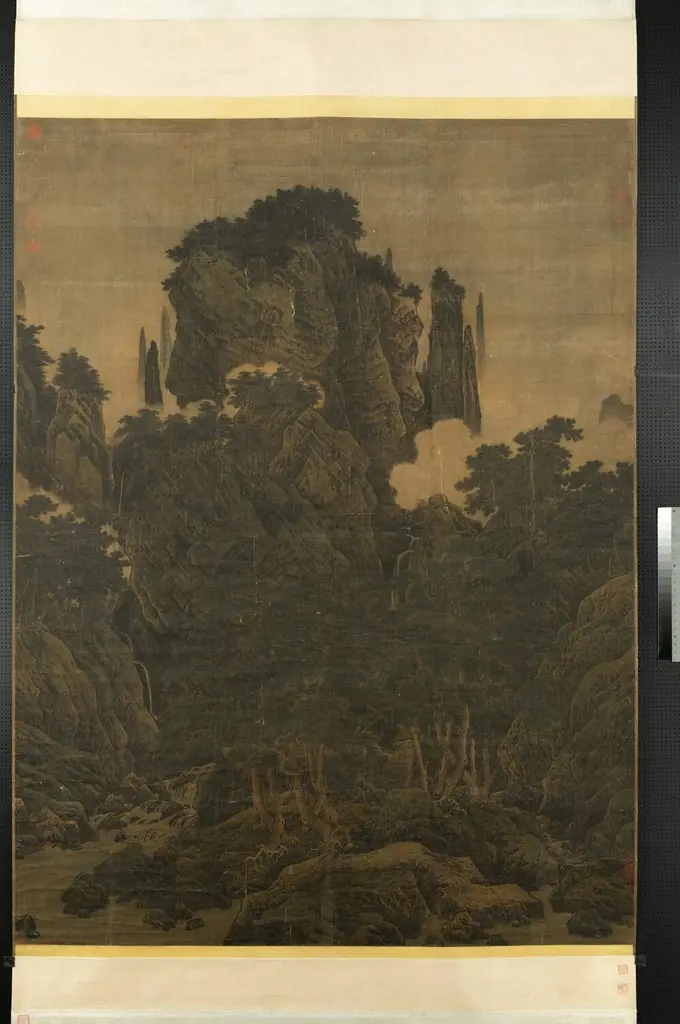 宋李唐萬壑松風圖 軸
 Preaching Amitabha with Avalokiteshvara and Manjushri, folio 186 (verso), from a Manuscript of the Perfection of Wisdom in Eight Thousand Lines (Ashtasahasrika Prajnaparamita-sutra)
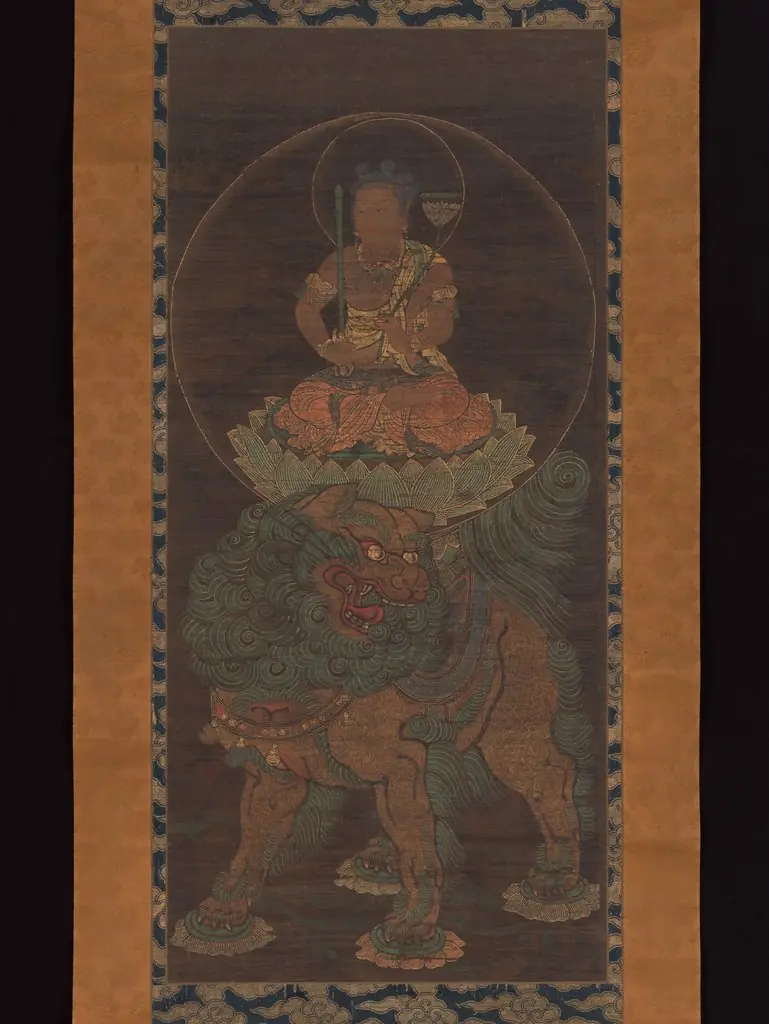 The Bodhisattva Monju (Manjushri) with Five Topknots
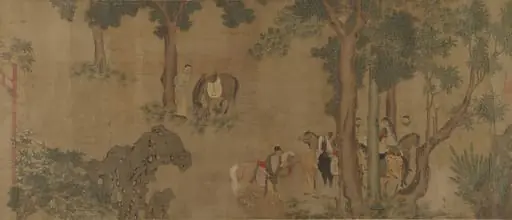 舊傳錢選 錦堂圖 卷|Brocade Hall
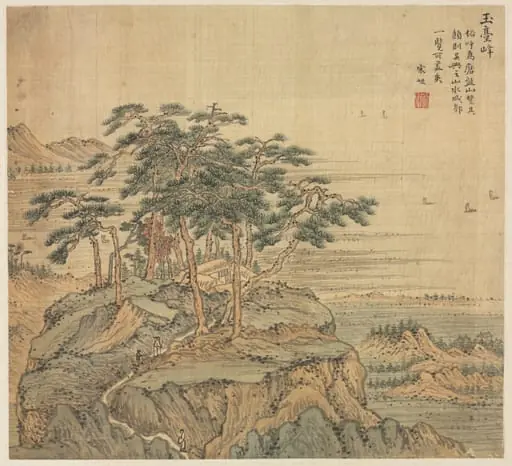 Yutai Peak (Jade Terrace Peak)
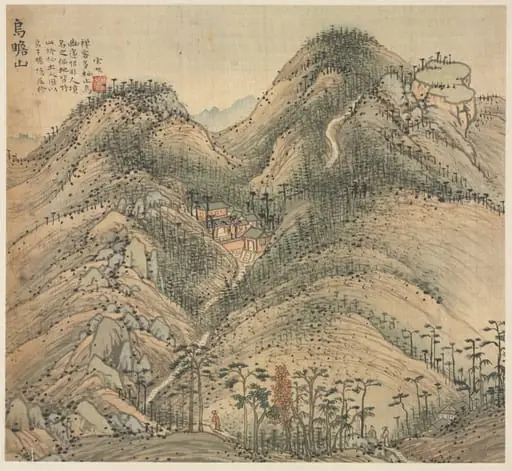 Mt. Wuzhan
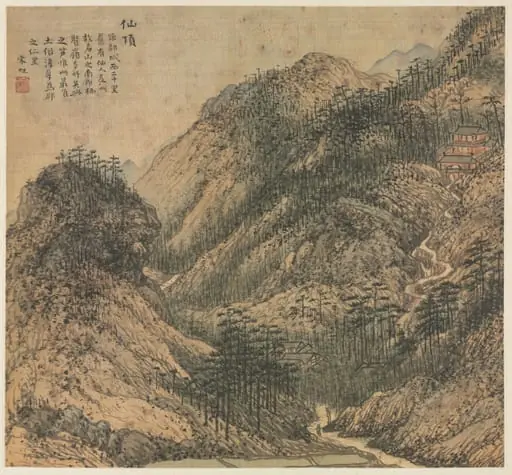 Xianding (Immortal's Peak)
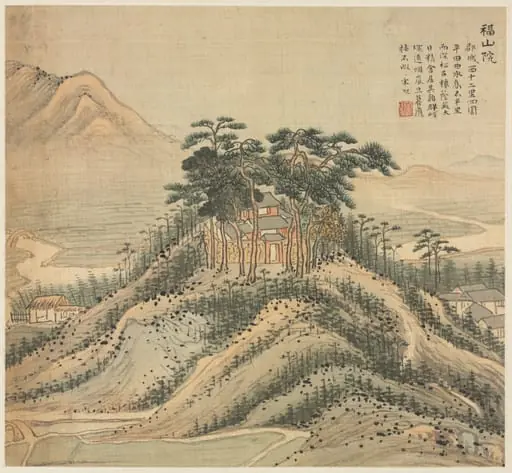 Fushan Monastery
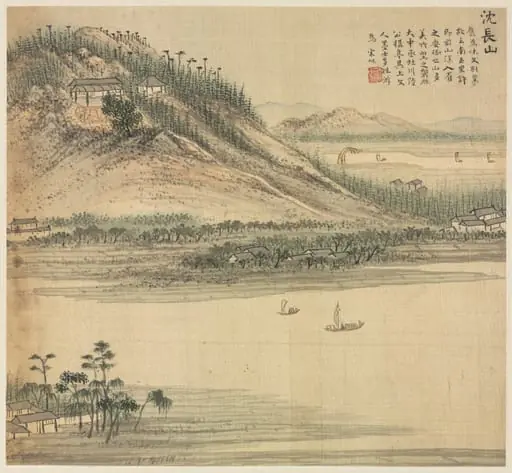 Mt. Shenchang
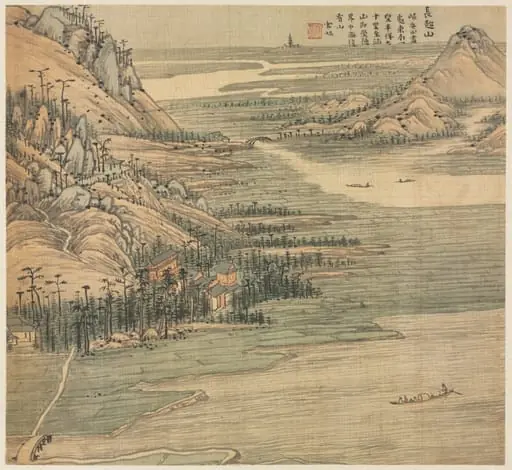 Mt. Changchao
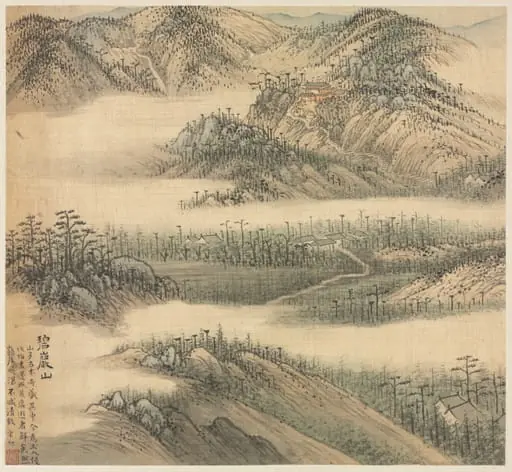 Mt. Biyan (Green Cliff)
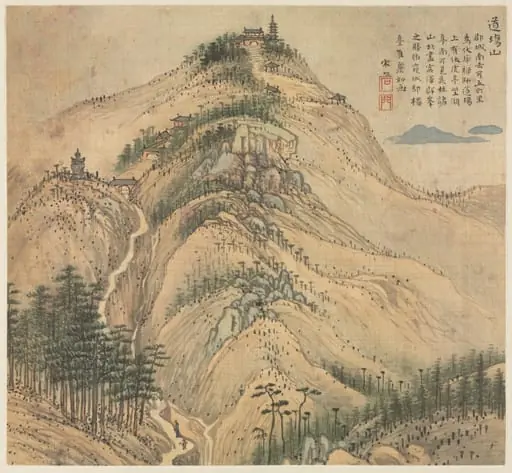 Mt. Daochang
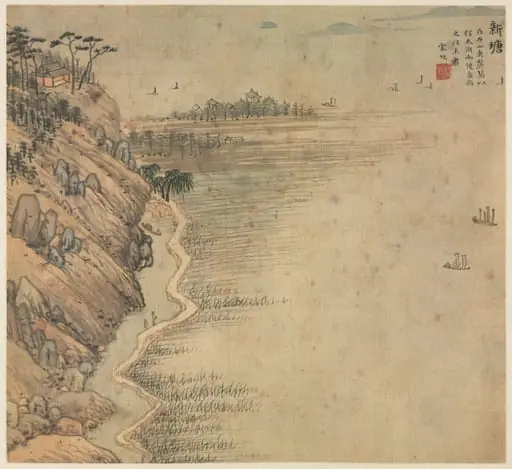 Xintang (Immortal's Peak)
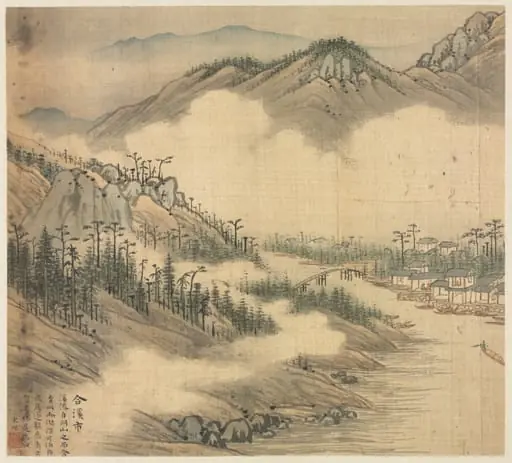 Hexi
Hexi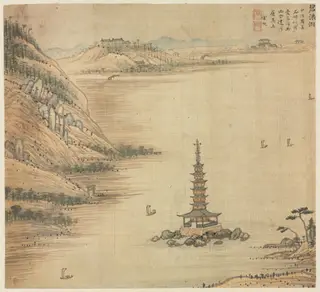 Bilang Lake
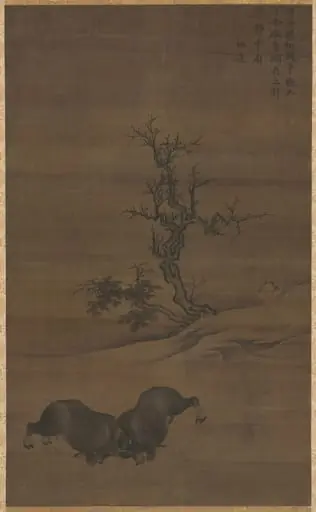 Herdboys and Buffalo in Landscape
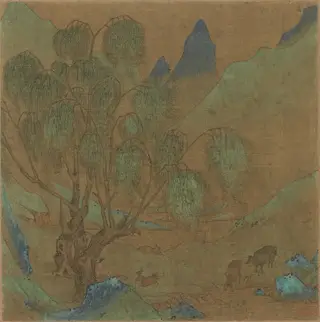 A Pastoral Scene
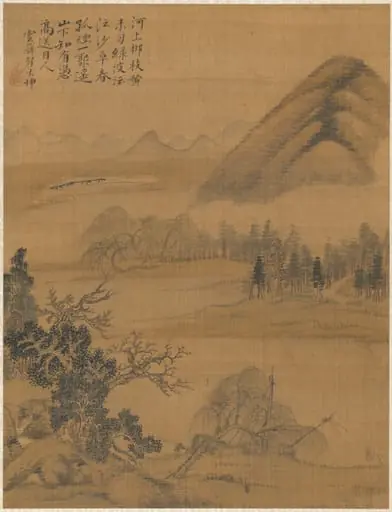 Landscape
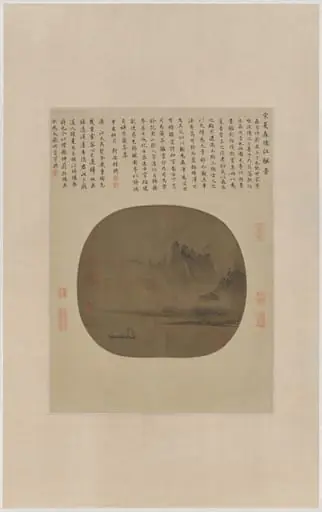 Full Sail on the Misty River
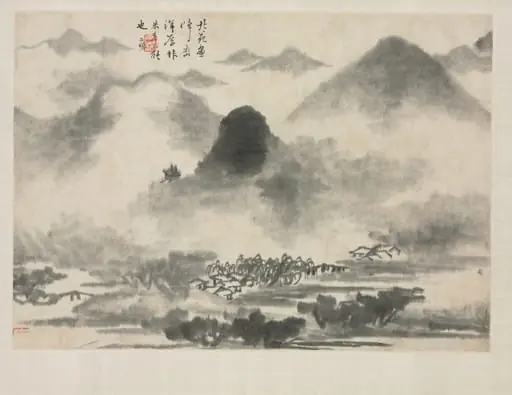 Landscape Album in Various Styles: Landscape after Mi Fei
 Landscape with Bamboo
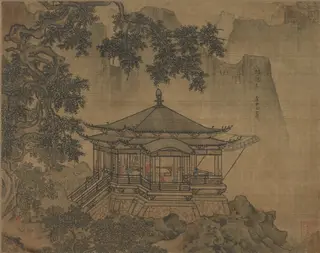 A Pavilion
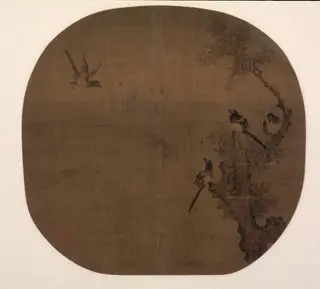 Returning Birds and Old Cypress
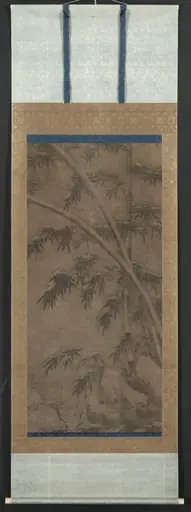 Bamboo in Four Seasons: Winter
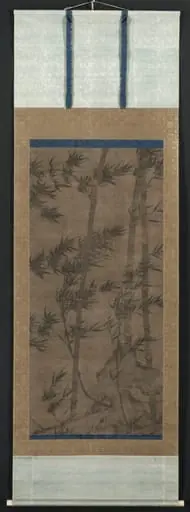 Bamboo in Four Seasons: Summer
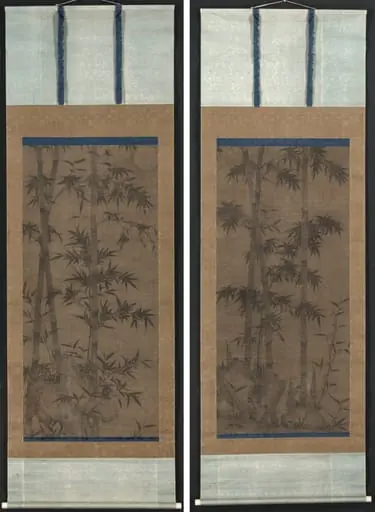 Bamboo in Four Seasons: Spring and Autumn
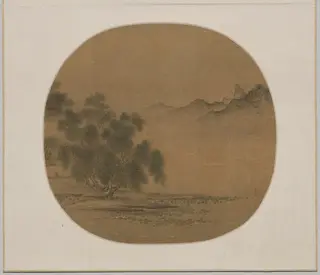 Willows
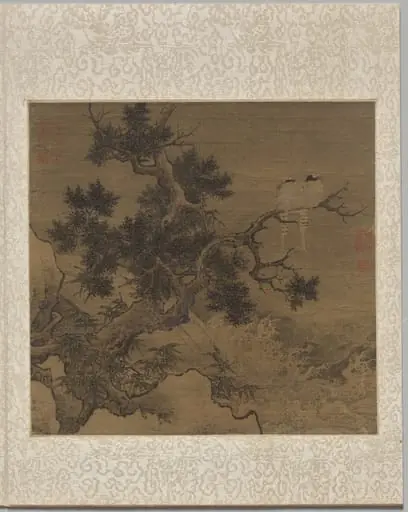 Birds on a Tree above a Cataract
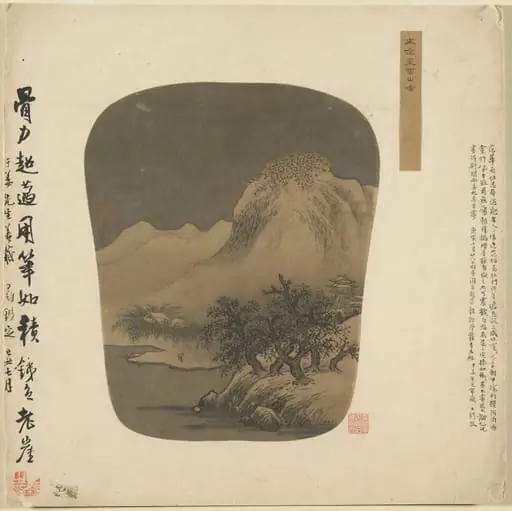 Fan-shaped Album Painting
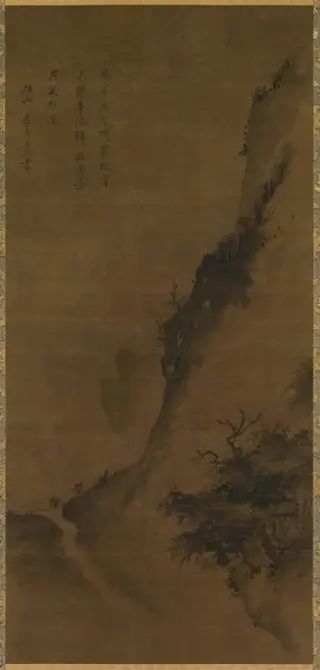 Landscape with Woodcutters Returning Home
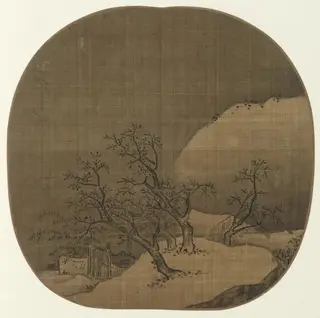 Winter Scene
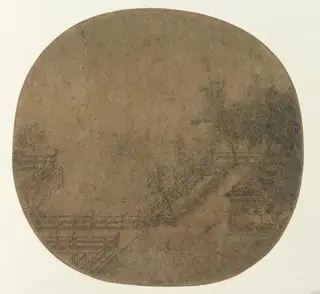 Mountain Terrace and Pavilion
 Boats at Anchor on West Lake at the City Gate
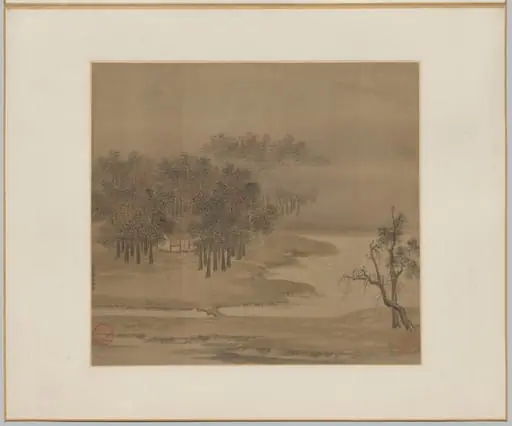 Cottages in a Misty Grove in Autumn
 "Seventh Month" from the Odes of Bin
 Cloudy Mountains
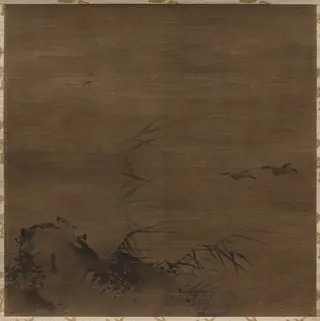 Waterfowl and Reeds
 Streams and Mountains without End
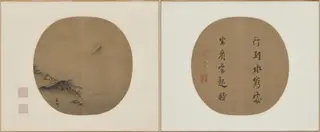 Scholar Reclining and Watching Rising Clouds; Poem by Wang Wei
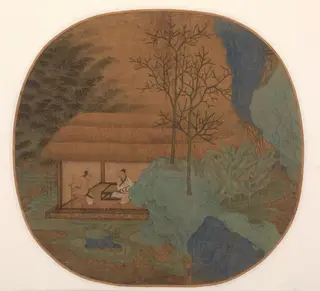 Conversation in a Thatched Hut
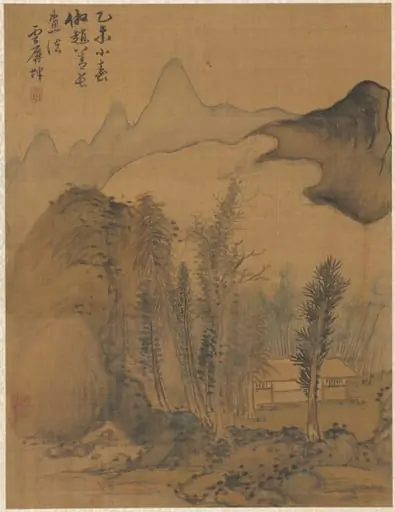 Landscape in the Style of Chao Yuan
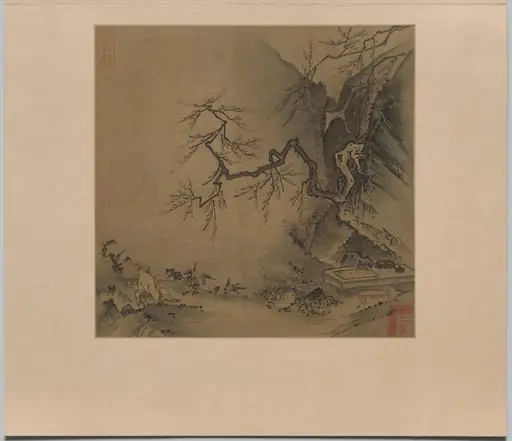 Drinking in the Moonlight
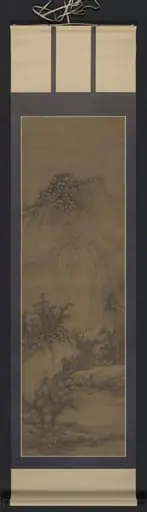 Buddhist Retreat by Stream and Mountains
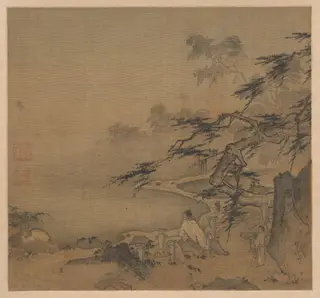 Watching the Deer by a Pine Shaded Stream
Frequently asked questions
What is Song dynasty landscape?
Song dynasty landscape is an art movement. The monumental ink landscapes of China's Song dynasty (960-1279), often called a peak of the genre.
How many Song dynasty landscape works does Artifact World Gallery have?
Artifact World Gallery holds 259 public-domain Song dynasty landscape works, all free to view and download.
Who are the key Song dynasty landscape artists?
Key Song dynasty landscape artists in the collection include Qian Xuan, Wang Zhenpeng and Guo Xi.
When did Song dynasty landscape take place?
Song dynasty landscape dates from 960–1280.
Where can I see Song dynasty landscape works?
Song dynasty landscape works in the collection are held by Cleveland Museum of Art, National Palace Museum and Metropolitan Museum of Art.