Artwork
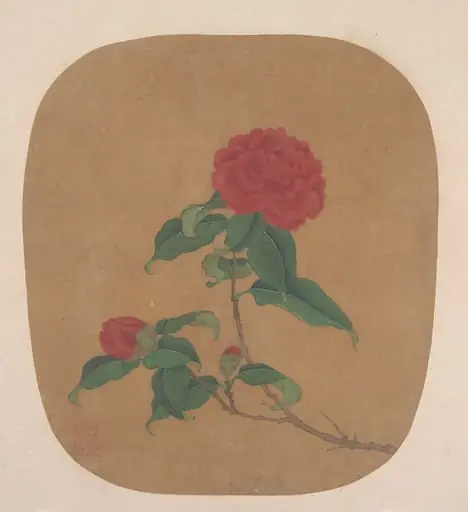
Camellia After a Snow
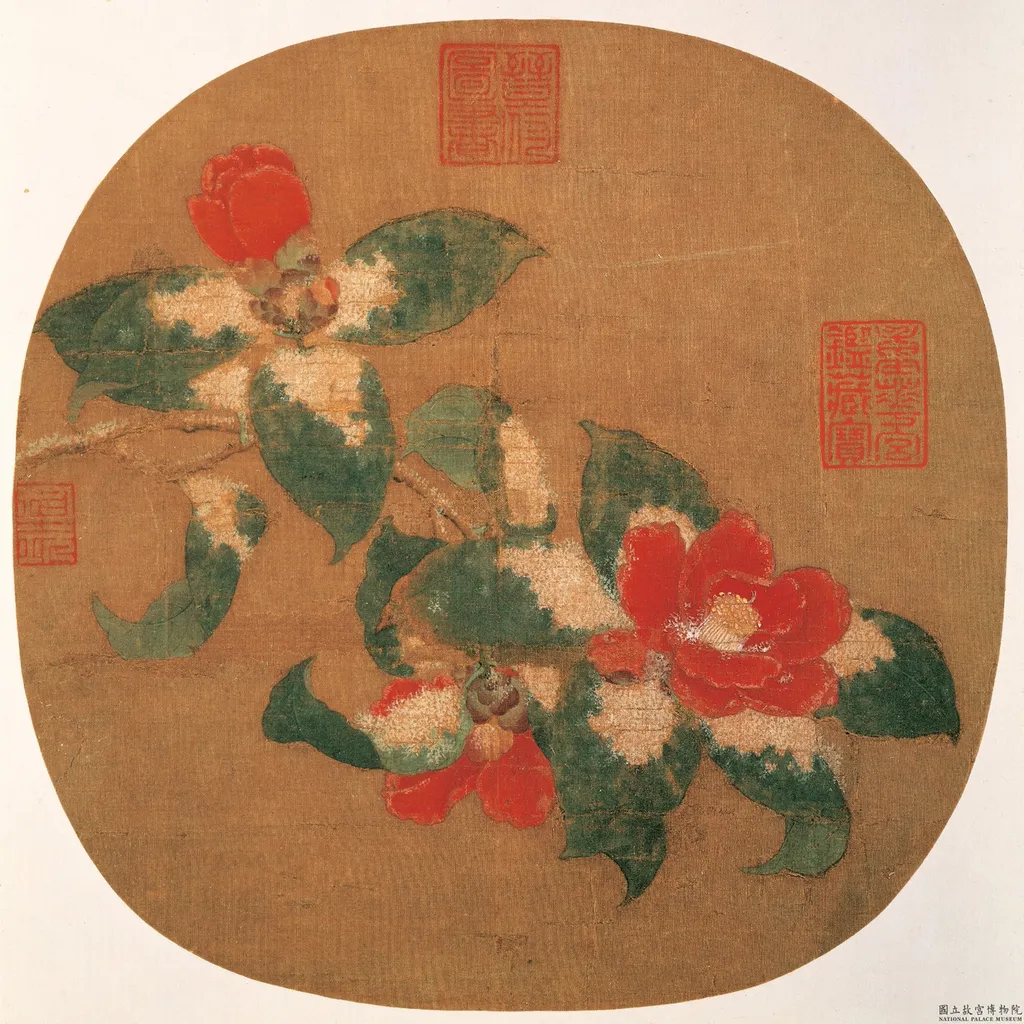
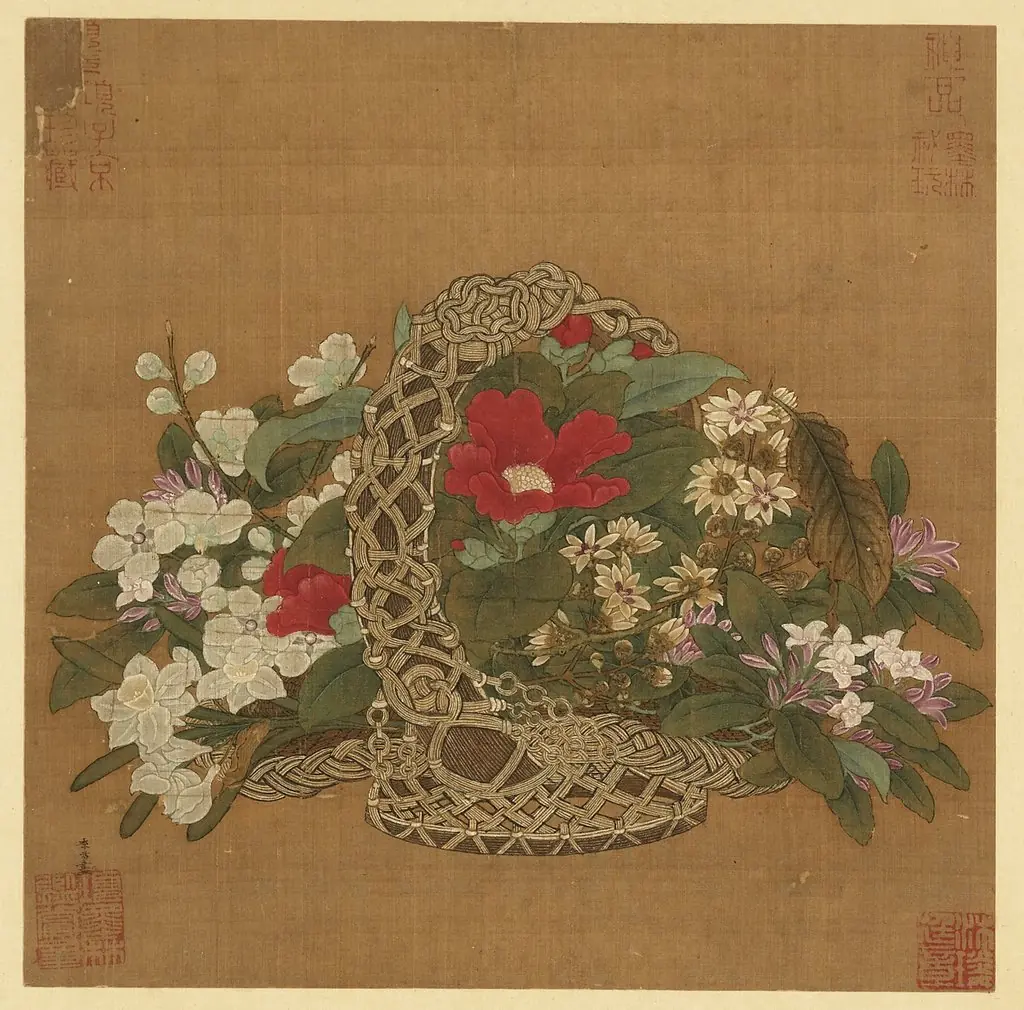
Camellia After a Snow is an unspecified painting by the Song dynasty painting artist Lin Chun. It dates from 1150 and is held in the collection of the National Palace Museum.
About this work
Overview
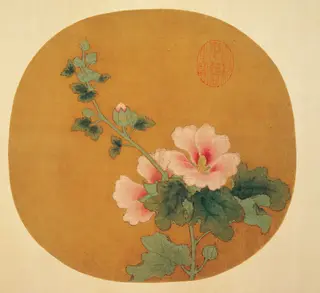
Camellia After a Snow, dated around 1150, is a small-scale ink and color painting attributed to the Southern Song artist Lin Chun.
Camellia After a Snow, dated around 1150, is a small-scale ink and color painting attributed to the Southern Song artist Lin Chun. It depicts a single camellia branch with red petals and glossy green leaves, rendered with quiet precision. The work is held in the collection of the National Palace Museum in Taipei, where it is valued for its restrained elegance and technical finesse characteristic of courtly botanical art of the period.
Subject & Meaning
The camellia, a flower associated with endurance and quiet resilience, is shown after a snowfall, suggesting survival through winter’s chill. Its solitary presence evokes solitude and natural harmony, themes common in Song dynasty aesthetics. The absence of landscape or context focuses attention on the flower’s quiet dignity, aligning with Daoist and Confucian ideals of understated virtue in nature.
Technique & Style
Lin Chun employs fine brushwork to define each petal and leaf, using layered washes of color to suggest translucency and texture. Subtle gradations of red and green, combined with delicate ink outlines, create a sense of volume without heavy shading. The light brown background, left largely unadorned, enhances the flower’s presence through contrast rather than decoration, reflecting the Song preference for minimalism and naturalism.
History & Provenance
The painting entered the imperial collection during the Southern Song dynasty and remained in royal custody through subsequent dynasties. It was among the artworks transported to Taiwan in 1949 when the National Palace Museum’s holdings were relocated from Beijing. Its continuous imperial ownership and careful preservation attest to its high status within the tradition of courtly painting.
Context
Created during the Southern Song period, when artistic focus shifted toward intimate, observational subjects, this work reflects a broader trend of nature studies favored by scholar-officials and court painters. Botanical paintings like this were not merely decorative but served as meditative exercises in perception, aligning with the era’s philosophical emphasis on harmony between human insight and the natural world.
Legacy
Lin Chun’s Camellia After a Snow exemplifies the refinement of Song dynasty flower-and-bird painting, influencing later generations of artists who sought to capture botanical life with precision and emotional restraint. Its enduring presence in the National Palace Museum underscores its role as a touchstone for understanding the aesthetic values of Chinese court art in the 12th century.
Own this work as a print
Artist & collection
Artist
Lin Chun was a 12th-century scholar who painted when the tea got cold. He’d sit in a quiet studio by West Lake, sketching camellias after spring snow, the way petals cling to branches like stubborn memories. His ink…