Artwork
N. Beaujeon
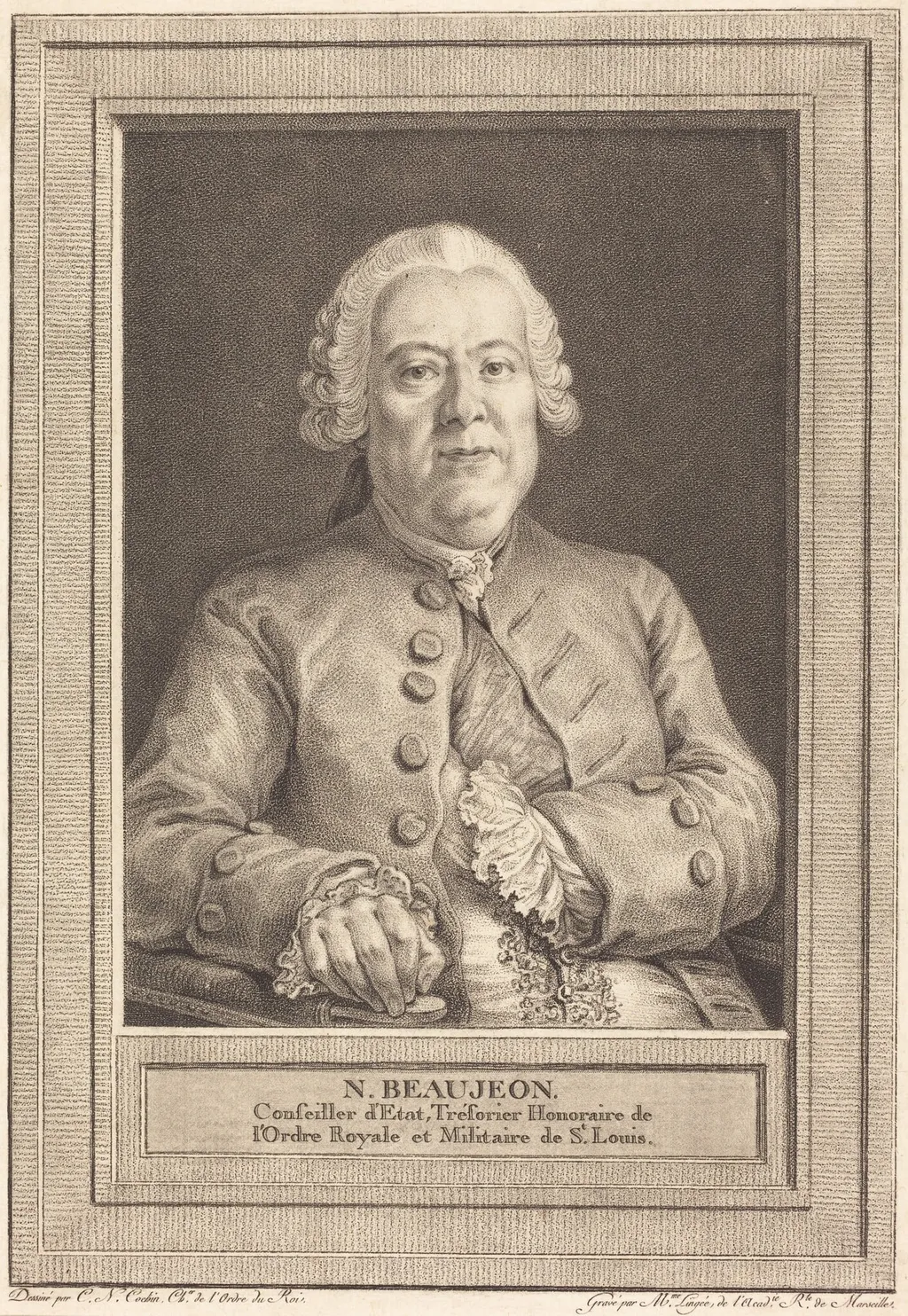
N. Beaujeon is a chalk print by the Romanticist artist Thérèse-Éléonore Lingée. It dates from 1793 and is held in the collection of the National Gallery of Art. N.
- Inscription
- Inscribed:recto: in plate, at lower center: N.BEAUJEON. / Confeiller d'Etat, Trésorier Honoraire de / l'Ordre Royale et Militaire de St. Louis.; in plate, at lower left: Dessiné par C.N. Cochin, Cher. de l'Ordre du Roi.; in plate, at lower right: Gravé par Mme. Lingée, de l'Acadie. Rle. de Marseille.; verso: at upper right, in purple ink, by a later hand: De la coll. André Barrier / Juge au tribunal de la Seine / oct. 1919
- Markings
- Marked:none
About this work
To learn more about the Romanticism movement, explore the works of artists like Lingée, Thérèse-Éléonore.
This portrait is a detailed drawing of a man with curly white hair and a buttoned-up jacket. He is seated, with his hands resting on his lap.
The man's attire suggests a formal setting, possibly from the 18th or 19th century. His facial expression is neutral, with a slight hint of a smile.
The artist's use of chalk manner on laid paper creates a soft, romanticized effect. To learn more about the Romanticism movement, explore the works of artists like Lingée, Thérèse-Éléonore.
Overview
N. Beaujeon is a portrait executed in 1793 by French artist Thérèse‑Éléonore Lingée. Rendered in the chalk manner on laid paper, the work is catalogued as a print, though its appearance resembles a finely drawn study rather than a conventional engraving.
Subject & Meaning
The image presents a seated gentleman with tightly curled white hair, dressed in a buttoned jacket typical of formal attire in the late eighteenth century. He rests his hands on his lap, his expression neutral with a faint, restrained smile, suggesting a dignified yet approachable presence.
Technique & Style
Lingée employed the chalk manner, a drawing technique that imitates the softness of chalk on a textured laid paper surface. This approach yields delicate tonal variations and a slightly romanticized atmosphere, emphasizing the sitter’s features without harsh line work.
History & Provenance
Created during the turbulent years of the French Revolution, the portrait reflects Lingée’s continued practice of portraiture amid political change. The work is presently identified by its title, N. Beaujeon, and remains attributed to Lingée in museum and scholarly records.
Own this work as a print
Artist & collection


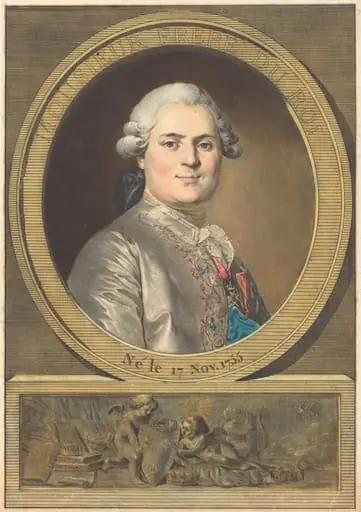
- Monsieur Frère du Roi (The King's Brother)
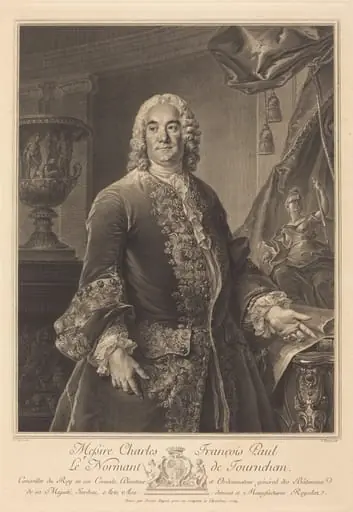 Charles Francois Paul Le Normant de Tournehem
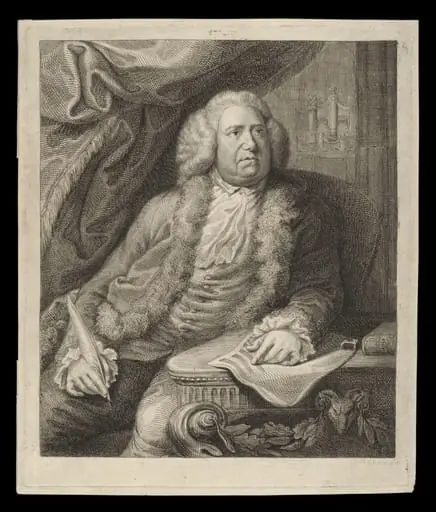 H Beard Print Collection
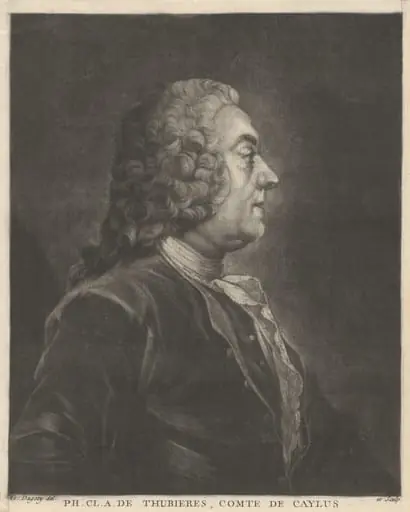 Ph. Cl. A. de Thubières, Comte de Caylus
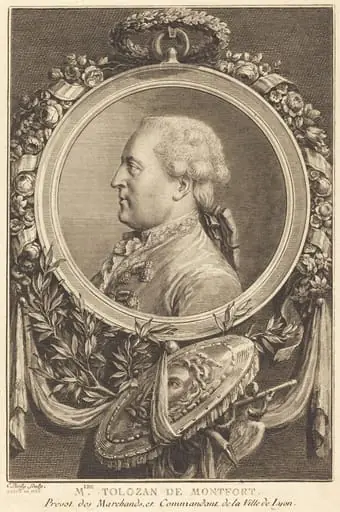 Tolozan de Montfort
 H Beard Print Collection
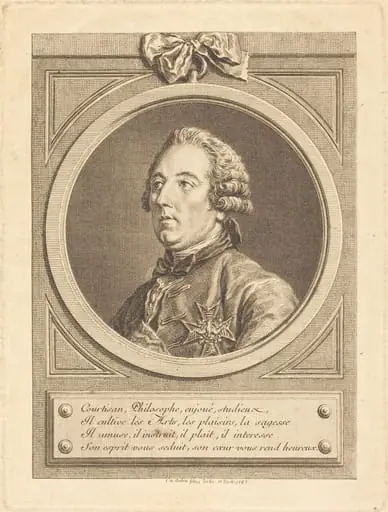 Louis Cesar de La Baume-le-Blanc
 Jean Charles Garnier d'Isle (1697–1755)
 Johann Gottfried von Herder
 Edme-Sebastien Jeaurat
 S.C. Boutin
 Portrait of Andrzej Mokronowski