Artwork
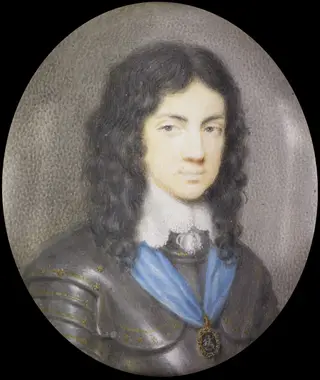
James II (1633-1701), the future King of England, as a young man
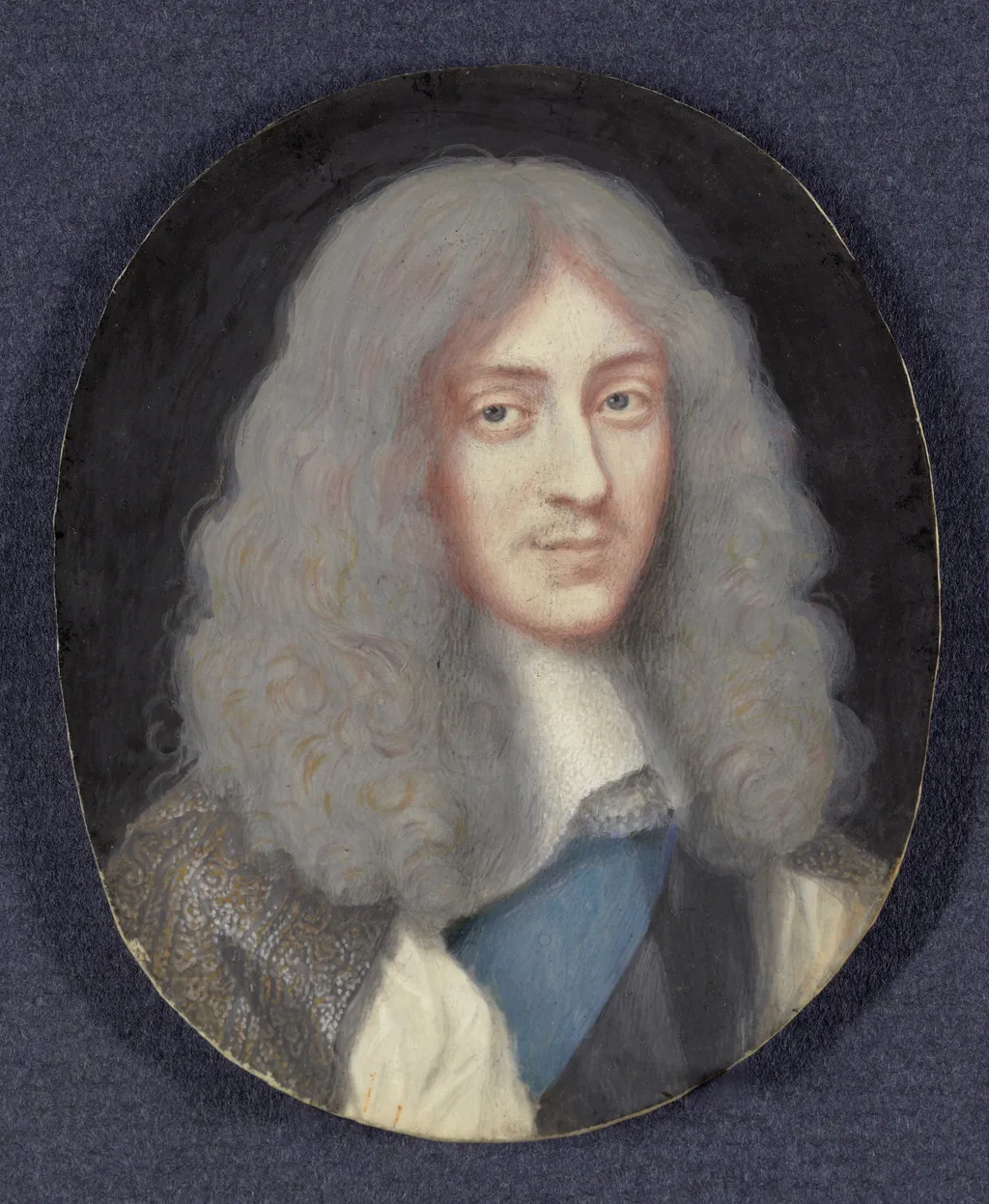
James II (1633-1701), the future King of England, as a young man is an unspecified painting by the Barbizon school artist Louis du Guernier. It dates from 1656 and is held in the collection of the Rijksmuseum.
About this work
Technique & Style
Created in 1656 by Louis du Guernier, this work is classified as a miniature painting executed on a cardboard support.
Created in 1656 by Louis du Guernier, this work is classified as a miniature painting executed on a cardboard support. The piece measures 7 cm in height and 5.8 cm in width, reflecting the compact scale typical of the genre. Its formal characteristics align with the miniature tradition, utilizing the rigidity of the cardboard to sustain the detailed handling required for such a small portrait of the future King James II.
History & Provenance
The miniature was created by Louis du Guernier in 1656 on cardboard, depicting the future King James II as a young man. According to the cataloguing record, the work entered the collection of the Rijksmuseum, where it is currently held.
No further details are documented regarding the original commissioner, the circumstances of its production, or the chain of ownership prior to its accession by the museum.
The painting depicting James II as a young man is held in the collection of the Rijksmuseum in Amsterdam. The work, created by Louis du Guernier in 1656, is classified as a miniature on cardboard. While the specific inventory or accession number is not provided in the available records, the museum maintains the piece as part of its permanent holdings. No exhibition history is documented in the current sources.
Legacy
The painting has been recognized as an influential early portrait that contributed to the visual representation of the Stuart dynasty, shaping later depictions of royal youth in European art. Its inclusion in the Rijksmuseum collection has allowed continued scholarly study of its stylistic qualities and historical context, reinforcing its reputation as a significant example of 17th-century miniature portraiture.
Overview
Louis du Guernier’s 1656 portrait presents a youthful James II, later monarch of England, rendered on a sheet of cardboard. The work resides in the collection of the Rijksmuseum, where it is displayed among other seventeenth‑century European paintings. Though modest in size, the piece offers a clear view of the future king’s features and attire, framed by a dark, muted backdrop.
Subject & Meaning
The sitter is James Stuart, then Prince of Wales, shown before his accession to the throne. His steady gaze and composed posture convey the confidence expected of a royal heir. The elaborate lace collar and patterned dark garment signal his high status, while the softened facial rendering hints at the artist’s intent to balance realism with a dignified, almost idealized presence.
Context
The mid‑seventeenth century saw increasing demand for portraiture that affirmed dynastic legitimacy. Du Guernier, a French‑born artist active in England, catered to this market by producing images of royal figures that combined continental elegance with English courtly conventions. This painting reflects that cross‑cultural exchange, situating James II within a visual language that emphasized both lineage and emerging personal identity.
Own this work as a print
Artist & collection

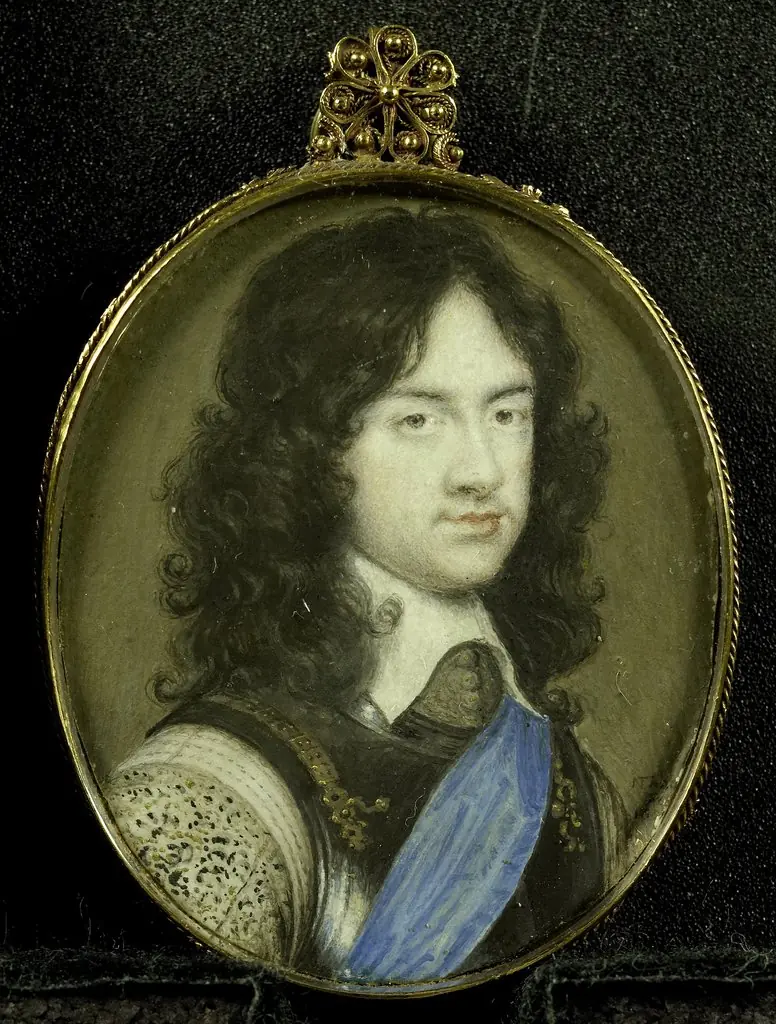 Portrait of Prince Charles Stuart of Wales
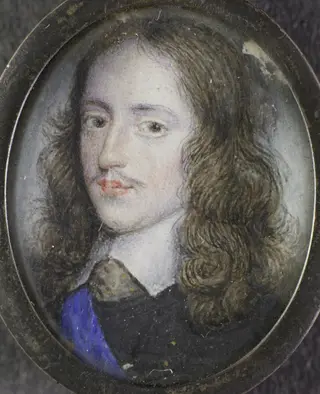 Willem II (1626-50), prins van Oranje
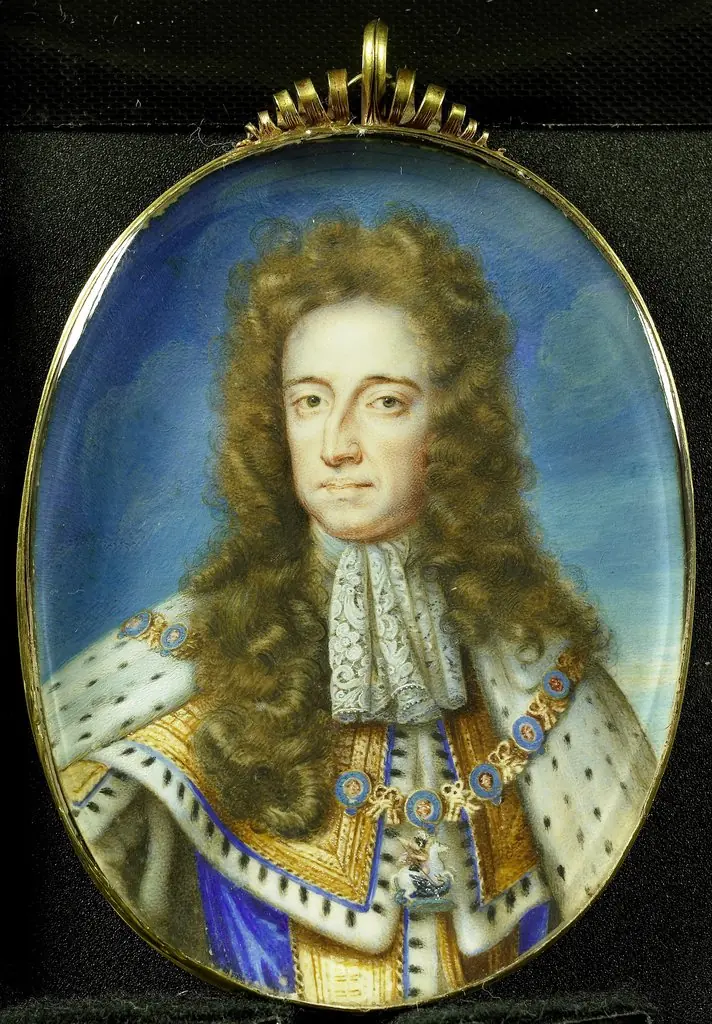 Portrait of William III of England (1650-1702)
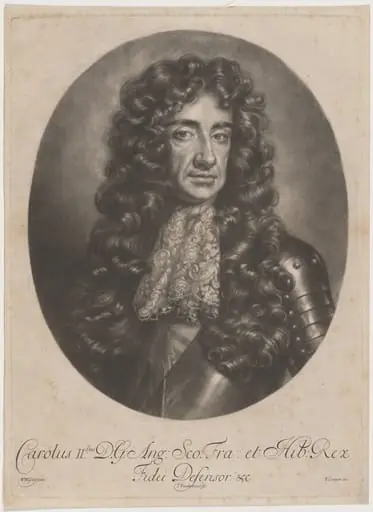 Charles II
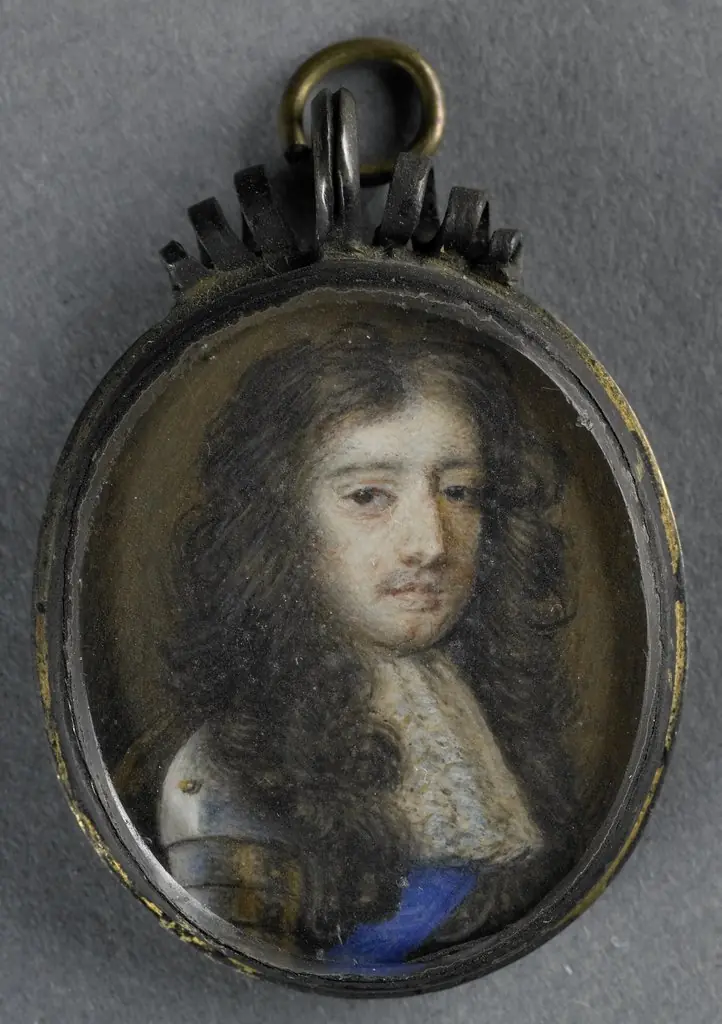 William III
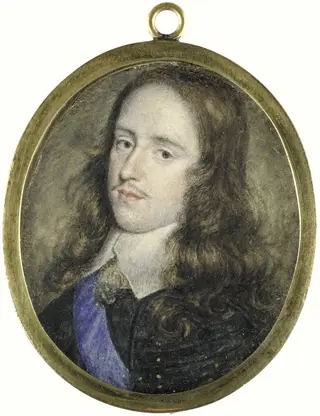 Portrait of Willem II van Oranje- Nassau (1626-1650)
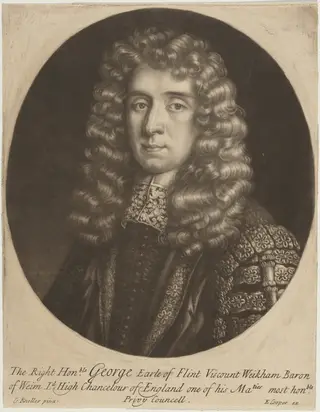 George Jeffreys, Earl of Flint, Viscount Weikham
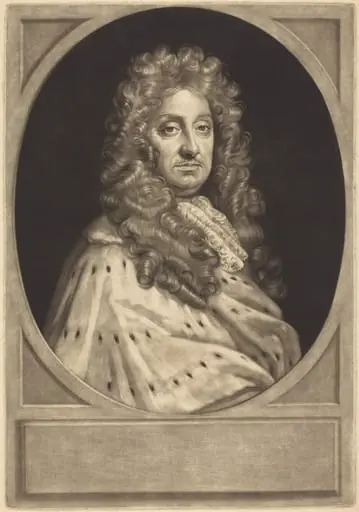 John Hay, Earl of Tweeddale
 Portrait of Charles II Stuart (1630-1685)